

A dark yet compassionate comedy of art aspirations and friendships come to naught. First published in 2003, Gary Indiana’s turn-of-the-millennium novel traces the lives of a loosely connected group of New York artists and the dissolution of their scene. During the summer of 2001, the narrator of Do Everything in the Dark, a gallery curator, receives intermittent dispatches from his far-flung friends—many of whom resemble well-known figures in the art and intellectual worlds—who are spread out across the globe, from Istanbul to Provincetown to Santa Fe. Seeking various reprieves from a changed New York, the long-festering, glossed-over incompatibilities of these aging bohemians blossom into exotic and unbearable relief. Beneath the contemporary excesses Indiana chronicles, we can see the outlines of the earlier New York bohemia captured by Dawn Powell. Arguably Indiana’s most intimate, internal, and compassionate work to date, Do Everything in the Dark is a chilling chronicle of madness and failure, success and disappointment, and the many ways love dies in a world people find increasingly unlivable.
Gary Indiana Libros
Gary Indiana es un crítico y novelista cuyo trabajo ofrece una perspectiva aguda e incisiva sobre la cultura contemporánea y la psique humana. Su escritura profundiza en relaciones complejas y motivaciones ambiguas con un distintivo estilo. A través de sus textos, Indiana a menudo explora temas de identidad, deseo y la búsqueda de sentido en el mundo moderno. Sus ensayos y ficción presentan una reflexión original y provocativa de nuestros tiempos.



I Can Give You Anything But Love
- 240 páginas
- 9 horas de lectura
The long-awaited memoir from one of the most acclaimed radical writers in American literature. Described by the London Review of Books as one of “the most brilliant critics writing in America today,” Gary Indiana is a true radical whose caustic voice has by turns haunted and influenced the literary and artistic establishments. With I Can Give You Anything but Love, Gary Indiana has composed a literary, unabashedly wicked, and revealing montage of excursions into his life and work—from his early days growing up gay in rural New Hampshire to his escape to Haight-Ashbury in the post–summer-of-love era, the sweltering 1970s in Los Angeles, and ultimately his existence in New York in the 1980s as a bona fide downtown personality. Interspersed throughout his vivid recollections are present-day chapters set against the louche culture and raw sexuality of Cuba, where he has lived and worked occasionally for the past fifteen years. Connoisseurs will recognize in this—his most personal book yet—the same mixture of humor and realism, philosophy and immediacy, that have long confused the definitions of genre applied to his writing. Vivid, atmospheric, revealing, and entertaining, this is an engrossing read and a serious contribution to the genres of gay and literary memoir.
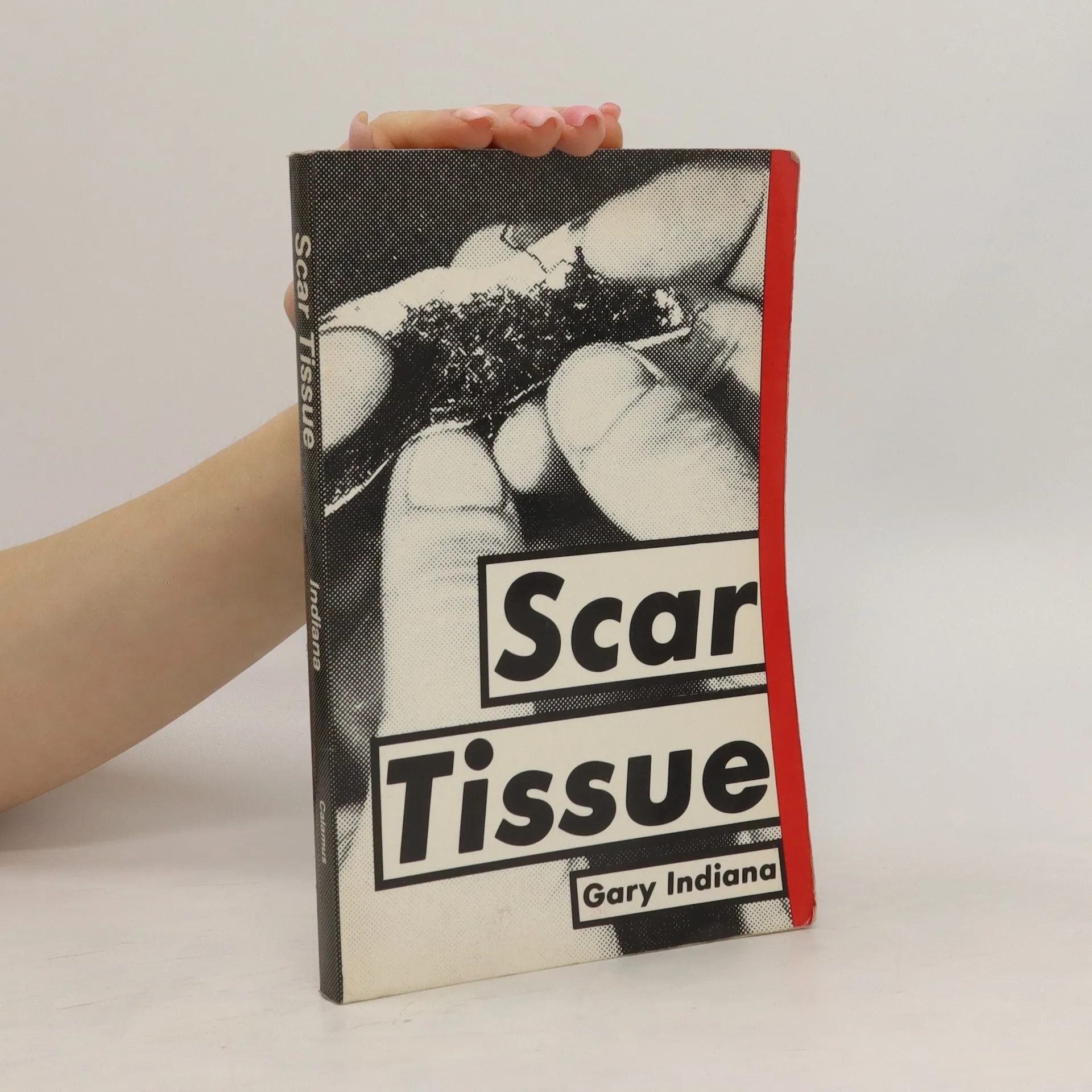
Scar Tissue
- 150 páginas
- 6 horas de lectura
From the Publisher: In the summer of 1962, Andy Warhol unveiled 32 Soup Cans in his first solo exhibition at the Ferus Gallery in Los Angeles-and sent the art world reeling. The responses ran from incredulity to outrage; the poet Taylor Mead described the exhibition as "a brilliant slap in the face to America." The exhibition put Warhol on the map-and transformed American culture forever. Almost single-handedly, Warhol collapsed the centuries-old distinction between "high" and "low" culture, and created a new and radically modern aesthetic. In Andy Warhol and the Can that Sold the World, the dazzlingly versatile critic Gary Indiana tells the story of the genesis and impact of this iconic work of art. With energy, wit, and tremendous perspicacity, Indiana recovers the exhilaration and controversy of the Pop Art Revolution and the brilliant, tormented, and profoundly narcissistic figure at its vanguard.