

Compra 10 libros por 10 € aquí!
Bookbot

Christoph Bluth

    The two Germanies and military security in Europe
    Britain, Germany, and western nuclear strategy
    Shadows of War
    Dilemmas of Human Rights and Security in Asia
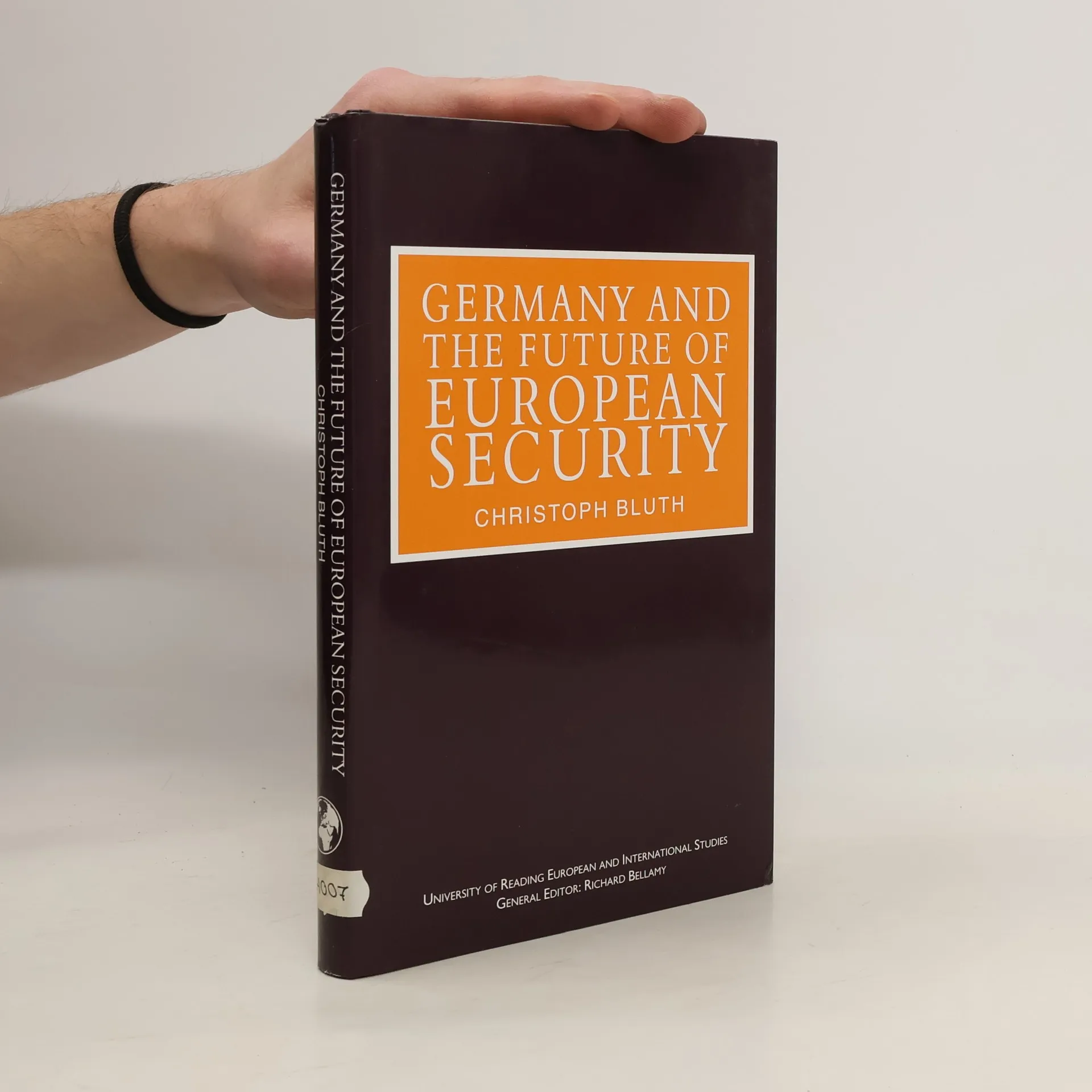
    Germany and the Future of European Security
    India-Pakistan Strategic Relations
    • India-Pakistan Strategic Relations

      The Nuclear Dilemma

      • 350 páginas
      • 13 horas de lectura

      "India and Pakistan have been in a state of persistent conflict that goes back to the very creation of these states after decolonization. This conflict has resulted in several wars and continuing armed clashes. After both states became nuclear powers, one would have expected a fundamental change in the way they wage war, since it is a fundamental principle of International Relations theory that nuclear-armed states do not go to war with each other. But the situation in South Asia seems to defy this principle. India's conventional superiority should be neutralized by Pakistan's nuclear capability, while Pakistan's risk-taking behavior should be reduced. But as a matter of fact, the situation has turned out quite differently: Although large-scale conventional wars have not occurred, the nuclear status seems to have encouraged conflict and risk-taking. The number of armed clashes rose. Bluth and Mumtaz scrutinize the atypical and seemingly paradoxical impact of nuclearization on the conflict between India and Pakistan, paying extra attention on the question of how stable this paradoxical strategic relation-ship is. They demonstrate that the dominant paradigm used in the International Relations literature is by far not adequate to explain the strategic relations between India and Pakistan and set to work on developing a more coherent explanation. A must-read for everyone interested in International Relations and conflict resolution research." --Amazon.com

      India-Pakistan Strategic Relations
    • Germany and the Future of European Security

      • 203 páginas
      • 8 horas de lectura

      Germany and the Future of European Security examines the impact of unification on German foreign and security policy, providing the first comprehensive analysis of how the unified Germany has adapted to the post-Cold War security environment. The book considers the development of Germany's understanding of the European security environment, Germany's national interests, its role in Europe and the international system and the policy instruments at its disposal. This provides a context for testing various views about the future of European security more generally.

      Germany and the Future of European Security
    • Dilemmas of Human Rights and Security in Asia

      • 260 páginas
      • 10 horas de lectura

      The book explores the complex causes behind significant refugee flows to Europe and North America, highlighting regional conflicts, global warming, and political repression. It delves into the security situations in Asia and the impact of transnational crime, including trafficking and human slavery. Aimed at volunteers and professionals, it serves as a valuable resource for understanding the dynamics of refugee migration and offers essential background information for those supporting affected individuals.

      Dilemmas of Human Rights and Security in Asia
    • Shadows of War

      Arms Control and the Military Confrontation in Central Europe During the Cold War

      • 164 páginas
      • 6 horas de lectura

      Focusing on the intricate negotiations of the Cold War, this book delves into the Mutual and Balanced Force Reductions (MBFR) aimed at mitigating the risk of war in Europe. Through groundbreaking archival research, it uncovers the true intentions and strategies of NATO and the Warsaw Pact during these discussions, revealing the underlying reasons for the eventual failure to reach an agreement. This work significantly enhances the understanding of the complexities surrounding Cold War history and the military dynamics at play.

      Shadows of War
    • This comprehensive account of post-World War II British and German policies towards nuclear weapons describes how these policies interacted in the context of alliance strategy.

      Britain, Germany, and western nuclear strategy
    • This original study based on documents, hitherto not discussed in literature of the Cold War, adds a significant new perspective to an important episode in Cold War History. The subject of this book is the policy of the two Germanies towards the talks on Mutual and Balanced Force Reductions (MBFR) in Europe during the 1970s. Negotiations on MBFR continued for a long time without progress. There has been much speculatuion about the motivations of the Eastern side. This book makes use of newly declassified files and, for the first time, reveals the true purposes and intentions of the Warsaw Pact in those negotiations.

      The two Germanies and military security in Europe