Compra 10 libros por 10 € aquí!
Bookbot

Norman L. R. Franks

    1 de enero de 1940 – 1 de enero de 2023
    Norman L. R. Franks
    Under the guns of the German aces
    The Red Baron's last flight
    Casualties of the German Air Service 1914-1920
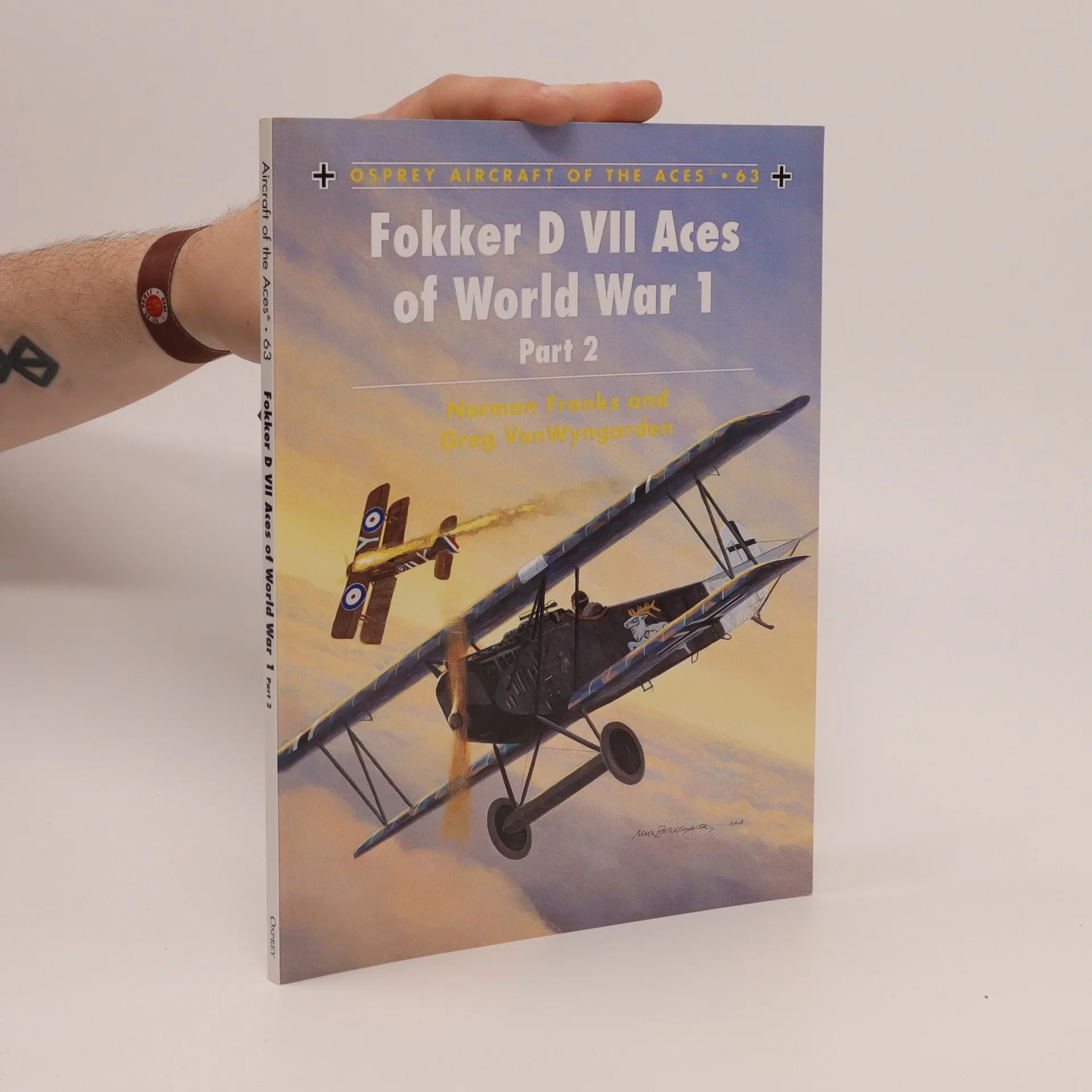
    Fokker D VII Aces of World War 1. Part 2
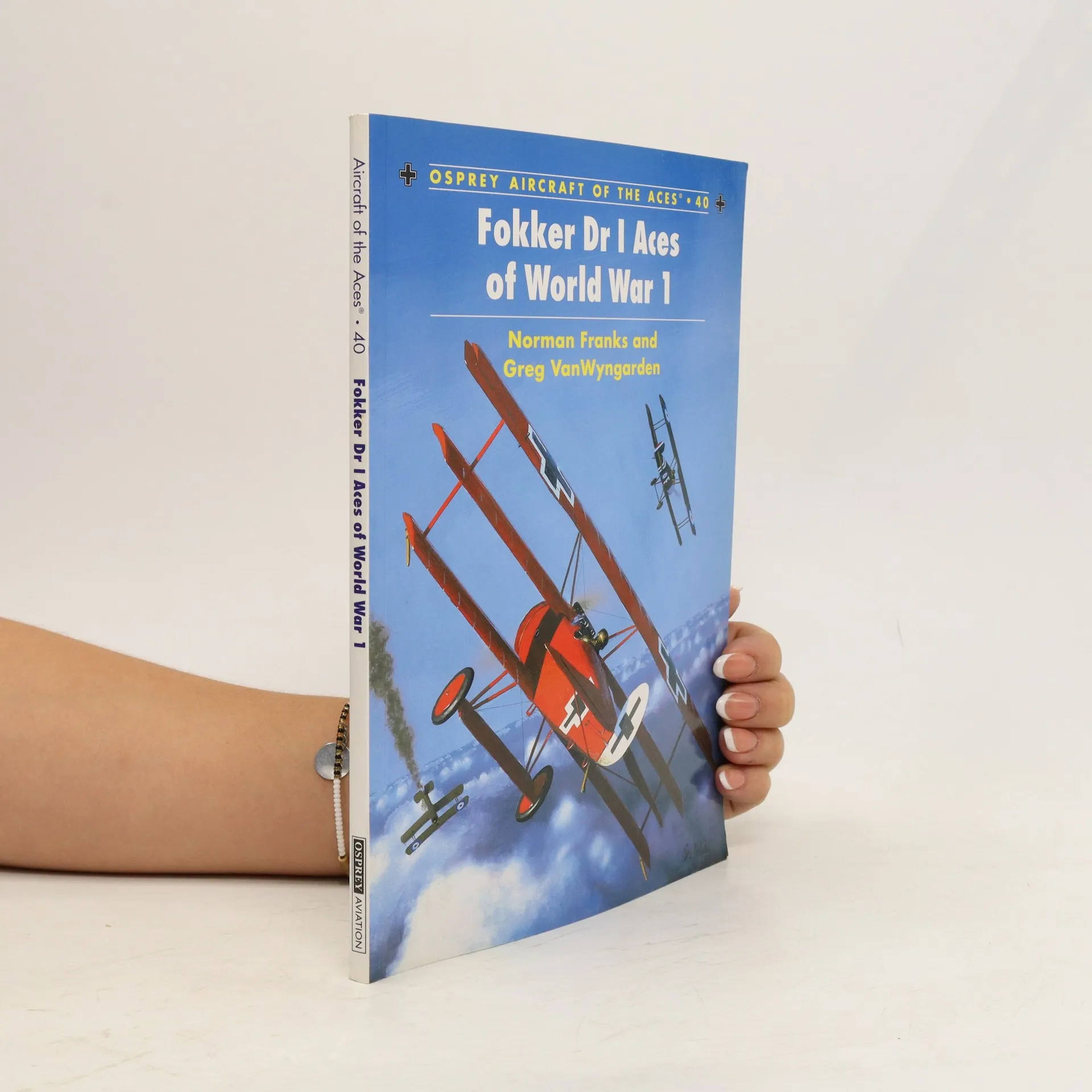
    Fokker Dr I aces of World War I
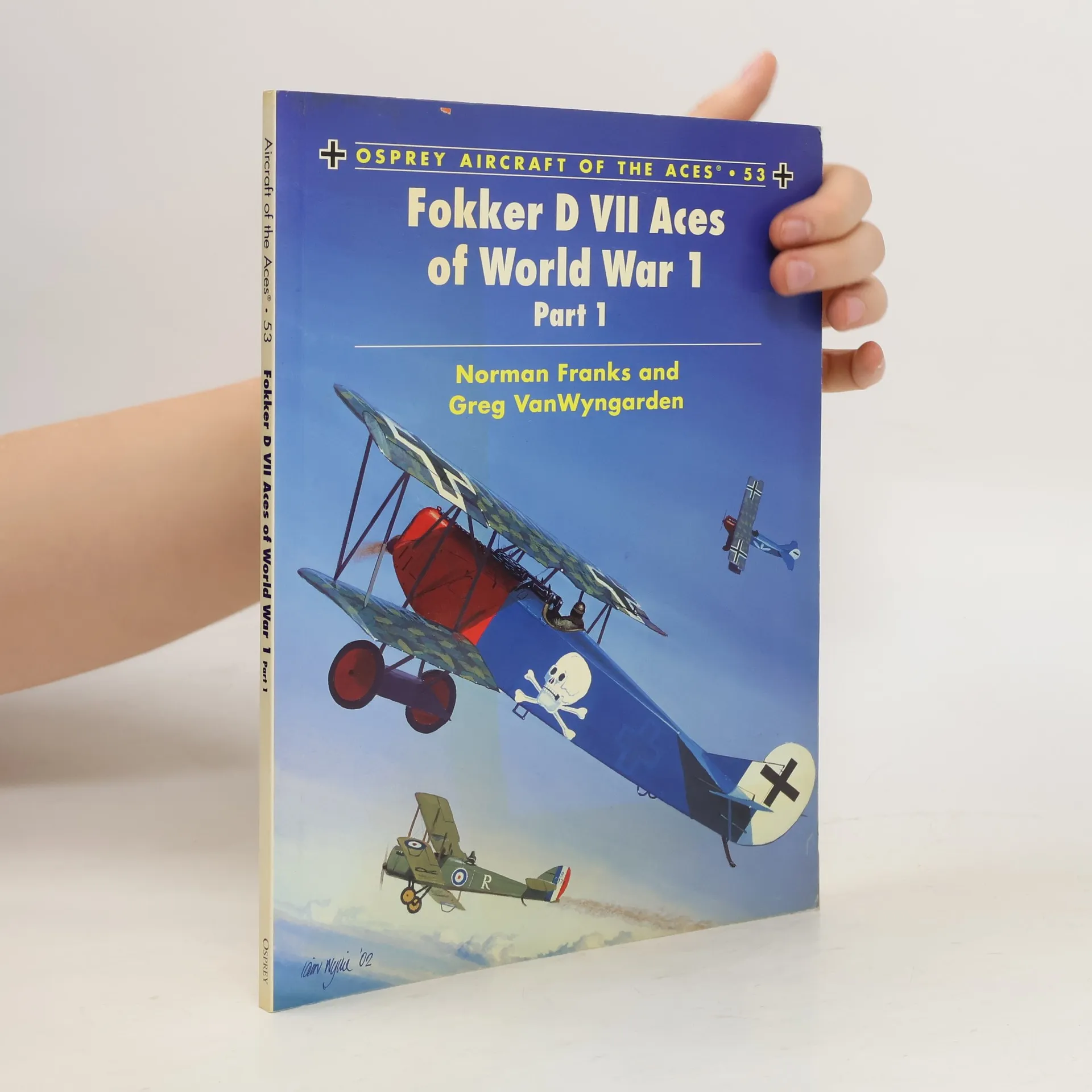
    Fokker D VII Aces of World War 1
    • Fokker D VII Aces of World War 1

      • 96 páginas
      • 4 horas de lectura

      Designed in a great rush at the end of 1917 just in time to take part in the German standard fighter competition held in January/February 1918, the D VII easily walked away with first prize. As Germanys premier fighter unit, von Richthofens JG I (led by Hermann Göring in the wake of the 'Red Baron's' recent death) received the first examples of the D VII to reach the frontline in late April. Built to oppose the new generation of French SPAD XIIIs and British SE 5as and Camel fighters, the D VII was arguably the best all-round fighting scout of the Great War.


      Fokker D VII Aces of World War 1
    • Fokker Dr I aces of World War I

      • 96 páginas
      • 4 horas de lectura

      Undoubtedly the most famous fighter type to see service on either side during World War 1, the Fokker Dr I was a revelation when it entered service on the western front in 1917. Manfred von Richthofen's JG 1 'circus' was the first Jasta to completely re-equip with the new fighter, and in the skilled hands of its numerous aces the Dr I proved a formidable opponent. The Dr I remained in service on the Western Front until replaced by the superior Fokker D VII in May 1918. Just weeks prior to that, however, Germany's leading ace, the great 'Red Baron', had been killed at the controls of a Dr I.

      Fokker Dr I aces of World War I
    • Volume 53 in this series covered Fokker D VII aces from the four elite Jagdgeschwadern of the German army, and this follow-on volume charts the story of the many aces who flew the famed fighter in other units committed to combat in the final months of World War 1. D VII operations covered the entire Western Front, from the North Sea to the Swiss border. In the latter half of 1918 the Fokker was not only the mainstay of the army Jagdstaffeln, but also the most potent fighter flown by home defence Kests and the pilots of the German navy in Flanders. The D VII easily proved the equal of the many British, French, Belgian and American aircraft it met in combat, and served in such roles as day bomber interceptor, 'balloon buster' and nightfighter. Though handicapped by a lack of fuel and other supplies as the German war machine fell apart, aces such as Sachsenberg, Degelow and Rumey utilised the D VII to rack up impressive scores against consistently superior odds.

      Fokker D VII Aces of World War 1. Part 2
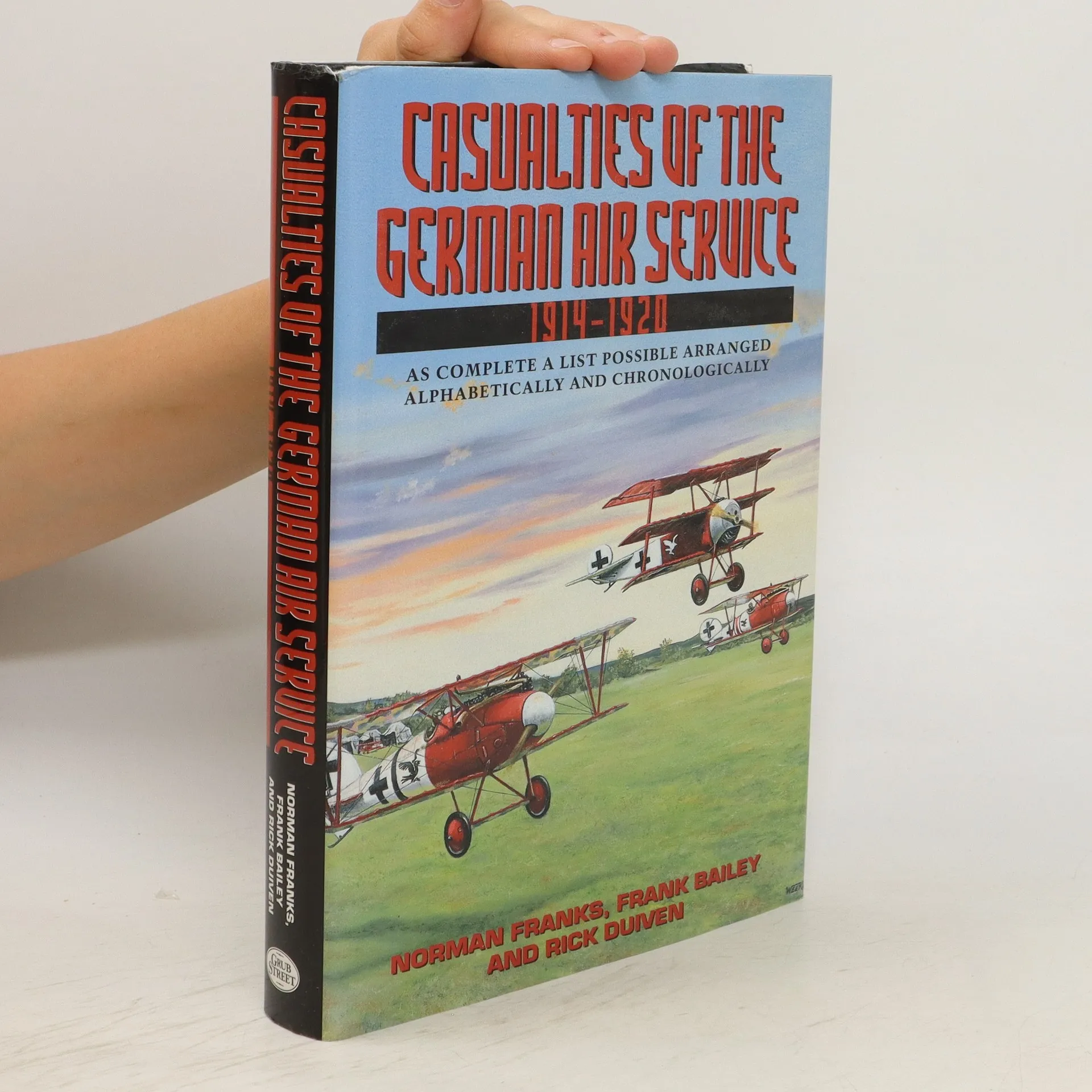
    • A chronological A-Z reference of casualties of the German Air Service from 1914-20. Cross references can be made and all deaths are listed, whatever the cause. In addition, the date and place of birth of each airman is given, together with his place of death, first name(s) and rank.

      Casualties of the German Air Service 1914-1920
    • The Red Baron's last flight

      • 128 páginas
      • 5 horas de lectura

      Much has been written about Manfred von Richthofen's last flight and combat on the morning of April 21st 1918, and much controversy remains to this day. Both authors have travelled to the sight of Richthofen's final crash, studied the landscape and have discovered what many eye-witnesses of the time could see, and more importantly, what they could not have seen.During research for "Under the Guns of the Red Baron", a file of letters written by eye-witnesses to von Richthofen's crash, dated in the 1930s, was discovered. These letters were written many years before later reports became clouded in the mists of time.The final result is a detailed account of von Richthofen's last flight in which he persued a Sopwith Camel across the allied front line, and ended in a mortal wound from a single bullet.

      The Red Baron's last flight
    • Under the guns of the German aces

      • 224 páginas
      • 8 horas de lectura

      Four distinguished German air aces of World War I, and their battles with Allied airmen are profiled in this book. Max Immelmann, the Eagle of Lille accounted for 17 British and French aeroplanes, Werner Voss's victories amounted to 48, thirdly the infamous Herman Goring, who gained 22 victories, and finally Lothar Von Richthofen, younger brother of the Red Baron. All four men received Germany's highest award for bravery in action, the famed Blue Max. In total 124 victories are recorded and analyzed in detail, and there are in-depth personal portraits of the men who were unlucky enough to find themselves under the guns of these deadly German aces.

      Under the guns of the German aces
    • Under the guns of the Red Baron

      • 256 páginas
      • 9 horas de lectura

      This is an up-to-date reference book covering the 123 men Baron Manfred von Richthofen is reputed to have brought down while amassing his score of 80 victories over Allied aircraft between September 1916 and April 1918.

      Under the guns of the Red Baron
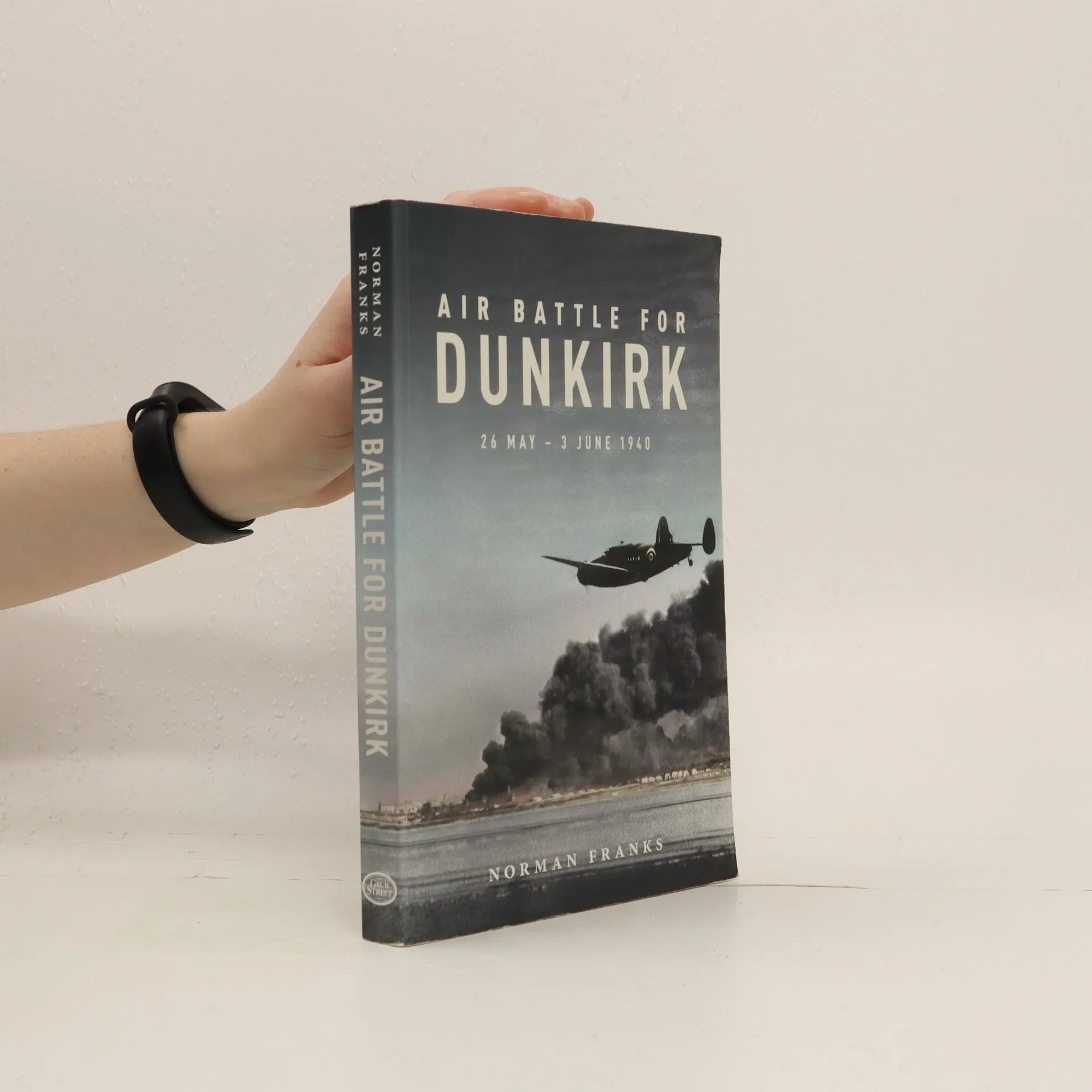
    • With the epic blockbuster film Dunkirk, to be released in July 2017, directed by Christopher Nolan and starring, amongst others, Kenneth Branagh, Tom Hardy and Mark Rylance, this reissue has never been more timely. 'Where is the RAF?' was the oft-quoted question asked by soldiers waiting on the beach at Dunkirk, to where they had retreated following the German blitzkrieg through northern France, and where they were now being pounded by the Luftwaffe. The air forces were there, as Norman Franks proves, detailing the outstanding achievements of the Allied pilots who fought, using outmoded tactics, against enemy pilots who had earlier had easy victories over the Polish, Dutch and Belgian air forces. The RAF's achievement reminds us just how close Britain came to disaster in June 1940.

      Air battle for Dunkirk: 26 May - 3 June 1940
    • Sopwith Triplane Aces of World War 1

      • 96 páginas
      • 4 horas de lectura

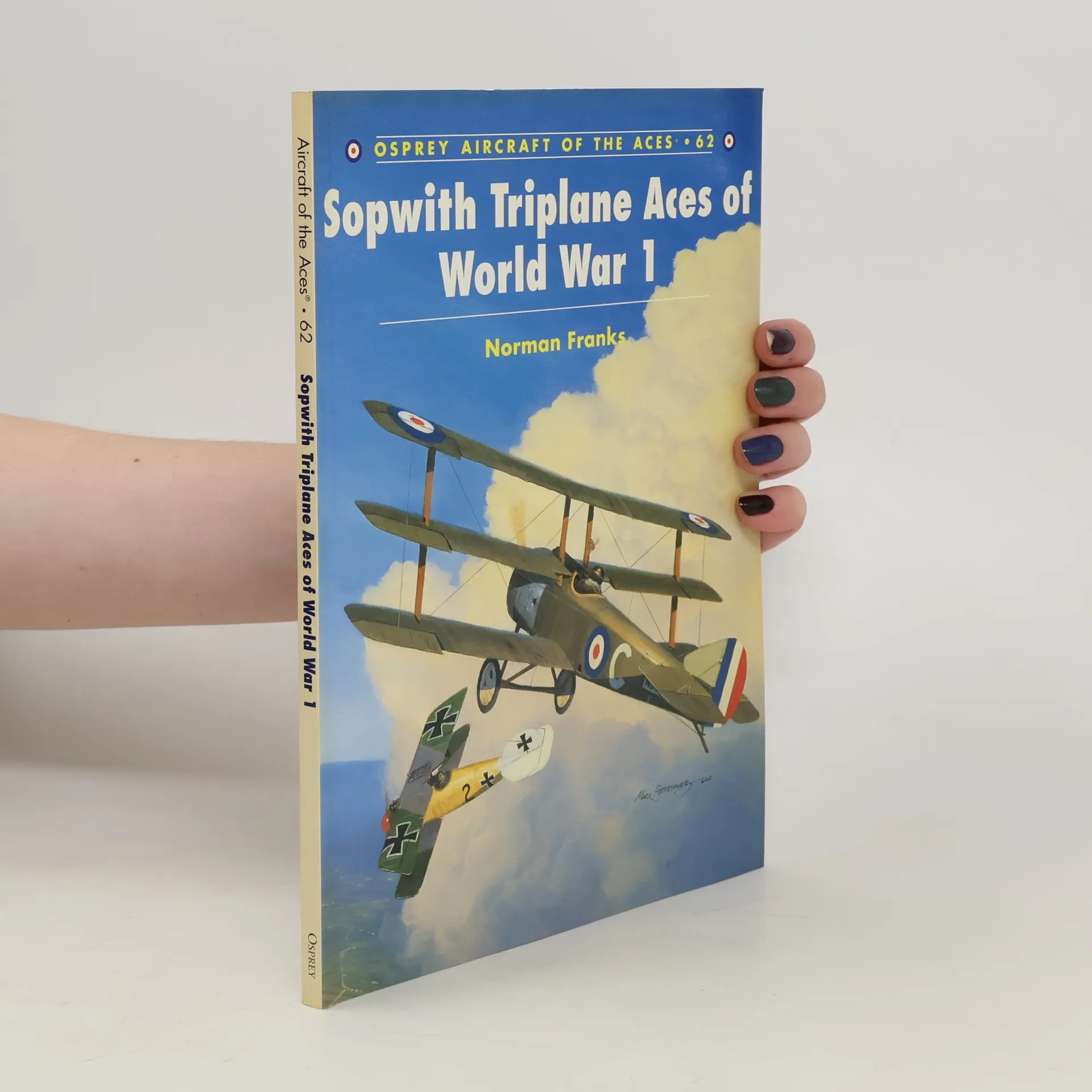
      The inspiration behind the iconic Fokker Dr I, Sopwith's Triplane was built as a replacement for the company's hugely successful, and much loved, Pup. Thanks to its massive wing area, the revolutionary Triplane boasted an unmatched rate of climb and greatly improved manoeuvrability. Indeed, when the type made its combat debut in late 1916, the Triplane could easily out-fight any other aircraft operated by either side. Used exclusively by the Royal Naval Air Service and the French Navy, theTriplane had a far greater impact on the aerial war over the Western Front than its meagre production numbers really deserved. Pilots such as Ray Collishaw, Bob Little and Roderic Dallas all enjoyed success in the bloody struggle for aerial supremacy over the Western Front in 1917. The first volume in print devoted exclusively to Triplane aces, this book includes numerous first-hand accounts, detailed appendices, more than 90 rare photographs and over 40 all-new colour profiles and planforms.

      Sopwith Triplane Aces of World War 1
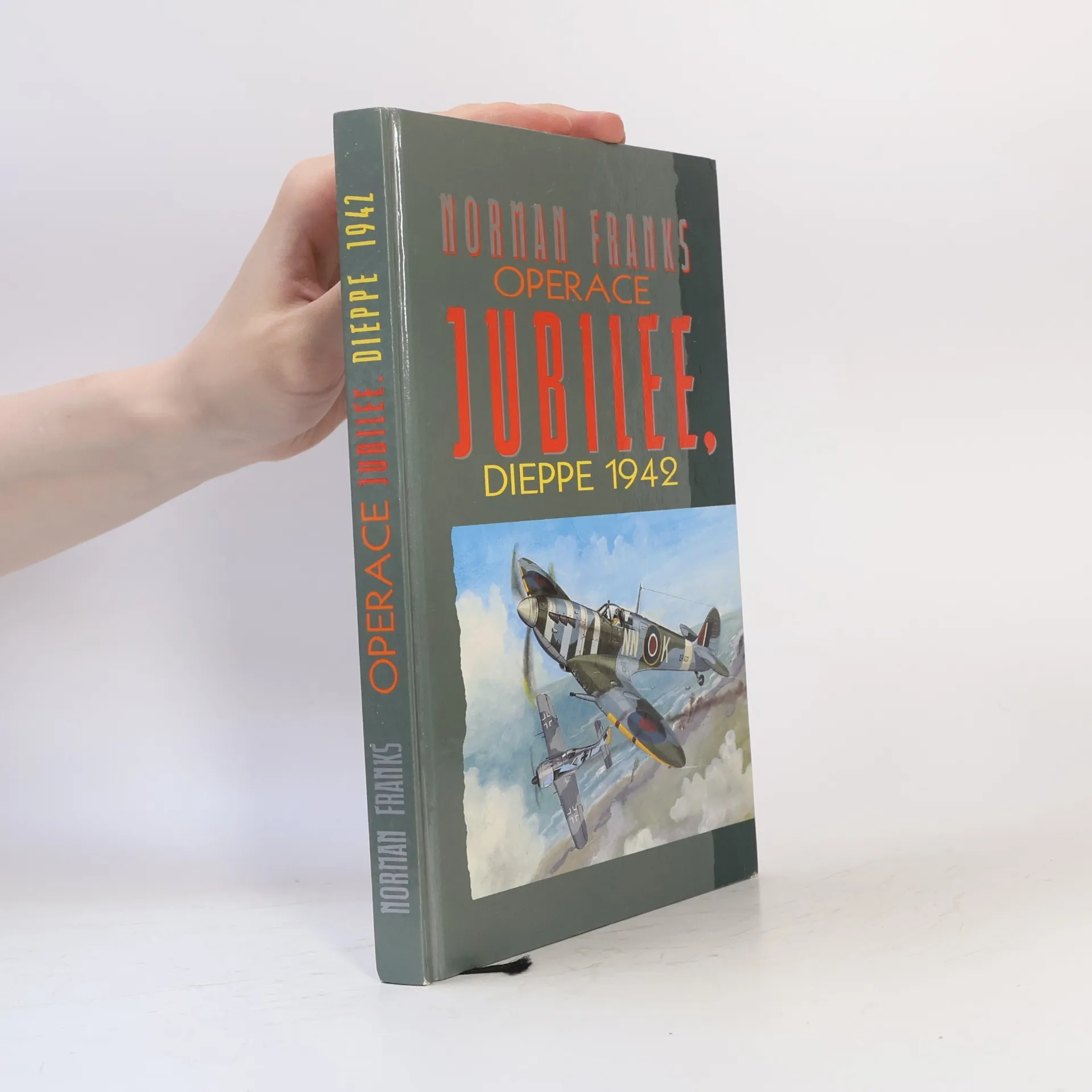
    • The German Jastas were formed as dedicated hunting units, and to protect their own two-seater aircraft while attacking enemy planes. Because of these roles, the Jasta units saw more action than any other group in the war. Following on from "Jasta Pilots", the same team of authors have compiled this volume which gives a complete breakdown in date order of the claims and losses since the Jasta squadrons were formed in the late summer of 1916.

      The Jasta War Chronology