In einem Gespräch mit Bernard Stiegler untersucht Derrida die Auswirkungen neuer Medientechnologien auf unsere Wahrnehmung von Realität. Er thematisiert die Direktübertragung von Bombenabwürfen und den Wechsel von analogem zu digitalem Bild, was die Glaubwürdigkeit der visuellen Darstellung und unser Verhältnis zur Realität infrage stellt.
Bernard Stiegler Orden de los libros (cronológico)
1 de abril de 1952 – 5 de agosto de 2020
Bernard Stiegler es un filósofo cuyo trabajo interroga la compleja relación entre tecnología, tiempo y experiencia humana. Explora cómo los avances tecnológicos dan forma a nuestra comprensión de nosotros mismos y de nuestro lugar en el mundo, instando a un compromiso crítico con las herramientas que definen la existencia moderna. Las indagaciones filosóficas de Stiegler profundizan en la naturaleza misma de la memoria, el conocimiento y el futuro de las generaciones, ofreciendo profundas reflexiones sobre los desafíos y las posibilidades de nuestra era digital.


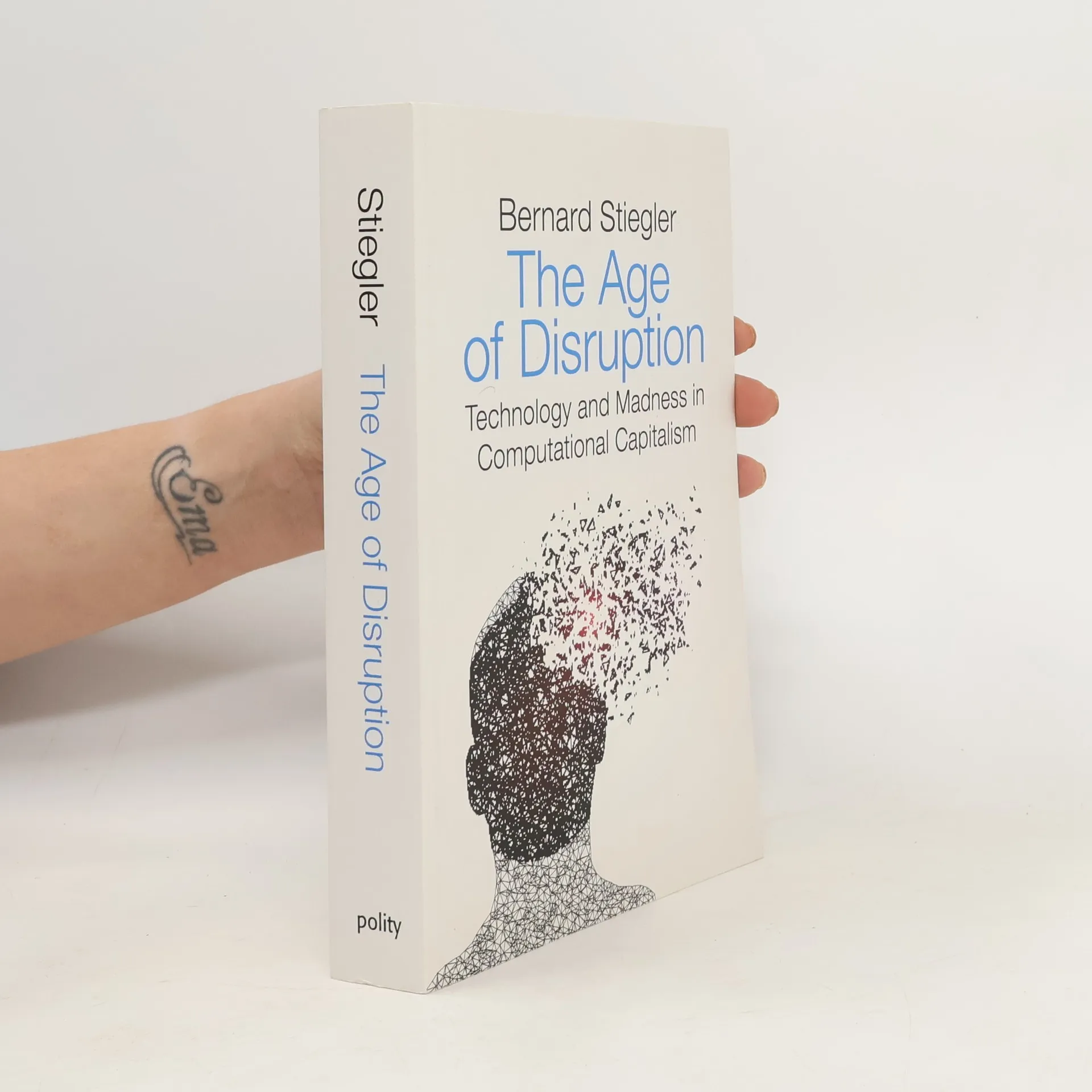
The Age of Disruption
- 380 páginas
- 14 horas de lectura
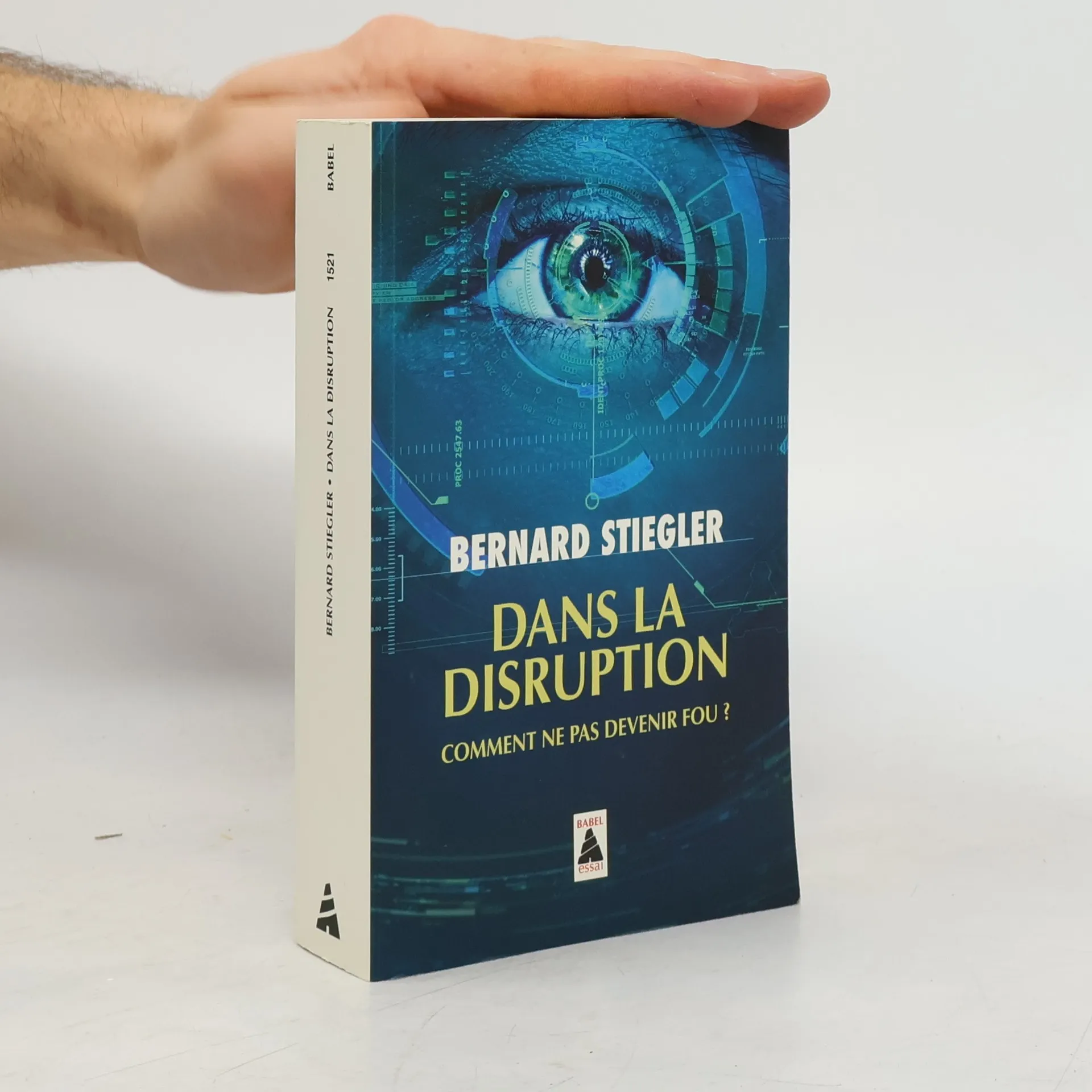
Half a century ago, Adorno and Horkheimer presciently noted that our increasingly rationalized world was giving rise to a new form of barbarism, exacerbated by the culture industries. They could not foresee that the digital revolution and its pervasive automation would amplify these developments, leading to a profound loss of reason and purpose. Individuals today are inundated with vast amounts of digital information and rapid digital flows, creating a chaotic environment where they feel powerless and driven to madness by their lack of agency. In this major work, Bernard Stiegler posits that we must recognize our current era as one of deep disruption and detachment. He argues that we are experiencing an absence of epokhe, meaning we have lost our way in thinking and being. Drawing from his own life experiences, including battles with depression and time in prison, Stiegler advocates for a new epokhe rooted in public power. He emphasizes the need to create new circuits of meaning beyond established algorithmic paths. Only then can we cultivate forms of thought and life that restore meaning and aspiration. The book concludes with a dialogue between Stiegler and Jean-Luc Nancy, making it a significant read for students and scholars in social and cultural theory, media studies, philosophy, and the humanities.
What Makes Life Worth Living
- 200 páginas
- 7 horas de lectura
In the aftermath of the First World War, the poet Paul Valery wrote of a crisis of spirit , brought about by the instrumentalization of knowledge and the destructive subordination of culture to profit. Recent events demonstrate all too clearly that that the stock of mind, or spirit, continues to fall.
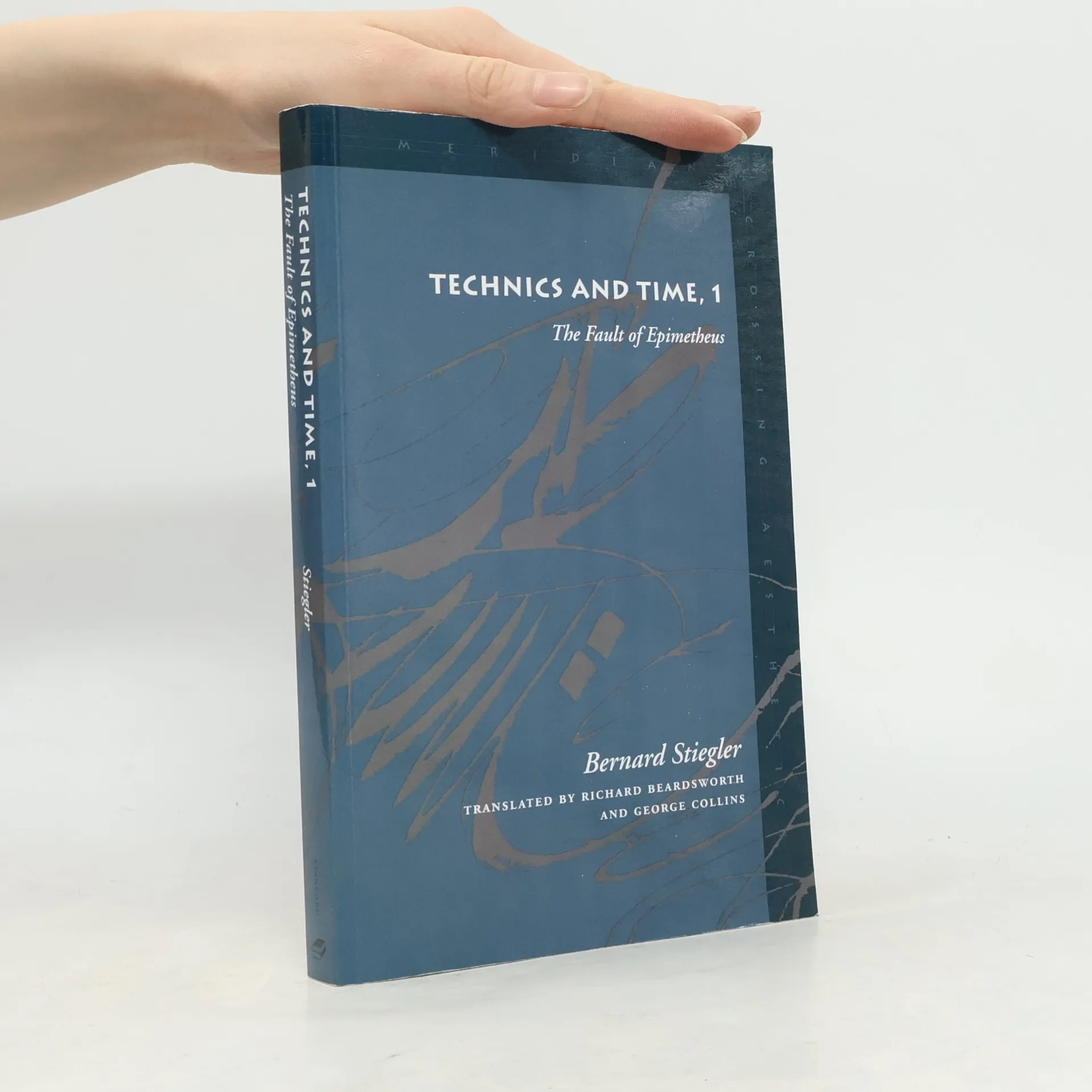
Technics and Time, 3 furthers Stiegler's critique of technics, working (back) through Kant in order to examine the nature of cinematic time relative to phenomenology and hypertechnology.
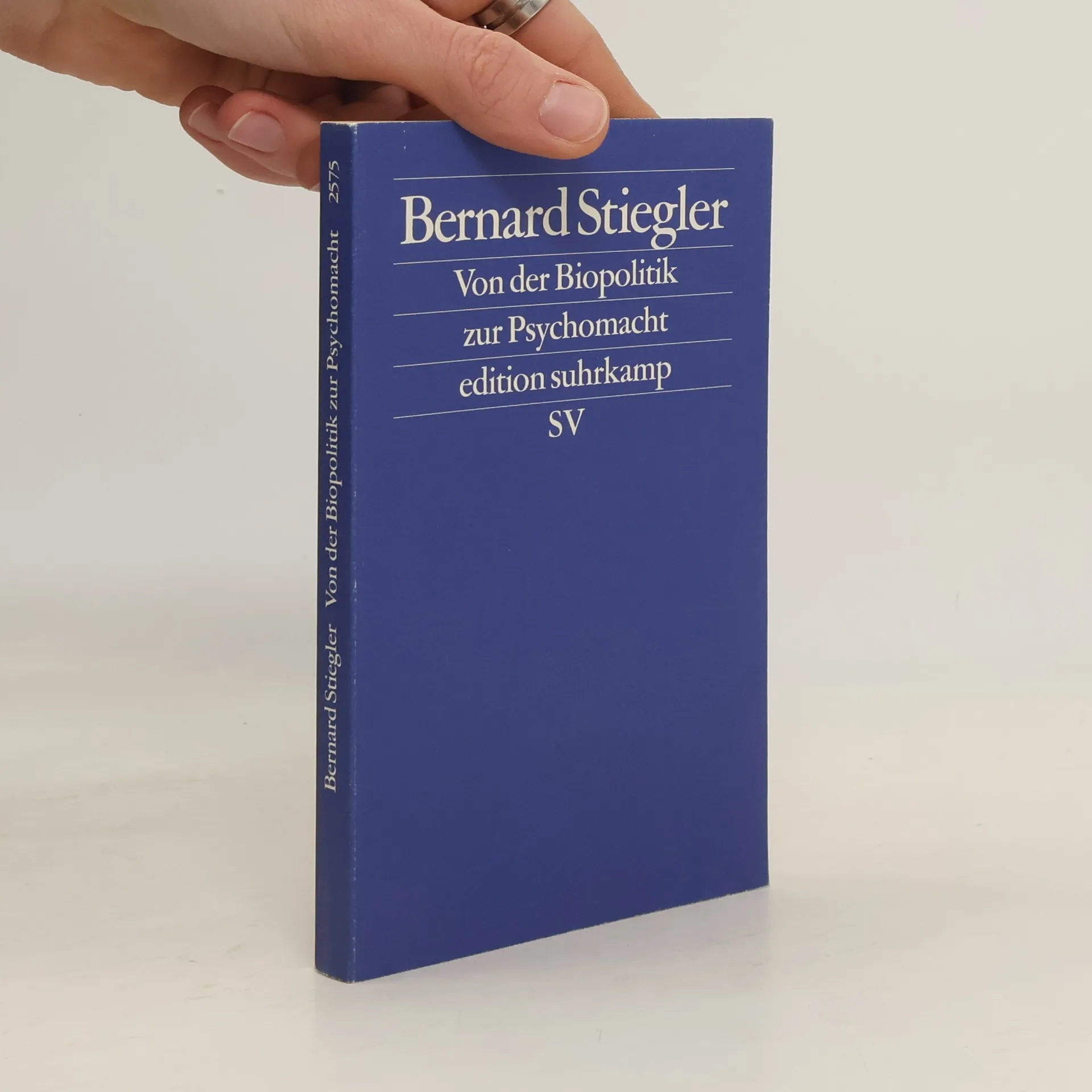
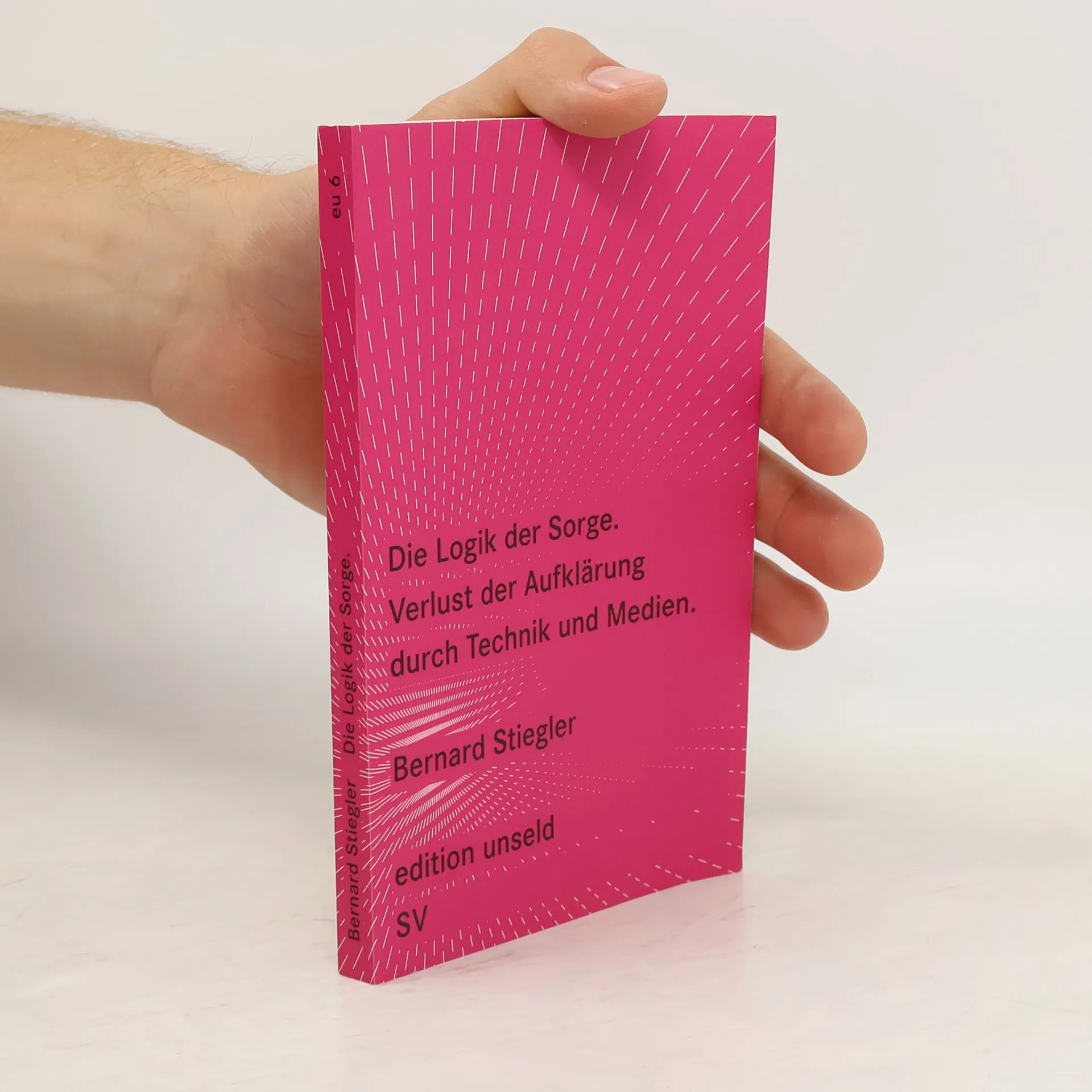
Logik der Sorge 2. Von der Biopolitik zur Psychomacht
- 203 páginas
- 8 horas de lectura
Seit der Aufklärung gilt das Idealbild vom mündigen Individuum, das Verantwortung für sein Handeln trägt. Durch die Übermacht der neuen Medien und den globalen Kapitalismus wird jedoch die Fähigkeit, Verantwortung zu übernehmen, systematisch zerstört. Auch Erwachsene sind tatsächlich keine mündigen Individuen, sondern verharren in einem Zustand der Unreife, der es ihnen unmöglich macht, die jüngere Generation zu Verantwortungsbewußtsein zu erziehen. Ein Generationenvertrag wird aufgelöst und das Leben auf das Lustprinzip, die bloße Gegenwart, reduziert, somit wird Vergangenheit ausgelöscht und eine Zukunft nach den Idealen der Aufklärung aussichtslos. Die Folgen sind eine Infantilisierung der Gesellschaft, strukturelle Verantwortungslosigkeit und eine durch manipulative Medien verursachte gesamtgesellschaftliche Aufmerksamkeitsstörung. Bernard Stieglers Hauptinteresse gilt dem Zusammenhang von Kultur und Technik und den Veränderungen der Gesellschaft durch Medien und Digitalisierung. Der Autor klagt die Medien an, die in ihrer Funktion als „Psychotechnologien“ ein triebgesteuertes Publikum heranzüchten, das nicht mehr Sorge tragen kann und soll – Sorge um das Selbst, die Familie, die Umwelt und auch die Sorge, wie sie sich in der mündigen Kritikfähigkeit äußert. Marketing wird zum alleinigen Instrument der Sozialkontrolle, die Telekratie ersetzt die Demokratie.
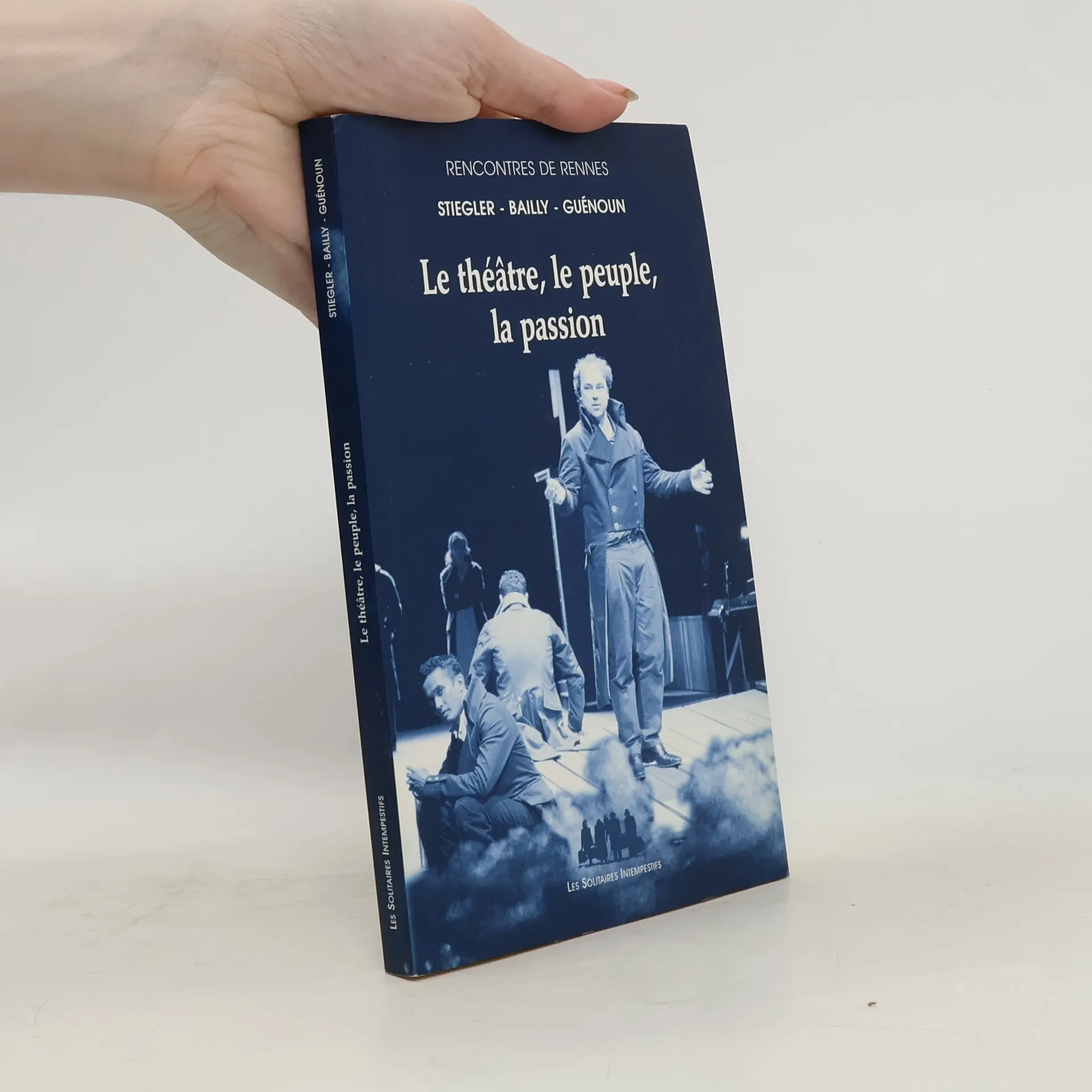
Présente les trois communications principales de cette rencontre tenue le 12 novembre 2005 dans le cadre du festival Mettre en scène. Elles s'interrogent notamment sur l'évolution des rapports entre l'espace de la scène et le politique à une époque où le théâtre et la création sont remis en question.
Aristotle contrasted beings formed by nature with man-made objects, which did not have the source of production within themselves. This book, the first of three volumes, develops an innovative assessment whereby the technical object can be seen as having an essential, distinct temporality and dynamics of its own.