
Bookbot

Colin Wilson

    26 de junio de 1931 – 5 de diciembre de 2013

    Colin Wilson fue un autor británico que alcanzó la fama por su obra temprana, que examinaba el papel del 'outsider' social en las obras de figuras literarias y culturales clave. En sus escritos posteriores, Wilson exploró los aspectos positivos de la psicología humana, como las experiencias cumbre y las limitaciones de la conciencia. Criticó duramente el enfoque existencialista en la derrota o la náusea como una visión incompleta de la realidad. Wilson postuló que nuestros mayores momentos de alegría y significado son tan reales como los sentimientos de angustia, y que vivir plenamente requiere trascender la conciencia ordinaria y 'limitada'.

    Colin Wilson
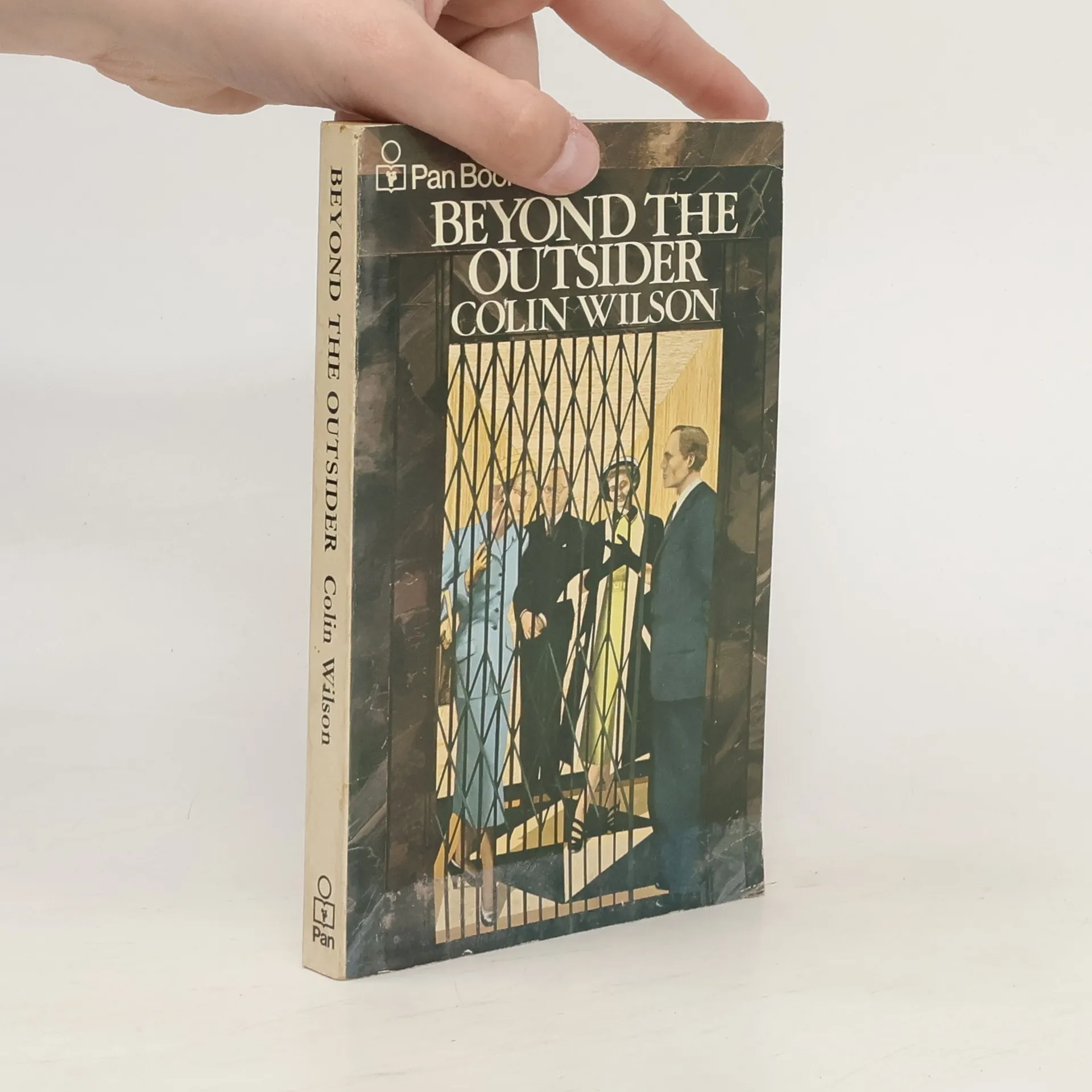
    Beyond the Outsider
    True Crime
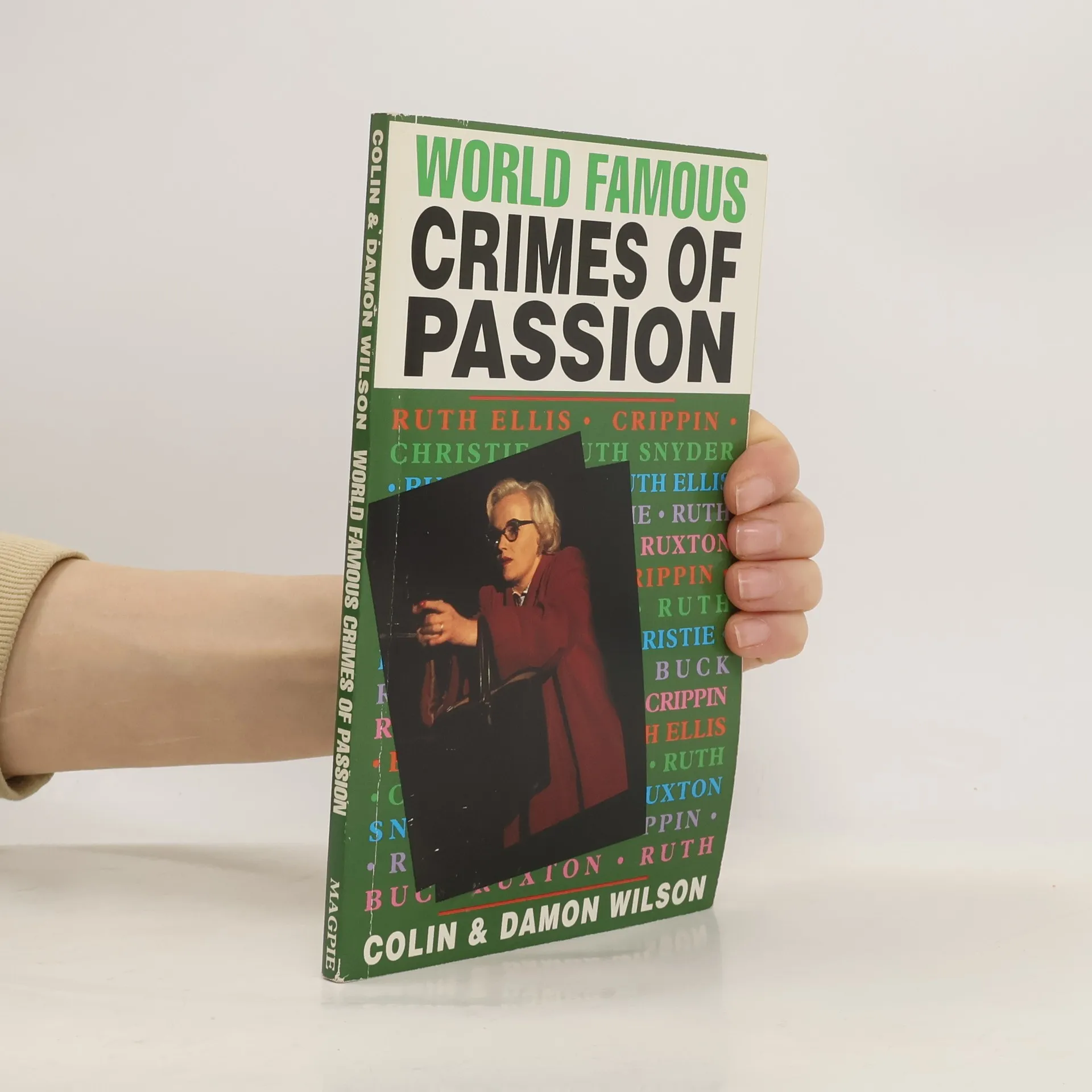
    A Criminal History of Mankind
    Beyond the Occult
    Dark Dimensions
    Carl G. Jung
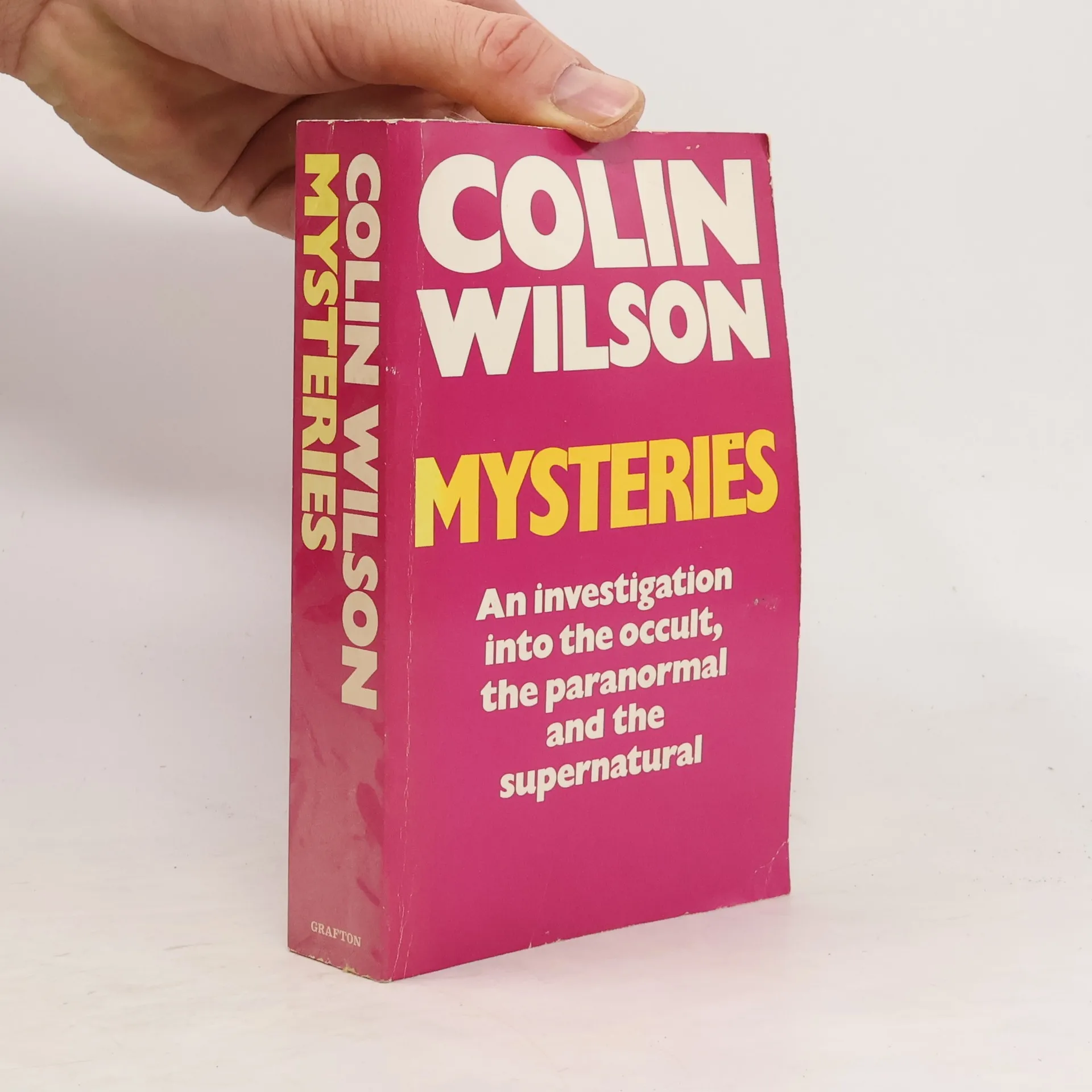
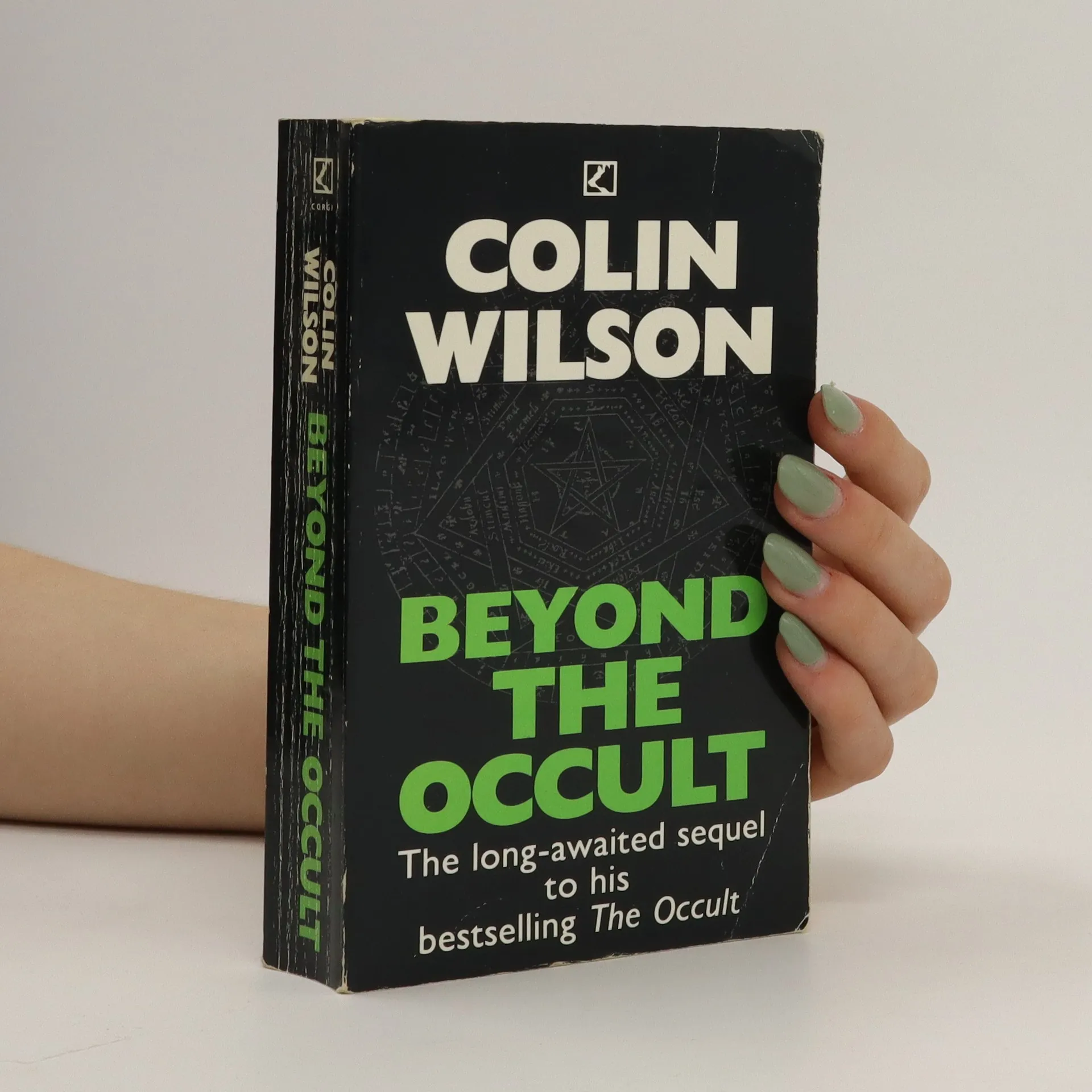
    • UNEXPLAINED PHENOMENA / THE PARANORMAL. Wilson re-examines the whole spectrum of the mystical and paranormal, producing a general occult theory that is as convincing and powerful as the evidence for the existence of atomic particles. A huge amount of new material has come to light in the past two decades, revealing new perspectives on many aspects of this crucially important subject. Linking fascinating glimpses into the realm of the paranormal with scientific thinking on the nature of 'physical' reality, he begins his study with the powers of the human mind: ESP, clairvoyance, psychometry, precognition, psychokinesis and dowsing.He then moves on to consider the more mysterious topics - poltergeists, spirit possession and reincarnation - that have convinced him of the reality of disembodied spirits. In "Beyond the Occult" Colin Wilson puts forward a powerful case that our so-called 'normal' experience may in fact be subnormal.

      Beyond the Occult
    • At the age of twelve, I stumbled upon a collection of magazines in a secondhand bookshop, including H. G. Wells’s Outline of History. The captivating illustrations of prehistoric creatures and ancient civilizations sparked a profound fascination with world history. This excitement echoed the enchanting feeling children experience when they hear, “Once upon a time...” Years later, I encountered a condensed version of Wells’s work, which included a perplexing postscript titled “Mind at the End of Its Tether.” Written after World War II, it conveyed a disheartening view that humanity, or Homo sapiens, had reached its end. This stark contrast to the uplifting conclusions of earlier editions, which expressed hope for mankind’s future and the potential for peace through global cooperation, left me frustrated. I later asked a friend of Wells, biblical historian Hugh Schonfield, about this shift in tone. He suggested that Wells had once believed he possessed the solutions to humanity's problems but became disillusioned when he realized that no one shared his vision. This journey through Wells’s evolving perspective on history and humanity's fate continues to resonate, highlighting the complexities of our existence and the challenges we face.

      A Criminal History of Mankind
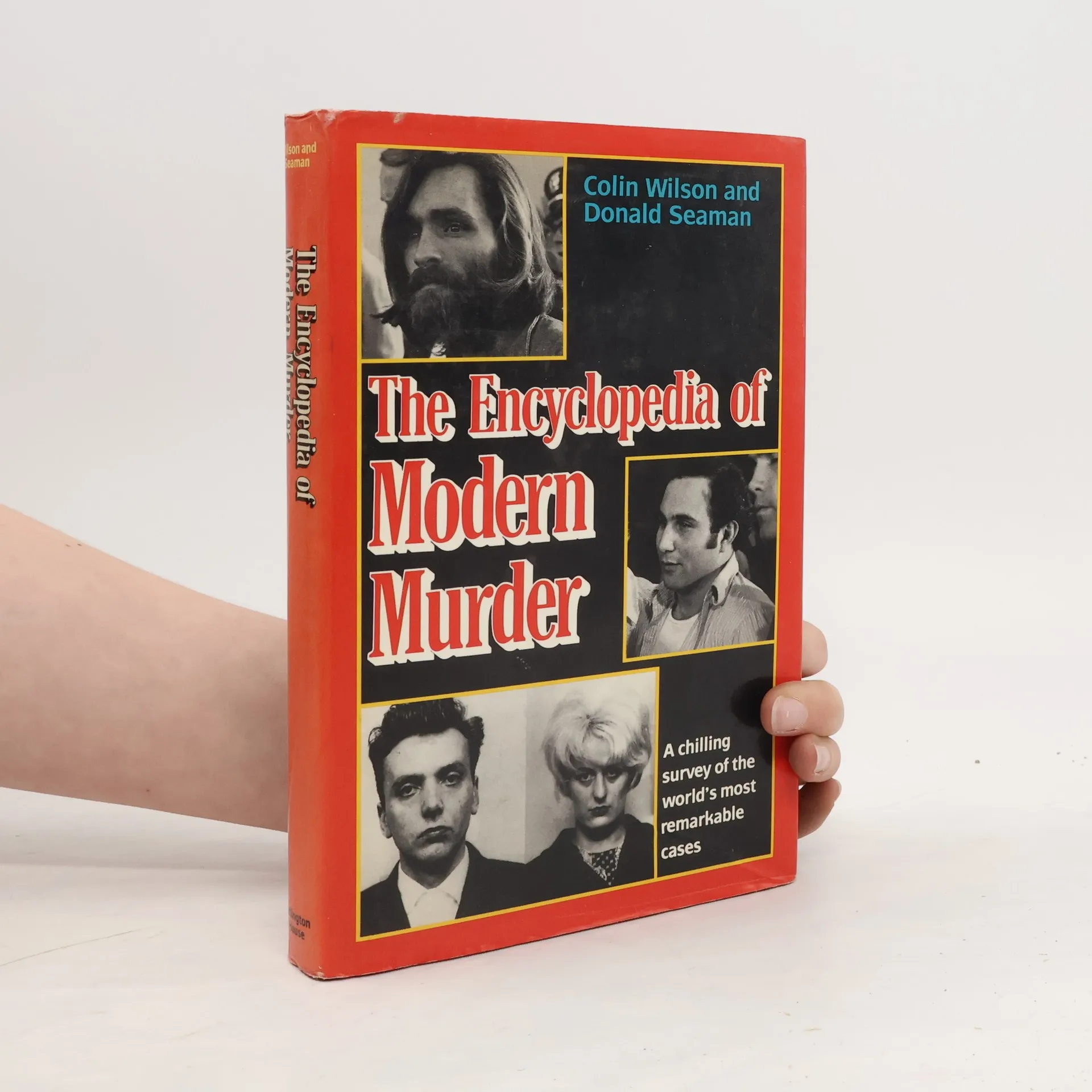
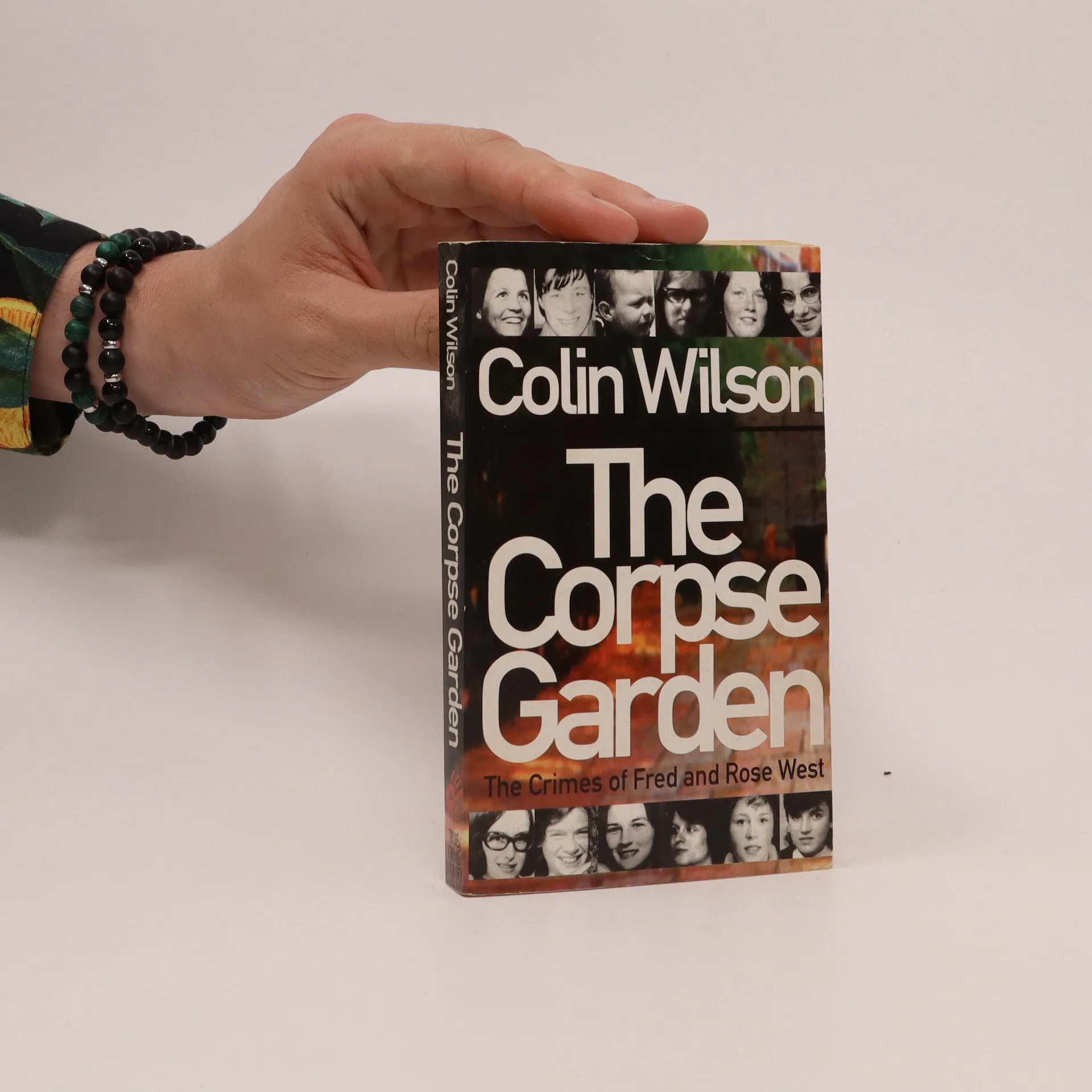
    • A description and analyses of some of history's most infamous crimes and their perpetrators; the Moors murderers, the Lindbergh baby case, the death houses of 10 Rillington Place and 25 Cromwell Street, and many more horrors from the dark side of the human soul.

      True Crime
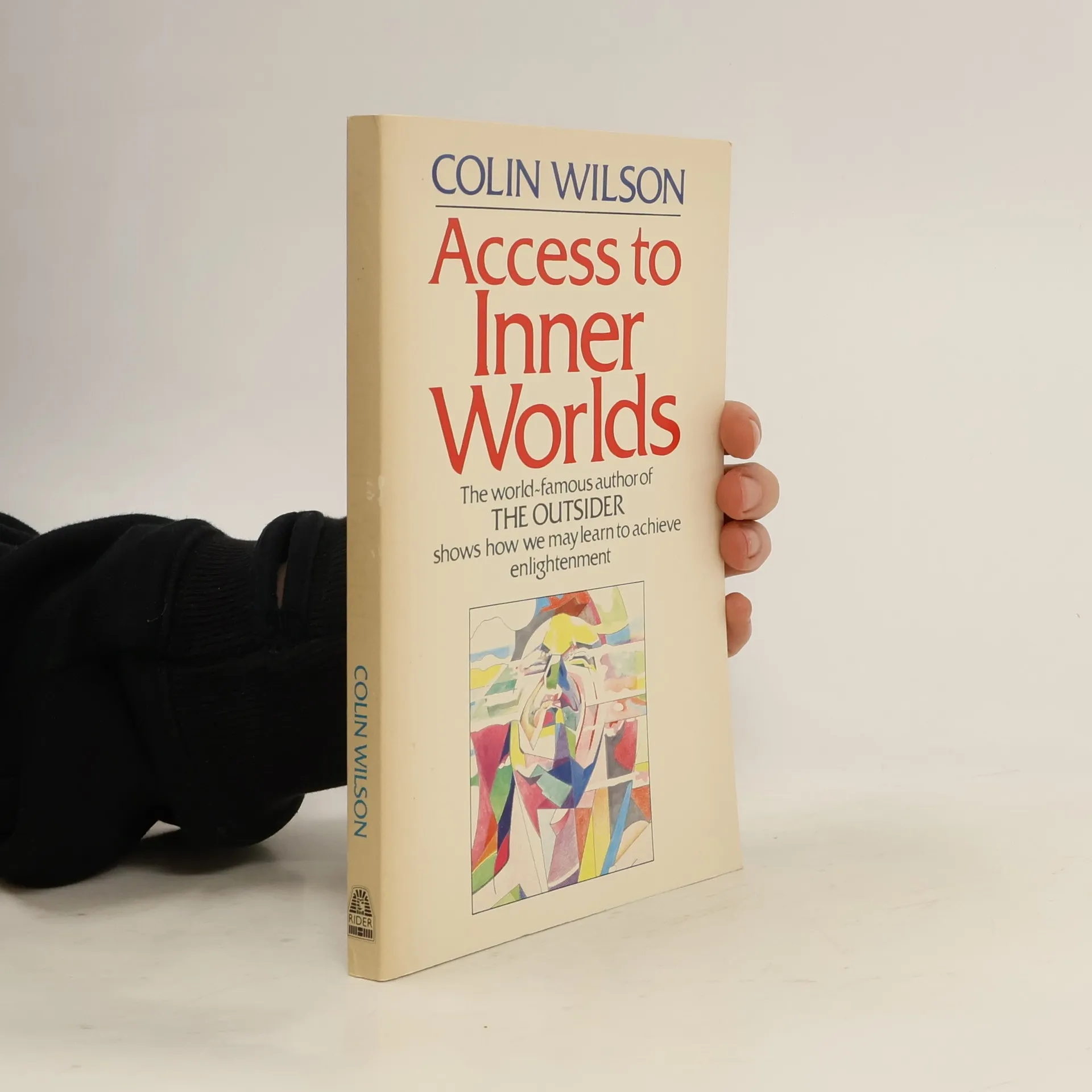
    • In the 6th & last book of the Outsider series, Colin Wilson attacks the doom prophets of existentialism with a different, more accurate philosophy. He notes that the existentialism of the early 20th century is due mainly to poor thinking habits & erroneous self-pity. He describes his idea of peak experiences―times when one feels more vitally alive & interested in the world―& the role of sex & danger as stimuli of some such experiences. An appendix recounts his experience of taking mescalin to investigate modes of consciousness & perception.

      Beyond the Outsider
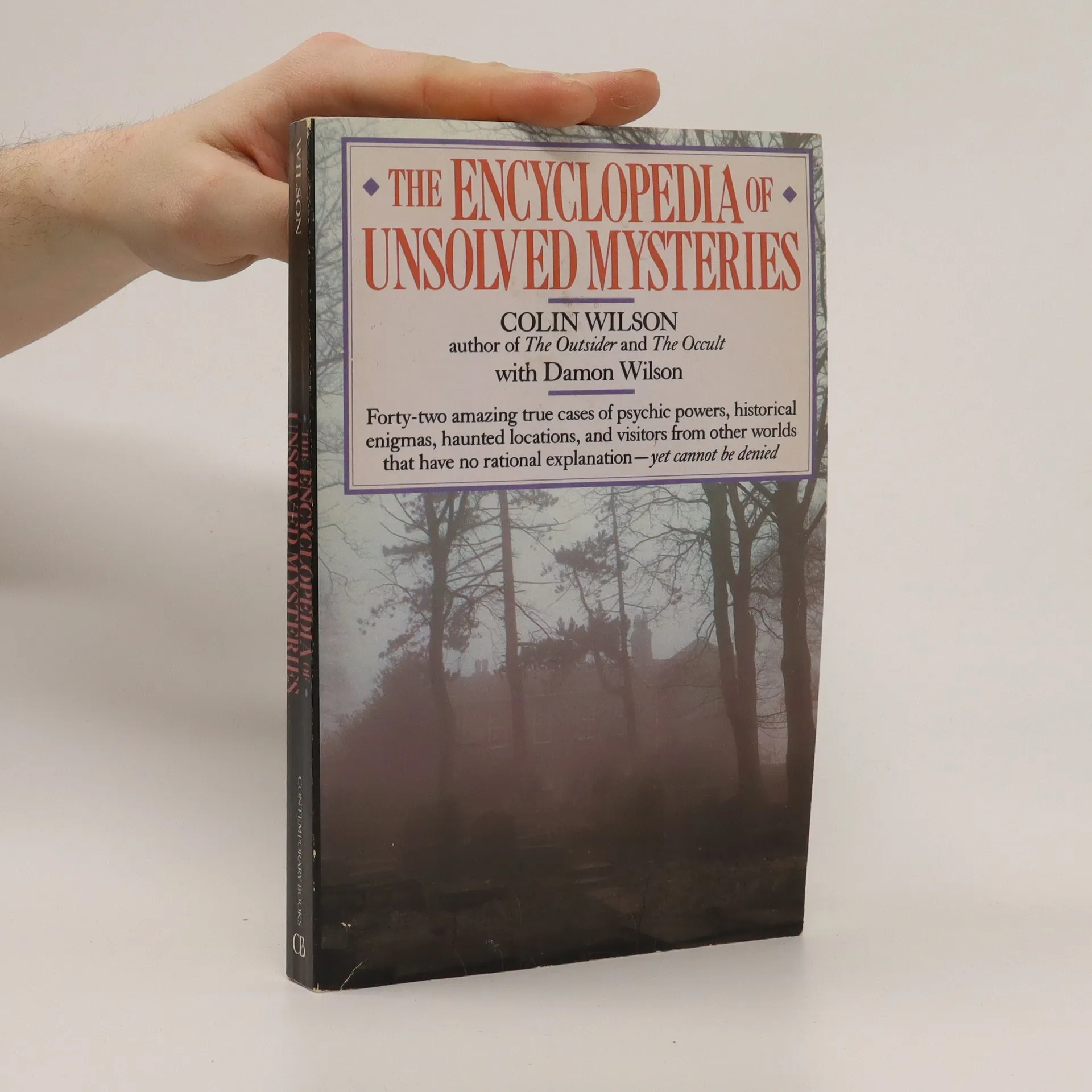
    • "In this truly bizarre collection, Damon Wilson investigates the full stories behind some of the most incredible phenomena that have baffled scientists and facinated the rest of the world for millenia."--Back cover.

      The World's Greatest Unsolved Mysteries
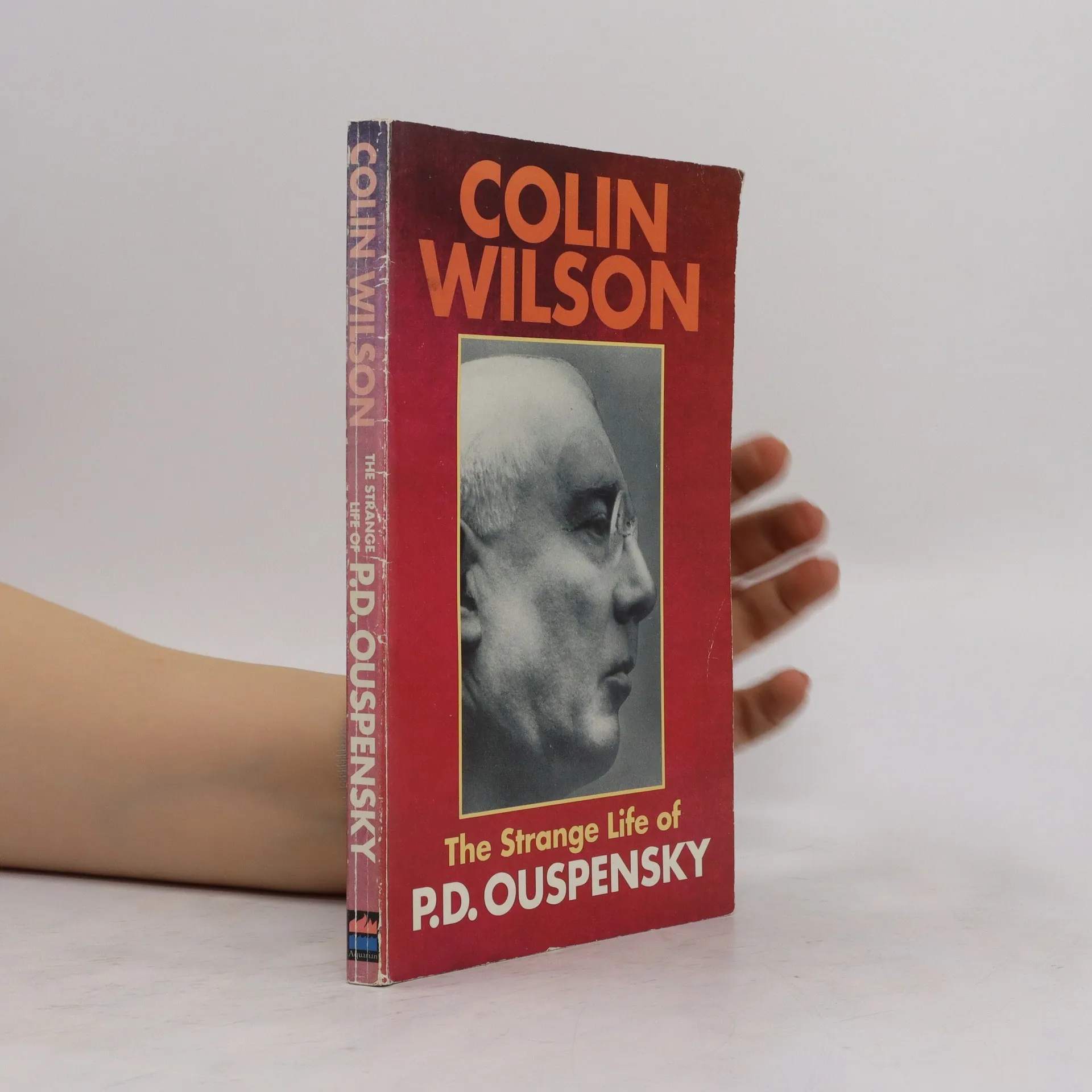
    • The Strange Life of P.D. Ouspensky

      • 144 páginas
      • 6 horas de lectura

      One of the most original thinkers of the twentieth century, Pyotr Demianovich Ouspensky was a complex and romantic soul. A promising young intellectual in Tsarist Russia, he won recognition as a novelist and philosopher, yet descended into self-chosen obscurity as a teacher of 'the Work', the system of his great contemporary Gurdjieff. Today, it is as Gurdjieff's chief disciple that he is remembered, yet Colin Wilson argues convincingly that he is to be considered a major writer and man of genius in his own right. A nostalgic melancholy Russian, on of Ouspensky's deepest instincts was that man can find his own salvation, yet towards the end of his turbulent life he lost faith in the System and drank himself to death. With sympathy and admiration, Colin Wilson throws new light on this gentle man and deep thinker.

      The Strange Life of P.D. Ouspensky
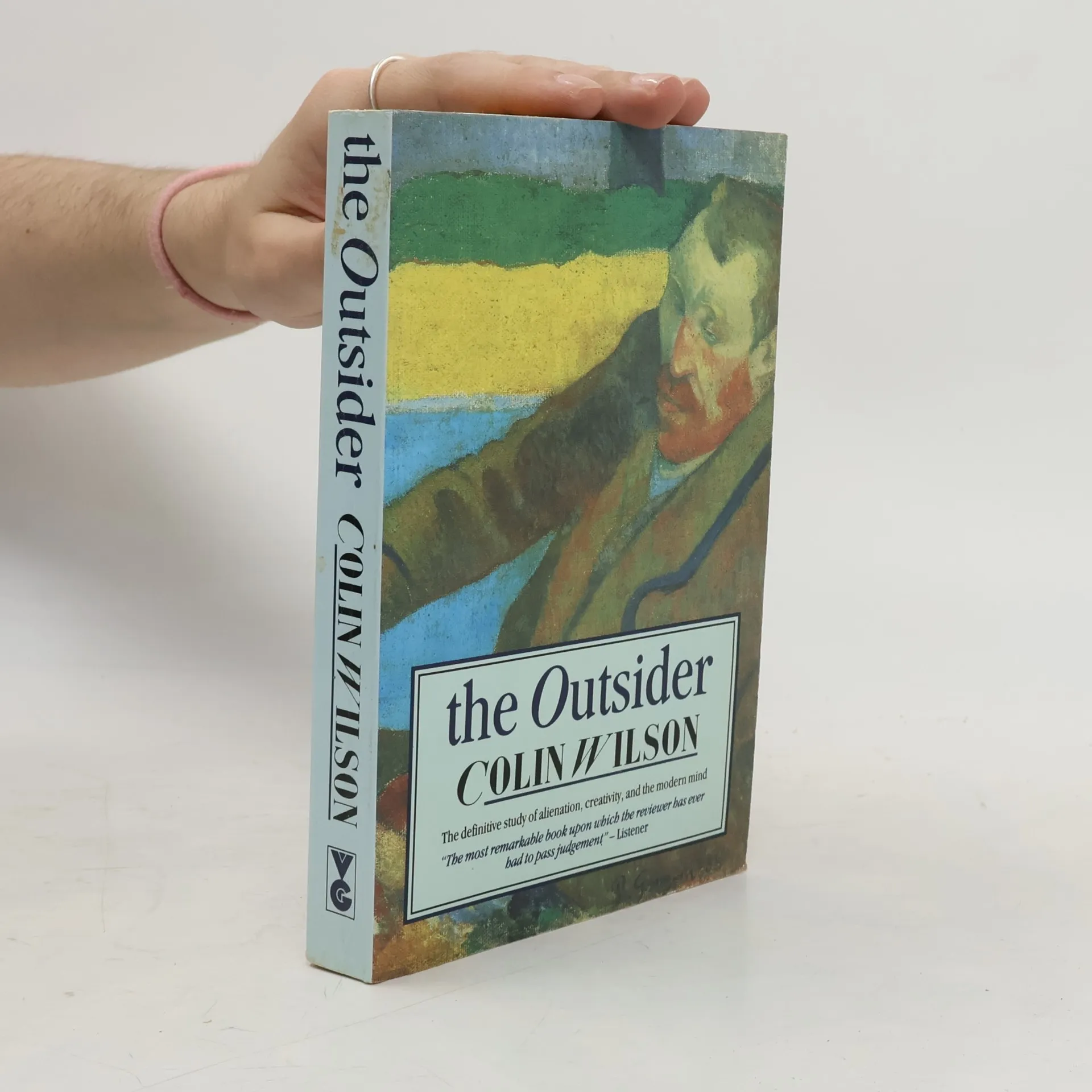
    • Here, for the first time in paperback, is Colin Wilson's second book, successor to his acclaimed The Outsider. In it he answers the charge that the Outsider is just an intellectual fad, showing instead that he is a powerful symbol of rebellion against materialist society and a product of the lack of spiritual tension, or vision, in all declining civilisations. In a series of studies ranging from Bernard Shaw to Wittgenstein he probes deeper into the psychology of the Outsider while at the same time establishing the historical and cultural background. In these examples we see the development of Colin Wilson's central concern; how can man extend his consciousness? - a concern which he has developed constantly over the ensuing twenty-five years and more. In a new introduction the author, while looking back at his younger self with some wry criticism mingled with approval, affirms his belief in the Outsider as a contemporary symbol. The only difference now, he feels, is that the Outsider has never had it so good.

      Religion and the rebel