David Kellogg Lewis fue un influyente filósofo del siglo XX cuyo trabajo impactó profundamente la filosofía del lenguaje, la mente, la metafísica, la epistemología y la lógica. Es quizás mejor conocido por su controvertida postura del realismo modal: la idea de que existen infinitos universos paralelos, cada uno concreto y causalmente aislado, siendo el nuestro solo uno de ellos. Estos universos sirven como mundos posibles en el análisis de la necesidad y la posibilidad. El legado de Lewis radica en su pensamiento original y su profunda exploración de la naturaleza de la realidad.
conquistar a los demás mediante el lenguaje corporal
299 páginas
11 horas de lectura
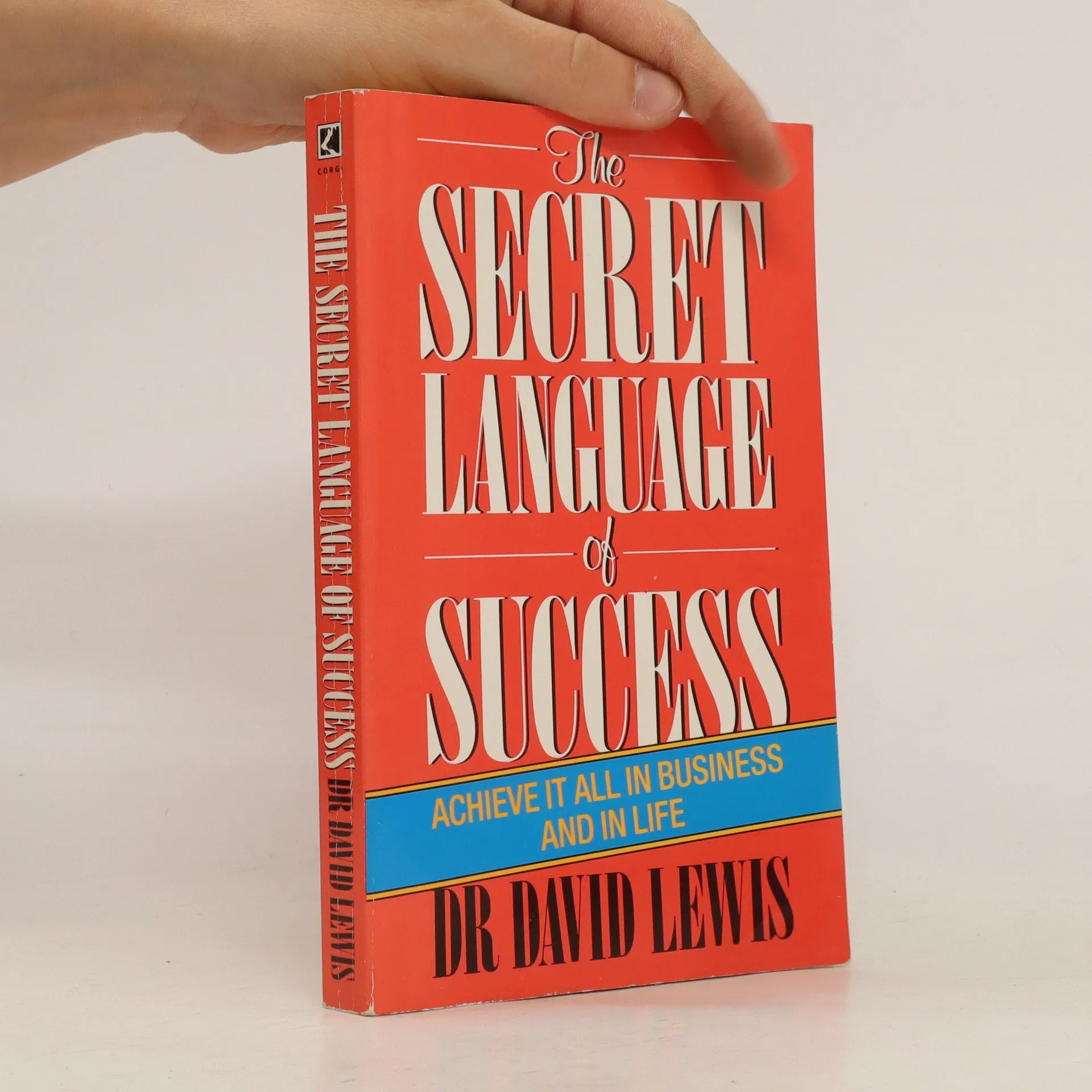
Barcelona. 22 cm. 255 p. il. Encuadernación en tapa blanda de editorial ilustrada. The secret language of success. Traducción de Sofia Noguera. Fontana práctica. Traducción de: The secret language of sucess. Comunicación no verbal. Noguera, Sofía .. Este libro es de segunda mano y tiene o puede tener marcas y señales de su anterior propietario. ISBN: 84-270-1461-9
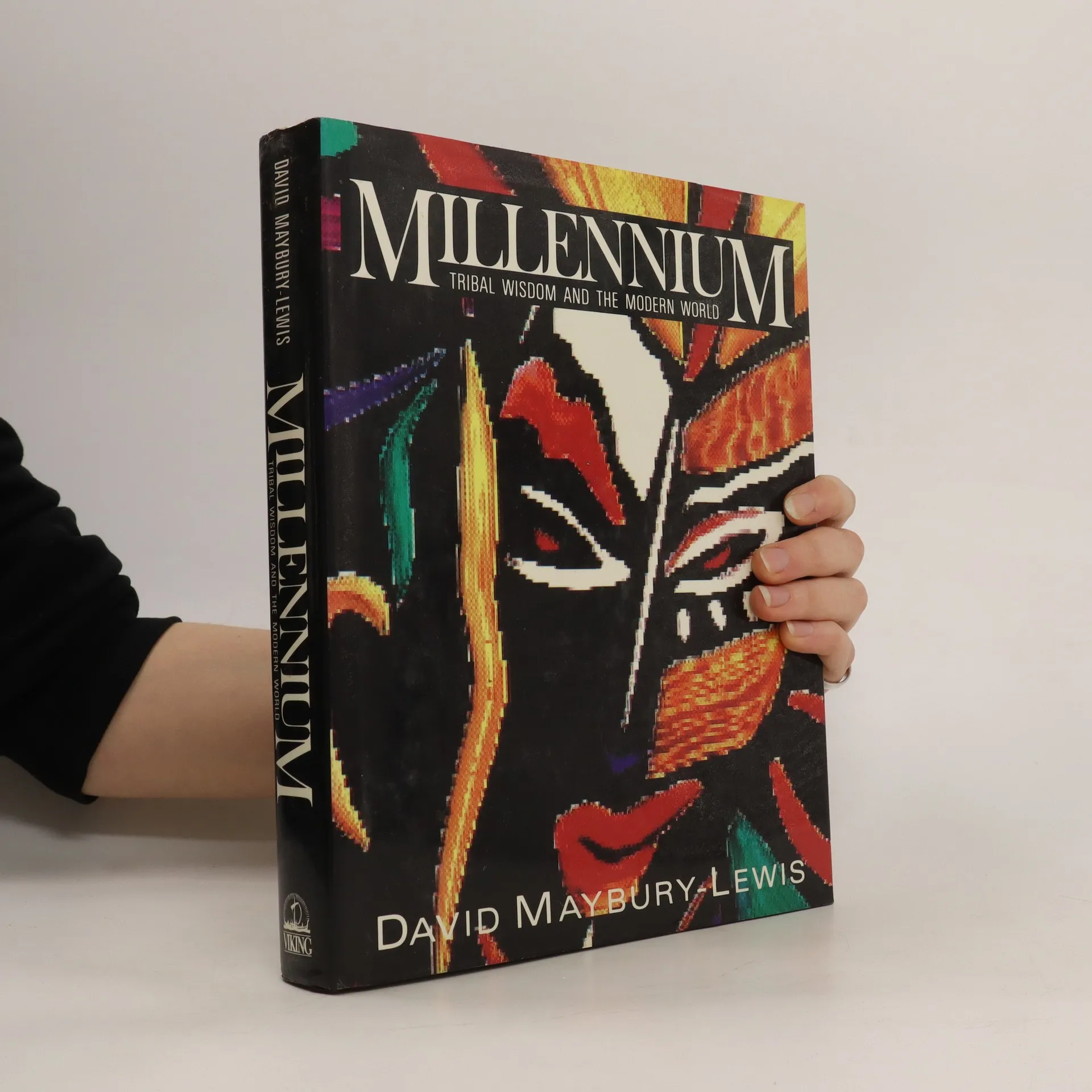
From the deserts of Africa to the rainforests of Brazil, this book investigates traditional societies and gains insight into alternative ways of living by exploring different approaches to marriage, wealth, law and order, cultural integration, spirituality and wisdom.
No matter how distressing and disabling your phobia may be, you can win freedom from your fears. And you can do this... Whatever your type of phobia.Even if you have made unsuccessful attempts to overcome your phobia in the past.Whether you have suffered from your phobia for a few months or many years.Chartered Psychologist Dr David Lewis's practical, self-help, programme consists of easily mastered steps that take you from overwhelming fear to relaxed acceptance. Thousands of sufferers have overcome their phobias using this approach. You could do the same.
The universality of shamanistic power and practice among today's hunter-gatherers - along with the similarity of rock art found in varied sites around the world - has led Jean Clottes and David Lewis-Williams to suggest in this new book that the great art of paleolithic caves can be best understood through the lens of shamanism. Indeed, this is not a monograph on a particular site, but a general discussion of the art of painted caves and their shamanistic meaning. Through the authors' revealing words and the abundant full-color illustrations, we follow shamans into their trance states, and we watch as they carefully paint and engrave on rock surfaces the shapes of animals whose power they seek. As we learn how drawings and rituals were likely modes of shamanistic contact, we understand best the actions, accomplishments, and traces left behind by prehistoric shamans
The great Spanish mystic's guide for the aspiring soul details how those seeking God must enter a "dark night" of soul effacement before they can experience union with God
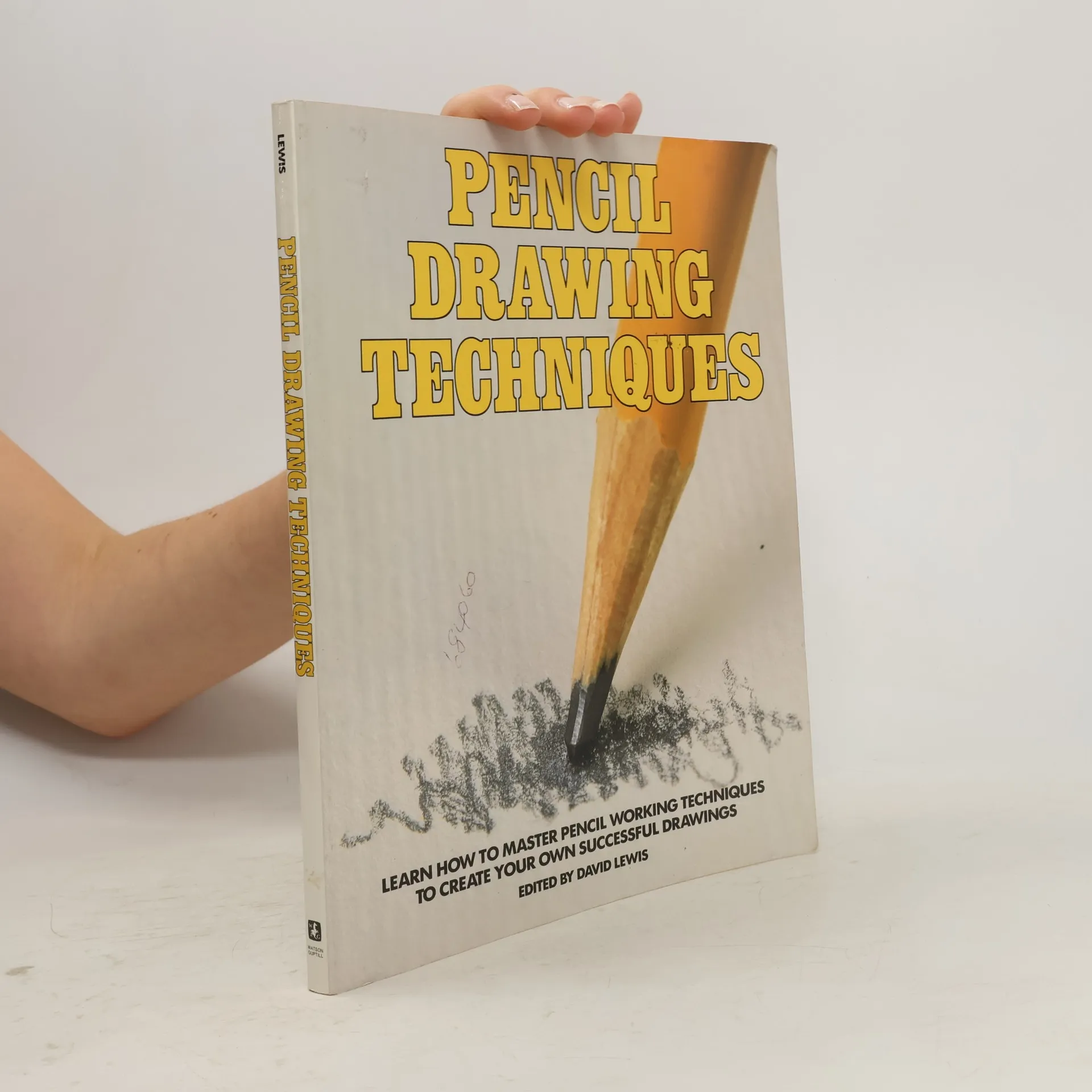
Presents guidance on forms, strokes, and values in drawing and explains various techniques for creating proper perspective, various shapes, textures, and portrait elements
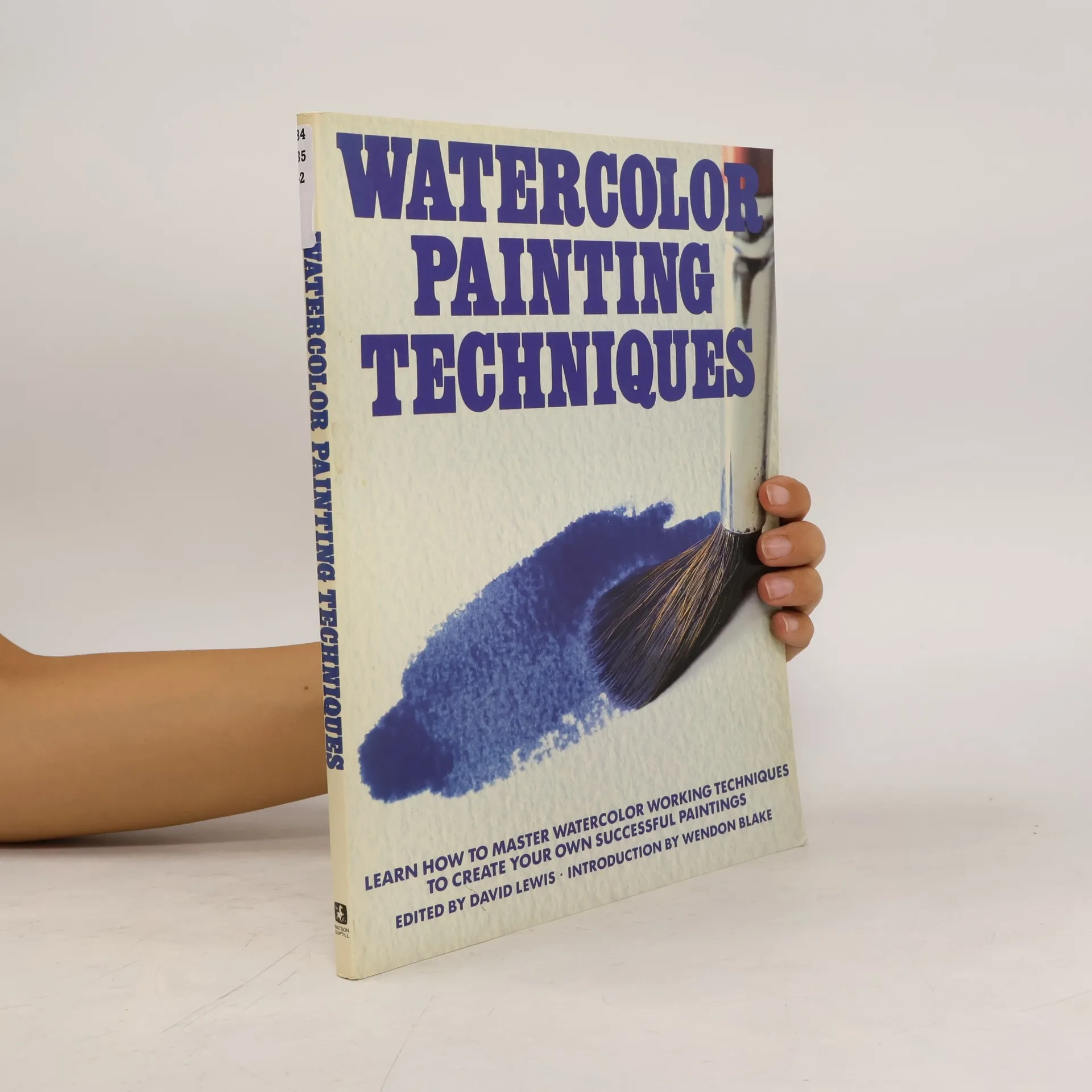
Discusses the materials and equipment of watercolor painting and recommends methods for creating watercolor paintings of landscapes, flowers, seascapes, and other subjects
Earth lies devastated after World War III, and even within the protected confines of Olympus City, away from the lethal Badside Zones, discontent is rife. As human rebels plan an uprising against the supercomputer that controls the city, two Badsiders find themselves thrown into the fray.
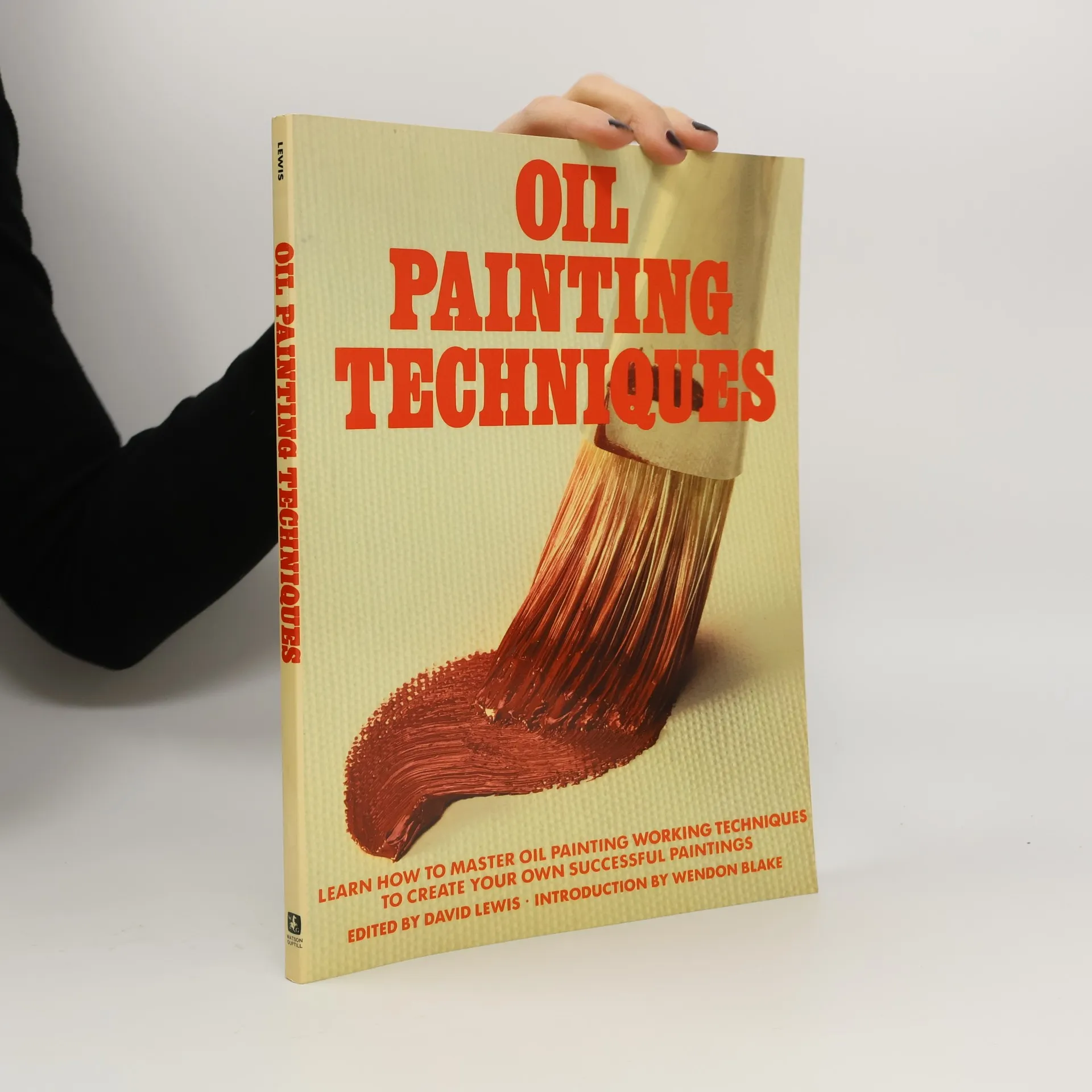
Do you want to become more confident handling an oil brush? How about developing your skill in manipulating and mixing oil colors? This volume, filled with the experience and techniques of ten of today's finest oil painters, shows you how to discover and paint your own successful paintings, covering everything from the importance of brush selection to capturing the color nuances of a collapsing wave. Together these artists offer a treasury of instruction in oil technique: Charles Reid shows you how to handle an oil brush with dexterity and how to make handling and mixing color simple. Wendon Blake, George Cherepov, Paul Strisik, and Richard Schmid teach you how to capture the magnificence of a full landscape, and the more subtle characteristics of the countryside; Foster Caddell shows you how to overcome elementary errors in composition, balance of values and especially how to handle color in the landscape; E. John Robinson demonstrates how to capture the color and awesome power in the sea and shore; Ken Davies teaches you how to render sharp focus still lifes in oil; and John Howard Sanden, Charles Pfahl and Jane Corsellis show you how to paint the human portrait and figure, perhaps the most intriguing painting subject of all. Profusely illustrated and entirely in color, Oil Painting Techniques is required reading for the amateur or intermediate oil painter who wants to develop his skill in this medium
There are hundreds of books and thousands of scholarly writings on body language, or as specialists prefer to call it, nonverbal communication. Some are highly technical, a few are quite readable, and many are engaging and informative. They can tell you almost everything you would like to know about body language, except for the most important thing: HOW TO USE IT! David K. Lewis's book has become a global bestseller, reaching a wide audience. This latest edition serves as an essential guide for anyone who understands that the right use of body language can lead to significant gains, while a lack of understanding or control can result in substantial losses.
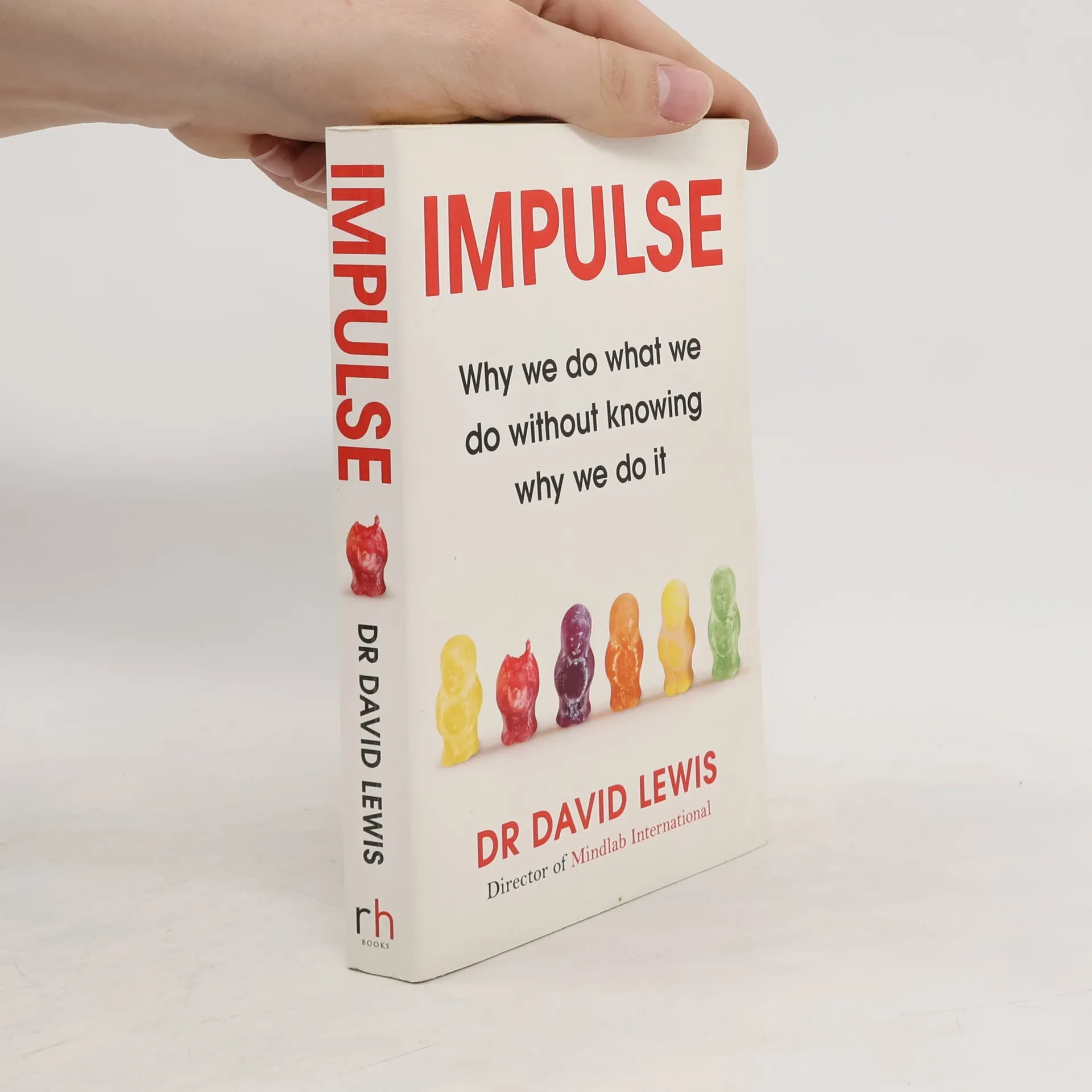
Whether it's falling in love, shopping or overeating, why can't we help acting on impulse? When you make a decision or form an opinion, you think you know why. But you're wrong. The truth is that most of our mental activity actually happens below the level of conscious thought. In this groundbreaking book, Dr David Lewis, director of the cutting-edge research agency Mindlab International, explores this incredible phenomenon. Delving into the mysteries of the 'zombie brain' that each of us possesses, he demonstrates how unconscious neurological processes underpin every aspect of our lives, from whether or not we find someone sexually attractive to how we resist (or give in to) temptation. In the process he shows how finger length is a reliable predictor of risk-taking behaviour, how seeing the logos of fast food chains can make you more impatient, and how holding a warm drink makes you find strangers more likeable. Above all, he reveals the practical applications of this emerging field of research, giving us insights into such diverse areas as child development, anti-social activities like rioting, successful dieting, and even the ways that supermarkets make us spend more. We may not be conscious of our impulses but it is clear that we can no longer afford to be ignorant of them."
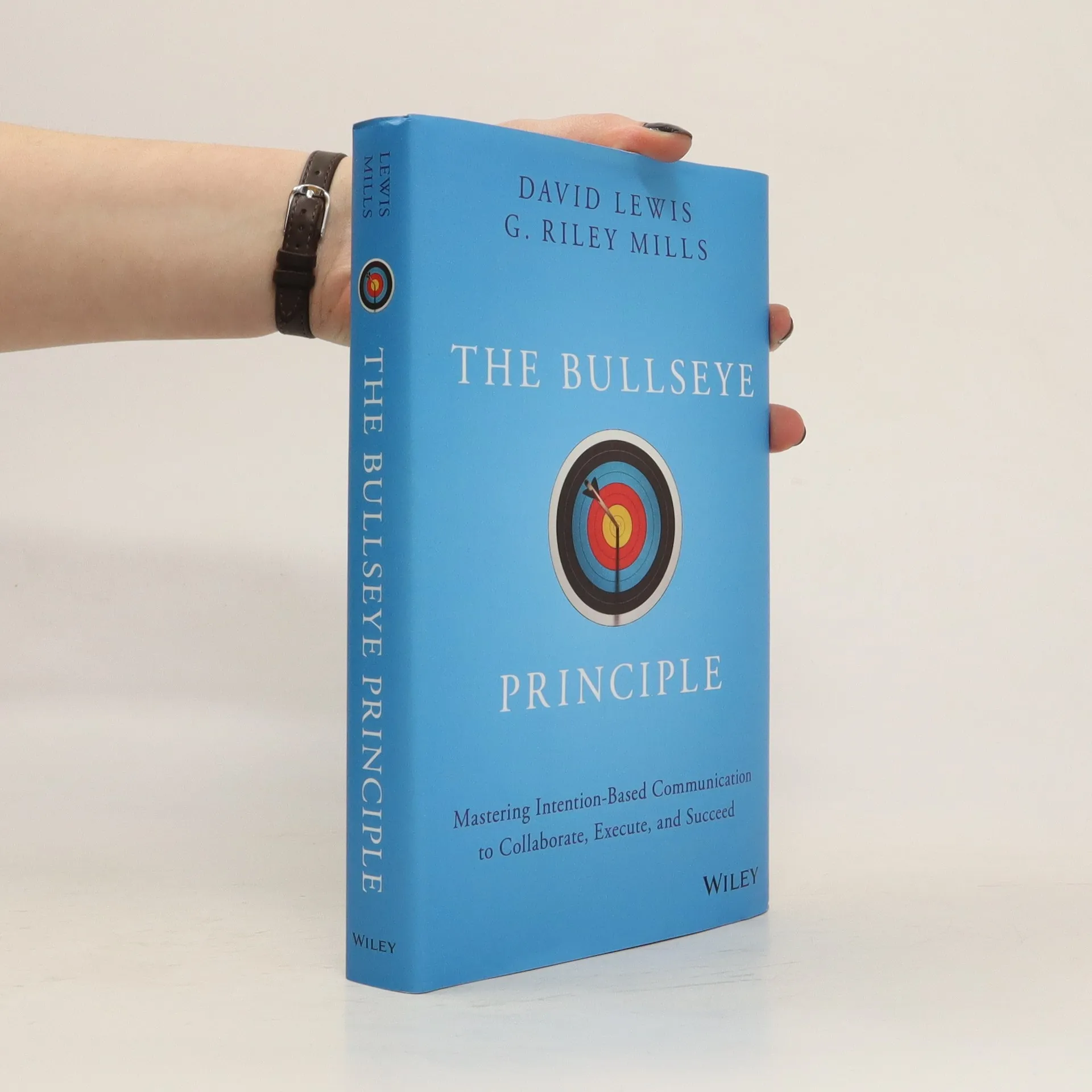
"The Bullseye Principleis a definitive, how-to guide to communicating, collaborating, and executing as a leader in the corporate arena. More specifically, it is self-contained tool box of essential communication techniques to help the reader master the most challenging and important business interactions every corporate leader will experience in their career, from the planning stages (blueprint) to the successful outcome (bullseye) of each. This book will introduce readers to the authors award-winning, 3-step methodology relating to personal branding, leadership communication and executive presence that has been celebrated and utilized by Fortune 500 companies across the globe. The Bullseye Principleis a must-read for anyone wanting to become more influential as a leader and communicator"--
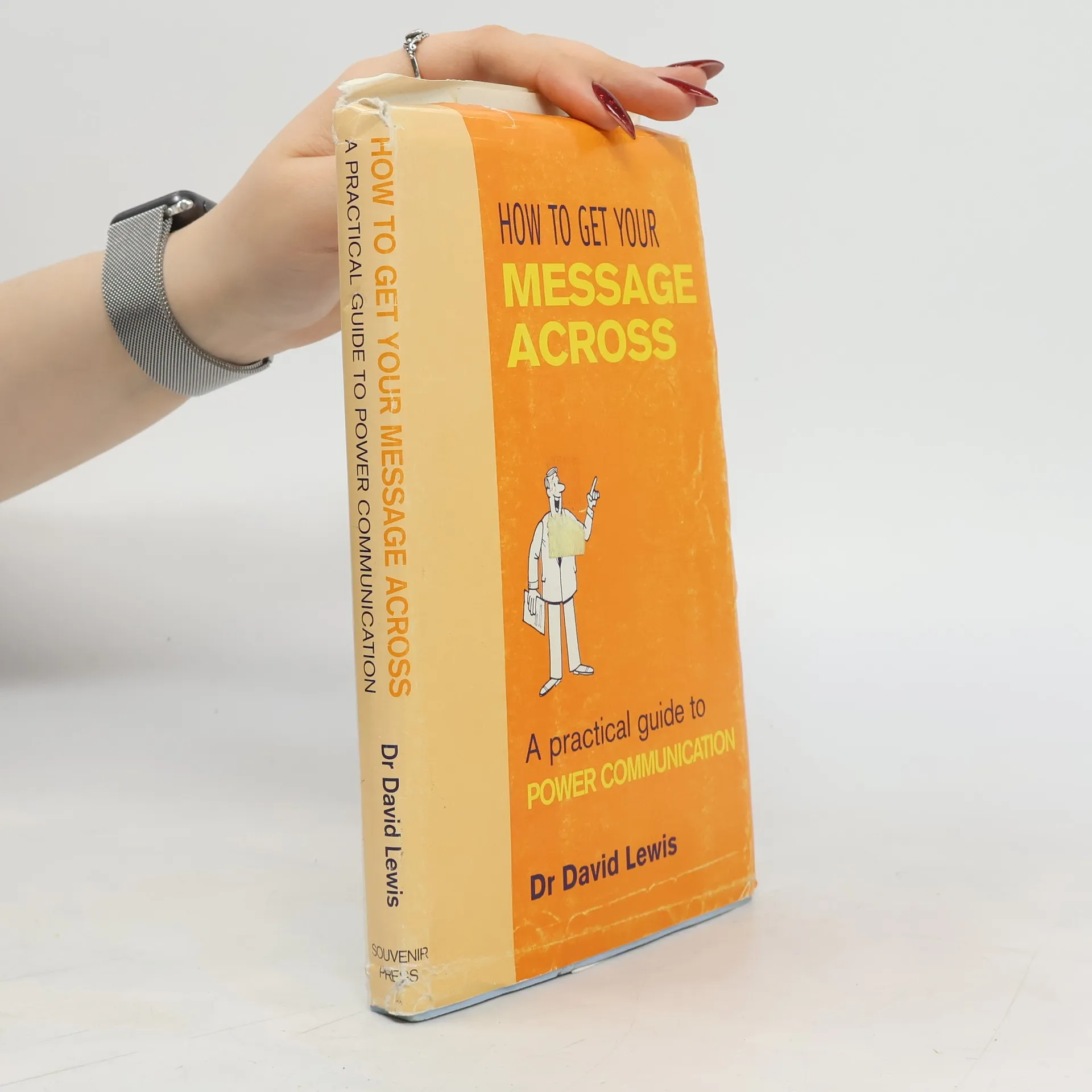
Take the time and trouble to master the secrets revealed in this book and you will quickly gain confidence and become adept at persuading others to adopt your ideas, accede to your requests and accept your points of view. Even if the idea of speaking in public puts the fear of death into you, you will find that you can be a power communicator in any situation - on a public platform, across a boardroom table or on the factory floor, talking on the telephone or using the written word.
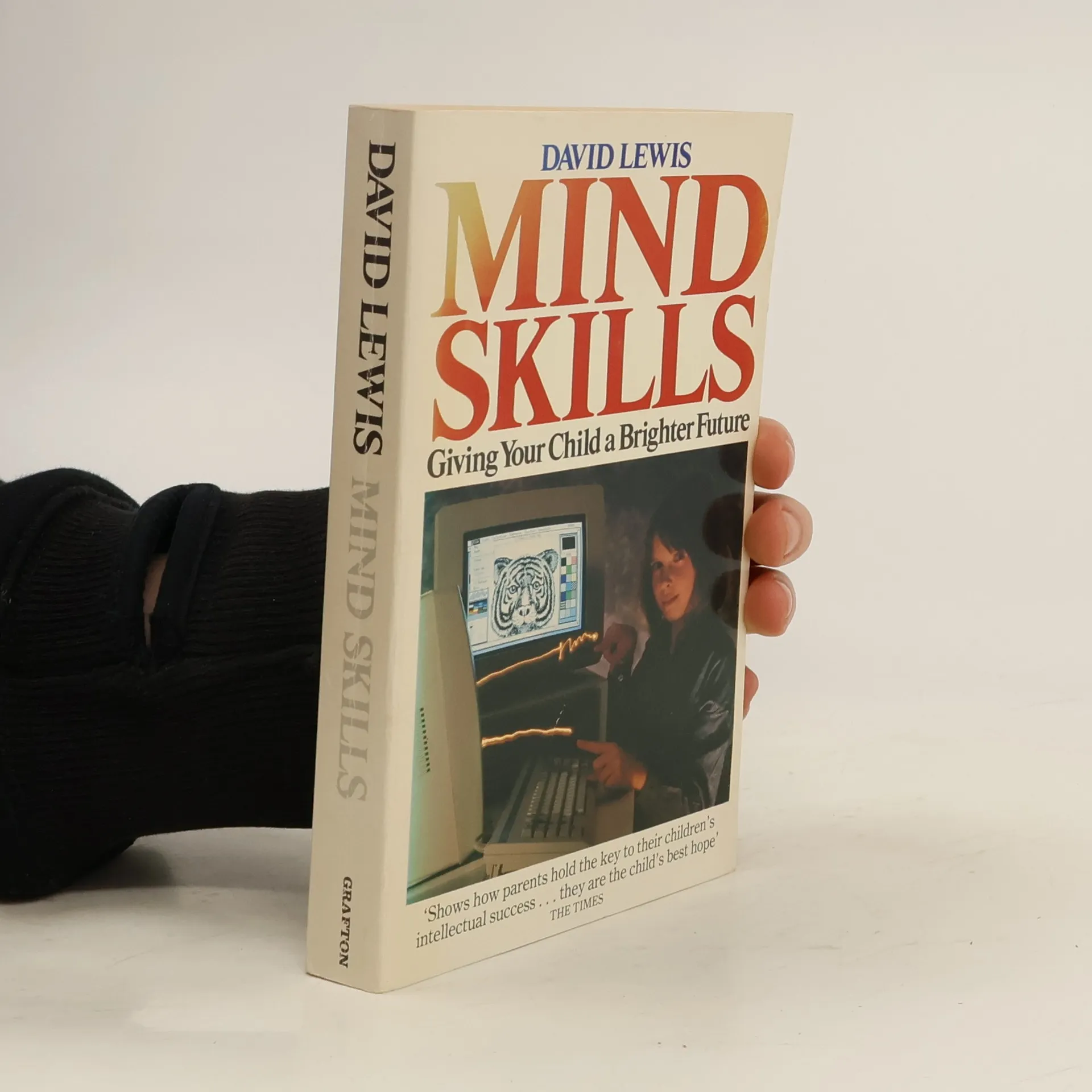
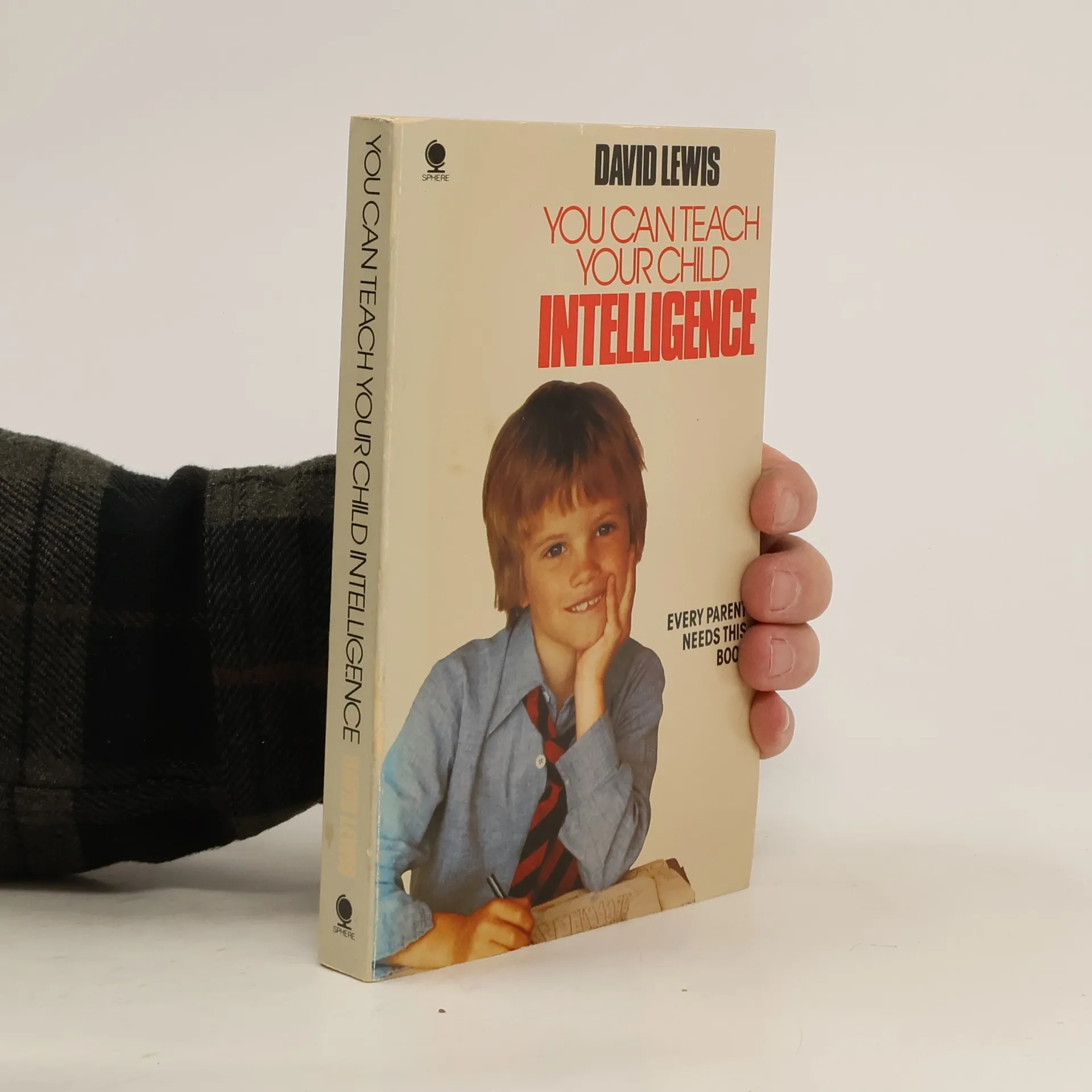
Recommends methods for parents for stimulating the intellectual development and improving the learning skills of children from the age of six to twelve
Frank Dituri's evocative photographs capture ordinary reality, revealing unseen elements through various styles, from sharp focus to blurry abstraction. His work has gained international recognition and is featured in multiple publications. An insightful introduction by art historian David Lewis delves into the visionary aspects of Dituri's photography, enhancing the viewer's understanding of his artistic vision.
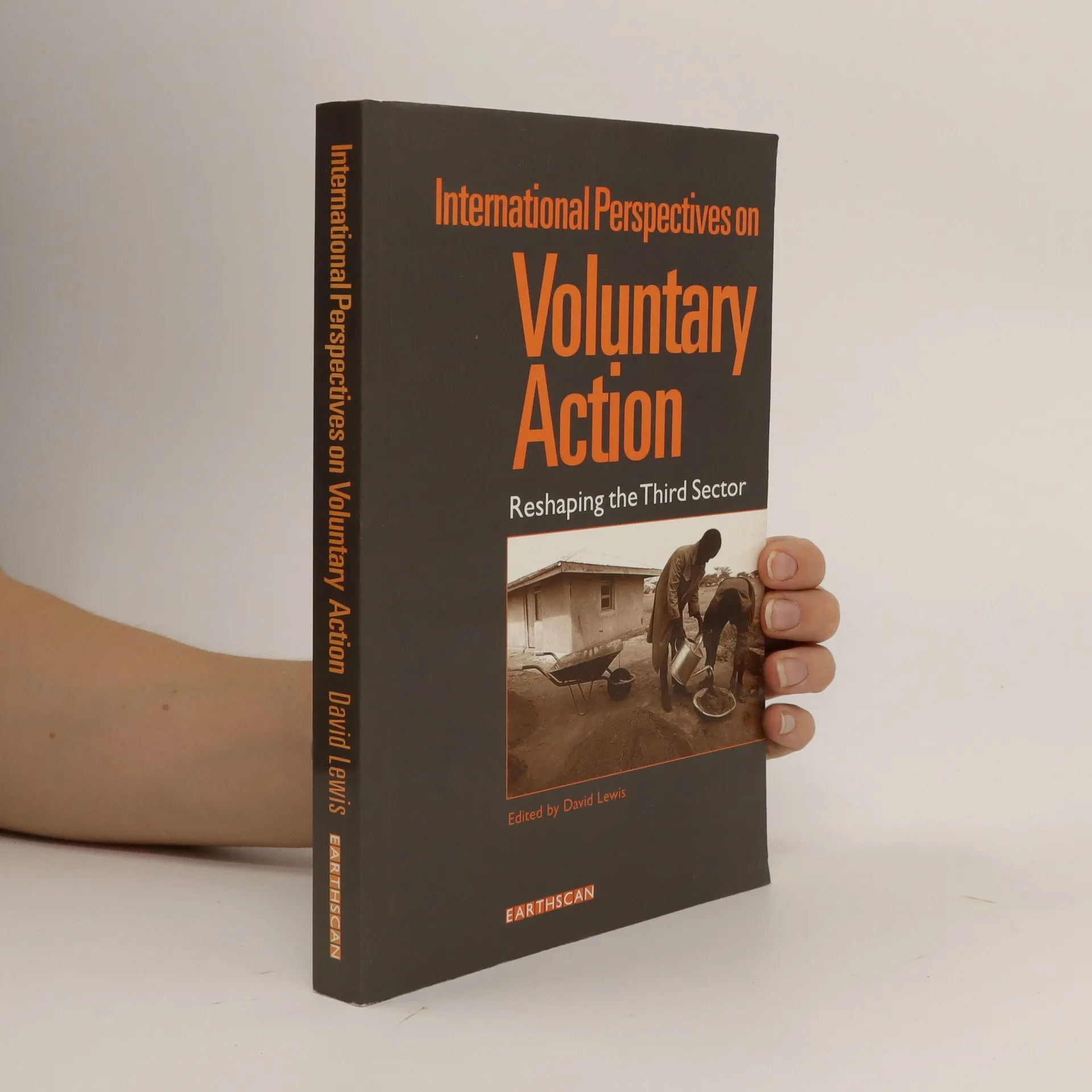
Aimed at students and academics, and also at management and staff in the field, this book presents a new perspective on the management and effectiveness of nongovernmental organisations
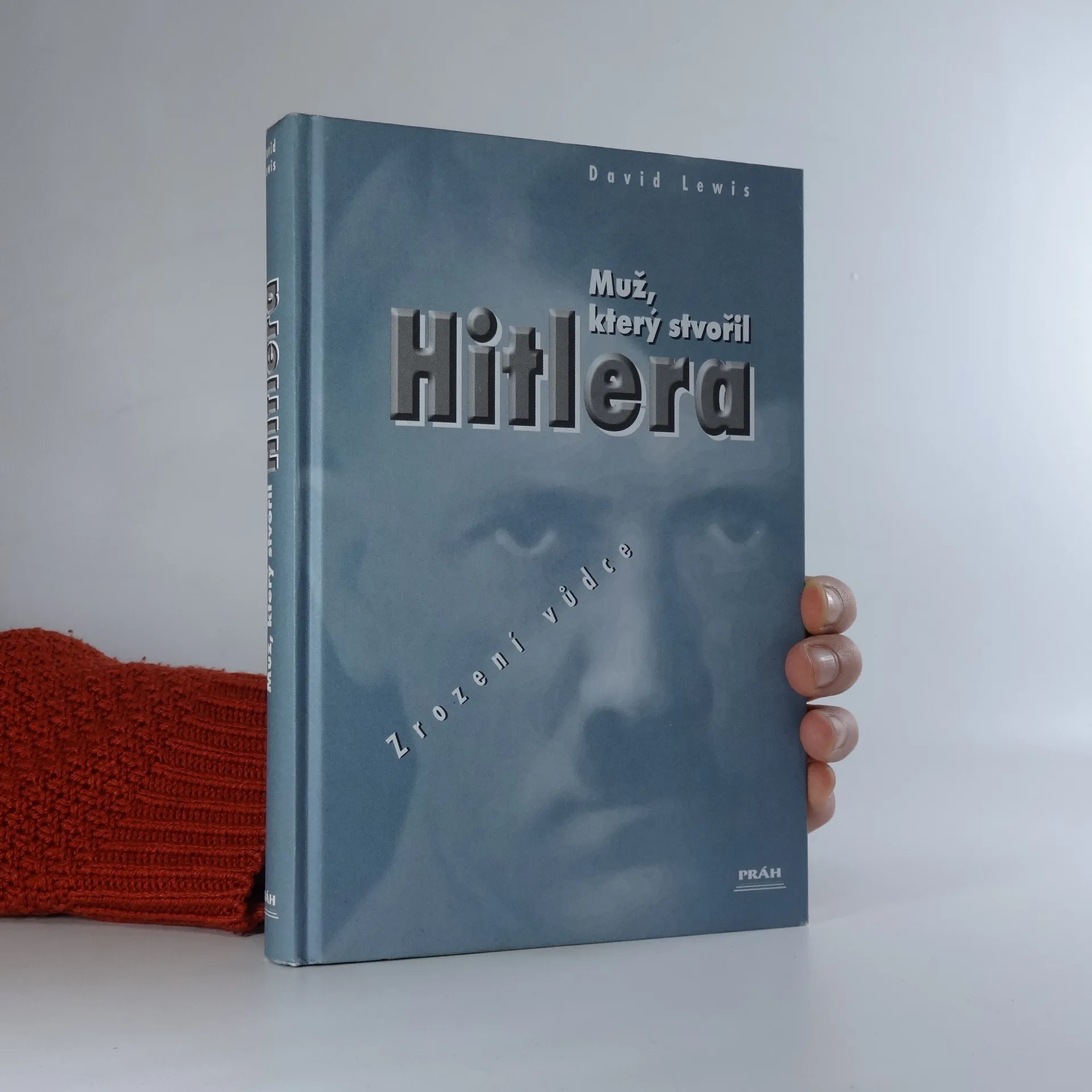
Možné vysvětlení překvapující přeměny osoby a osobnosti A. Hitlera z nevýrazného životního ztroskotance ve vůdce a diktátora se smělými světovládnými plány.
V půlce října r. 1918 byl svobodník bavorského pěšího regimentu A. Hitler při britském plynovém útoku v severní Francii dočasně oslepen. S diagnózou "hysterická slepota" strávil měsíc v lazaretu v pomořanském Pasewalku pod dohledem a péčí neuropsychiatra Edmunda Forstera. Tento lékař měl díky praxi, výchově i osobním vlastnostem velmi zvláštní přístup k postiženým, jako byl Hitler. Podle Forstera existovaly v podobném případě jen dvě možnosti: pacient buď simuluje, nebo trpí oslabenou vůlí. Přestože se nedochovaly lékařské záznamy, autor dochází k nepřímým závěrům, že díky poněkud drakonickým způsobům "aktivní terapie" doktora Forstera s důrazem na rozvoj volních vlastností se zcela změnila samotářská a nespolečenská osobnost Adolfa Hitlera. Právě zde začala podle britského psychologa Hitlerova cesta k moci. Ve velmi čtivé publikaci najdeme také souběžné životopisy Hitlera i Forstera, mnoho zajímavých úvah a postřehů z lékařského a univerzitního prostředí i dalších oblastí meziválečného Německa. Poznámky, seznam literatury, fotografie.
NAŠE PLANETA JE RUKOJMÍM PANDEMIE OBEZITY Více než jedna miliarda lidí celého světa trpí nadváhou a přes 600 milionů lidí je obézních. Žijeme v obezogenním prostředí, ve kterém je snazší ztloustnout než zůstat štíhlým. Jak se to mohlo stát? Kdo za to může? Co s tím můžeme udělat? Dr. David Lewis a Dr. Margaret Leitchová se v knize OBÉZNÍ PLANETA snaží odhalit důvody pandemie obezity zkoumáním jejích sociálních a psychologických aspektů. Využívají k tomu průkopnický způsob výzkumu, který klade důraz na chování různých korporací specializovaných na prodej potravin s vysokým obsahem cukrů, tuků a soli. Současně prezentují šokující důkazy o tom, že potraviny „rychlého“ občerstvení mají podobný neurologický efekt jako tvrdé drogy. Mají také za to, že problémem je i rozsah potravních pobídek a podnětů, které bez našeho vědomí stimulují touhu po jídle. Současně odhalují mýtus redukčních diet a přípravků na hubnutí s doporučením praktických a snadno implementovatelných strategií vedoucích ke snížení hmotnosti. Důkazy jsou jasné: obezitu musíme jednoznačně považovat za problém, jinak budeme čelit katastrofickým následkům. A na změnu není ještě pozdě. „Autoři knihy OBÉZNÍ PLANETA jsou významnými vědci, mistry svého oboru, kteří snadno pochopitelným a poutavým způsobem předkládají poslední vědecké poznatky. To si musíte přečíst.
Die Aufsätze von David Lewis bergen einen der größten philosophischen Schätze des 20. Jahrhunderts. Durch ihr Studium stößt man in eines der Kraftzentren der analytischen Philosophie vor, und ohne dieses Studium ist schwer zu verstehen, was die zeitgenössische akademische Philosophie bewegt. Dieser Band bringt zwei von Lewis’ wichtigsten Aufsätzen zur Philosophie des Geistes. „Die Reduktion des Geistes“ enthält die definitive Darlegung seiner Position zum Leib-Seele-Problem und zum Problem der Intentionalität. „Was die Erfahrung lehrt“ (ergänzt durch „Sollte ein Materialist an Qualia glauben?“) ist seine gründlichste Auseinandersetzung mit dem Problem des phänomenalen Bewusstseins und seiner scheinbaren Unverträglichkeit mit materialistischen Positionen.
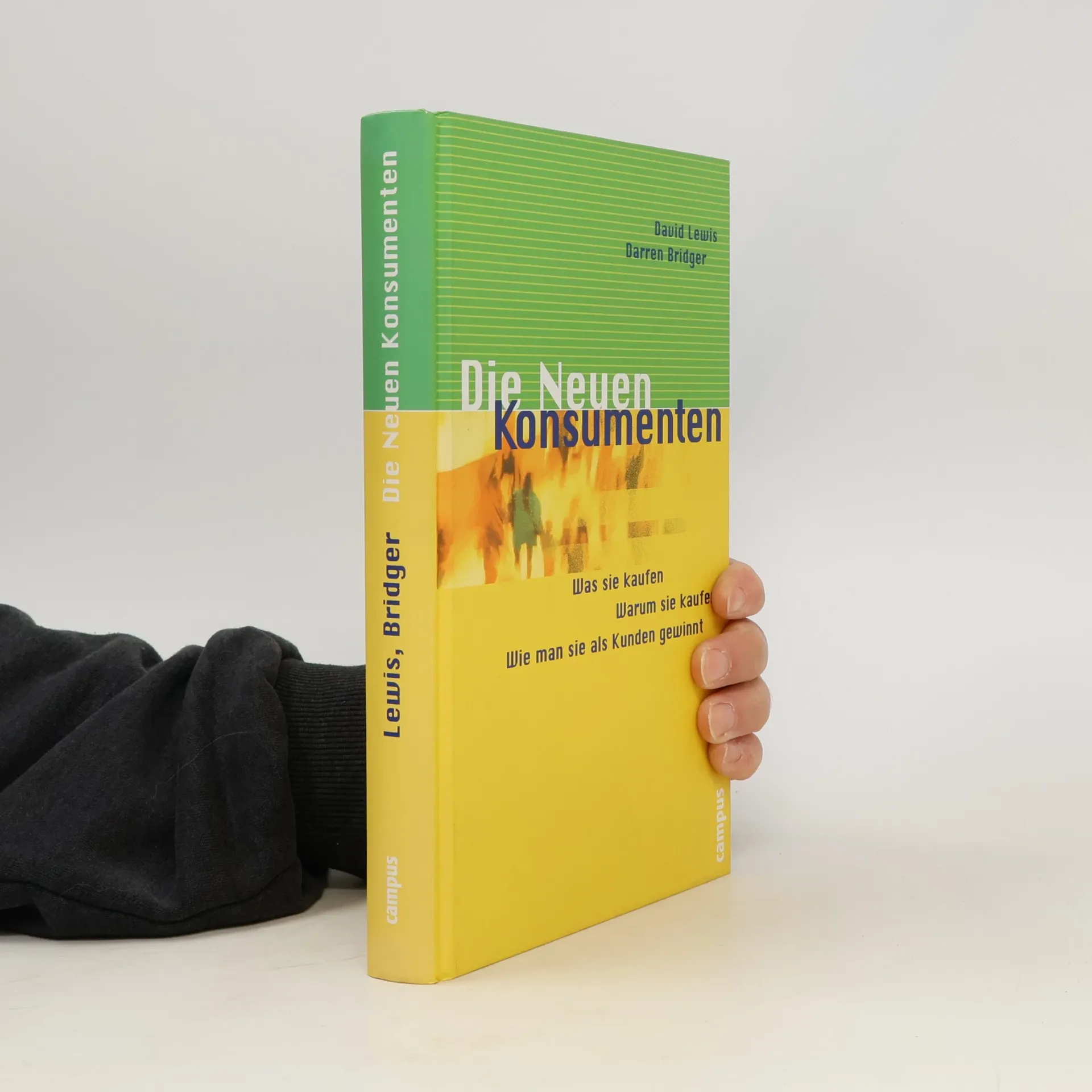
Neue Konsummöglichkeiten tauchen auf, und mit ihnen auch ein neuer Konsumententyp. Wer ihn heute nicht kennen lernt, verliert morgen wichtige Kundengruppen. Der Neue Konsument ist gut informiert und sich seiner Macht bewusst. Er möchte Einfluss nehmen auf die Gestaltung des Produkts. Er sucht nach dem Individuellen und Exklusiven, nicht notwendig nach dem Teuren. Er ist den Produkten gegenüber misstrauisch und wechselt schnell. Er taucht in allen Alters- und Einkommensgruppen auf. Die Autoren liefern die erste Rundumanalyse des Neuen Konsumenten. Sie zeigen, wie seine Zeit, Aufmerksamkeit und Vertrauen gewonnen werden können, wie seine individuellen Bedürfnisse zu erforschen sind, welche Produkte und welche Werbung ihn ansprechen. Dieses Buch ist ein Leitfaden für Marketer und Produktmanager, mit dem sie den Neuen Konsumenten verstehen und als Kunden dauerhaft gewinnen können.