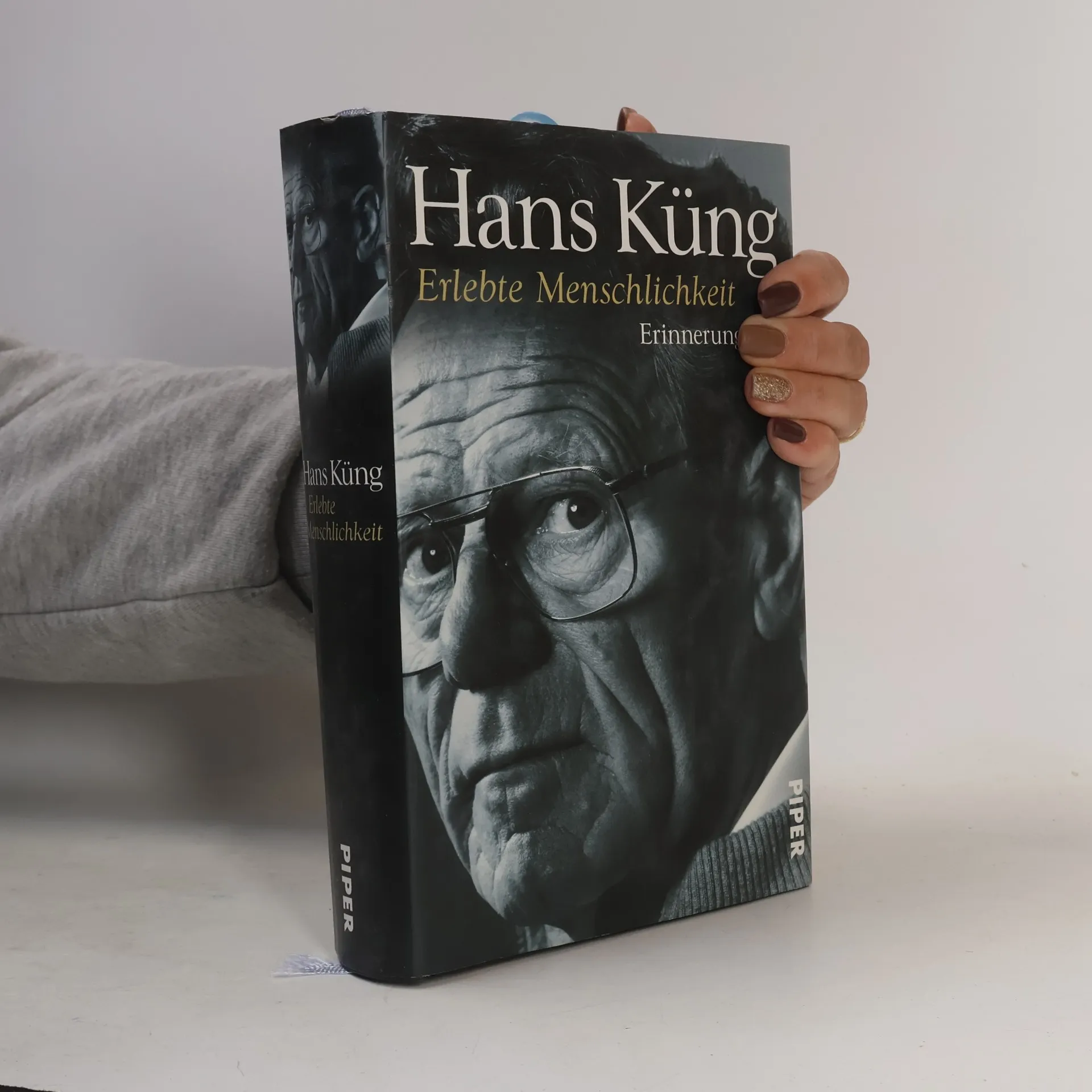
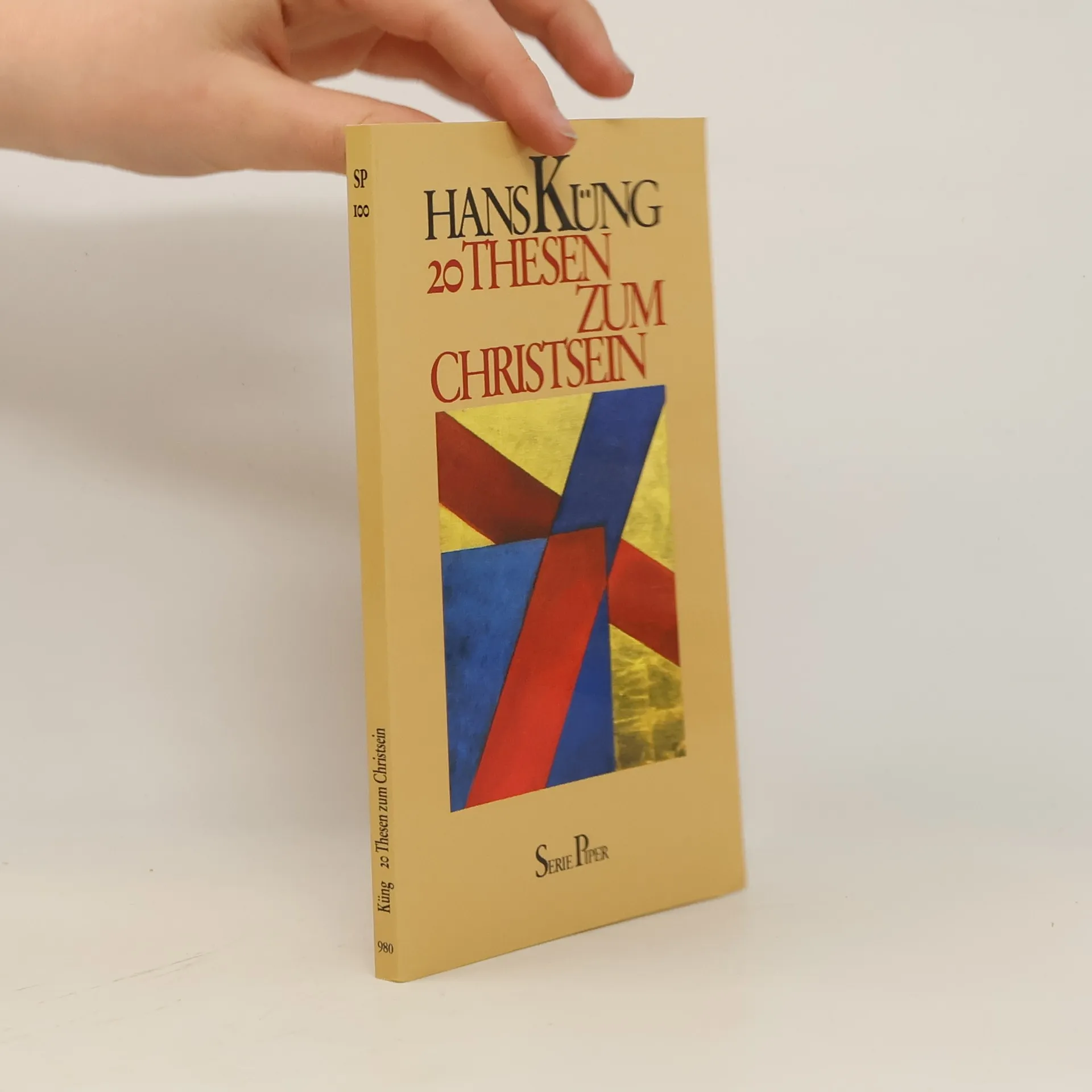
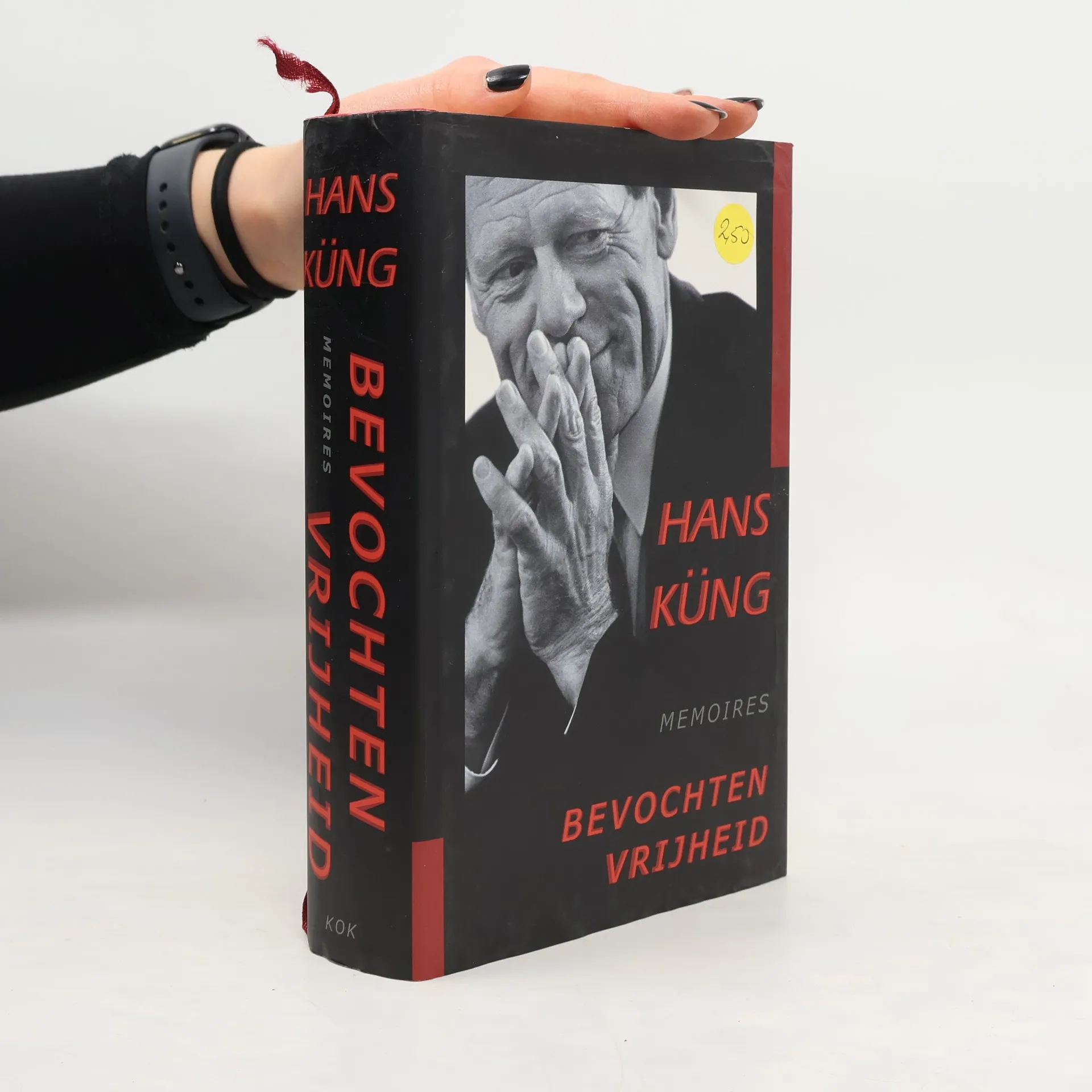
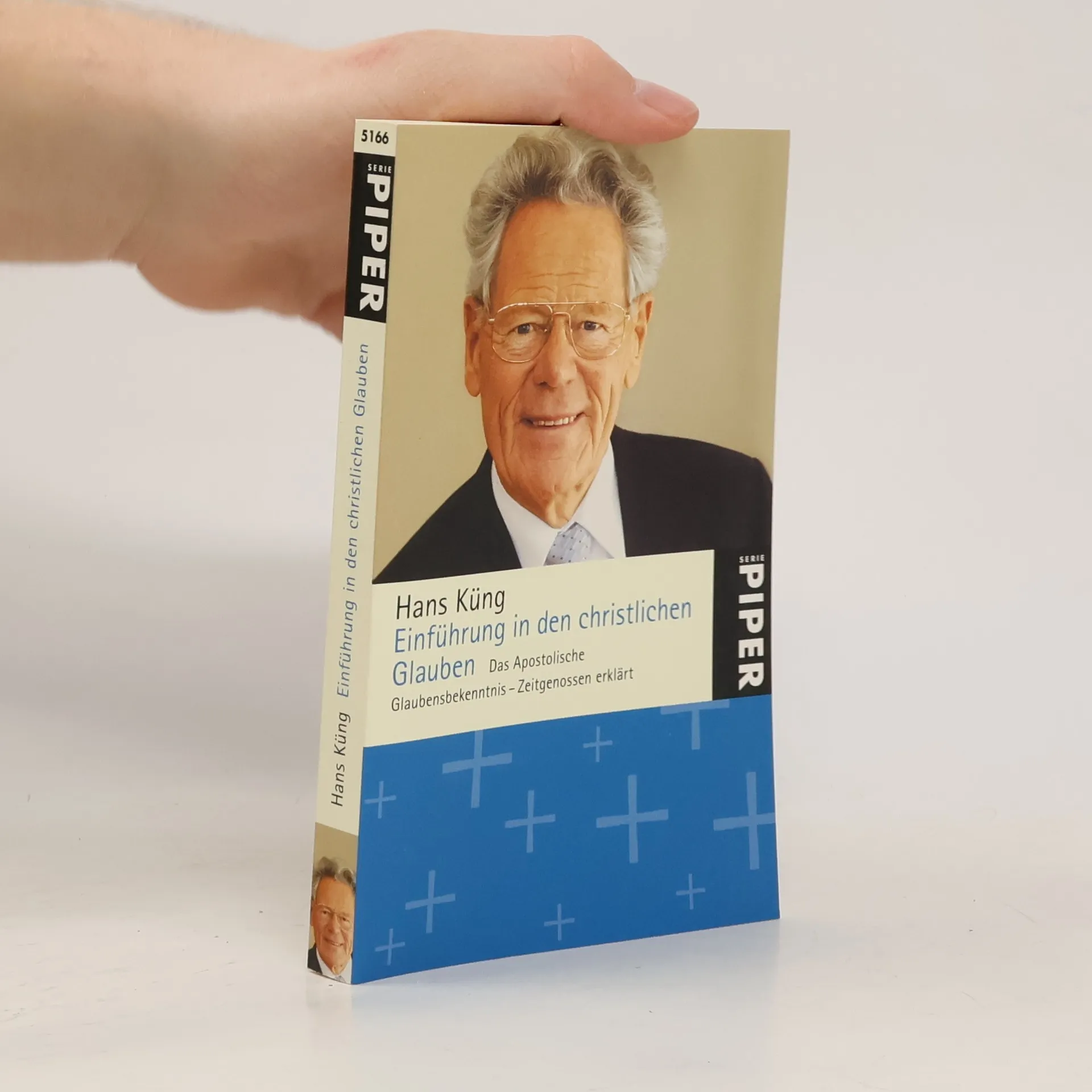
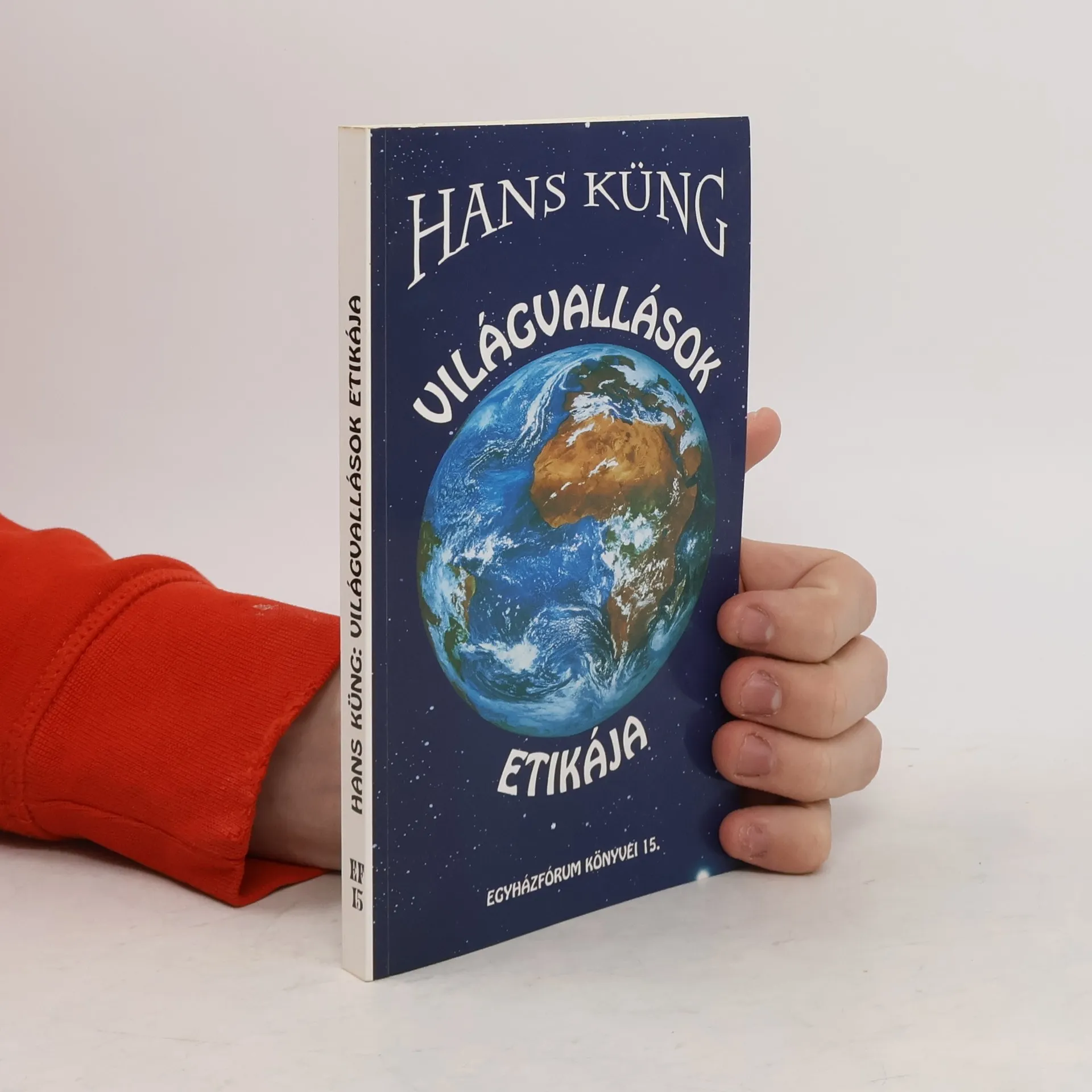
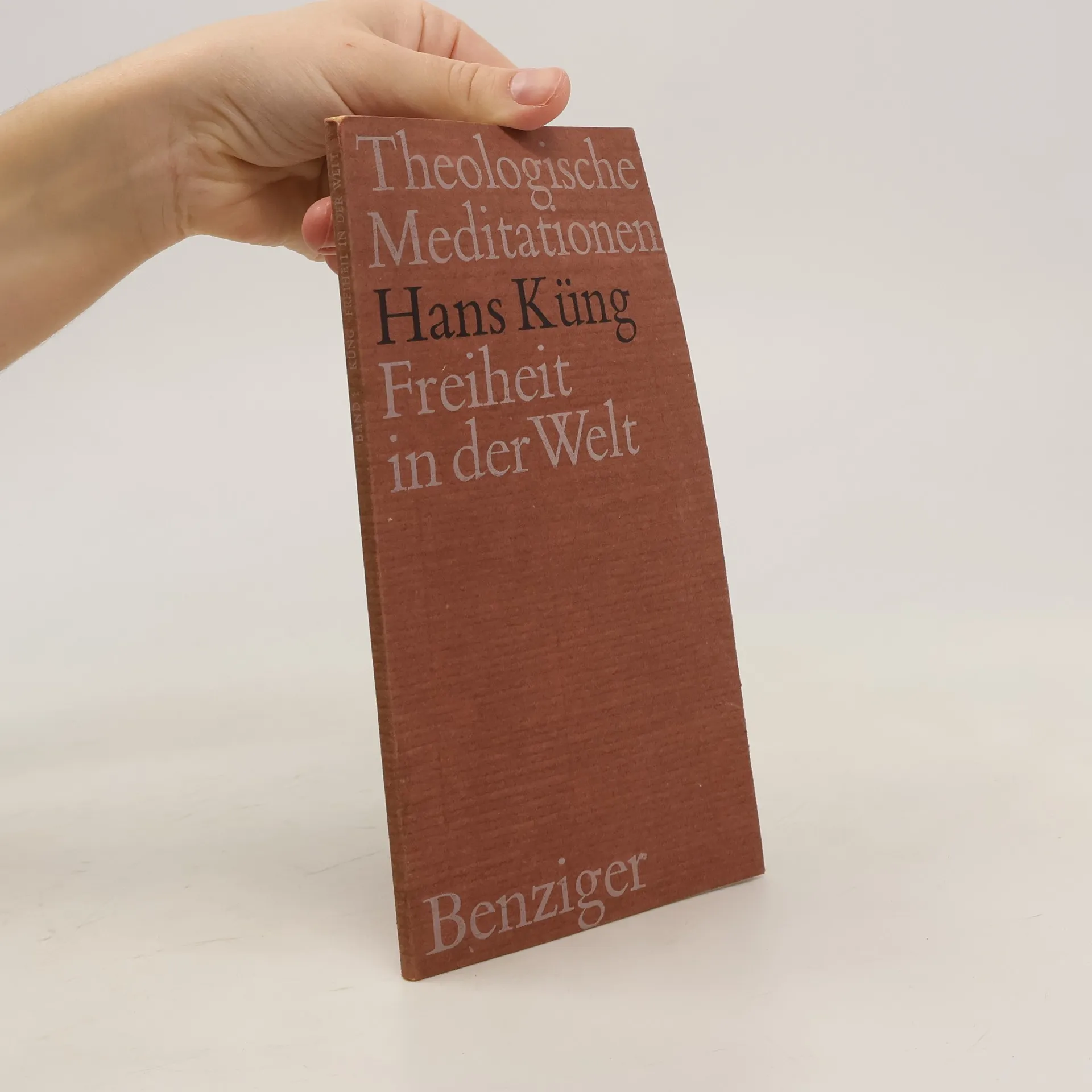
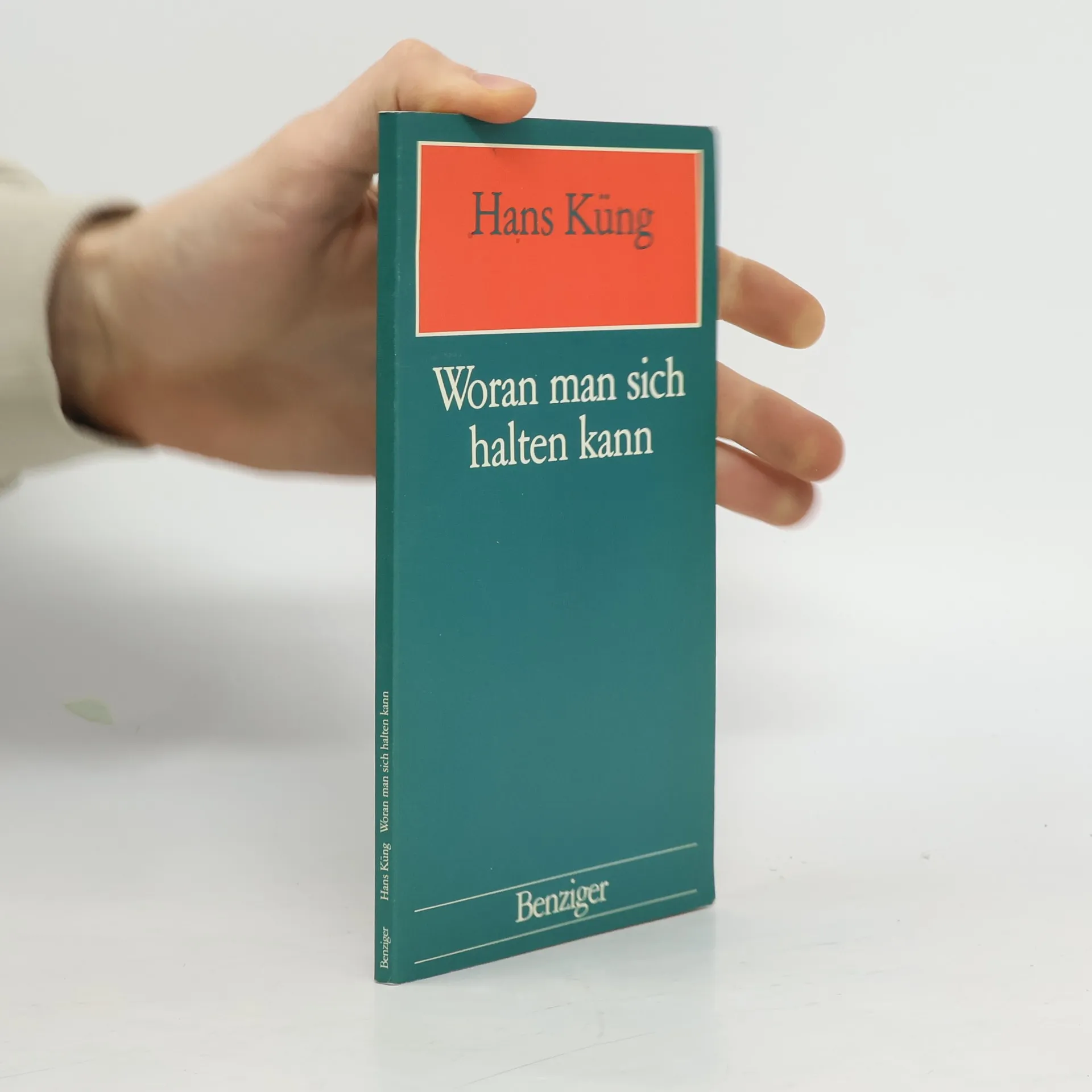
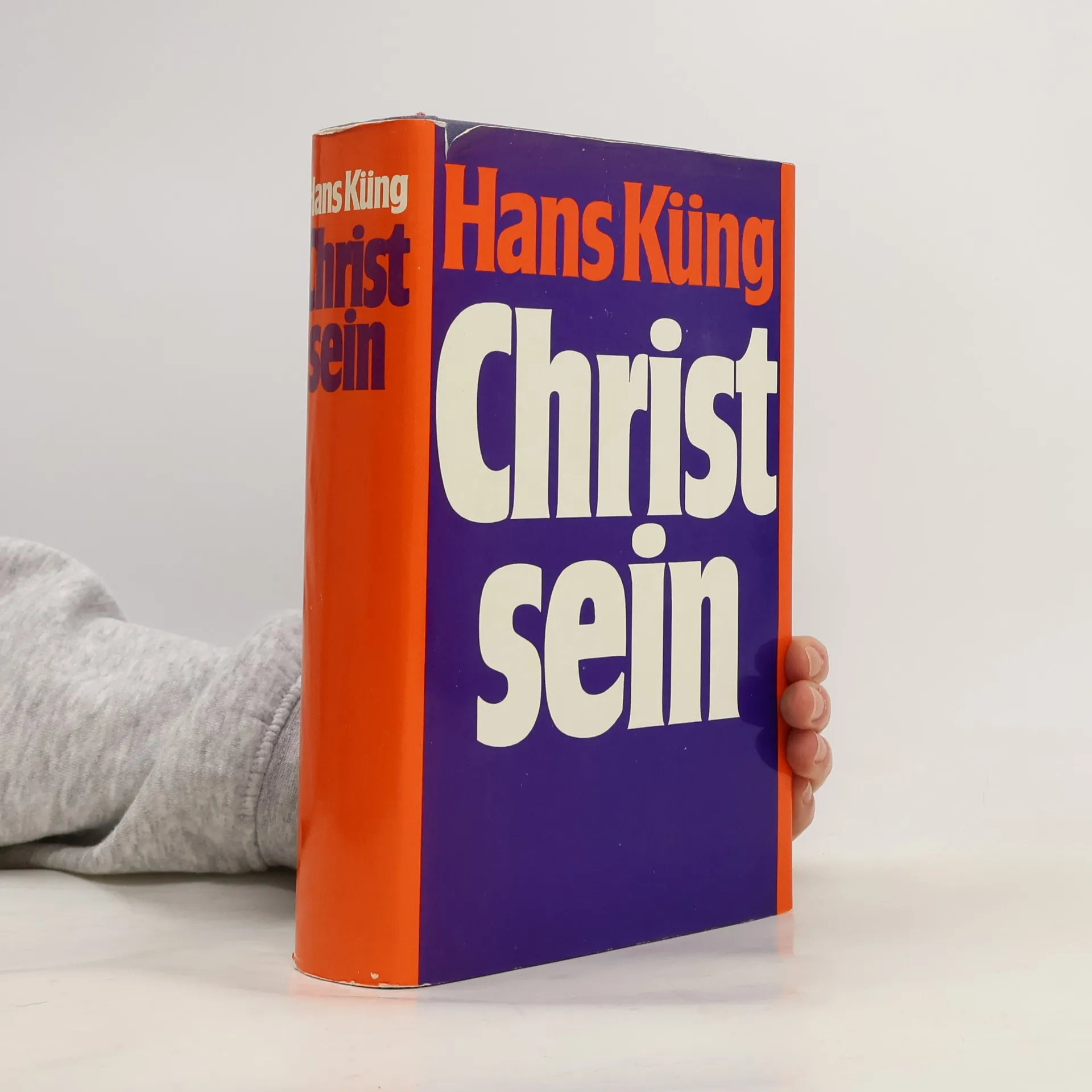
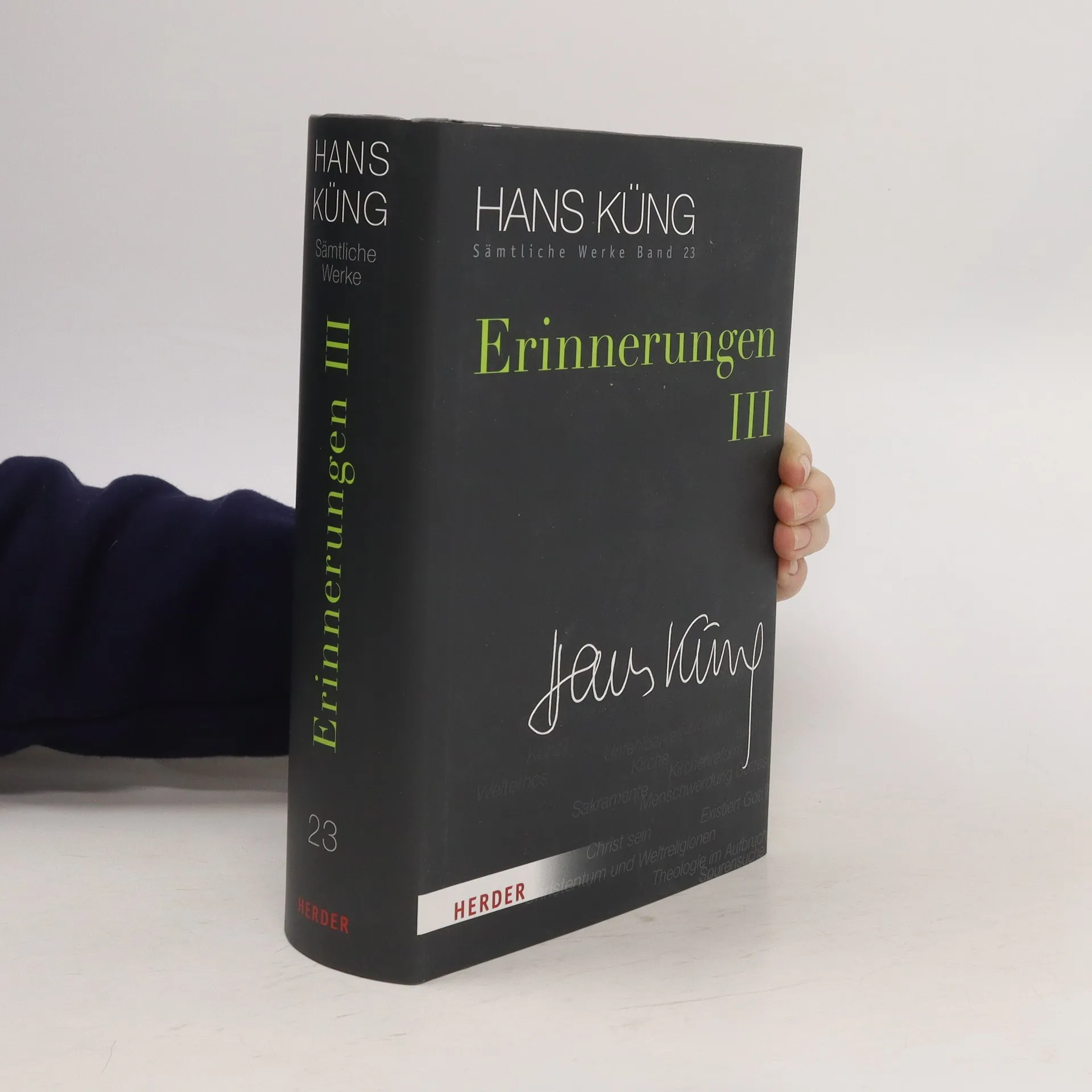
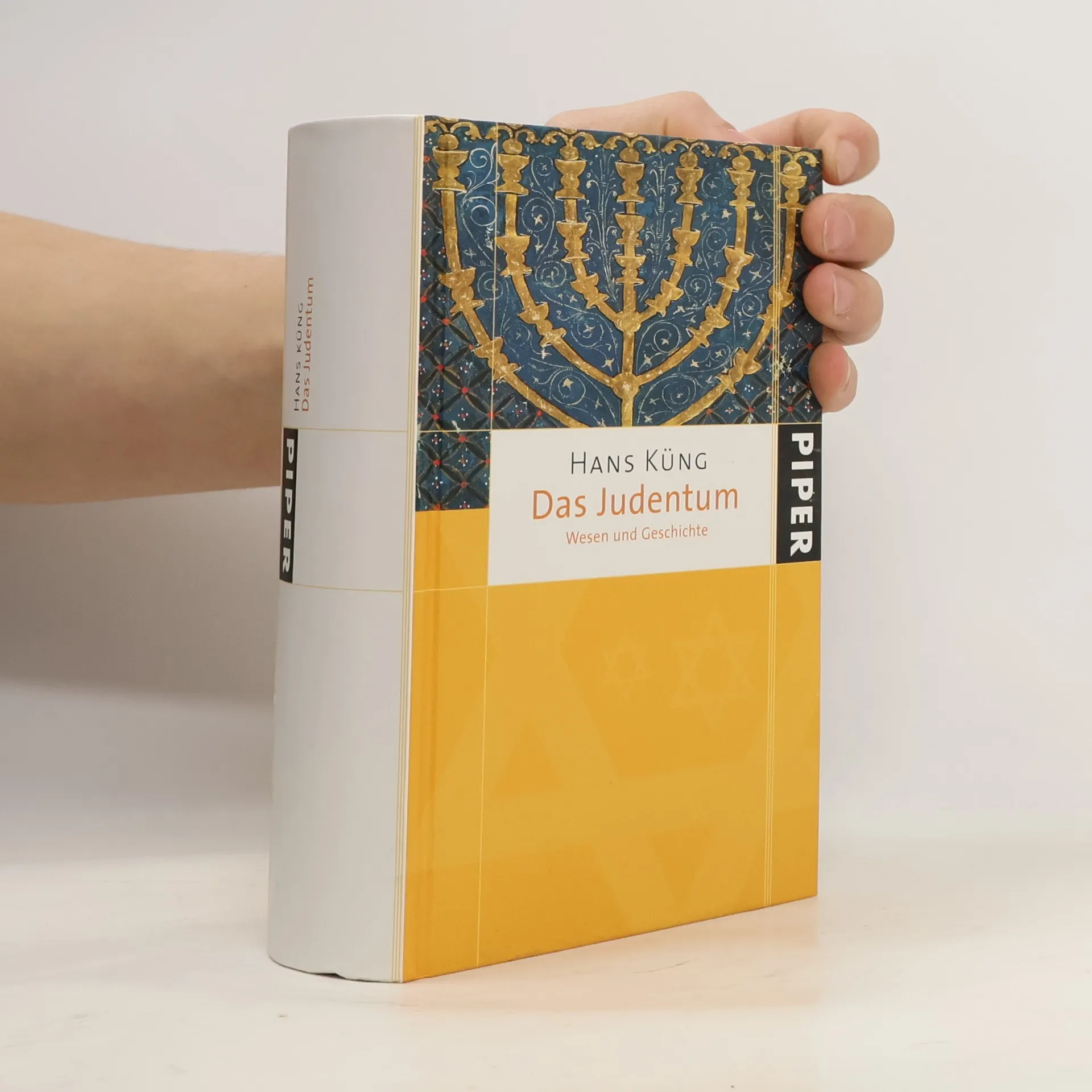
Hans Küng fue un sacerdote católico suizo y un teólogo importante, aunque controvertido. Sus extensos escritos exploraron profundas cuestiones de fe y ética, desafiando a menudo las doctrinas establecidas. Küng dedicó gran parte de su obra posterior a promover una ética global, creyendo en la necesidad del diálogo interreligioso y principios morales compartidos para un mundo pacífico. Su coraje intelectual y su compromiso con la indagación abierta lo marcaron como una voz distintiva en el pensamiento religioso contemporáneo.
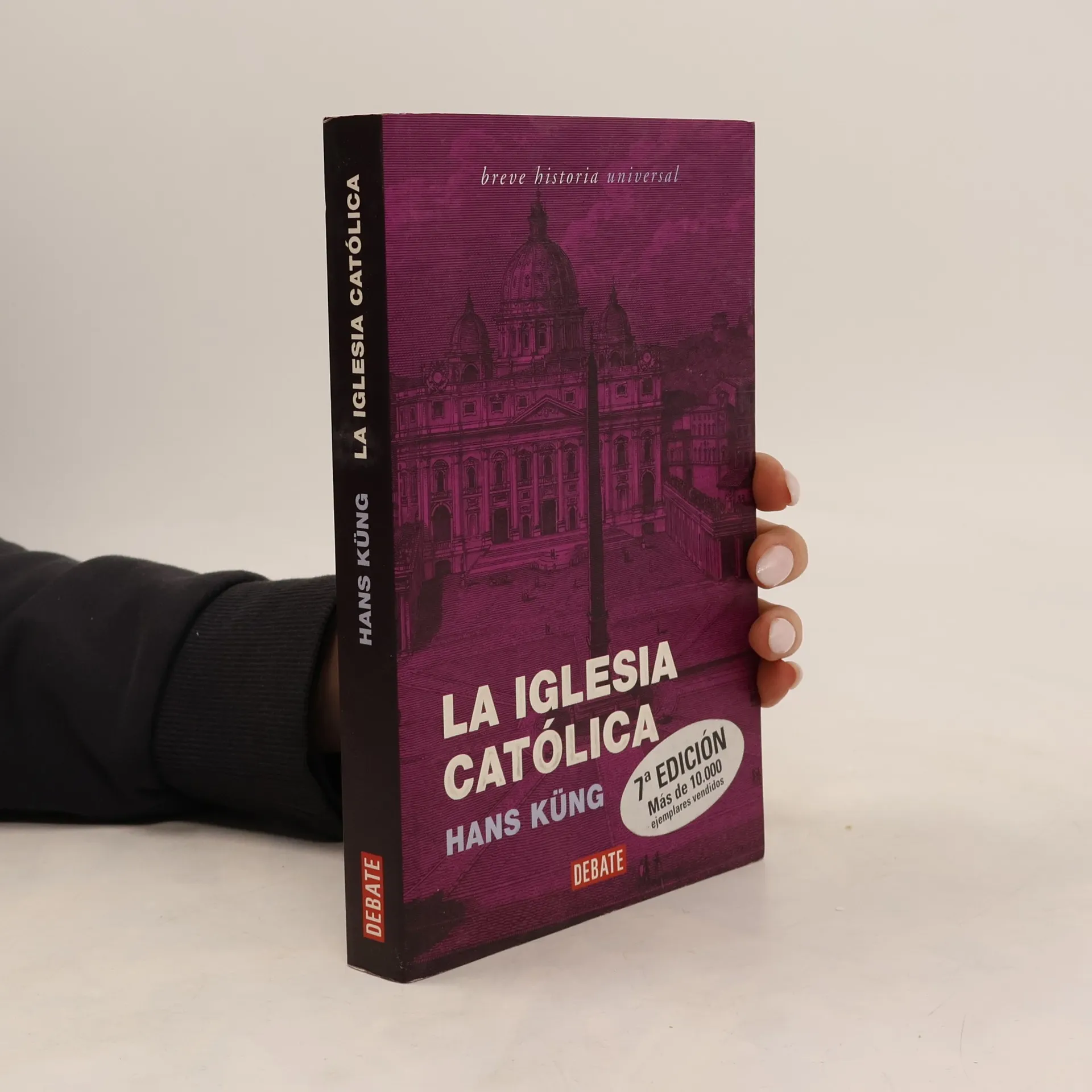
In this extraordinary book, the renowned Hans Kung chronicles the Roman Catholic Church's role as a world power throughout history. He examines great schisms - between East and West, Catholicism and Protestantism - the evolving role of the papacy and the stories of the great reforming popes; and the expansion of a global Church infrastructure. The book concluded with a searching assessmentof how the Catholic faith will confront the immense challenges posed in the new millennium by the scientific community, by women questioning their role in the Church, and by those seeking reform of the strictures againstabortion and contraception. The Catholic Church is a landmark book by a controversial and profoundly influential thinker. "From the Hardcover edition."
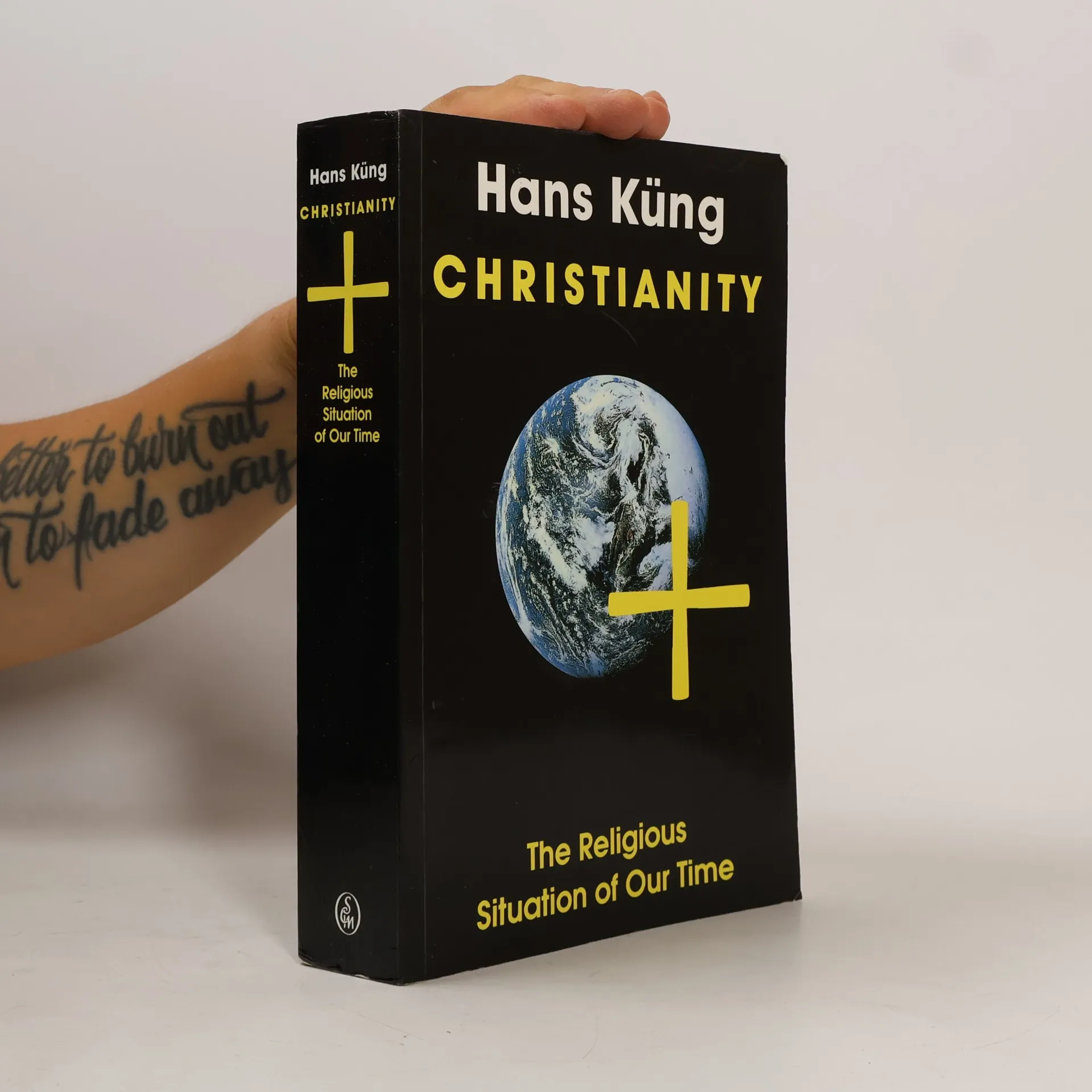
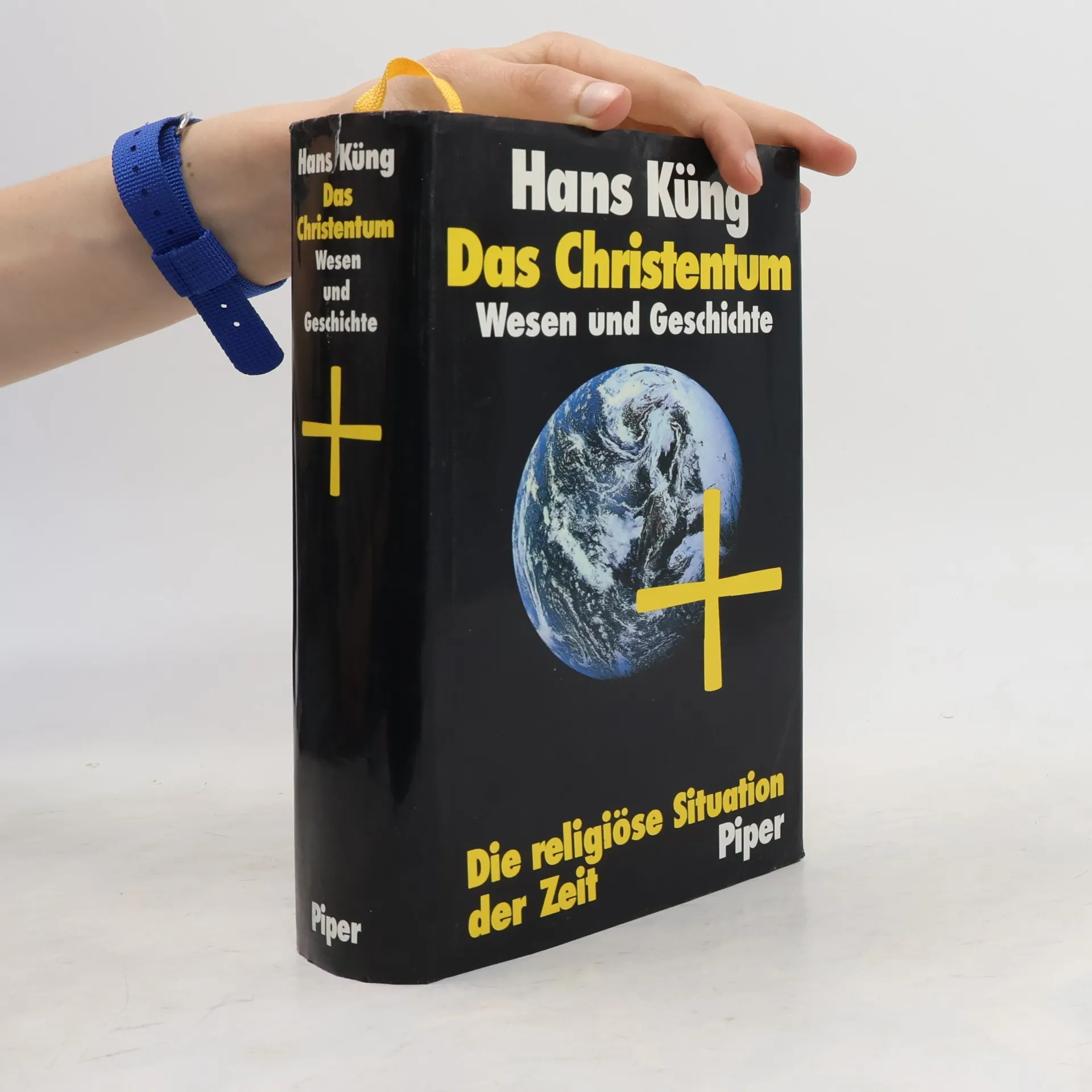
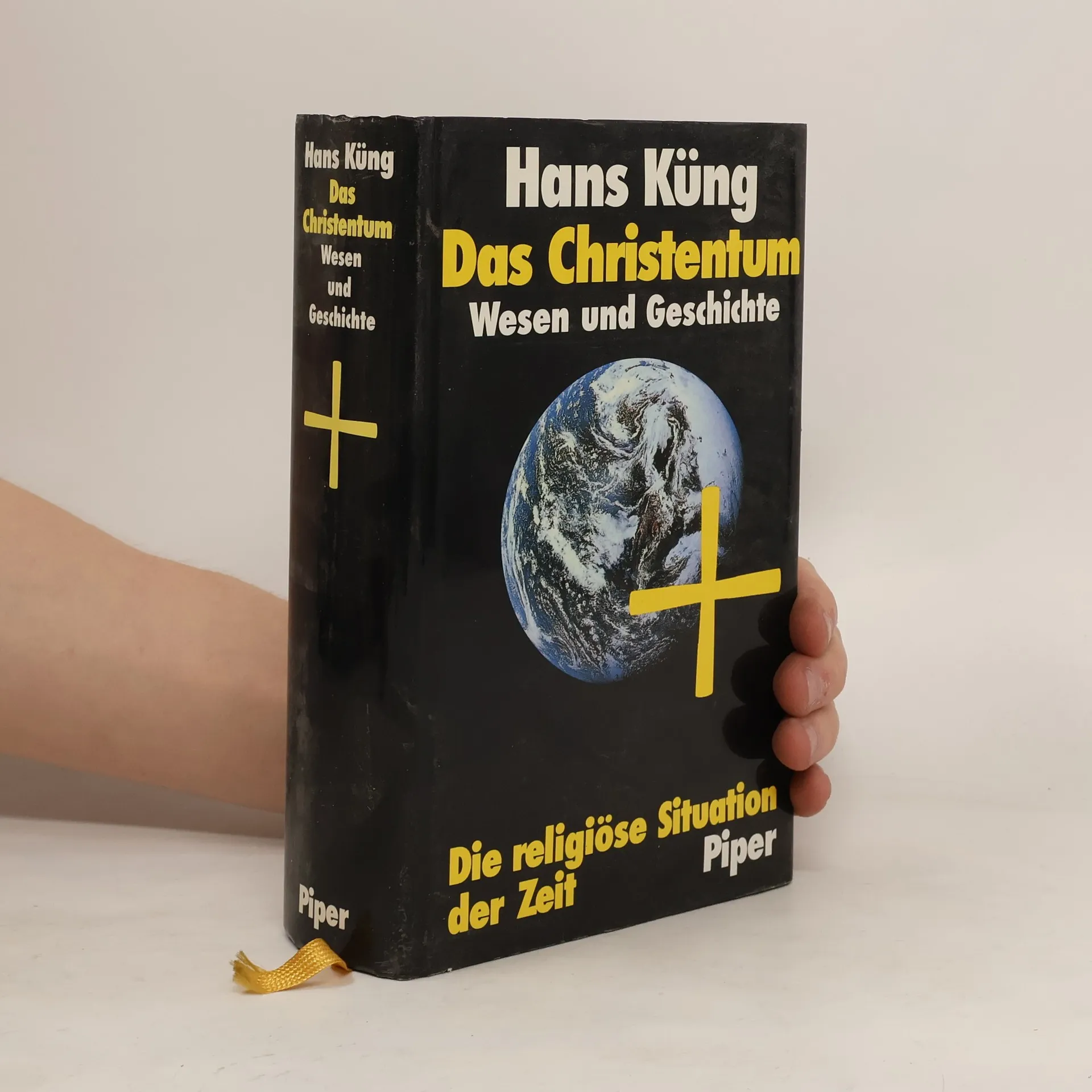
One of this century's most prominent and outspoken theologians affirms the vitality and uniqueness of Christianity by tracing it back to the reality of the historical Christ.
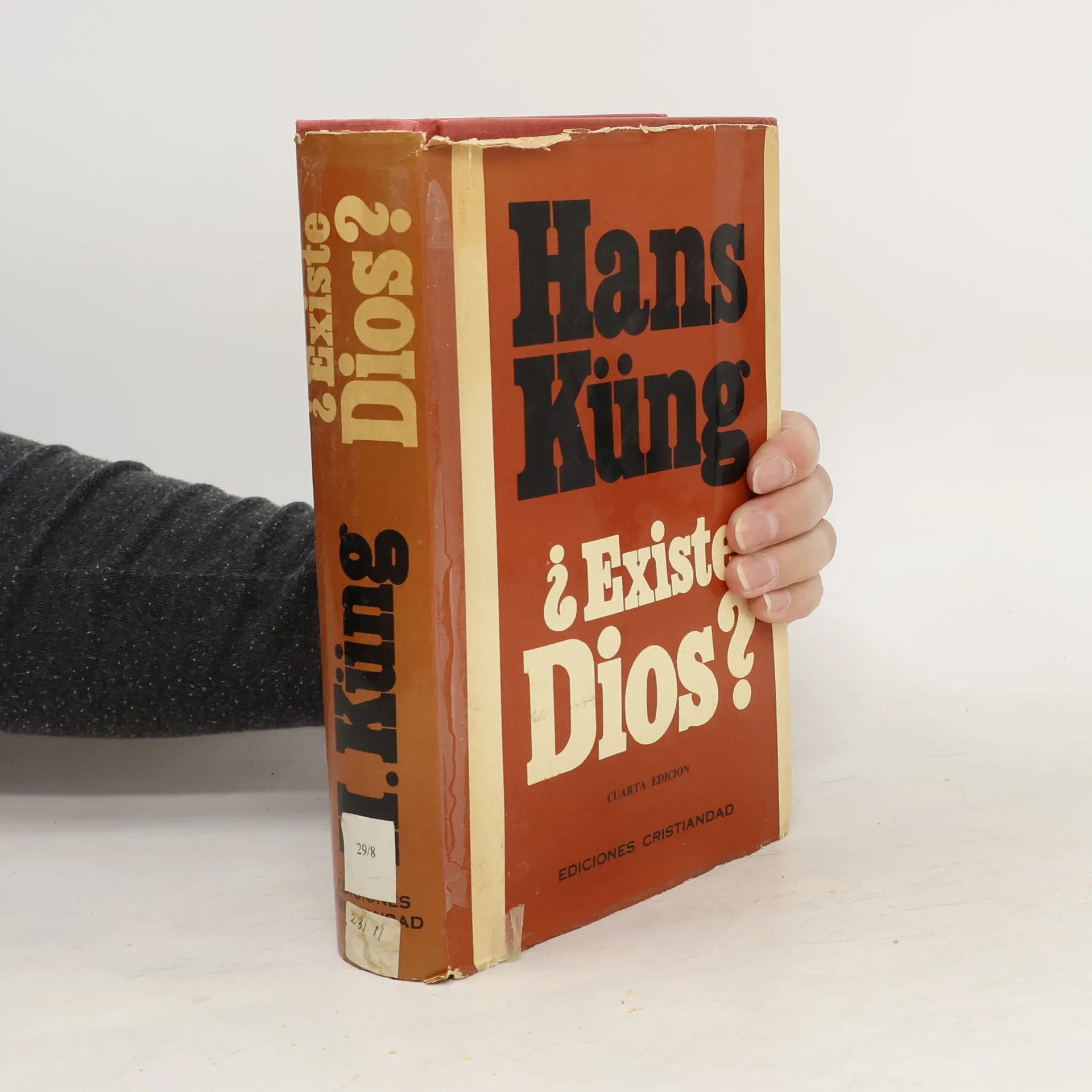
Respuesta al problema de Dios en nuestro tiempo - Cuarta Edicion
972 páginas
35 horas de lectura
¿Hat die Religion noch eine Zukunft? Warum an Gott glauben und nicht einfach an humane Werte – an Brüderlichkeit, Freiheit und Liebe? Existiert Gott überhaupt? Viele Menschen zweifeln an ihrem Glauben, sind ratlos und unentschieden, sehnen sich nach Gewißheit. Hans Küng nimmt ihre Zweifel ernst. Er untersucht die historischen Wurzeln der Gottesfrage und kommt zu dem Ergebnis: Gott existiert, und auch als Mensch der Gegenwart kann man vernünftig an Gott, vielleicht sogar an den christlichen Gott glauben.
¿Se puede liquidar el acto de orar en un gesto de impotencia y debilidad que nos mantiene pasivos encomendándonos a la omnipotencia divina y olvidando la fuerza que puede emanar de ella? ¿Solo hay sumisión en la oración, sin tan siquiera resistencia? El autor reflexiona sobre la crisis de la oración, fruto de la secularización y las preguntas sin respuesta frente al mal y al dolor de los inocentes. Pero la repetición constante de esas preguntas es, para el prestigioso teólogo suizo, el punto de partida para descubrir el sentido universalmente humano de la oración.
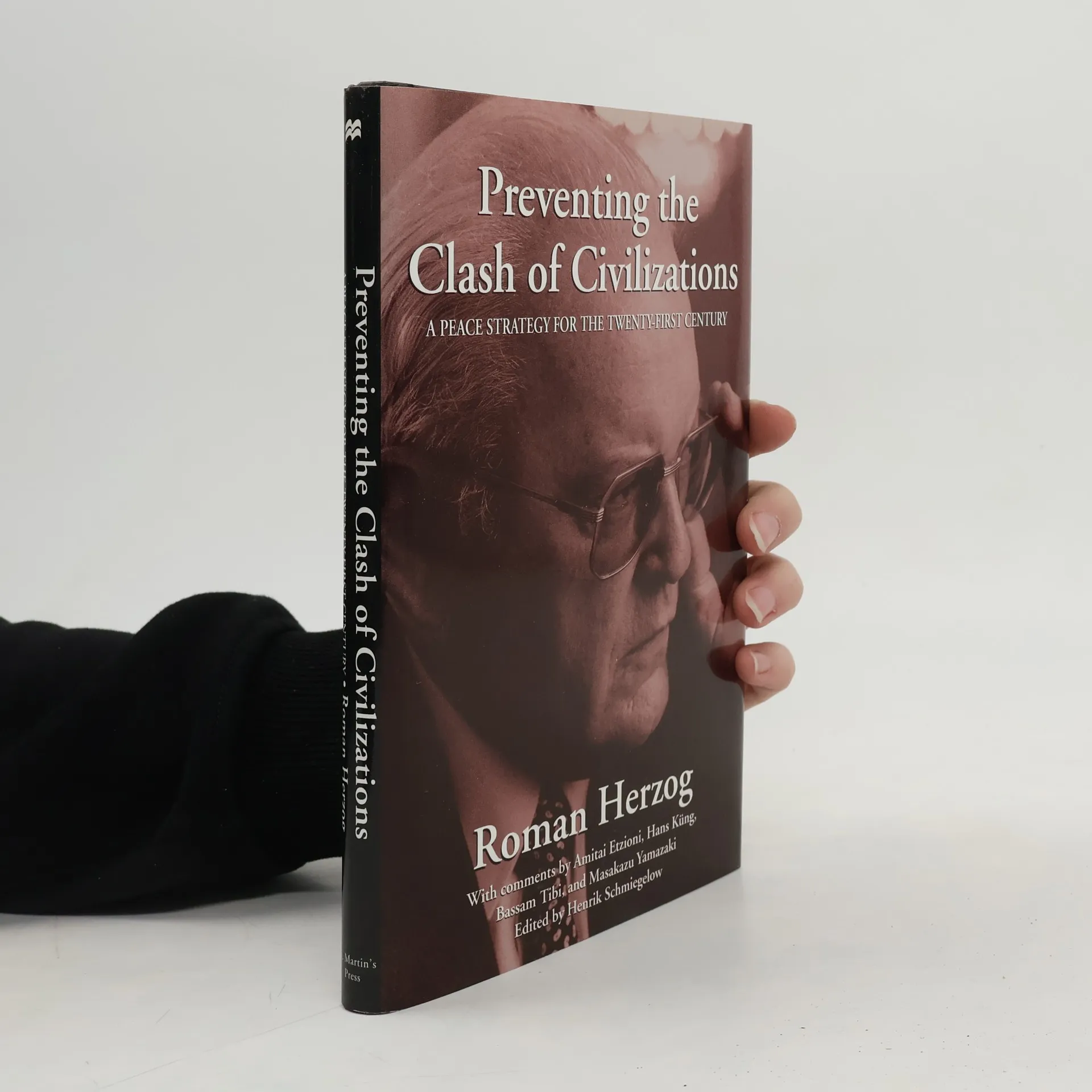
The President of the Federal Republic of Germany, Roman Herzog, and four internationally renowned scholars from different cultural backgrounds and academic disciplines argue about ways to prevent the scenario of a clash of civilizations from becoming reality. Recognizing that scenario as an intellectual projection with considerable influence on policy-makers across the world, they agree on the necessity to mobilize ideas of cooperation as countervailing forces against mindsets of conflict and violence; to respect the diversity of cultures, but avoid moral relativism; to recognize the danger of fundamentalist instrumentalization of religion for purposes of political power; to cope with economic and social disequilibria that may lead to eruptions of conflict and violence; and to focus on commonalities between cultures as a strategy of peace in a globalized world.
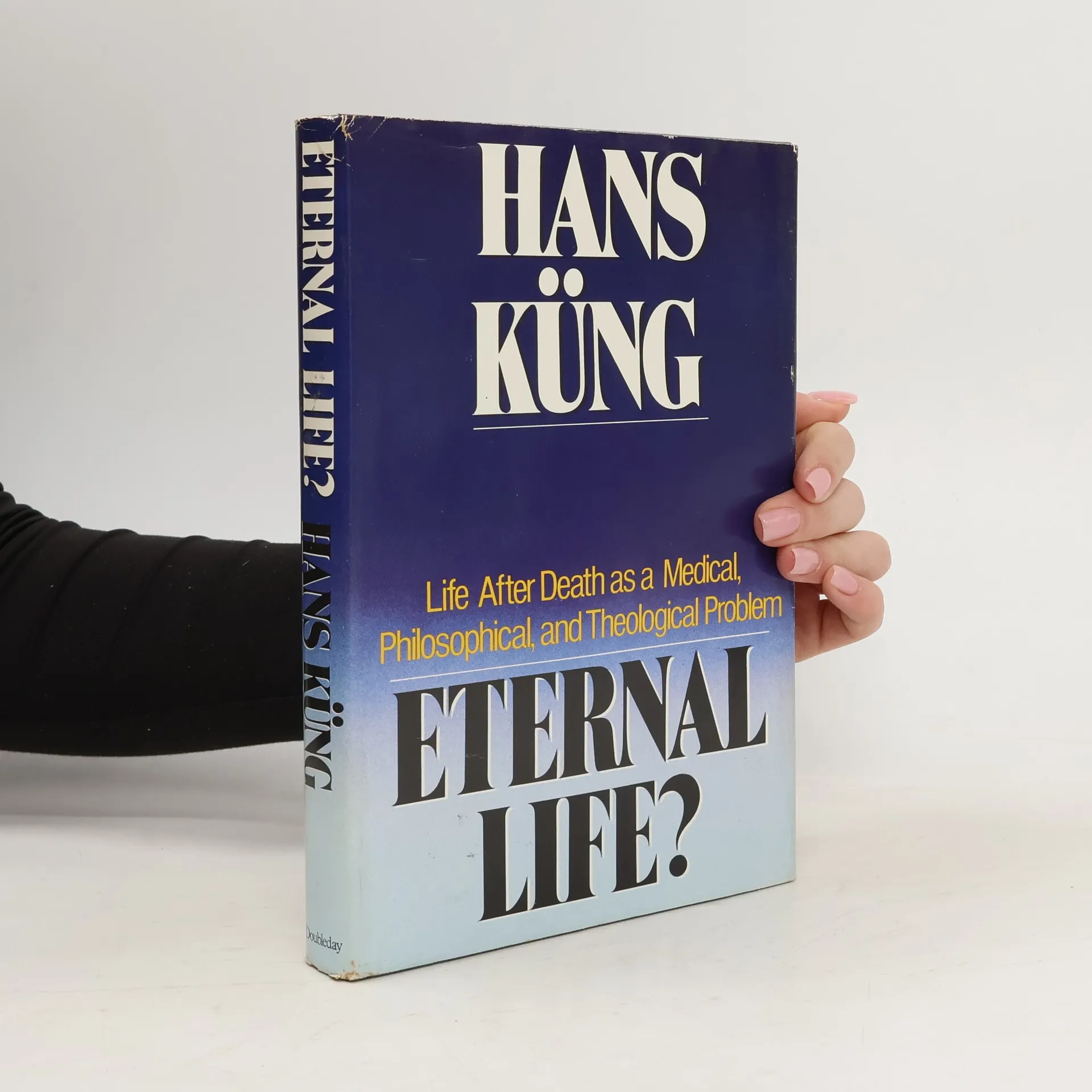
Life After Death as a Medical, Philosophical, and Theological Problem
271 páginas
10 horas de lectura
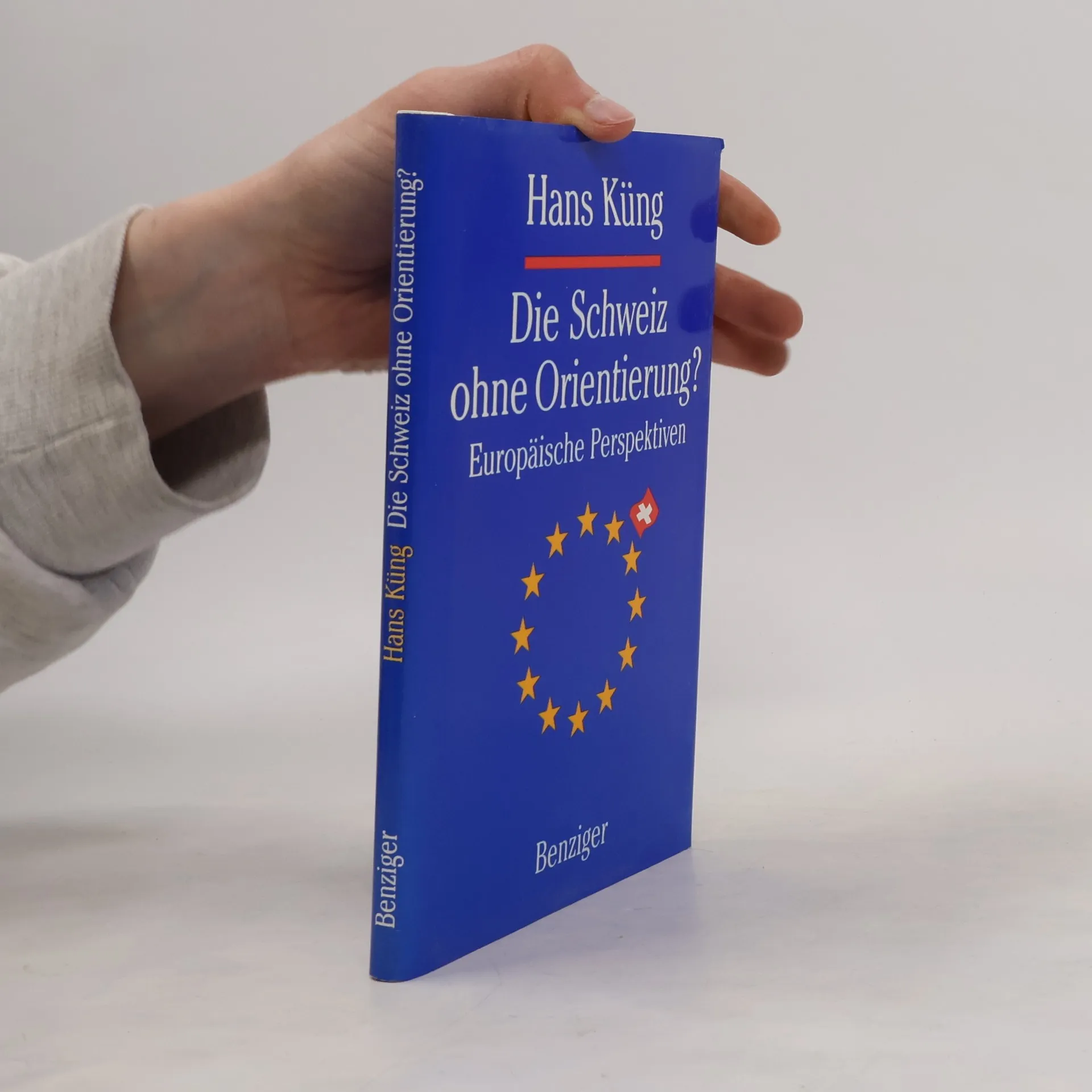
We are currently experiencing a significant sociological crisis of orientation. New problems and needs have emerged, revealing fresh fears and longings. Many individuals are seeking a new foundation, a fundamental certainty, and a guiding compass for their lives and those of others. Despite the inconsistencies and ambivalence surrounding these issues, religion is gaining increased attention, encompassing both traditional faiths and new spiritual movements, including Christianity, Islam, Hinduism, and Buddhism. In both the East and West, the once-reliable notion of Progress has lost credibility; faith in a better future through science, technology, revolution, and socialism is now met with skepticism. While the elderly struggle to find meaning in death despite psychological advancements, younger generations—often labeled as apathetic and self-destructive—are reexamining the search for life's purpose. Interestingly, although science has largely undermined belief in immortality and has focused on prolonging life, it is now medicine that is challenging taboos surrounding death. Through its research into dying, medicine has revived inquiries about death and survival. However, the question remains: has medicine or parapsychology provided evidence of life after death?
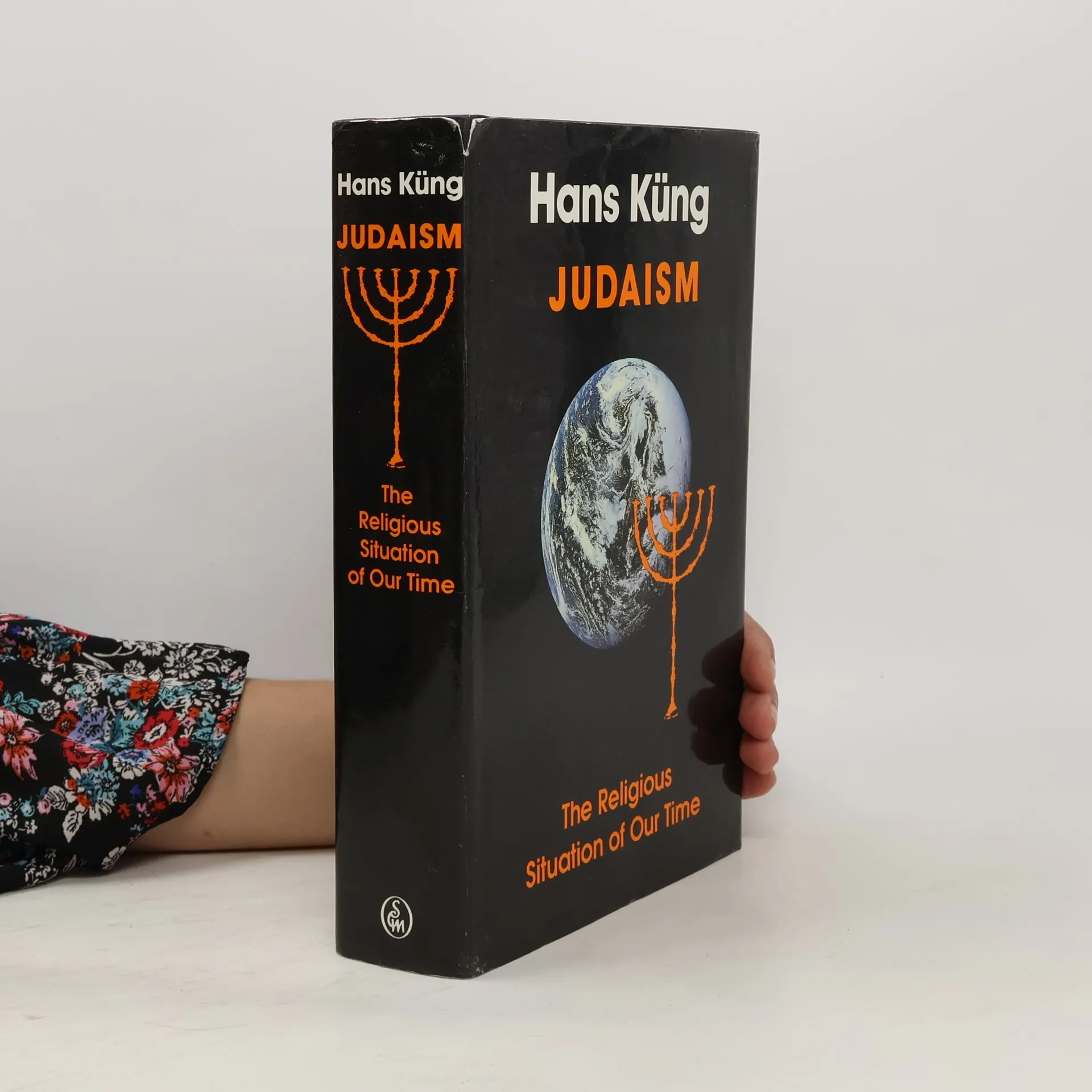
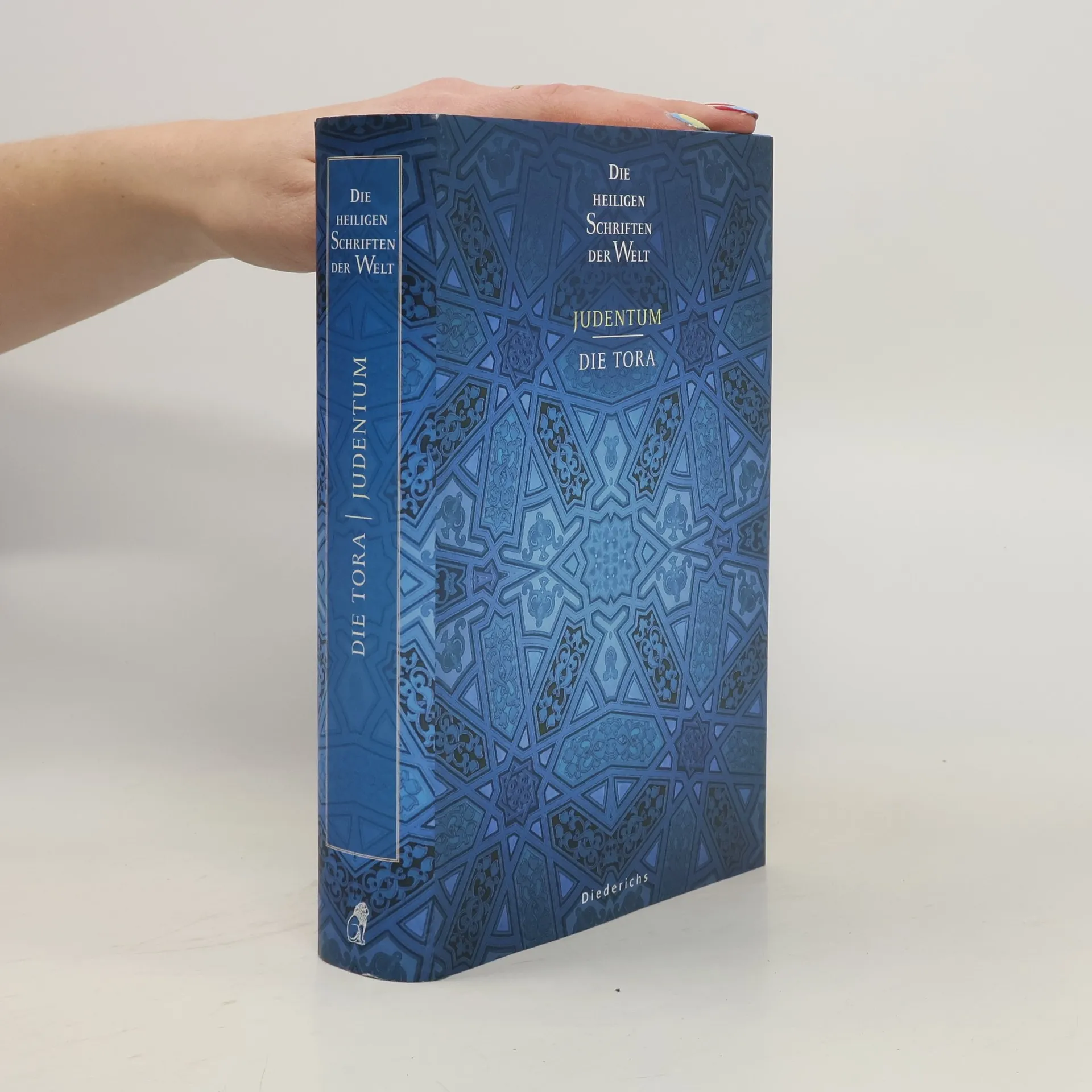
The extensive work of Swiss theologian Hans Küng focuses on Jewish religion within the context of three millennia, from Abraham to 1991. This book is the first in a trilogy that also includes Christianity and Islam. The author divides the text into three sections: The Past Still Present, Problems of the Present, and Perspectives for the Future, analyzing Judaism from theological, historical, and political viewpoints. Küng critically compares Judaism with Christianity and Islam, emphasizing the historical development of church Christianity, particularly Catholicism, while approaching Islam with political correctness.
The work categorizes the evolution of Jewish religion into six paradigms, from tribal to postmodern. The author addresses the history of the Jewish people, the Holocaust, and the attitudes of Christian churches toward the Nazi persecution of Jews, as well as the relationship between Jews and Christians, the future of the State of Israel, and the Middle Eastern conflict. He also examines the development of Orthodox, Reform, and Conservative Judaism, questioning how to understand God after Auschwitz. The book is richly fact-based and represents a significant contribution to interreligious dialogue and the ideas of a global ethical world.
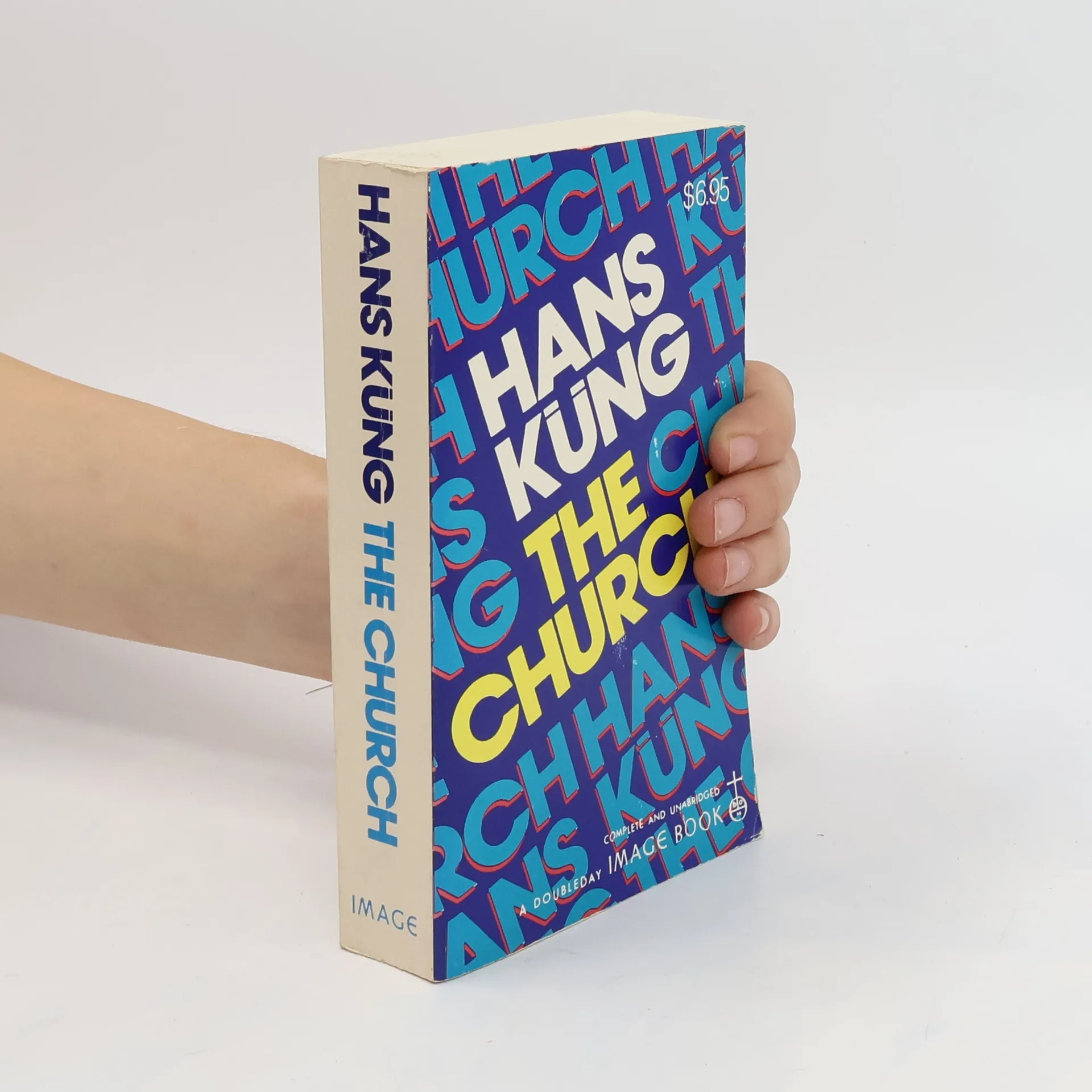
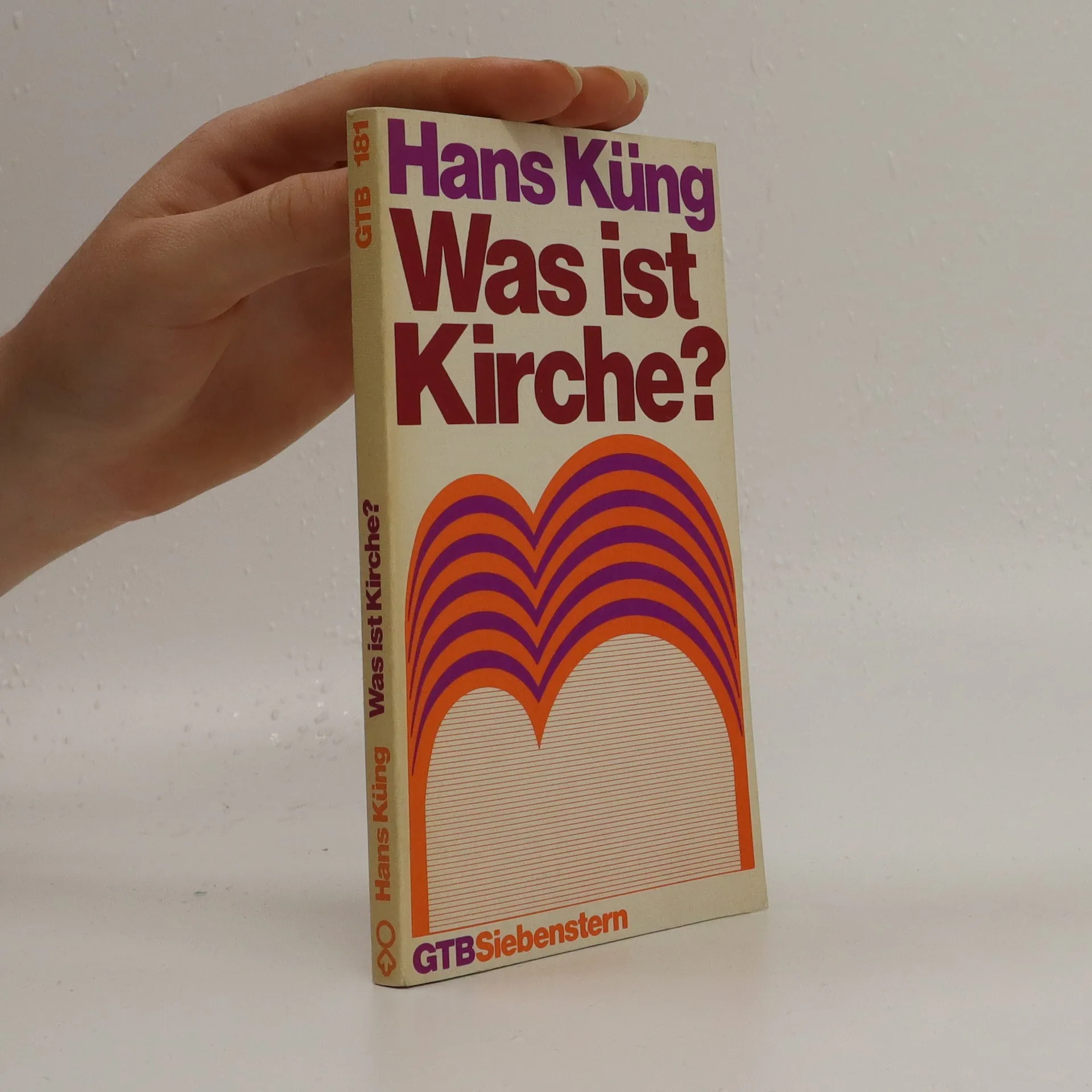
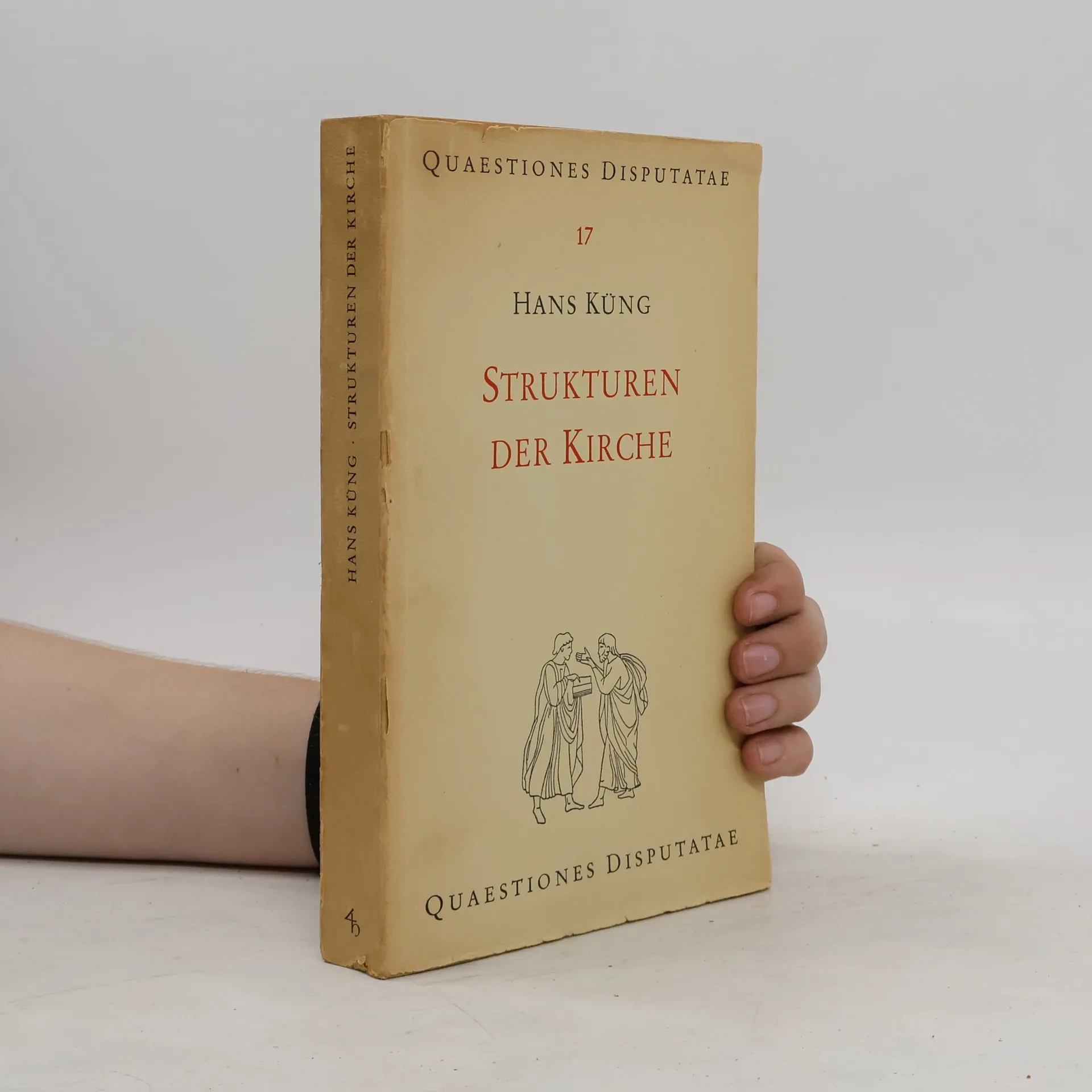
Provides a picture of the Church's theological image as expressed in the historical forms it has taken thru the centuries from the present day back to its origins. The book uncovers, for both Protestant & Roman Catholic, some lessons about the community to which he or she belongs.
Paths to Dialogue with Islam, Hinduism and Buddhism
460 páginas
17 horas de lectura
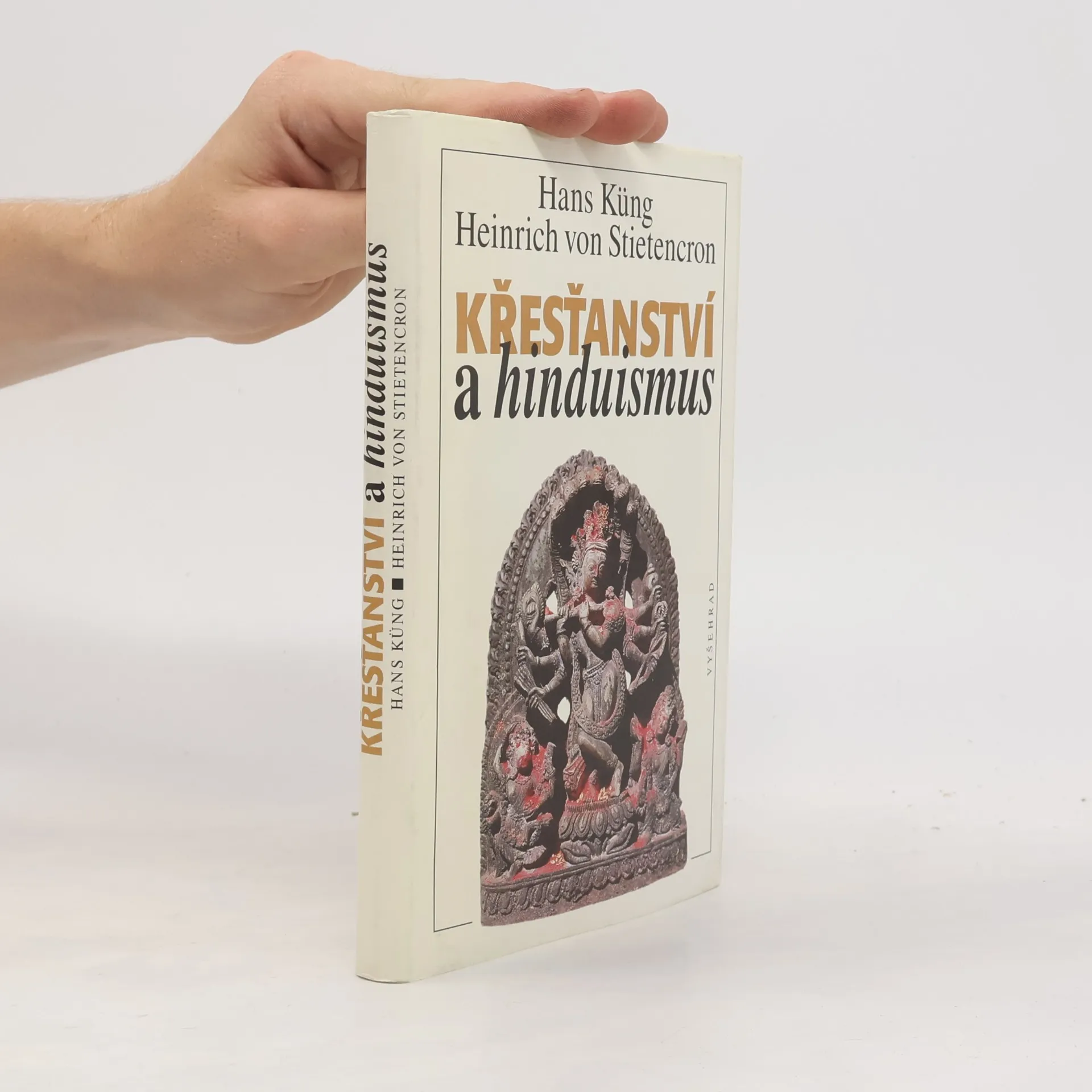
Kung joins with three esteemed colleagues to address the question: "Can we break through the barriers of noncommunication, fear, and mistrust that separate the followers of the world's great religions?" The authors analyze the main lines of approach taken by Islam, Hinduism, and Buddhism, and give Christian responses to the values and challenges each tradition presents.
Hans Kung emphasizes the pressing need for dialogue and understanding in a world fraught with division and conflict. He explores themes of faith, ethics, and the importance of global cooperation, urging readers to reflect on their roles in fostering peace and unity. Through a blend of personal insights and philosophical reflections, Kung challenges conventional beliefs and advocates for a more compassionate approach to humanity's shared challenges. This work serves as a call to action for individuals and communities alike.
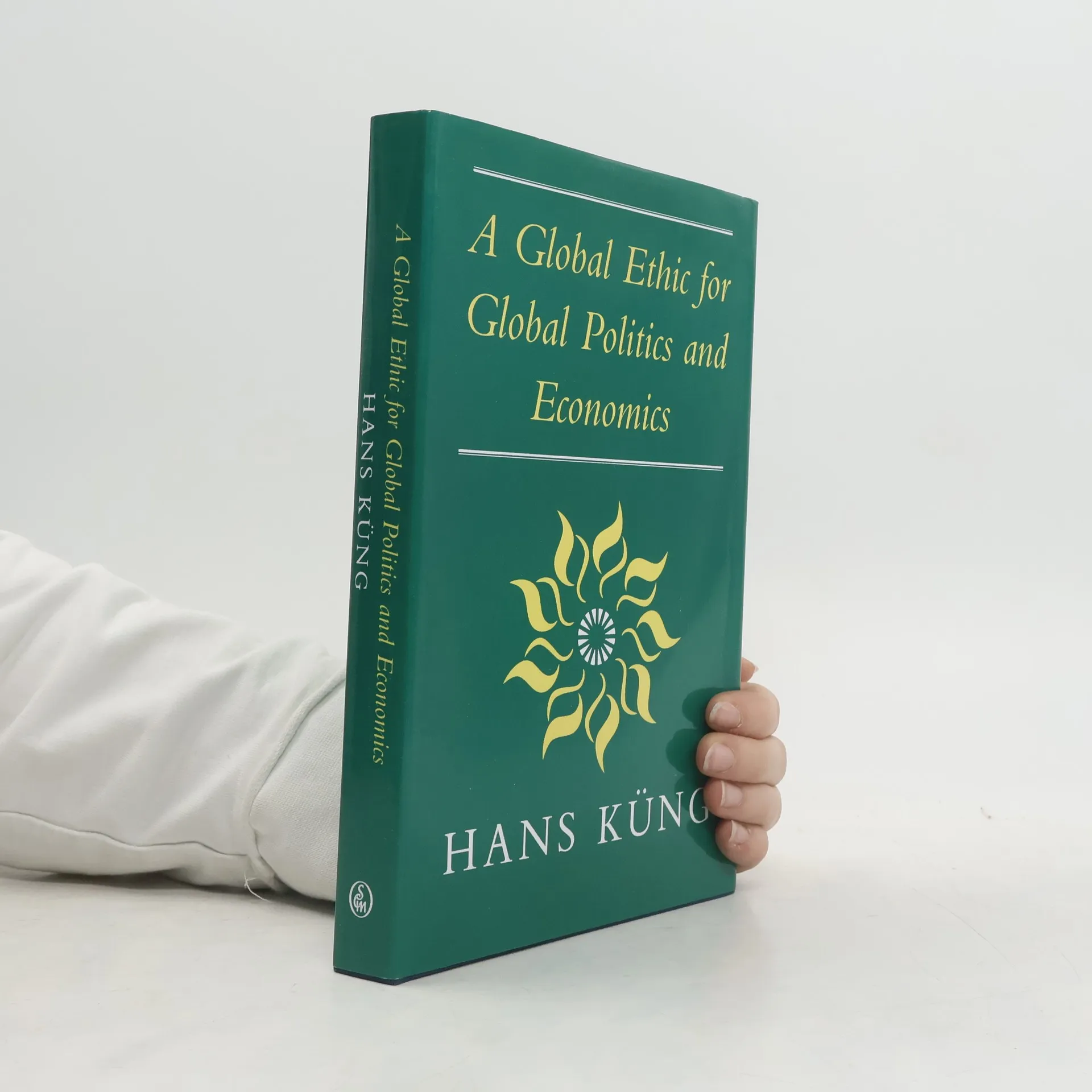
Hans Kueng's Global Responsibility, published in 1991, marked a significant stage in his work, leading to influential writings on Judaism and Christianity, as well as the Declaration toward a Global Ethic approved by the Parliament of the World Religions in 1993. This book represents a practical advancement in his exploration of ethical issues in politics and economics, surprising those who view him solely as a theologian. Kueng collaborates with experts in these fields, demonstrating a remarkable understanding of contemporary issues and maintaining the professional touch characteristic of his writing. He questions whether politics can disregard ethical norms in international and domestic contexts and whether power justifies any means. The first part examines historical perspectives on Realpolitik and idealistic alternatives, addressing the conflicts in former Yugoslavia and the Gulf War. The second part tackles pressing issues such as the fate of the welfare state, the autonomy of the market, the role of transnational companies, and the ethical dilemmas in a business world plagued by financial scandals. Alongside these challenges, Kueng offers concrete suggestions for fostering a more humane social order, appealing to those seeking a better world, regardless of their religious beliefs. He served as President of the Global Ethic Foundation in Tuebingen, Germany.
Explore how the principles of a global ethic can be found in Judaism and how they can provide the ethical norms for all religions to work together toward a more peaceful humankind. In 1993, the Parliament of the World's Religions endorsed the "Declaration toward a Global Ethic" composed by Hans Küng. In it, representatives from all the world's religions agreed on principles for a global ethic and committed themselves to directives of nonviolence, respect for life, solidarity, a just economic order, tolerance, and equal rights and partnership between men and women. But the declaration was just the first step. In this impressive volume, Hans Küng, probably the most famous living Roman Catholic theologian, and Rabbi Walter Homolka, head of Germany’s Abraham Geiger rabbinical seminary and distinguished professor, draw on the Jewish tradition to show the riches that Judaism can offer people of all faiths and nonbelievers in achieving these directives. Presenting key sacred texts and theological writings, the authors make the case for binding values and basic moral attitudes that can be found in Judaism’s universal message of a better world. Exploring Judaism’s focus on ethical conduct over declarations of faith, the authors show that making ethical decisions is indispensable in an ever-changing world.
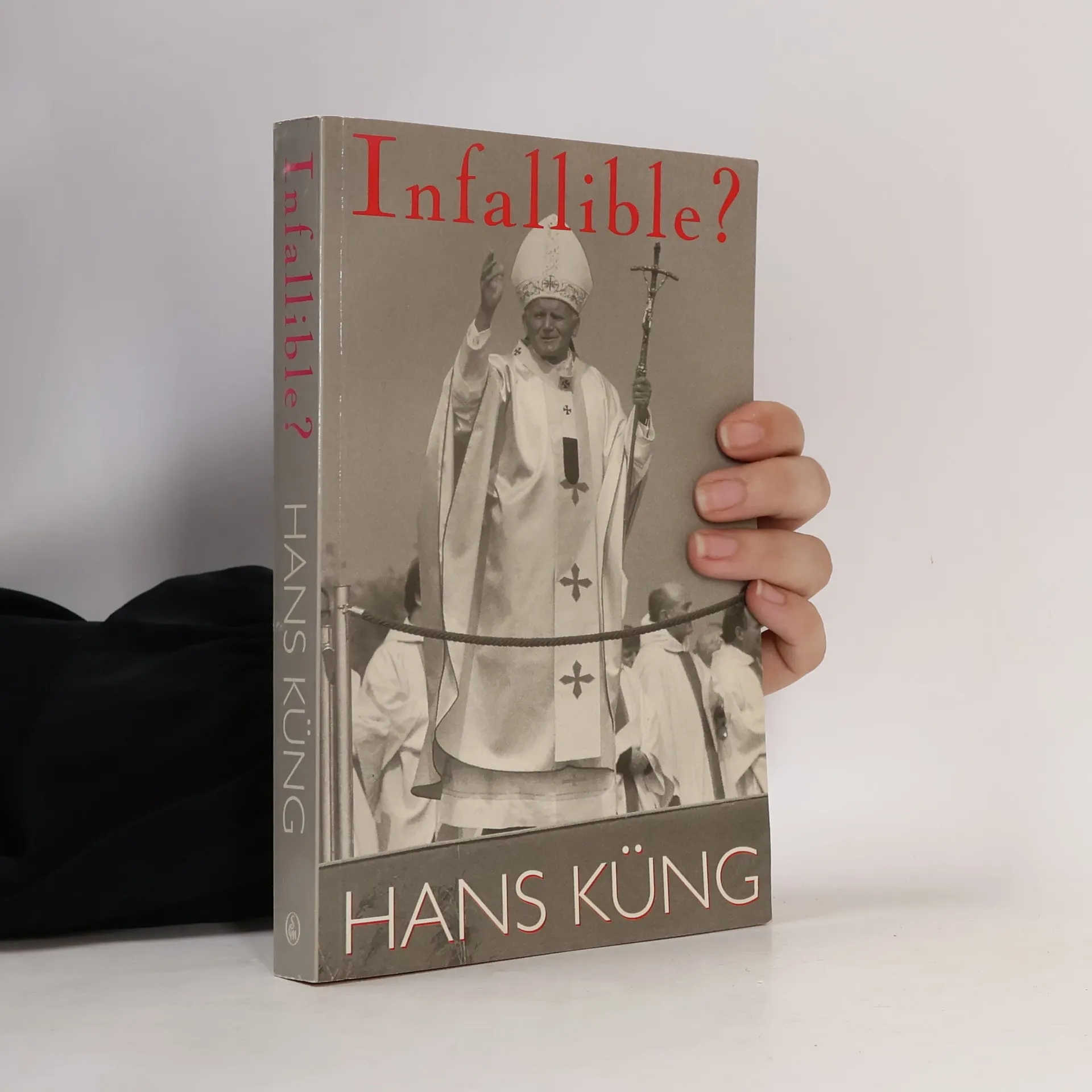
When it first appeared, in Germany in 1970 and in Britain in 1971, this books sparked the greatest theological debate since the Second Vatican Council and finally caused the author to lose his licence from the church to teach. However, the question is still far from being settled: on the contrary, events of recent times from Pope John Paul II's nomination of bishops and statements on birth control to the publication of a world catechism and "Veritatis Splendor" show that it has become an even ore urgent one. Long unavailable, Infallible? now reappears with a new preface by Gerbert Gaaf and a survey of the discussion.
Srozumitelné, odborně fundované seznámení s neevropskými náboženstvími. Výzva k dialogu, porozumění a smíření. Čtyři svazky této řady představují veřejnosti významný ekumenický dialog, který vedl světově uznávaný teolog Hans Küng s předními znalci hinduismu (sv. 1), buddhismu (sv. 2), islámu (sv. 3) a náboženství Číny (sv. 4). Každá kniha přináší nejprve přehlednou charakteristiku historického a duchovního vývoje jednotlivých náboženských soustav, poté se věnuje názorům jejich současných myslitelů a zkoumá možnosti vzájemného porozumění.
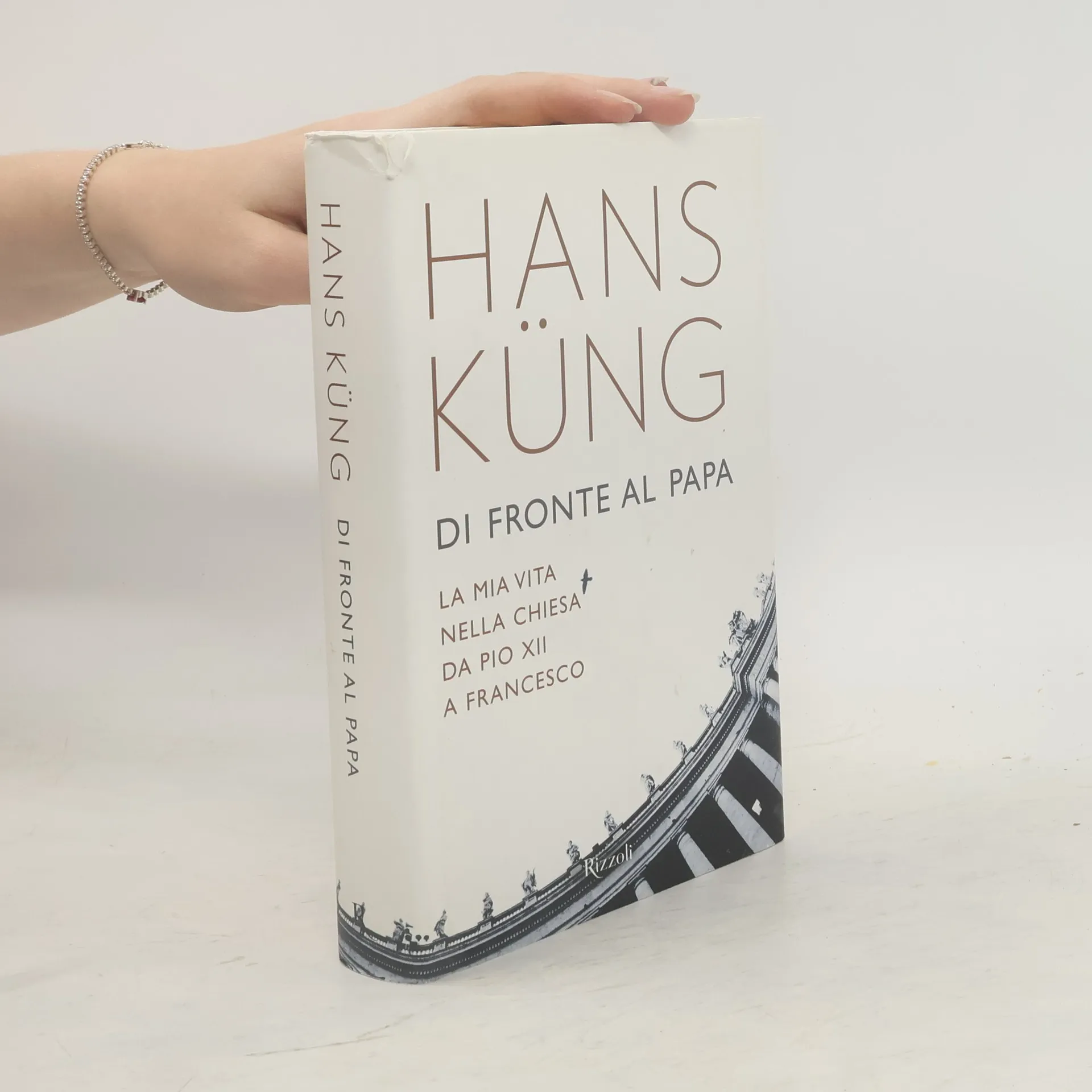
Hans Küng, il “grande vecchio” della teologia dissidente, racconta la sua esperienza con sette papi, da Pio XII a Francesco. Pio XII è il papa della sua giovinezza, e lo osserva da vicino come studente a Roma. Giovanni XXIII e Paolo VI sono i papi del Concilio, a cui partecipa come perito; Paolo VI lo invita a servire la Chiesa. Con Luciani ha un breve scambio epistolare, mentre Giovanni Paolo II diventa il papa-nemico, privandolo della missio canonica. Ratzinger, suo collega al Concilio e a Tubinga, si schiera con Wojtyła. La relazione con Francesco è invece di “simpatia a prima vista”, con il papa che lo chiama hermano. Küng condivide ricordi e aneddoti, offrendo ritratti di questi pontefici, non biografie o agiografie. La sua valutazione è influenzata dal Concilio Vaticano II, che cercava di reinterpretare il Vangelo per i tempi moderni. Küng misura il suo giudizio su questi papi in base alla loro vicinanza al messaggio di Gesù Cristo. La sua relazione con i papi è diretta e senza intermediari, permettendo un confronto costruttivo. Küng difende una visione di Chiesa aperta al mondo e ai suoi problemi, fedele al messaggio cristiano originario: una Chiesa “serva e povera”, e misericordiosa. Con papa Francesco, questa visione trova nuova speranza.
Mit großer Offenheit erzählt Hans Küng das Leben »meiner letzten drei Jahrzehnte«. Er beschreibt, wie der Versuch der römischen Kirche scheitert, ihren gefährlichsten (weil aus dem Inneren der Kirche stammenden) Kritiker zu isolieren. Die Macht des Papstes reicht auch im ausgehenden 20. Jahrhundert noch weit und könnte das Leben eines Priesters und Professors zerstören. Küng aber wehrt sich – und bleibt Sieger. Er erschließt sich neue Felder, von der Ökumene der Weltreligionen bis hin zum epochalen »Weltethos«, und wird weltweit als einer der großen wegweisenden Denker gesehen. Bunt, spannungsreich, aufregend sei sein Leben gewesen, resümiert Küng, und lässt den Leser teilhaben an Kämpfen und Krisen, an Begegnungen mit den Großen der Erde und seinen eigenen Erkenntnissen über sein Leben. Denn damit schließt das Buch, mit persönlichen Antworten auf die großen Fragen eines jeden Menschen am Ende des Lebens: War es das wert? Wie will ich sterben? Was kommt dann?
Kniha Světový étos. Projekt má tři hlavní části:
Část A. Není přežití bez světového étosu. Proč potřebujeme globální étos
Část B.“Není světového míru bez míru náboženského. Ekumenická cesta mezi fanatismem pro pravdu a opomíjením pravdy
Část C. Není náboženského míru bez náboženského dialogu.
Prolegomena k analýze náboženské situace doby
V úvodu části A (část A. I: Od moderny k postmoderně) autor připomíná, že žijeme v době paradigmatického zlomu, kdy nastupuje postmoderní paradigma. To vyvolává nutnost étosu pro celé lidstvo. Nejde zde o jednotlivá náboženství či jednotlivé ideologie, ale jde o základní étos pro všechny. Rok 1918 přinesl možnost nastolení nového postmoderního světového řádu, mírovějšího a polycentrického. Ty naděje však prohrály. Přišel německý fašismus, japonský militarismus a revoluční komunismus. Dnes, v době konce velkých moderních ideologií, jsou pak státní socialismus, neokapitalismus a japanismus hesly bez budoucnosti. Komunismus (socialismus) a kapitalismus (liberalismus) jsou podle Künga beznadějně zkompromitované a překonané, východiskem je údajně ekosociální tržní hospodářství (s. 24).
Kromě ekosociálního tržního hospodářství se nadcházející postmoderní konstelace má vyznačovat polycentrismem světových regionů, postkoloniálním a postimperialistickým světovým společenstvím, postindustriální společností služeb a komunikace, postpatriarchálním rodinným systémem (partnerským vztahem muže a ženy), postideologickou kulturou a multikonfesním ekumenickým světovým společenstvím (s. 29). Nejde přitom o rozklad hodnot, ale o jejich změnu. Nutno odmítnout jak protimodernu, tak ultramodernu. Východiskem je překonání moderního paradigmatu jeho povýšením na postmoderní paradigma, a to ve smyslu přijetí humánního obsahu moderního paradigmatu, negování jeho nehumánních omezení a konečně jeho transcendování do nové, diferencované, pluralisticko holistické syntézy (s. 33).
Küng dále upozorňuje (v části A. II: K čemu je etika?) na skutečnost, že demokratický stát musí být světonázorově neutrální. Proto je nutně odkázán na základní konsensus, “překrývající konsensus” (ang. overlapping consensus). Heslem budoucnosti se má stát planetární odpovědnost. Místo etiky úspěchu má nastoupit etika odpovědnosti - etika smýšlení, které se ptá na důsledky konání a přijímá odpovědnost. Přitom má jít o odpovědnost světové pospolitosti za její svět, za životní prostředí a za budoucí svět (s. 38). Člověk se musí stát lidštějším, vzít na sebe odpovědnost za sebe i odpovědnost za svět. Vytvoření lepšího světa vyžaduje identitu a solidaritu. Etika by se měla stát opět veřejnou záležitostí (etické komise, katedry etiky, etické kodexy). Etické jednání má tvořit rámec lidského sociálního jednání.
Společnost odpovědnosti se má vyznačovat vzájemným respektem věřících a nevěřících (část A. III: Koalice věřících a nevěřících). Svoboda náboženství je i právem svobody od náboženství. Koalice věřících a nevěřících může společně bojovat proti triviálnímu nihilismu, difúznímu cynismu a sociálnímu chladu.
Hans Küng varuje (v části A. IV: Etika mezi autonomií a náboženstvím) před antivědeckým fundamentalismem a hodnotově neutrální vědou. Připomíná dialektiku osvícenství, kdy jeho rozum se lehce obrací v nerozum (s. 47). Ne každý pokrok vědy je pak současně pokrokem lidskosti. Technické a přírodovědecké myšlení není schopné se stát základem pro etická měřítka, lidská práva a univerzální hodnoty. I filosofie má velký problém se zdůvodněním nepodmíněně a všeobecně závazné etiky. Snad to dá náboženství?
Náboženství ovšem působí rozporně. Náboženství mohou potlačovat i osvobozovat, mohou být tyranská a autoritářská, ale i šířit důvěru v živit, toleranci, ochotu pomáhat, solidaritu, kreativitu, sociální angažovanost, podporovat duchovní obnovu, společenské reformy a světový mír. Náboženství je univerzální fenomén a znamená rozumnou důvěru v Boha, chápaného jako vše zahrnující, vším pronikající první a poslední skutečnost (s. 50). Náboženství nemusí být jen projekce. Dnes je náboženství motorem společenských změn více než filosofie. Kulturně historická teze o konci či odumírání náboženství se tak jeví jednoznačně jako falzifikát.
Ovšem také náboženství mají problémy s etikou. Pojmy a normy velkých náboženství se vytvořily ve velmi komplikovaném sociálním dynamickém procesu. Nelze zde apelovat pouze na nebeskou autoritu, lidem není totiž odňata jejich pozemská autorita. I v náboženství je třeba užívat vědeckých metod. Moderní etika musí mít kontakt s přírodními vědami a vědami o člověku (s psychologií, psychoterapií, sociologii, kritikou společnosti, výzkumy chování, biologií, dějinami kultury či filosofickou antropologií). Současná etika vypracovala řadu pravidel pro konkrétní etické rozhodování (s. 55): pravidlo řešení problému (technický a vědecký pokrok by neměl přinést víc problémů, než které by řešil), pravidlo důkazovosti (nutno dokázat, že navrhovaná inovace nezapříčiní sociální a ekologické škody), pravidlo obecného blaha (zájem obecného blaha má přednost před individuálním zájmem), pravidlo naléhavosti (naléhavější hodnota má přednost i před hodnotou vyšší), pravidlo ekologie (ekosystém má přednost před sociosystémem) a pravidlo reversibility (v technickém vývoji má mít přednost vratný vývoj před nevratným).
Tato pravidla sice mohou doporučit určité postoje či životní styl, zůstávají však otázky po mravní motivaci, stupni závaznosti, obecné platnosti a po posledním smyslu norem vůbec. Podle Hanse Künga má zde náboženství co nabídnout a tak se může stát základem étosu. Z konečné podmíněnosti lidského bytí nelze totiž odvozovat nepodmíněný nárok, “kategorickou povinnost”. Jen to, co je nepodmíněné, může bezpodmínečně zavazovat. Jen z Absolutna lze zdůvodnit kategorický etický nárok. V prorockých náboženstvích je oním Absolutnem Bůh. Správné pochopení teonomie tak není v rozporu s heteronomií. Teonomie se zde stává základem, garancí i hranicí lidské autonomie, které vždy hrozí nebezpečí libovůle (svévole). Náboženství dává lidem hlubinnou dimenzi jejich bytí, nepodmíněné normy, duchovní domovinu, odůvodnění protestu a odporu proti bezpráví (základní funkce náboženství).
Důležitá je zde znalost ne rozdílů, ale shod mezi světovými náboženstvími (část A. V: Světová náboženství a světový étos). Světová náboženství nabízejí orientaci na blaho člověka (a to nepodmíněně), maximy elementární lidskosti (nezabíjet, nelhat, nekrást, nekonat zlo, ctít rodiče a milovat děti) a rozumnou cestu středu (mezi libertinismem a legalismem, mezi hédonismem a asketismem). Přinášejí i zlaté pravidlo (co si sám nepřeješ, to nečiň ani jiným lidem), nabízejí mravní motivaci (skrze modely života - život Buddhy, Ježíše, Mohameda a dalších) a ukazují smysl celku. Nabízejí (přes všechna svá selhání) změnu člověka z nitra - změnu vědomí, srdce, mentality, uzpůsobení. Dnes se náboženská víra již nestaví proti moderním hodnotám nedotknutelnosti člověka, svobody, rovnosti a solidarity. Postmoderna navíc vyžaduje spravedlnost, pluralitu, sesterství, mír, solidaritu s přírodou a ekumenismus (s. 69 - 71).
Část B začíná připomenutím “dvojí tváře náboženských vyznání” (část B. I: Dvojí tvář náboženských vyznání). Náboženství mohou vést k válce (příklad Libanonu), ale i k míru (opačné příklady smíření Německa s Francií a Polskem). Ovšem mír mezi náboženstvími vyžaduje řešit problematiku pravdy (část B. II: Otázka pravdy). Obhájci jediné pravdy (např. stoupenci arcibiskupa Lefebvra či protestantští fundamentalisté) nejsou na správné cestě. Celkově tři strategie nenabízejí odpovídající řešení: strategie opevňování (pouze vlastní náboženství je pravdivé, mír může zaručuje pouze jediné pravdivé státní náboženství), strategie zlehčování (každé náboženství je v podstatě pravdivé) či strategie objímání (jediné náboženství je pravdivé, avšak všechna dějinná náboženství mají účast na pravdě tohoto náboženství). Východiskem je čtvrtá, ekumenická strategie (část B. III: Hledání ekumenických kritérií pravdy).
Základem mají být obecná etická kritéria - obecná kritéria pravdy a dobra. Dnes je potřebný náboženský základ humánních hodnot, kdy “humanum” (lidské) by mělo být zdůvodněné v “divinum” (v božském). Přitom v náboženstvích by se měl prosazovat pokrok k humanitě, podpora lidských práv a sociální spravedlnosti (část B. IV: 'Humanum' jako základní ekumenické kritérium). Mezi světovými náboženstvími je možný elementární konsensus o základních lidských hodnotách. Základem je důstojnost člověka. Pravdivé a dobré náboženství slouží lidskosti, nepravé a špatné náboženství šíří nelidskost. Mezi náboženstvím a lidskostí je dialektický vztah: pravá lidskost je předpokladem pravého náboženství a pravé náboženství je dovršením pravé lidskosti. Náboženství jako výraz celistvého smyslu a nejvyšších hodnot se pak stává optimálním předpokladem pro realizaci “humanum” (s. 90).
Schopnost dialogu podle Künga není v rozporu se zásadovostí (část B. V: Schopnost dialogu a zásadovost - to nejsou protiklady). Pravdu nelze prosazovat mocenskými a donucovacími prostředky. Svobodu nelze obětovat pravdě. Současně: pravdu nelze obětovat pro svobodu. Svoboda není svobodou od všech vazeb a závazků, ale svobodou k nové odpovědnosti vůči bližním, okolnímu světu, prostředí, Absolutnu. Křesťan nemá monopol na pravdu, ale nemá ani právo se vzdát přiznání se k pravdě. Dialog a svědectví se nevylučují.
Nutno rozlišovat tři různá kritéria: obecné etické kritérium (lidskost), obecné náboženské kritérium (věrnost počátku či kánonu) a specifické křesťanské kritérium dobrého a pravého náboženství (duch Ježíše Krista - to lze přímo uplatnit jen na křesťanství, na jiná náboženství pouze nepřímo). Viděno zvnějšku (religionisticky) jsou různá náboženství pravdivá, tj. odpovídají obecně etickým a náboženským kritériím. Viděno zevnitř je pro křesťana jen jedno pravé náboženství - křesťanství, ostatní náboženství jsou pravdivá s výhradou, podmíněně. Dialog nutno vést na základě zásadovosti. Pravý dialog pak vede k míru mezi náboženstvími.
V úvodu části C Hans Küng upozorňuje na potřebu základního výzkumu (část C. I: Náboženský dialog se neobejde bez základního výzkumu). Objektivní znalost náboženské skutečnosti a subjektivní náboženská zkušenost se mohou doplňovat a obohacovat. Při zkoumání náboženské situace dnešní doby se nelze vyhýbat riziku syntézy. K pokusům minulosti o dějinnou syntézu však nutno přistupovat kriticky (část C. II: Jak již o dějinách nelze psát). Týká se to zejména těchto pokusů: filosofie dějin G. F. W. Hegela, kulturní morfologie Oswalda Spenglera a teorie kulturních okruhů Arnolda Toynbee. Dnes při posuzování náboženské situace doby nutno zvolit jinou cestu. Jednak rozlišení tří systémových náboženských proudů (semitský, indický a čínský), jednak analýzu střídání paradigmat, epochálních konstelací v každém náboženství a kultuře.
Na náboženské systémy tak lze aplikovat teorii paradigmat (část C. III: Aplikace teorie paradigmat na náboženské úrovni). Teorie paradigmat vyžaduje multidisciplinární studium náboženství a aplikaci historicko systematické metody, spojující evolučně narativní rovinu výkladu a rovinu topicko tematickou. Identifikace světodějných odchylek, epochálních zlomů a kulturně náboženských konstelací by měla umožnit periodizaci vývoje jednotlivých náboženství (paradigmata minulosti), odhalit jejich strukturovanost (výzvy přítomnosti) a umožnit prognózování jejich dalšího vývoje (možnosti budoucnosti).
V křesťanství Hans Küng identifikuje šest různých paradigmat (s. 115) - starokřesťanské apokalyptické paradigma, starocírkevní helénistické paradigma, středověké římsko katolické paradigma, reformační protestantské paradigma, osvícenské moderní paradigma a současné ekumenické postmoderní paradigma. V jednom a tomtéž náboženství lze tak rozlišit různá paradigmata (celkové konstelace názorů, hodnot, postupů, jak je sdílejí členové určité pospolitosti). Oproti přírodním vědám nové paradigma může existovat vedle starého. Ve 20. století tak ortodoxní tradicionalismus byl nositelem starocírkevního helénistického paradigmatu, římskokatolický integralismus středověkého římsko katolického paradigmatu, protestantský fundamentalismus reformačního protestantského paradigmatu a liberální modernismus osvícenského moderního paradigmatu. Persistence a konkurence předchozích náboženských paradigmat v dnešku je možná jednou z hlavních příčin konfliktů uvnitř náboženství a mezi náboženstvími, tedy jednou z hlavních příčin různých směrů a stranictví, napětí, různic a válek.
Analýzu náboženské situace doby nutno dnes orientovat na ještě existující náboženství, na vyspělá náboženství, na světová náboženství a na živou dynamickou skutečnost těchto náboženství. První nadindividuální, mezinárodní a transkulturní náboženský systém tvoří prorocká náboženství semitského původu - vycházejí z pozice protějšku mezi Bohem a člověkem a stojí převážně ve znamení konfrontace (židovství, křesťanství, islám). Druhý náboženský systém tvoří náboženství indického původu - sklon k mystice a jednotě, vnitřní orientace (náboženství upanišad, buddhismus, hinduismus). Třetí náboženský systém tvoří náboženství čínského původu - orientace na moudrost, harmonii (konfuciánství, taoismus). Tyto systémy přes svou rozdílnost odpovídají na podobné základní otázky člověka (otázky po původu, smyslu, determinaci osudu, zdůvodnění mravních norem) a nabízejí podobné cesty spásy (cesty z bídy, utrpení a viny bytí).
Cílem ekumenické teologie (část C. IV: Ekumenická teologie pro mír) není ustanovení jednotného náboženství, nýbrž jedná se zde o náboženské dorozumění a spolupráci. Nejdříve třeba vypracovat teologii míru mezi křesťany, muslimy a židy. Nutno se přitom vyhnout apokalyptickému rozčílení (s. 122) a uplatňovat sebekritiku, toleranci a maximální otevřenost. Již dnes nutno začít s globálním náboženským dorozumíváním (část C. V: Imperativy mezináboženského dialogu v postmoderně). Nutno vést dialog se všemi skupinami a na všech úrovních (oficiální i neoficiální dialog), vést vědecký i duchovní dialog. A hlavně - náboženský dialog by měl být každodenní.
Řadu záměrů projektu Světový étos se od roku 1989 podařilo naplnit. V roce 1993 došlo např. k podepsaní Prohlášení ke světovému étosu na závěr druhého Parlamentu světových náboženství v Chicagu. V roce 1995 vznikla dokonce nadace Světový étos - Weltethos Stiftung a v dalších letech vyšla celá řada knih o vztahu křesťanství a jiných světových náboženství (např. křesťanství a hinduismus, buddhismus, islám či náboženství Číny). Zároveň byly mezináboženské vztahy narušovány politickými a vojenskými operacemi - válka v Jugoslávii, Čečensku, tzv. válka proti terorismu, válka v Afghánistánu, válka v Iráku, přetrvávající židovsko - palestinský konflikt atd. Zda ve vztahu mezi náboženstvími, civilizacemi či kulturami převládne dialog nebo střet či boj není tedy ještě definitivně rozhodnuto.
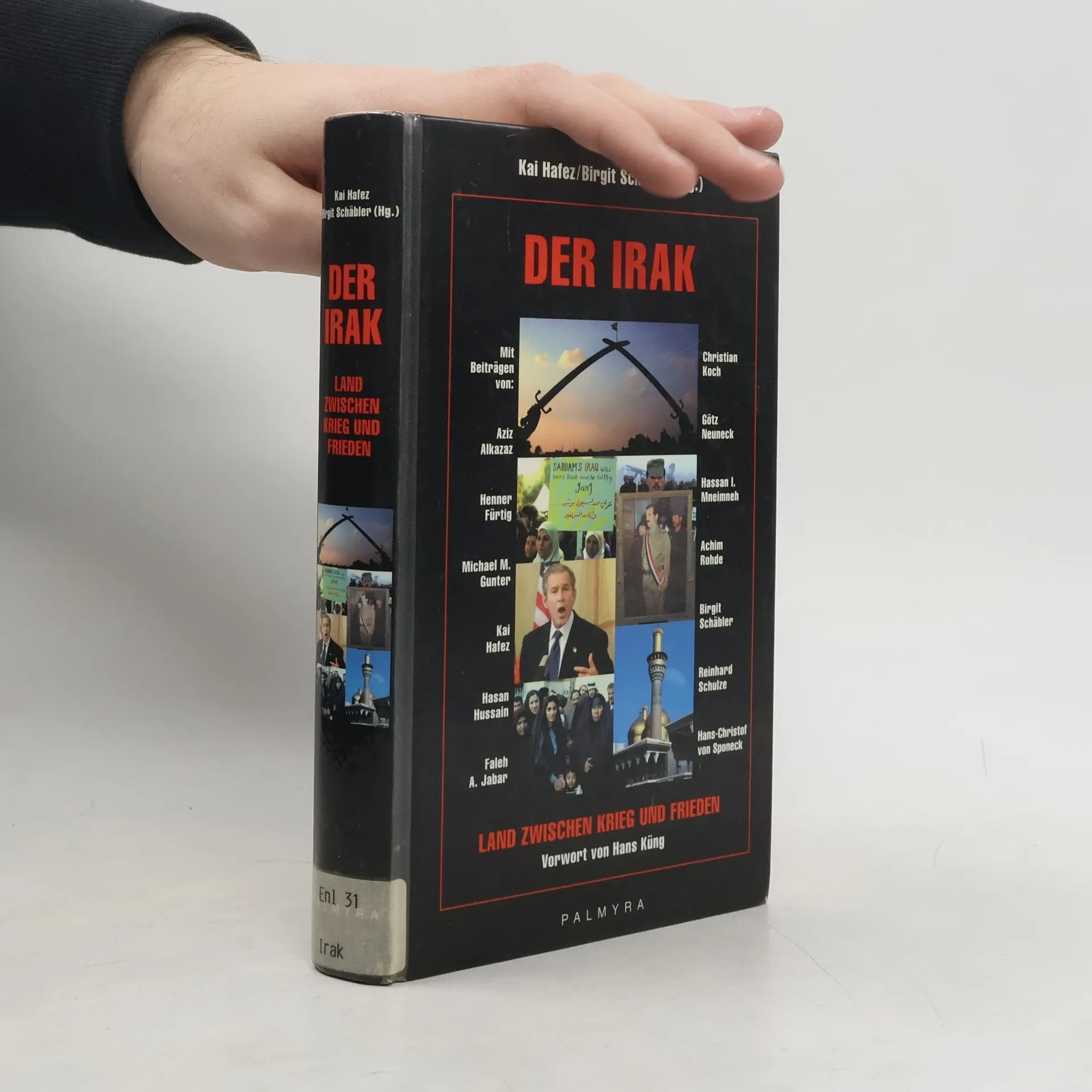
Das Buch bietet eine umfassende Analyse der komplexen Lage im Irak und beleuchtet die vielfältigen innen- und außenpolitischen Aspekte des Konflikts. Es behandelt kritisch Themen wie den Irakkrieg 2003, die Hegemonialinteressen der USA, Perspektiven einer Nachkriegsordnung, die irakische Opposition, das Waffenarsenal, die Bedeutung der Erdölvorkommen sowie den Einfluss des Islamismus. Zudem wird die Geschichte des Irak im 20. Jahrhundert, das Herrschaftssystem unter Saddam Hussein, die irakische Gesellschaft und ihre Stammesstruktur sowie die ungelöste Kurdenfrage thematisiert. Auch die Nahost- und Irakpolitik der USA und Europas sowie die Auswirkungen der 1990 verhängten Sanktionen werden beleuchtet. Das Buch gilt aufgrund seiner Informationsfülle als Standardwerk und leistet einen wertvollen Beitrag zum Verständnis der aktuellen politischen Probleme im Irak. Die Autoren, Kai Hafez und Birgit Schäbler, sind erfahrene Wissenschaftler auf ihrem Gebiet und bringen ihre fundierten Kenntnisse ein, um die komplexen Zusammenhänge und Herausforderungen der Region zu erläutern.
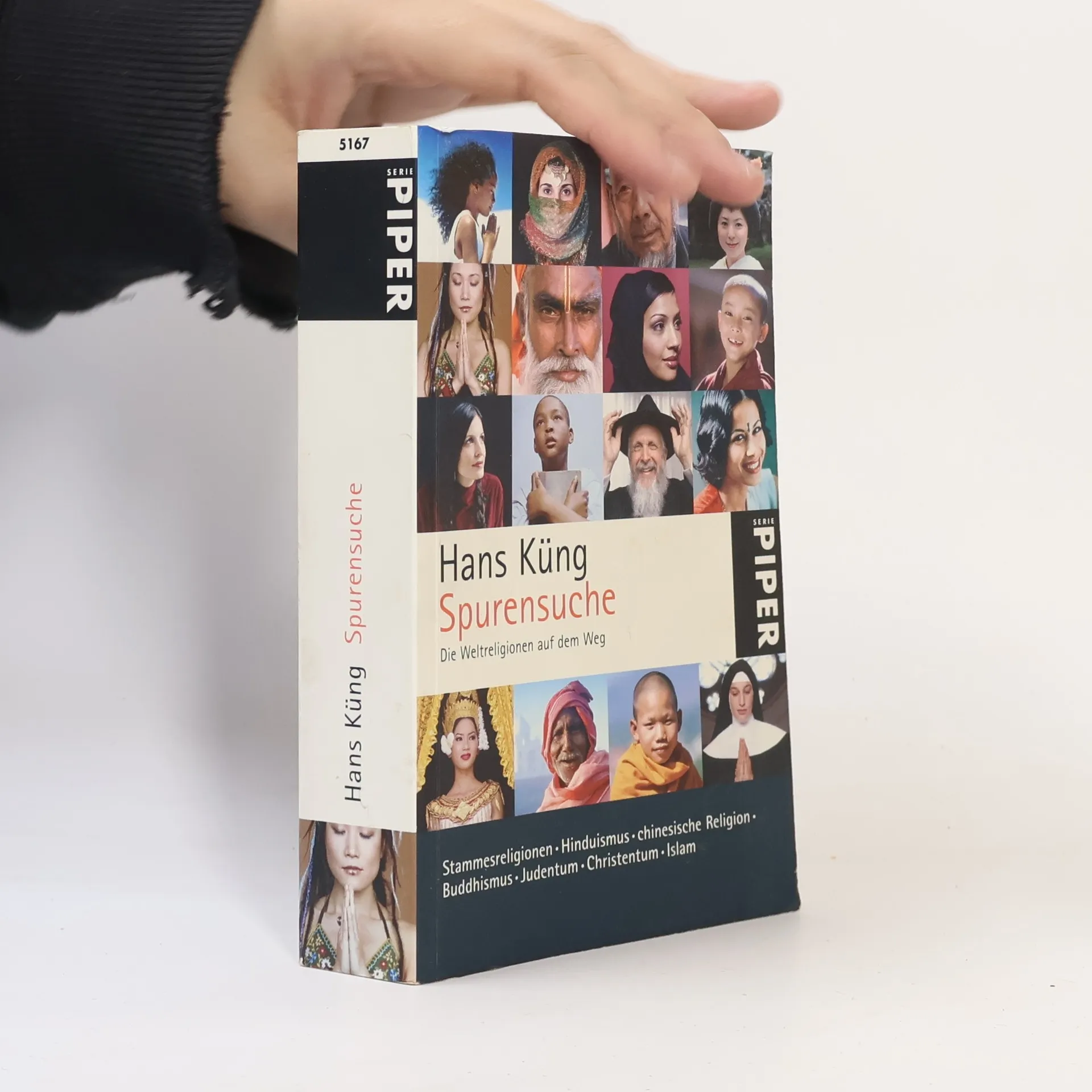
Die Weltreligionen auf dem Weg 1 und 2 | Stammesreligionen, Hinduismus, chinesische Religion, Buddhismus, Judentum, Christentum, Islam. Mit zahlreichen Farb- und Schwarzweißabbildungen
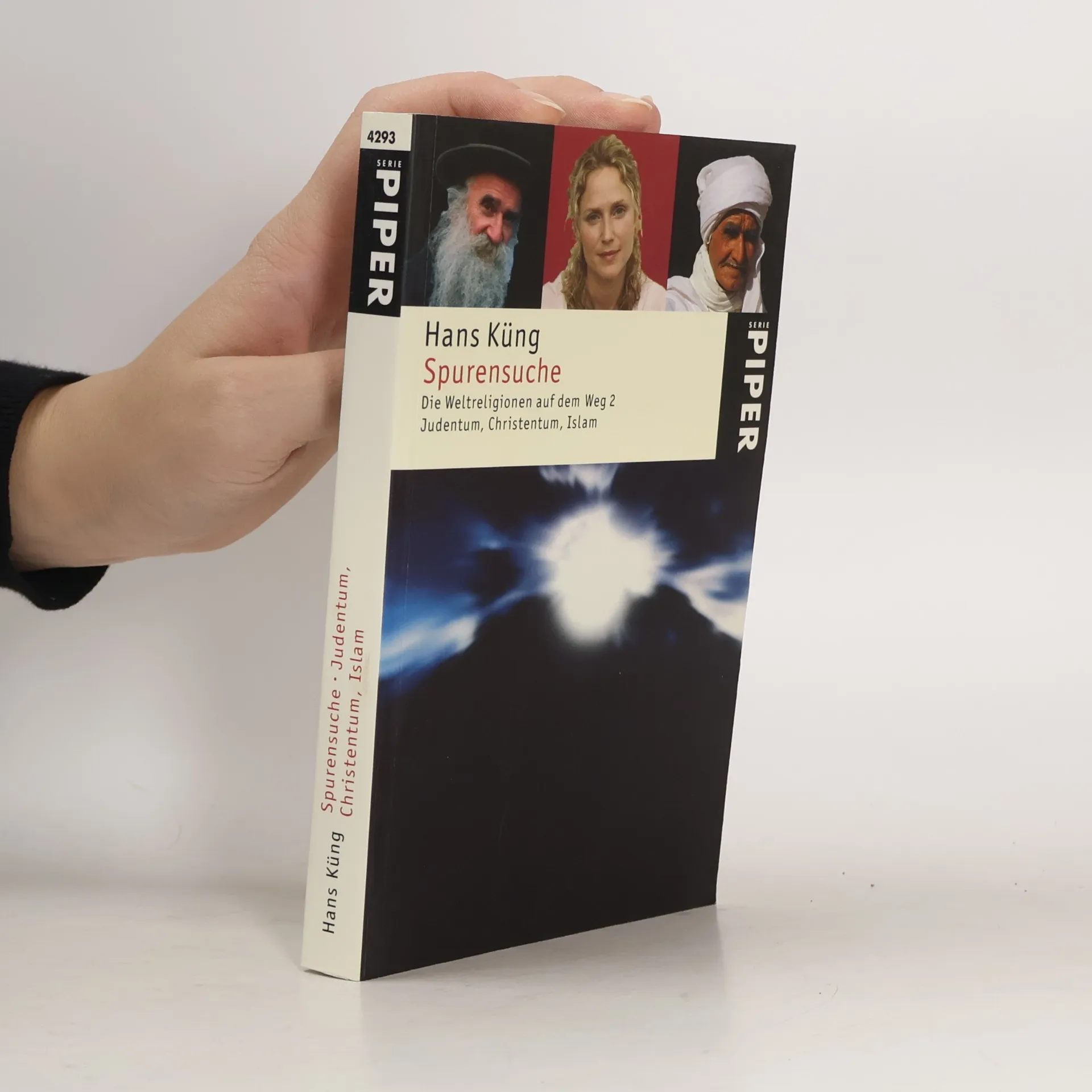
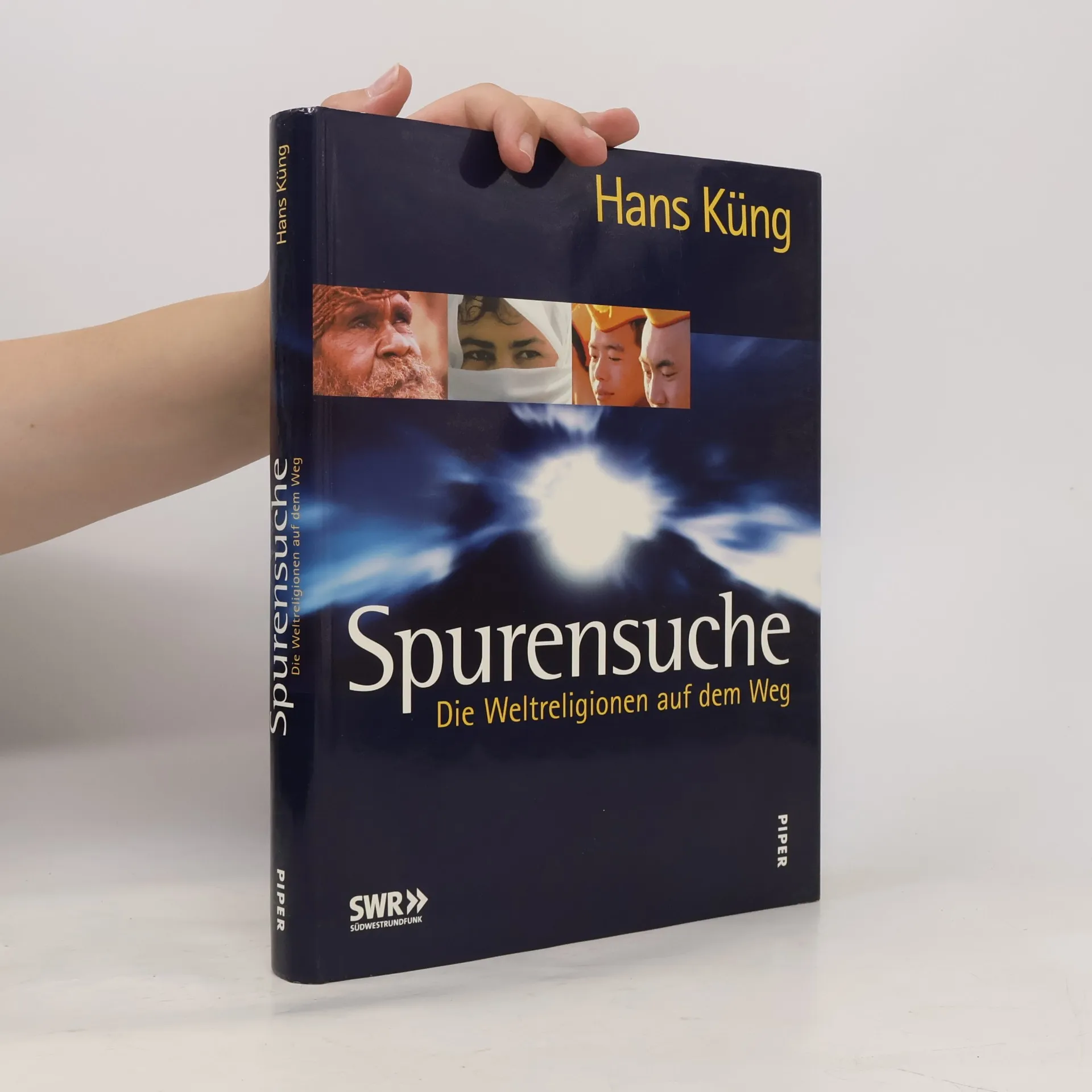
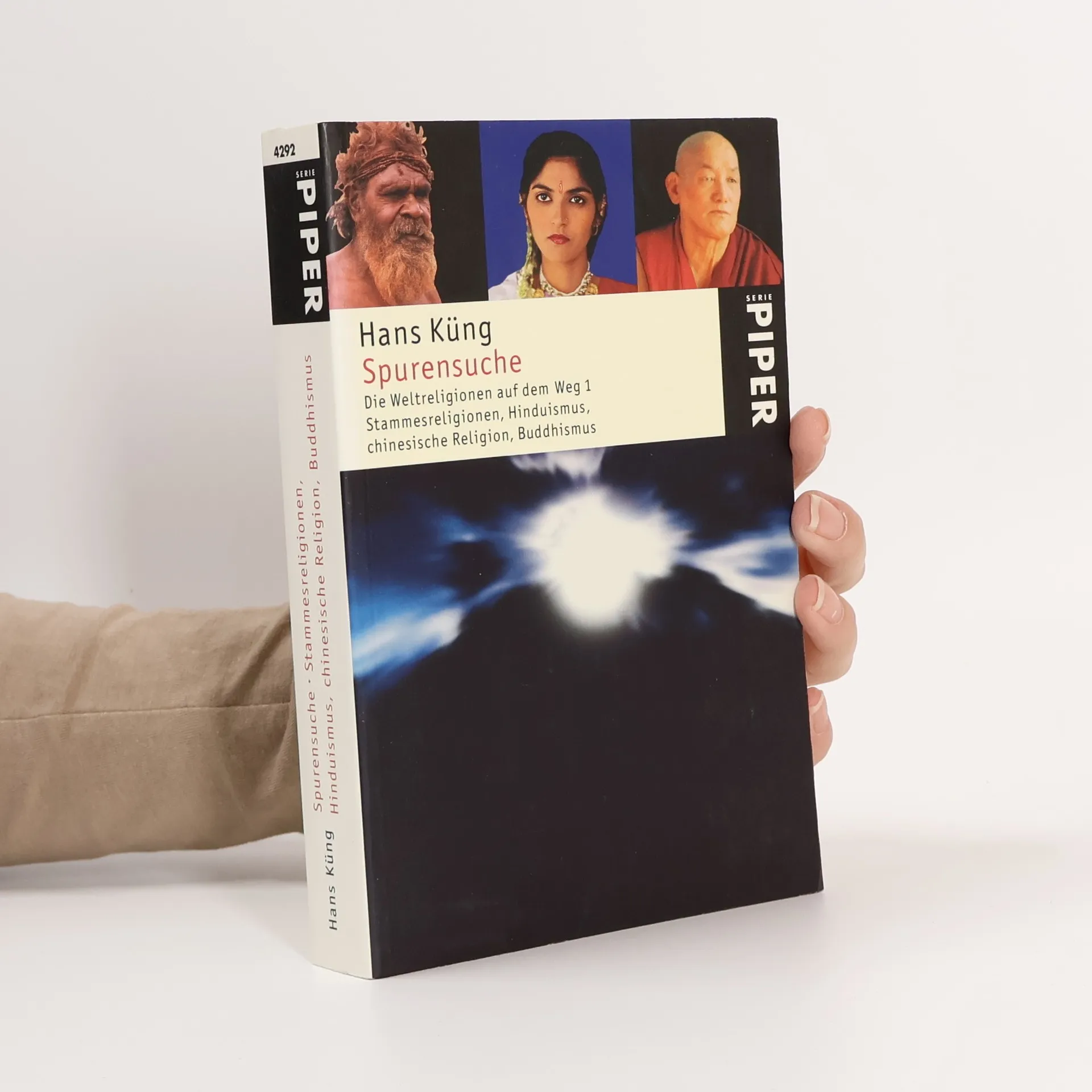
Hans Küng, einer der berühmtesten Theologen der Gegenwart, erzählt und erklärt das Spektrum der großen Weltreligionen – von den Stammesreligionen, dem Hinduismus, der chinesischen Religion und dem Buddhismus bis hin zu Judentum, Christentum und Islam. Seine »Spurensuche« deckt Verbindendes und Trennendes auf und begibt sich auf die Suche nach einem gemeinsamen Weltethos.
Diese Ausgabe vereint die heiligen Schriften der großen Weltreligionen (Judentum, Christentum, Islam, Hinduismus, Buddhismus) in einer Schmuckkassette und bietet einen wertvollen Schatz an religiösem Wissen und spirituellem Erbe der Menschheit.
Der bedeutende deutsche katholische Theologe versucht, den Platz der Kirche in der gegenwärtigen und zukünftigen Welt zu definieren. Für diese Studie hat der Autor Teile aus seinem umfangreichen Werk "Kirche" verwendet und jene Passagen ausgewählt, die für das ökumenische Treffen aller Christen von Bedeutung sind. Er beschäftigt sich mit der Frage nach dem Entstehen und Ursprung der Kirche, ihrer Wesensart und ihren Hauptmerkmalen. Dabei berücksichtigt er sowohl die ursprünglichen katholischen als auch reformatorischen Standpunkte und strebt eine Formulierung von Fragen an, die für alle Zweige der ursprünglichen Kirche akzeptabel sind und gleichzeitig Anregungen für deren eigenes Suchen bieten.
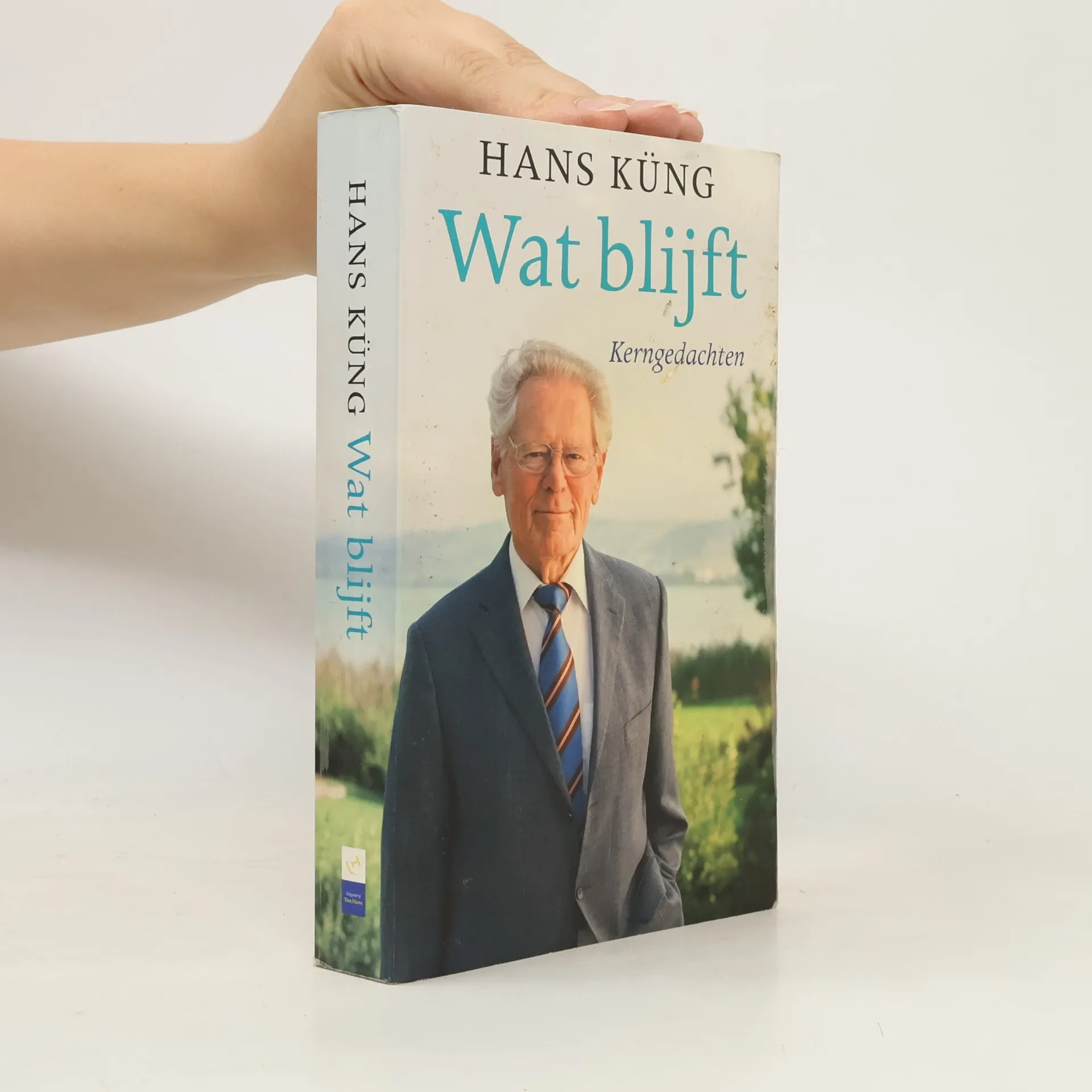
De kern van Küng in één boek De oogst van 50 jaar denken Wat kan ik weten? Waar vind ik houvast? Waar komt het in het leven op aan? In Wat blijft geeft Hans Küng (1928) antwoord op deze oermenselijke vragen. Het is een samenvatting van de centrale thema s uit zijn werk. Küng schreef standaardwerken over de wereldgodsdiensten en boog zich over de grote ethische vragen van mens en maatschappij. In dit nieuwe boek vraagt hij zich o.a. af welke waarden religies aanreiken voor politiek, samenleving en opvoeding. Alles mondt uit in de vraag: wat blijft?
Die Entwicklung der abendländischen Theologie, aufgezeigt am Werk von Paulus, Origenes, Augustin, Thomas von Aquin, Martin Luther, Friedrich Schleiermacher und Karl Barth.
International bekannte Persönlichkeiten (u.a. Lew Kopelew, Richard von Weizsäcker, Desmond Tutu, Teddy Kollek) berichten aus ihrem jeweiligen Blickwinkel, aus ihrer spezifischen Lebenssituation, und zeigen, welche Möglichkeiten sie für ein gemeinsames Weltethos sehen.
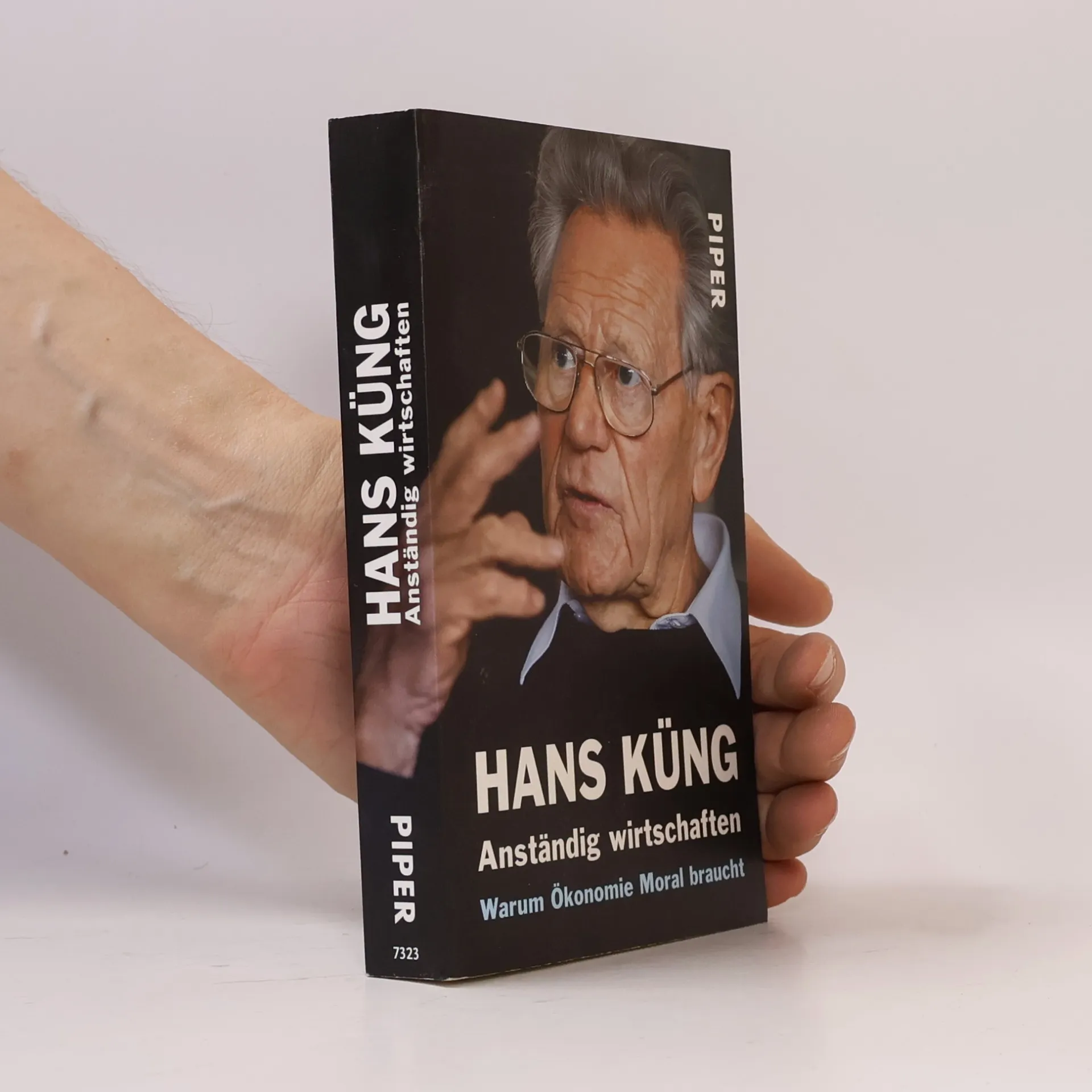
Neue Werte braucht die Wirtschaft – aber welche? Seitdem Hans Küng 1990 ein gemeinsames Weltethos vorgeschlagen hat (die Übersetzung liegt in 22 Sprachen vor), beschäftigt er sich mit dem Problem des gerechten Wirtschaftens. Er fragt nach den Grundlagen der Globalisierung ebenso wie nach der moralischen Begründung des Gewinns und den wahren Kosten der Marktwirtschaft. So plädiert er für einen Wertekanon, der dem Einzelnen wie der Gesellschaft insgesamt sagen kann, was »anständig« ist in der Wirtschaft – und was nicht.
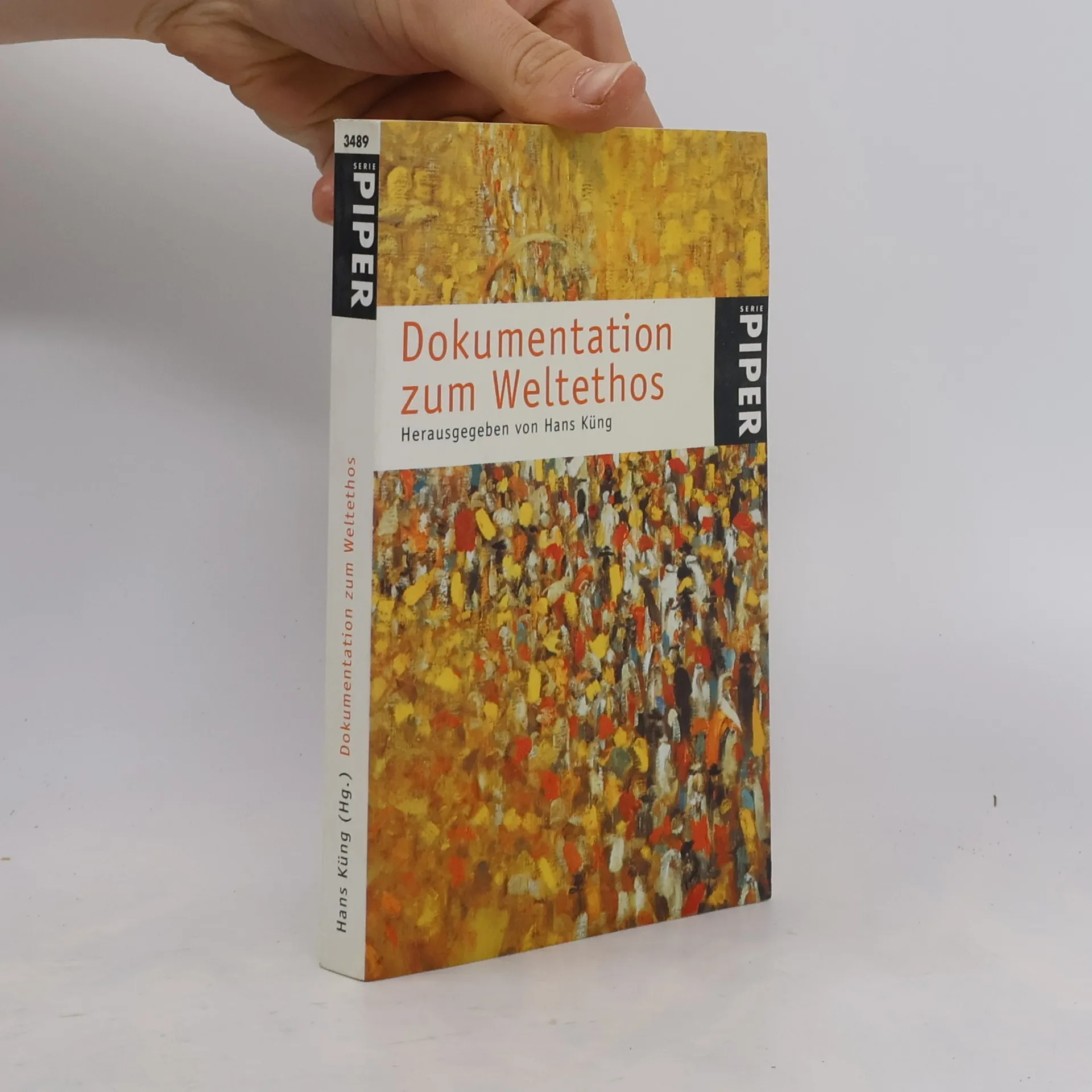
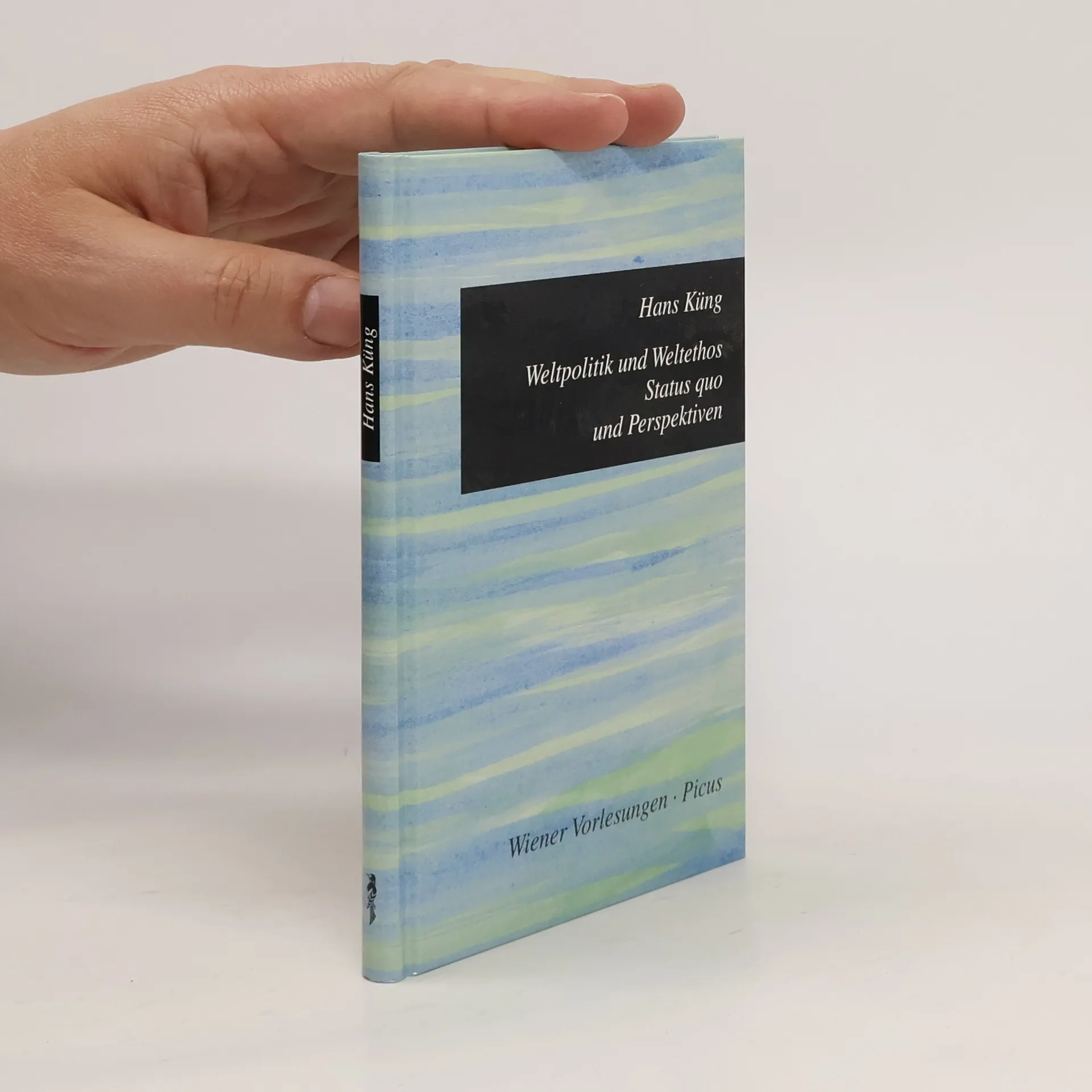
Kniha je součástí velkého a dobrodružného projektu, který autor uspořádal v rámci své nadace Světový étos s celou řadou svých spolupracovníků.
Jedná se o eurodovaného průvodce sedmi významnými náboženskými tradicemi, který obratně spojuje informace, odborný komentář a pohledy do minulosti i současti náboženské praxe.
Čtenáři, k nimž mohou patřit například středoškolští a vysokoškolští studenti, ocení kombinaci základních údajů se zajímavými detaily, které dokreslují pestrý a stále překvapující svět náboženství s jeho učením, morálními příkazy, slavnostními rituály.
Současná teologie se soustavně a mnohem intenzivněji než dříve zabývá kritikou náboženství, jak ji vyslovili psychiatři a psychoterapeuti – nejvýrazněji Sigmund Freud –, aby se vyrovnala s falešnými obrazy Boha a nahrazovala je úvahami osvobozujícími a uzdravujícími. Přehledně objasňuje tuto problematiku Hans Küng ve své knize Existuje Bůh? Za jeho výklad mu Americká asociace psychiatrů udělila renomovanou Cenu Oscara Pfistera. Předkládaný svazek přináší dva Küngovy závažné texty: studii „Bůh – infantilní iluze?“ z jeho díla Existuje Bůh? a přednášku „Náboženství – poslední tabu?“.
Schon seit gemeinsamen Tübinger Tagen stehen sich die Jesus-Bilder von Joseph Ratzinger und Hans Küng diametral gegenüber. Hier der verkirchlichte, dogmatisierte Christus Ratzingers, dort der lebendige Jesus aus historischer Perspektive. Hans Küng hat die zentralen Texte zu Jesus von Nazareth aus seinem Buch »Christ sein« gelöst und neu gefasst: für einen befreiten Zugang, gegen alle Enge.
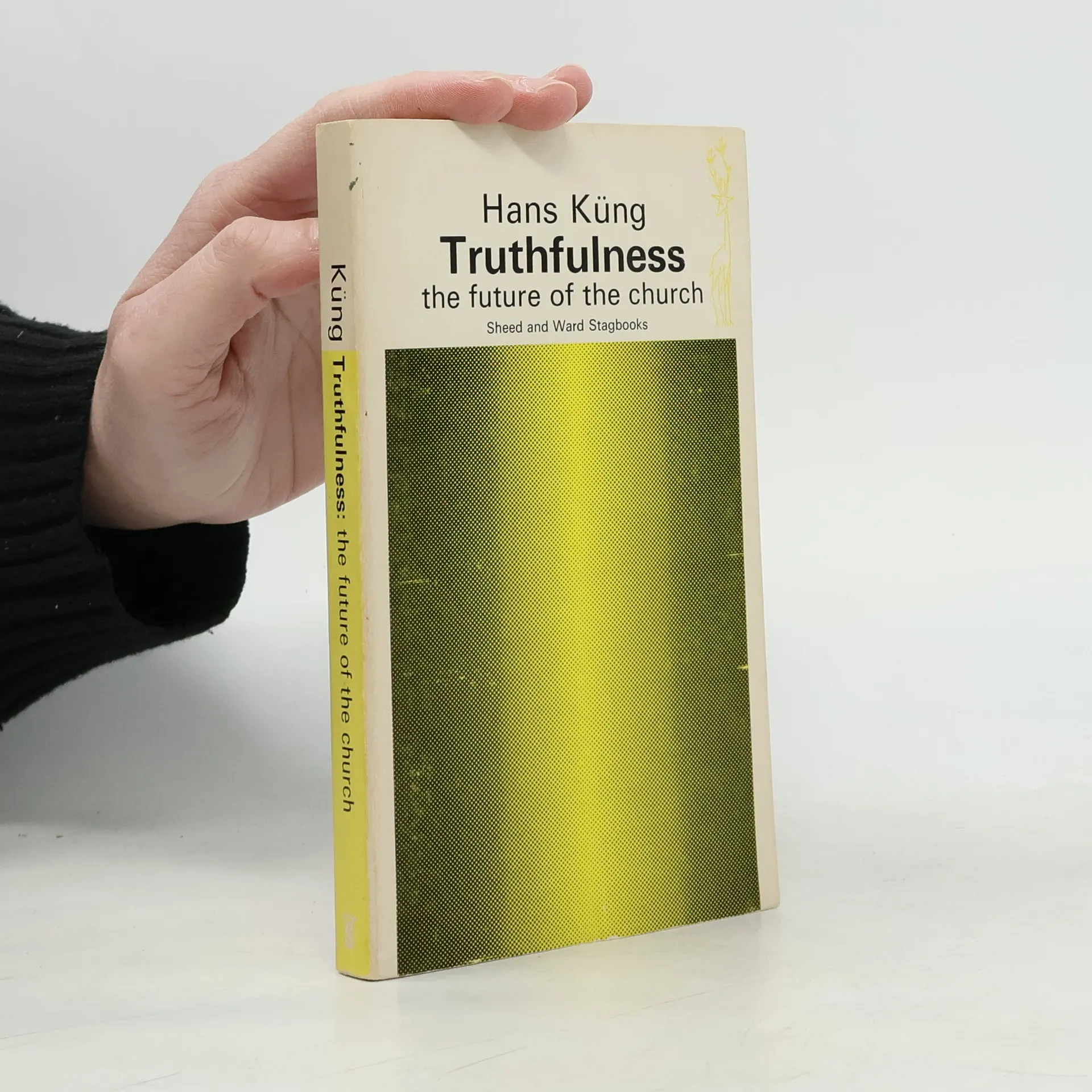
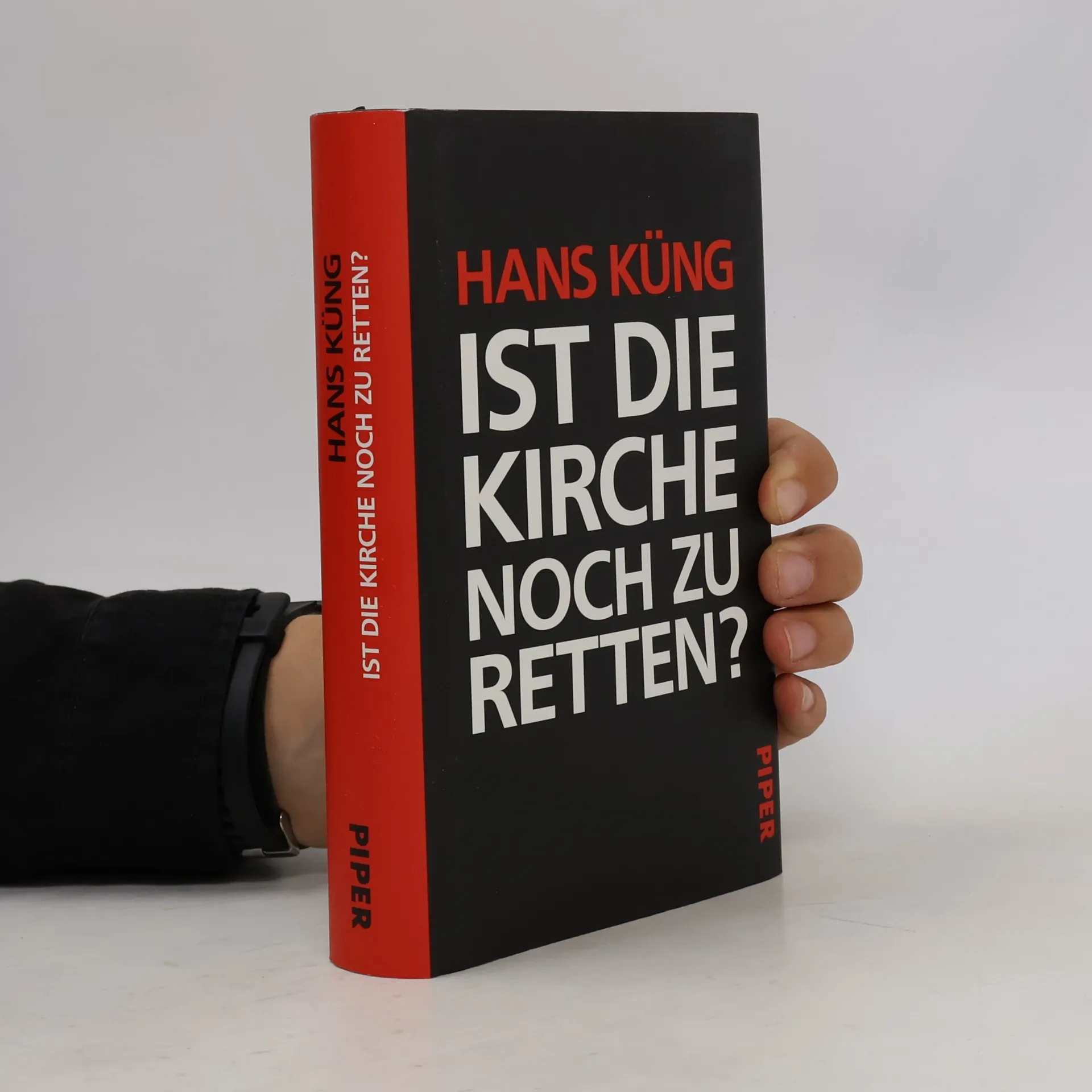
Sein Leben lang hat Hans Küng der katholischen Kirche gedient (allerdings nicht immer zur Freude der Päpste): als weltweit geachteter Theologe, als Priester und vielgelesener Autor. Jetzt erweist er ihr wieder einen Dienst, indem er klar ausspricht, woran die Kirche krankt. Deren Krise geht weit über die Missbrauchsfälle und deren Vertuschung hinaus: Es handelt sich um eine grundlegende Systemkrise. Eine Kirche, die weiterhin an ihrem Machtund Wahrheitsmonopol, an ihrer Sexual- und Frauenfeindlichkeit festhält, sich Reformen und der aufgeklärten modernen Welt verweigert, wird nicht überleben – das ist Hans Küngs Fazit. Deshalb legt er eine Agenda für ein 'Zukunftsgespräch' vor.
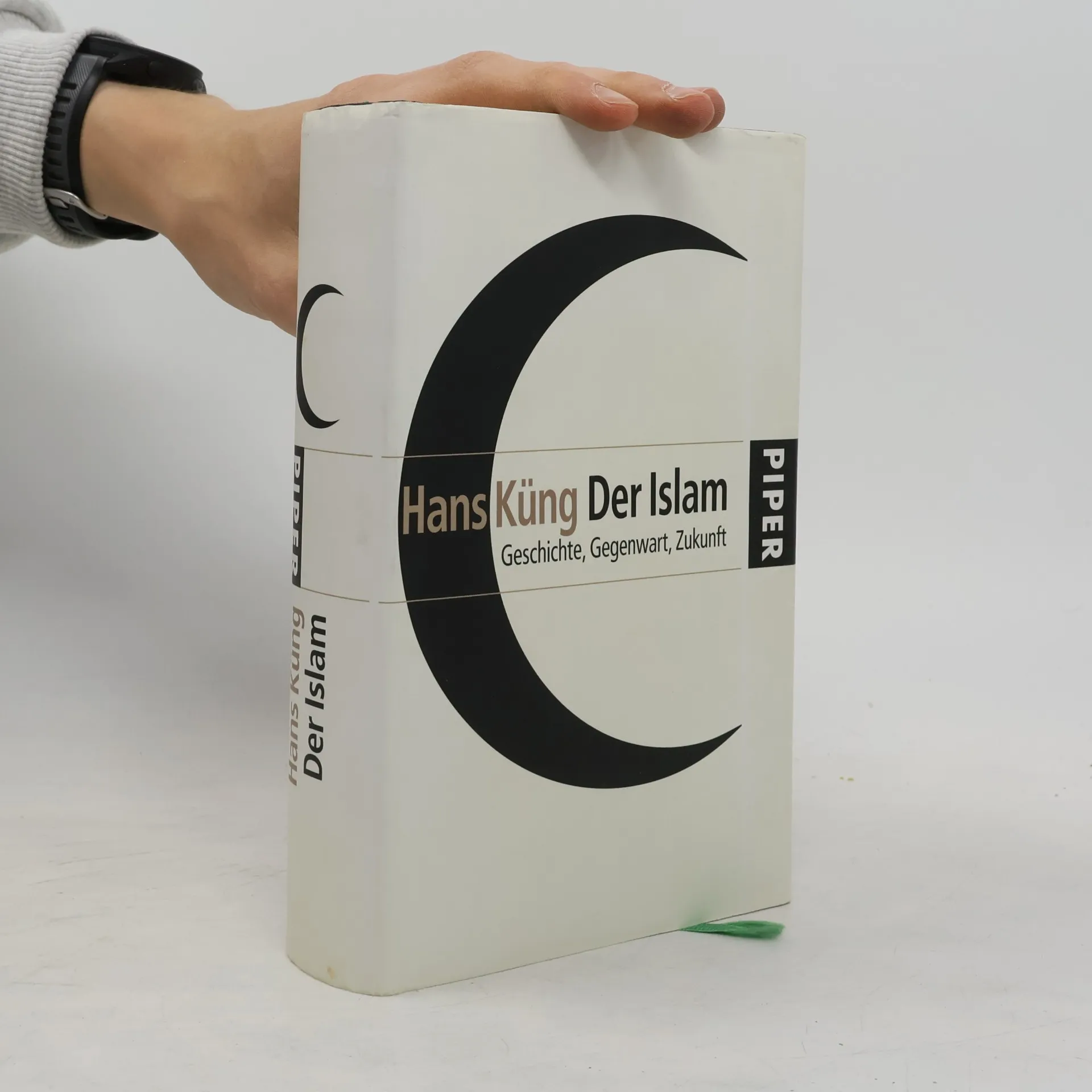
Seit über zwei Jahrzehnten sind die Weltreligionen zentrales Thema von Hans Küng. Mit seinen weltweit einflußreichen Büchern hat er Pionierarbeit für einen Dialog der Kulturen geleistet. In seinem neuen großen Werk bietet der Autor eine profunde Gesamtdarstellung des Islam: Er beschreibt die Paradigmenwechsel im Lauf seiner 1400jährigen Geschichte, zeichnet die unterschiedlichen Strömungen nach und sichtet die Positionen des Islam zu den drängenden Fragen der Gegenwart. Eine umfassende Analyse der politischen, kulturellen und religiösen Bedeutung der zahlenmäßig größten Weltreligion neben dem Christentum, wie sie unter den Theologen unserer Zeit nur Hans Küng schreiben kann. Dieses Buch zeigt: Ohne einen Dialog mit dem Islam wird es weder einen dauerhaften Weltfrieden noch ein konfliktfreies Miteinander mit den Muslimen in Europa geben. Wer die heutige Welt verstehen will, sollte Grundkenntnisse über den Islam besitzen.
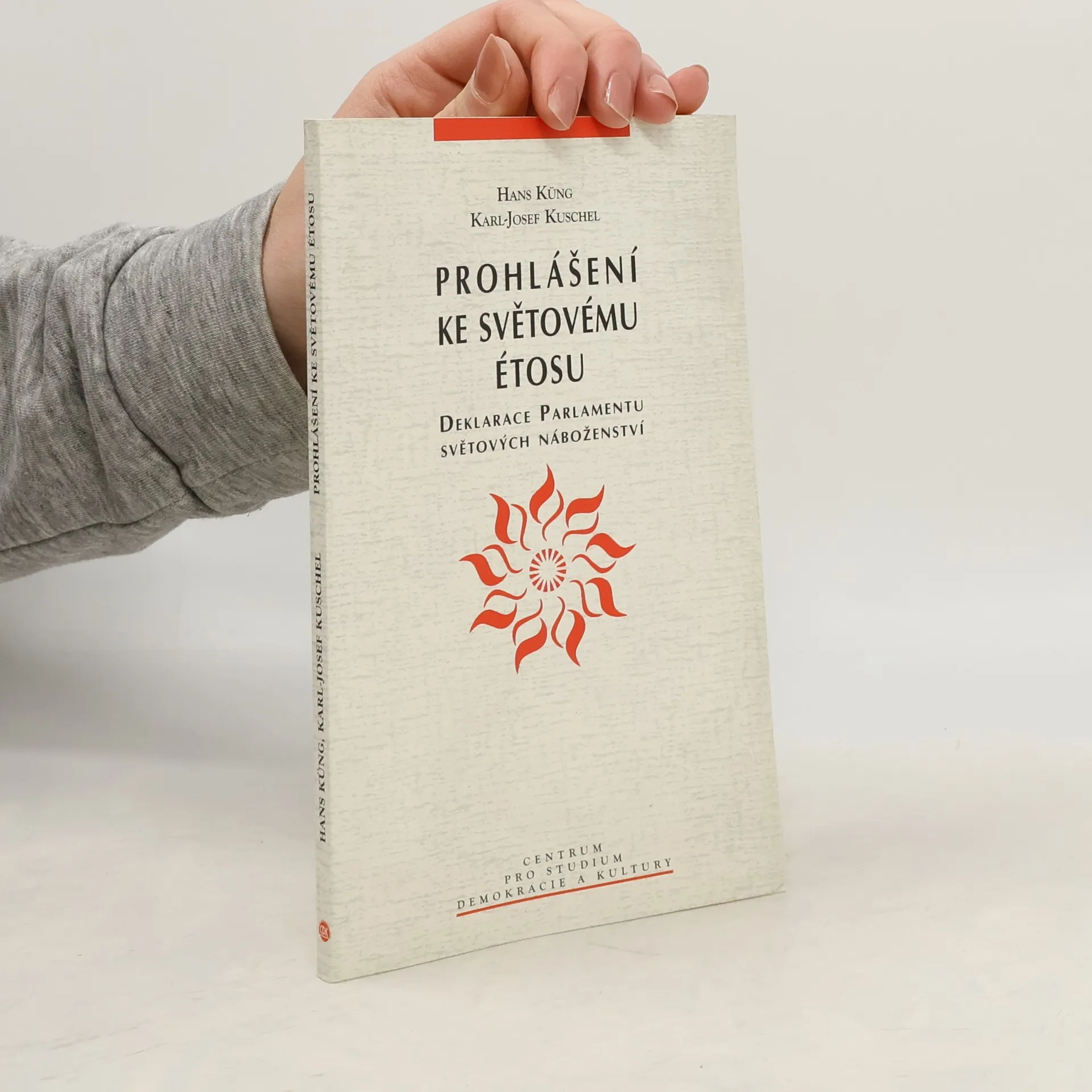
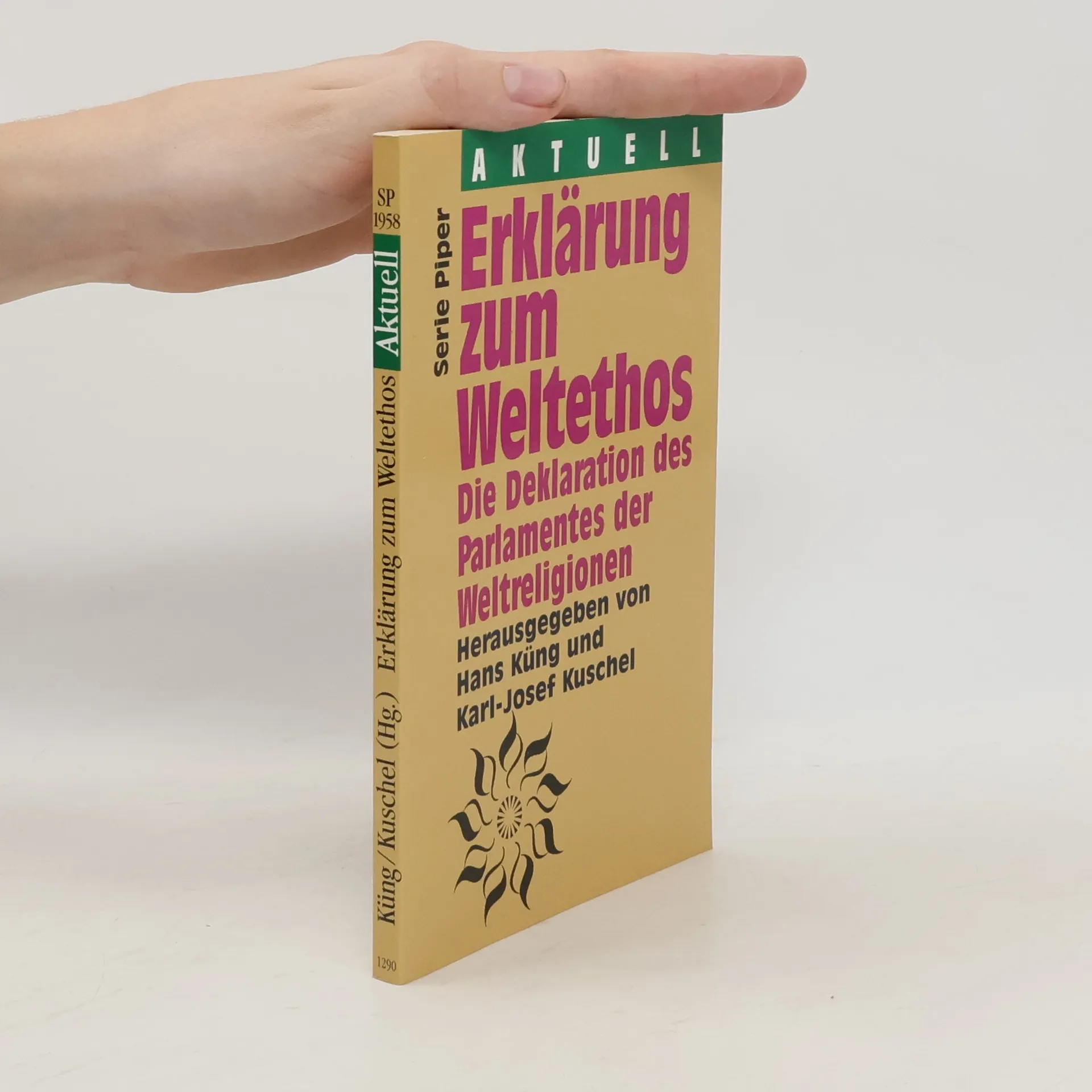
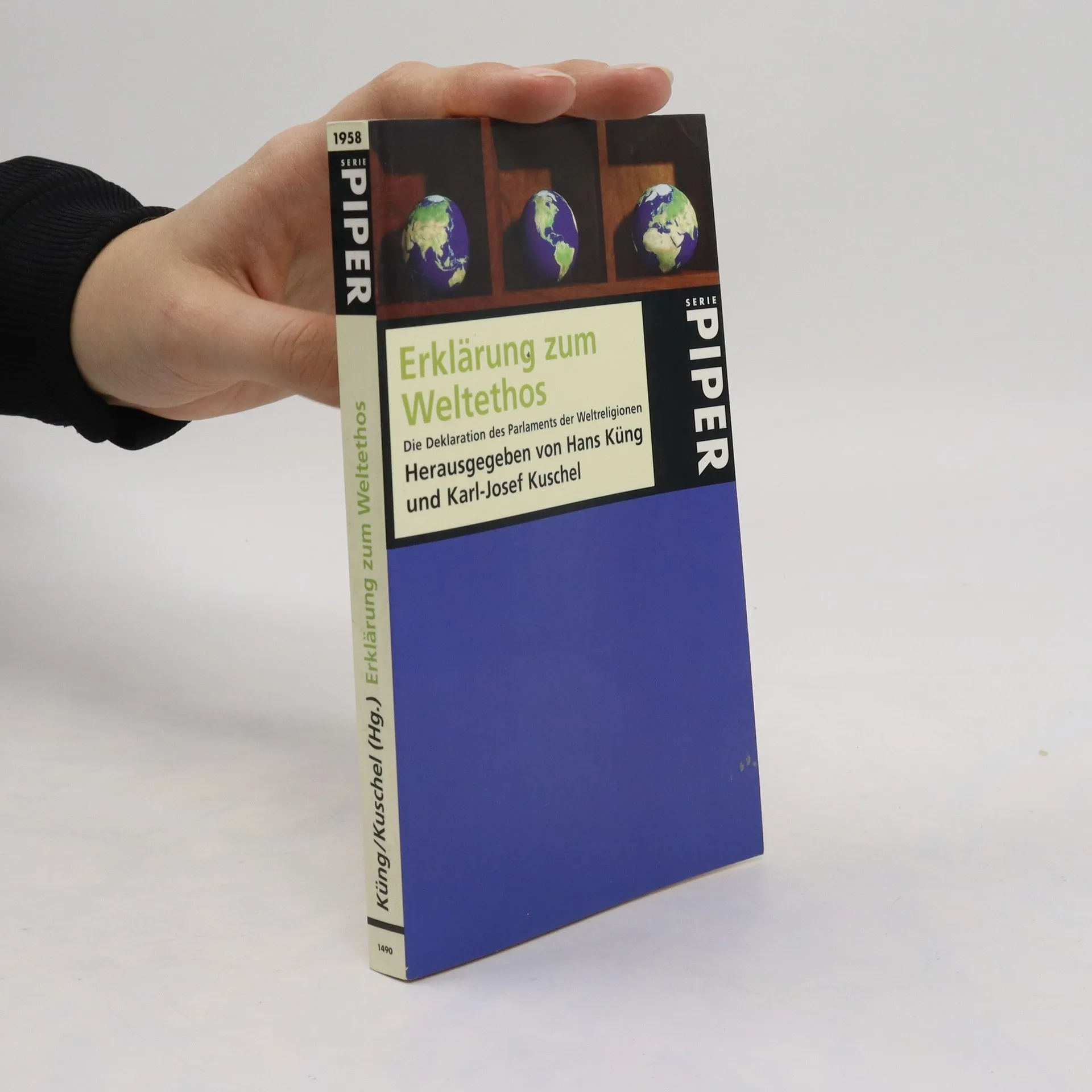
Publikace přináší úplný text Deklarace a dvě studie autorů, kteří vysvětlují ideu a historii tohoto dokumentu, jenž se pokouší nalézt konzensus mezi náboženstvími v oblasti etiky - ta se má stát základním kamenem světového řádu. Představitelé jednotlivých náboženských skupin a společenství se podpisem textu přihlásili k myšlenkám tolerance a respektování lidských práv.
Hans Küng, einer der berühmtesten Theologen der Gegenwart, beschreibt, erzählt und erklärt das Spektrum der großen Weltreligionen. Seine 'Spurensuche' deckt Verbindendes und Trennendes auf und verfolgt die Frage nach einem gemeinsamen Weltethos in den großen Religionen. Mit faszinierenden Farbfotos aufwendig ausgestattet, zeigt das Buch, wie aufregend und informativ das Thema dargestellt werden kann. Der vorliegende Band behandelt die Religionen nahöstlicher Herkunft: das Judentum, das Christentum und den Islam. 'Küngs Einblicke in die Geschichte und sein Auge für aktuelle Probleme sind beispiellos in ihrer stets wachen Sensibilität für das andere, für das Fremde, das es zu akzeptieren gilt.' Börsenblatt
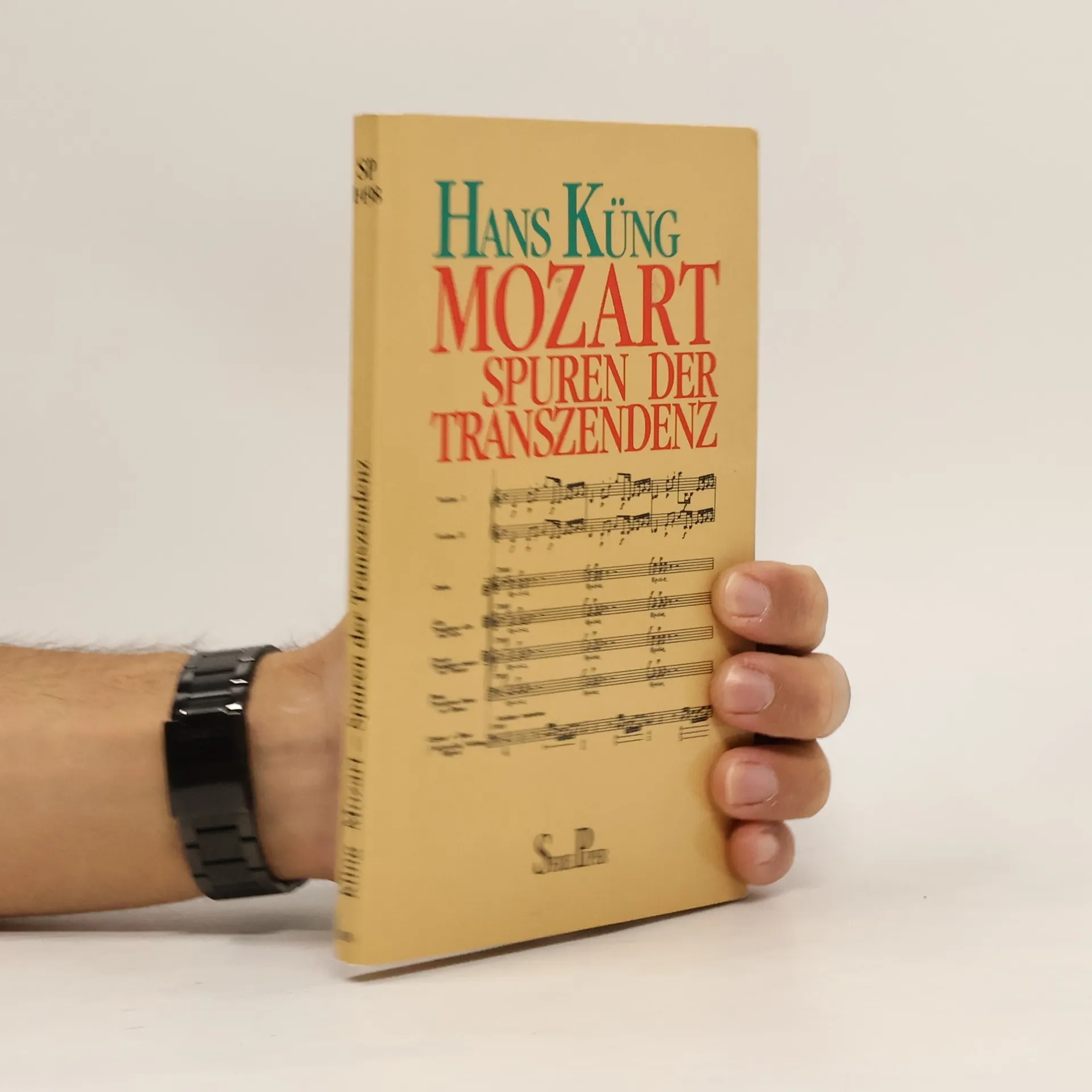
Als leidenschaftlicher Musikhörer hat der Theologe Hans Küng in diesem Buch das Verhältnis von Mozart, Wagner und Bruckner zur Religion exemplarisch untersucht. Denn sowohl in Mozarts Werken als auch in Wagners Musikdramen und Bruckners Symphonik spielt der religiöse Aspekt eine wichtige Rolle. Küngs Buch ist nicht in erster Linie musiktheoretisch oder rein biografisch, sondern richtet sich an alle, die mehr über das Zusammenspiel von Religion und Musik erfahren wollen. »Ganz fein und dünn ist die Grenze zwischen Musik und Religion. Eine einzigartige Intensität des Erlebnisses wird dort erreicht, wo die Musik ihre Energie mit der der Religion im selben Sinn und Ziel vereint. In gewissen Momenten ist es dem Menschen gegeben, sich zu öffnen, so weit zu öffnen, dass er in dem unendlich schönen Klang den Klang des Unendlichen hört.« Hans Küng
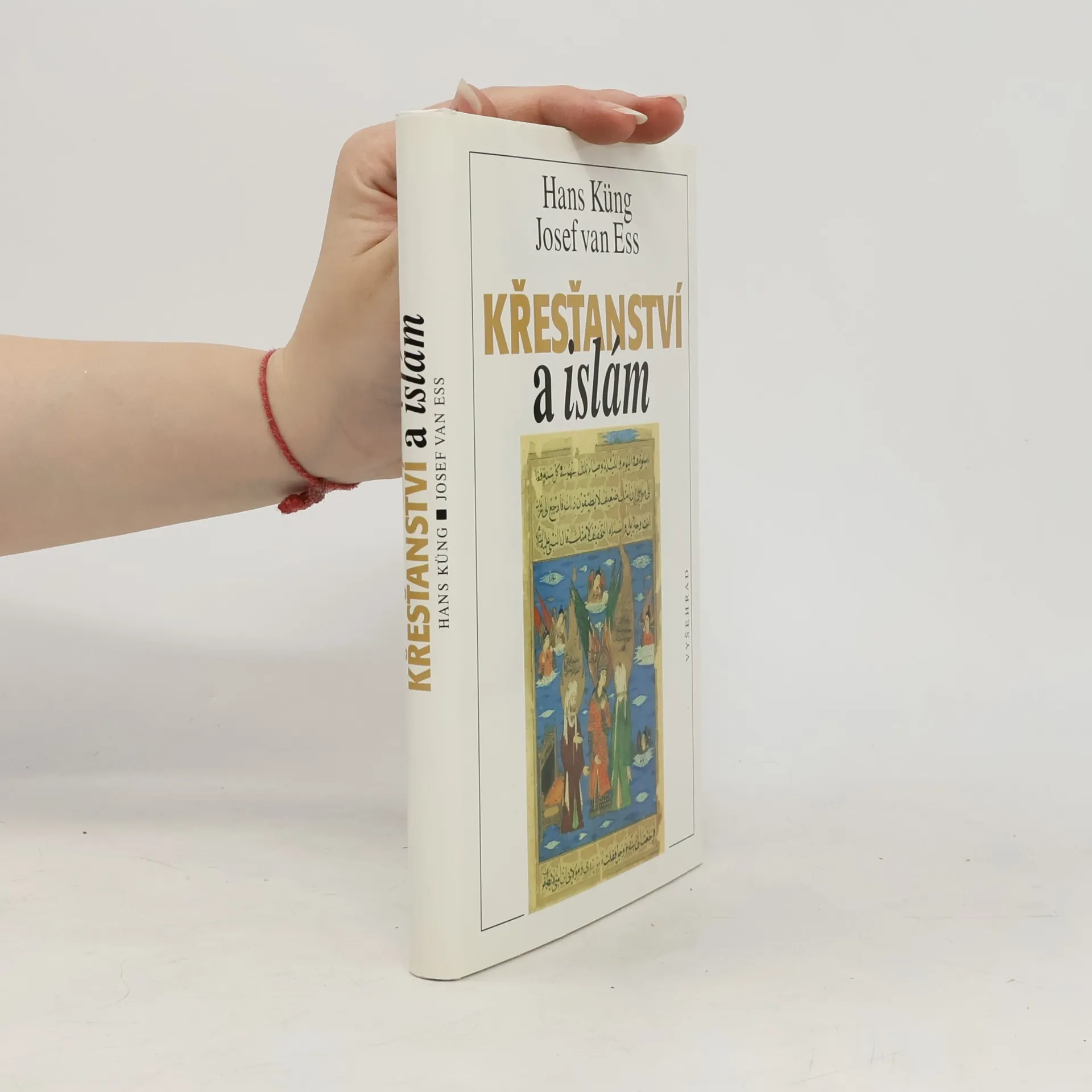
Autor, slavný teolog švýcarského původu, ve spolupráci s odborníkem na islámskou kulturu porovnává dvě monoteistická náboženství – křesťanství a islám. Autorům nejde jen o popis náboženství, ale také o možnost obohacení a o kritické zhodnocení dějinných vztahů.
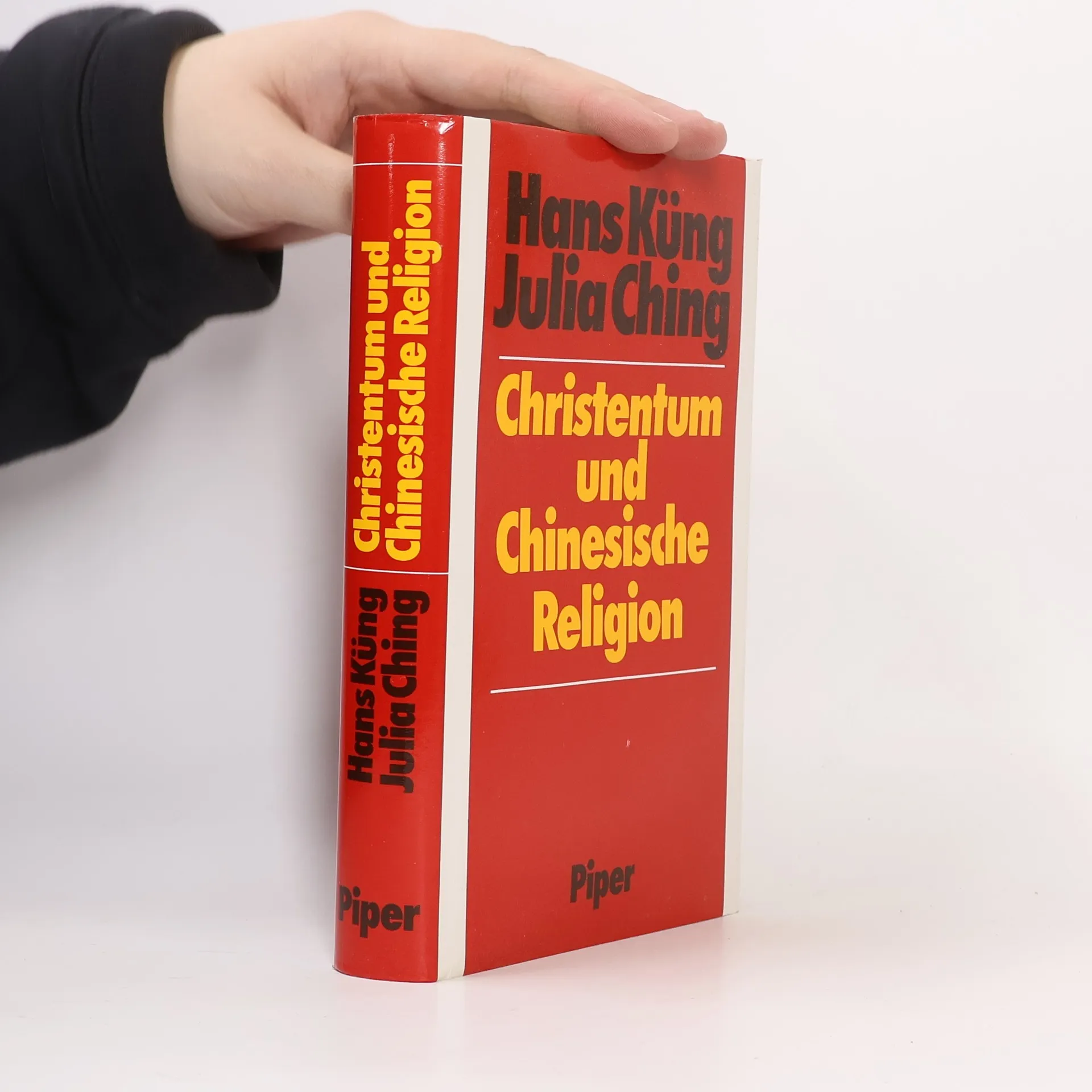
Srozumitelné, odborně fundované seznámení s neevropskými náboženstvími. Čtyři svazky této řady představují významný ekumenický dialog, který vedl světově uznávaný teolog Hans Küng s předními znalci hinduismu, buddhismu, islámu a náboženství Číny. Každá kniha přináší přehlednou charakteristiku historického a duchovního vývoje jednotlivých náboženských soustav, věnuje se názorům jejich současných myslitelů a zkoumá možnosti vzájemného porozumění. Náboženství Číny se dlouho považovala za "okrajovou oblast" v rámci dějin náboženství. H. Küng se snaží představit čínská náboženství moudrosti z nového hlediska a spatřuje v nich "třetí pramen" světových náboženských dějin vedle semitských prorockých náboženství a mytických náboženství Indie. Čínská náboženství jsou v této dialogické knize představena v celkovém historickém, filozofickém a teologickém významu. Partnerkou v rozhovoru byla významná religionistka Julia Ching, která osvětluje čtyři velké čínské náboženské tradice: konfucianismus, taoismus, buddhismus a lidová náboženství Číny.
»Gerade weil ich an ein ewiges Leben glaube, darf ich, wenn es an der Zeit ist, in eigener Verantwortung über Zeitpunkt und Art meines Sterbens entscheiden.« Mit diesen Worten stellt Hans Küng die traditionelle Auffassung in Frage, nach der gilt: aushalten, bis zum Schluss, denn allein Gott bestimmt das Lebensende. Seitdem Hans Küng als junger Priester das qualvolle Sterben seines Bruders mit ansehen musste, seit er Zeuge des Dahindämmerns seines Freundes Walter Jens wurde, ist in ihm die Überzeugung gewachsen, dass niemand zu einer solchen Existenz gezwungen sein muss. So verbindet Hans Küng frühere Texte über das Sterben mit seinen Glaubensüberzeugungen und theologischen Einsichten, die er eindrücklich im Gespräch mit Anne Will offenlegte, zu einer klaren Position: »Glücklich sterben« im Sinne von Hans Küng hat nichts mit »Selbstmord« zu tun, sondern meint ein menschenwürdiges Ende des Lebens.
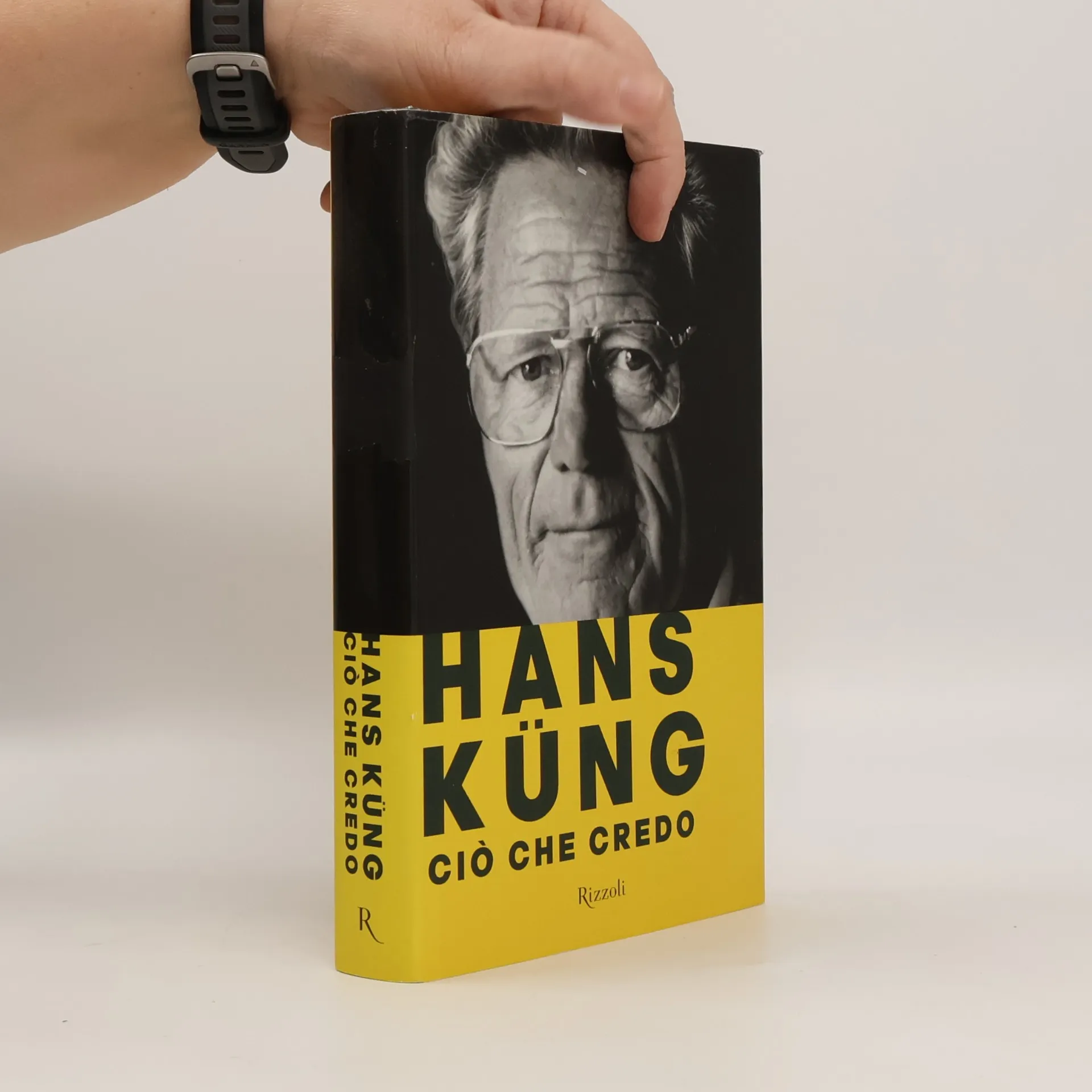
Verso la fede cieca e l'amore cieco, ho nutrito sospetti fin dai tempi degli studi a Roma. Questa diffidenza verso ogni assolutismo ha sempre guidato Hans Küng, il critico tra i teologi cattolici, che ha detto sì alla pillola e no all'infallibilità papale. Si chiede se sia possibile oggi credere in una religione, o se la complessità del mondo contemporaneo ci spinga verso un'etica globale condivisibile. Per rispondere a queste domande, Küng ripercorre momenti fondamentali della sua vita, dai dubbi universitari ai dissidi con le gerarchie ecclesiastiche negli anni Settanta, dall'impegno per il dialogo interconfessionale al conferimento della medaglia d'oro Otto Hahn per la pace nel 2008. Le tappe di questo itinerario esemplare toccano temi attuali come il multiculturalismo, la contraddittorietà della libertà, la relazione tra morale e scienza, e la necessità di superare l'intolleranza religiosa. Questo libro racconta una ricerca personale instancabile e coraggiosa, opponendosi al nichilismo di molti pensatori moderni. Küng guida il lettore in una straordinaria ascesa spirituale, alla ricerca di una nuova prospettiva fondata su amore, consapevolezza di sé e rispetto per il diverso.
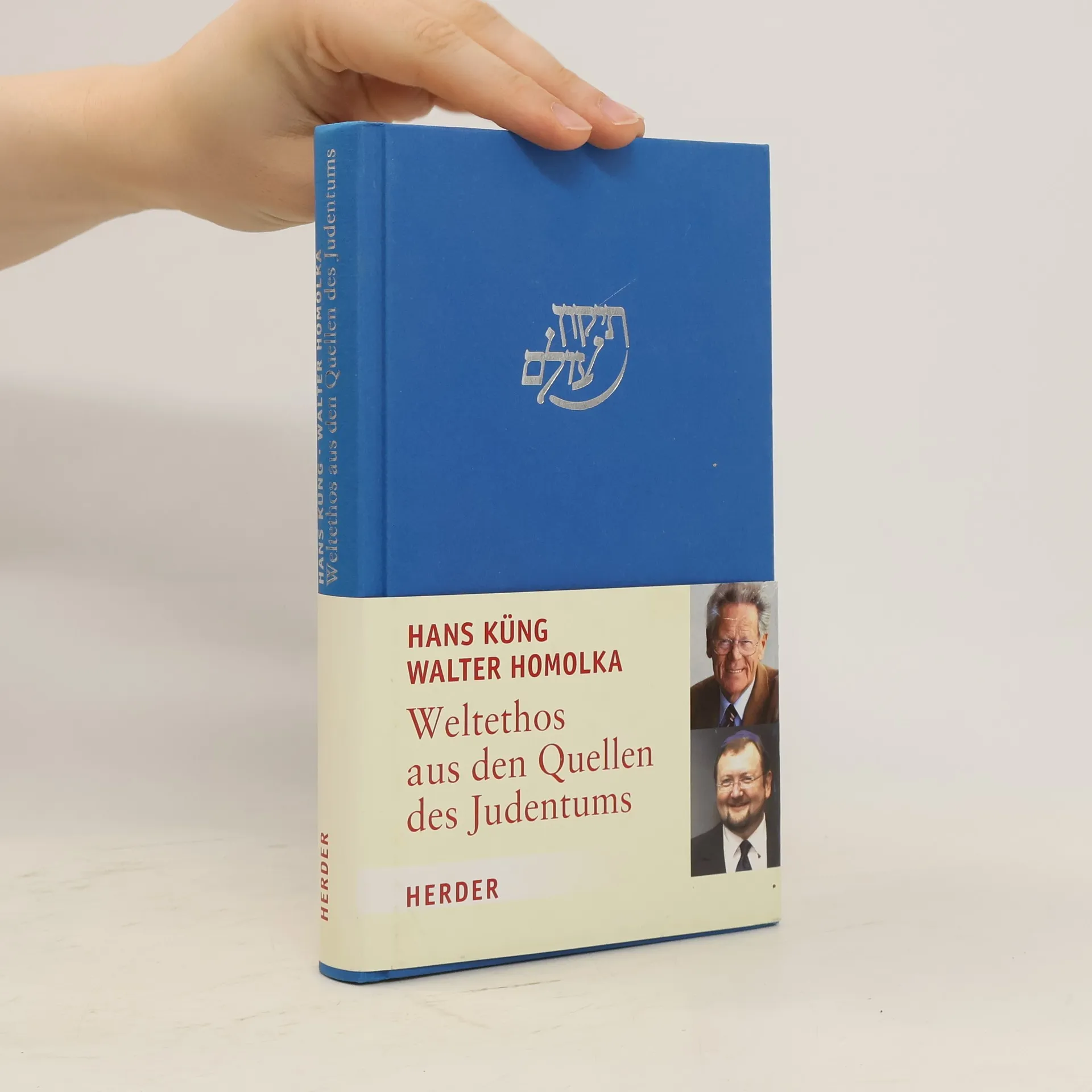
In der Menschheitsgeschichte war und ist es das Judentum, das Gerechtigkeit, also den rechten Umgang von Menschen untereinander, zur Kernfrage der Religion gemacht hat. Hans Küng und Walter Homolka führen ein in die zentrale Idee vom ethischen Zusammenleben der Menschen. Dabei bieten sie auch Einblick in Kerntexte zur Ethik aus drei Jahrtausenden jüdischer Weisheit, angefangen von der Hebräischen Bibel bis zu den jüdischen Religionsphilosophen der Moderne. Die repräsentative Textsammlung orientiert sich an den Leitlinien der „Erklärung zum Weltethos“, die unter Federführung von Hans Küng entstand und 1993 von Vertretern aller Weltreligionen verkündet wurde: Gewaltlosigkeit, Solidarität, Toleranz und Partnerschaft zwischen Frauen und Männern.
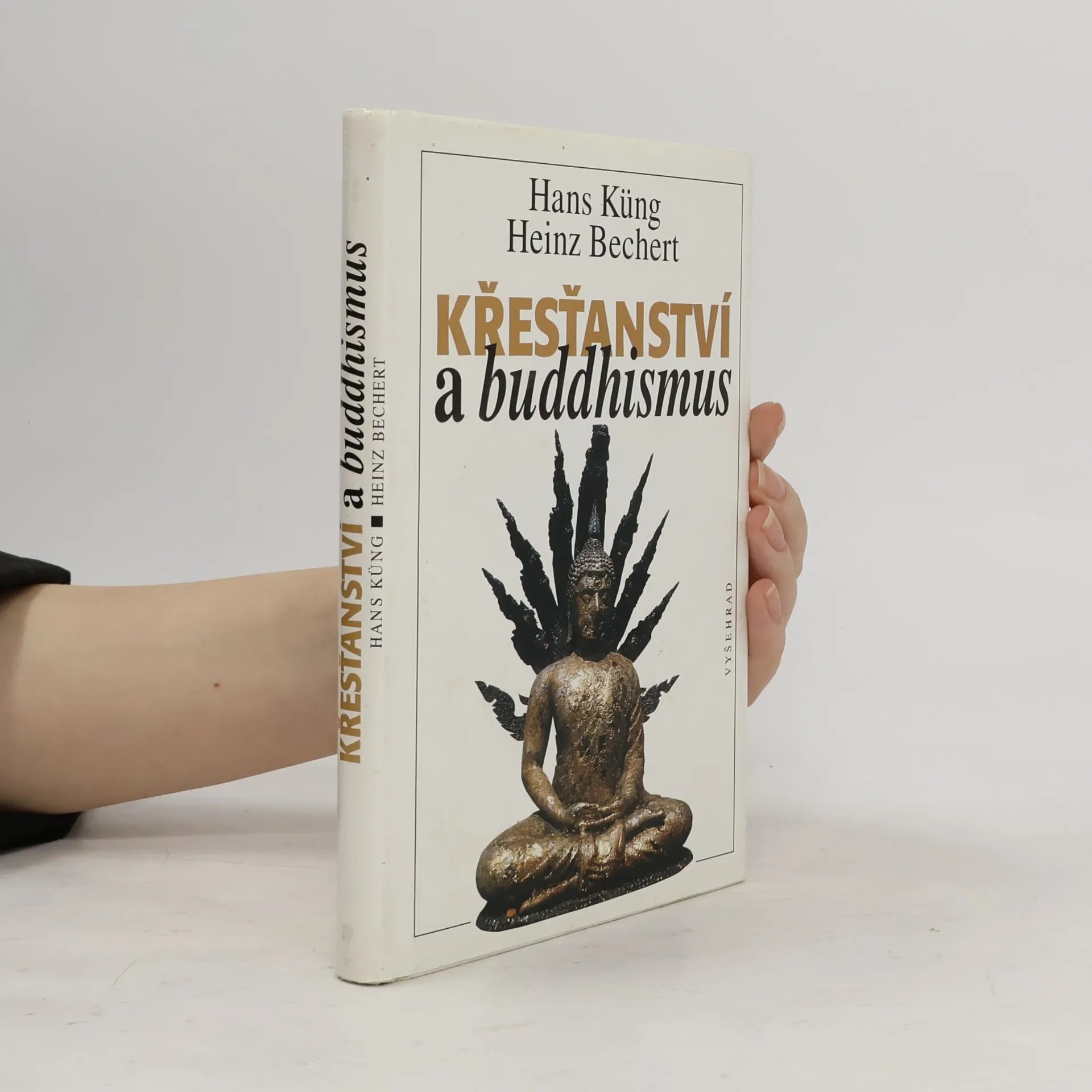
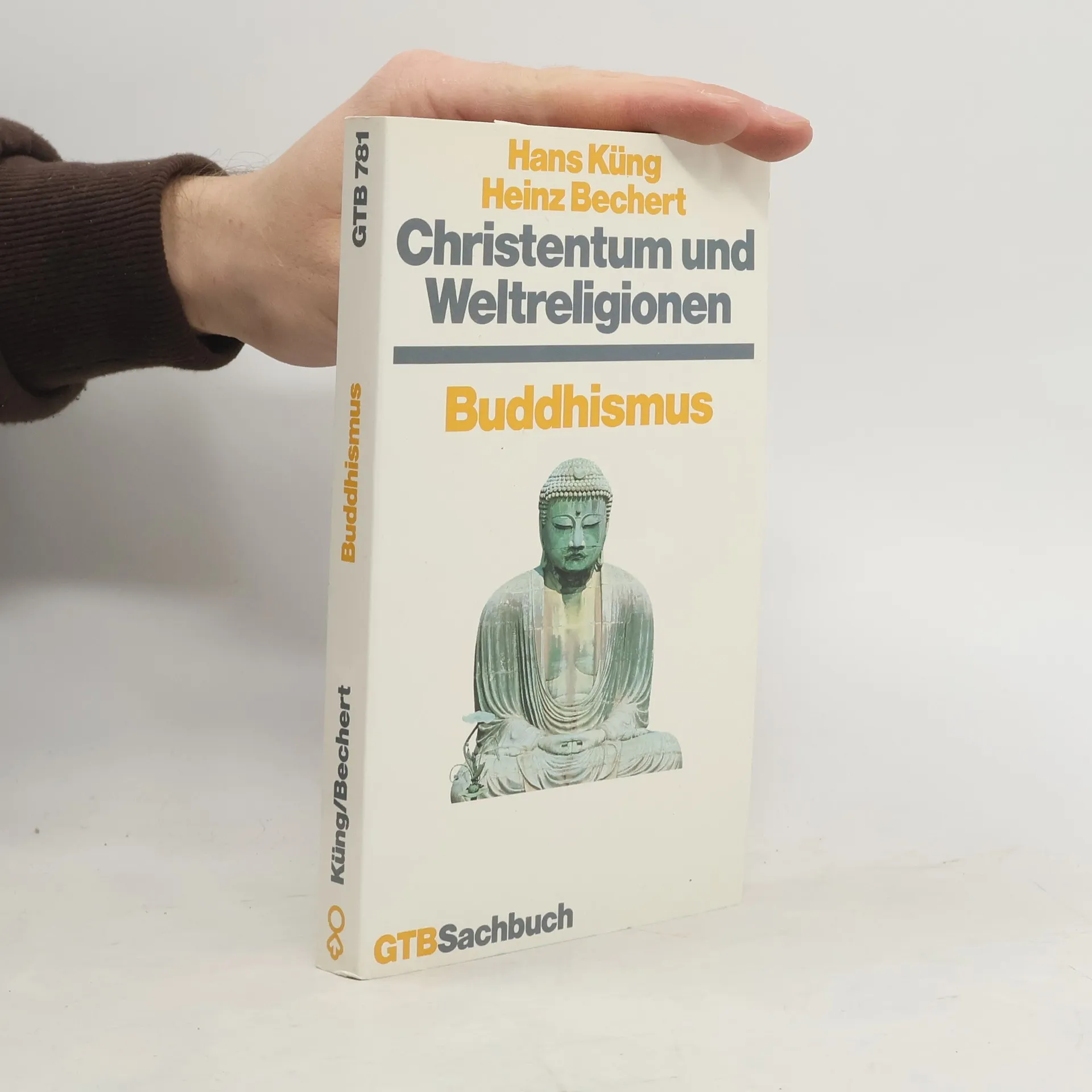
Immer mehr Menschen des Westens fühlen sich vom Buddhismus angesprochen. Die Lehre von der Eigenverantwortlichkeit jedes Einzelnen und die Aufforderung Buddhas, die Richtigkeit seiner Lehre durch eigene Praxis nachzuprüfen, fasziniert in zunehmendem Maß. Der Buddhismusforscher Heinz Bechert legt die Wurzeln der Lehre Buddhas dar und ihre Veränderungen auf dem Weg zur Massenreligion der Gegenwart. In seinen »Antworten« zeigt Hans Küng, was Christen daraus lernen können – und was nicht.
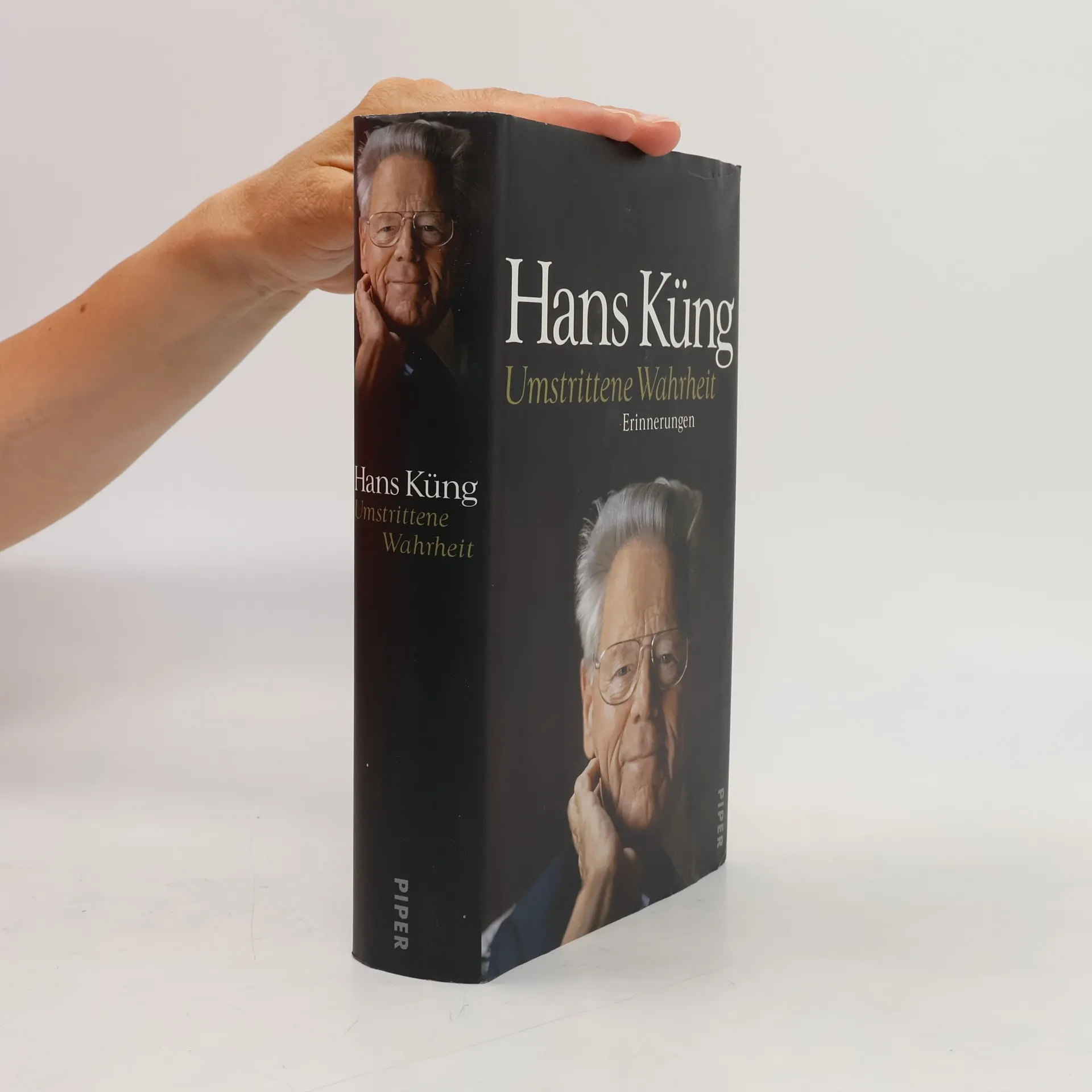
Seit Hans Küng 1957 sein erstes Buch geschrieben hat, versuchen die Mächtigen in der Kirche, ihren ebenso brillanten wie unbotmäßigen Theologen zu disziplinieren, zuletzt 1979 mit dem Entzug der Lehrerlaubnis. Hans Küng ist Theologe, Christenmensch und Weltbürger, der sich den Herausforderungen der Zeit stellt. Er wird zu einem der meistgelesenen Theologen weltweit und zum 'Gegenspieler' seines früheren Kollegen Joseph Ratzinger, jetzt Papst Benedikt XVI. Temperamentvoll und anschaulich schildert Küng, wie ihn die dramatischen Umbrüche in Kirche und Gesellschaft veränderten und warum er jenen Lebensweg ging, der ihn zum Pionier der Ökumene, zum Partner im interreligiösen Dialog, zum Hoffnungsträger für eine erneuerte Kirche gemacht hat.
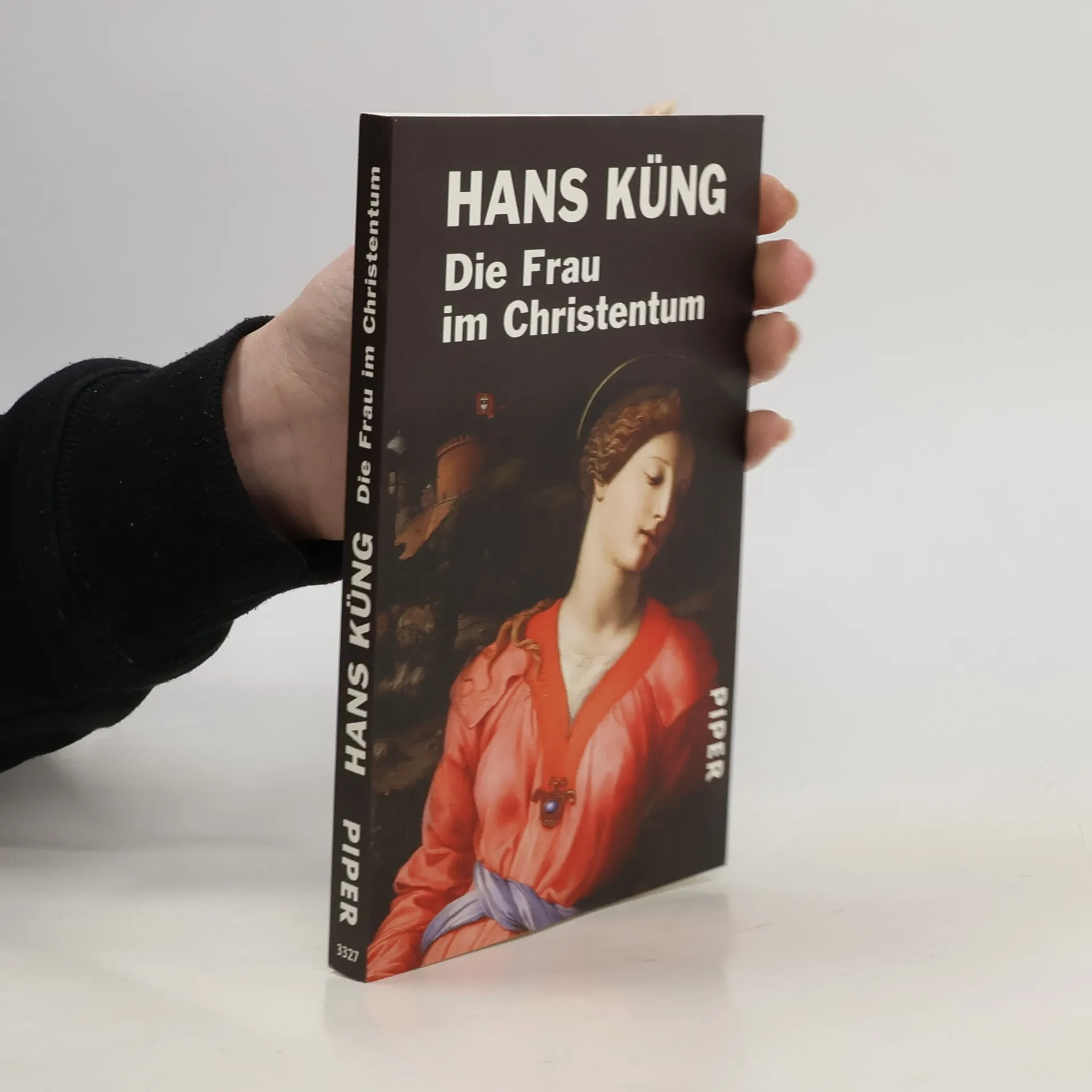
Nach wie vor dürfen Frauen in der katholischen Kirche das Priesteramt nicht ausüben, und auch in Fragen der Ehe, Abtreibung und Verhütung verharrt die katholische Kirche auf ihrem rigorosen Standpunkt. Dass das keineswegs immer so war, zeigt der große Theologe Hans Küng in diesem Buch: Im Urchristentum und in der frühen Kirche beispielsweise waren Frauen ganz selbstverständlich auch Jüngerinnen und Prophetinnen. Erst im Mittelalter wurde die Frau stärker aus der Kirche verdrängt. Anschaulich und umfassend schildert Küng, wie sich die Stellung der Frau im Christentum im Lauf der Geschichte entwickelt hat – von der Frühzeit über Mittelalter und Reformation bis in die Gegenwart.
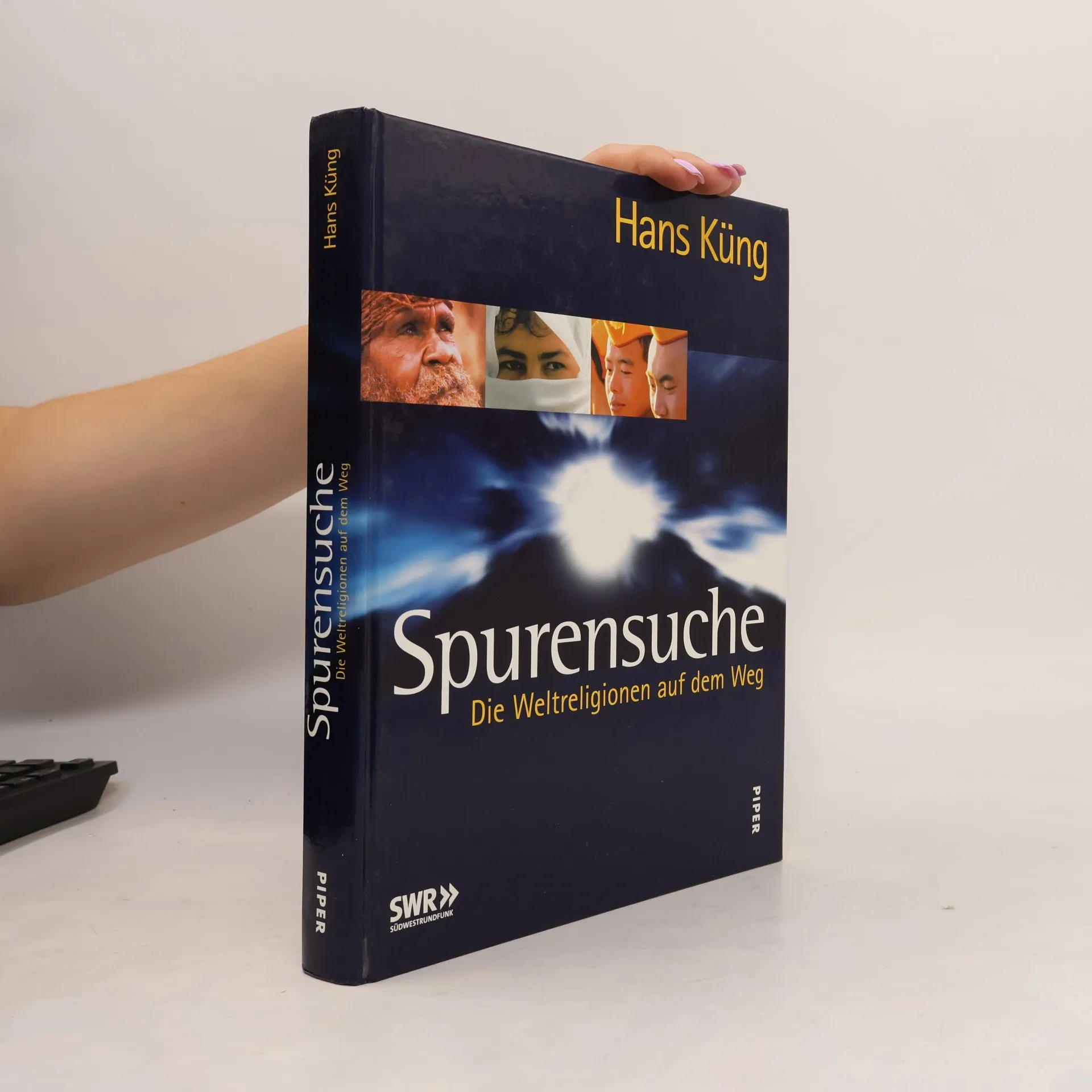
Der grossformatige, reich und instruktiv bebilderte Band ist die Langfassung der Textgrundlage für eine vom SWR aufwändig produzierte 7-teilige TV-Serie als filmische Darstellung der grossen Weltreligionen: Hinduismus, Buddhismus, Judentum, Christentum, Islam, chinesischen Religionen und Stammesreligionen (Quelle: Verlagsinformation).
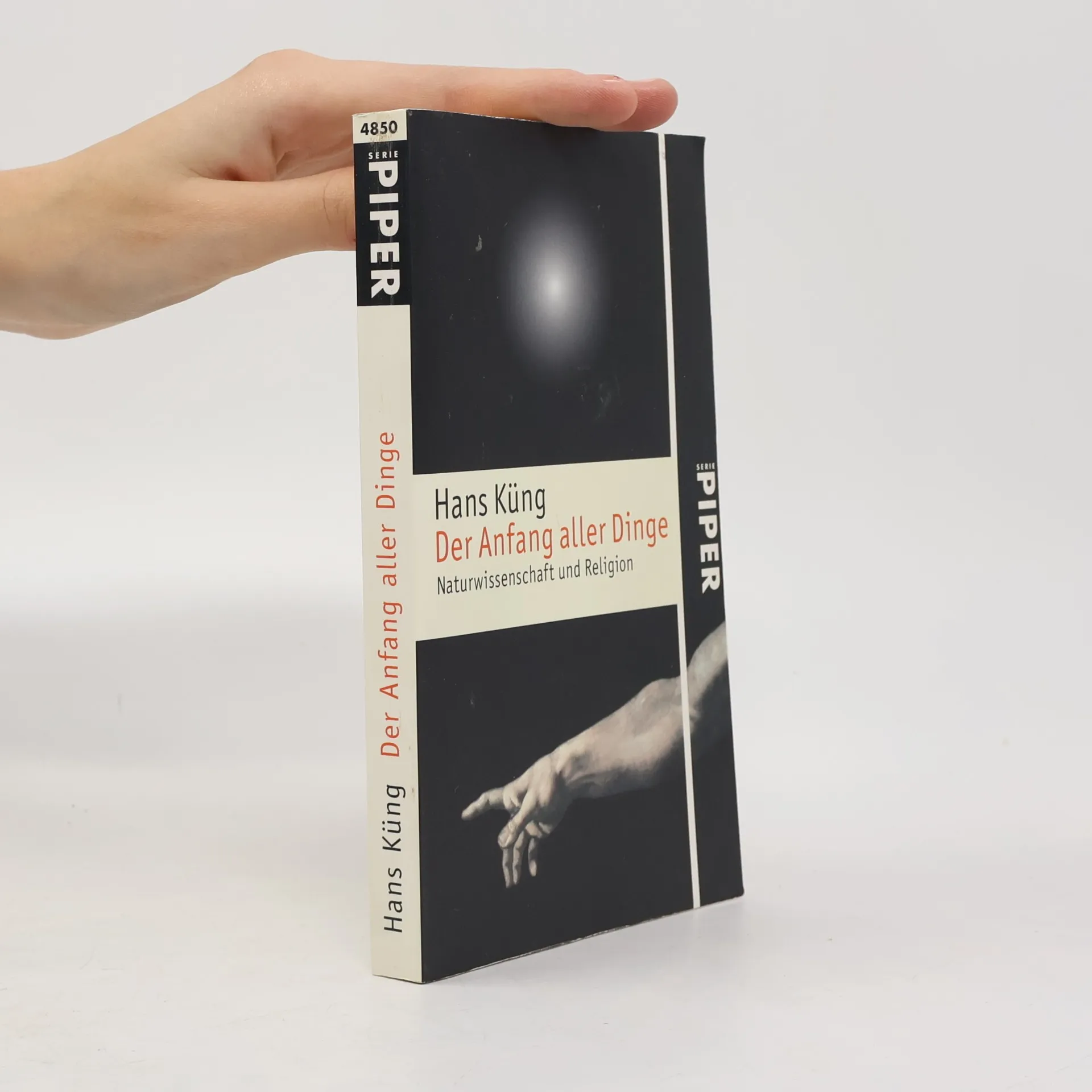
"Hans Küng unternimmt eine aufregende Exkursion zu den Fragen, die die menschheit seit Anbeginn beschäftigt haben: Was ist der Anfang von Welt und Mensch? Ist alles Zufall? Und er zeigt: Nur Naturwissenschaft und Religion zusammen können Antwort geben auf die Frage, 'was die Welt im Innersten zusammenhält'"--P. [4] of cover.
Stručné dejiny
Hans Küng, bývalý katolícky kňaz vo Vatikáne, dnes disident, sa vo svojom diele venuje dejinám katolíckej cirkvi od jej začiatku až po súčasnosť. Všíma si jej vzťah k iným náboženstvám, pričom kladie viaceré otázky, napr. či bol Ježiš katolík, prečo došlo k rozkolu s východnou cirkvou, ako sa prejavili závery 2. Vatikánskeho koncilu v praxi, aký by mal byť nasledujúci, dvadsiaty štvrtý pápež i kedy bude zvolaný 3. Vatikánsky koncil. V celom diele prejavuje svoju vieru v katolícku cirkev, súčasne však jednoznačne vyjadruje svoje presvedčenie o nevyhnutnosti ekumenickej, demokratickej cirkvi.
Der grossformatige, reich und instruktiv bebilderte Band ist die Langfassung der Textgrundlage für eine vom SWR aufwändig produzierte 7-teilige TV-Serie als filmische Darstellung der grossen Weltreligionen: Hinduismus, Buddhismus, Judentum, Christentum, Islam, chinesischen Religionen und Stammesreligionen (Quelle: Verlagsinformation).
Hans Küng, einer der berühmtesten Theologen der Gegenwart, beschreibt, erzählt und erklärt das Spektrum der großen Weltreligionen. Seine 'Spurensuche' deckt Verbindendes und Trennendes auf und verfolgt die Frage nach einem gemeinsamen Weltethos in den großen Religionen. Mit faszinierenden Farbfotos aufwendig ausgestattet, zeigt das Buch, wie aufregend und informativ das Thema dargestellt werden kann. Der vorliegende Band behandelt die Stammesreligionen, den Hinduismus, die chinesische Religion und den Buddhismus. 'Eine farbenreiche Reise durch die Kulturen und ihre Geschichte. Nicht an der Nivellierung von Differenzen ist Hans Küng gelegen, sondern daran, die spirituellen Schätze zu bergen, die im Boden der Religionen ruhen, um sie heute als Energiereserven ins Spiel zu bringen.' Die Zeit
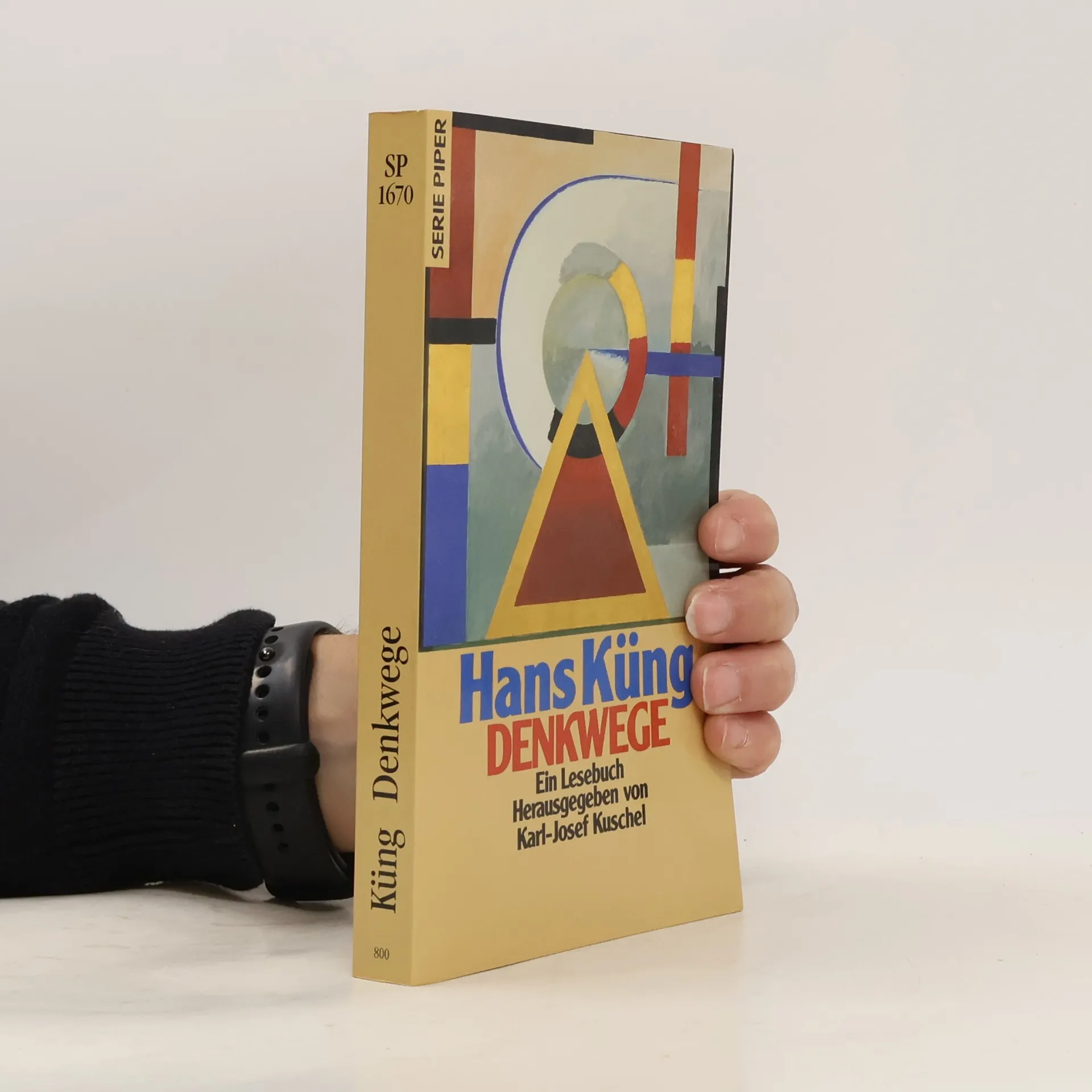
Hans Küng zählt zu den bekanntesten Theologen der Gegenwart. Er hat nicht nur die zeitgenössische Theologie, er hat vor allem auch das Denken der Öffentlichkeit über Jahrzehnte maßgeblich beeinflusst. Das vorliegende Buch bietet einen repräsentativen Querschnitt durch sein Werk. Es geht um Grundfragen christlicher Existenz, um die Gestalt Jesu im Vergleich mit anderen großen Gestalten der Religionsgeschichte, um das Gespräch zwischen den großen Weltreligionen, um das »Projekt Weltethos« und schließlich um die religiöse Situation unserer Zeit.
Der dritte Teil der Erinnerungen von Küng thematisiert die Ökumene der Weltreligionen und das Konzept des Weltethos. Der Autor gewährt Einblicke in seine persönlichen Kämpfe und Krisen und reflektiert über zentrale Lebensfragen wie den Wert des Lebens, den eigenen Tod und das, was danach kommt. Diese tiefgründigen Überlegungen laden die Leser ein, sich mit den existenziellen Herausforderungen und Antworten des Autors auseinanderzusetzen.
Der erste von drei Erinnerungsbänden beleuchtet die ersten vier Jahrzehnte im Leben des Theologen Hans Küng. Beginnend mit seiner Jugend in der Schweiz und dem Entschluss, Priester zu werden, beschreibt das Buch seine Ausbildung in Rom sowie seinen Kampf um Freiheit. Es thematisiert auch seine prägenden Jahre in Paris und Tübingen und führt bis zum Zweiten Vatikanische Konzil. Der Band bietet einen tiefen Einblick in Küngs persönliche und berufliche Entwicklung in einer Zeit des Wandels.
Hans Küng beleuchtet in seiner umfassenden Darstellung die geistigen Strömungen des Judentums im Dialog mit Christentum und Islam. Er bietet Lesern neue Perspektiven auf die jüdische Religion und Kultur und zeigt, wie das Judentum die religiösen Fragen unserer Zeit widerspiegelt.
Hans Küng, ein führender deutscher Theologe, präsentiert sein "Projekt Weltethos" und die Erklärung der Menschenpflichten. Er betont die Bedeutung des interkulturellen Dialogs und sieht den Frieden der Weltreligionen als Grundlage für globalen Frieden zwischen den Nationen.