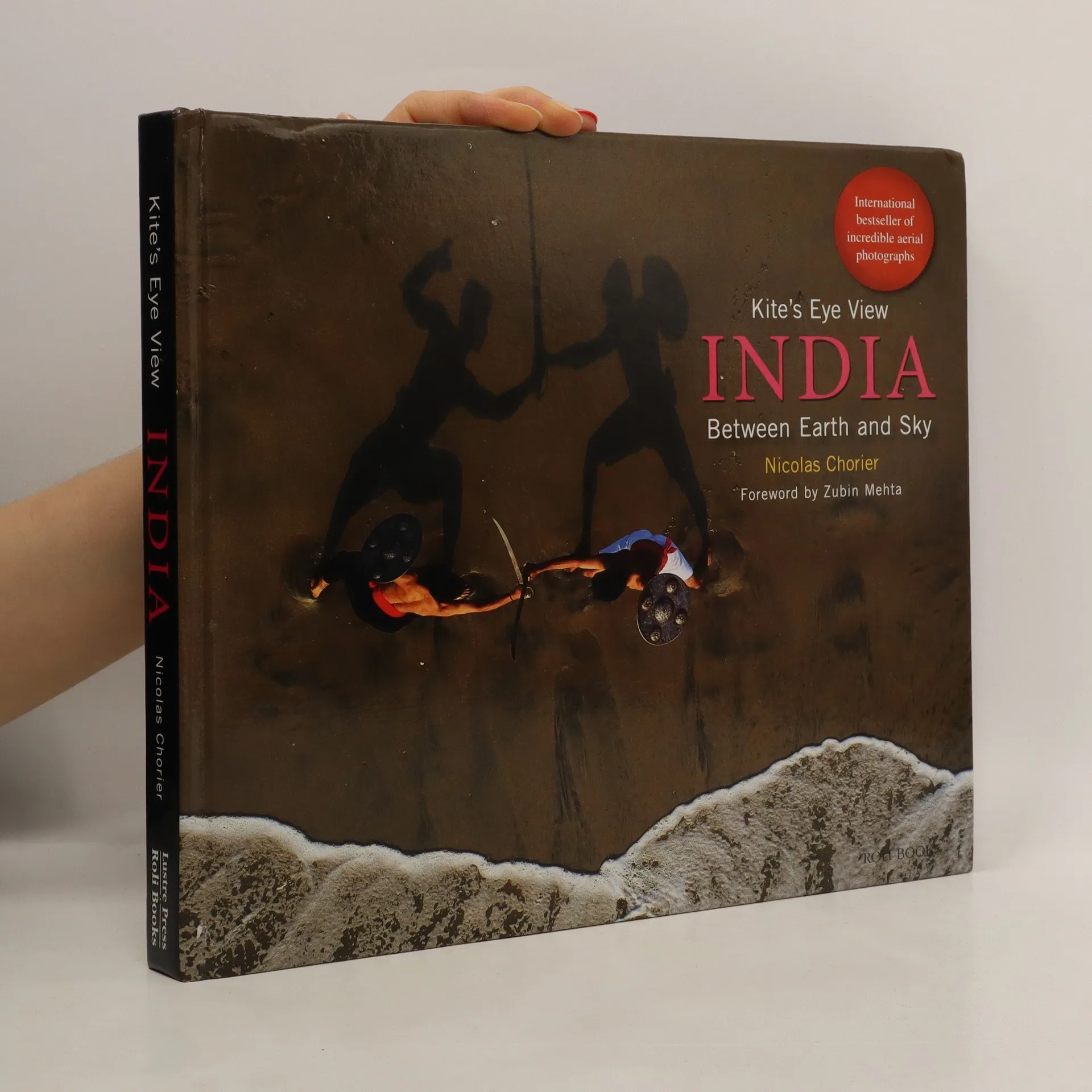
Kite's Eye View India: Between Earth and Sky
- 192 páginas
- 7 horas de lectura
Unique and specular views of the wonders of India.




Unique and specular views of the wonders of India.
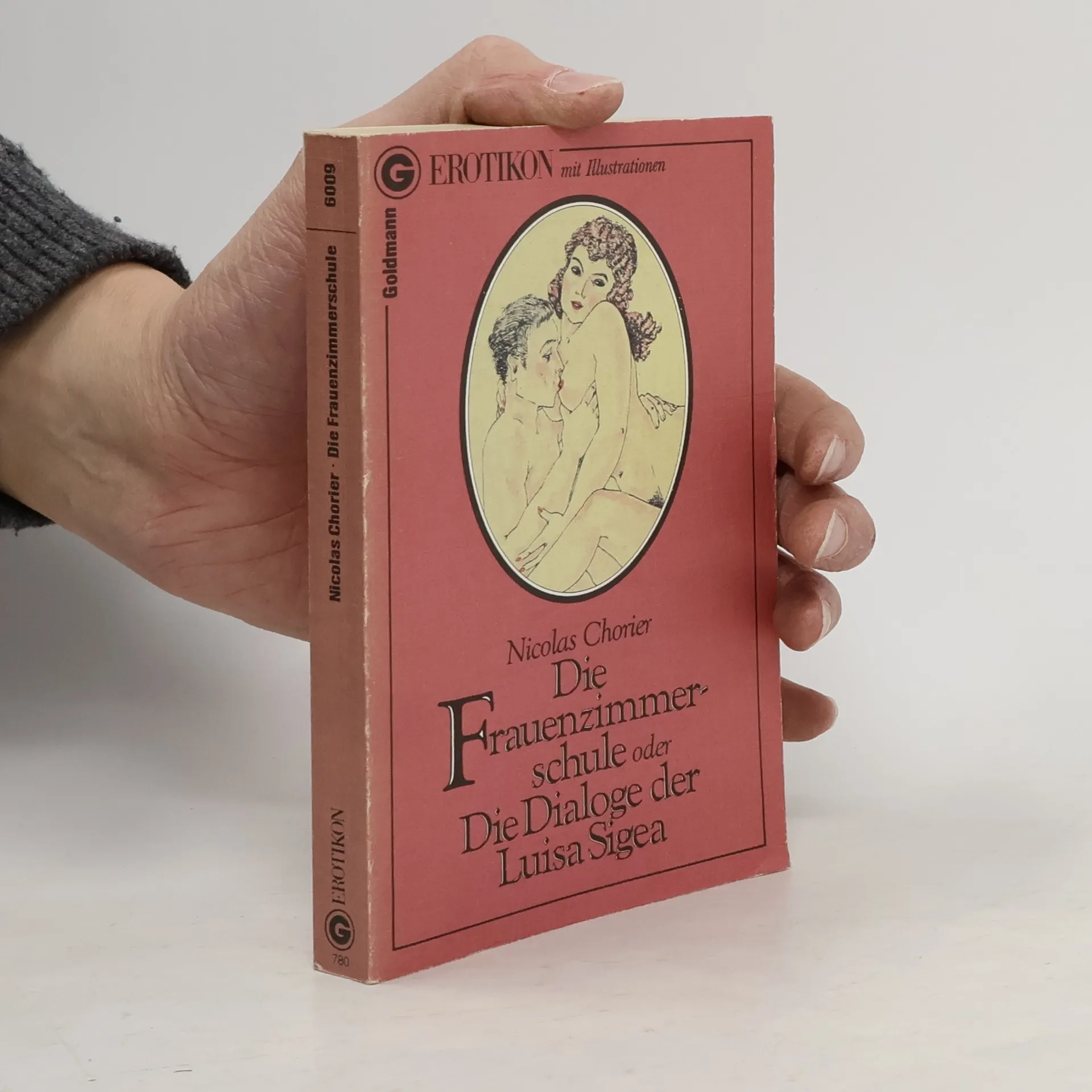
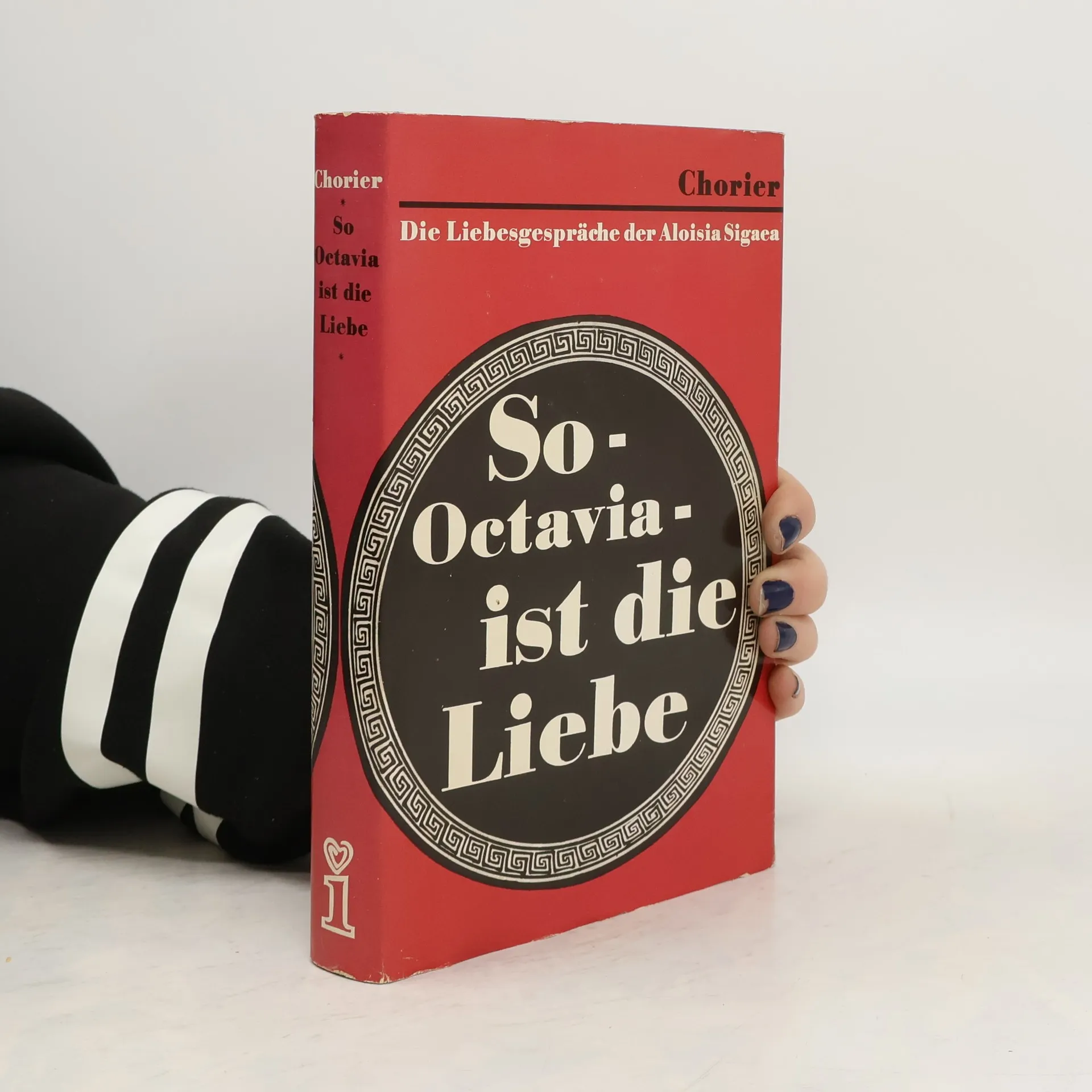
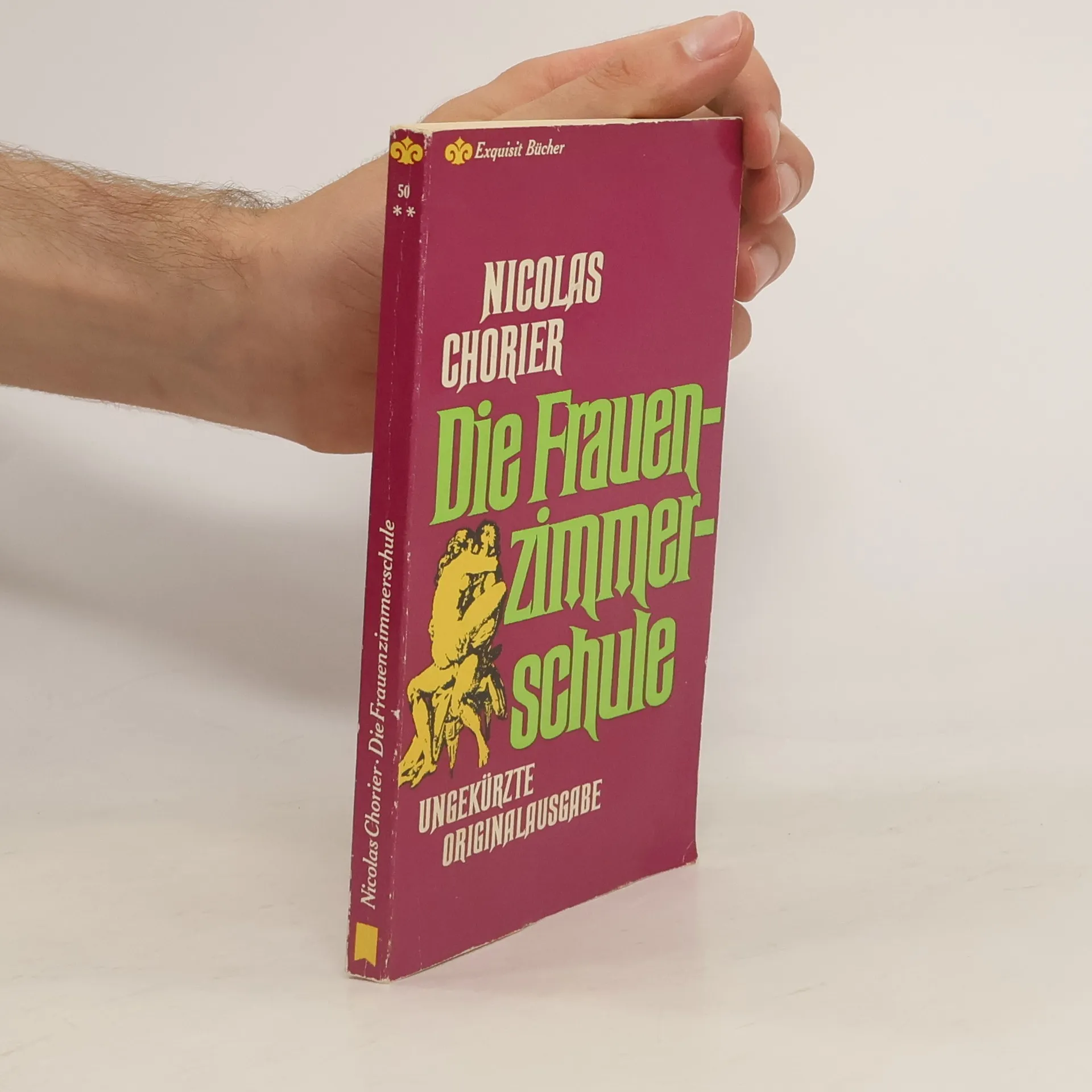
Set in 17th century France, this erotic novel features a complex publication history, claiming origins from a Spanish poet and subsequent translations by notable figures. It explores themes of love and sexuality through a satirical lens, reflecting the cultural attitudes of its time. The narrative's journey through languages and adaptations adds layers to its interpretation, making it a fascinating study of erotic literature's evolution across Europe.
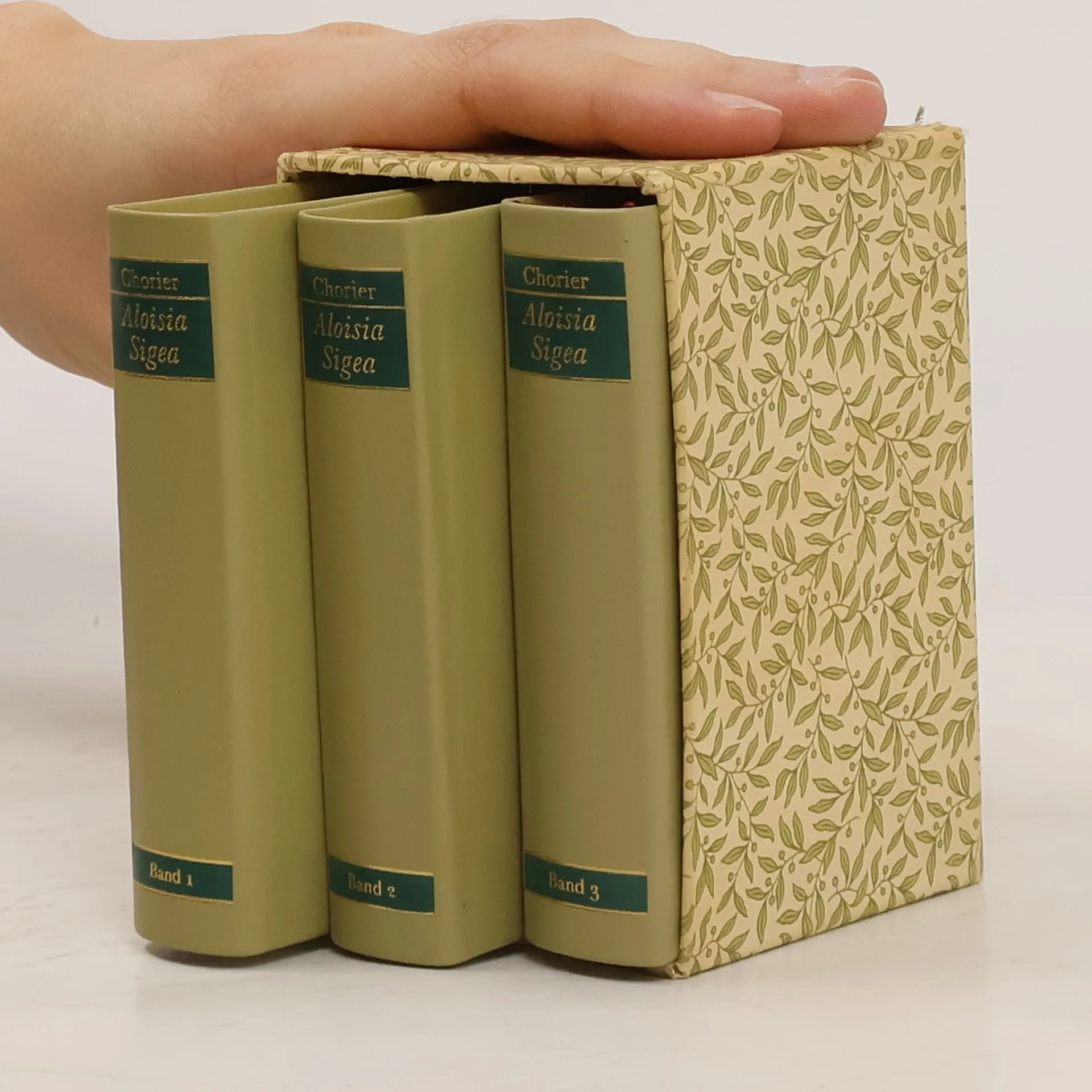
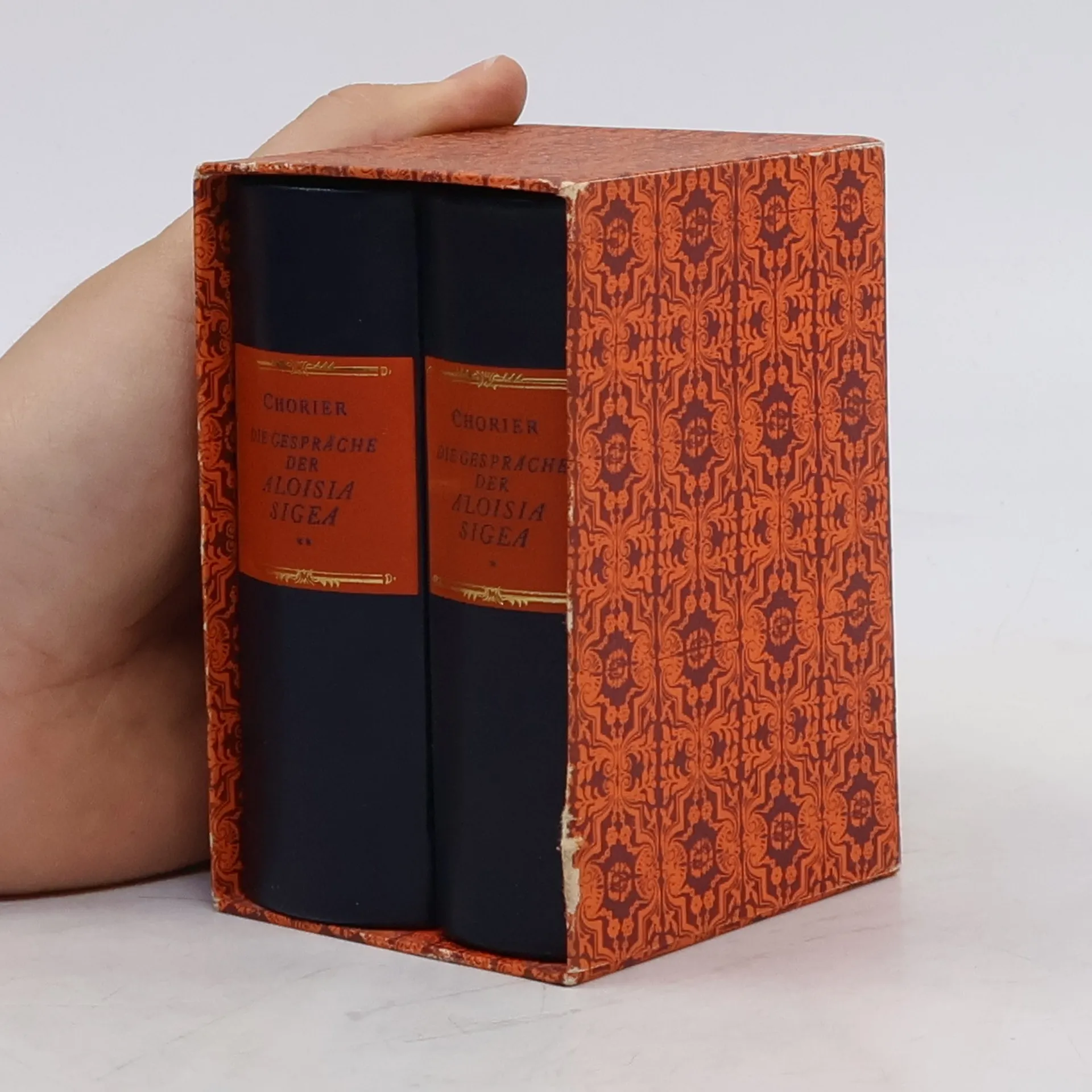
Die Gespräche der Aloisia Sigea ist eine Sammlung von drei Bänden, die sich mit den intellektuellen und philosophischen Diskursen der Protagonistin Aloisia Sigea auseinandersetzt. Die Erzählung spielt im 17. Jahrhundert und beleuchtet die Herausforderungen und Möglichkeiten einer gebildeten Frau in einer von Männern dominierten Gesellschaft. Aloisia, eine fiktive Figur, wird als kluge und witzige Gesprächspartnerin dargestellt, die in ihren Dialogen mit verschiedenen Gelehrten und Zeitgenossen Themen wie Liebe, Wissenschaft, Religion und die Rolle der Frau erörtert. Die Bände sind in Form von Dialogen strukturiert, die sowohl die sozialen Normen der Zeit reflektieren als auch kritische Fragen aufwerfen. Die Charaktere, die Aloisia begegnen, repräsentieren unterschiedliche philosophische und kulturelle Perspektiven, was die Diskussionen vielfältig und tiefgründig macht. Die Texte sind sowohl literarisch als auch philosophisch und bieten Einblicke in die Denkweise des 17. Jahrhunderts, während sie gleichzeitig zeitlose Fragen der menschlichen Existenz ansprechen. Insgesamt bietet die Sammlung eine fundierte Auseinandersetzung mit der Rolle der Frau in der Gesellschaft und den intellektuellen Strömungen der Epoche, die für Leser von historischem und philosophischem Interesse von Bedeutung ist.
Die Gespräche der Aloisia Sigaea