


Tren nocturno
- 176 páginas
- 7 horas de lectura
Martin Amis, novelista, ensayista y cuentista inglés, explora magistralmente la absurdidad de la condición posmoderna, presentando sus caricaturas grotescas con una claridad impactante. Su estilo distintivo se caracteriza por una viveza compulsiva, un testimonio de su profundo dominio del idioma inglés que anuncia de inmediato su voz única. A menudo percibido como un cronista de la vida contemporánea, Amis ha sido reconocido por su retrato audaz de lo que se ha denominado 'la nueva desagradabilidad'. Su escritura ofrece un examen agudo, a menudo inquietante, pero siempre cautivador de la existencia moderna.


The book features a fresh introduction by Claire Lowdon, providing contemporary insights and context. It explores themes that resonate with today's readers, enhancing the understanding of the original work. The introduction sets the stage for a deeper appreciation of the narrative and its characters, making it accessible for both new and returning audiences.
Set in the summer of 1970 in an Italian castle, the story explores the lives of young people navigating the sexual revolution. The girls defy traditional roles, while the boys remain unchanged, and Keith Nearing attempts to manipulate feminism for his own purposes.
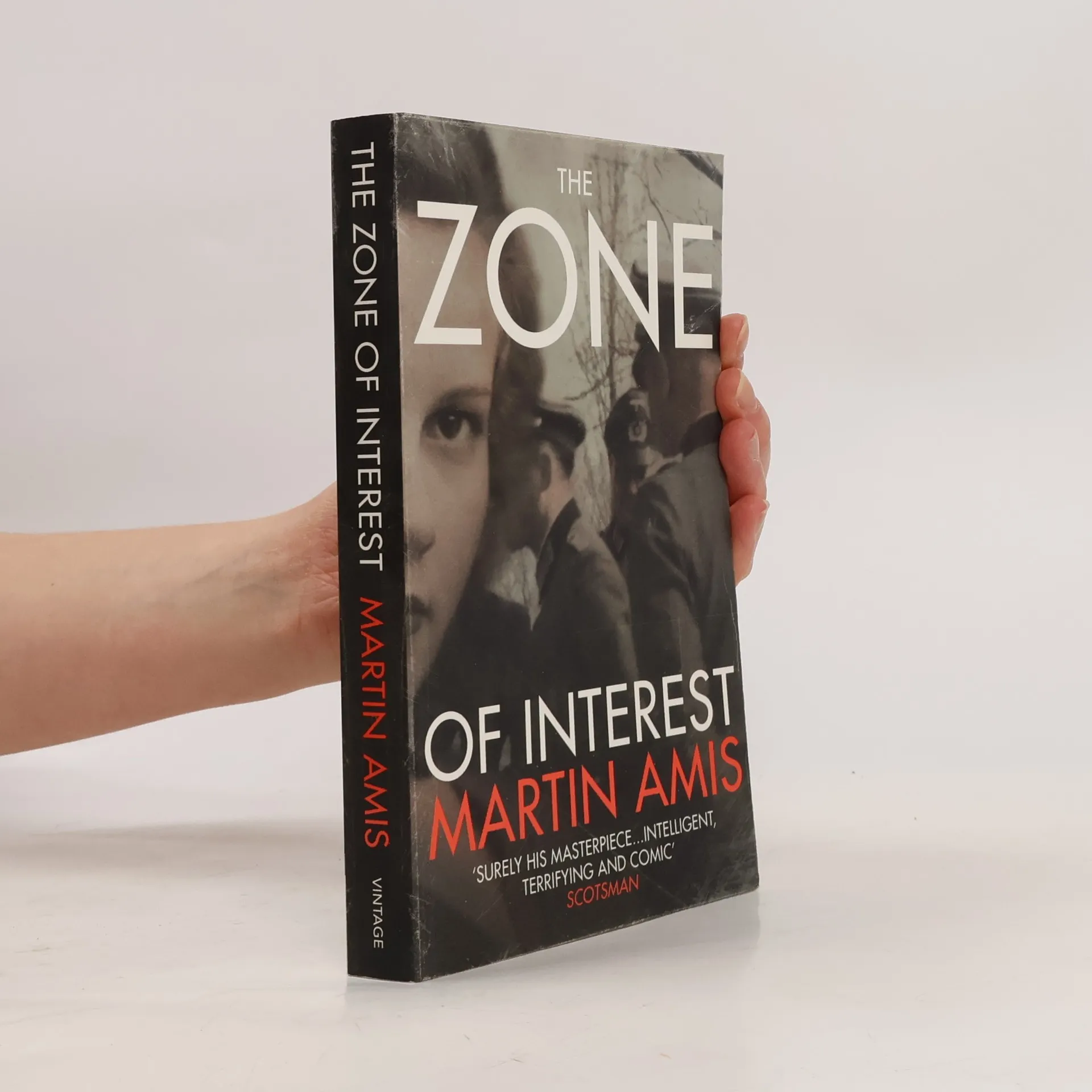
Shortlisted for the 2015 Walter Scott Prize 'Surely his masterpieceâe¦ Intelligent, terrifying and comicâe¦ Amis has tackled the biggest questions with imagination and intelligence, and the ultimate strength of this masterly novel is that he knows, and shows, that although there is no answer to the questions Auschwitz poses, we must never stop asking them. Read it, ponder it âe" revel in it indeed âe" then read it again.' Allan Massie, Scotsman There was an old story about a king who asked his favourite wizard to create a magic mirror. This mirror didnâe(tm)t show you your reflection. Instead, it showed you your soul âe" it showed you who you really were. But the king couldnâe(tm)t look into the mirror without turning away, and nor could his courtiers. No one could. What happens when we discover who we really are? And how do we come to terms with it? Fearless and original, The Zone of Interest is a violently dark love story set against a backdrop of unadulterated evil, and a vivid journey into the depths and contradictions of the human soul.
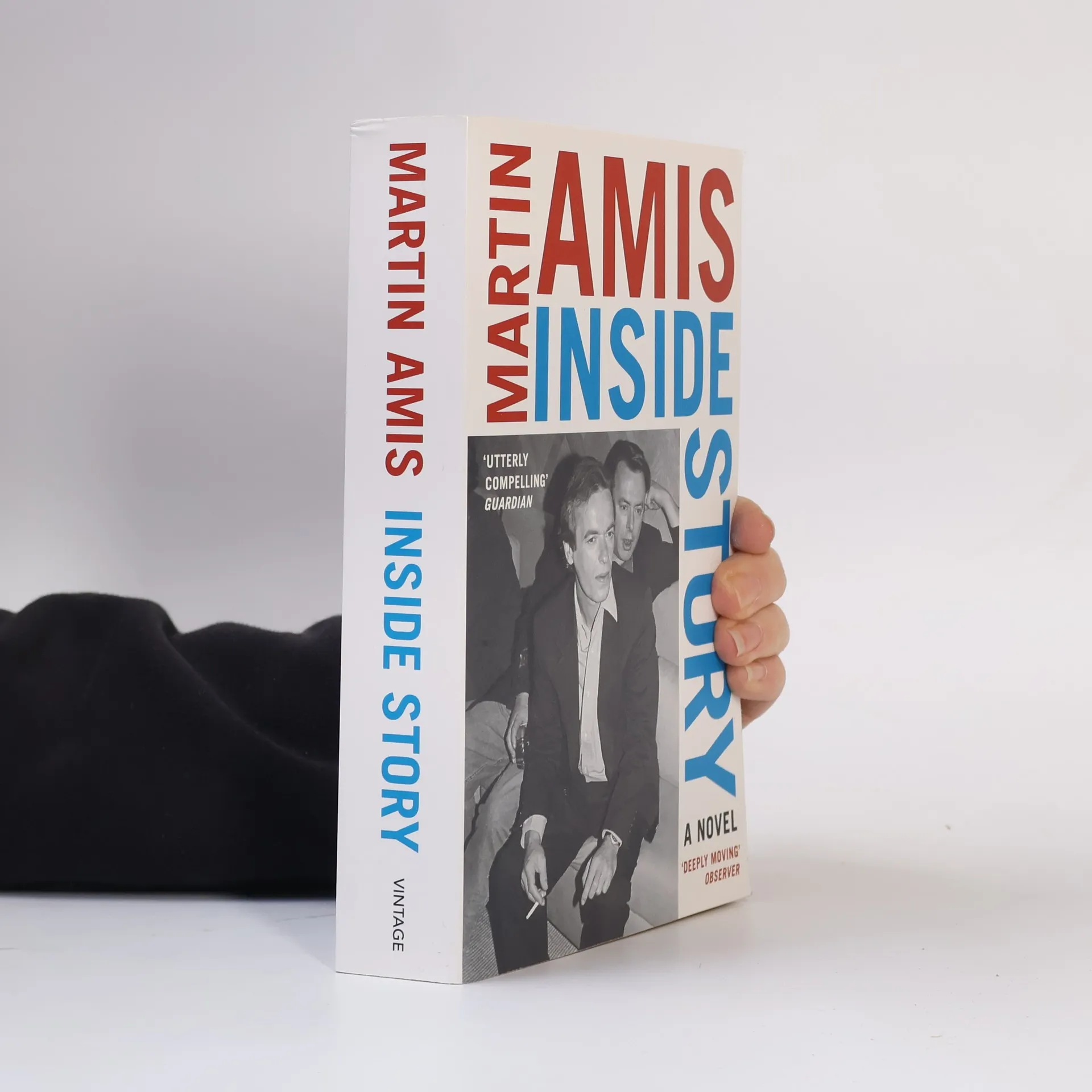
This extraordinary novel gives the reader the heart-to-heart testimony of one of our finest writers - a wonder of literary invention and a boisterous modern classic His most intimate and epic work to date, Inside Story is the unseen portrait of Martin Amis' extraordinary life, as a man and a writer. This novel had its birth in a death - that of the author's closest friend, Christopher Hitchens. We also encounter the vibrant characters who have helped define Martin Amis, from his father Kingsley, to his hero Saul Bellow, from Philip Larkin to Iris Murdoch and Elizabeth Jane Howard, and to the person who captivated his twenties, the alluringly amoral Phoebe Phelps. What begins as a thrilling tale of romantic entanglements, family and friendship, evolves into a tender, witty exploration of the hardest questions- how to live, how to grieve, and how to die? In his search for answers, Amis surveys the great horrors of the twentieth century, and the still unfolding impact of the 9/11 attacks on the twenty-first - and what all this has taught him about how to be a writer. The result is one of Amis' greatest achievements- a love letter to life that is at once exuberant, meditative, heartbreaking and ebullient, to be savoured and cherished for many years to come.
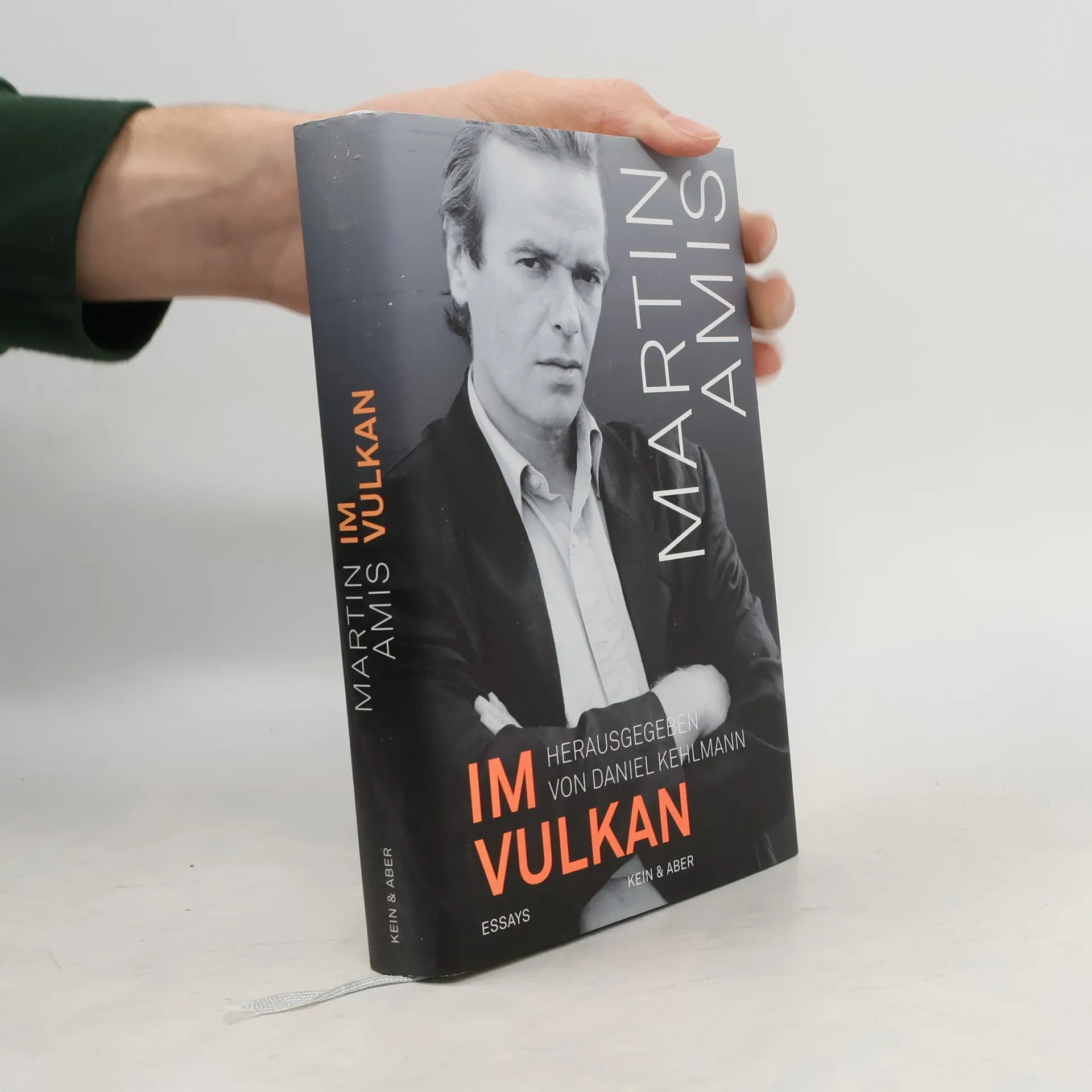
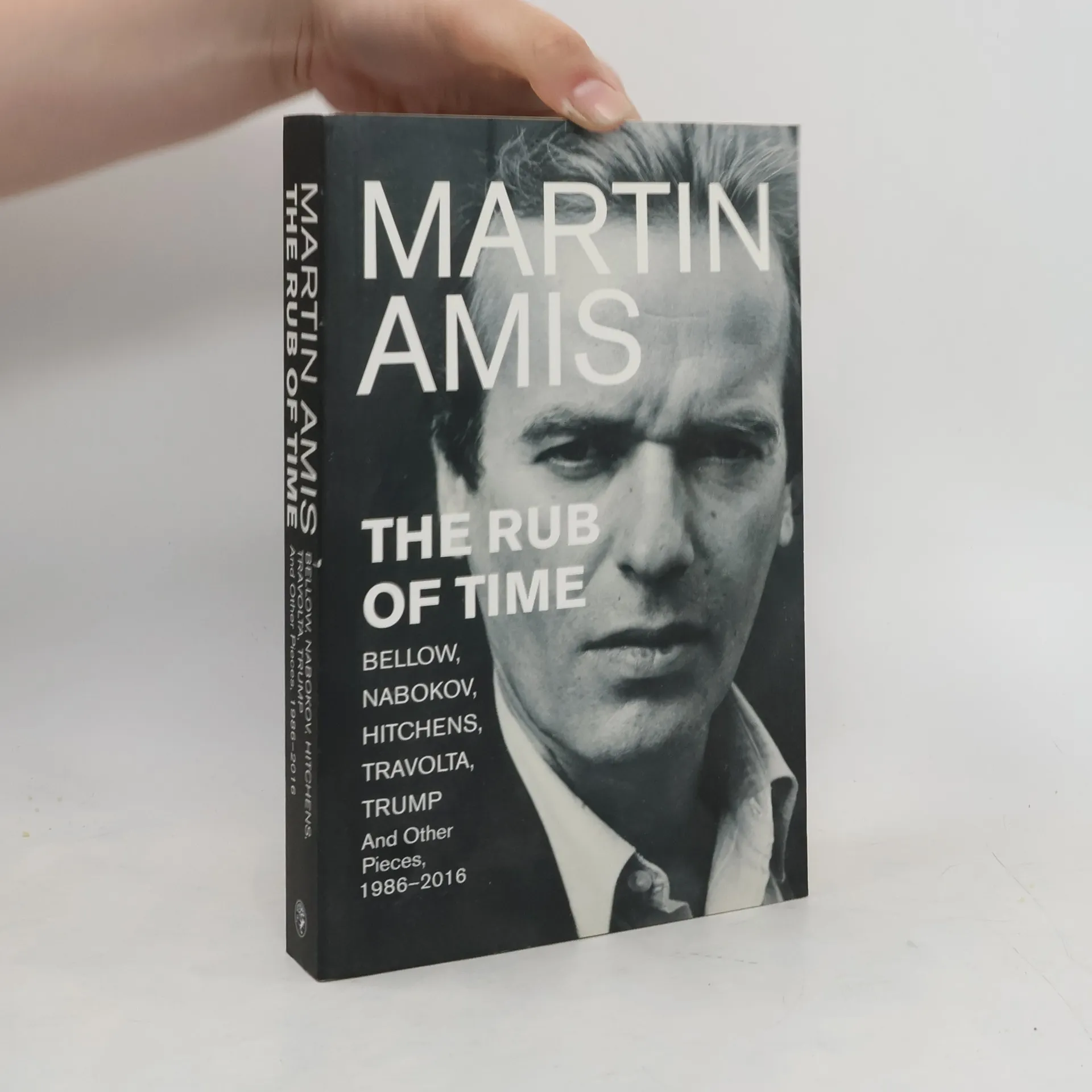
The Rub of Time is Amis at his considered best, witty, erudite and unafraid... He is sweetly sentimental when it comes to the British royal family (why?), funny about tennis, always brilliant about the body, scorching in his refusal of death, its sorrows and humiliations... He is a great believer in semantic rigour; every sentence snaps with an accuracy that is fresh and fierce... This collection is full of treasures. Anne Enright Guardian
The son of the comic novelist Kingsley Amis, Martin Amis explores his relationship with this father and writes about the various crises of Kingsley's life. He also examines the life and legacy of his cousin, Lucy Partington, who was abducted and murdered by one of Britain’s most notorious serial killers. Experience also deconstructs the changing literary scene, including Amis' portraits of Saul Bellow, Salman Rushdie, Allan Bloom, Philip Larkin, and Robert Graves, among others.
A brilliant weave of personal involvement, vivid biography and political insight, Koba the Dread is the successor to Martin Amis’s award-winning memoir, Experience . Koba the Dread captures the appeal of one of the most powerful belief systems of the 20th century — one that spread through the world, both captivating it and staining it red. It addresses itself to the central lacuna of 20th-century thought: the indulgence of Communism by the intellectuals of the West. In between the personal beginnings and the personal ending, Amis gives us perhaps the best one-hundred pages ever written about Stalin: Koba the Dread, Iosif the Terrible. The author’s father, Kingsley Amis, though later reactionary in tendency, was a “Comintern dogsbody” (as he would come to put it) from 1941 to 1956. His second-closest, and then his closest friend (after the death of the poet Philip Larkin), was Robert Conquest, our leading Sovietologist whose book of 1968, The Great Terror , was second only to Solzhenitsyn’s The Gulag Archipelago in undermining the USSR. The present memoir explores these connections. Stalin said that the death of one person was tragic, the death of a million a mere “statistic.” Koba the Dread , during whose course the author absorbs a particular, a familial death, is a rebuttal of Stalin’s aphorism. From the Hardcover edition.
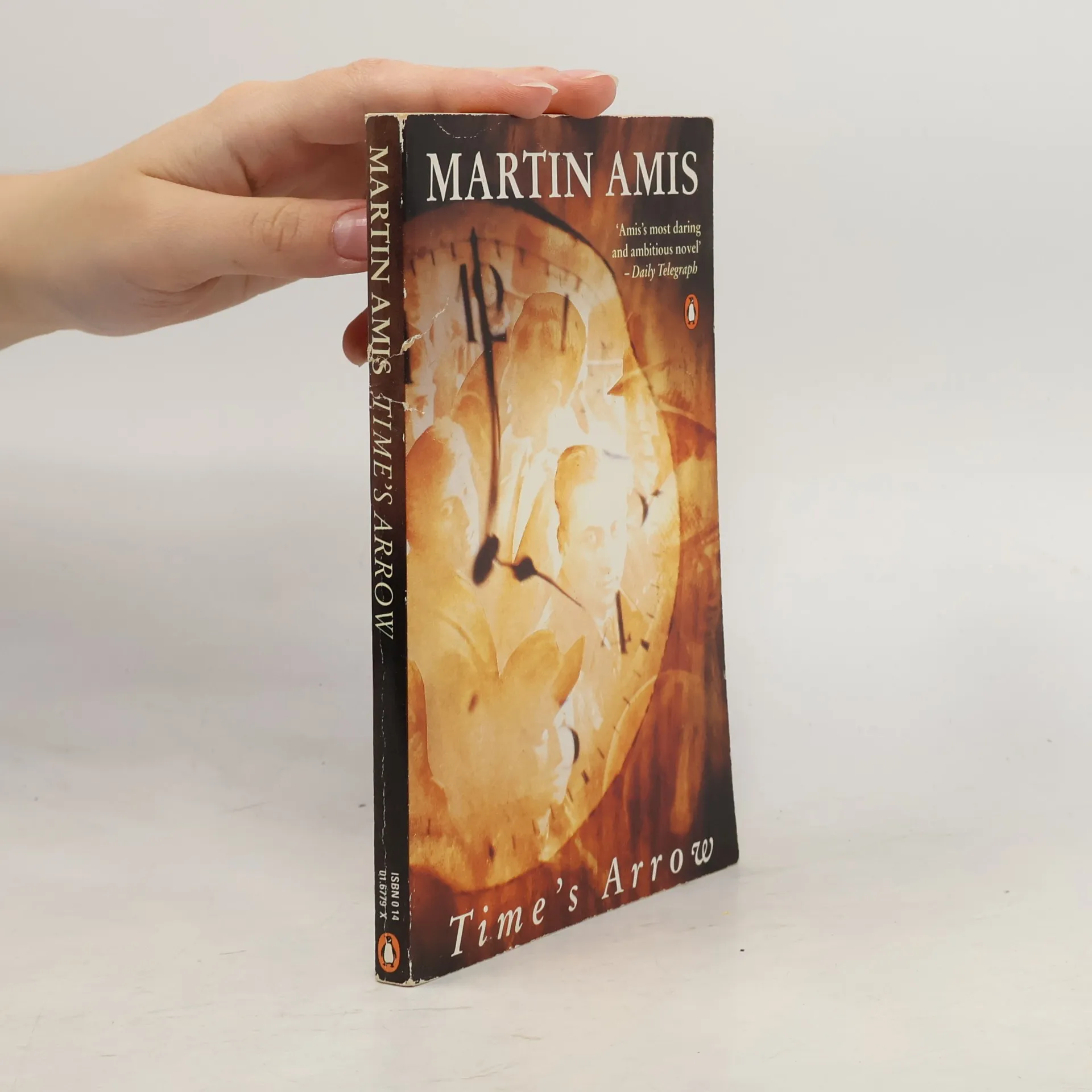
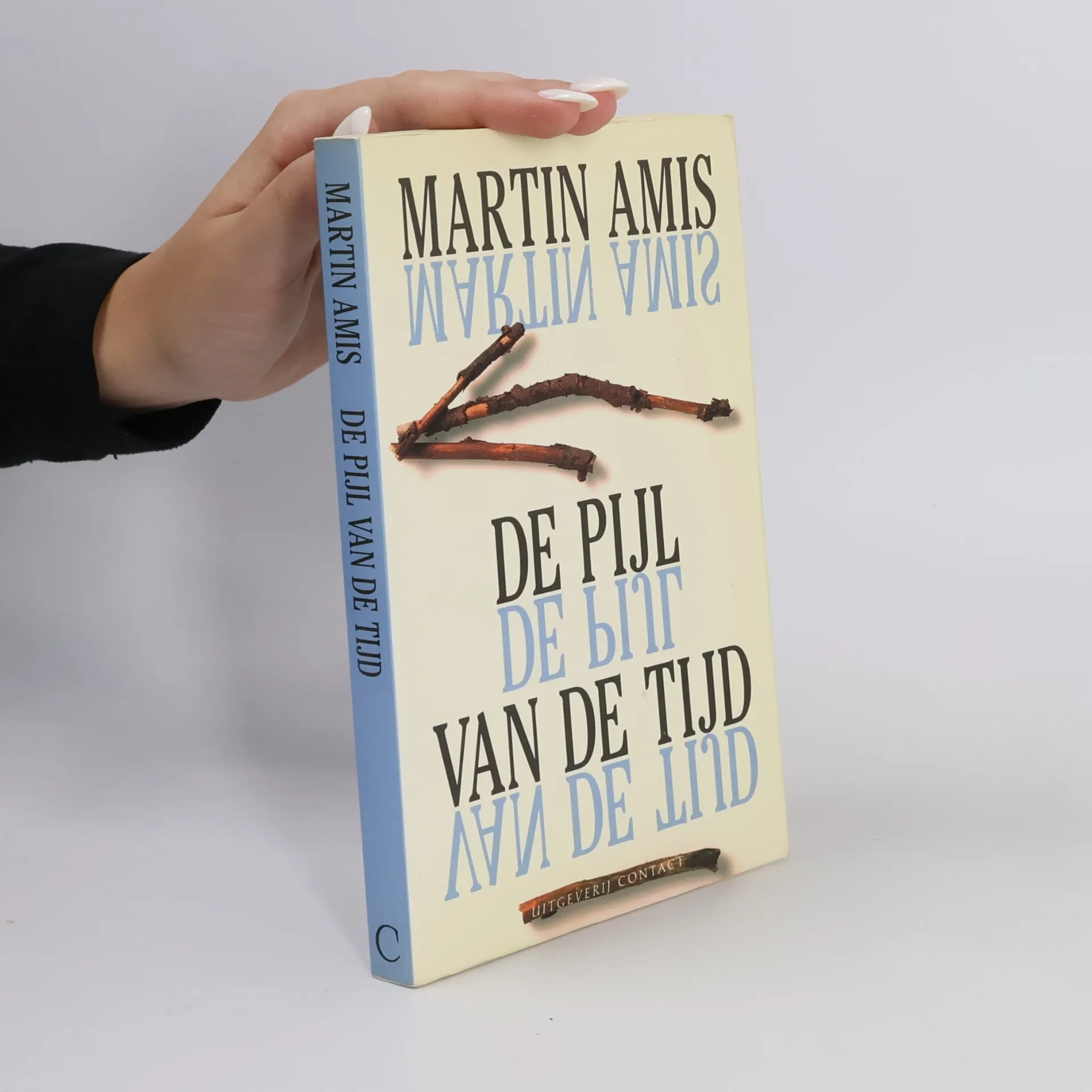
In Time's Arrow the doctor Tod T. Friendly dies and then feels markedly better, breaks up with his lovers as a prelude to seducing them, and mangles his patients before he sends them home. And all the while Tod's life races backward in time toward the one appalling moment in modern history when such reversals make sense.