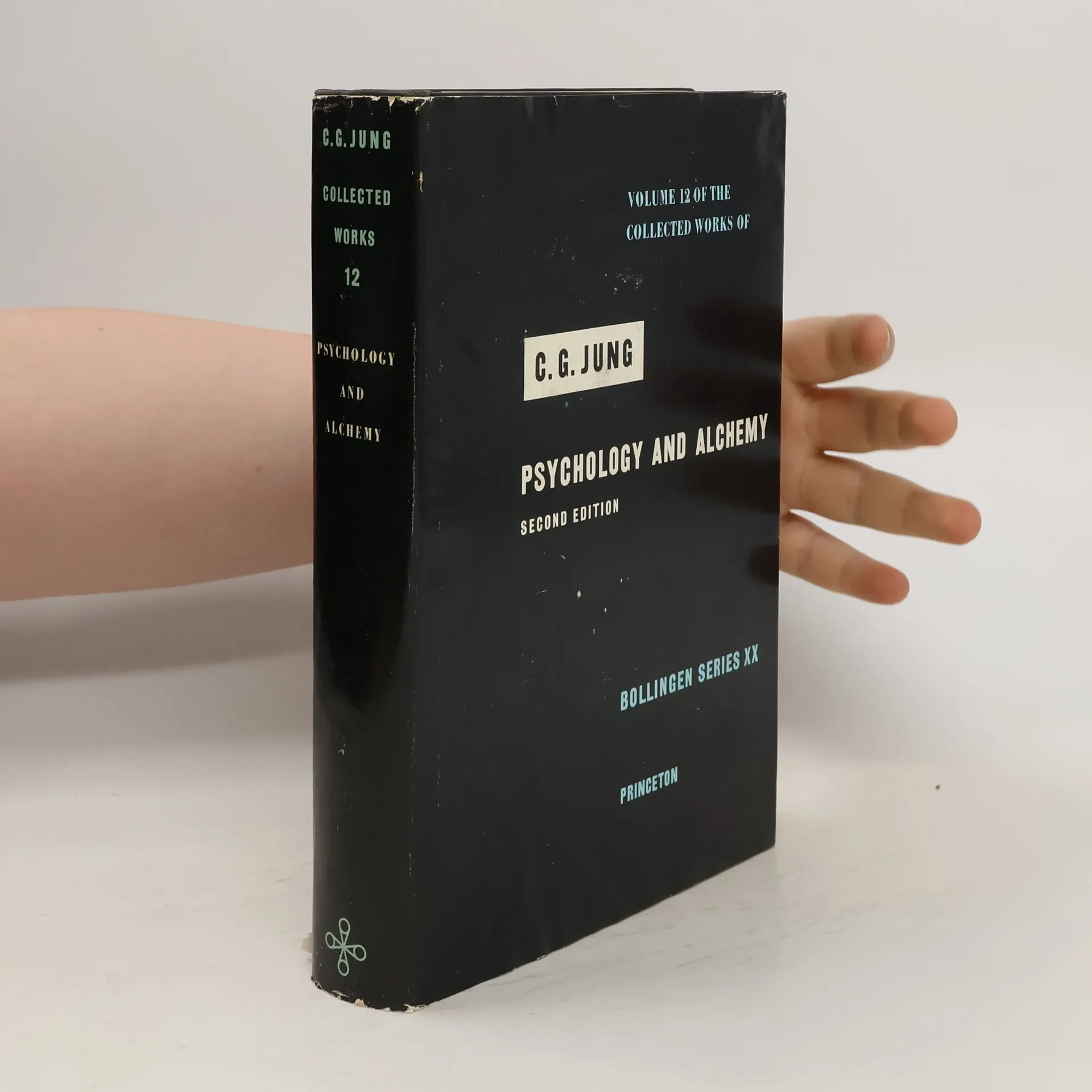
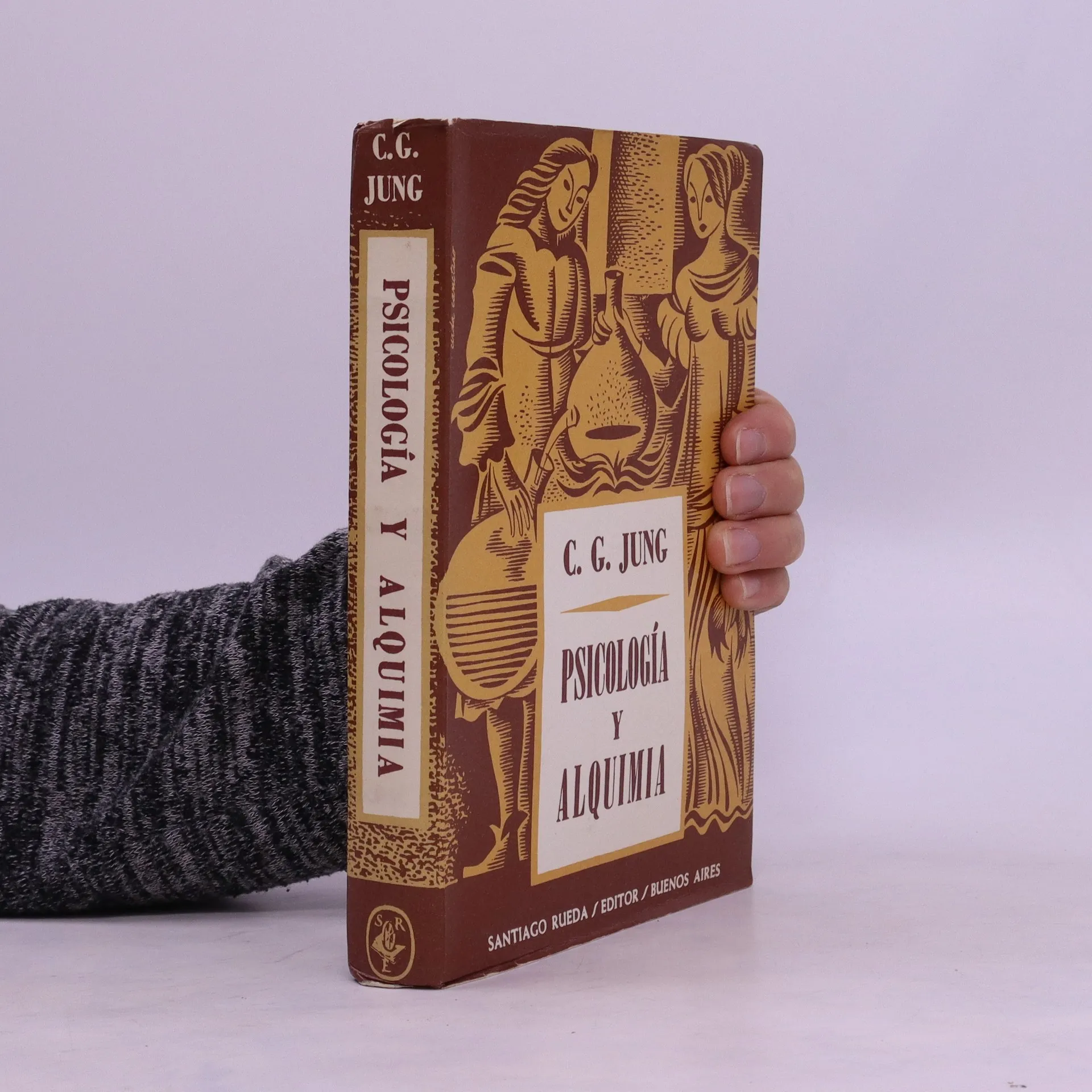
Verso la fine degli anni venti, Jung scopre singolari affinità tra antichi simboli cinesi e i sogni dei suoi pazienti, iniziando così a studiare i testi degli alchimisti. Dopo quindici anni di lavoro, pubblica questo volume, che rimane fra le sue opere più affascinanti. La tradizione alchimistica e la pratica analitica condividono il tentativo di creare una realtà nuova e superiore: da una parte l'oro e la pietra filosofale, dall'altra la "presa di coscienza" della psicologia moderna. L'alchimia esprime una pulsione a trasformare la materia prima dell'esperienza in conoscenza, cercando di portare alla luce il lato divino che dorme nell'oscurità degli istinti. È quindi una psicologia che non dice il suo nome, affine alla moderna psicoterapia. Jung amplia la sua indagine alla saggezza orientale e a esperienze culturali, mostrando come le scoperte scientifiche possano essere il ritrovamento di antichissime e universali esperienze, che egli definisce come tali.
Carl Gustav Jung Libros


Paracélsica
- 126 páginas
- 5 horas de lectura
Dos ensayos exquisitos, Paracelso como médico y Paracelso como fenómeno espiritual, para adentrarnos en la persona y la filosofía de uno de los más grandes pensadores del Renacimiento por uno de los padres de la moderna psicología profunda.
Mysterium coniunctionis
- 784 páginas
- 28 horas de lectura
Según el propio Jung, «sólo con Mysterium Coniunctionis mi psicología se situó definitivamente en la realidad y se cimentó históricamente como un todo. Con ello mi tarea estaba terminada, mi obra hecha y cumplida». Nos hallamos, por tanto, ante la obra fundamental del psiquiatra suizo, que corona así su indagación sobre la psique humana con una erudita investigación de la alquimia. La obra incorpora, en forma de apéndices, los textos latinos y griegos citados, un glosario de términos en dichos idiomas, las bibliografías, ilustraciones e índices.
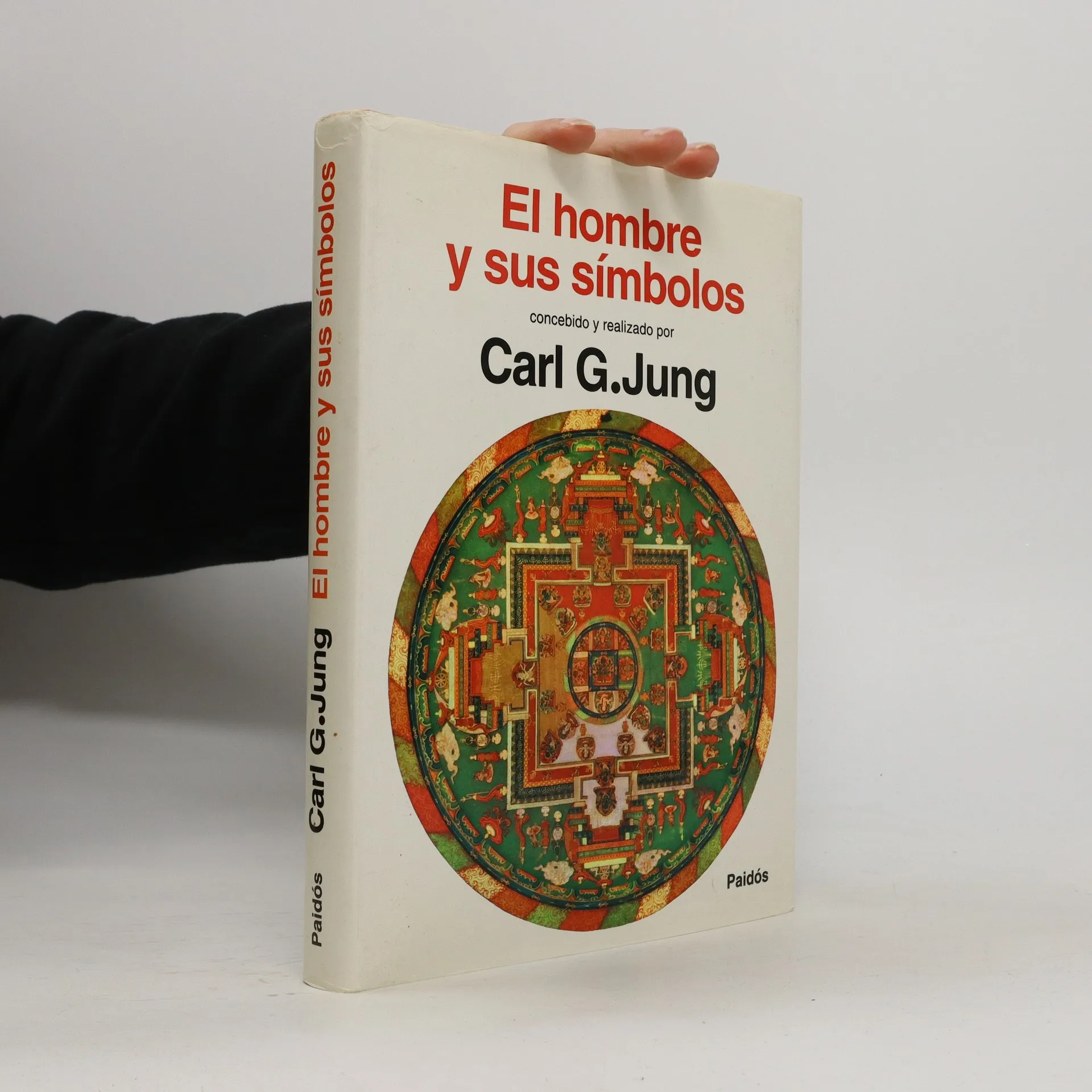
El hombre y sus símbolos
- 320 páginas
- 12 horas de lectura
CONTENIDO: Acercamiento al inconsciente / Carl G. Jung / - Los mitos antiguos y el hombre moderno / Joseph L. Henderson / - El proceso de individualización / Marie-Louise von Franz / - El simbolismo en las artes visuales / Aniela Jaffé / - Símbolos en un análisis individual / Jolande Jacobi / - La ciencia y el inconsciente / Marie-Louise von Franz.
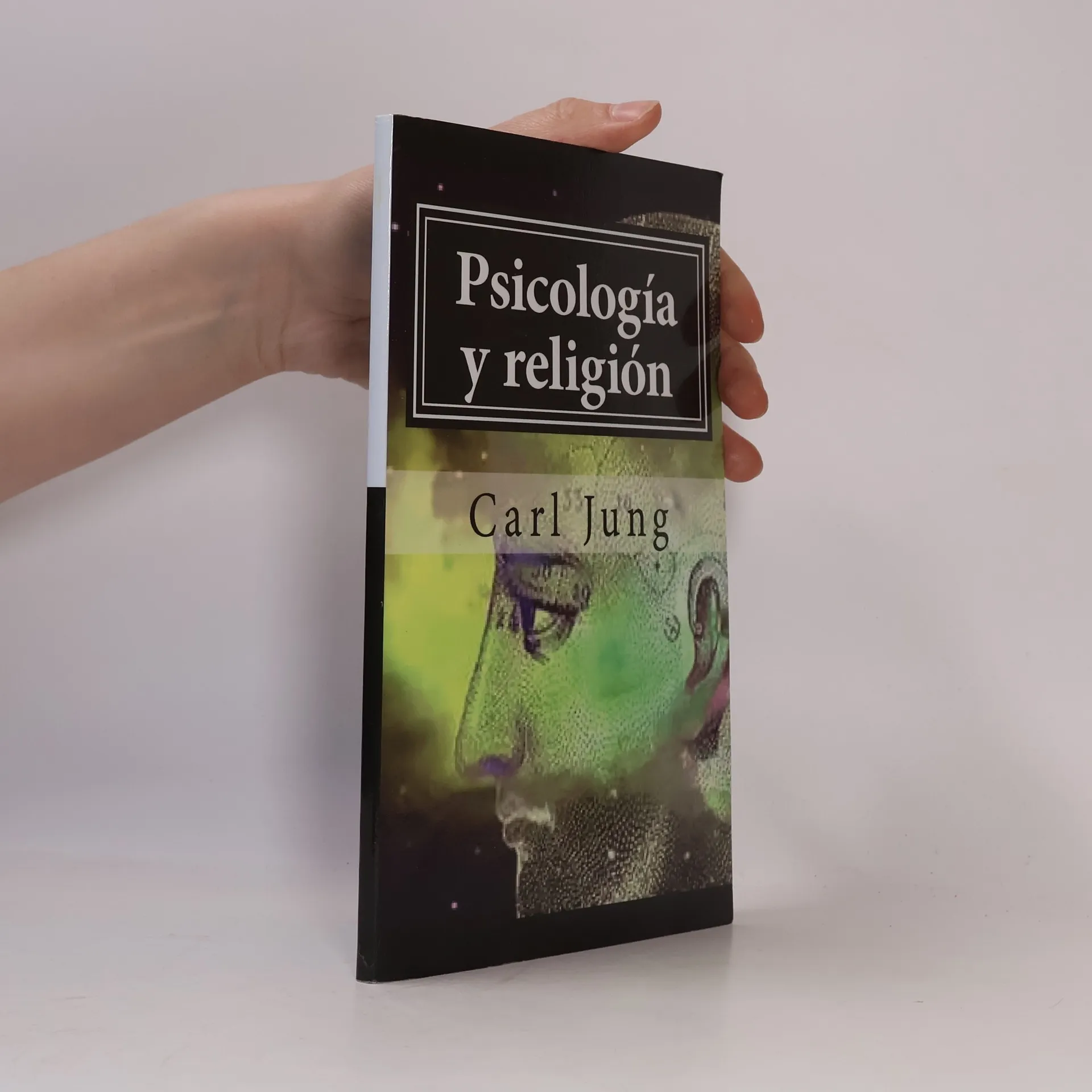
Psicología y religión
- 120 páginas
- 5 horas de lectura
Jung no fue el primero en dedicarse al estudio de la actividad onirica. No obstante, sus contribuciones al analisis de los suenos fueron extensivas y altamente influyentes. Escribio una prolifica obra. Aunque durante la mayor parte de su vida centro su trabajo en la formulacion de teorias psicologicas y en la practica clinica, tambien incursiono en otros campos de las humanidades, desde el estudio comparativo de las religiones, la filosofia y la sociologia hasta la critica del arte y la literatura.
Recuerdos, sueños, pensamientos
- 425 páginas
- 15 horas de lectura
Un científico, enfrentado a las desconcertantes fisonomías y dolores del alma, al final de su vida recapitula y pone orden no sólo en la memoria de los hechos vividos sino en el almacén de imágenes que el sueño proporciona a la conciencia. Gracias al empeño de Jung, la interpretación de los signos que envuelven nuestra vida será un ejercicio de veracidad imprescindible. En la primavera de 1957, cuando contaba 81 años, C. G. Jung emprendió el relato de su vida con la ayuda de su colega y amiga Aniela Jaffé. Pero en esta autobiografia las anécdotas se ponen al servicio exclusivo de su concepción del inconsciente y del hombre. No se recogen encuentros con otras celebridades ni se pronuncian discursos sobre el curso del mundo. En estas pagmas conoceremos los años de formación, su ambivalente relación con Freud, los viajes y los descubrimientos, y la gestación de una religiosidad que surge de la fuente de imágenes originales que Jung descubrió en el fondo del alma. Autobiografía interior de Jung en la que confluyen su perturbador testamento vital y la radiografía de su peripecia del espíritu: memorial analítico que por su propia naturaleza escapa a toda clasificación.
Sincronicidad Ant. Edición
- 143 páginas
- 6 horas de lectura
Extracted from Volume 8. A parapsychological study of the meaningful coincidence of events, extrasensory perception, and similar phenomena.
Las relaciones entre el yo y el inconsciente
- 224 páginas
- 8 horas de lectura
Este libro constituye un hito fundamental en la historia de la psicología analítica y, por lo tanto, del saber contemporáneo sobre la psique, pues revela los cimientos sobre los cuales se construye la mayor parte de la labor de Jung. Es notable la cantidad de revisiones de que fue objeto, cada una de las cuales refleja un nuevo desarrollo de pensamiento basado en investigaciones. Los proyectos iniciales del trabajo son indudablemente de gran significado para el estudioso de la psicología y de la psiquiatría y, por lo tanto, se incluyen en los Apéndices.
Esta obra clásica es una contribución significativa a los campos de la filosofía y la psicología, explorando los fundamentos del psicoanálisis. Reconocida a lo largo de la historia, su análisis del juego entre la psicología y la religión añade profundidad a sus ideas filosóficas.
The Black Books
- 1648 páginas
- 58 horas de lectura
C.G. Jung's self-experimentation in 1913 led to his "confrontation with the unconscious," documented in his notebooks known as The Black Books. These writings illuminate his personal cosmology and insights into his life and relationships, forming the foundation of analytical psychology. This edition features a profound essay by Sonu Shamdasani, along with translated and facsimile versions of the notebooks, providing an extraordinary glimpse into Jung's psyche and the development of his theories.
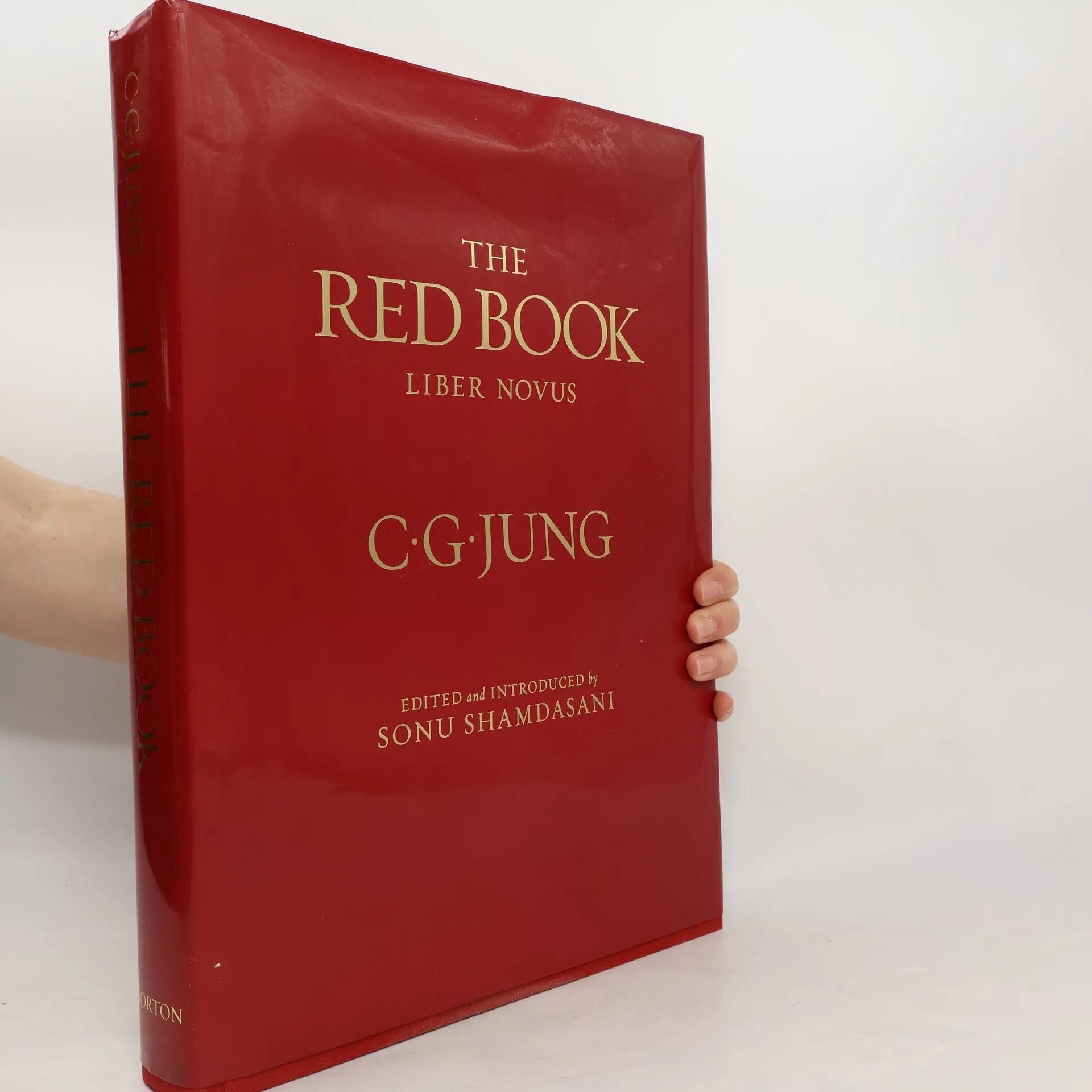
The Red Book. Liber novus
- 371 páginas
- 13 horas de lectura
When Carl Jung embarked on an extended self-exploration he called it his “confrontation with the unconscious,” the heart of it was The Red Book, a large, illuminated volume he created between 1914 and 1930. Here he developed his principle theories—of the archetypes, the collective unconscious, and the process of individuation—that transformed psychotherapy from a practice concerned with treatment of the sick into a means for higher development of the personality. While Jung considered The Red Book to be his most important work, only a handful of people have ever seen it. Now, in a complete facsimile and translation, it is available to scholars and the general public. It is an astonishing example of calligraphy and art on a par with The Book of Kells and the illuminated manuscripts of William Blake. This publication of The Red Book is a watershed that will cast new light on the making of modern psychology. 212 color illustrations.
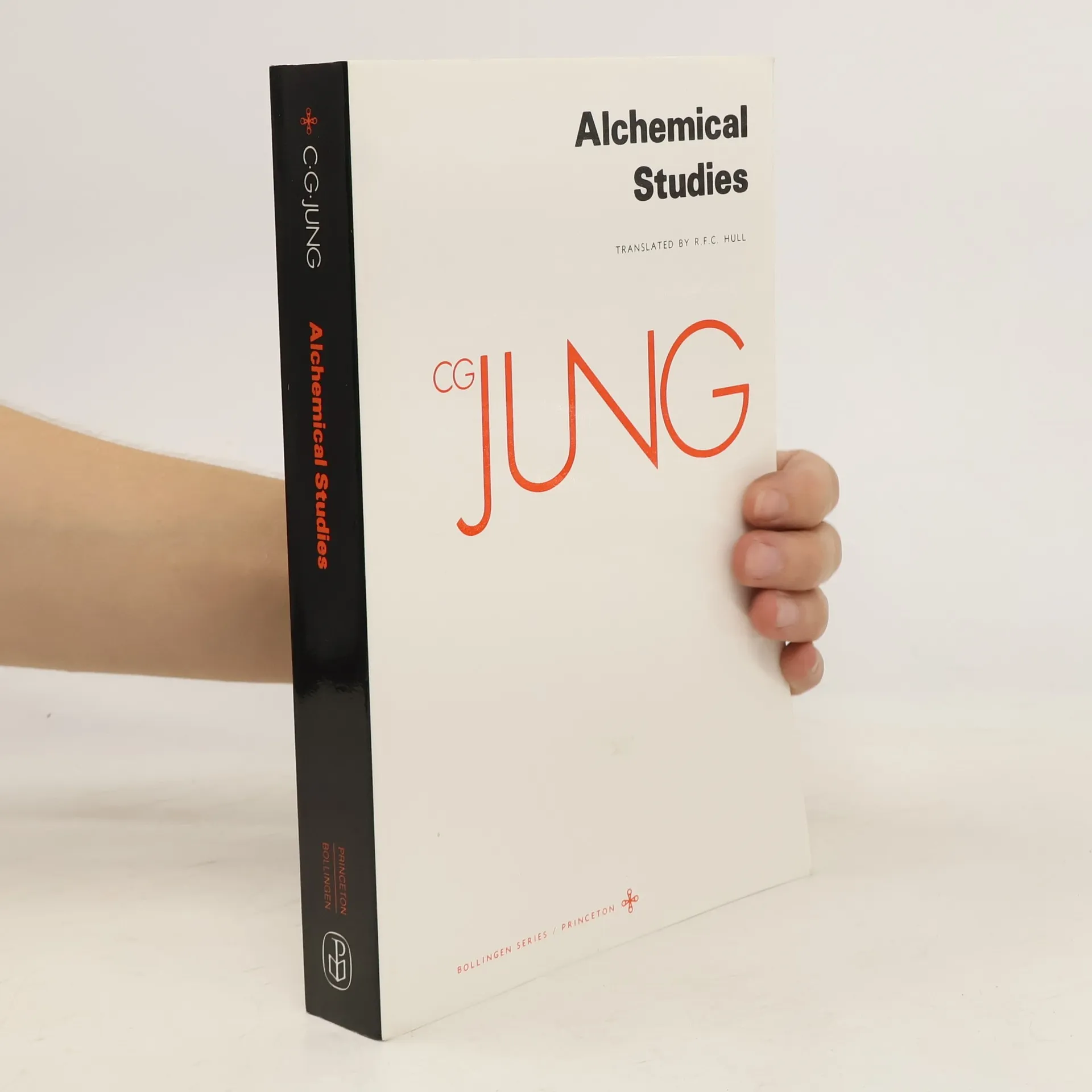
Collected Works of C.G. Jung - 13: Alchemical Studies
- 524 páginas
- 19 horas de lectura
Five long essays that trace Jung's developing interest in alchemy from 1929 onward. An introduction and supplement to his major works on the subject, illustrated with 42 patients' drawings and paintings.
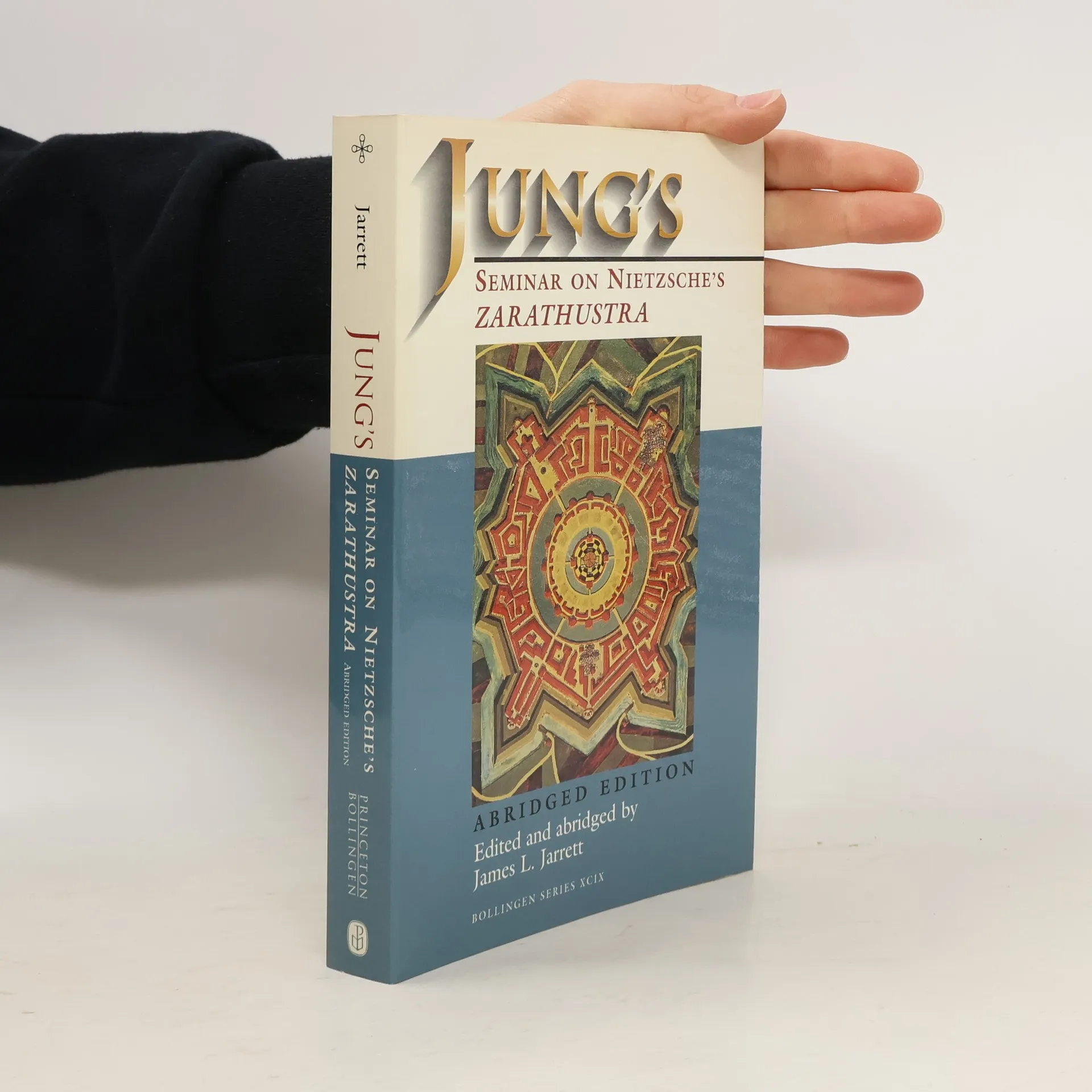
Jung's seminar on Nietzsche's Zarathustra
- 422 páginas
- 15 horas de lectura
Nietzsche's infamous work Thus Spake Zarathustra is filled with a strange sense of religiosity that seems to run counter to the philosopher's usual polemics against religious faith. For some scholars, this book marks little but a mental decline in the great philosopher; for C. G. Jung, Zarathustra was an invaluable demonstration of the unconscious at work, one that illuminated both Nietzsche's psychology and spirituality and that of the modern world in general. The original two-volume edition of Jung's lively seminar on Nietzsche's Zarathustra has been an important source for specialists in depth psychology. This new abridged paperback edition allows interested readers to participate with Jung as he probes the underlying meaning of Nietzsche's great work.
Symbols of Transformation
- 590 páginas
- 21 horas de lectura
Offers a complete revision of "Psychology of the Unconscious" (original, 1911-12).
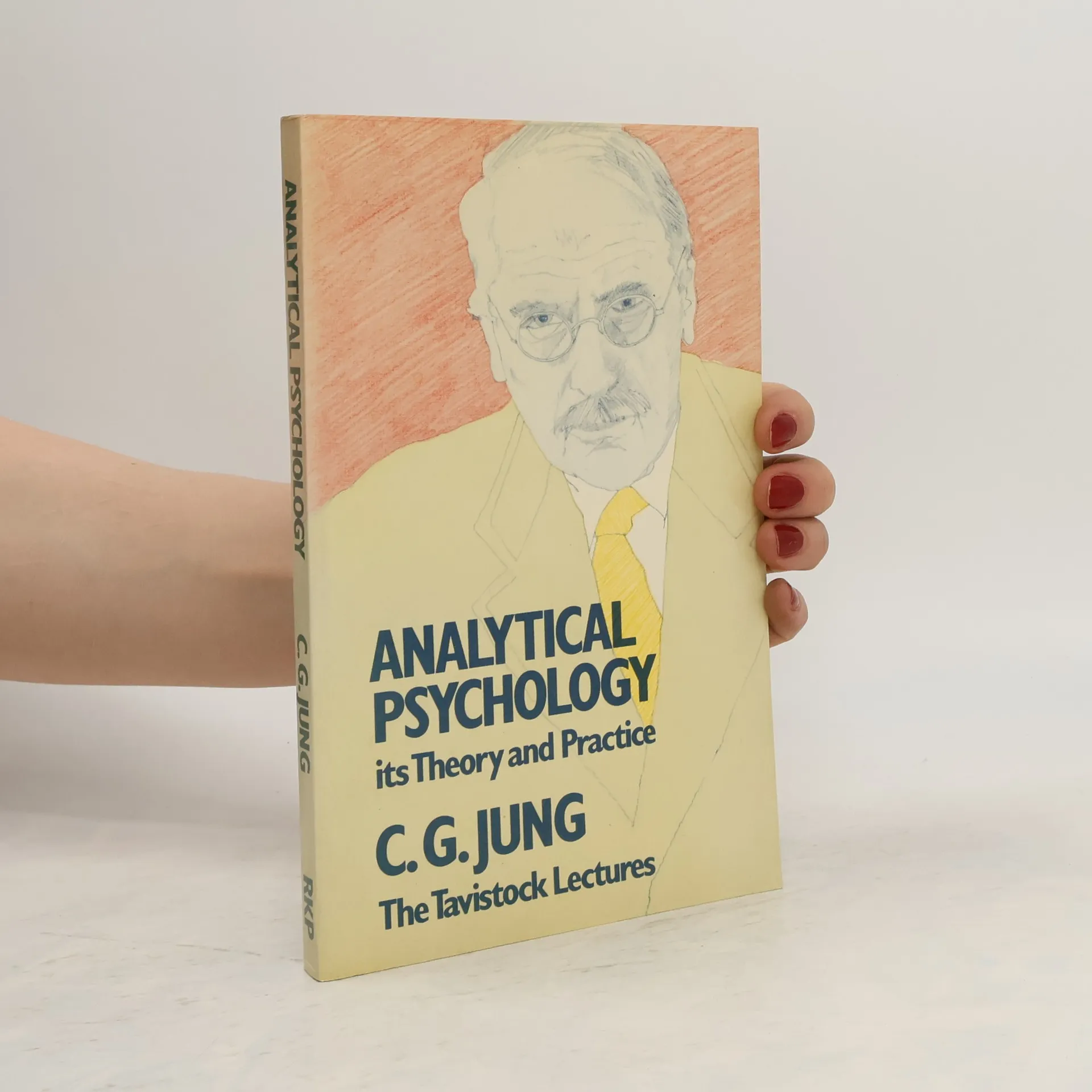
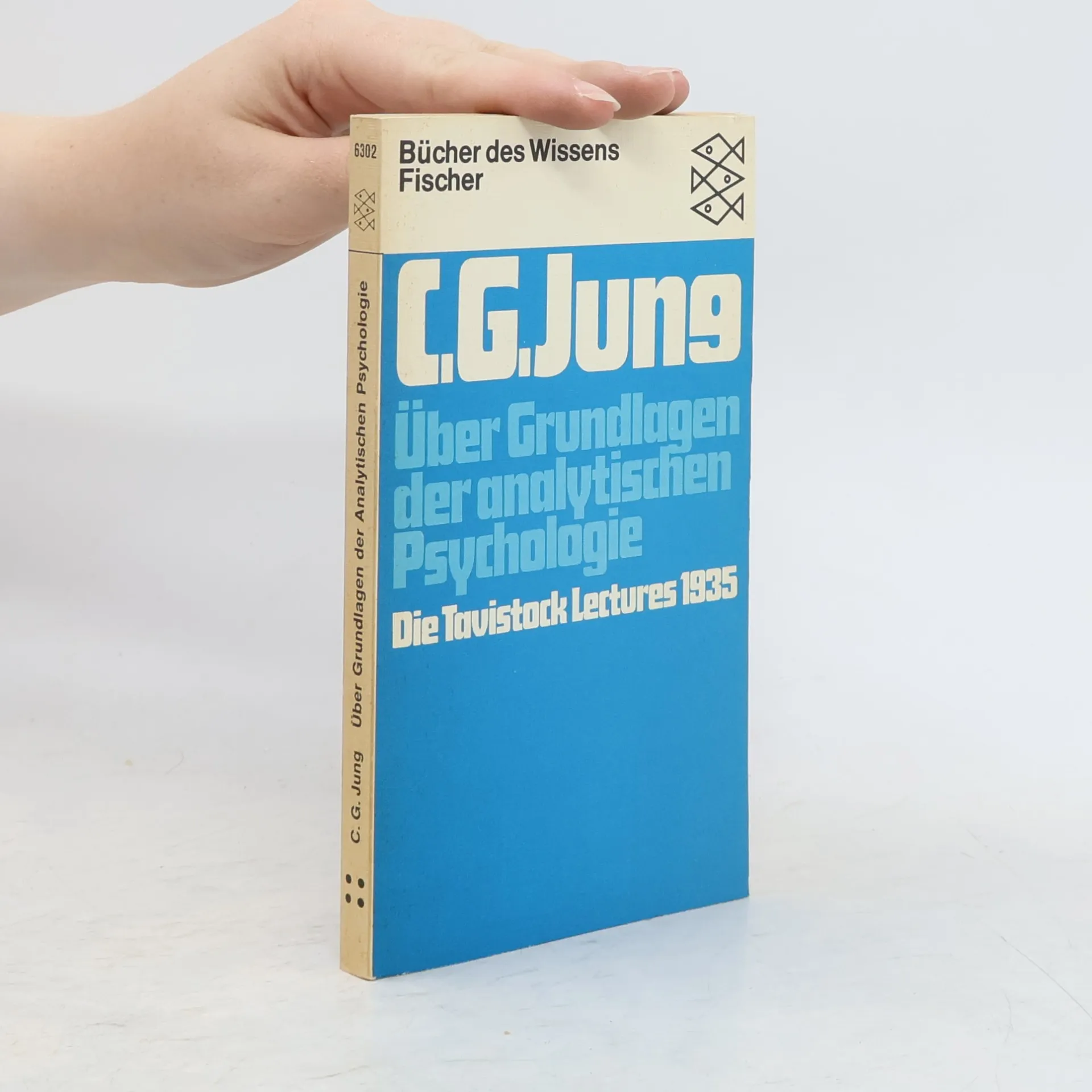
The Tavistock lectures, delivered by Jung in 1935, present a clear and engaging introduction to his psychological theories, making them accessible to a broad audience. These five lectures serve as a foundational resource for those new to Jung's work, showcasing his insights and ideas in a classic format that remains relevant for both novices and seasoned readers interested in psychology.
Contribution to Analytical Psychology
- 436 páginas
- 16 horas de lectura
Exploring the energic viewpoint in psychology, this work delves into the measurement of psychic energy and its implications for understanding human behavior. It examines key concepts like libido theory, extraversion, and introversion, while also addressing the relationship between analytical psychology and various aspects of life, including marriage, education, and the unconscious. Jung's insights into the psychological foundations of belief and the therapeutic value of emotional expression further enrich the discussion, making it a comprehensive study of psychological dynamics.
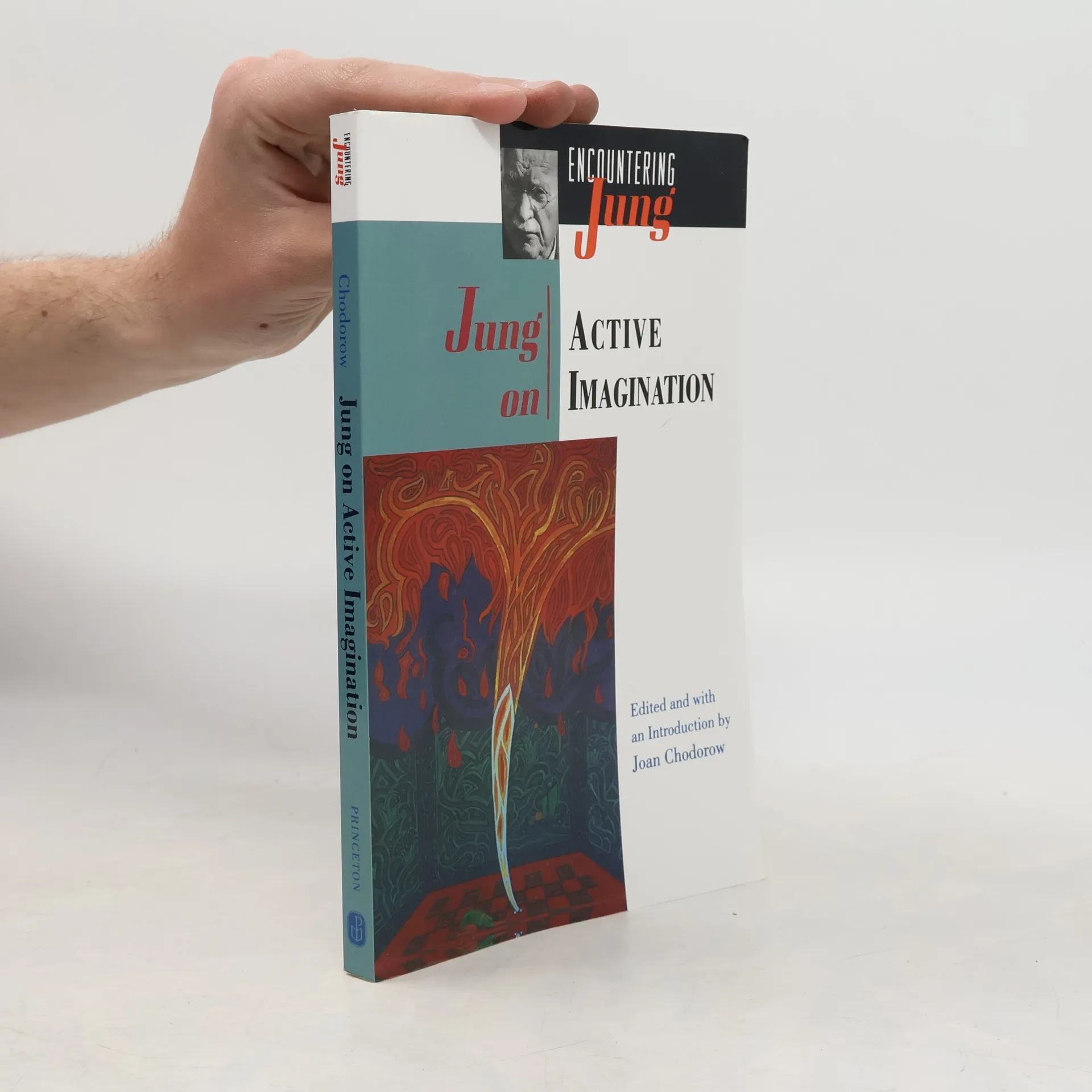
All the creative art psychotherapies (art, dance, music, drama, poetry) can trace their roots to C. G. Jung's early work on active imagination. Joan Chodorow here offers a collection of Jung's writings on active imagination, gathered together for the first time. Jung developed this concept between the years 1913 and 1916, following his break with Freud. During this time, he was disoriented and experienced intense inner turmoil --he suffered from lethargy and fears, and his moods threatened to overwhelm him. Jung searched for a method to heal himself from within, and finally decided to engage with the impulses and images of his unconscious. It was through the rediscovery of the symbolic play of his childhood that Jung was able to reconnect with his creative spirit. In a 1925 seminar and again in his memoirs, he tells the remarkable story of his experiments during this time that led to his self-healing. Jung learned to develop an ongoing relationship with his lively creative spirit through the power of imagination and fantasies. He termed this therapeutic method "active imagination."This method is based on the natural healing function of the imagination, and its many expressions. Chodorow clearly presents the texts, and sets them in the proper context. She also interweaves her discussion of Jung's writings and ideas with contributions from Jungian authors and artists.
The structure and dynamics of the psyche
- 616 páginas
- 22 horas de lectura
The Structure and Dynamics of the Psyche first appeared in the Collected Works in 1960, and traces an important line of development in Jung's thought from 1912 onwards.
Aion
- 368 páginas
- 13 horas de lectura
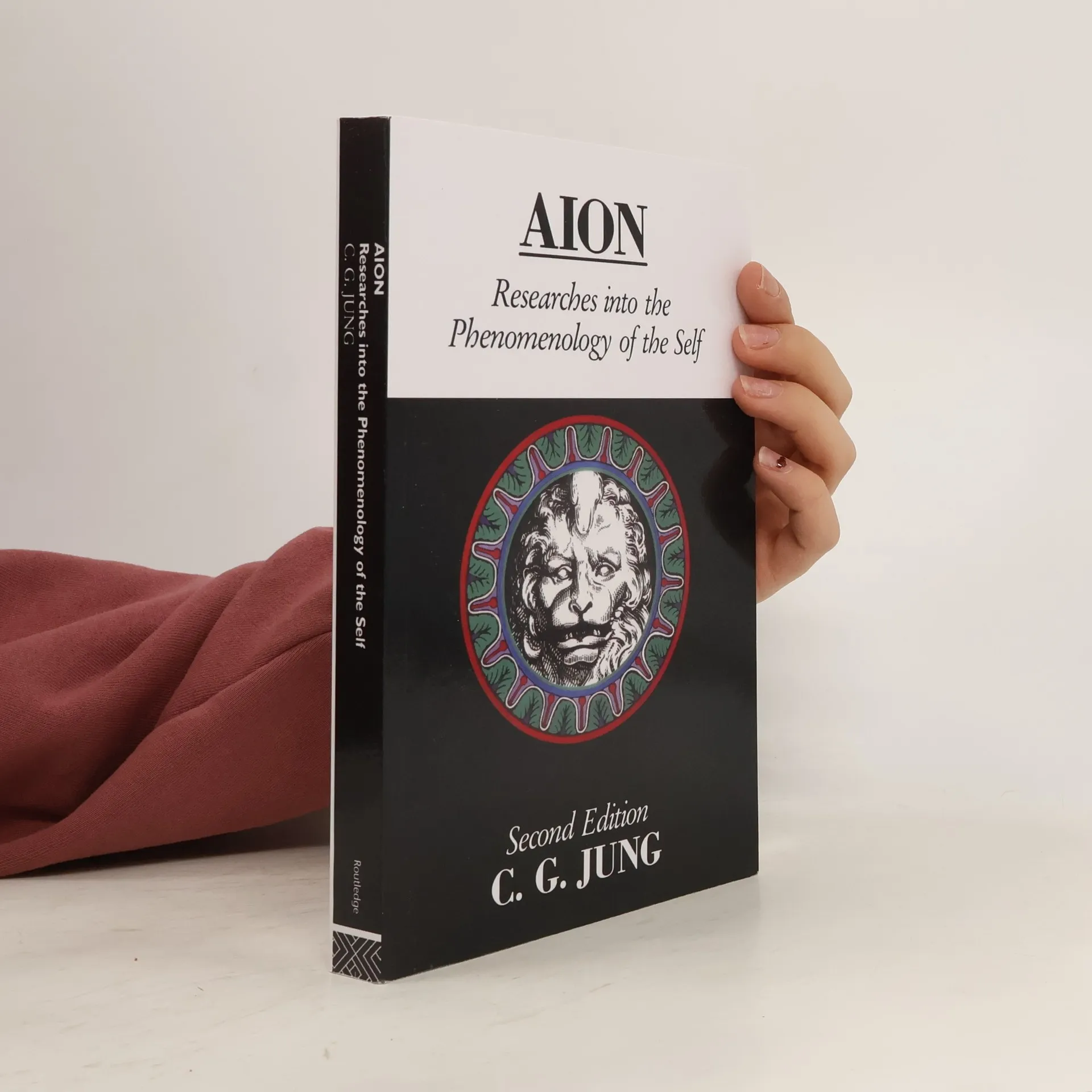
One of a number of major works written by Jung during his seventies in which he discusses the relationships between psychology, alchemy and religion. The particular focus in this volume is the rise of Christinity and the figure of Christ.
Psychological Types
- 608 páginas
- 22 horas de lectura
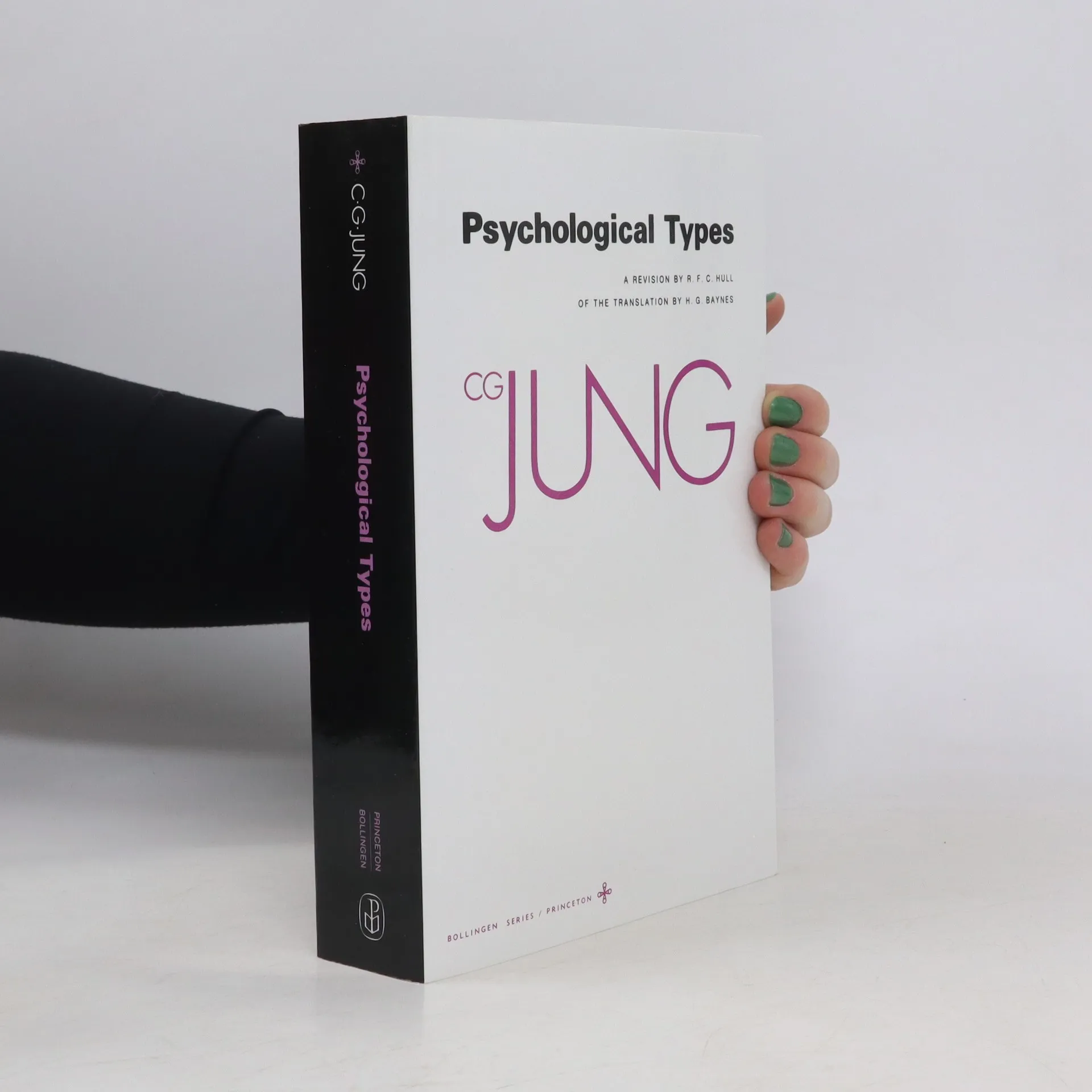
Jung explains his system of personality types and how they can assist in diagnosing and treating psychological disorders and conditions.
Visions
- 1500 páginas
- 53 horas de lectura
Young Christiana Morgan recorded her vision quest experiences of inner archetypal encounters in words and paintings--which Carl Jung later used as the basis for seminar work in Zurich. First time available to the public, here are transcriptions of the seminar notes combined with color reproductions of Morgan's paintings, revealing archetypal parallels with western myth and eastern yoga. 41 color and 77 line illustrations. 10 photos. in two volumes.
Jung's writing is the key to understanding 20th century psychology, psychiatry and psychoanalysis. This collection of his writings clearly presents him in his own words and in precis.
The spirit in man, art and literature
- 192 páginas
- 7 horas de lectura
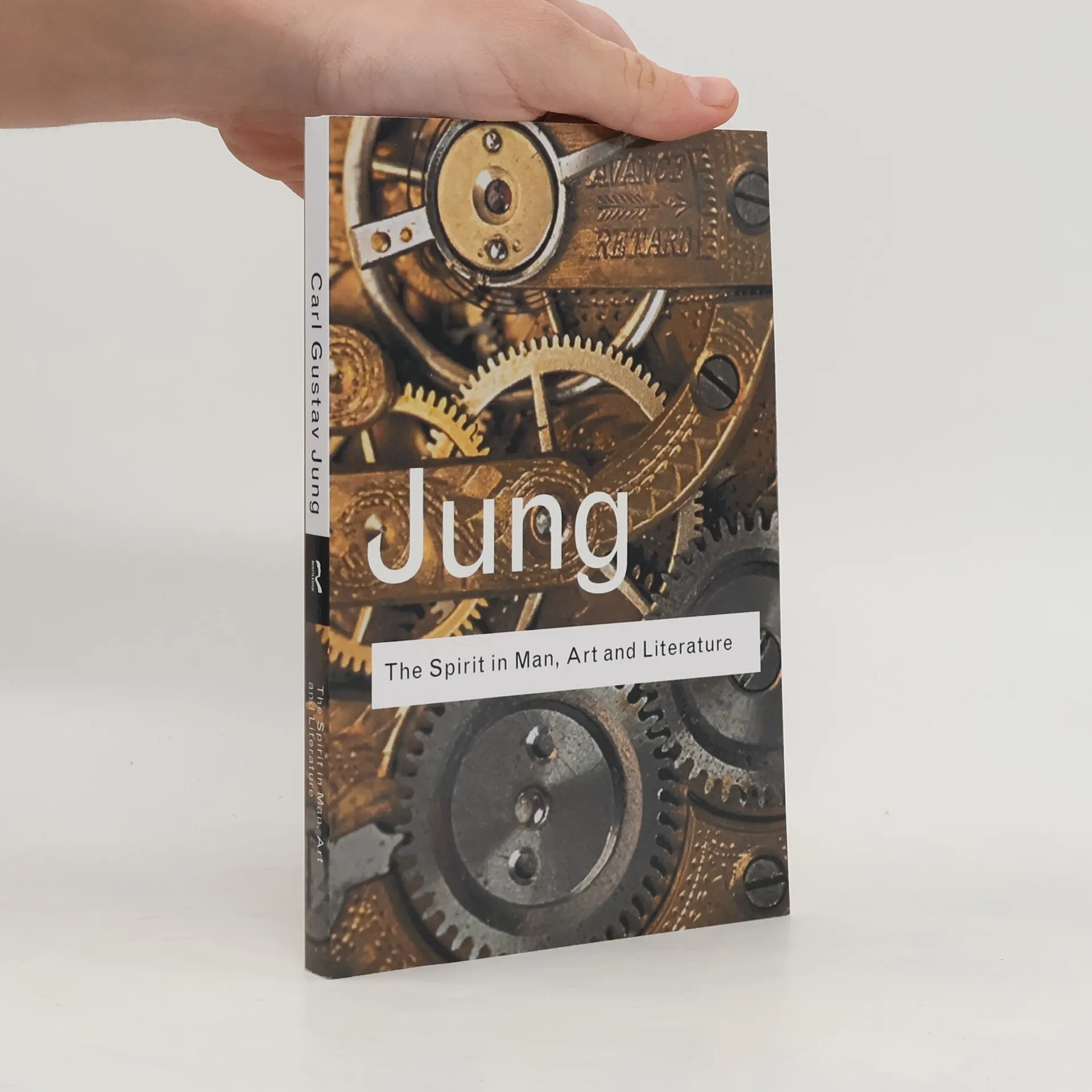
The Spirit in Man, Art and Literature offers unique and penetrating insights into the lives and opinions of some of the most significant players in the cultural life of the twentieth century. Carl Gustav Jung was at the heart of that cultural life, pioneering, along with Freud, a new interpretation of what it meant to be human in the modern age. This volume reveals the full range of Jung's involvement in this process, from his famous analysis of 'Psychology and Literature' to his landmark texts on Joyce's Ulysses and Picasso's paintings. Jung writes of Freud from the perspective of one who was "permitted a deep glimpse into the mind of this remarkable man," and through the memories and opinions recorded in The Spirit in Man, Art and Literature, the reader is offered a similar privilege.
Well-known for his articulation of the "shadow side" of human individuality and culture, C. G. Jung wrote a great deal about the question of evil throughout his life and in scattered places in his work. In this book his position is pieced together from many sources. In his early work on the unconscious, for instance, he considered the role of evil in the mental processes of the severely disturbed. Later, he viewed the question of moral choice within the framework of his ideas about archetypes and discussions about moral choices, conscience, and the continual ethical reflection that is necessary for all of us. The material here includes letters to Freud and Father Victor White and selections from his writings ranging from his Answer to Job to his travel piece on North Africa.
Alchemical symbolism eventually suggested to Jung that there was a process in the unconscious, one that had a goal beyond discharging tension and hiding pain. In this book, Nathan Schwartz-Salant, a leading Jungian analyst with an interest in alchemy, brings together a key selection of Jung's writings on the subject. These writings expose us to Jung's fascinating reflections on the symbols of alchemy - such as the three-headed Mercurial dragon, hermaphrodites, and lions devouring the sun - and brings us closer to the spirit of his approach to the unconscious, closer than his purely scientific concepts would allow.
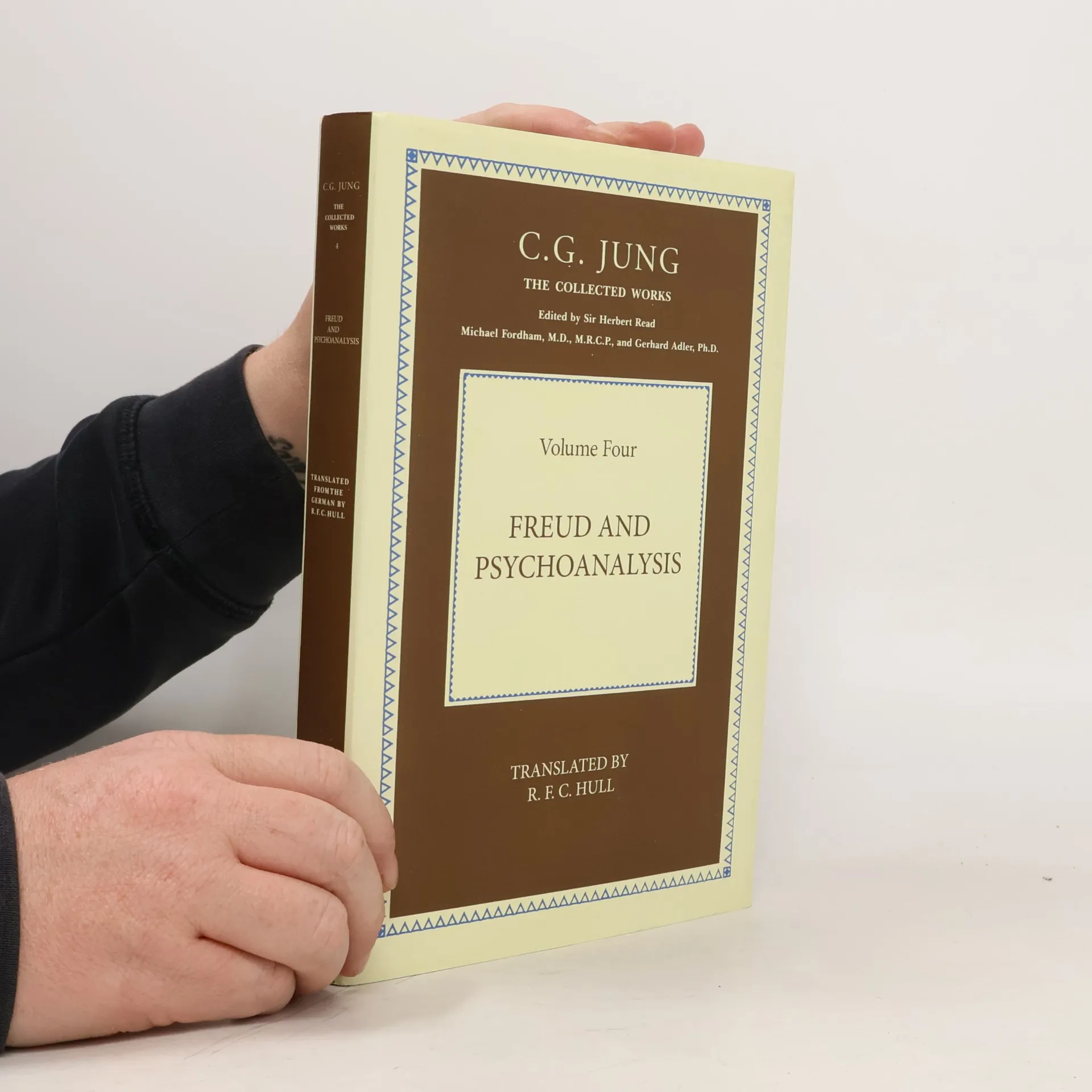
The Collected Works of C.G. Jung - 4: Freud and Psychoanalysis
- 392 páginas
- 14 horas de lectura
First published in 1961. Routledge is an imprint of Taylor & Francis, an informa company.
The development of personality
- 244 páginas
- 9 horas de lectura
Though Jung's main researches have centred on the subject of individuation as an adult ideal he has a unique contribution to make to the psychology of childhood. Jung repeatedly underlined the importance of the psychology of parents and teachers in a child's development and he emphasized that an unsatisfactory psychological relationship between parents may be an important cause of disorders in childhood. He maintained that all real education of children needs teachers who not only know how to learn but who can also develop their own personalities. Jung devotes a large part of the book to expounding his views on these important subjects. There is also an outline of the theory of child development, a delightful snapshot from the life of a girl called Anna and her parents, and a stimulating discussion of marriage as a psychological relationship. Finally there is a chapter on child development and individuation.
At least three major questions can be asked of myth: what is its subject matter? what is its origin? and what is its function? Theories of myth may differ on the answers they give to any of these questions, but more basically they may also differ on which of the questions they ask. C. G. Jung's theory is one of the few that purports to answer fully all three questions. This volume collects and organizes the key passages on myth by Jung himself and by some of the most prominent Jungian writers after him: Erich Neumann, Marie-Louise von Franz, and James Hillman. The book synthesizes the discovery of myth as a way of thinking, where it becomes a therapeutic tool providing an entrance to the unconscious.In the first selections, Jung begins to differentiate his theory from Freud's by asserting that there are fantasies and dreams of an "impersonal" nature that cannot be reduced to experiences in a person's past. Jung then asserts that the similarities among myths are the result of the projection of the collective rather than the personal unconscious onto the external world. Finally, he comes to the conclusion that myth originates and functions to satisfy the psychological need for contact with the unconscious--not merely to announce the existence of the unconscious, but to let us experience it.
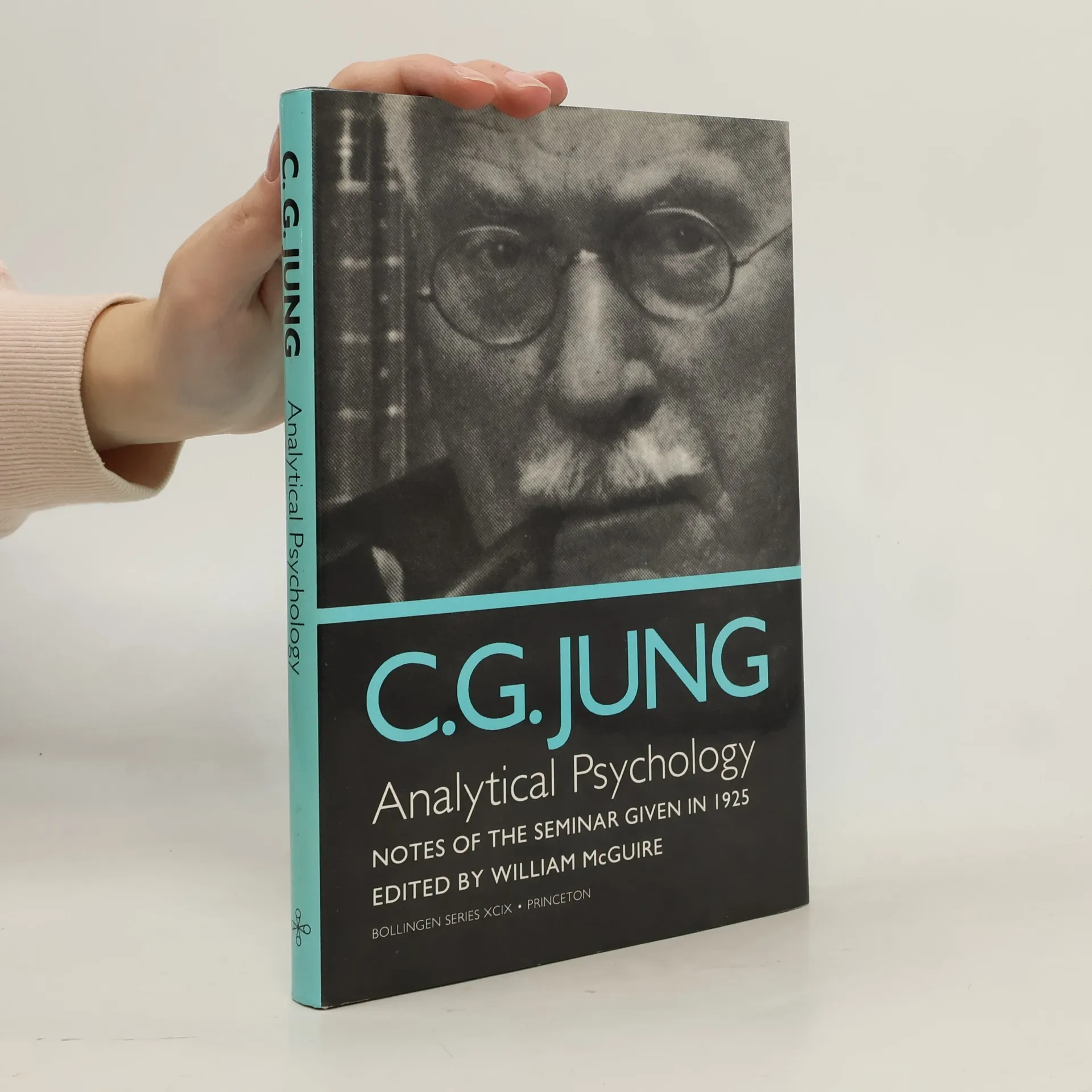
Bollingen Series - 99: Analytical Psychology
Notes of the Seminar Given in 1925
- 179 páginas
- 7 horas de lectura
In 1925, while transcribing and painting in his Red Book, C. G. Jung presented a series of seminars in English in which he spoke for the first time in public about his early spiritualistic experiences, his encounter with Freud, the genesis of his psychology, and the self-experimentation he called his "confrontation with the unconscious," describing in detail a number of pivotal dreams and fantasies. He then presented an introductory overview of his ideas about psychological typology and the archetypes of the collective unconscious, illustrated with case material and discussions concerning contemporary art. He focused particularly on the contra-sexual elements of the personality, the anima and the animus, which he discussed with the participants through psychological analyses of popular novels, such as Rider Haggard's She. The notes from these seminars form the only reliable published autobiographical account by Jung and the clearest and most important account of the development of his work. This revised edition features additional annotations, information from the Red Book, and an introduction by Sonu Shamdasani, Philemon Professor of Jung History at University College London.
The Collected Works of C.G. Jung
- 624 páginas
- 22 horas de lectura
In this study, Jung provides a psychological approach to understanding medieval alchemy, the relationship between its processes, and the development of personality.
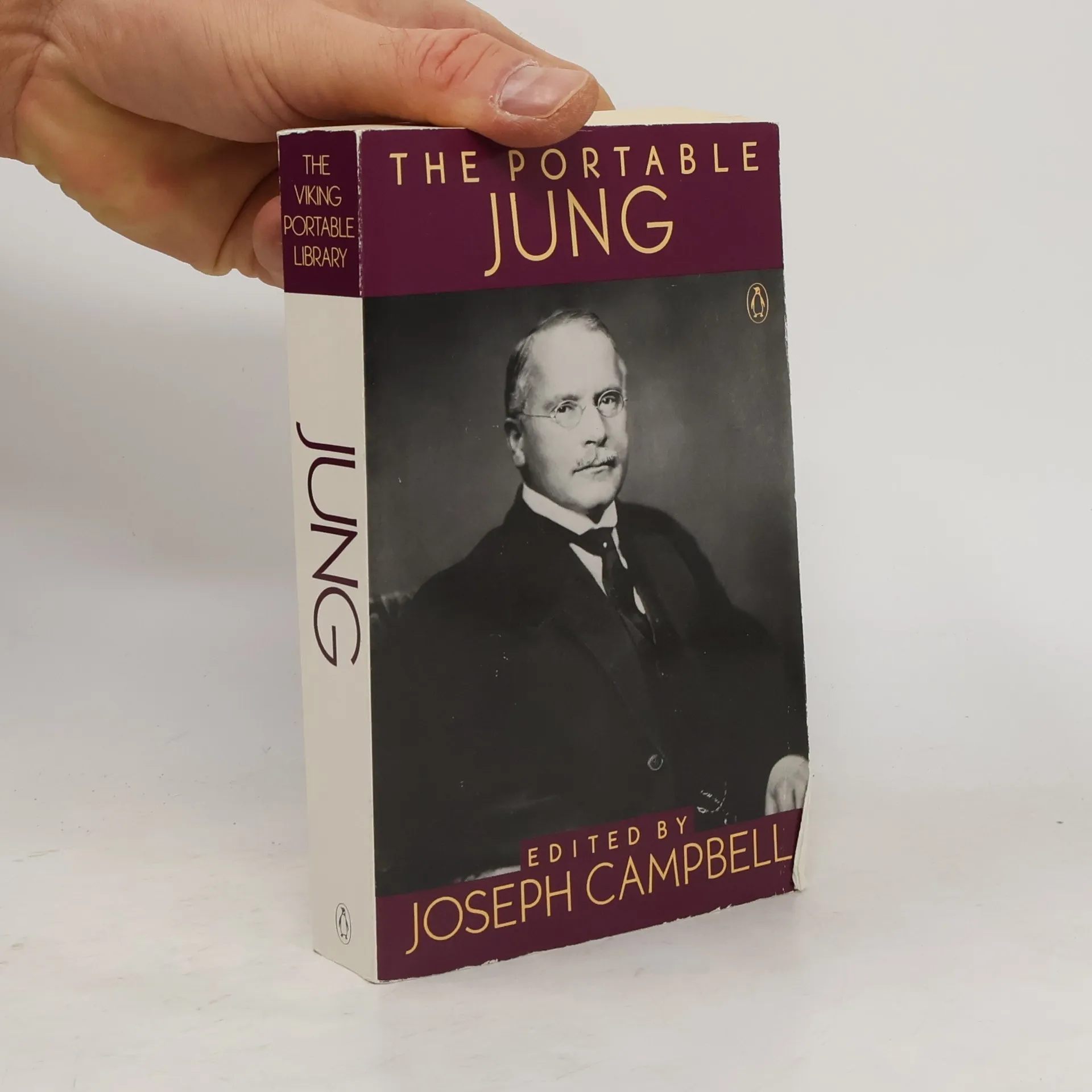
The Portable Jung
- 659 páginas
- 24 horas de lectura
This comprehensive collection of writings by the epoch-shaping Swiss psychoanalyst was edited by Joseph Campbell, himself the most famous of Jung's American followers. It comprises Jung's pioneering studies of the structure of the psyche—including the works that introduced such notions as the collective unconscious, the Shadow, Anima and Animus—as well as inquries into the psychology of spirituality and creativity, and Jung's influential "On Synchronicity," a paper whose implications extend from the I Ching to quantum physics. Campbell's introduction completes this compact volume, placing Jung's astonishingly wide-ranging oeuvre within the context of his life and times.
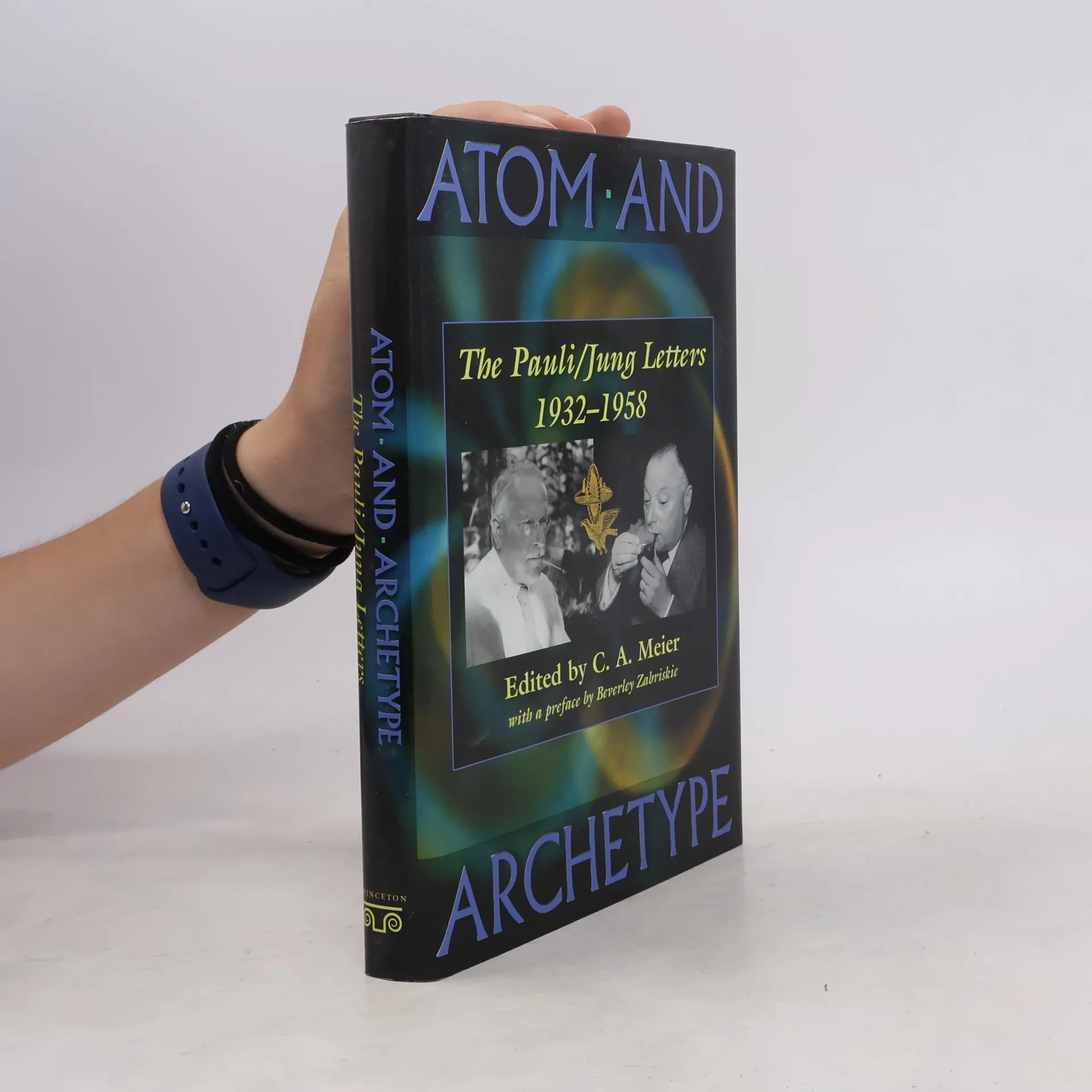
In 1932, Wolfgang Pauli, a renowned physicist on the brink of winning the Nobel Prize, faced personal turmoil following his mother's suicide and a troubled marriage. His heavy drinking and public quarrels were compounded by unsettling dreams, prompting him to seek help from C. G. Jung, with whom he established a regular meeting. This led to a remarkable intellectual partnership that bridged physics and psychology, documented in eighty letters exchanged over twenty-six years. Although Jung never formally analyzed Pauli, he interpreted over 400 of his dreams, contributing to his later works, including "Psychology and Alchemy" and "The Analysis of Dreams." Their discussions explored the connections between dreams and reality, revealing unexpected parallels between depth psychology and quantum physics. Their collaboration culminated in the joint publication of Jung's treatise on synchronicity and Pauli's essay on archetypal ideas in Kepler's writings. This correspondence not only refined their understanding of synchronicity—a term Jung had proposed—but also influenced the development of Jungian psychology through insights from physics. This portrait of their extraordinary friendship appeals to historians of science and those interested in human creativity, showcasing the profound impact of their meeting of great minds.
The Practice of Psychotherapy brings together Jung's essays on general questions of analytic therapy and dream analysis. It also contains his profoundly interesting parallel between the transference phenomena and alchemical processes.
Jung on Synchronicity and the Paranormal
- 184 páginas
- 7 horas de lectura
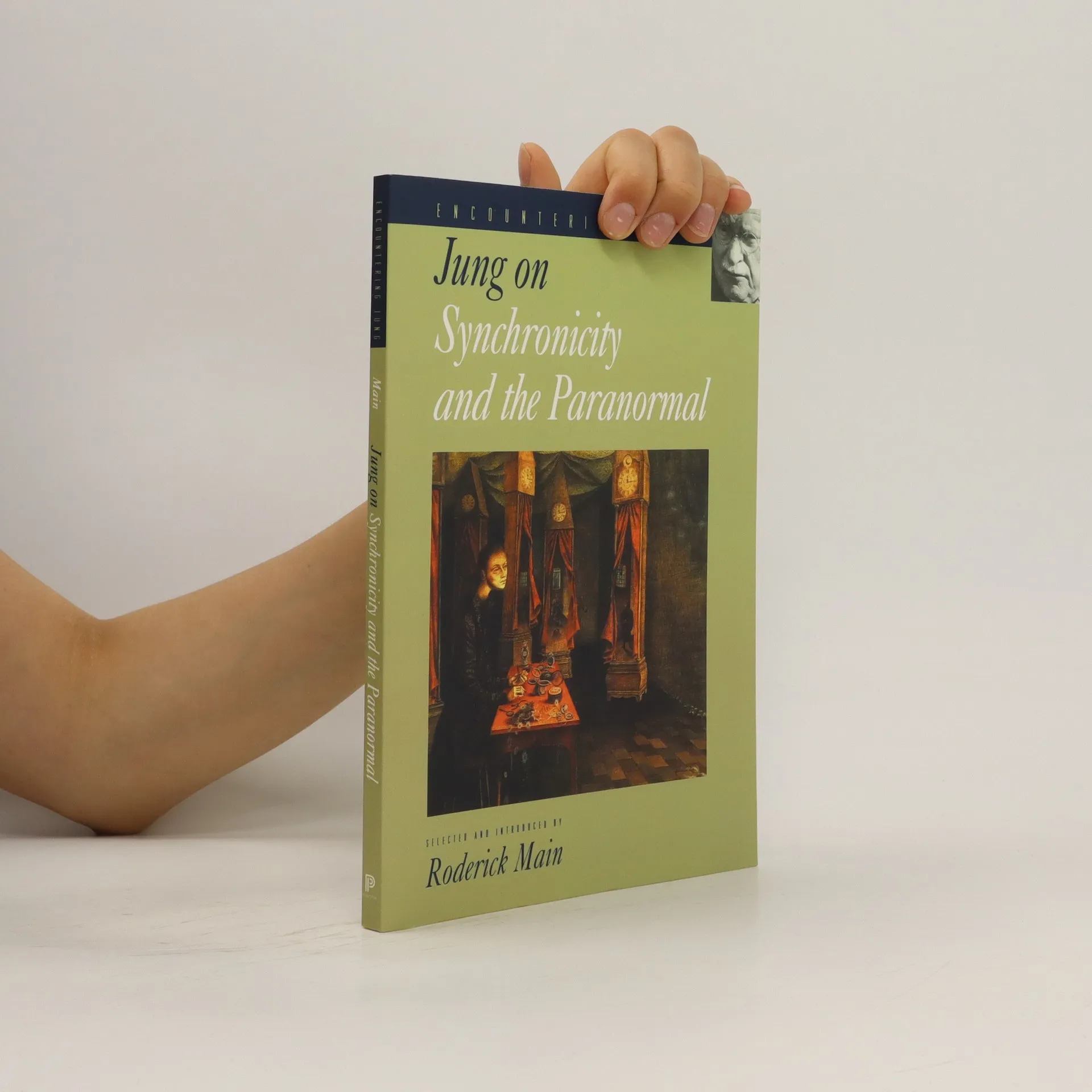
C. G. Jung had a lifelong interest in the paranormal that culminated in his influential theory of synchronicity. Combining extracts taken from the Collected Works; letters; the autobiographical Memories, Dreams, Reflections; and transcripts of seminars, Jung on Synchronicity and the Paranormal sets out clearly his seminal contribution to our understanding of this controversial area.In his introduction, Roderick Main discusses Jung's encounters with and observations of the paranormal, the influences that contributed to his theory of synchronicity, and the central ideas of the theory itself. The selections include Jung's writings on mediumistic trance phenomena, spirits and hauntings, anomalous events in the development and practice of analytical psychology, and the divinatory techniques of astrology and the I Ching. The book also features Jung's most lucid account of his theory in the form of his short essay "On Synchronicity," and a number of Jung's less-known writings on parapsychology, his astrological experiment, and the relationship between mind and body.Jung on Synchronicity and the Paranormal addresses subjects that were fundamental to Jung's personal and professional development. Probing deeply into the theory of synchronicity, Roderick Main clarifies issues that have long been a source of confusion to Jung's readers.
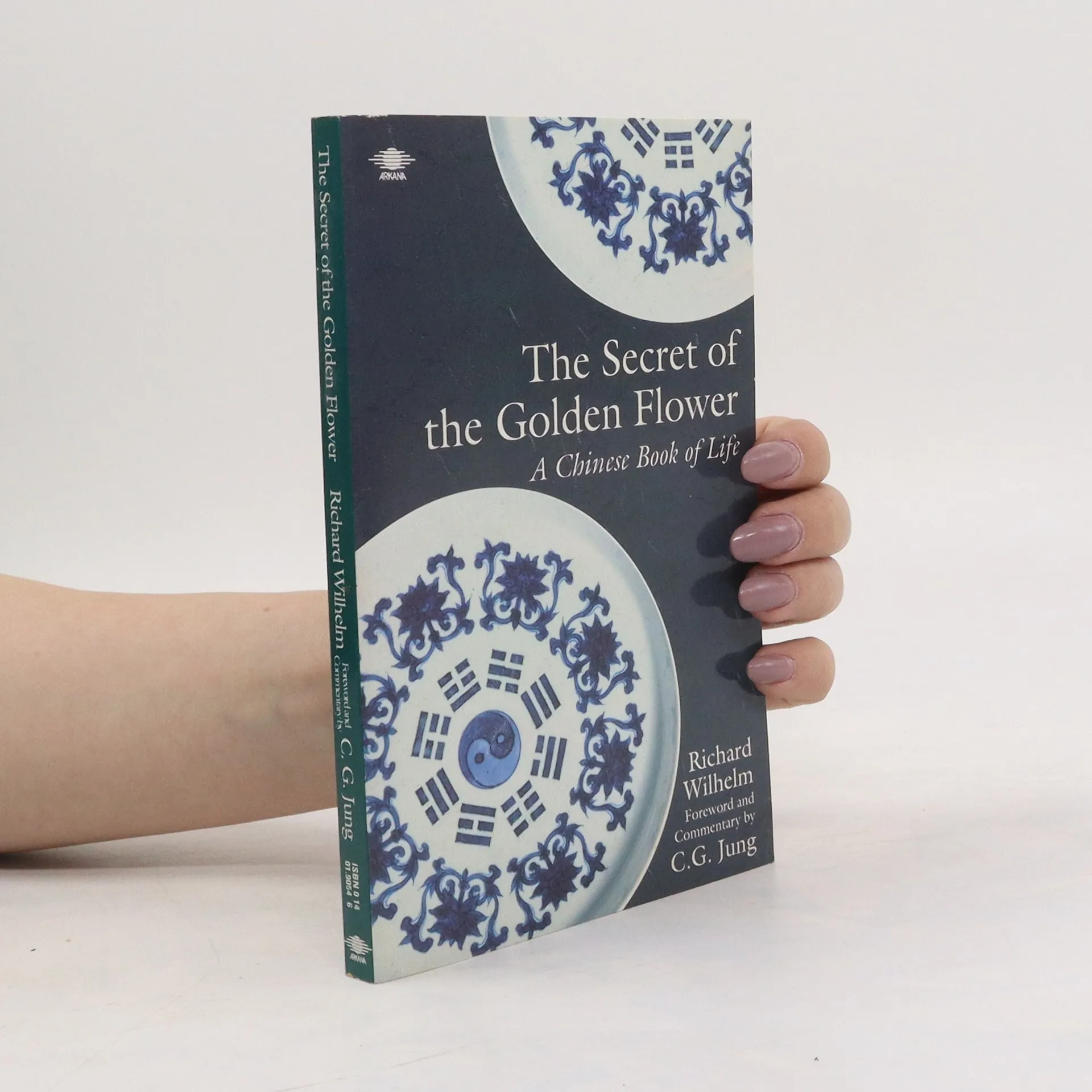
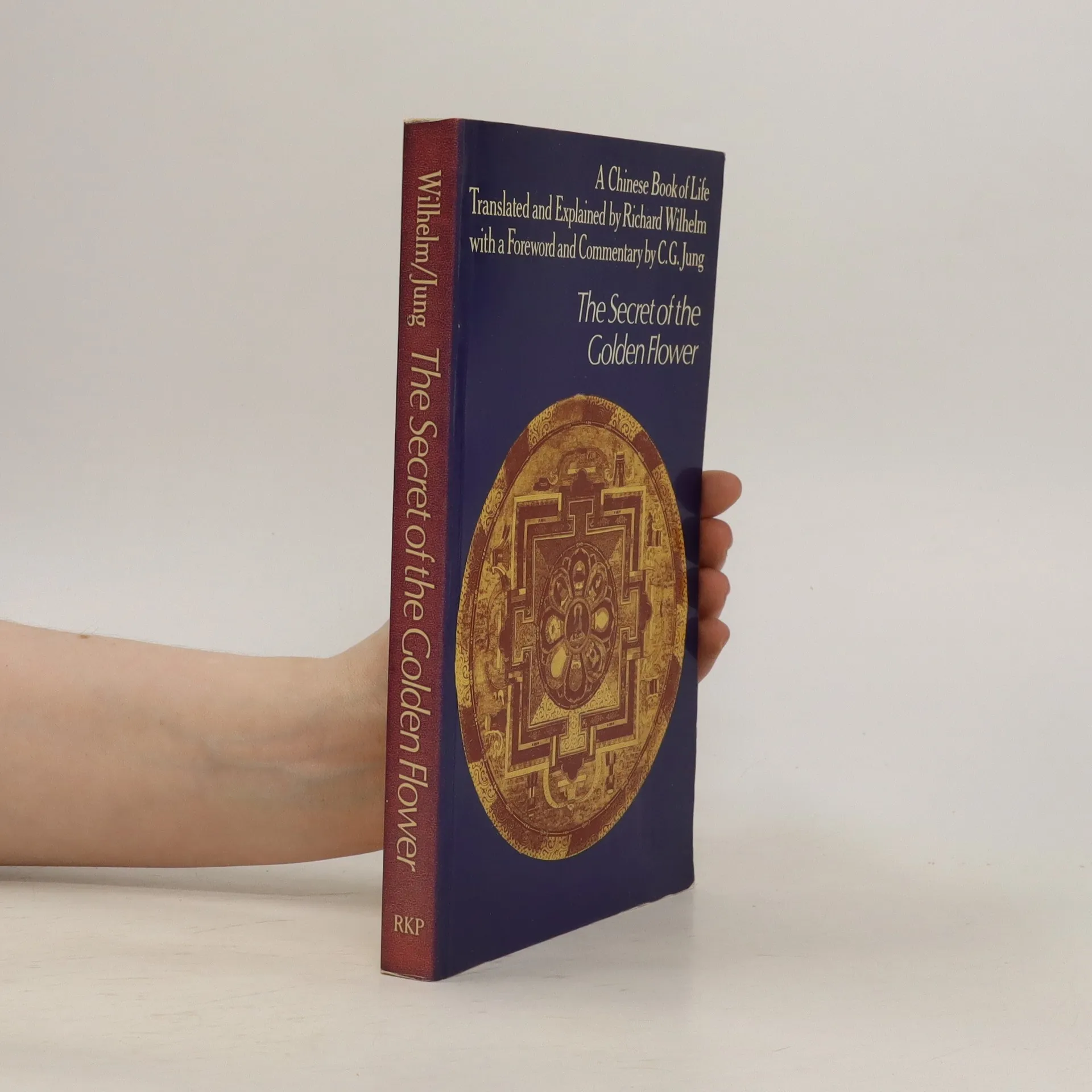
This ancient Chinese manual of spiritual alchemy was brought to the West in translation by missionary and theologian Richard Wilhelm who is assisted in this book by Carl Jung. Averse to the blind aping of oriental ways, Jung suggests that Eastern treasures are best used to enrich our understanding of the work we have to do on ourselves and our culture.
Two essays on analytical psychology
- 376 páginas
- 14 horas de lectura
This volume from the Collected Works of C.G. Jung has become known as perhaps the best introduction to Jung's work. In these famous essays he presented the essential core of his system. This is the first paperback publication of this key work in its revised and augmented second edition. The earliest versions of the essays are included in an Appendices, containing as they do the first tentative formulations of Jung's concept of archetypes and the collective unconscious, as well as his germinating theory of types.
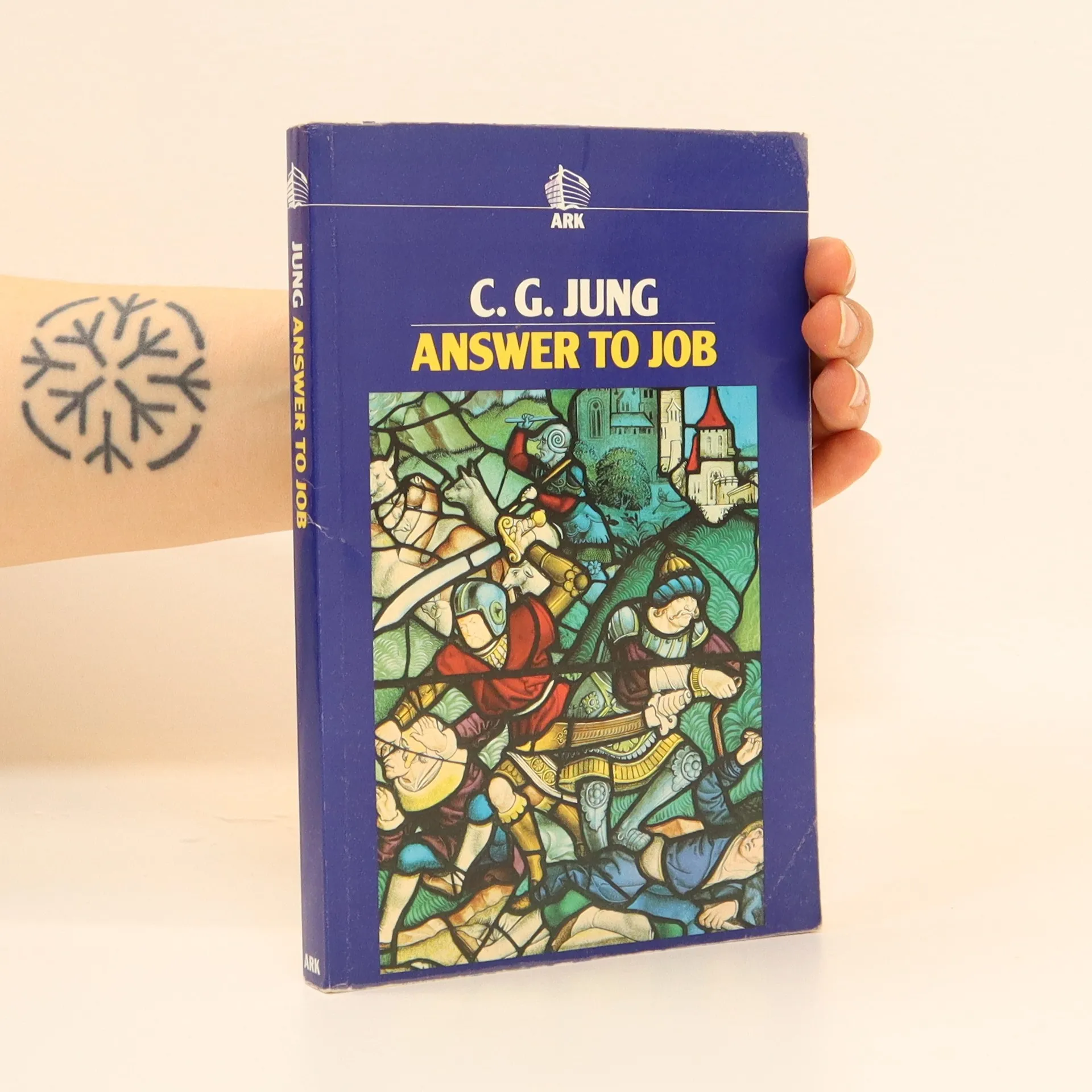
In this remarkable book Jung sets himself face-to-face with 'the unvarnished spectacle of divine savagery and ruthlessness.'
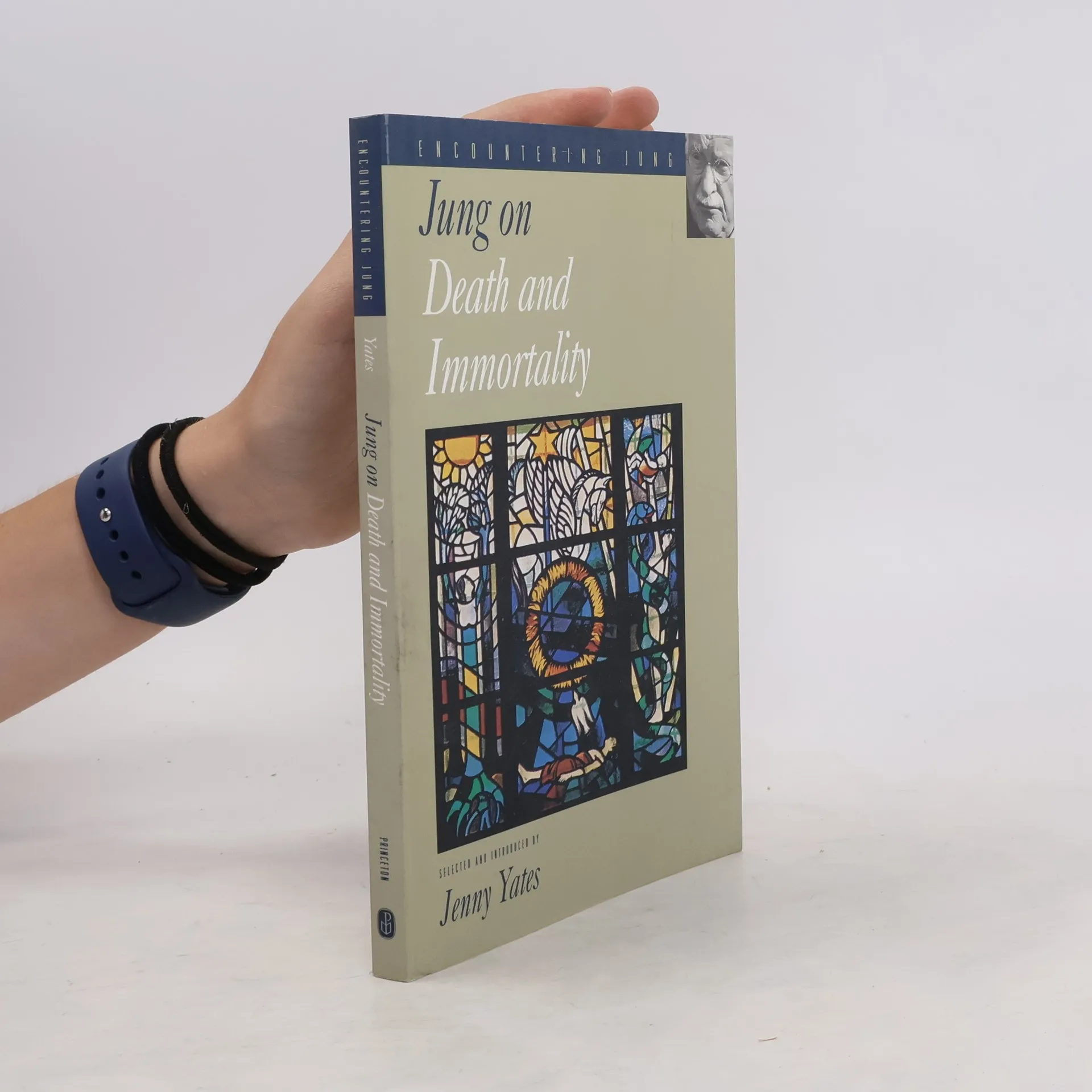
Jung on death and immortality
- 168 páginas
- 6 horas de lectura
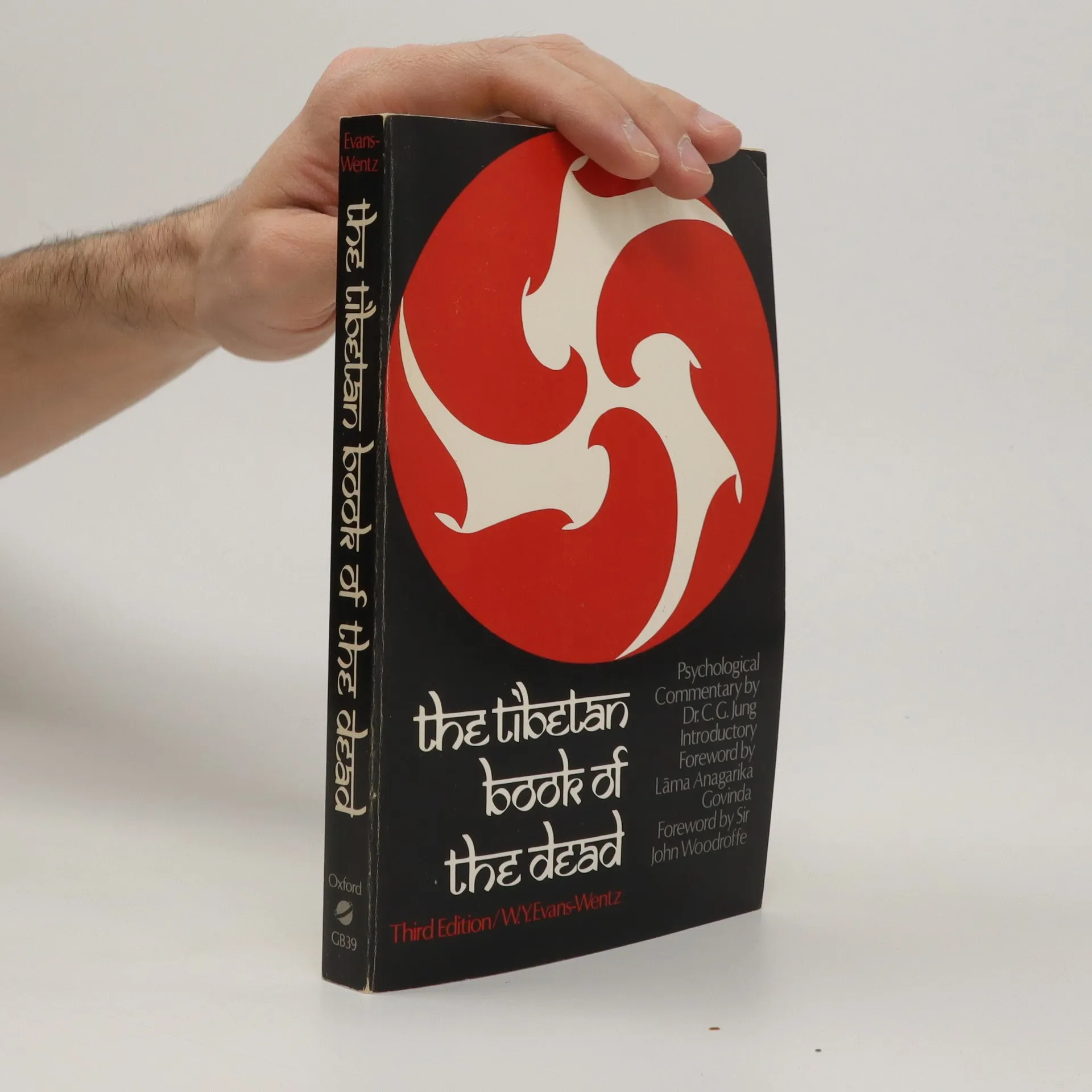
"As a doctor, I make every effort to strengthen the belief in immortality, especially with older patients when such questions come threateningly close. For, seen in correct psychological perspective, death is not an end but a goal, and life's inclination towards death begins as soon as the meridian is past."--C.G. Jung, commentary on "The Secret of the Golden Flower"Here collected for the first time are Jung's views on death and immortality, his writings often coinciding with the death of the most significant people in his life. The book shows many of the major themes running throughout the writings, including the relativity of space and time surrounding death, the link between transference and death, and the archetypes shared among the world's religions at the depths of the Self. The book includes selections from "On Resurrection," "The Soul and Death," "Concerning Rebirth," "Psychological Commentary on The Tibetan Book of the Dead" from the "Collected Works, " "Letter to Pastor Pfafflin" from "Letters, " and "On Life after Death."
The basic introduction to the thought of Jung, one of the founders of modern psychiatry. Here Jung examines some of the most contested and crucial areas in the field of analytical psychology: dream analysis, the primitive unconscious, and the relationship between psychology and religion. -- Publisher
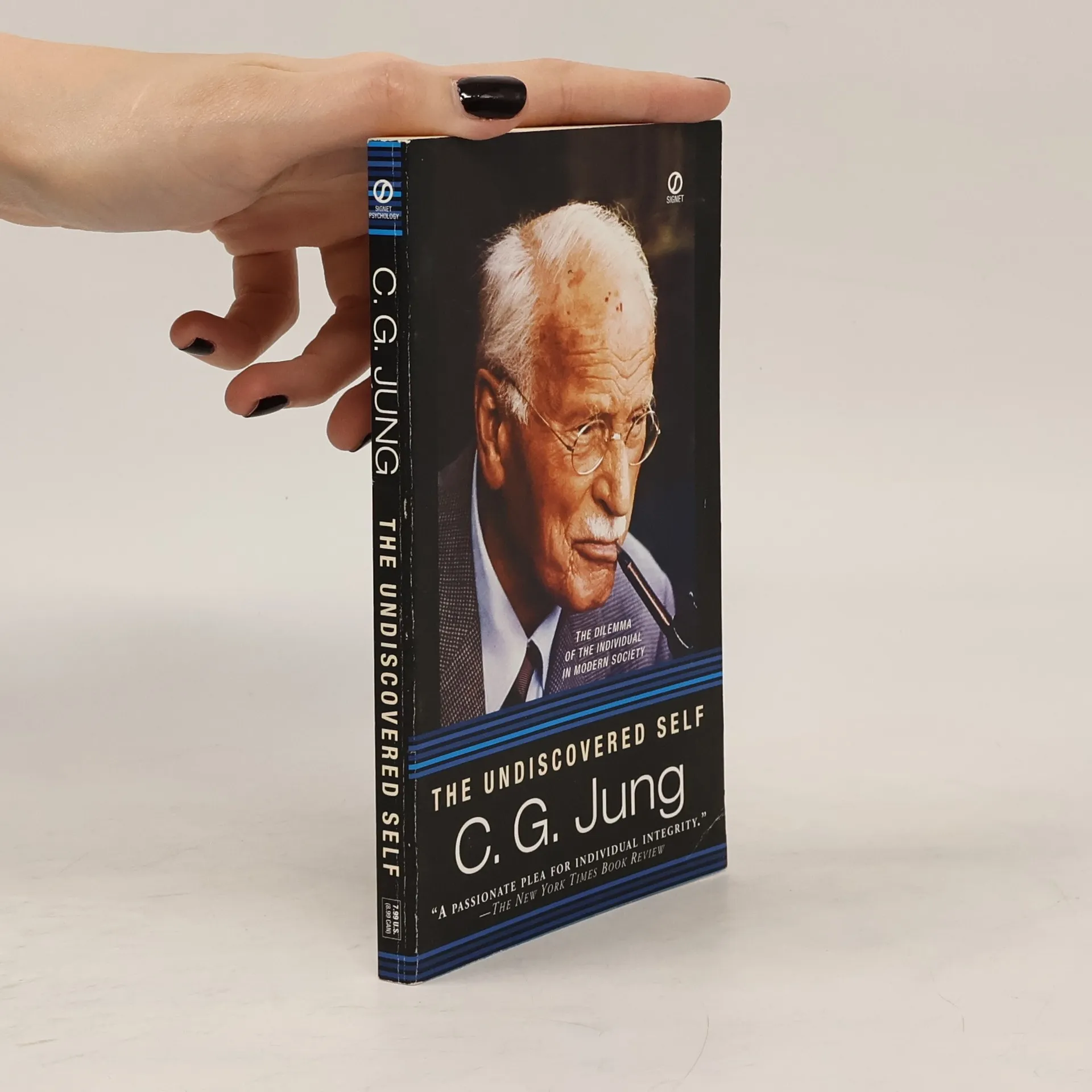
Signet Psychology: The Undiscovered Self
The Dilemma of the Individual in Modern Society
- 112 páginas
- 4 horas de lectura
One of the world's greatest psychiatrists reveals how to embrace our own humanity and resist the pressures of an ever-changing world. In this challenging and provocative work, Dr. Carl Jung—one of history's greatest minds—argues that civilization's future depends on our ability as individuals to resist the collective forces of society. Only by gaining an awareness and understanding of one's unconscious mind and true, inner nature—"the undiscovered self"—can we as individuals acquire the self-knowledge that is antithetical to ideological fanaticism. But this requires that we face our fear of the duality of the human psyche—the existence of good and the capacity for evil in every individual. In this seminal book, Jung compellingly argues that only then can we begin to cope with the dangers posed by mass society—"the sum total of individuals"—and resist the potential threats posed by those in power.
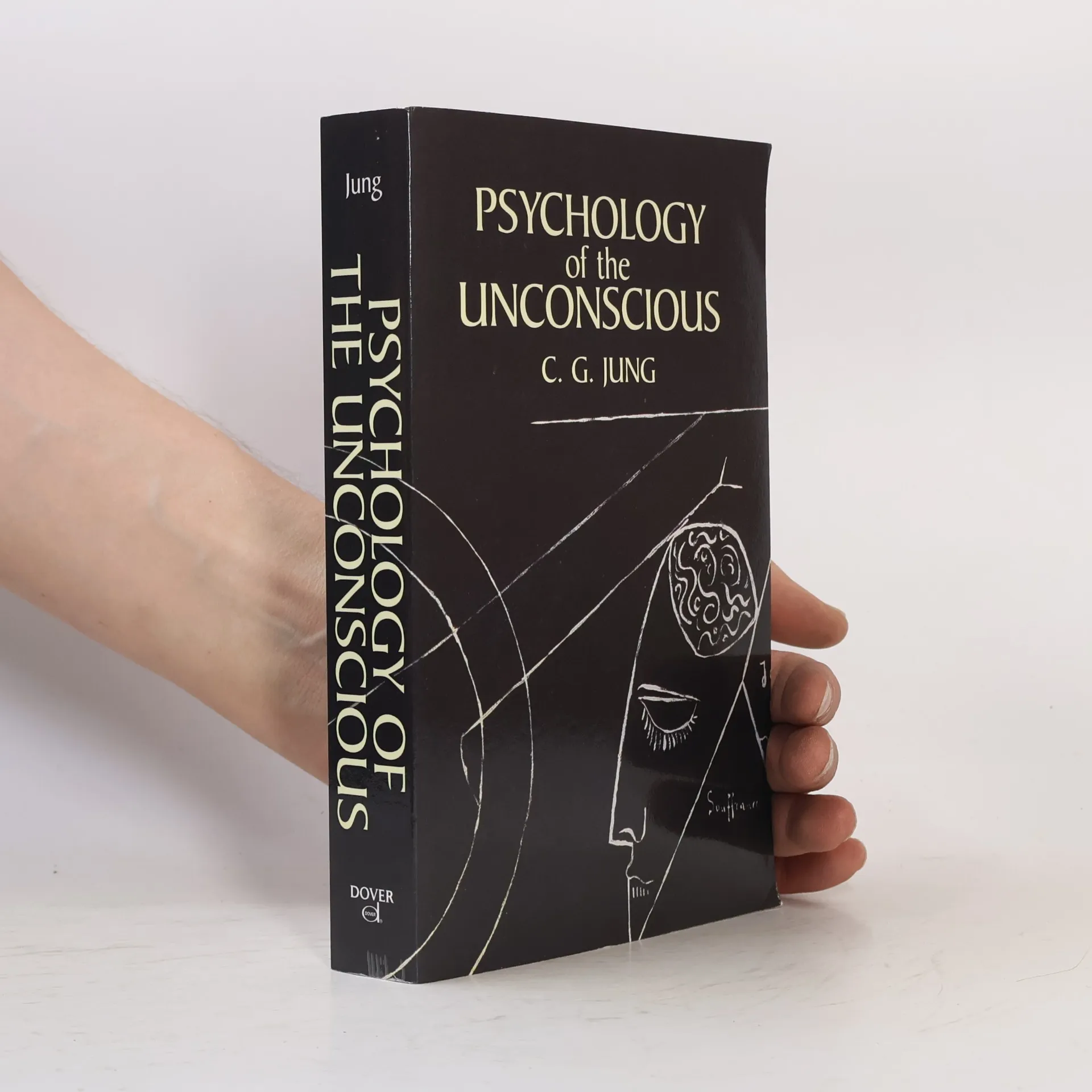
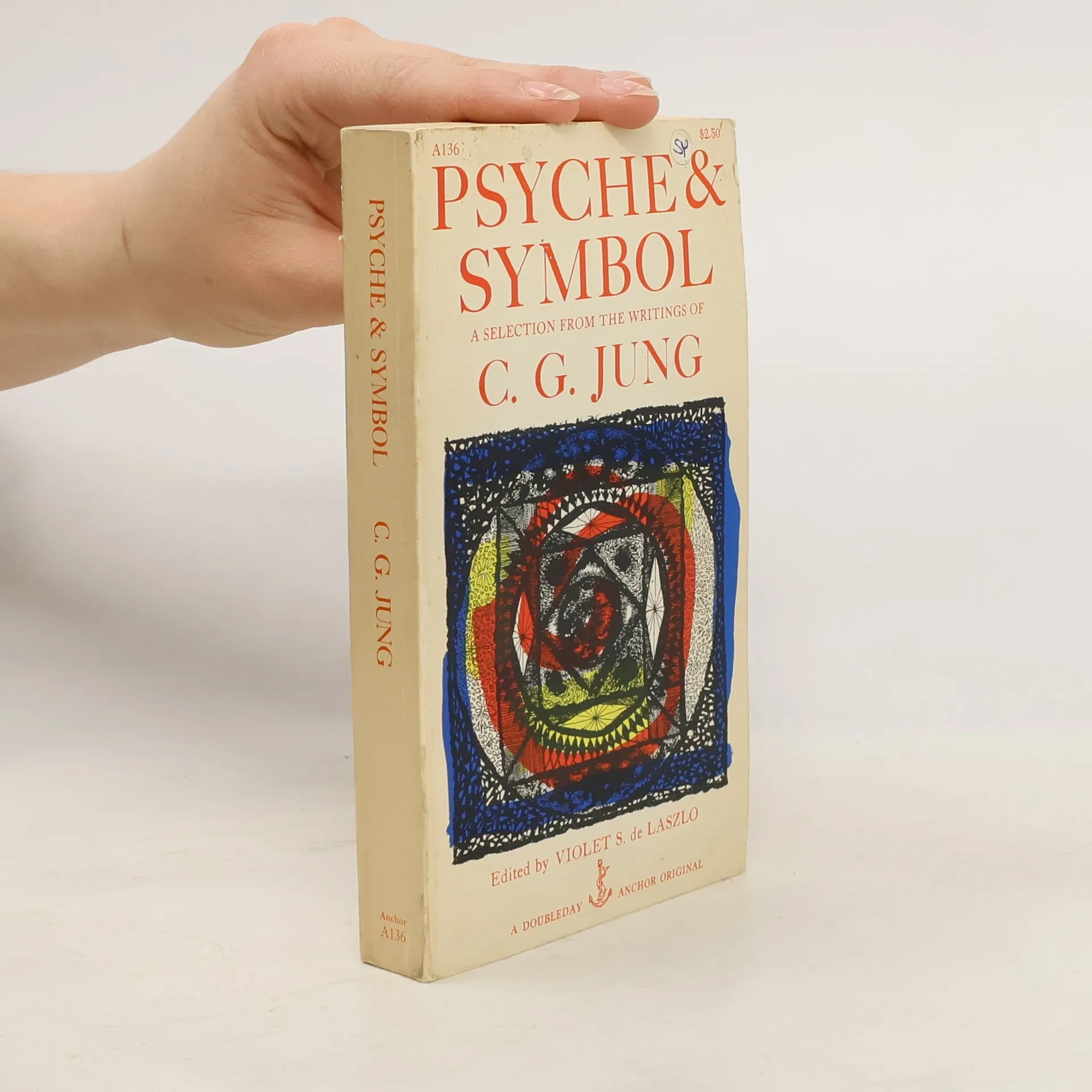
In this, his most famous and influential work, Carl Jung made a dramatic break from the psychoanalytic tradition established by his mentor, Sigmund Freud. Rather than focusing on psychopathology and its symptoms, the Swiss psychiatrist studied dreams, mythology, and literature to define the universal patterns of the psyche.
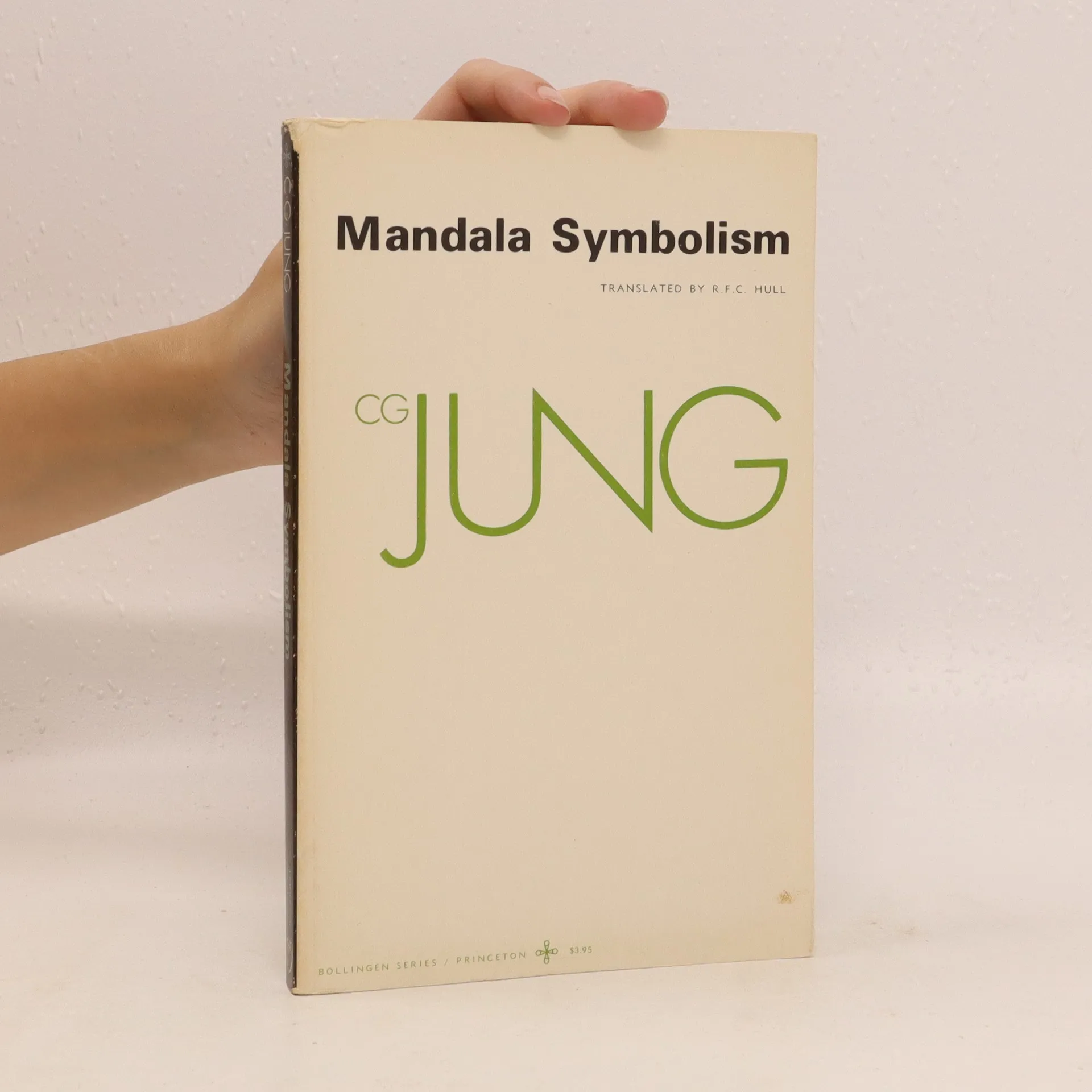
Analyzes the psychoanalytic significance of mandala paintings and symbolism
Essays on contemporary events
- 122 páginas
- 5 horas de lectura
This remarkable work is Jung's vigorous defence of his reputation following accusations after the Second World War that he was a Nazi sympathiser and supported their racial ideology.
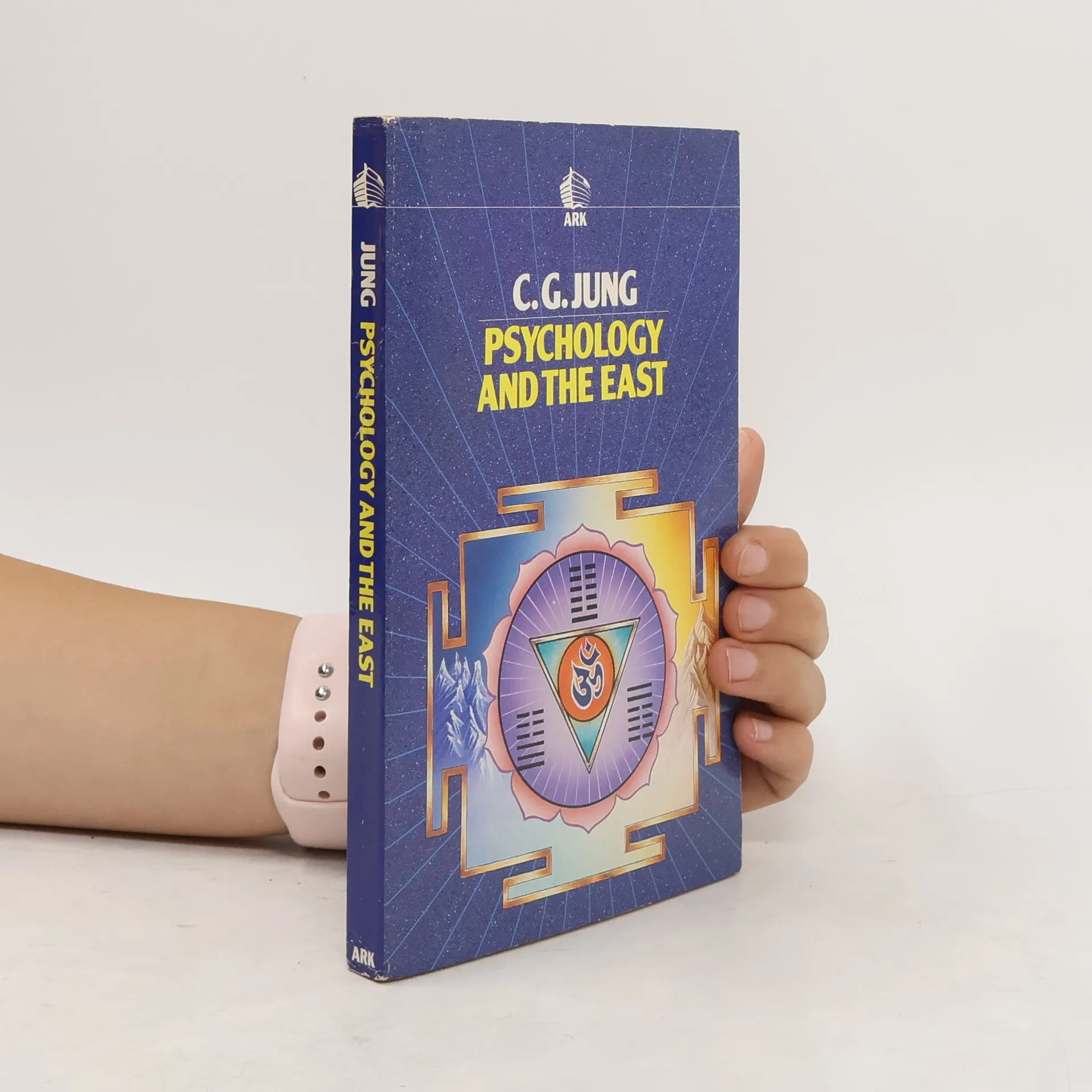
Ark Paperbacks: Psychology and the East
- 224 páginas
- 8 horas de lectura
Jung was by temperament sympathetic to the Eastern attitude of introversion and to the idea of 'the God inside'. He understood the Eastern emphasis on detachment and inner vision, and his lifelong interest in Eastern religion and philosophy is clear from his earliest work. This selection presents extracts from Jung's writings on the philosophy and culture of Asia. Opening with his commentary on The Secret of the Golden Flower, the book includes his psychological commentaries on The Tibetan Book of the Dead and The Tibetan Book of the Great Liberation; his famous foreword to the I Ching; an evaluation of a translation of the Discourses of the Buddha; and an essay written to introduce a collection of the teachings of Shri Ramana Maharshi.
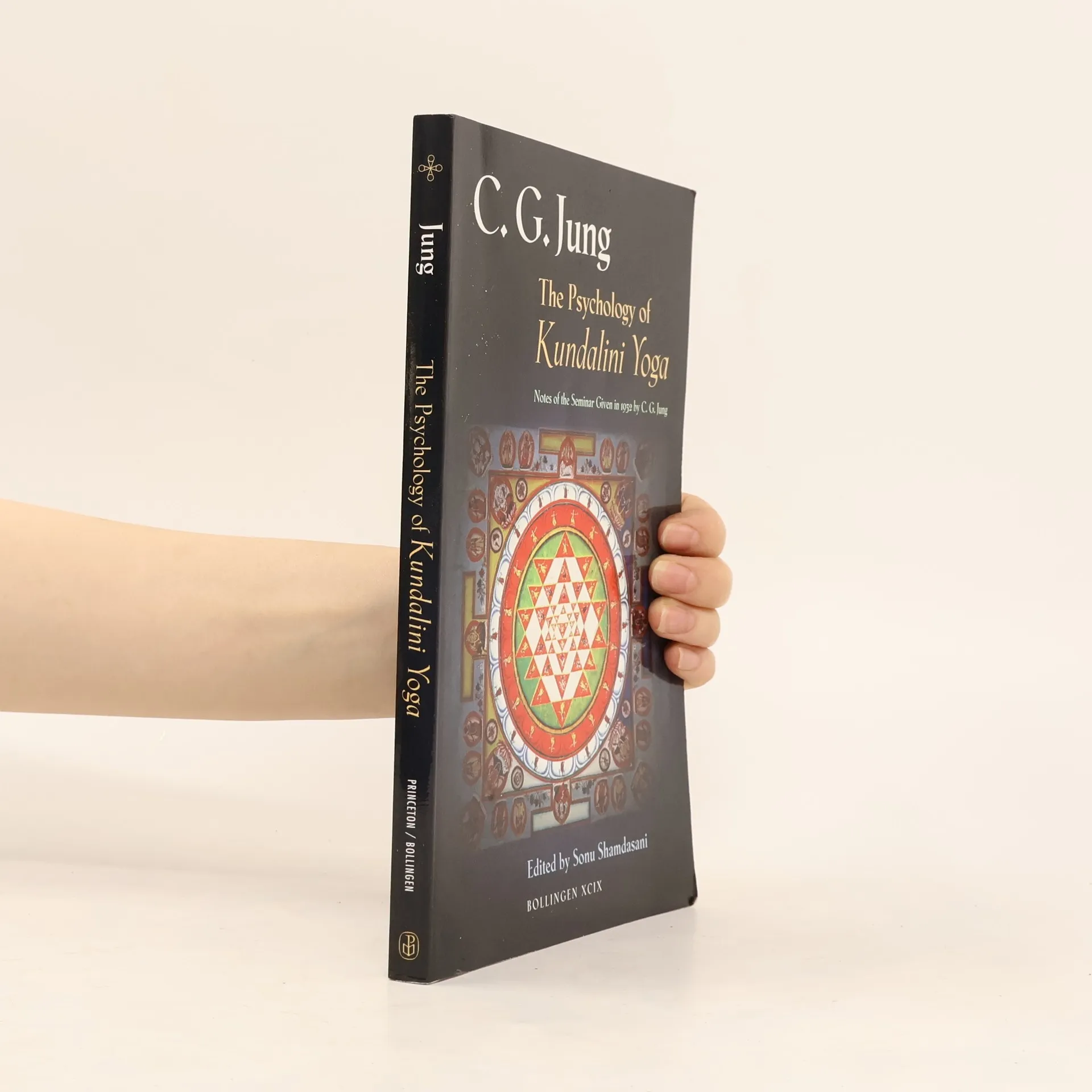
The Psychology of Kundalini Yoga
- 176 páginas
- 7 horas de lectura
Jung's seminar on Kundalini yoga, presented to the Psychological Club in Zurich in 1932, has been widely regarded as a milestone in the psychological understanding of Eastern thought and of the symbolic transformations of inner experience. Kundalini yoga presented Jung with a model for the developmental phases of higher consciousness, and he interpreted its symbols in terms of the process of individuation. Sonu Shamdasani has brought together the lectures and discussions from this seminar for the first time. This volume also offers newly translated material from Jung's German language seminars, a seminar by the indologist Wilhelm Hauer presented in conjunction with that of Jung, and Sir John Woodroffe's classic translation of the tantric text, the Sat-cakra-nirupana.
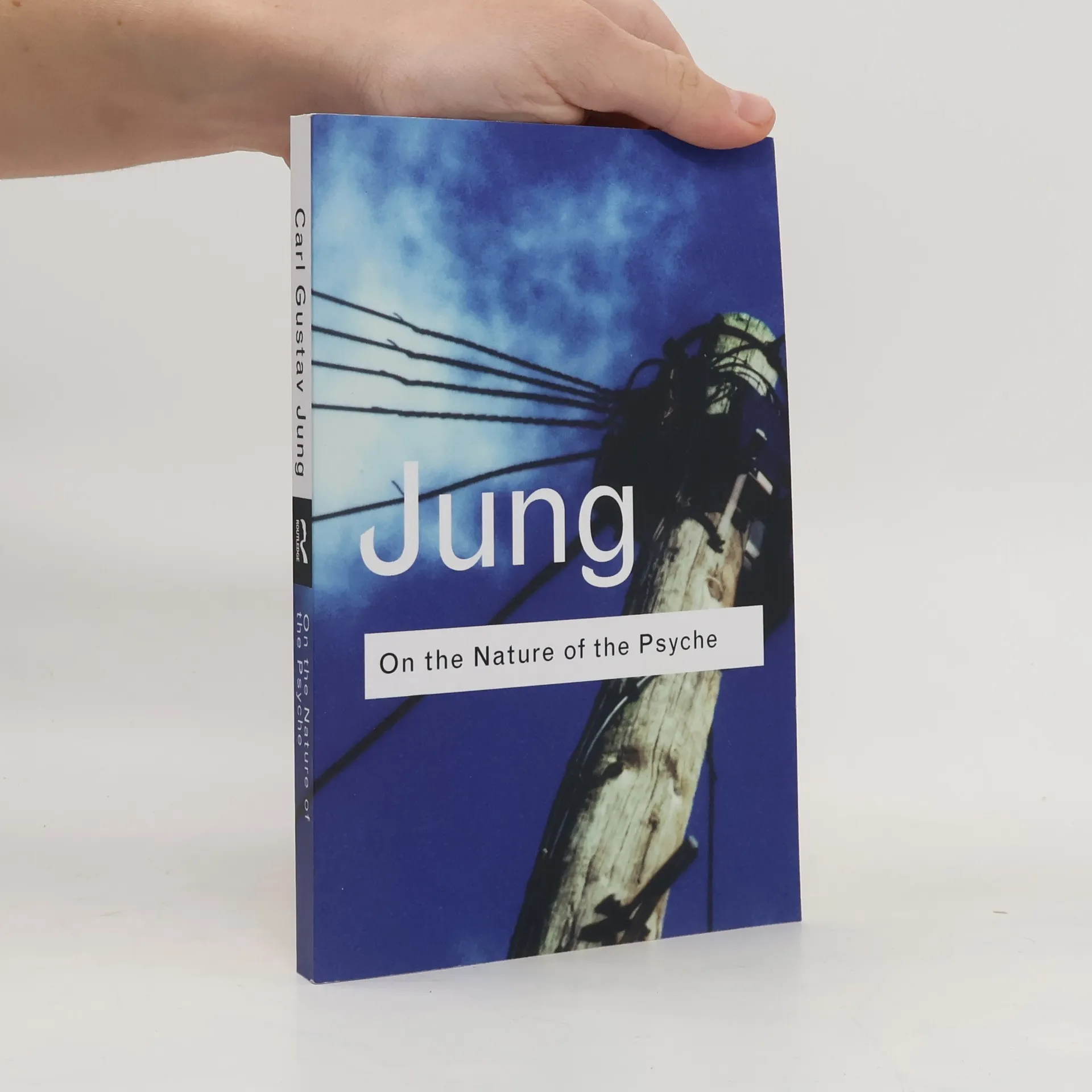
On the Nature of the Psyche
- 208 páginas
- 8 horas de lectura
In On the Nature of the Psyche Jung presents a masterly overview of his theories of the unconscious, and its relation to the conscious mind. schovat popis
C. G. Jung, son of a Swiss Reformed pastor, used his Christian background throughout his career to illuminate the psychological roots of all religions. Jung believed religion was a profound, psychological response to the unknown--both the inner self and the outer worlds--and he understood Christianity to be a profound meditation on the meaning of the life of Jesus of Nazareth within the context of Hebrew spirituality and the Biblical worldview.Murray Stein's introduction relates Jung's personal relationship with Christianity to his psychological views on religion in general, his hermeneutic of religious thought, and his therapeutic attitude toward Christianity. This volume includes extensive selections from "Psychological Approach to the Dogma of the Trinity," "Christ as a Symbol of the Self," from Aion, "Answer to Job," letters to Father Vincent White from Letters, and many more.First published in 1999.Murray Stein, Ph.D., is the author of Jung's Treatment of Christianity, Practicing Wholeness, Transformation--Emergence of the Self, and Jung's Map of the Soul. He is an international lecturer and teacher, and currently vice president of the International Association for Analytical Psychology. He is also a training analyst at the C.G. Jung Institute of Chicago.
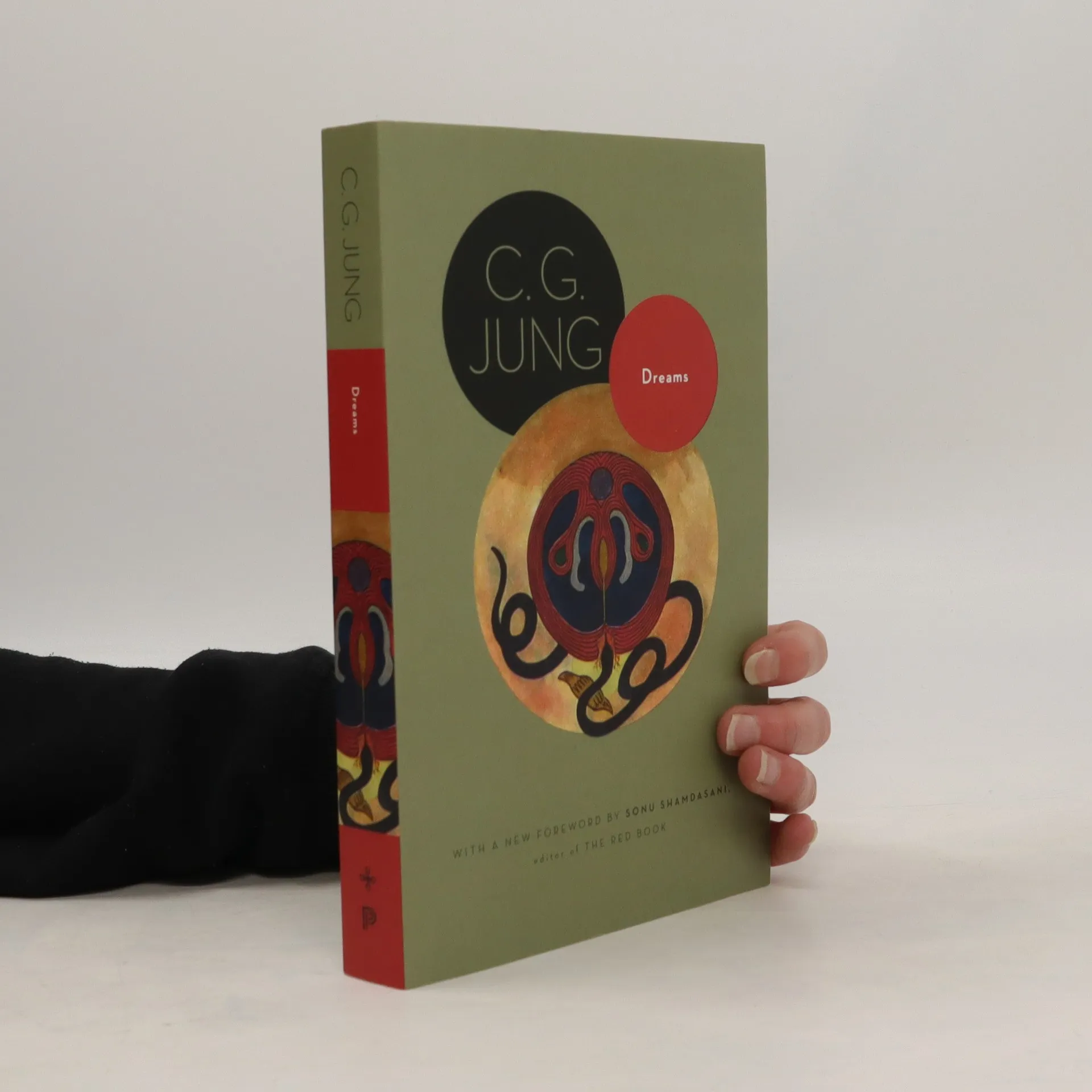
Dreams
- 337 páginas
- 12 horas de lectura
"From The collected works of C.G. Jung, volumes 4, 8, 12, 16"--P. [i].
This unique text of esoteric Taoism provides insight into the secret religious traditions of ancient China while exploring the relationship between Western and Eastern traditions, as well as Jung's concept of the unconscious. The ancient esoteric text, influenced by Buddhism, Confucianism, and possibly Nestorian Christianity, includes practical instructions for meditation exercises that enable the practitioner to break free from worldly attachments, achieve health, and ultimately experience the "birth of the golden flower," symbolizing spiritual rebirth. C. G. Jung utilized the opportunity to comment on the text not only to write a study comparing the psychology and spiritual lives of Western and Eastern individuals, highlighting important practical implications of this comparison, but also to vividly articulate the foundations of his theory of the collective unconscious, for which the Chinese text provided valuable evidence.
Aspects of the masculine
- 208 páginas
- 8 horas de lectura
Unique in drawing together in a single volume some of Jung's ideas on the masculine.
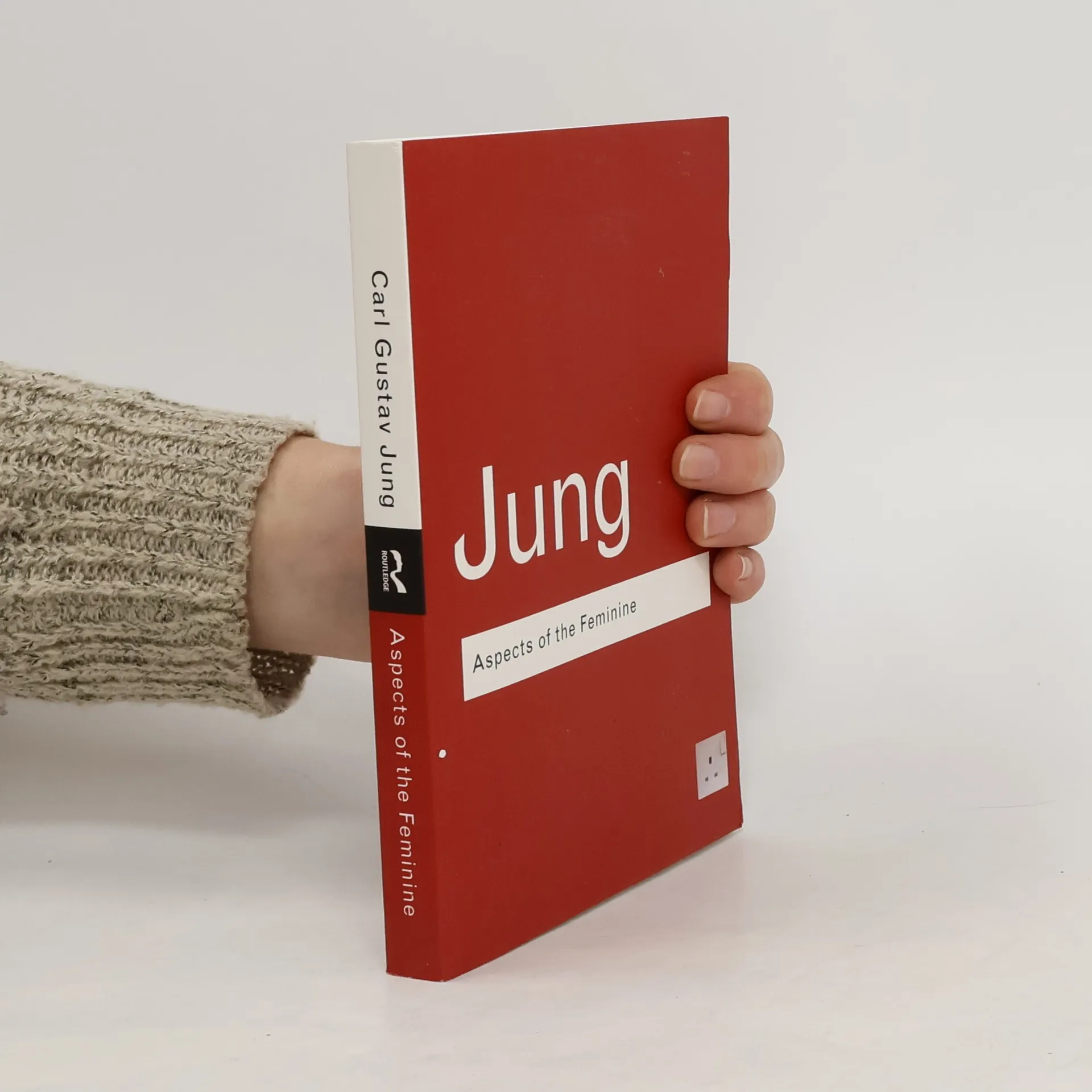
A selection of Jung's writings on the anima/animus concept. Provocative and controversial, it offers readers the opportunity to discover at first hand just how radical Jung's arguments are.
Reprint. Originally published: 1959; 1st Princeton/Bollingen pbk. ed. published: 1970.
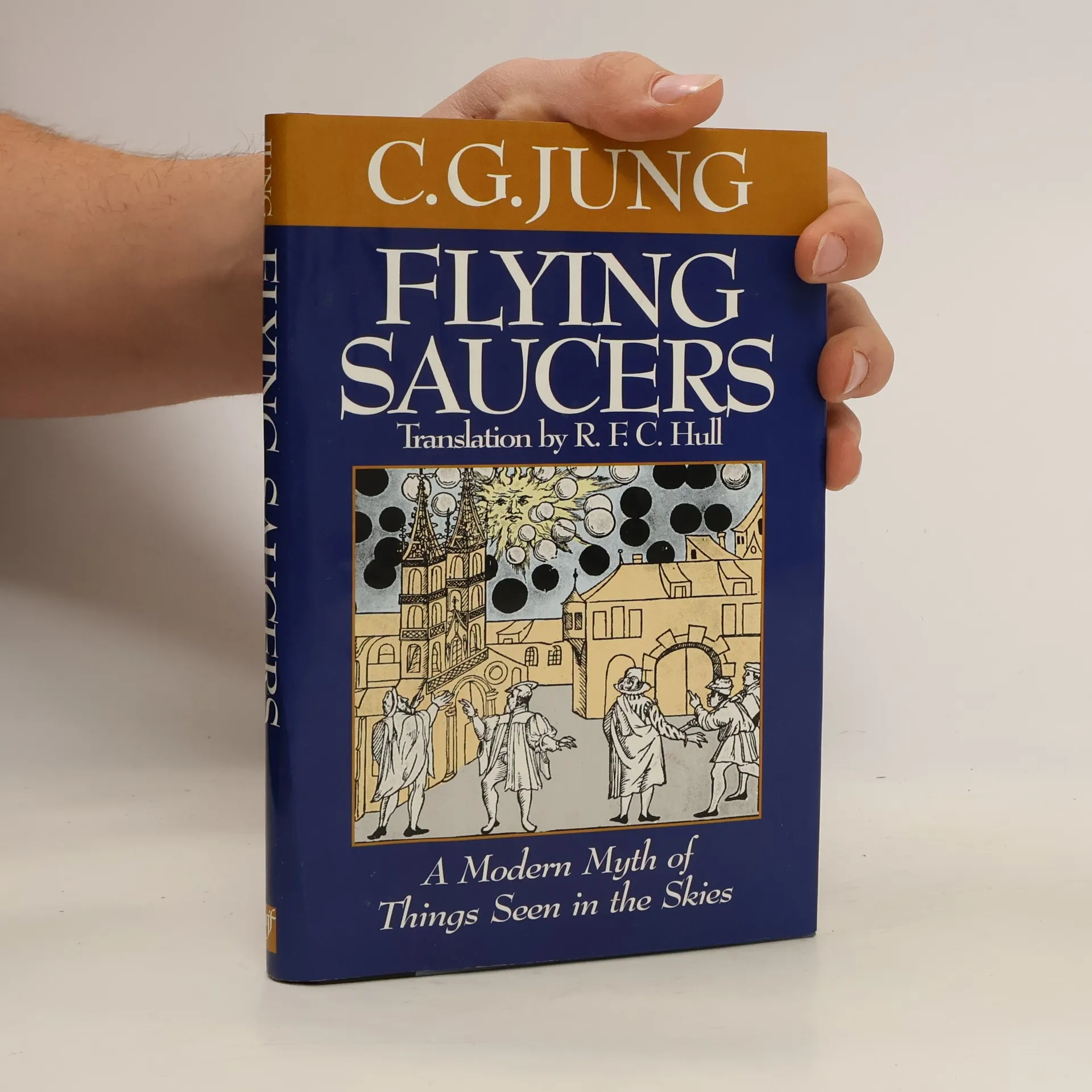
While Jung is known mainly for his theories on the nature of the unconscious mind, he did have an interest in the paranormal. In this essay, Jung applies his analytical skills to the UFO phenomenon. Rather than assuming that the modern prevalence of UFO sightings are due to extraterrestrial craft, Jung reserves judgment on their origin and connects UFOs with archetypal imagery, concluding that they have become a "living myth." This essay is intriguing in its methodology and implications as to the nature of UFOs and their relation to the human psyche.
The Science of Mythology
- 240 páginas
- 9 horas de lectura
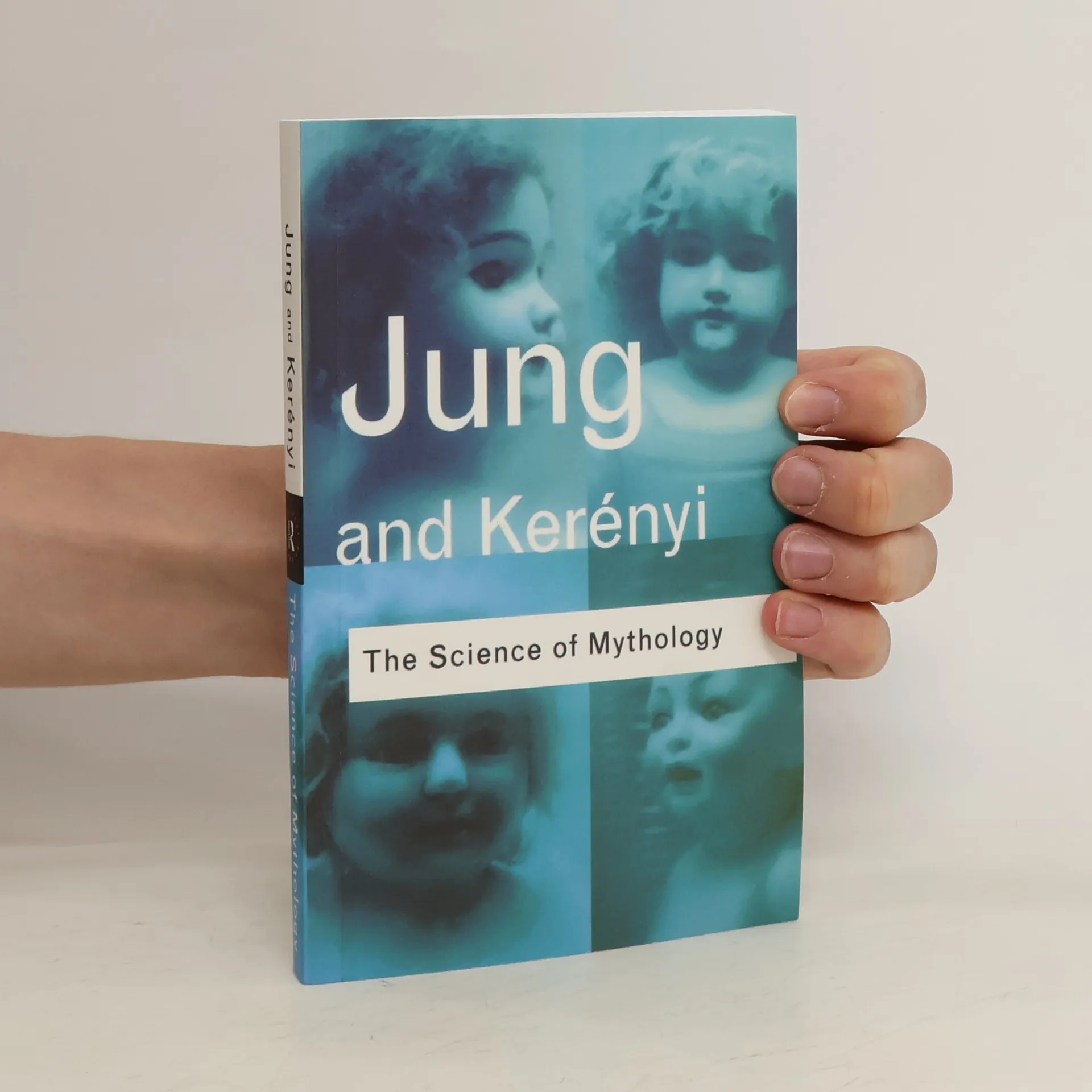
Science of Mythology provides an account of the meaning and the purpose of mythic themes that is linked to modern life: the heroic battles between good and evil of yore are still played out, reflected in contemporary fears. schovat popis
In May 1956, in his eighty-second year, Jung first discussed with Gerhard Adler the question of the publication of his letters. Over many years, Jung had often used the medium of letters to communicate his ideas to others and to clarify the interpretation of his work, quite apart from answering people who approached him with genuine problems of their own and simply corresponding with friends and colleagues. Many of his letters thus contain new creative ideas and provide a running commentary on his work. From some 1,600 letters written by Jung between the years 1906-1961, the editors have selected over 1,000. Volume 1, published in 1973, contains those letters written between 1906 and 1950.
The book presents C. G. Jung's 1933 seminar on yoga's symbolism and its relevance to dream analysis, held during a politically charged time in Germany. It features insights from Indologist Heinrich Zimmer and explores Jung's engagement with Hindu traditions, particularly Tantric yoga. Jung examines a patient's dreams, emphasizing mandalas and their connection to various symbolic motifs, including alchemy and labyrinths. With an introduction by Giovanni Sorge, it highlights Jung's evolving understanding of Eastern thought and the individuation process during a pivotal period in his career.
The Freud/Jung Letters
The Correspondence Between Sigmund Freud and C.G. Jung
- 692 páginas
- 25 horas de lectura
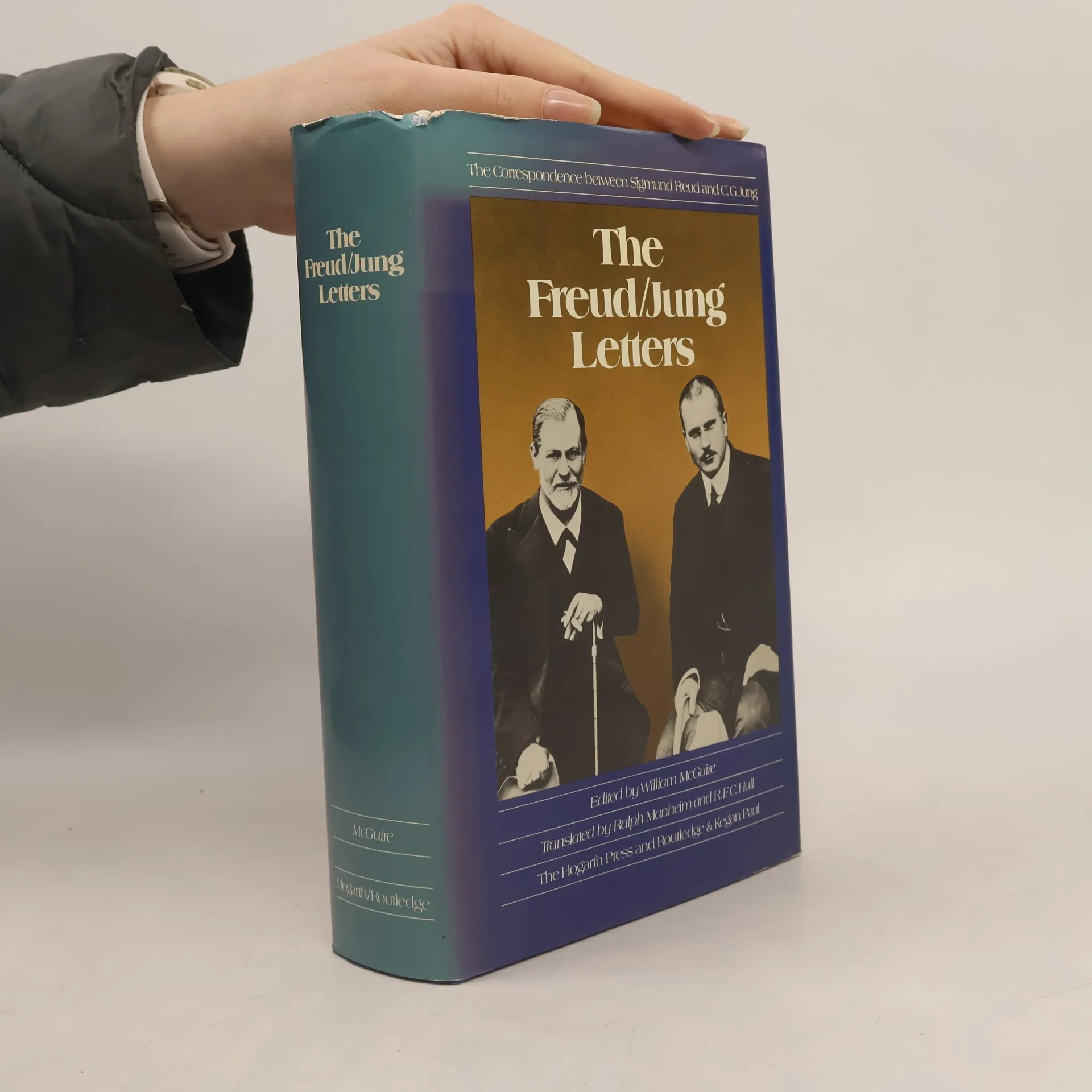
s/t: The Correspondence Between Sigmund Freud & C.G. Jung 'The substance of intellectual history at a turning point is in these letters. The impression is of two immensely ambitious, self-willed, often inspired men, who had set themselves apart as innovators, roped together in a long climb into a new world.' -The Observer
Jung: Selected Writings
- 447 páginas
- 16 horas de lectura
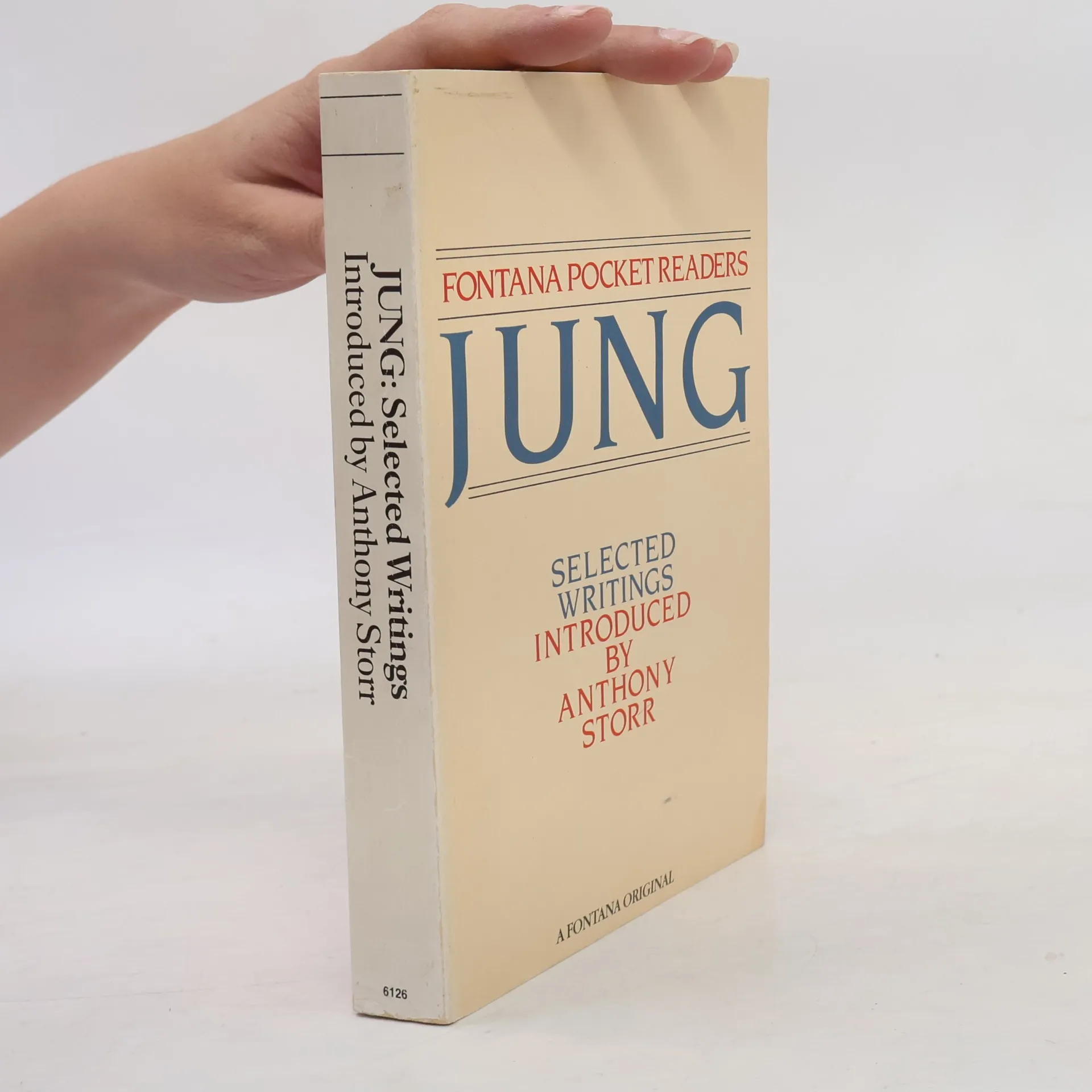
Carl Gustav Jung (1875-1961), a physician and psychoanalyst, was Freud's most prominent follower, but his disagreement with the Freudian theory that personality formation is rooted in sexuality caused a permanent break between the two great psychologists. Jung's analysis of dream symbolism led him to develop the concept of archetypes and the collective unconscious. His revolutionary work provides fundamental insights into the function of dreams and psychic symbols in creativity, as well as a greater appreciation of the mystery at the heart of existence. Included in this volume, following an introductory essay by Robert Coles, are the following works by Jung: Two Kinds of Thinking and The Miller Families: Anamnesis from Symbols of Transformation> Synchronicity The Undiscovered Self Five Chapters from Aion> The Phenomonology of the Spirit in Fairy Tales Excerpts from On the Nature of the Psyche On the Nature of Dreams On Life After Death Late Thoughts
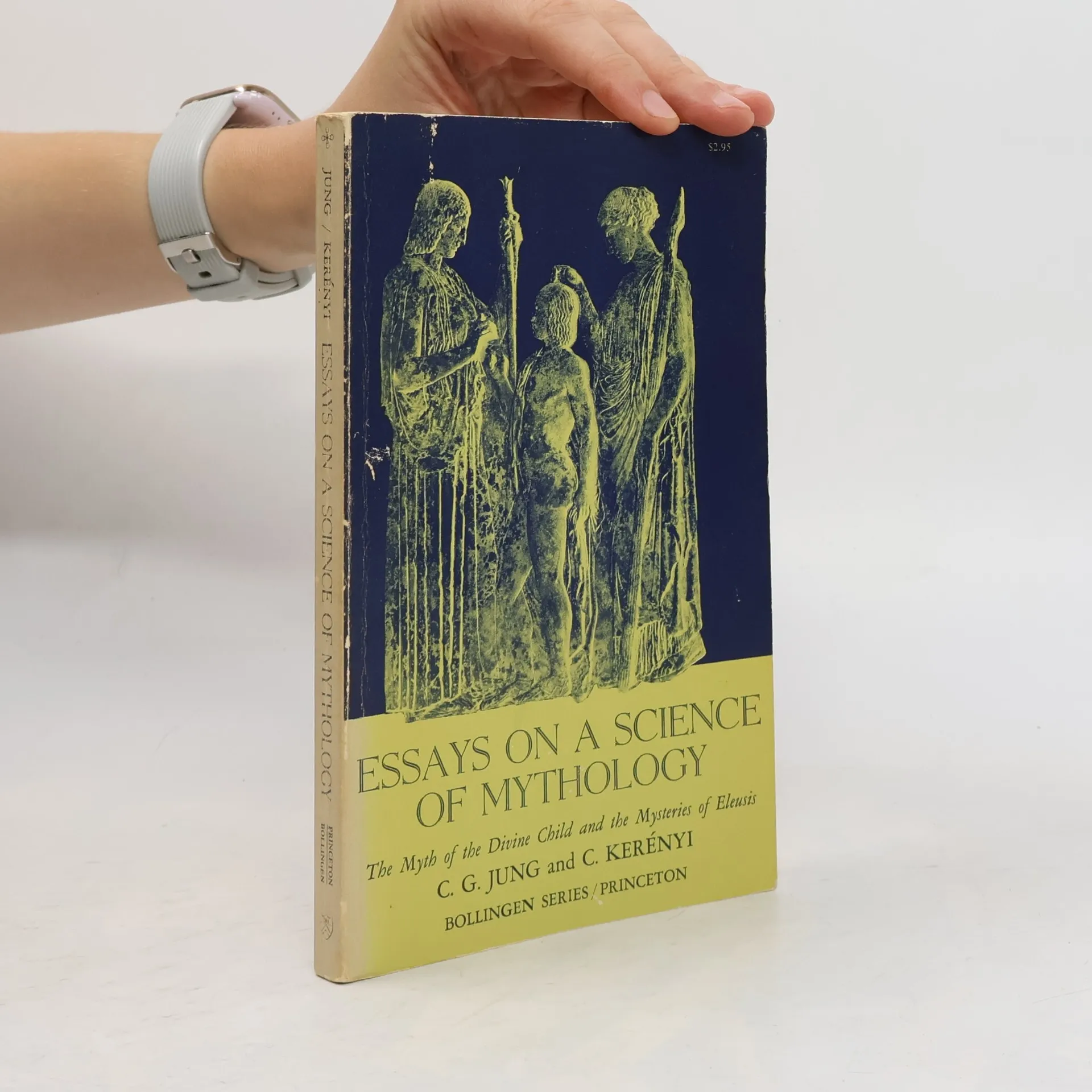
Essays on a Science of Mythology
The Myth of the Divine Child and the Mysteries of Eleusis
This unique anthology brings together material from 38 well-known writers, artists, and scientists who attempt to describe the process by which original ideas come to them. Contributors include Albert Einstein, Wolfgang Amadeus Mozart, Amy Lowell, Rudyard Kipling, Max Ernst, Katherine Anne Porter, Henry Miller, Carl Gustav Jung, Mary Wigman, Yasuo Kuniyoshi, Henri Poincaré and many others.
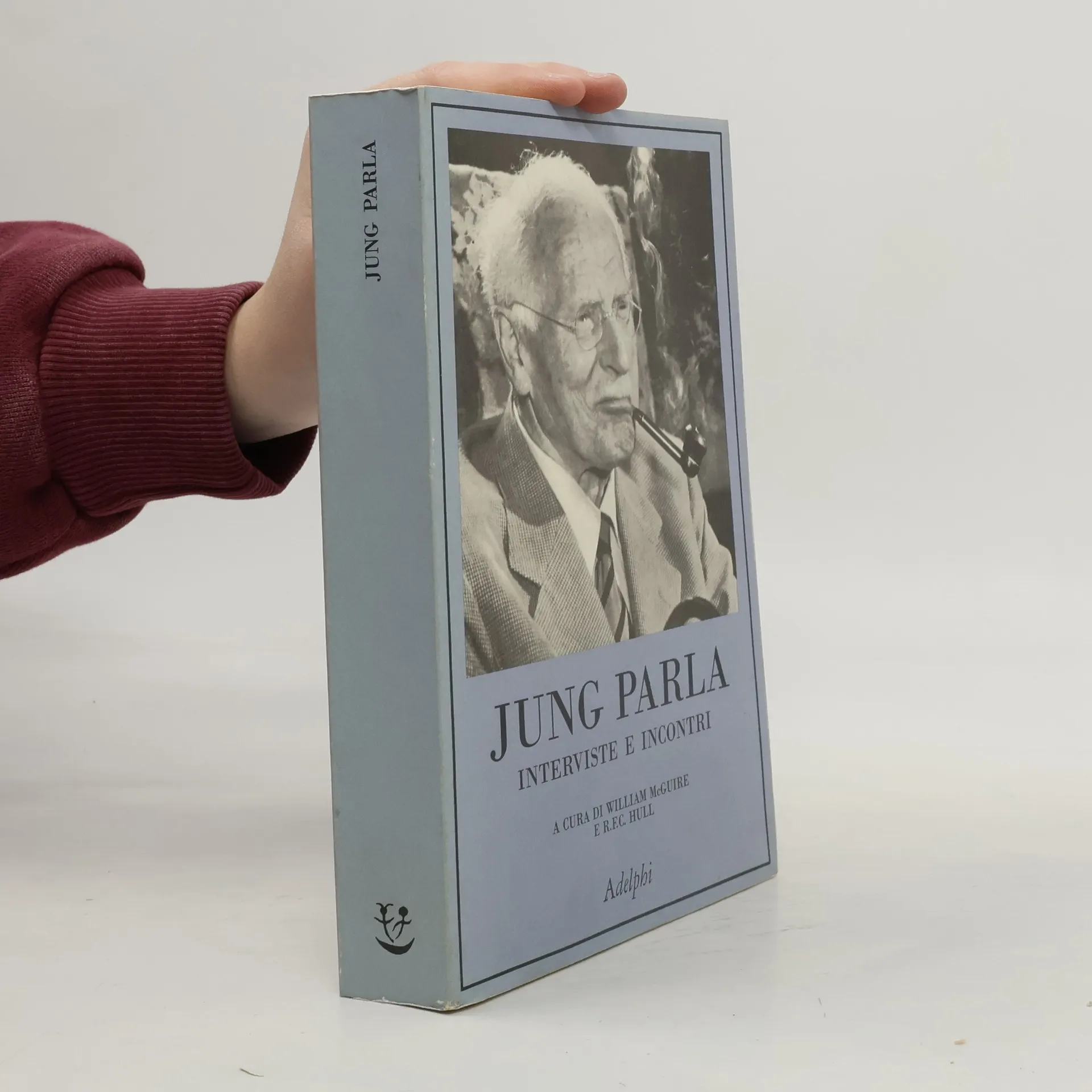
C.G. Jung amava definirsi un «introverso», il che non significa che non sapesse trattare con il mondo – e in particolare con quella insidiosa manifestazione del mondo che è l’intervista. Lungo tutto l’arco della sua vita, accettò di parlare di se stesso e del suo pensiero con i più svariati interlocutori, alcuni dei quali oscuri, altri illustri come Victoria Ocampo, Alberto Moravia, Mircea Eliade, Charles Baudouin, Miguel Serrano. Ed è sorprendente il fatto che ogni volta, fra le maglie di una forma così aleatoria e sfuggente, Jung abbia voluto e saputo lasciar filtrare delle verità che nei suoi libri rimangono talora celate come in uno scrigno. Queste interviste rappresentano dunque un prezioso controcanto a tutta l’opera di Jung, indispensabile sia per chi si accosti ad essa per la prima volta, sia per chi la conosca in profondità. Le novità appariranno insomma equamente divise, anche perché in Jung allo sforzo per chiarire le proprie idee ed esporle in modo piano si accompagna sempre la formulazione imprevista, quasi il guizzo di un ironico sciamano. La presente raccolta fu pubblicata per la prima volta nel 1977.
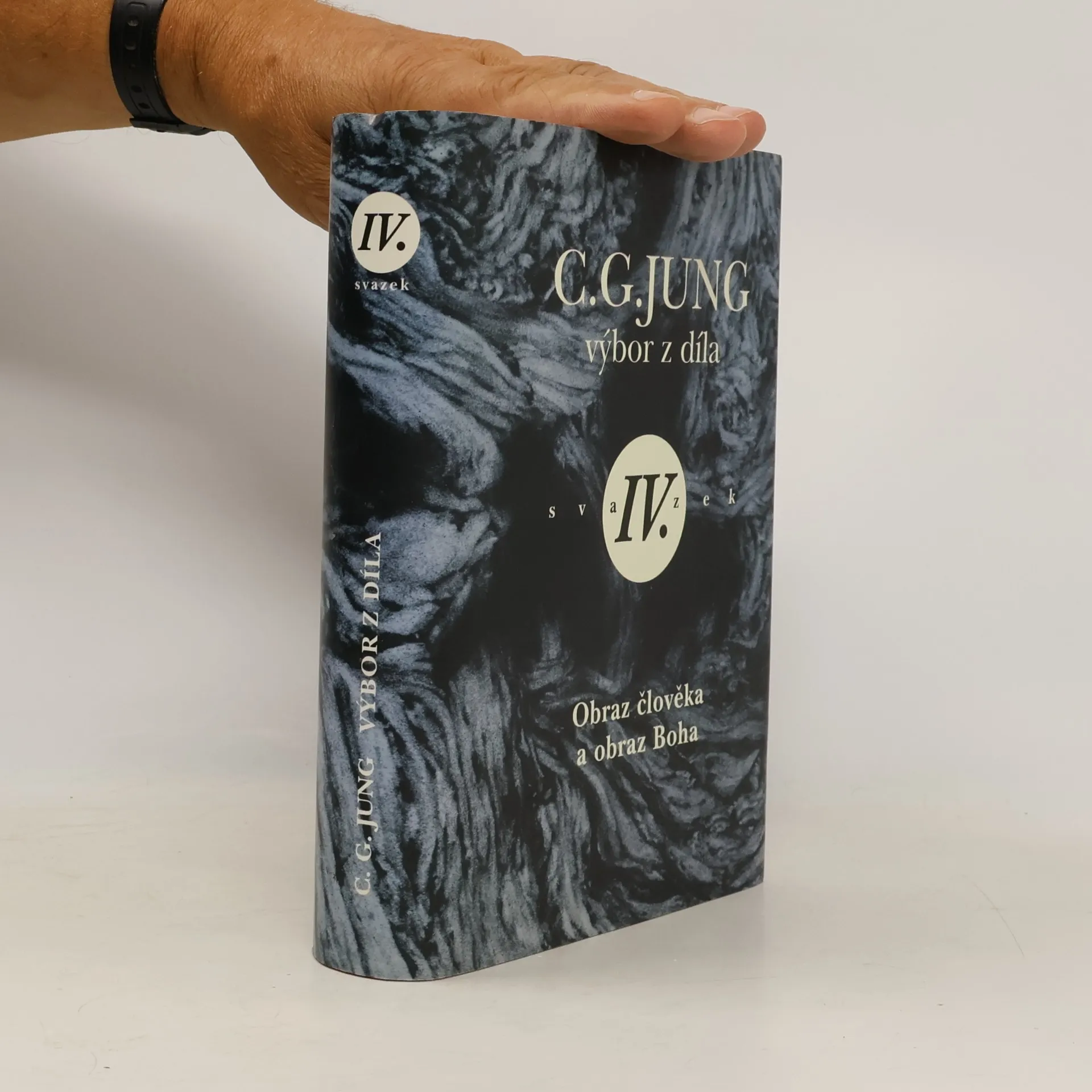
Obraz člověka a obraz Boha Průkopník psychoanalýzy zkoumá podstatu a symboliku mše, obraz Boha a propojení náboženství s psychologií. Přednášky "Psychologie a náboženství" odhalují společné rysy lékařské psychologie a náboženství. Náboženství zosobňuje jeden z nejranějších projevů lidské duše! Proto každá psychologická koncepce, jež se zabývá duševní strukturou lidské osobnosti, musí zohlednit, že náboženství pro řadu lidí personifikuje hluboce niternou záležitost. Následující text vysvětluje náboženskou mši ve smyslu antropomorfního symbolu pro to, co přesahuje svět a rámec lidského chápání. Její symbolika se tudíž stává legitimním předmětem psychologického a analytického zkoumání... "Odpověď na Jóba" přibližuje reakci vzdělaného člověka současnosti na temné stránky Boha, které se objevují v Knize Jóbově. Jedná se o rozbor podstaty afektu coby zdroje násilí! Společným rysem těchto textů je pohled analytického psychologa na různé aspekty náboženského prožitku jedince.
Über Grundlagen der analytischen Psychologie
- 191 páginas
- 7 horas de lectura
Tavistocke Vorträge – eine Reihe von fünf Vorträgen an der Tavistock-Klinik für etwa 200 Ärzte.
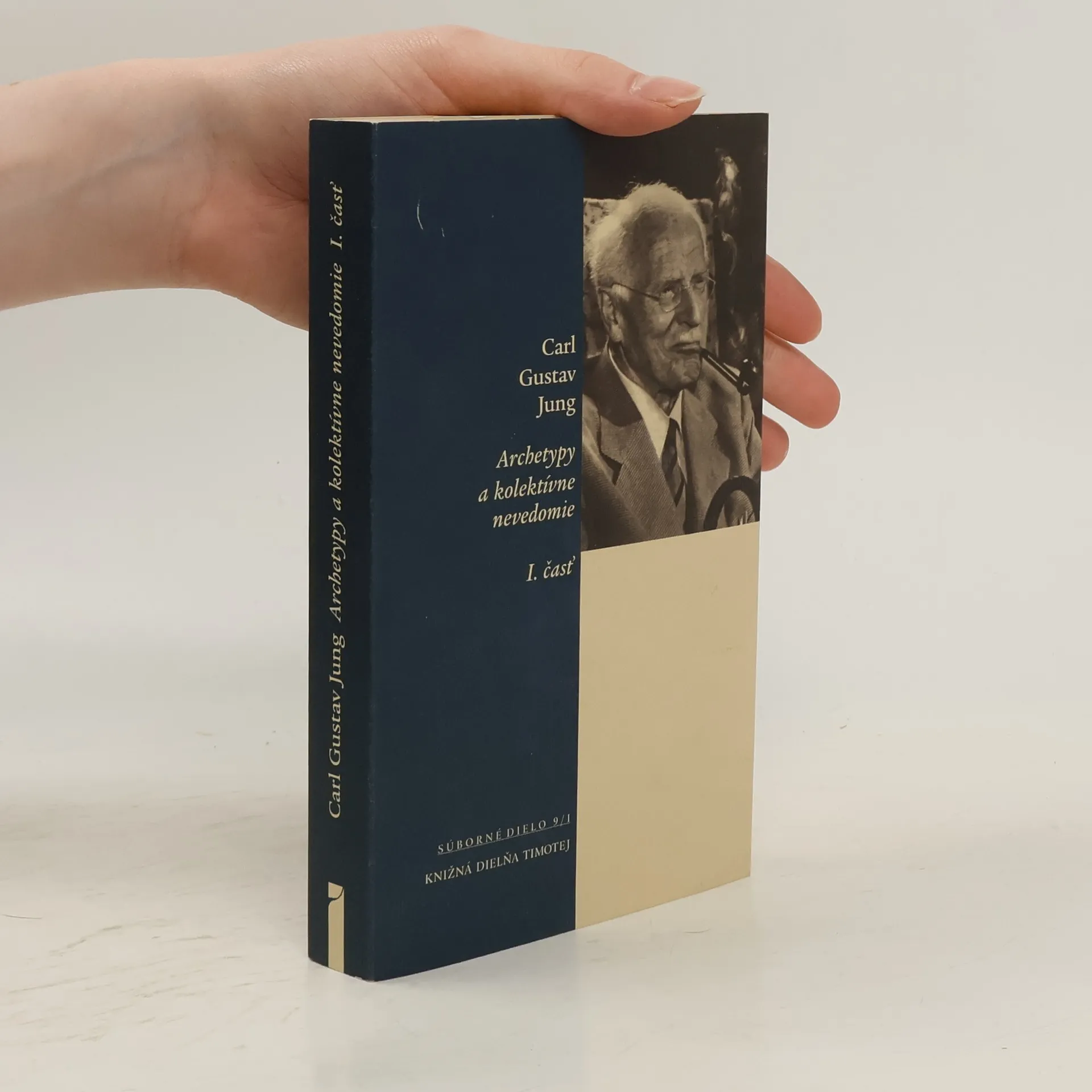
Archetypy a kolektívne nevedomie I. II.
- 261 páginas
- 10 horas de lectura
C. G. Jung ve svých spisech předložil svůj komplexní obraz člověka a rozvinul celistvou koncepci procesu uzdravení. Podle renomovaných jungovských analytiček Vereny Kastové a Ingrid Riedelové je v Jungově díle centrální pojetí tvořivé dimenze, stávání se a rozvoje, jež je vlastní každé existenci. Má-li člověk, byť jen v nepatrné míře přístup k této tvořivé dimenzi, může docházet k jeho růstu. Proto se Jung vztahuje tak často k sebeúzdravným silám v člověku a k jeho zdrojům. S tímto ohledem editorky vybraly zásadní a dobře srozumitelné Jungovy texty (např. Analytická psychologie, O vztahu psychoterapie k duchovní péči, Cíle psychoterapie atd.), které již generacím psychoterapeutů poskytují praktická vodítka pro jejich terapeutickou práci.
Přes tisíc citátů z celoživotního díla švýcarského psychiatra, psychologa, psychoterapeuta a jednoho z nejvýznamějších myslitelů dvacátéo století Carla Gustava Junga, které kniha obsahuje, představuje jistém smyslu duchovní kompendium současné západní moudrosti. Vybrala je Jungova žačka a spolupracovnice Jolanda Jacobiová a seřadila je tematicky v šestnácti kapitolách do čtyř základních existenciálních okruhů pojednávajících o skutečnosti duše a jejích vztazích, o říši hodnot a o posledních věcech.
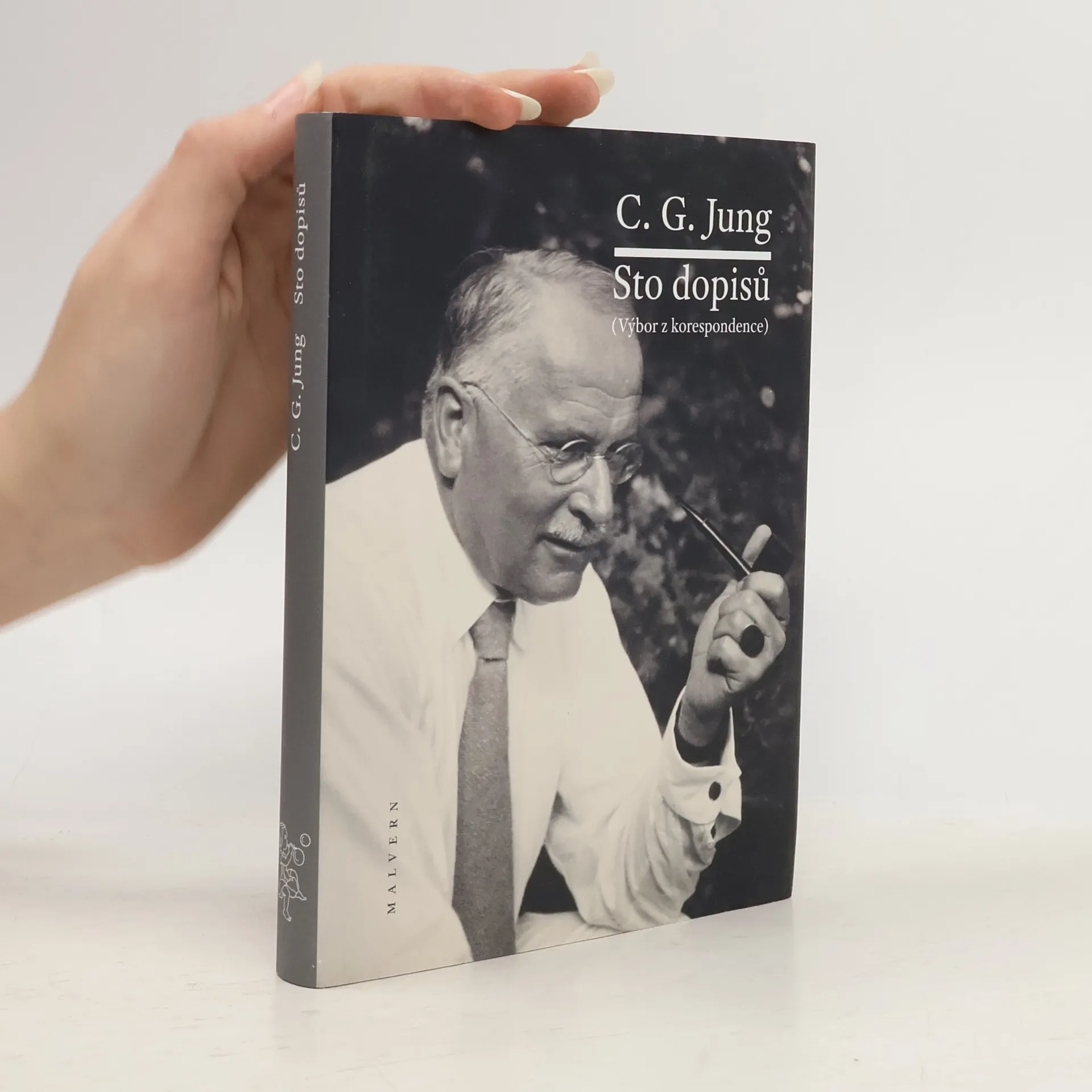
Švýcarský psycholog C.G. Jung (1875 - 1961), jeden z nejvýznamnějších myslitelů 20. století, je autorem rozsáhlého díla, jehož neoddělitelnou součástí je i jeho korespondence. Sto dopisů je prvním českým výborem z třísvazkových Dopisů (Briefe I - III) vydaných na počátku 70. let Anielou Jafféovou ve spolupráci s Gerhardem Adlerem. Mezi adresáty Jungových dopisů najdeme jména jako Sigmund Freud, Herman Hesse, James Joyce, Hermann Keyserling, Aniela Jaffé a mnoho dalších...
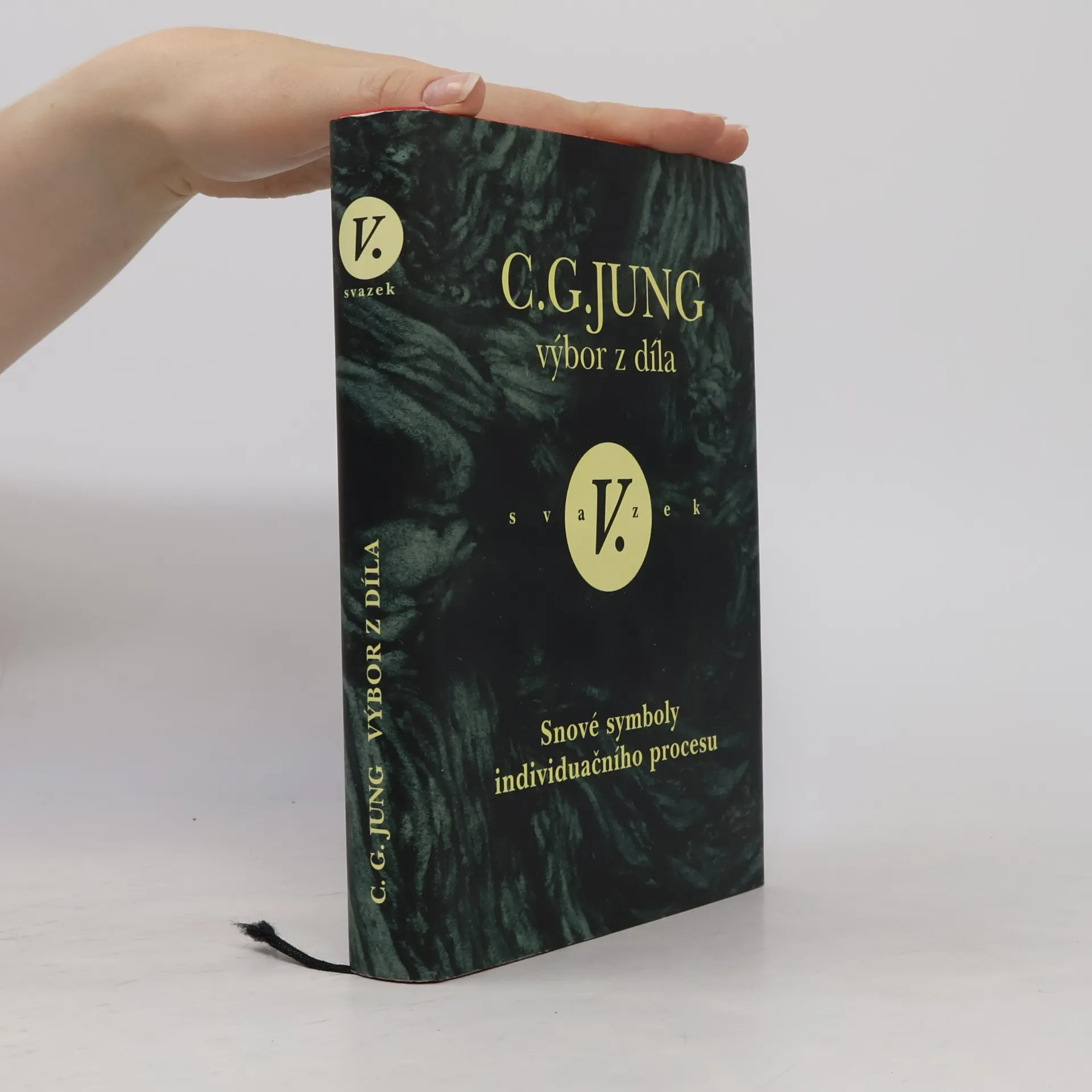
Snové symboly individuačního procesu Úvod do nábožensko-psychologické problematiky alchymie. Pátý svazek výboru z díla.