

Bodies act as powerful signs, as cultural settings: How are bodies represented and how are they looked at? Which types of bodies are never shown or only shown in a particular way or context? Normative ideas of beauty and the body shape our perception of ourselves and the world – and the bodies shown manifest inequalities and reflect the prevailing relations of power and violence. Talking Bodies questions the body images propagated by our visual culture through the medium of the poster. Masterpieces of art history, contemporary self-dramatizations in social media, gender stereotypes, images of black bodies, and the representation of disabled and non-normative bodies are juxtaposed and critically analyzed. With its focus on the construction and impact of body images, but also on possible strategies of resistance, the publication sees itself as a critical contribution to current debates.
Bettina Richter Libros

100 Years of Swiss Graphic Design
- 350 páginas
- 13 horas de lectura
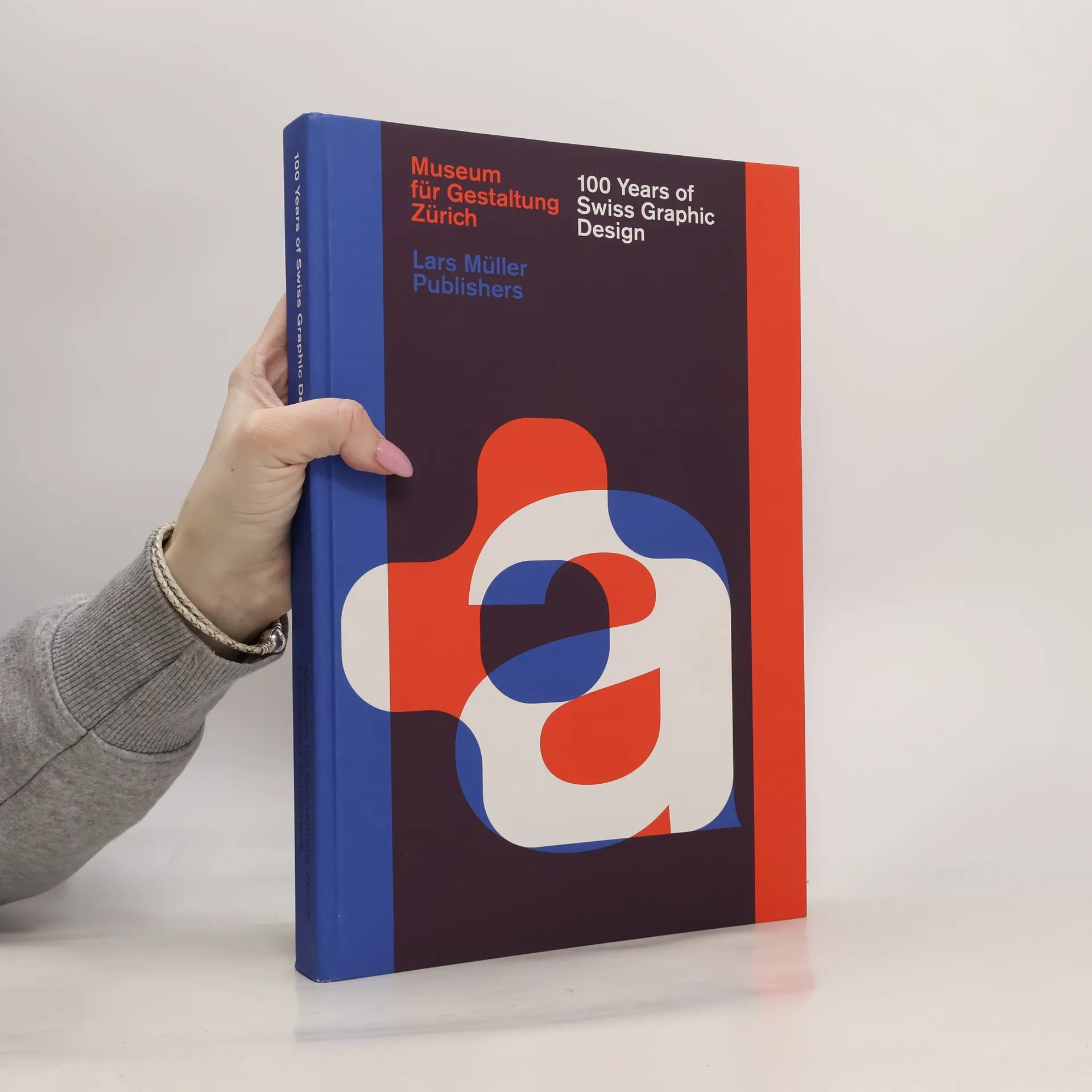
100 Years of Swiss Graphic Design takes a fresh look at Swiss typography and photo-graphics, posters, corporate image design, book design, journalism and typefaces over the past hundred years. With illuminating essays by prominent experts in the field and captivating illustrations, this book, designed by the Zurich studio NORM , presents the diversity of contemporary visual design while also tracing the fine lines of tradition that connect the work of different periods. The changes in generations and paradigms as manifested in their different visual languages and convictions are organized along a timeline as well as by theme. The various fields of endeavor and media are described, along with how they relate to advertising, art, and politics. Graphic design from Switzerland reflects both international trends and local concerns. High conceptual and formal quality, irony and wit are its constant companions. A new, comprehensive reference work on Swiss design.
How poster design has served as an essential tool for Swiss political campaigns Since the beginning of the 20th century, poster campaigns have been a distinctive element of Swiss politics. This book reproduces posters from 1918 to the present.
Niklaus Troxler
Poster Collection 34
An introduction to the avant-garde jazz posters of a leading Swiss graphic designer One of Europe’s leading poster designers, Niklaus Troxler (born 1947) has devoted himself primarily to jazz posters. In 1966, the Swiss designer organized the first jazz concert in his hometown of Willisau, Lucerne. In 1975 he founded an annual jazz festival that has since brought both established and younger artists to the stage. Troxler designed countless posters for these festivals, as well as for the individual concerts. His early designs embraced an illustrative style from which he soon emancipated himself, eventually translating the character of experimental music and taking up its improvisational gestures.On the occasion of Troxler’s 75th birthday, this publication presents a selection of his jazz posters, juxtaposing them with sociopolitical manifestos in poster form, mostly commissioned by himself, as well as public commissions, including those for the Olma agricultural fair, the Knie circus and the Geneva International Motor Show.
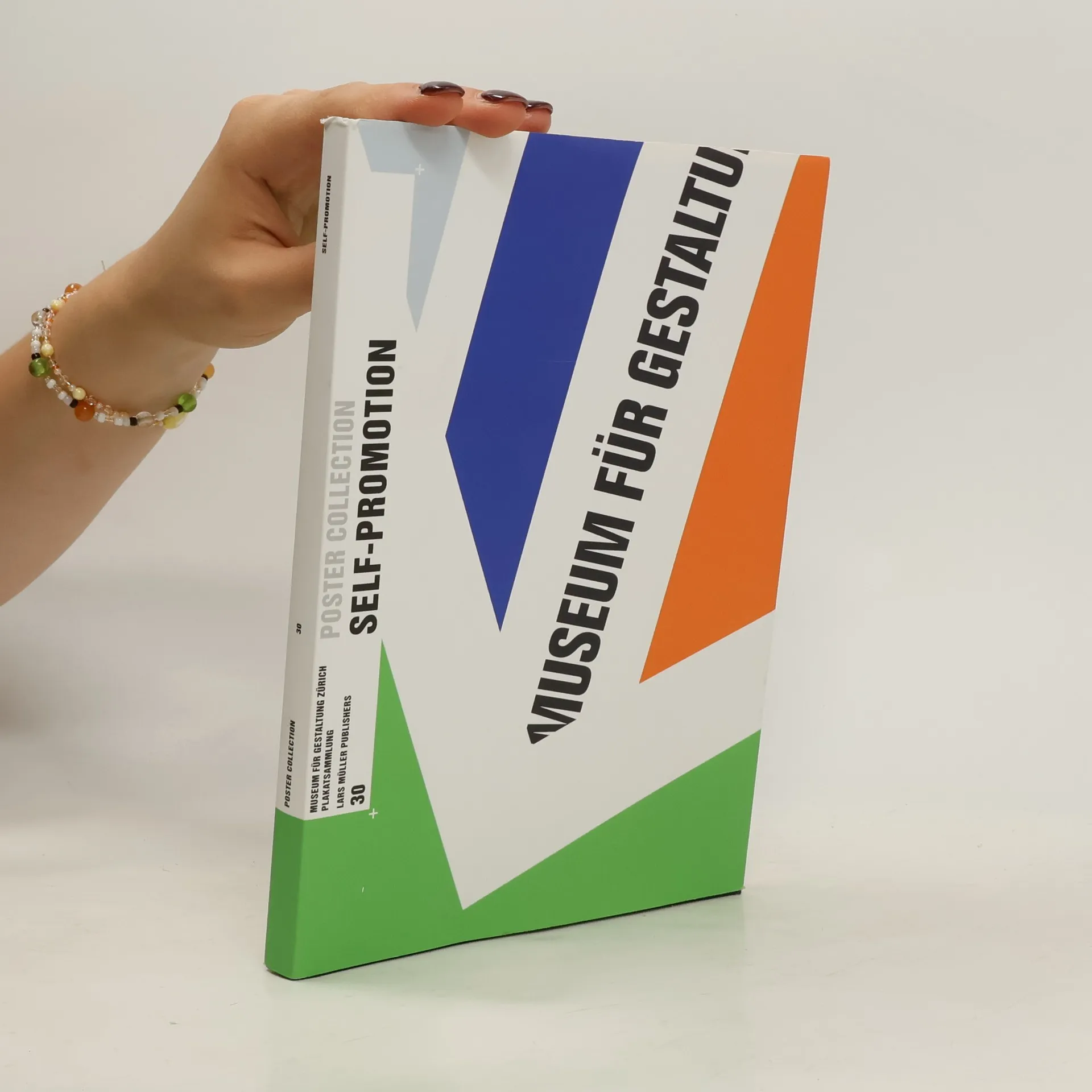
Seit den 1910er-Jahren pflegt das 1875 gegründete Kunstgewerbemuseum, heute Museum für Gestaltung Zürich, eine hochstehende Plakatkultur. Die Ausstellungsplakate tragen zur visuellen Identität im öffentlichen Raum bei und dokumentieren die Themenvielfalt des Hauses. Ihre Wiedererkennbarkeit entsteht nicht durch starres Corporate Design, sondern durch grafische Qualität, vielseitige gestalterische Zugriffe und sorgfältigen Druck. Malerische Lösungen der Anfangsjahre werden in den 1920er-Jahren durch grafisch-typografische Umsetzungen abgelöst, inspiriert von den russischen Konstruktivisten. Formale und inhaltliche Reduktion prägen den Swiss Style, der bis in die 1960er-Jahre das Schweizer Kulturplakat dominiert. Ab 1970 zeigen sich zunehmend experimentelle Ansätze, auch durch den Einfluss von Computerprogrammen. Plakate der späten 1980er-Jahre verdeutlichen, wie das Erbe des Swiss Style frisch interpretiert wird. Innovative Ansätze junger Gestalter sorgen für Überraschungen im zeitgenössischen Plakat. Im Laufe der Jahre hat das Museum für Gestaltung Zürich als Auftraggeber eine Edition an Plakaten gefördert, die als Kurzgeschichte des Schweizer Plakats und Grafikdesigns gelesen werden kann. Zudem finden sich darunter Plakate internationaler Vertreter, die zu den Meistern ihres Fachs gehören und das Schweizer Plakat global verorten.