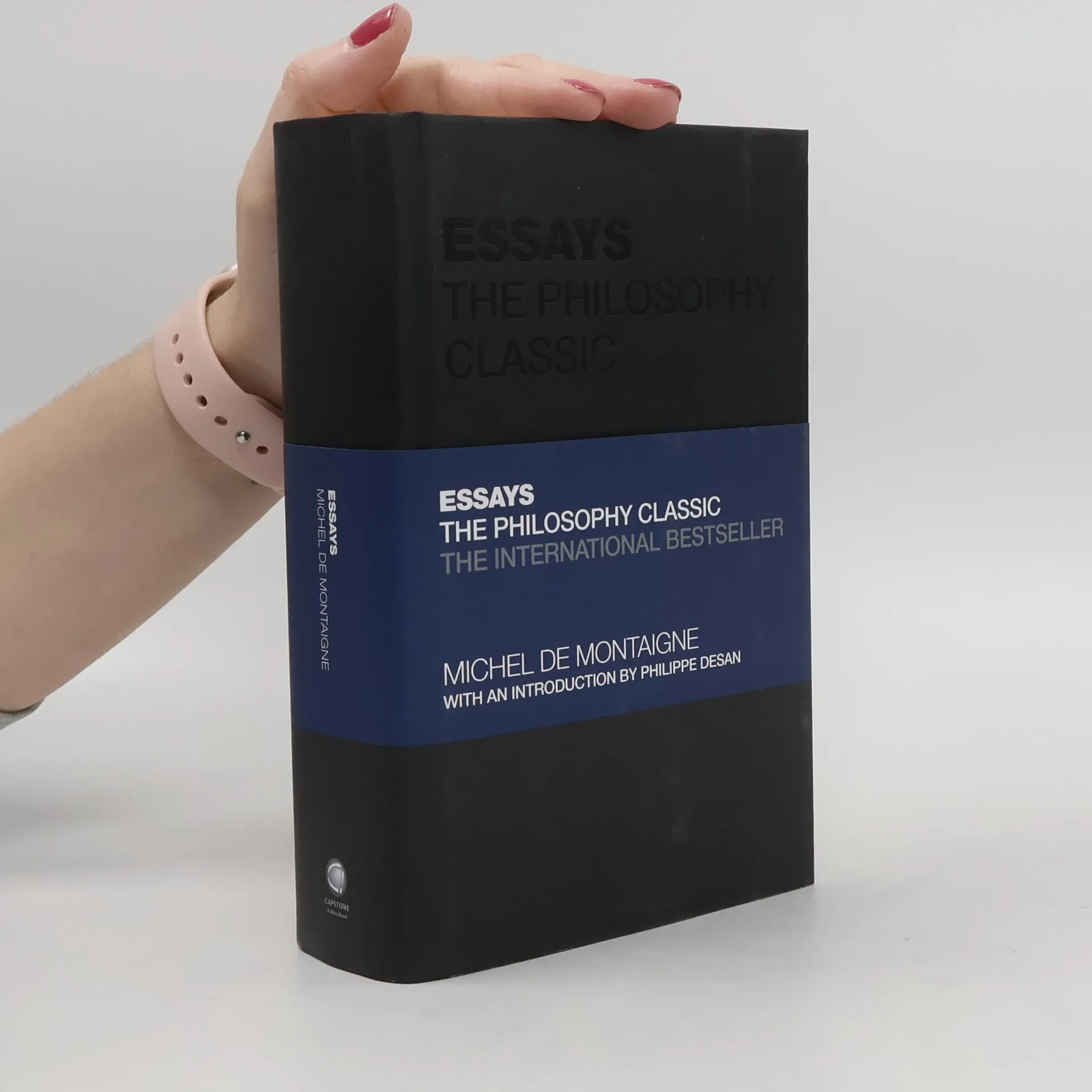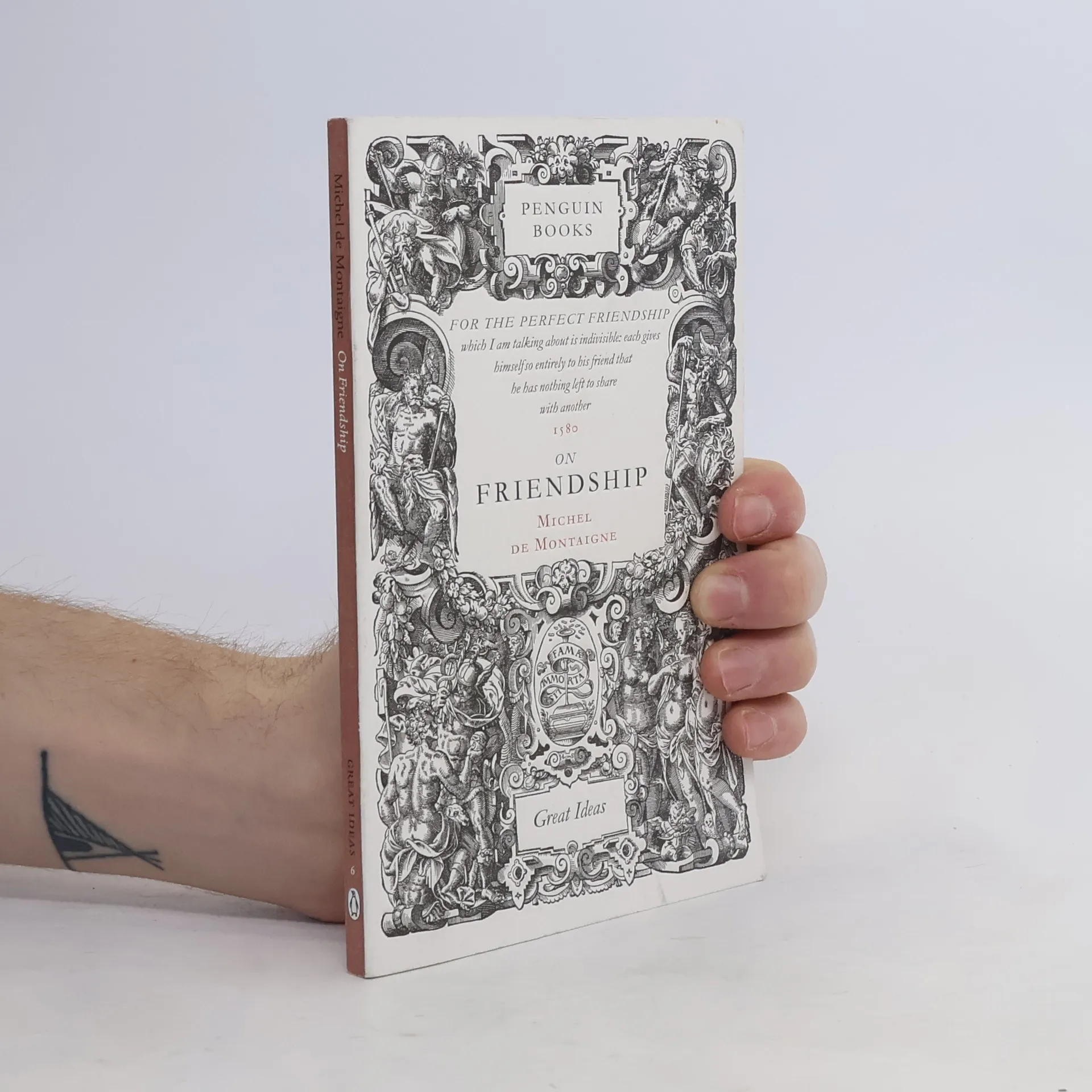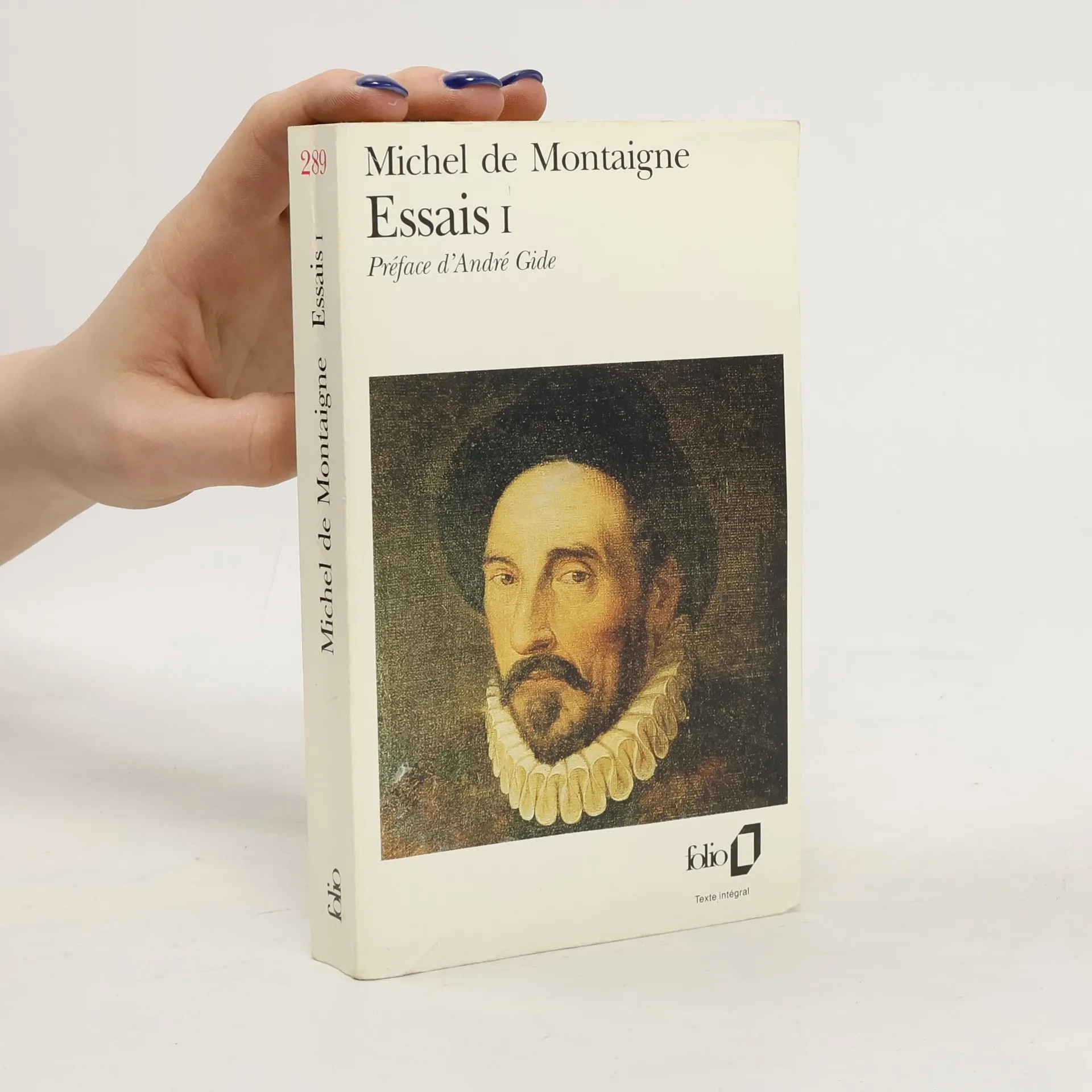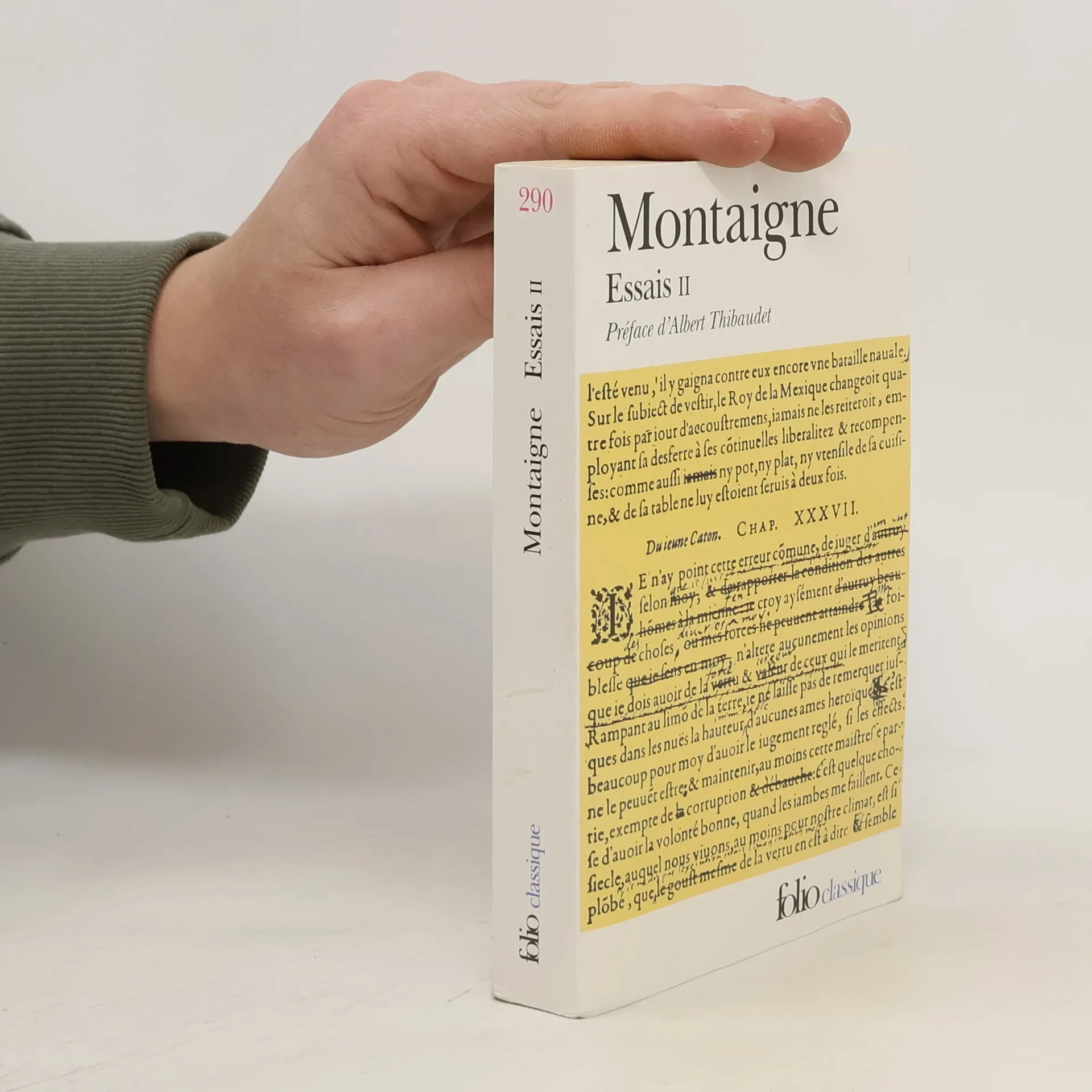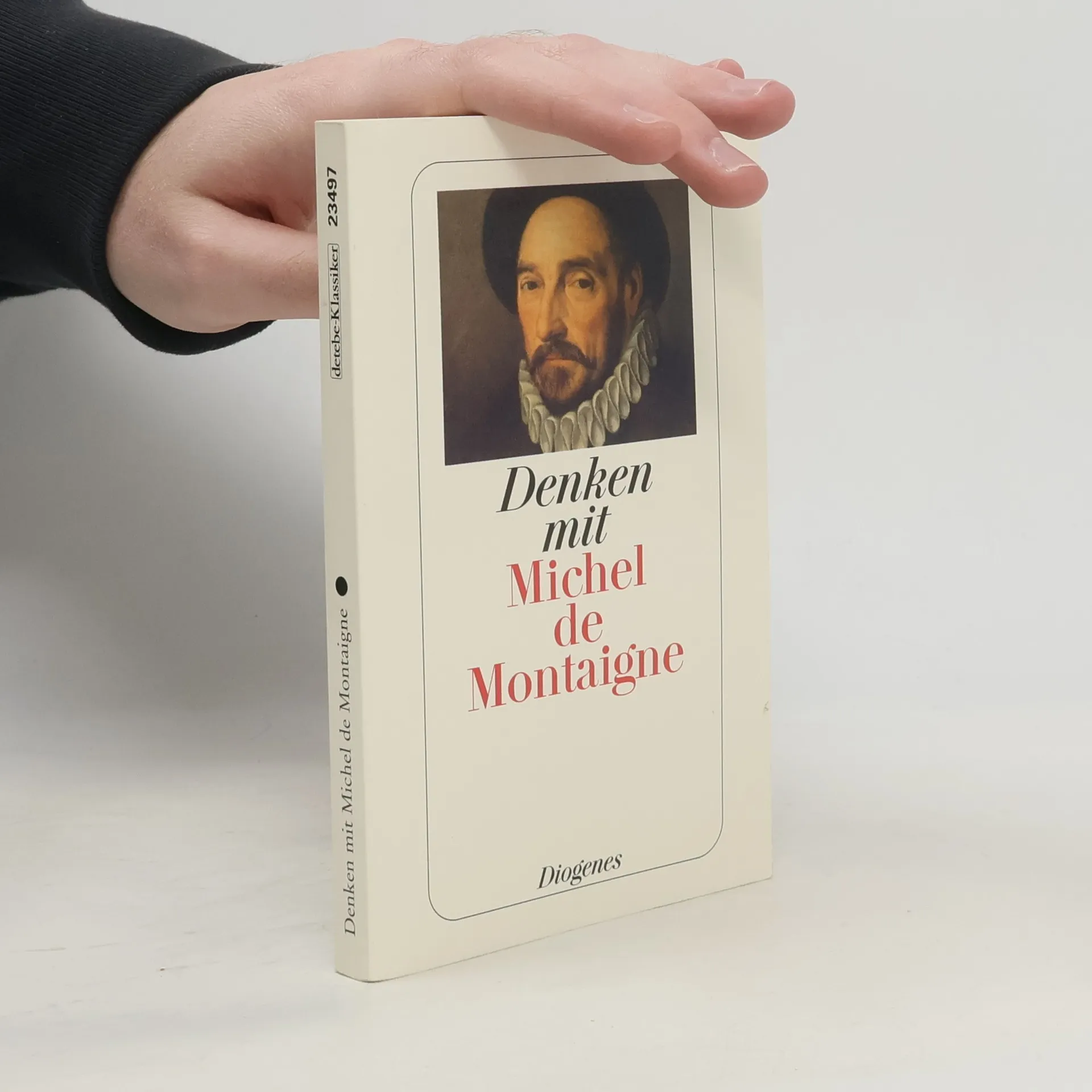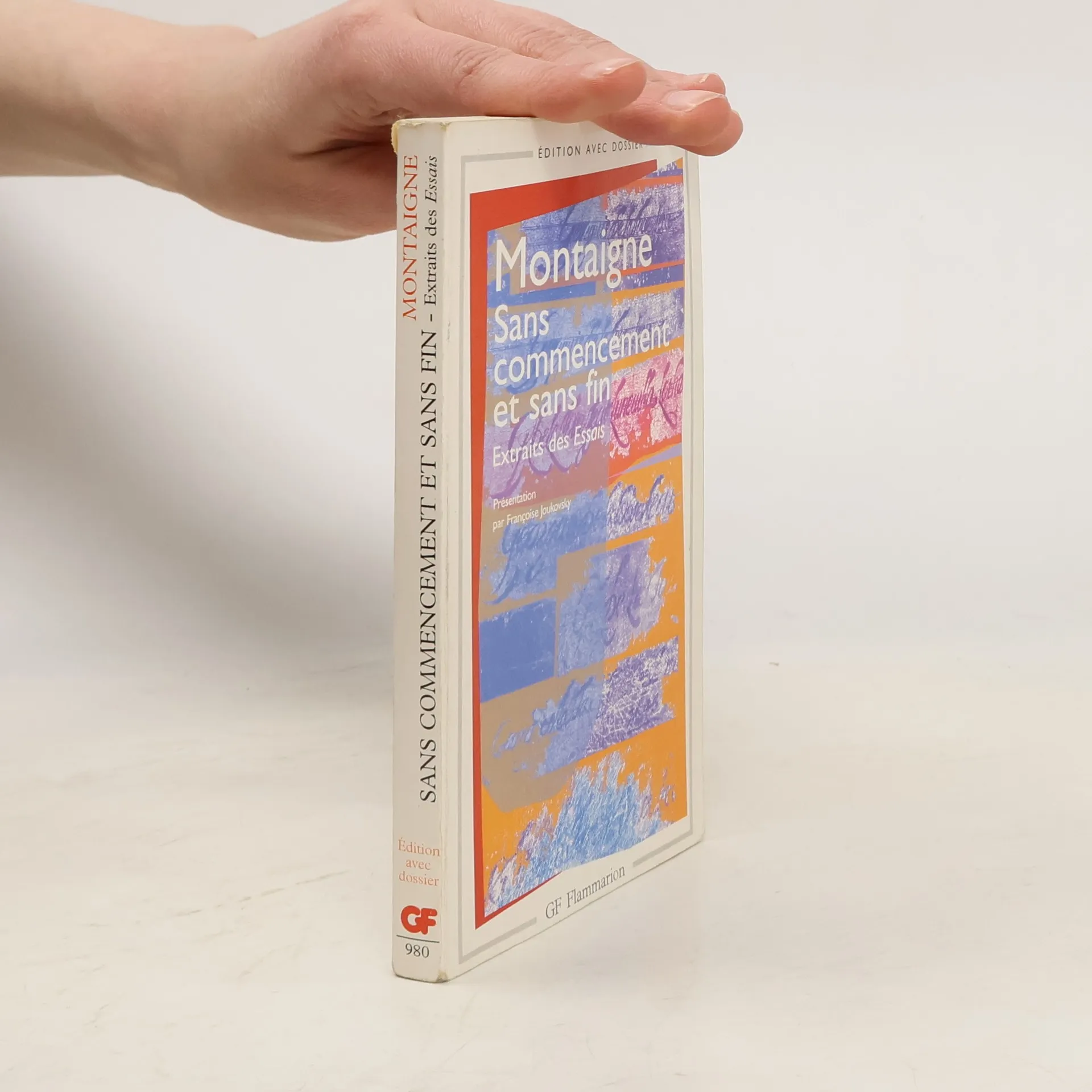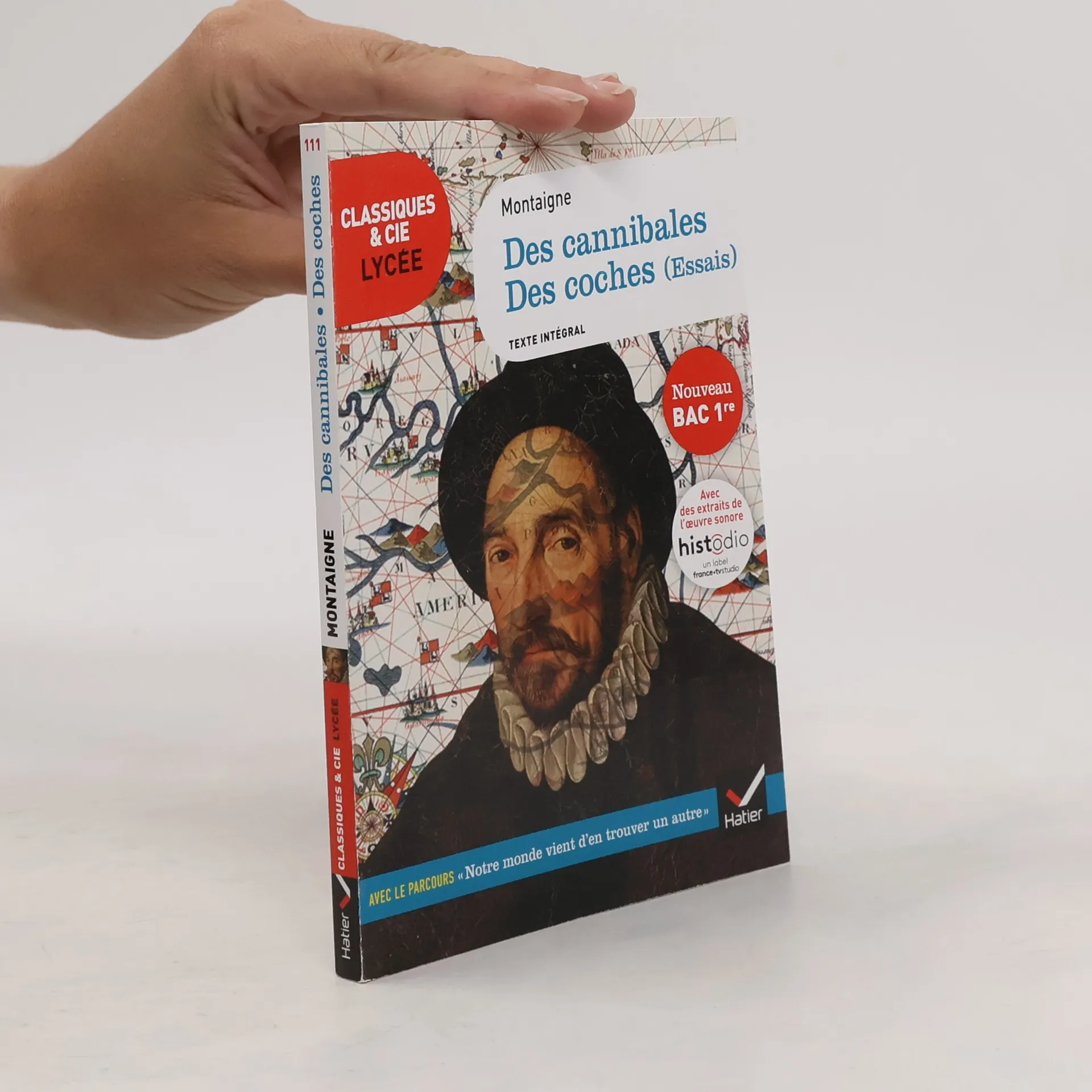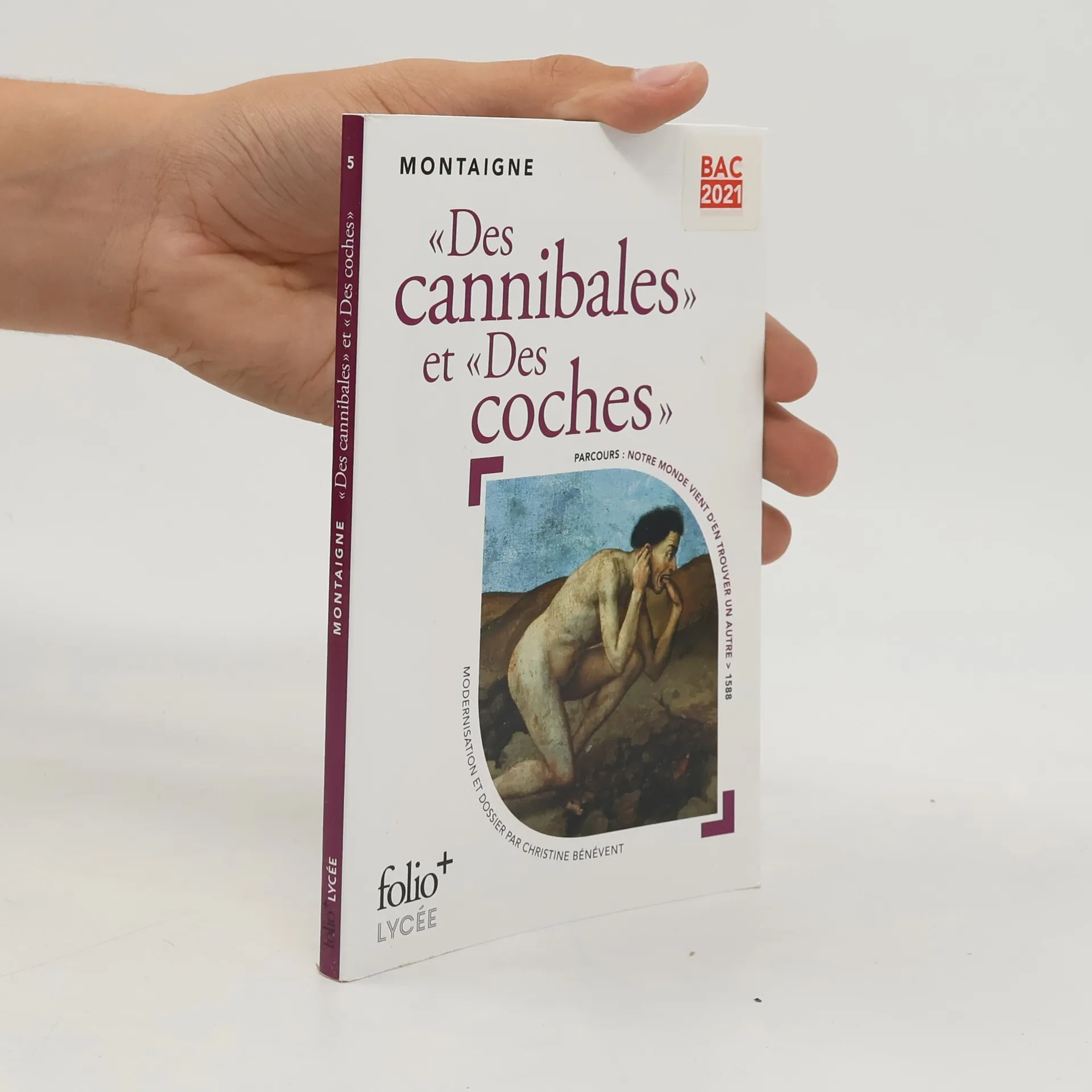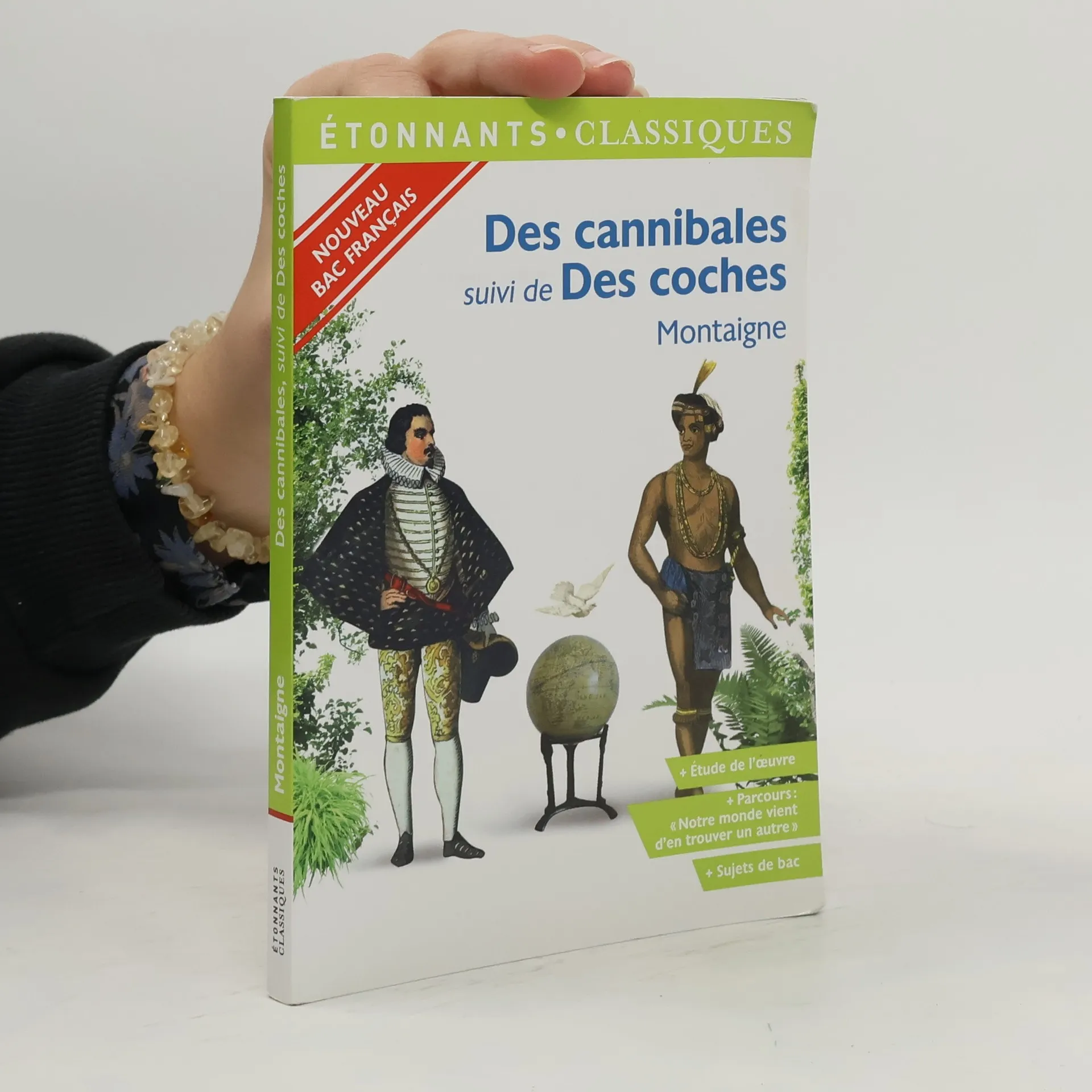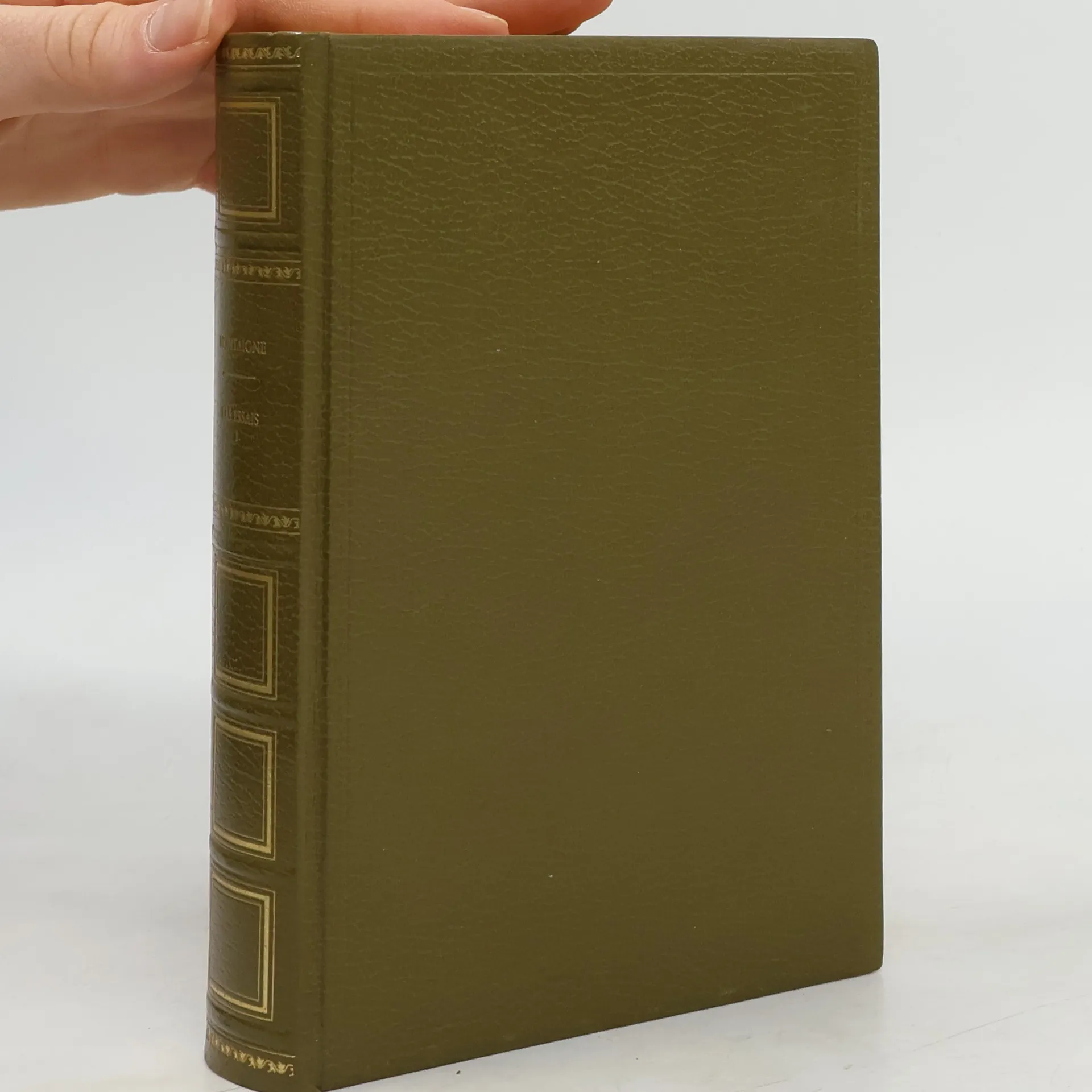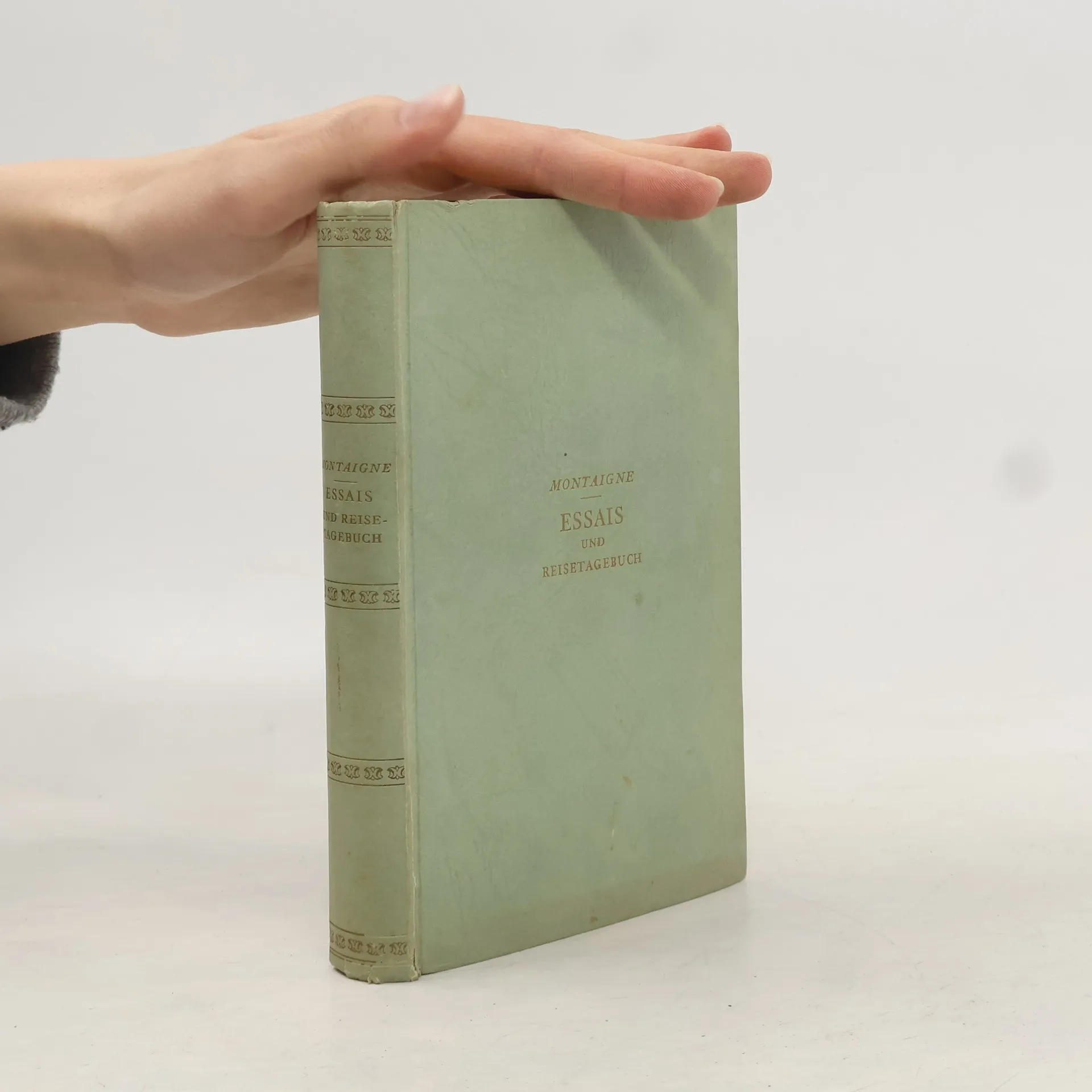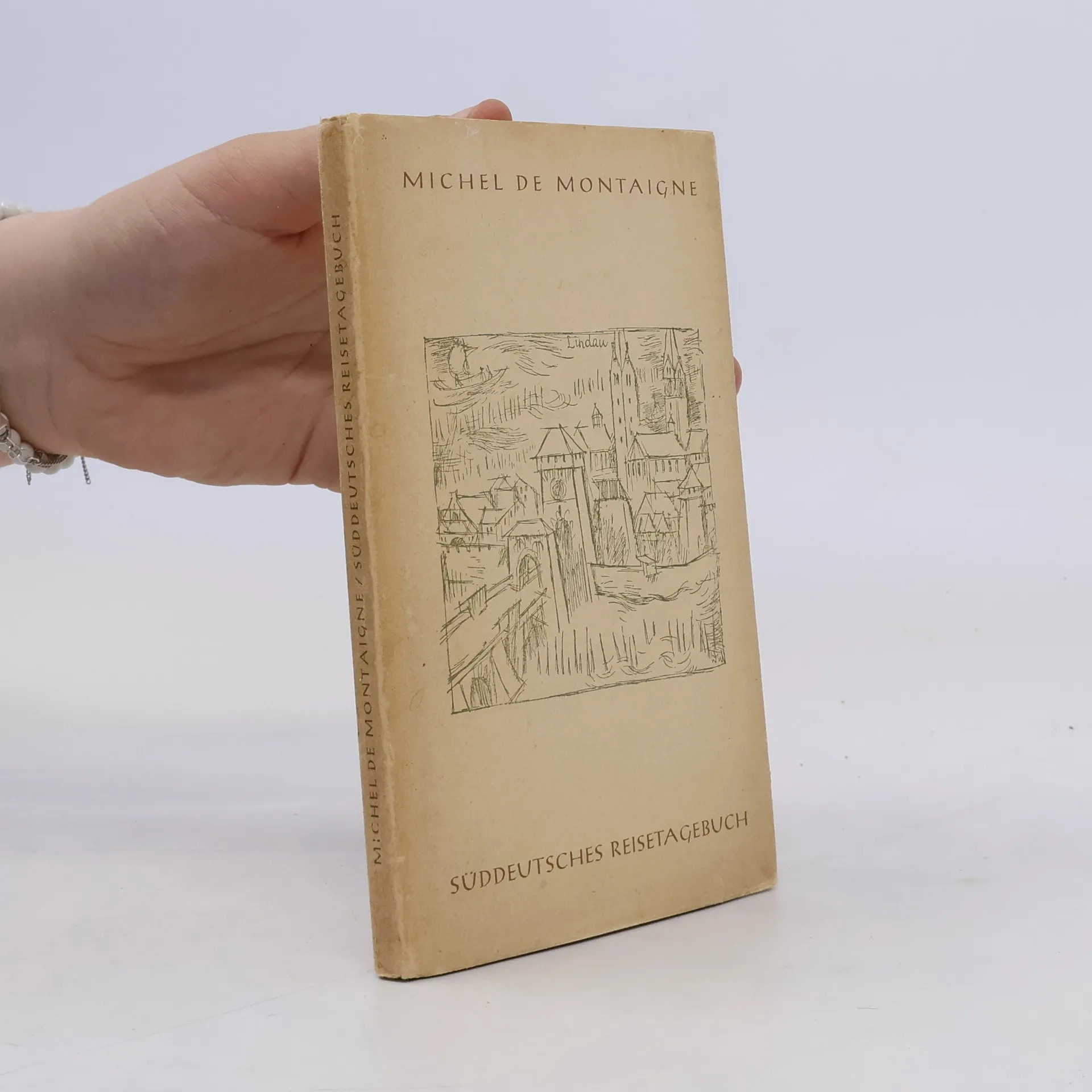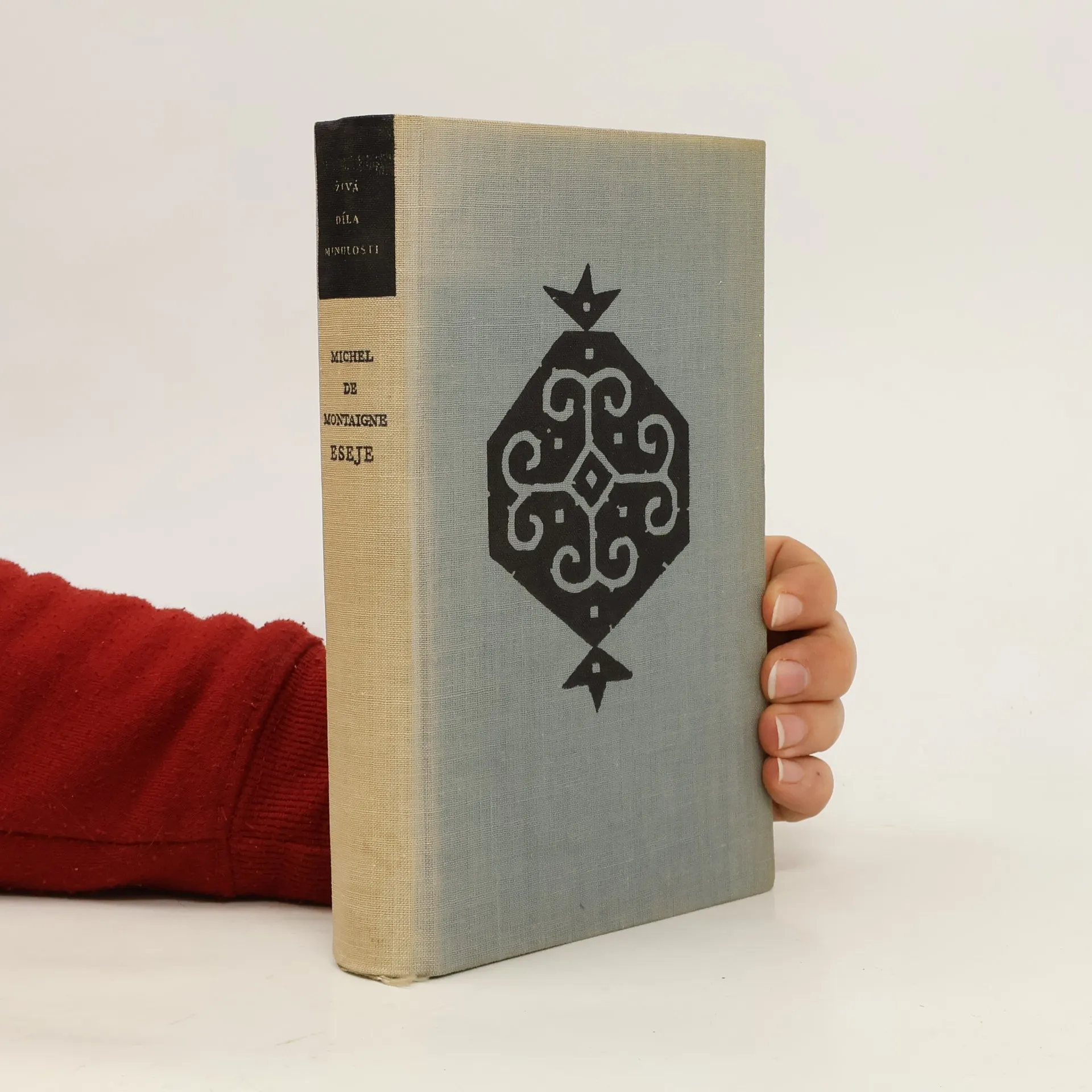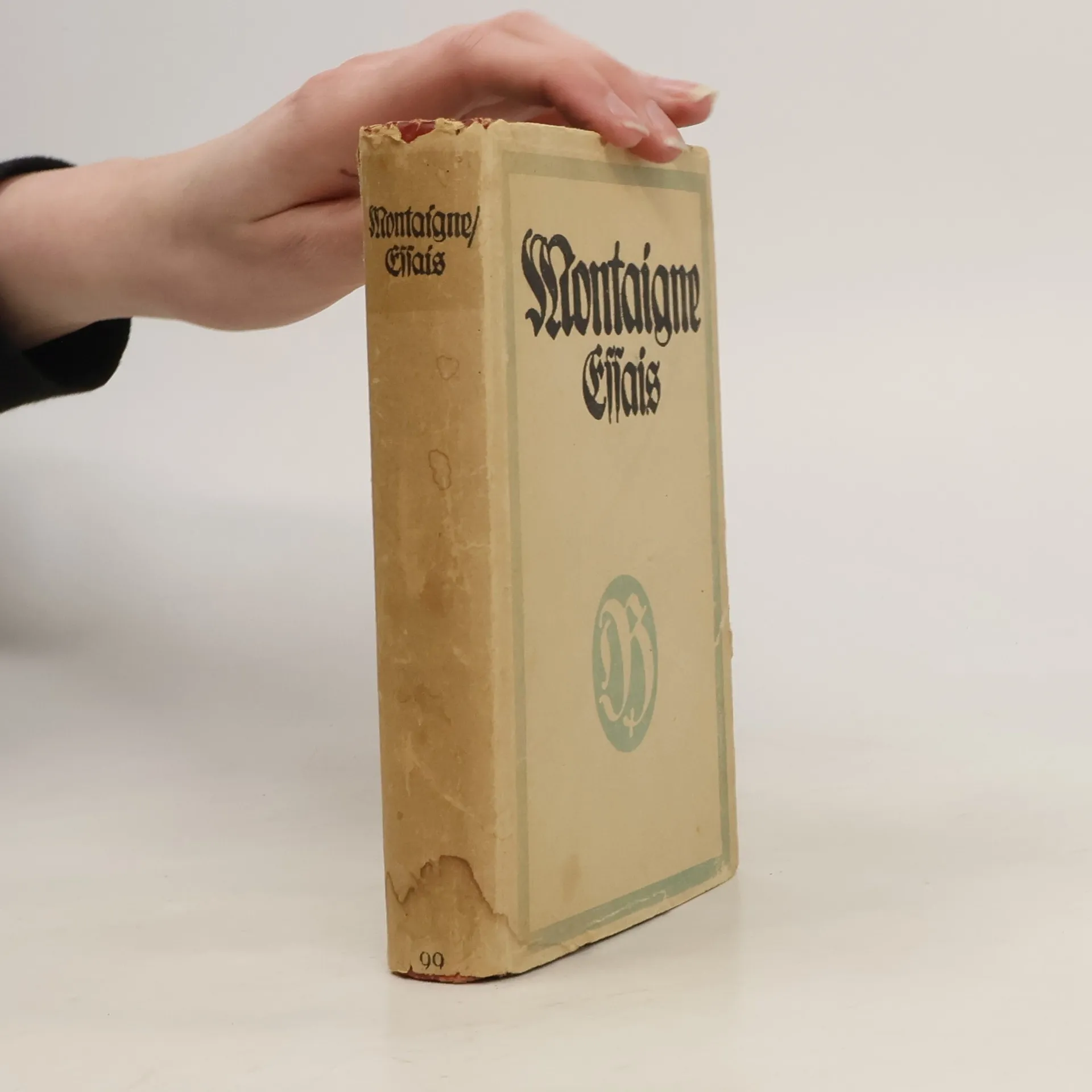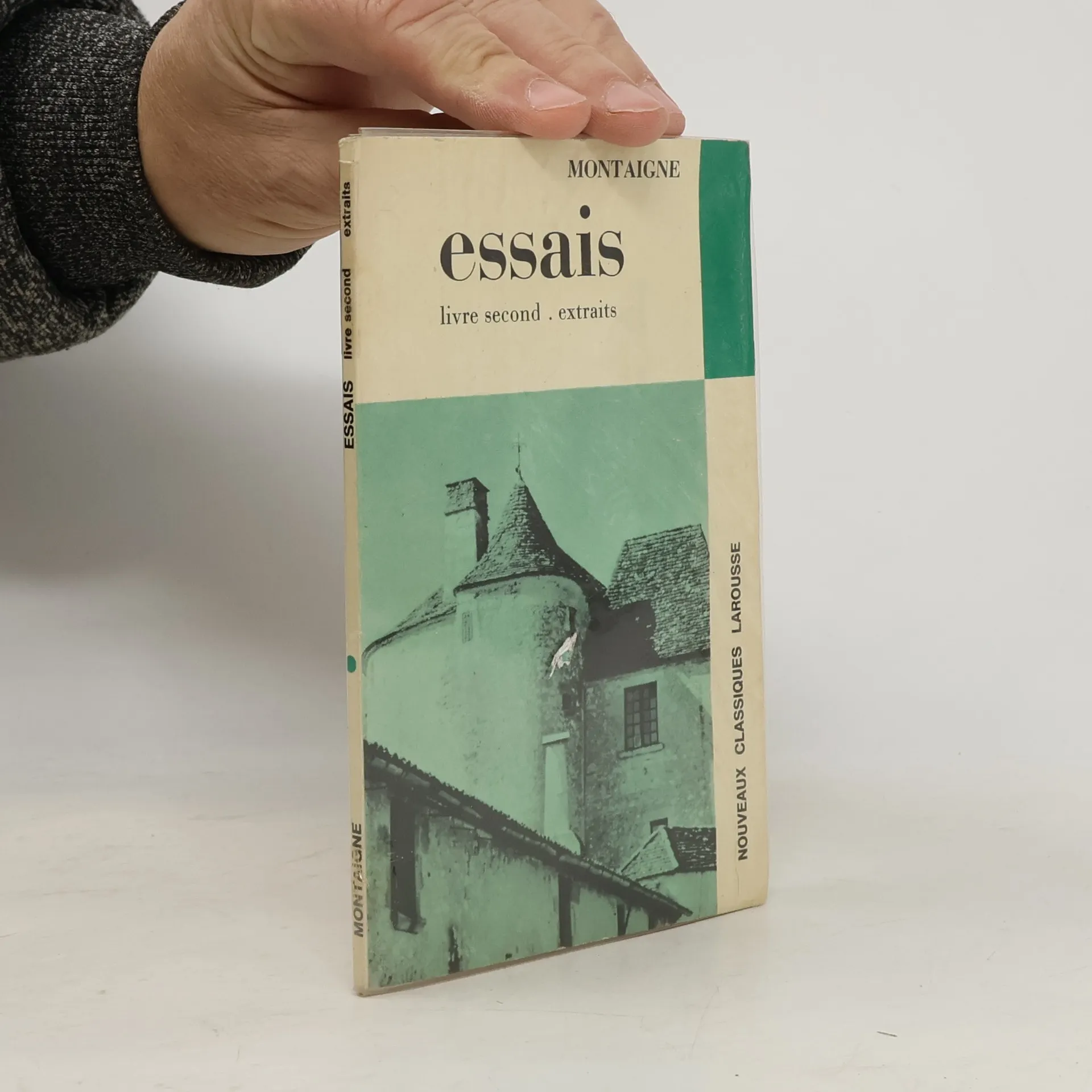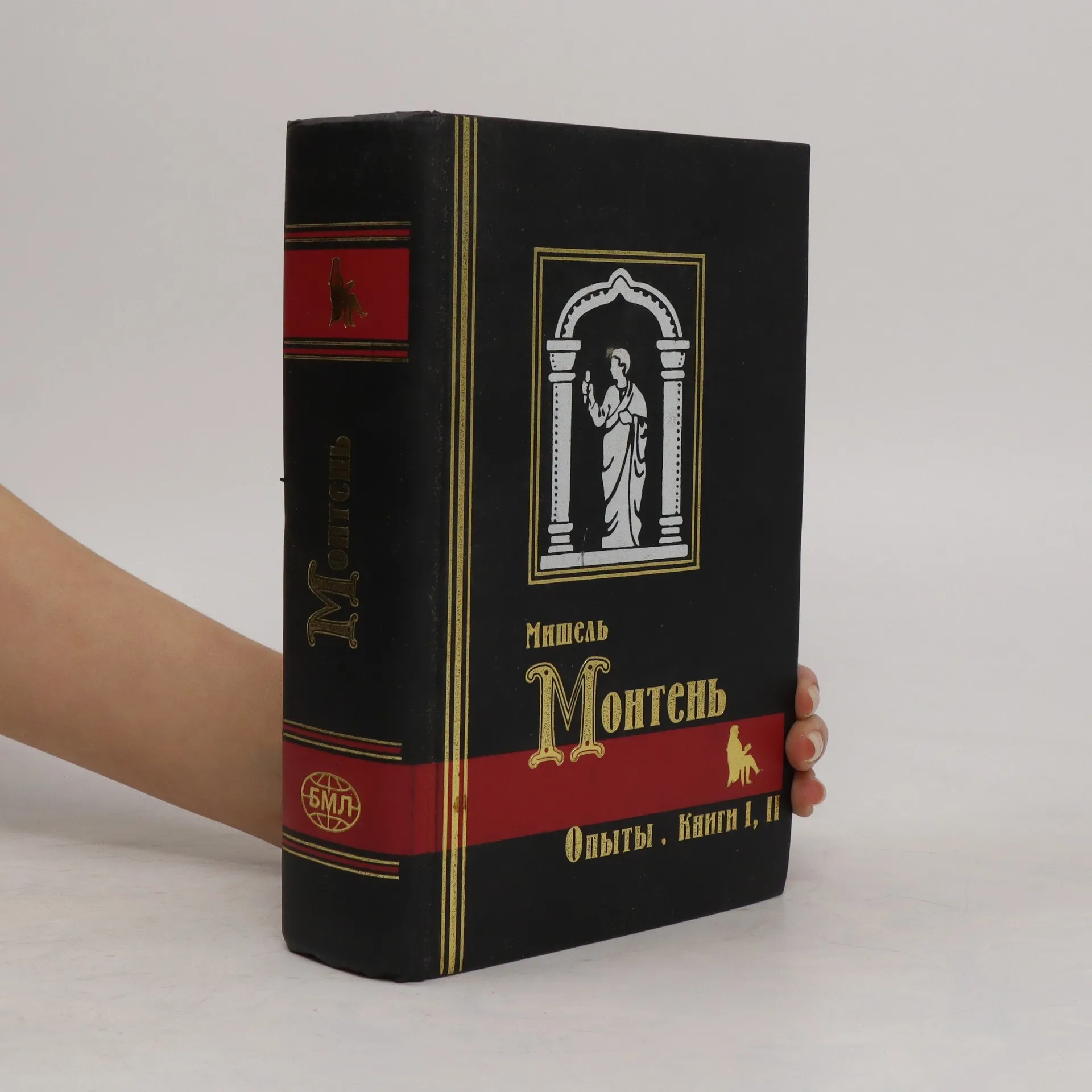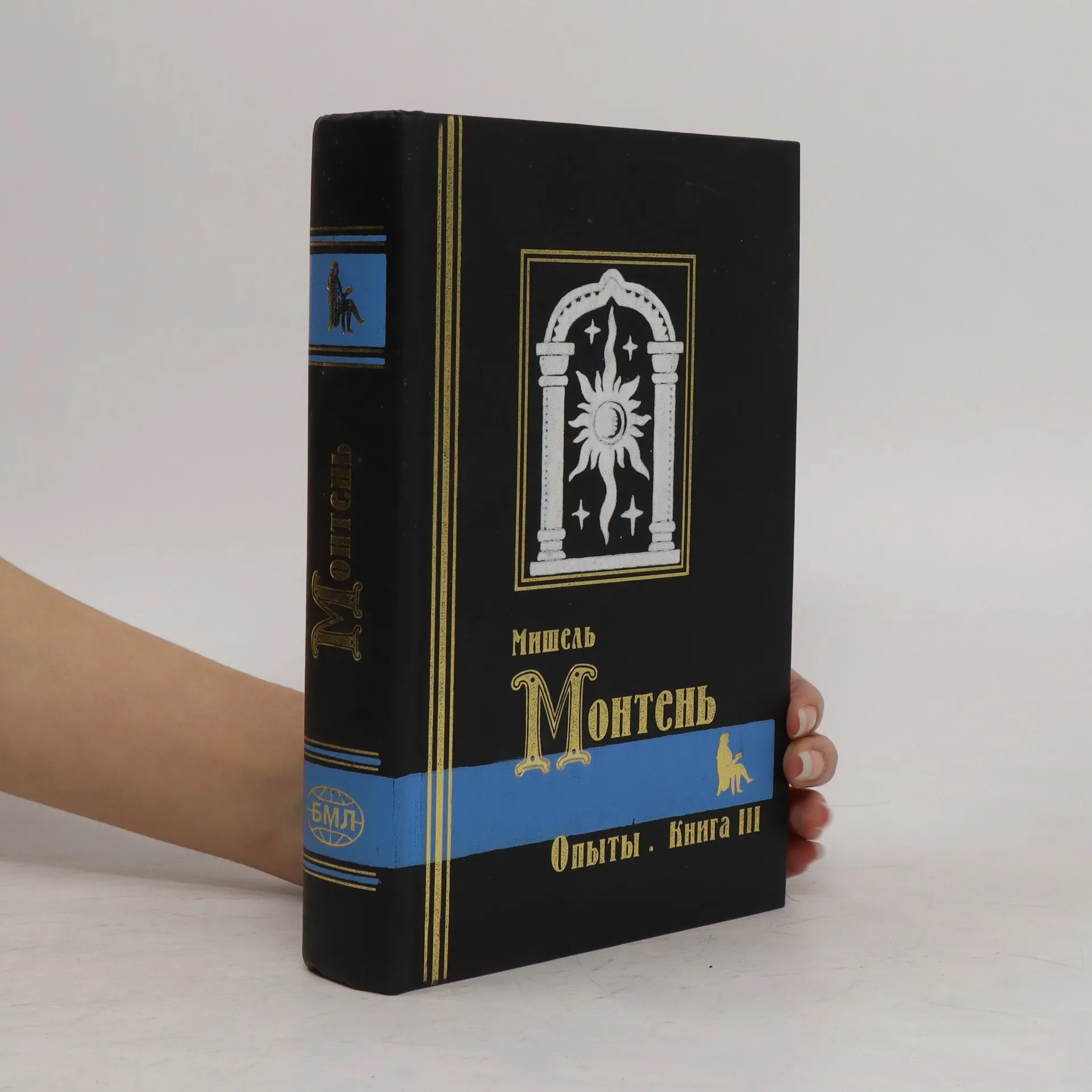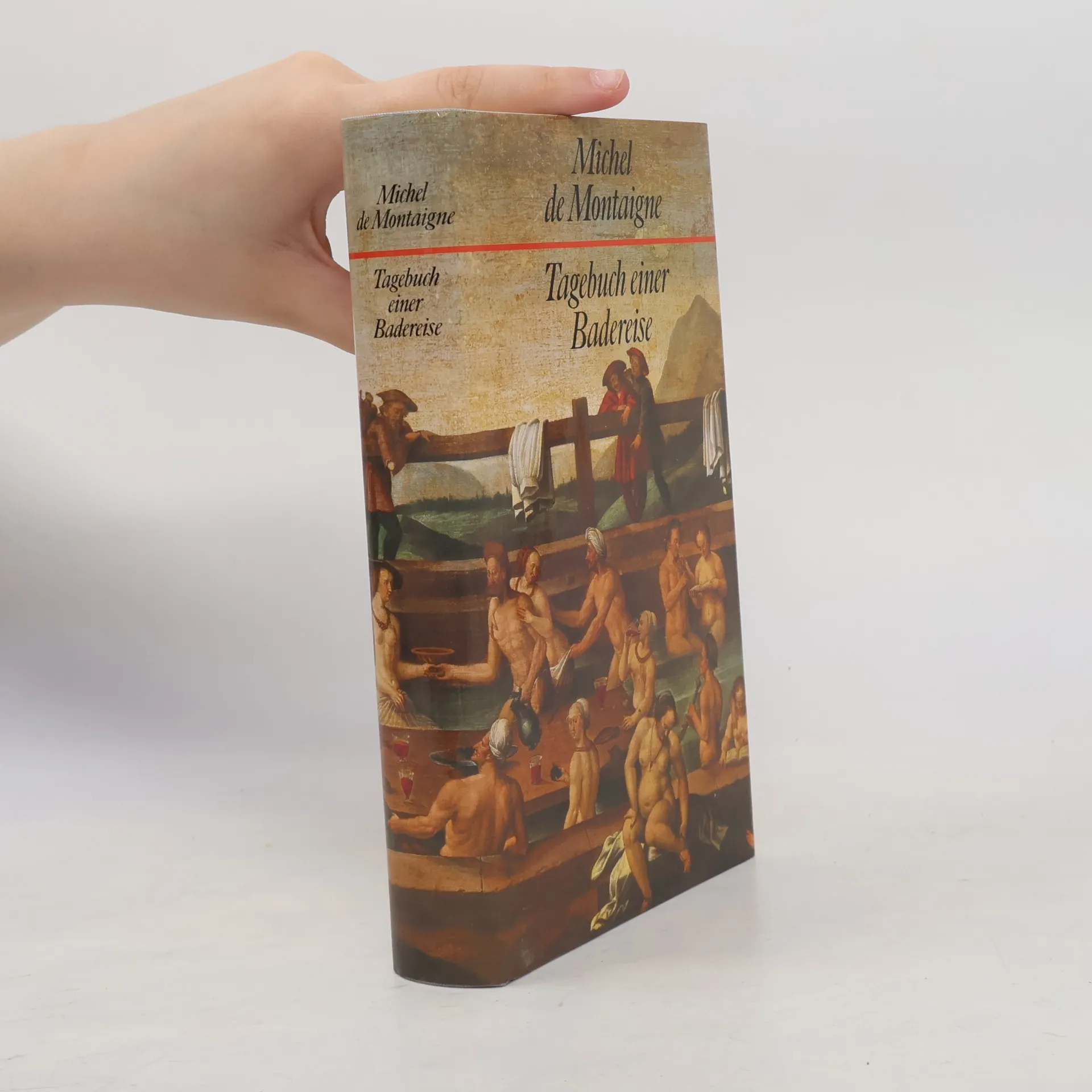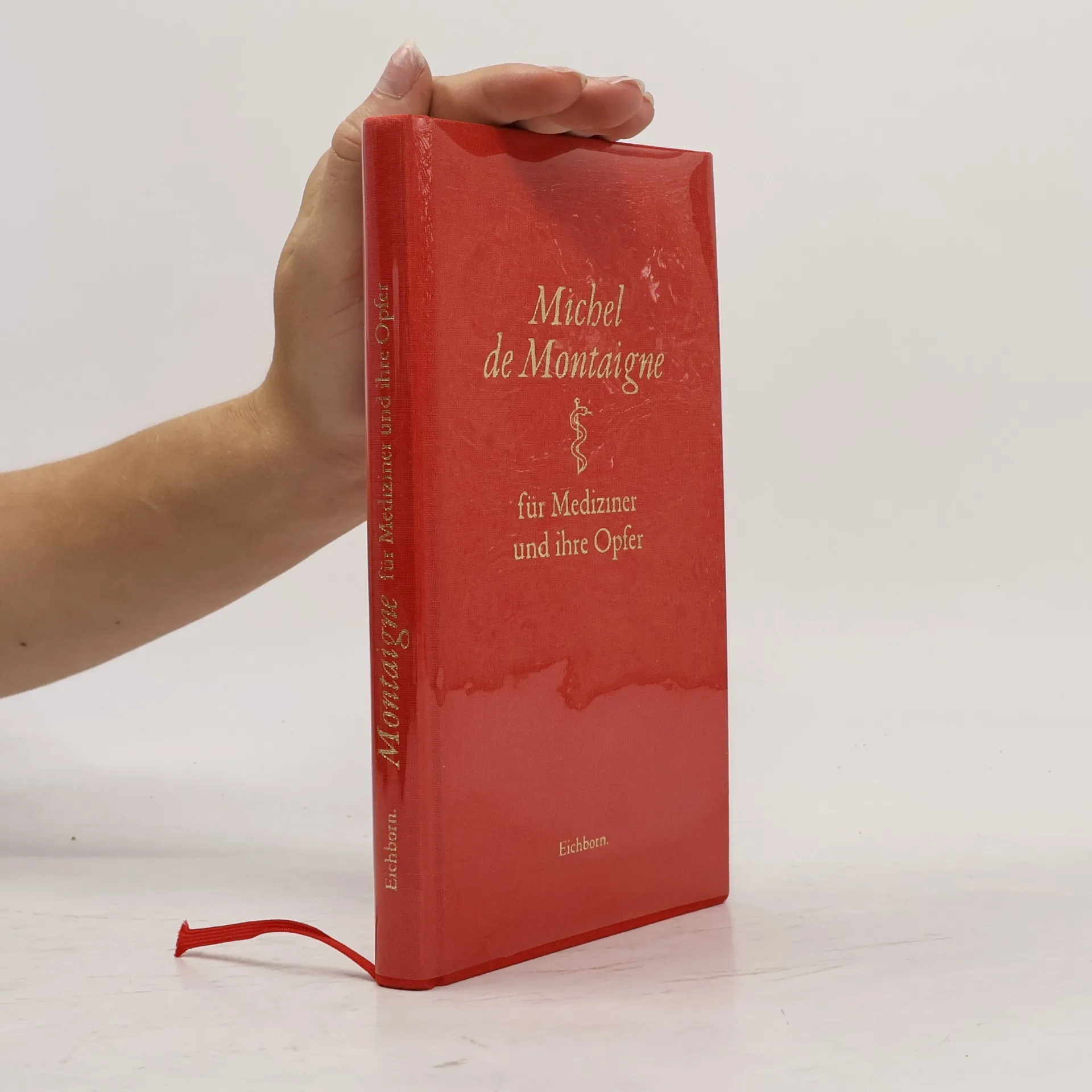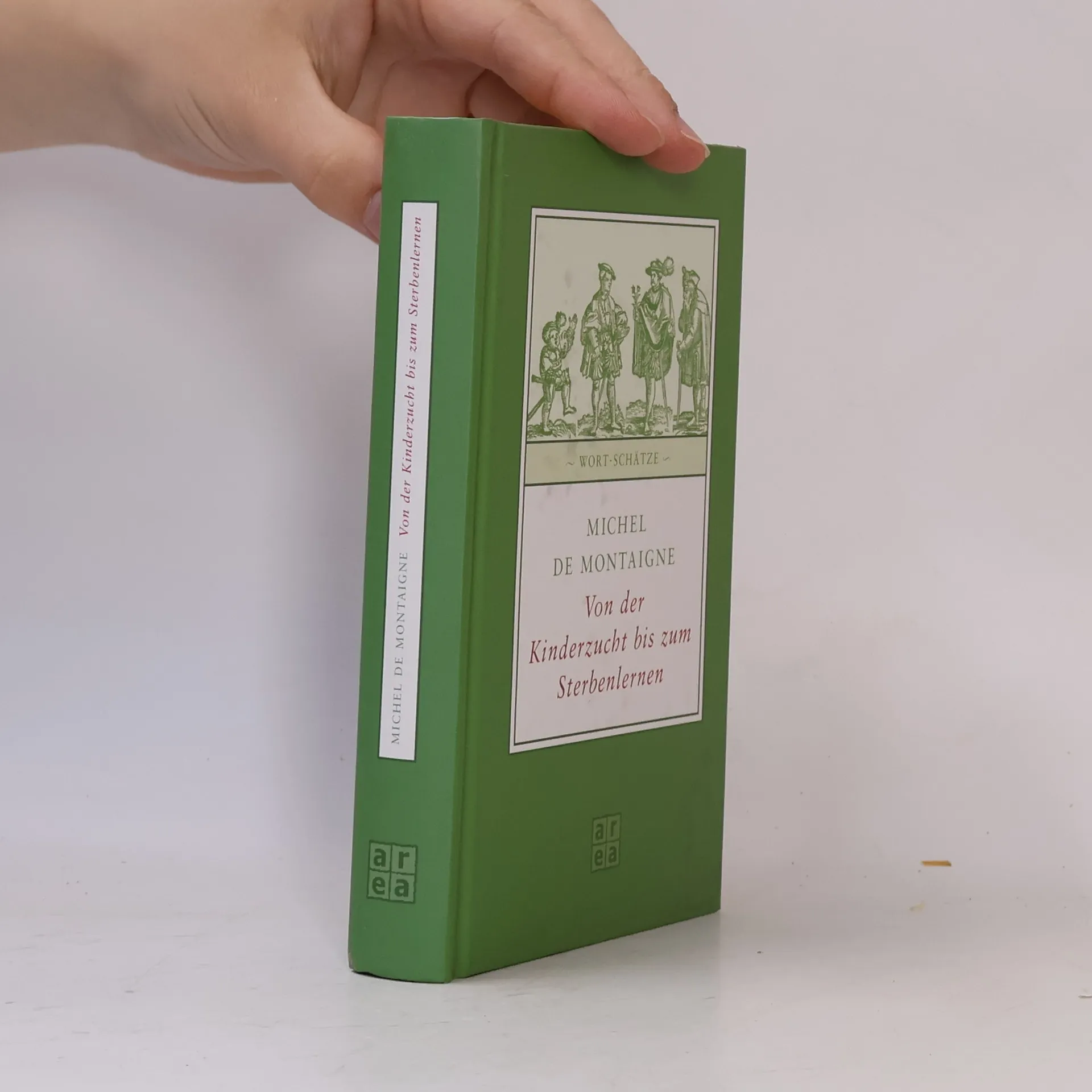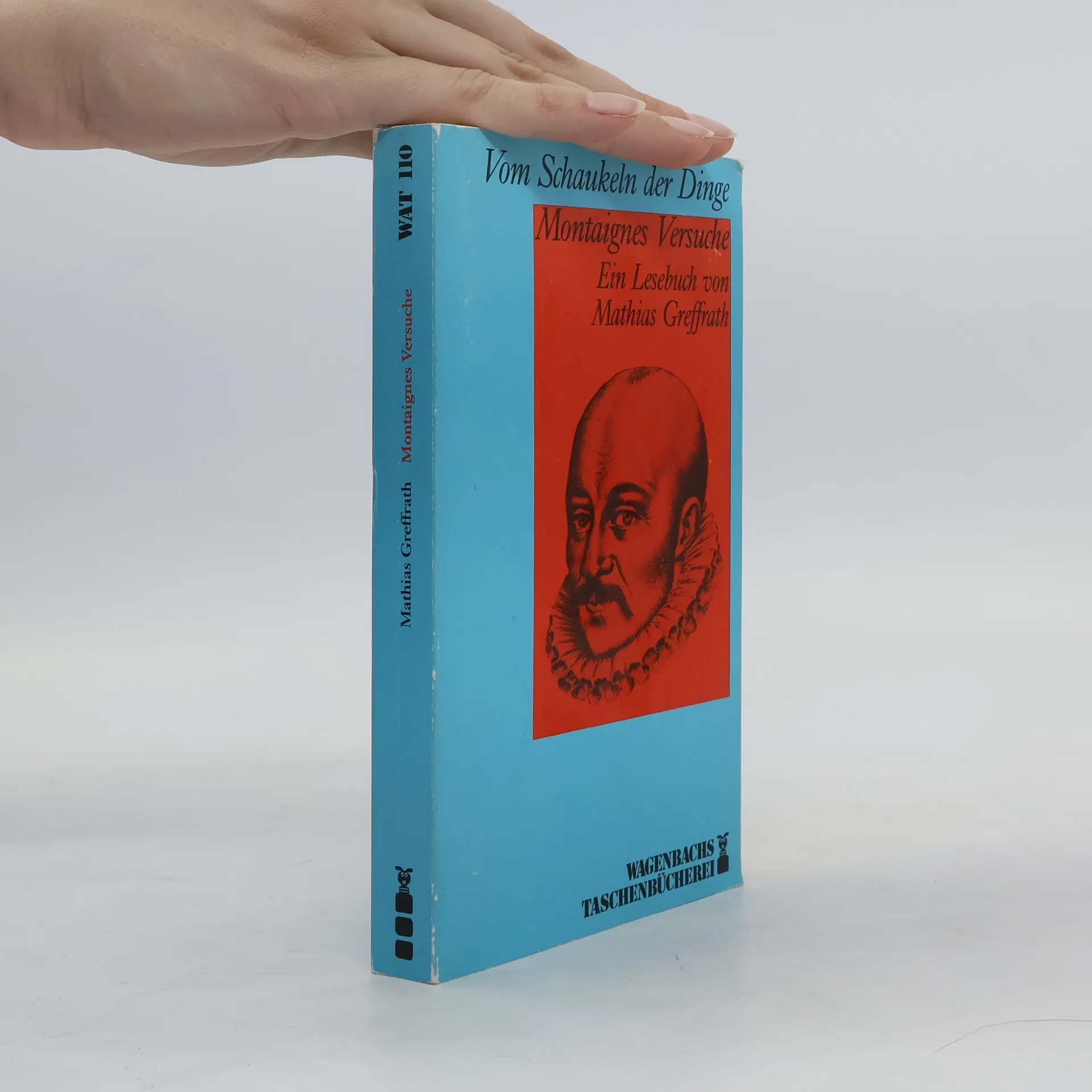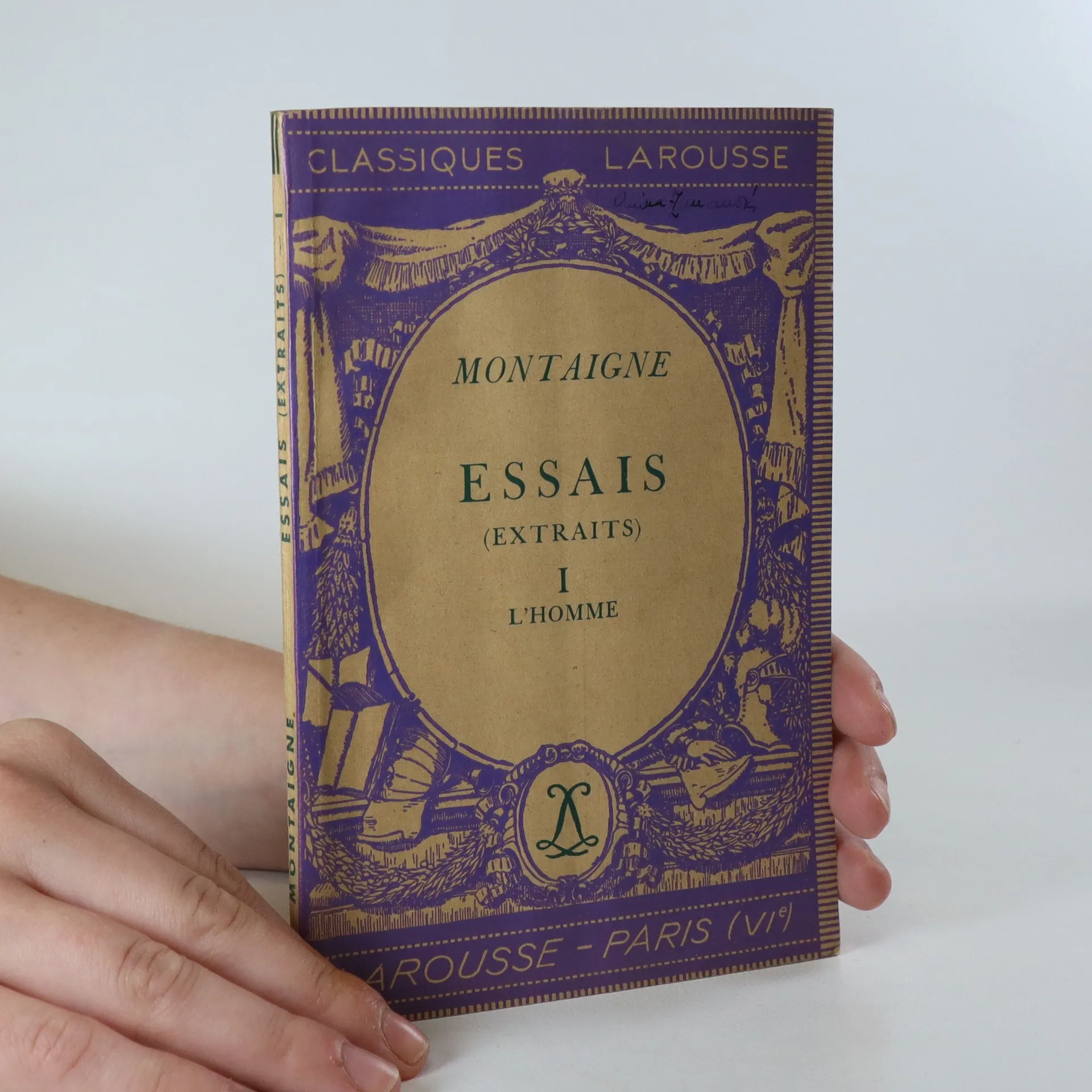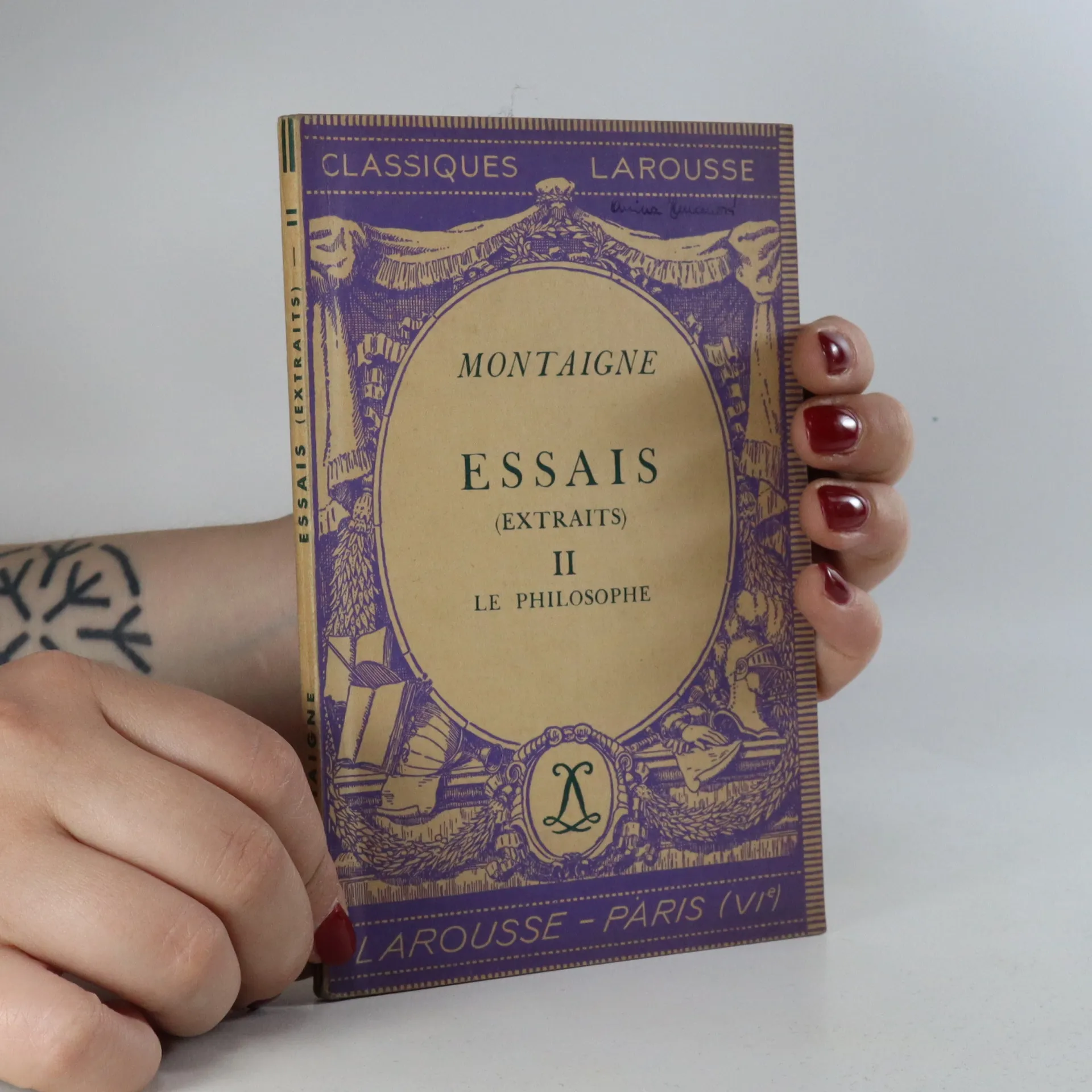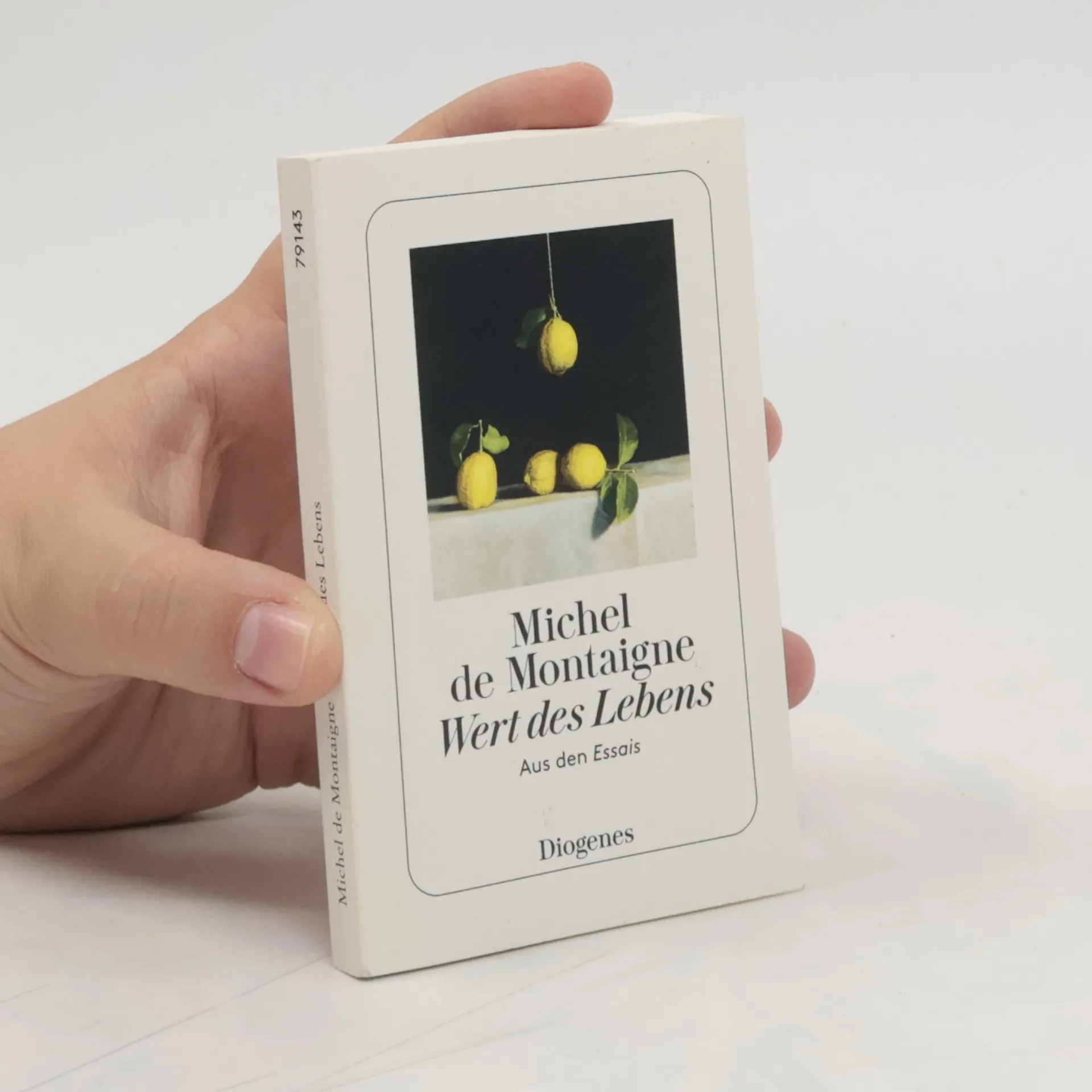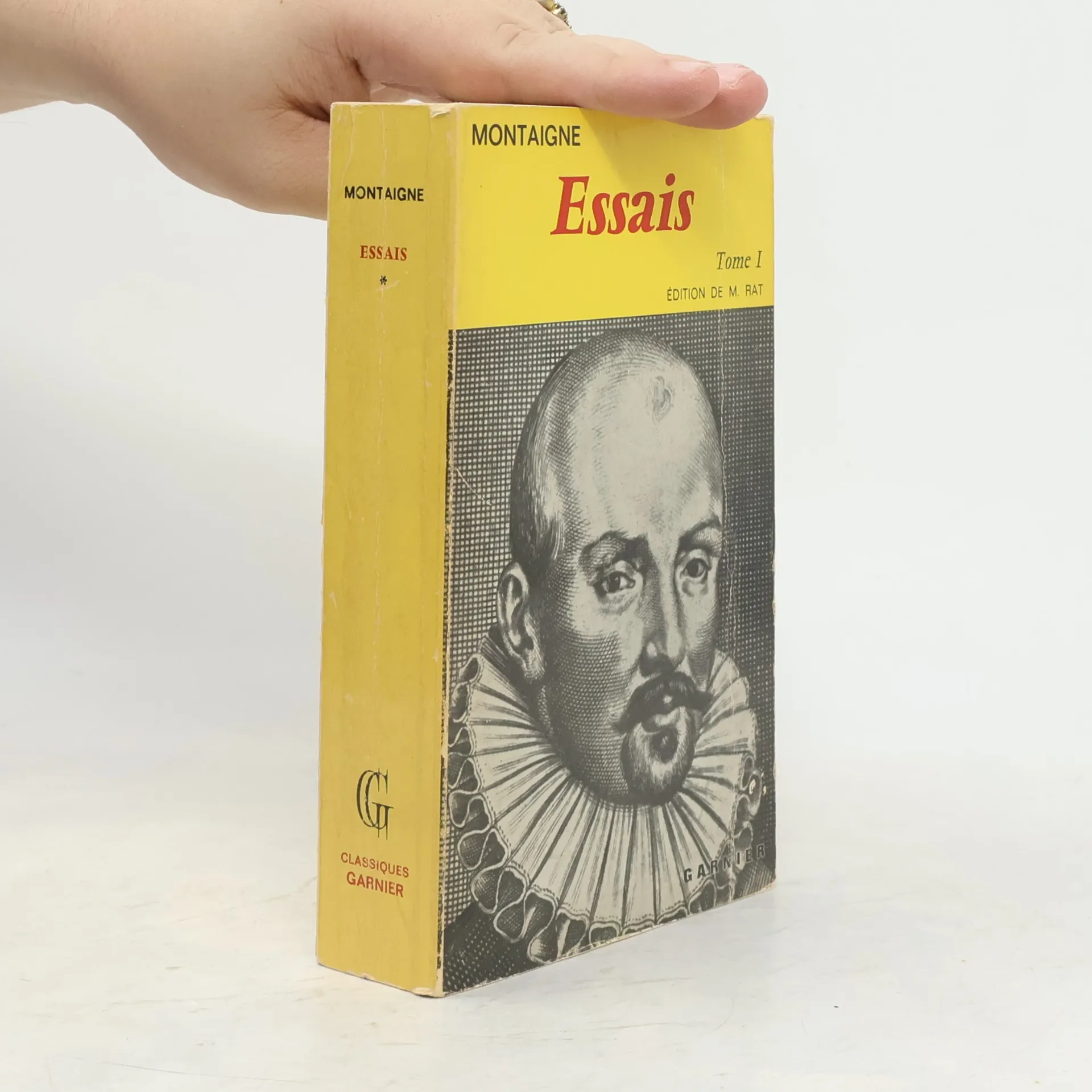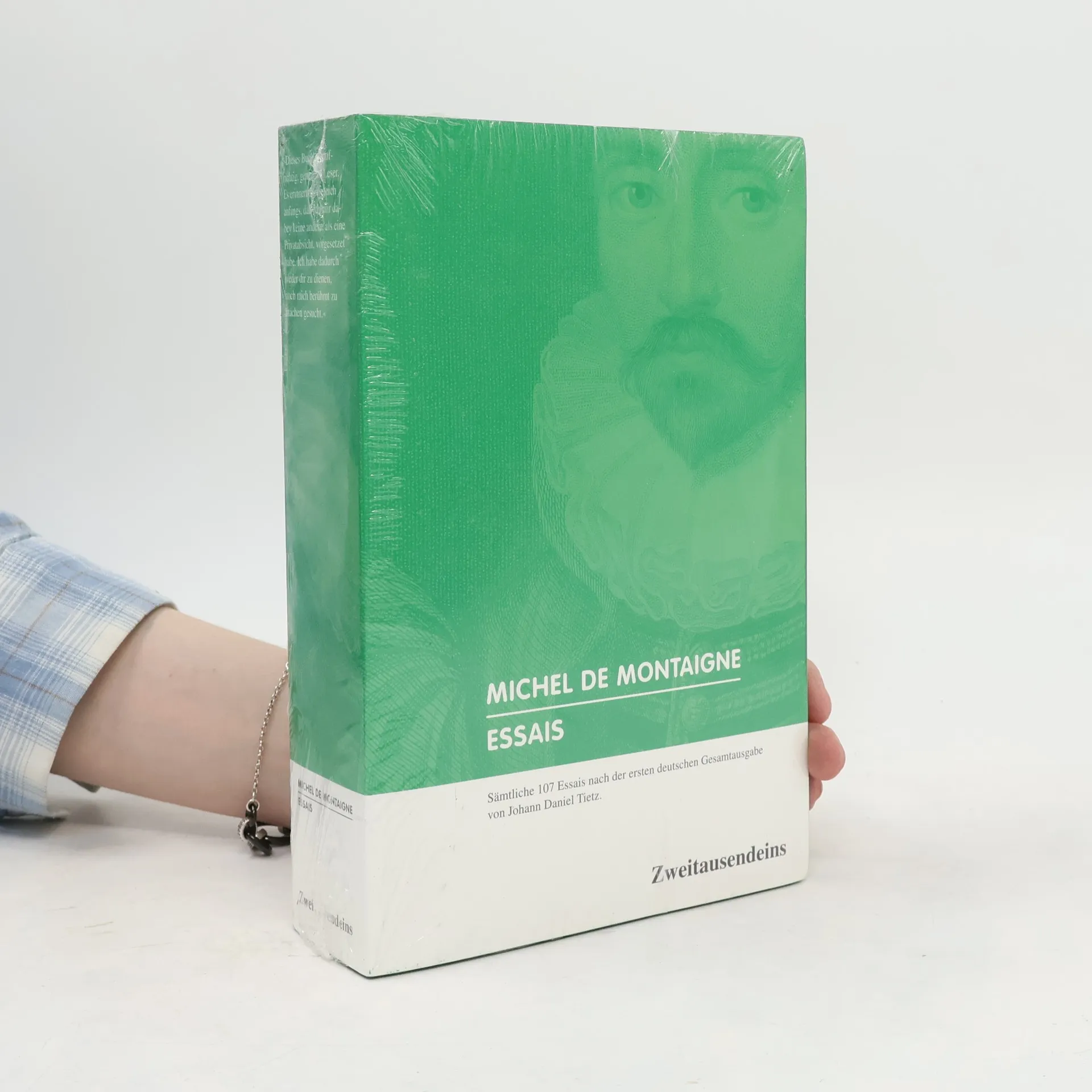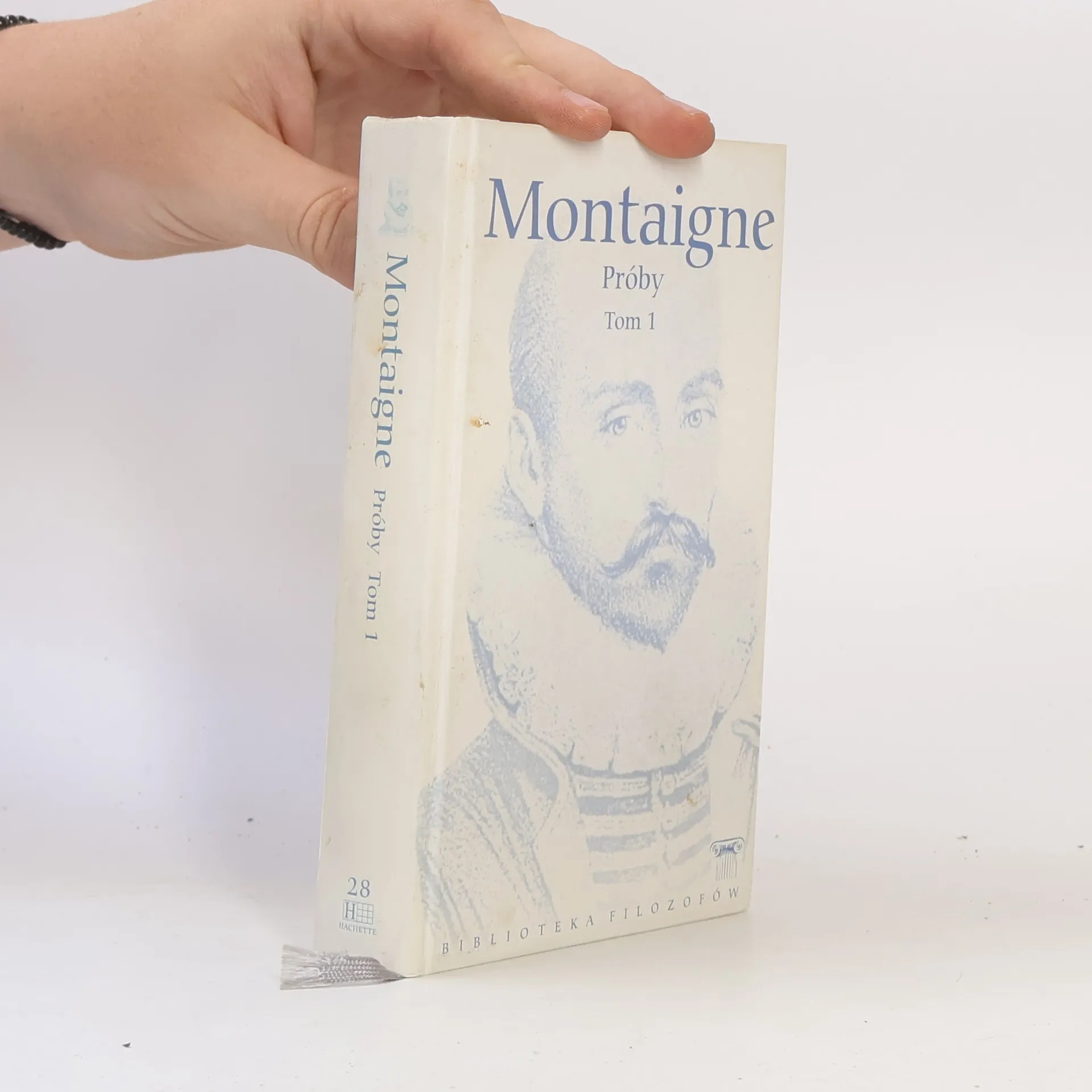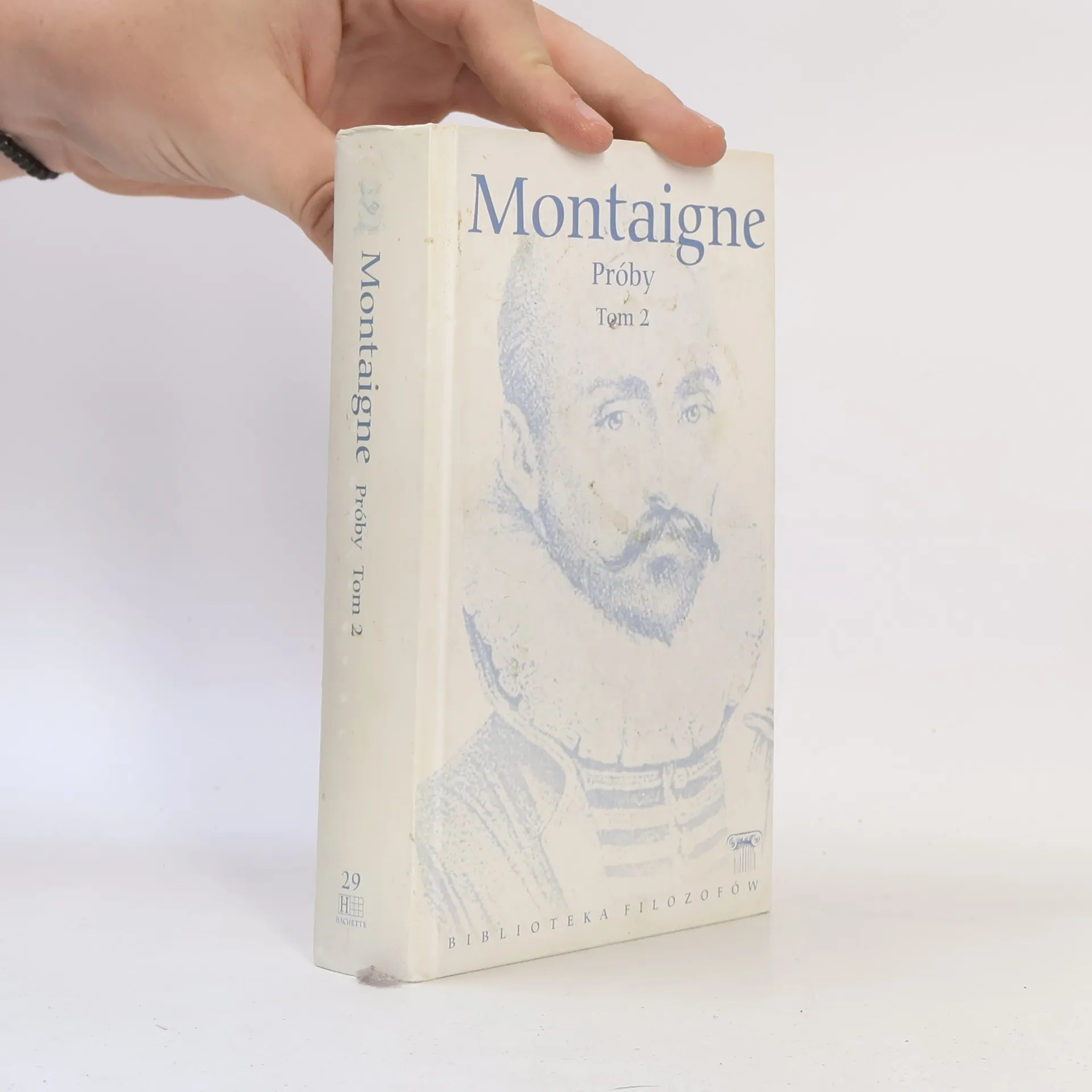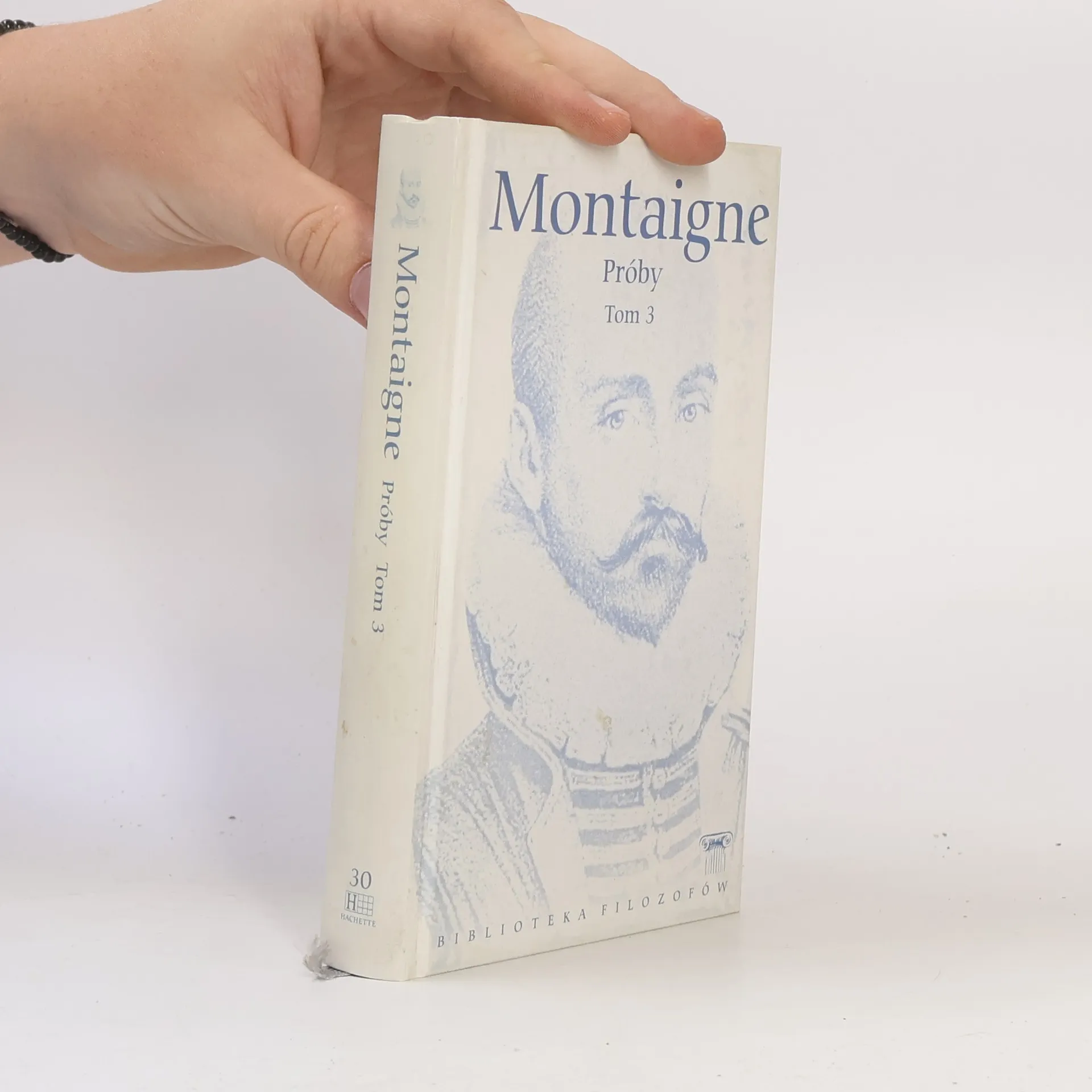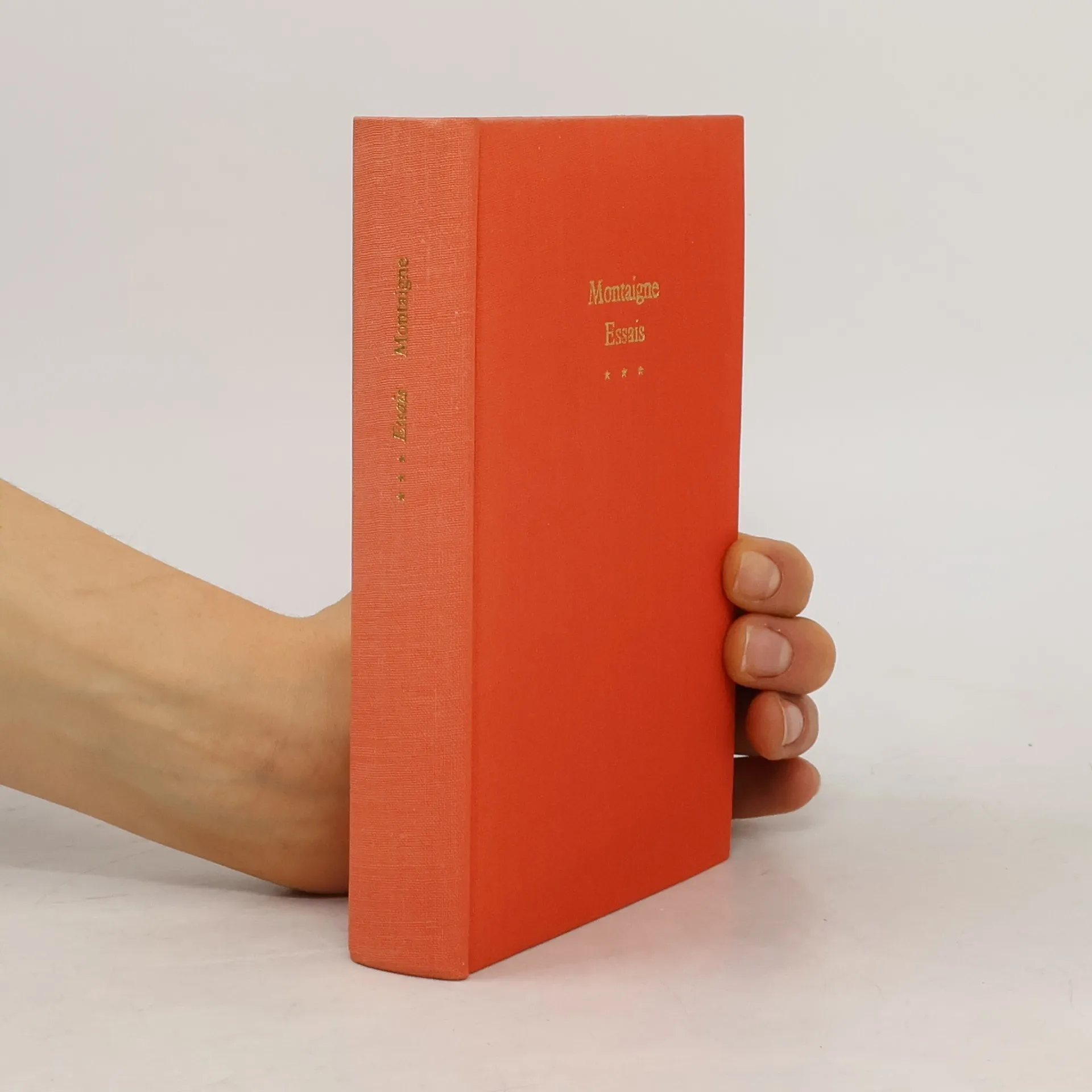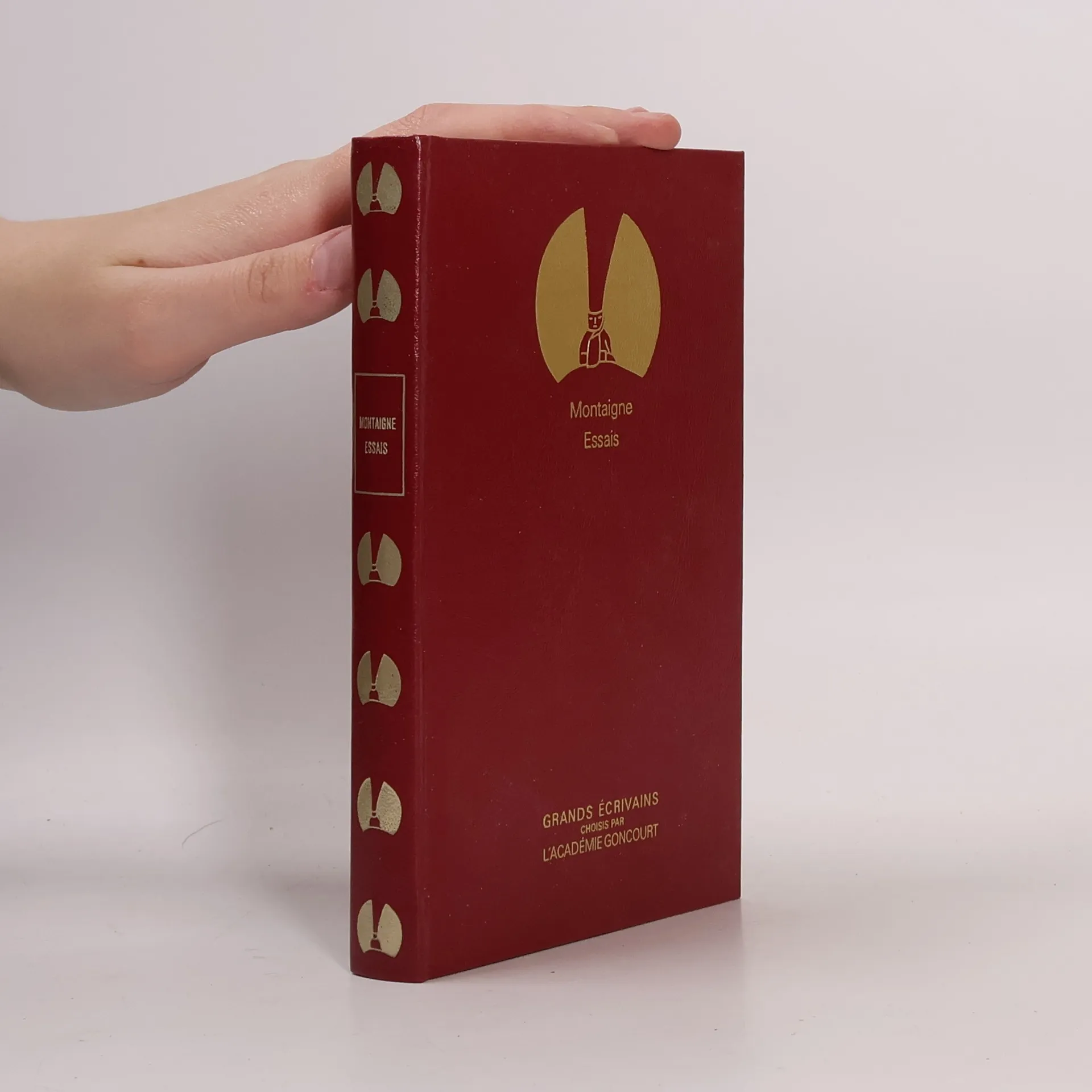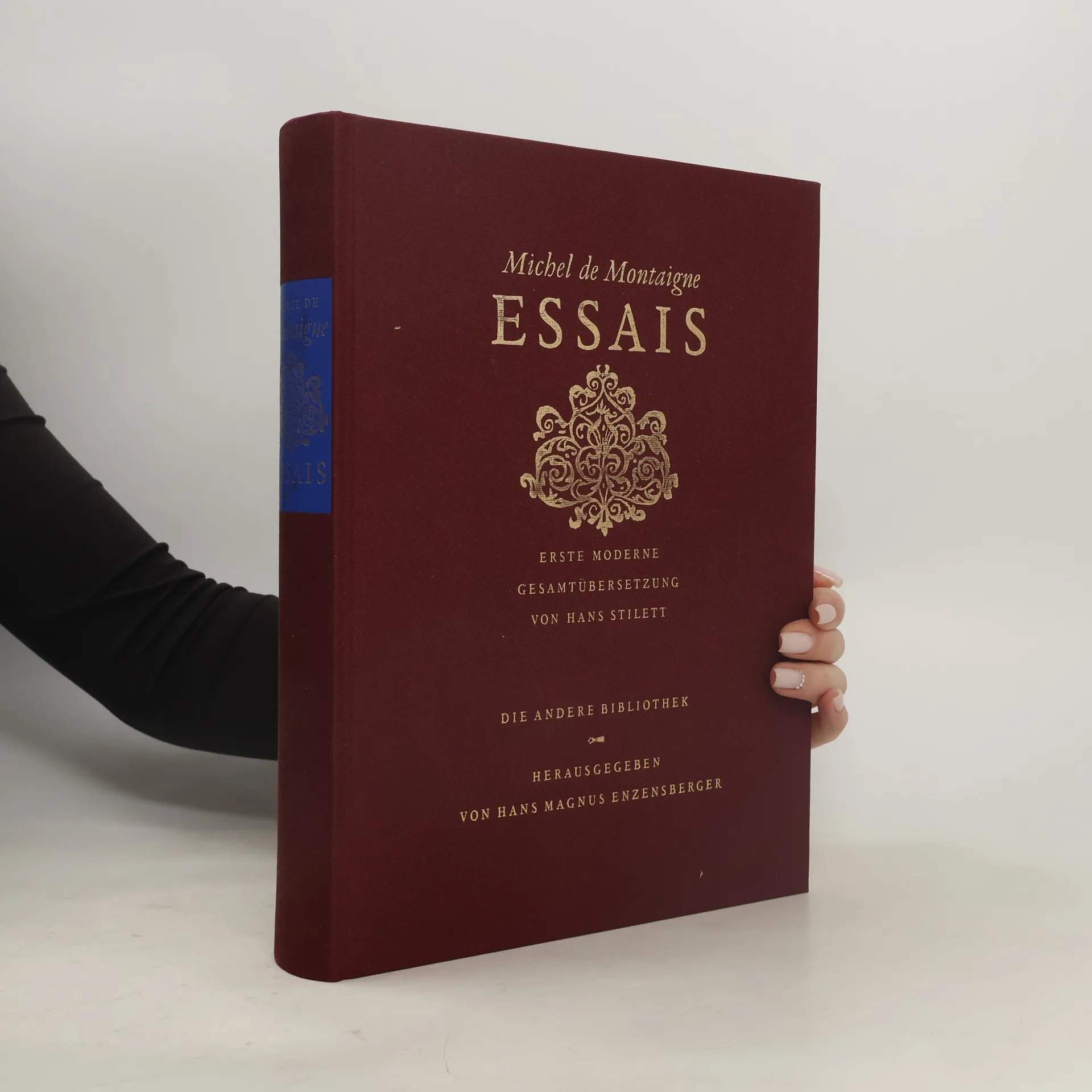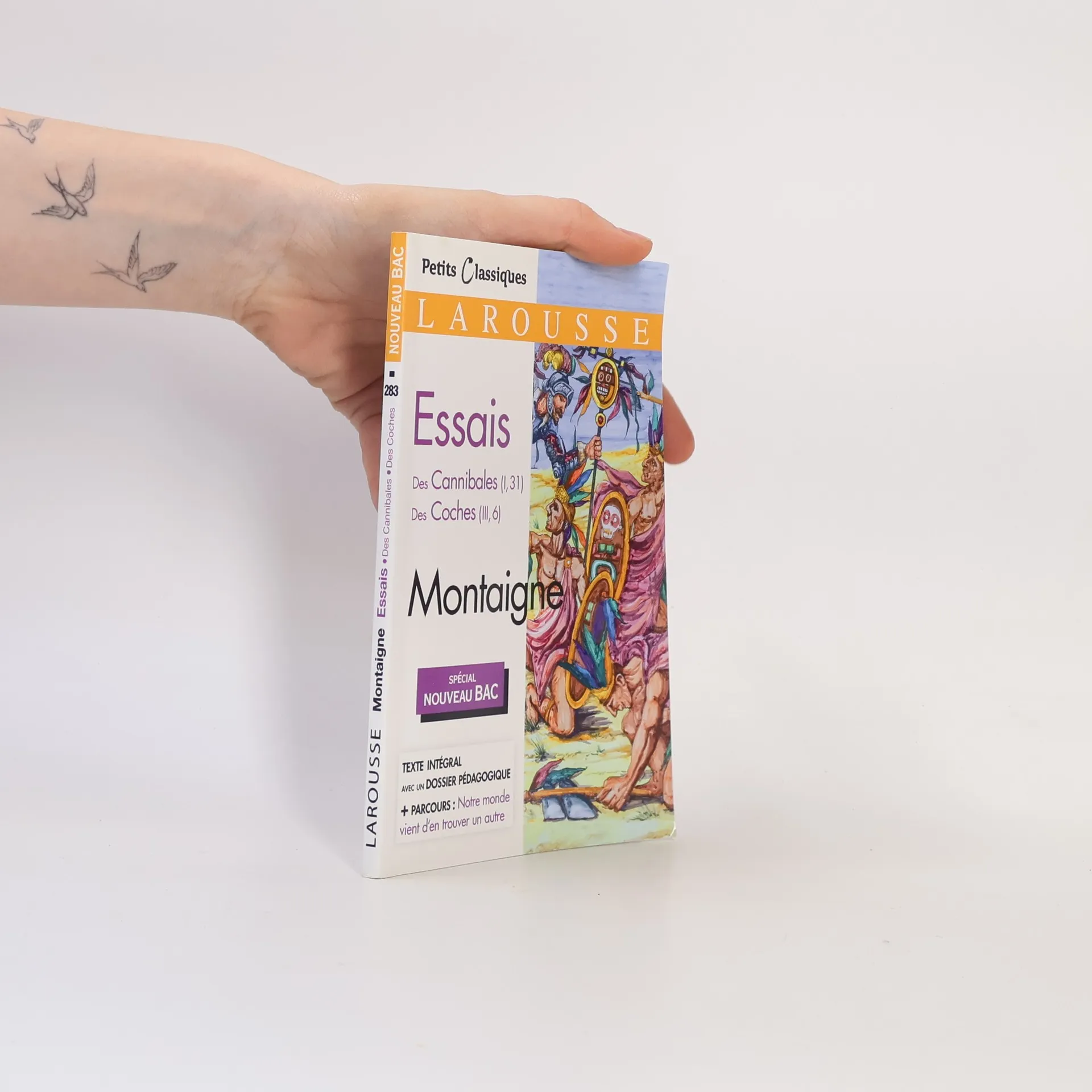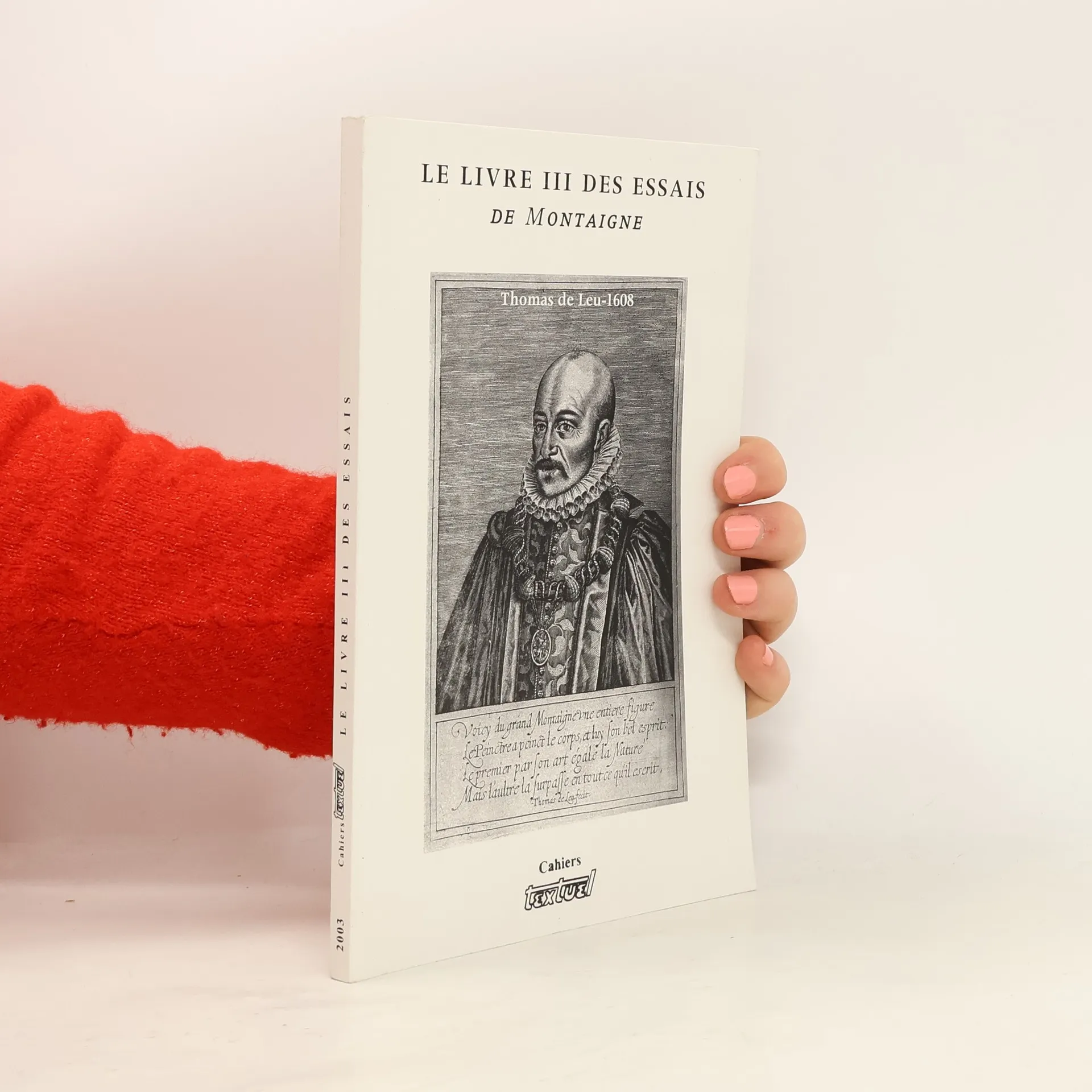
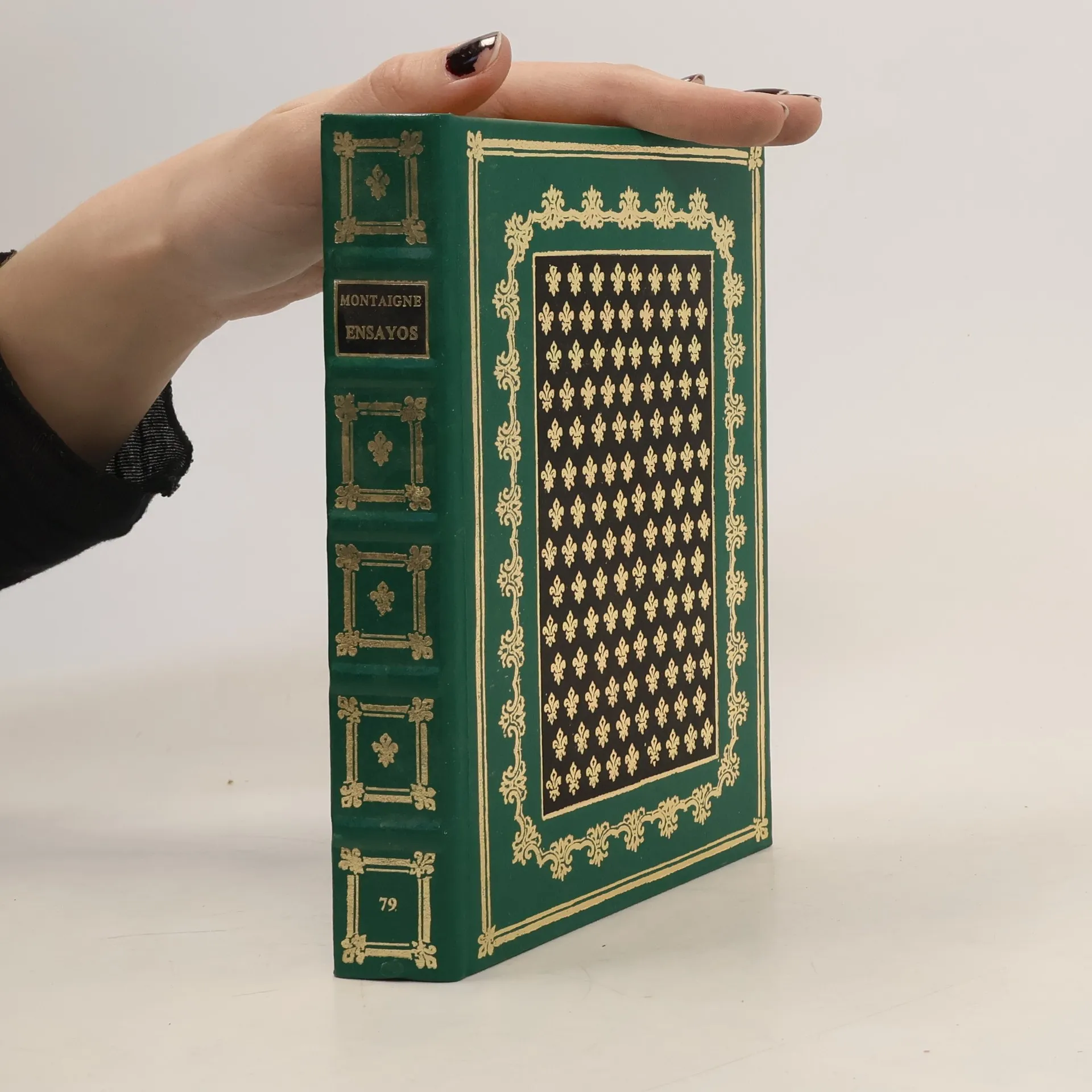
Los "Ensayos" de Montaigne son una obra miscelánea en la cual tienen cabida las más diversas reflexiones sobre lecturas y sobre su propia experiencia personal, enriquecida por sus largos viajes. Montaigne fue un escritor barroco en el sentido de que no es posible encontrar en sus escritos un propósito lineal ni un objetivo definido. En los "Ensayos", el autor anota sus opiniones y reflexiones sobre el hombre, el pensamiento, la moral, la vida y la muerte sin seguir un guión ni un esquema, agrupadas en capítulos muy genéricos. Su primera intención fue escribir una obra filosófica, heredera de los clásicos latinos, pero a medida que va engrosándose su experiencia personal, y después de las abundantes variaciones y ampliaciones, va derivando hacia una verdadera preparación para el bien morir. Pensar la muerte posibilita nuestra libertad y la reflexión dota a la libertad de saber.
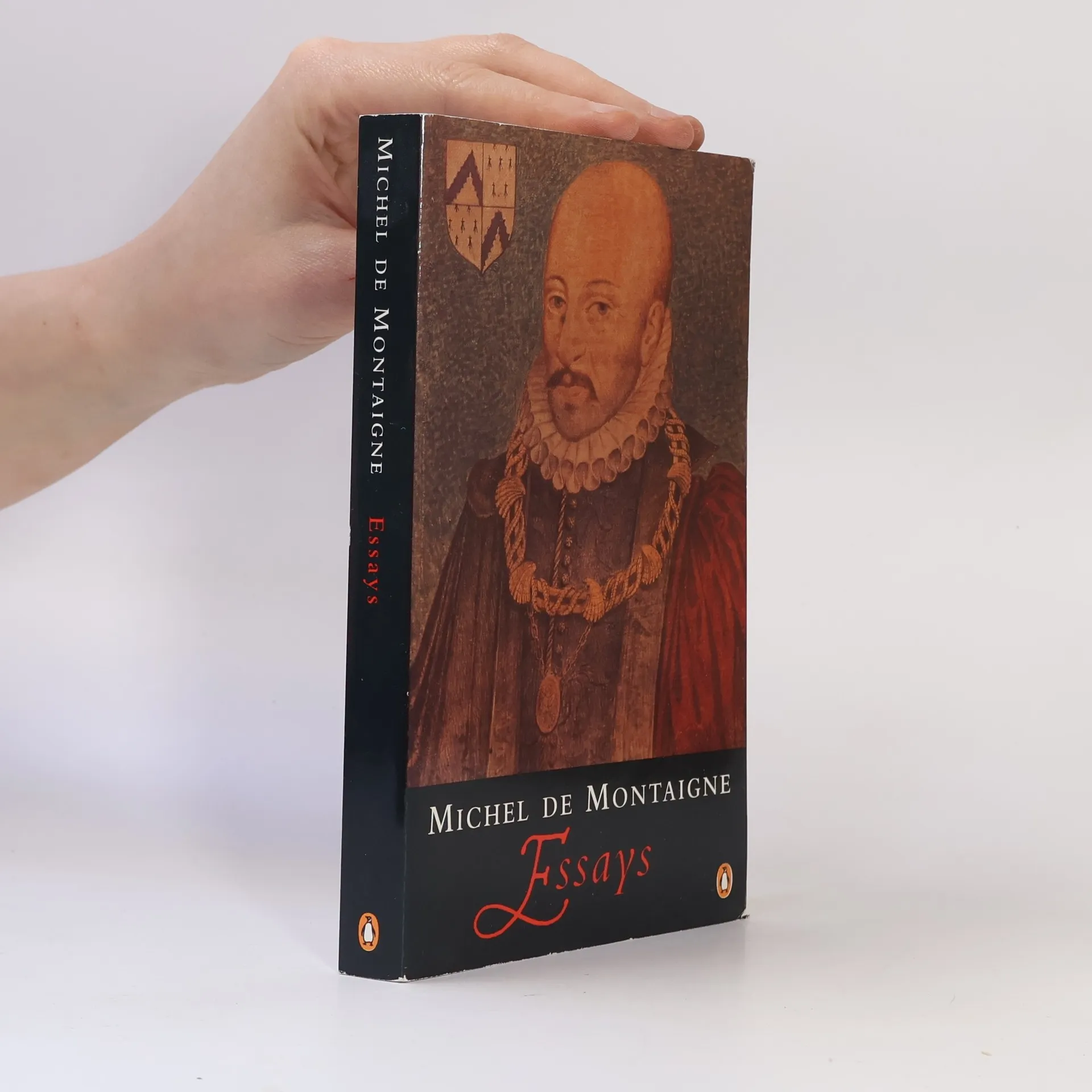
Michel de Montaigne Libros
Michel de Montaigne es uno de los escritores más influyentes del Renacimiento francés, célebre por popularizar el ensayo como género literario. Fusionó magistralmente la profunda especulación intelectual con anécdotas casuales y autobiografía, creando una obra de inmenso y perdurable impacto. Conocido por su espíritu antidogmático y su famosa pregunta, "¿Qué sé yo?", Montaigne encarnó una sensibilidad moderna al examinar el mundo a través del prisma de su propio juicio. Su estilo accesible, que equilibra la perspicacia intelectual con la narración personal, continúa inspirando tanto a escritores como a lectores.


Los Ensayos de Montaigne, publicados en 1580, reimpresos y aumentados en 1582, 1588 y póstumamente en 1595, son una obra miscelánea en la cual tienen cabida las mas diversas reflexiones sobre lecturas y sobre su propia experiencia personal, enriquecida por sus largos viajes. Montaigne fue un escritor barroco en el sentido de que no es posible encontrar en sus escritos un propósito lineal ni un objetivo definido. En los Ensayos, el autor anota sus opiniones y reflexiones sobre el hombre, el pensamiento, la moral, la vida y la muerte sin seguir un guion ni un esquema, agrupadas en capítulos muy genéricos. Su primera intención fue escribir una obra filosófica, heredera de los clásicos latinos, pero a medida que va engrosándose su experiencia personal, y después de las abundantes variaciones y ampliaciones, va derivando hacia una verdadera preparación para el bien morir. Pensar la muerte posibilita nuestra libertad y la reflexión dota a la libertad de saber.
Ensayos
Antología
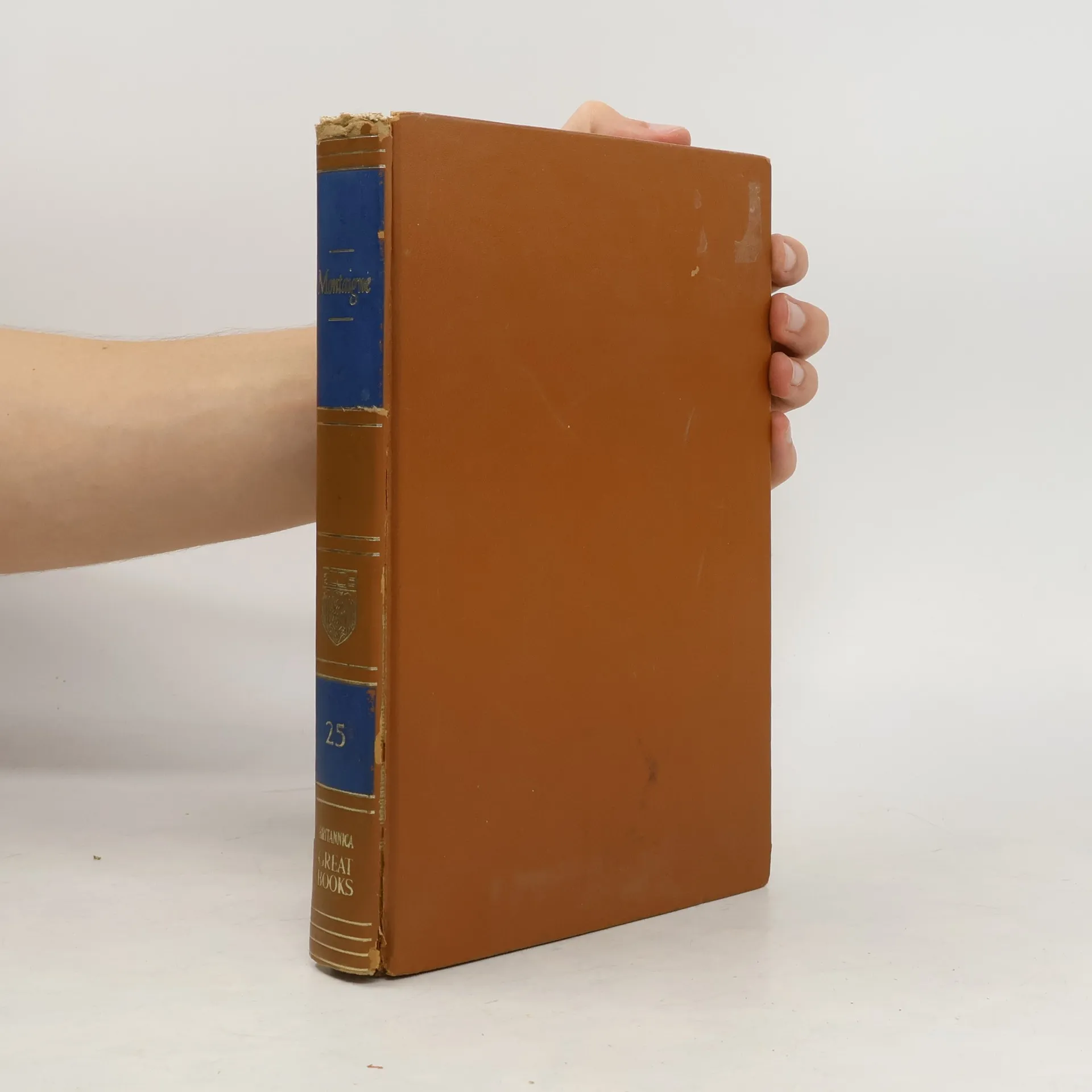
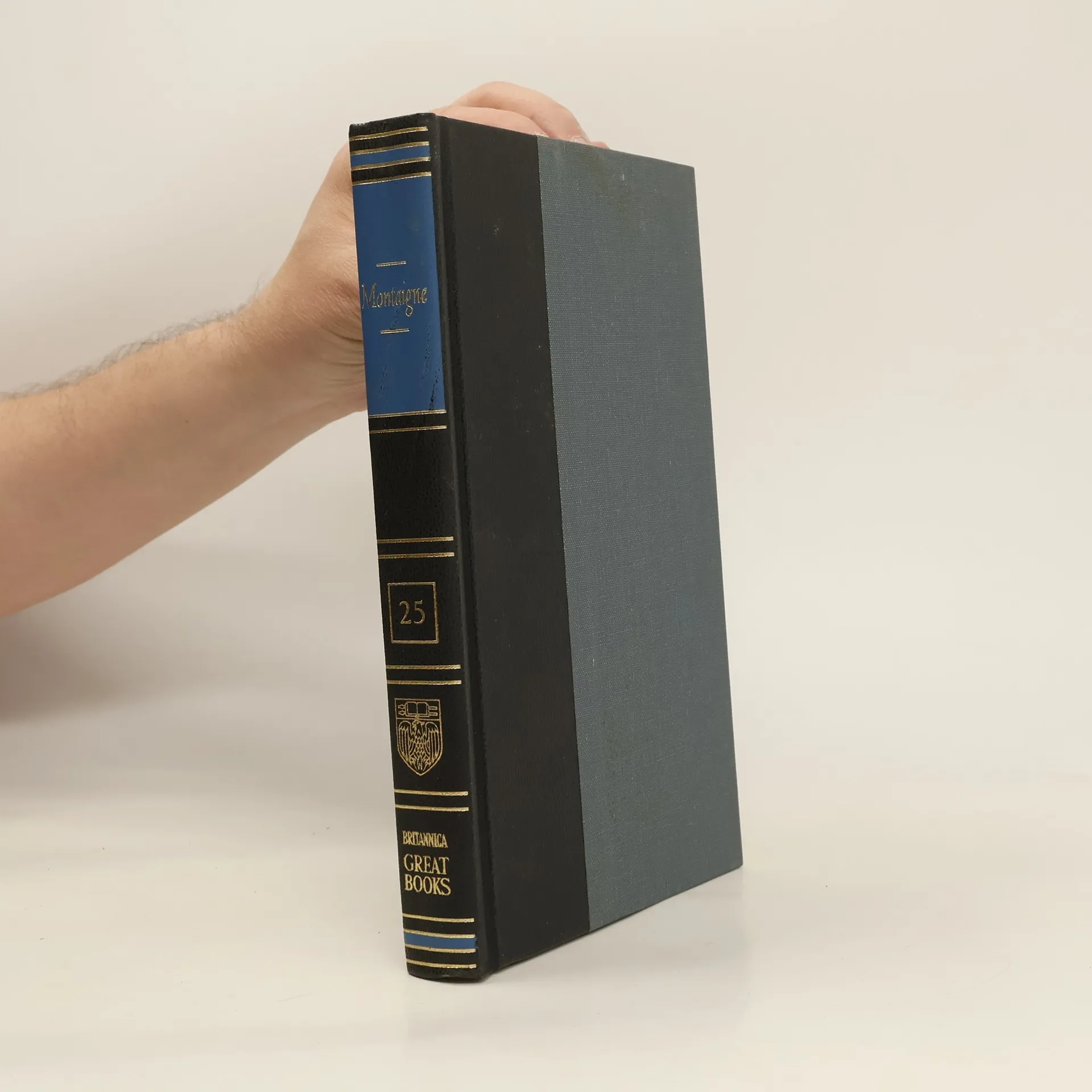
Encyclopædia Britannica is proud to offer one of the most acclaimed publishing achievements of the 20th century, Great Books of the Western World. This monumental collection compiles history's greatest written works, from the ancient classics to more recent masterpieces. Great Books of the Western World contains 517 works from 130 of the most renowned minds throughout history. Volumes 1 and 2 comprise the Syntopicon®, a unique guide that enables you to investigate a particular idea and compare the perspectives of different authors. The Syntopicon organizes thirty centuries of thought into 102 Great Ideas, subsequently divided into topics and subtopics to effectively explore the different viewpoints over time. Authoritative, accurate, and complete, this collection represents the essential core of the Western literary canon
The Essays; Translated by Charles Cotton; Volume 2
- 536 páginas
- 19 horas de lectura
Culturally significant, this work has been preserved to maintain its original integrity, showcasing copyright references and library stamps that highlight its historical importance. It serves as a vital piece of civilization's knowledge base, reflecting the scholarly value placed on the text. The reproduction aims to offer readers an authentic experience of the original artifact, emphasizing its relevance in understanding cultural heritage.
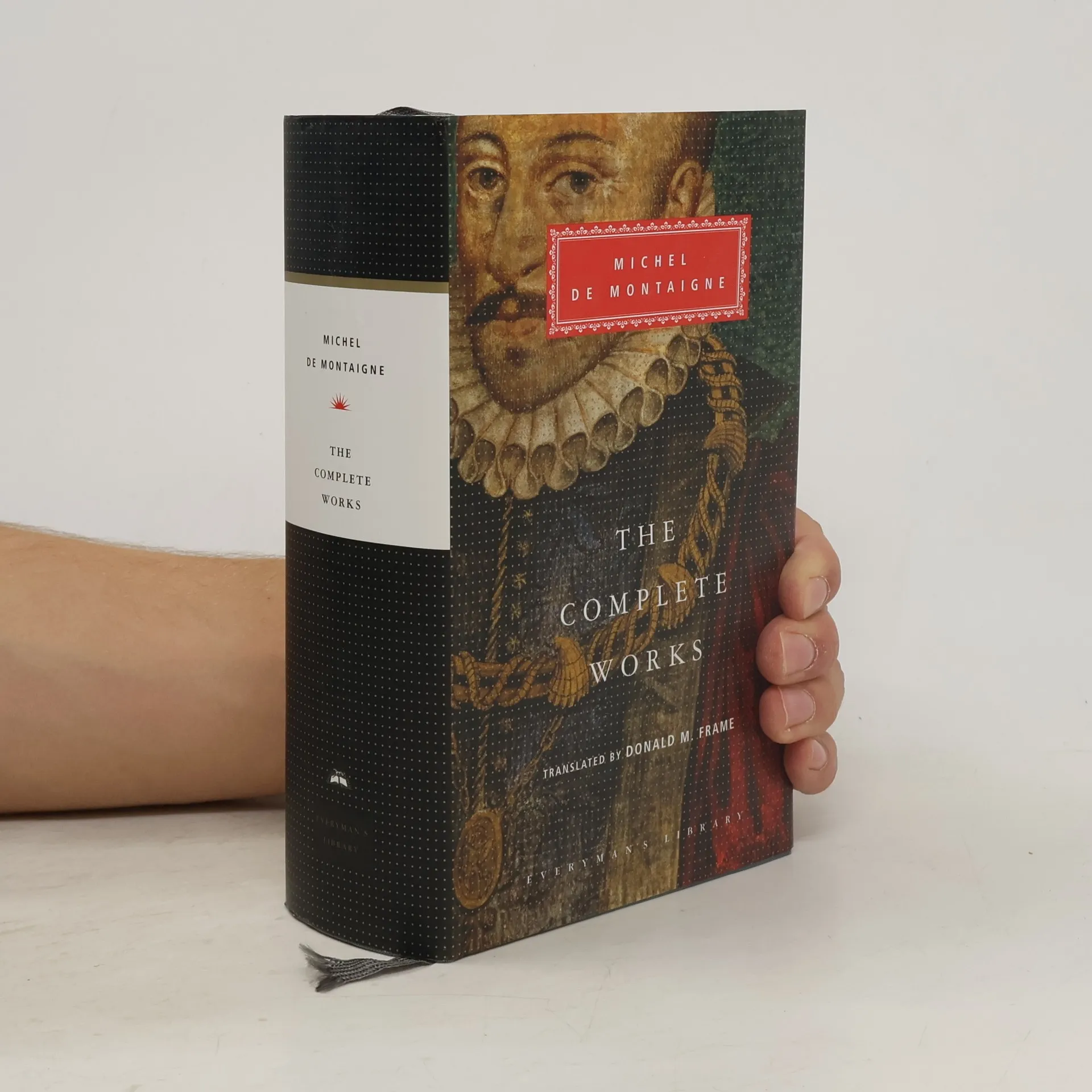
The Complete Works
- 1376 páginas
- 49 horas de lectura
Describing his collection of Essays as `a book consubstantial with its author', Montaigne identified both the power and the charm of a work which introduces us to one of the most attractive figures in European literature. schovat popis
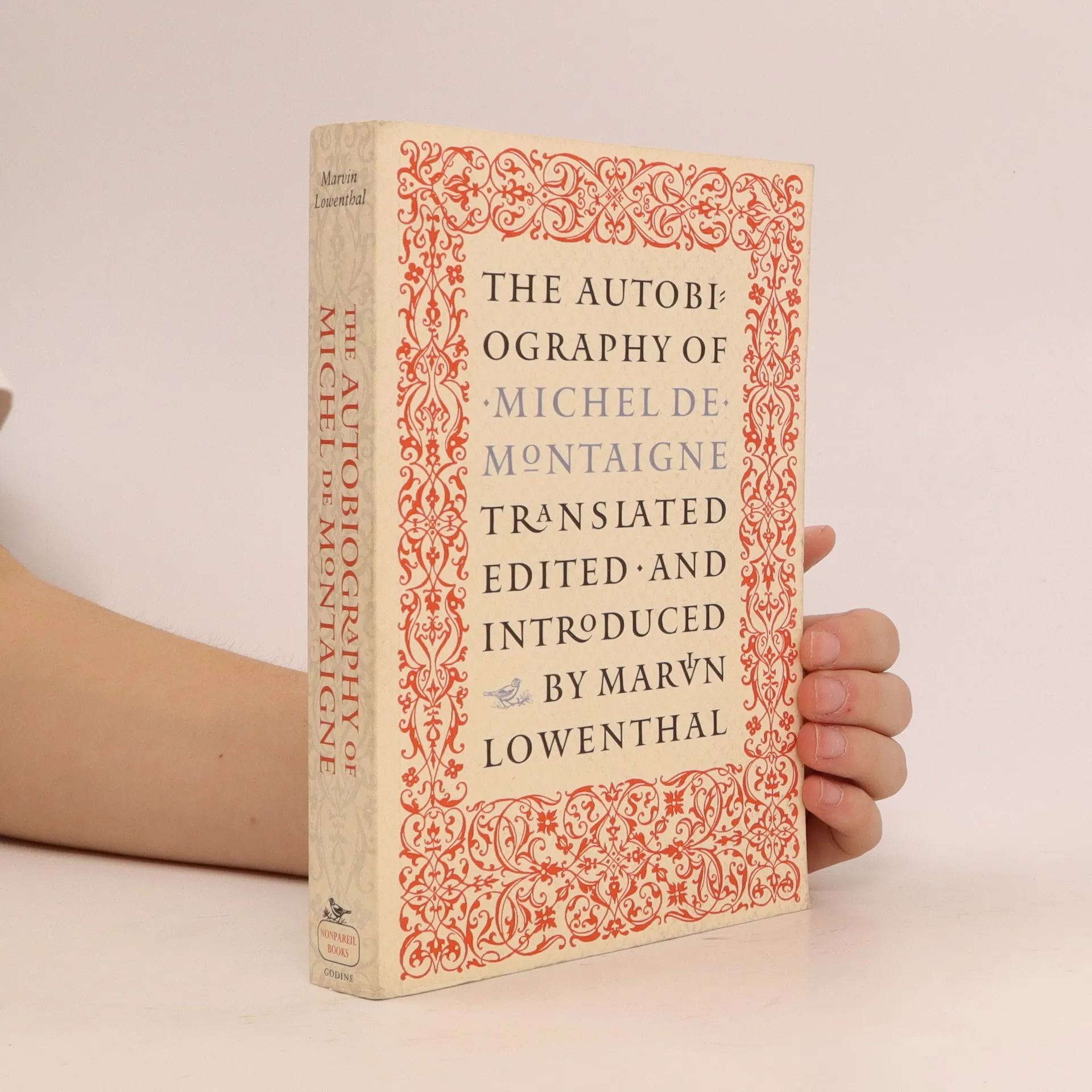
s/t: Compromising the Life of the Wisest Man of His Times: His Childhood, Youth, and Prime; His Adventures in LoveEveryone acknowledges the Essays of Michel de Montaigne as one of the glories of civilized thought. But in this volume, Marvin Lowenthal has drawn from his letters, essays, travel writings, and manuscripts to create a biography of his life told in his own words, thereby fulfilling Montaigne s intention of presenting his self-portrait to the world. For it was Montaigne who wrote, My book and I are one, and into his writing he poured the amazing varieties of his perceptions, his unflinching powers of observation and analysis, and his deeply felt love of humanity in all its messy contrariness. Above his desk, on a beam on his ceiling, were inscribed the words nihil humani alieni mihi puto : nothing human is alien to me and nothing was, for into his writing he distilled his tender heart and biting wit, his nonsense and wisdom, his passions and his hates. By collecting and arranging these autobiographical passages into a unified whole, Lowenthal has framed a complete portrait in this rich and rewarding book. All of Montaigne is here: his adventures and love affairs, his marriage, travels, tastes, and opinions. Seldom has so much wit, wisdom, and pure entertainment been packed into a single volume.
Shakespeare's Montaigne
- 418 páginas
- 15 horas de lectura
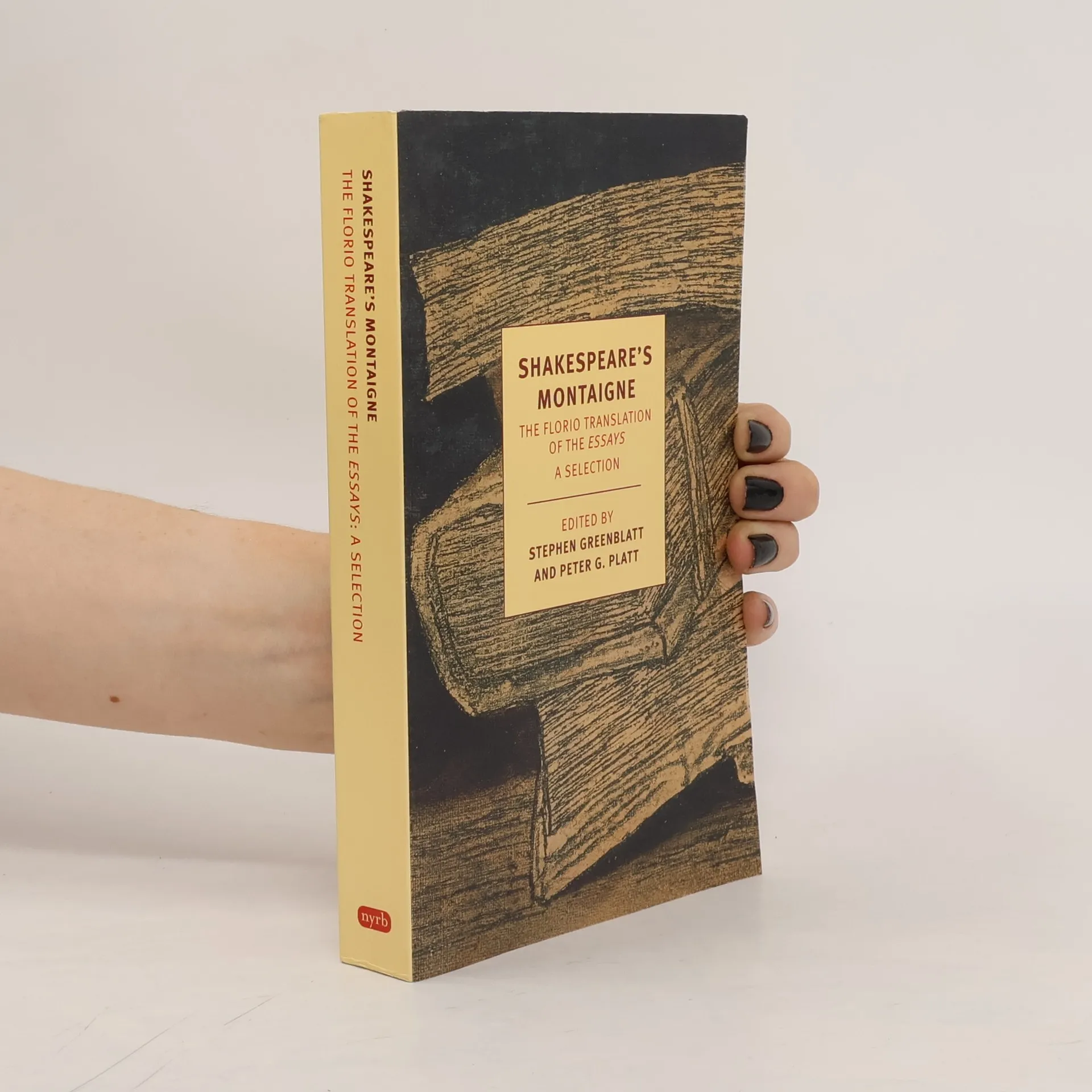
An NYRB Classics OriginalShakespeare, Nietzsche wrote, was Montaigne’s best reader—a typically brilliant Nietzschean insight, capturing the intimate relationship between Montaigne’s ever-changing record of the self and Shakespeare’s kaleidoscopic register of human character. And there is no doubt that Shakespeare read Montaigne—though how extensively remains a matter of debate—and that the translation he read him in was that of John Florio, a fascinating polymath, man-about-town, and dazzlingly inventive writer himself.Florio’s Montaigne is in fact one of the masterpieces of English prose, with a stylistic range and felicity and passages of deep lingering music that make it comparable to Sir Robert Burton’s Anatomy of Melancholy and the works of Sir Thomas Browne. This new edition of this seminal work, edited by Stephen Greenblatt and Peter G. Platt, features an adroitly modernized text, an essay in which Greenblatt discusses both the resemblances and real tensions between Montaigne’s and Shakespeare’s visions of the world, and Platt’s introduction to the life and times of the extraordinary Florio. Altogether, this book provides a remarkable new experience of not just two but three great writers who ushered in the modern world.
Four Essays
- 100 páginas
- 4 horas de lectura
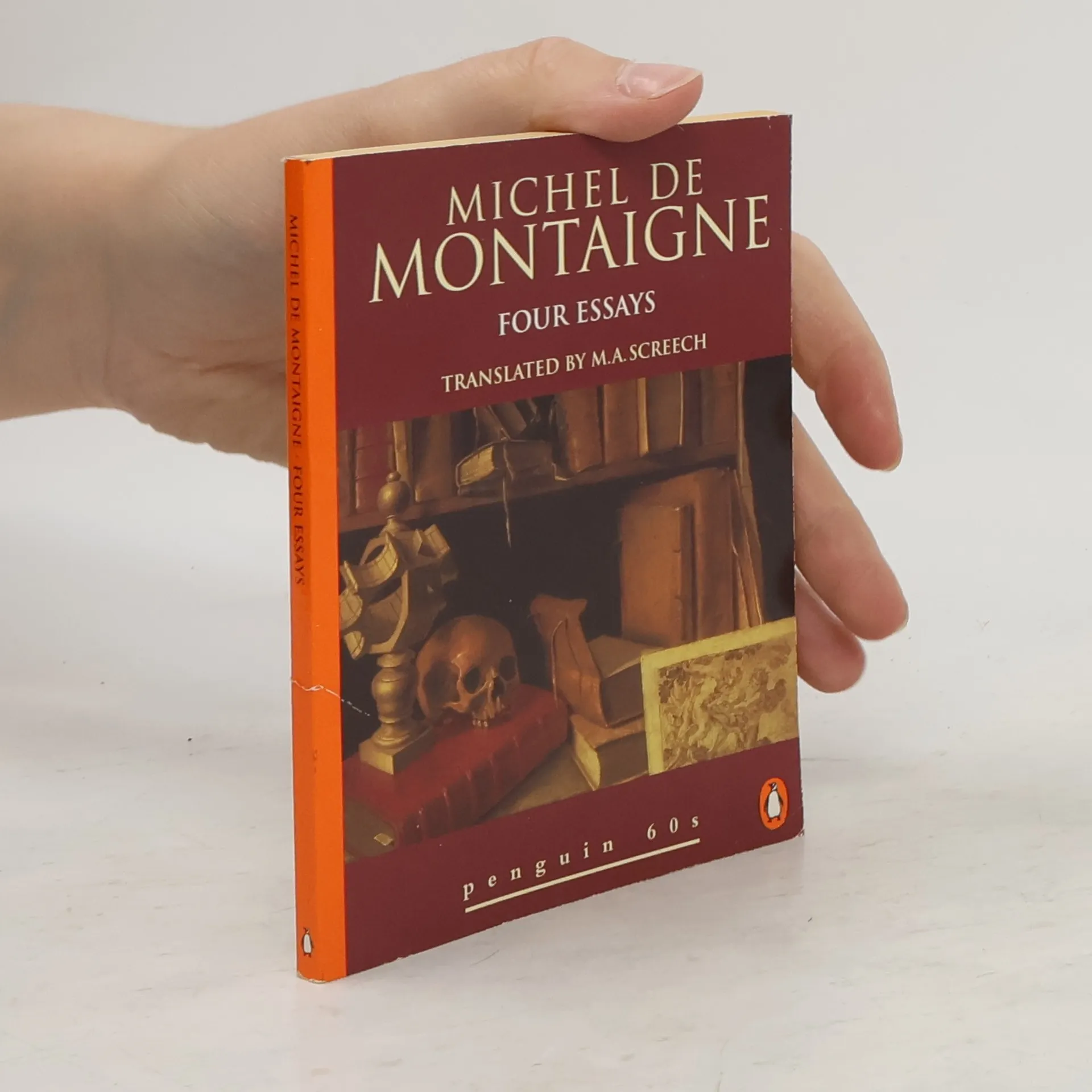
Four essays from Michel de Montaigne's "The Complete Essays."
An apology for Raymond Sebond
- 240 páginas
- 9 horas de lectura
An Apology for Raymond Sebond is widely regarded as the greatest of Montaigne's essays: a supremely eloquent expression of Christian scepticism. An empassioned defence of Sebond's fifteenth-century treatise on natural theology, it was inspired by the deep crisis of personal melancholy that followed the death of Montaigne's own father in 1568, and explores contemporary Christianity in prose that is witty and frequently damning. As he searches for the true meaning of faith, Montaigne is heavily critical of the arrogant tendency of mankind to create God in its own image, and offers his personal reflections on the true role of man, the need to eschew personal arrogance, and the vital importance of faith if we are to understand our place in the universe. Wise, perceptive and remarkably informed, this is one of the true masterpieces of the essay form.