

The book examines the historical context and strategic failures that contributed to the rise of the Islamic State over 25 years, highlighting the consequences of prolonged Western military interventions in the Middle East. It questions whether a more measured response to Islamist extremism can be achieved, urging readers to reconsider conventional approaches to combating terrorism and to explore alternatives that avoid further escalation.
Gwynne Dyer Libros
17 de abril de 1943
Gwynne Dyer es un periodista y historiador militar canadiense cuyo trabajo profundiza en las complejidades de la guerra y las relaciones internacionales. Su análisis se caracteriza por una profunda comprensión de la estrategia militar y las fuerzas geopolíticas, diseccionando a menudo las causas y consecuencias de los conflictos con un rigor analítico desapegado. Dyer ofrece a los lectores perspectivas perspicaces sobre eventos globales, basándose en su extensa investigación y experiencia periodística. Su estilo de escritura es directo e informativo, con el objetivo de iluminar temas intrincados para una amplia audiencia. Enfatiza constantemente los peligros de la escalada de conflictos y el imperativo de soluciones pacíficas.


"Acclaimed historian and military expert Gwynne Dyer tells the story of war from its earliest origins up to the present age of atom bombs and algorithms. Gwynne Dyer chronicles the advent of warfare in the first cities; the rise of inequality and tyranny as humans multiply; the 1000-year classical era of combat until the firearm and the Thirty Years' War, which changed everything. He traces how the brief interlude of limited war before the popular revolutions of the eighteenth century ushered in total war - and how the devastation was halted, for now, by the shock of Hiroshima. We are in the longest stretch of peace between major powers in modern history. It marks a precarious balance, as the looming threats of nuclear proliferation, climate change and superpower rivalry threaten our world. This concise, vivid and clear-sighted book is vital reading for anyone who wants to understand the role of war in the long human story - and how we can stop it from dominating our future"--Publisher's description.
Climate wars : the fight for survival as the world overheats
- 320 páginas
- 12 horas de lectura
Dwindling resources. Massive population shifts. Natural disasters. Any of the expected consequences of climate change could – as Gwynne Dyer argues in this galvanizing book – tip the world towards chaos and conflict. Based on exhaustive research and interviews with international experts, Climate Wars is an essential guide to the future of the planet.
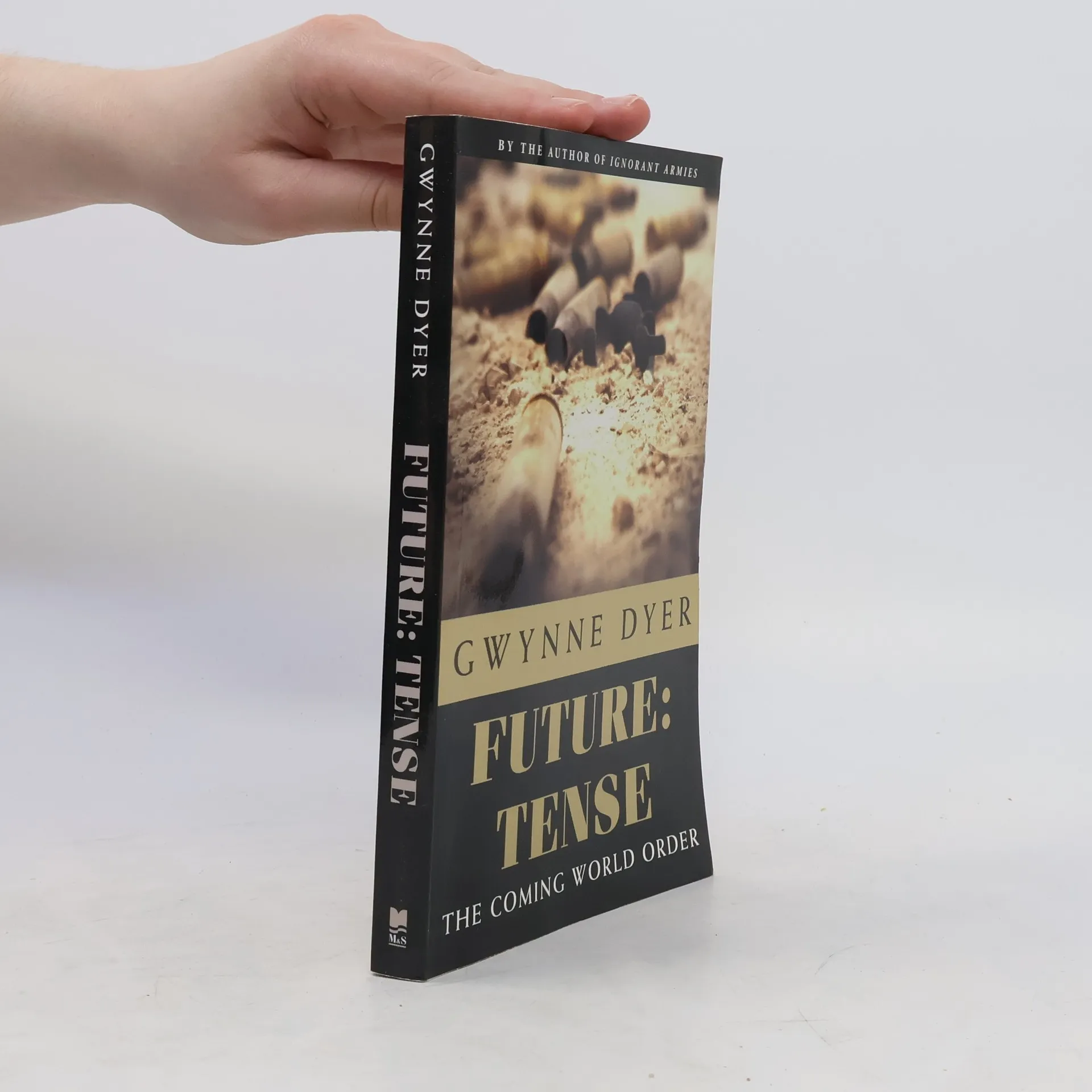
Future: Tense: The Coming World Order?
- 264 páginas
- 10 horas de lectura
Exploring the geopolitical tensions and conflicts that could escalate into a global crisis, the narrative delves into the underlying factors contributing to the potential outbreak of World War III. It examines current events, political maneuvers, and the fragile state of international relations, highlighting how today's decisions and actions may set the stage for future warfare. The book offers a thought-provoking analysis of the risks and consequences of escalating conflicts in an increasingly interconnected world.
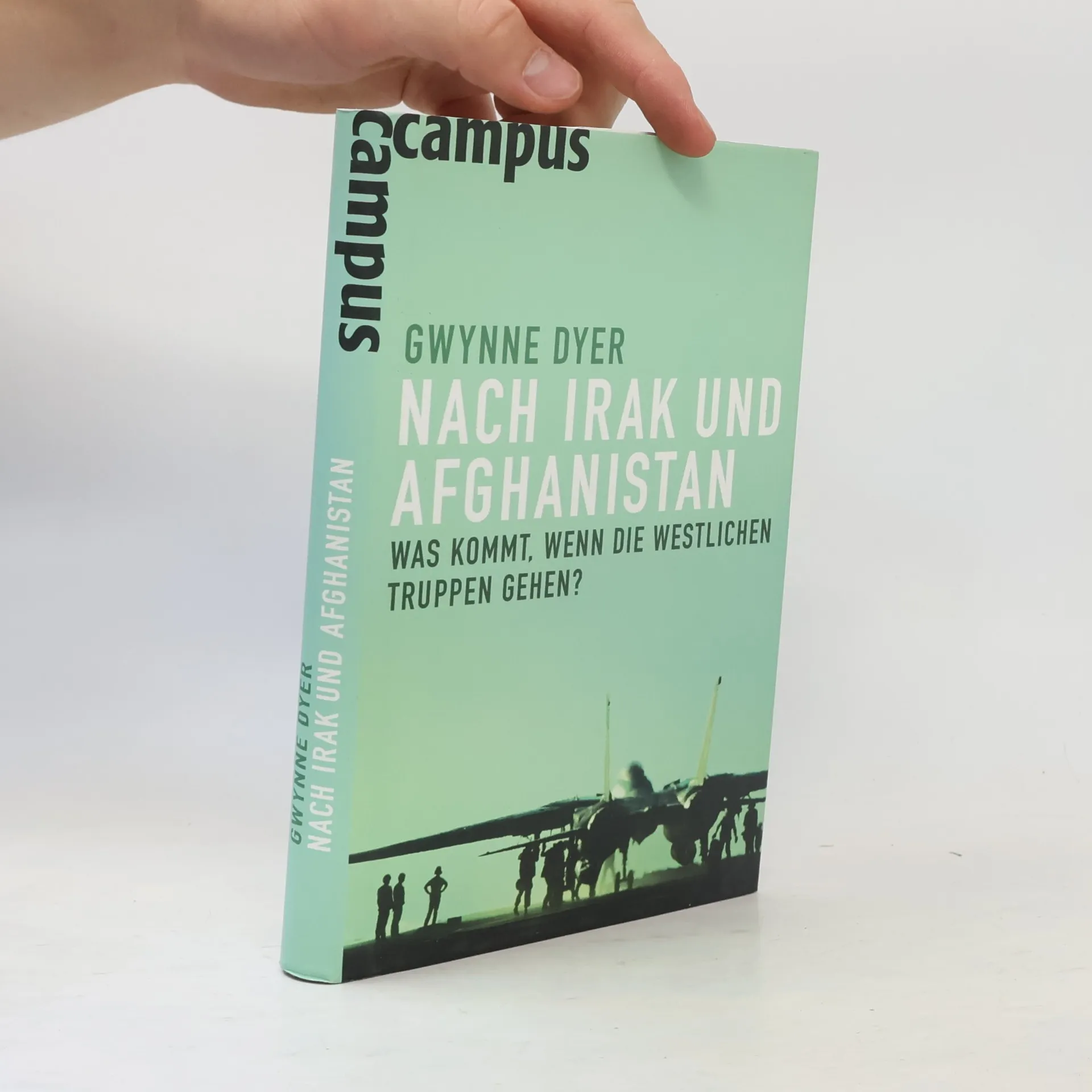
Dyer beleuchtet die Motive aller Schlüsselfiguren in der Region, seien es die westlichen Militärs, Sunniten und Schiiten im Irak, politische Kräfte im Libanon und Syrien bis hin zu Israelis und Palästinensern. Dabei räumt er auf mit Vorurteilen und Mythen und benennt die wahren Herausforderungen einer stabilen Zukunft: das Flüchtlingsdrama im Irak, die komplexen Stammesbeziehungen in Afghanistan oder die demografische Entwicklung in Israel. Sachlich, pointiert und provokant zugleich entwirft Dyer konkrete Szenarien für die Zukunft des Nahen und Mittleren Ostens. Ein fundierter und unparteiischer Blick in die Zukunft einer Krisenregion.