
Compra 10 libros por 10 € aquí!
Bookbot

Hannah Arendt

    14 de octubre de 1906 – 4 de diciembre de 1975

    Hannah Arendt fue una de las pensadoras políticas más influyentes del siglo XX. Su obra profundiza en las experiencias humanas, ofreciendo perspicaces reflexiones sobre la naturaleza del totalitarismo, la acción humana y las categorías fundamentales de la vida. A través de sus ensayos y extensos estudios, exploró la revolución, la libertad y la autoridad, abogando por una comprensión del pensar, el querer y el juzgar. El legado de Arendt continúa provocando la reflexión sobre las complejidades del mundo moderno y la esencia de la existencia humana.

    Hannah Arendt
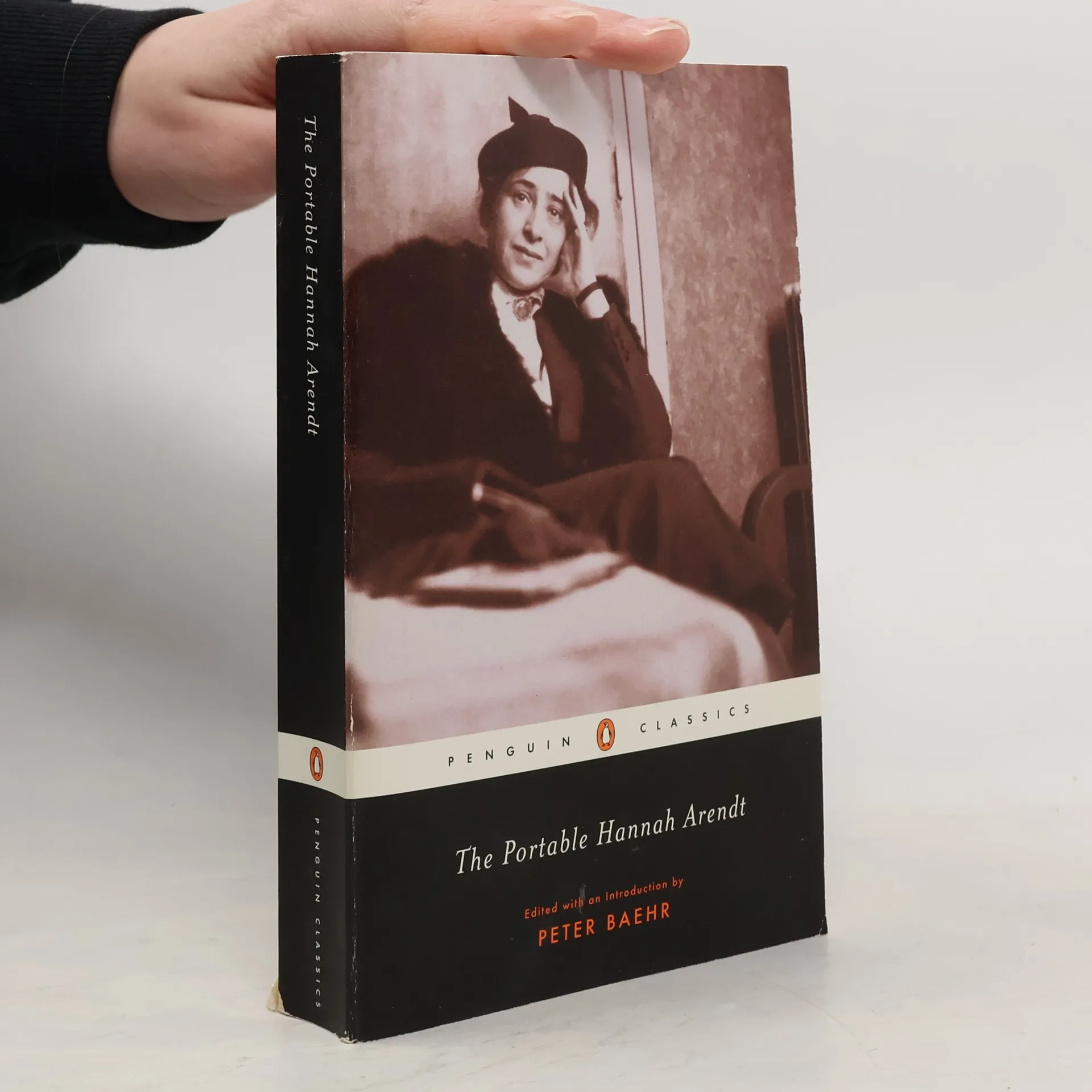
    The Jewish Writings
    Austral: La condición humana
    Poemas
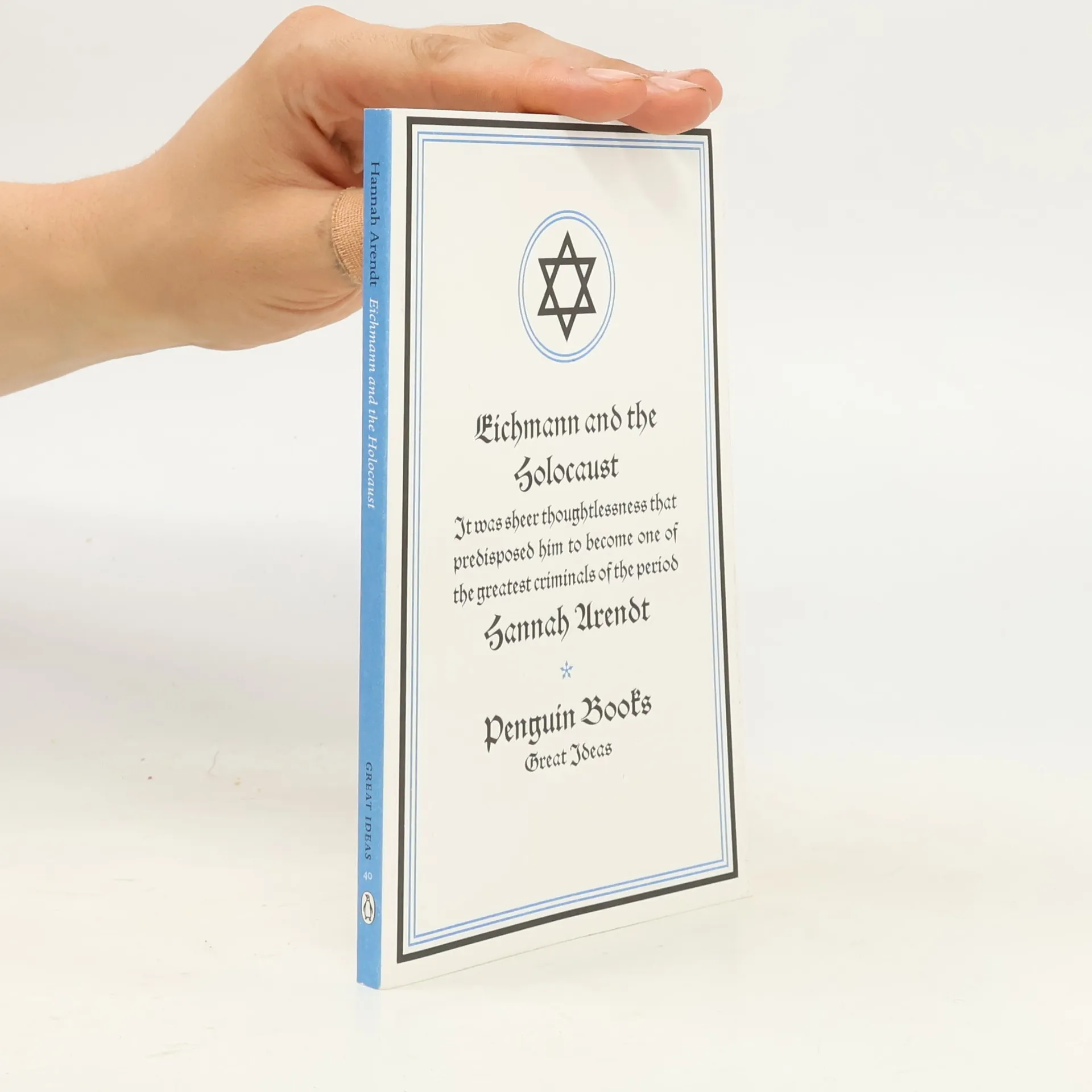
    Eichmann Y El Holocausto / Eichmann and the Holocaust
    Eichmann En Jerusalén / Eichmann in Jerusalem: A Report on the Banality of Evil
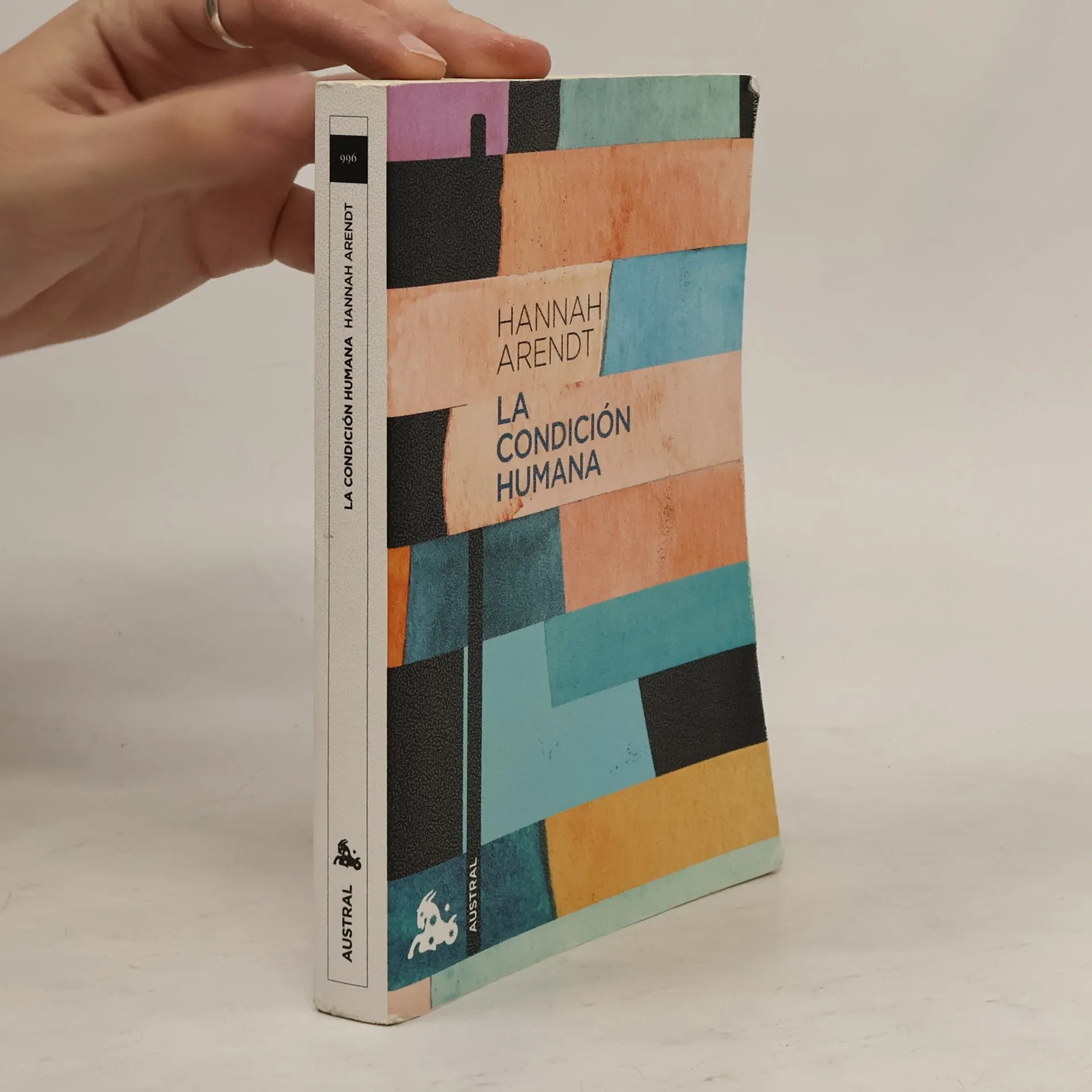
    La condición humana
    • La condición humana

      • 366 páginas
      • 13 horas de lectura

      El presente libro es un penetrante estudio sobre el estado de la humanidad en el mundo contemporáneo, contemplada desde el punto de vista de las acciones de que es capaz. Propone una consideración de la condición humana desde el ventajoso punto de vista de nuestros más recientes temores y experiencias. De ahí que lo que plantea sea muy sencillo: nada más que pensar en lo que hacemos. El ensayo dibuja una concepción del hombre rigurosamente incompatible con los totalitarismos, y que a su vez permite sentar las bases para una nueva idea de la historia en la que depende de los propios hombres que ésta aparezca como una contingencia desoladora, es decir, que en cualquier momento podemos regresar a la barbarie.

      La condición humana
    • "Ideas que han cambiado el mundo" explora cómo ciertos libros han transformado nuestra percepción y han influido en la historia, desde el debate hasta la revolución. Publica obras de pensadores y visionarios que han sacudido la civilización, destacando el análisis sobre la banalidad del mal y la ceguera moral en contextos extremos.

      Eichmann Y El Holocausto / Eichmann and the Holocaust
    • En este volumen se reúnen por primera vez todos los poemas de Hannah Arendt y se muestra que su obra, sin una estrecha relación con la poesía, sería inconcebible. Hannah Arendt es reconocida como una de las pensadoras más importantes del siglo XX. Sin embargo, muy pocos saben que durante décadas escribió poesía. Los poemas de Hannah Arendt son una expresión del sufrimiento causado por la pérdida: ya sea la pérdida de la "edad dorada" que es la infancia, la añoranza de la patria desde el exilio o el dolor por la muerte de los seres queridos. Pero si la pérdida causa sufrimiento es porque, a pesar de la ruptura, el amor persiste. Es cierto que Arendt a veces expresa el anhelo de aplacar el dolor a través del desvanecimiento de la conciencia (el sueño, la noche) o una evasión mental (el baile), pero sabiendo que son lapsos, pausas o descansos provisionales de los que luego se regresa. Es posible insensibilizar al dolor mitigando el amor, pero es más irrenunciable el amor que insoportable el sufrimiento.

      Poemas
    • Austral: La condición humana

      • 384 páginas
      • 14 horas de lectura

      El presente libro es un penetrante estudio sobre el estado de la humanidad en el mundo contemporáneo, contemplada desde el punto de vista de las acciones de que es capaz. Propone una consideración de la condición humana desde el ventajoso punto de vista de nuestros más recientes temores y experiencias. De ahí que lo que plantea sea muy sencillo: nada más que pensar en lo que hacemos. El ensayo dibuja una concepción del hombre rigurosamente incompatible con los totalitarismos, y que a su vez permite sentar las bases para una nueva idea de la historia en la que depende de los propios hombres que ésta aparezca como una contingencia desoladora, es decir, que en cualquier momento podemos regresar a la barbarie.

      Austral: La condición humana
    • The Jewish Writings

      • 640 páginas
      • 23 horas de lectura

      Although Hannah Arendt is not primarily known as a Jewish thinker, she probably wrote more about Jewish issues than any other topic. As a young adult in Germany, she wrote about German Jewish history. After moving to France in 1933, she helped Jewish youth immigrate to Palestine. During her years in Paris, her principle concern was the transformation of antinomianism from prejudice to policy, which would culminate in the Nazi "final solution." After France fell, Arendt escaped from an internment camp and made her way to America. There she wrote articles calling for a Jewish army to fight the Nazis. After the war, she supported the creation of a Jewish homeland in a binational (Arab-Jewish) state of Israel. Arendt's original conception of political freedom cannot be fully grasped apart from her experience as a Jew. In 1961 she attended Adolf Eichmann's trial in Jerusalem. Her report, Eichmann in Jerusalem, provoked an immense controversy, which culminated in her virtual excommunication from the worldwide Jewish community. Today that controversy is the subject of serious re-evaluation, especially among younger people in the United States, Europe, and Israel. The publication of The Jewish Writings–much of which has never appeared before–traces Arendt’s life and thought as a Jew. It will put an end to any doubts about the centrality, from beginning to end, of Arendt’s Jewish experience.

      The Jewish Writings
    • Responsibility And Judgment

      • 336 páginas
      • 12 horas de lectura

      Responsibility and Judgment gathers together unpublished writings from the last decade of Arendt’s life, where she addresses fundamental questions and concerns about the nature of evil and the making of moral choices. At the heart of the book is a profound ethical investigation, “Some Questions of Moral Philosophy,” in which Arendt confronts the inadequacy of traditional moral “truths” as standards to judge what we are capable of doing and examines anew our ability to distinguish good from evil and right from wrong. We also see how Arendt comes to understand that alongside the radical evil she had addressed in earlier analyses of totalitarianism, there exists a more pernicious evil, independent of political ideology, whose execution is limitless when the perpetrator feels no remorse and can forget his acts as soon as they are committed.Responsibility and Judgment is an indispensable investigation into some of the most troubling and important issues of our time.

      Responsibility And Judgment
    • These diaries cover the years 1910 to 1923, the year before Kafka’s death at the age of forty. They provide a penetrating look into life in Prague and into Kafka’s accounts of his dreams, his feelings for the father he worshipped, and the woman he could not bring himself to marry, his sense of guilt, and his feelings of being an outcast. They offer an account of a life of almost unbearable intensity.From the Trade Paperback edition.The Diaries of Franz Kafka 1910-13 translated from the German by Joseph KreshThe Diaries of Franz Kafka 1914-23 translated from the German by Martin Greenberg with the cooperation of Hannah Arendt

      The diaries 1910-1923
    • The controversial journalistic analysis of the mentality that fostered the Holocaust, from the author of The Origins of Totalitarianism Sparking a flurry of heated debate, Hannah Arendt’s authoritative and stunning report on the trial of German Nazi leader Adolf Eichmann first appeared as a series of articles in The New Yorker in 1963. This revised edition includes material that came to light after the trial, as well as Arendt’s postscript directly addressing the controversy that arose over her account. A major journalistic triumph by an intellectual of singular influence, Eichmann in Jerusalem is as shocking as it is informative—an unflinching look at one of the most unsettling (and unsettled) issues of the twentieth century.

      Eichmann in Jerusalem
    • Hannah Arendt's definitive work on totalitarianism and an essential component of any study of twentieth-century political historyThe Origins of Totalitarianism begins with the rise of anti-Semitism in central and western Europe in the 1800s and continues with an examination of European colonial imperialism from 1884 to the outbreak of World War I. Arendt explores the institutions and operations of totalitarian movements, focusing on the two genuine forms of totalitarian government in our time—Nazi Germany and Stalinist Russia—which she adroitly recognizes were two sides of the same coin, rather than opposing philosophies of Right and Left. From this vantage point, she discusses the evolution of classes into masses, the role of propaganda in dealing with the nontotalitarian world, the use of terror, and the nature of isolation and loneliness as preconditions for total domination.

      The origins of totalitarianism