Un crítico de arte, profesor y teórico estadounidense con sede en la Universidad de Columbia, donde imparte clases de Arte Moderno y Teoría. Su trabajo profundiza en una comprensión más profunda de los movimientos artísticos y sus fundamentos teóricos.
Tracing artists' increasing use of their bodies as subject and actual material of their artworks, this title charts the rise of new forms of expression such as Body Art, Happenings, Performance and Live Art.
Yve-Alain Bois and Rosalind E. Krauss convincingly introduce a new constellation of concepts to our understanding of avant-garde and modernist art practices. In Formless: A User's Guide, Bois and Krauss present a rich and compelling panorama of the formless. They chart its persistence within a history of modernism that has always repressed it in the interest of privileging formal mastery, and they assess its destiny within current artistic production
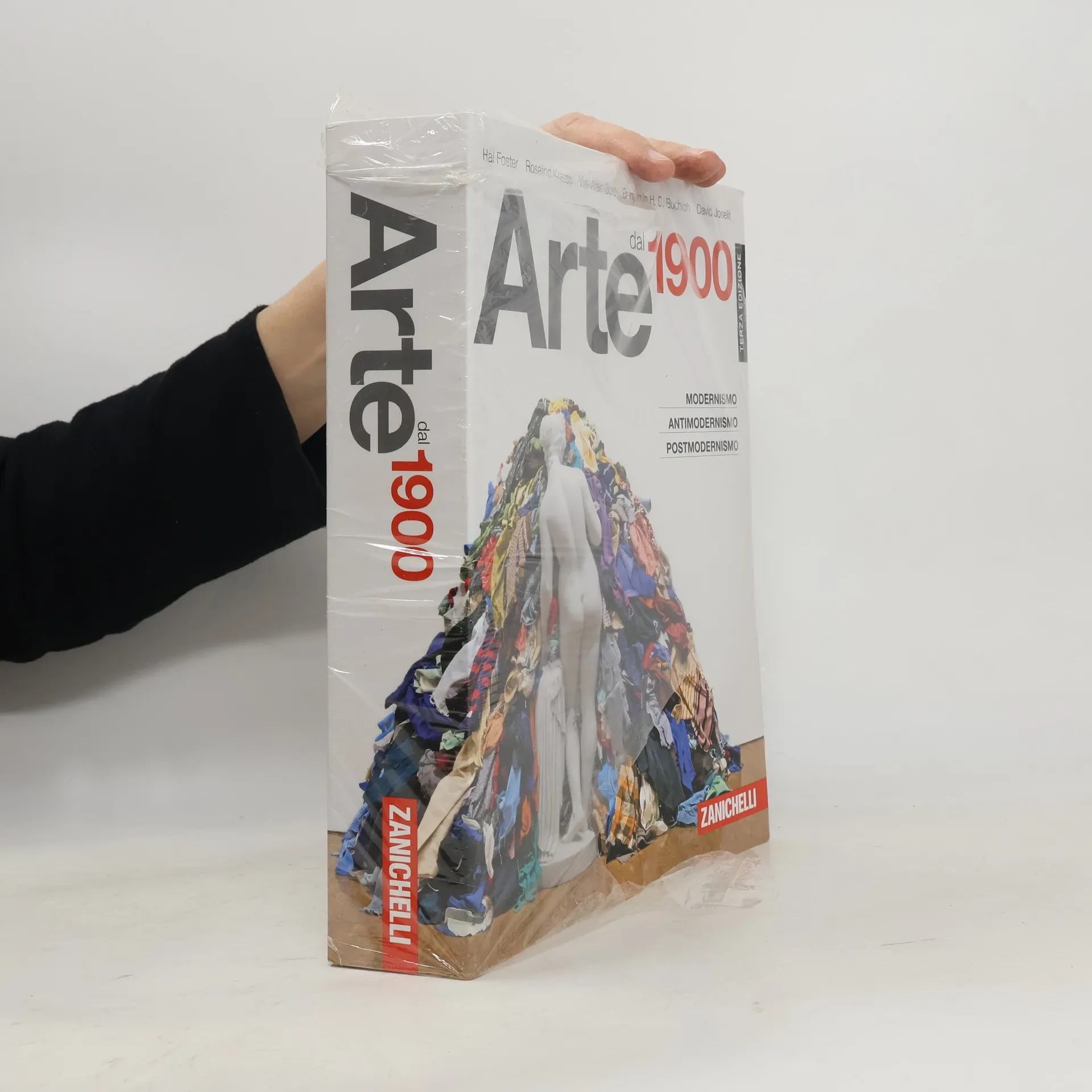
Four key historians present a comprehensive history of art from the past century, documenting through 100 essays presented in a year-by-year format key events that contributed to the changing of artistic traditions and the invention of new practices and forms, in a volume complemented by more than 600 reproductions of some of the century's most important works.
This image-rich essay offers a radical rethinking of the ab-ex painter Willem de Kooning by one of the greatest American art critics. Many have written about de Kooning s startling canvases of monstrous women, but none have approached them this way. In prose as energetic as her subject, Rosalind Krauss demonstrates how de Kooning could never stop reworking the same subject. Deploying one telling image after another, she shows that, from the early days of his career, de Kooning nearly always (1) worked with a tripartite vertical structure, (2) projected his own figure and point of view as the (male) artist into the painting, and (3) was compelled to produce the female figure, legs splayed obscenely or knees projected into the viewer s space in practically everything he made. Hidden in plain sight even in paintings of highways, boats, and landscapes, Woman is always there. How could we have missed this?"
Studies major works by important sculptors since Rodin in the light of different approaches to general sculptural issues to reveal the logical progressions from nineteenth-century figurative works to the conceptual work of the present.
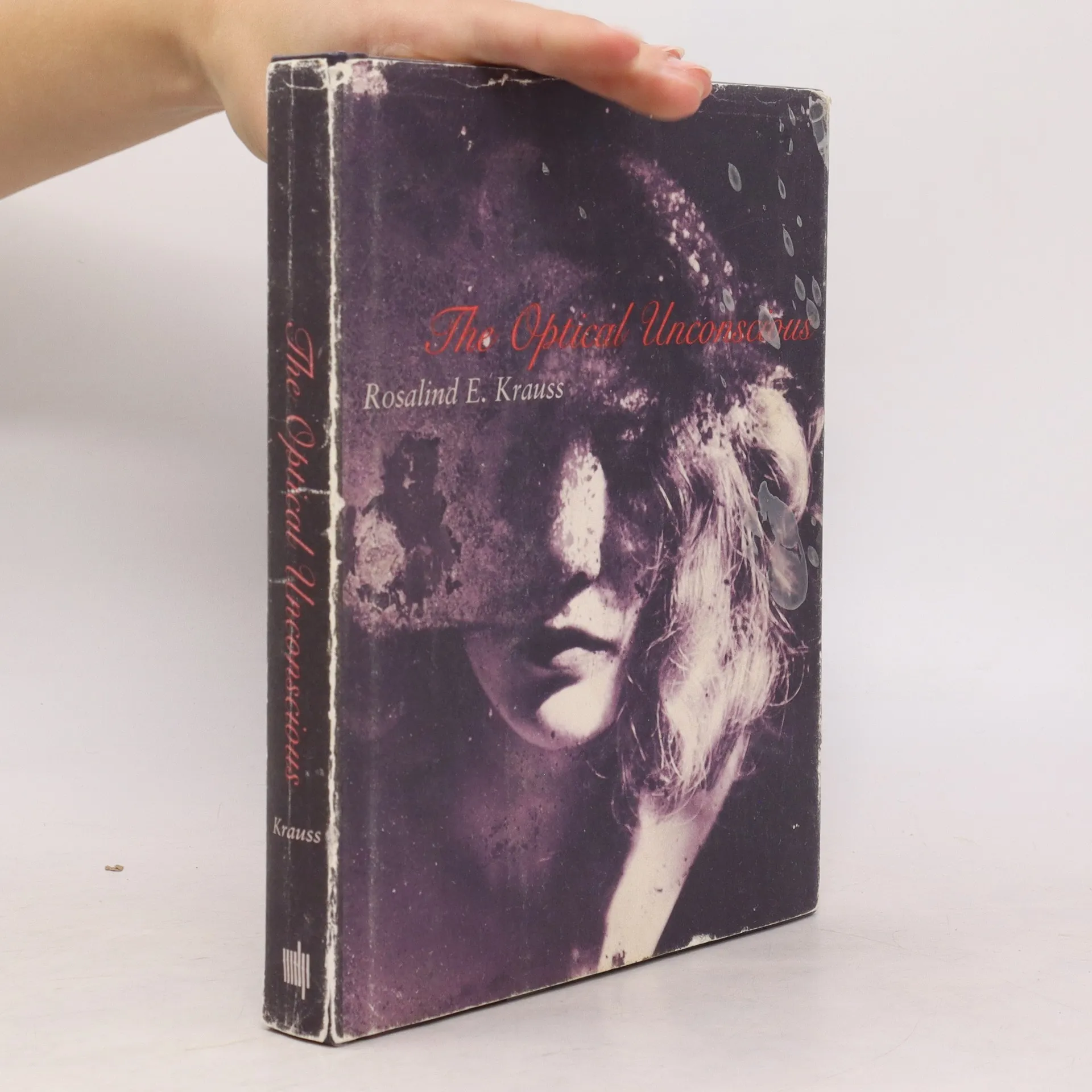
The Optical Unconscious is a pointed protest against the official story of modernism and against the critical tradition that attempted to define modern art according to certain sacred commandments and self-fulfilling truths--Jacket
In this challenging collection of fifteen essays, most of which originally
appeared in October, Rosalind Krauss explores the ways in which the break in
style that produced postmodernism has forced a change in our various
understandings of twentieth-century art, beginning with the almost mythic idea
of the avant-garde.
Annotation Since the 1970s Rosalind Krauss has been exploring the art of painters, sculptors, and photographers, examining the intersection of these artists concerns with the major currents ofpostwar visual culture: the question of the commodity, the status of the subject, issues ofrepresentation and abstraction, and the viability of individual media. These essays on nine womenartists--gathered as Bachelors--are framed by the question, born of feminism, "What evaluativecriteria can be applied to women's art?" In the case of surrealism, in particular, some have claimedthat surrealist women artists must either redraw the lines of their practice or participate in themovement's misogyny. Krauss resists that claim, for these "bachelors" are artists whose expressivestrategies challenge the very ideals of unity and mastery identified with masculinist aesthetics. Some of this work, such as the "part object" (Louise Bourgeois) or the "formless" (Cindy Sherman)could be said to find its power in strategies associated with such concepts as écriture feminine. Inthe work of Agnes Martin, Eva Hesse, or Sherrie Levine, one can make the case that the power of thework can be revealed only by recourse to another type of logic altogether. Bachelors attempts to dojustice to these and other artists (Claude Cahun, Dora Maar, Louise Lawler, Francesca Woodman) inthe terms their works demand
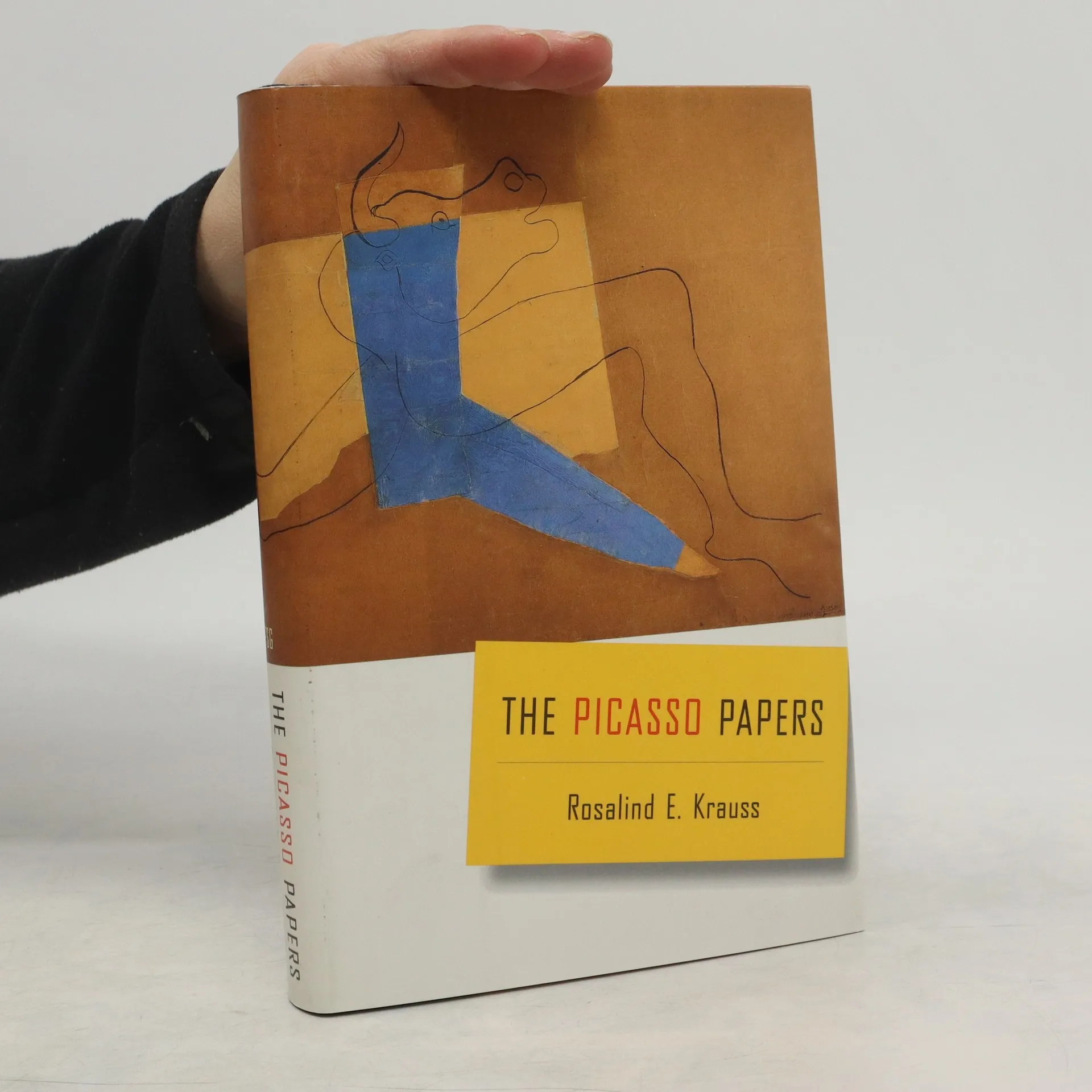
The author addresses questions concerning Picasso's talents and originality and suggests "that modernism itself is a hall of mirrors in which 'counterfeit' and 'genuine' are two sides of the same condition. ... Picasso's pastiche of other artists is brilliantly brought into focus as the 'sublimated' underbelly of Cubism itself, refashioned in the bright, clean style of the master's neo-classicism, a defense that is its own form of practicing the forbidden."--Jacket
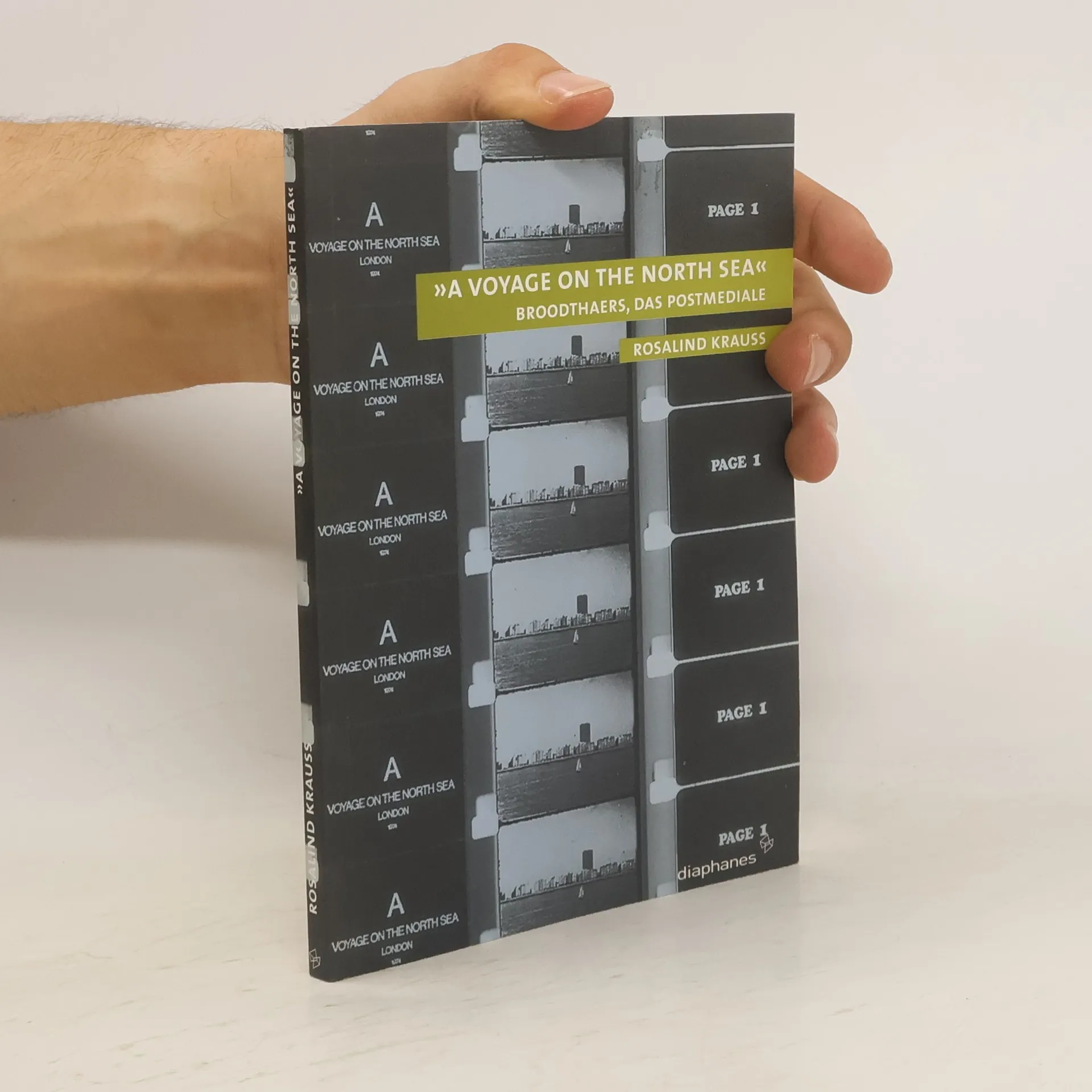
Die Erforschung der Natur des ästhetischen Mediums ist zentral für viele moderne Kunstströmungen. Vertreter des hohen Modernismus, wie Clement Greenberg, sahen das Wesen jedes Mediums in seinen spezifischen materiellen Eigenschaften. So wurde die Bedeutung der Malerei auf ihre "Flachheit" reduziert, wie sie in monochromen Bildern sichtbar wird – Malerei, die auf das bloße flache Objekt reduziert ist. Einige Künstler wiesen jedoch diese vereinfachte Sichtweise zurück. Sie betrachteten das Medium als aggregativ, als komplexe Struktur aus ineinandergreifenden technischen Unterstützungen und geschichteten Konventionen, die über physische Eigenschaften hinausgeht. Für sie liegt die Spezifität eines Mediums in seiner konstitutiven Heterogenität – es unterscheidet sich stets von sich selbst. Rosalind Krauss positioniert das Werk von Marcel Broodthaers innerhalb dieser alternativen Erzählung. Sie bezieht sich auf seine Filme, Bücher, das Grafikdesign und die "Fiktionen" seines Museums und präsentiert ihn als Vertreter des sich selbst unterscheidenden Mediums. Professor Krauss argumentiert, dass Broodthaers' Werk zeigt, dass die Spezifität von Medien, auch von modernistischen, niemals auf die Physikalität ihrer Unterstützung reduziert werden kann.