


Bookbot

Paul Kurtz

    21 de diciembre de 1925 – 20 de octubre de 2012

    Paul Kurtz fue un destacado escéptico y humanista secular estadounidense. Su obra filosófica se centra en el pensamiento crítico y la ética basada en la razón, rechazando las explicaciones sobrenaturales del mundo. Kurtz abogó por un enfoque racional de la vida, enfatizando la importancia de los métodos científicos para comprender la verdad. Su escritura anima a los lectores al pensamiento independiente y a la responsabilidad personal.

    Zakázané ovocie: Etika humanizmu
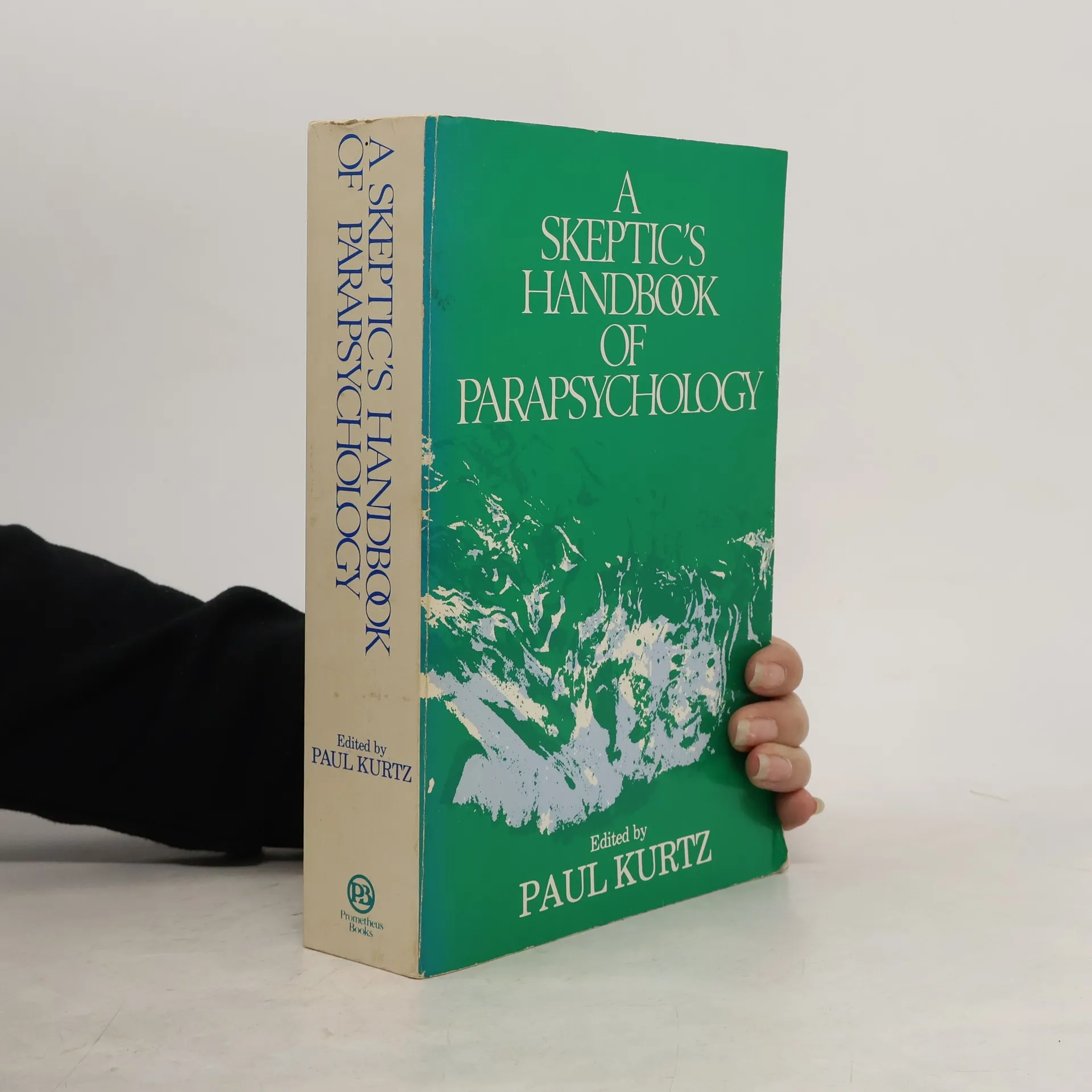
    A Skeptic's Handbook of Parapsychology
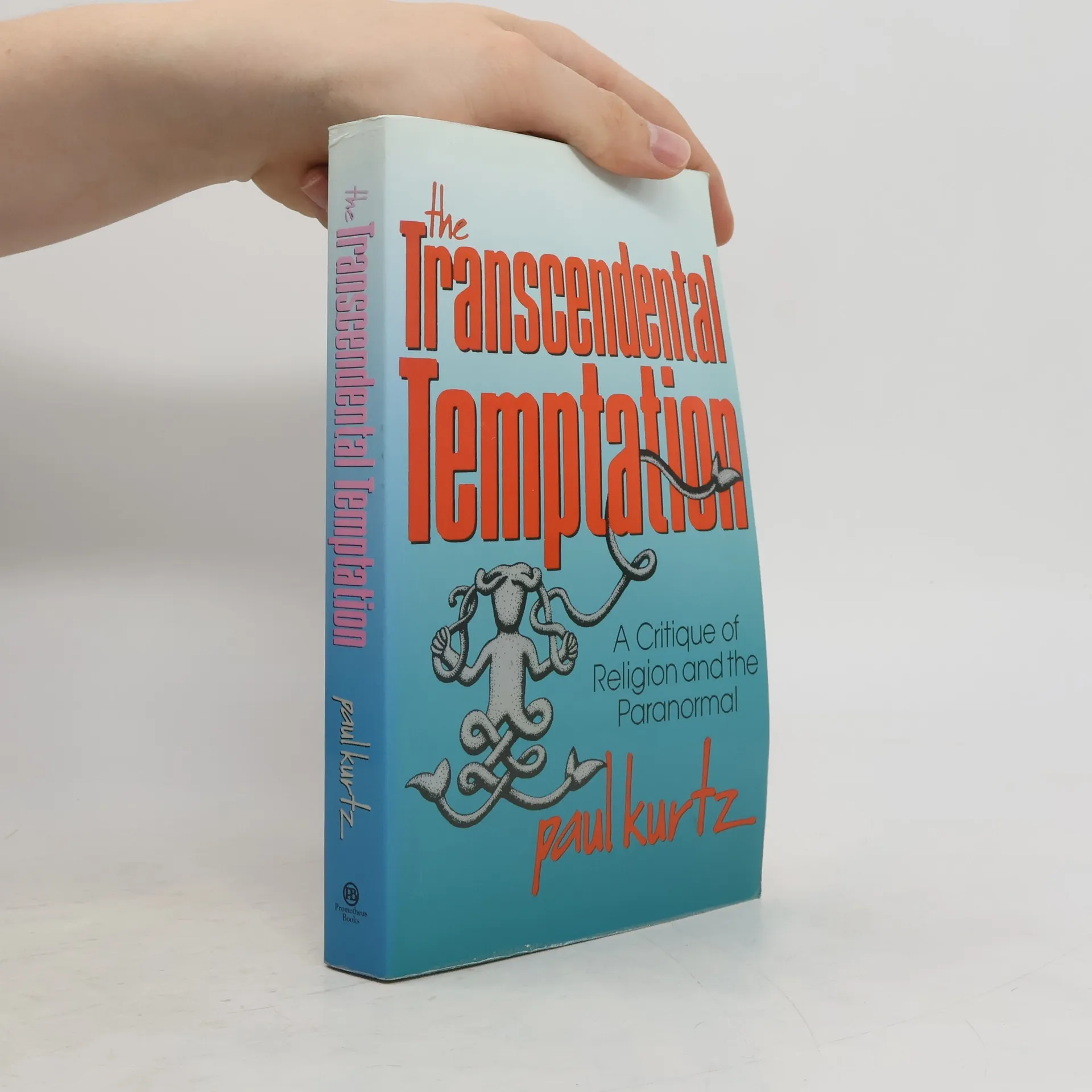
    The Transcendental Temptation
    • The Transcendental Temptation

      A Critique of Religion and the Paranormal

      • 516 páginas
      • 19 horas de lectura

      A landmark work. Mandatory reading for anyone who wants to learn to be a good skeptic.In this widely acclaimed and highly controversial book, Paul Kurtz examines the reasons why people accept supernatural and paranormal belief systems in spite of substantial evidence to the contrary. According to the author, it is because there is within the human species a deeply rooted tendency toward magical thinking - the "transcendental temptation" - which undermines critical judgment and paves the way for willful beliefs. He explores in detail the three major monotheistic religions - Judaism, Christianity, and Islam - finding striking psychological and sociological parallels between these religions, the spiritualism of the 19th century, and the paranormal belief systems of today. There are sections on mysticism, belief in the afterlife, the existence of God, reincarnation, astrology, and ufology. Kurtz also explains the nature of skepticism as an antidote to belief in the transcendental.

      The Transcendental Temptation
      4,0
    • A Skeptic's Handbook of Parapsychology

      • 727 páginas
      • 26 horas de lectura

      A plethora of books exists for those who support belief in psychic phenomena, with many convinced of the existence of paranormal realities. Traditional tales and legends have long interpreted these uncommon events, but scientific approaches are often overlooked. This collection of essays by leading skeptics and parapsychologists examines whether psychic phenomena can be scientifically verified. It offers a detailed history of parapsychology and an overview of the current state of the field. Key questions addressed include the scientific status of parapsychology, the demonstration of ESP, and the existence of psychic powers. The essays critique the work of notable figures like J.B. Rhine and S.G. Soal, as well as famous "psychics" such as Eusapia Palladino and Uri Geller. Skeptical evaluations cover a range of topics, including extrasensory perception, psychokinesis, ghosts, near-death experiences, and other paranormal claims. While many essays are original to this volume, some classical skeptical pieces are included, featuring confessions from Margaret Fox Kane and Douglas Blackburn. The contributors, primarily skeptical of psychic claims, also include parapsychologists who defend their perspective, with notable names such as Ray Hyman, Martin Gardner, and James Randi among the twenty-nine contributors.

      A Skeptic's Handbook of Parapsychology