

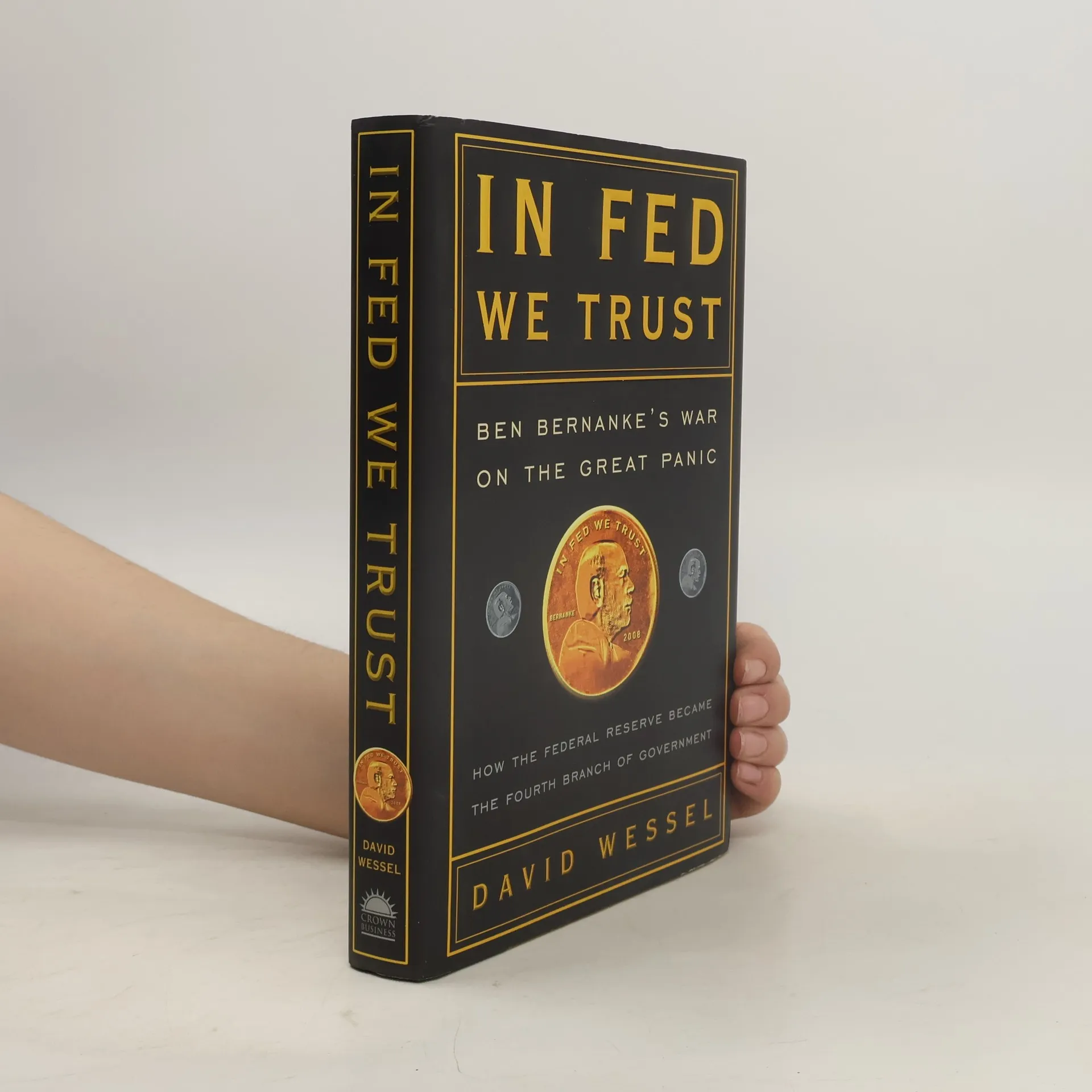
“Whatever it takes” was Federal Reserve Chairman Ben Bernanke’s vow during the worst financial panic in over fifty years, as he sought to prevent a repeat of the Great Depression. An academic who studied the Depression's causes, Bernanke was thrust into a position of unprecedented responsibility and boldness. Unlike the president, who can react instantly to military threats, Bernanke could act decisively in a financial crisis without needing Congress's approval. Under his leadership, the Fed executed the largest government intervention in decades, effectively becoming a fourth branch of government with limited accountability. Determined to avoid the mistakes of the 1930s, Bernanke and his team confronted a series of critical moments, including the sale of Bear Stearns, the failure to save Lehman Brothers, and the nationalization of AIG, Fannie Mae, and Freddie Mac. This work delves into the Fed's opaque operations, exploring what Bernanke and his team knew, what surprised them, and the chilling indicators that drove their decisions. It examines their performance under pressure and how the crisis reshaped perceptions of Alan Greenspan's legacy. This insightful account provides a comprehensive view of a pivotal moment in American and global economic history.
David Wessel Libros


The underexamined art and science of managing the federal government's huge debt. Everyone talks about the size of the U.S. national debt, now at $13 trillion and climbing, but few talk about how the U.S. Treasury does the borrowing—even though it is one of the world's largest borrowers. Everyone from bond traders to the home-buying public is affected by the Treasury's decisions about whether to borrow short or long term and what types of bonds to sell to investors. What is the best way for the Treasury to finance the government's huge debt? Harvard's Robin Greenwood, Sam Hanson, Joshua Rudolph, and Larry Summers argue that the Treasury could save taxpayers money and help the economy by borrowing more short term and less long term. They also argue that the Treasury and the Federal Reserve made a huge mistake in recent years by rowing in opposite directions: while the Fed was buying long-term bonds to push investors into other assets, the Treasury was doing the opposite—selling investors more long-term bonds. This book includes responses from a variety of public and private sector experts on how the Treasury does its borrowing, some of whom have criticized the way the Treasury has been managing its borrowing.