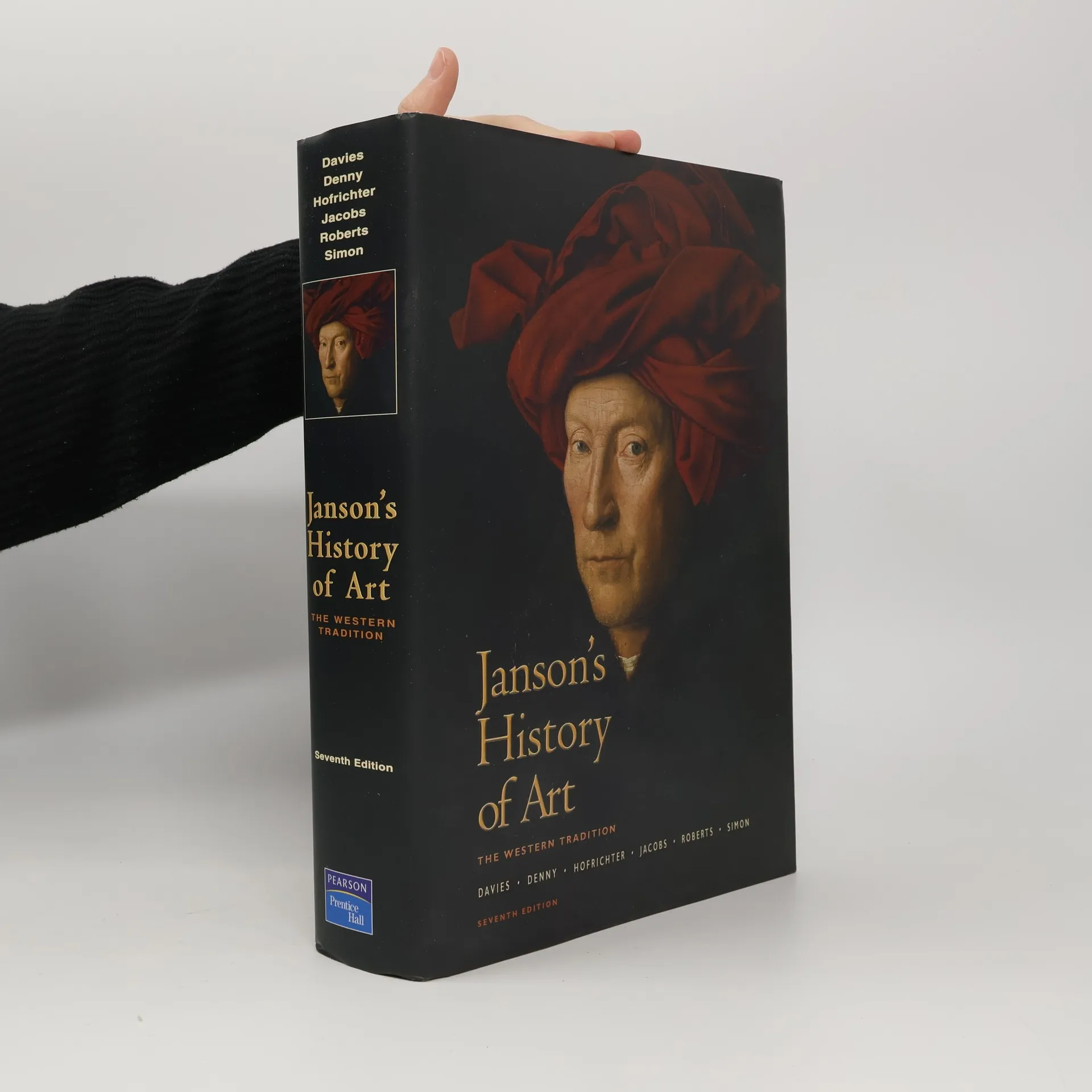
This four-part volume uses an exceptional art program–with sumptuous color pictures–to introduce readers to a succession of art styles from prehistoric times and ancient Egypt, to the vast world of Western painting, sculpture, architecture, photography, and the minor arts. Elegantly written, it contains a balanced and interesting narrative that increases ones ability to understand art. Parts I and II cover The Ancient World and The Middle Ages, with a look at prehistoric; Egyptian; ancient near eastern; Aegean; Greek; Etruscan; Roman; early Christian, Byzantine, and Medieval; Romanesque; and Gothic art. Part III looks at the Renaissance through the Rococo–with a focus on the early and high renaissance in Italy; mannerism and other trends; “Late Gothic” painting, sculpture, and the graphic arts; and the Baroque in Italy, Spain, Flanders, Holland, France and England. Part IV is a treatment on the modern world, including Neoclassicism and Romanticism; Realism and Impressionism; Post-impressionism, Symbolism, and Art Nouveau; Twentieth-Century painting, sculpture, architecture, and photography; and Postmodernism. For those who appreciate art as individual works, rather than a mere collection of data.
H. W. Janson Libros
Horst Waldemar Janson, quien publicaba bajo el seudónimo H. W. Janson, fue un distinguido erudito de la historia del arte. Es reconocido principalmente por su obra fundamental, History of Art, que se ha convertido en un recurso indispensable para los entusiastas del arte en todo el mundo. Este texto exhaustivo, publicado por primera vez en 1962, ha llegado a más de dos millones de lectores en quince idiomas, consolidando su estatus como una pieza fundacional en la erudición de la historia del arte.
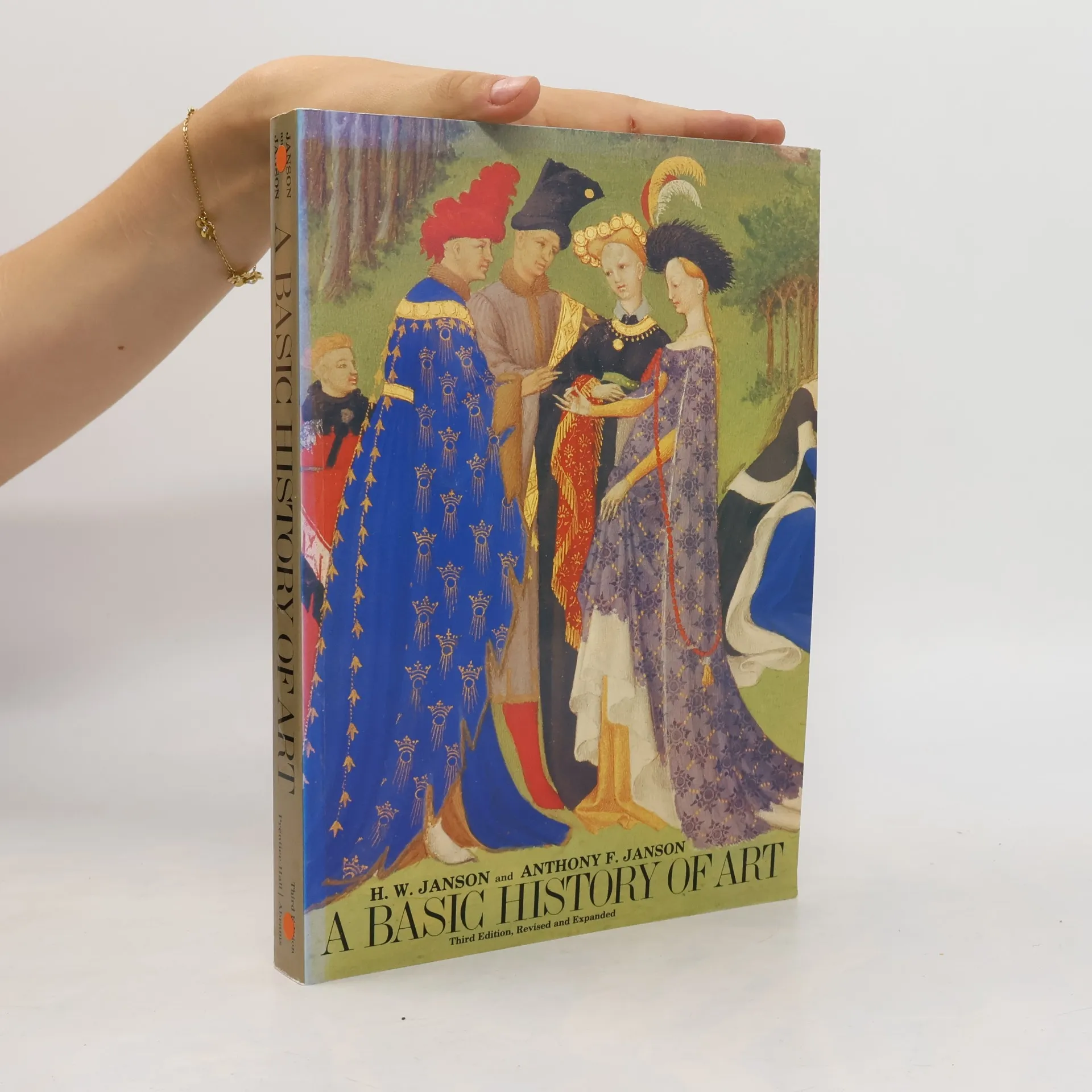

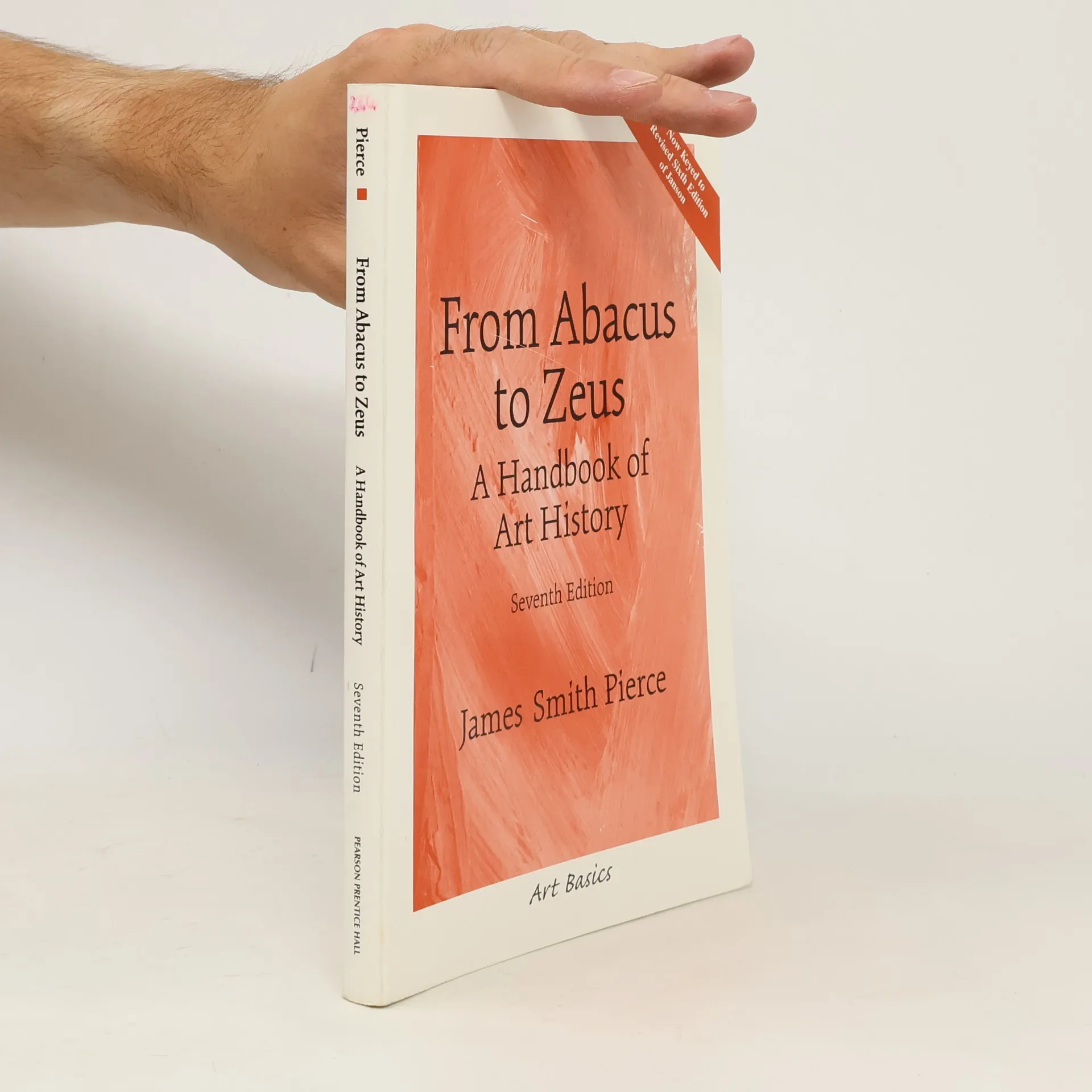
For freshman and sophomore courses in Art History Survey (1 or 2 semesters) and Art Appreciation. Designed as a comprehensive supplement to Janson's History of Art, Sixth Edition, Hartt's Art, Fourth Edition, Gardner's Art Through the Ages, Eleventh Edition, and Stokstad's Art History, Second Edition ― but also appropriate as a stand-alone brief reference text ― this handbook defines the most common terms used in discussing the history of visual arts, relating them to specific works illustrated in these standard texts.
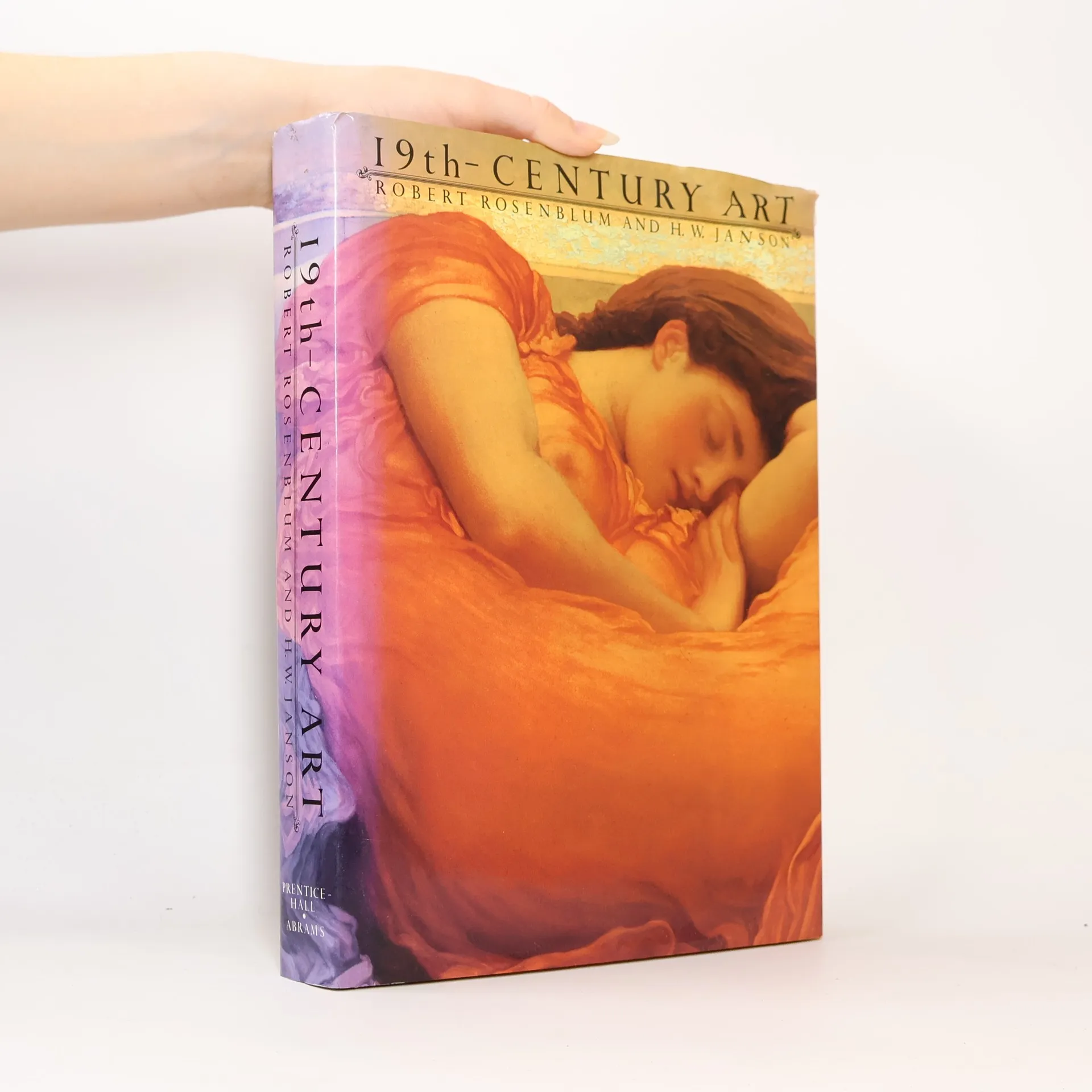
19th Century Art
- 527 páginas
- 19 horas de lectura
Providing detailed discussion of 232 painters, this text stresses the interconnections of painting and sculpture with the other arts, and to social and political conditions. The book reflects the revisionist interpretation of 19th-century art.
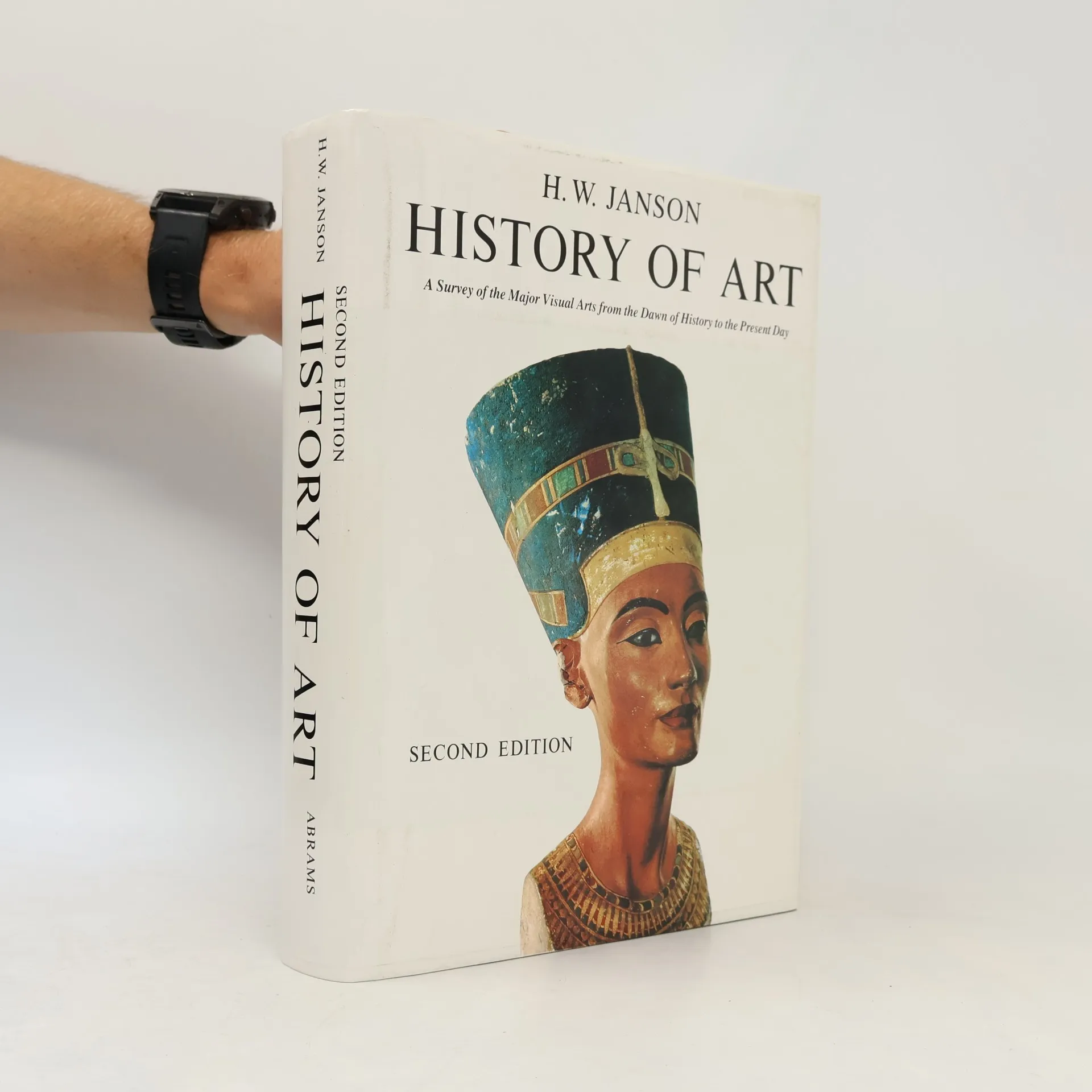
History of Art
A Survey of the Major Visual Arts from the Dawn of History to the Present Day - Second Edition
- 767 páginas
- 27 horas de lectura
For 1000s of art lovers both amateur & professional, esthetic life began with Janson, as his History of Art is often called. In the 1st edition, published in 1962, he spoke to that perennial reader he gently called "the troubled layman." His opening paragraph revealed his sympathy: "Why is this supposed to be art?" he quoted rhetorically. "How often have we heard this question asked--or asked it ourselves, perhaps--in front of one of the strange, disquieting works that we are likely to find nowadays in the museum or art exhibition?" Keeping that curious, questioning perspective in mind, he wrote a history of art from cave painting to Picasso that was singularly welcoming, illuminating & exciting. Sojourning thru this book, a reader is offered every amenity for a comfortable trip. Because he never assumes knowledge on the part of the reader, a recent immigrant from Mars could comprehend Western art from this text. The only assumption the Jansons have made is that with a little guidance everyone can come to understand the artifacts that centuries of architecture, sculpture, design & painting have deposited in our paths. Countless readers have proven the Jansons right & found their lives enriched in the process.
A History of Modern Art: Fourth Edition
- 856 páginas
- 30 horas de lectura
Completely revised, this book has been expanded to cover the important developments in recent art, architecture and photography. There is an increased focus on all modern art media, including photography, performance art, installation art, collaboration, video and mixed-media works.
Cesty malířského umění
Přehled vývoje malířství od pravěku do současnosti