Am 14. Mai 1948 endete das Britische Mandat über Palästina, und David Ben Gurion unterzeichnete noch am selben Tag die israelische Unabhängigkeitserklärung. Unmittelbar darauf erklärten die Nachbarstaaten Israel den Krieg. Die Zukunft des jungen Staates schien mehr als ungewiss.
Arthur Koestler Orden de los libros (cronológico)
5 de septiembre de 1905 – 1 de marzo de 1983
Arthur Koestler fue un prolífico escritor de ensayos, novelas y autobiografías. Su carrera temprana se desarrolló en el periodismo, y más tarde se hizo conocido por sus intrincados ensayos y novelas que a menudo exploraban complejas ideas políticas y filosóficas. Basándose en sus experiencias, profundizó en temas como la creencia, la traición y la búsqueda de sentido en tiempos turbulentos. Su obra se caracteriza por un agudo intelecto y un poderoso estilo narrativo.



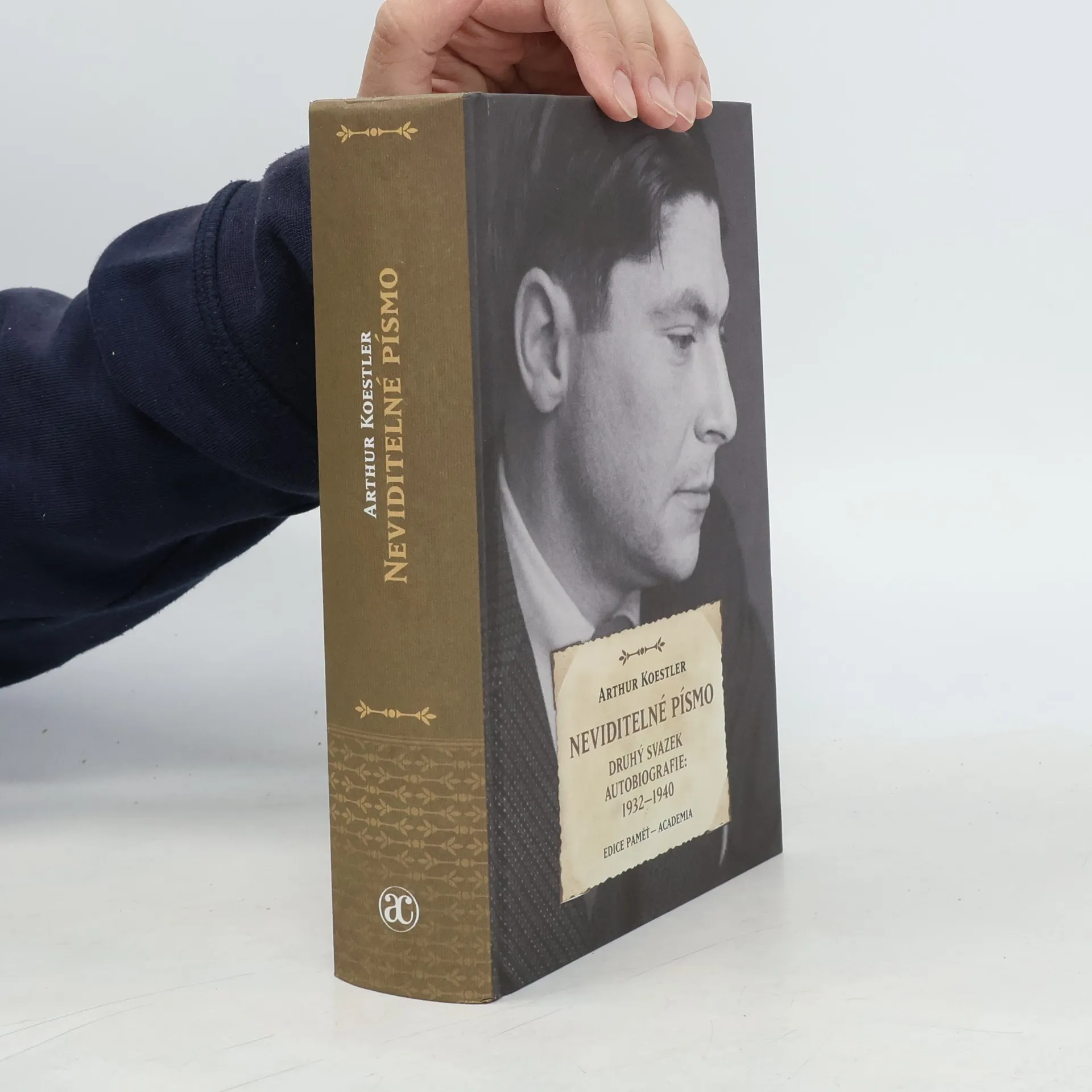
Druhý díl pamětí Arthura Koestlera navazuje na díl první, nazvaný Šíp do nebe, a zobrazuje především proces, v němž se autor odvrátil od komunismu. Jeho hledání, tápání a pochyby jsou pozoruhodné. Neméně důležité jsou ovšem dějiny, které se před očima tohoto bystrého pozorovatele odehrávaly – a jichž se autor snažil účastnit. Sledoval je v Sovětském svazu začátkem třicátých let pohledem komunisty, pak v západní Evropě pohledem hodně zviklaného komunisty, odsouzence k smrti ve Frankově vězení za španělské občanské války, poté v internaci v okupované Francii a konečně v Anglii, kam se mu nakonec podařilo šťastně uprchnout.
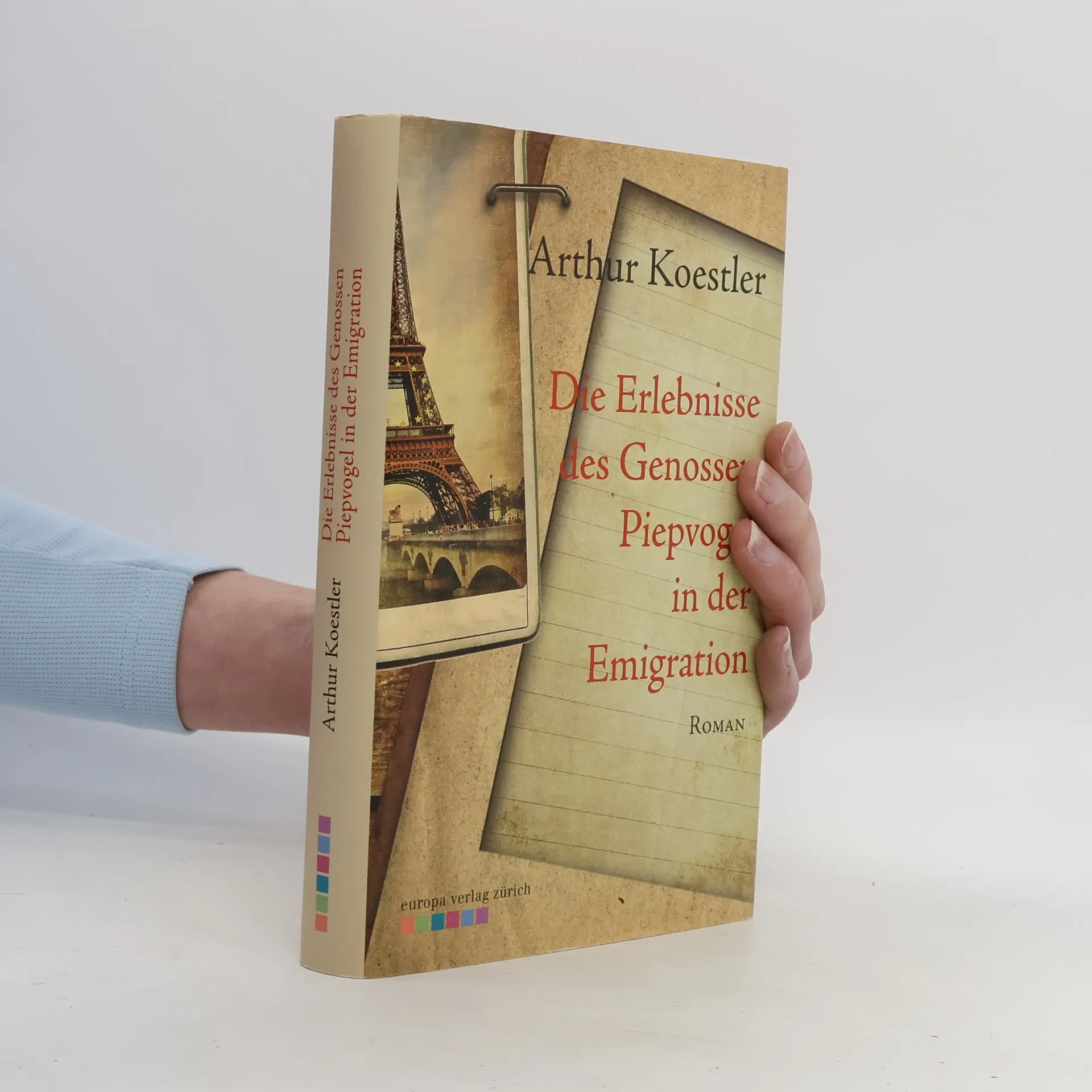
Die Erlebnisse des Genossen Piepvogel in der Emigration
- 240 páginas
- 9 horas de lectura
Bisher unveröffentlicht - Arthur Koestlers erster Roman!Von den Verlagen abgelehnt, fiel das Manuskript 1940 der Gestapo in die Hände. 1945 wurde es von dem sowjetischen Geheimdienst in Berlin sichergestellt. Da sich Koestler darin kritisch zum Sozialismus äußert, blieb das Manuskript lange in Moskau unter Verschluss. Erst jetzt wurde es in einem Archiv wiederentdeckt.Im Zentrum der Erzählung steht ein Kollektiv deutscher Emigrantenkinder, die nahe Paris in einem Kinderheim aufwachsen - darunter auch „Genosse Piepvogel“. Damals gängige Erziehungskonzepte und die Revolten pubertierender Kinder werden thematisiert. Koestler knüpft eindeutige Bezüge zur politischen Emigration der 1930er Jahre und nicht zuletzt die Verwendung von Originaldokumenten symbolisiert den erregten Zeitgeist.
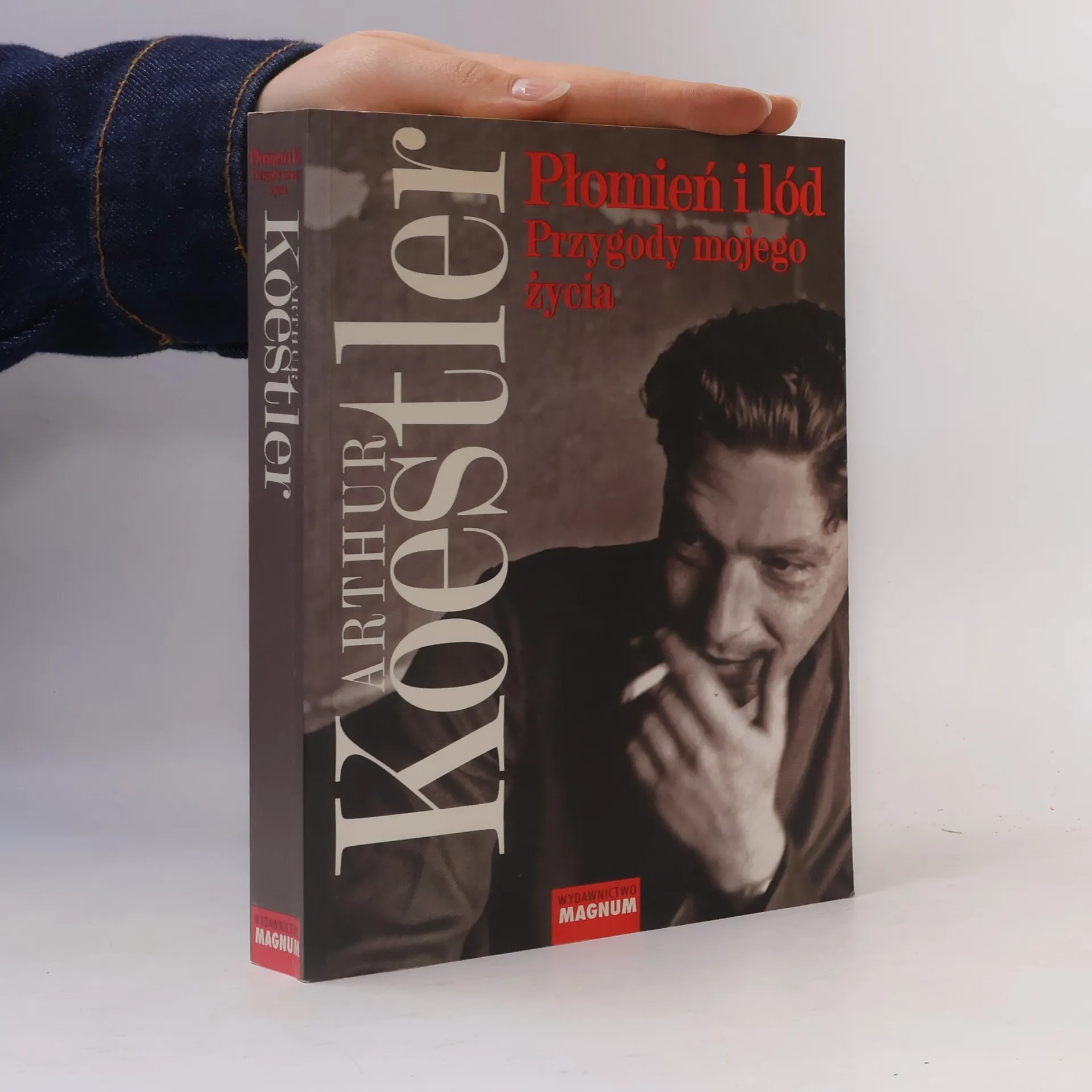
Płomień i lód
- 432 páginas
- 16 horas de lectura
Przebywając w 1937 roku w celi śmierci frankistowskiego więzienia, Arthur Koestler przyrzekł sobie, że jeśli wyjdzie na wolność, napisze autobiografię, w której nie zatai niczego. Wyszedł na wolność i dotrzymał słowa. Koestler, autor słynnej 'Ciemności w południe', opublikował cztery książki autobiograficzne. Polskie wydanie składa się z najciekawszych fragmentów tych książek. Autor opisuje swoje niezwykle barwne życie na tle burzliwych lat 1905–1940 i tworzy fascynujący obraz epoki – epoki zbrodniczych ideologii, rewolucji, wojen światowych i przewrotów w nauce. 'Znakomicie napisane i głęboko przejmujące wspomnienia, a zarazem portret całej generacji.' „The Observer” 'Najbardziej oryginalna autobiografia od czasu Wyznań Jeana Jacques’a Rousseau.' V.S. Pritchett, „New Statesman” 'Arthur Koestler przez całe życie trzymał rękę na pulsie swojej epoki i przez blisko dwadzieścia lat odciskał na niej własne piętno, bo żył w niej, cierpiał, analizował ją i dokumentował. Od wczesnej młodości był aktywnym uczestnikiem wydarzeń, a jednocześnie potrafił wspaniale opisać zarówno to, co robił, jak okoliczności i czasy, w których działał. ' Hilde Spiel, „Frankfurter Allgemeine Zeitung”
Reflections on the Guillotine
- 96 páginas
- 4 horas de lectura
Written when execution by guillotine was still legal in France, Albert Camus' devastating attack on the 'obscene exhibition' of capital punishment remains one of the most powerful, persuasive arguments ever made against the death penalty.
Promise and Fulfilment - Palestine 1917-1949
- 356 páginas
- 13 horas de lectura
The book explores the historical foundations of the State of Israel through a unique lens, emphasizing the influence of irrational forces and emotional biases alongside traditional politico-economic factors. It is divided into three parts: "Background," which surveys key developments; "Close-up," focusing on specific events; and "Perspective," offering broader insights. The author aims to provide a balanced view by highlighting psychological elements in history, presenting a "psycho-somatic" understanding of this significant modern episode.
Japan
- 117 páginas
- 5 horas de lectura
India
- 136 páginas
- 5 horas de lectura
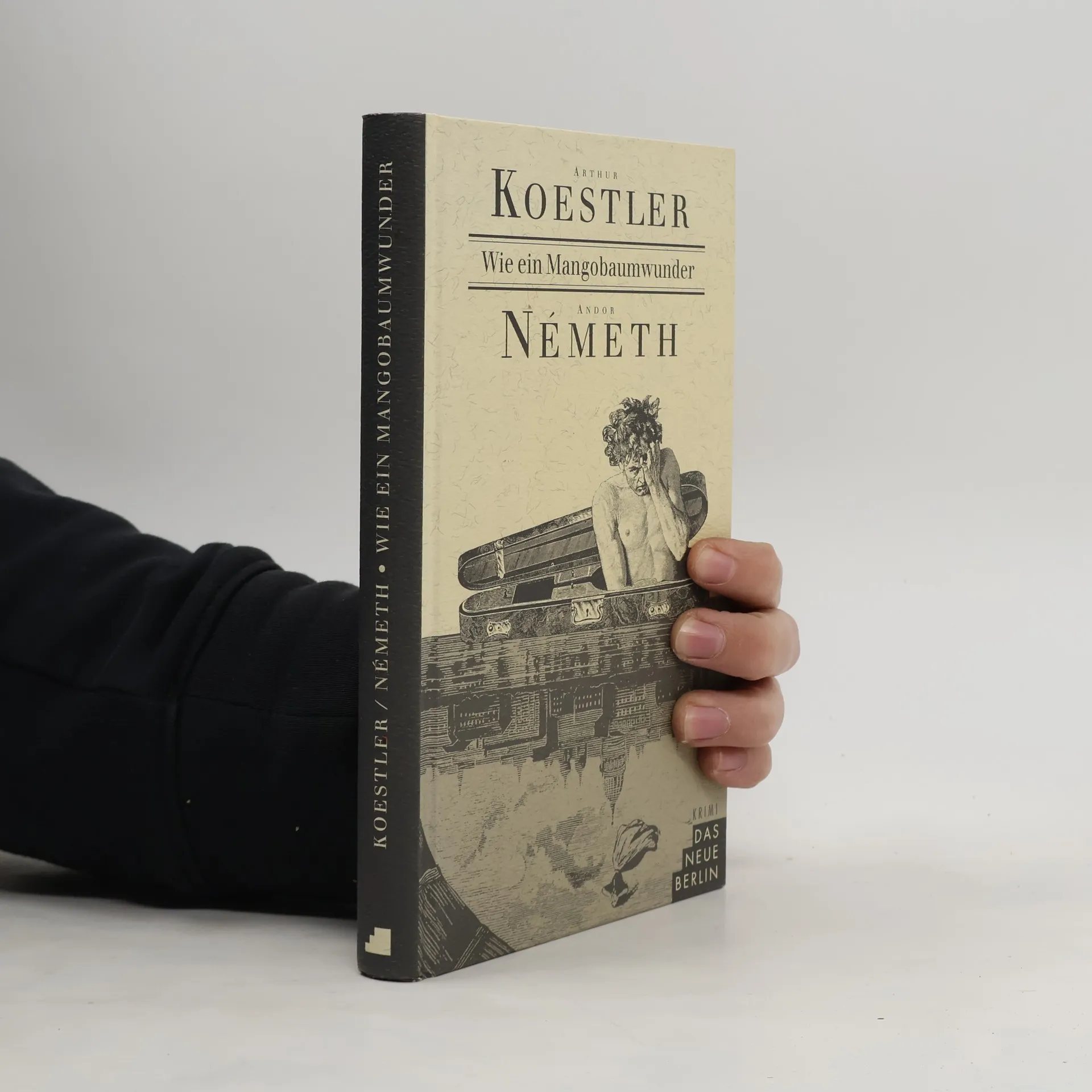
Wie ein Mangobaumwunder
- 159 páginas
- 6 horas de lectura
Libro usado en buenas condiciones, por su antiguedad podria contener señales normales de uso
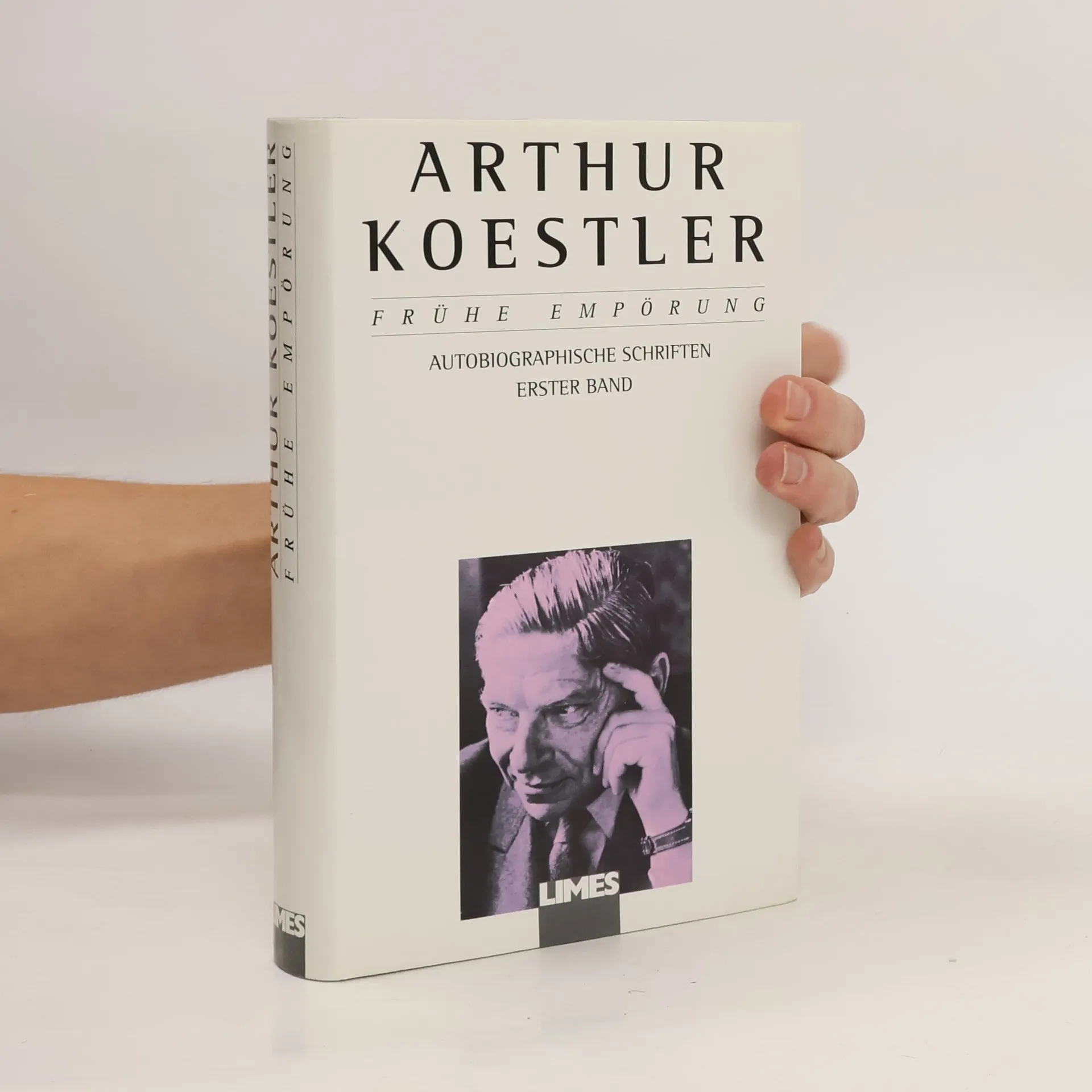
Frühe Empörung. Autobiographische Schriften
- 502 páginas
- 18 horas de lectura
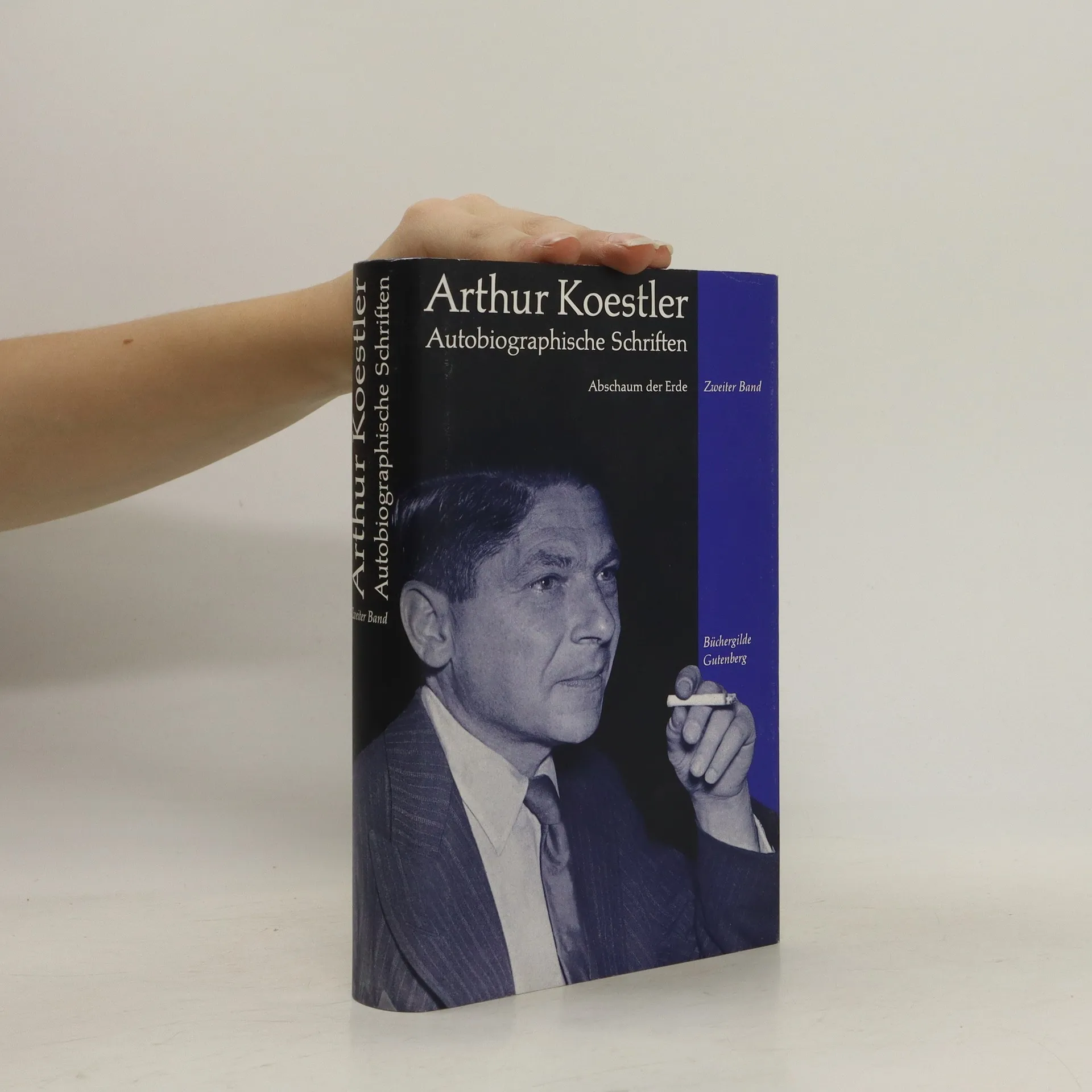
Autobiographische Schriften
- 489 páginas
- 18 horas de lectura
At the beginning of the Second World War, Koestler was living in the south of France working on Darkness at Noon. After retreating to Paris he was imprisoned by the French as an undesirable alien even though he had been a respected crusader against fascism. Only luck and his passionate energy allowed him to escape the fate of many of the innocent refugees, who were handed over to the Nazis for torture and often execution. Scum of the Earth is more than the story of Koestler's survival. His shrewd observation of the collapse of the French determination to resist during the summer of 1940 is an illustration of what happens when a nation loses its honour and its pride. -- From the 2006 paperback edition.
Stranger on the Square
- 242 páginas
- 9 horas de lectura
Hardcover. Edited, with an introduction and epilogue by Harold Harris. Related newspaper clippings laid in. Minor shelfwear to the jacket; faint stain on the inside at the lower edge. The inner flaps, pastedowns and endpapers are tanned. One or two creased page corners. All text and images are clear. CM
Krucjata bez krzyża
- 195 páginas
- 7 horas de lectura
Die Autobiographie eines der schillerndsten Intellektuellen des 20. Jahrhunderts: Arthur Koestler, 1905 in Budapest geboren, war Autor, Journalist und Philosoph. Der Zionist und Kommunist wurde von der Gestapo gejagt und im spanischen Bürgerkrieg zum Tode verurteilt, während ihn Moskau später als Kalten Krieger beschimpfte. In seiner Autobiographie lotet er wie kein anderer die Grenzen im Jahrhundert der Extreme aus.
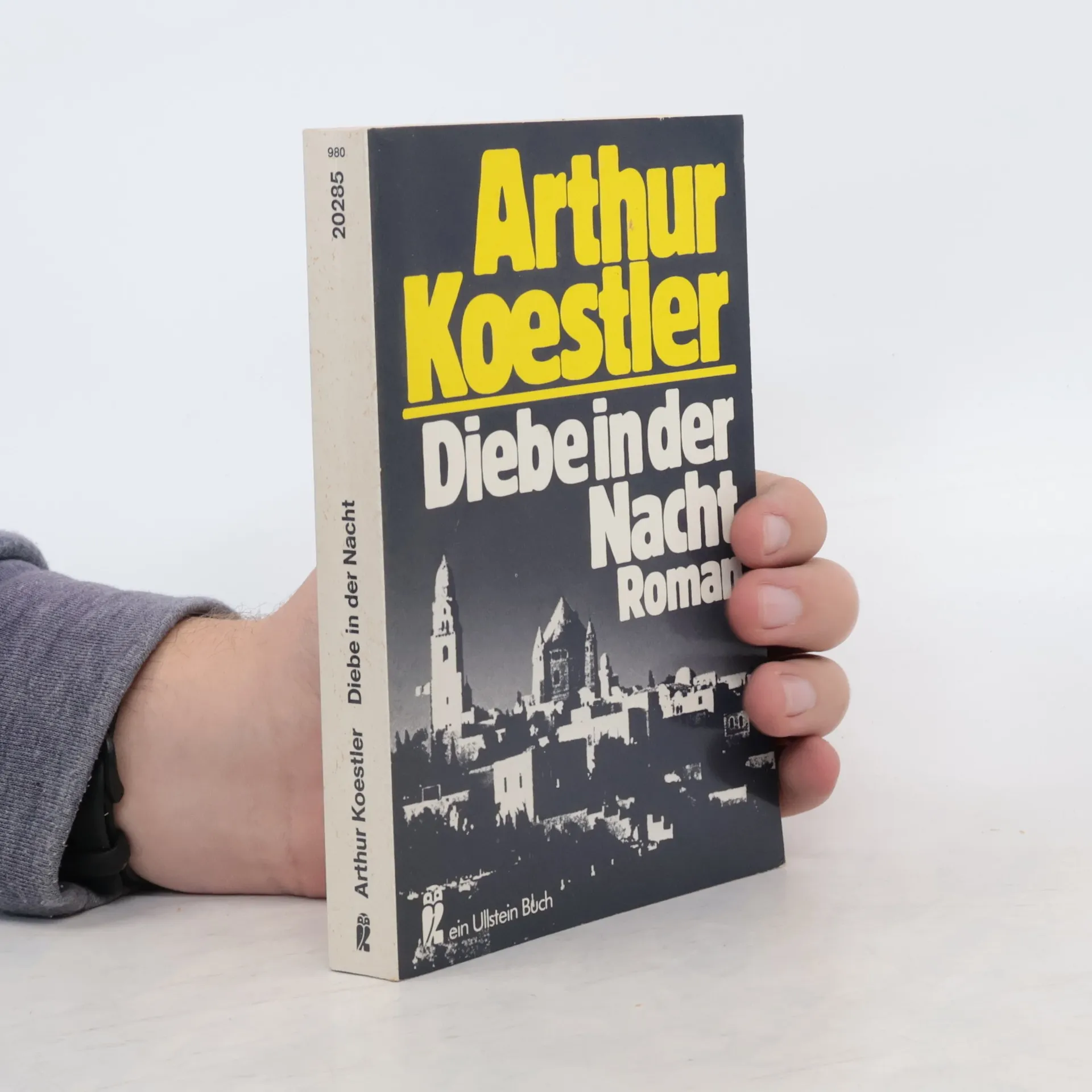
1937, kurz vor dem Zweiten Weltkrieg: Der junge Halbengländer Joseph sucht in der jüdischen Siedlung Esras Turm in Palästina ein neues Leben. Doch über ihm und der Kommune lasten dunkle Schatten: die Nazi-Verfolgung in Europa, der Terror der Araber, der Gegenterror militante jüdischer Gruppen und die zunehmenden Restriktionen der britischen Mandatsmacht, die jüdische Neuansiedlungen erschweren. Der Traum von einer sicheren Heimat scheint für die aus Europa geflohenen Juden unerreichbar. Der Roman beleuchtet die historischen Wurzeln des Nahost-Konflikts. Arthur Koestler, ein einflussreicher Intellektueller und Aktivist des 20. Jahrhunderts, greift in seinem Werk die großen politischen Themen seiner Zeit auf und erkundet Grenzen und Extreme. Basierend auf seinen eigenen Erfahrungen in einem Kibbuz erzählt er die Geschichte der Gründung einer jüdischen Siedlung in Palästina am Vorabend des Krieges. Fiktion und Zeitdokument werden geschickt verknüpft. Koestler, der seinen Roman 1945 in Jerusalem in einer von Terrorismus und Brutalität geprägten Atmosphäre vollendete, ermöglicht ein vertieftes Verständnis der Konflikthintergründe zwischen Arabern und jüdischen Siedlern.
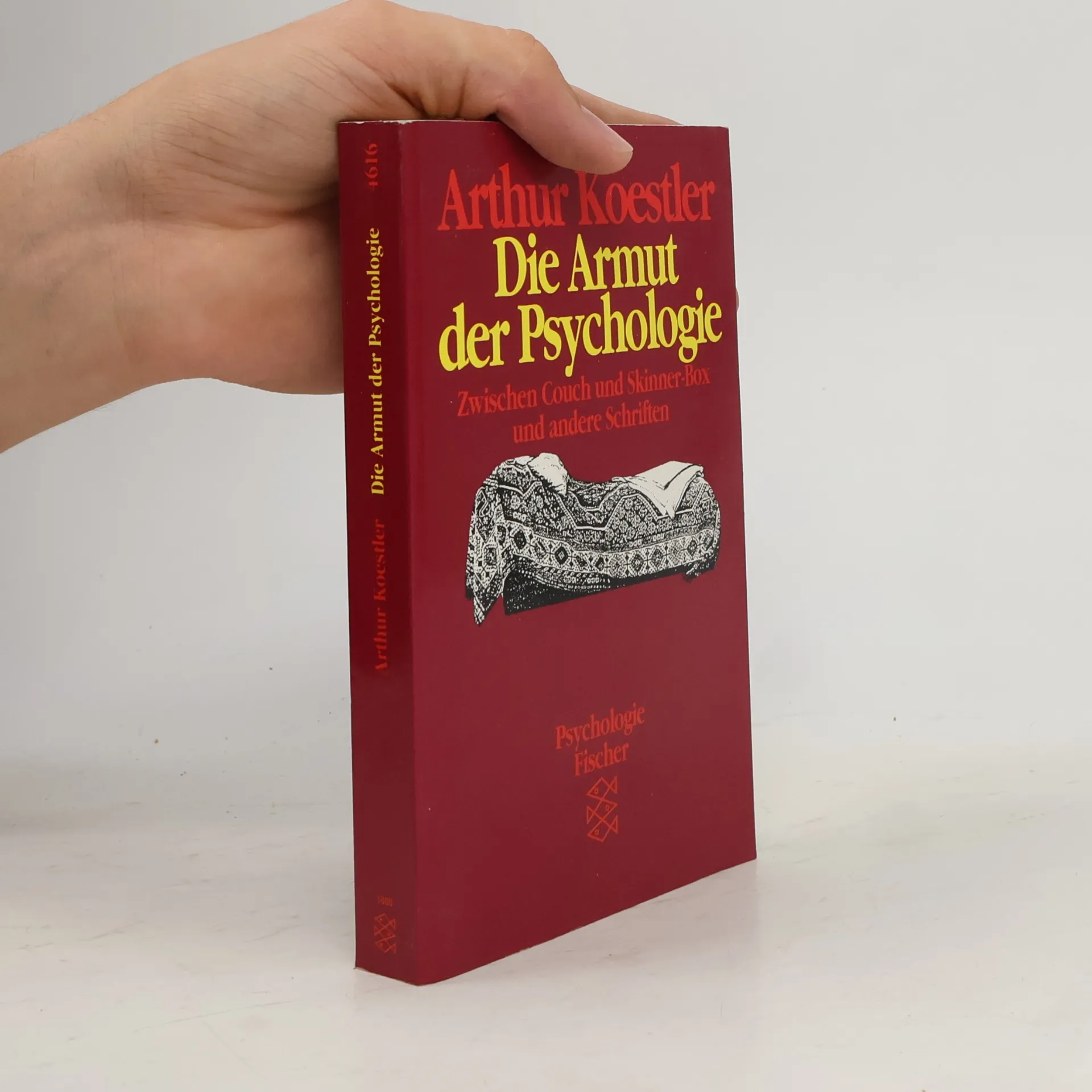
Die Armut der Psychologie
- 383 páginas
- 14 horas de lectura
Ein spanisches Testament
- 202 páginas
- 8 horas de lectura
Koestlers Aufzeichnungen aus dem Spanischen Bürgerkrieg gelten als sein bedeutendstes Werk. Zunächst 1938 in deutscher Sprache veröffentlicht, reflektieren sie das persönliche Erleben des Autors im Angesicht des Todes. Er beschreibt, wie das Sterben, selbst im Namen einer überpersönlichen Sache, eine zutiefst individuelle Angelegenheit ist. Die Aufzeichnungen, entstanden in akuter Todesangst, sind stark von persönlichen Erlebnissen geprägt. Koestlers Tagebuchnotizen aus dem Gefängnis in Sevilla, ergänzt durch Erinnerungen aus dem Sommer 1937 in London, bieten einen authentischen Bericht über das Schicksal Tausender während des Bürgerkriegs. Als Berichterstatter für das "News Chronicle" war er in Malaga, als die Putschisten die Stadt einnahmen. Verhaftet und als Verräter verurteilt, wartete er drei Monate lang in den Todeszellen von Sevilla auf seine Hinrichtung. In dieser Zeit erlebte er das Weinen und Schreien seiner Mitgefangenen vor den Erschießungen. Der Bericht ist unheroisch und lässt sich nicht von politischen Analysen ablenken, sondern konzentriert sich auf das Leiden, den Hunger und die Todesangst, die er und andere erlitten haben.
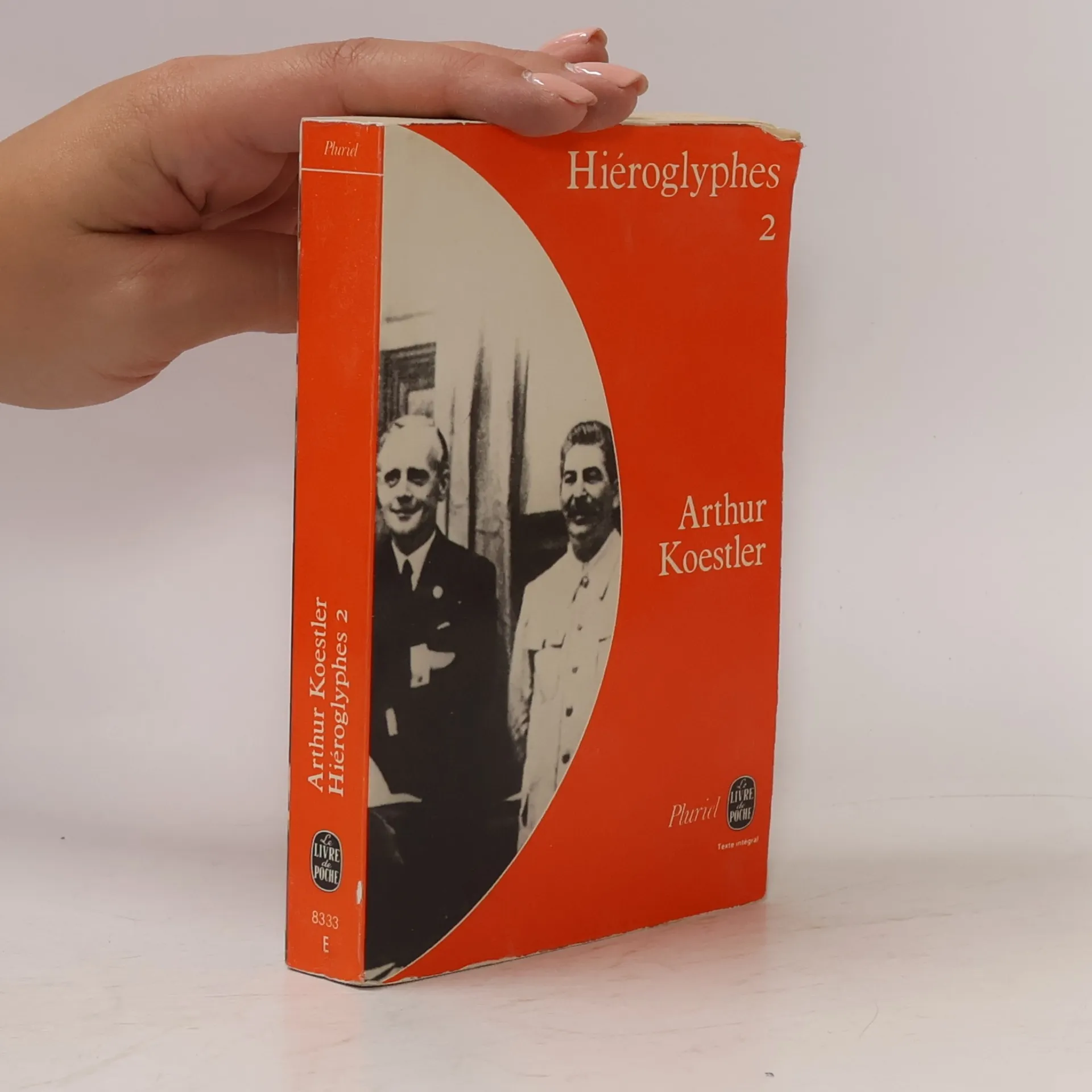
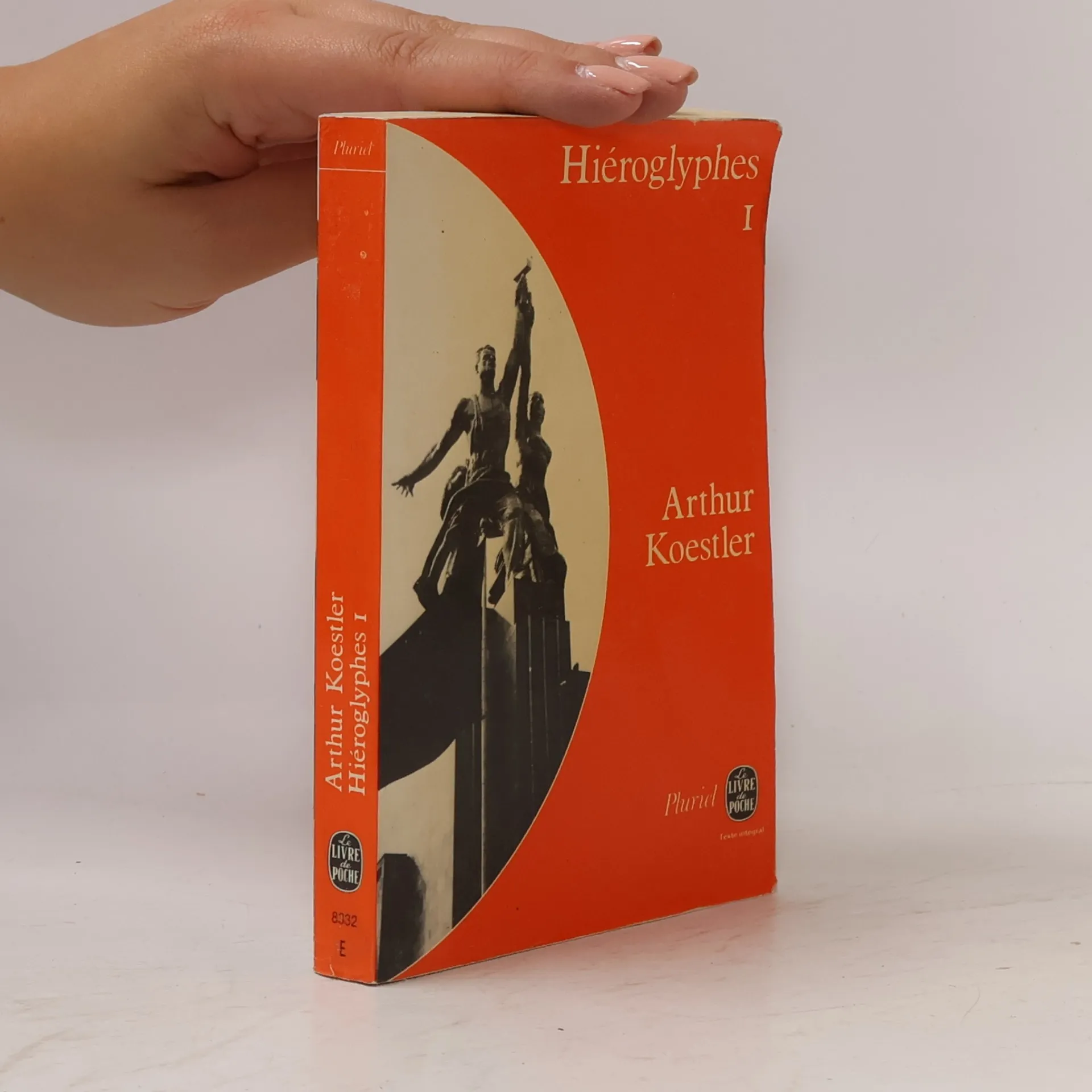
Hieroglyphes
- 831 páginas
- 30 horas de lectura
Edition originale, 1955. Suite de ##La corde raide## (1952), dans la même veine autobiographique. Il s'agit, selon l'auteur, de "l'histoire typique d'un membre des classes moyennes instruites d'Europe centrale dans la première moitié de notre siècle". Un appendice au tome 1 a été ajouté par l'éditeur, à la demande de Koestler: il s'agit d'un texte écrit pour un ouvrage collectif intitulé ##Le Dieu des ténèbres## (Calmann-Lévy, 1950). Intérêt littéraire, politique, historique et philosophique.
Human Discord Essays in which the author attempts to summarize his vision of humanity and the universe, as presented in previous works.
The Heel of Achilles
- 256 páginas
- 9 horas de lectura
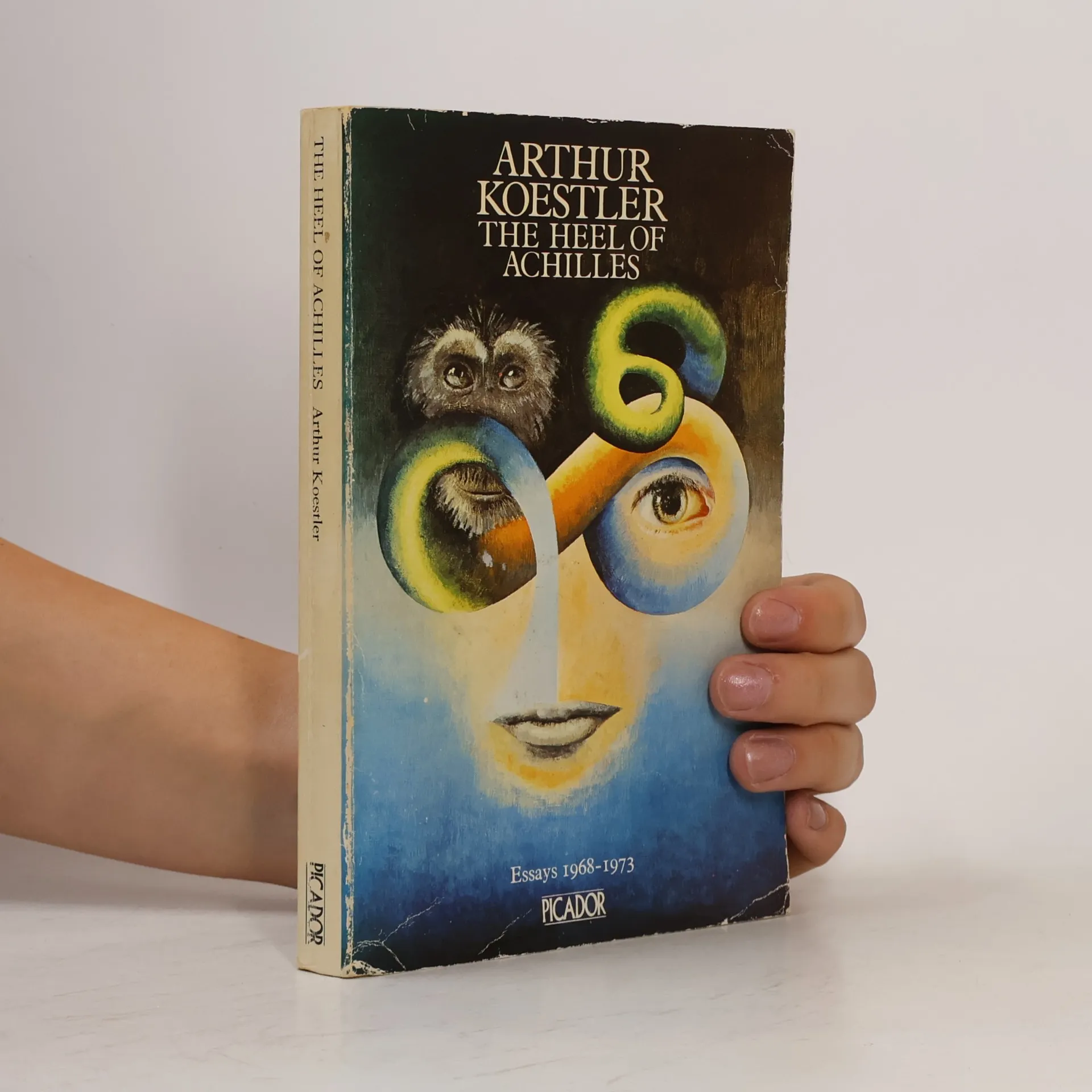
In this penetrating selection of essays and reviews, Arthur Koestler roves from Indian politics to the paranormal, from materialism to mysticism. Whether he is addressing a learned society on education or psychiatry, discussing ESP, reporting the Fischer-Spassky chess championship or taking a step into the 1980s, Koestler is always controversial, forthright and stimulating — above all, compulsively readable. [Taken from the back cover]
The Thirteenth Tribe
- 318 páginas
- 12 horas de lectura
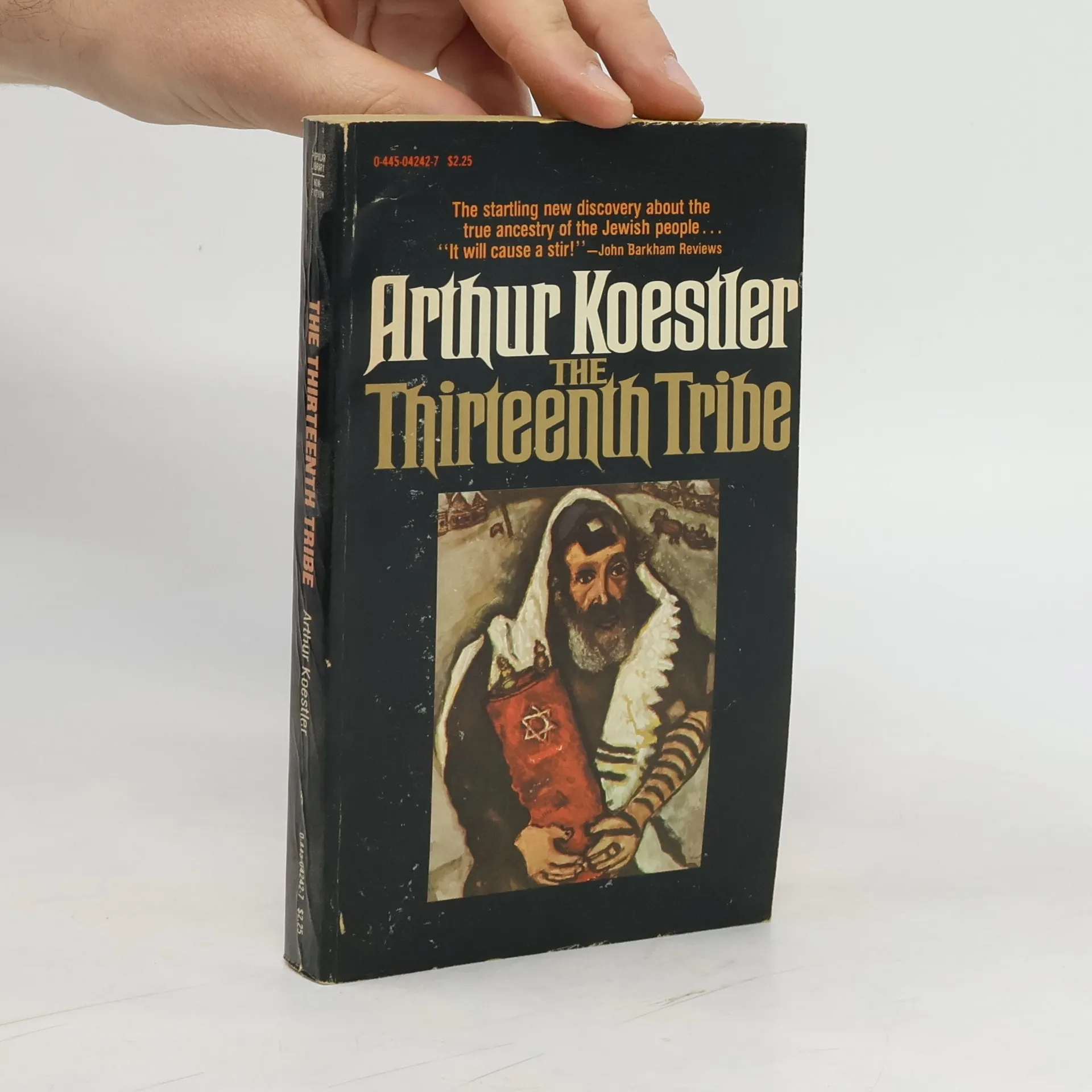
This book explores the history of the ancient Khazar Empire, a significant yet often overlooked power in Eastern Europe that converted to Judaism during the Dark Ages. The Khazars, who thrived from the 7th to 11th century, were ultimately destroyed by Genghis Khan's forces, but evidence suggests they migrated to Poland, contributing to the roots of Western Jewry. While the Khazars may seem distant to contemporary readers, their legacy has surprising relevance today. At the time of Charlemagne's reign in the West, the Khazars controlled a vast territory from the Black Sea to the Caspian Sea, playing a crucial role in halting the Muslim advance against Byzantium. This positioned them precariously between the Eastern Roman Empire and the followers of Mohammed. Koestler characterizes the Khazars as the Third World of their era, as they resisted the pressures to convert to Christianity from the West and Islam from the East by choosing Judaism instead. He speculates on the fate of the Khazars and their influence on the racial and social heritage of modern Jewry, presenting detailed research that challenges conventional understandings of anti-Semitism.
s/t: A Tragi-comedy in Memoriam Messieurs Bouvard et Pecuchet
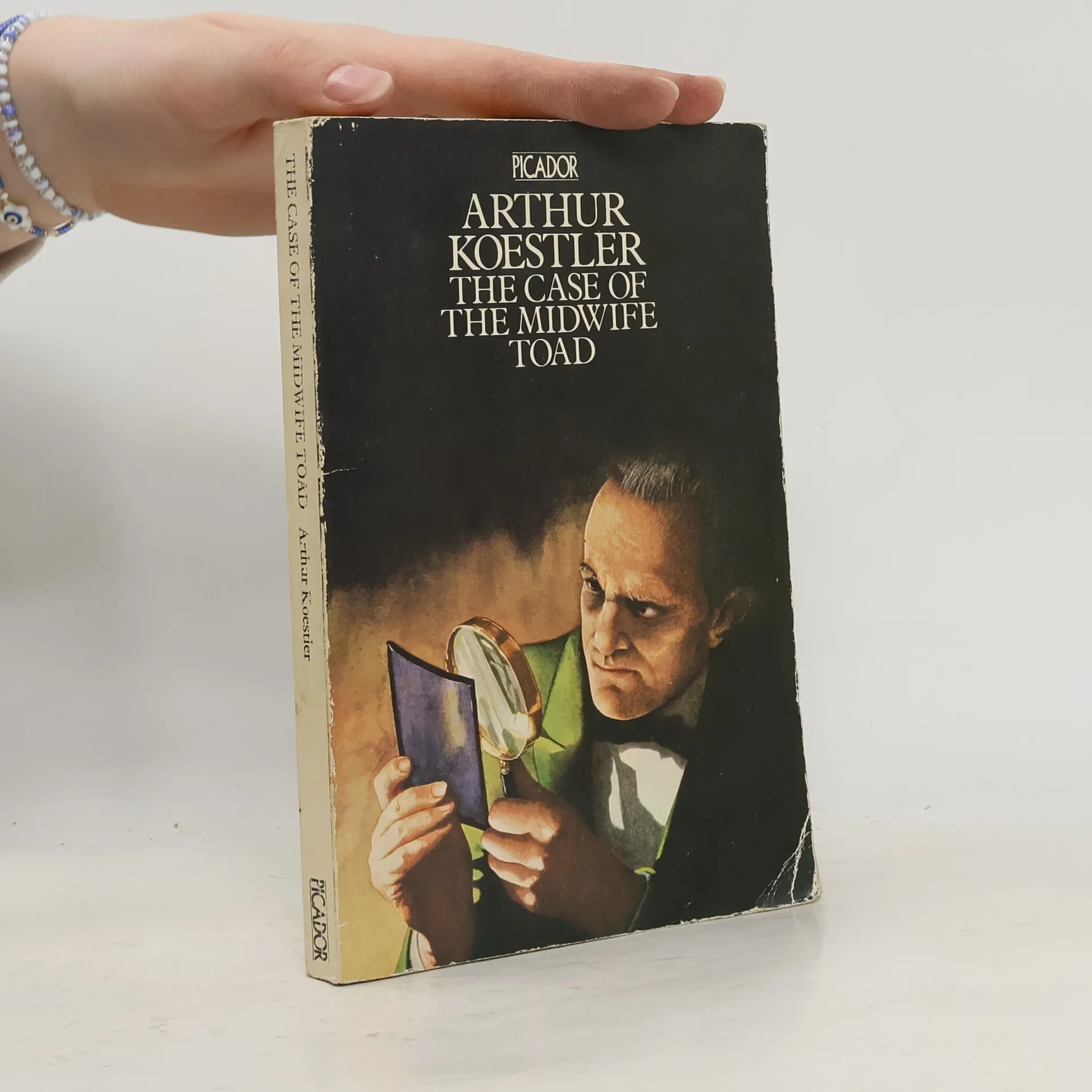
The narrative centers on Dr. Paul Kammerer, whose suicide in 1926 marked a dramatic end to a fierce debate in evolutionary biology. His experiments with amphibians, particularly salamanders and the midwife toad, supported the Lamarckian theory of inherited acquired characteristics, challenging the neo-Darwinist perspective of evolution through chance mutations and natural selection. Kammerer's work ignited significant controversy, pitting him against established scientists and ultimately leading to his tragic demise amidst the scientific turmoil.
The Roots of Coincidence
- 159 páginas
- 6 horas de lectura
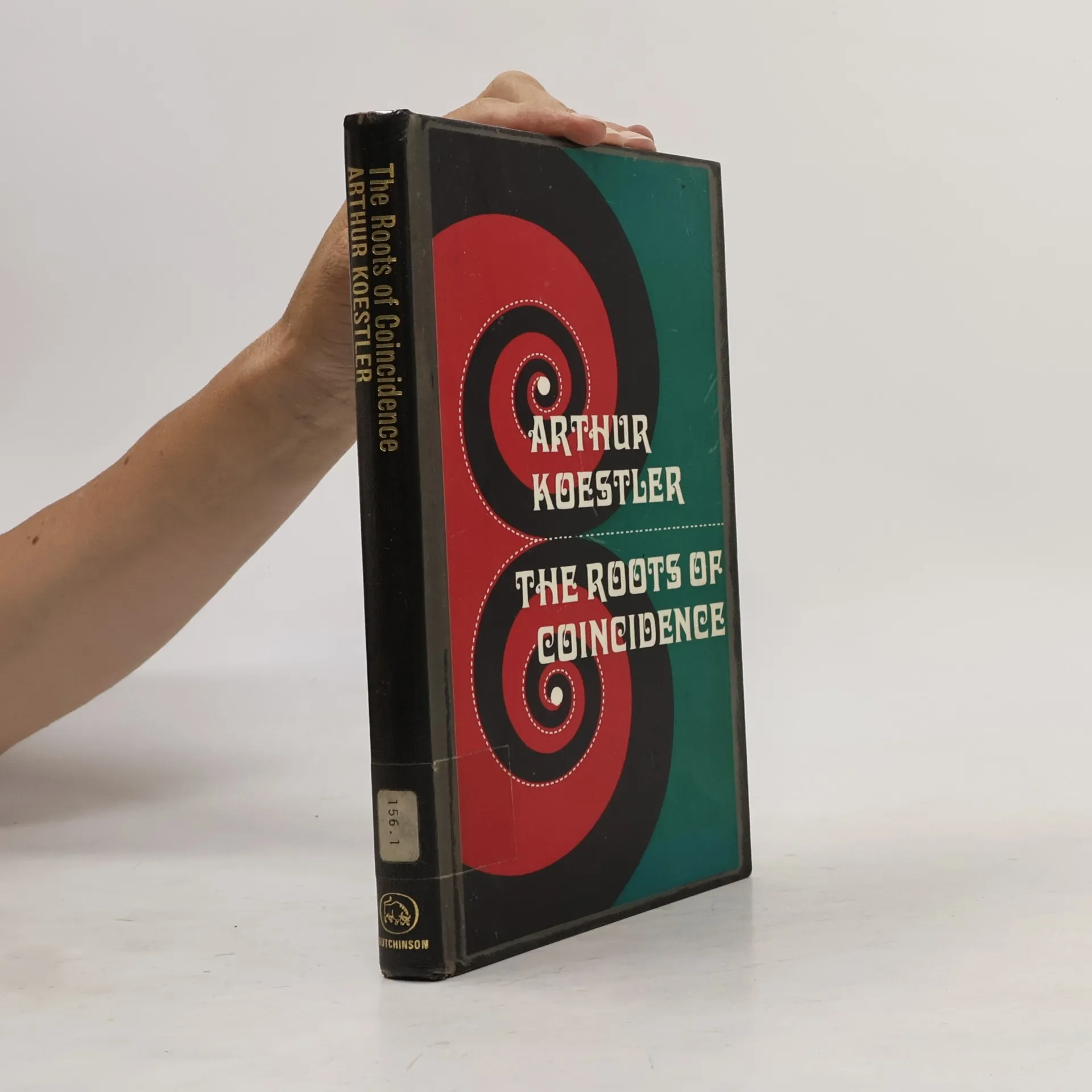
The gifted alchemist presents a thought-provoking exploration of the interplay between parapsychology and physics, challenging the entrenched "materialistic clockwork universe" of the early 19th century. With a brief overview, Koestler examines probability theory through Zimmer Cards and Rhine's dice, suggesting that the involvement of prominent physicists in Britain's Society for Psychical Research indicates more than mere chance. The increasing acknowledgment of paranormal phenomena is also noted in Russian scientific circles. One Apollo 14 astronaut even attempted telepathic communication with subjects on Earth, though the results remain undisclosed. Koestler delves deeper into Heisenberg's Principle of Indeterminacy, Eddington's notion that "the stuff of the world is mind-stuff," and the concept of a "psi field." He discusses Eccles' idea of will-influence and the collaboration between psychiatrist C.G. Jung and physicist Pauli on synchronicity, touching on meaningful coincidences. While much of this has historical roots, it points toward an "ultimate Unity." Despite remaining evidential rather than verifiable, Koestler transforms a topic once fraught with intellectual discomfort into one of compelling speculation, approaching conviction.
In The Sleepwalkers and The Act of Creation Arthur Koestler provided pioneering studies of scientific discovery and artistic inspiration, the twin pinnacles of human achievement. The Ghost in the Machine looks at the dark side of the coin: our terrible urge to self-destruction... Could the human species be a gigantic evolutionary mistake? To answer that startling question Koestler examines how experts on evolution and psychology all too often write about people with an 'antiquated slot-machine model based on the naively mechanistic world-view of the nineteenth century. His brilliant polemic helped to instigate a major revolution in the life sciences, yet its 'glimpses of an alternative world-view' form only the background to an even more challenging analysis of the human predicament. Perhaps, he suggests, we are a species in which ancient and recent brain structures - or reason and emotion - are not fully co-ordinated. Such in-built deficiencies may explain the paranoia, violence and insanity that are central strands of human history. And however disturbing we find such issues, Koestler contends, it is only when we face our limitations head-on that we can hope to find a remedy.
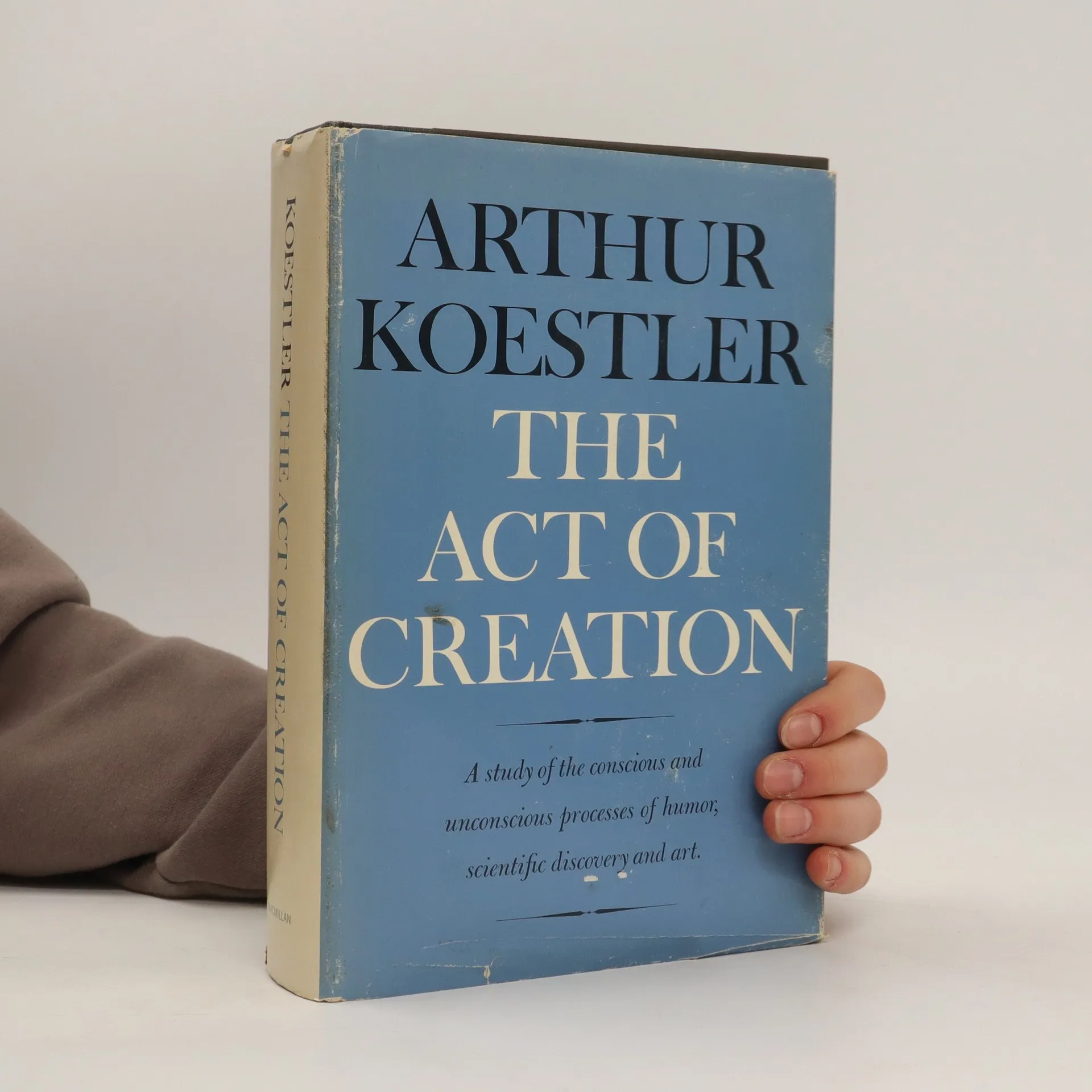
The Act of Creation
- 752 páginas
- 27 horas de lectura
The author examines the idea that we are at our most creative when rational thought is suspended-for example, in dreams and trancelike states.
The Sleepwalkers
- 592 páginas
- 21 horas de lectura
Arthur Koestler's extraordinary history of humanity's changing vision of the universe In this masterly synthesis, Arthur Koestler cuts through the sterile distinction between 'sciences' and 'humanities' to bring to life the whole history of cosmology from the Babylonians to Newton. He shows how the tragic split between science and religion arose and how, in particular, the modern world-view replaced the medieval world-view in the scientific revolution of the seventeenth century. He also provides vivid and judicious pen-portraits of a string of great scientists and makes clear the role that political bias and unconscious prejudice played in their creativity.
Arrow in the Blue
- 416 páginas
- 15 horas de lectura
Arrow in the Blue is the first volume of Arthur Koestler's autobiography. It covers the first 26 years of his life and ends with his joining the Communist Party in 1931, an event he felt to be second only in importance to his birth in shaping his destiny.In the years before 1931, Arthur Koestler lived a tumultuous and varied existence. He was a member of the duelling fraternity at the University if Vienna; a collective farm worker in Galilee; a tramp and street vendor in Haifa; the editor of a weekly paper in Cairo; the foreign correspondent of the biggest continental newspaper chain in Paris and the Middle East; a science editor in Berlin; and a member of the North Pole expedition of the Graf Zeppelin.Written with enormous zest, joie de vivre and frankness, Arrow in the Blue is a fascinating self-portrait of a remarkable young man at the heart of the events that shaped the twentieth century.The second volume of Arthur Koestler's autobiography is The Invisible Writing.
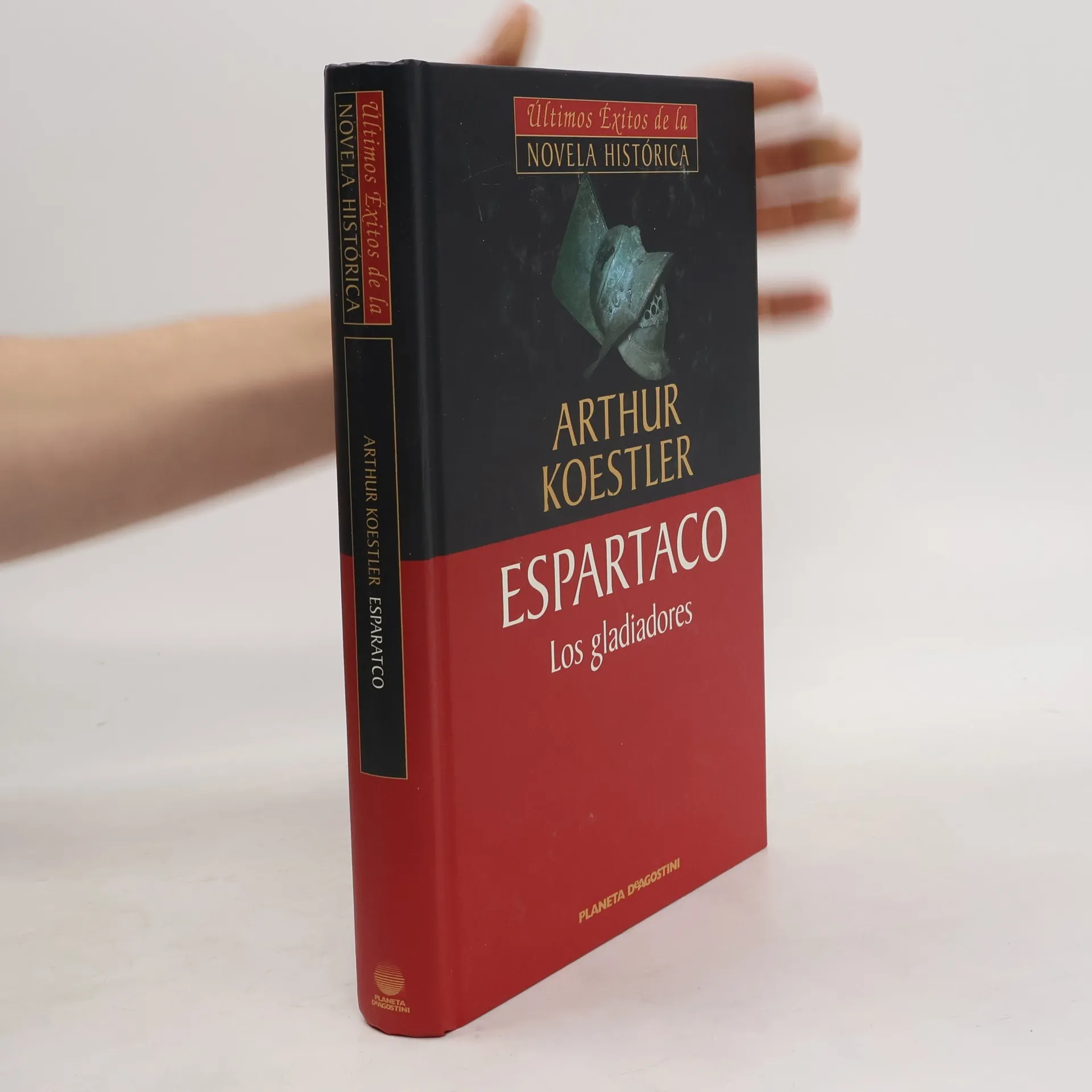
Espartaco
- 358 páginas
- 13 horas de lectura
Historia de la rebelión de unos gladiadores, en la Roma Imperial, que la mantuvo en jaque durante dos años.
The Yogi and the Commissar
- 256 páginas
- 9 horas de lectura
Arthur Koestler divided this volume into three parts: "Wanderings", "Complaints", "Investigations". In the first two parts he collected his most important essays on the literature, politics and problems of our time. The essays, representing a period of three years, were first published on such varied forms as Horizon, Harper's, Tribune, Observer, and others. The third part, "Investigations", was specifically written for this volume and was not previously published. It includes a well documented overview of the Soviet experiment and the conclusions that can be drawn from it. The value of these conclusions by such a distinguished writer of the Left can hardly be denied.
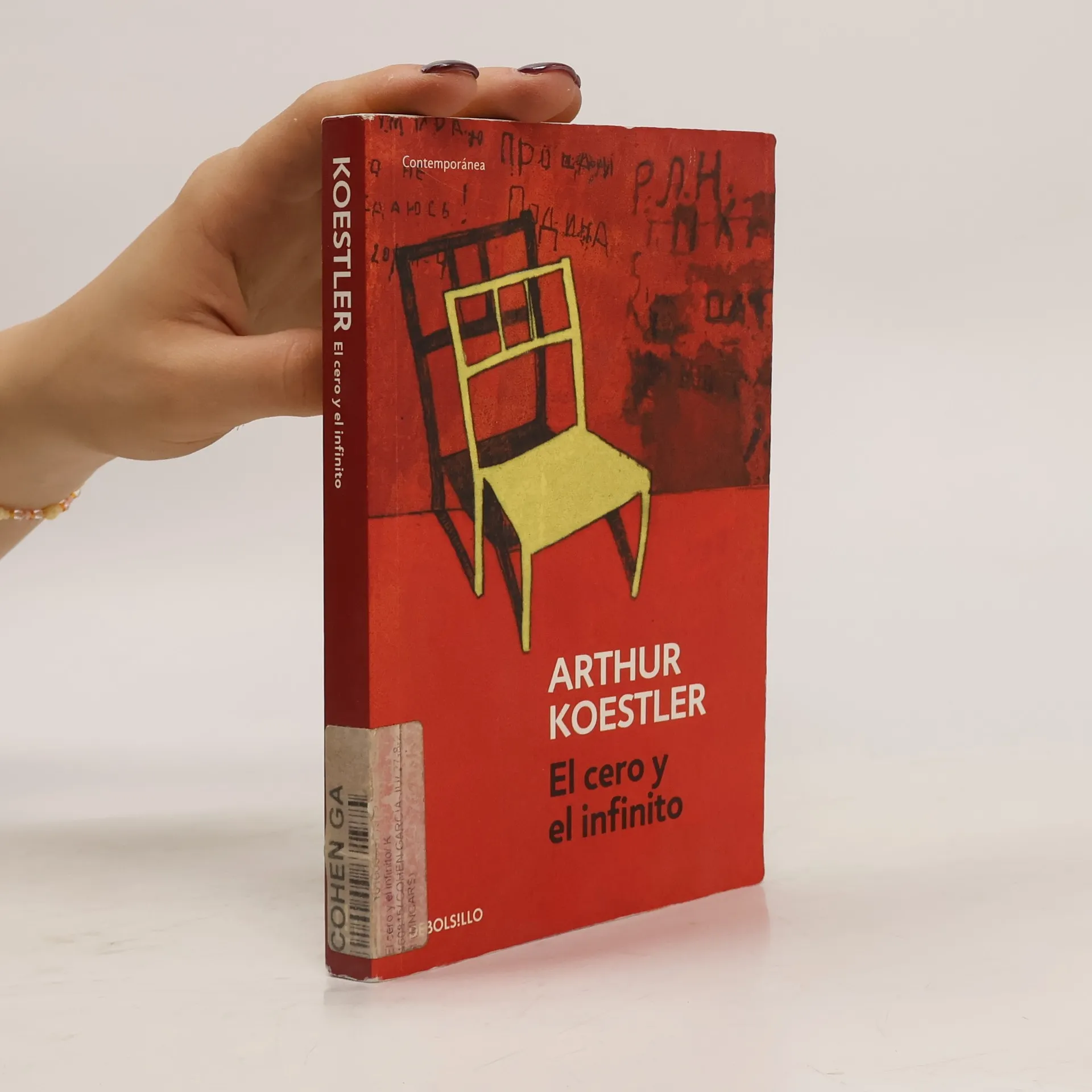
El cero y el infinito
- 302 páginas
- 11 horas de lectura
Rusbashov, miembro de la vieja guardia bolchevique y héroe de la Revolución Soviética, ha sido encarcelado acusado de traición al gobiernode Moscú. Es incitado a autoinculparse de una serie de delitos y traiciones que no ha cometido, pero termina por confesar a fin de salvar la Revolución. Esta obra cumbre de la literatura política nos ofrece un testimonio excepcional de la angustia que sufrieron cientos de antiguos miembros del Partido que desaparecieron, fueron encarcelados y juzgados o llegaron a autoinmolarse para salvarlo
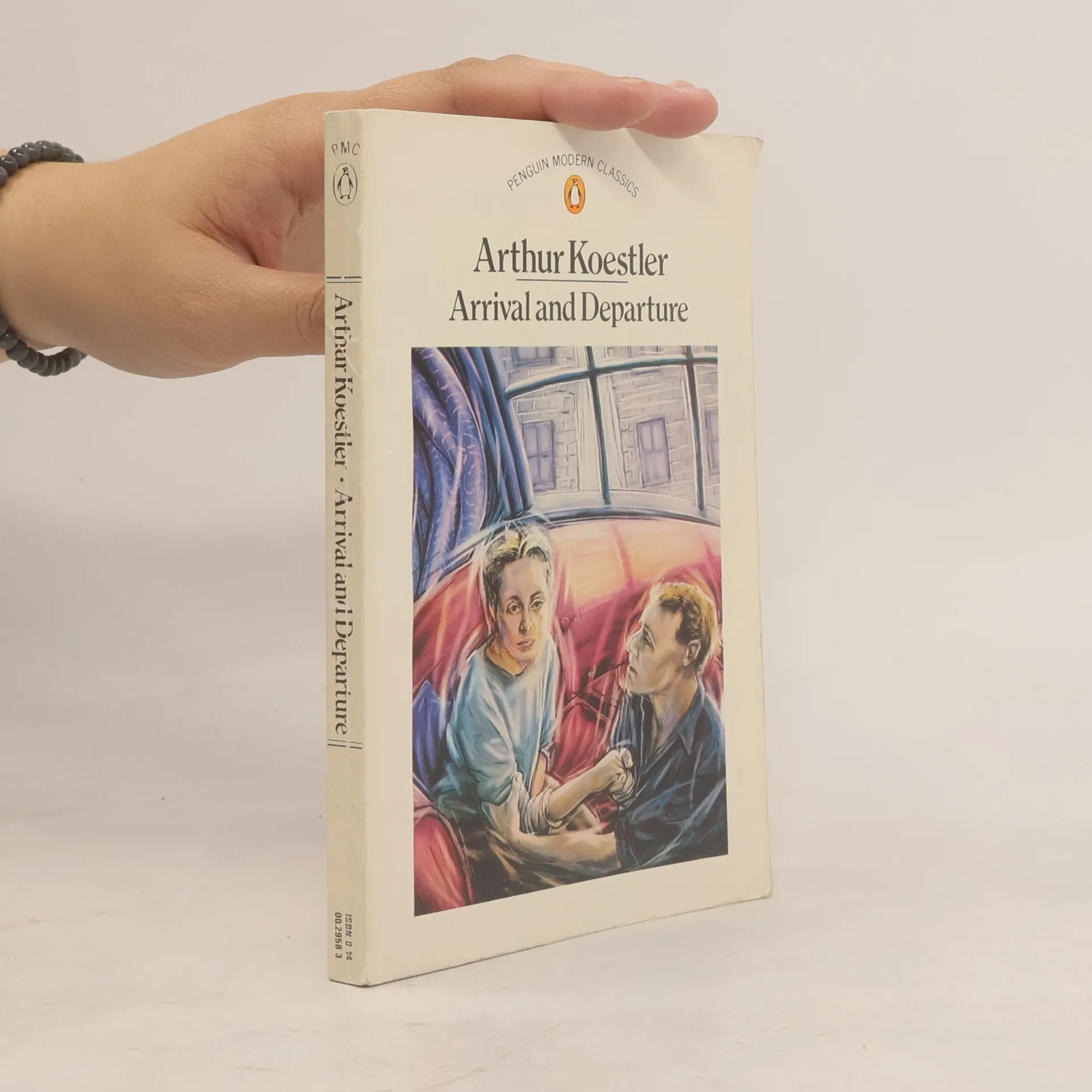
Arrival and Departure
- 192 páginas
- 7 horas de lectura
This was the third novel of Arthur Koestler's trilogy on ends and means - the other two are THE GLADIATORS and DARKNESS AT NOON - and the first he wrote in English. The central theme is the conflict between morality and expediency, and in this novel Koestler worked it out in terms of individual psychology. Peter Slavek starts out as a brave young revolutionary, but suffers a breakdown. On the analyst's couch he is made to discover, in Koestler's own words, 'that his crusading zeal was derived from unconscious guilt'.
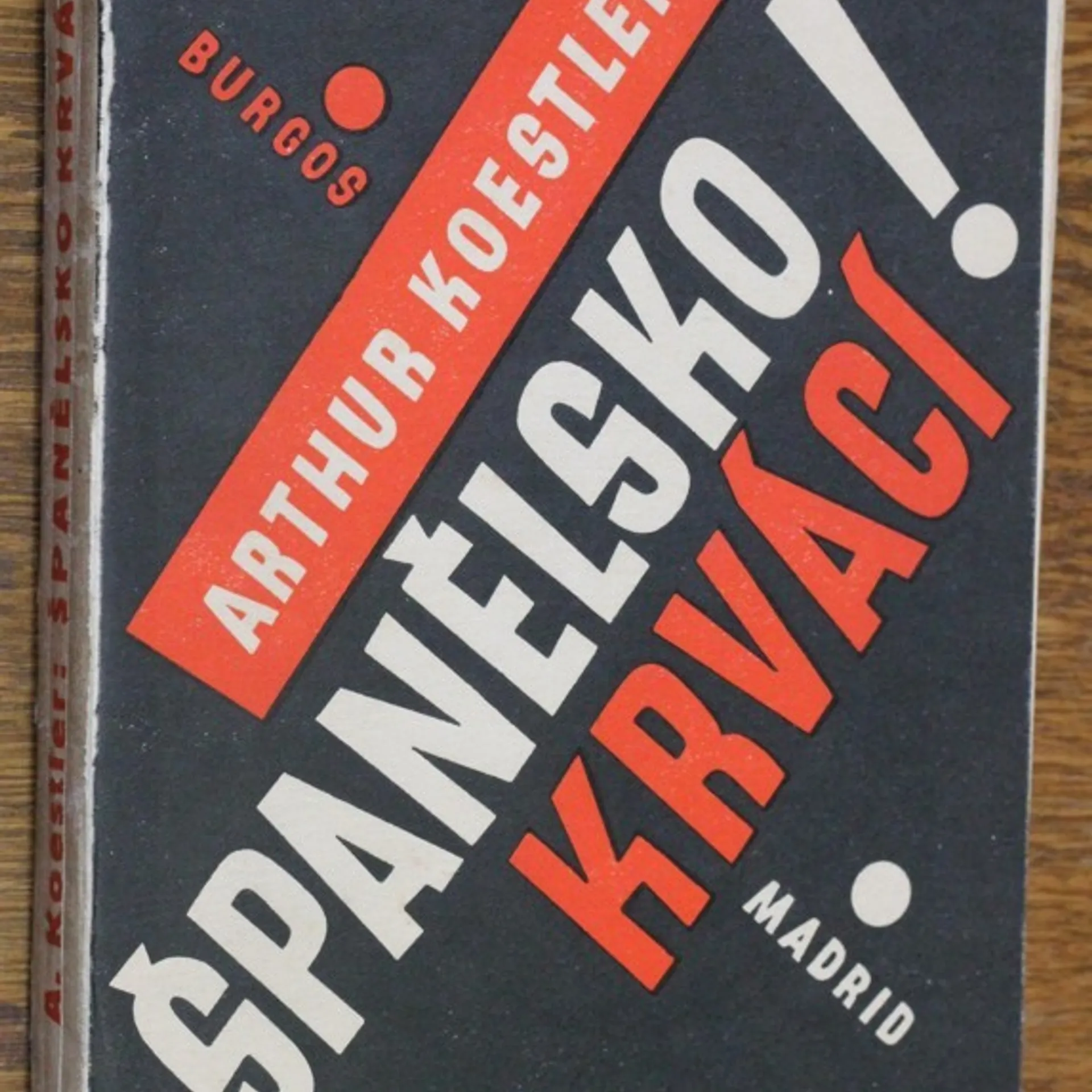
Popis zážitků z návštěvy vojenského velení v Seville, kde působil Francisco Franco. Koestler tam pronikl v roce 1936 během občanské války, předstírajíc podporu Frankovi a s falešným doporučením z deníku News Chronicle. Dílo bylo napsáno ve Francii a později se stalo součástí knihy Spanish Testament.