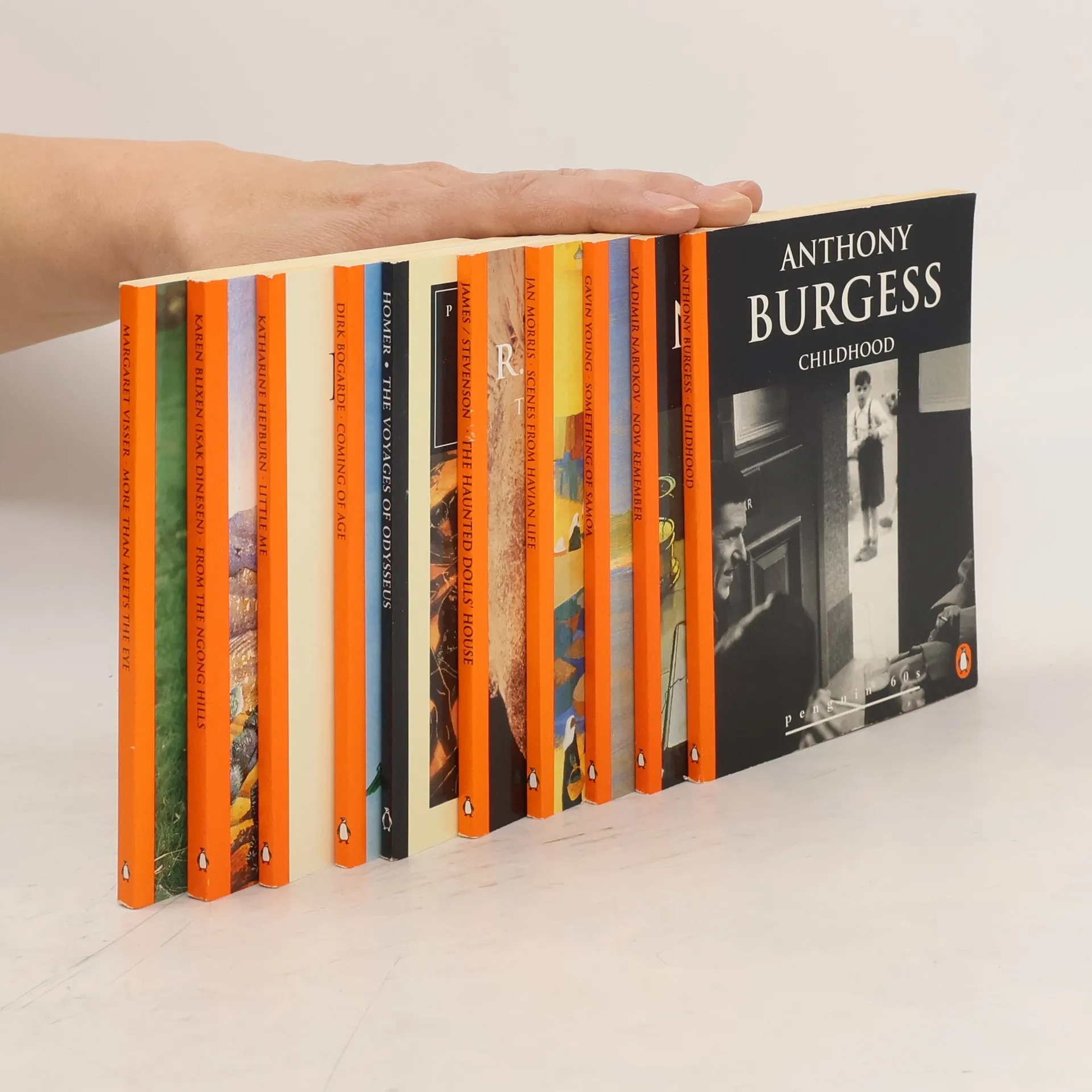
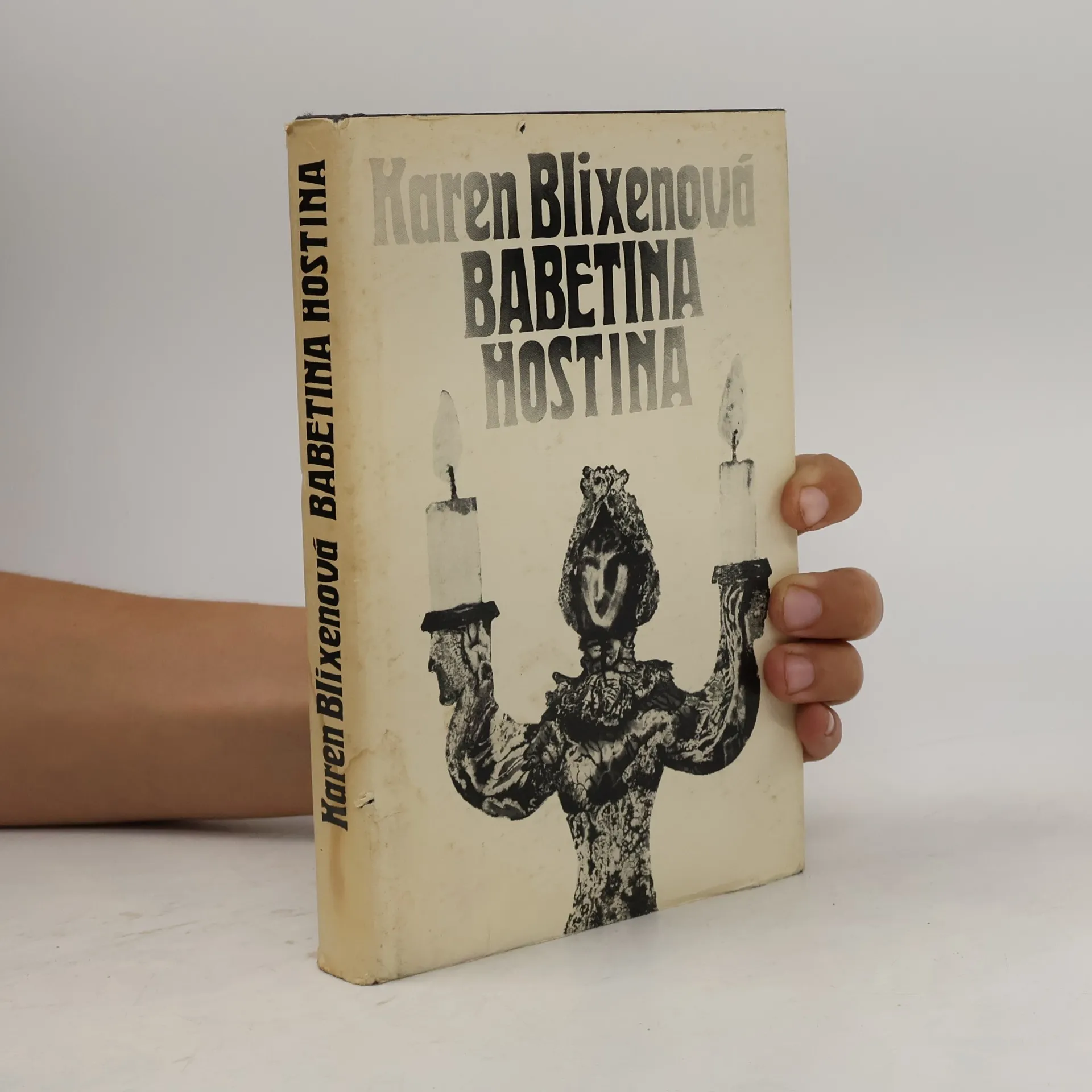
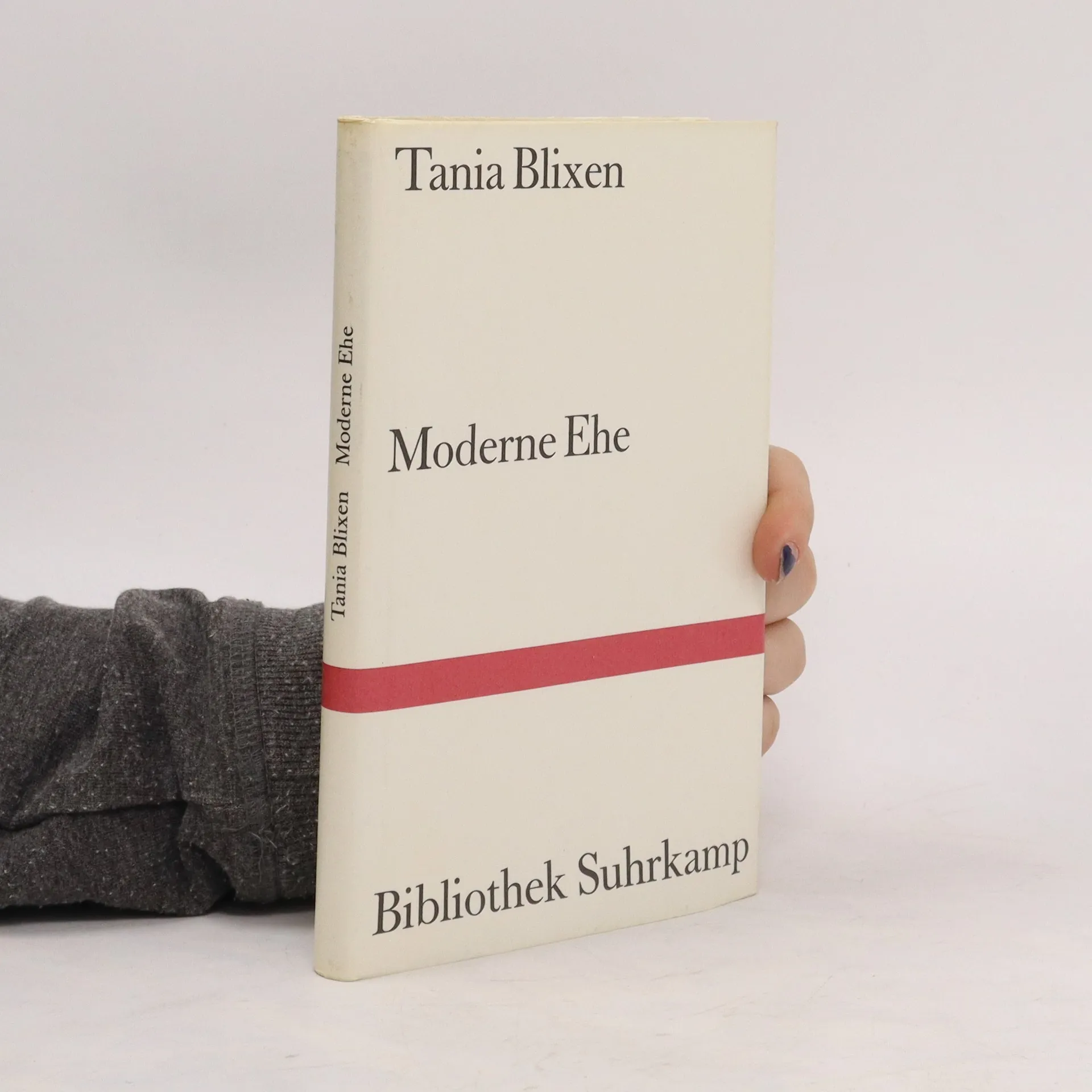
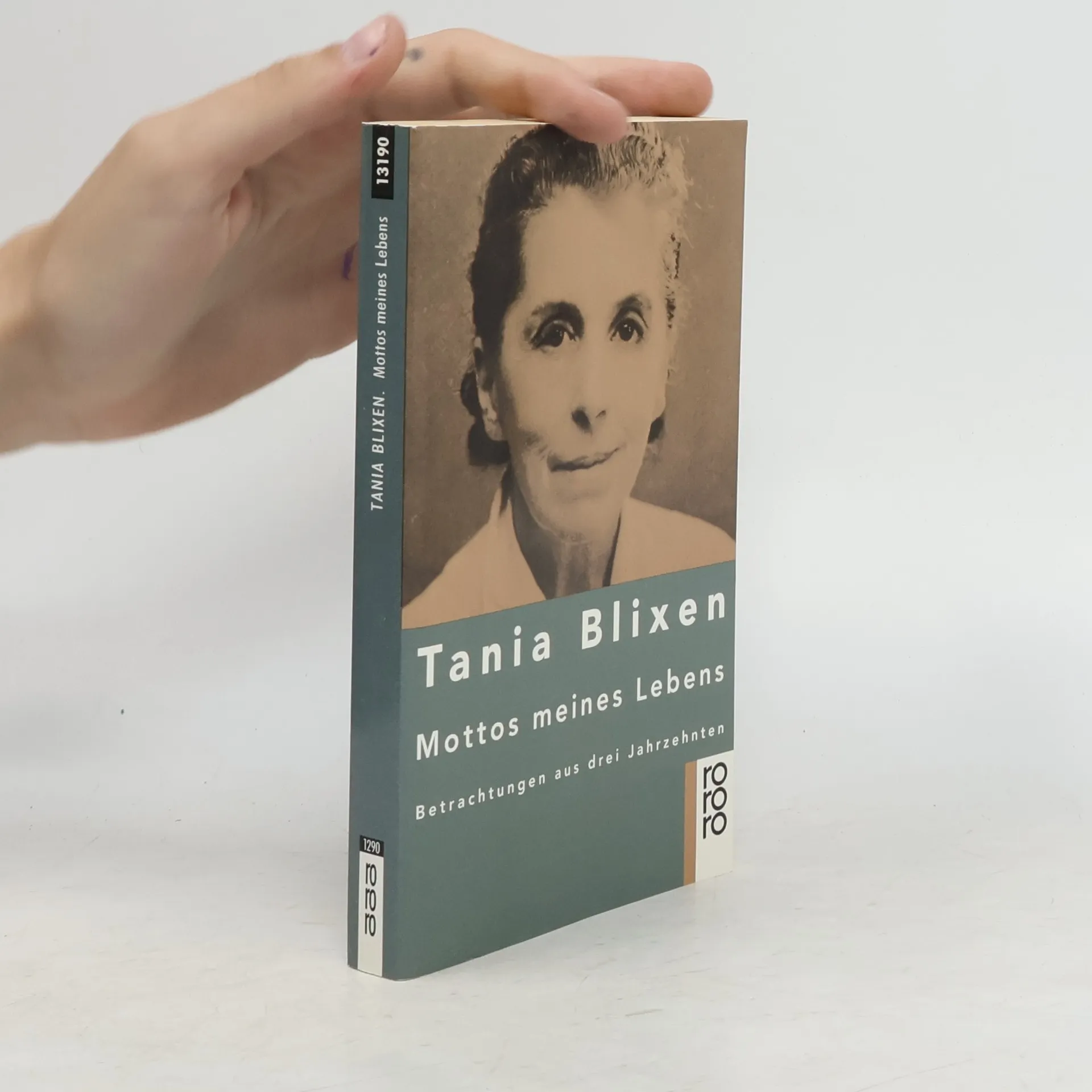
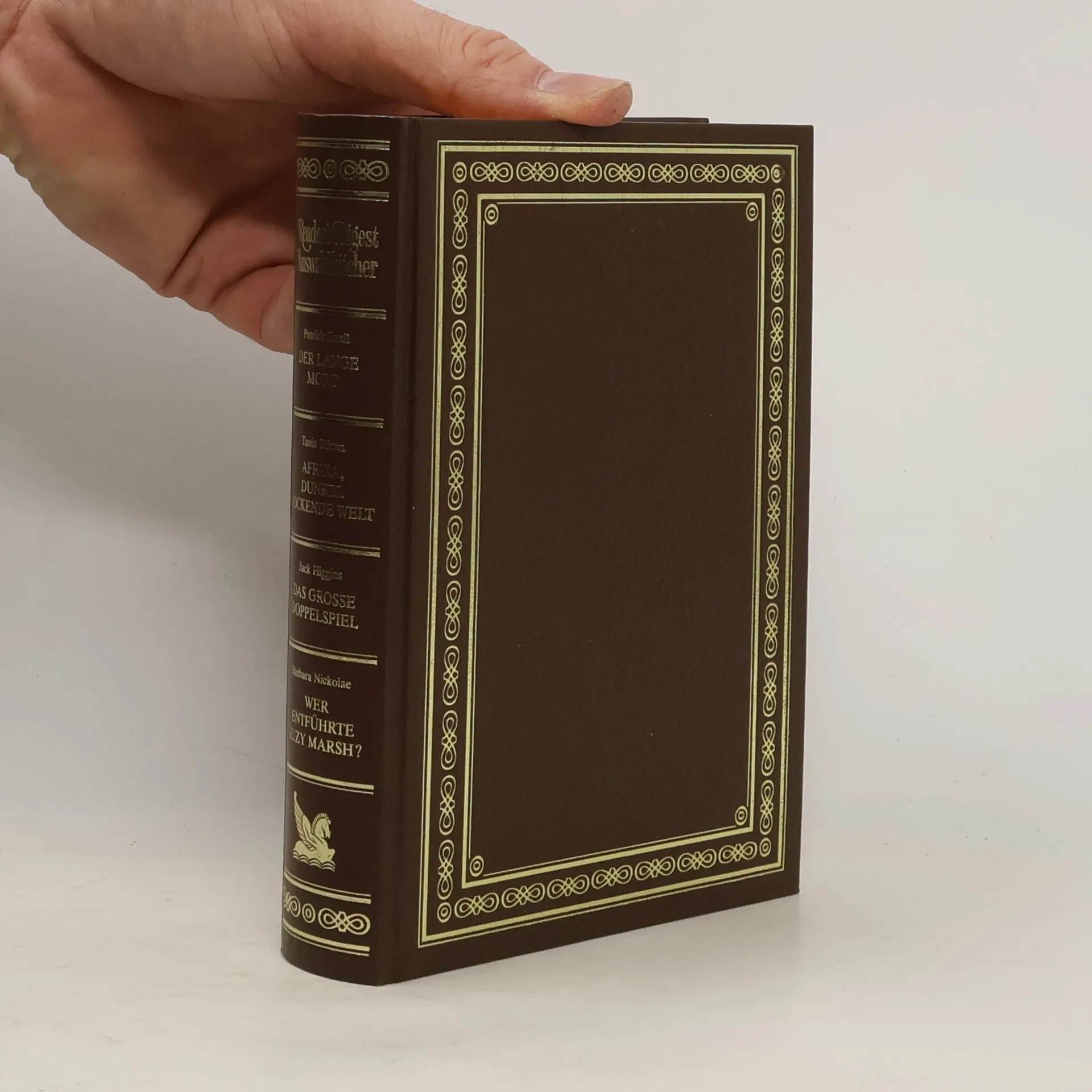
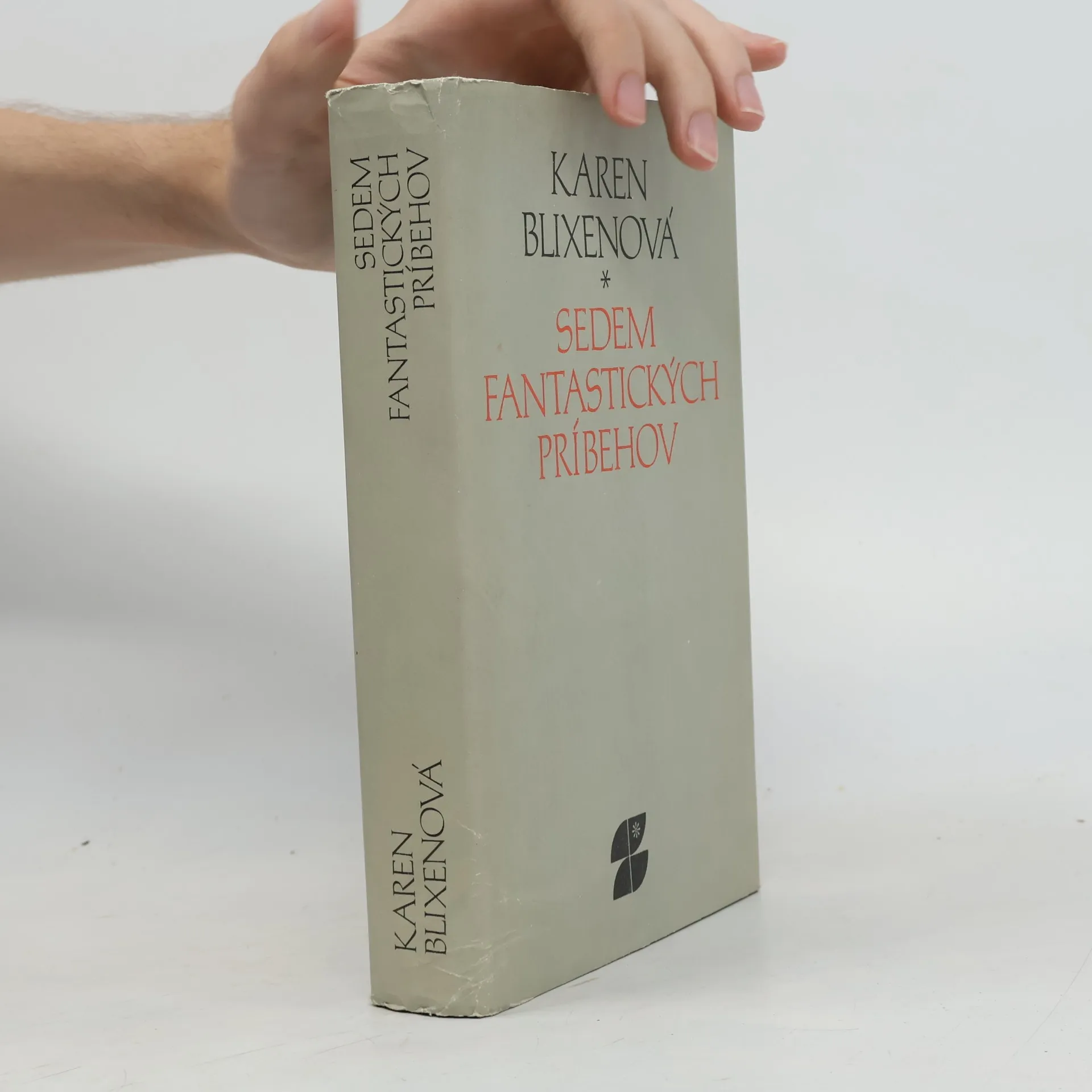
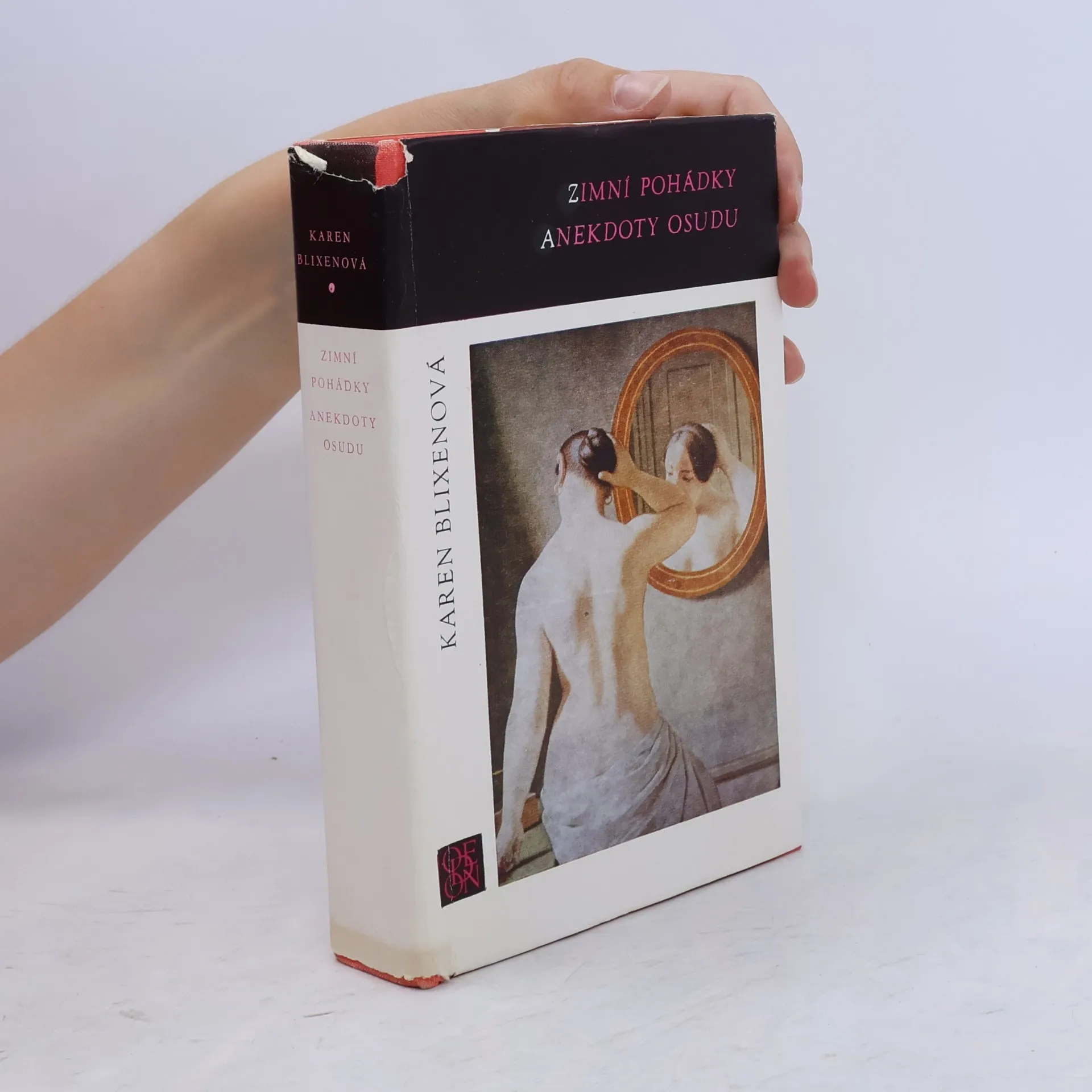
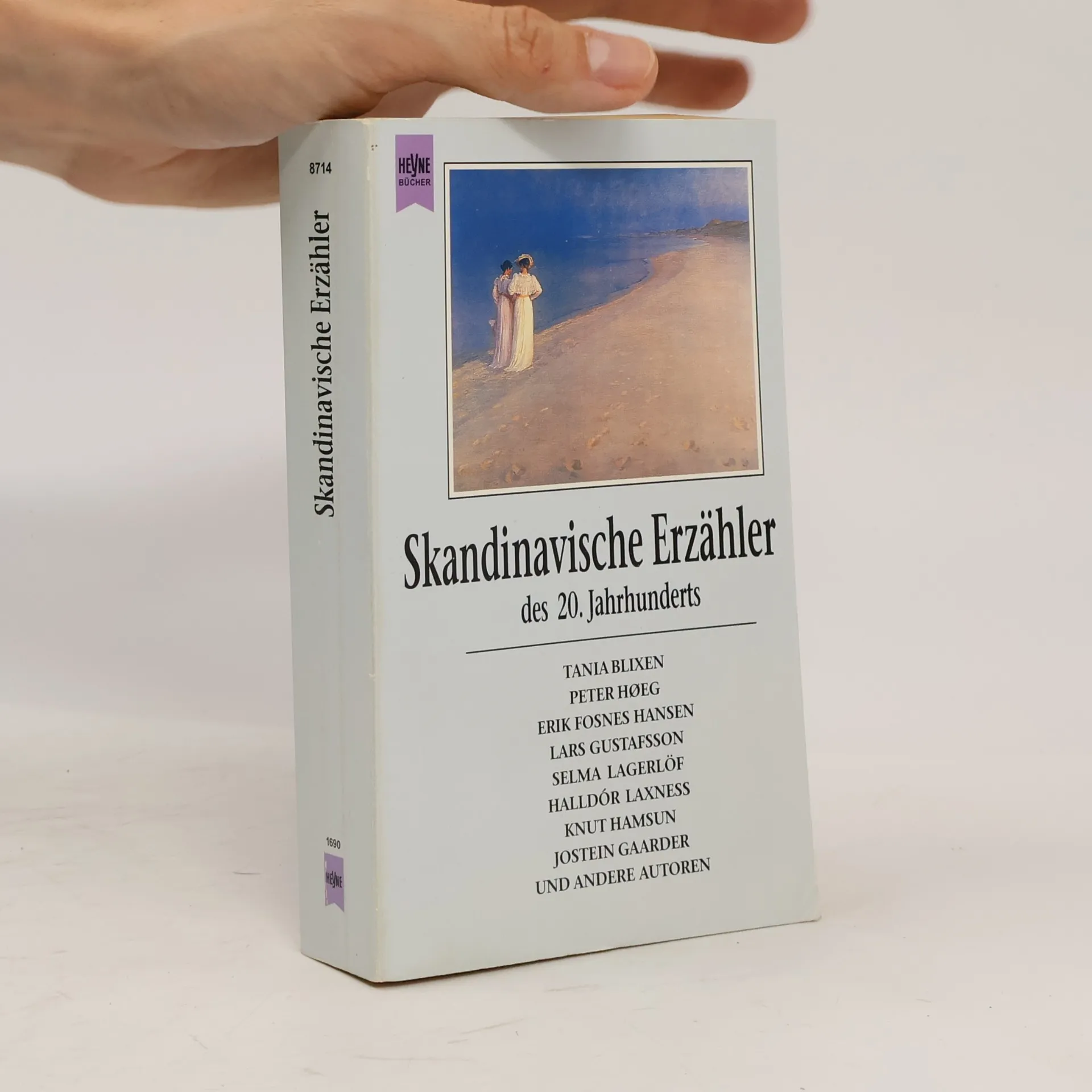
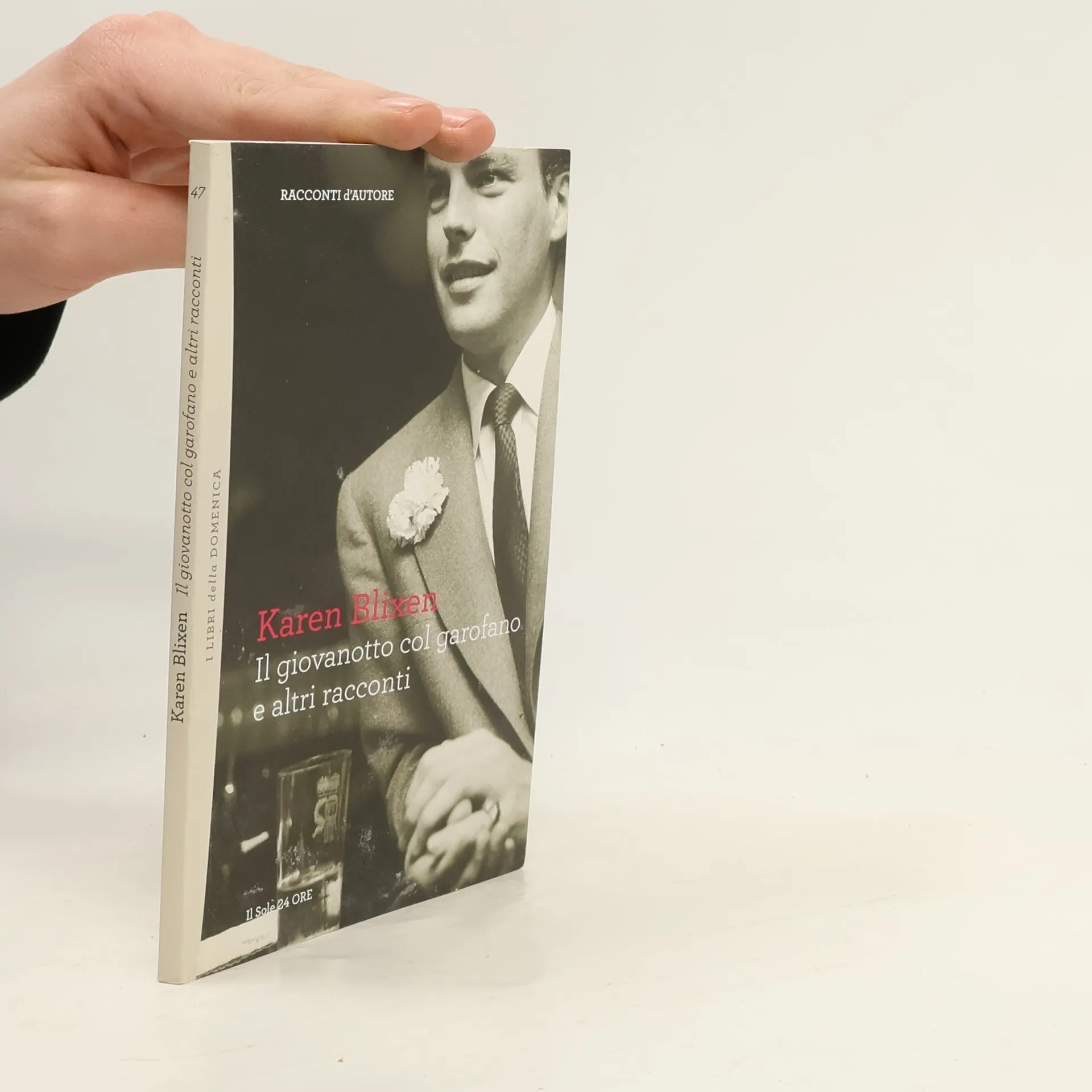
Karen Blixen fue una narradora en el sentido tradicional y oral de la palabra. Su obra combina hábilmente elementos sobrenaturales, esteticismo y matices eróticos con una visión aristocrática del mundo. Inspirándose en un rico tapiz de fuentes, incluida la Biblia, Las mil y una noches, Homero y las sagas islandesas, creó narrativas que exploran las profundidades de la experiencia humana. Su voz única y su arte literario continúan cautivando a los lectores, ofreciendo una perspectiva atemporal sobre la narración y la vida.
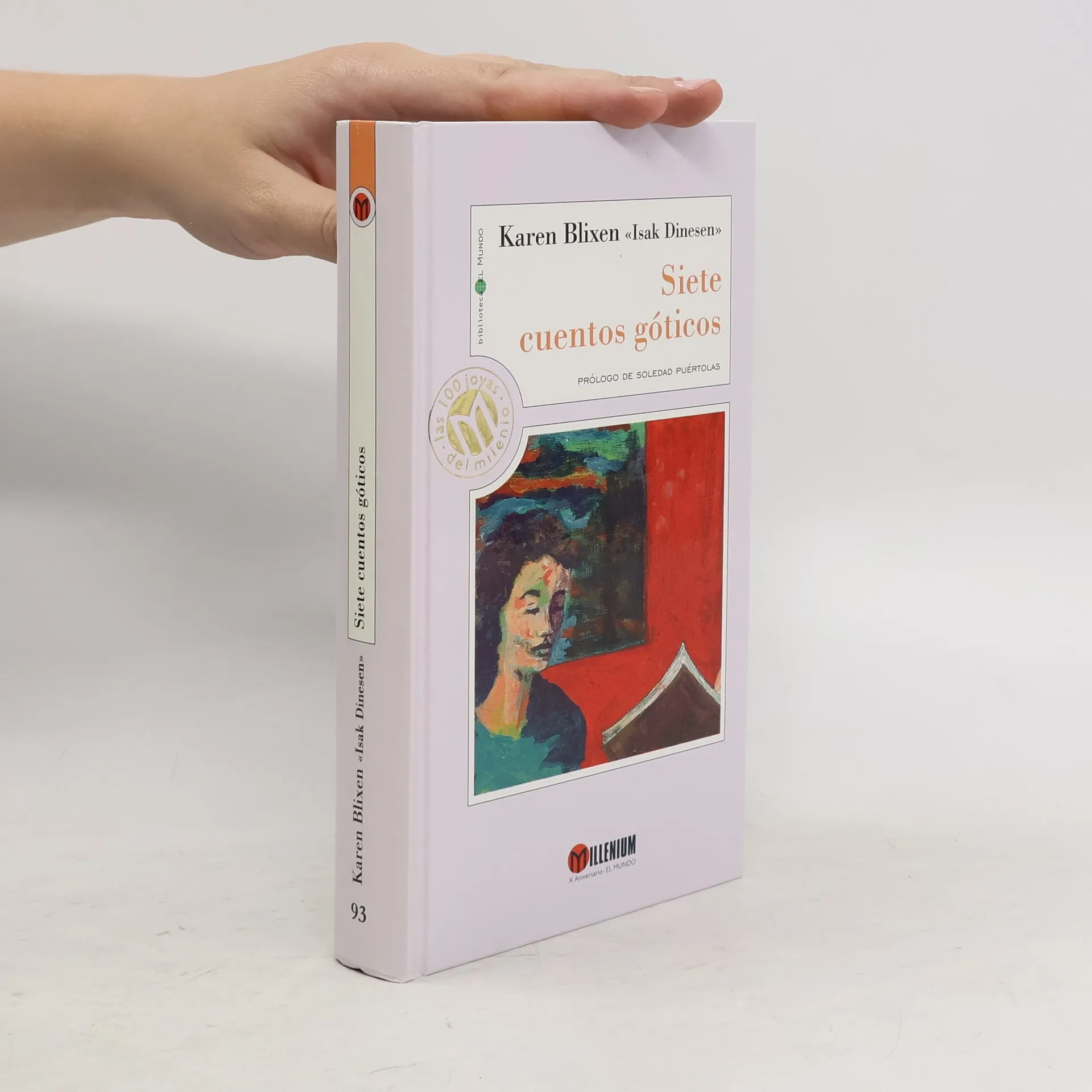
Este libro relata siete cuentos con historias fascinantes que componen uno de sus mejores libros. Es una joya de la literatura del siglo XX con relatos en ambientes aristocráticos, góticos, románticos. La narración es inmejorable y parece ausentarse de la realidad. Se muestra escapista, intrincada pero accesible. Posee una penetrante hondura psicológica y una maravillosa captación atmosférica.
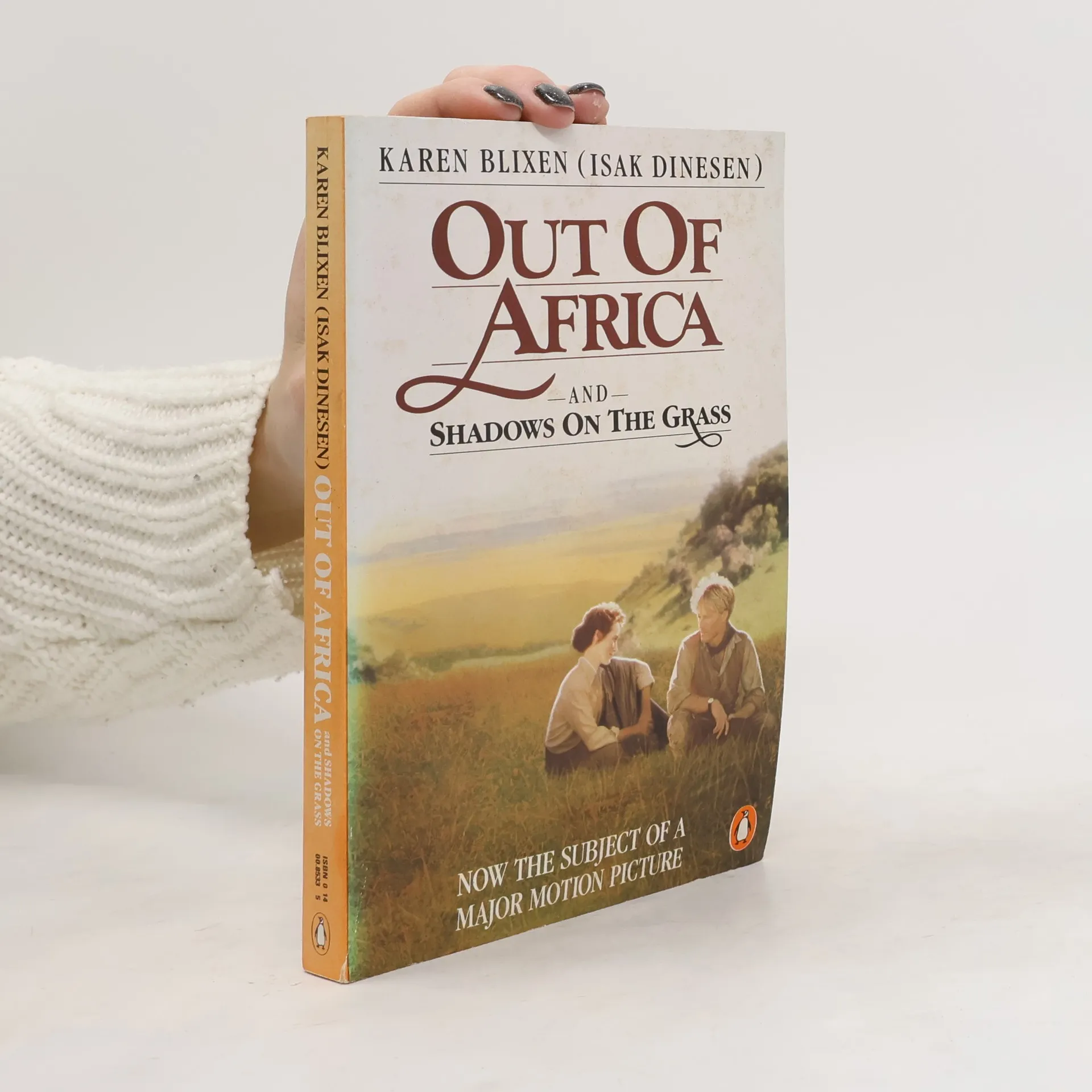
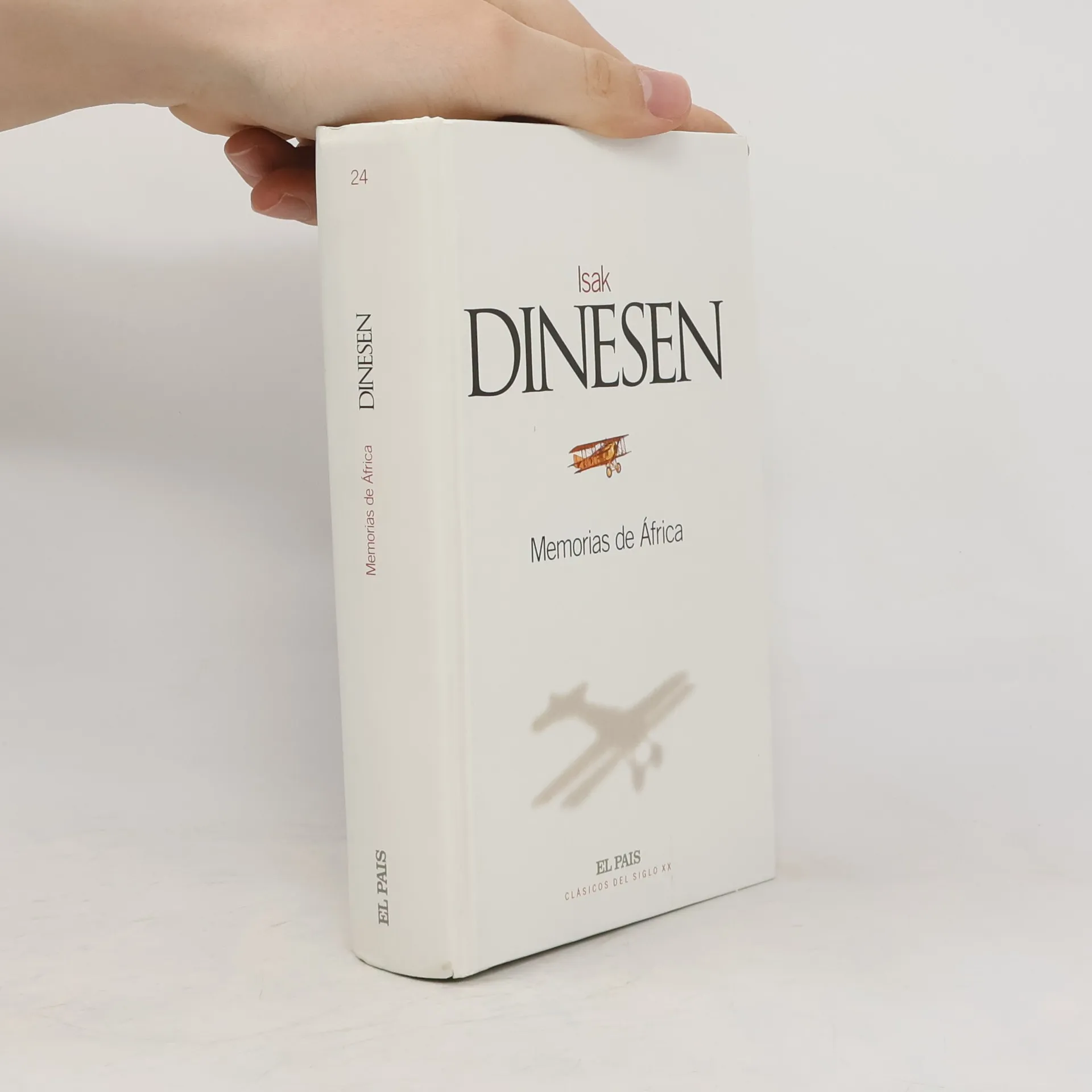
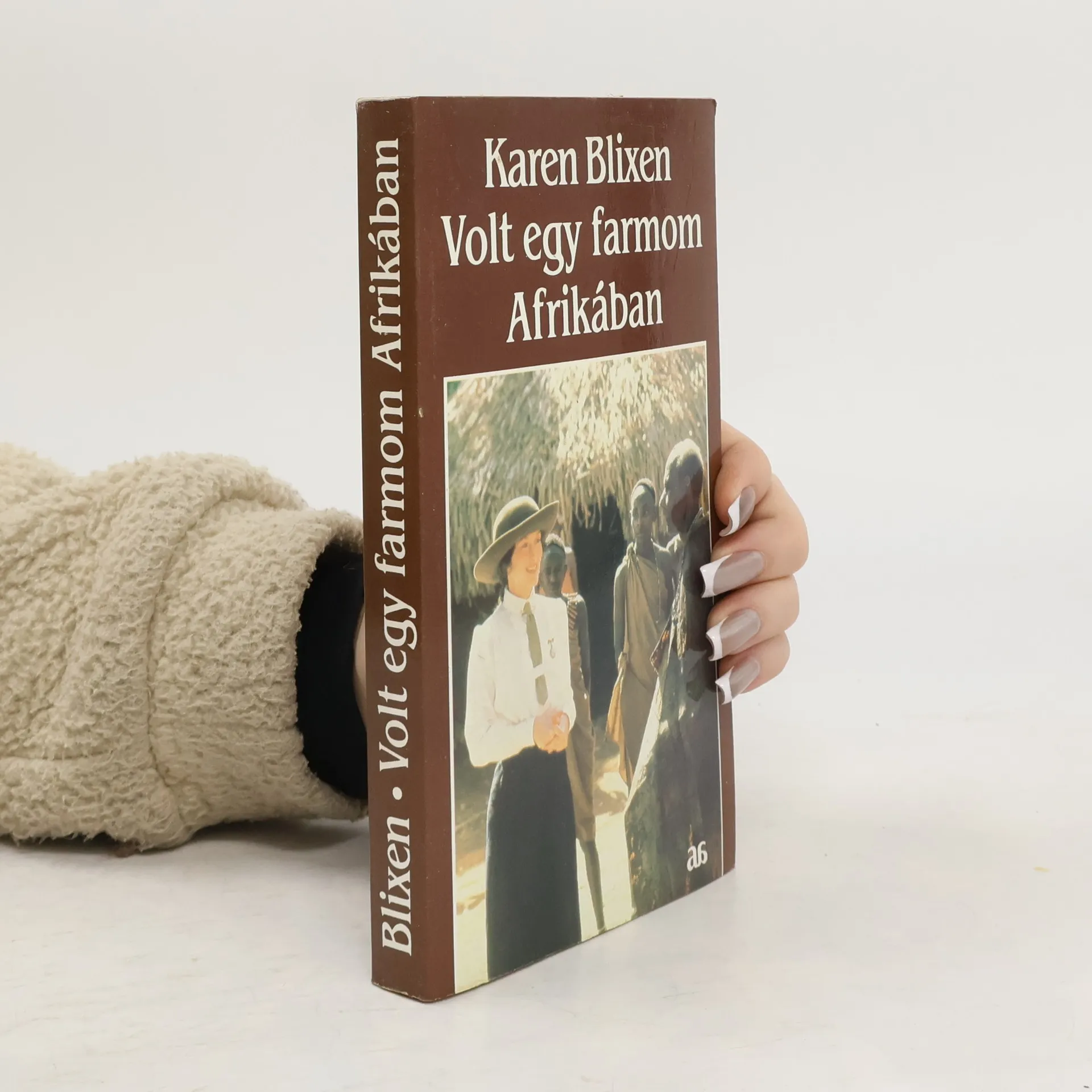
África es la gran protagonista de estas memorias, testimonio de la mayor pasión de Isak Dinesen. Estas páginas que recogen su vida en Kenia destilan la intensa y refinada esencia de un territorio mítico, con un pueblo, una cultura y un paisaje ajenos al mundo europeo.
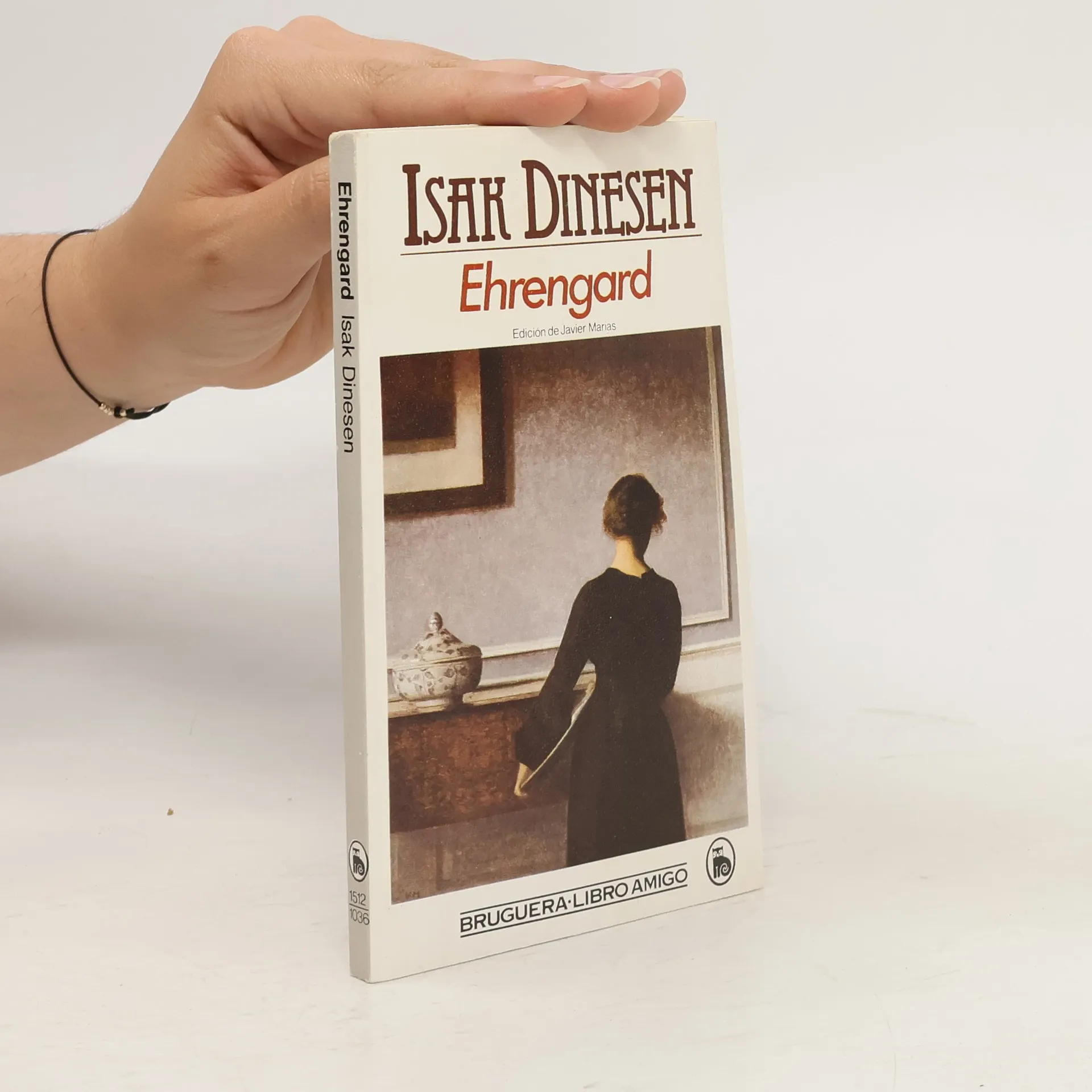
Ehrengard, cuento póstumo de la baronesa Karen Blixen, más conocida universalmente por su seudónimo Isak Dinesen, es el epítome de su obra de narradora, su cuento más acabado y también el más descarado, el más desconcertante, el más engañoso en cierto sentido. Cuando lo escribió es obvio que había llegado al último arabesco, al postrer estadio de la escritura de cuentos: aquel en que resulta imperceptible la frontera entre la literalidad y la ironía. En esta pastoral concebida a la sombra del Diario de un seductor de Kierkegaard, a la de Goethe, a la del Shakespeare de La tempestad, está el artificio llevado hasta su último extremo, está la estructura -tan querida para la baronesa- de cajas chinas y de relato epistolar, está la desfachatez del cuentista que sacrifica cualquier regla para la eficacia de la historia.
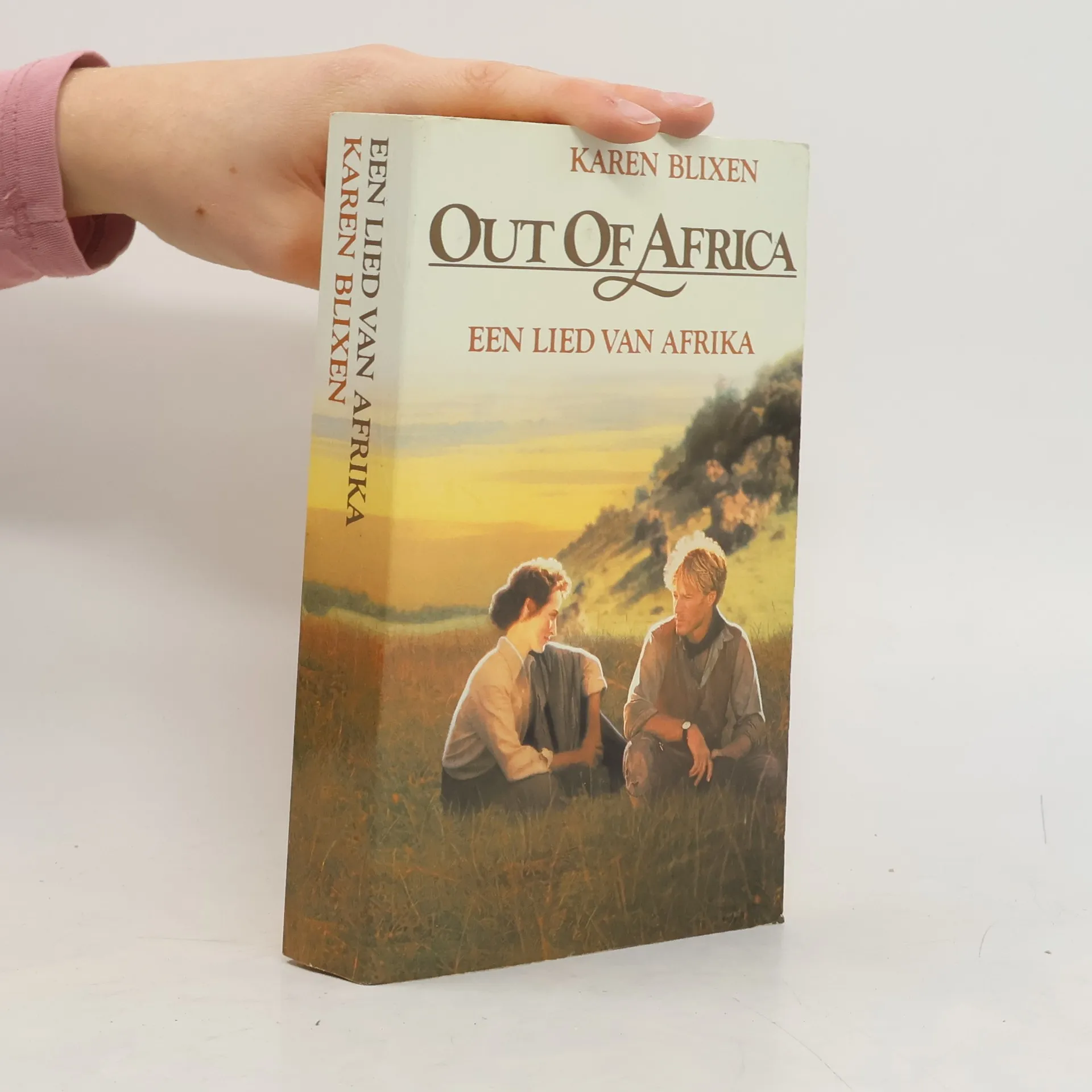
Karen Blixen's extraordinary love affair with Africa began when she and her husband went to Kenya to plant coffee in 1913. The marriage and the plantation failed, but Baroness Blixen's passion for Africa remained. Out of Africa and Shadows on the Grass, presented for the first time in one volume, were written when she returned to her native Denmark and are full of her longing to return to the country and the people she came to love and admire. Her writing combines intelligence, compassion and an acute understanding of an alien culture.
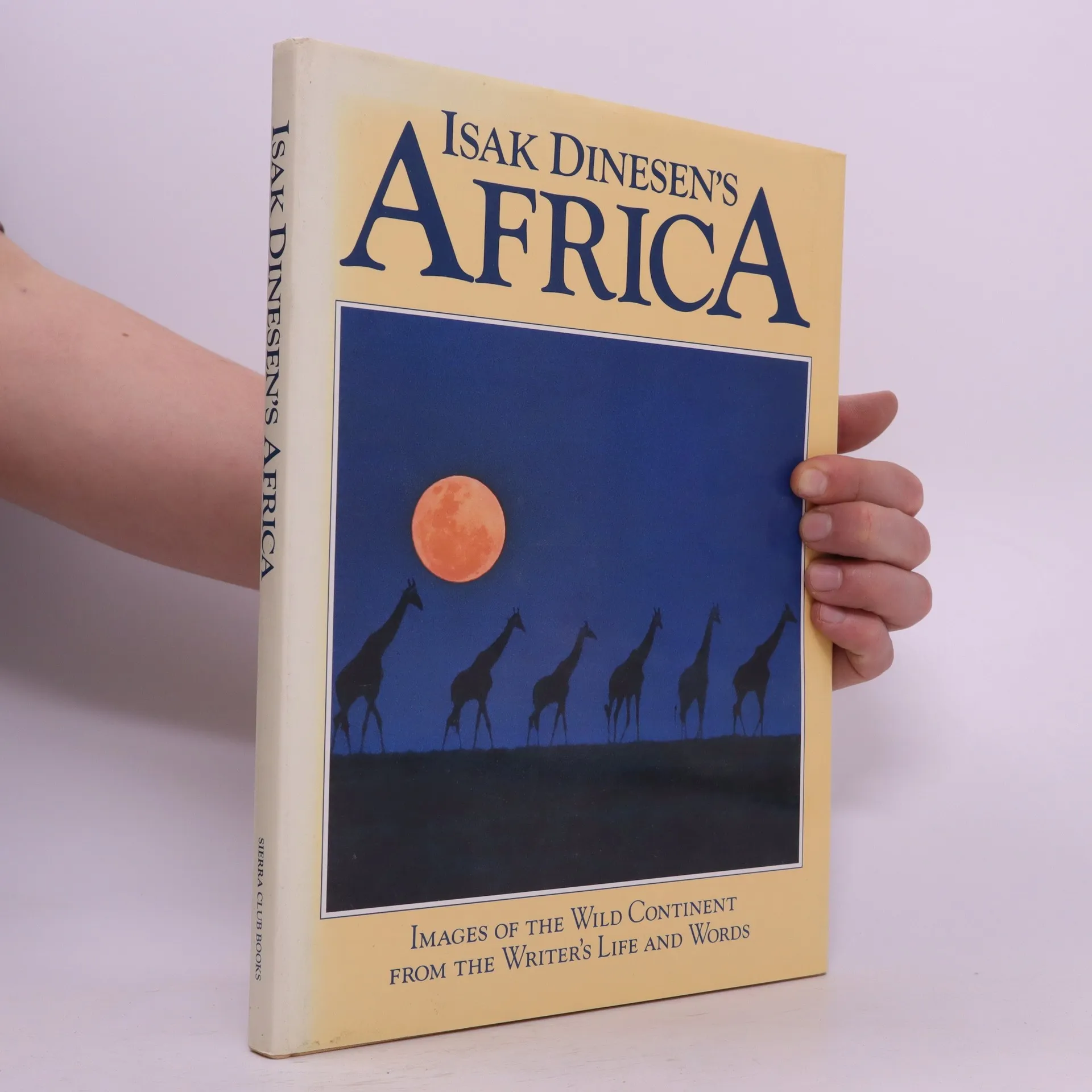
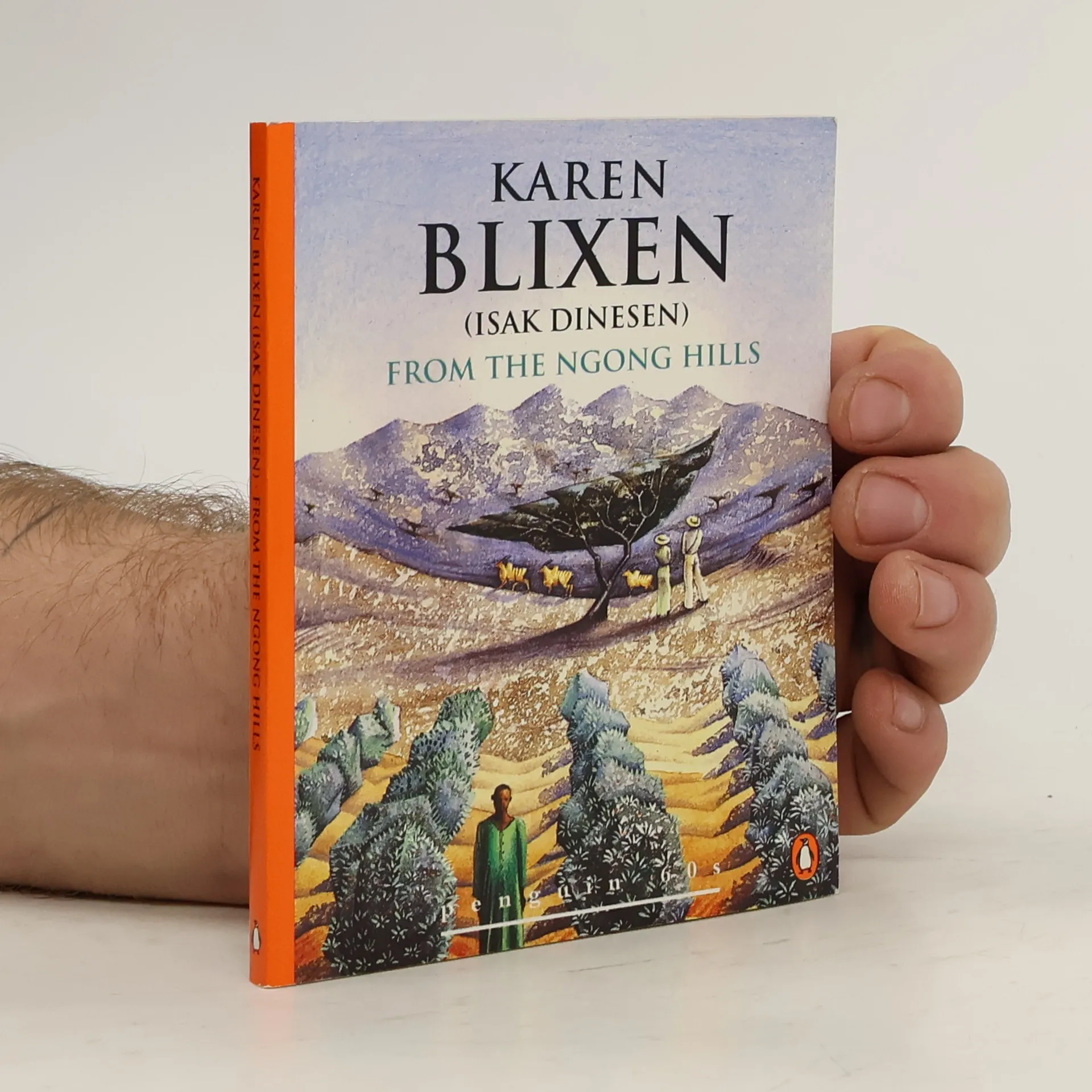
In her memoir, Out of Africa, and in short stories, Danish-born writer Dinesen evoked a timeless Africa distilled from her 18 years on a Kenya coffee plantation. This lovely-looking but ultimately shallow picture book, a tie-in with the film based on Out of Africa, splices excerpts from Dinesen's autobiographical writings, stories and letters with color photographs of Africa's land, people and wildlife. For readers familiar with her works, the album is pleasant enough, though readers expecting visual signs of today's real, changing, troubled Africa will be disappointed. In an almost apologetic introduction, Judith Thurman, Dinesen's biographer, notes that the writer was not a conservationist, enjoyed big game hunting and had paternalistic, feudal relationships with Africans. Nevertheless, Dinesen upheld the dignity and value of African culture, and her rhythmic prose captured the complex poetry of Africa's landscape.
Last Tales is a collection of twelve of the last tales that Isak Dinesen wrote before her death in 1962. They include seven tales from Albondocani, a projected novel that was never completed; "The Caryatids," an unfinished Gothic tale of a couple bedeviled by an old letter and a gypsy's spell; and three tales of winter, including "Converse at Night in Copenhagen," a drunken, all-night conversation between a boy-king, a prostitute, and a poor young poet.
Isak Dinesen was the pen-name of Karen Blixen, who was born in Rungsted, Denmark in 1885. After studying art, she married her cousin, Baron Bror Blixen-Finecke. Together they went to Kenya to manage a coffee plantation. After their divorce, she continued to run the plantation until a collapse in the coffee market forced her back to Denmark.
This box is filled with short stories by some of Denmark’s most beloved authors – a quartet of classic Danish literature!Karen Blixen – The PearlsHenrik Pontoppidan – The Grim ReaperHerman Bang – Irene HolmH.C. Andersen – Little Claus and Big Claus
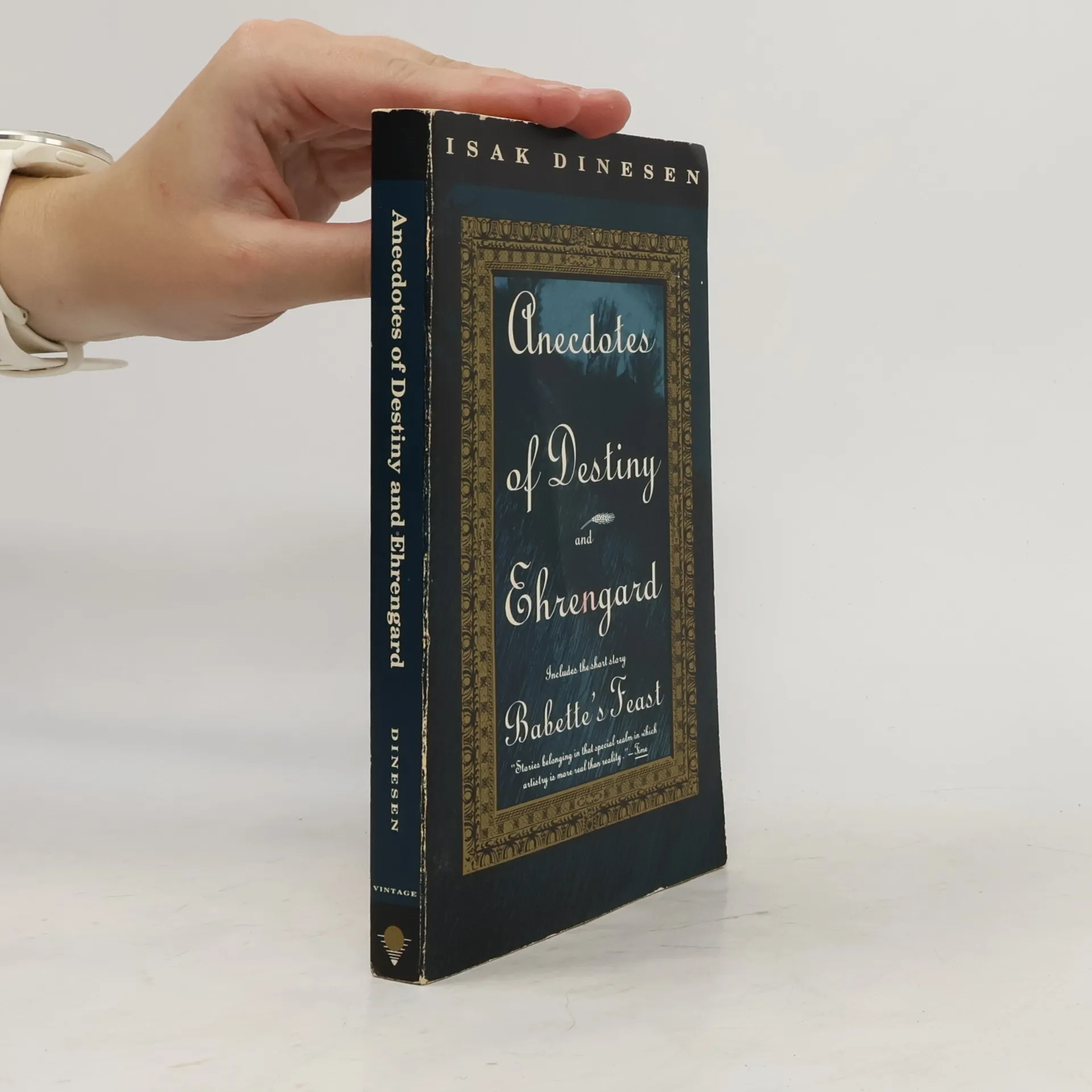
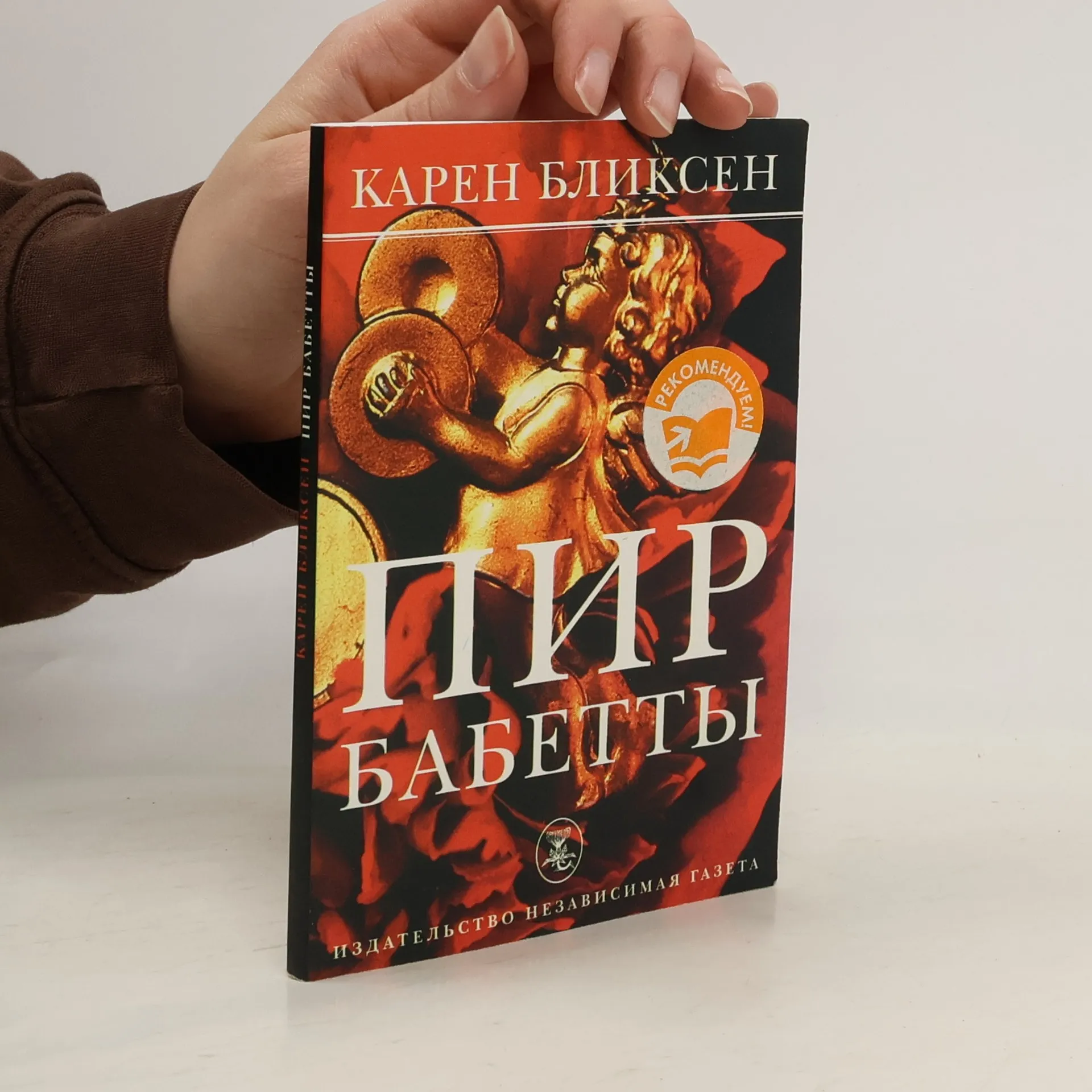
In the classic "Babette's Feast," a mysterious Frenchwoman prepares a sumptuous feast for a gathering of religious ascetics and, in doing so, introduces them to the true essence of grace. In "The Immortal Story," a miserly old tea-trader living in Canton wishes for power and finds redemption as he turns an oft-told sailors' tale into reality for a young man and woman. And in the magnificent novella Ehrengard, Dinesen tells of the powerful yet restrained rapport between a noble Wagnerian beauty and a rakish artist. Hauntingly evoked and sensuously realized, the five stories and novella collected here have the hold of "fairy stories read in childhood . . . of dreams . . . and of our life as dreams" (The New York Times).
'As for me I have one ambition only: to invent stories, very beautiful stories' Gothic, expansive and truly spellbinding, Karen Blixen's short stories offer incisive psychological portraits and imaginative visions of war, longing and tender love. Here, an orphan boy creates an elaborate fantasy of a life of grandeur, a feudal lord sets a peasant woman a deadly task, and a young woman resists against her captors, in the midst of conflict.
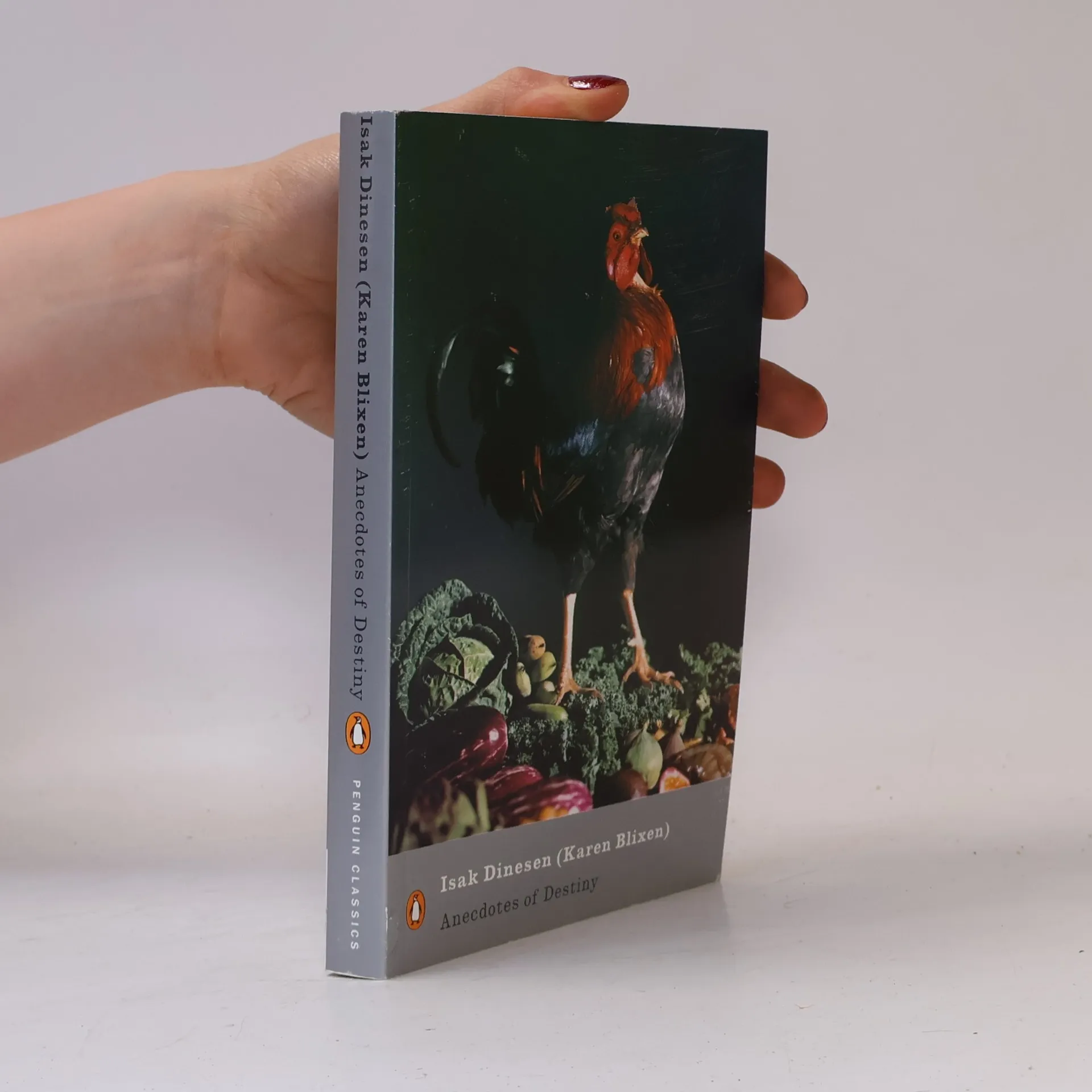
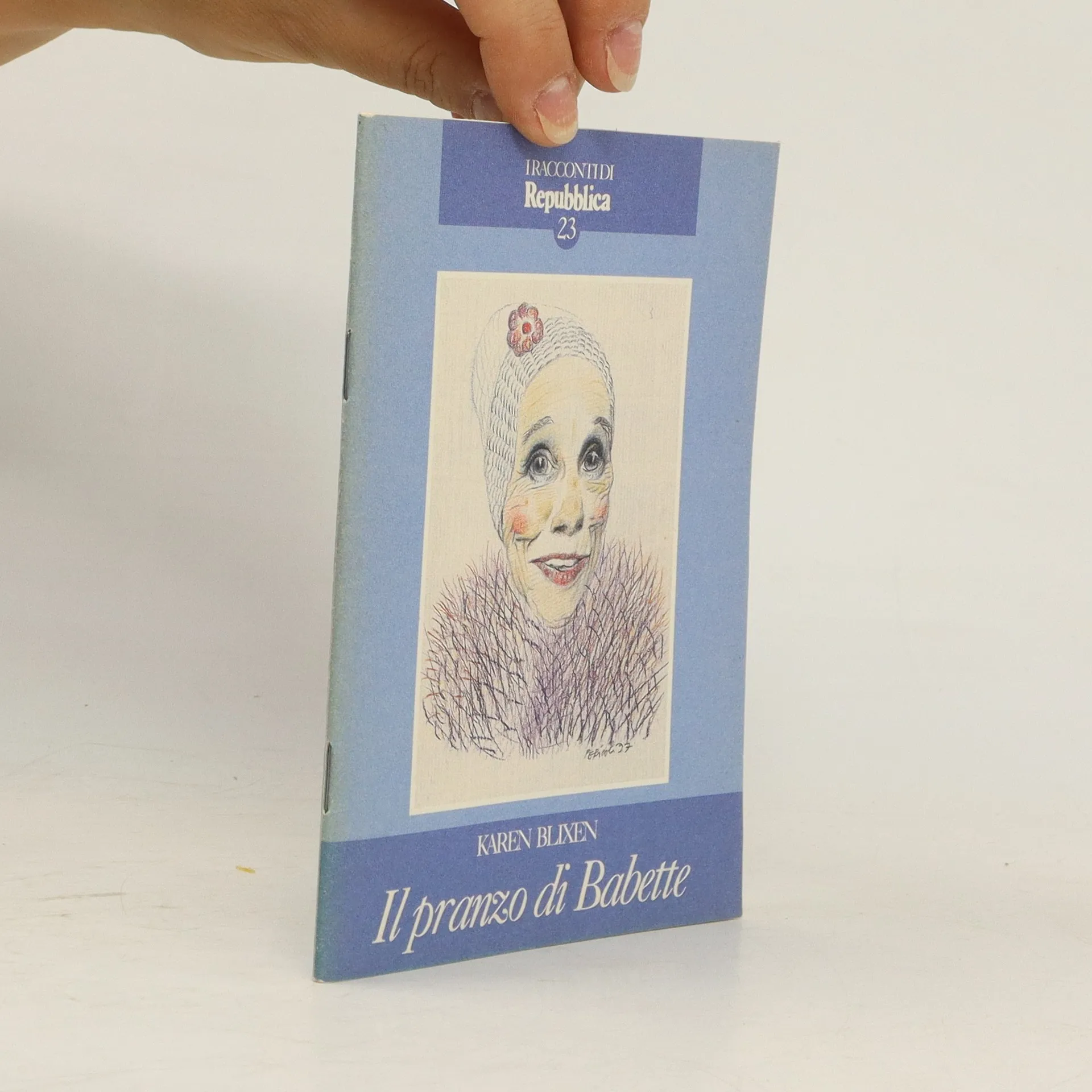
These five rich, witty and magical stories from the author of Out of Africa include one of her most well known tales, `Babette's Feast', which was made into the classic film. It tells the story of a French cook working in a puritanical Norwegian community, who treats her employers to the decadent feast of a lifetime. There is also a real-life Prospero and his Ariel in `Tempests', a mysterious pearl-fisher in `The Diver' and a brief, tragic encounter in `The Ring'. All the stories have a mystic, fairy-tale quality, linked by themes of angels, the sea, dreams and fate. They were among the last to be written by Isak Dinesen, and show her as a master of short fiction.
Approaching a liberal arts tradition in the classroom, across the curriculum, and beyond, The McGraw-Hill Reader offers rich and diverse readings in education, the social sciences, business and economics, the humanities, and the sciences. This new eleventh edition offers a new focus on reading and composing across various media; it includes over 100 selections from prominent thinkers and writers; each essay was chosen to provoke critical thought and encourage effective writing.
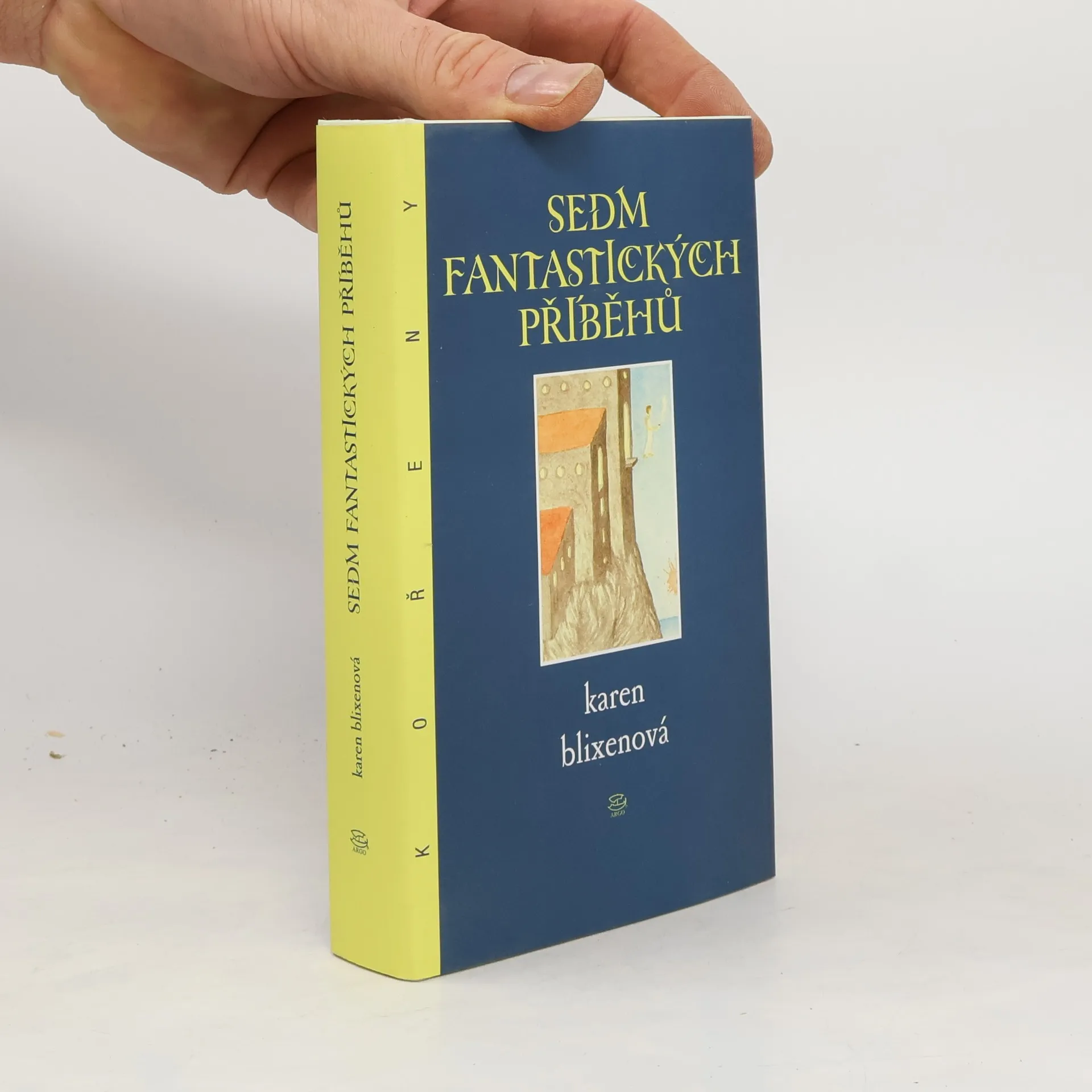
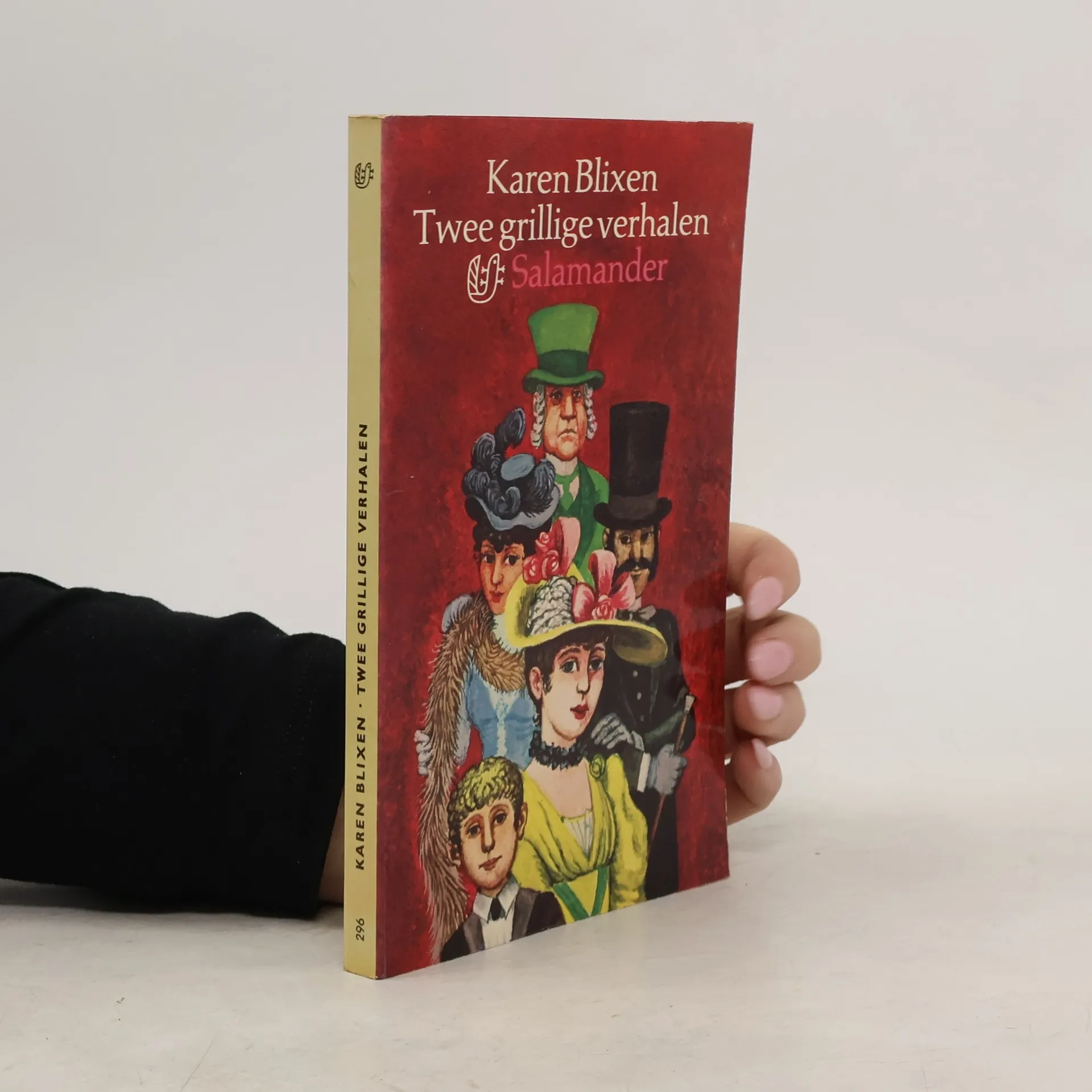
Ve výboru sedmi novel dánské spisovatelky (1885–1962), známé u nás knihou Africká farma (resp. Vzpomínky na Afriku), jde o úsměvné nebo ironicky laděné příběhy, odehrávající se v období zhruba sta let po roce 1770. Autorka se v nich snaží odhalovat podstatu jednotlivých lidských figurekči loutek vzhledem k tomu, jak se staví k životu, k osudu, jakou pravdu si o sobě připouštějí čijakou skutečnou hodnotu má to, co sami pokládají za lež, za zradu nebo naopak za lásku, vznešenost, opravdovost, štěstí.
Graf Augustus Schimmelmann, ein junger dänischer Edelmann mit schwermütiger Veranlagung, schreibt an einem schönen Maiabend des Jahres 1823 in einer Osteria nahe Pisa einen Brief an einen Freund, nachdem er seine eifersüchtige Ehefrau verlassen musste. Durch den Unfall einer Kutsche, bei dem er zu Hilfe eilt, wird er in seinen Gedanken unterbrochen. Es entfaltet sich um ihn herum ein Verwirrspiel zwischen annullierten Ehen, gescheiterten Duellen und kunstvollem Marionettentheater Junge Männer entpuppen sich als geflohene Damen und hinter einem Talisman versteckt sich ein Geheimnis … Diese Erzählung, von Tania Blixen in schwierigen Jahren in Kenia konzipiert, versammelt alle ihre Themen und erzählerischen Tricks. Hoch modern werden alte Ordnungen, vor allem die männlichen, schwungvoll hinweggefegt. Nicht nur die Figuren, auch die Leser werden ein ums andere Mal in die Irre geführt. Am Ende aber schließt sich der Reigen und es findet zusammen, was zusammen gehört, während der Graf endlich Pisa erreicht, um sich dort erst einmal ausgiebig zu amüsieren.
Eine ungewöhnliche Frau zieht Bilanz: „Mottos meines Lebens“ ist die erste Sammlung von Tania Blixens Betrachtungen aus drei Jahrzehnten. In einem neuen, facettenreichen Bild entwerfen sie die gedankliche Welt dieser großen Erzählerin, deren Erinnerungen an Afrika als Buch und Film ein Millionenpublikum erreichten.
Here is a rich new biographical perspective on the brilliant storyteller whose sophisticated romantic fiction...made her an international success and a perpetual candidate for the Nobel Prize for Literature..._these letters+ contain the raw material that was later transformed into her classic memoir Out Of Africa.
„Eine kleine Kostbarkeit — eine Lektüre, wie man sie selten findet.“- Stuttgarter ZeitungTania Blixen, geboren 1885 auf dem alten Familienbesitz Rungstedlund in Dänemark, siedelte mit ihrem Mann Baron Bror Blixen 1914 nach Kenia über, wo sie beide eine Kaffeefarm übernahmen. Weltberühmt wurde ihr großer Roman „Out of Africa“.Die Erzählung wurde dem Band „Schicksalsanekdoten“ entnommen.
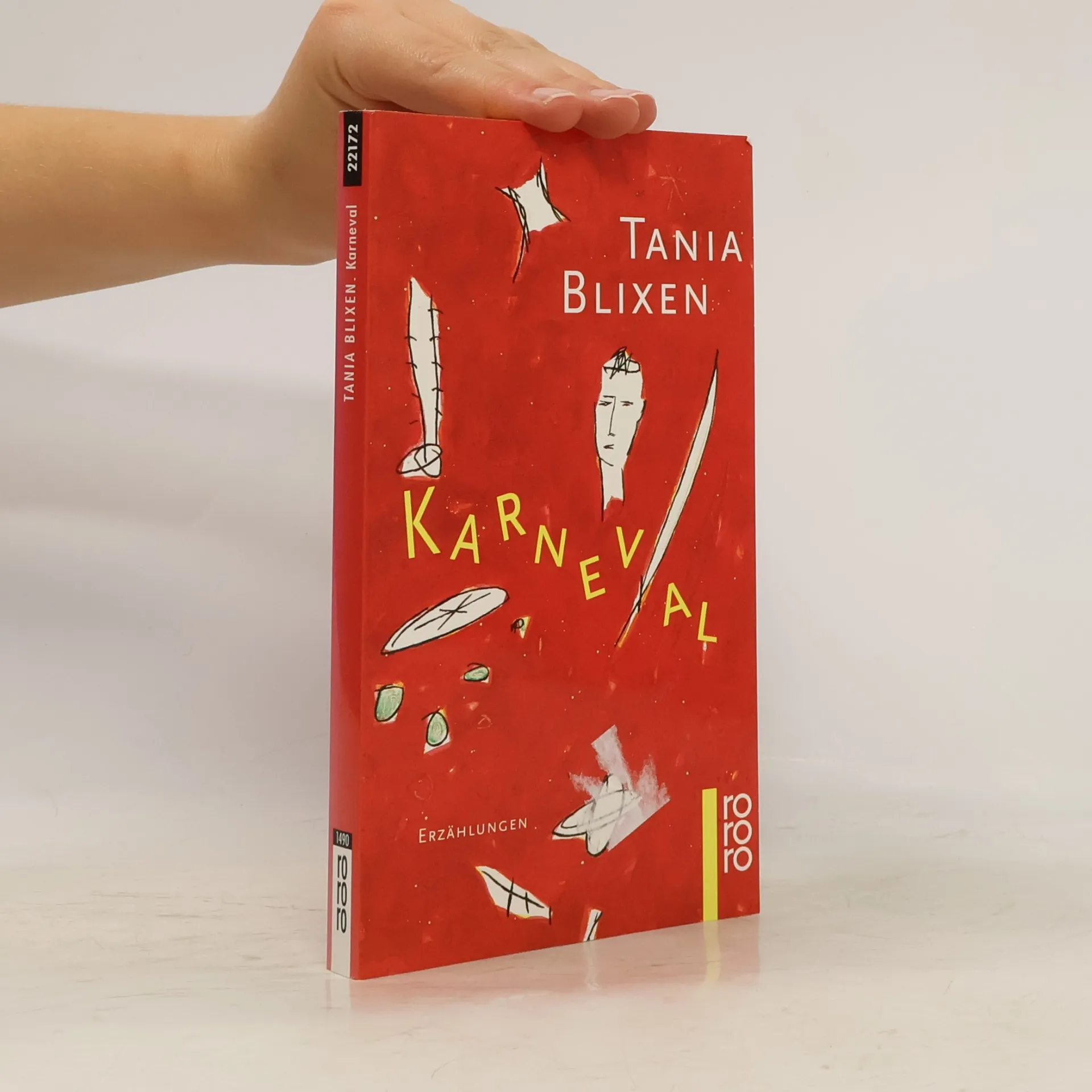
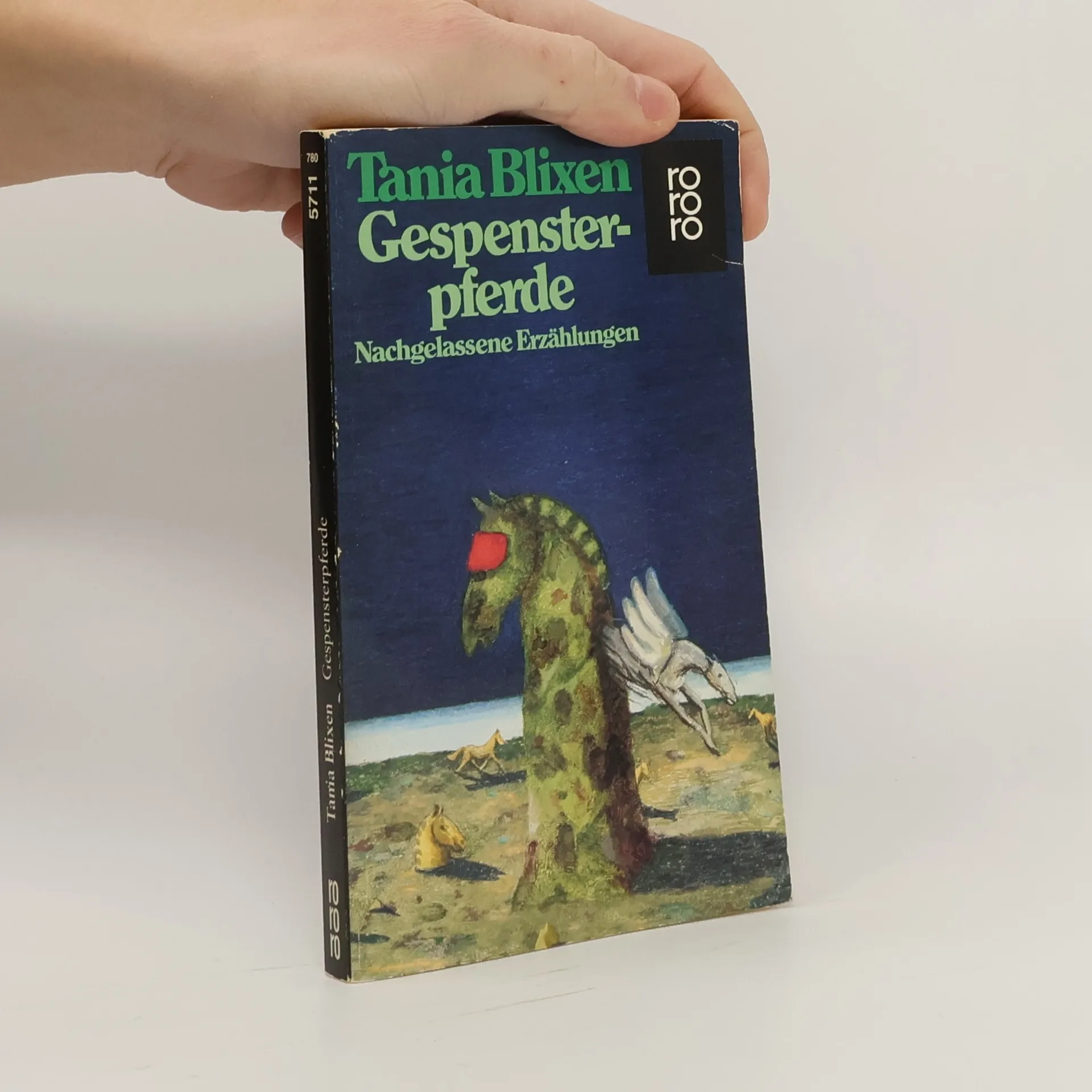
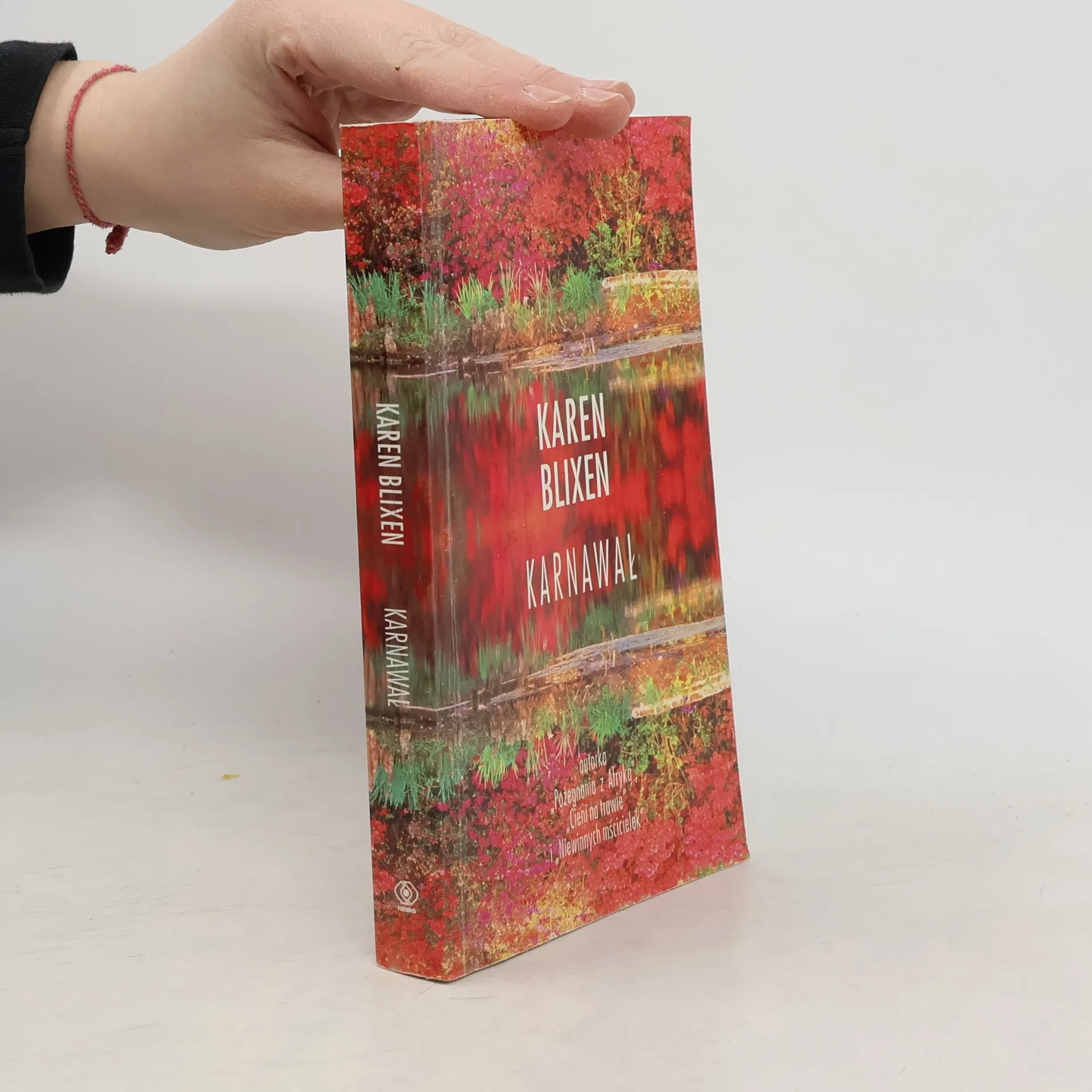
Karneval und andere Erzählungen umfasst elf Geschichten, die nach dem Tod von Isak Dinesen im Jahr 1962 veröffentlicht wurden. Diese Erzählungen wurden in verschiedenen Phasen des Lebens der Autorin geschrieben und zeigen ihre breite Palette literarischer und persönlicher Interessen sowie ihre meisterhafte Technik. Einige dieser Geschichten gehören zu den besten und originellsten ihrer Produktion, wie zum Beispiel „Geisterpferde“ und „Der Bär und der Kuss“.
Dánská spisovatelka (1885–1962), píšící pod pseudonymem Isak Dinesen, si vydobyla nesmírného literárního uznání právě svými silně stylizovanými, „novoromantickými“ povídkami z této sbírky. Vystupují v nich povětšinou šlechtičtí hrdinové, jejichž příběhy jsou vyhroceny do velkých dramat a skrývají v sobě pravdu o údělu člověka. Z povídek čiší nostalgie po dávných rytířských ideálech zašlých časů.
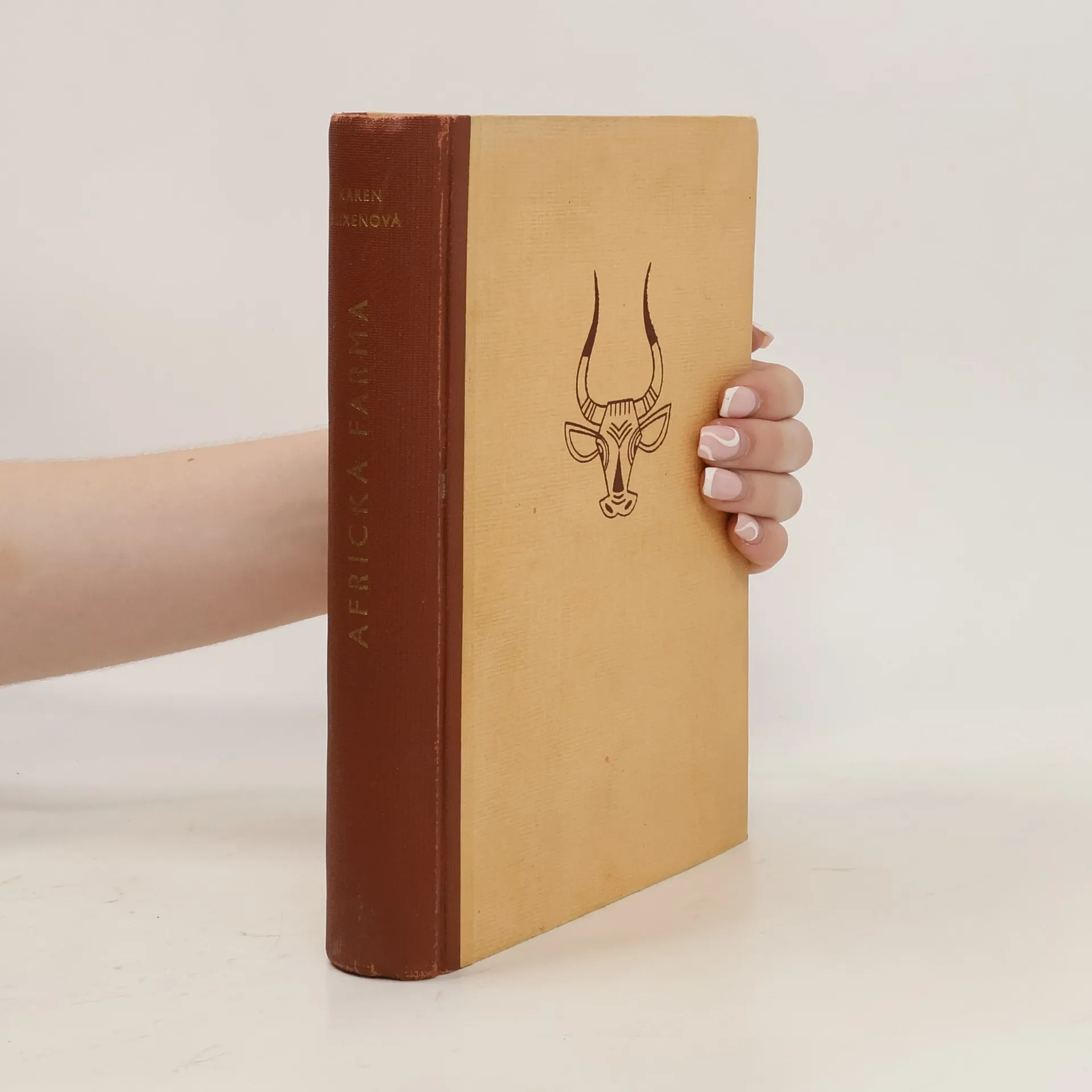
Autobiografická próza, která byla veřejností velmi vstřícně přijata. Kniha je žánrovou směsicí vzpomínek, lyrizovaných popisů a esejistických úvah, čerpajících ze spisovatelčiných zážitků z doby pobytu v Africe. Děj sice nemá výrazný ucelený epický průběh, nicméně text je koncipován jako stylizovaný příběh o ztraceném ráji. Přestože Blixenová Afriku značně idealizuje, kniha nabízí řadu zajímavých postřehů o vztahu mezi různými kulturami a mezi přírodou a kulturou obecně.
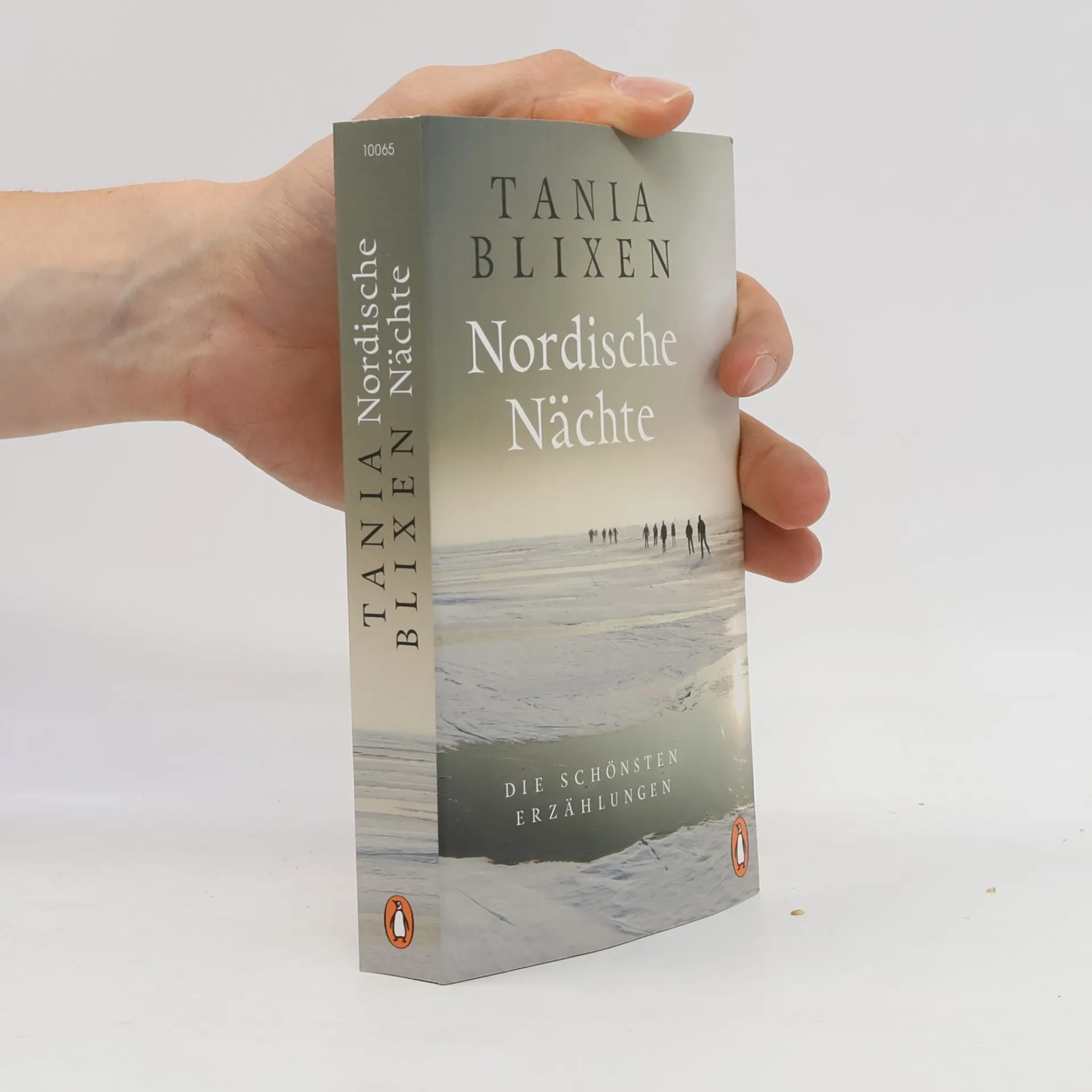
Tania Blixens Kurzgeschichten sind Perlen klassischer Erzählkunst. Zu Recht wurde die Autorin die Scheherazade des Nordens genannt, denn kaum jemand vermag es so wie sie, Leserinnen und Leser in Bann zu ziehen. Diese exklusive Textauswahl versammelt die schönsten Werke aus über fünfzig Schaffensjahren – allen voran das Glanzstück über die Meisterköchin Babette und deren exquisite kulinarische Verführungskünste. Tania Blixens Lebensthemen und bevorzugten Stoffe, das Exotische, Märchen und Legenden, aber auch herausragende Episoden der abendländischen Geschichte wirken dank ihrer sinnlichen Beschreibungskunst heute so lebendig wie eh und je.
Als Ernest Hemingway den Literaturnobelpreis entgegennahm, sagte er in seiner Dankesrede, daß die dänische Erzählerin Tania Blixen des Preises würdiger gewesen wäre als er. Ihre Geschichten spielen vorwiegend in historischer Vergangenheit. Gleichnishaft und voller Geheimnisse, verbindet sich in ihnen Märchenhaftes und Mystisches, Psychologisches und Phantastisches.
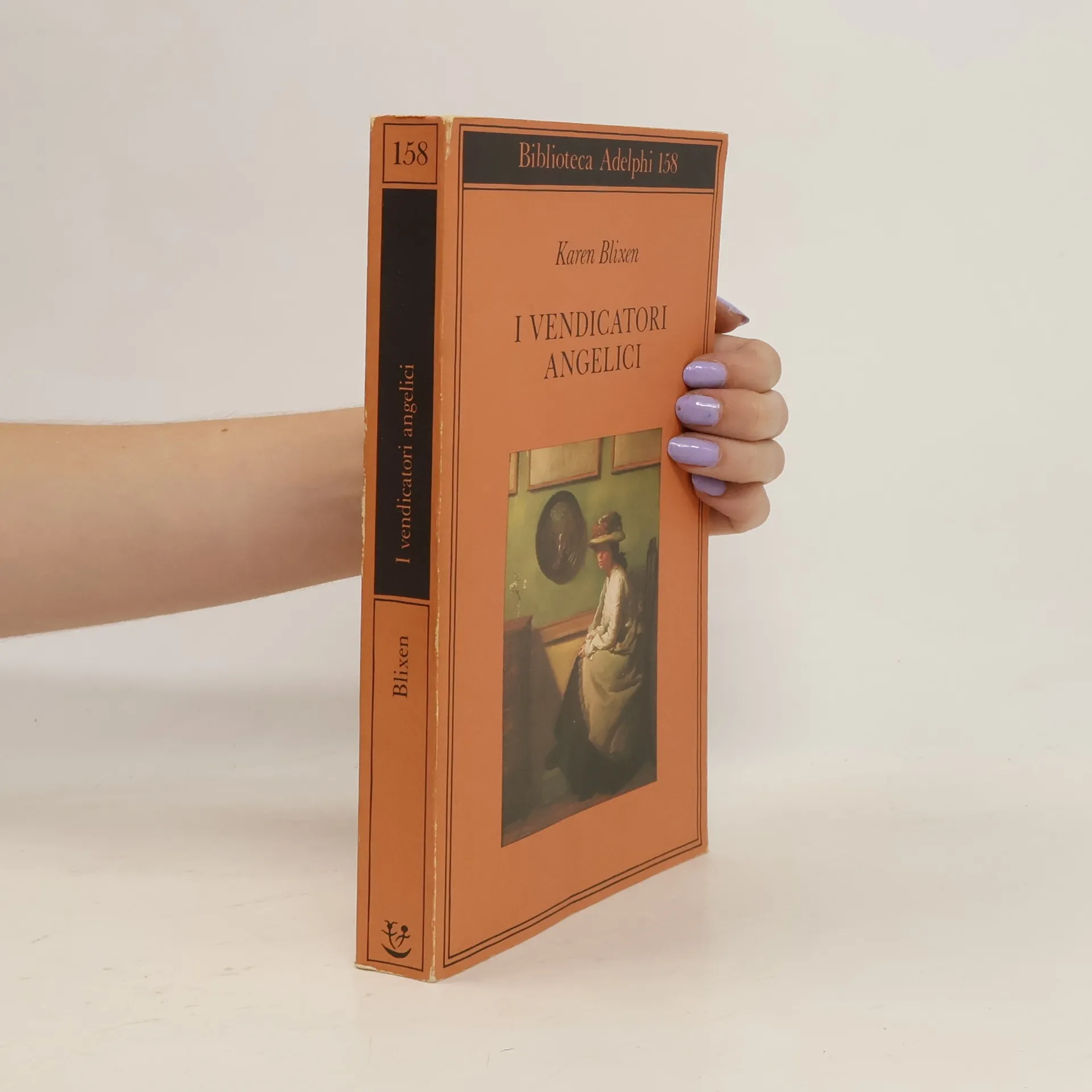
Pubblicato originariamente nel 1944 come "Ways of Retribution", "I vendicatori angelici" è un'allegoria politica e un thriller melodrammatico scritto durante l'occupazione tedesca. Le due vie di retribuzione menzionate nel titolo originale riguardano la punizione del male o la misericordia verso i suoi praticanti. Nella storia, una giovane ragazza solitaria, Lucan, è rimasta orfana e cerca rifugio presso un'amica dei tempi della scuola, Zosine, che presto sarà abbandonata. Legate dalla povertà, dal dolore e dagli anni trascorsi insieme a scuola, decidono di costruire un futuro per sé stesse in un nuovo ambiente. Vengono adottate dal severo e puritano Reverendo Pennhallow e sua moglie, e nella loro grande e cupa casa si immergono nello studio. Ma, dopo una serie di eventi inquietanti, non ci vuole molto prima che si rendano conto che il chierico e sua moglie non sono affatto ciò che sembrano.
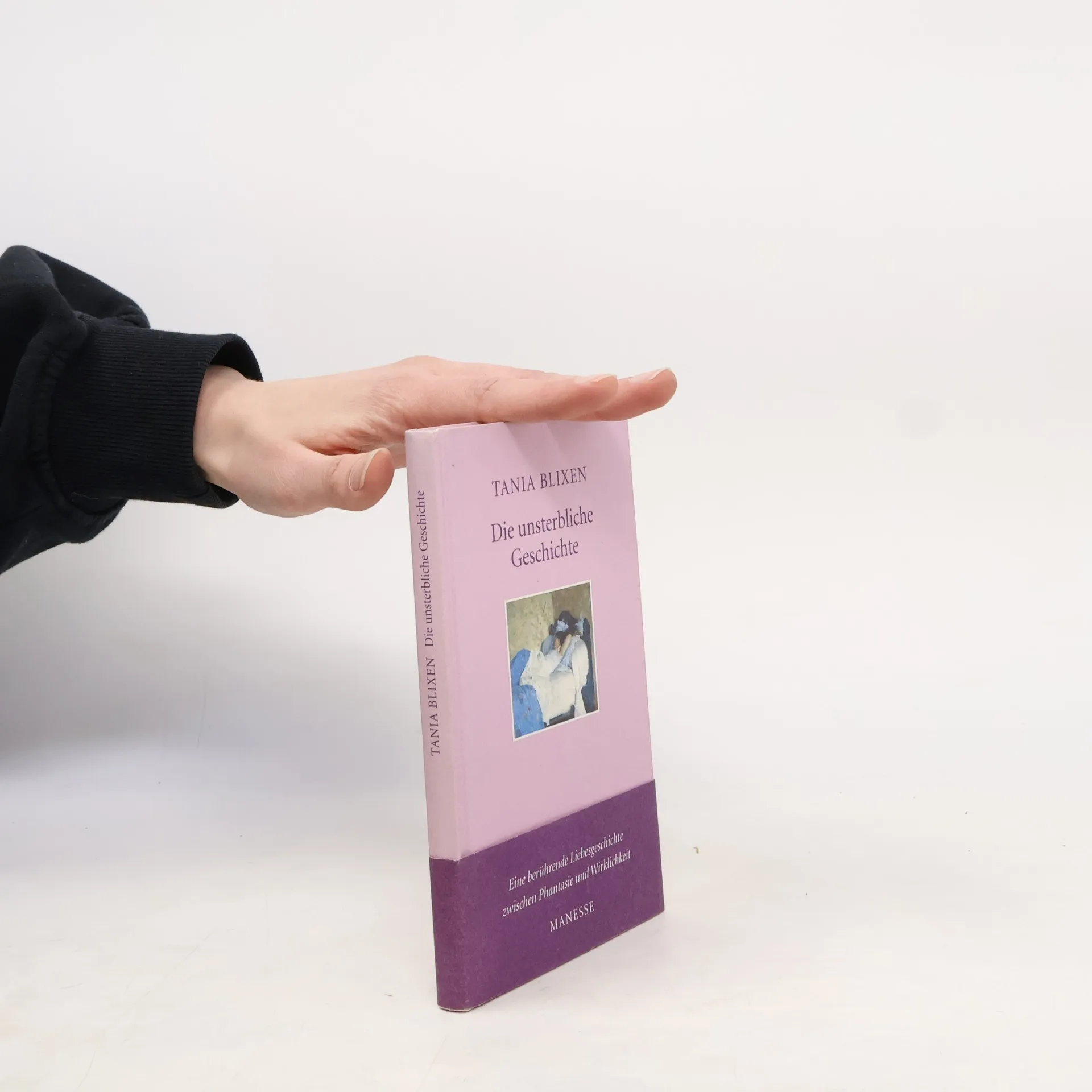
Eine berührende Liebesgeschichte zwischen Phantasie und Wirklichkeit Der reiche Kaufmann Clay kennt lange Zeit nur eine Lektüre, die seiner Kontobücher. Bis er sich der 'unsterblichen Geschichte' erinnert, die Seeleute seit Jahrhunderten erzählen: Ein alter Mann 'kauft' einen jungen, der an seiner Statt einen Nachkommen zeugen soll. Clay will die phantastische Episode um jeden Preis zum Leben erwecken - doch in der von ihm inszenierten Liebesnacht geschieht Überraschendes. Auf anmutige Weise erzählt Tania Blixen (1885-1962), die 'Scheherezade des Nordens', vom Scheitern der vermeintlich unumschränkten Macht des Geldes an wahrer Liebe. Ihre märchenhafte Geschichte ist zugleich ein berührendes Gleichnis über die Unsterblichkeit der Poesie.
Kniha obsahuje príbehy, ktoré sa odohrávajú v dánejšej minulosti, námety čerpá zo života šľachty a zámožného meštiactva. Korene jej rozprávačského umenia nájdeme v Boccacciovom Dekamerone alebo v Apuleiovom Zlatom somárovi.
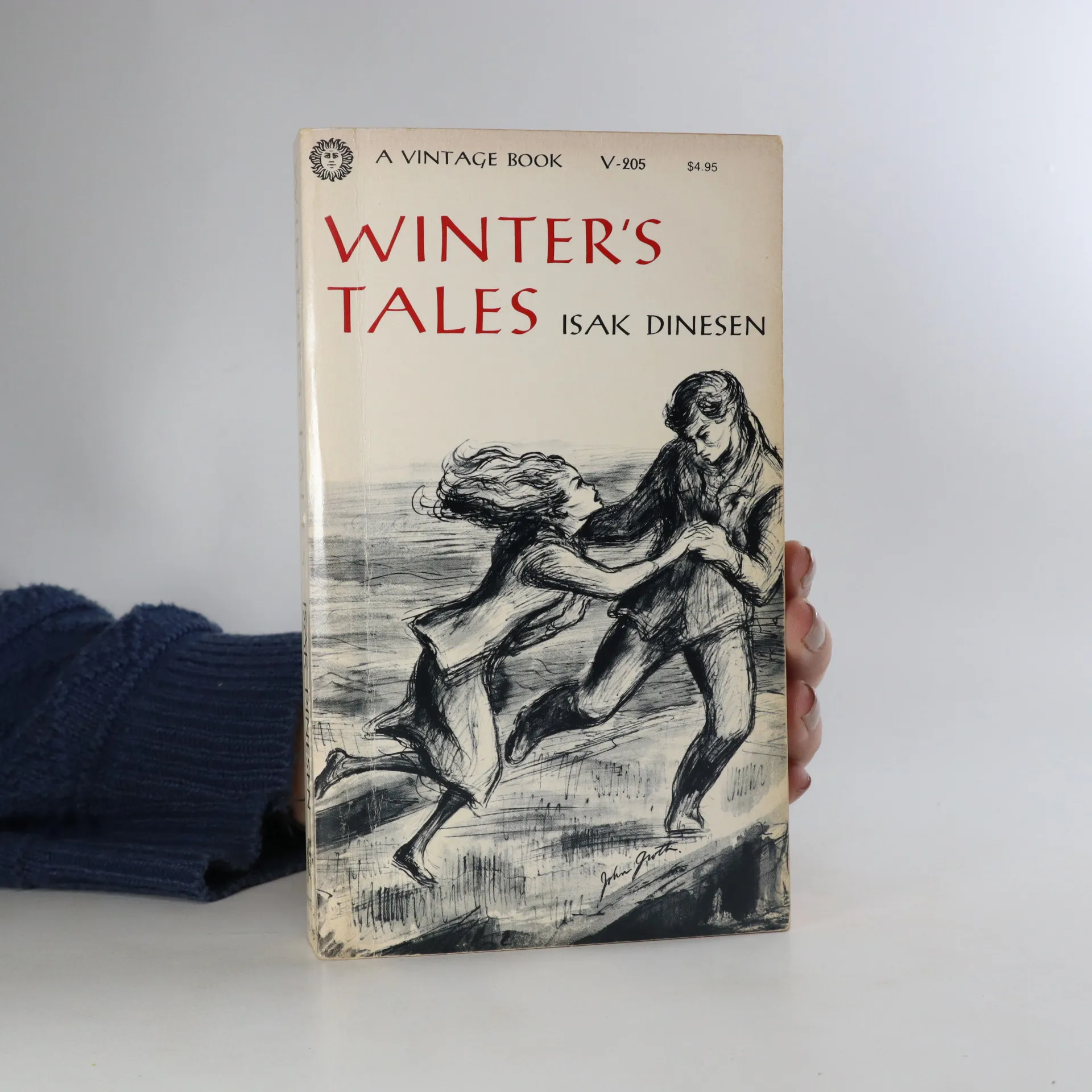
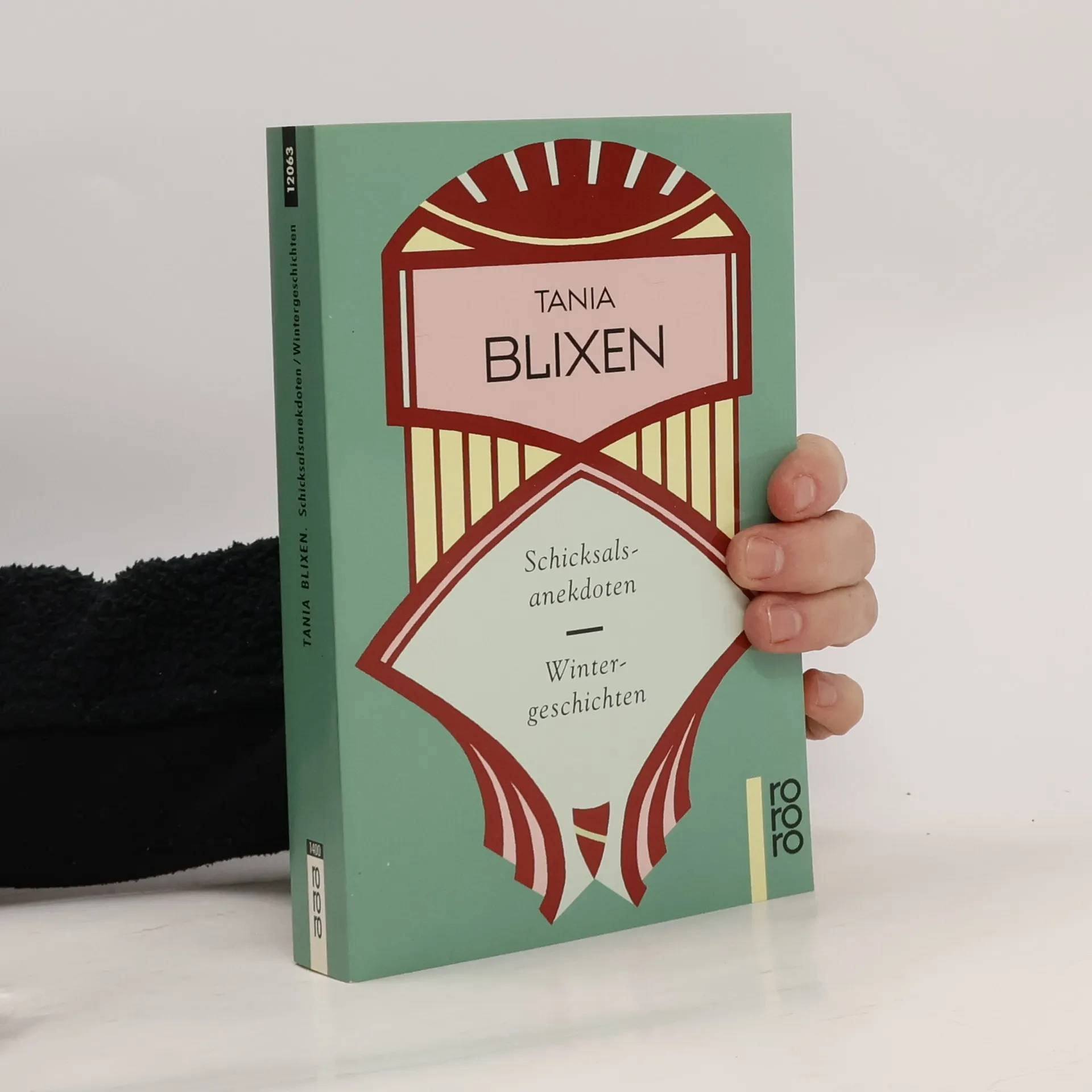
Novely ze dvou samostatných sbírek význačné dánské autorky (Zimní pohádky, 1942; Anekdoty osudu, 1958) zobrazující mizející svět aristokratických a rytířských ideálů. Odehrávají se především koncem století a vyznačují se ironickým nadhledem a fantastičností. Formou jsou novely inspirované vypravěčskými tendencemi orientálními i evropskými, jejich obsah je mnohoznačný, připouští řadu výkladů; každý příběh není příběhem sám o sobě, ale má vždy další obecný výklad.
Babette, flygtning fra Frankrig, lever i 14 år som husholderske hos to aldrende provstedøtre i en lille norsk fjordby. En dag skaber hun ved hjælp af en lotterigevinst et vidunderligt måltid for menigheden