

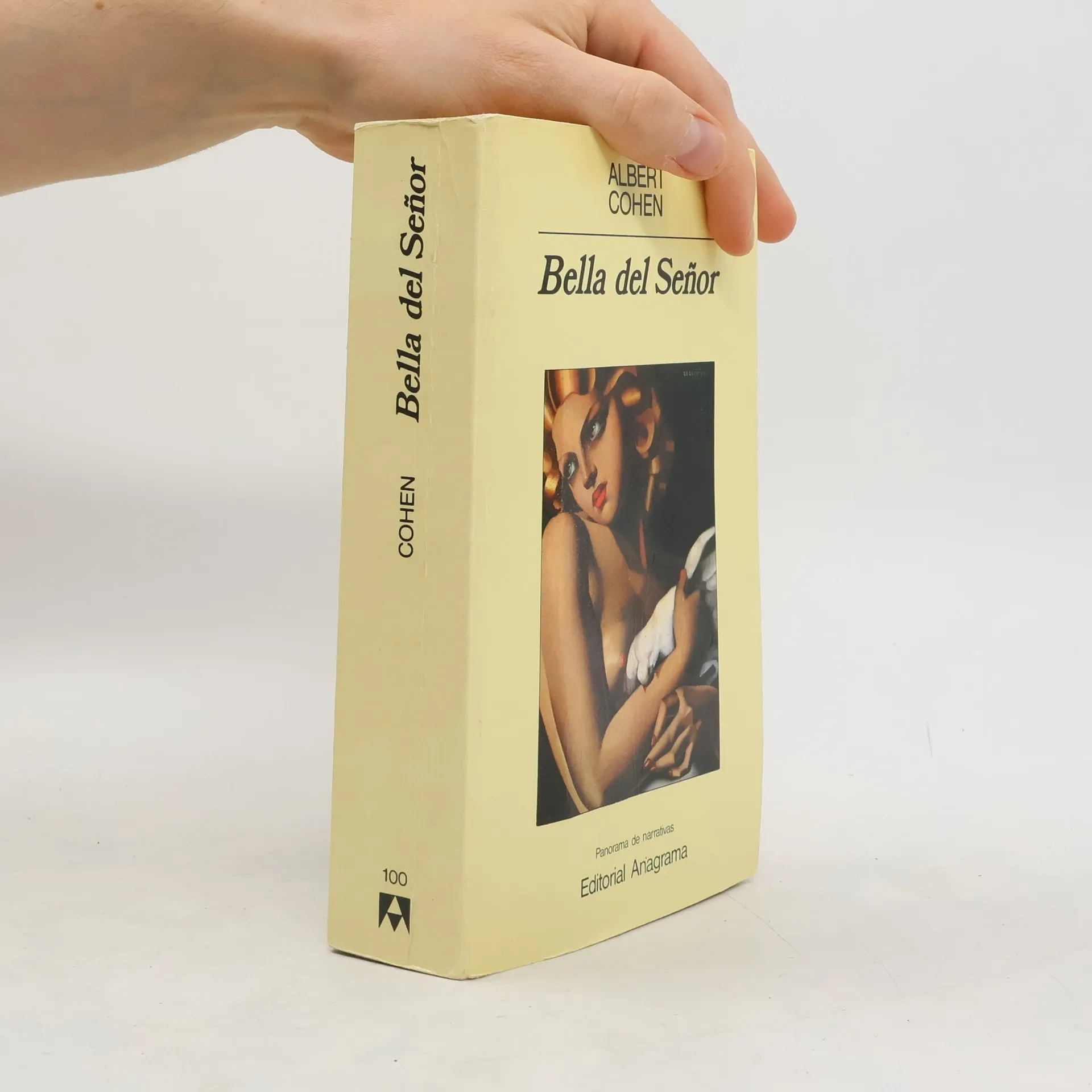
Situada en Ginebra y Francia, en 1936, en una época en que el antisemitismo alcanza en Alemania su paroxismo, esta novela relata, con lirismo romántico unido a su ironía feroz, la relación exasperada entre Solal, judío, alto funcionario de la Sociedad de las Naciones, y Ariane, la aristócrata aria casada con un subordinado de Solal, desde su encuentro hasta la agonía final , pasando por la conquista, la pasión y la implacable degradación de los sentimientos. Para combatir la saciedad, los amantes recurren a todo tipo de métodos: celos retrospectivos, humillaciones morales y todas las recetas eróticas; este libro de amor es tambien un retrato de los horrores de la carne. Tanto por el análisis de los celos como por el relato de la seducción o por su pesimismo radical, casi metafísico, respecto al mito del amor puro, Albert Cohen, en esta búsqueda del Absoluto a través del amor, nos ha dejado páginas que pertenecen ya a la leyenda y que durante largo tiempo continuarán forjando la sensibilidad de los lectores.
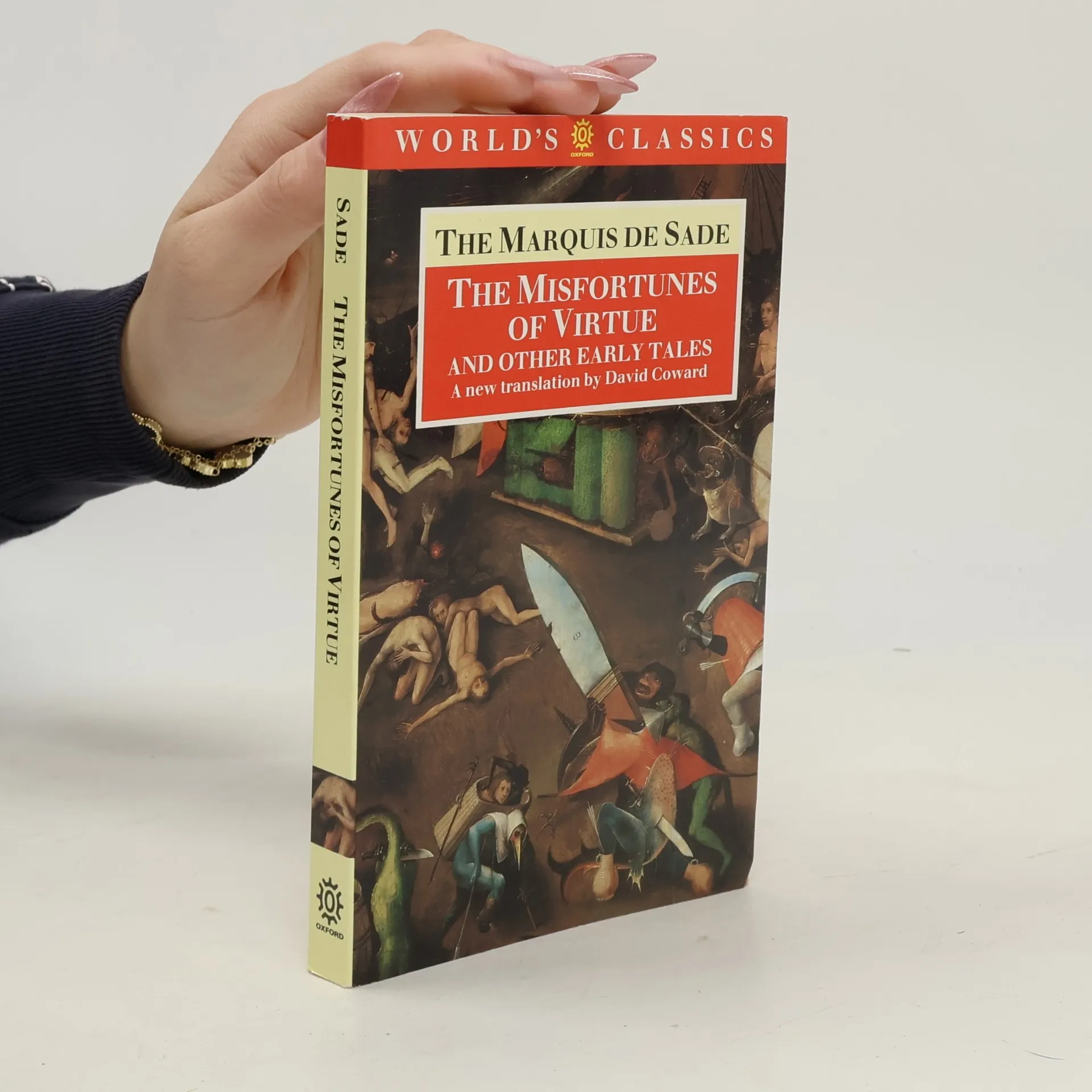
David Coward Libros
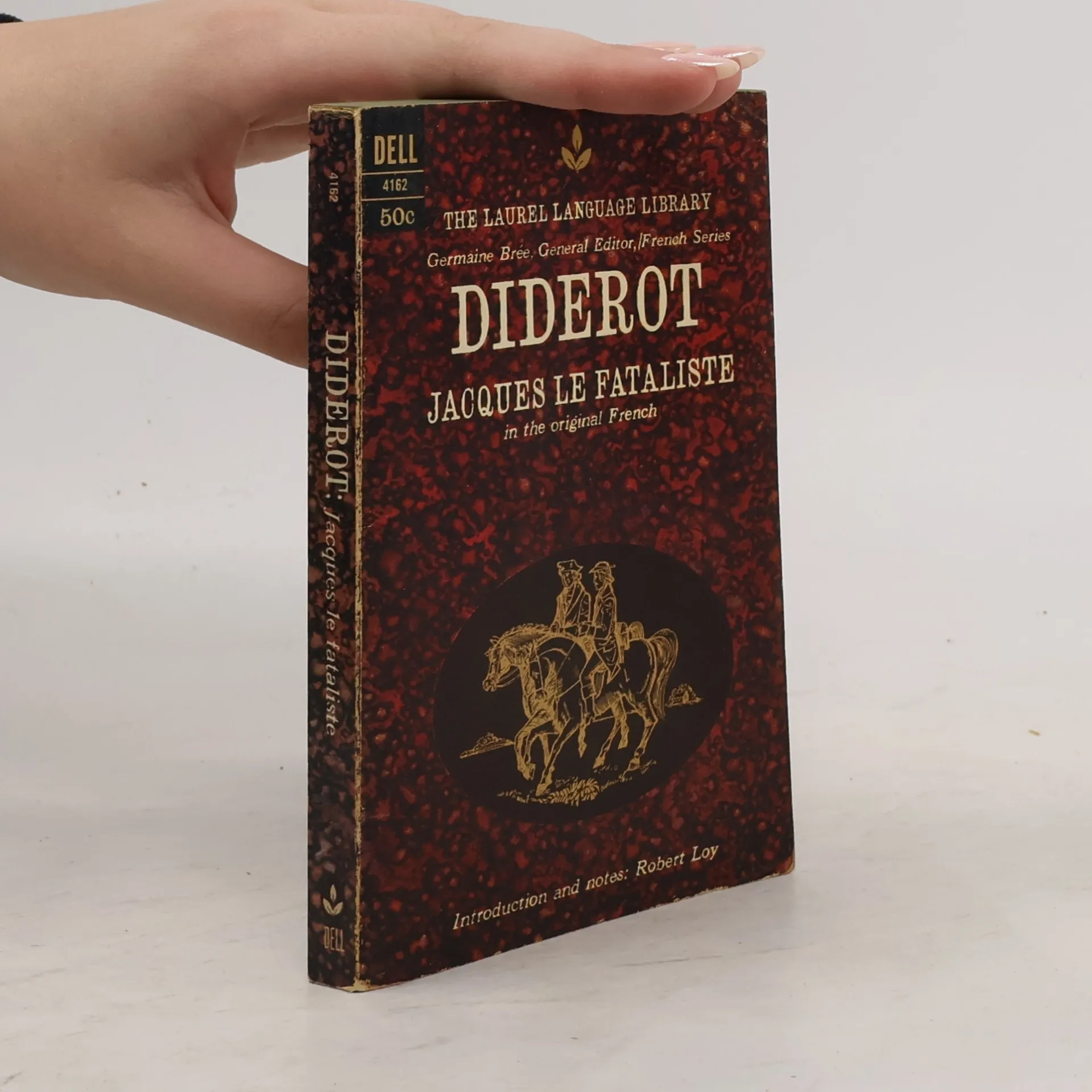
Everything that happens to us in the world, both good and bad, is written in the heavens. This is claimed by the titular character of the philosophical tale by the French writer and philosopher Denis Diderot. Not without reason, he has earned the nickname fatalist. However, despite his unwavering belief in the inevitability of fate, he stands against evil and believes that good must prevail. During countless wanderings, the characters discuss many fundamental issues, including the problem of individual freedom, friendship, and social relations. A significant portion of their humorous dialogues is dedicated to male-female relationships—mainly through the character of Kubuś, readers learn a number of love stories. The colorful conversations between Kubuś and his master entertained a few holders of Diderot's manuscript for two decades, and they were published only after the author's death in 1796. Even today, despite the fact that the world has undergone a true revolution, they still provoke reflection.
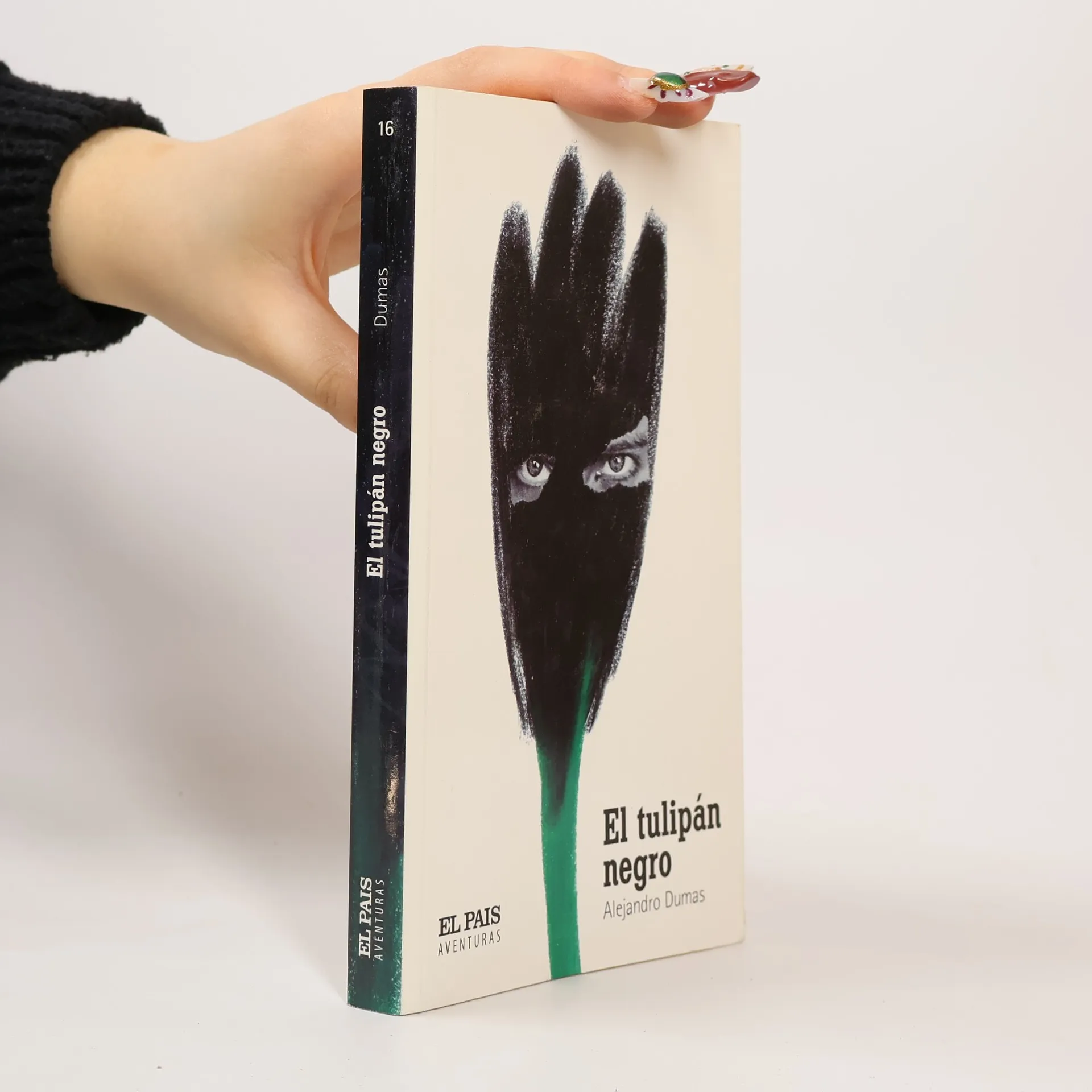
El tulipán negro
- 276 páginas
- 10 horas de lectura
Cornelius van Baerle, joven botánico holandés, recibe una carta de su padrino De Witt, partidario de la República y ajusticiado por sus rivales monárquicos, en la que le envía unos documentos comprometedores. Cornelius es detenido. Gracias a Guillermo de Orange, le conmutan la pena de muerte por la de cadena perpetua. Lo único que podrá liberarle será el cultivo de un raro y codiciado tulipán negro.
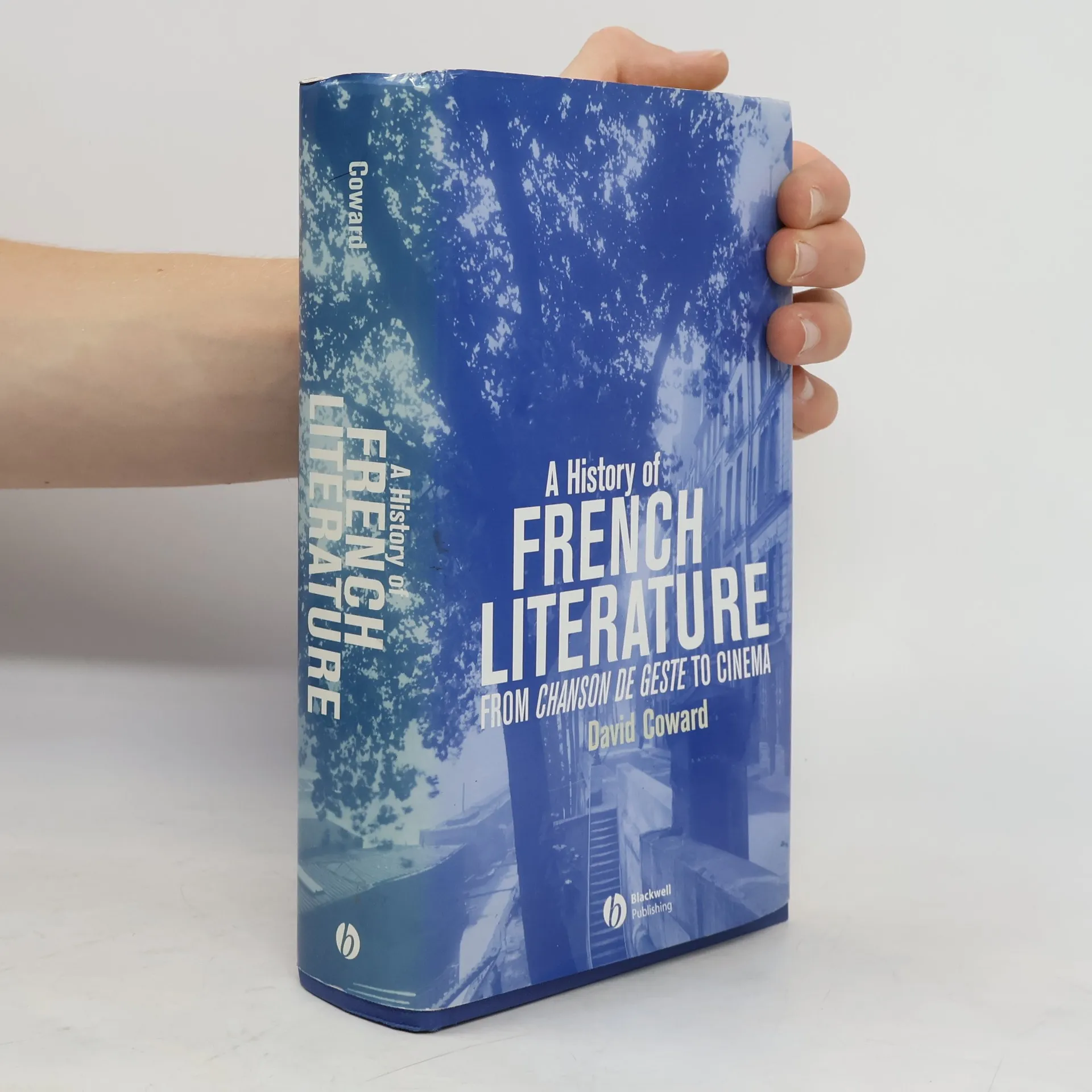
A History of French Literature
- 606 páginas
- 22 horas de lectura
This ambitious volume is more than a history of French literature; it explores the profound impact of post-modern thought on our understanding of 'literature' itself. David Coward presents the rich diversity of French literature, enhanced by new Francophone contributions from Europe, Canada, the West Indies, and Africa. His narrative situates literary development within broader cultural contexts, linking it to the social conditions and mentalities that shaped it. Coward transcends traditional notions of 'literature' by delving into best-sellers, graphic fiction, and cinema. He traces the evolution of the intellectual from the Dreyfus Affair through the divisions of the 1930s, from Existentialists to Post-Structuralists, mapping a journey from literary doctrine to critical theory. Covering a wide range of topics—from medieval feminism to contemporary issues, and from 15th-century modernism to Proust—Coward serves as an engaging guide. He clearly outlines themes and genres, enabling readers to follow the evolution of theatre, poetry, and fiction, as well as broader issues like censorship and writers' rewards. The text is further enhanced by a comprehensive and user-friendly index, making it accessible for readers seeking to navigate this expansive literary landscape.