

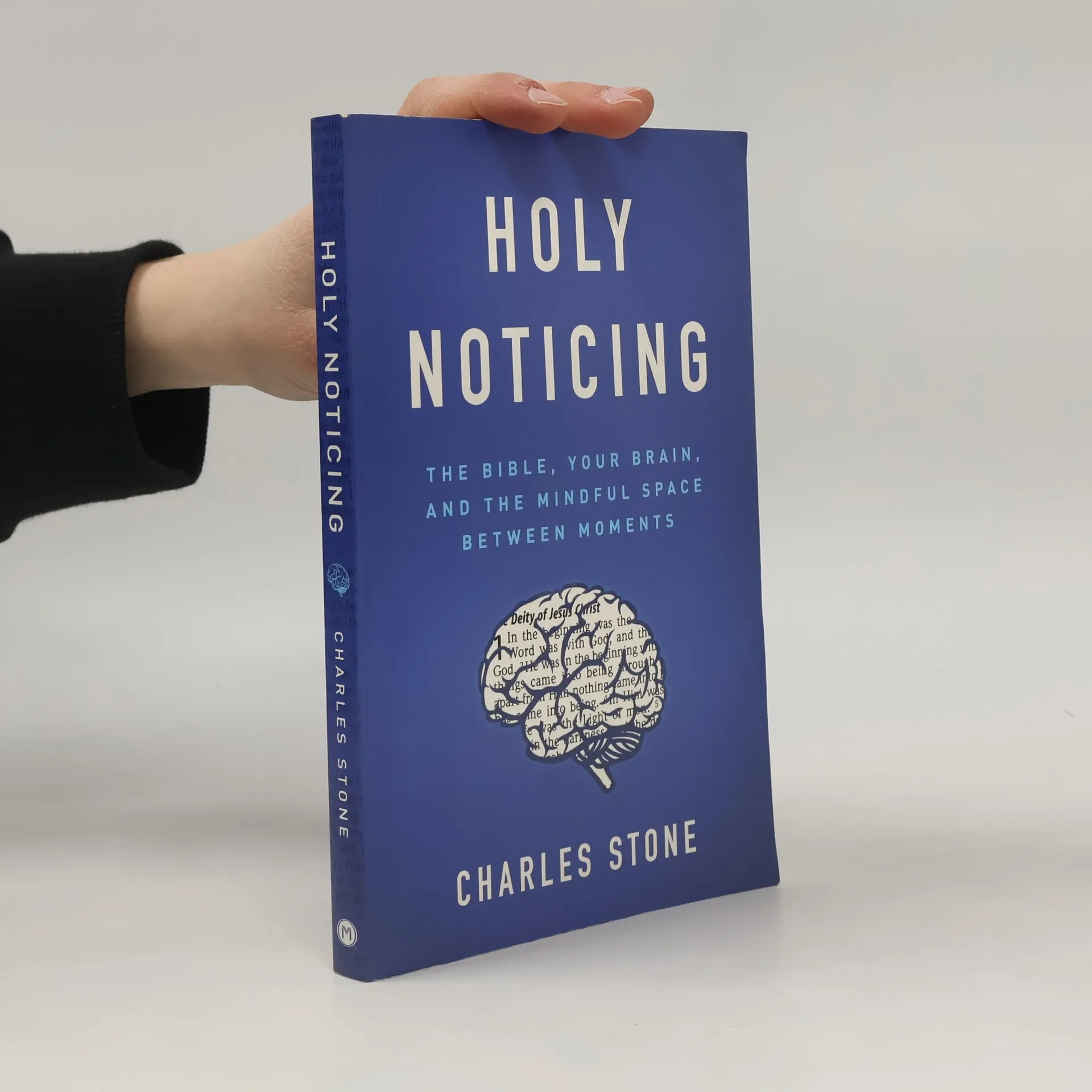
Holy Noticing
The Bible, Your Brain, and the Mindful Space Between Moments
- 240 páginas
- 9 horas de lectura
Does your life feel like a series of rushed moments? Do you wish to feel more present and connected to loved ones, listen without preoccupying thoughts, and experience less distraction? Many of us yearn for the next moment while neglecting the present, overwhelmed by social media, work demands, and family stress. This book teaches you to become aware of your thoughts, emotions, and surroundings, recognize Christ’s presence in each moment, and reduce stress by focusing on God and relationships instead of tasks. While some view mindfulness as unchristian or linked to Eastern religions, Dr. Charles Stone reveals that the practice of holy noticing—intentionally paying attention to God’s work in our lives—is a long-standing spiritual discipline within Christianity. The book delves into its biblical roots and introduces Dr. Stone’s BREATHe model, designed to help you engage more deeply with Christ in everyday moments that often pass unnoticed. Rediscover the spiritual discipline of holy noticing and learn to engage with the world in a Christ-like manner.