
Compra 10 libros por 10 € aquí!
Bookbot

Susan M. Brookhart

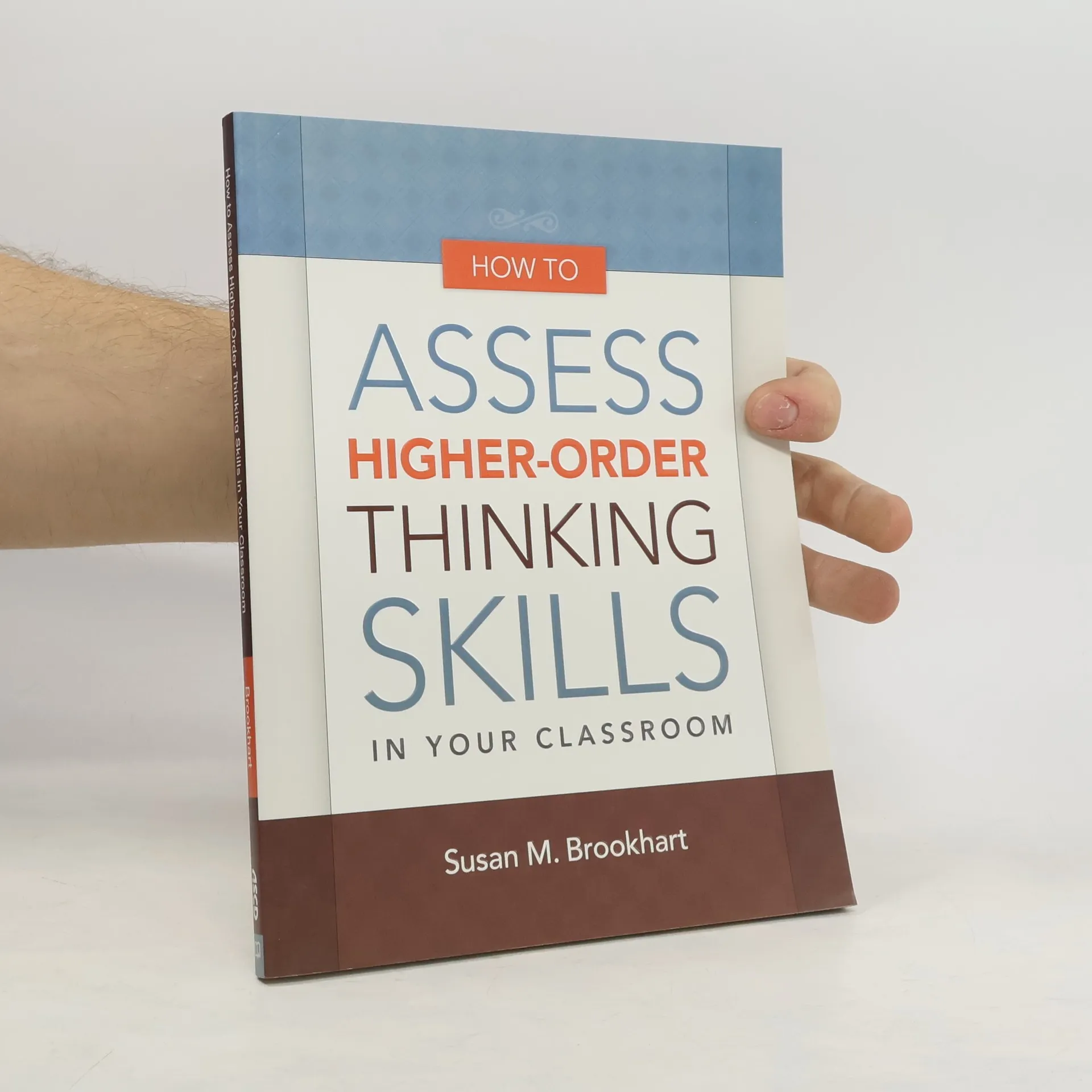
    How to Assess Higher-Order Thinking Skills in Your Classroom
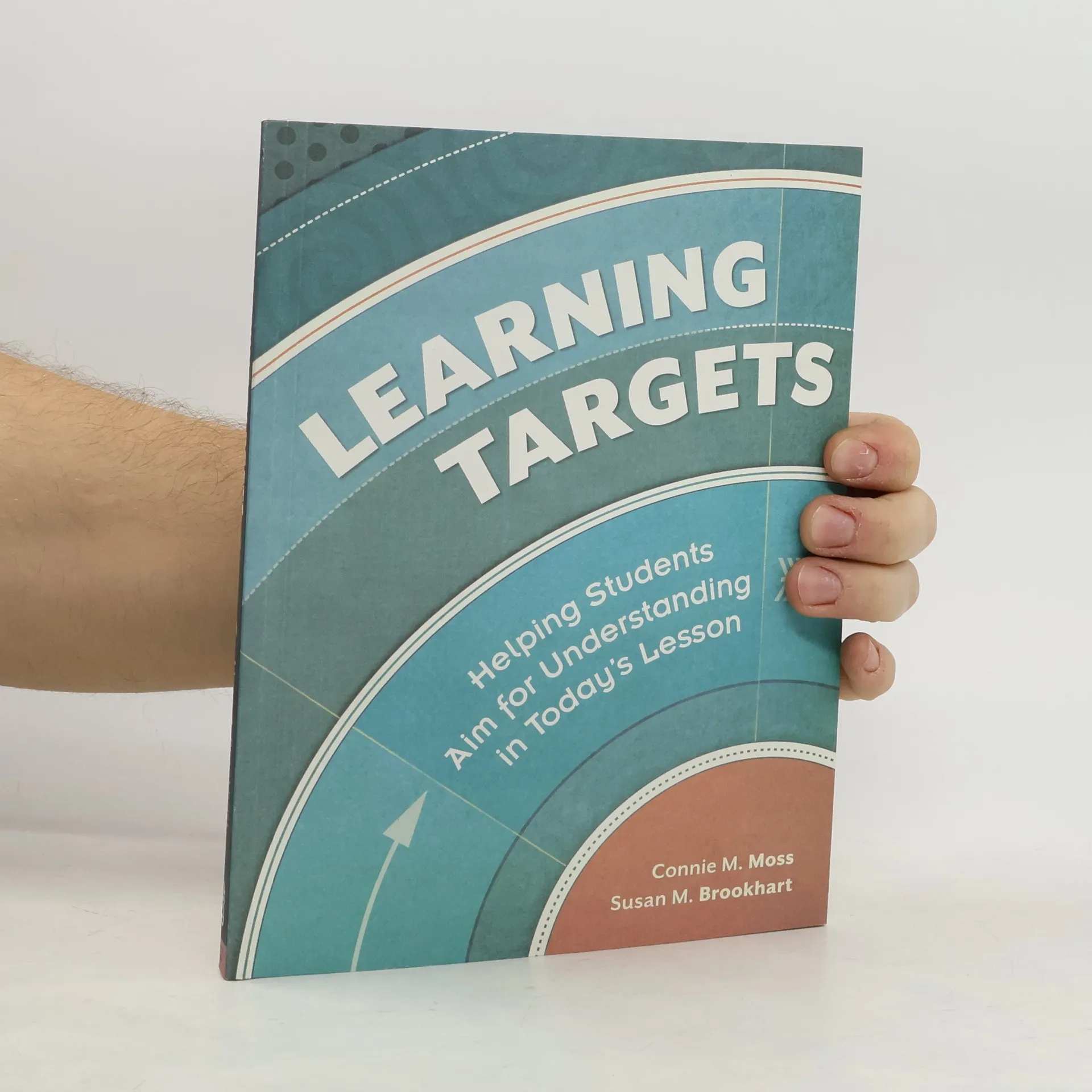
    Learning Targets
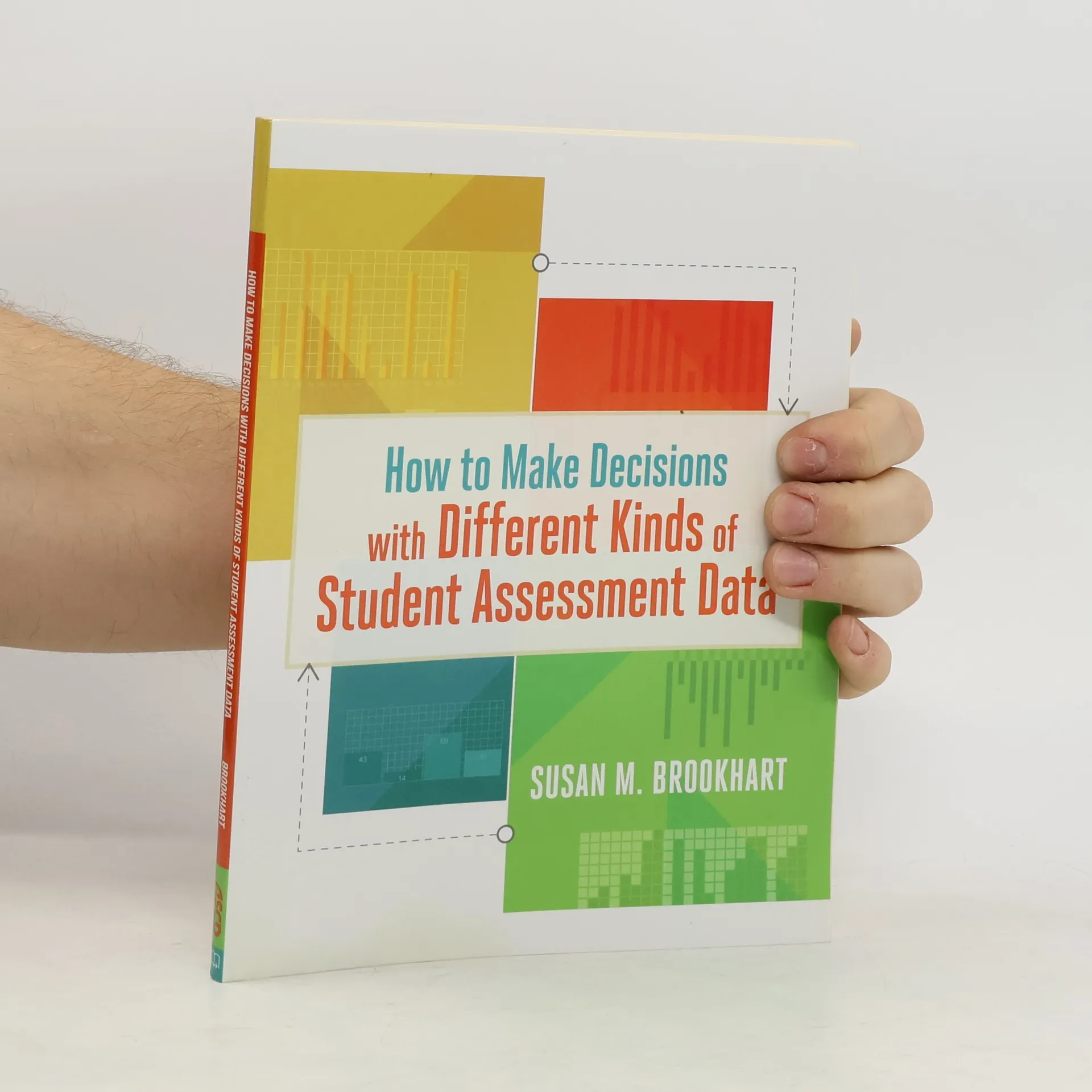
    How to Make Decisions with Different Kinds of Student Assessment Data
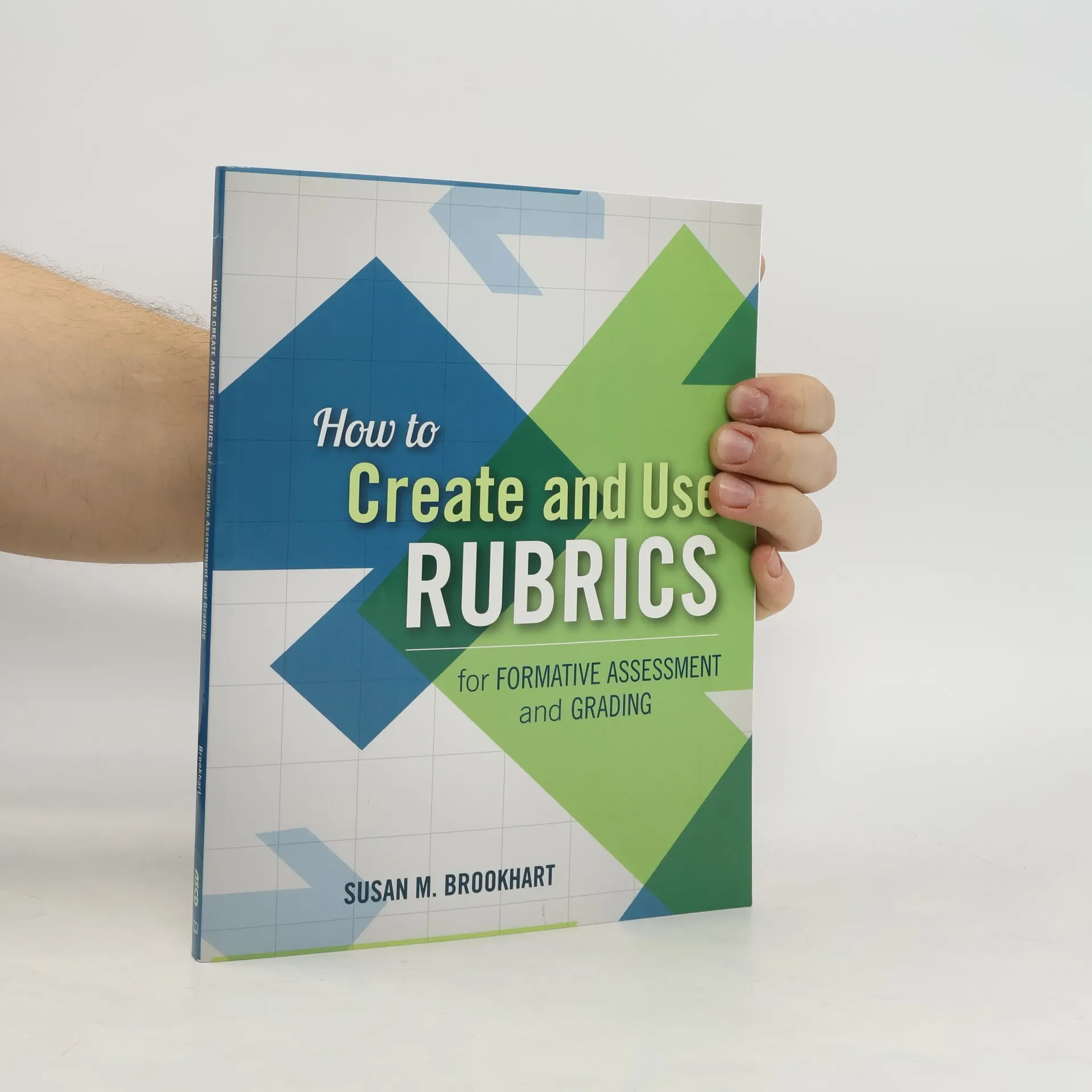
    How to Create and Use Rubrics for Formative Assessment and Grading
    How to Give Effective Feedback to Your Students
    How to Look at Student Work to Uncover Student Thinking
    • Are you picking up all your students' work is trying to tell you? In this book, assessment expert Susan M. Brookhart and instructional coach Alice Oakley walk teachers through a better and more illuminating way to approach student work across grade levels and content areas. You'll learn to view students' assignments not as a verdict on right or wrong but as a window into what students got and how they are thinking about it. The insight you'll gain will help you * Infer what students are thinking, * Provide effective feedback, * Decide on next instructional moves, and * Grow as a professional. Brookhart and Oakley then guide teachers through the next steps: clarify learning goals, increase the quality of classroom assessments, deepen your content and pedagogical knowledge, study student work with colleagues, and involve students in the formative learning cycle. The book's many authentic examples of student work and teacher insights, coaching tips, and reflection questions will help readers move from looking at student work for correctness to looking at student work as evidence of student thinking.

      How to Look at Student Work to Uncover Student Thinking
    • Done well, feedback from teachers to students addresses both cognitive and motivational factors. In this book for elementary school teachers, Brookhart, an educational consultant, categorizes important elements of feedback content (such as focus, comparison, clarity, and tone) and strategy (such as timing, mode, and audience), and offers practical suggestions for using feedback in positive ways. In addition to giving guidelines for good feedback, the author explains what kinds of feedback work best in various content areas and shows how to adjust feedback for different kinds of learners, including successful and struggling students and English language learners. Annotation ©2009 Book News, Inc., Portland, OR (booknews.com)

      How to Give Effective Feedback to Your Students
    • Effective rubrics are vital tools for enhancing classroom instruction and student learning, yet they are often misunderstood. Susan M. Brookhart outlines two key components of successful rubrics: criteria aligned with learning objectives and clear performance descriptions. The guide differentiates between various rubric types and clarifies misconceptions, while also comparing rubrics to other assessment tools. It provides practical guidance for using rubrics in formative assessment and grading, making it an essential resource for educators at all levels seeking to improve teaching and learning outcomes.

      How to Create and Use Rubrics for Formative Assessment and Grading
    • Focusing on the effective use of student assessment data, the book provides educators with insights into various data types and their implications for student learning. It outlines how to analyze data to track achievement changes and offers guidance on interpreting and sharing results. Readers will learn to develop a systematic approach to data-driven decision-making, supported by real-world examples. The aim is to enhance understanding and application of assessment data to foster improvements in teaching and learning practices.

      How to Make Decisions with Different Kinds of Student Assessment Data
    • Learning Targets

      Helping Students Aim for Understanding in Today's Lesson

      • 220 páginas
      • 8 horas de lectura

      In Learning Targets , Connie M. Moss and Susan M. Brookhart contend that improving student learning and achievement happens in the immediacy of an individual lesson--what they call today's lesson--or it doesn't happen at all. The key to making today's lesson meaningful? Learning targets. Written from students' point of view, a learning target describes a lesson-sized chunk of information and skills that students will come to know deeply. Each lesson's learning target connects to the next lesson's target, enabling students to master a coherent series of challenges that ultimately lead to important curricular standards. Drawing from the authors' extensive research and professional learning partnerships with classrooms, schools, and school districts, this practical book - Situates learning targets in a theory of action that students, teachers, principals, and central-office administrators can use to unify their efforts to raise student achievement and create a culture of evidence-based, results-oriented practice. - Provides strategies for designing learning targets that promote higher-order thinking and foster student goal setting, self-assessment, and self-regulation. - Explains how to design a strong performance of understanding, an activity that produces evidence of students' progress toward the learning target. - Shows how to use learning targets to guide summative assessment and grading. Learning Targets also includes reproducible planning forms, a classroom walk-through guide, a lesson-planning process guide, and guides to teacher and student self-assessment. What students are actually doing during today's lesson is both the source of and the yardstick for school improvement efforts. By applying the insights in this book to your own work, you can improve your teaching expertise and dramatically empower all students as stakeholders in their own learning.

      Learning Targets
    • Educators know it's important to get students to engage in higher-order thinking. But what does higher-order thinking actually look like? And how can K-12 classroom teachers assess it across the disciplines? Author, consultant, and former classroom teacher Susan M. Brookhart answers these questions and more in this straightforward, practical guide to assessment that can help teachers determine if students are actually displaying the kind of complex thinking that current content standards emphasize. Brookhart begins by laying out principles for assessment in general and for assessment of higher-order thinking in particular. She then defines and describes aspects of higher-order thinking according to the categories established in leading taxonomies, giving specific guidance on how to assess students in the following areas: * Analysis, evaluation, and creation * Logic and reasoning * Judgment * Problem solving * Creativity and creative thinking Examples drawn from the National Assessment of Educational Progress and from actual classroom teachers include multiple-choice items, constructed-response (essay) items, and performance assessment tasks. Readers will learn how to use formative assessment to improve student work and then use summative assessment for grading or scoring. Aimed at elementary, middle, and high school teachers in all subject areas, How to Assess Higher-Order Thinking Skills in Your Classroom provides essential background, sound advice, and thoughtful insight into an area of increasing importance for the success of students in the classroom--and in life.

      How to Assess Higher-Order Thinking Skills in Your Classroom