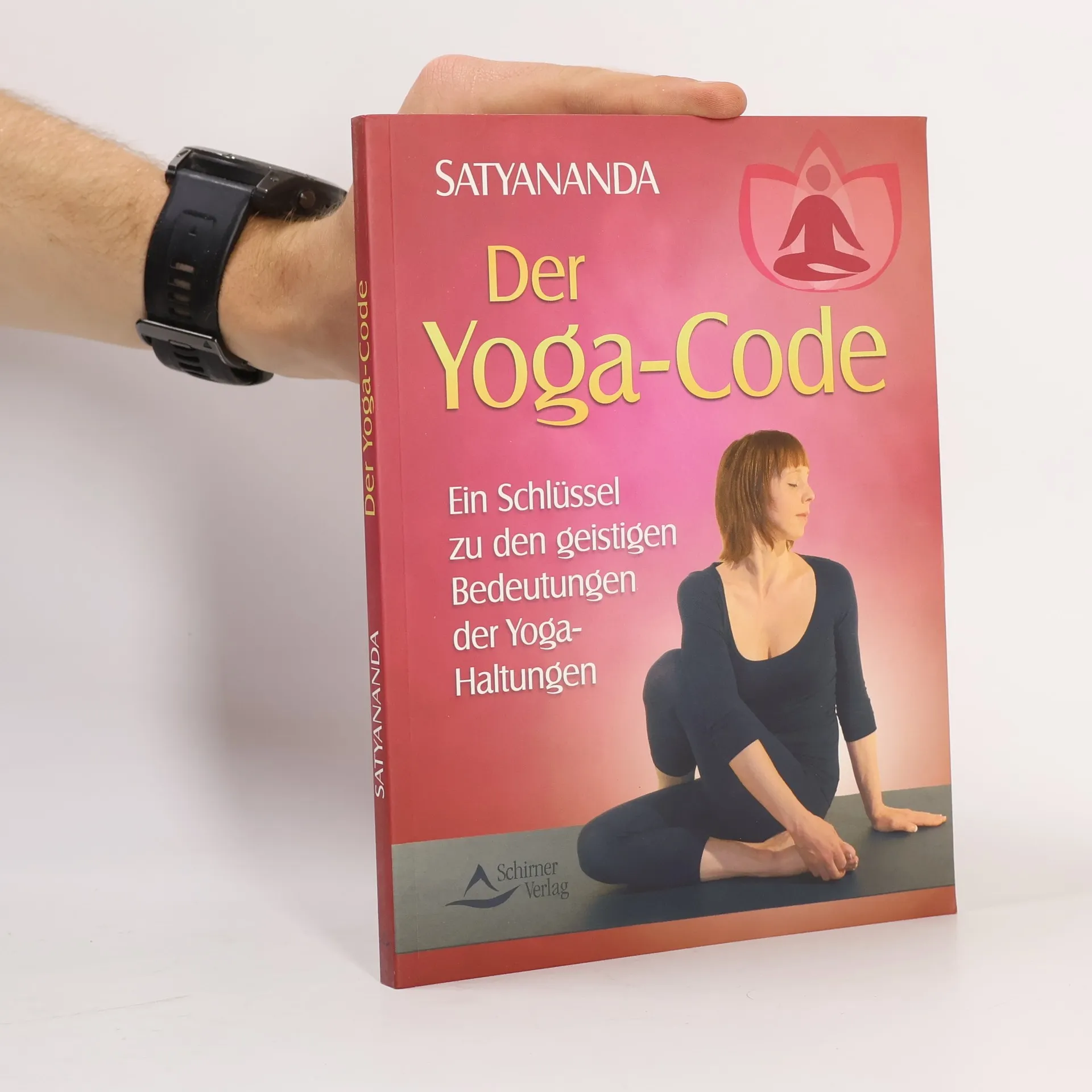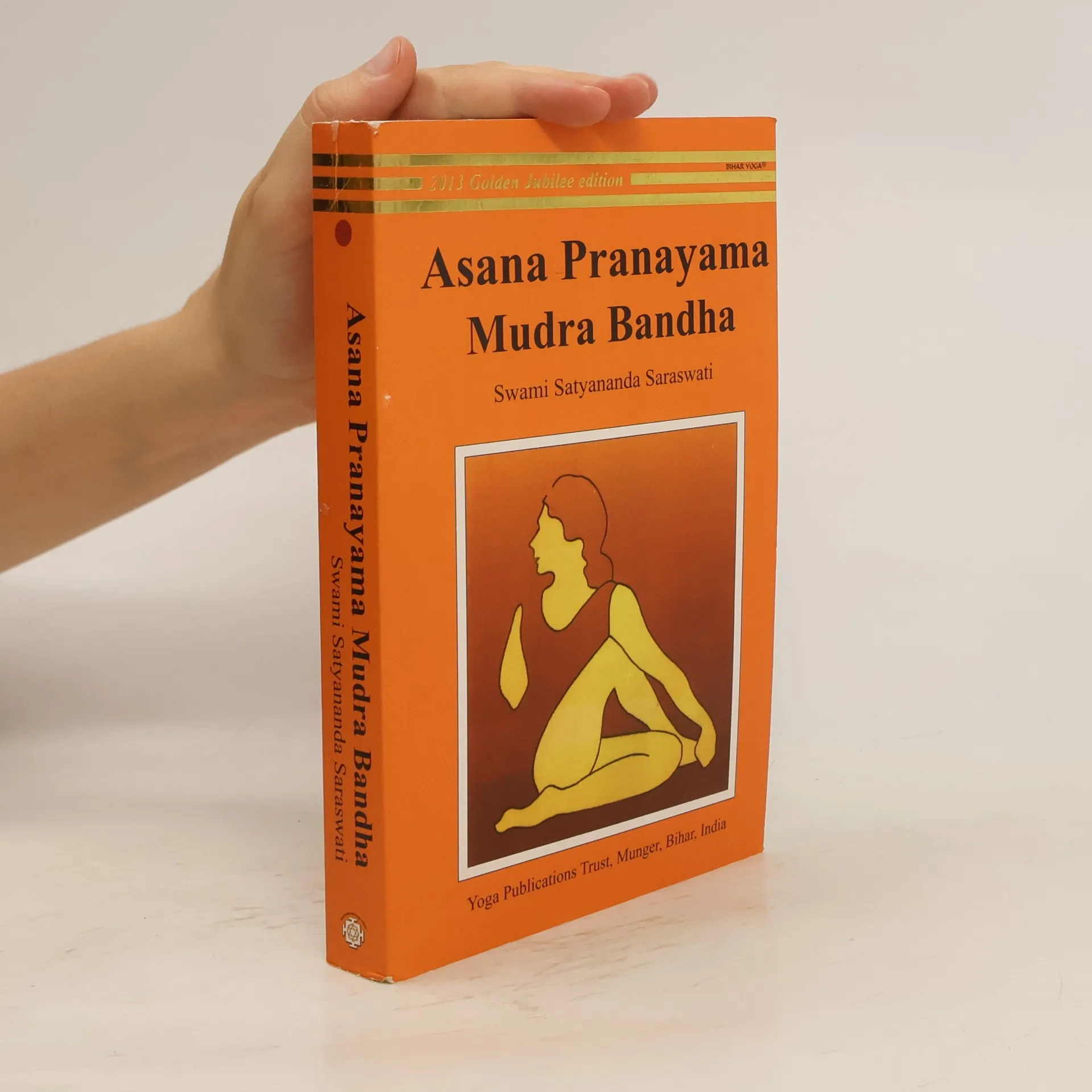
Compra 10 libros por 10 € aquí!
Bookbot

Satyananda

    24 de diciembre de 1923 – 5 de diciembre de 2009

    Swami Satyananda Saraswati fue un sannyasin, profesor de yoga y gurú reconocido tanto en su nativa India como en Occidente. Fundó instituciones dedicadas al estudio y la práctica del yoga, estableciendo centros que se volvieron influyentes en la difusión del conocimiento yóguico. Su extensa obra, que comprende más de 80 libros, ofrece un enfoque sistemático y completo del yoga, impactando a generaciones de practicantes a nivel mundial. Sus escritos se caracterizan por una profunda comprensión de las enseñanzas yóguicas tradicionales y su aplicación a la vida contemporánea.

    Kundalini Tantra
    Kundalini-Tantra
    Oneness
    Yoga Education for Children
    Yoga and Cardiovascular Management
    Nine Principal Upanishads
    • Nine Principal Upanishads

      • 254 páginas
      • 9 horas de lectura

      The Nine Principal Upanishads are the culmination of vedic thought and contain the essence of the original vedantic teachings. They impart sublime truths about the nature and destiny of mankind revealed by great sages and seers during informal discussions with disciples and spirtual seekers. These upanishads describe the direct experience of transcendence which results in the unity of the individual with the highest consciousness.They also provide methods of mediation to realize the nature of Atman, the supreme soul, and attain the immortal Brahman. The Text includes the original Sanskrit verse,transliteration and translation of the following nine major Prashnopanishad, Kenopanishad, Mandukyopanishad, Mundakopanishad, Ishavasya Upanishad, Kathopanishad, Aitareya Upanishad, Shevatashvataropanishad and Taittiriya Upanishad.
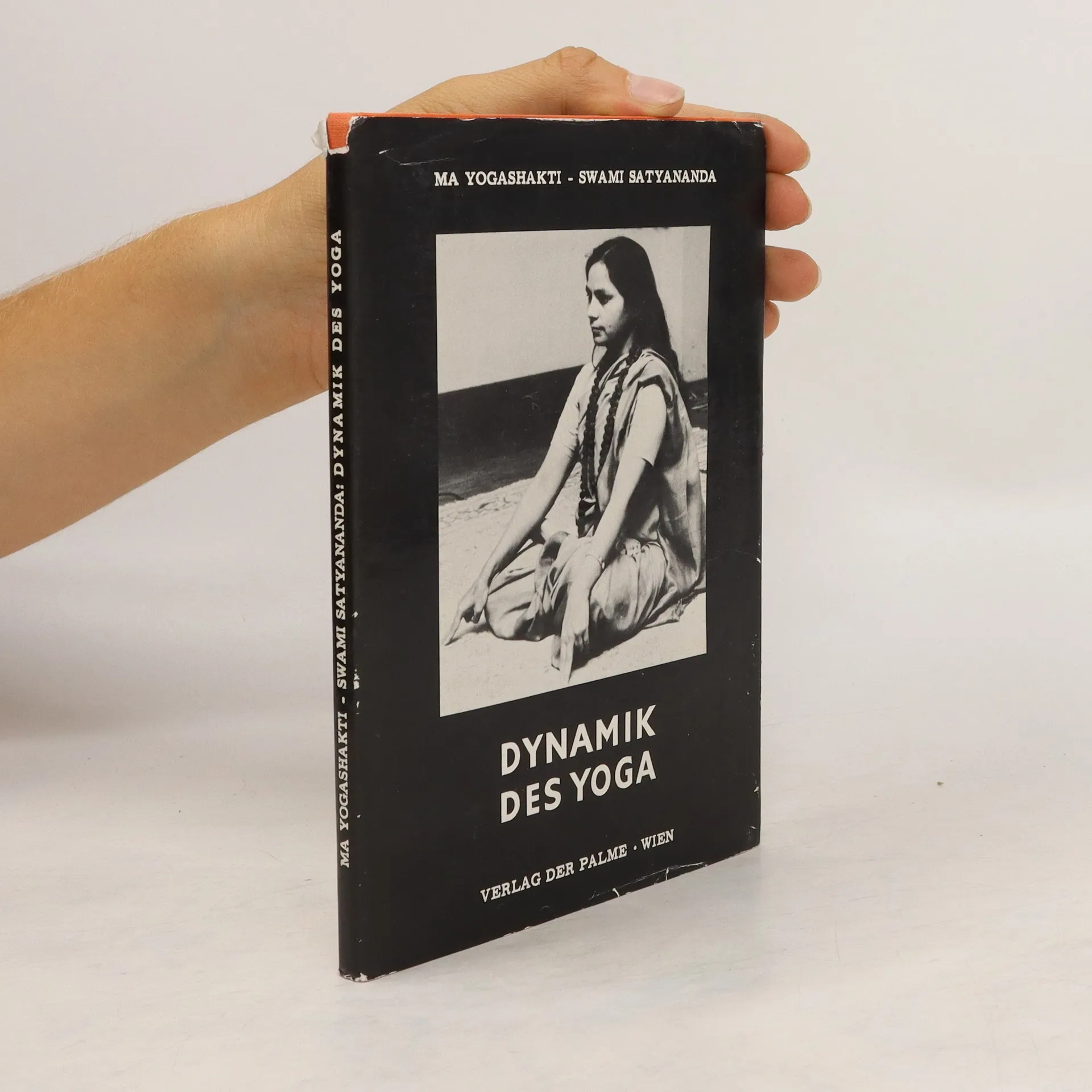
      Nine Principal Upanishads
    • Yoga and Cardiovascular Management

      • 135 páginas
      • 5 horas de lectura

      YOGA AND CARDIOVASCULAR MANAGEMENT is a compilation of the discussions between Swamiji and a group of French medical experts, physicians and yoga teachers who shared their views on yoga and the medical management of cardiovscular disease. The discussions shed light on the yogic approach to managing the whole range of heart and vascular diseases in relation to the medical view point. Both yoga and Medicine are sciences in their own right and while they complement each other in managing disease, yoga is shown to embrace the whole individual nature in getting to the root and cause of the disease. In addition to cardiovascular diseases, respiratory diseases and cancer are also included, giving the yogic explanation and management techniques with scientific back up. The research data was correlated by an Australian Doctor, and the scientific disposition and language make the Book ideal for both medical scientists and lay people alike

      Yoga and Cardiovascular Management
    • Yoga Education for Children

      • 302 páginas
      • 11 horas de lectura

      This Book is intended as a guideline for teachers of yoga to children.Yoga is the art and science of living,and is concerned with the evolution of mind and body.Therefore,yoga incorporates a system of disciplines for furhering an integrated development of all aspects of the individual...obviously,childhood is the best period of life to get induced into yoga which will help develop physical stamina,emotional stability and intellectual and creative talents.It is a unified system for developing the balanced,total personality of the child. The focus of the book is on the physical aspect and therefore a basic understanding of the major systems is needed.The book discussess at length Supportive Systems,Control systems,Metabolic Systems,Emotional/behavioural aspect,Mental aspects,Creative aspect,Suitability of yoga for childrenneed for physical education,benefits for physically disabled children and yoga therapy for emotional disabilities.

      Yoga Education for Children
    • Oneness

      As Described by

      • 162 páginas
      • 6 horas de lectura

      Exploring the rarity of enlightened beings throughout history, this book delves into the lives of figures such as Jesus Christ, Gautama Buddha, and Lord Krishna. It questions what unique qualities or insights these masters possessed that set them apart from ordinary individuals. By examining their experiences and perspectives, the narrative seeks to uncover the essence of enlightenment and what it truly means to perceive the totality of creation.

      Oneness
    • Die 5. Auflage des Buches von 2019 wurde umfassend überarbeitet. Yoga Nidra ist eine einfache, aber tiefgründige Technik, entwickelt von Swami Satyananda Saraswati und basiert auf dem traditionellen tantrischen Nyasa. In diesem Werk wird die Theorie von Yoga Nidra sowohl aus yogischer als auch aus wissenschaftlicher Perspektive erläutert und bietet praktische Übungsanweisungen. Die vielseitigen Anwendungsgebiete dieser Technik reichen von Tiefenentspannung und Stressmanagement bis hin zur Verbesserung der Lernfähigkeit und der Harmonisierung des Bewusstseins. Ein Abschnitt widmet sich wissenschaftlichen Untersuchungen, die die Methode unterstützen. Yoga Nidra fördert tiefe Entspannung auf mentaler, emotionaler und körperlicher Ebene und ist für alle geeignet. Die Praxis umfasst eine geführte Wahrnehmung des Körpers, bei der ein Körperteil nach dem anderen mental fokussiert wird, während der Name des Körperteils wiederholt wird. Diese Technik, die aus einer jahrtausendealten tantrischen Übung stammt, erhöht den Fluss pranischer Energie im Nervenkreis des motorischen Homunculus. Dadurch wird subjektiv Entspannung und „Loslassen“ erlebt, was eine Trennung des Bewusstseins von sensomotorischen Wahrnehmungen bewirkt. Dies führt zu einem wichtigen Zustand von Pratyahara, der fünften Stufe aus Patanjalis Yoga Sutra, und ermöglicht eine tiefgreifende Entspannung des Gehirns.

      Yoga Nidra