Holbein
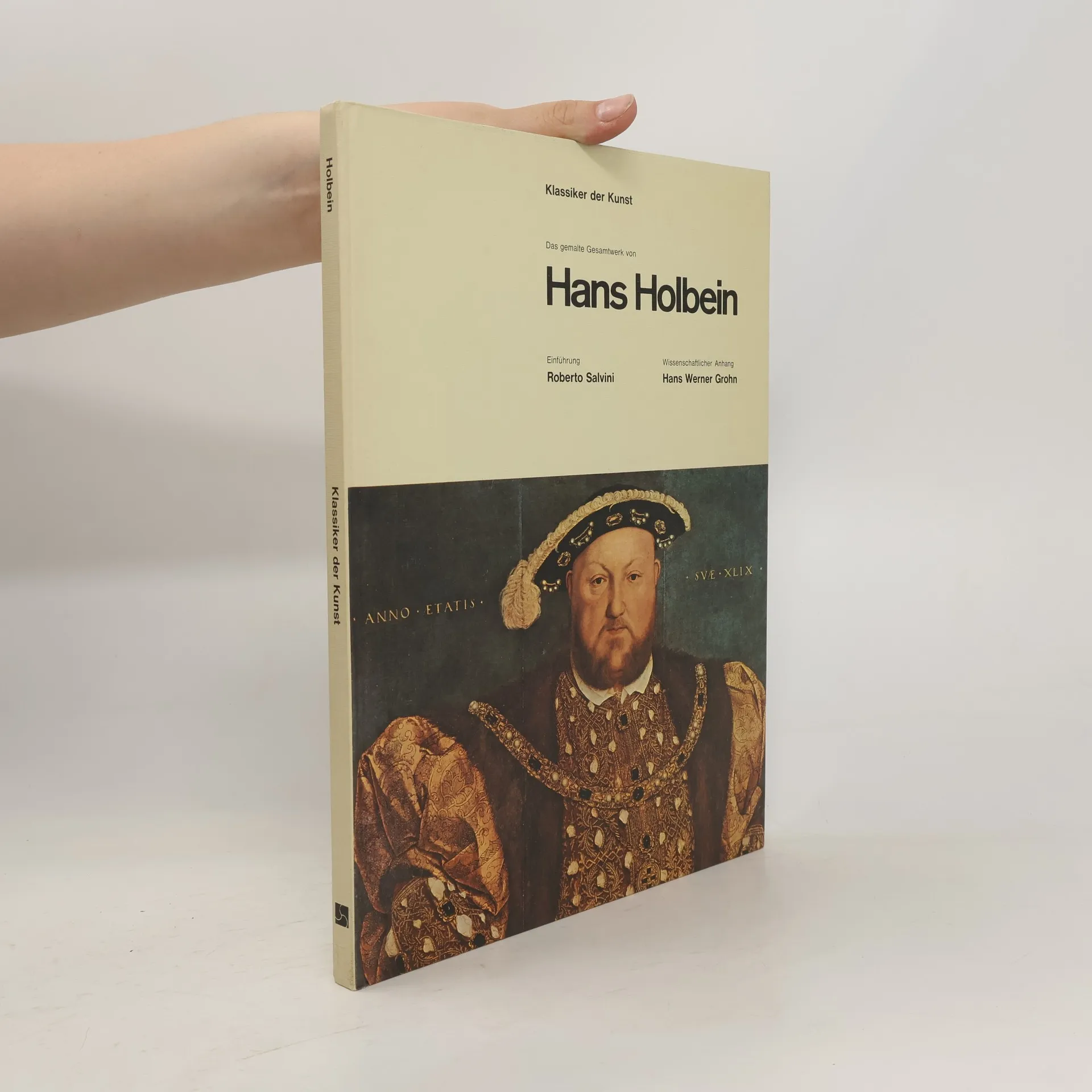
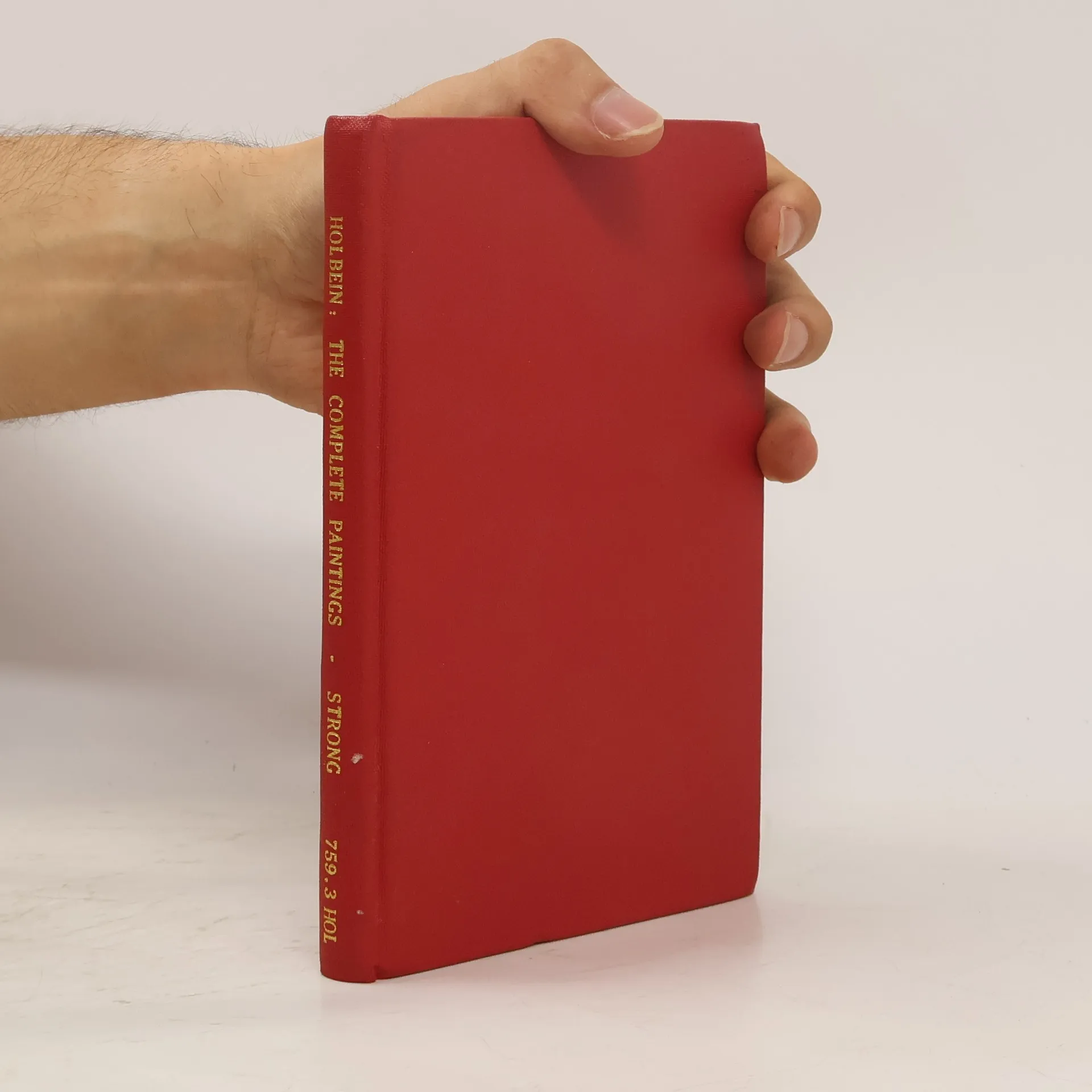
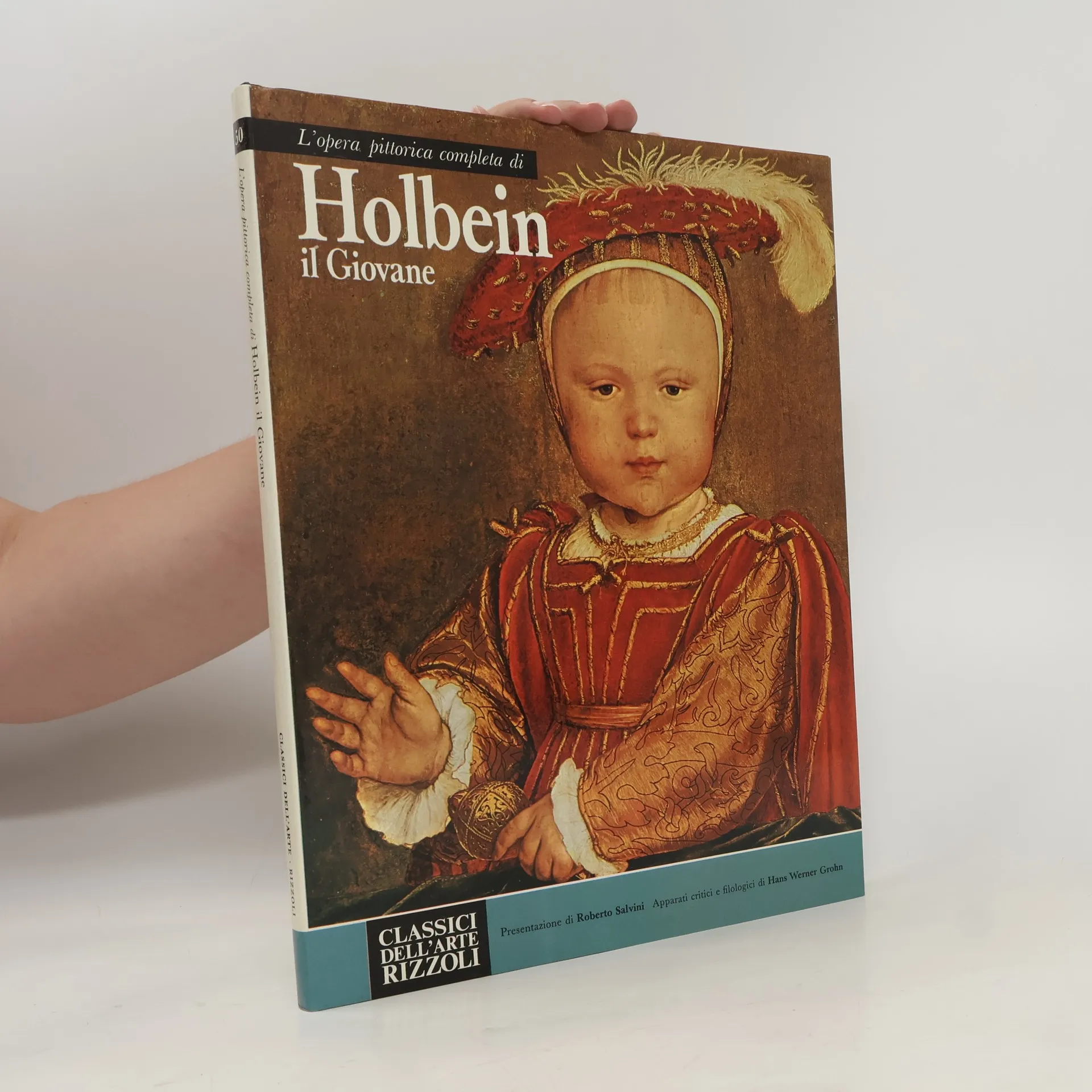
the complete paintings
Complete paintings of Holbein. Full page color photos of paintings




![Hans Holbein: paintings, prints, and reception [proceedings of the symposium "Hans Holbein: Paintings, Prints, and Reception, held 21 - 22 November 1997 in Washington]](https://rezised-images.knhbt.cz/1920x1920/59817549.webp)
the complete paintings
Complete paintings of Holbein. Full page color photos of paintings
This study brings together leading scholars from Europe and the United States to consider the art of Hans Holbein the Younger (1497/98–1543) from a variety of perspectives and disciplines. Generously illustrated and based on the most up-to-date research, the book is essential reading for anyone with an interest in Holbein the Younger and his magnificent art.In chapters relating to artistic exchange, the contributors discuss what Holbein knew of French and Italian art and how he utilized this knowledge. Conservation and technical chapters examine the materials and techniques in the painting The Ambassadors and documentary evidence on a series of festival paintings on canvas. Two contributors examine the artist’s woodcuts, particularly Dance of Death , in the light of contemporary political and theological issues. In addition, the historical and theoretical circumstances and contexts of Holbein’s portraits are investigated, notably their associations with classical antiquity and its revival in humanist thought. The book also considers the impact of the first scholarly monograph on Holbein’s reception and how German Romantic literary art criticism of the early nineteenth century shaped an image of his life and art.Published by the National Gallery of Art, Center for Advanced Study in the Visual Arts / Distributed by Yale University Press
This edition features Holbein's iconic woodcuts from The Dance of Death, showcasing the folly of human greed through dramatic and witty imagery. Accompanied by Ulinka Rublack's insightful essay, it offers a fresh perspective on this medieval theme. A must-have for classic literature enthusiasts.
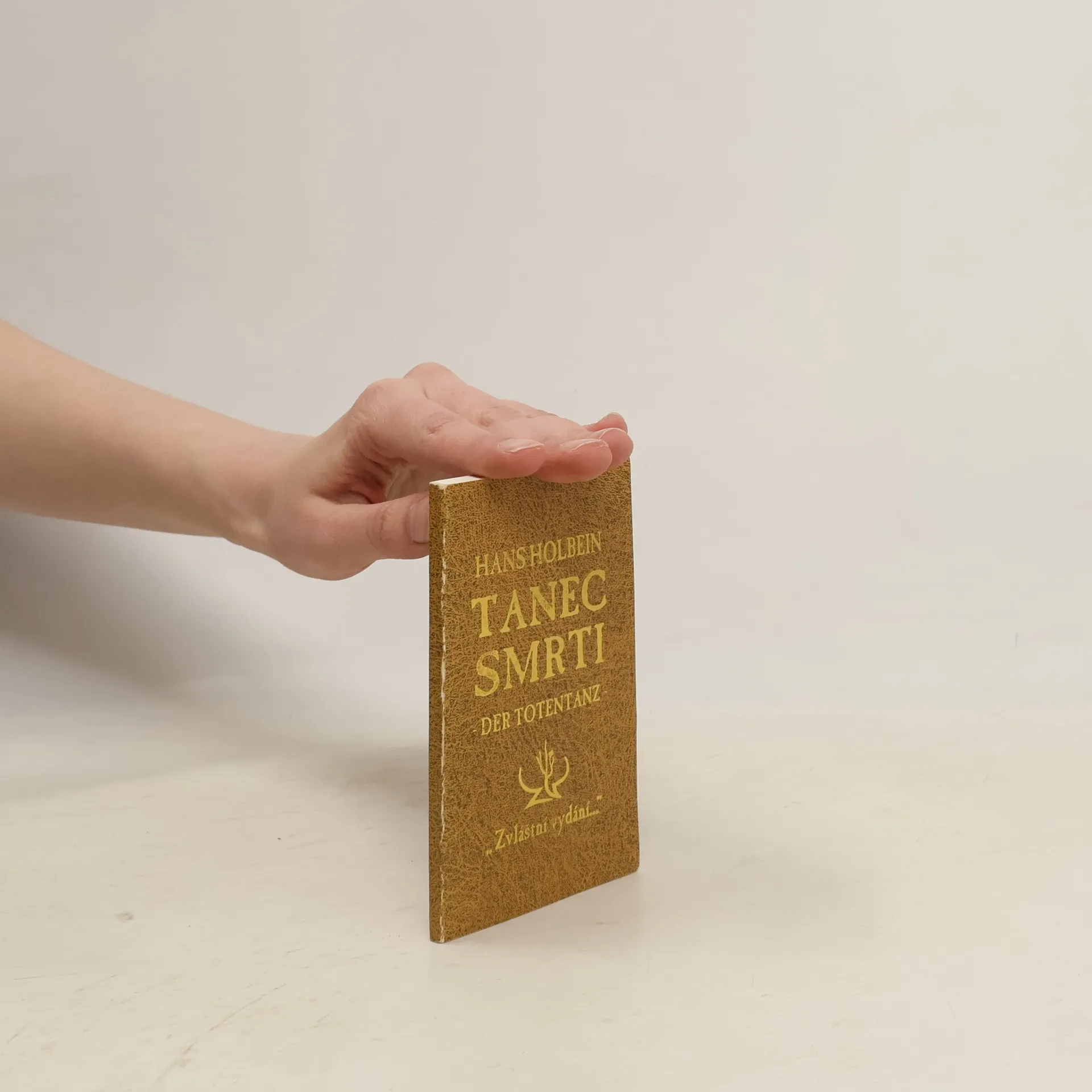
„Tanec smrti" Hanse Holbeina mladšího (1497 – 1543) je vrcholným dílem, které spojuje myšlenky končícího středověku a nastupující renesance. Téma smrti, které se vyvinulo od 14. století, se objevovalo v různých formách, včetně divadelních a maleb na hřbitovech. Na konci 15. století se "tanec smrti" již prezentoval v knižní podobě s dřevoryty. Holbein vytvořil své slavné dílo v letech 1524-25 v Basileji, kde byl obeznámen s místními verzemi „tance smrti". Na rozdíl od předchozích interpretací, které ztvárňovaly smrt jako stín, Holbeinova smrtka je živou postavou, která interaguje s lidmi jako přítel či nepřítel. Jeho dílo reflektuje myšlenku, že „jsme uprostřed života, v objetí smrti", přičemž Holbein zachycuje klíčové okamžiky v životě jednotlivce. Vysvětlující texty jsou minimální, stačí jednoduché označení stavu nebo věkové skupiny. Holbein „Tanec smrti" nakreslil třikrát, přičemž dřevoryty vytvořil Hans Lützelburger. První „zkušební" výtisky byly otištěny již v roce 1526. V roce 1538 bratři Trechselové vydali první datované výtisky v Lyonu. Toto dílo vychází v Čechách poprvé a zachovává hierarchii tehdejší doby. Dva obrazy z „Tance smrti" se nacházejí také na zdi prachatické radnice.
„Tanec smrti" Hanse Holbeina mladšího (1497 – 1543) představuje vrchol formálního a myšlenkového zpracování tématu smrti, které se vyvíjelo od středověku k renesanci. Téma se objevilo ve 14. století ve Francii, kde se začaly objevovat divadelní formy a malby „tance smrti" na hřbitovech a v klášterech. Na konci 15. století se již objevují knižní verze s dřevoryty. Holbein vytvořil své nejslavnější dílo v letech 1524-25 v Basileji, kde byl obeznámen s místními „tanci smrti". Zatímco předchozí umělci zachovávali tradiční ztvárnění, Holbeinovo pojetí je inovativní. Jeho smrtka není pouhým symbolem, ale živou postavou, která interaguje s lidmi jako přítel či nepřítel. Holbeinovo dílo je variací na myšlenku, že „jsme uprostřed života, v objetí smrti", a vyjadřuje klíčové momenty v životě jednotlivce. Dřevoryty vytvořil Hans Lützelburger, a první „zkušební" výtisky byly otištěny již v roce 1526. V roce 1538 bratři Trechselové vydali první datované výtisky v Lyonu. V Čechách vychází toto dílo poprvé, přičemž zachovává hierarchii tehdejší doby. Dva obrazy z „Tance smrti" se nacházejí i na zdi prachatické radnice, dokončené v roce 1571.
En Elogio de la locura Erasmo crea un espejismo seductor y contundente que, impregnado del humanismo cristiano que preconizaba, le sirve de excusa para describir la necedad del mundo y arremeter a dentelladas contra todo lo humano y lo divino. Erasmo supo expresar con gran talento literario y con amplísimo saber los cansancios, las esperanzas, las dudas, las ambigüedades de una época turbada e incierta, pero son tantos los juicios contradictorios que expone en su obra, tan diversas las actitudes que despertó entre los hombres más insignes de su tiempo, que sus contemporáneos no llegaron a concluir nunca una síntesis final de su pensamiento.
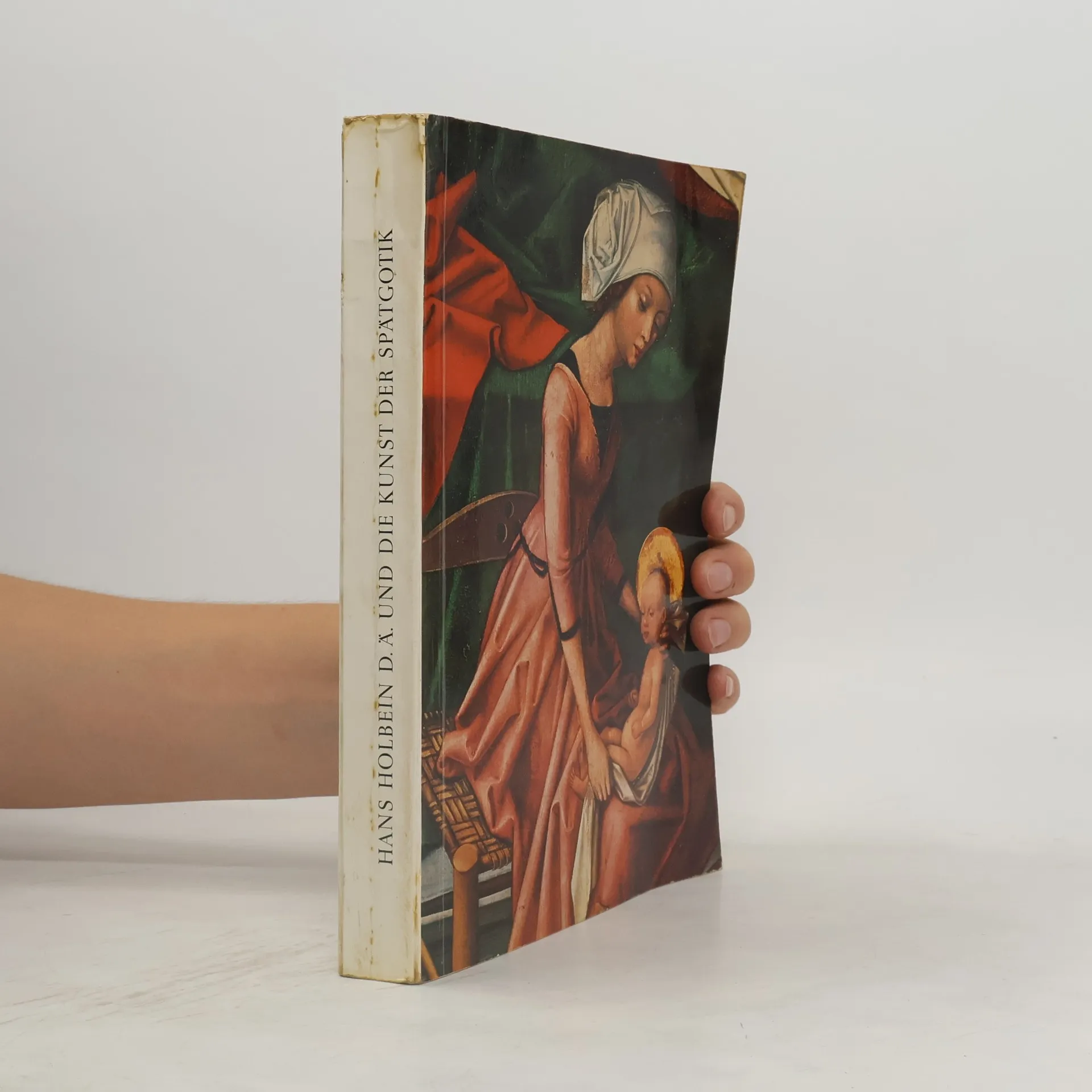
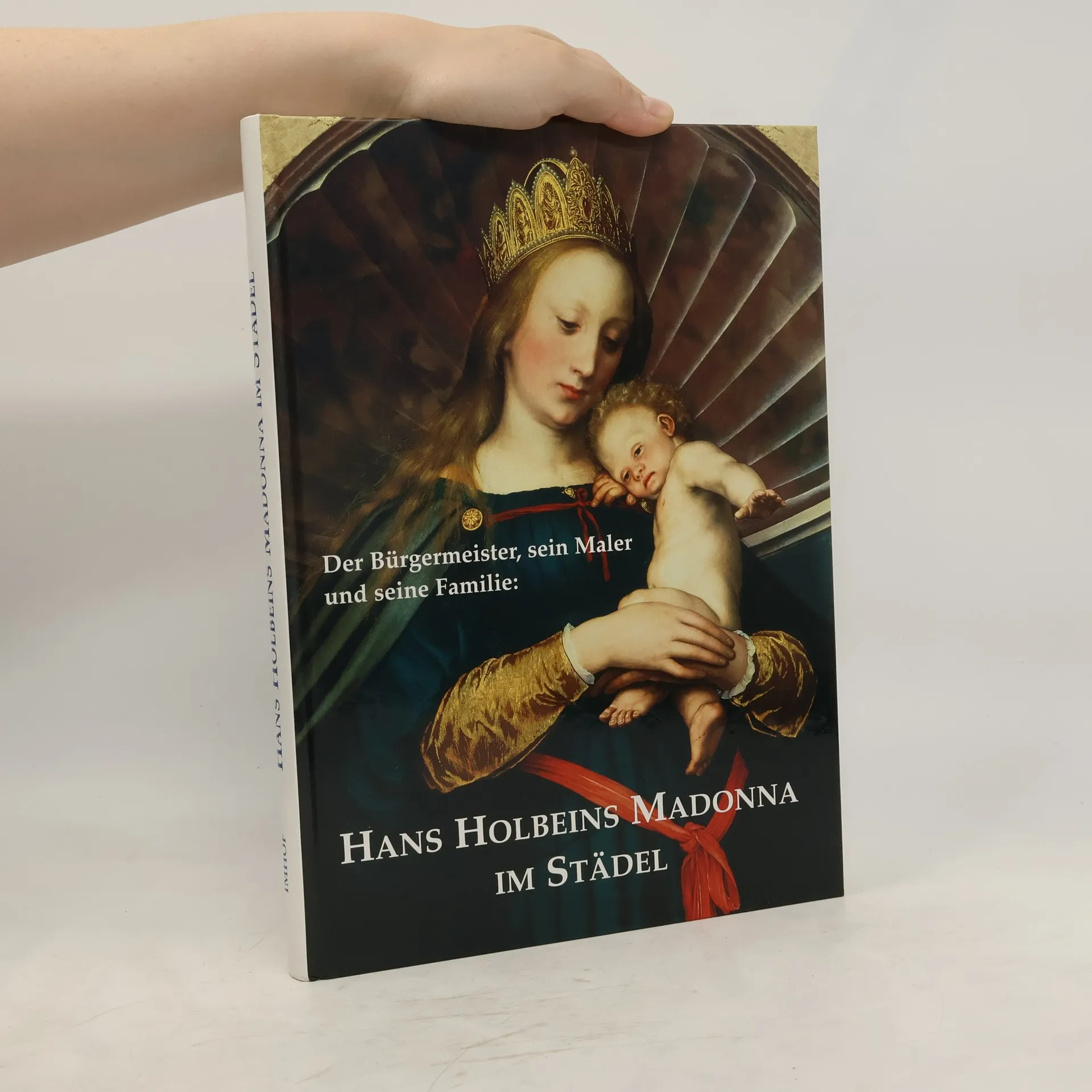
Mit Beiträgen zur Madonna des Basler Bürgermeisters Jakob Meyer ("Darmstädter Madonna") und zum sog. Holbein-Streit.
Es tut halt so sauwohl, keinen Verstand zu haben, dass die Sterblichen um Erlösung von allen möglichen Nöten lieber bitten, als um Befreiung von der Torheit. -ERASMUS Mit seiner Schrift Das Lob der Torheit eckte der Humanist Erasmus von Rotterdam bei vielen seiner Zeitgenossen. Zu offen wandte er sich gegen die weltlichen Auswüchse von Religion und Kirche. Auf dem Konzil von Trient (1545) wurde das Buch - wie die meisten anderen Bücher von Erasmus - auf den Index gesetzt. Geschadet hat es der Torheit und ihrer Beliebtheit allerdings nicht. Heutigen Lesern erlaubt Das Lob der Narrheit nicht nur einen tiefen Einblick in das Denken eines der größten Europäer, sondern bietet mit seinen bissigen Kommentaren und scharfsinnigen Analysen auch weiterhin beste Unterhaltung. Stultitia beendet ihr Selbstlob mit Ironie: Und jetzt - ich sehs euch an - erwartet ihr den Epilog. Allein, da seid ihr wirklich zu dumm, wenn ihr meint, ich wisse selber noch, was ich geschwatzt habe, schüttete ich doch einen ganzen Sack Wörtermischmasch vor euch aus. Mit 83 Handzeichnungen von Hans Holbein der Jüngere.
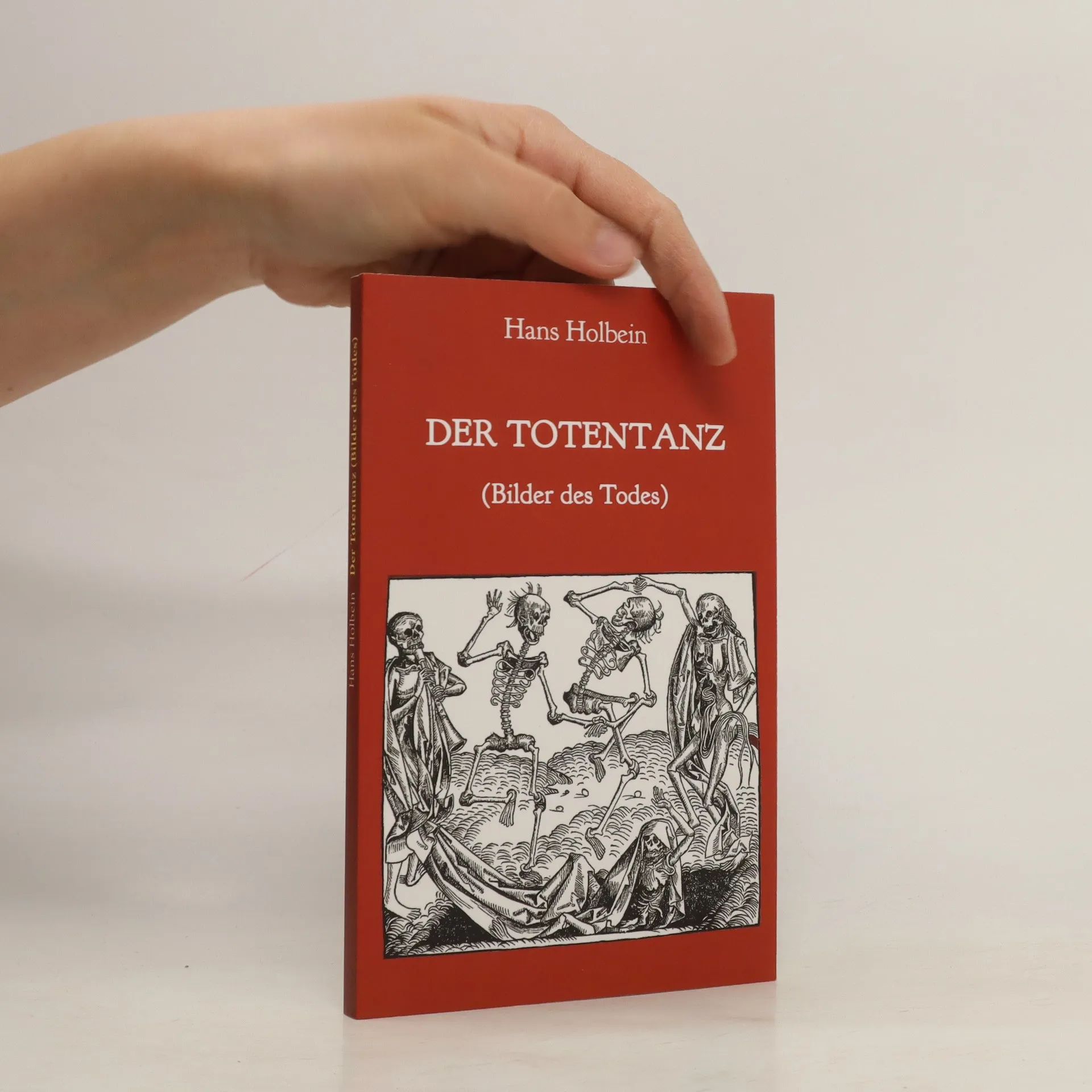
Der „Totentanz“ des Hans Holbein aus dem 16. Jahrhundert ist der wohl bekannteste im deutschen Sprachraum. Mit den eindringlichen Holzschnitten sollte den Menschen vor Augen geführt werden, daß ein jeder dem Tod begegnen wird. Sie sollen dazu anhalten, in sich zu kehren, und ein vor Gott rechtschaffenes Leben zu führen, da niemand weiß, wann die letzte Stunde kommt.
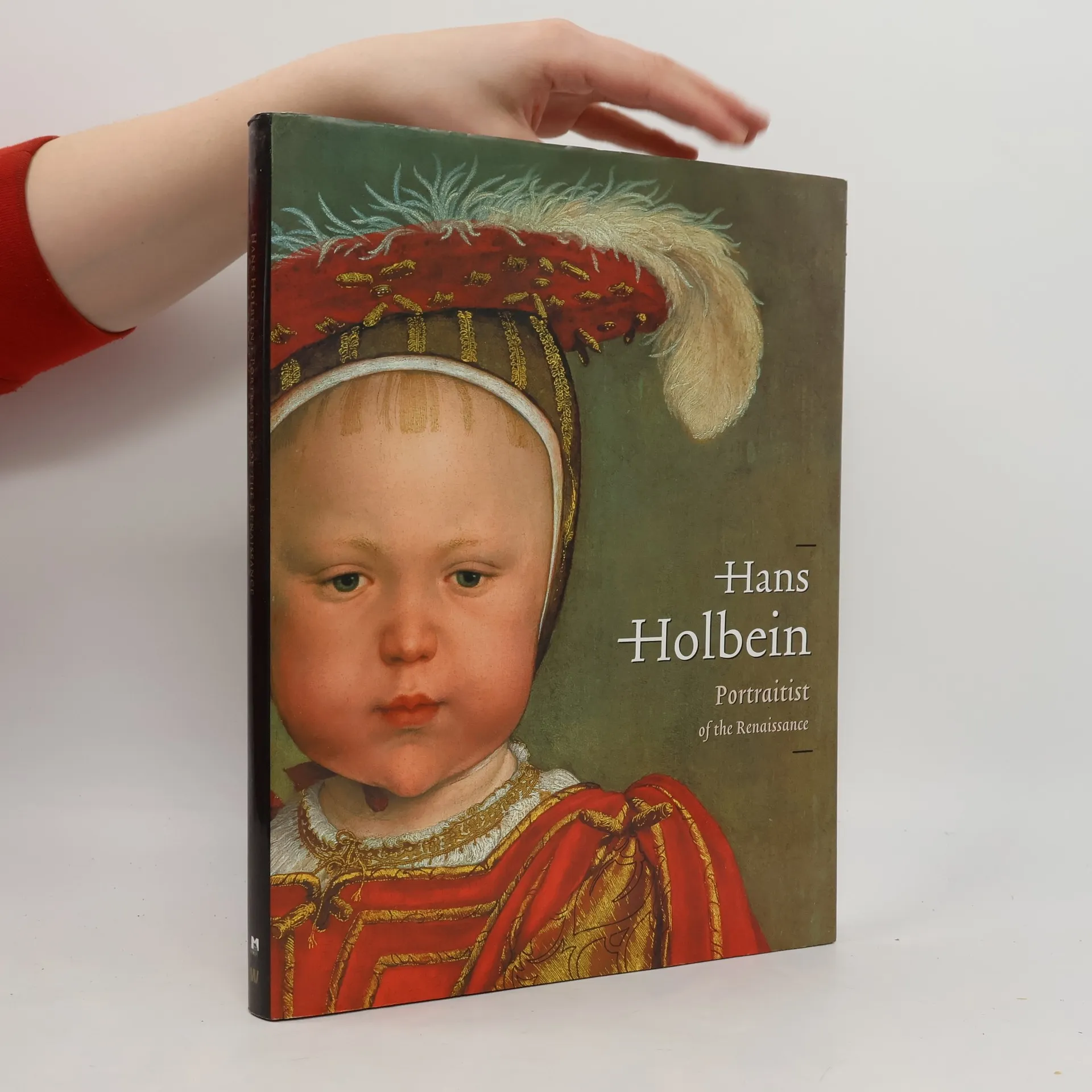
This publication has apprared on the occasion of the exhibition "Hans Holbein 1497/98-1543" in the Royal Cabinet of Paintings Mauritshuis, The Hague 16 august - 16 november 2003.
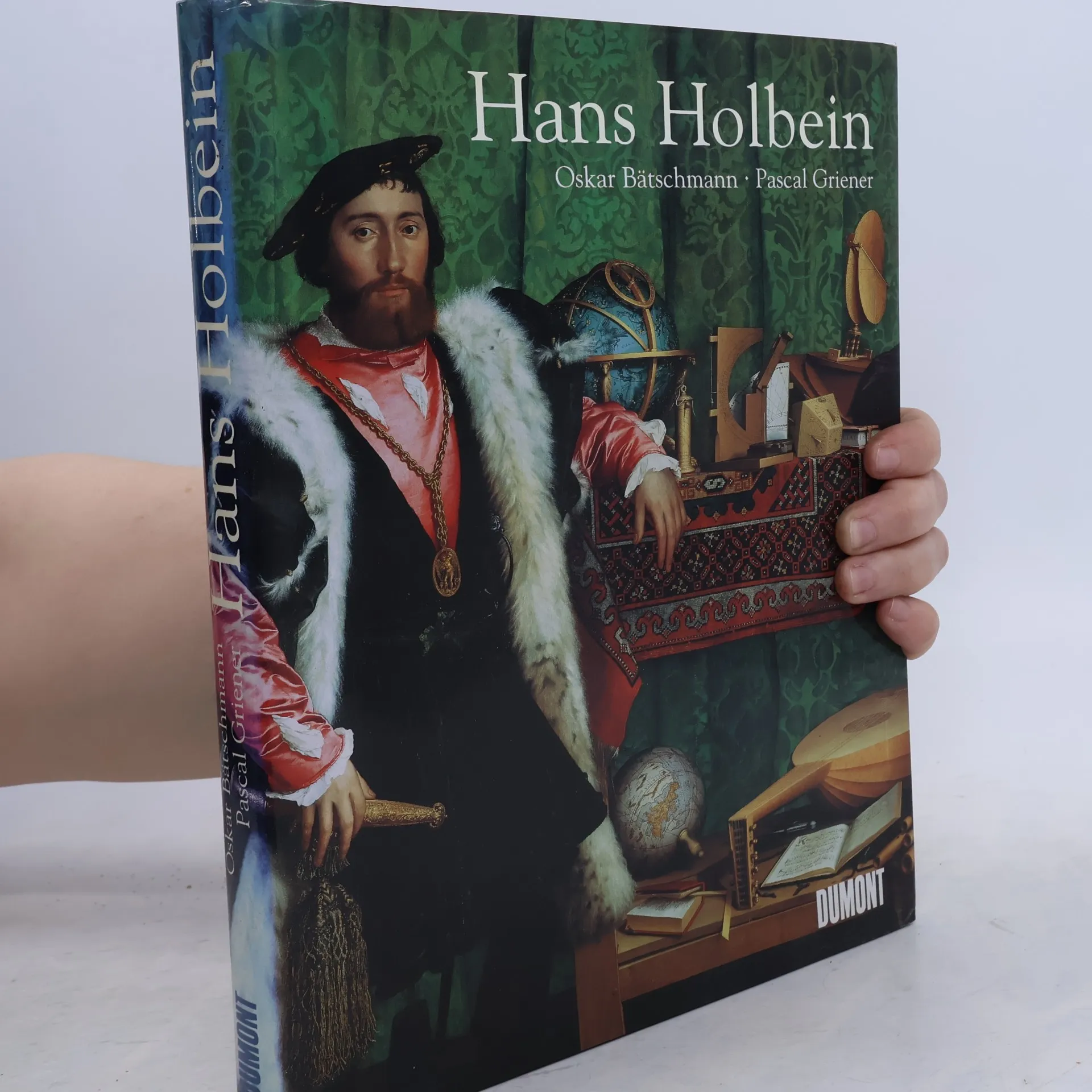
Das Buch bietet eine Gesamtdarstellung von Holbeins Werk. Die Autoren zeichnen das wechselvolle Leben des großen deutschen Renaissancemalers nach und geben eine umfassende Neubewertung seines Werkes, die alle Bereiche seines Schaffens berücksichtigt: von den religiösen Motiven und den Porträts, die seinen Ruhm begründeten, über die zahlreichen Entwürfe für Buchschmuck und Illustration bis hin zu den wenig bekannten Wanddekorationen. Reichhaltige Hintergrundinformationen zum gesellschaftlichen und künstlerischen Umfeld vervollständigen das Buch.
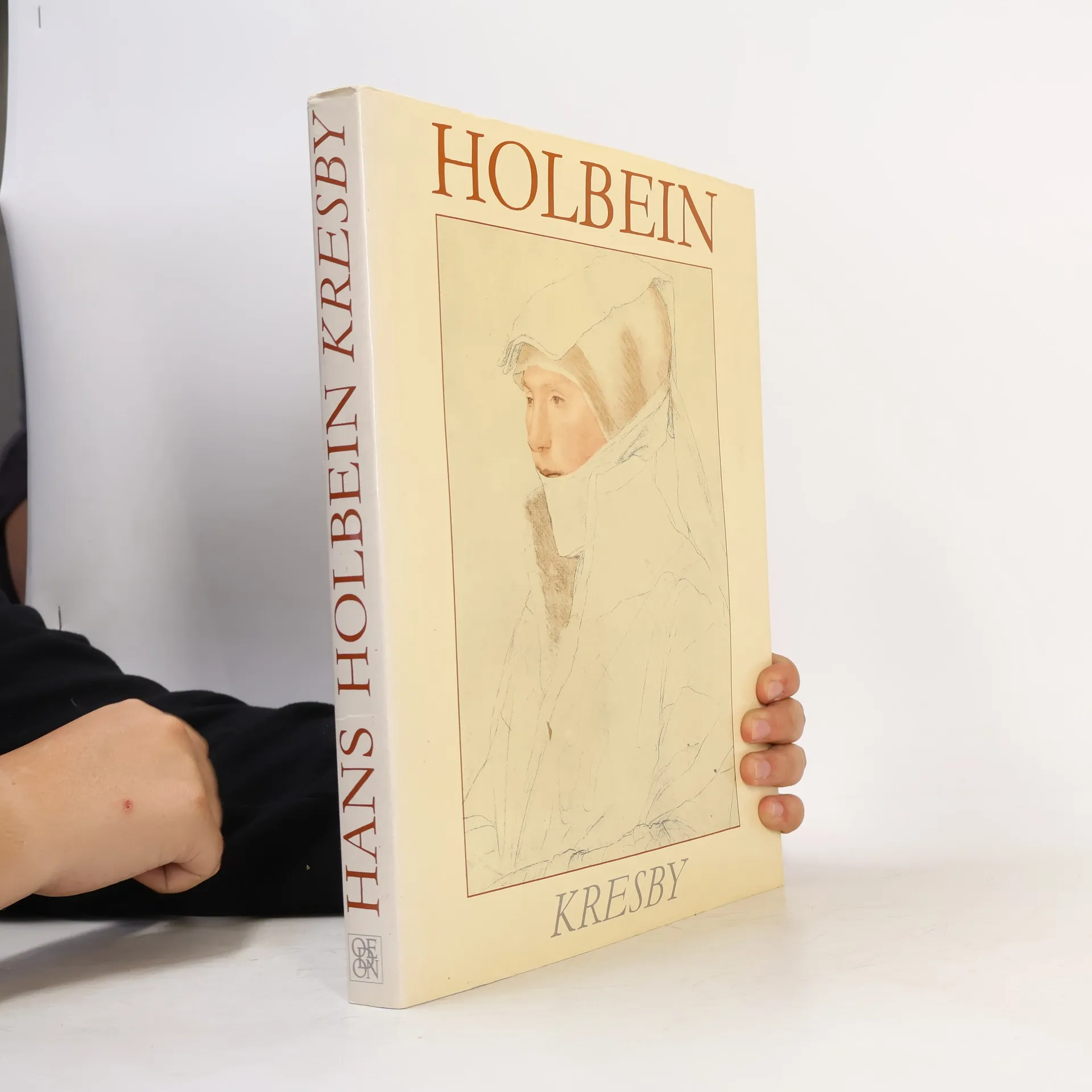
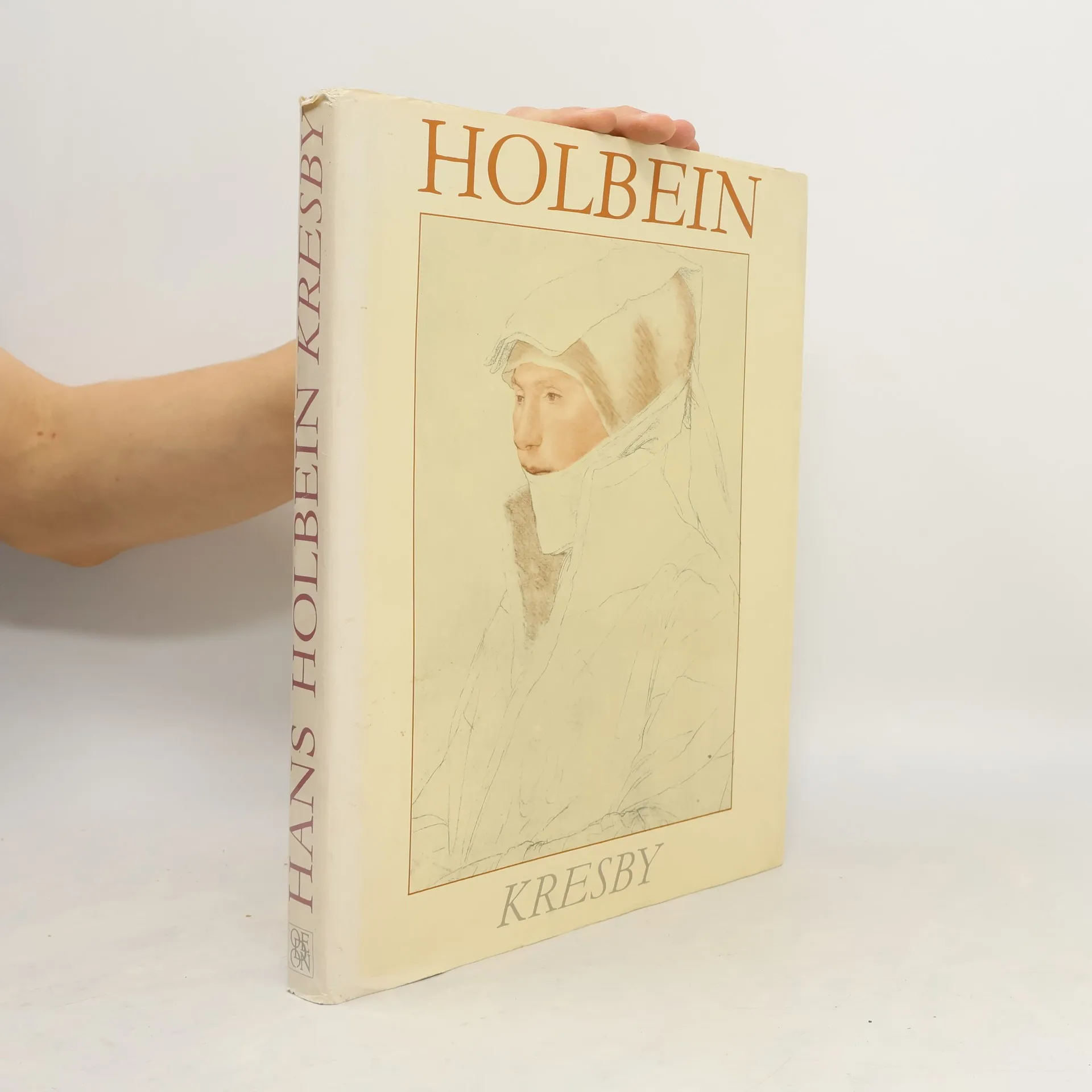
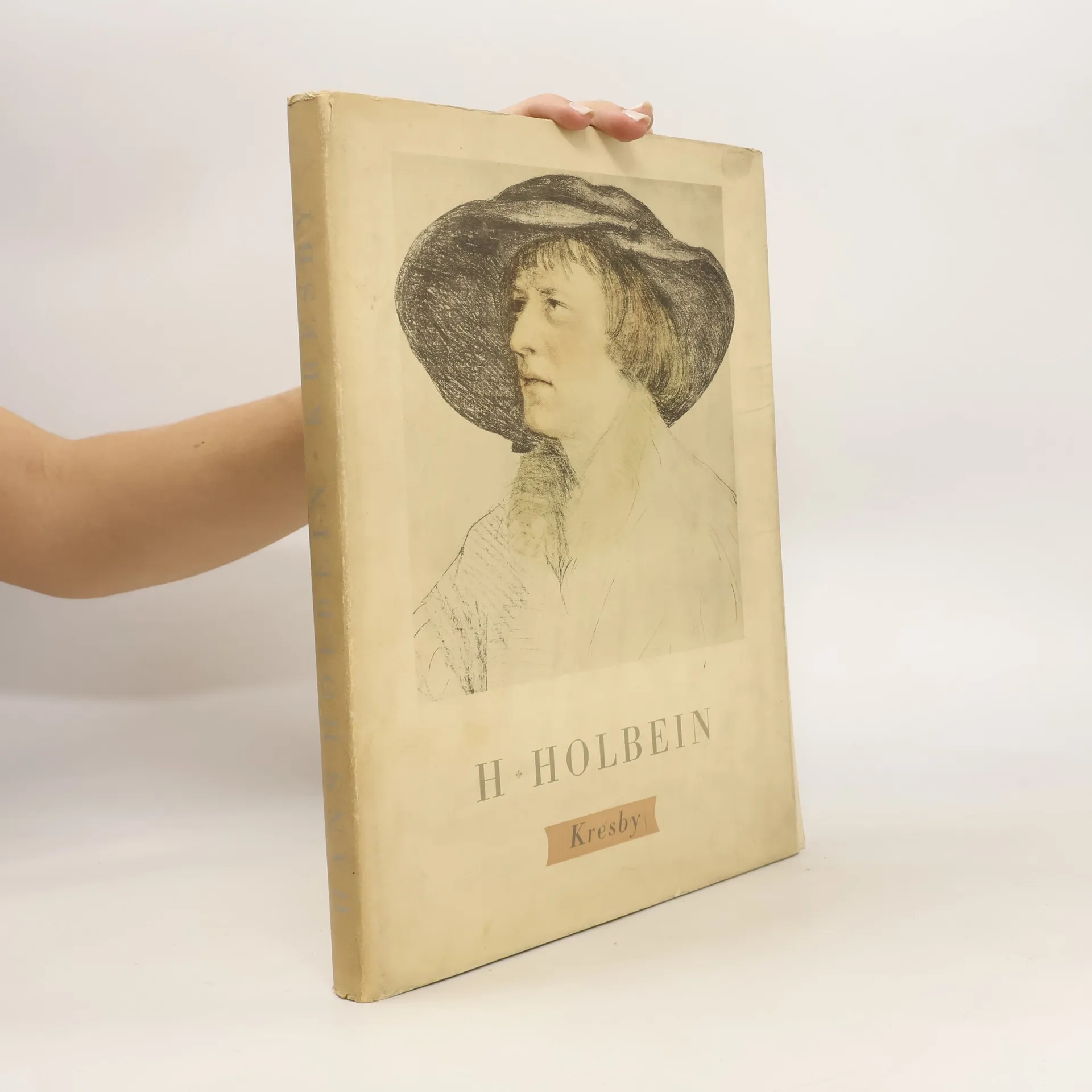
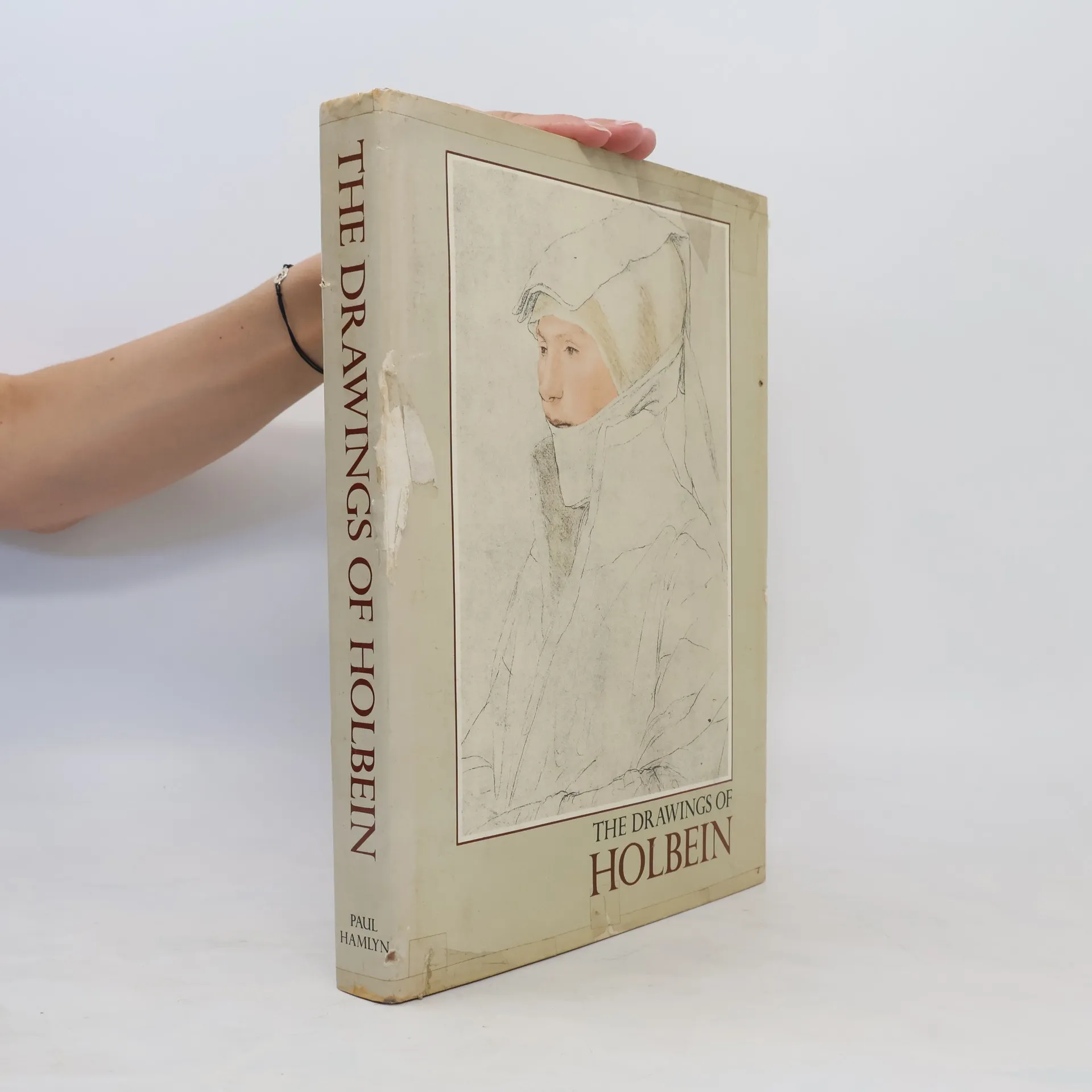
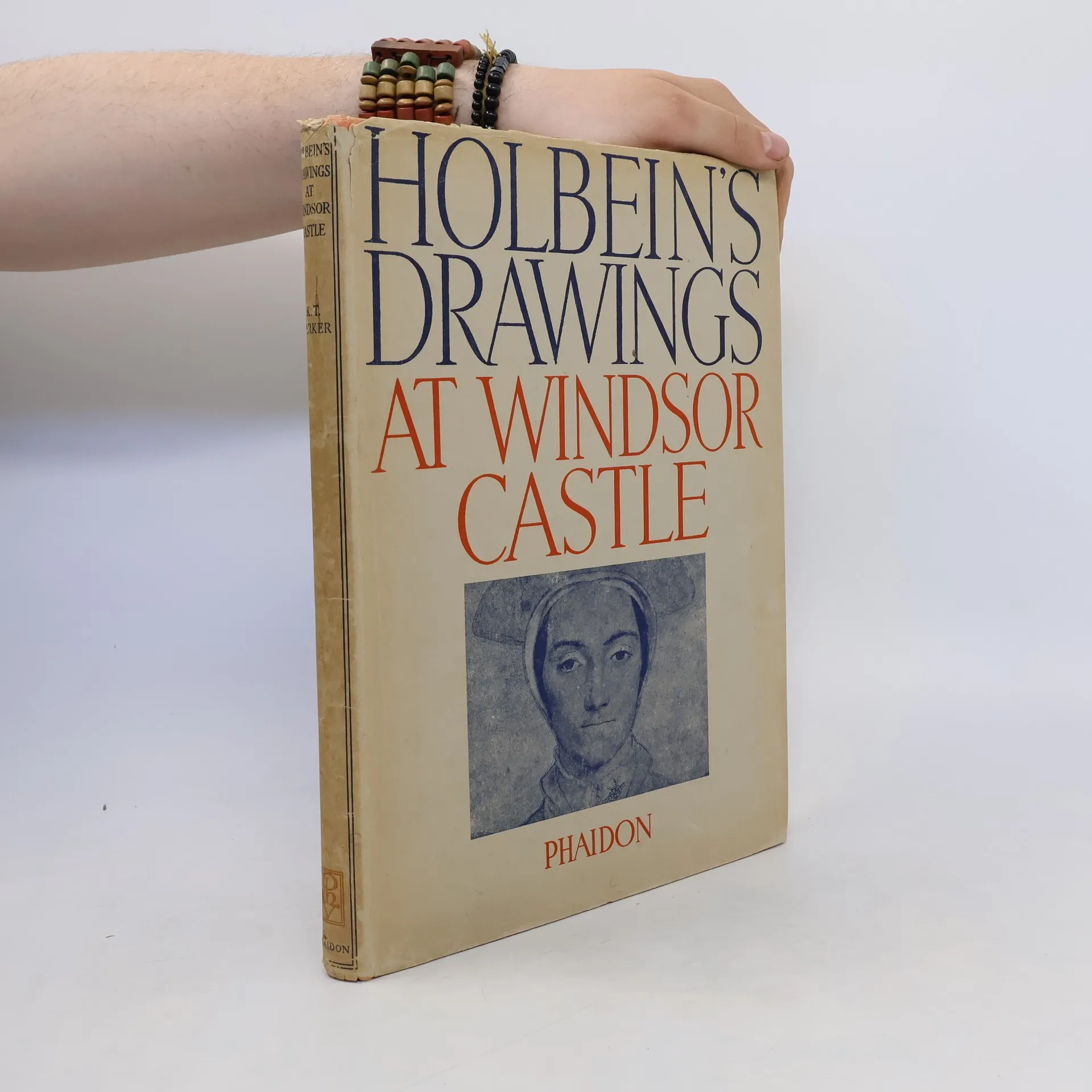
Kresby Hanse Holbeina mladšího, jednoho z největších portrétistů všech dob, patří v umění k nepomíjivým hodnotám. Obrazová část knihy, sestavená z 57 celostránkových světlotiskových reprodukcí, přináší výběr z nejznámějších a nejhodnotnějších Holbeinových kreseb.
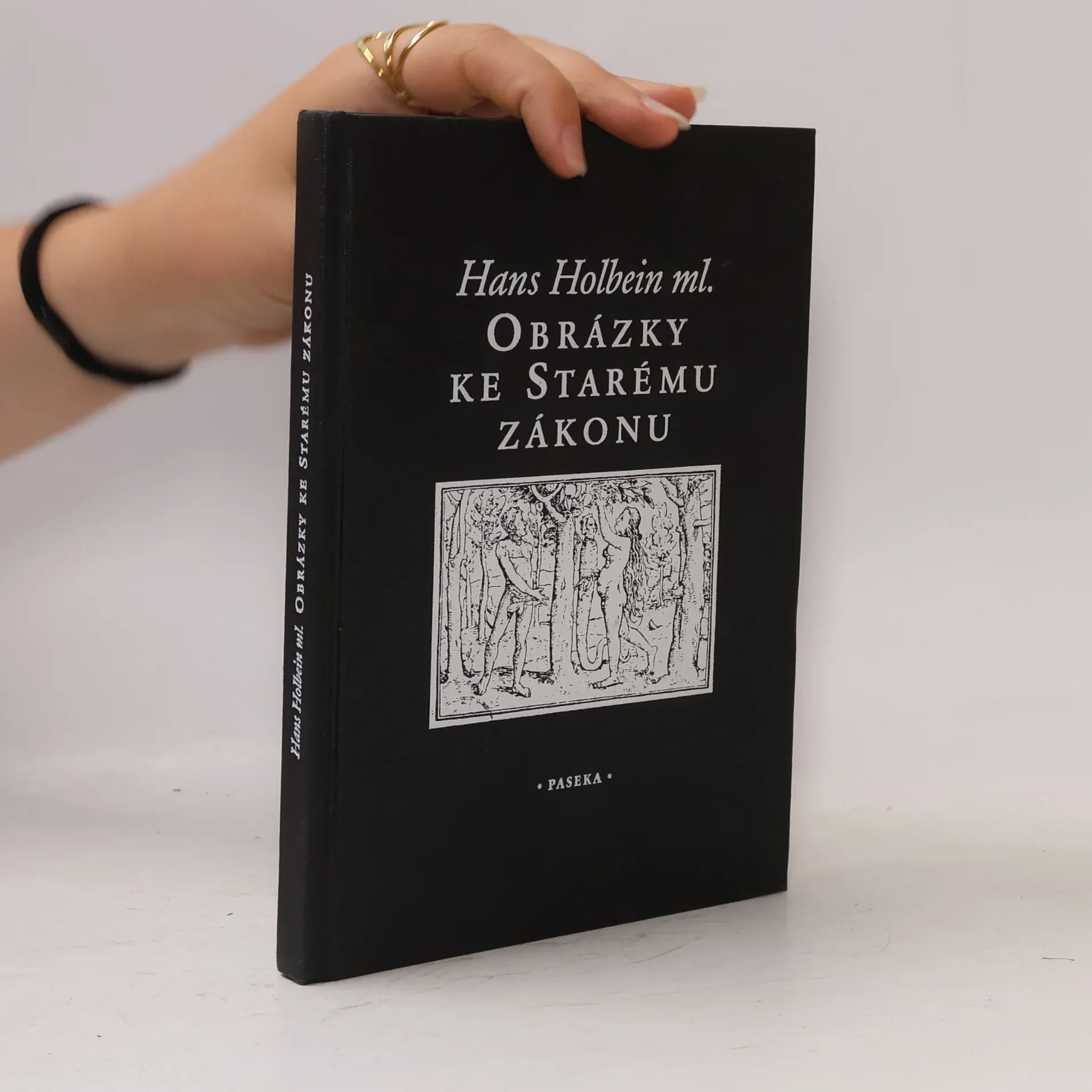
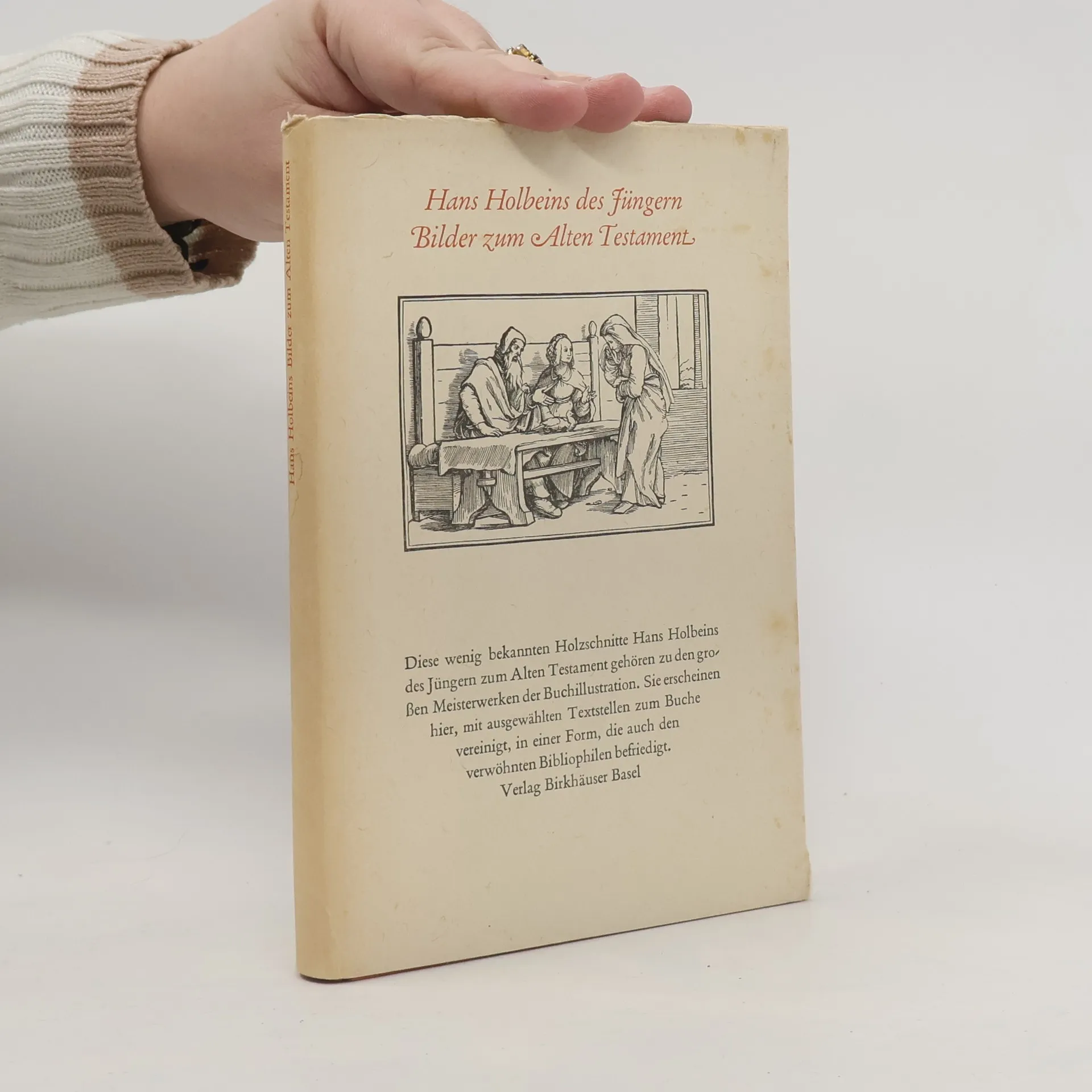
Publikace přibližuje výtvarný doprovod významného německého renesančního malíře ke Starému zákonu.


![Hans Holbein d[er] J[üngere]](https://rezised-images.knhbt.cz/1920x1920/78897463.webp)