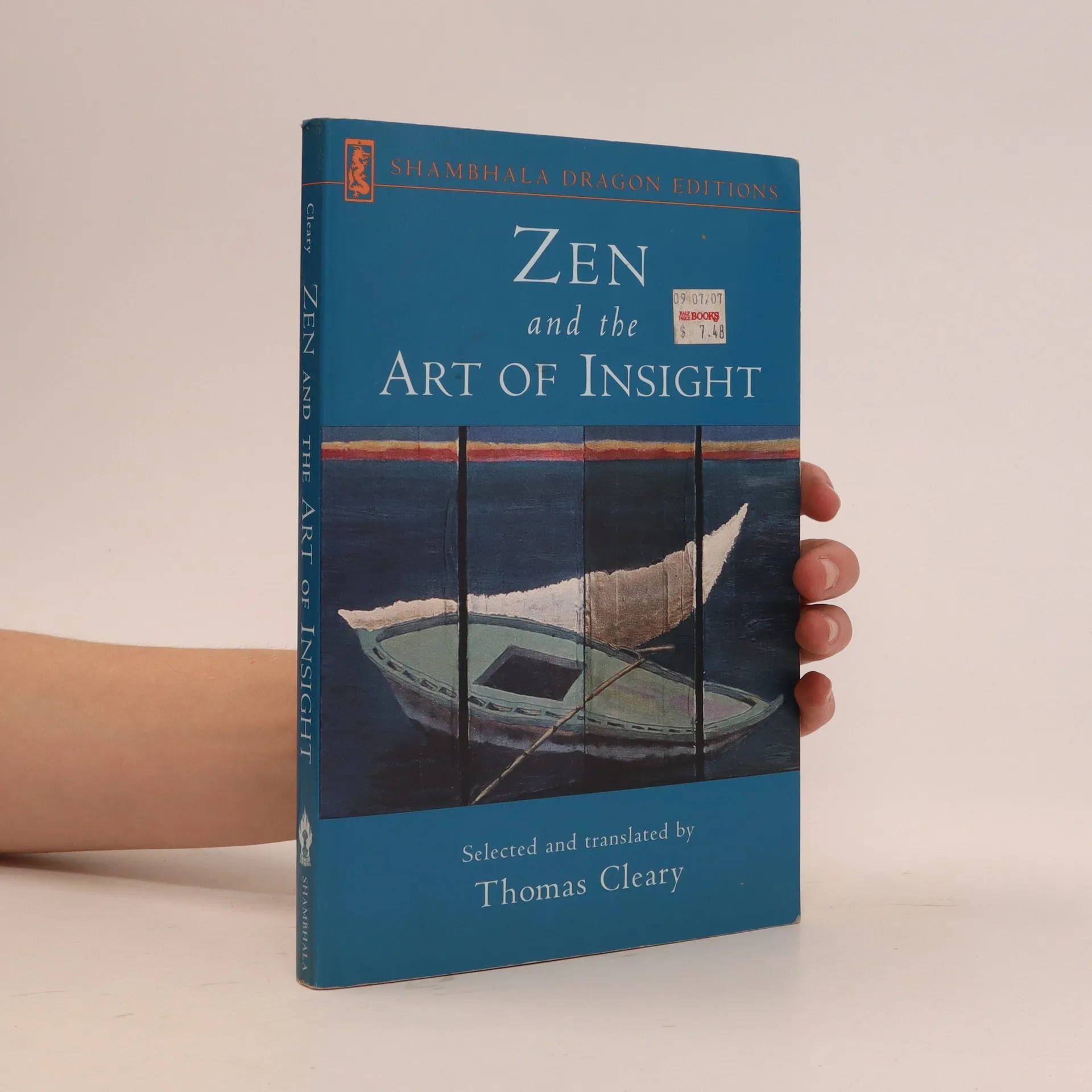
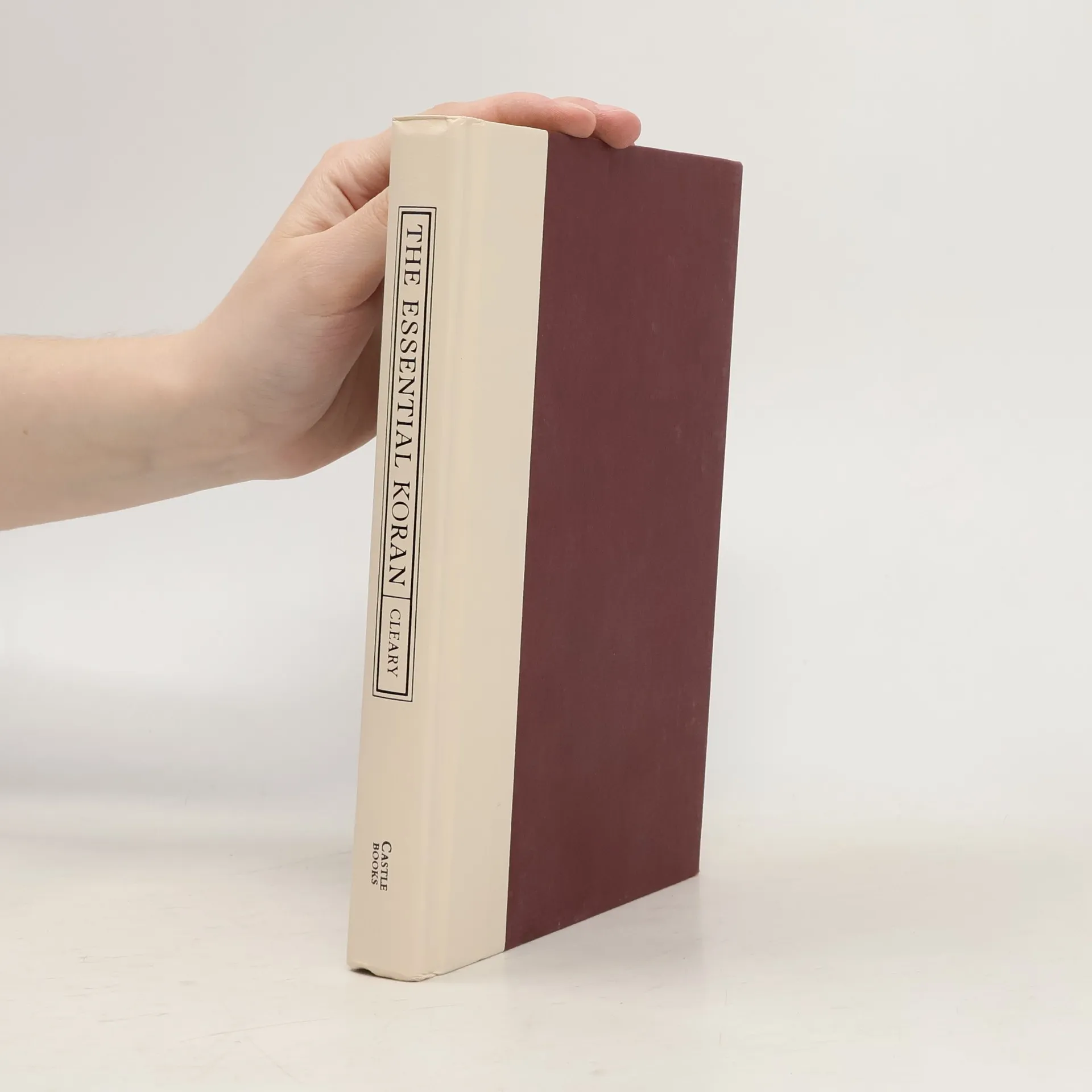
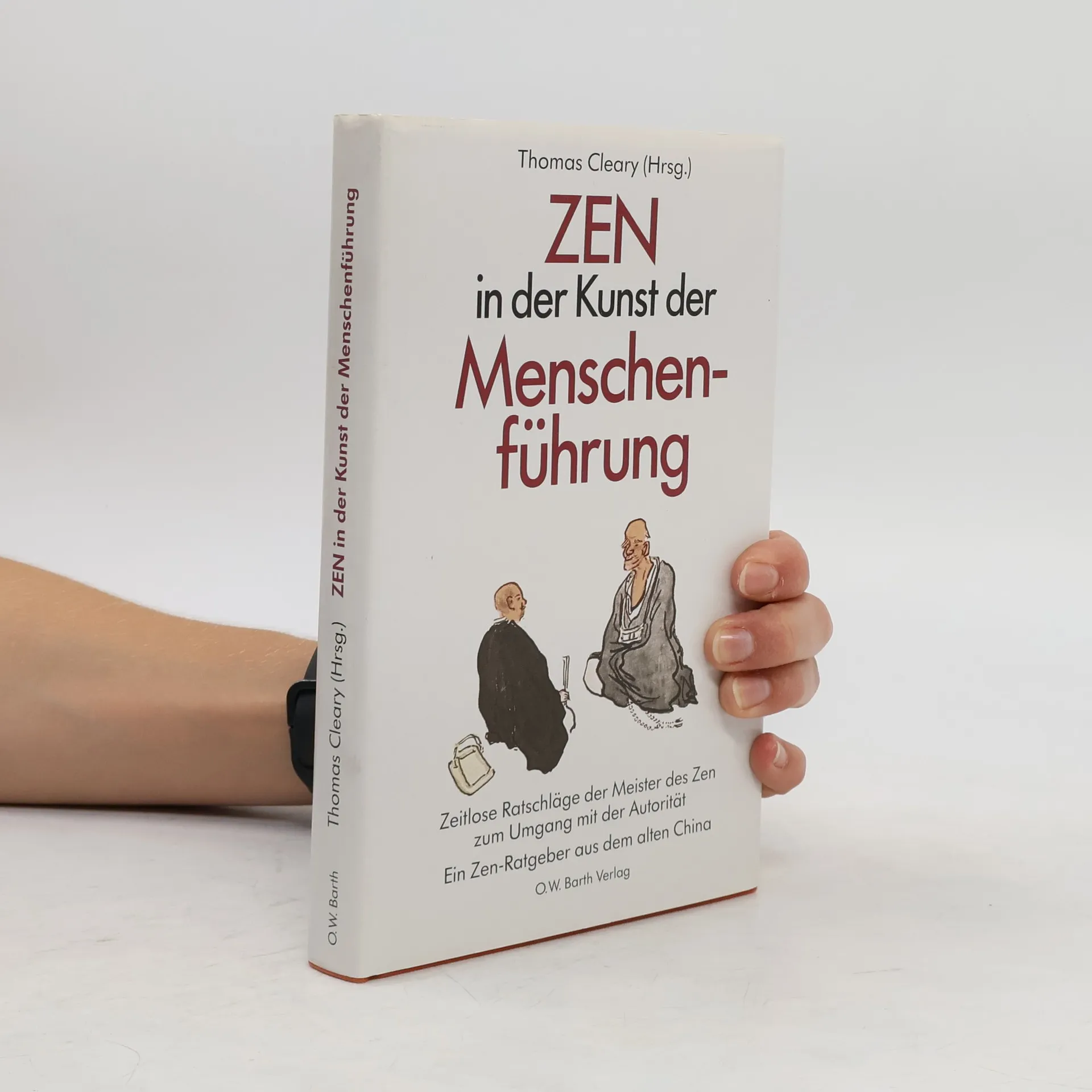
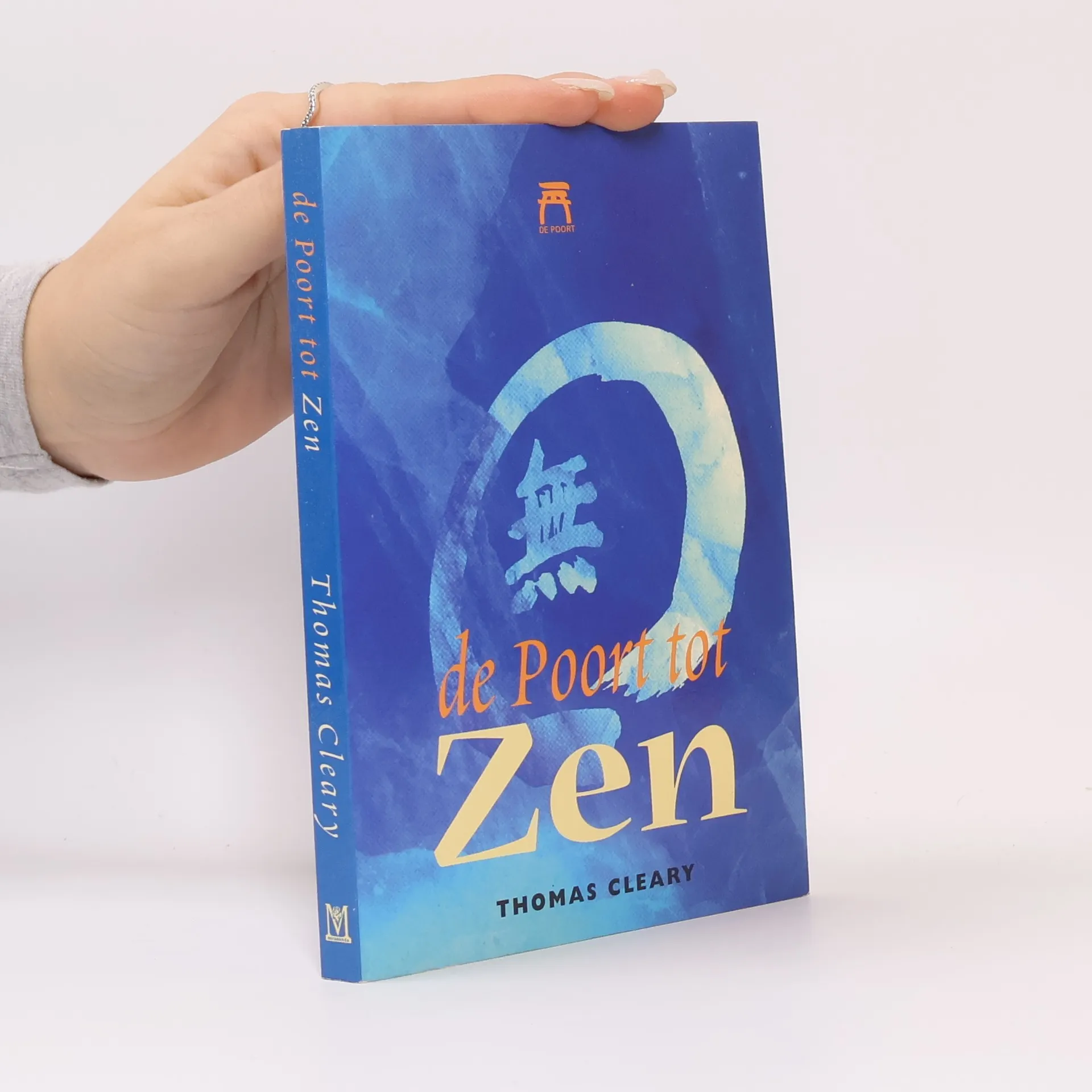
A lo largo de la historia del budismo zen los relatos y las historias de los Maestros zen y de sus estudiantes han sido utilizados como herramientas de enseñanza para ejemplificar el espíritu de la iluminación. Contrastando con los desconcertantes diálogos preservados en los escritos sobre koans, las historias que se recogen aquí son penetrantemente sencillas, pero poseen una riqueza y sutileza que hacen que merezca la pena leerlas una y otra vez.
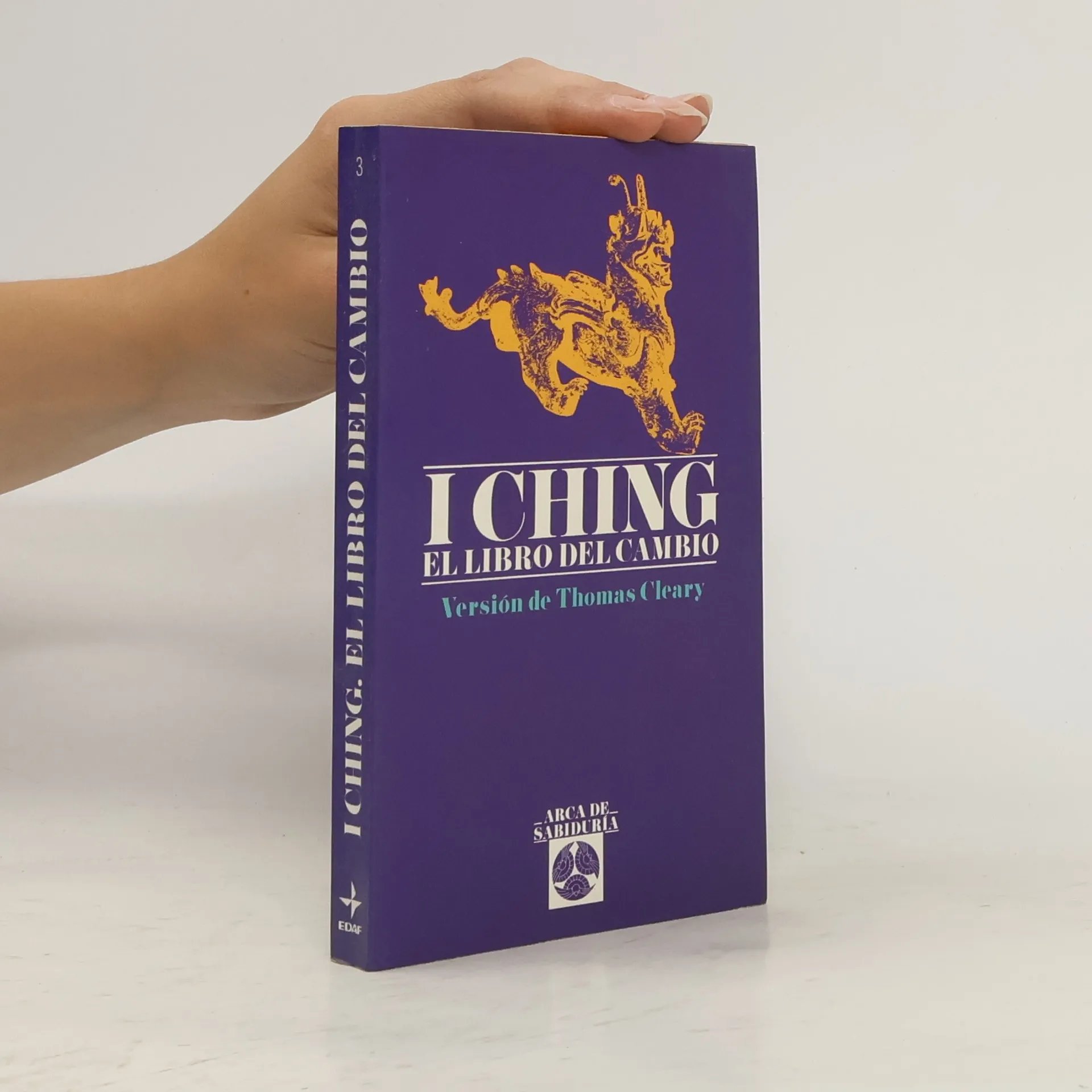
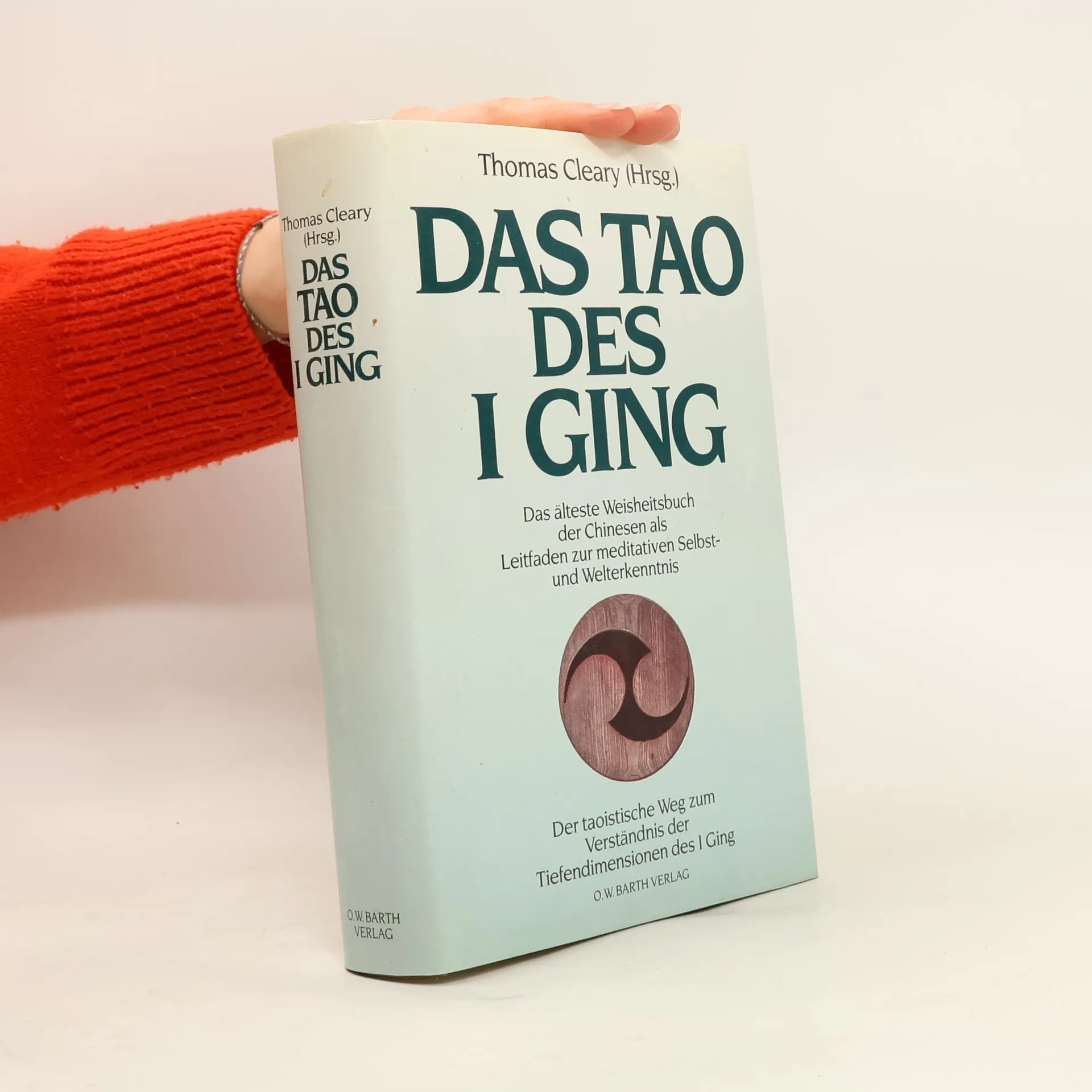
El I Ching es el mas antiguo y profundo de los textos clasicos chinos y ha sido venerado durante mas de 3.000 anos como oraculo y compendio de sabiduria. Esta considerado como el antepasado de toda la filosofia china, y es la fuente primordial del misticismo del Tao Te King, de la estrategia del Arte de la Guerra y del humanismo de Confucio, que anoto con sus comentarios el texto. En esta excepcional version. Thomas Cleary se ha cenido al original chino, respetando el sentido enigmatico del I Ching, lo que permite al lector una mayor libertad de interpretacion de acuerdo con su propia intuicion y circunstancias. Precisamente es este significado criptico y velado el que enriquece las lecturas y hace que esta obra sea una referencia inexcusable tanto para el que se acerca al I Ching por vez primera como para el que ya conoce otras versiones.
This volume features essential translations from prominent Zen figures, including the Japanese master Dogen, the twelfth-century Korean master Chinul, and Hakuin, the founder of the Rinzai school. Additionally, it includes selections from the Prajnaparamita sutras, which are fundamental to the Zen tradition, providing insights into the philosophy and teachings that shape Zen practice and understanding.
Presents instructions, meditation guides, quotations, letters, essays, dialogues, and other writings by Zen masters over the centuries that were translated and published over a period of thirty years
The Blue Cliff Record is a classic text of Zen Buddhism, designed to assist in the activation of dormant human potential. The core of this extraordinary work is a collection of one hundred traditional citations and stories, selected for their ability to bring about insight and enlightenment. These vignettes are known as gongan in Chinese and koan in Japanese.Secrets of the Blue Cliff Record is a fresh translation featuring newly translated commentary from two of the greatest Zen masters of early modern Japan, Hakuin Ekaku (1685–1768) of the Rinzai sect of Zen and Tenkei Denson (1648–1735) of the Soto sect of Zen. This translation and commentary on The Blue Cliff Record sheds new light on the meaning of this central Zen text.
The collection features one hundred Zen koans accompanied by insightful commentaries, serving as a companion to the Blue Cliff Record. As a significant work in Chan Buddhism, it explores profound philosophical themes through concise and thought-provoking narratives. Renowned translator Thomas Cleary has skillfully rendered this classic into English, making it accessible to a wider audience interested in Zen teachings and practices.
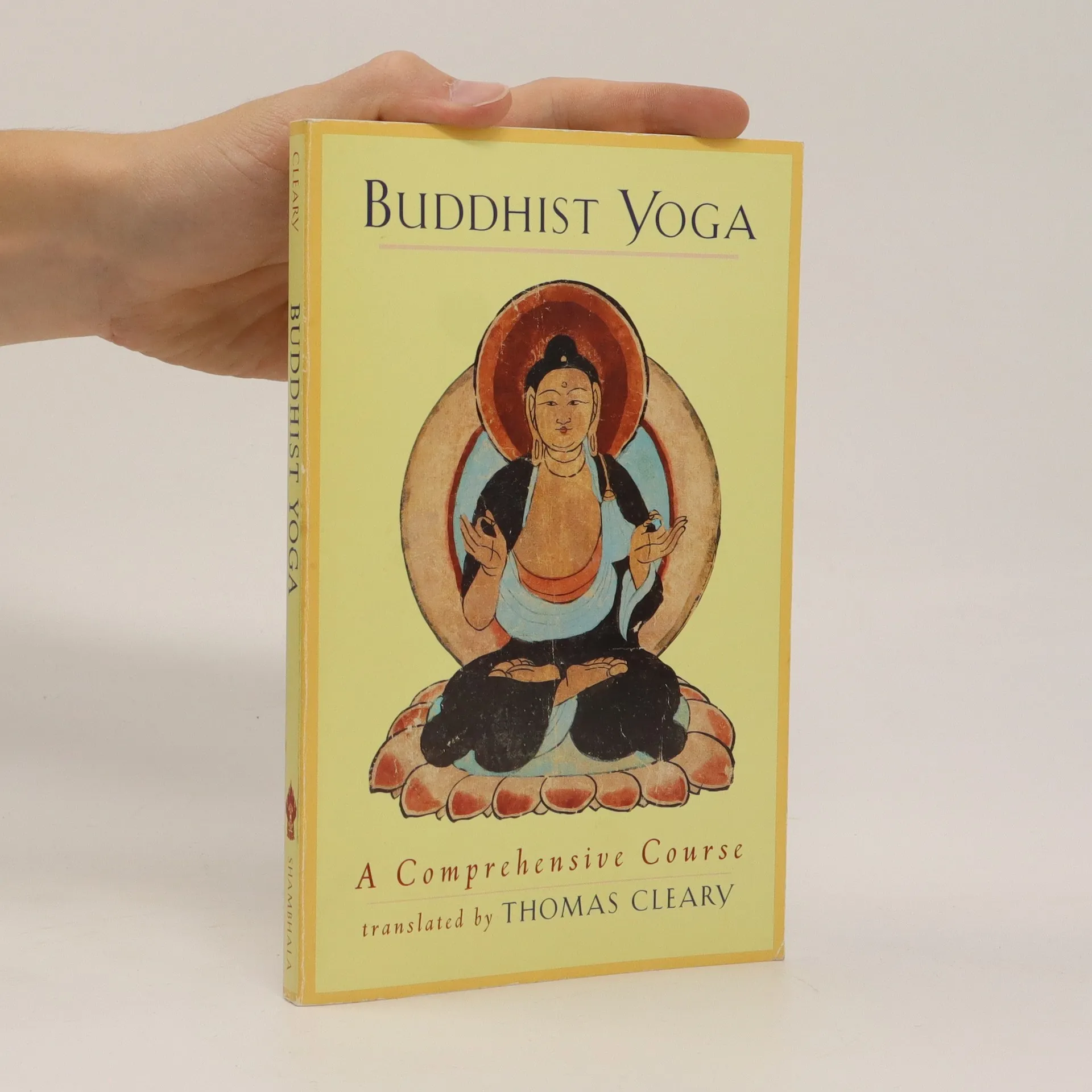
The word yoga has many meanings, including "meditation," "method," and "union." While the physical exercises of Hindu yoga are familiar to Westerners, the subtle metaphysics and refined methods of spiritual development that characterize Buddhist yoga are not yet well known. This volume presents a landmark translation of a classical sourcebook of Buddhist yoga, the Sandhinirmochana-sutra , or "Scripture Unlocking the Mysteries," a revered text of the school of Buddhism known as Vijnanavada or Yogachara. The study of this scripture is essential preparation for anyone undertaking meditation exercise. Linking theory and praxis, the scripture offers a remarkably detailed and thorough course of study in both the philosophical and pragmatic foundation of Buddhist yoga, and their perfect, harmonious union in the realization of Buddhist enlightenment.
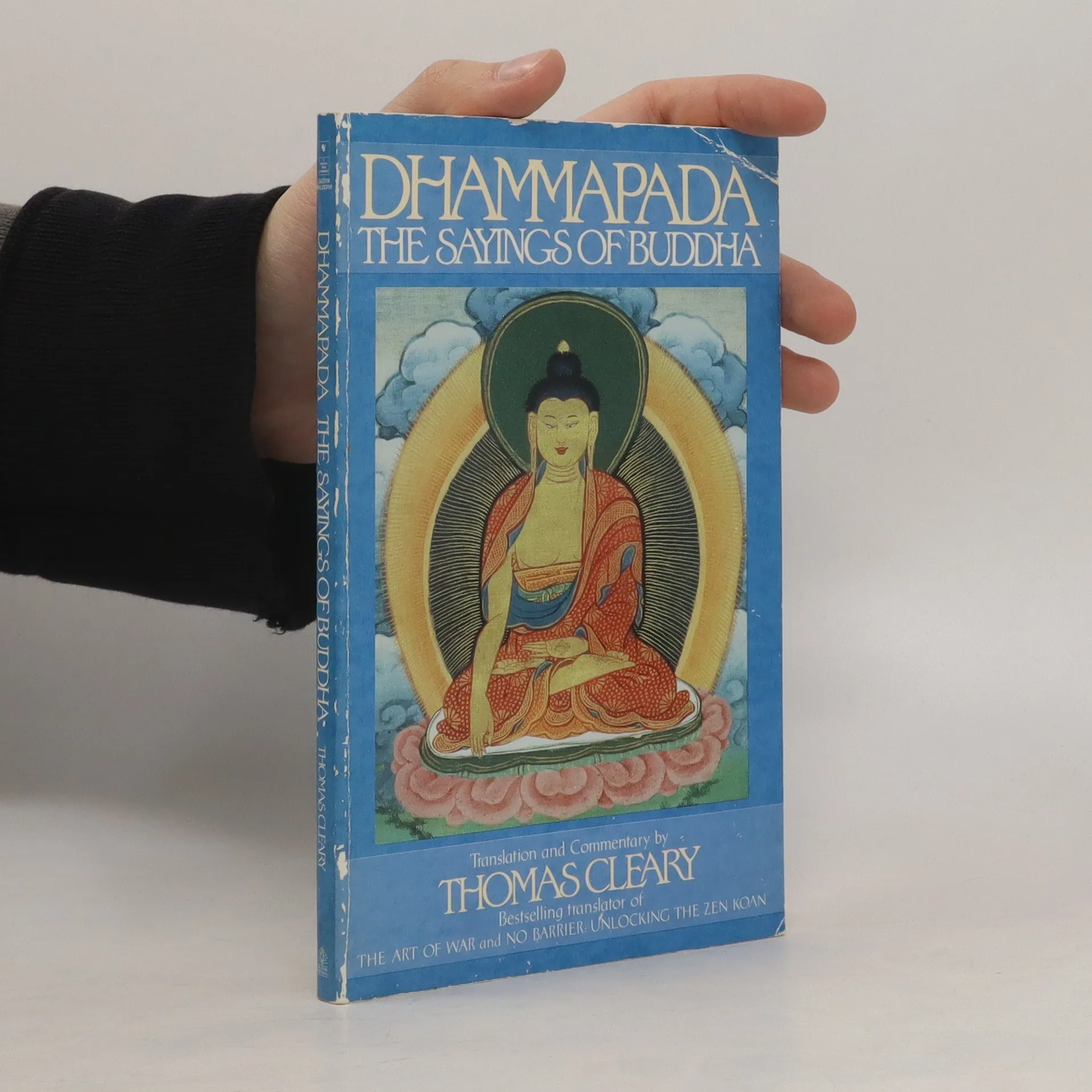
Of all the Buddhist writings, the "Dhamma-Pada" - -known for its accessibility--is perhaps the best primer of teachings on the dhamma, or moral path of life. It is also one of the oldest and most beloved classics, cherished by Buddhists of all cultures for its vibrant and eloquent expression of basic precepts. Buddha's beautiful, concise, and accessible aphorisms profoundly illustrate the serenity and unalterable dignity of the Buddhist path of light, love, peace, and truth. Thomas Cleary provides an enlightening introduction that puts the work into historical, cultural, and religious perspective. In each section, he offers helpful and insightful commentary on the beliefs behind the wisdom of the Buddha's words, translated from the ancient, original Pali text. Its 423 practical sayings are grouped under eclectic and useful headings such as Vigilance, Evil, Happiness, Anger, Craving, and Pleasure. In its unique and lovely two-color Wisdom Editions design, these timeless sayings of Buddha will join the "Tao Te Ching" as a classic gift book and keepsake.
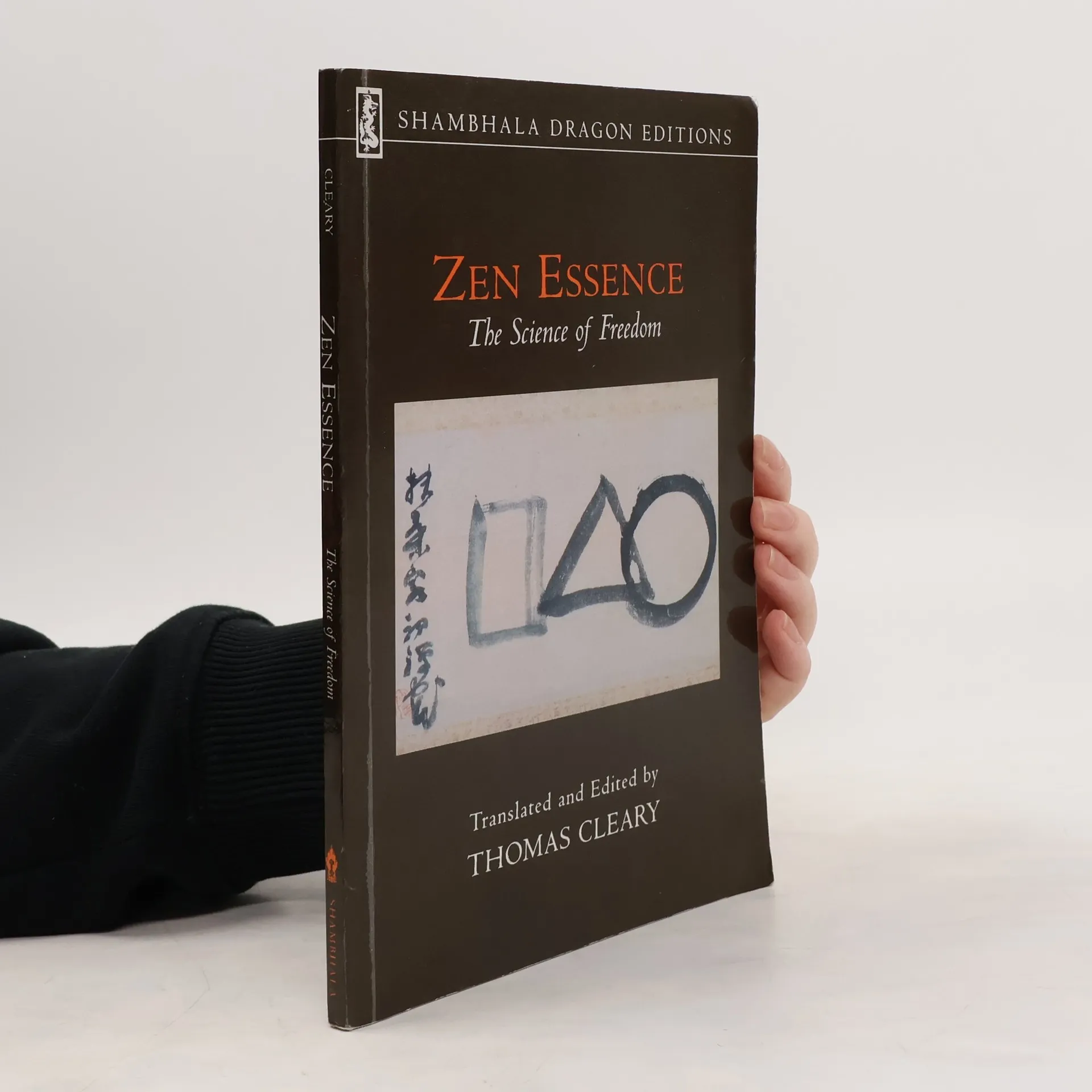
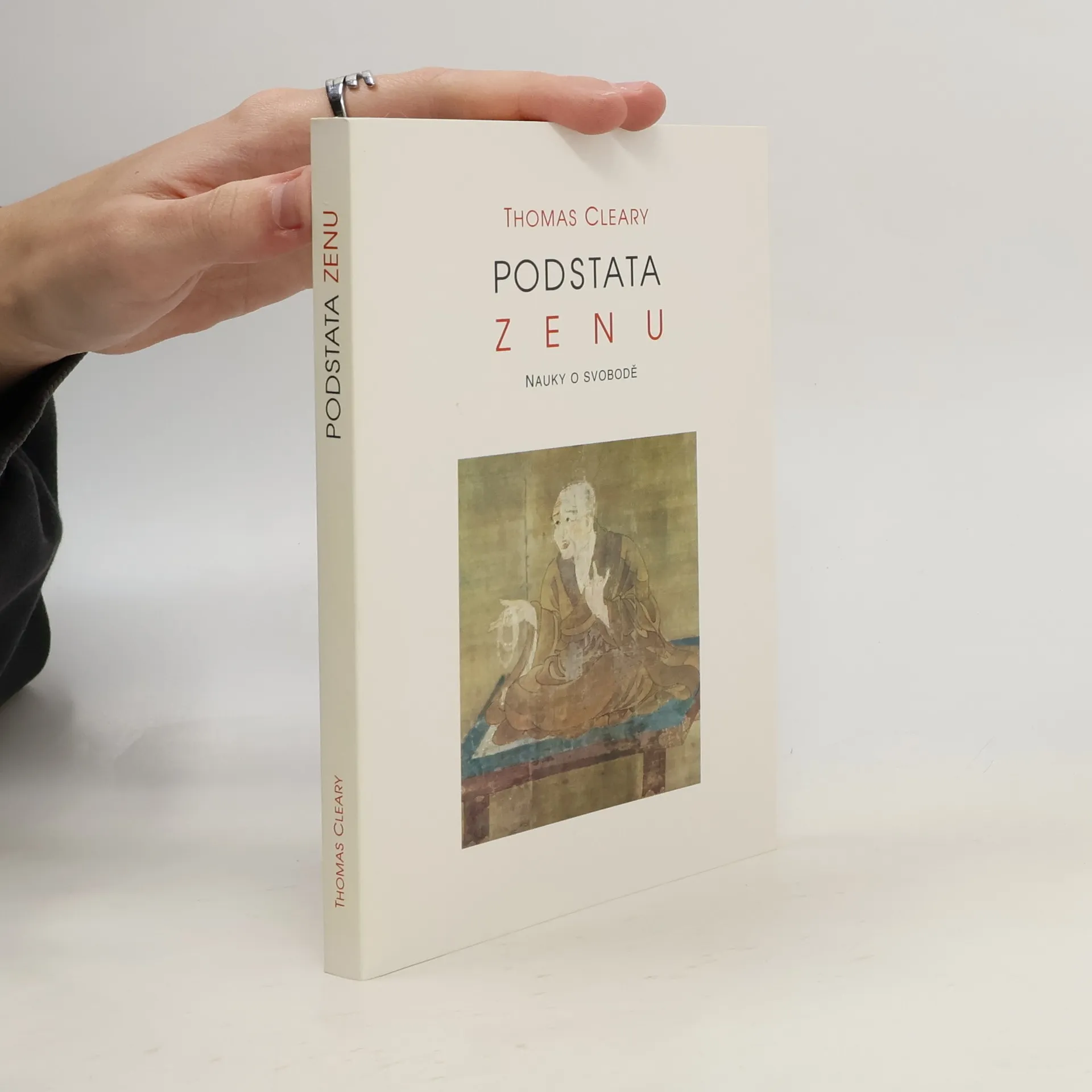
Drawn from the records of Chinese Zen masters of the Tang and Song dynasties, this collection may surprise some readers. In contrast to the popular image of Zen as an authoritarian, monastic tradition deeply rooted in Asian culture, these passages portray Zen as remarkably flexible, adaptive to contemporary and individual needs, and transcending cultural boundaries. The readings contained in Zen Essence emphasize that the practice of Zen requires consciousness alone and does not depend on a background in Zen Buddhism and Asian culture. The true essence of Zen resides in the relationship between mind and culture, whatever that culture might be. This unique collection of writings creates a picture of Zen not as a religion or philosophy, but as a practical science of freedom.
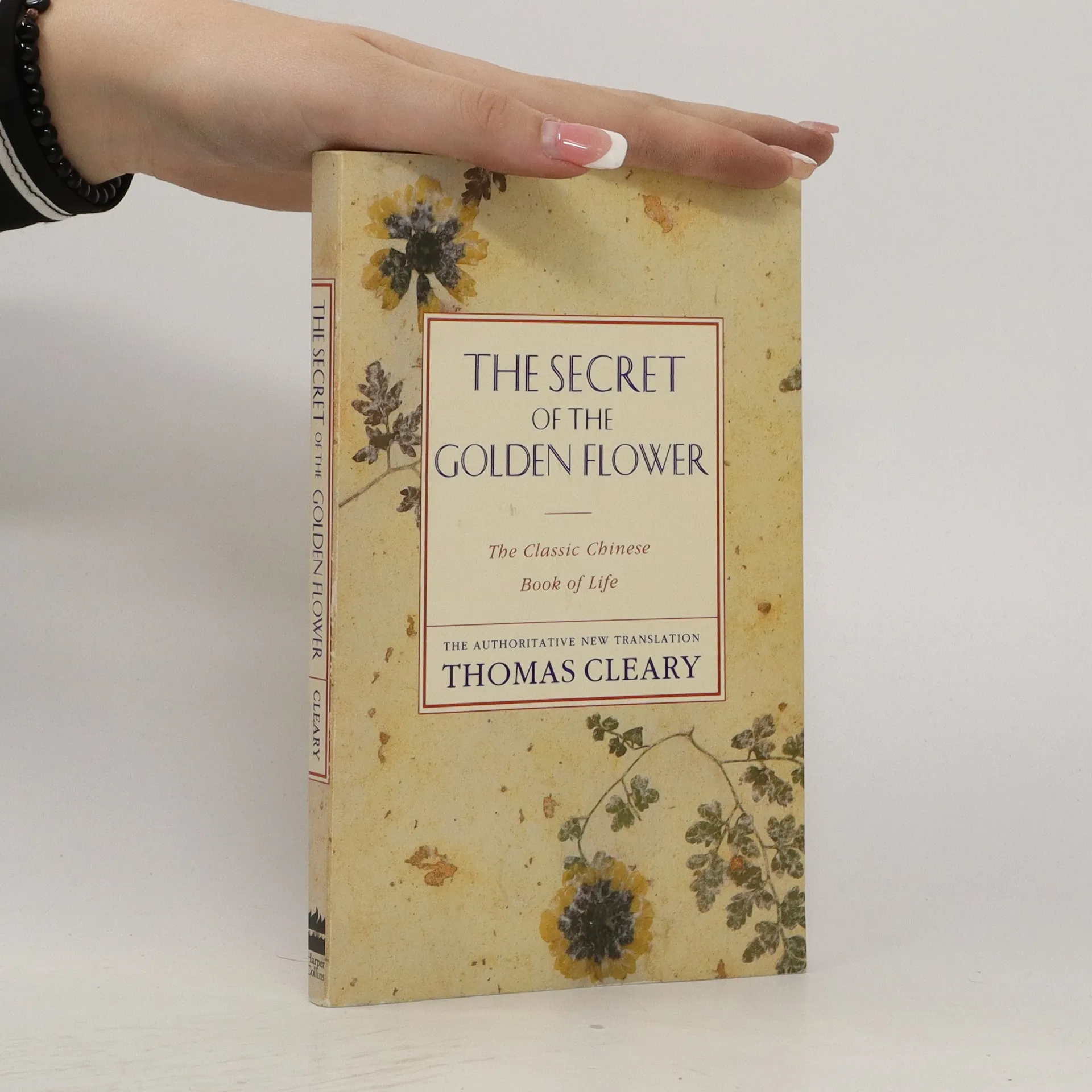
The brilliant new translation of the classic Taoist guide to meditation that Carl Jung made famous. 'Thomas Cleary's translation is like an island of peace in the troubled sea of today's world. His beautifully lucid translation of the classic Chi
An ancient Taoist guide to leadership and management presents a selection of incisive teachings on the challenges of leadership on all levels, from organizational management to political statecraft. Reprint. 20,000 first printing.
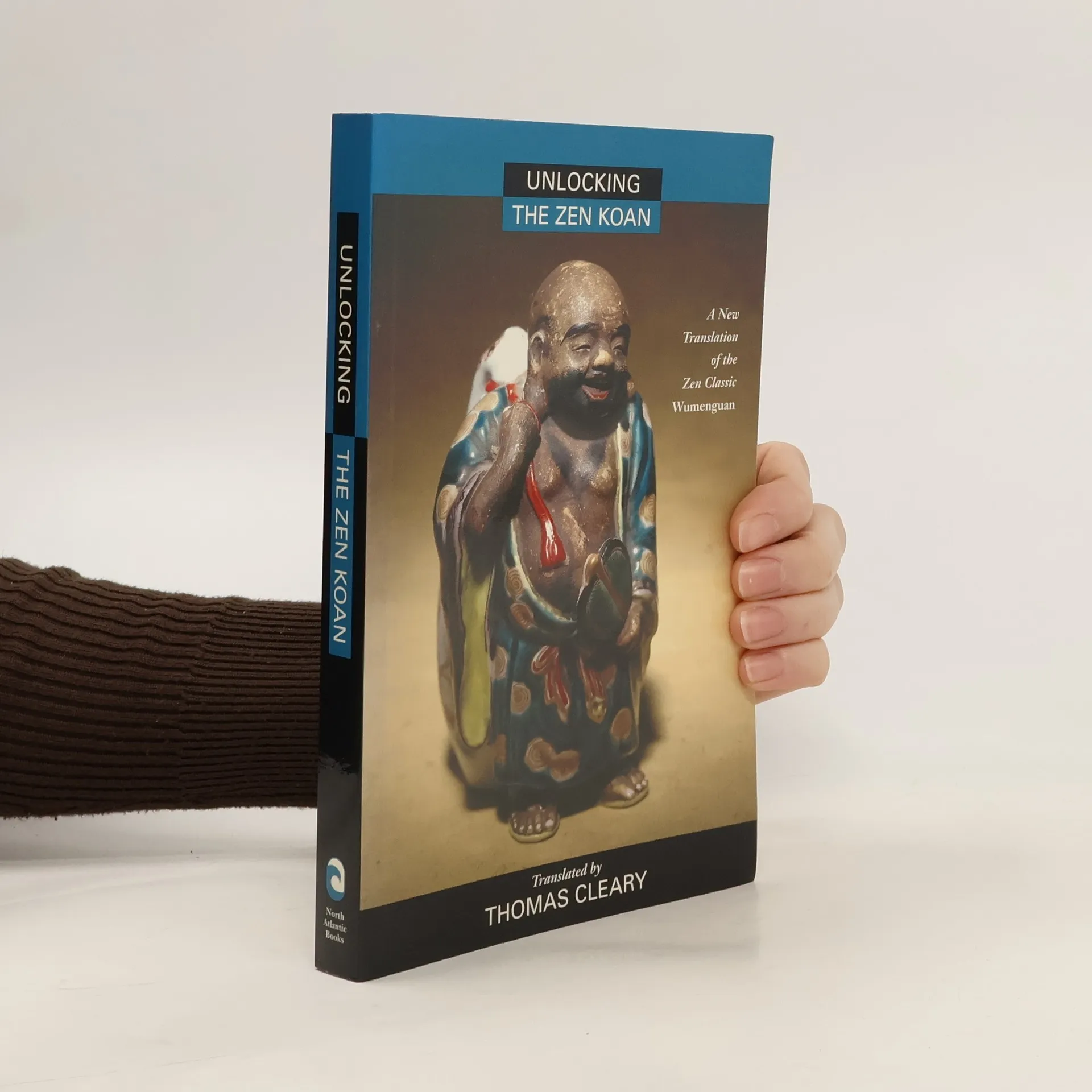
Elusive and enigmatic, zen koans have long puzzled people with their surprise meanings hidden in simple tales. Now one of America's finest translators of Asian philosophy provides a brillian new translation of the 12th century Wumenguan, the most popular of Chinese Zen koans. In Unlocking the Zen Koan (originally published as No Boundary), Thomas Cleary translates directly from the Chinese and interprets Zen Master Wumen's text and commentaries in verse and prose on the inner meaning of the koans. Cleary then gives us other great Chinese Zen masters' comments in prose or verse on the same koan. Cleary's probing, analytic commentaries wrestle with meaning and shading, explaining principles and practices. Five different steps to follow in reading the koan being with its use as a single abrupt perception, and lead progressively to more intellectual readings, illustrating the fixations which stand in the way of a true Zen understanding.
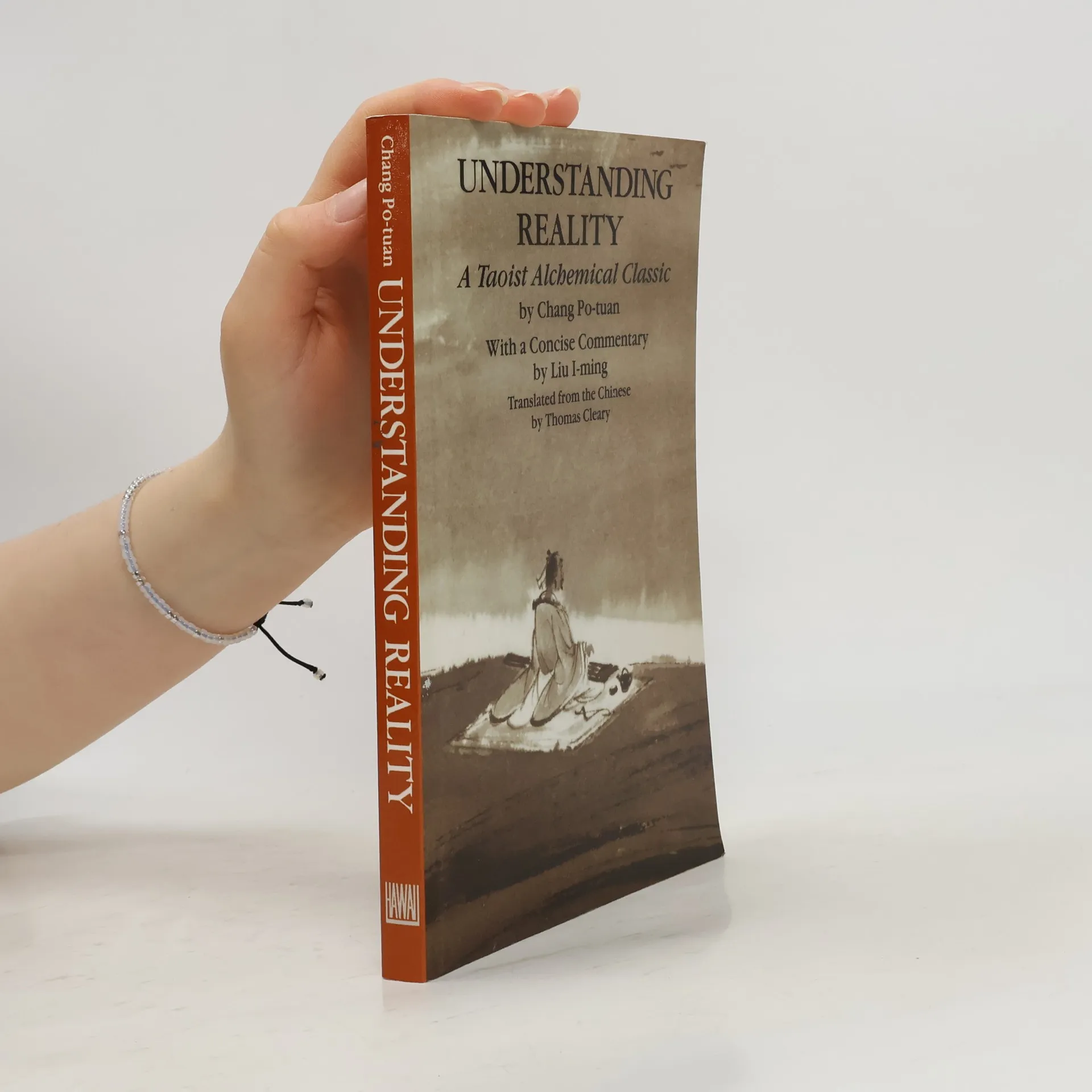
The "three treasures" of human life—vitality, energy, and spirit—are envisioned in Taoist thought as the source of creativity, capability, and intelligence. This comprehensive anthology traces the teachings on these three treasures through the long history of Taoism, highlighting the quintessential works on their practical application for mental and physical well-being. Along with brief selections from the classic sources of Taoism by Lao-Tzu and Chuang-tzu, the book presents a rich selection of tales and sayings from Taoist literature, as well as a broad range of writings from the Complete Reality school, including essays and commentary from such figures as Lü Yen, Chang Po-tuan, and Liu I-ming.
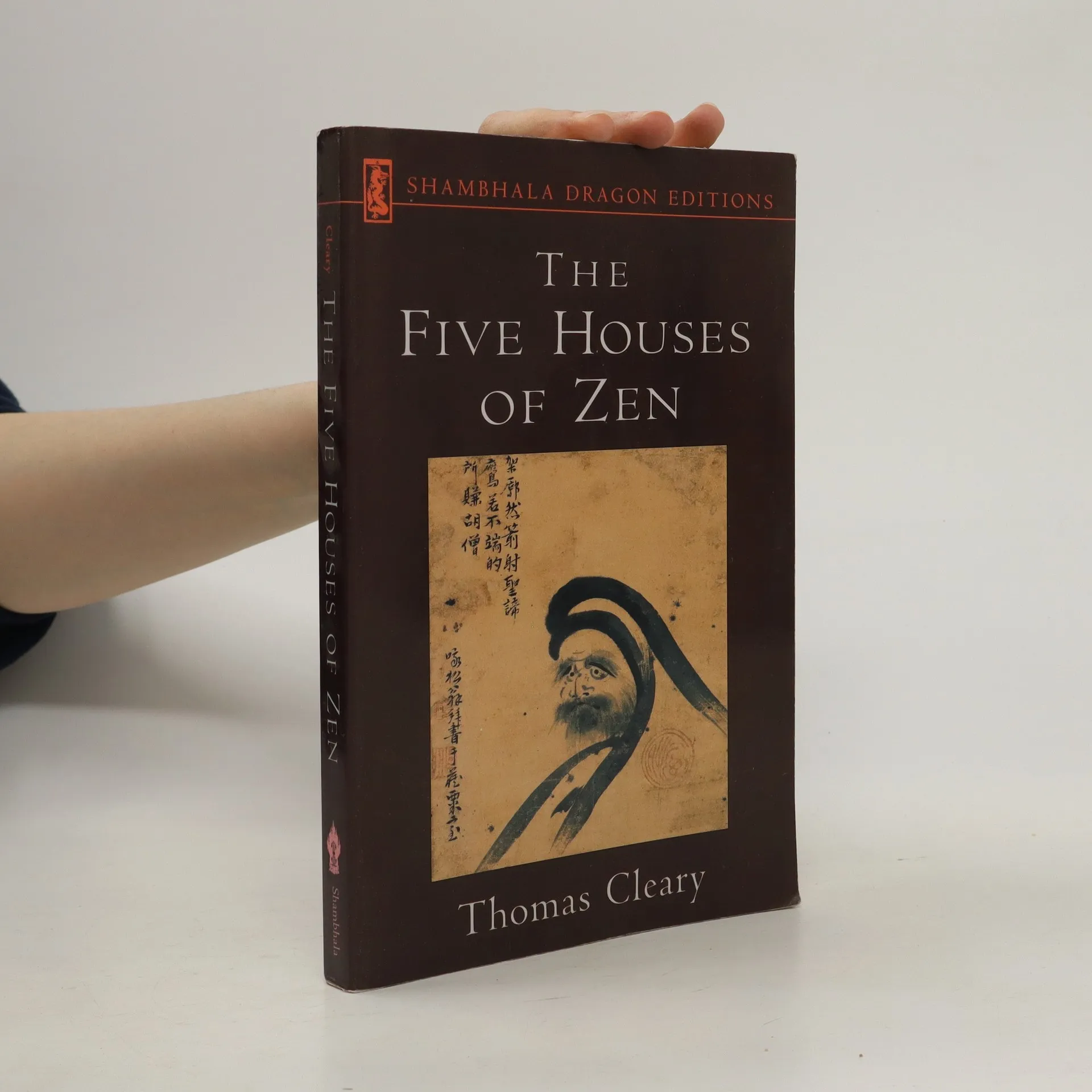
For all its emphasis on the direct experience on insight without reliance on the products of the intellect, the Zen tradition has created a huge body of writings. Of this cast literature, the writings associated with the so-called Five Houses of Zen are widely considered to be preeminent. These Five Houses—which arose in China during the ninth and tenth centuries, often referred to as the Golden Age of Zen—were not schools or sects but styles of Zen teaching represented by some of the most outstanding masters in Zen history. The writing of these great Zen teachers are presented here, many translated for the first time. These • The sayings of Pai-chang, famous for his Zen dictum "A day without work, a day without food." • Selections from Kuei-shan's collection of Zen admonitions, considered essential reading by numerous Buddhist teachers. • Sun-chi's unique discussion of the inner meaning of the circular symbol in Zen teaching. • Sayings of Huang-po from The Essential Method of Transmission of Mind. • Excerpts from The Record of Lin-chi , a great classical text of Zen literature. • Ts'ao-shan's presentation of the famous teaching device known as the Five Ranks. • Selections of poetry from the Cascade Collection by Hsueh-tou, renowned for his poetic commentaries on the classic Blue Cliff Record. • Yung-ming's teachings on how to balance the two basic aspects of concentration and insight.
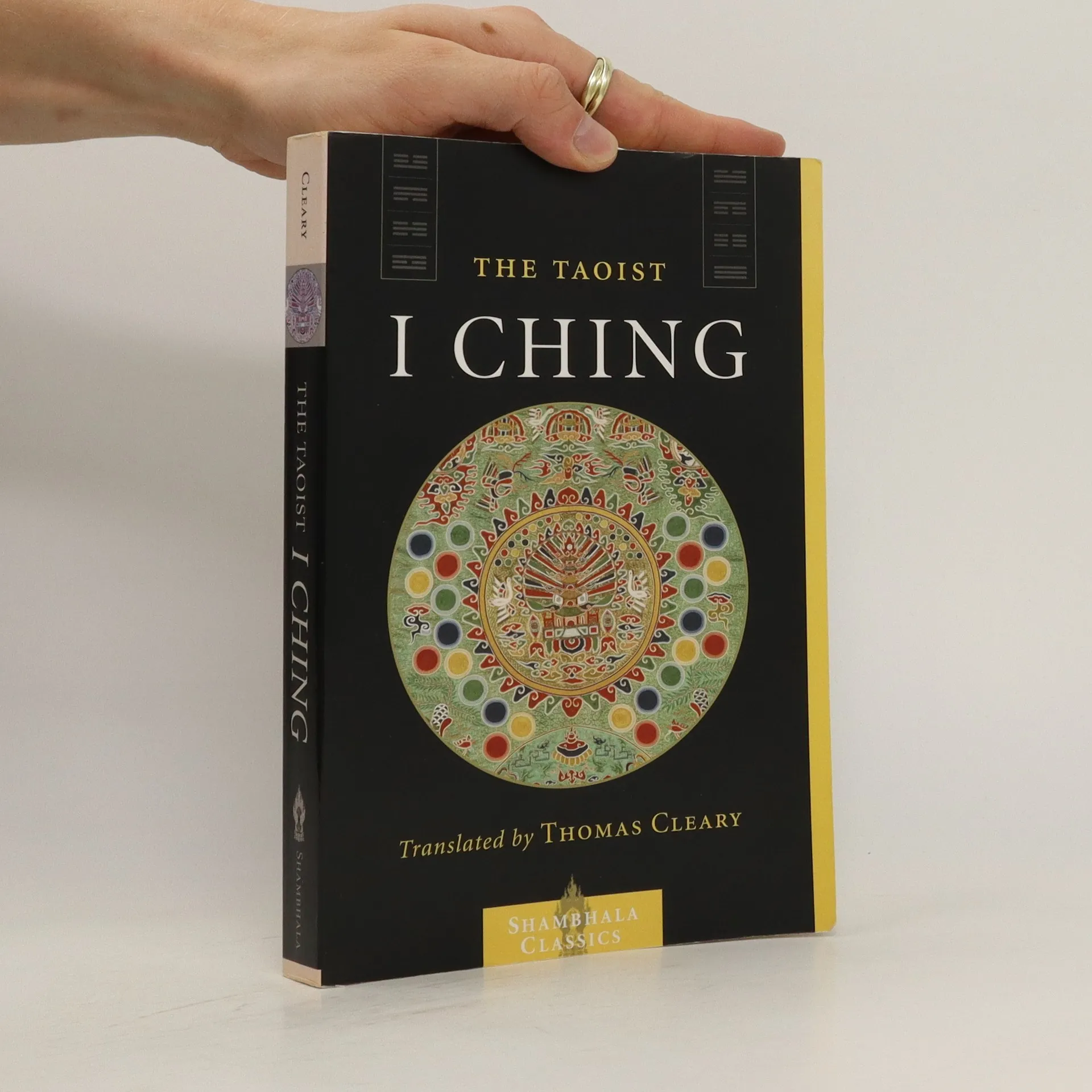
The I Ching, or "Book of Change," is the oldest Chinese classic, renowned for its enduring prestige and popularity over two millennia. It features multiple layers of text and interpretations, attracting the attention of philosophers, politicians, mystics, and scientists alike. The first part of this volume presents the I Ching's core text, which includes sixty-four hexagrams and associated sayings, accompanied by commentary from Liu I-ming, a Taoist adept, written in 1796. The second part contains Liu's insights on two additional sections—Overall Images and Mixed Hexagrams—added by earlier Confucian commentators. Together, these elements shed light on the Taoist teachings as practiced in the School of Complete Reality. Liu I-ming, knowledgeable in Buddhism, Confucianism, and Taoism, aimed to provide guidance for self-realization while navigating everyday life. He demystifies the I Ching's esoteric language using concepts from psychology, sociology, history, myth, and religion. This commentary significantly contributes to understanding Chinese spiritual thought.
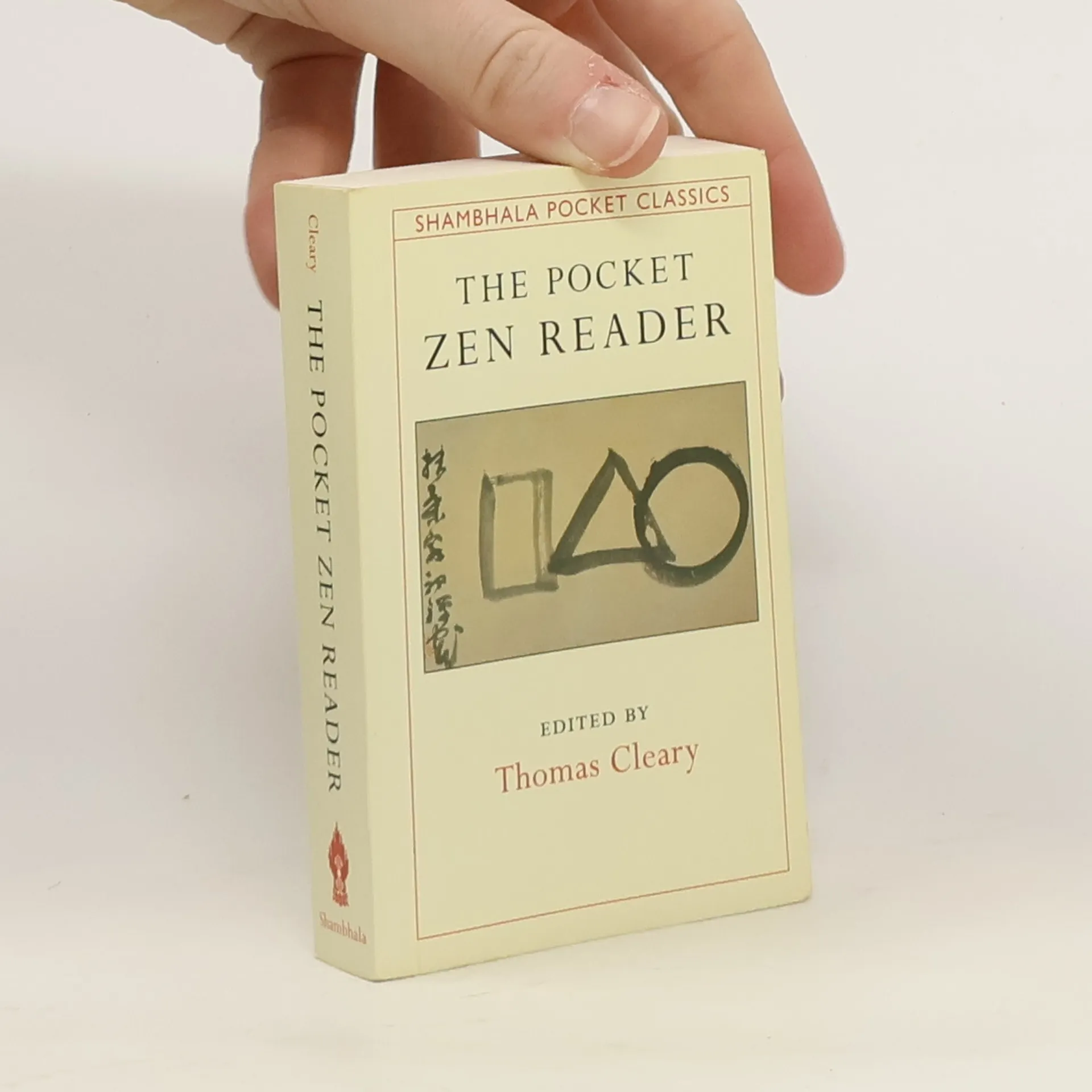
This miniature book presents a thousand years of Zen teaching for the modern reader in a way that preserves the dynamic flavor of these talks, sayings, and records of heart-to-heart encounters. From the earliest adepts to the last of the great masters, The Pocket Zen Reader is a pocket-sized compendium of Zen at its best. This collection is edited by Thomas Cleary, the translator of over fifty volumes of Buddhist, Taoist, Confucian, and Islamic texts.
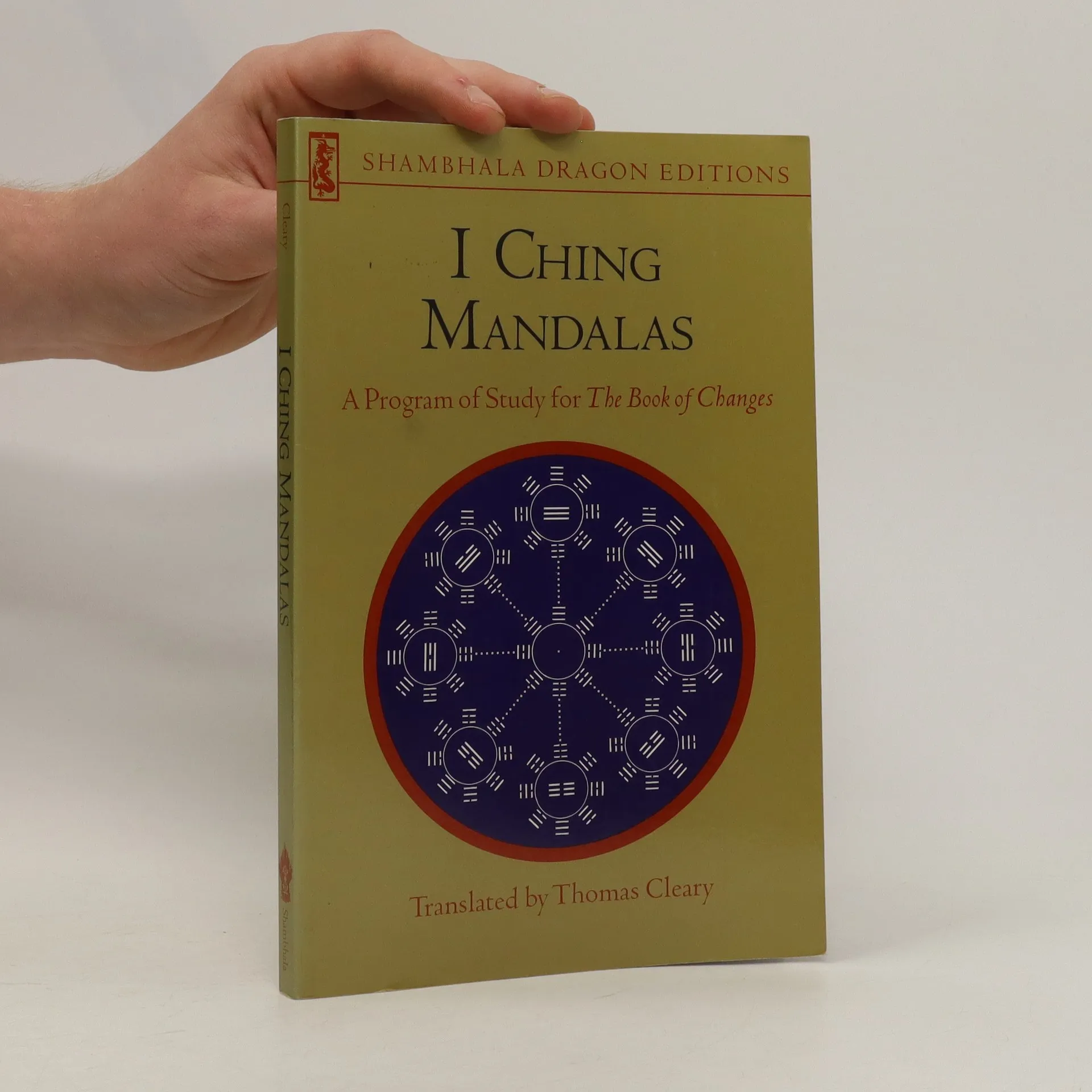
The ancient book of advice and divination known as the I Ching (Book of Changes) has gained such popularity in both East and West that it hardly needs any introduction. Less well known are the traditional programs for studying the I Ching which were published in China about one thousand years ago. I Ching Mandalas is an example of this literature, which enables serious students of the classic to achieve a deeper understanding of its philosophy through the study of diagrams. These diagrams are tools for whole-brain learning that help the student to visualize patterns and interrelationships among the trigrams and hexagrams of the I Ching. This book is a perfect companion volume to enhance the use of any edition of the I Ching, but especially of Thomas Cleary's books The Taoist I Ching, The Buddhist I Ching, and I Ching: The Tao of Organization.Thomas Cleary, who holds a Ph.D. in East Asian languages and civilizations from Harvard University, is the translator of some twenty works in Buddhist, Taoist, and I Ching studies.
The Prajnaparamita ("perfection of wisdom") sutras are one of the great legacies of Mahayana Buddhism, giving eloquent expression to some of that school's central the perception of shunyata , the essential emptiness of all phenomena; and the ideal of the bodhisattva, one who postpones his or her own enlightenment in order to work for the salvation of all beings. The Prajnaparamita literature consists of a number of texts composed in Buddhist India between 100 BCE and 100 CE. Originally written in Sanskrit, but surviving today mostly in their Chinese versions, the texts are concerned with the experience of profound insight that cannot be conveyed by concepts or in intellectual terms. The material remains important today in Mahayana Buddhism and Zen. Key selections from the Prajnaparamita literature are presented here, along with Thomas Cleary's illuminating commentary, as a means of demonstrating the intrinsic limitations of discursive thought, and of pointing to the profound wisdom that lies beyond it. Included selections • The Scripture on Perfect Insight Awakening to Essence • The Essentials of the Great Scripture on Perfect Insight • Treatise on the Great Scripture on Perfect Insight • The Scripture on Perfect Insight for Benevolent Rulers • Key Teachings on the Great Scripture of Perfect Insight • The Questions of Suvikrantavikramin
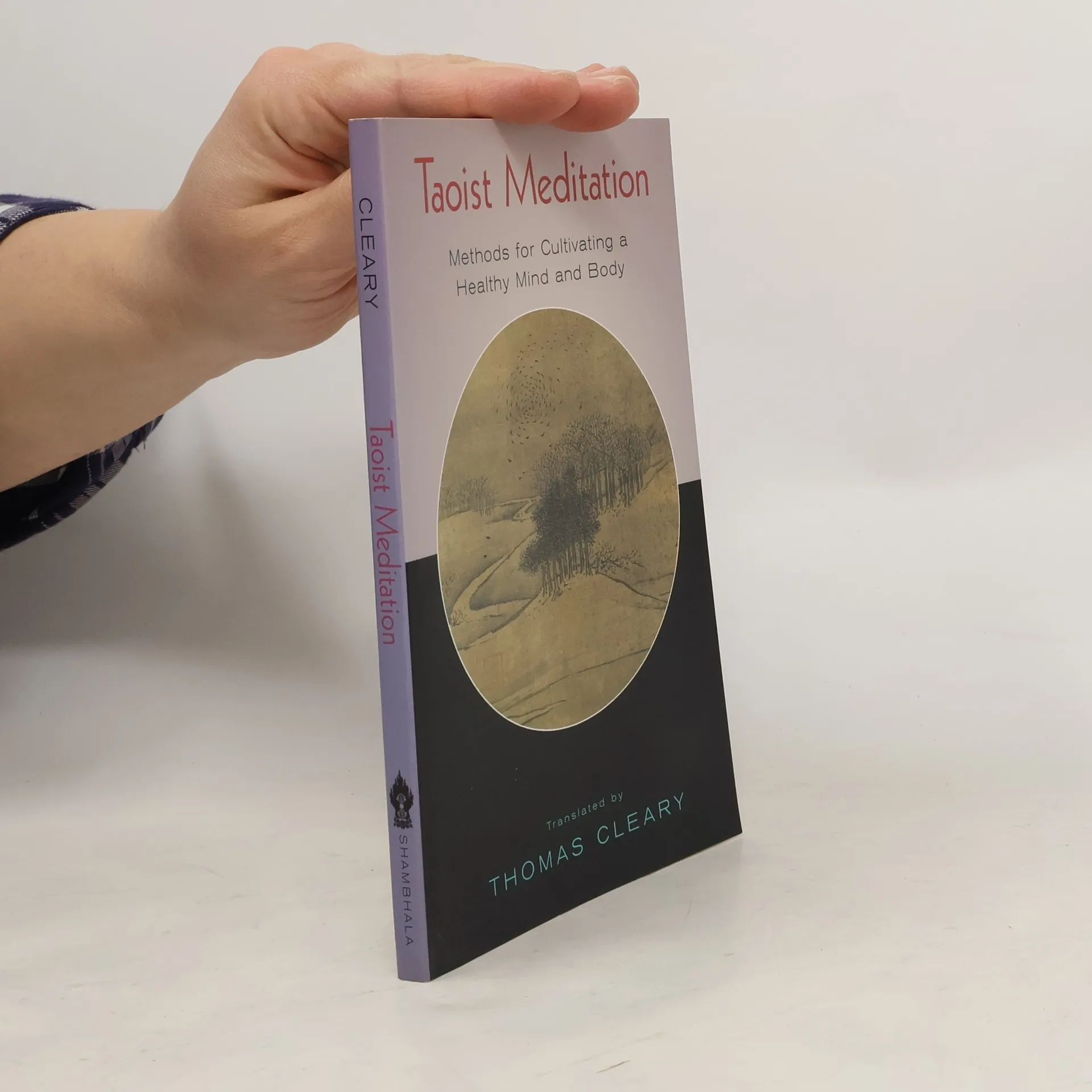
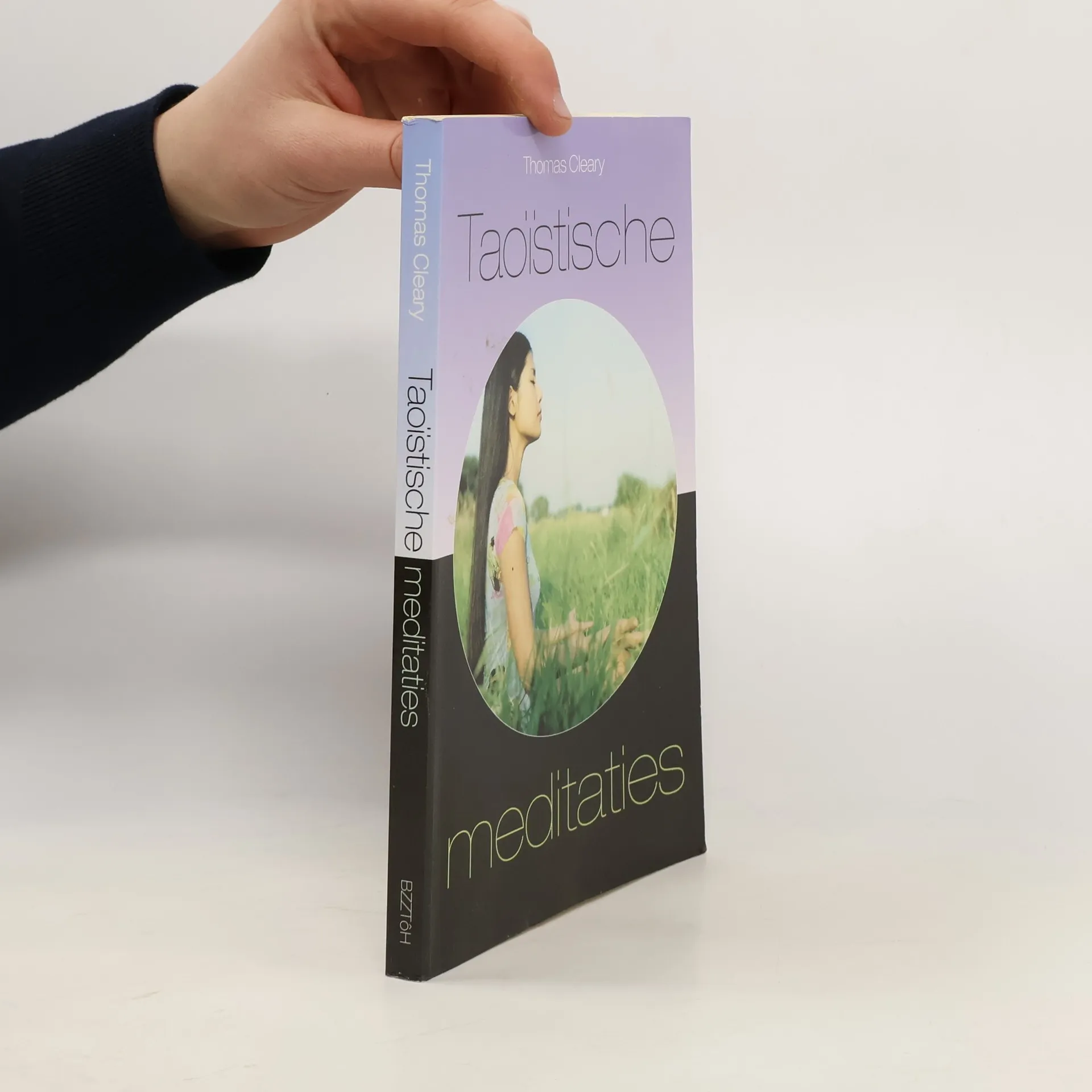
"The Ancient Meditation Techniques of Taoism encompass a wide range of practices that aim to cultivate a healthy body as well as an enlightened mind. These selections from classic Taoist texts represent the entire range of meditation techniques and practices, from sitting meditation to inner alchemy. Most of these writings appear here in English for the first time."--Jacket
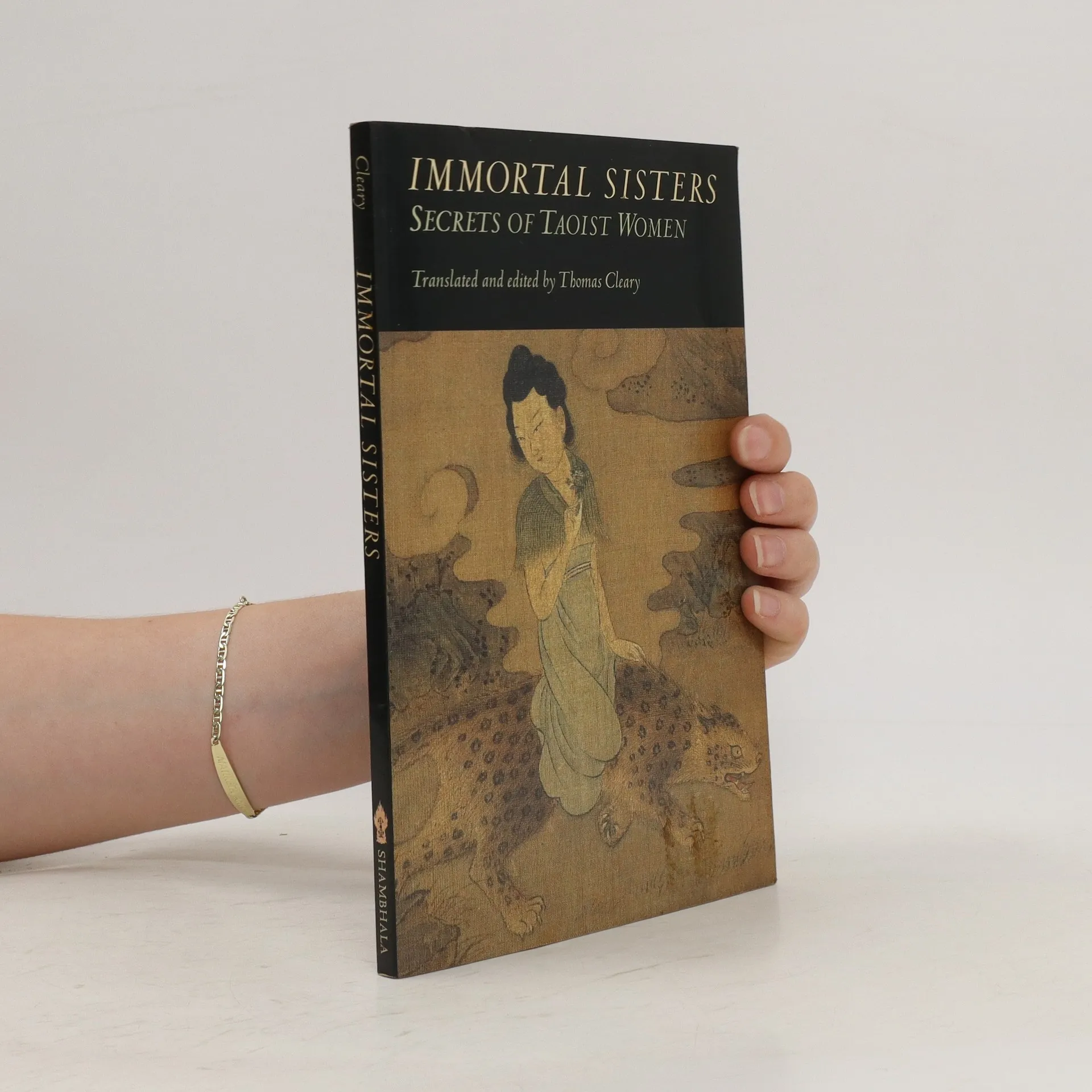
Immortal Sisters presents life stories and teachings of distinguished female Taoist adepts who lived from the third to twelfth centuries. Among them is the poet and mystic Sun Bu-er, who passed into folklore as one of the famous Seven Immortals and appears as a character in countless popular novels of China. These accomplished women, renowned in their own day and in history, represent a uniquely female heritage of spiritual mastery. Through poems, stories, teachings, and commentaries, Immortal Sisters sheds light on the spiritual methods taught and practiced by these women and illustrates the importance of the feminine in Taoism.
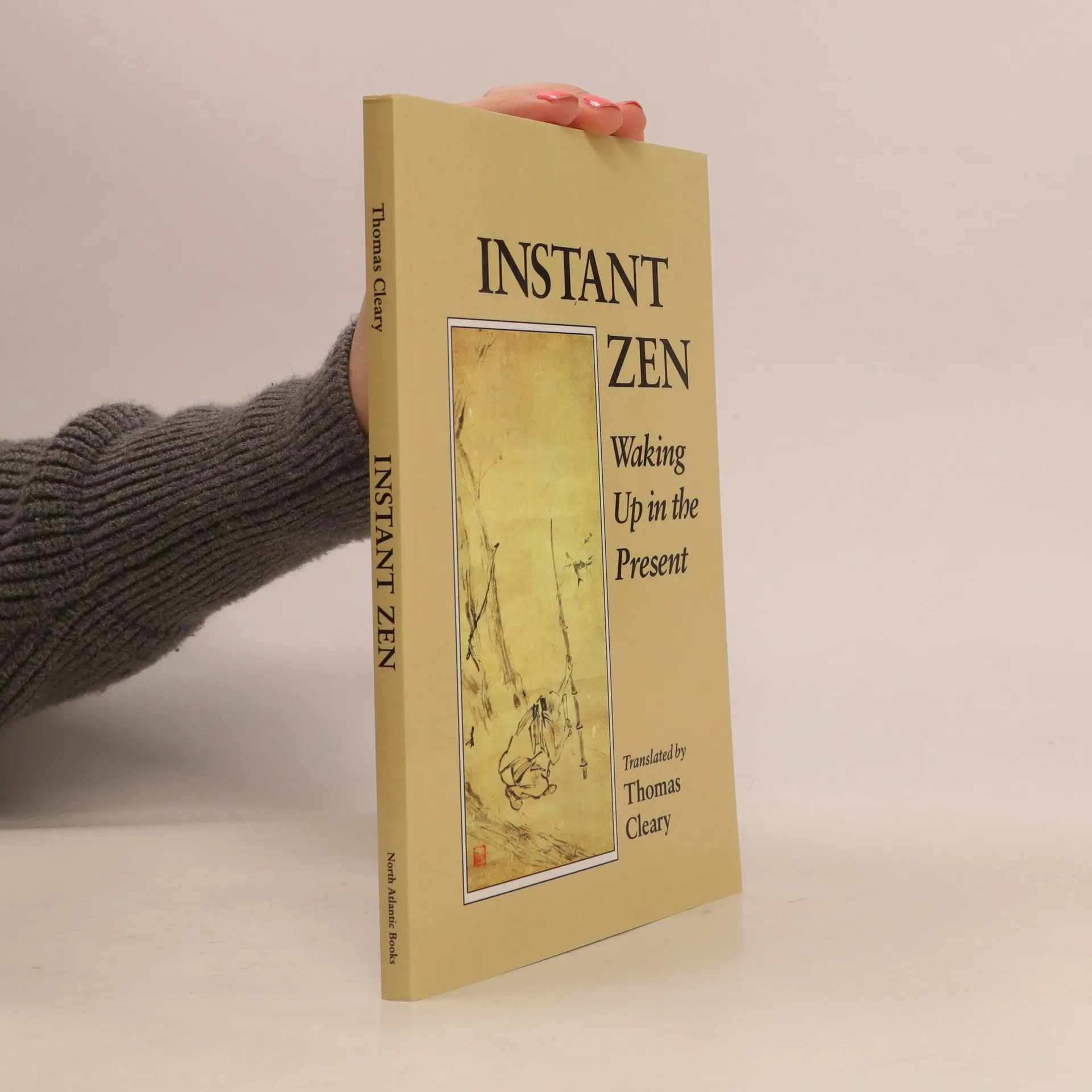
Instant Zen presents the teachings of Foyan, a twelfth-century Chinese Zen master recognized as one of the greatest masters of the Song dynasty Zen renaissance in China. Returning to the uncomplicated genuineness of the original and classical Zen masters, Foyan offers many simple exercises in attention and thought designed to lead to the awakening of Zen insight into the real nature of the self. These succinct teachings emphasize independence and autonomy, and show us how to open our own eyes and stand on our own two feet, to see directly without delusion and act on truth without confusion.Translator Thomas Cleary provides an incisive introduction and extensive references from traditional Zen sources, placing the work in both historical and contemporary contexts. Newcomers to Zen will find this book a useful and sophisticated introduction to authentic inner Zen practices from an impeccable source, without cultural exoticism or religious cultism. Instant Zen sheds new light on this vital tradition, making available the immediacy of Zen practice and unveiling our innate potential for conscious awakening.
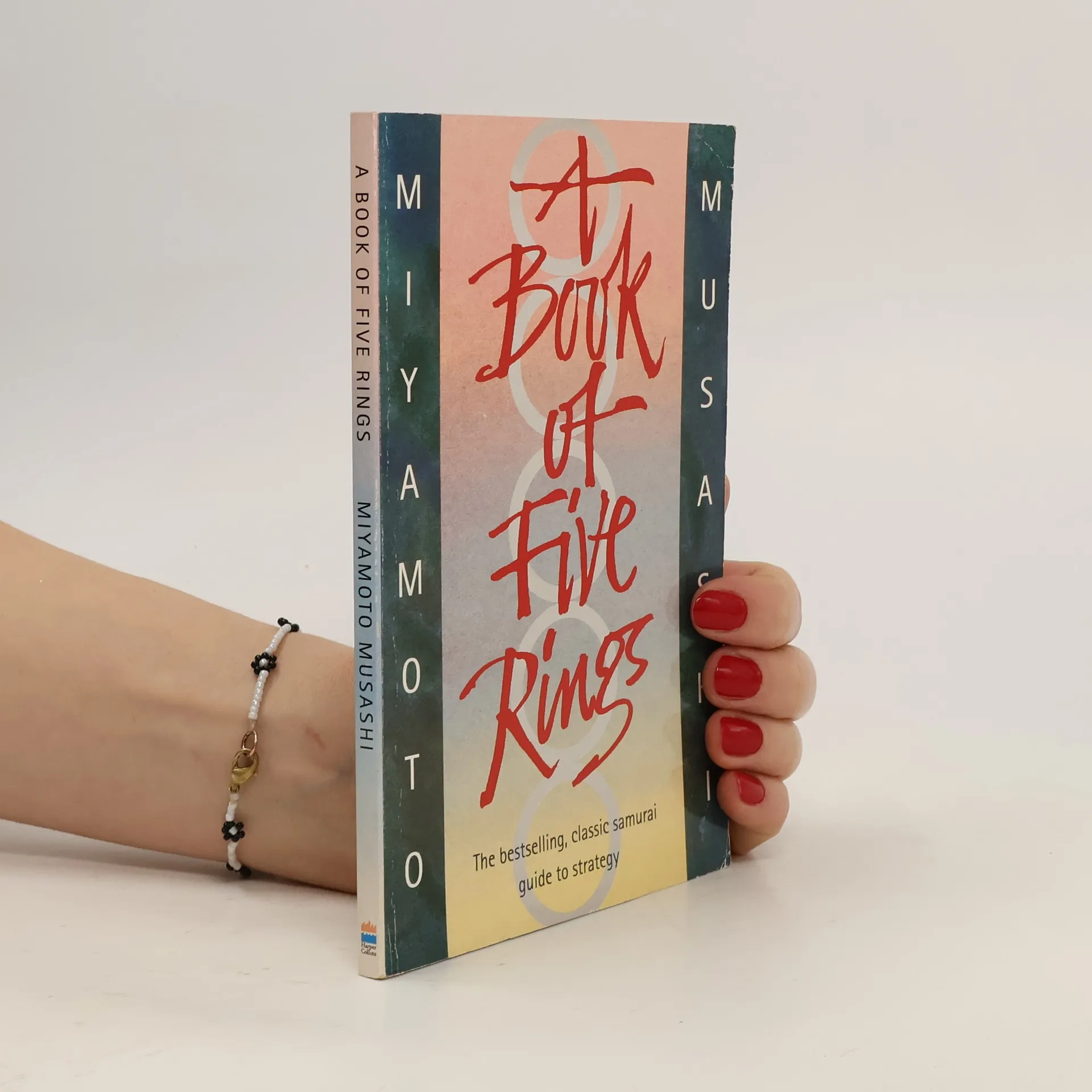
Written in 1645 by samurai Miyamoto Musashi, this is the classic guide to kendo swordsmanship and a distillation of the philosophies of Zen, Shinto and Confucius. The West is now discovering that the Samurai Way can provide a strategy for decision and action in all areas of life.
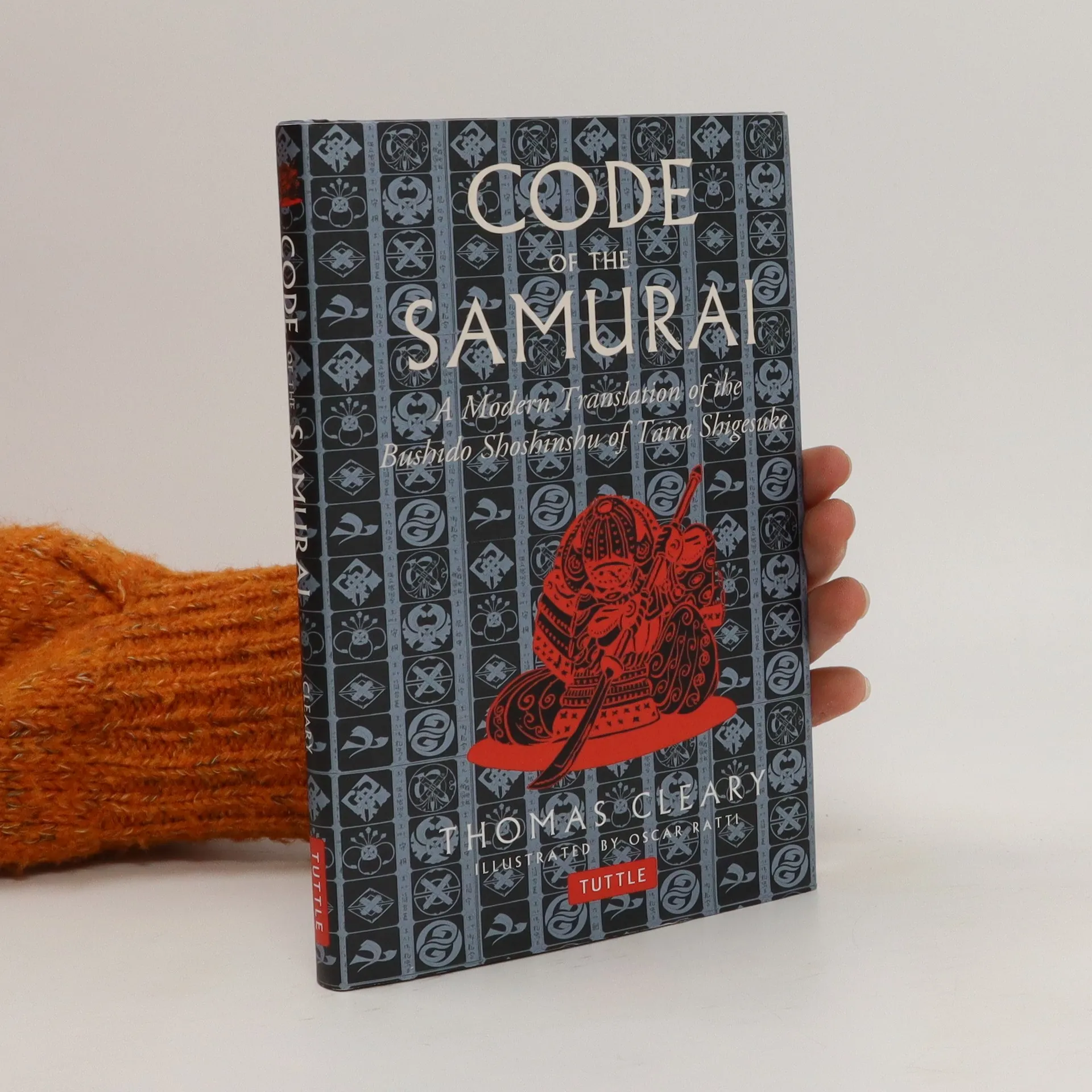
A powerful contemporary translation of the classic treatise of the Way of the Warrior! Code of the Samurai is a four-hundred-year-old explication of the rules and expectations embodied in Bushido, the Japanese way of the warrior. Bushido has played a major role in shaping the behavior of modern Japanese government, corporations, society, and individuals, as well as in shaping the modern martial arts within Japan and internationally. The Japanese original of this book, Bushido Shoshinshu, has been one of the primary sources on the tenets of Bushido, a way of thought that remains fascinating and relevant to the modern world, East and West. With a clear, conversational narrative by Thomas Cleary, one of the foremost translators of the wisdom of Asia, and powerfully evocative line drawings by master illustrator Oscar Ratti, this book is indispensable to the corporate executive, student of the Asian Culture, and martial artist.
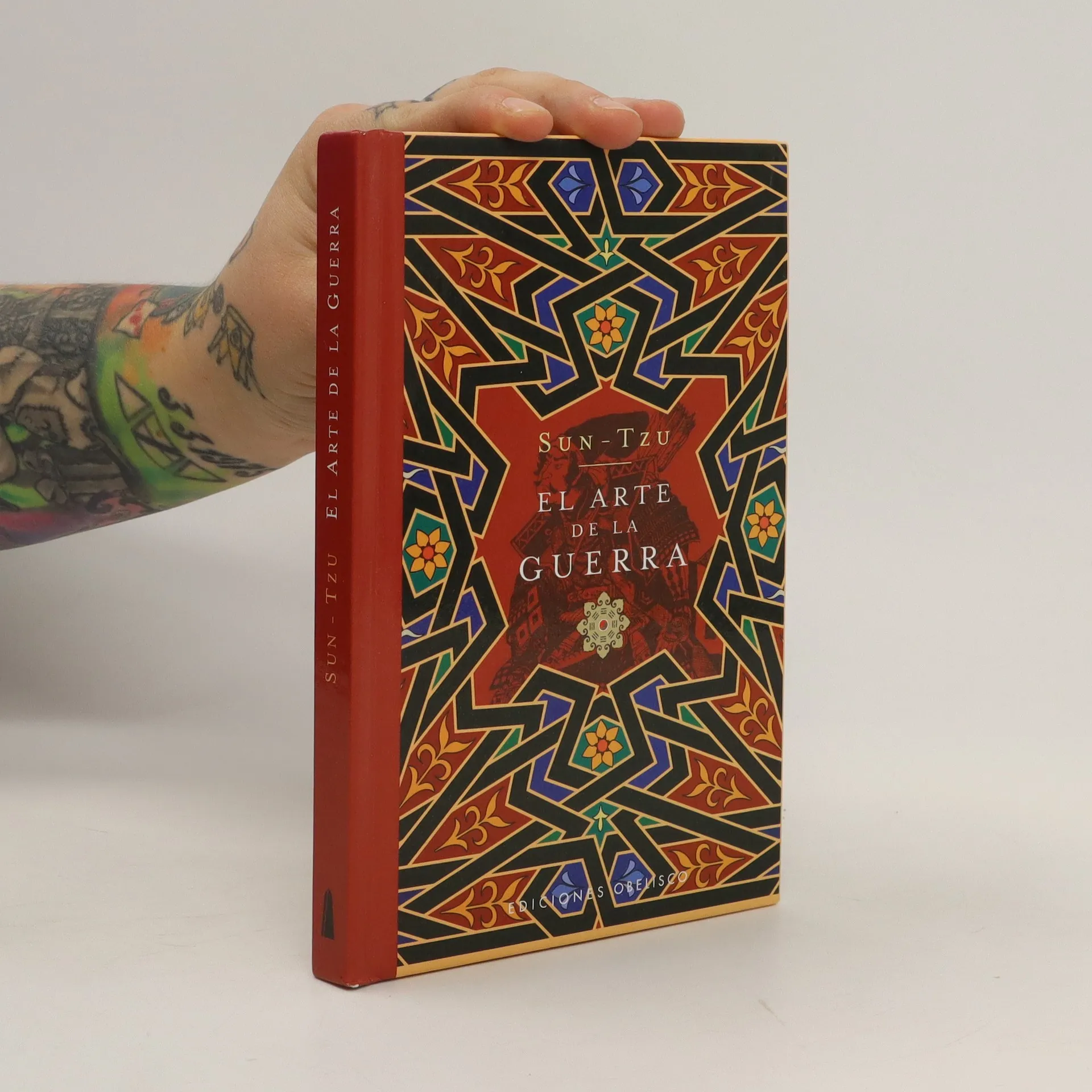
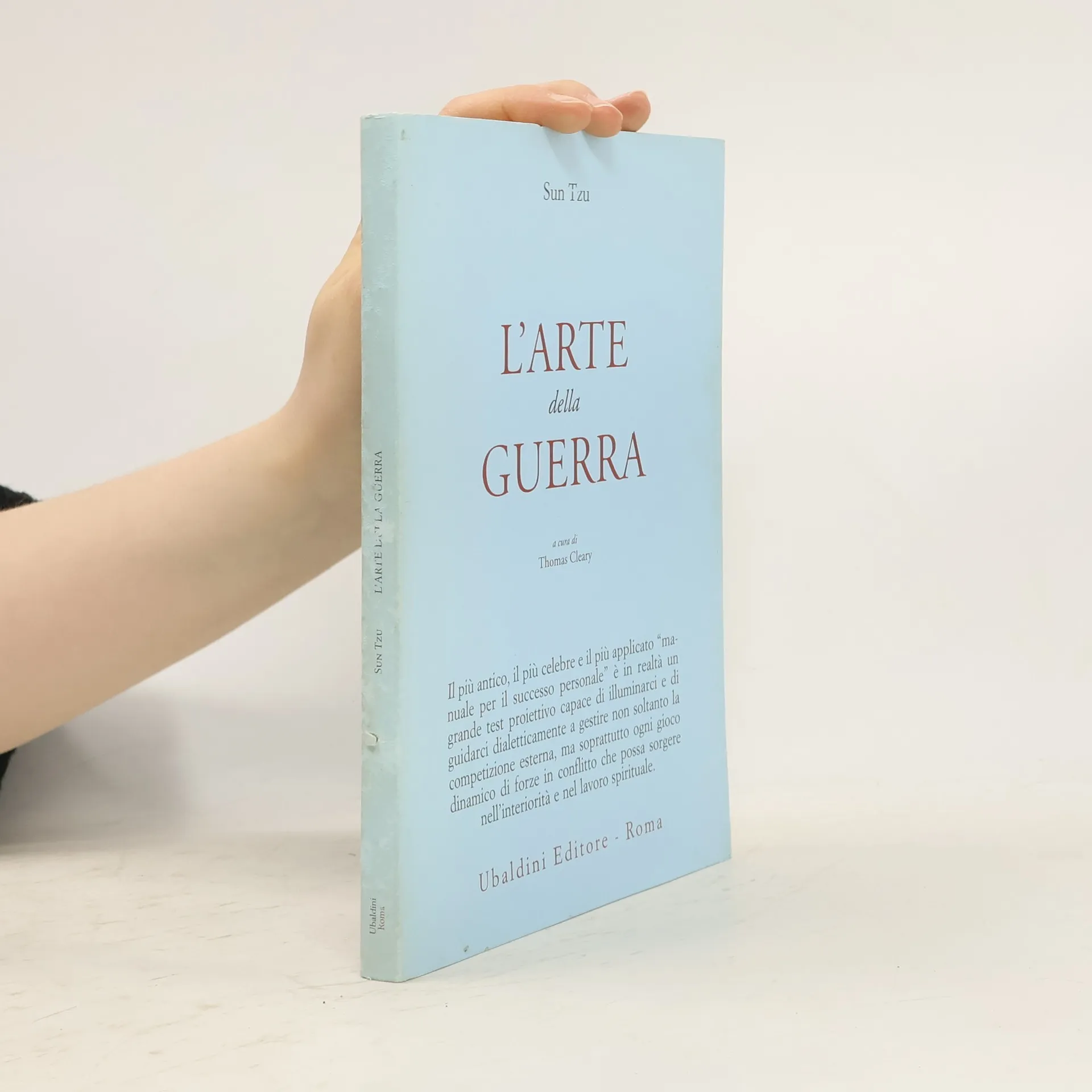
Es el tratado sobre estrategia más famoso del mundo, que se ha convertido en un libro de culto en el ámbito de la empresa. Varias películas ambientadas en Wall Street han contribuido a popularizar este pequeño libro, que nos propone unos principios válidos tanto en el mundo de la estrategia militar como en el de los negocios o la política. A pesar de su antigüedad, se trata de un libro extremadamente moderno, que ayudará a reflexionar sobre cualquier tipo de problema y a plantear las estrategias necesarias para solucionarlo sin conflictos. LA EXCELENCIA SUPREMA CONSISTE EN QUEBRAR LA RESISTENCIA DEL ENEMIGO SIN LUCHAR (III-2) El arte de la guerra es el mejor libro de estrategia de todos los tiempos. Ideal para aplicar en todos los aspectos de la vida para conseguir la victoria sin entrar en conflicto.
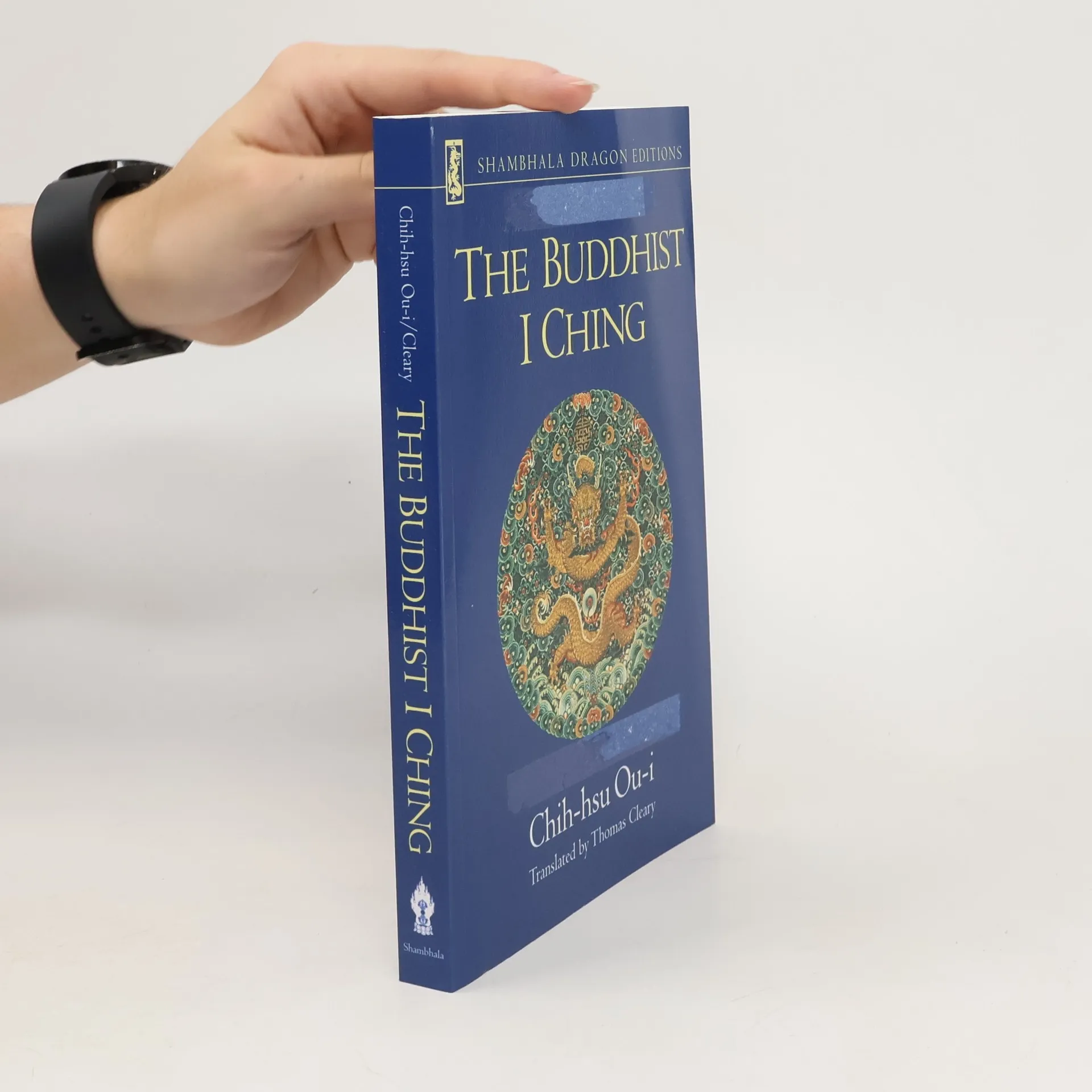
For centuries the I Ching has been used as a basic map of conscious development, containing the underlying principles of all religions, and highly prized by followers of Buddhism. Chih-hsu Ou-i uses the concepts of Tianti Buddhism to elucidate the I Ching —concentration and insight, calmness and wisdom, and various levels of realization. Skillfully translated by Thomas Cleary, this work presents the complete text of the I Ching plus the only Buddhist interpretation of the oracle.
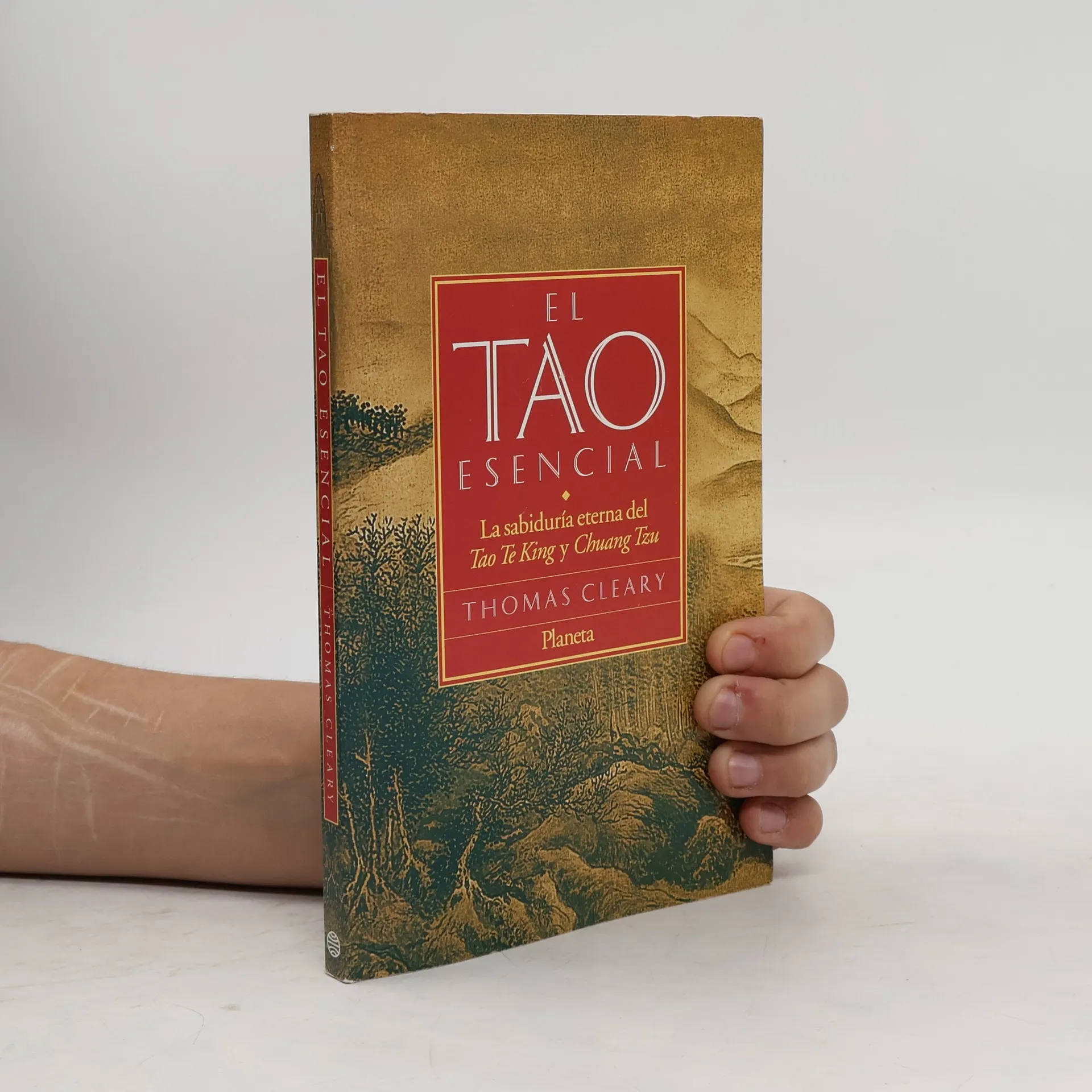
Presented here are superb translations from the most beloved classics of Taoism, including the bestselling Tao-te Ching and Wen-tzu. Also translated are wonderful Taoist fables and stories from the "Tales of Inner Meaning", and a selection of short teachings from Ancestor Lu, one of the greatest figures of early Taoism. Two-color interior.
Goddess worship is among the original forms of human religious expression. Thomas Cleary and Sartaz Aziz show how the Divine Feminine has never really disappeared from religion—in spite of its suppression by patriarchal culture. Whether conceptualized as divine person, saint, mythic figure, archetype, or abstract principle, the Divine Feminine inevitably arises, manifesting in hidden as well as obvious ways. This book is a guided tour of the feminine principles, symbols, and imagery found in Hinduism, Taoism, Buddhism, and the Sufi tradition of Islam, with insightful meditations on the deep meanings of these manifestations of the Divine.
For every would-be leader, this acclaimed Taoist classic offers timeless insights for building a better world The Taoist sages of ancient China have long been lauded for their transformative teachings on the art of harmonious living, community organization, and cultivating the common good. Along with Sun Tzu’s Art of War, the Huainanzi, here brought to life in English by preeminent translator Thomas Cleary, represents an essential window into this long and cherished tradition. Yet, whereas the Art of War focuses on cunning strategy to quickly resolve conflict, the Huainanzi speaks to the organization of healthy societies, the management of complex group dynamics, and how to promote the highest ideals of harmony, freedom, adaptability, and sustainability in our world. With incisive teachings on the challenges and opportunities of leadership at all levels—from small-scale organizational management to political statecraft—its time-tested wisdom lights the way for any endeavor in business, management, politics, government, and everyday life.
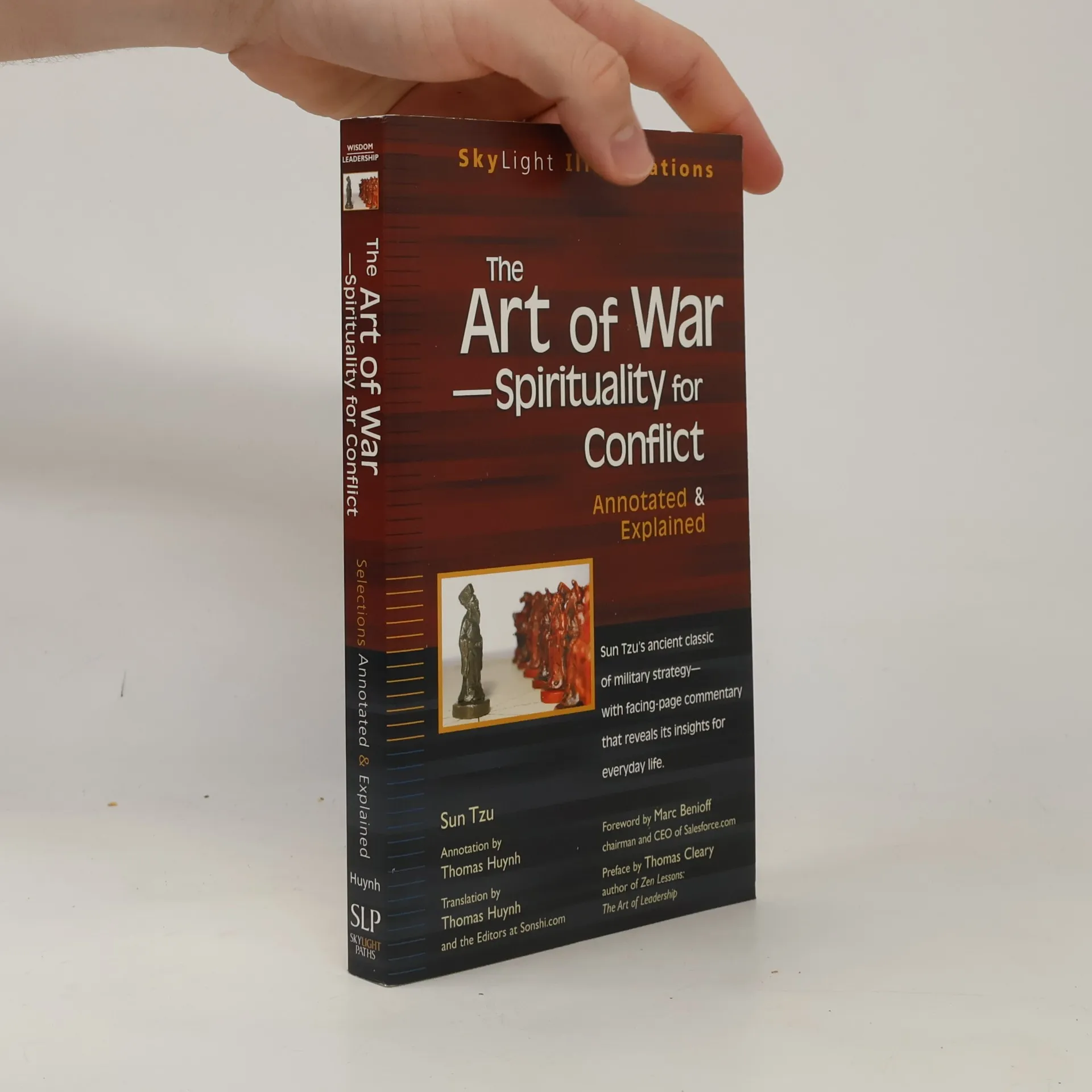
Discover the spiritually incisive strategies for peacefully resolving conflict in this masterpiece of military strategy.Written 2,500 years ago by Chinese general Sun Tzu, The Art of War is a poetic and potent treatise on military strategy still in use in war colleges around the world. Yet its principles transcend warfare and have practical applications to all the conflicts and crises we face in our lives in our workplaces, our families, even within ourselves.Thomas Huynh guides you through Sun Tzu's masterwork, highlighting principles that encourage a perceptive and spiritual approach to conflict, enabling you to: •Prevent conflicts before they arise•Peacefully and quickly resolve conflicts when they do arise•Act with courage, intelligence and benevolence in adversarial situations•Convert potential enemies into friends•Control your emotions before they control youNow you can experience the effectiveness of Sun Tzu's teachings even if you have no previous knowledge of The Art of War. Insightful yet unobtrusive facing-page commentary explains the subtleties of the text, allowing you to unlock the power of its teachings and help prevent and resolve the conflicts in your own life."
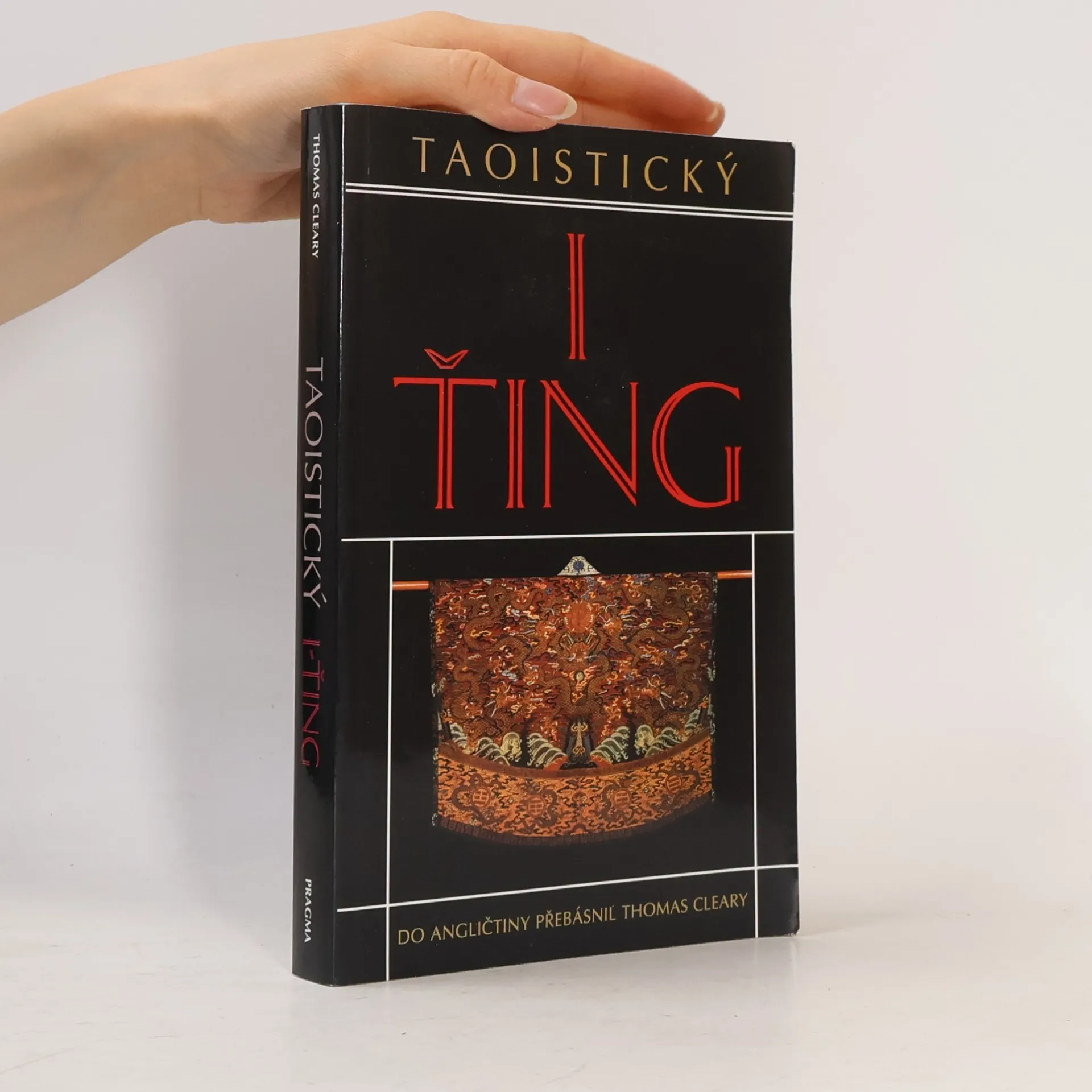
I-ťing, neboli kniha proměn, bývá považována za nejstarší klasický čínsky text a v průběhu dějin si získal neobyčejné uznání a oblibu. Obsahuje několik rovin textu a přesně stanovený počet výkladů, které přitahují pozornost už více než dva tisíce let. Tato kniha objasňuje taoistické učení, jaké bylo uváděné v praxi školou Úplného poznání skutečnosti.
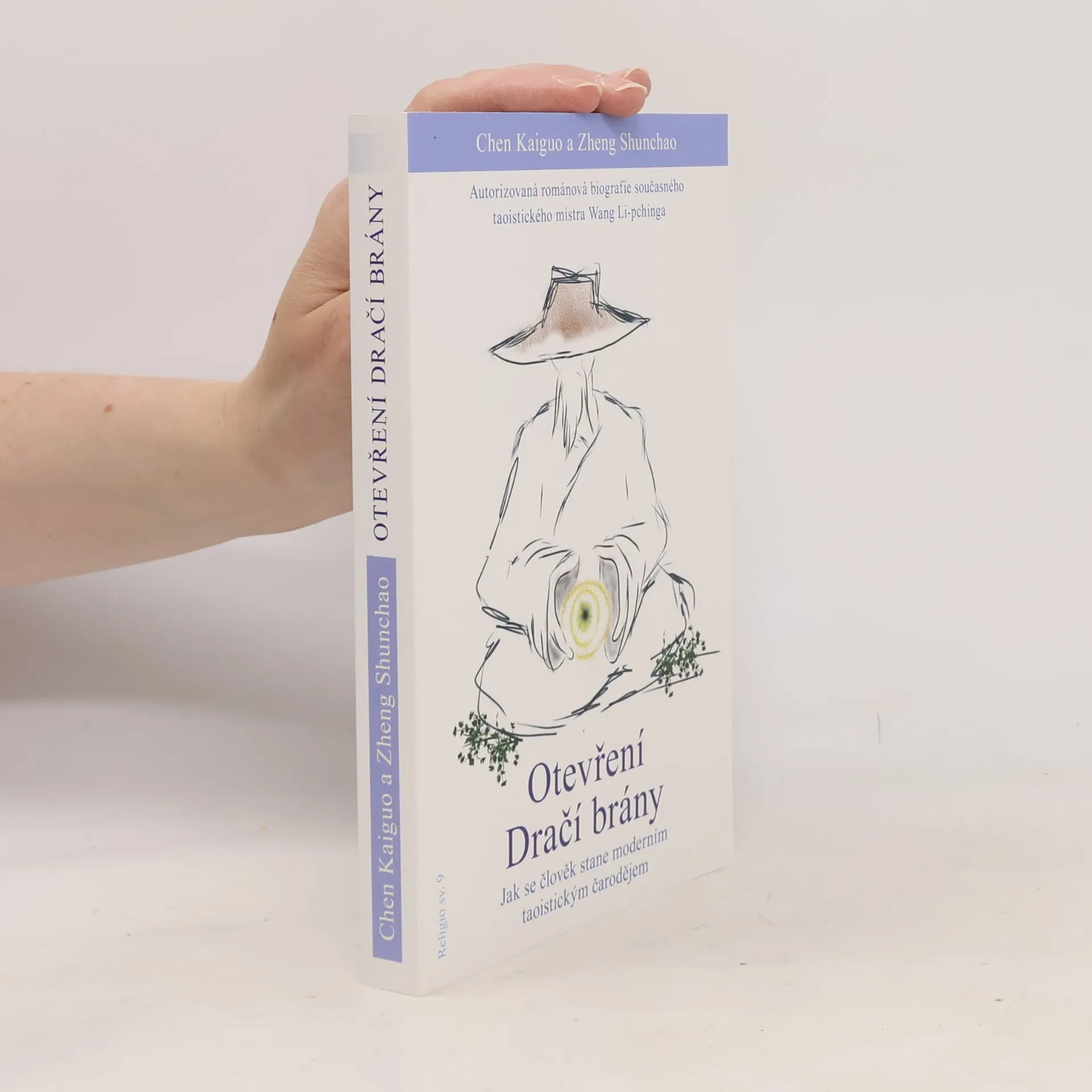
Autorizovaná románová biografie současného čínského taoistického mistra.
Wang Li-pching (*1949, Wang Liping) je Předavatelem 18. generace školy Dračí brána, taoismu Úplné reality, jež vytváří novou srozumitelnou formu taoismu, zahrnující i prvky buddhismu a konfucianismu. Jeho dva dlouhodobí žáci Chen Kaiguo a Zheng Shunchao zpracovali Wang Li-pchingův příběh v podobě autorizované románové biografie, čtivého a poutavého příběhu ze současné Číny, v němž se skrývá skutečný průběh předávání nauky esoterního taoismu.
Představte si, že by za vámi ve třinácti letech přišli tři staří taoističtí mistři a uvedli vás do tajemství a praktik tradice esoterního poznání, která byla shromažďována a kultivována přes jedenáct staletí. Zní vám to jako pohádka? Přesně to se však v roce 1962 přihodilo Wang Li-pchingovi.
Kniha vypráví podivuhodný příběh patnáctileté cesty tří mistrů a jejich učně. Zároveň dává nahlédnout do po staletí střeženého systému a praxe výuky Předavatelů taoistické školy Dračí brána, do tajů čínské zdravovědy, ale i pod roušku reality v období kulturní revoluce v Číně.
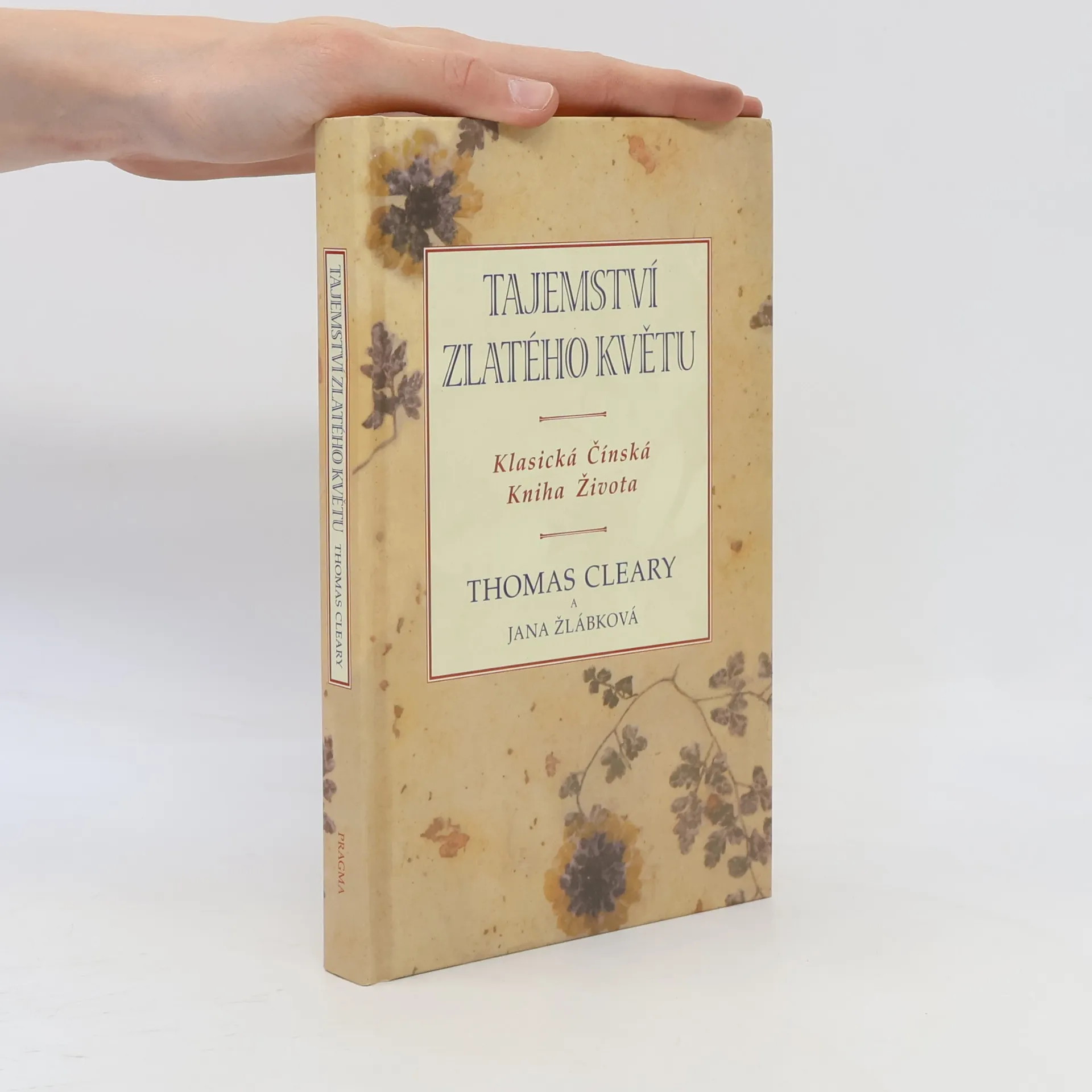
Zlatý květ je v čchanovém buddhismu a v taoismu symbolem pravé a prvotní podstaty každého člověka. Její znovunalezení v dnešním převážně materiálně orientovaném světě však není nijak snadné. Známý překladatel děl východní klasiky Thomas Cleary nabízí každému, kdo má zájem o dobrodružnou cestu do vlastního nitra vynikající a jednoduchou metodu ukazující, jak zklidnit a ovládnout mysl uprostřed každodenního života. Tajemství zlatého květu vyšlo v Evropě poprvé v roce 1929 v německém překladu Richarda Wilhelma s komentářem známého psychologa C. G. Junga. Clearyho překlad je díky jeho lingvistickým znalostem spojeným s hlubokou znalostí východních učení odhalením tajemství moudrosti překonávající hranice kultur a umožňující každému člověku nalezení vlastní skutečné podstaty.
Rainbow reiki je osvědčený systém komplexní práce s energií. Její základem je Usuiho systém, pričemž ho rozširuje o techniky práce s energií a poskytuje možnost přímé spolupráce s jemnohmotnými bytostmi učiteli. Patří k ní i výroba esencí reiki, práce s aurou a čakrami, vytváření nových vlastních silových míst s pomocí mandal reiki. Nejrůznější prostředky celistvého uzdravování zachycené v této publikaci je možné využít pro všestranný rozvoj osobnosti.
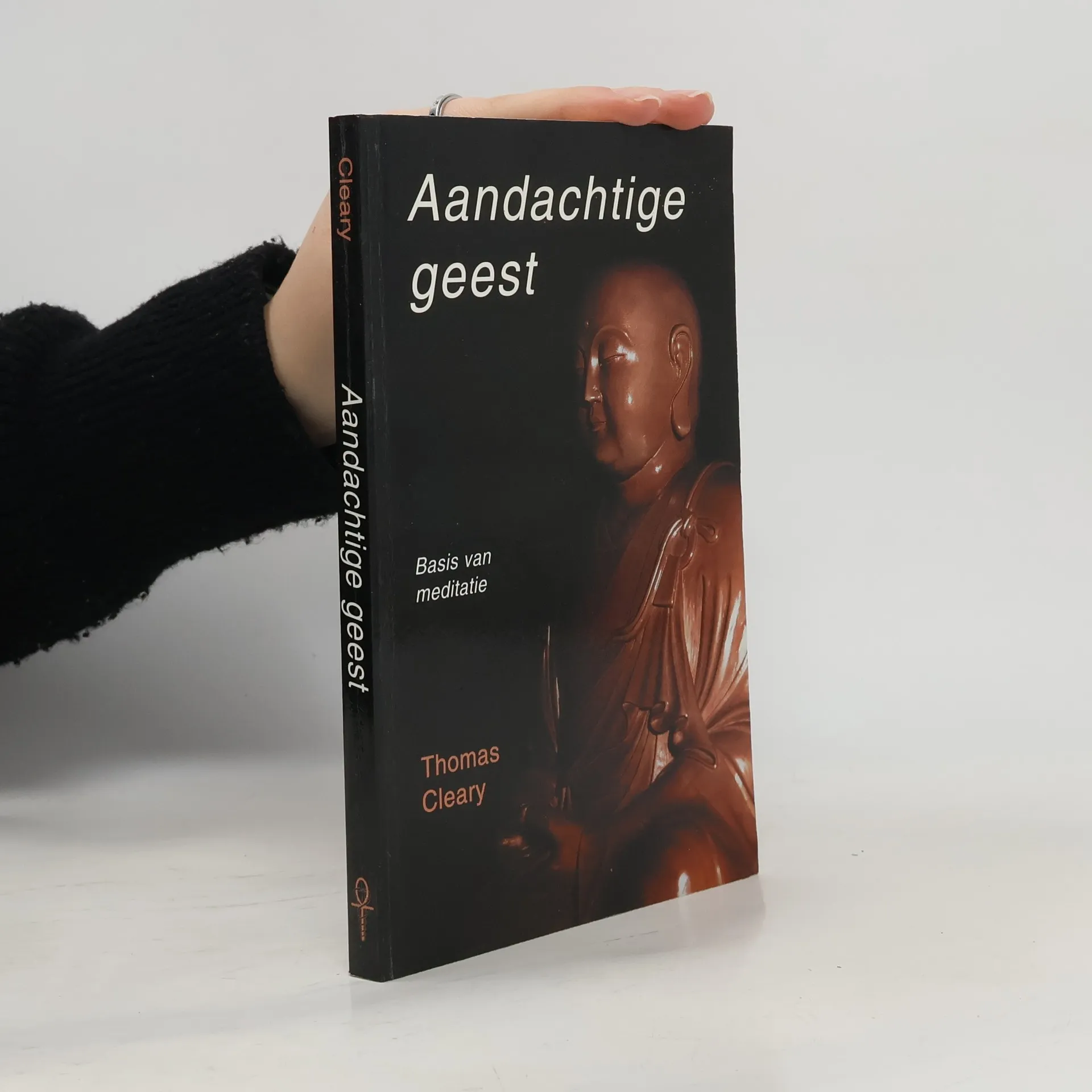
Sommige vormen van meditatie zijn vooral gericht op lichamelijk en geestelijk welzijn in het leven van alledag. Andere focussen op een veranderde staat van bewustzijn, het ontstijgen aan de wereld of het ontwikkelen van het vermogen anderen te dienen. Dit boek richt zich op de hoogst denkbare vorm: zuivere, helder meditatie', een toestand van waarachtige objectiviteit, waarmee de meditatiebeoefenaar alle andere vormen van meditatie vrijelijk en bewust kan gebruiken, zonder er in verstrikt te raken. Dit boekje bevat een aantal traditionele teksten van vermaarde leermeesters uit Japan, China en Korea, waarin een breed spectrum van onderwerpen aan de orde komt: * Basis van meditatie * Verbeteren van concentratie * Corrigeren van problemen bij meditatie * Beoefenen van koan-meditatie * Meditatie in actie Een goede compacte en sympathieke gids.
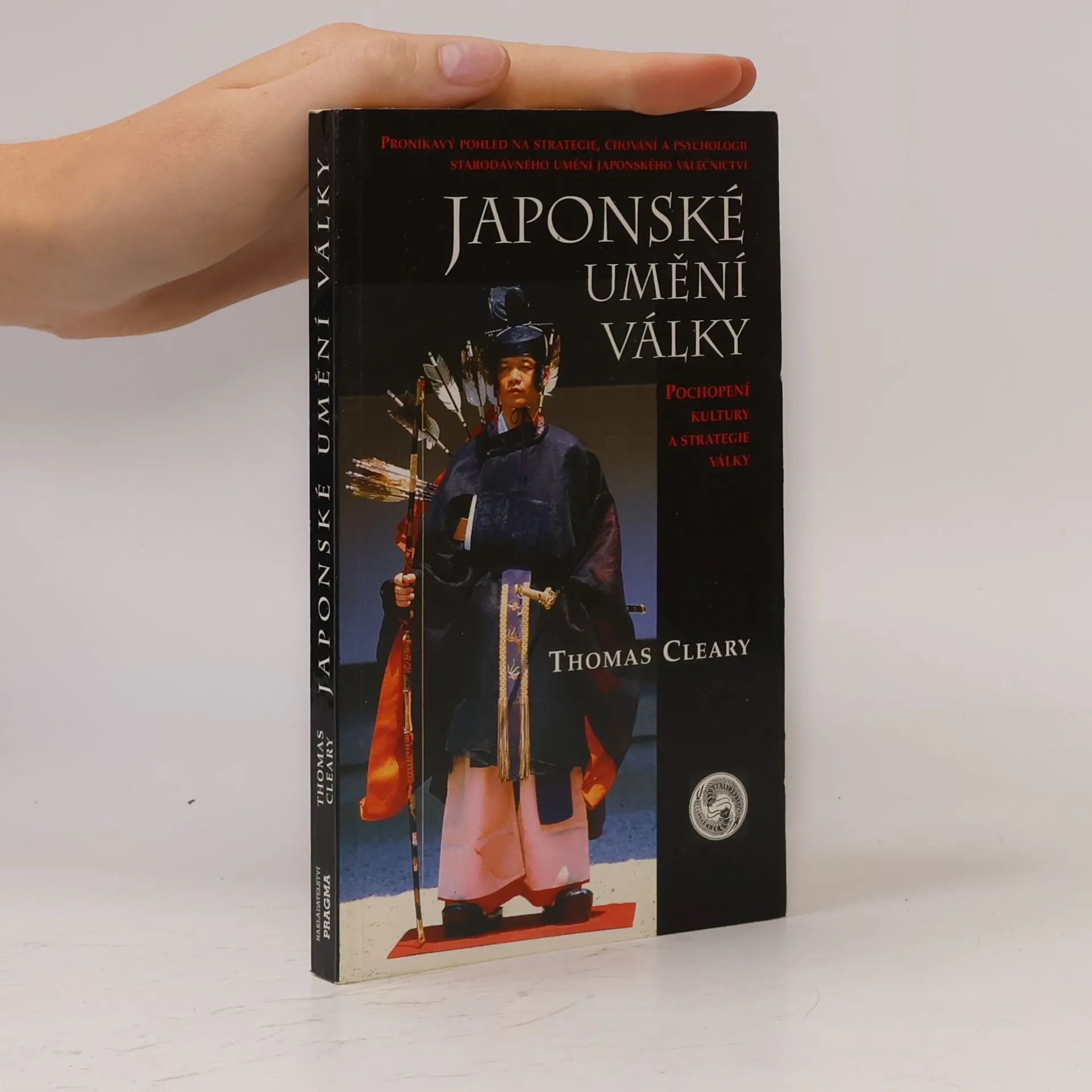
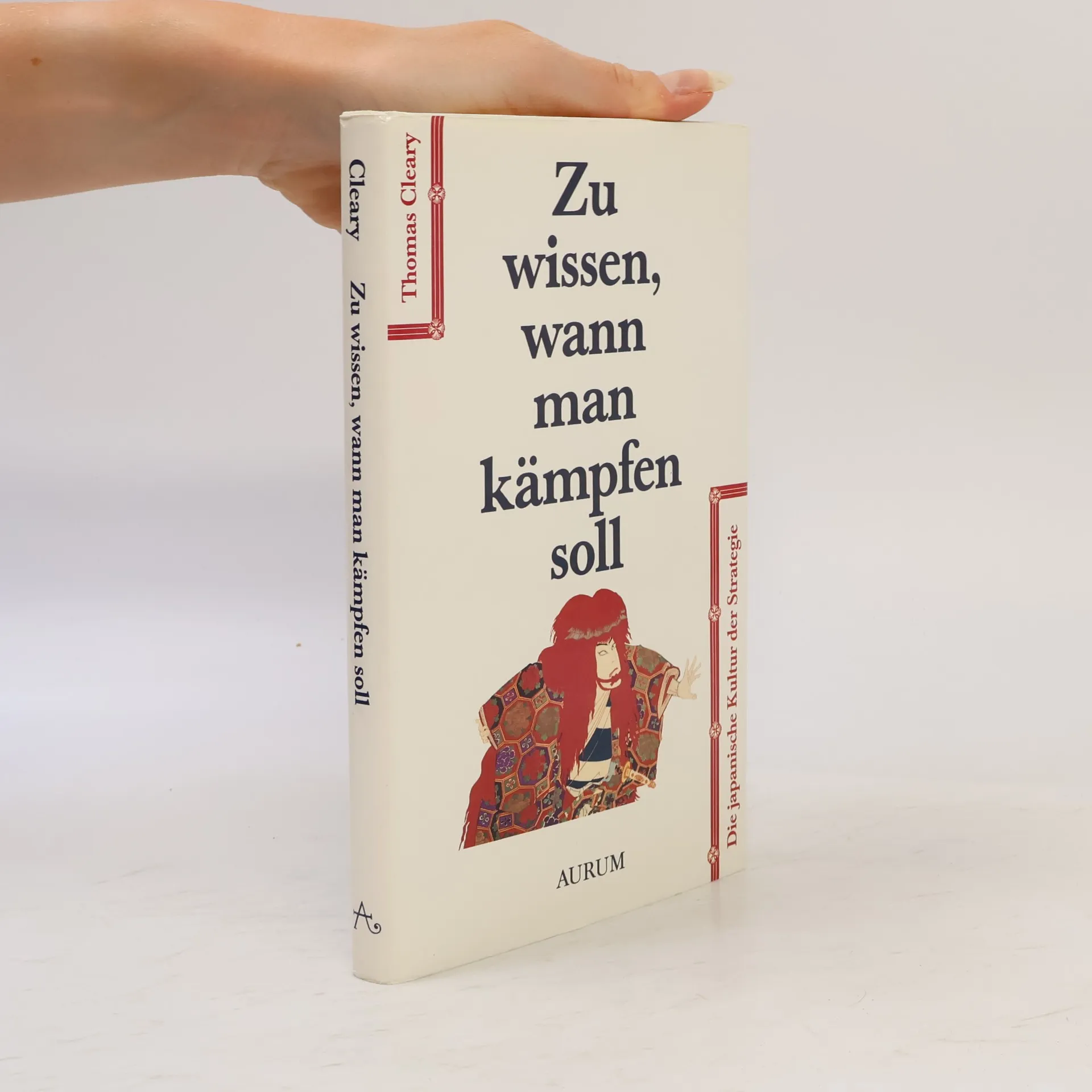
Historie japonských válek, zen v japonských dějinách, bushido a bojová umění, cesta zenového válečníka, samurajovy úskoky, šestatřicet strategií, bushido a křesťanství, zenová břitva atd.
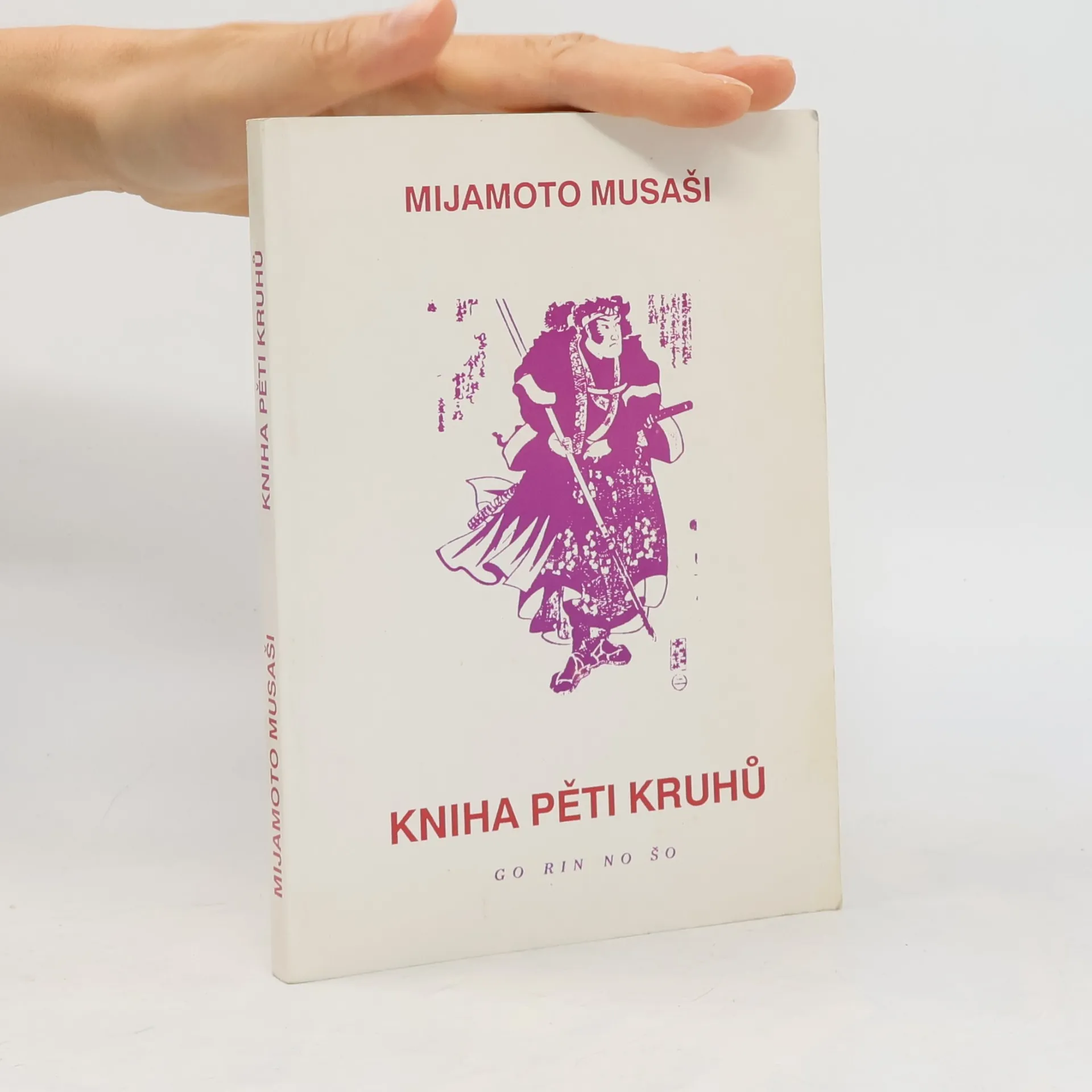
KNIHA PĚTI KRUHŮ je středověké dílo o cestě meče - kendó, jehož autorem je legendární japonský samuraj. Legendární šermíř Mijamoto Musaši (Miyamoto Musashi - kengo Šingen Musaši No Kami Fudžiwara No Genšin, 1584-1645) se narodil ve středověkém Japonsku, právě usilujícím o zotavení z více než čtyř století vnitřních konfliktů, bojů a chaosu. Tradice vlády císařů jako absolutistických božských vládců ve 12. stol. prakticky zanikla, a ačkoliv i nadále každý následující císař zůstával oficiální hlavou země, jeho moc byla podstatně zredukována. Od té doby Japonsko prožívalo téměř nepřetržitou občanskou válku mezi provinčními knížaty, militantními mnišskými řády a tlupami loupežníků, bojujícími vzájemně o půdu a moc. V 15., 16. a ještě i v 17. století knížata, zvaná daimjó ("velká jména") budovala mohutné kamenné hrady k ochraně své i svých panství, a za jejich hradbami začala postupně vznikat nová města. Tyto války samozřejmě omezily rozvoj obchodu a ochuzovaly celou zemi.
Doplněno o Dokukódó s komentářem zenového mistra Sandó Kaisena (14 stran).
Das Mysterium der inneren Alchemie im Taoismus umfasst Meditationspraktiken zur Energetisierung und Harmonisierung mit kosmischen Rhythmen. Der spirituelle Wegweiser bietet verständliche Kommentare verschiedener Meister zu klassischen Texten.
Das -Dhammapada - Der Weisheitspfad- ist ein Lehrgedicht mit 423 Weisheitssprüchen, das die Lehre Buddhas zusammenfasst. Es behandelt Themen wie Welt, Weisheit und Erleuchtung. Der Herausgeber hat den Text in eine moderne Sprache übertragen und kommentiert, um die universellen Wahrheiten zu verdeutlichen.
Die Meister von Huainan waren acht taoistische Weisen, die während der frühen Han-Dynastie (207 v. Chr. - 220 n. Chr.) vom König von Huainan an seinen Hof eingeladen wurden, um ihr Wissen zu demonstrieren. Ihre beeindruckende Wissensdarstellung zerstörte den intellektuellen Stolz und die moralische Selbstzufriedenheit des Königs und brachte den Weisen sofort Ruhm. In einer Zeit nationaler Rekonstruktion sprachen die acht Meister ausführlich über Staatskunst, die Ursprünge der Regierung, Recht und Krieg. Ihre politischen Lehren zeichneten sich durch den taoistischen Glauben aus, dass die Lebensenergie und der Geist sowohl des Individuums als auch der Gesellschaft aus der Qualität des menschlichen Bewusstseins stammen, anstatt aus dem oberflächlichen Wert von Bräuchen, Institutionen und Gesetzen. Diese Lehren wurden aufgezeichnet und später gesammelt und als die politisch explizitesten und konstruktivsten philosophischen Texte des Taoismus verehrt. Der Text ist hier für den modernen westlichen Leser in vier Abschnitte gegliedert, die das gesamte Spektrum des taoistischen politischen Denkens von Gesellschaft und Staatskunst, Krieg, Frieden und Weisheit repräsentieren. Es gibt ein wachsendes Bewusstsein für den Wert der Anwendung der Ideen der alten chinesischen Philosophie auf die zeitgenössischen Probleme der Führung in Wirtschaft und Politik.