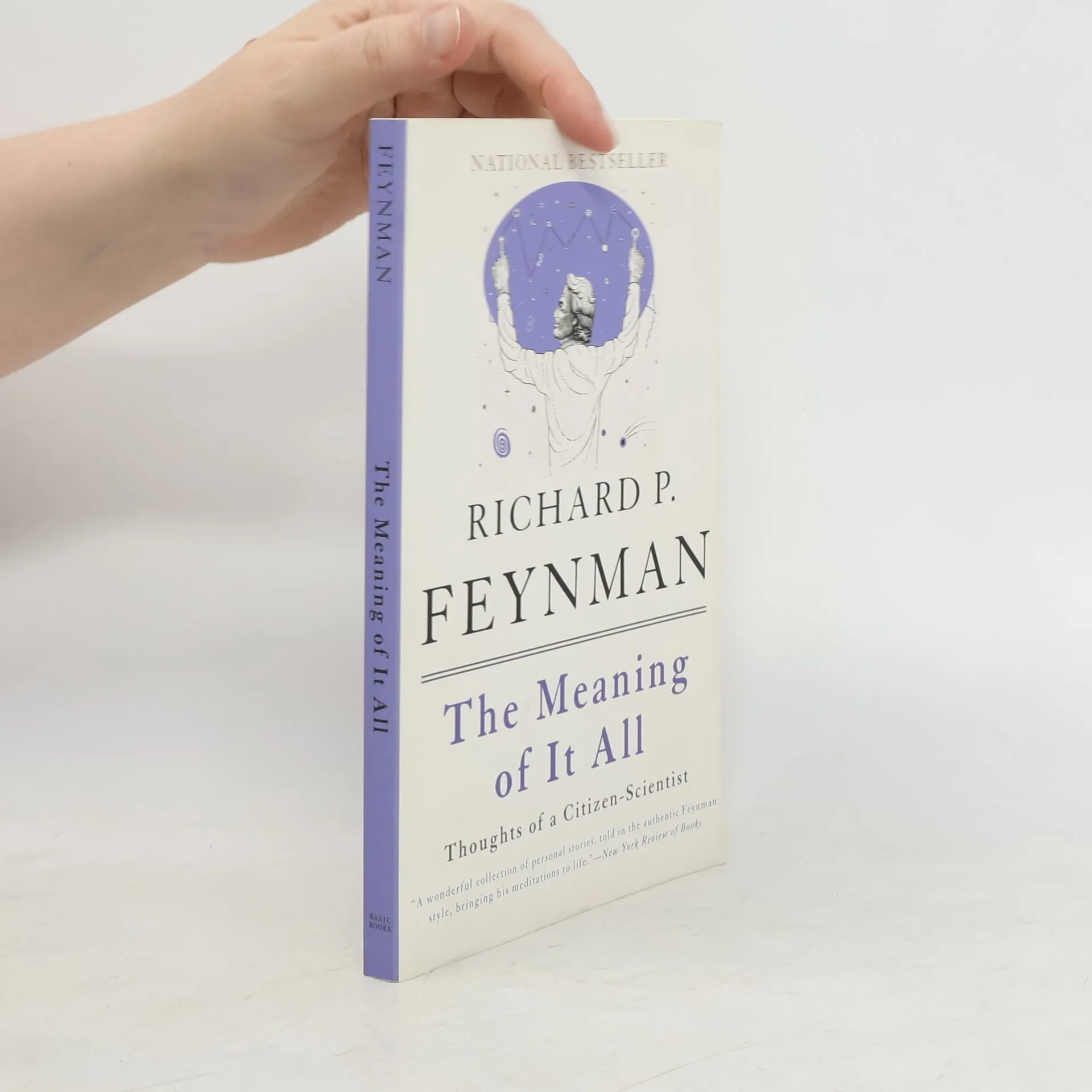

Bookbot

Richard Phillips Feynman

    11 de mayo de 1918 – 15 de febrero de 1988

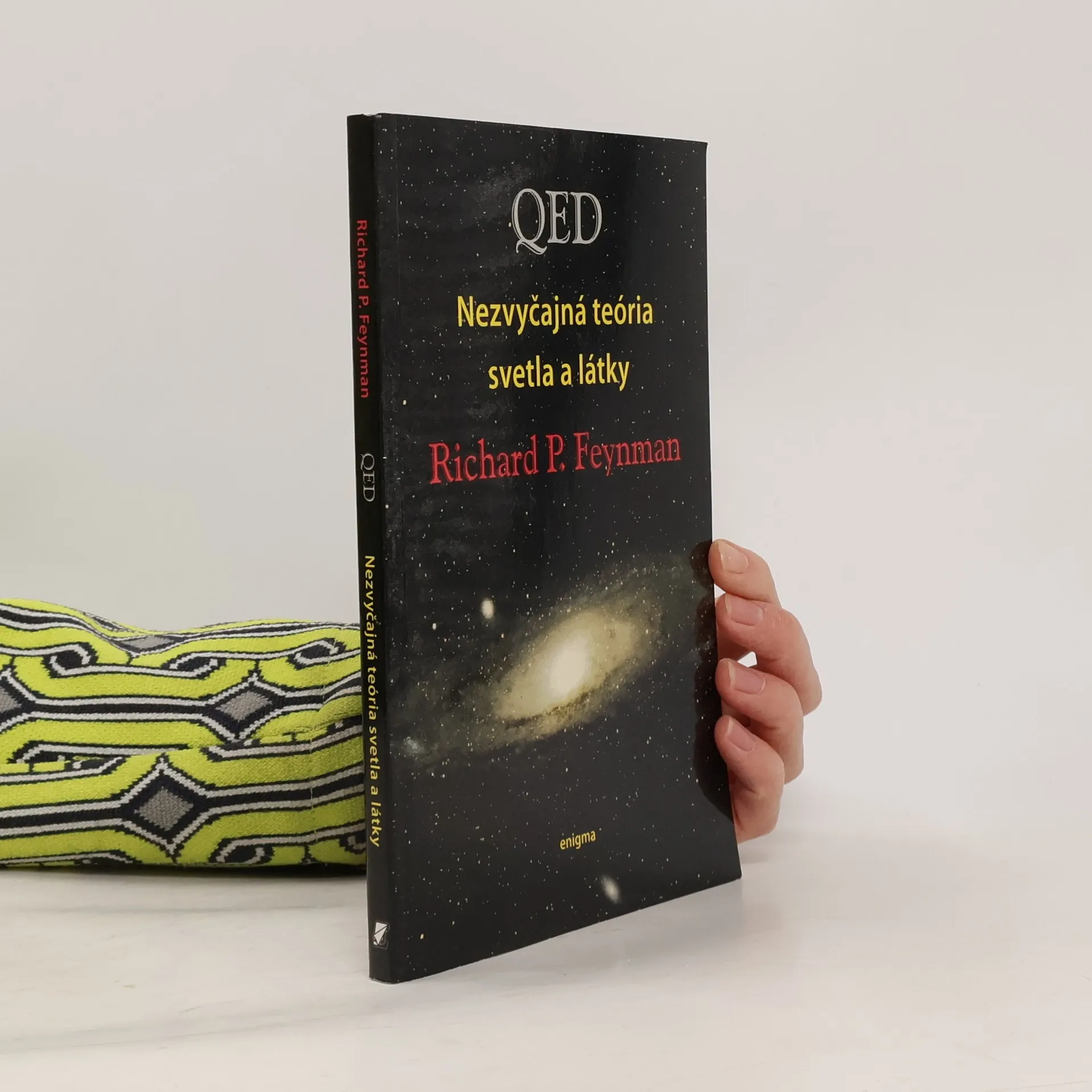
    Richard Feynman fue un físico estadounidense celebrado por sus innovadoras contribuciones a la electrodinámica cuántica, lo que le valió un Premio Nobel. Revolucionó la visualización del comportamiento de las partículas subatómicas con sus diagramas epónimos, una herramienta clave en la física teórica. El pensamiento innovador de Feynman se extendió a campos pioneros como la computación cuántica y la nanotecnología, solidificando su estatus como uno de los científicos más reconocibles del mundo.

    Richard Phillips Feynman
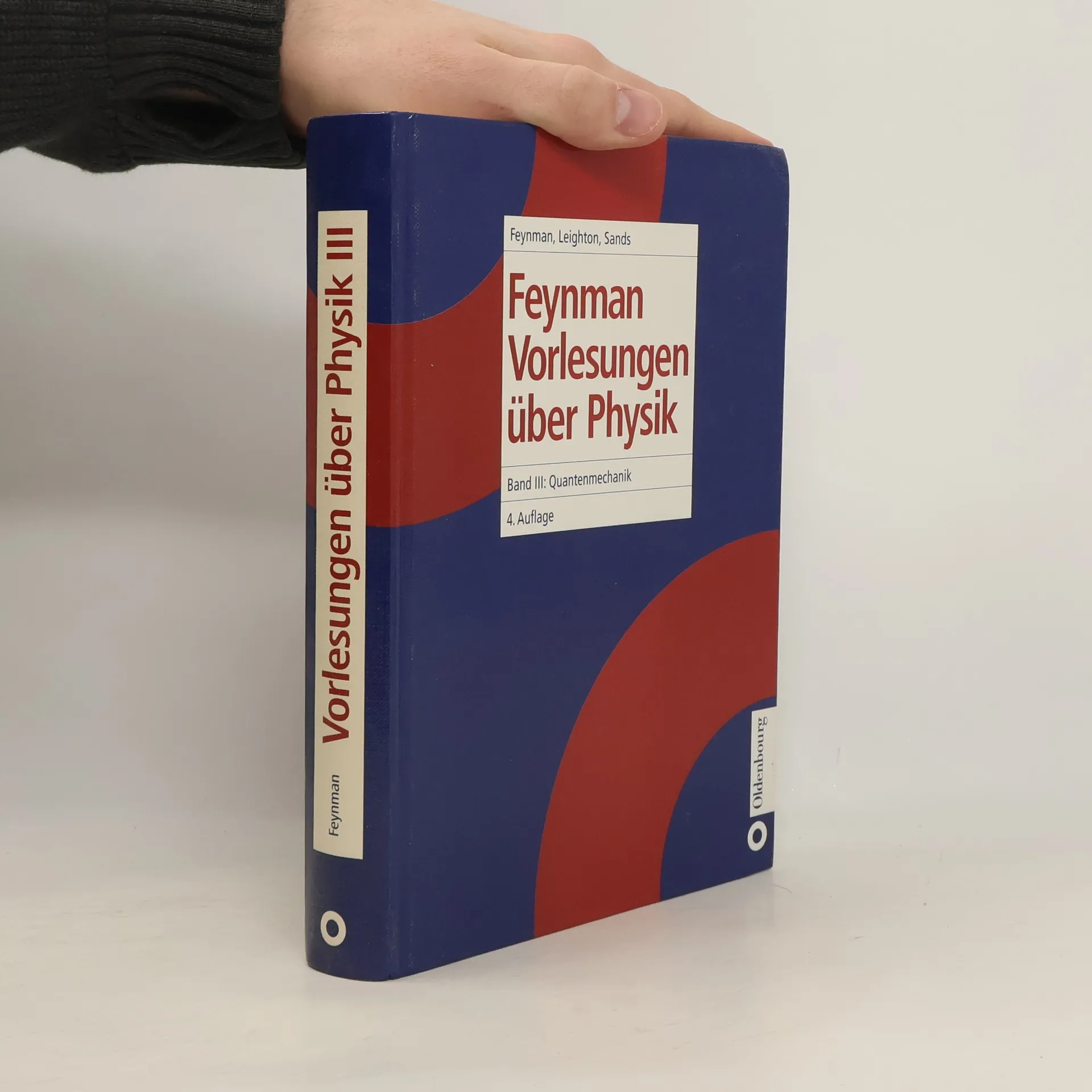
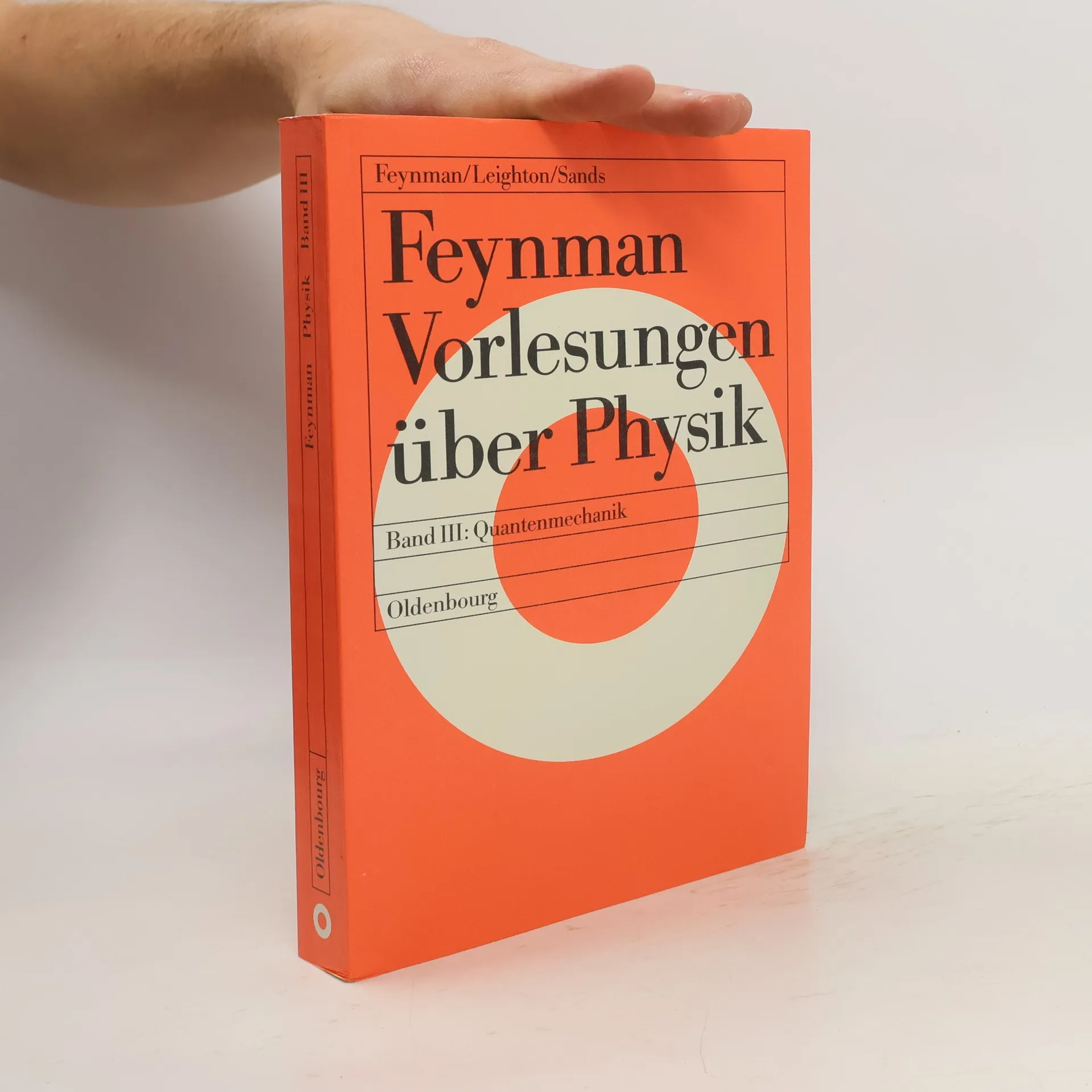
    Feynman Lectures on Physics 3: Quantum Mechanics
    Six Not-So-Easy Pieces
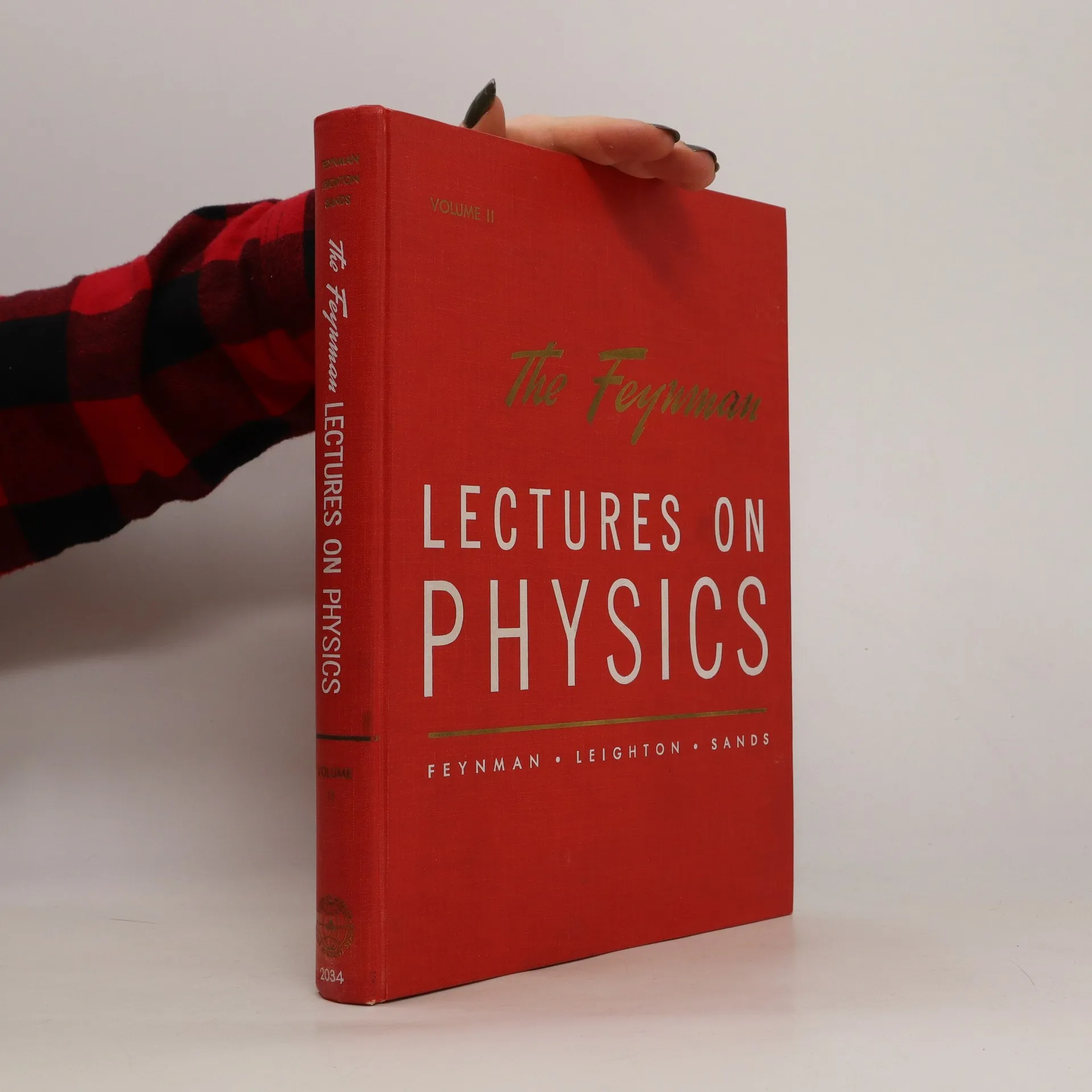
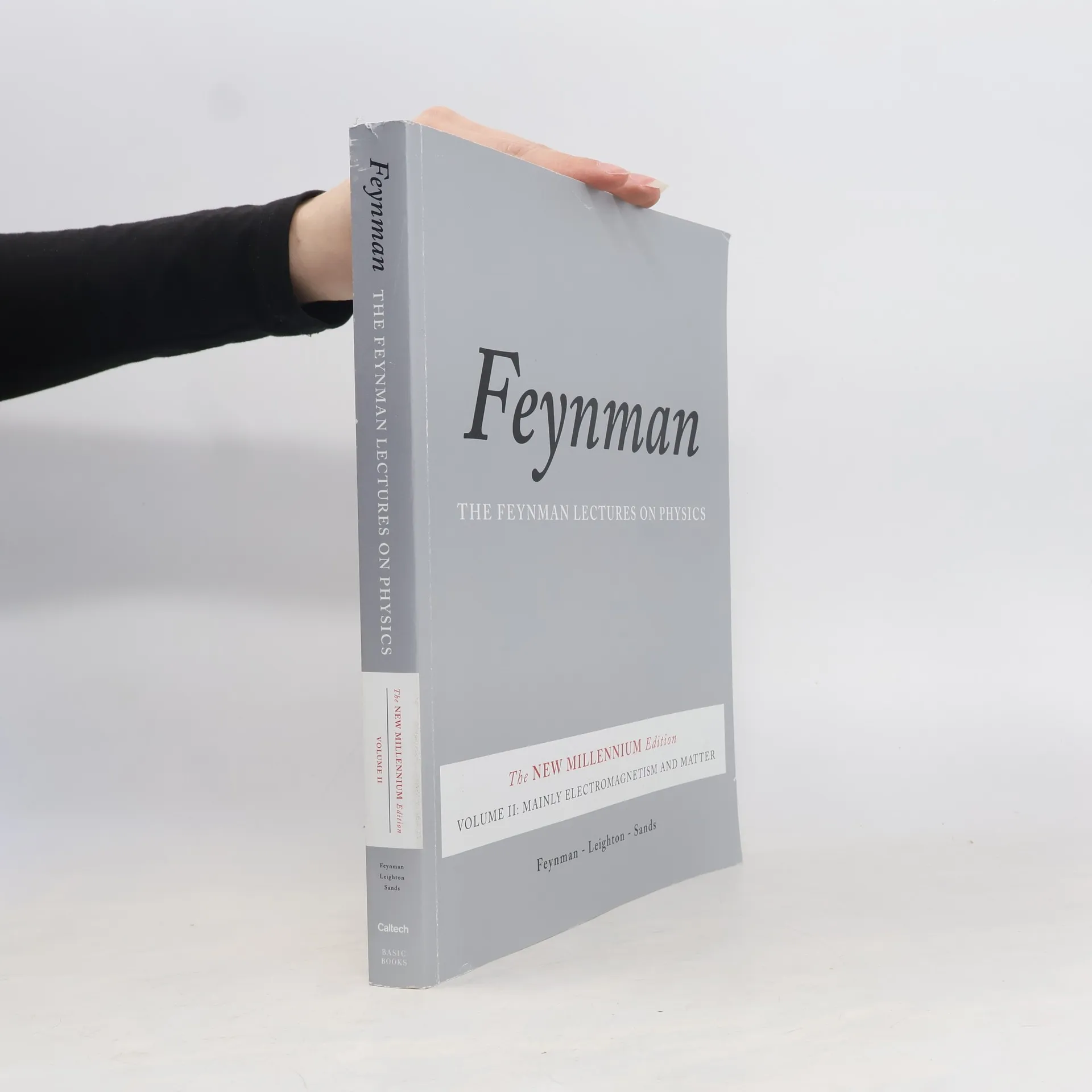
    The Feynman Lectures on Physics. Vol. 2
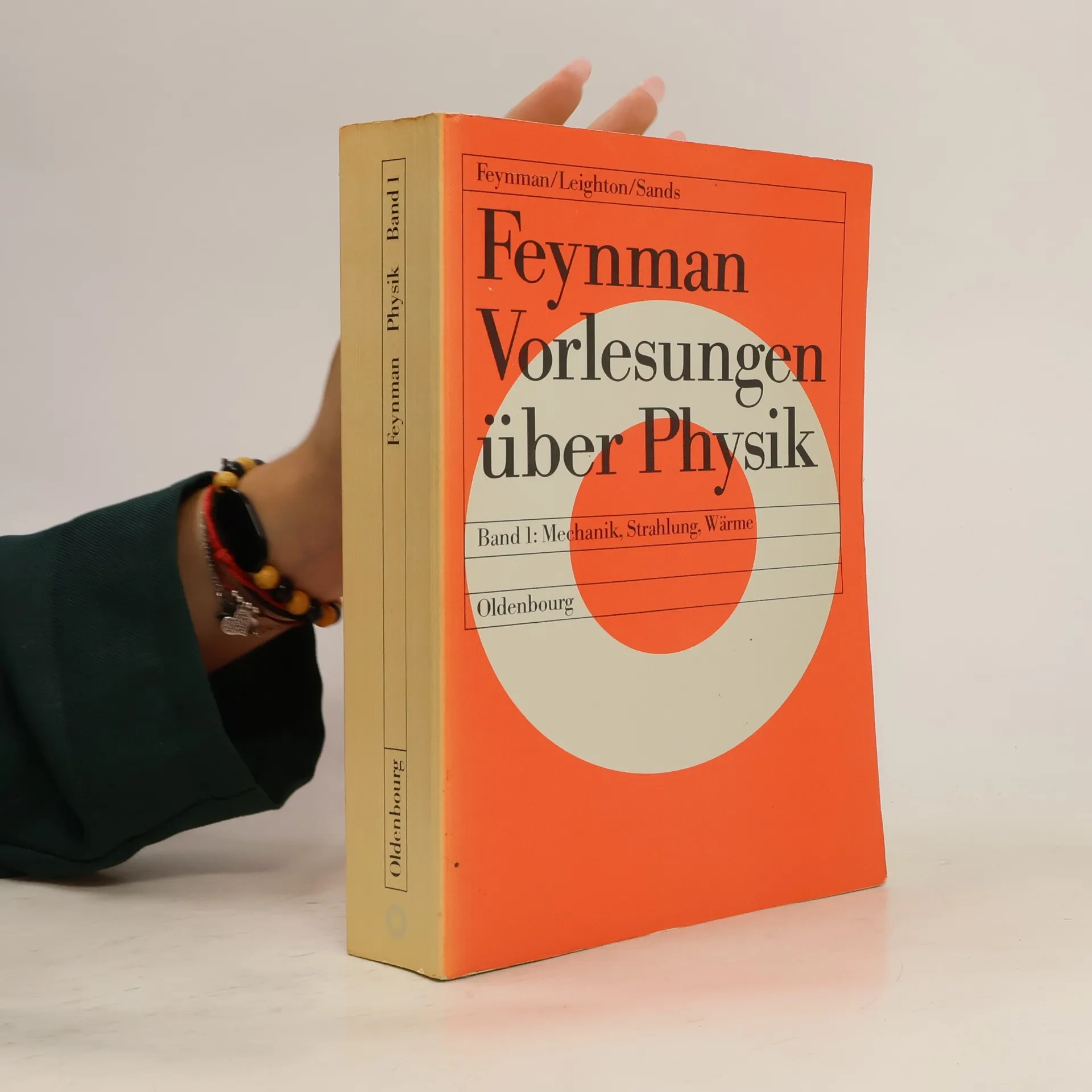
    The Feynman Lectures on Physics 1. Mainly Mechanics, Radiation and Heat
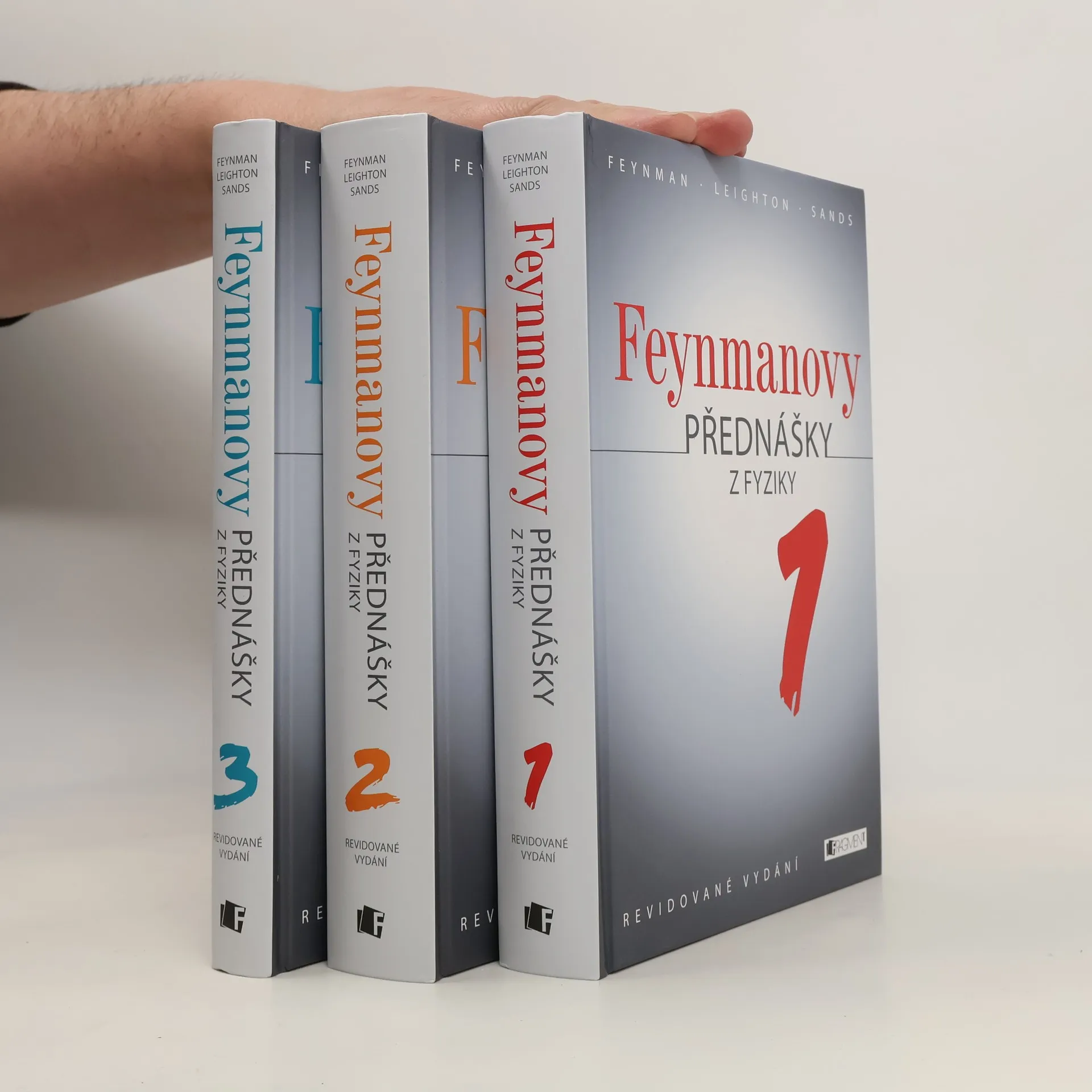
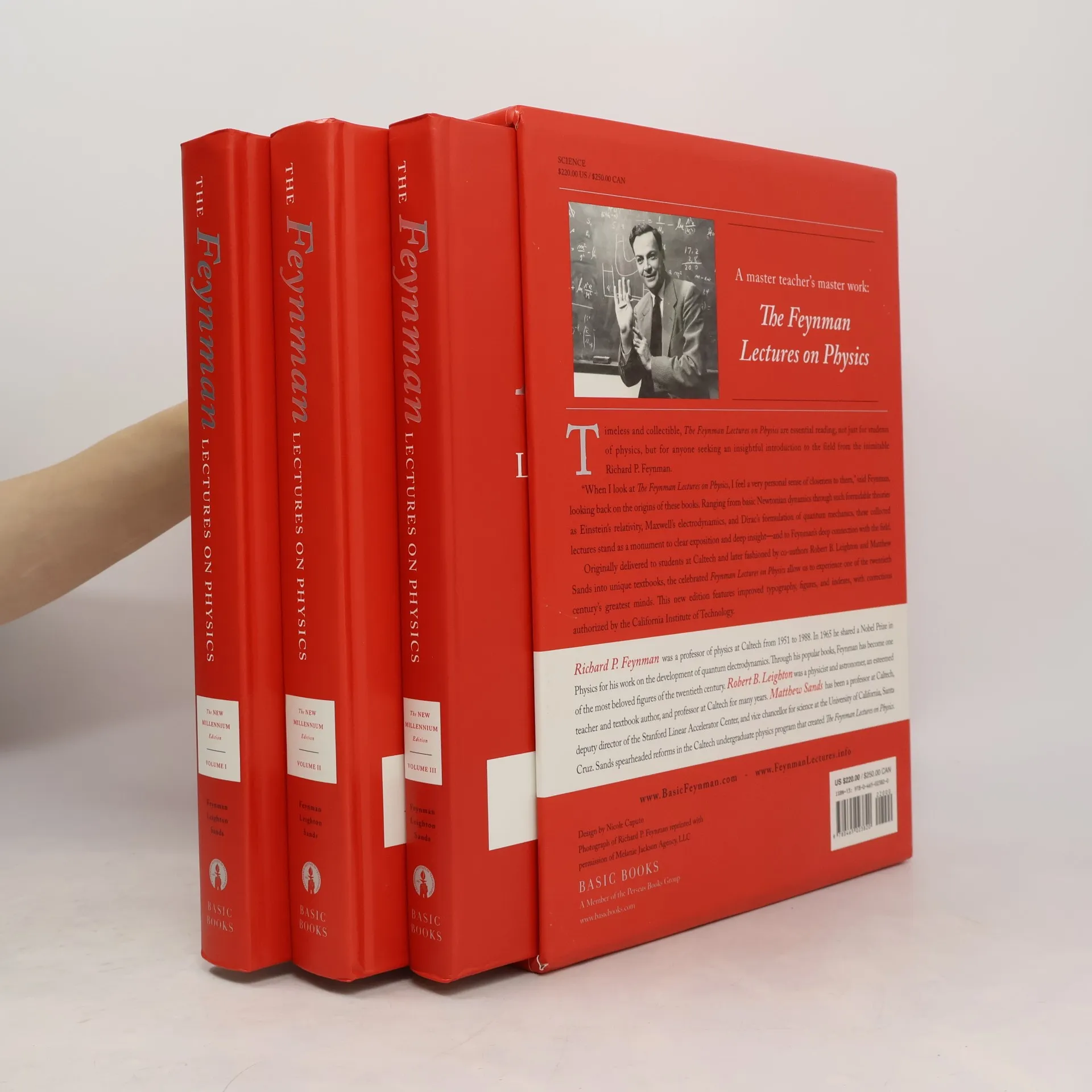
    The Feynman Lectures on Physics. The New Millennium Edition
    ¿Está usted de broma, Sr. Feynman?
    • ¿Está usted de broma, Sr. Feynman?

      • 528 páginas
      • 19 horas de lectura

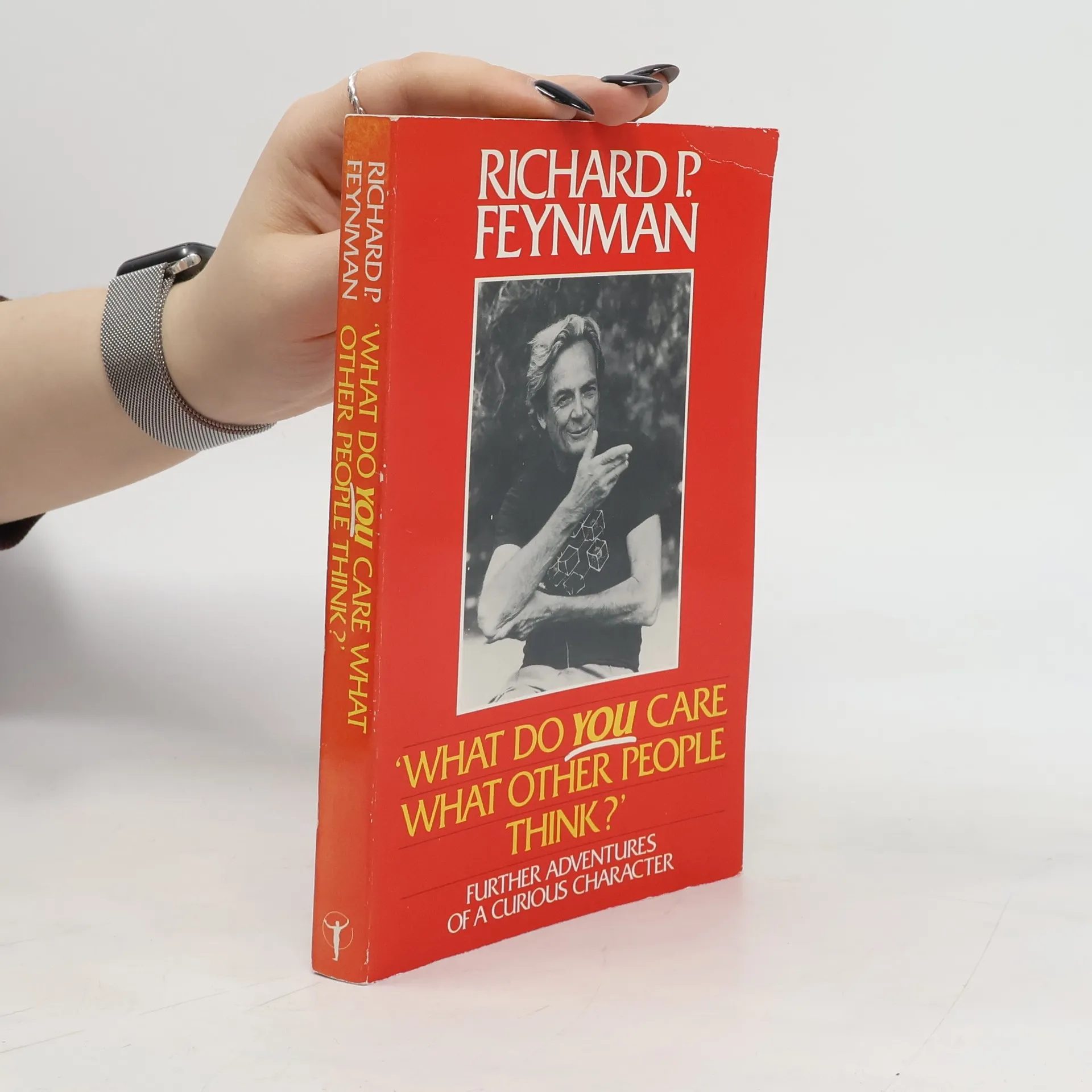
      Richard Feynman no ha sido sólo uno de los físicos teóricos más destacados del mundo sino también una personalidad insólita y genial cuyas investigaciones le valieron el Premio Nobel de Física de 1965. En su biografía y en su obra se dan cita la curiosidad irrefrenable, el escepticismo empedernido, el sentido del humor, el gusto por la travesura, la más vasta cultura y el más penetrante ingenio. Feynman es seguramente la única persona en el mundo que ha explicado física a cerebros como Einstein, Von Neumann y Pauli y que ha tocado los bongos en una compañía de ballet, que ha sido declarado deficiente mental por el ejército de Estados Unidos y que ha obtenido un Premio Nobel. “¿Está usted de broma, Sr. Feynman?” recoge las conversaciones mantenidas a lo largo de una serie de años con Ralph Leighton, quien se encargó de grabarlas y transcribirlas.
      ¿Está usted de broma, Sr. Feynman?
      4,3
    • The complete series of Feynman's landmark Lectures on Physics is highly anticipated by scientists and academics globally, offering profound insights into the principles of physics through Feynman's engaging teaching style.

      The Feynman Lectures on Physics. The New Millennium Edition
      4,8
    • This three-volume work was originally designed for a two-year introductory physics course given at the California Institute of Technology--a course designed to take advantage of students' increasing mathematical prowess and to provide a more comprehensive view of modern-day physics. The volumes are an edited version of Richard Feynman's lectures, taped and transcribed specifically for the books. It was a rigorous undertaking that resulted in a classic reference work for all physics students, teachers, and researchers. Feynman's effective classroom style remains intact in these volumes, a valuable work by a remarkable educator. The three-volume commemorative issue is hardbound and packaged in a specially-designed slipcase. The lectures are also available in a student paperbound edition.
      The Feynman Lectures on Physics 1. Mainly Mechanics, Radiation and Heat
      4,6
    • "The whole thing was basically an experiment," Richard Feynman said late in his career, looking back on the origins of his lectures. The experiment turned out to be hugely successful, spawning publications that have remained definitive and introductory to physics for decades. Ranging from the basic principles of Newtonian physics through such formidable theories as general relativity and quantum mechanics, Feynman's lectures stand as a monument of clear exposition and deep insight. Timeless and collectible, the lectures are essential reading, not just for students of physics but for anyone seeking an introduction to the field from the inimitable Feynman.

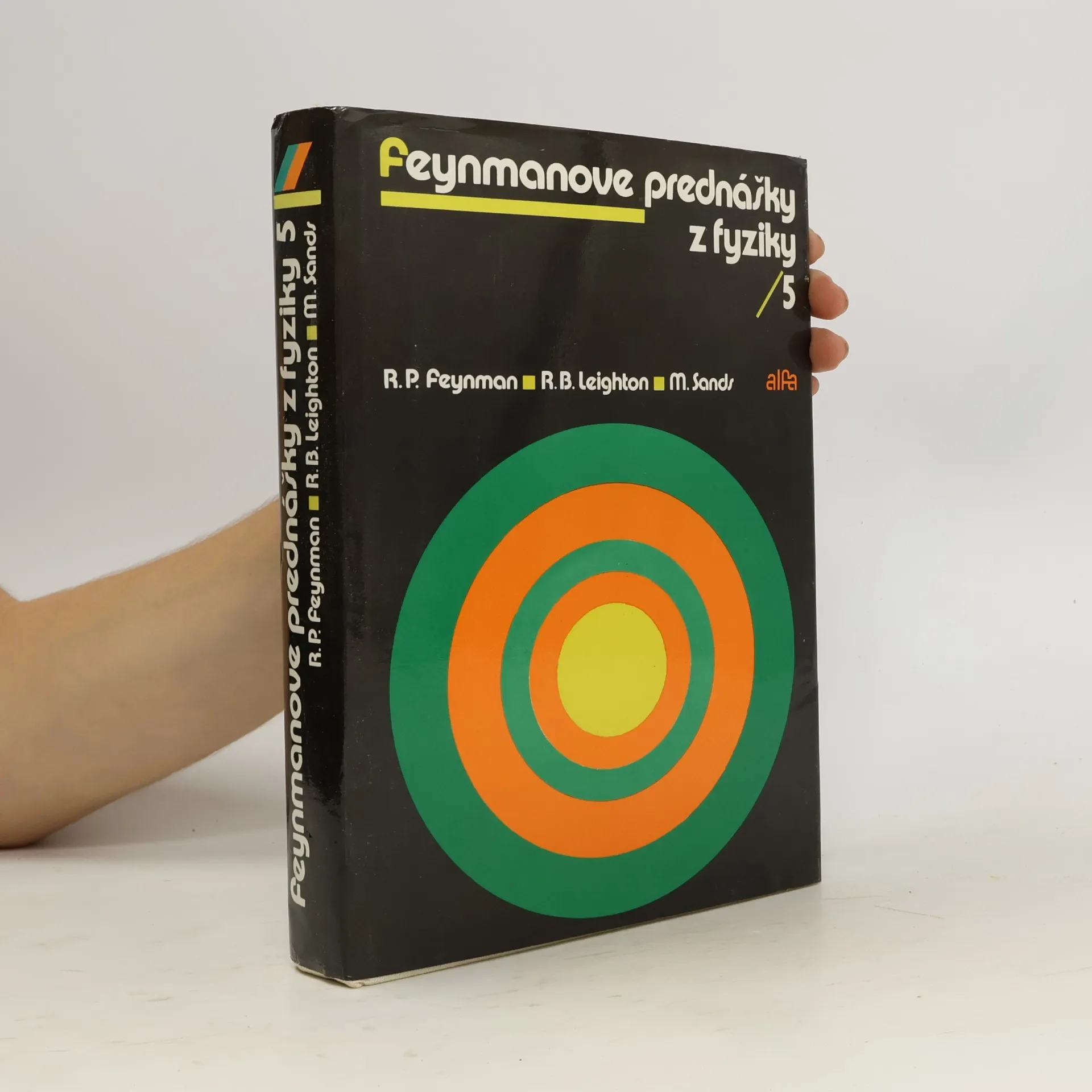
      The Feynman Lectures on Physics. Vol. 2
      4,6
    • Six Not-So-Easy Pieces

      • 154 páginas
      • 6 horas de lectura

      It was Feynman's outrageous and scintillating method of teaching that earned him legendary status among students and professors of physics. From 1961 to 1963, Feynman delivered a series of lectures at the California Institute of Technology that revolutionized the teaching of physics. In Six Not-So-Easy Pieces, taken from these famous lectures, Feynman delves into one of the most revolutionary discoveries in twentieth-century physics: Einstein's theory of relativity. The idea that the flow of time is not constant, that the mass of an object depends on its velocity, and that the speed of light is a constant no matter what the motion of the observer, at first seemed shocking to scientists and laymen alike. But as Feynman shows, these tricky ideas are not merely dry principles of physics, but things of beauty and elegance. No one—not even Einstein himself—explained these difficult, anti-intuitive concepts more clearly, or with more verve and gusto, than Richard Feynman. Filled with wonderful examples and clever illustrations, Six Not-So-Easy Pieces is the ideal introduction to fundamentals of physics by one of the most admired and accessible physicists of all times. “There is no better explanation for the scientifically literate layman.”—The Washington Post Book World

      Six Not-So-Easy Pieces
      4,5
    • This book features a collection of lectures by the renowned physicist Richard P. Feynman, offering insights into quantum mechanics. It's ideal for physics students and anyone interested in a compelling introduction to this essential area of science.

      Feynman Lectures on Physics 3: Quantum Mechanics
      4,4
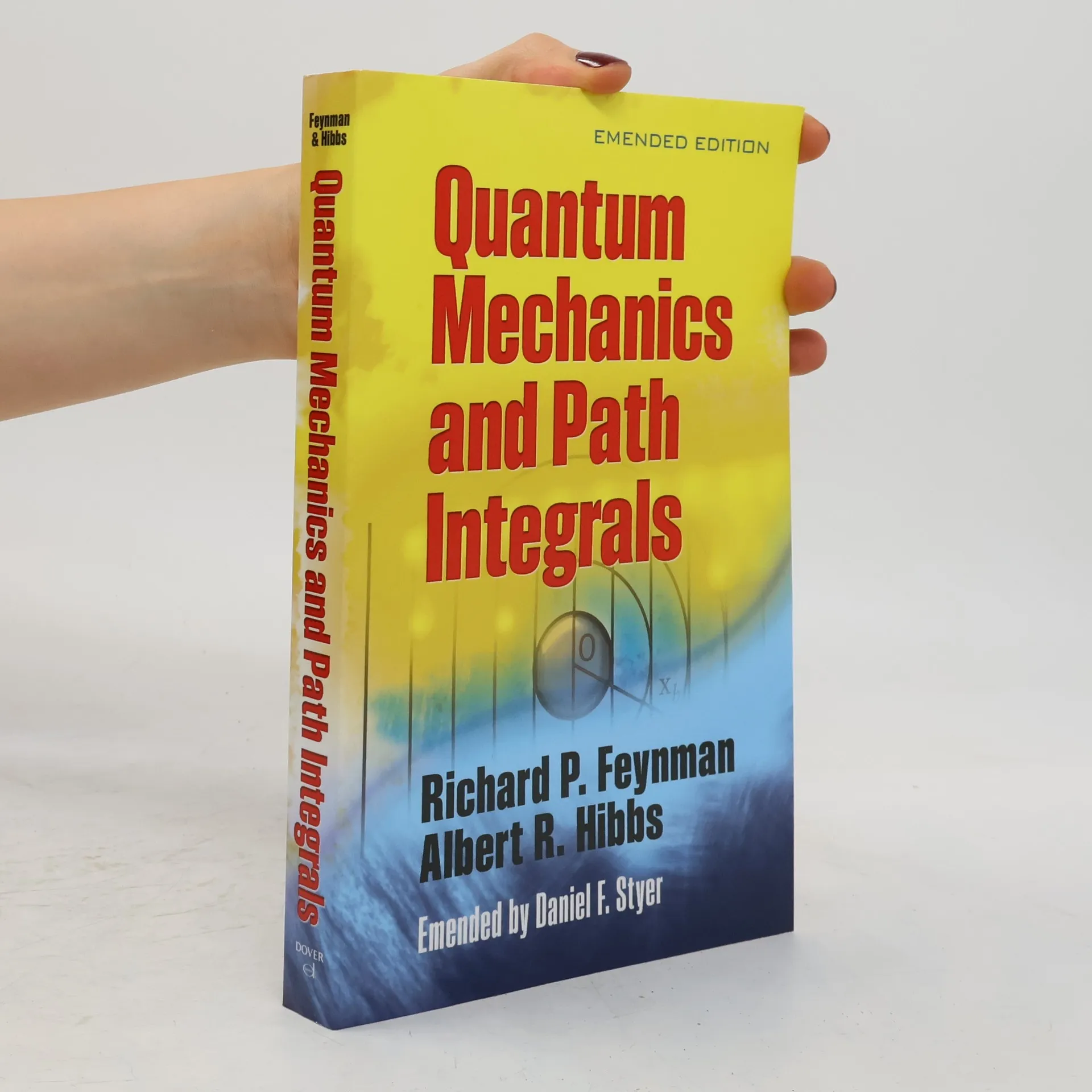
    • Quantum Mechanics and Path Integrals

      • 384 páginas
      • 14 horas de lectura

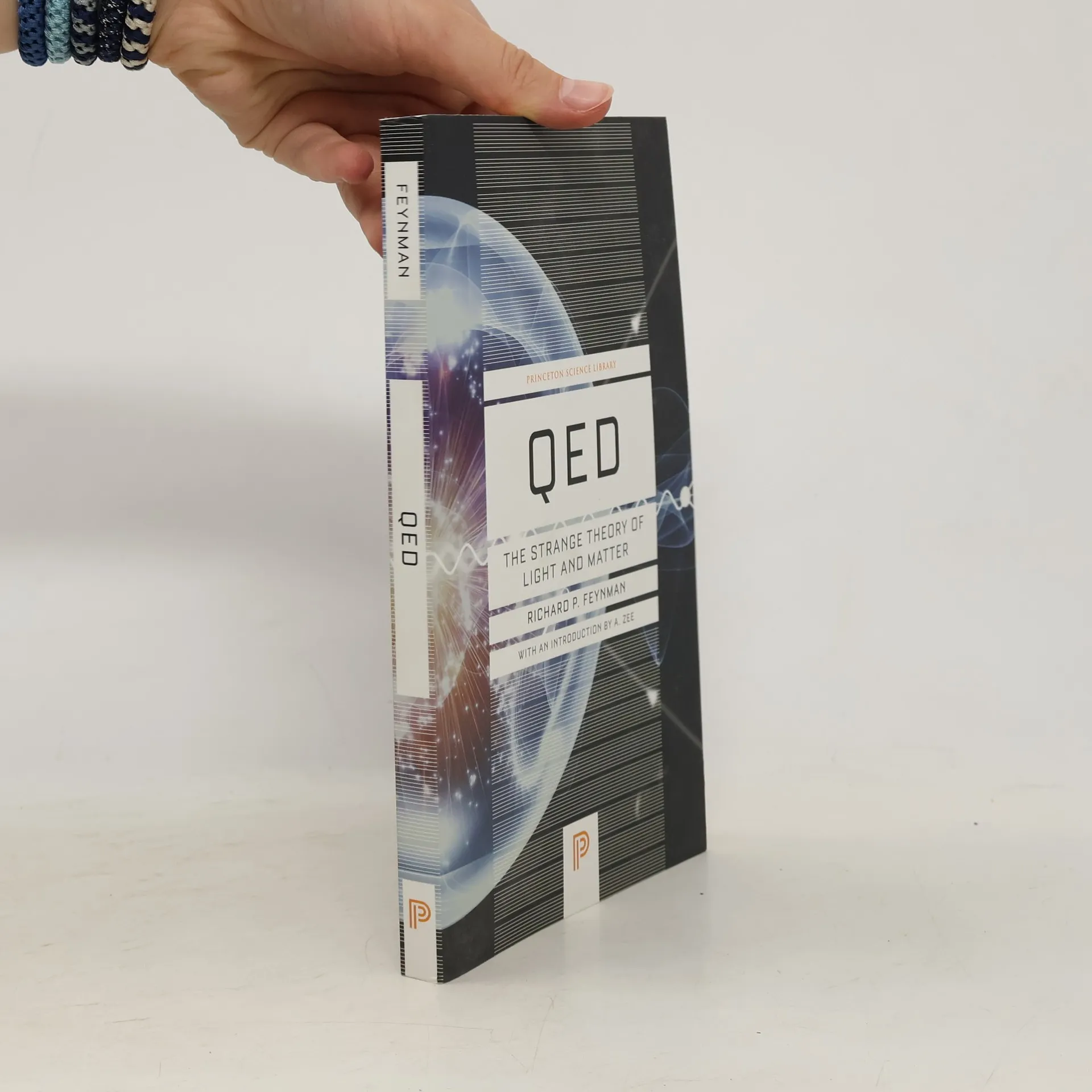
      Looks at quantum mechanics, covering such topics as perturbation method, statistical mechanics, path integrals, and quantum electrodynamics.

      Quantum Mechanics and Path Integrals
      4,5
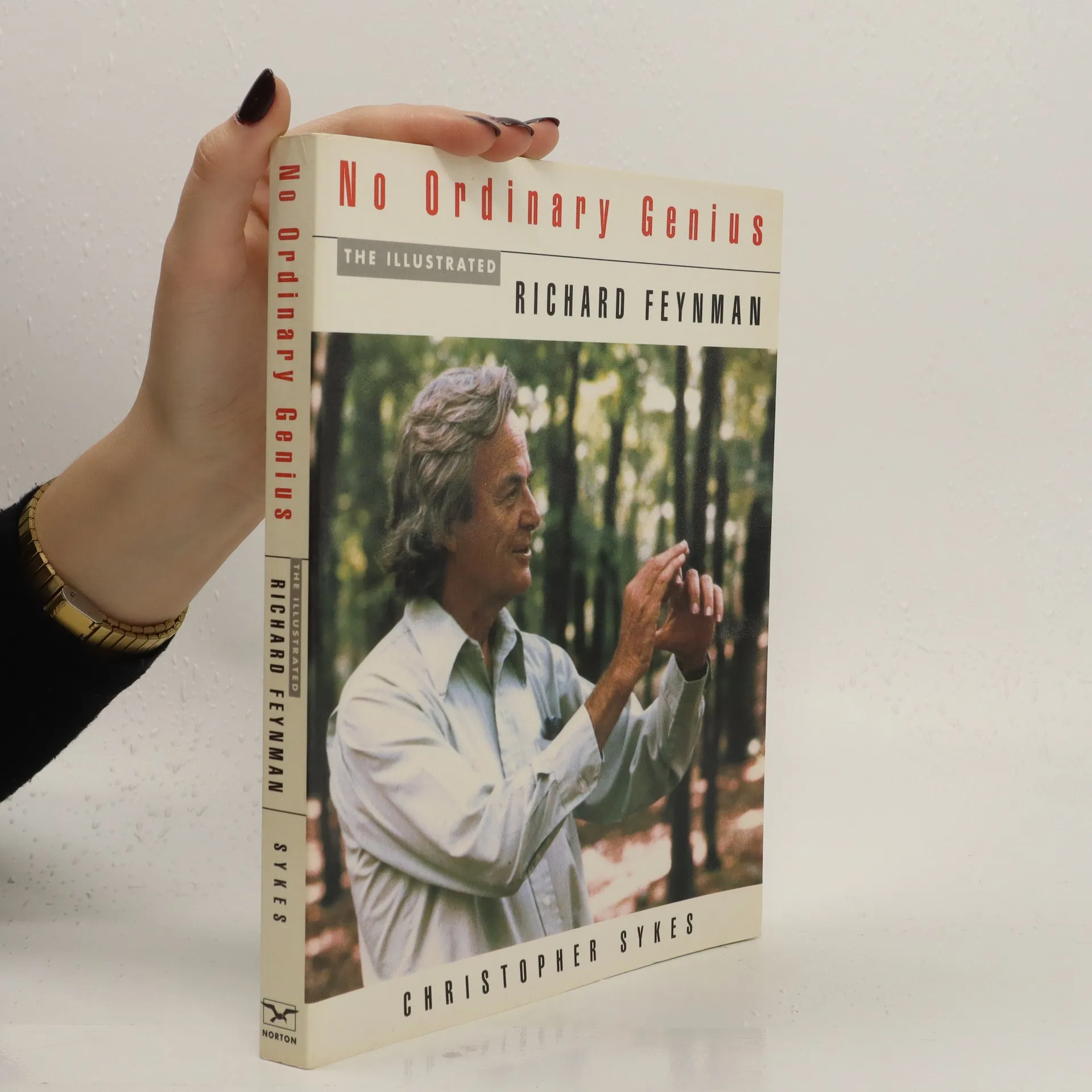
    • No ordinary genius

      • 272 páginas
      • 10 horas de lectura

      A portrait of the late Nobel Prize-winning physicist recounts his early enthusiasm for science, work on the atom bomb, and inquiry into the Challenger explosion.

      No ordinary genius
      4,3
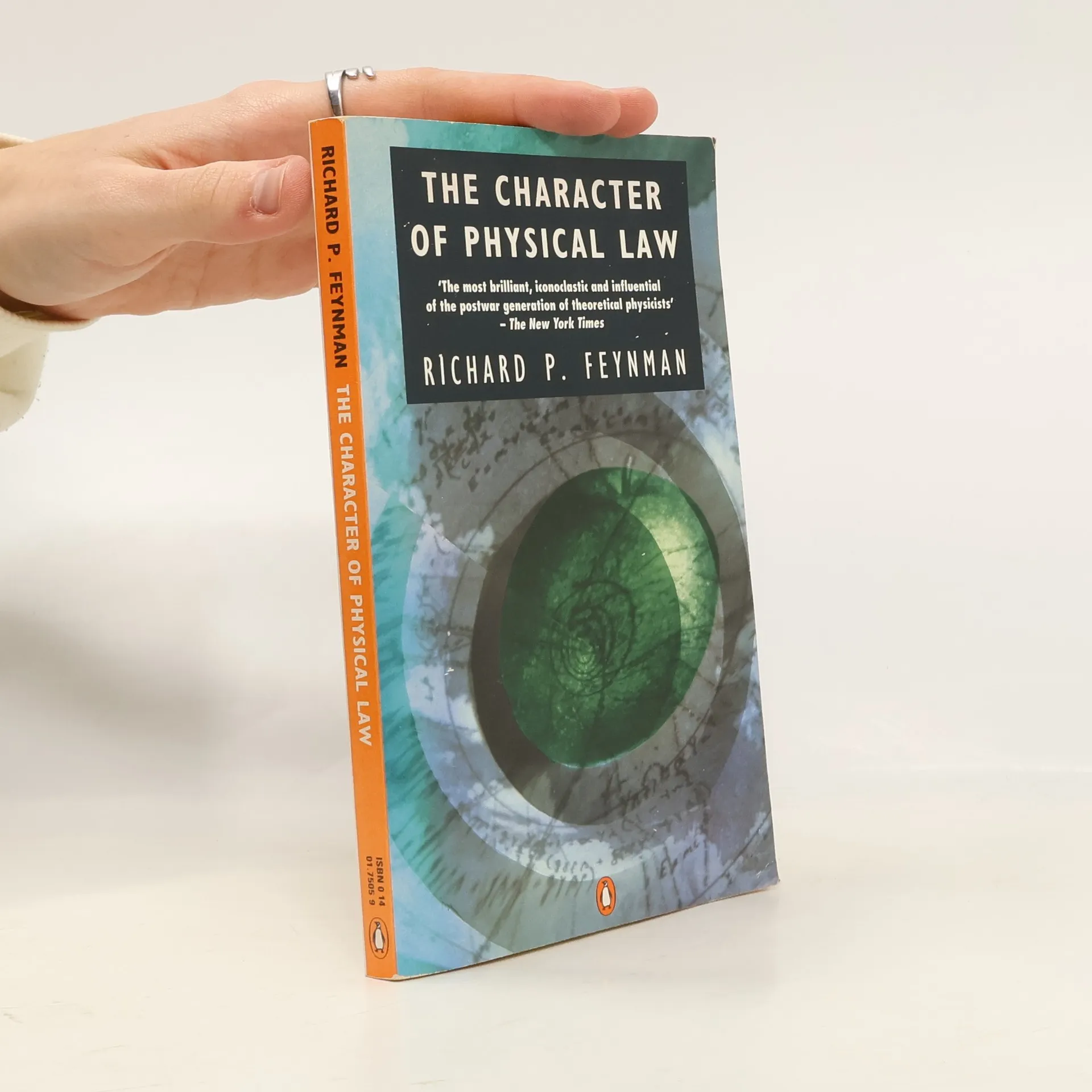
    • Based on the Messenger Lectures, given by the Nobel Prize-winner Feynman at Cornell and filmed by the BBC, this book explores the nature of the laws of physics (in particular, those of Newton, Maxwell and Einstein) and their relationship to mathematical formulation. Why does nature seem subject to simple mathematical laws, to what extent are there laws inherent in nature itself, and to what extent are they human creations, effective in predicting results but no more real than a work of art? - these are a few of the theoretical questions addressed in a rich and accessible book that sums up the essential scientific quest.

      The Character of Physical Law
      4,3
    • Don't you have time to think?

      • 512 páginas
      • 18 horas de lectura

      Throughout his extraordinary career Richard Feynman wrote regularly to friends and family, to his fans around the world, and to colleagues eager for advice. This collection of his letters has been lovingly woven into a life story by his daughter Michelle Feynman. They provide a unique portrait of a man whose passion and commitment inspired all who were lucky enough to come within his orbit. Feynman's letters are direct and uncompromising; patient, thoughtful, always humorous, he challenges his readers to be true to themselves and not to accept conventional wisdom. He is also, in this, his personal correspondence, exceptionally entertaining.

      Don't you have time to think?
      4,3