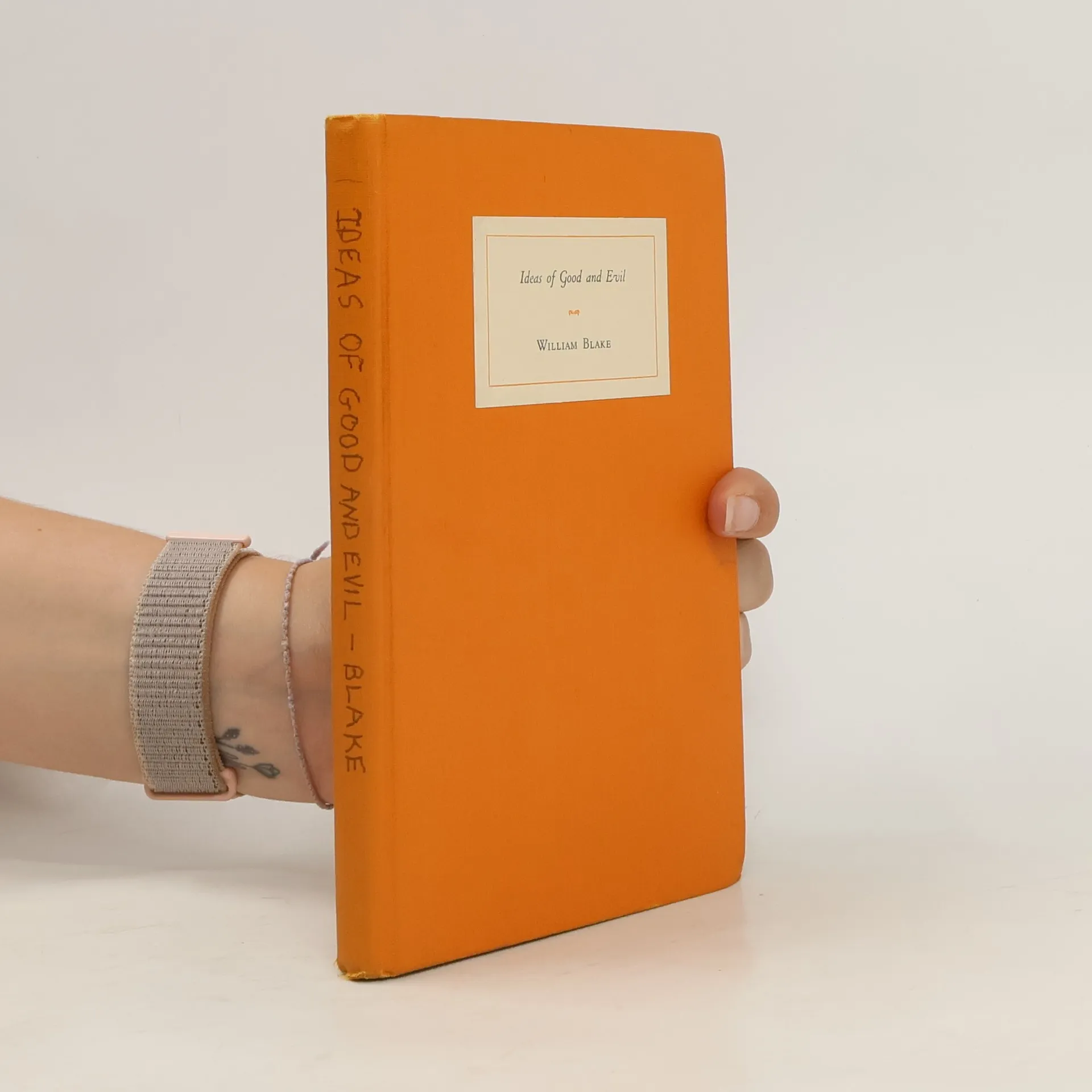
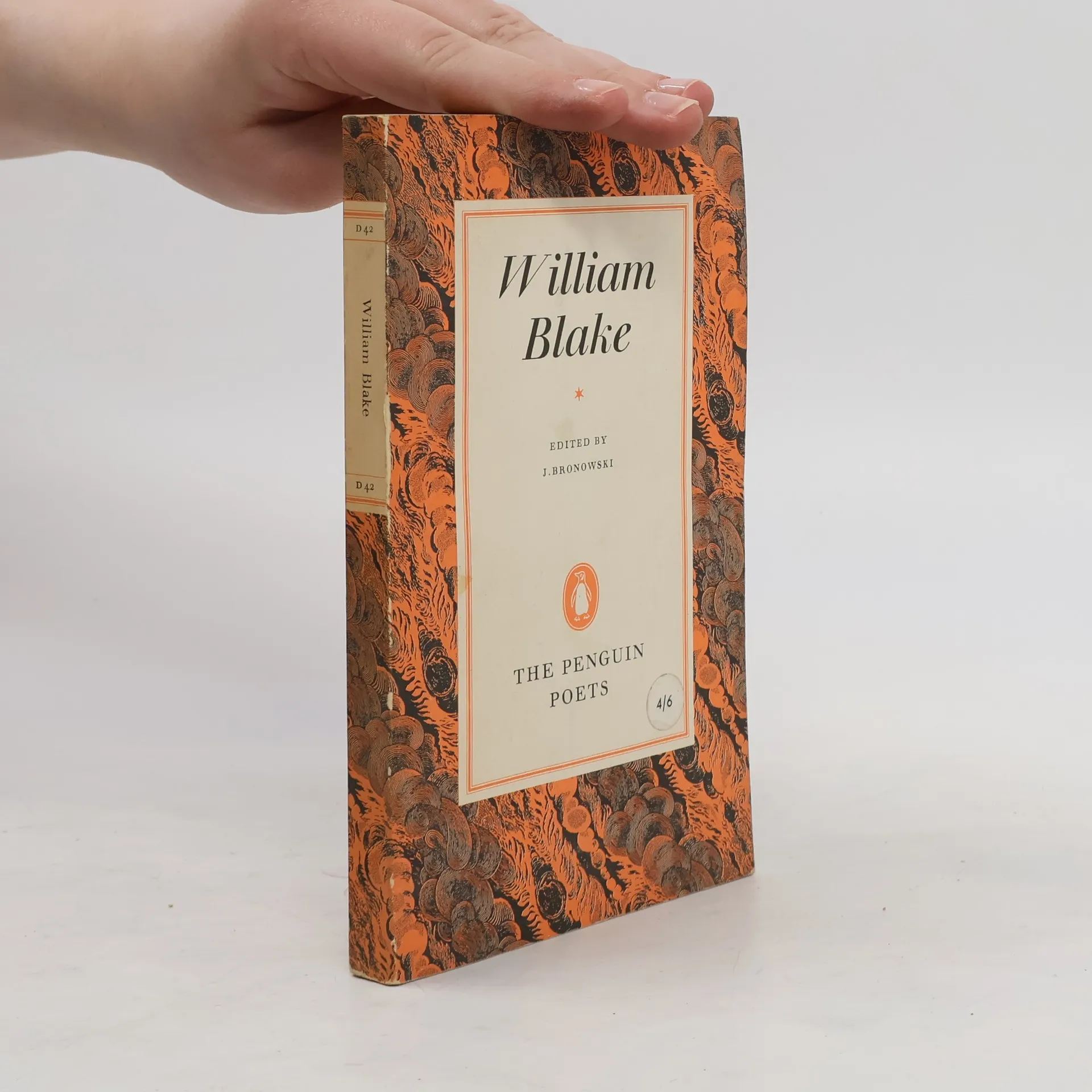
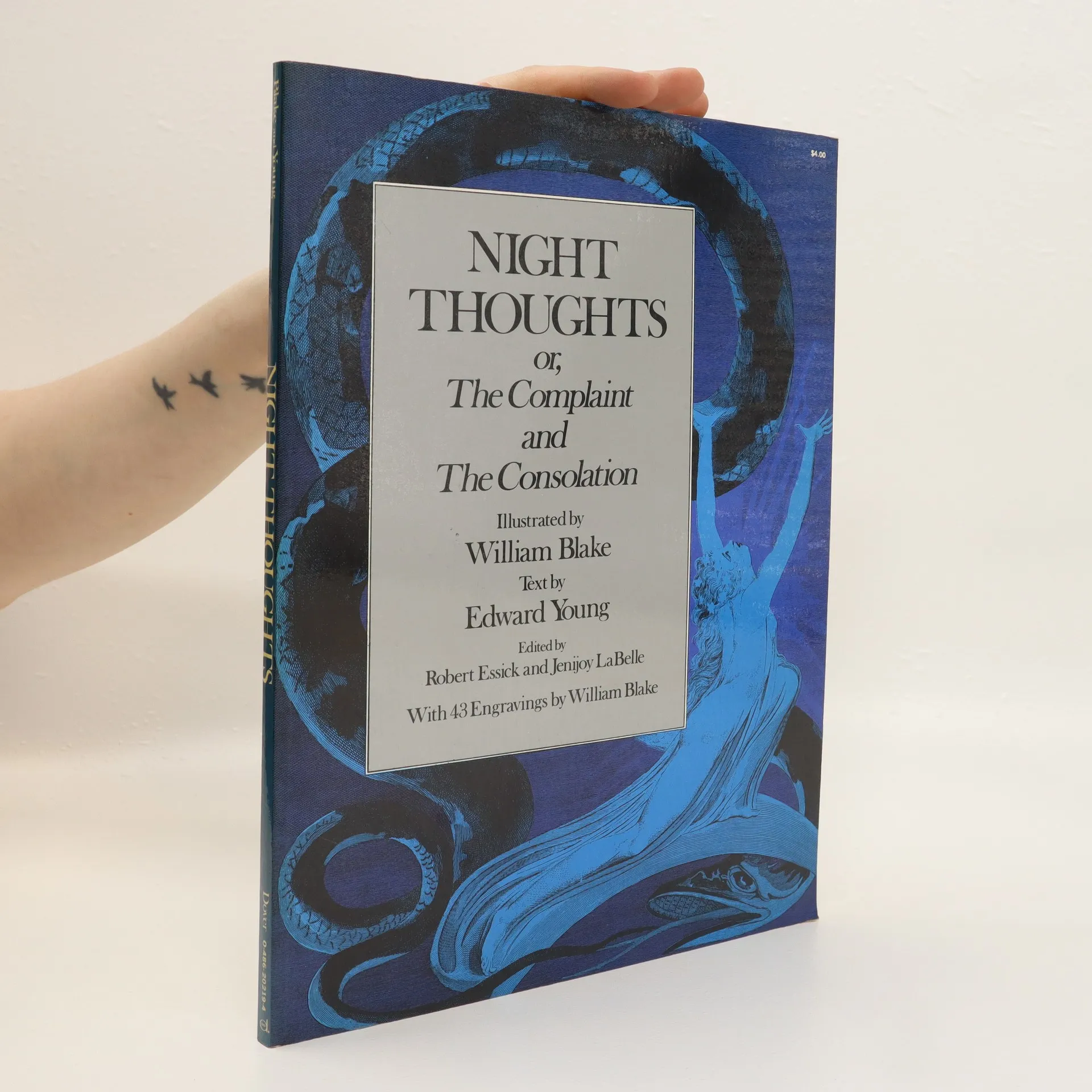
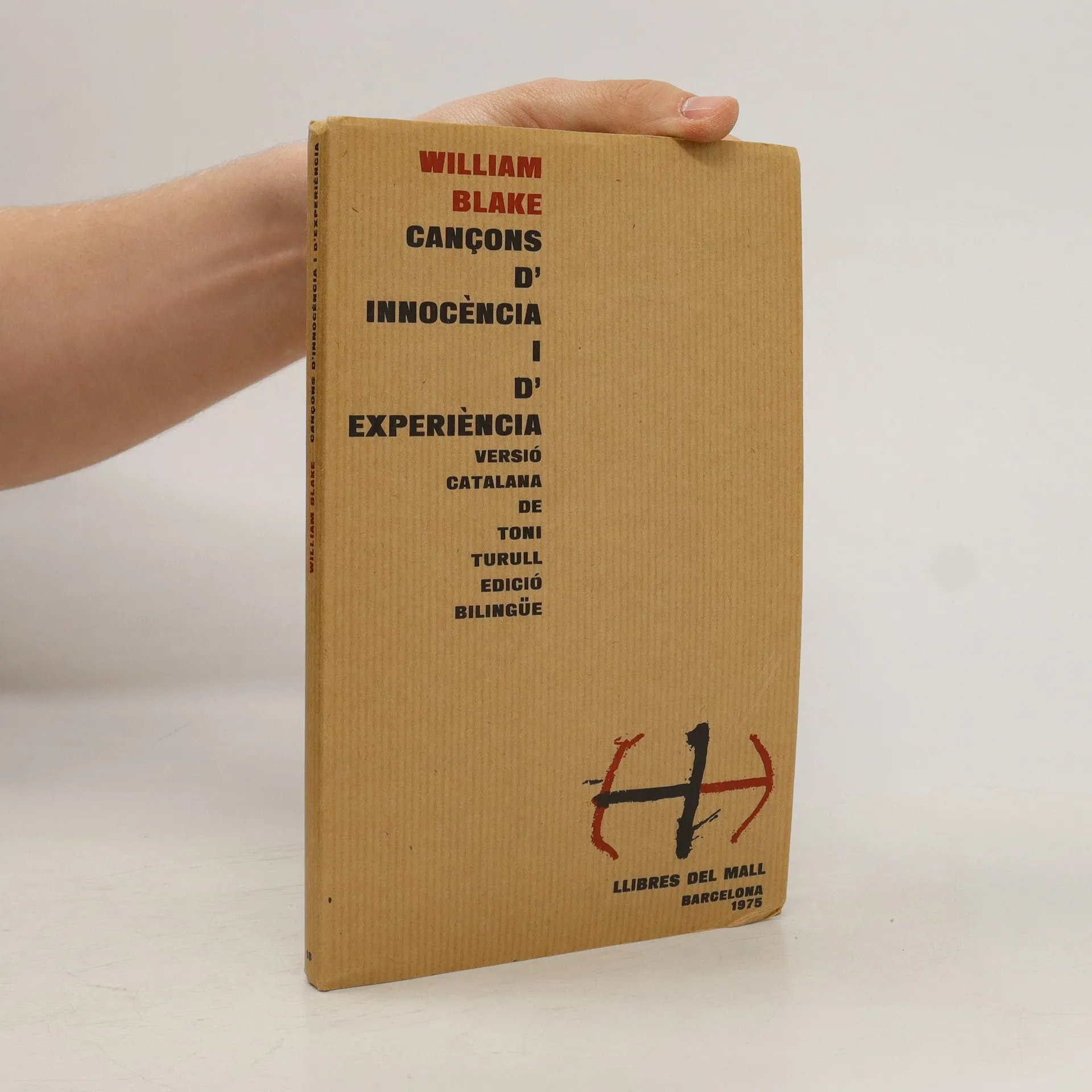
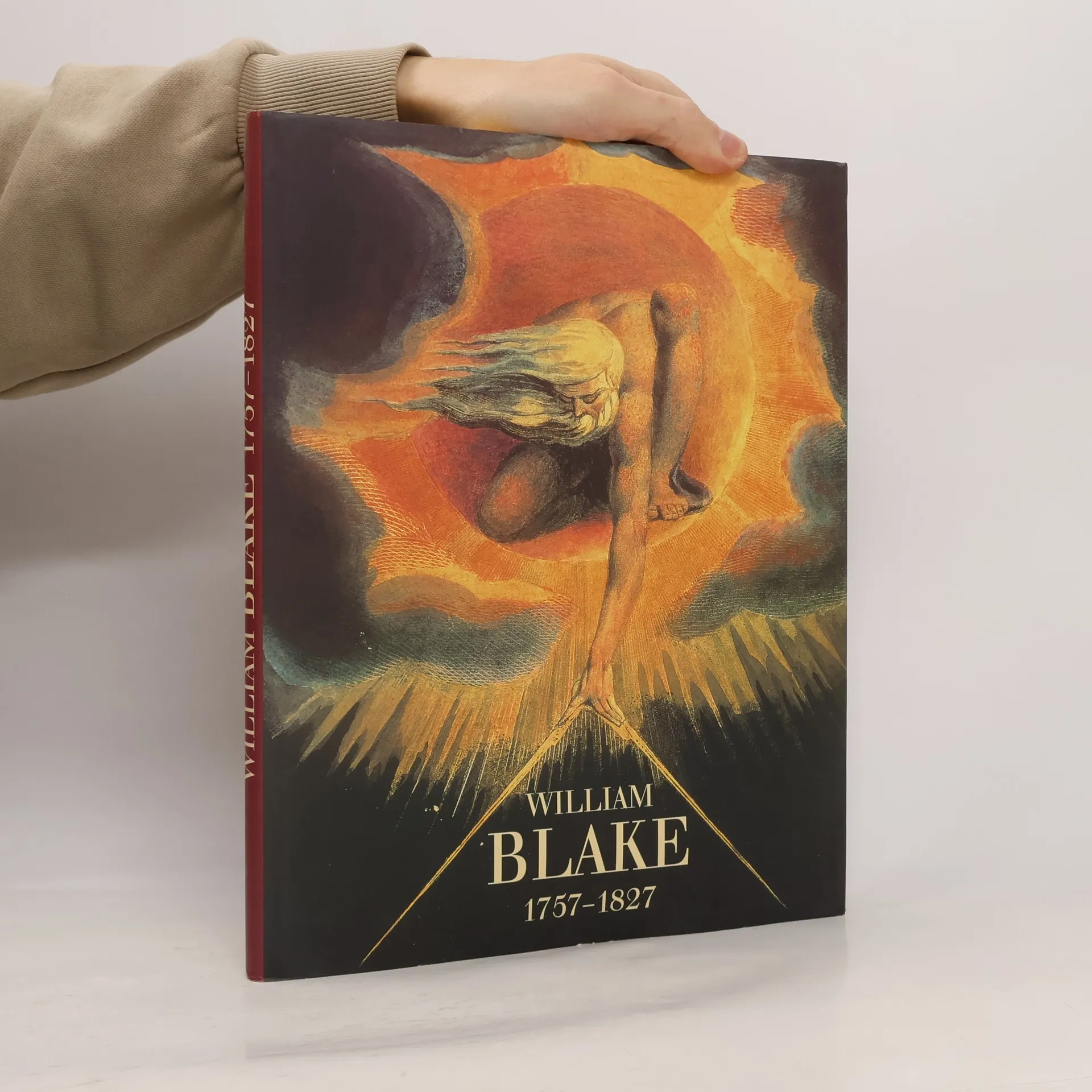
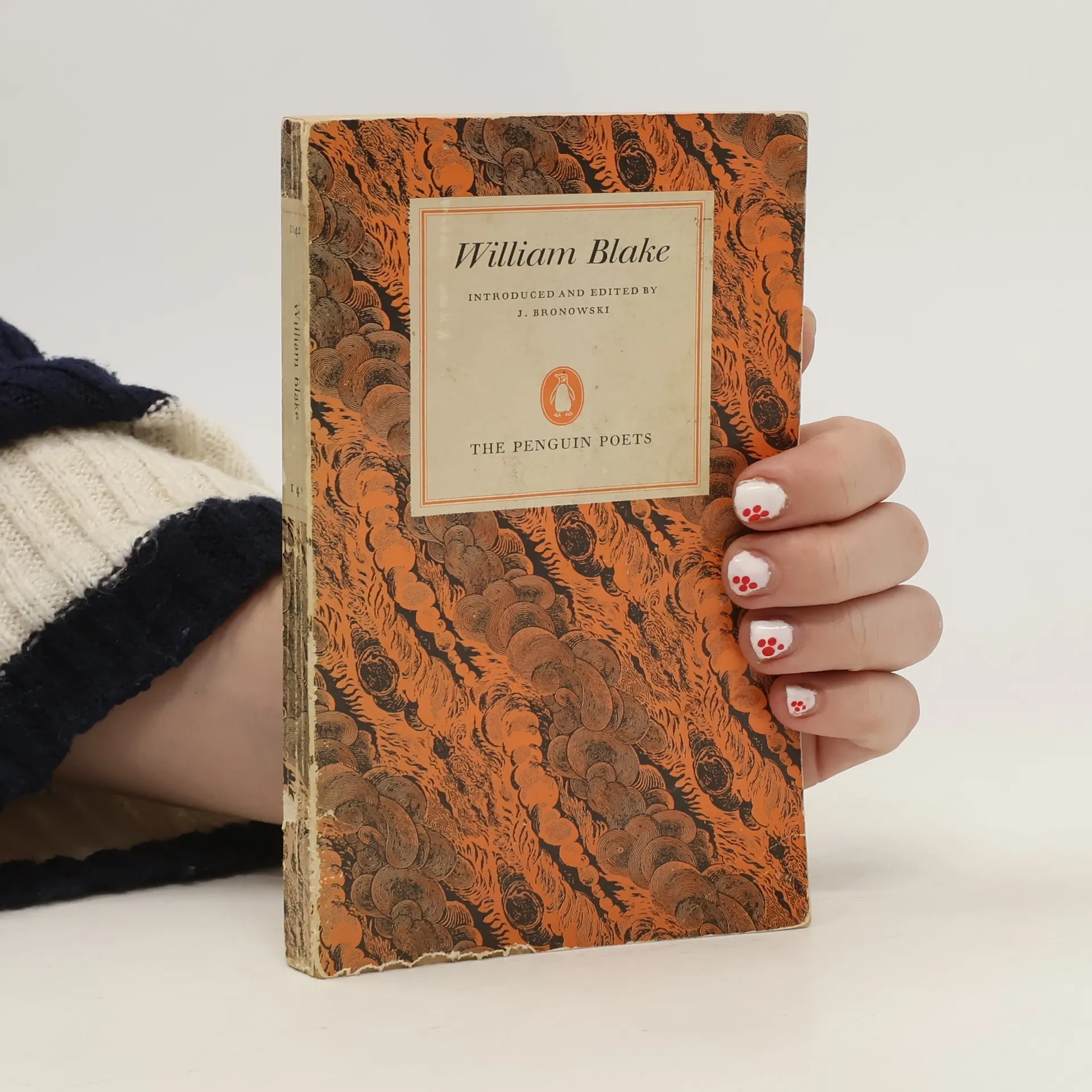
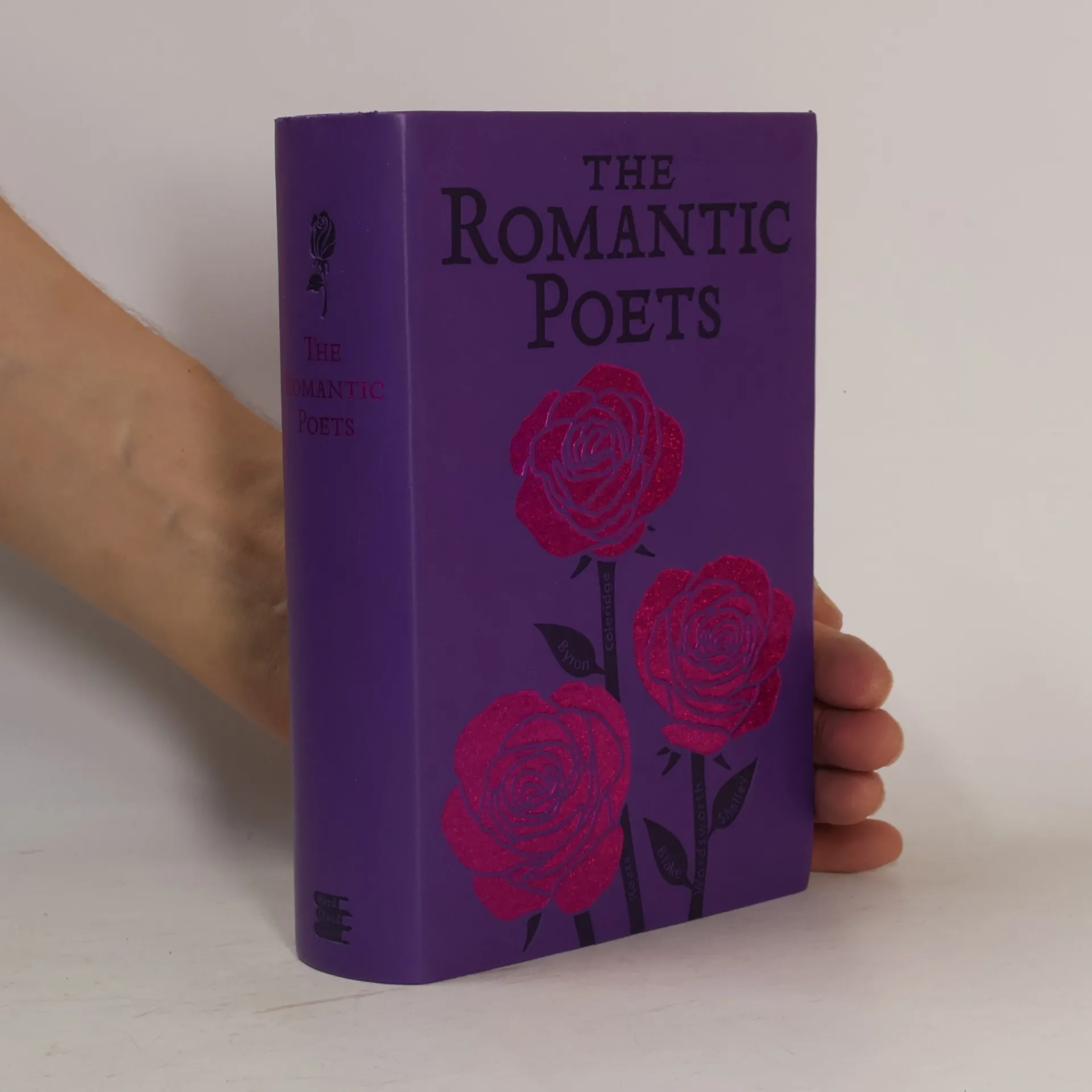
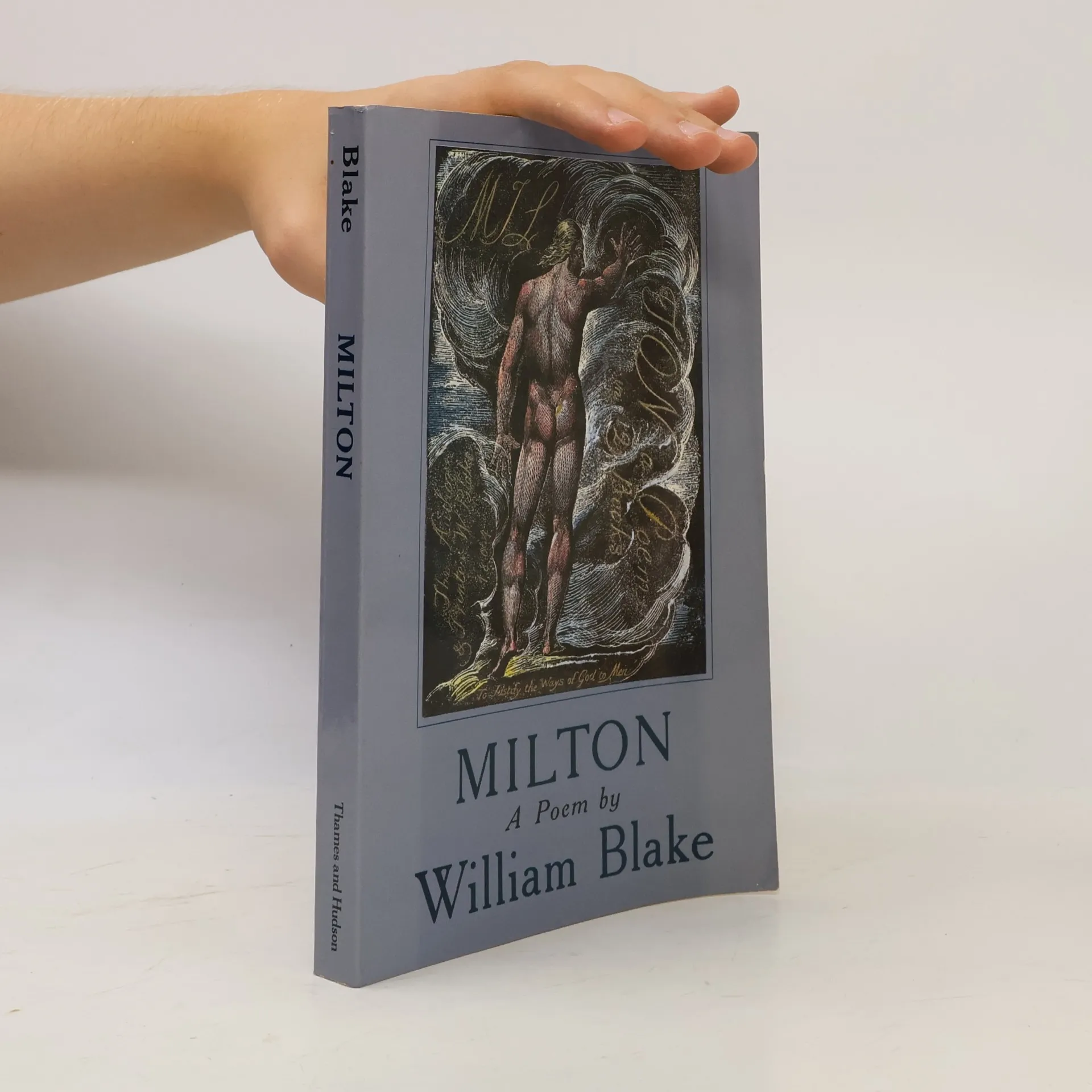
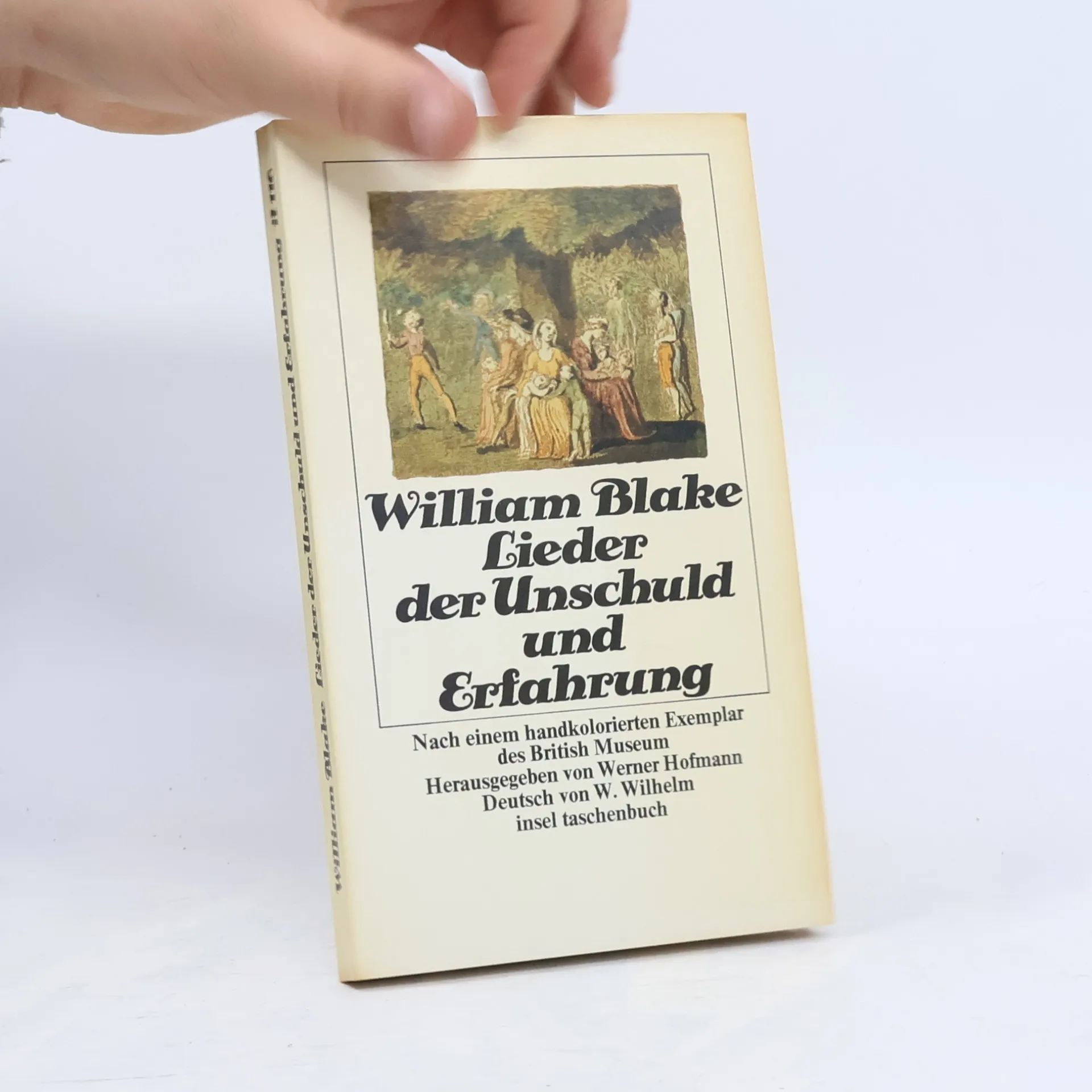
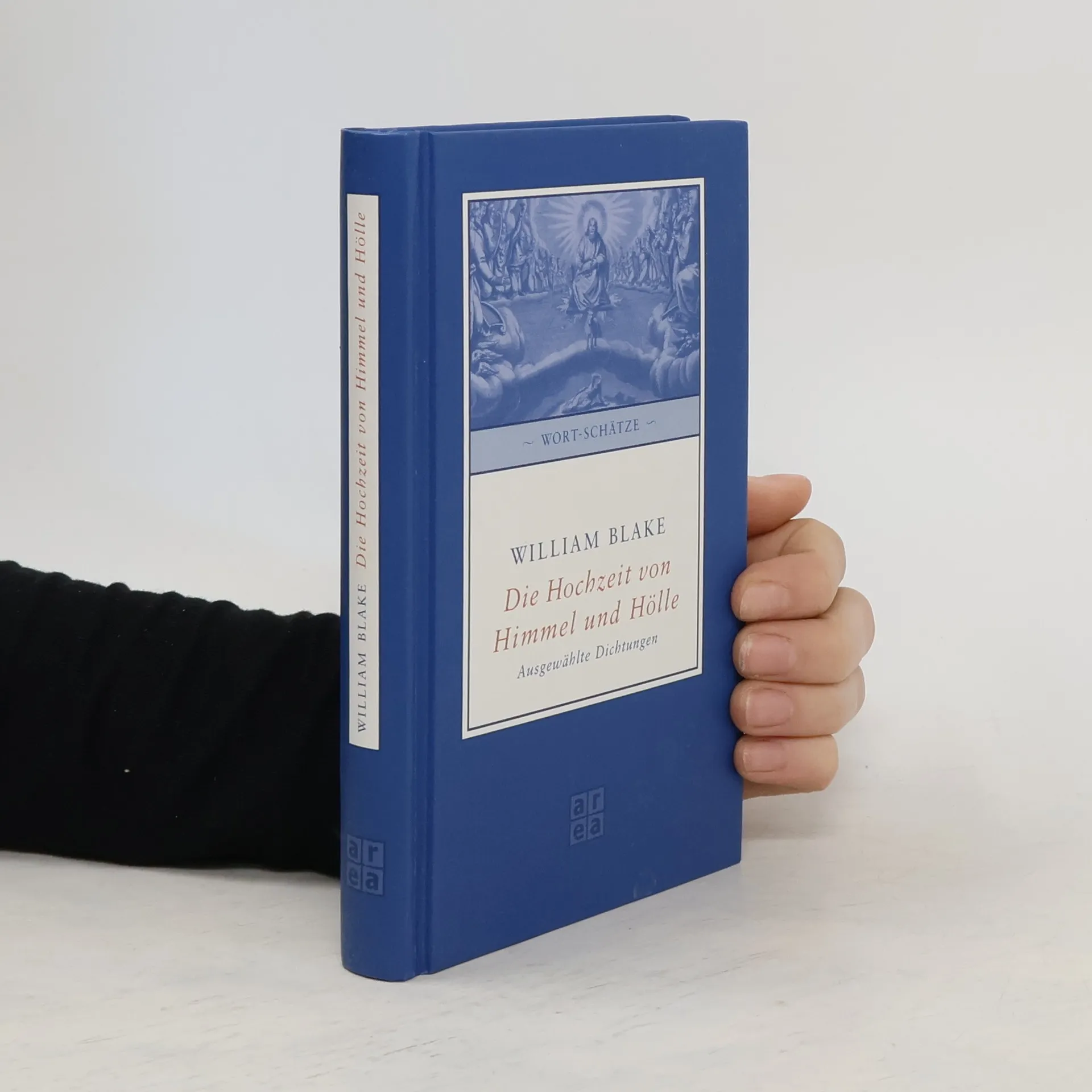
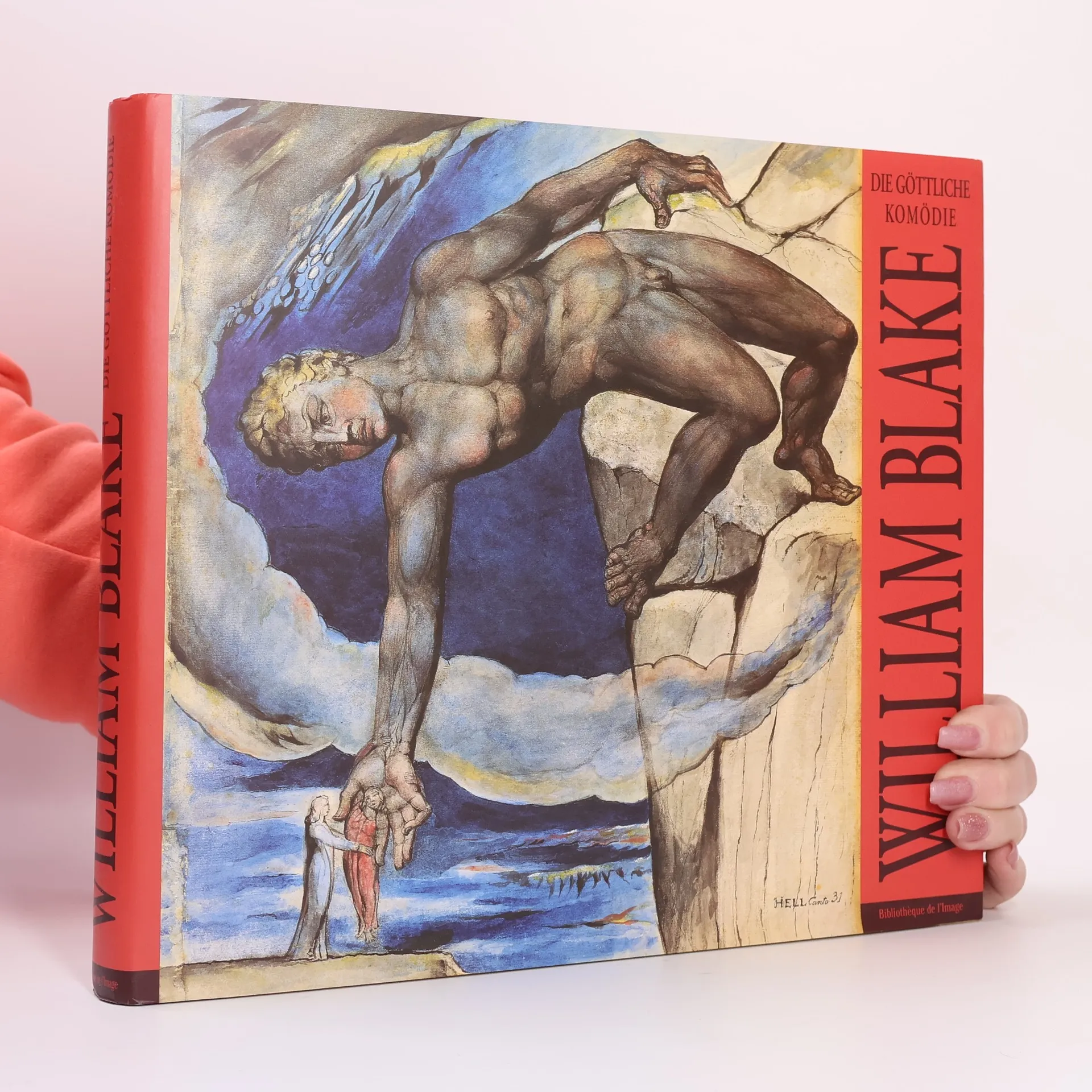
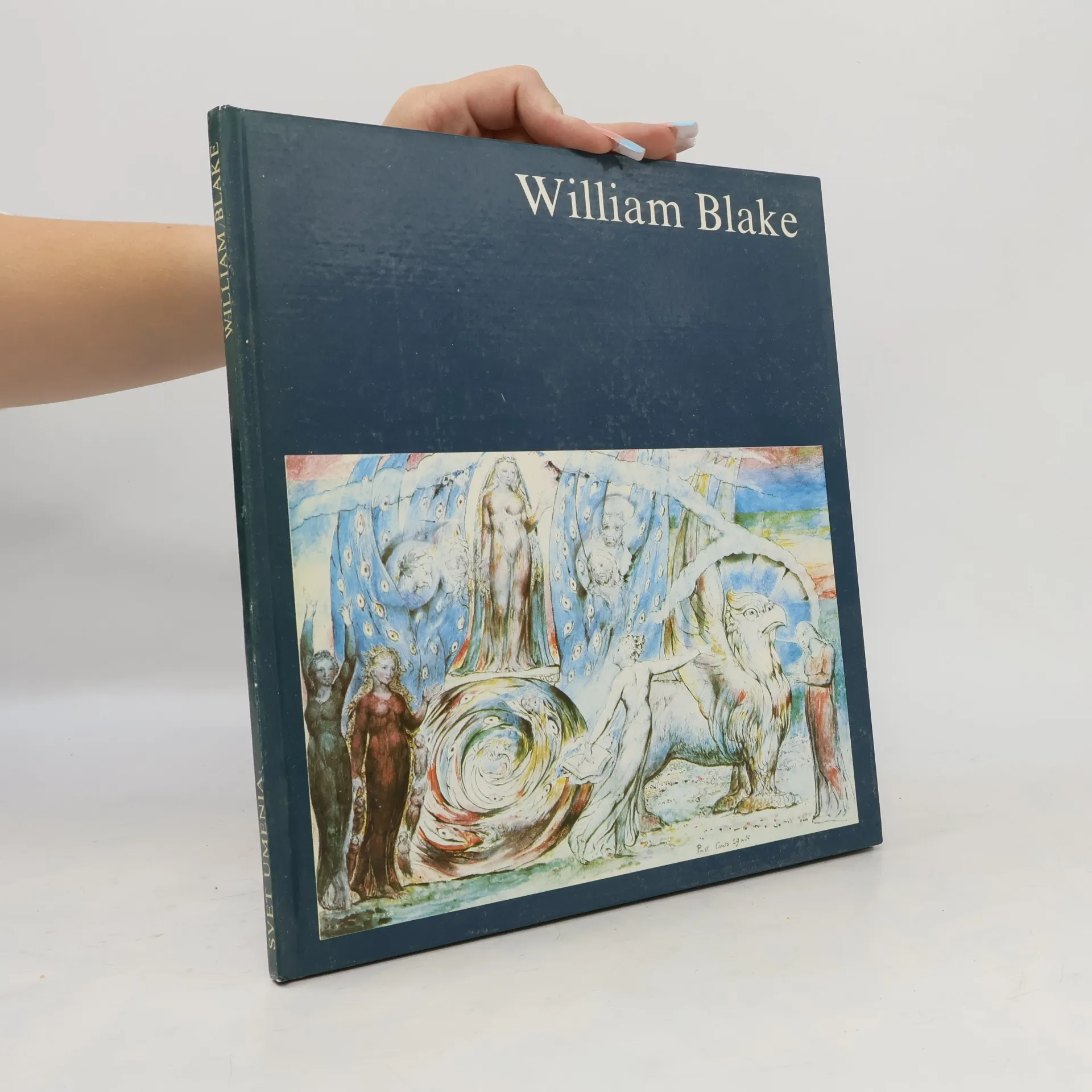
William Blake, poeta, pintor y grabador inglés, creó obras que en su época fueron en gran medida incomprendidas pero que hoy se consideran fundamentales tanto en la poesía como en las artes visuales. Su poesía profética, descrita como la que forma "proporcionalmente a sus méritos el cuerpo de poesía menos leído del idioma", junto con su arte visual, ha llevado a los críticos a proclamarlo el "artista más grande de Gran Bretaña". La visión creativa de Blake abrazó la 'imaginación' como "el cuerpo de Dios", generando un corpus diverso y rico en simbolismo. Hoy en día, es muy valorado por su expresividad, creatividad y las corrientes filosóficas y místicas que subyacen en su obra, aunque su originalidad y singularidad dificultan su clasificación.
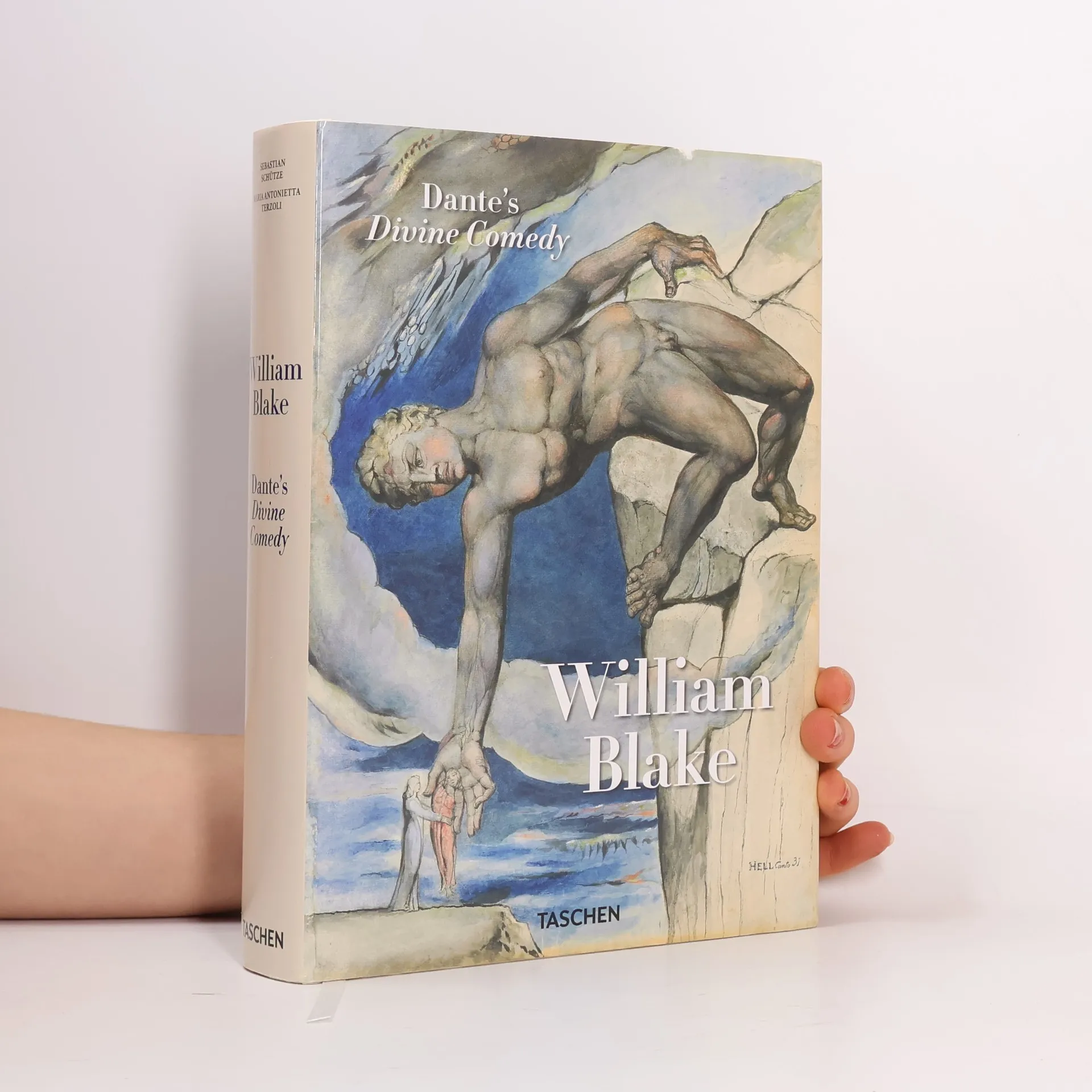
Discover William Blake's complete 102 illustrations for The Divine Comedy, with excerpts from Dante's epic poem. Featuring an intimate reading of Blake's extraordinary works and many close-up details, this is a breathtaking encounter with two of the finest artistic talents in history, as well as with such universal themes as love, guilt...
One of the great English Romantic poets, William Blake (1757-1827) was an artist, poet, mystic and visionary. His work ranges from the deceptively simple and lyrical Songs of Innocence and their counterpoint Experience - which juxtapose poems such as 'The Lamb' and 'The Tyger', and 'The Blossom' and 'The Sick Rose' - to highly elaborate, apocalyptic works, such as The Four Zoas, Milton and Jerusalem. Throughout his life Blake drew on a rich heritage of philosophy, religion and myth, to create a poetic worlds illuminated by his spiritual and revolutionary beliefs that have fascinated, intrigued and enchanted readers for generations.
This edition includes almost all Blake's substantive variants with the exception of some in the exceptionally complex manuscript of Vala, or the Four Zoas.
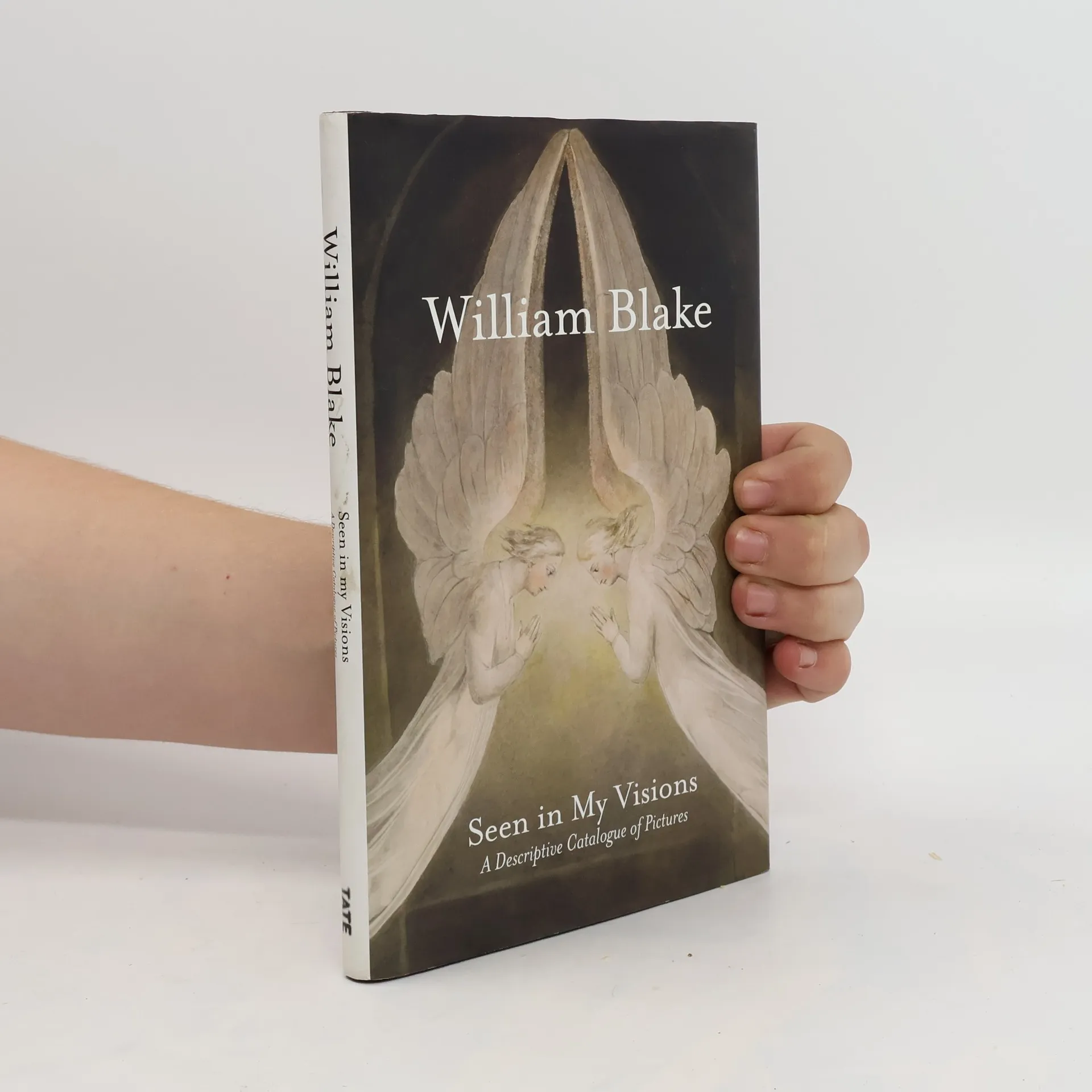
In 1809 the little-known artist William Blake held an exhibition of his work in a private house in Soho in the west end of London. It was not a success. The only review in the press was extremely unfavourable and few of the public came. One of those who did was the poet Charles Lamb, who later described the catalogue that accompanied the show as 'mystical and full of vision'. It is this catalogue that this edition once more makes available. In it, the scale and range of Blake's ambition are made plain, along with his theories on painting, his unsparing critiques of other artists and some extraordinary insights into the working of his mind. Part commentary and part manifesto, it is as radical as it is eccentric; (he claims at one point to have been transported in a 'vision' back to the classical world). Fully illustrated in colour with reproductions of surviving works originally in the exhibition, the book includes an essay by Martin Myrone, a leading authority on Blake and British art of the period, making it an essential purchase for all of those wanting to know more about the life and work of this fascinating and enigmatic figure.
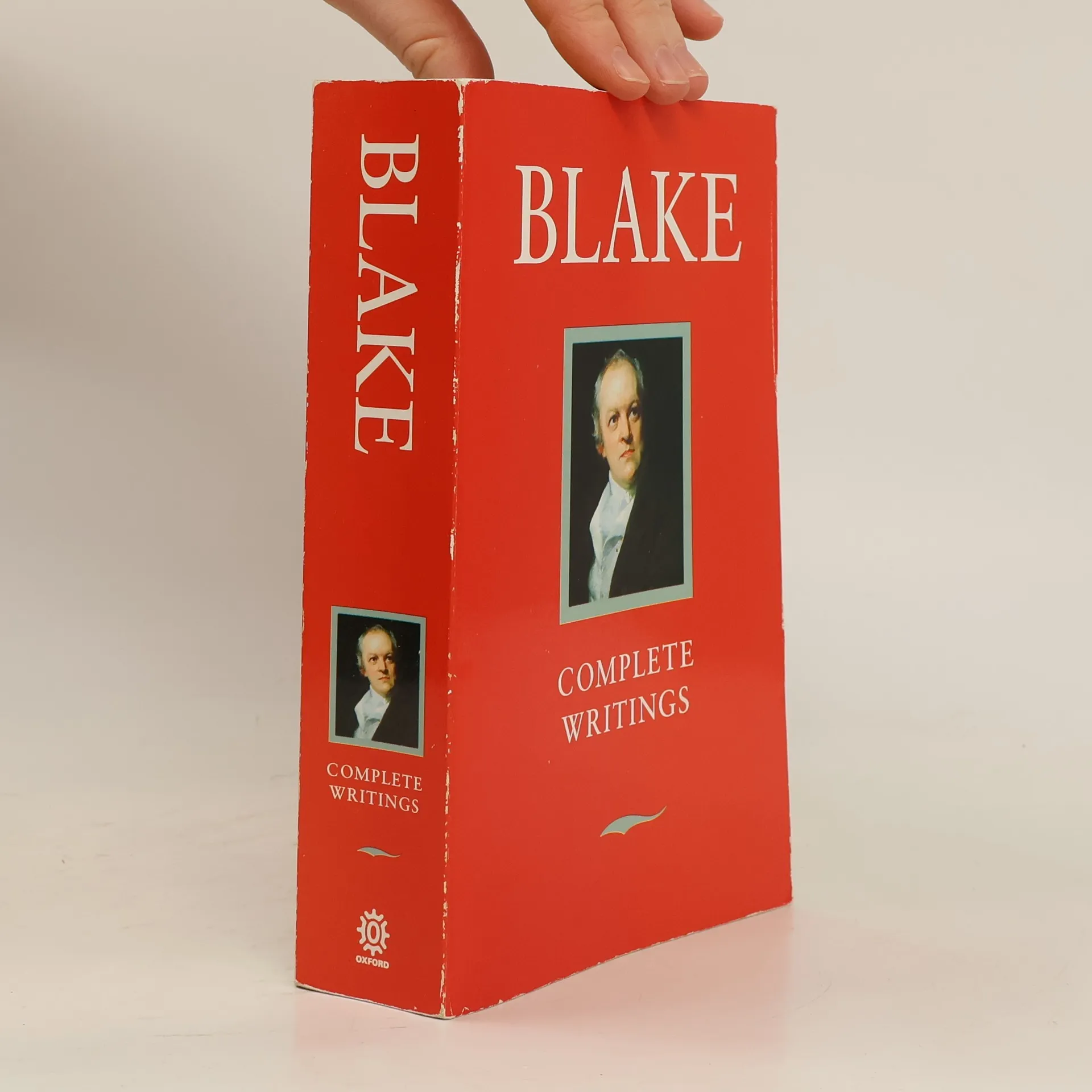
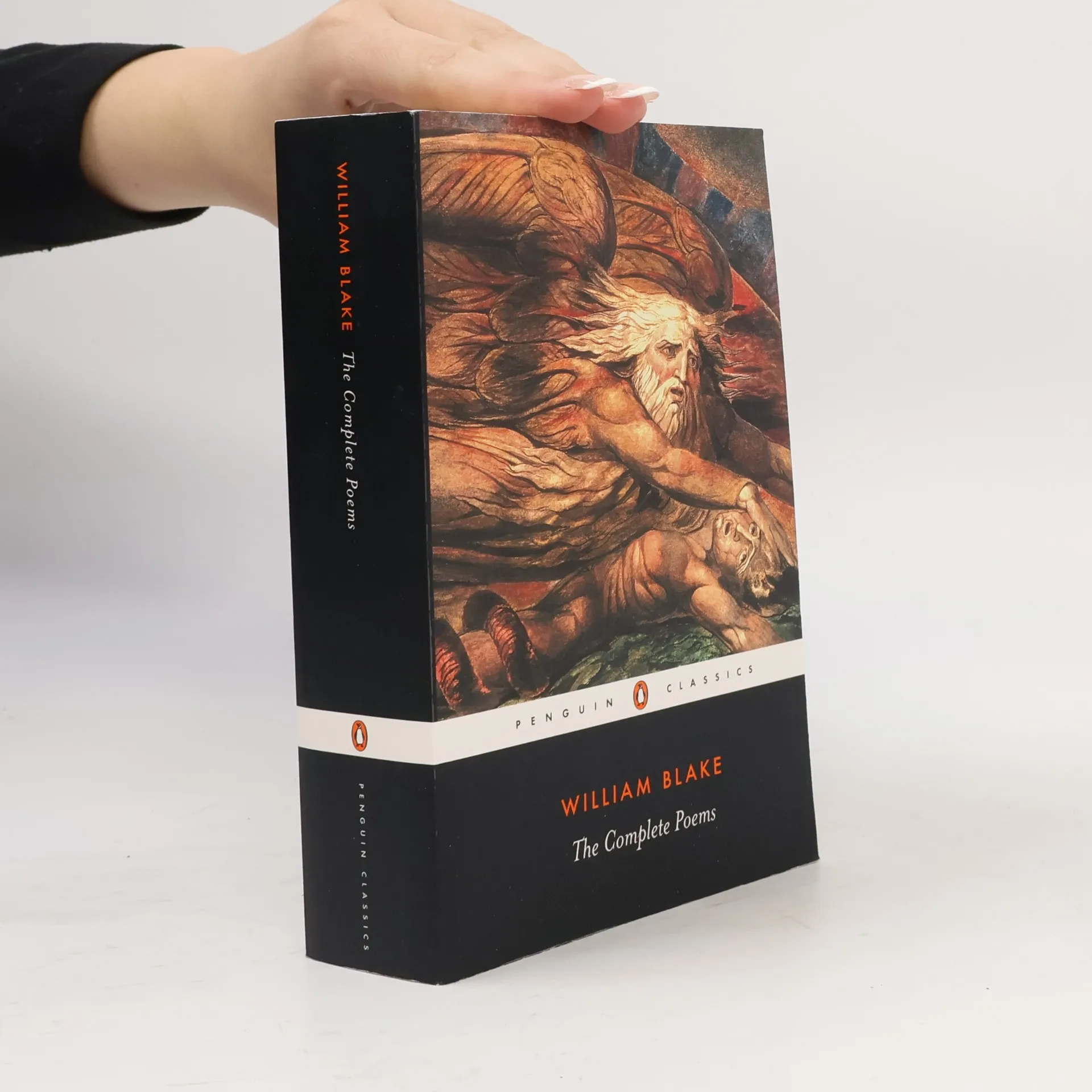
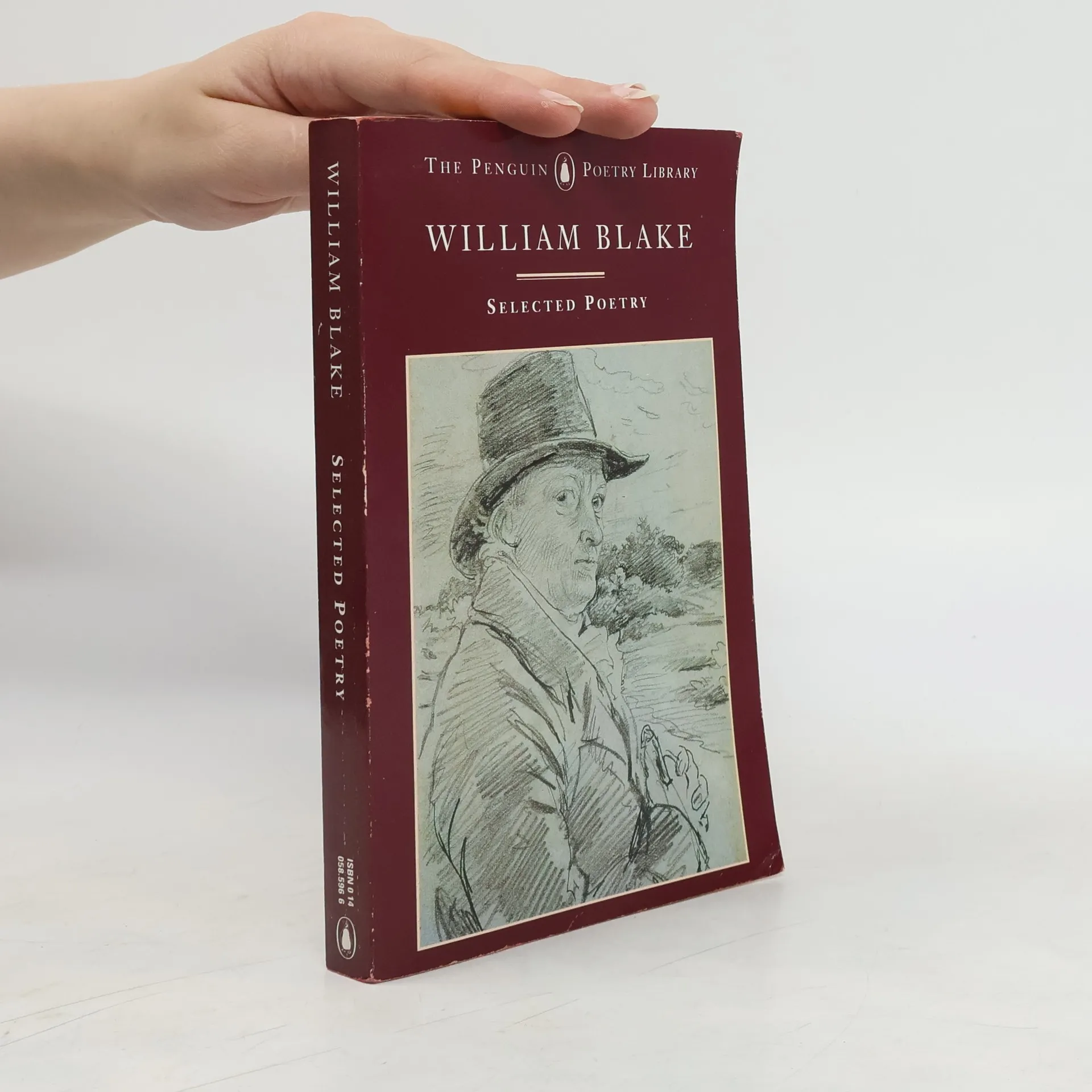
William Blake was an engraver, painter, and visionary mystic as well as one of the most revolutionary of the Romantic poets. His writing attracted the astonished admiration of authors as diverse as Wordsworth, Ruskin, W.B. Yeats, and beat poet Allen Ginsberg. He is one of England's most original artists whose works aim to liberate imaginative energies and subvert 'the mind-forged manacles' of restriction. This volume contains many of his writings, including: 'Songs of Innocence', 'Songs of Experience', 'The Marriage of Heaven and Hell', and a generous selection from the Prophetic Books including 'Milton' and 'Jerusalem'.
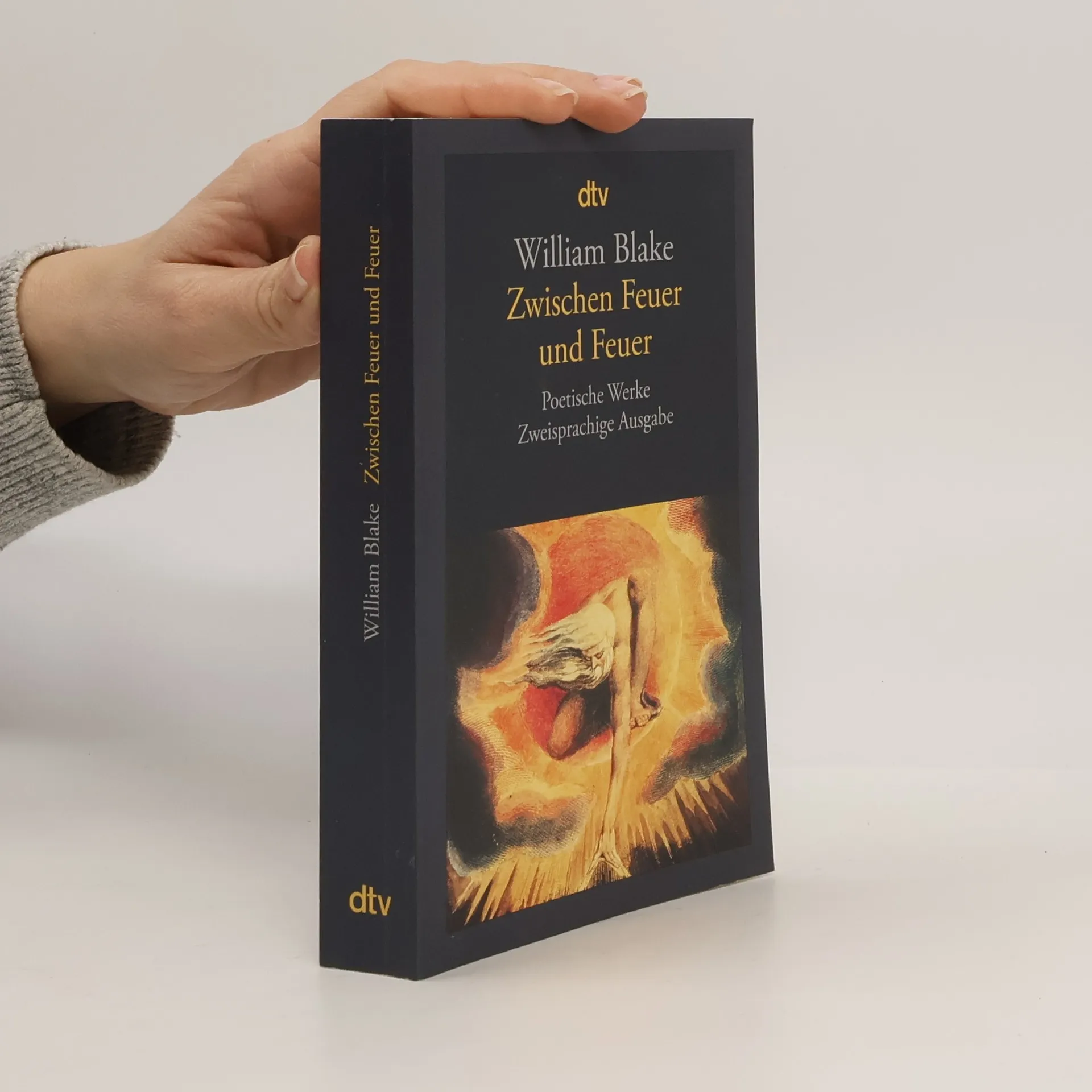
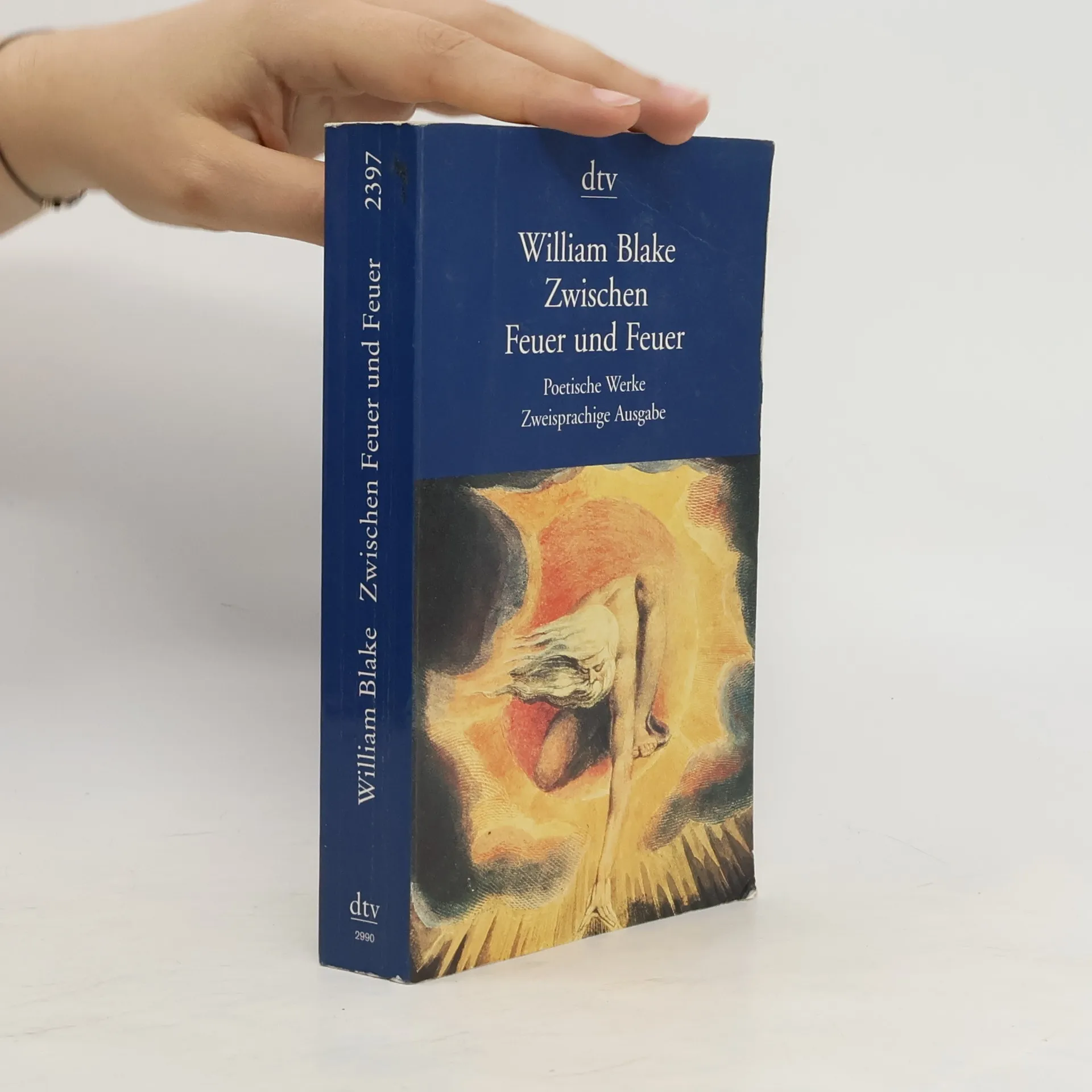
ZUM 250. GEBURTSTAG DES GROSSEN ENGLISCHEN DICHTERZwischen Feuer und FeuerEin Remake der in deutscher Sprache bislang umfangreichsten Werkausgabe William Blakes im Parallelsatz mit den englischen Originaltexten. »Jetzt hoffe ich, daß die musikalische Artikulation von Blakes Lyrik vom elektronisch illuminierten demokratischen Ohr der Rockpopmusikmassenmedien erhört wird und einen ewigen Lyrikstandard setzen wird.« Allen Ginsberg
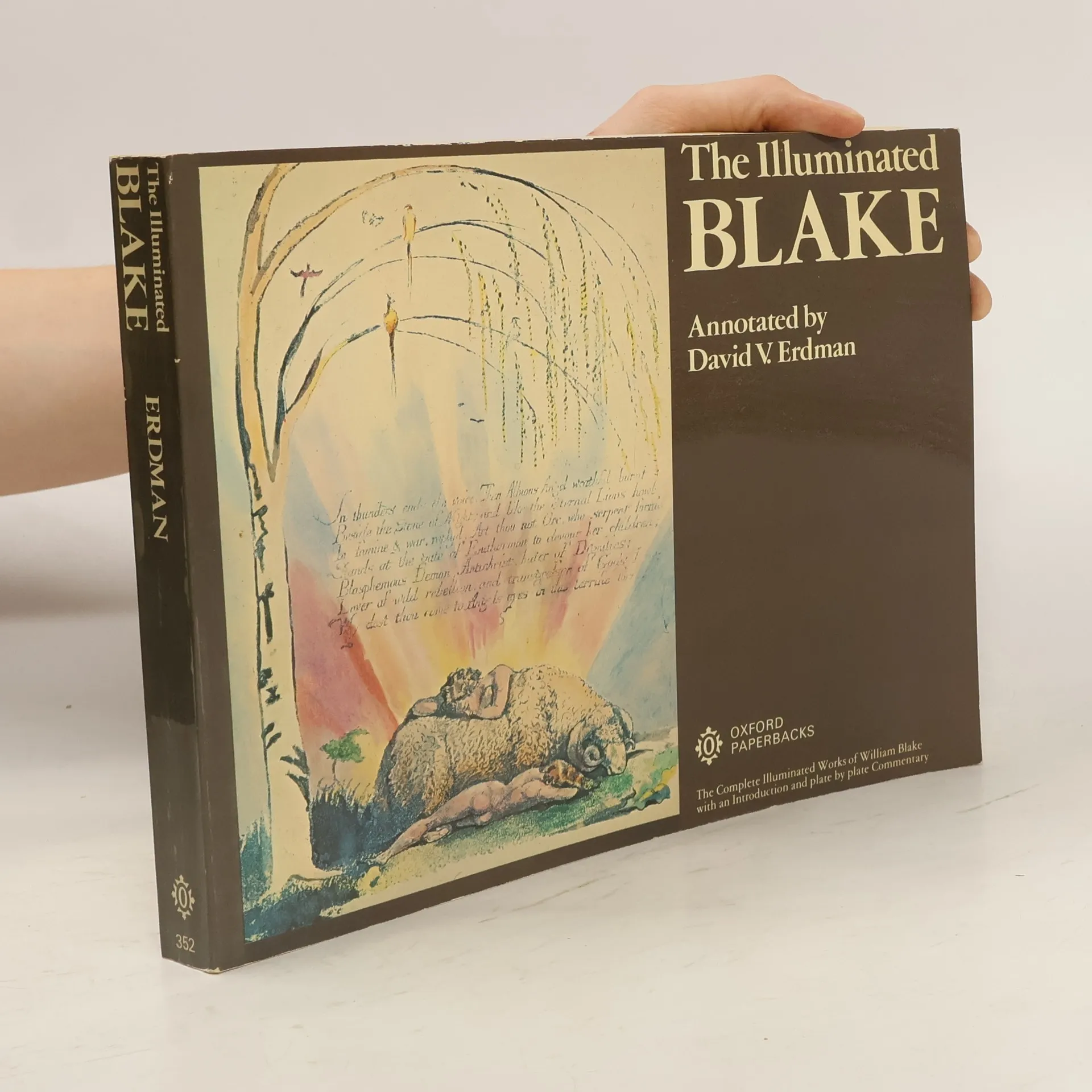
The nature of William Blake's genius is most completely expressed in his Illuminated Books. As poet/artist Blake invented a method of printing that enabled him to create works in which words and images combine to form pages uniquely rich in content and beautiful in form. It is only through the pages as originally conceived and published by the poet himself that Blake's meaning can be fully experienced.Blake's hope that his books would obtain wide circulation was unfulfilled: some exist only in unique copies and none was printed in more than very small numbers. Now some 400 plates, drawn from The William Blake Trust's acclaimed six-volume Collected Edition, and reproduced under their supervision, provide for the first time ever in one volume what the London Review of Books hailed as "Sumptuous facsimiles . . . glorious colored pages . . . like peeping into a furnace of light through a crack in the door".
One of the great English Romantic poets, William Blake (1757-1827) was an artist, poet, mystic and visionary. His work ranges from the deceptively simple and lyrical Songs of Innocence and their counterpoint Experience - which juxtapose poems such as 'The Lamb' and 'The Tyger', and 'The Blossom' and 'The Sick Rose' - to highly elaborate, apocalyptic works, such as The Four Zoas, Milton and Jerusalem. Throughout his life Blake drew on a rich heritage of philosophy, religion and myth, to create a poetic worlds illuminated by his spiritual and revolutionary beliefs that have fascinated, intrigued and enchanted readers for generations.
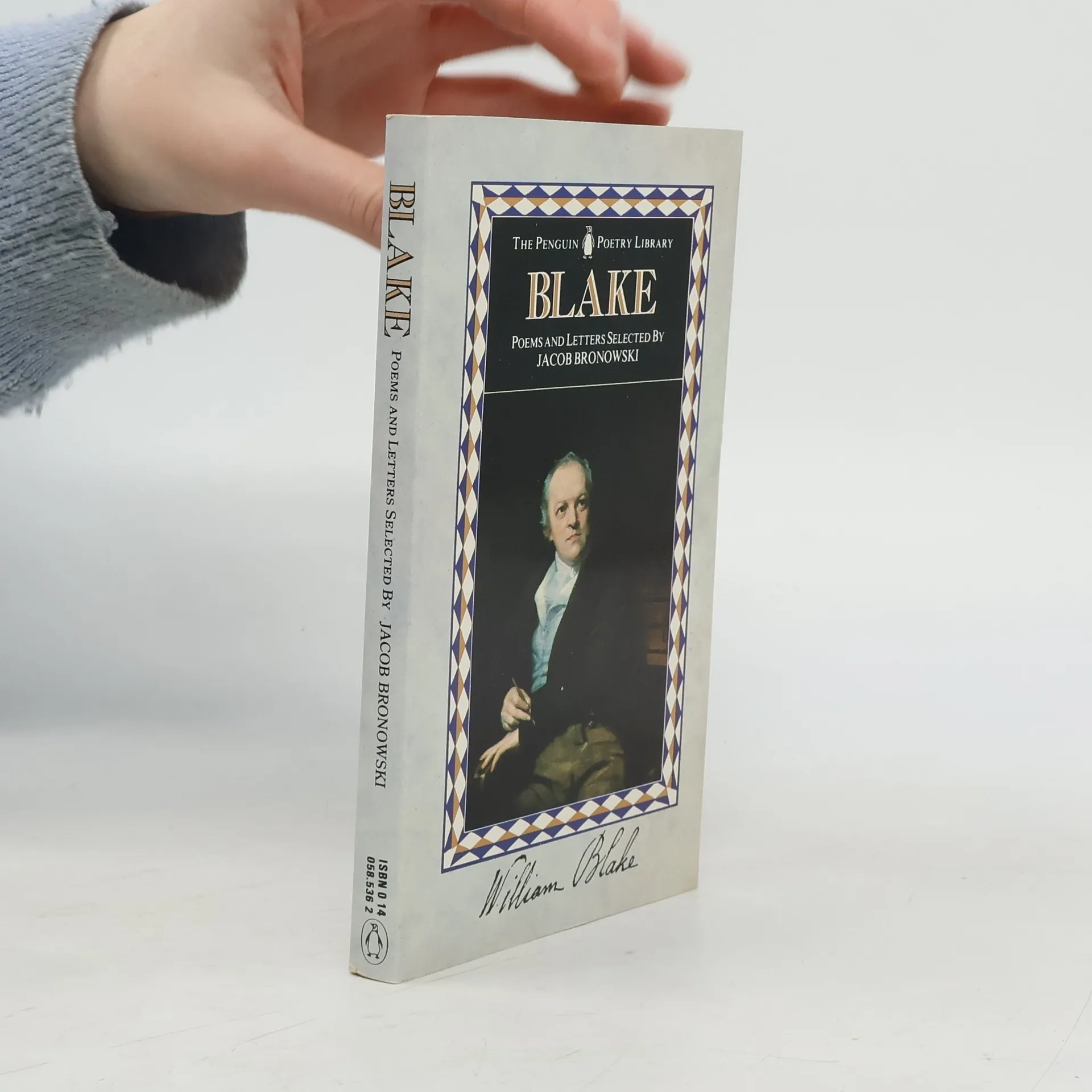
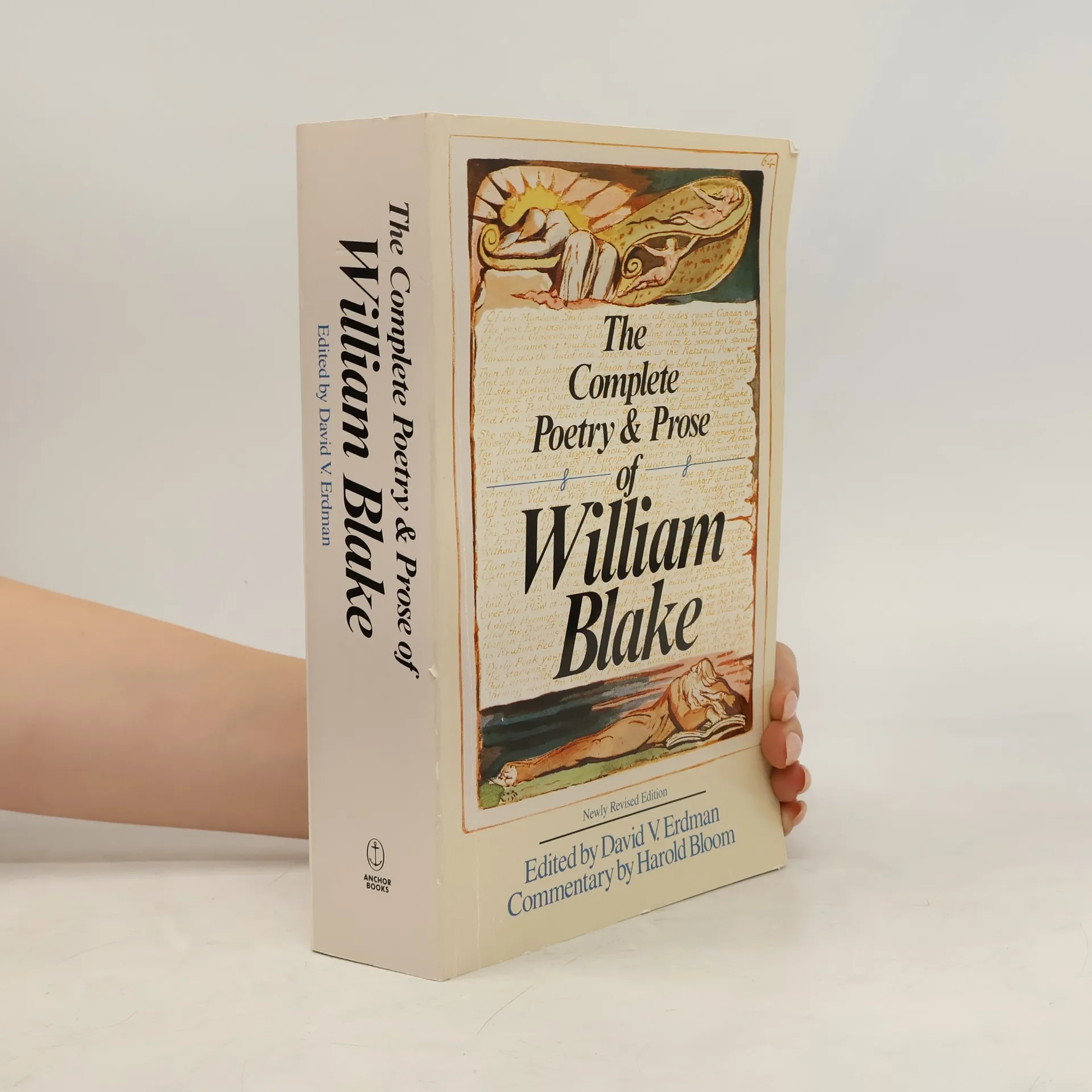
Since its first publication in 1965, this edition has been widely hailed as
the best available text of Blake's poetry and prose. Now revised, if includes
up-to-date work on variants, chronology of poems and critical commentary by
Harold Bloom. An Approved Edition of the Center for Scholarly Editions of the
Modern Language Association.
Features 104 of Blake's poems: "A Song of Liberty," "The Argument," "Proverbs of Hell," "The Mental Traveller," "The Land of Dreams," "To the Evening Star" and many more.
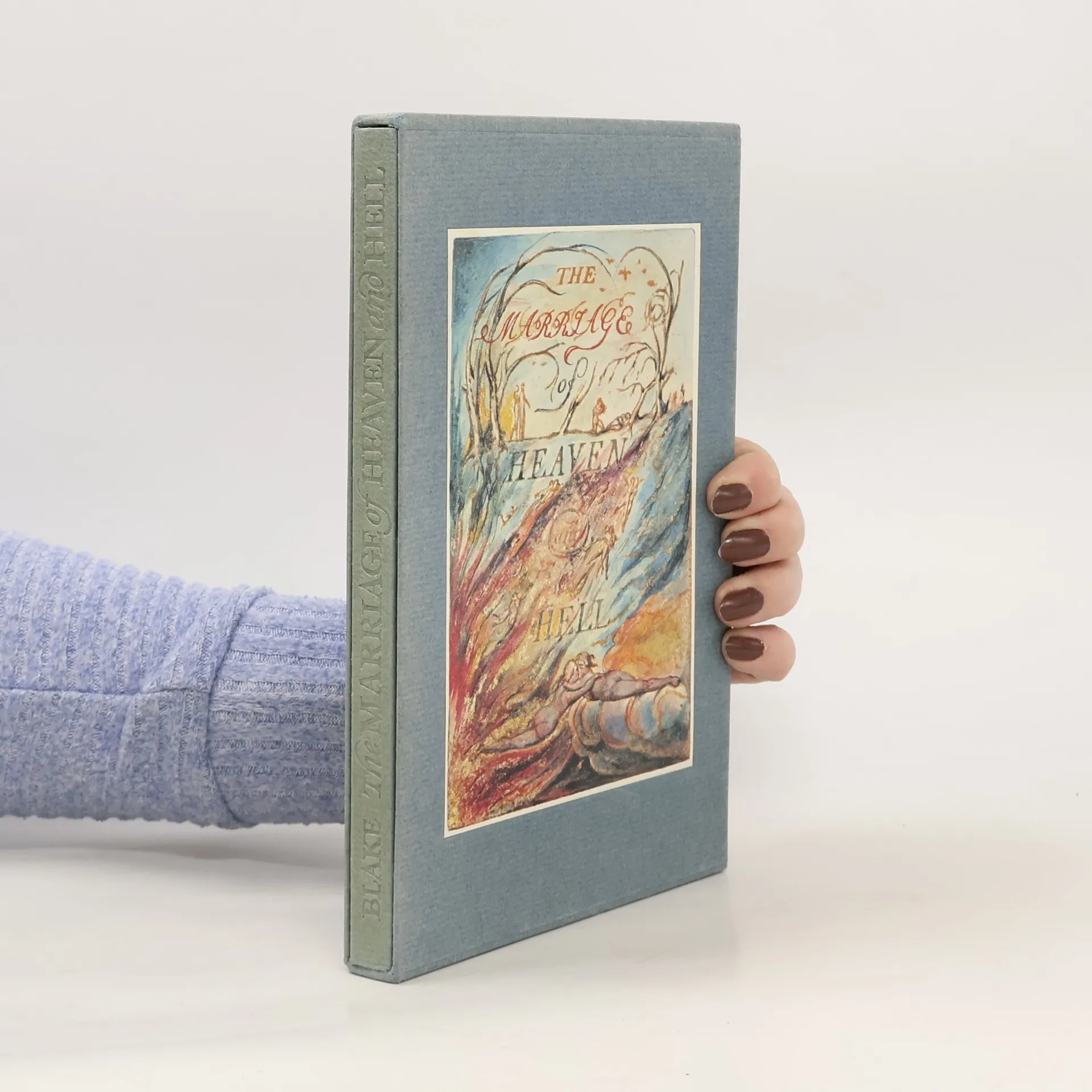
This vivid facsimile of Blake's romantic and revolutionary publication offers a concise expression of his essential wisdom and philosophy. His distinctive hand-lettered text is accompanied by 27 color plates of his stirring illustrations.
Often categorized as pre-Romantic by literary historians, William Blake (1757-1827) is, however, a figure that defies any attempt at classification and occupies a privileged place in English lyricism. Rebellious, visionary, and mystical, he broke with the official doctrines of his time (theological, moral, political, and aesthetic) and anticipated many thinkers who are now part of the cultural heritage of the West. His is a world where evil is a necessary force and moral laws are chains imposed on man, whom the poet aspires to liberate through imagination, vision, and knowledge. This anthology offers a wide selection of the works of William Blake, including his most well-known poems, such as "The Tiger" and "A Poison Tree," and is complemented by a glossary of words with special meaning in the author's cosmogony and a chronology.
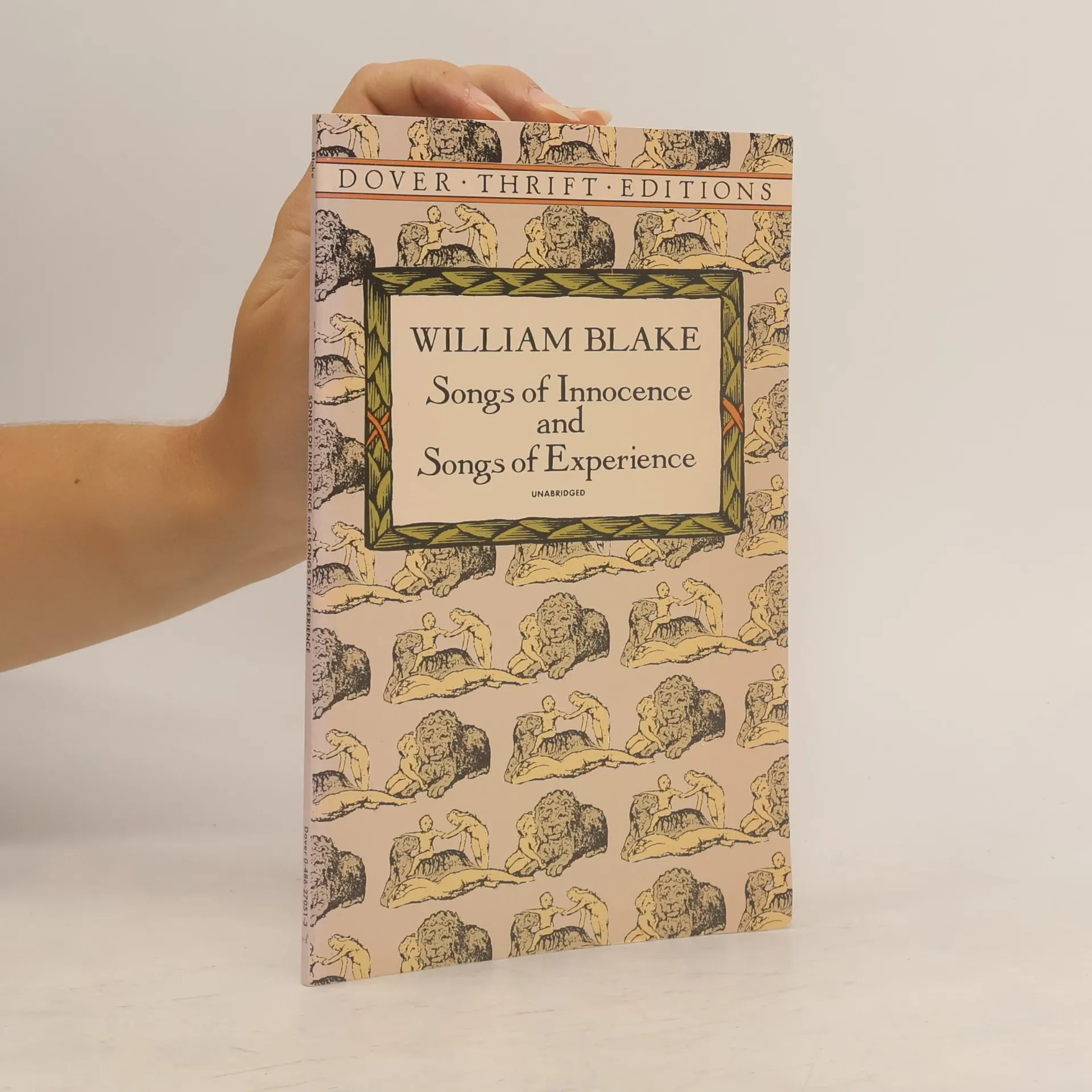
Classics of English poetry, alternately describing childhood states of innocence and their inevitable ensnarement in a corrupt and repressive world. Contains the full texts of all the poems in the original 1794 edition of both collections. Includes a selection from the Common Core State Standards Initiative.
By turns a haunting lyricist, an apocalyptic visionary, and an unorthodox thinker, Blake was for years ignored or derided. Sustained by his belief in the artistic imagination, he drafted poetry, prose visions, and epigrams, and manufactured beautiful illustrated volumes of his lyrics and verse narratives. Towards the end of his life, Blake's unique and irreducible talent was recognized by a group of younger artists, who rescued much of his achievement from oblivion.
'How can the bird that is born for joy / Sit in a cage and sing?' A selection of Blake's most haunting verse, including 'The Songs of Innocence and Experience'. One of 46 new books in the bestselling Little Black Classics series, to celebrate the first ever Penguin Classic in 1946. Each book gives readers a taste of the Classics' huge range and diversity, with works from around the world and across the centuries - including fables, decadence, heartbreak, tall tales, satire, ghosts, battles and elephants.
Focusing on accessibility, this book is a reproduction of a historical work presented in large print, catering specifically to individuals with impaired vision. Published by Megali, a house known for its commitment to making literature more accessible, this edition aims to enhance the reading experience for those who may struggle with standard print sizes.
The publishing house Megali focuses on making historical works accessible by reproducing them in large print, catering specifically to individuals with impaired vision. This initiative enhances readability and ensures that important texts remain available to a wider audience.
Feelings come alive through the words of the Romantic poets. William Wordsworth, George Gordon Byron, Percy Bysshe Shelley, Samuel Taylor Coleridge, William Blake, and John Keats
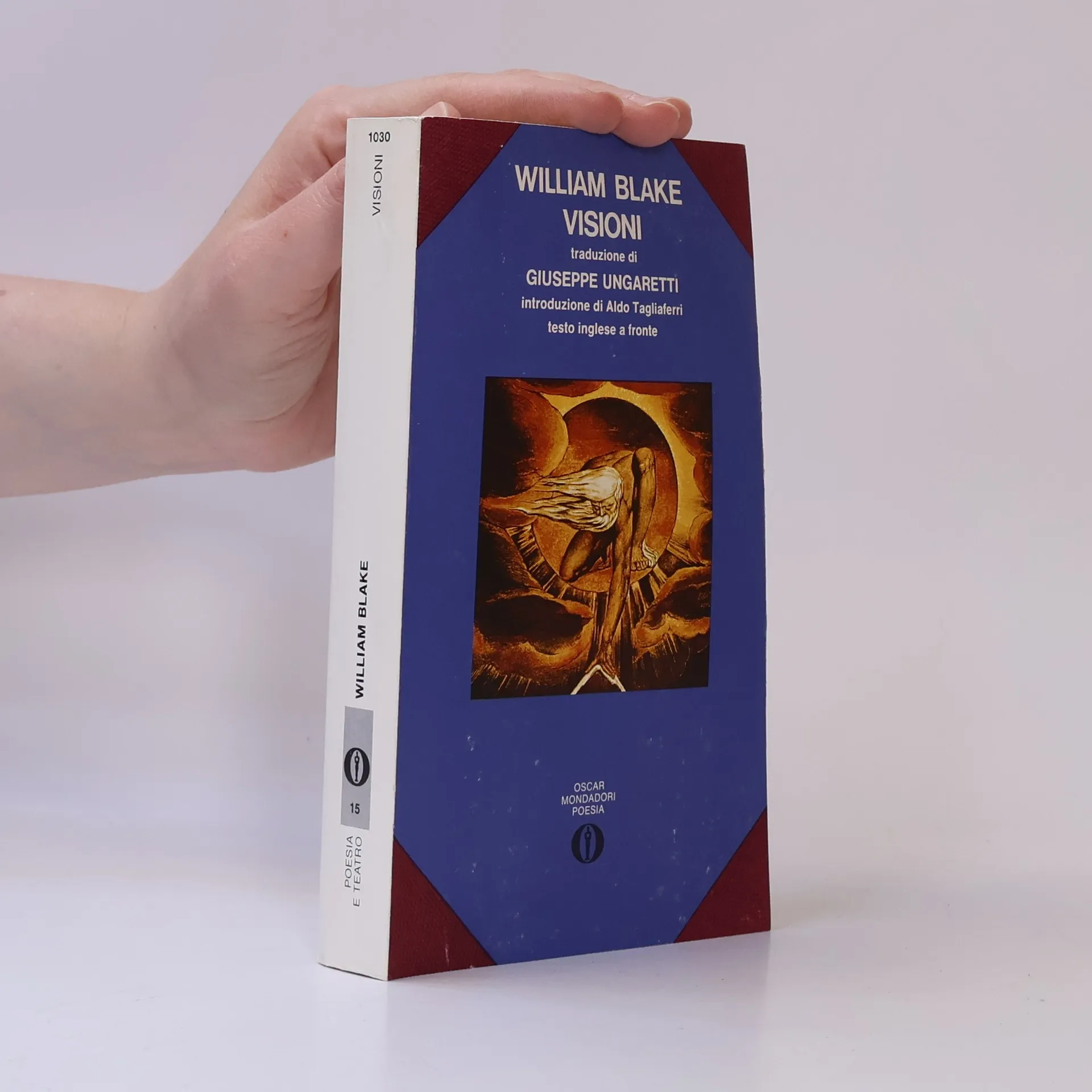
"La natura della mia opera è visionaria e profetica" scrisse William Blake. Sebbene i suoi riferimenti siano la Bibbia e la Cabbala, Swedenborg, gli studi esoterici, e quindi una visione eterodossa rispetto a quella - non solo religiosa - che caratterizzava il suo tempo, Blake intese perfettamente che le "oscure fabbriche di Satana" del paesaggio industriale contemporaneo erano costruite a immagine di una filosofia meccanicistica che negava il sacro e distruggeva ogni forma di trascendenza. L'acceso simbolismo, la spiritualità, la tensione religiosa dei "libri profetici", pazientemente composti a mano negli anni più difficili della Rivoluzione francese, mitizzano con drammatico impeto ma anche con lucidissima intuizione critica, problemi ancora vivi e irrisolti.
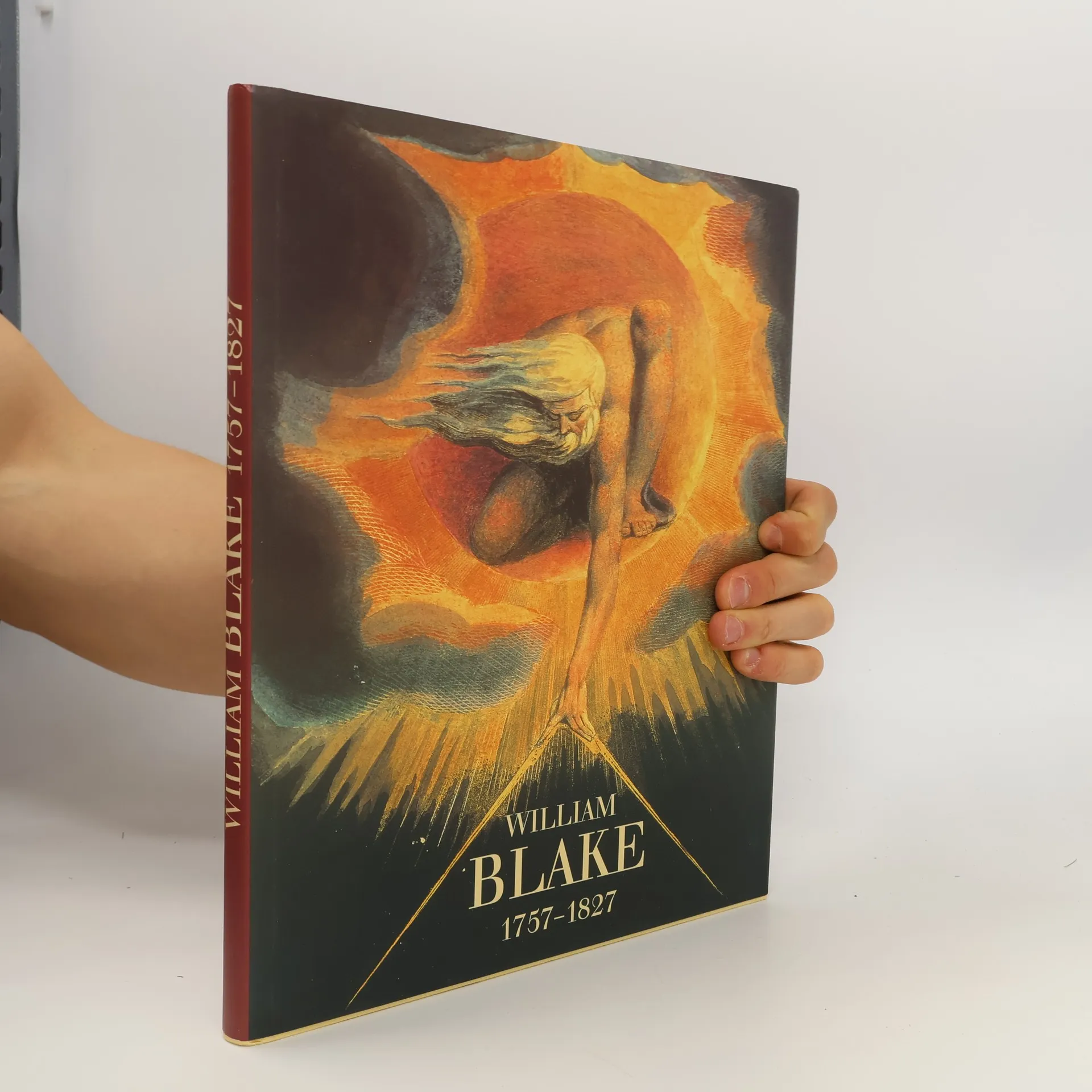
William Blake (1757-1827) was an English poet, painter, and printmaker. Largely unrecognized during his lifetime, Blake's work is now considered seminal in the history of both poetry and the visual arts. Once considered mad for his idiosyncratic views, Blake is highly regarded today for his expressiveness and creativity, as well as the philosophical and mystical undercurrents that reside within his work. His work has been characterised as part of the Romantic movement. Blake's first collection of poems, Poetical Sketches, was published circa 1783. In 1788 Blake began to experiment with relief etching, a method he would use to produce most of his books, paintings, pamphlets and poems. His other works include: Tiriel (1789), Songs of Innocence (1789), The Book of Thel (1789), The Marriage of Heaven and Hell (1790), The French Revolution (1791), Songs of Experience (1794) and The Ghost of Abel (1822).
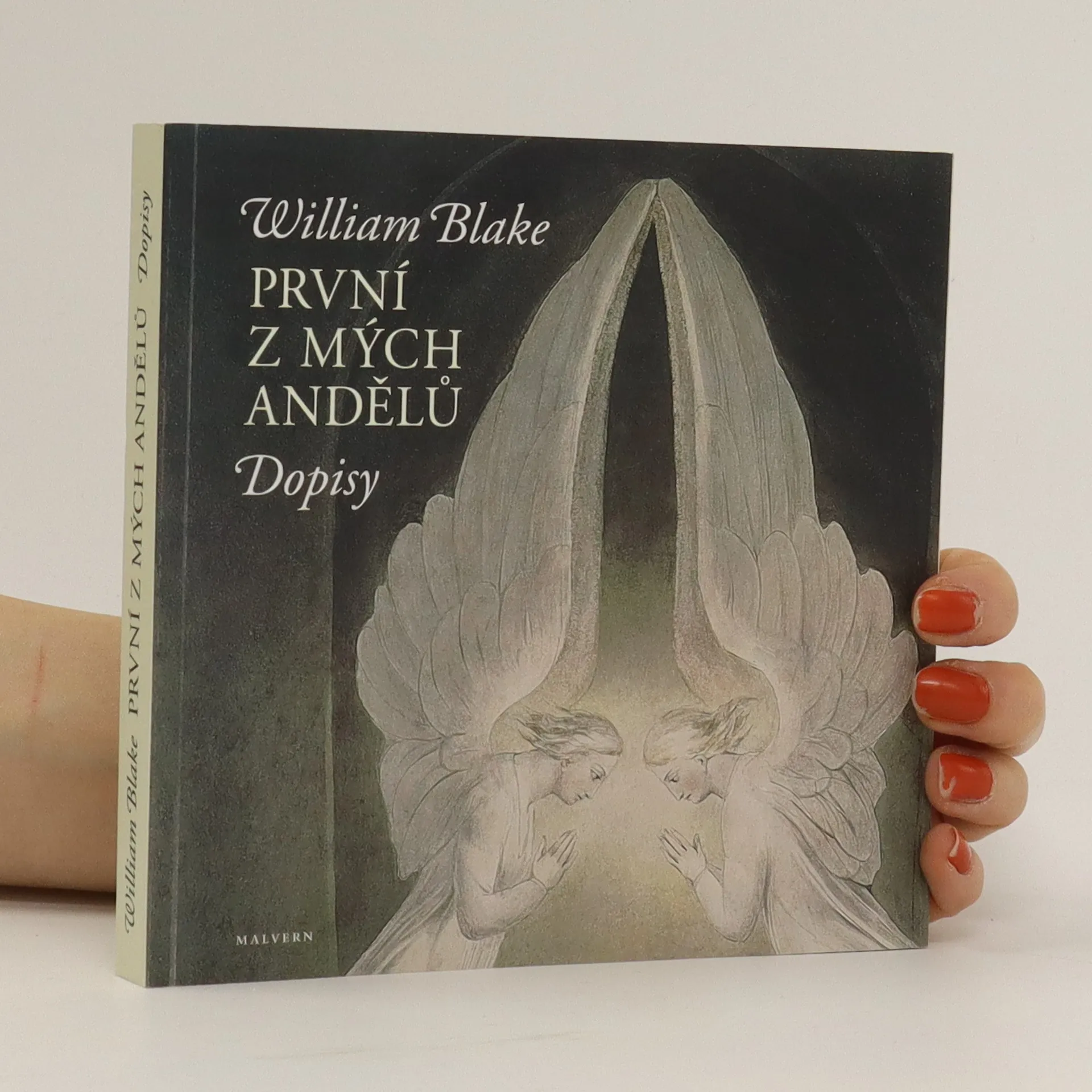
První český překlad dopisů básníka, mystika a visionáře a především kreslíře a grafika, obsahující i řadu Blakeových básní, je úchvatným dokumentem z Blakeova soukromého i uměleckého života i sžíravým svědectvím a kritikou "věku rozumu".
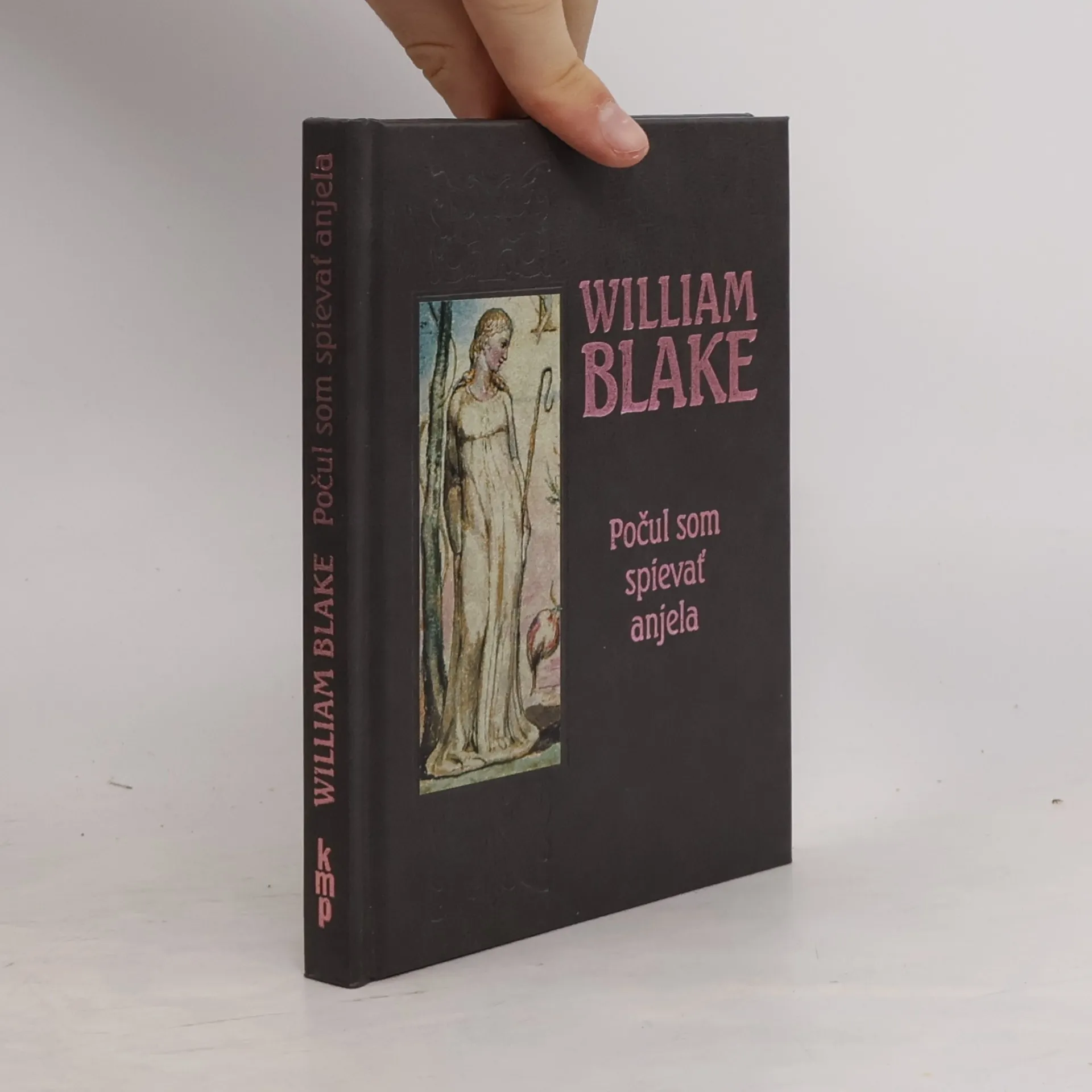
Výber z tvorby jedného z najväčších anglických basnikov. Z anglického originálu The Works of William Blake, vybral, zostavil a preložil Marián Andričík V knihe sú použité výtvarné diela autora.
Slavný cyklus rytin symbolicky zobrazující životní pouť člověka byl vytvořen podle 17 kreseb ze skicáře obsahujícího celkem 64 náčrtků, který se stal základem mnoha dalších Blakeových prací. Poprvé jej uveřejnil v roce 1793 pod názvem „Dětem: Brány ráje“ a na sklonku života jej přepracoval, doplnil o úvodní a závěrečnou báseň a vydal v omezeném nákladu pod novým názvem „Pohlavím: Brány ráje“.
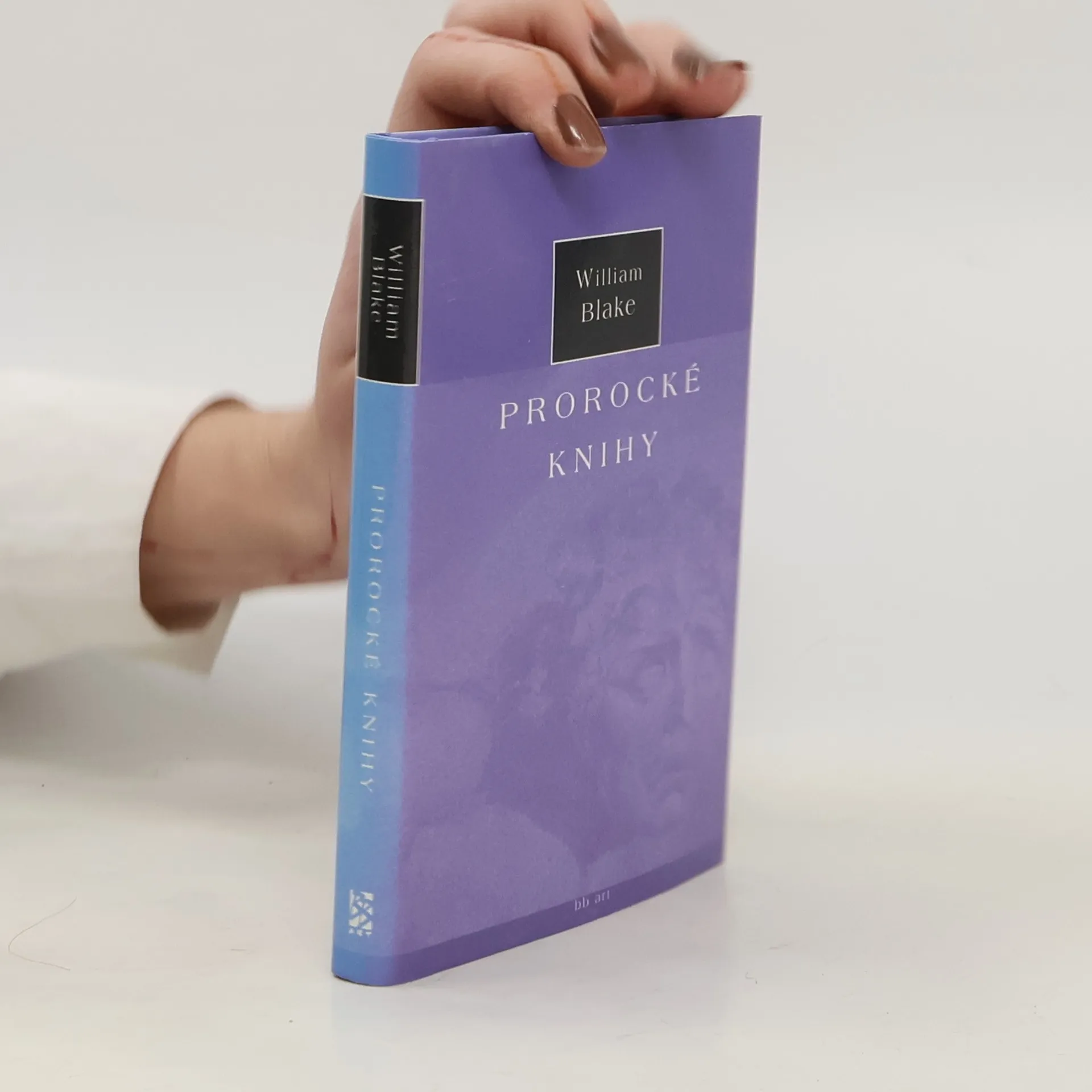
Soubor vizionářských textů raného anglického romantika William Blakea Prorocké knihy vychází poprvé samostatně a v doplněné podobě. Přeložil Zdeněk Hron.
Výbor z básnické tvorby anglického spisovatele, grafika a ilustrátora, jednoho z představitelů raného romantismu v Anglii, jehož dílo si i v časovém odstupu půldruhého století uchovalo pozoruhodnou životnost.
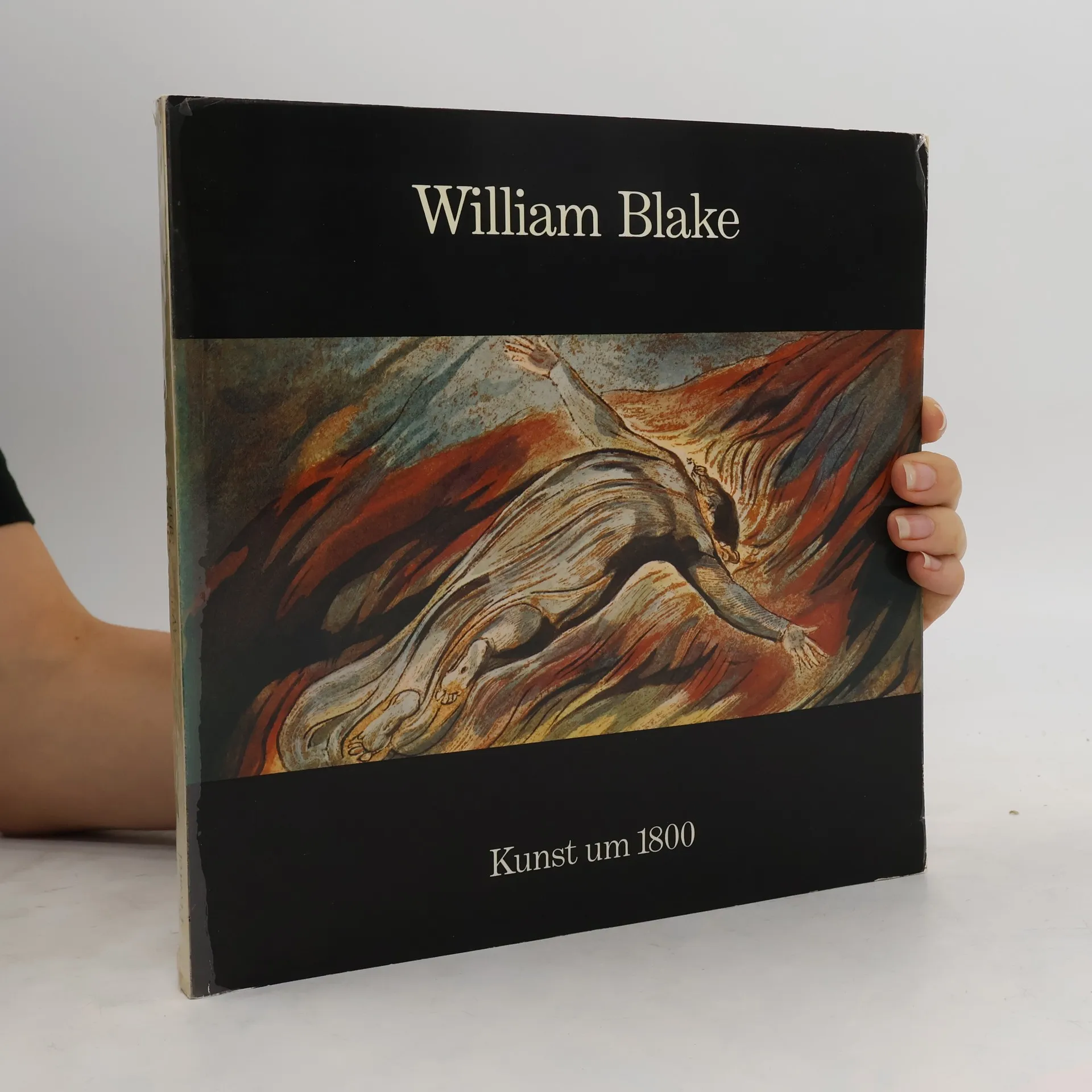
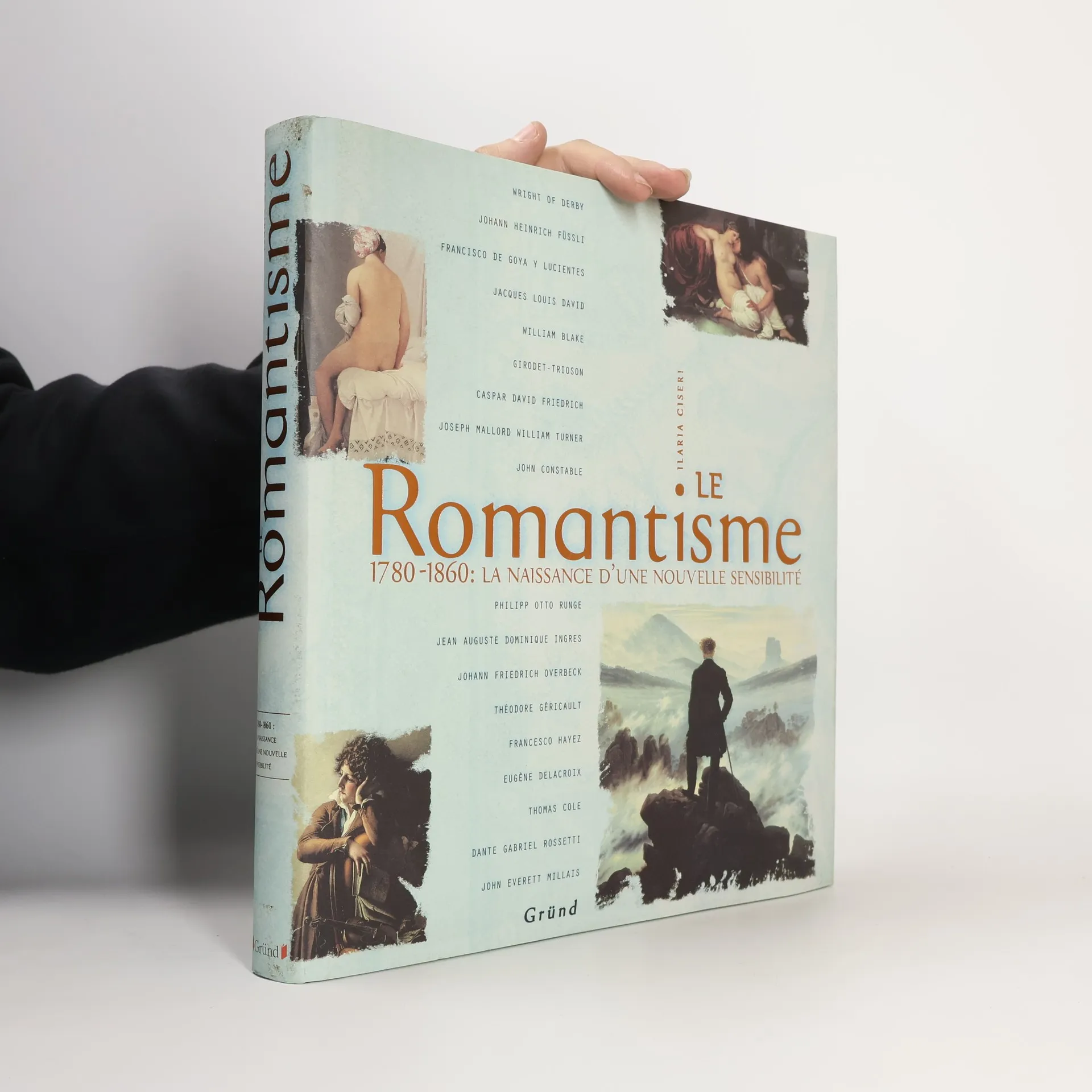
Le romantisme, synonyme d'art moderne, incarne intimité, spiritualité, couleur et aspiration vers l'infini, comme le souligne Baudelaire. Ce mouvement artistique et littéraire, qui émerge au début du XIXe siècle, s'étend à travers l'Europe et le Nouveau Monde. Il marque une rupture avec le classicisme et les enseignements académiques, permettant aux artistes de s'exprimer librement à travers leur sensibilité et leur imagination. L'ouvrage, riche de plus de 450 reproductions, offre un panorama exceptionnel de ce mouvement, explorant des thèmes variés allant du mythe de Napoléon à la nostalgie médiévale, des représentations du sacré à l'orientalisme, ainsi que de l'observation des paysages à l'évasion dans le rêve et le fantastique. Le parcours commence avec le préromantisme à la fin du XVIIIe siècle et se termine vers 1860 avec l'émergence du réalisme. En plus des figures emblématiques comme Delacroix et Géricault, le livre met en lumière des artistes moins connus qui ont également contribué à la diffusion du romantisme. Un tableau chronologique et des biographies d'artistes à la fin de l'ouvrage fournissent des repères précieux, offrant une immersion dans l'une des périodes les plus fascinantes de la culture européenne, dont l'influence perdure aujourd'hui.
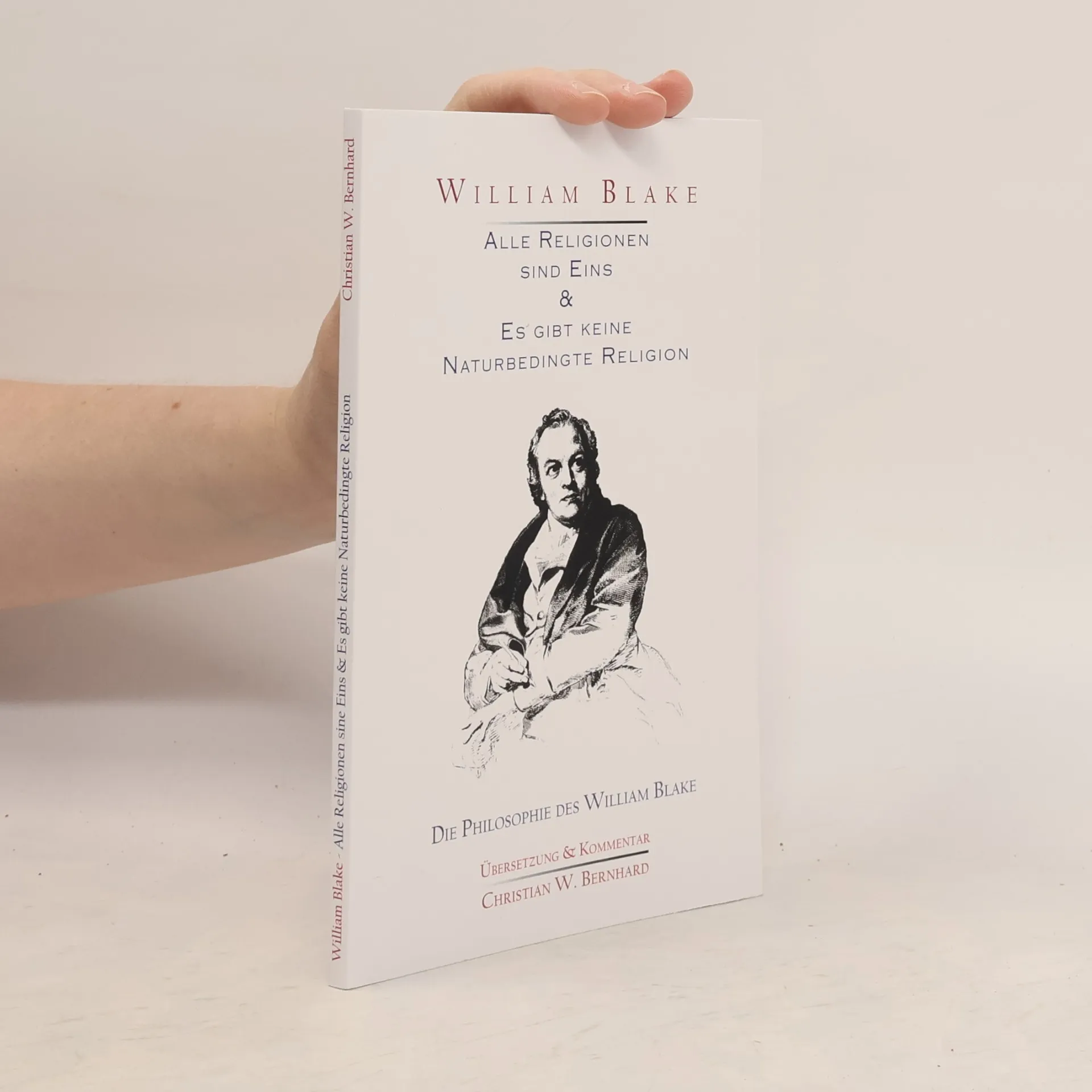
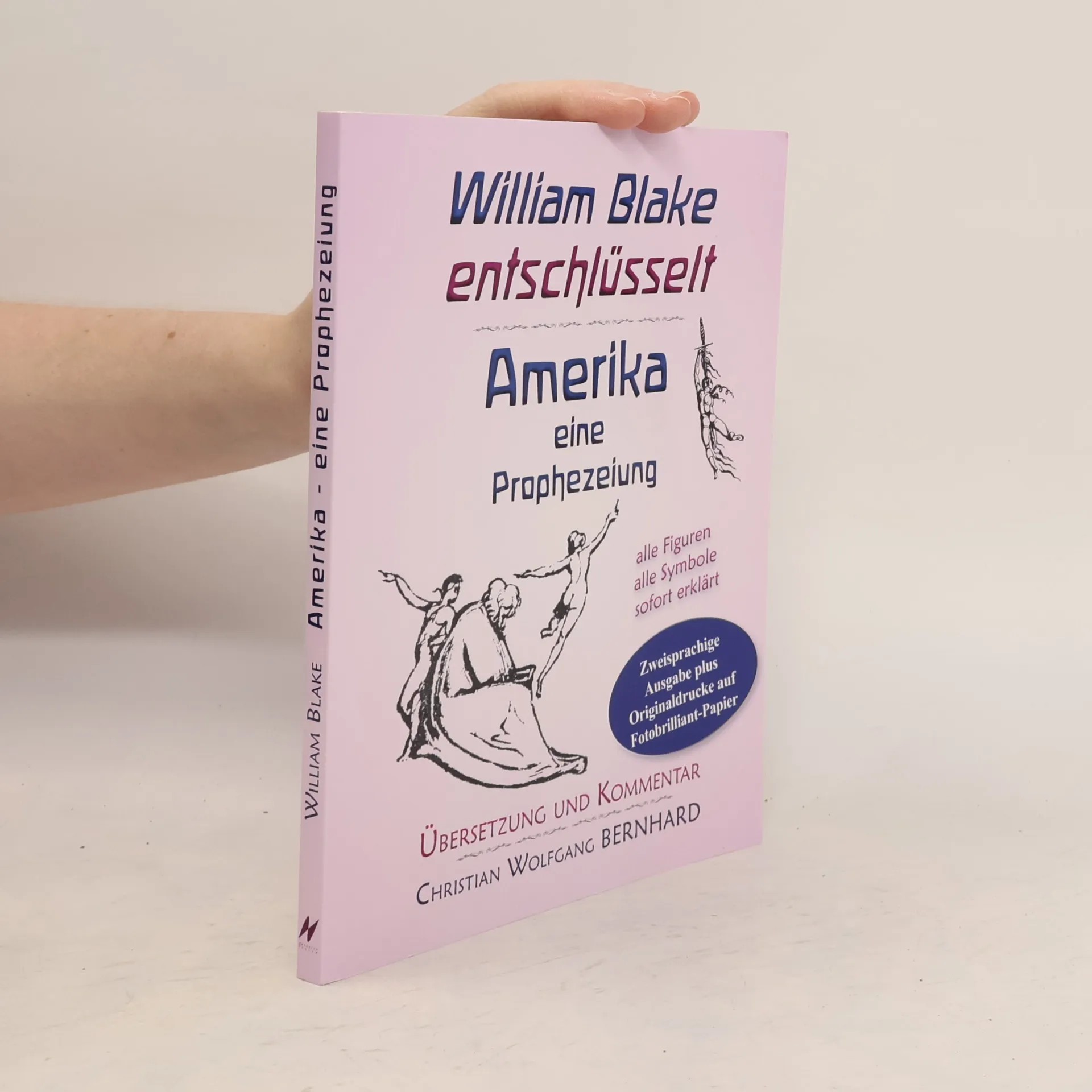
William Blake entschlüsselt; Übersetzung und Kommentar; zweisprachige Ausgabe
120 páginas
5 horas de lectura
Die Methode in diesem Buch bietet einen neuen Zugang zu William Blakes faszinierendem Werk, indem sie dessen komplexe Themen und Symbole entschlüsselt. Durch die Analyse seiner Gedichte und Bilder wird der Leser in die tiefere Bedeutung und die künstlerische Vision Blakes eingeführt. So wird nicht nur das Verständnis seiner Kunst gefördert, sondern auch die Wertschätzung für seine innovative Denkweise und seinen Einfluss auf die Literatur und Kunstgeschichte.