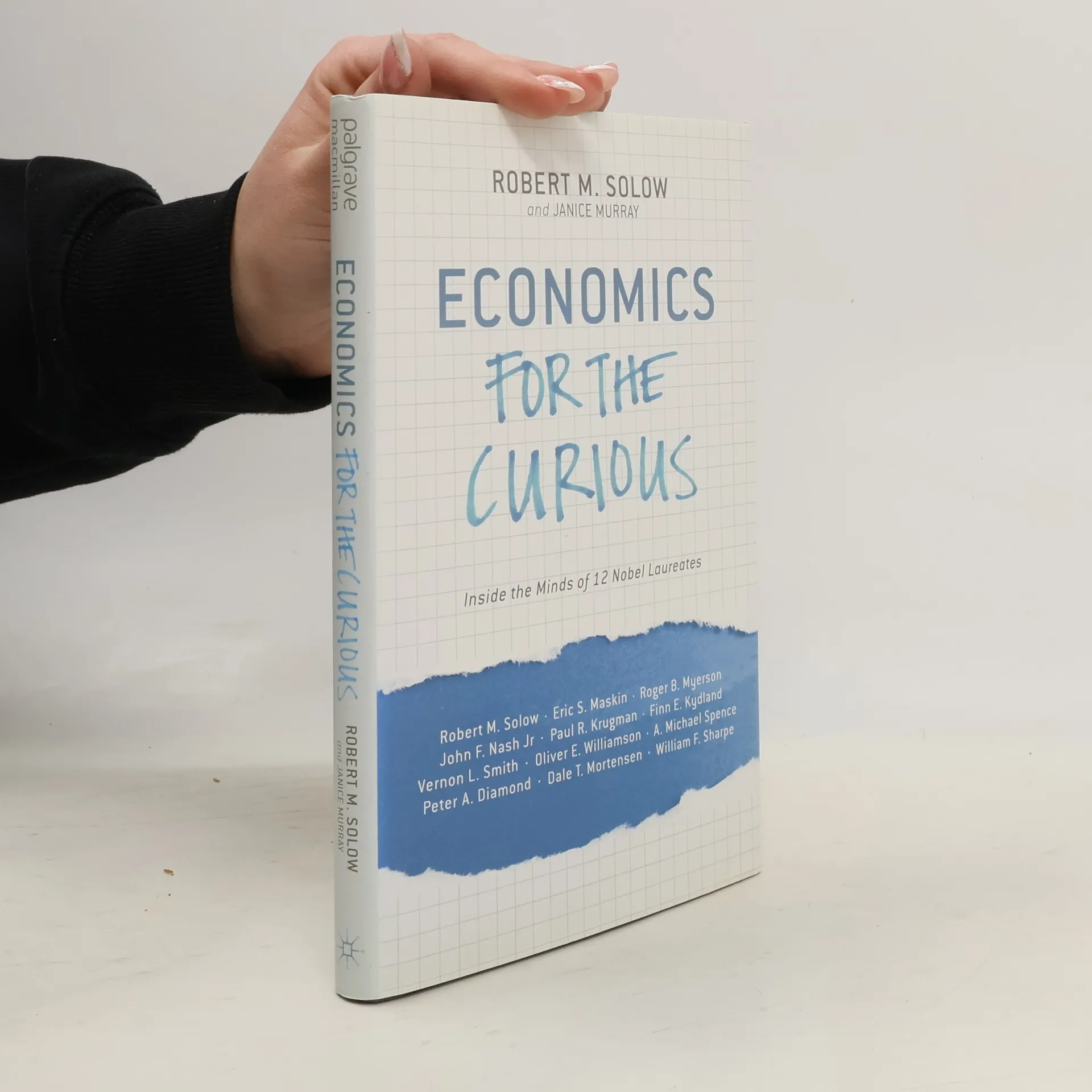
Alfred Marshall, the founder of modern economics, once described economics as 'the study of mankind in the ordinary business of earning a living'. In Economics for the Curious, 12 Nobel Laureates show that 'the ordinary business of earning a living' covers a wide range of activities, as they take readers on an engaging tour of some of the everyday issues that can be explored using basic economic principles. Written in the plainest possible language, Nobel Laureates including Paul Krugman, Eric Maskin, Finn E. Kydland and Vernon Smith confront some of the key issues challenging society today – challenges that claim attention in any phase of the business cycle. The range of topics includes how economic tools can be used to rebuild nations in the aftermath of a war; financing retirement as longevity increases; the sustainable use of natural resources and what governments should really be doing to boost the economy. Economics for the Curious is an accessible but informative display of the kinds of questions economics can illuminate. It will appeal to anyone who has an interest in economics and the world around them, and we hope it will encourage further interest and study in the topic from readers everywhere.
Robert M. Solow Orden de los libros (cronológico)
Robert Merton Solow fue un economista estadounidense cuyo trabajo alteró fundamentalmente la comprensión del crecimiento económico. Desarrolló un modelo matemático que iba más allá del trabajo y el capital para incorporar un tercer elemento crucial: el progreso tecnológico, denominado 'residuo de Solow'. Sus teorías desafiaron las nociones previas de crisis económicas inevitables y destacaron la importancia de la innovación para el desarrollo sostenido. Las contribuciones de Solow residen en su riguroso examen de las dinámicas que impulsan la expansión económica.