Compra 10 libros por 10 € aquí!
Bookbot

Rudolf Steiner

    25 de febrero de 1861 – 30 de marzo de 1925
    Rudolf Steiner
    An Outline of Occult Science
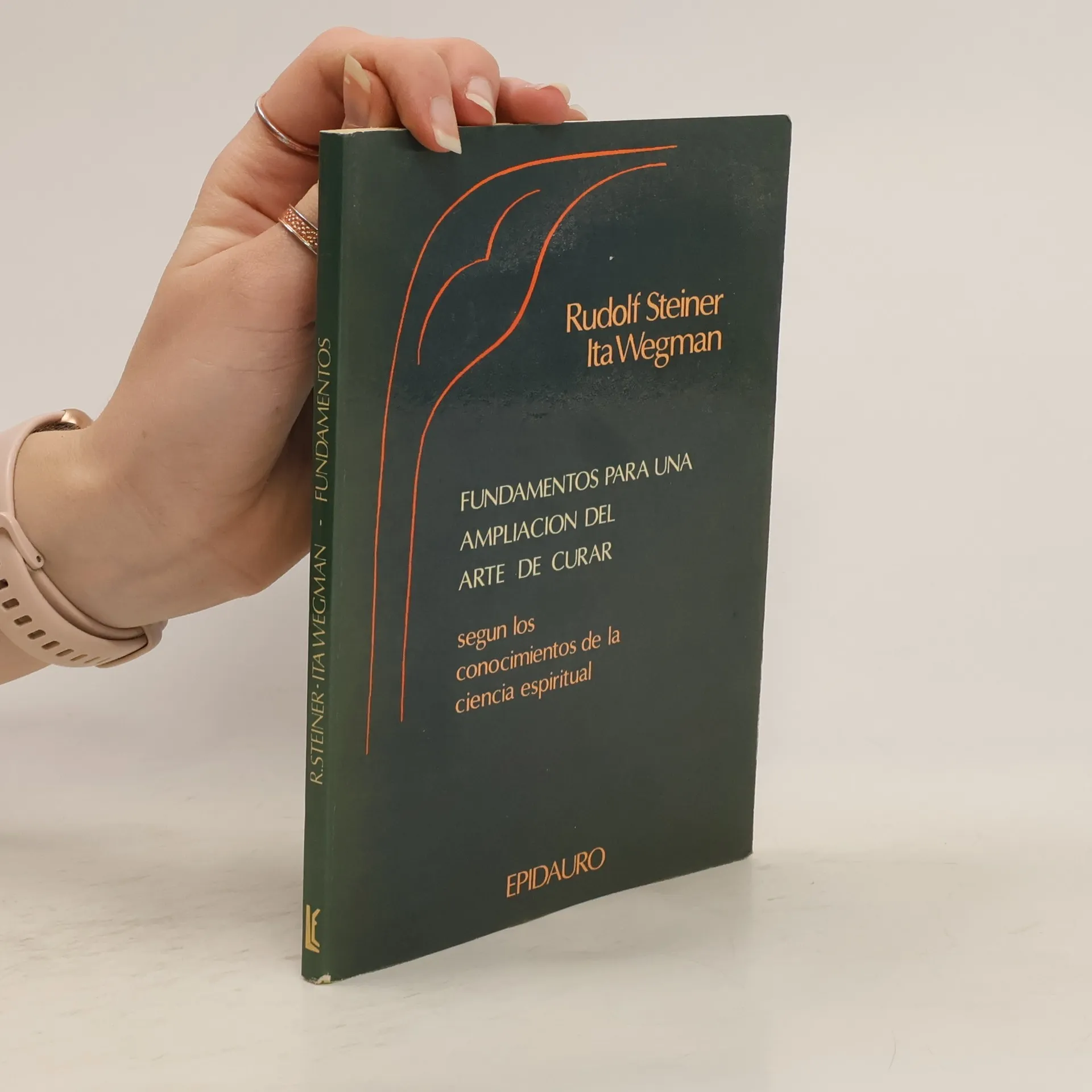
    Fundamentos para una ampliacion del arte de curar
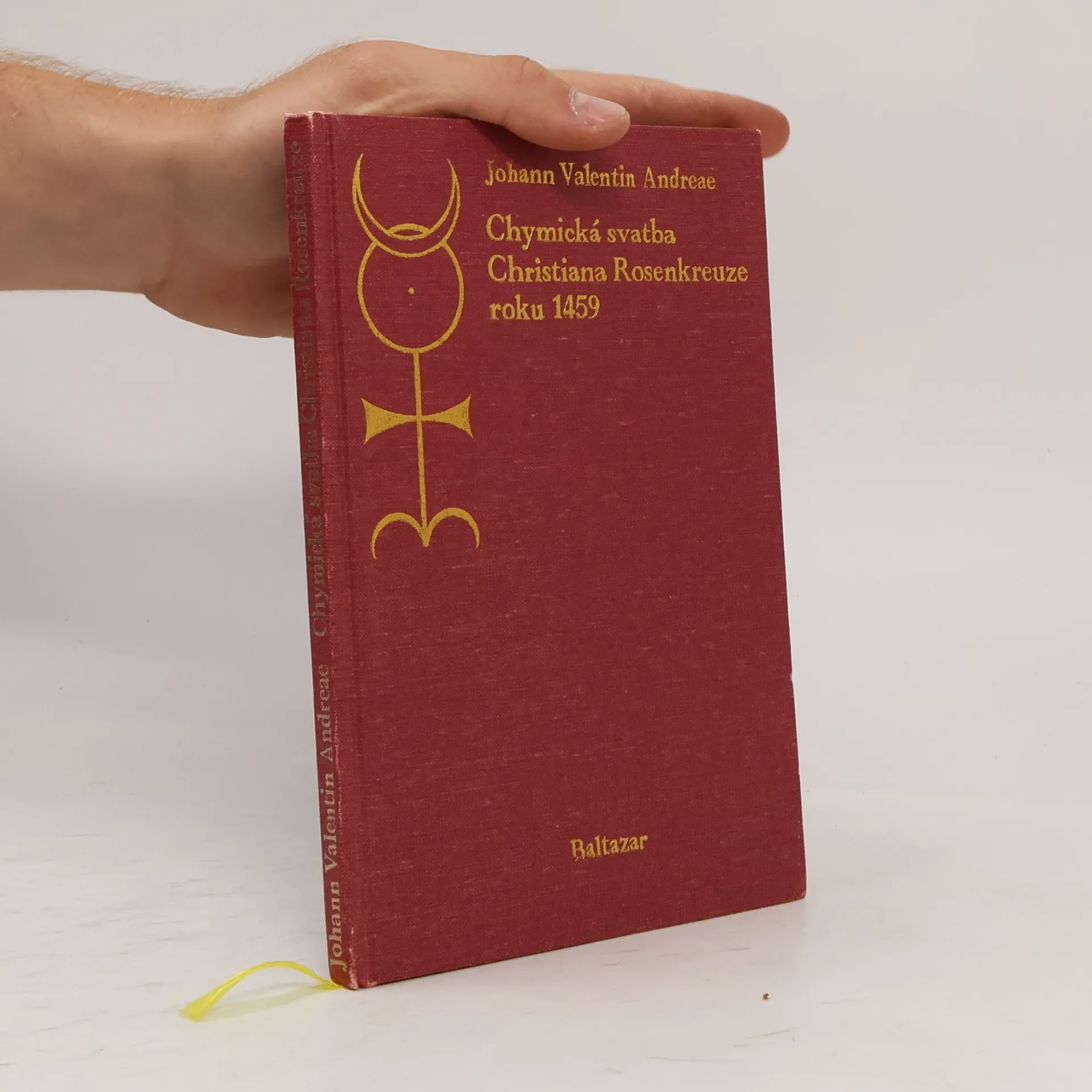
    Christian Rosacruz
    Teosofía
    La iniciación o cómo adquirir el conocimiento de los mundos superiores
    La filosofía de la libertad
    • En 1911 y 1912 Rudolf Steiner pronunció en Neuchtel (Suiza) tres conferencias sobre Christian Roacruz. En ellas, Steiner expuso revelaciones sorrendentes sobre la obra y la misión de este granAdepto Rosacruz. Tanto fue así que los rosacrucinos,eguidores de la filosofía rosacruz, han vsto en estas conferencias uno de los textos prinipales de su escuela espiritual y filosófica.En esta pequeña obra el ocultista Rudolf Steinertrata temas como: - Los siete grados de la Inciación. La Escuela de los doce. La ley delos 100 años. Los tres procesos alquímicos. Las reencarnaciones de Christian Rosacruz. Sn Francisco de Asís, reencarnación de Buda. L misión de Christian Rosacruz.

      Christian Rosacruz
    • An Outline of Occult Science

      • 548 páginas
      • 20 horas de lectura

      Exploring the foundations of spiritual science, this work delves into the nature of the human being, the cosmos, and the spiritual world. Steiner presents a comprehensive framework for understanding esoteric knowledge, emphasizing the interconnectedness of physical and spiritual realities. The text discusses the evolution of consciousness and the significance of spiritual development, aiming to guide readers toward a deeper comprehension of existence and their place within it. This edition continues to offer insights into Steiner's unique perspective on occult science.

      An Outline of Occult Science
    • Autobiography

      • 400 páginas
      • 14 horas de lectura

      Entering this world with defined soul predispositions suggests that my life’s course is influenced by these traits, implying a spiritual existence before birth. As a spirit, I embody a repetition of someone whose biography informs my own. Each life reflects the human spirit's continuity, enriched by past experiences. In his Autobiography, Rudolf Steiner offers a rare glimpse into his inner life, personal relationships, and key events that shaped him as a philosopher, seer, and teacher. This edition restores the original format of seventy chapters, reflecting the content as it appeared in the Goetheanum weekly newsletter. Steiner's story transcends mere successes and failures; it reveals a soul with a keen scientific mind and natural clairvoyance, enabling him to perceive the spiritual realm. While inherently clairvoyant, he valued modern scientific methods, leading to the development of Anthroposophy, or spiritual science. Over the century since these events, Steiner's insights have profoundly influenced various aspects of life, continuing to transform experiences in the twenty-first century. This illustrated, revised, and expanded edition is the first volume in The Collected Works of Rudolf Steiner, a series that will compile all English translations of his writings, including many previously unavailable.

      Autobiography
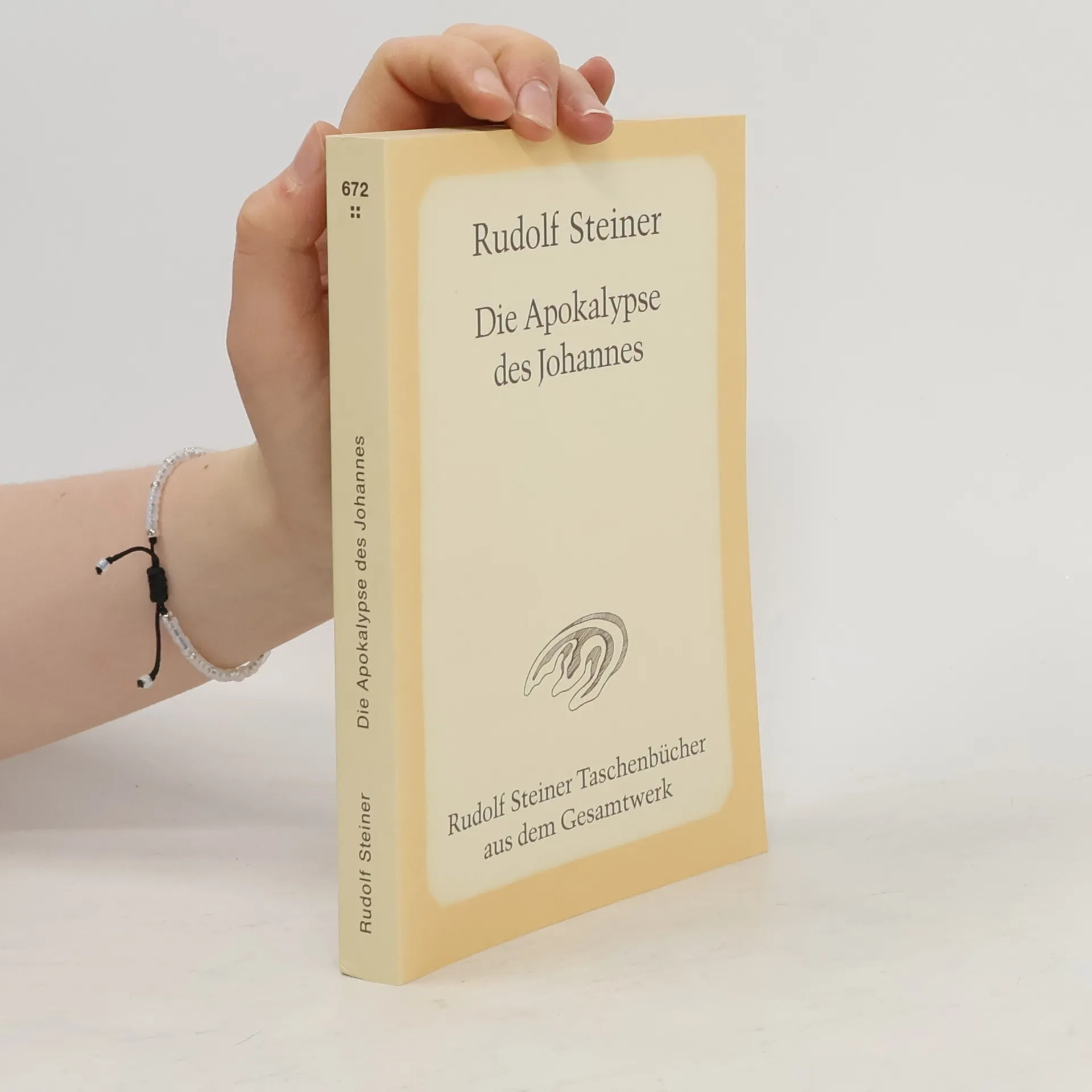
    • 18 lectures & conversations with 57 priests, Dornach, Sept 5–22, 1924 (CW 346) John's Book of Revelation, the Apocalypse, has been subjected to countless theological and academic interpretations over the years, usually based on theories and abstract speculations. Rudolf Steiner, however, discussed the Book of Revelation through direct experience and knowledge of the spiritual truths contained in John's mysterious imagery. Rudolf Steiner had already presented his insights on the Apocalypse to various audiences, but in 1924 he presented a completely new perspective. This time, his comments were in response to requests from priests of The Christian Community, the movement for religious renewal, which itself had taken form on the basis of Steiner's insights. This book will be of value to anyone who would like a fresh perspective on the most enigmatic book of the New Testament. Includes eight color plates of blackboard drawings. This book is a translation from German of text reconstructed from notes taken by the participants, originally published as Vorträge und Kurse über christlich-religiöses Wirken, Bd.5, Apokalypse und Priesterwirken (GA 296).

      The book of revelation and the work of the priest
    • Rudolf Steiner's collection of fifty-two meditative verses--presented here in both English and German--were first published in 1925, shortly after Steiner's death. These verses, representing the fifty-two weeks of the year, begin with Easter week and offer thoughts that help one find a deeper relationship with the spiritual forces at work throughout the year. Each verse in this volume appears alongside the corresponding verse for the week that represents a kind of opposite (or "compensating") force during the year. This durable, pocket-sized hardcover volume also includes a short introduction by Hans Pusch, describing a unique and useful way to approach The Calendar of the Soul. Click HERE to read more. The Calendar of the Soul is a translation of "Anthroposophischer Seelenkalender," included in Wahrspruchworte (GA 40).

      The calendar of the soul
    • The fall of the spirits of darkness

      • 240 páginas
      • 9 horas de lectura

      Speaking at a time of intense war in Europe, Rudolf Steiner reveals the spiritual roots of the crises of our times and the means by which we can overcome them. Since 1879, Steiner tells us that "backward" angels, or "spirits of darkness"--who were forced out of the heavens and made their abode on Earth following their defeat in a forty-year battle with the Archangel Michael--have influenced human minds. It is now possible for human beings to awaken more consciously to the truth of these profound changes and thus inwardly counter the fallen spirits' influences. We can come to the realization that definite spiritual causes lie behind earthly events in our rapidly changing times. In these fourteen lectures, given at the end of 1917 following four years of war in Europe, Steiner speaks on the complex spiritual forces behind the World War I, humanity's attempts to build theoretically perfect social orders, and the many divisions and disruptions that would continue on Earth into our own time. Humanity in general was asleep to the fact that fallen spirits, cast from the spiritual worlds, had become intensely active on Earth. This manifested mainly in human thinking and perception of the surrounding world. However, the defeat and fall of these spirits also ensured that a science of the spirit would always be available to humanity.

      The fall of the spirits of darkness