

Sven Beckert profundiza en la historia de los Estados Unidos del siglo XIX, centrándose particularmente en las dimensiones económicas, sociales, políticas y transnacionales del capitalismo. Su obra examina cómo evolucionó el capitalismo y cómo moldeó las sociedades. Los estudios de Beckert ofrecen penetrantes reflexiones sobre las fuerzas que forjaron el mundo moderno. Su investigación histórica proporciona a los lectores una profunda comprensión del pasado y sus reverberaciones contemporáneas.
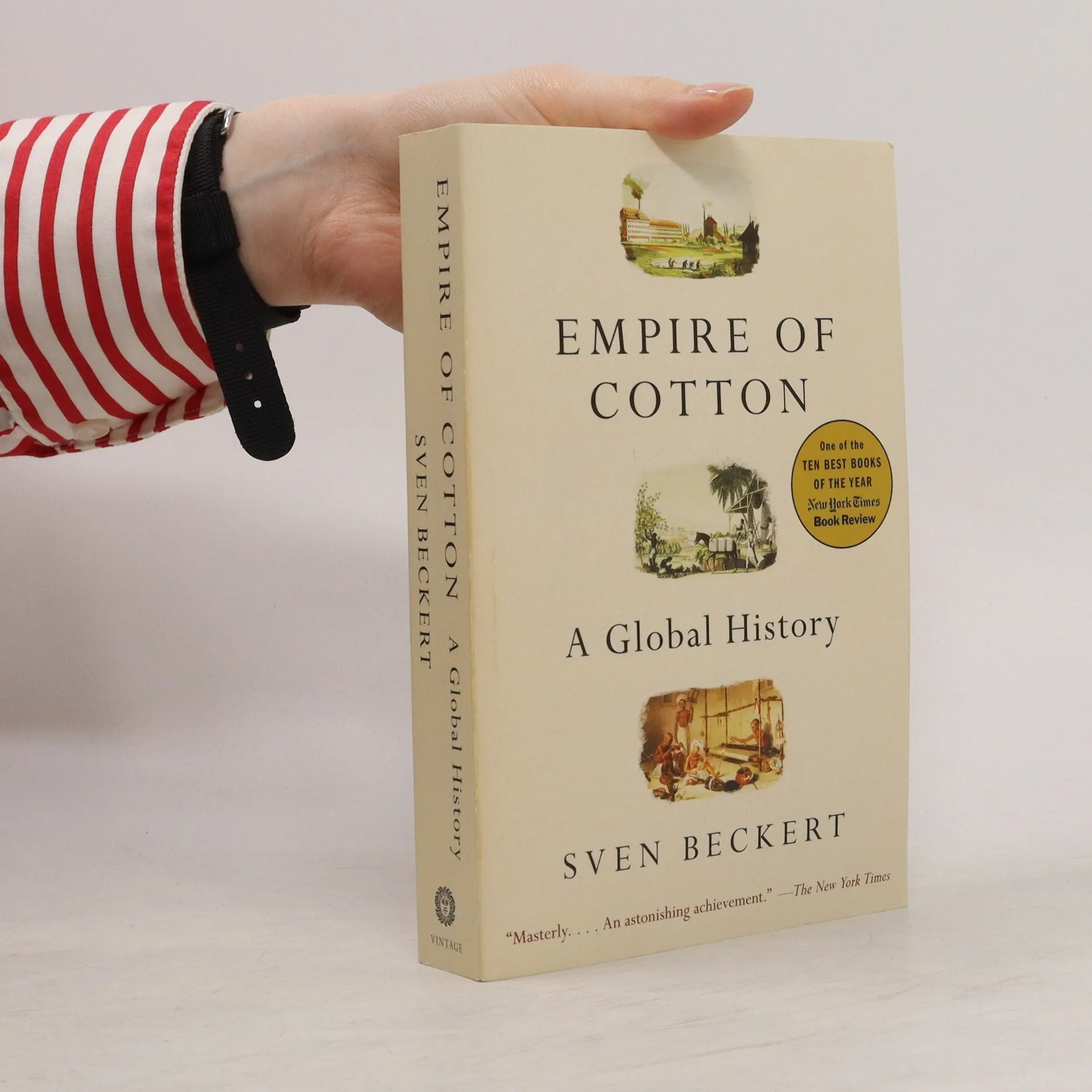
Now in paperback, this is a history of the cotton industry, and the overwhelming role played by cotton in dictating the shape of our world. It won the Bancroft Prize and the Philip Taft Prize and was a finalist for the Pulitzer Prize.
This rich and fascinating narrative chronicles the rise and fall of the cotton empire, highlighting its pivotal role in the global economy and the evolution of capitalism. Sven Beckert explores how, in a short span, European entrepreneurs and influential statesmen transformed the cotton industry by merging imperial expansion and slave labor with emerging technologies and wage labor. The story begins long before machine production in the 1780s, detailing how these figures appropriated ancient trades and skills from Asia, seized lands in the Americas, and enslaved African workers, fundamentally reshaping the diverse realms of cotton that had existed for centuries.
As industrial capitalism took hold, it redefined these cotton worlds into an empire that significantly altered global dynamics. This empire became a battleground of ongoing struggles among slaves and planters, merchants and statesmen, farmers and factory owners. Beckert illustrates how these conflicts contributed to the formation of modern capitalism, revealing the vast wealth and stark inequalities that persist today. The result is an unsettling yet enlightening exploration that intricately connects the history of cotton to the development of our contemporary global landscape.
Kaum ein Phänomen hat die Menschheitsgeschichte der letzten Jahrhunderte so geprägt wie der Kapitalismus – wie wir leben und arbeiten, wie wir über uns und andere denken, wie wir uns politisch organisieren. Der Historiker Sven Beckert erzählt in diesem monumentalen Werk die Geschichte dieses Wirtschaftssystems über die größtmögliche Dimension von Raum und Zeit hinweg. Statt den Kapitalismus, wie lange üblich, als europäisches Exportprodukt zu betrachten, erfasst er ihn in seiner internationalen Vernetzung. Arabische Kaufleute, indische Weber und versklavte Afrikaner auf karibischen Zuckerplantagen sind in seiner Darstellung ebenso zentral wie Amsterdamer Finanziers oder Stahlindustrielle im Saarland. Beckert hat eine Globalgeschichte des Kapitalismus für das 21. Jahrhunderts vorgelegt, sein Interesse gilt neben dem enormen Wachstum, den die kapitalistische Revolution ermöglicht hat, auch den Schattenseiten unseres Wirtschaftssystems: Imperialismus und Kolonialismus, globale Ungleichheit und Ausbeutung, die Zerstörung unserer Lebensgrundlagen im Zeitalter der Klimakrise. Doch bilanziert Sven Beckert nicht lediglich die Soll- und Habenrechnungen des Kapitalismus, sondern entwirft ein Gesamtbild seiner Geschichte, das uns auch erlaubt, unsere Zukunft neu zu denken.