In "Warum existieren wir?" untersucht Stephen Hawking fundamentale Fragen des Seins, wie die Existenz des Universums und die besonderen Gesetze, die es regieren. Das Buch bietet anregende und kühne Antworten auf die letzten Fragen des Lebens und des Universums.
Leonard Mlodinow Orden de los libros (cronológico)
26 de noviembre de 1954
Leonard Mlodinow es un físico y autor cuyas obras entrelazan a la perfección las complejidades de la ciencia con la experiencia humana. Su escritura, profundamente influenciada por su propio pasado como superviviente del Holocausto y su fascinación por la mecánica cuántica, profundiza en cuestiones fundamentales sobre la existencia y la naturaleza de la realidad. Mlodinow articula estas intrincadas ideas con un estilo claro y accesible, guiando a los lectores a través de conceptos complejos y ayudándoles a encontrar un significado más profundo en nuestro universo. Su perspectiva única ofrece profundas perspectivas sobre la comprensión científica y su lugar dentro de la narrativa humana.


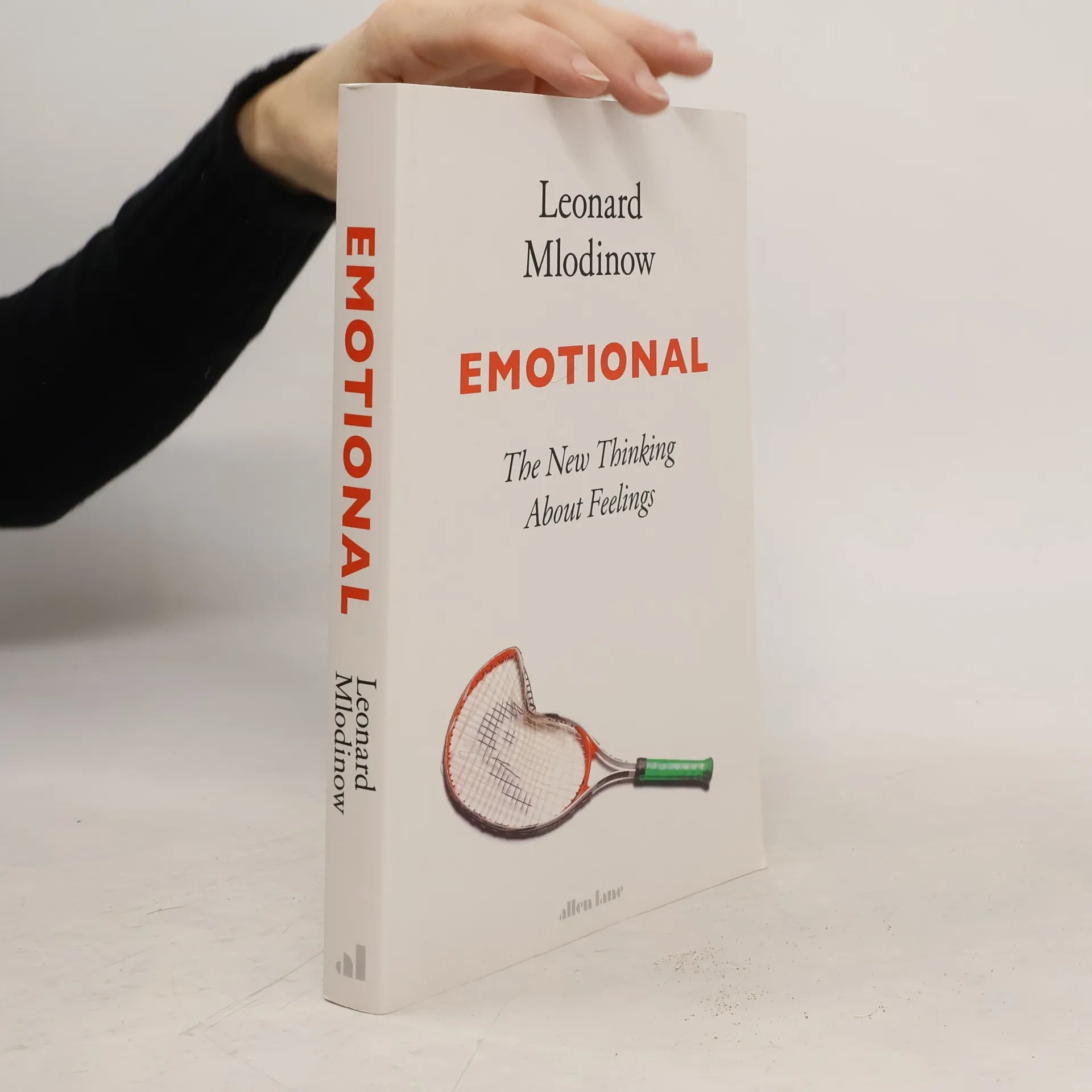
What are emotions? Where do they come from and how do they affect us? How can we control them? For most of human history, our emotions were thought to be a small set of crude states. Someone was angry, or they were sad; they were fearful or they were happy. It was believed that each only caused specific behaviours - the sad would cry, and the happy would laugh. And there was sense that these things called emotions were fundamentally at odds with our reason and logic; that feelings were passionate, unruly and got us in to trouble. But over the last decade, a revolution in science's understanding of the brain has led to a fundamental re-evaluation of the role feelings play in our day-to-day lives. Via maps of the mind, electromagnetic fields, and depression-easing phone apps, acclaimed author and scientist Leonard Mlodinow explores how our emotions are born, the role they play in forming our thoughts and decisions, and how we can harness our feelings to thrive in the modern world. Shot through with wit, lucid insight and extraordinary personal experience, Emotional is at once the definitive guide to the new science of feeling, as well as powerful call to rethink treatment for mental illness, our understanding of personal relationships, and ultimately our view of ourselves.
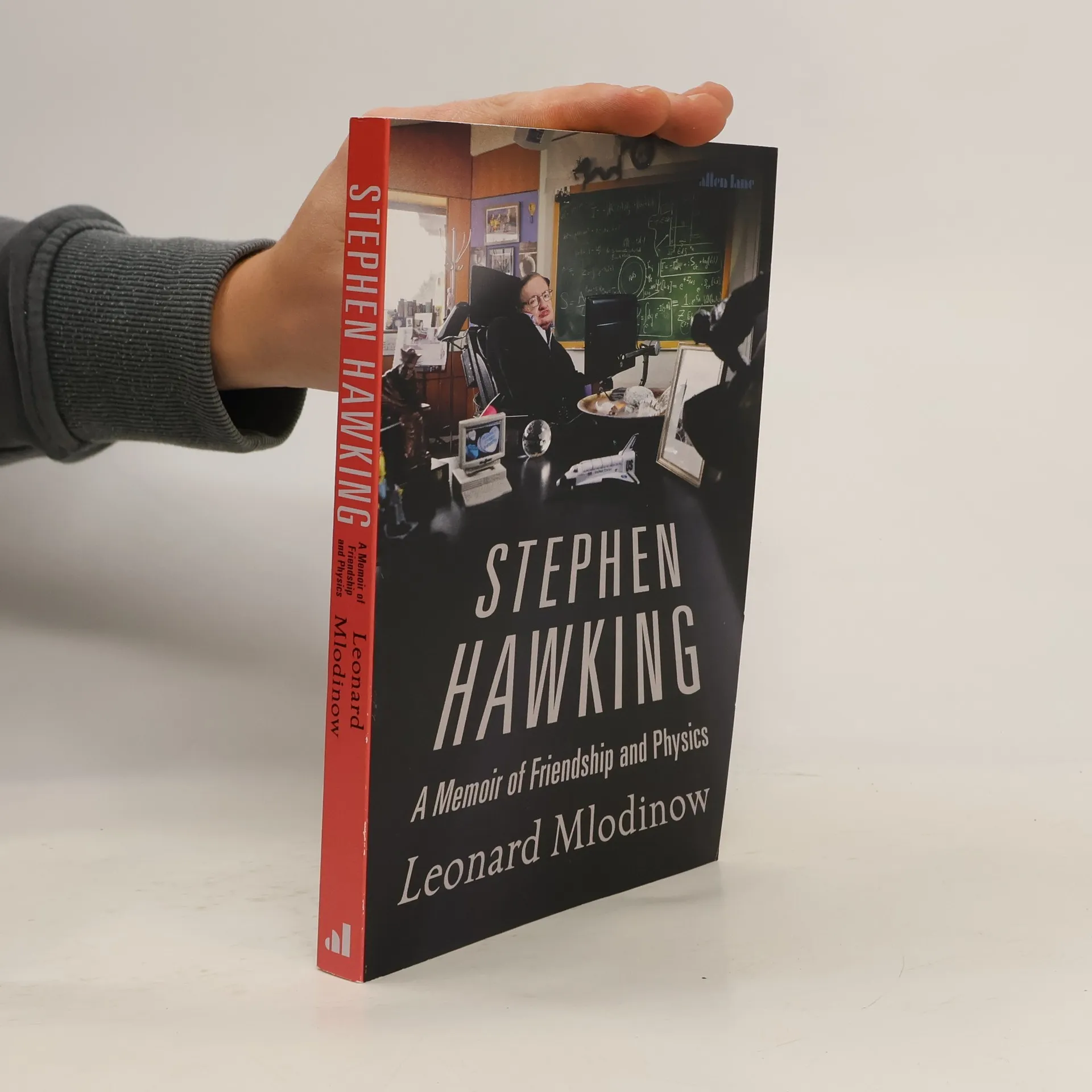
Stephen Hawking : A Memoir of Friendship and Physics
- 240 páginas
- 9 horas de lectura
An icon of the last fifty years, Stephen Hawking seems to encapsulate genius: not since Albert Einstein has a scientific figure held such a position in popular consciousness. In this enthralling memoir, writer and physicist Leonard Mlodinow tells the story of his friend and their friendship, offering an intimate account of this giant of science. The two met in 2003, when Stephen asked Leonard if he would consider writing a book with him, the follow up to the bestselling A Brief History of Time. As they spent years working on a second book, The Grand Design, they forged a deep connection and Leonard gained a much better understanding of Stephen's daily life and struggles - as well as his compassion and good humour. Together they obsessed over the perfect sentence, debated the physics, and occasionally punted on Cambridge's waterways with champagne and strawberries. In time, Leonard was able to finish Stephen's jokes, chide his sporadic mischief, and learn how the hardships of his illness helped forge that unique perspective on the universe. By weaving together their shared story with a clear-sighted portrayal of Hawking's scientific achievements, Mlodinow creates a beautiful portrait of Stephen Hawking as a brilliant, impish and generous man whose life was not only exceptional but also genuinely inspiring.
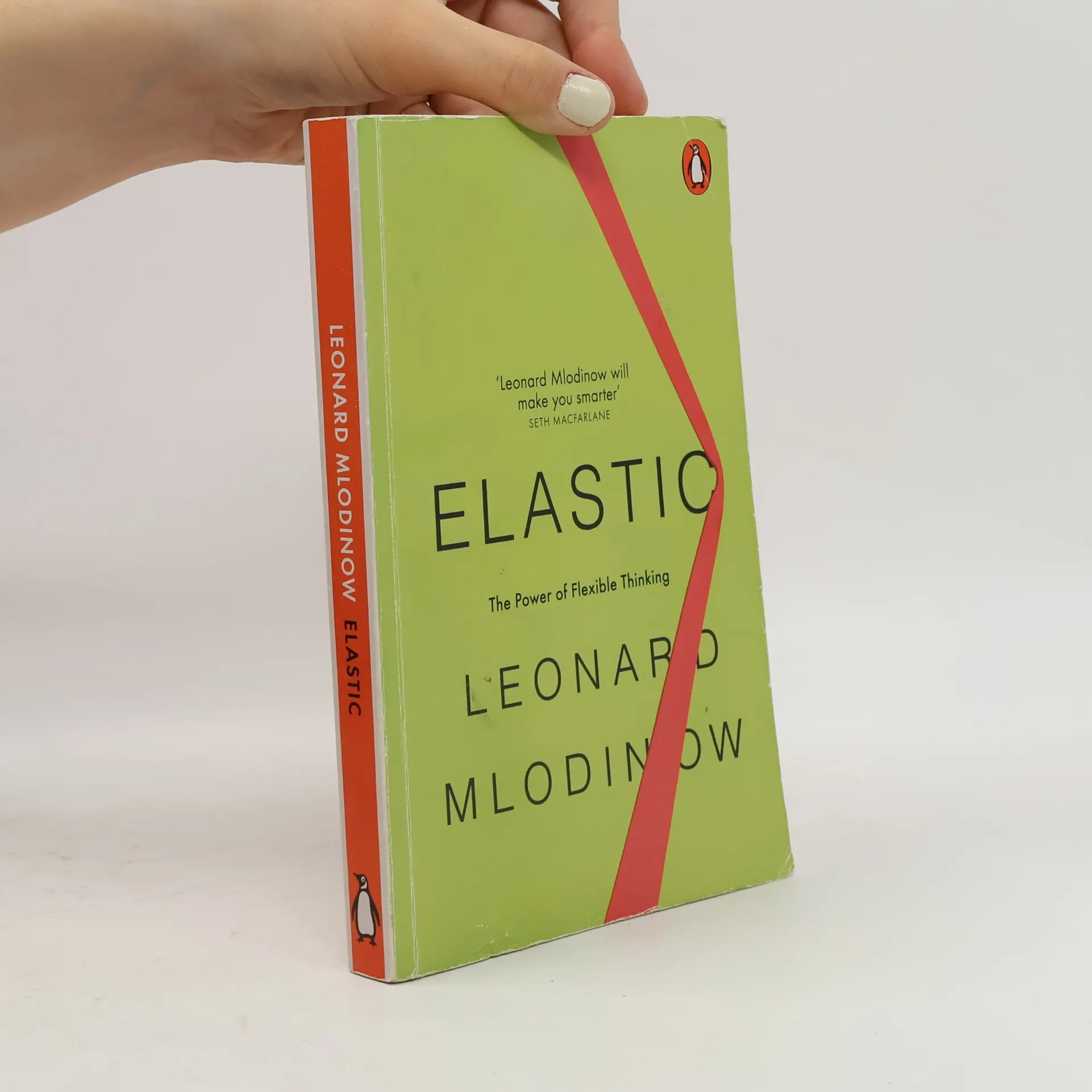
Elastic
- 272 páginas
- 10 horas de lectura
What do Pokemon Go and Mary Shelley's Frankenstein have in common? Why do some businesses survive, and others fail at the first sign of change? What gives the human brain the edge over computers? The answer- Elastic Thinking. It's an ability we all possess, and one that we can all learn to hone in order to succeed, at work and in our everyday lives. Here Mlodinow, whose own flexible thinking has taken him from physics professor to TV scriptwriter and bestselling author, takes us on a revelatory exploration of how elasticity works. He draws on cutting-edge neuroscience to show how, millennia ago, our brains developed an affinity for novelty. He discovers how flexible thinking enabled some of the greatest artists and innovators to create paradigm shifts. He investigates the organisations that have demonstrated an elastic ability to adapt to new technologies. And he shows you how you can test your brain power.
The upright thinkers
- 352 páginas
- 13 horas de lectura
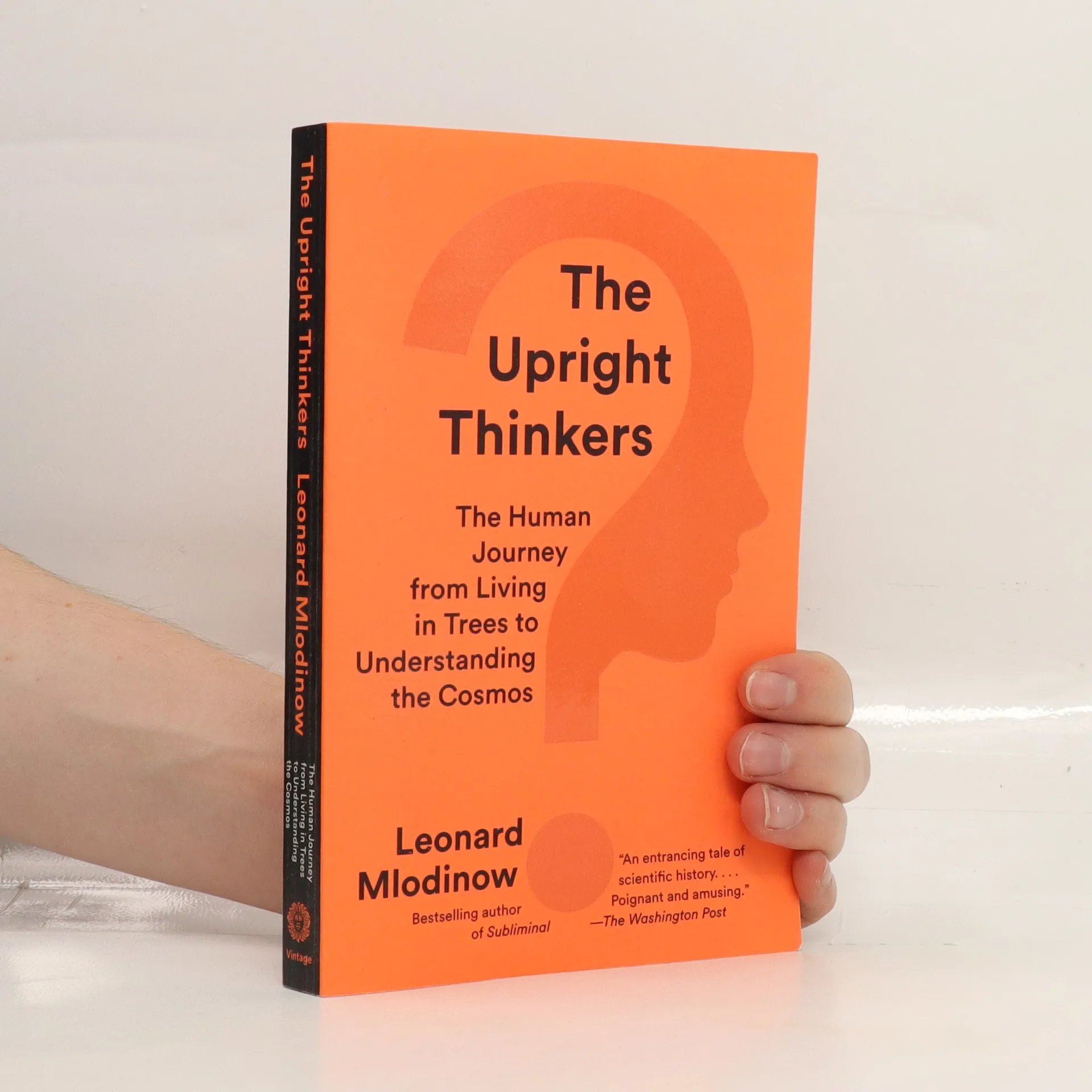
How did a near-extinct species, eking out a meager existence with stone axes, become the dominant power on earth, able to harness a knowledge of nature ranging from tiny atoms to the vast structures of the universe? Leonard Mlodinow takes us on an enthralling tour of the history of human progress, from our time on the African savannah through the invention of written language, all the way to modern quantum physics. Along the way, he explores the colorful personalities of the great philosophers, scientists, and thinkers, and traces the cultural conditions—and the elements of chance—that influenced scientific discovery. Deeply informed, accessible, and infused with the author’s trademark humor and insight, The Upright Thinkers is a stunning tribute to humanity’s intellectual curiosity and an important book for any reader with an interest in the scientific issues of our day.
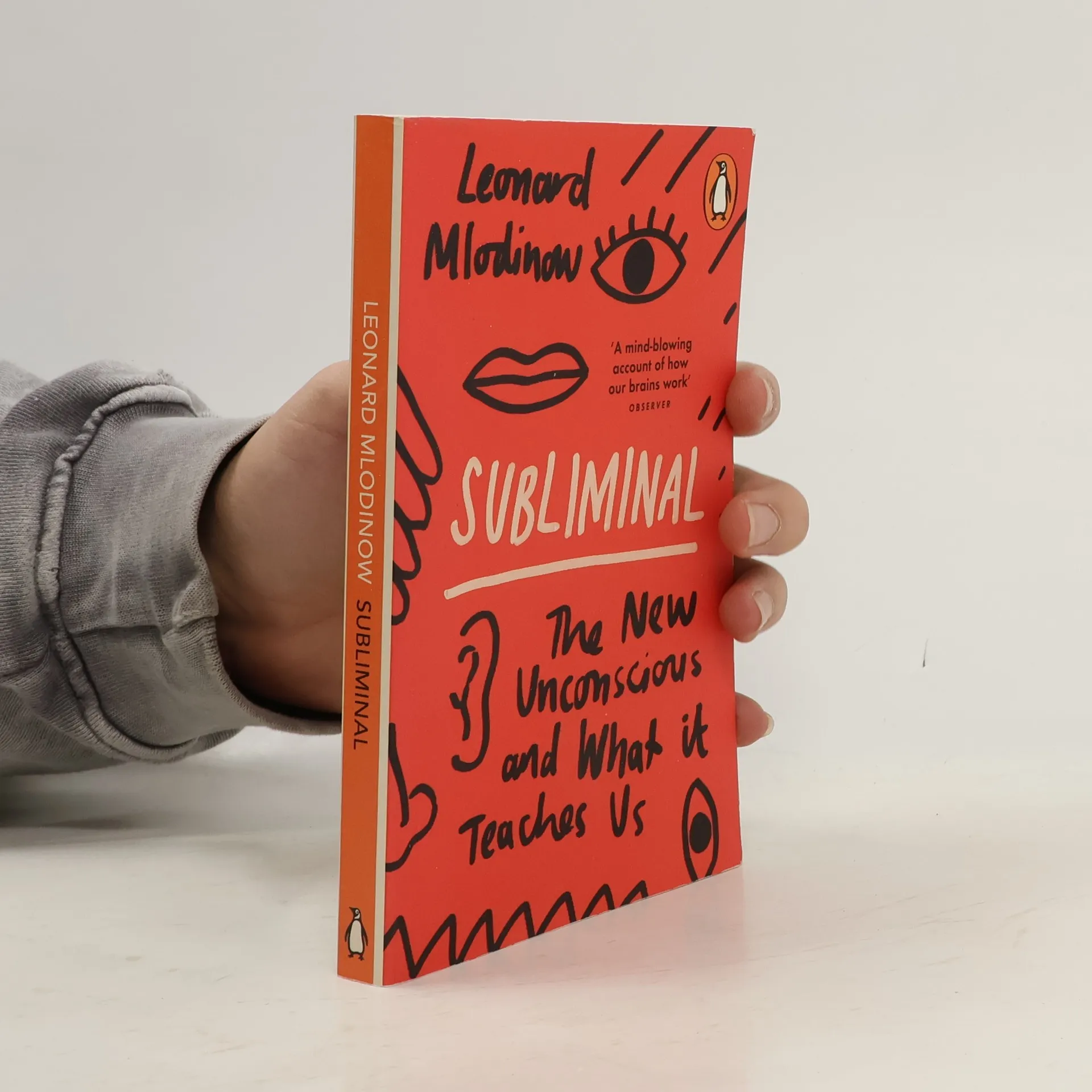
Subliminal
- 272 páginas
- 10 horas de lectura
In Subliminal Leonard Mlodinow reveals the incredible hidden power of our unconscious, and how it shapes our experience of the world. We are only aware of 5% of what's going on in our brain. Almost everything we do - who we marry, how we interact with friends and colleagues, who we vote for, how we handle money, even what we think we remember about our past - is largely driven by the mind's subliminal processes and not by our conscious awareness, as we have long believed. Here Mlodinow unravels the subliminal self, showing us how the human mind really works. 'After reading this book, you will look at yourself (and those around you) in a new way.' Joseph T. Hallinan, author of Why We Make Mistakes 'With great wit and intelligence, Mlodinow takes us on a sweeping tour of the latest revelations in neuroscience.' Huffington Post 'An illuminating journey through a hidden world.' Nature 'Leonard Mlodinow never fails to make science both accessible and entertaining.' Stephen Hawking
War of the Worldviews. Science vs. Spirituality
- 336 páginas
- 12 horas de lectura
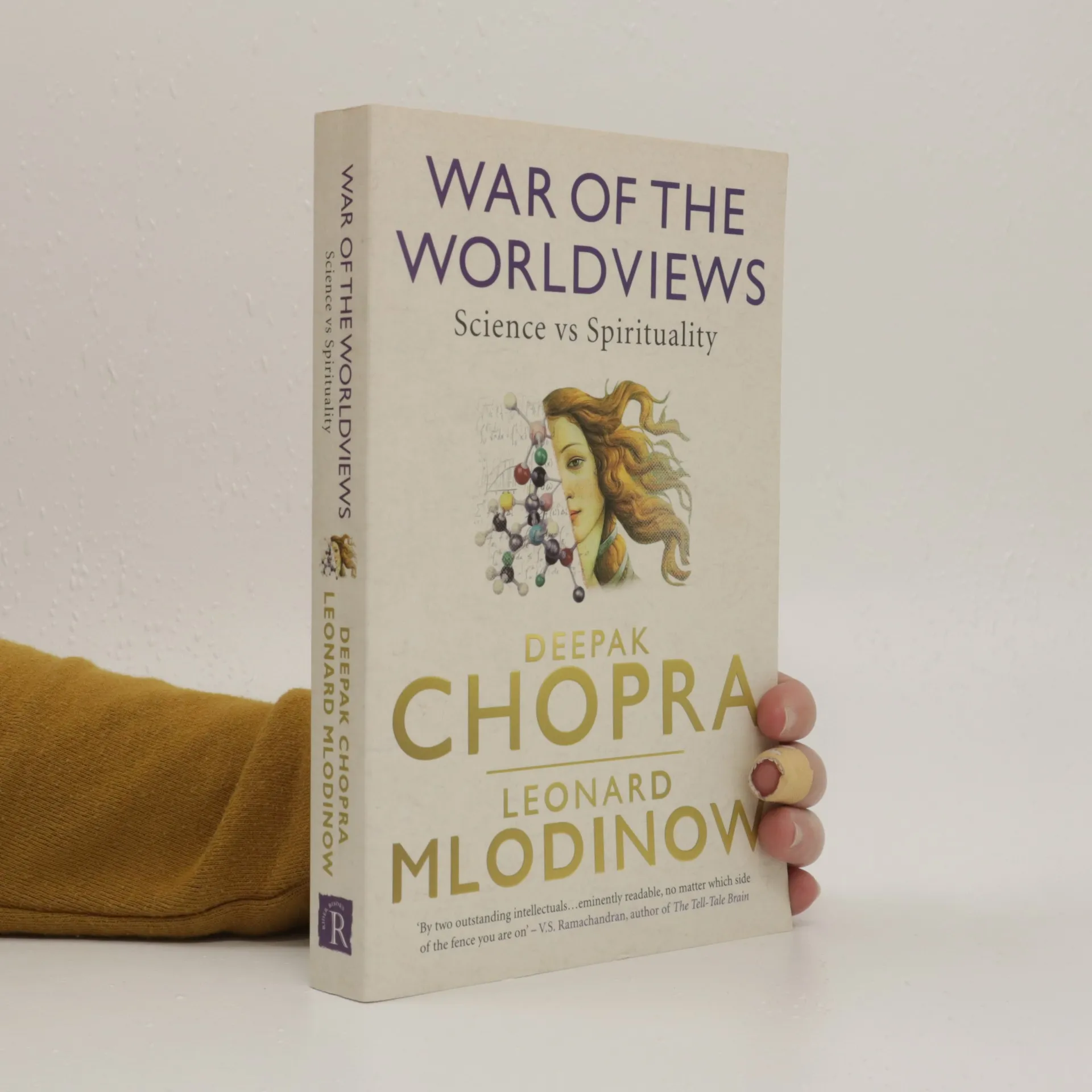
Richard Dawkins, Christopher Hitchens and Stephen Hawking have had a major impact on the loud and popular debate between 'aggressive atheists' and religion. The huge sales of their bestselling books show just how much interest people have in their ideas. Now 'the rock star of the new spirituality', Deepak Chopra, is entering this debate, sparring with leading physicist, Professor Leonard Mlodinow (the co-author, with Stephen Hawking, of The Grand Design). In War of the Worldviews, Chopra argues that there isdesign in our universe and a deep intelligence behind life. Without defending organised religion, he debunks randomness as an explanation for how Nature evolves and shows how consciousness comes first and matter second. On the other side, Mlodinow argues the viewpoint of science, specifically what modern quantum physics can tell us about our world. In his view, physics, genetics and cosmology will shed far more light on the big questions than rethinking ancient spiritual concepts can ever do. A major work of our time, War of the Worldviews will not only offer more food for thought for those fascinated by the two sides of this modern conundrum - it will also place Deepak Chopra firmly in the ring of some of the most remarkable, and bestselling, thinkers of our era.
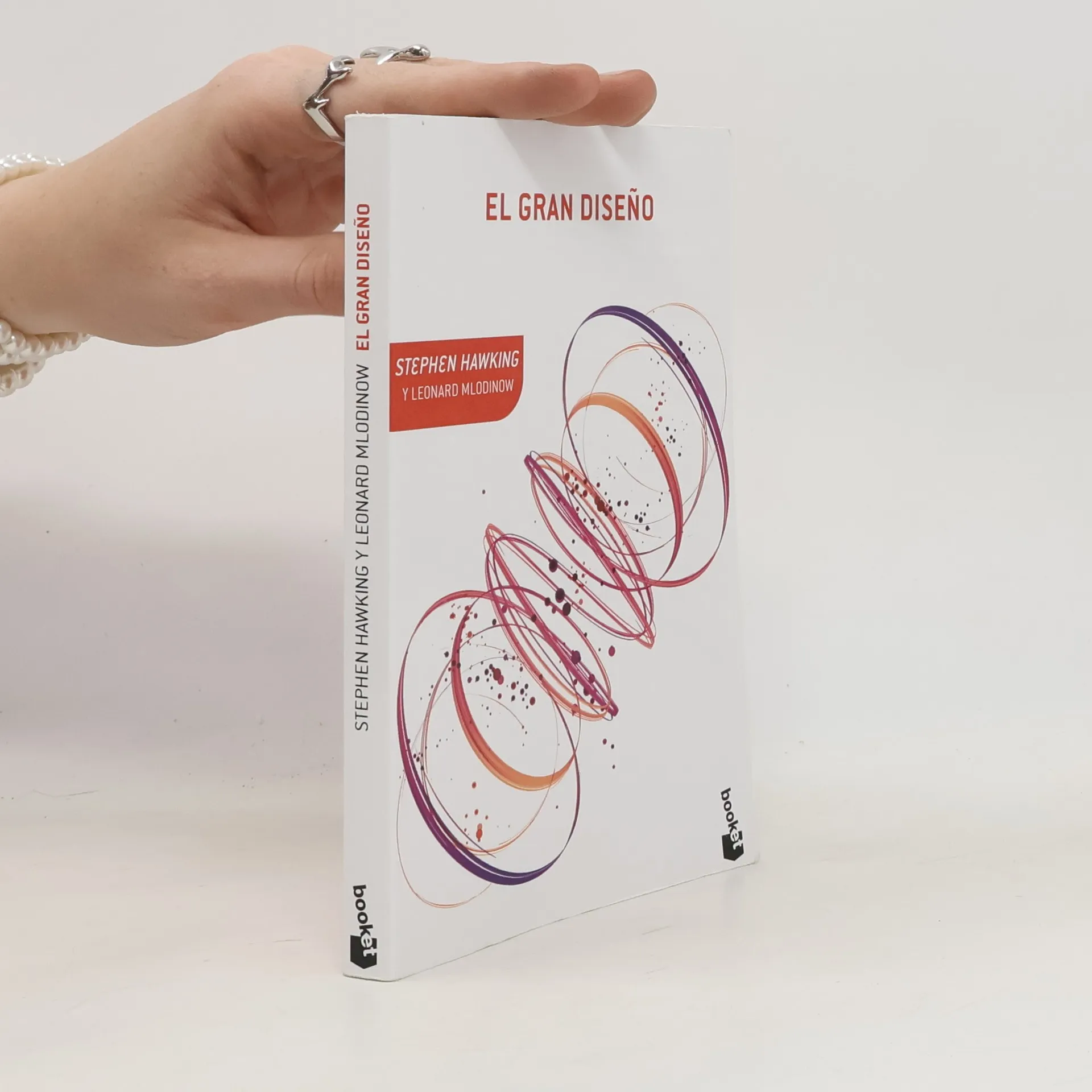
El gran diseño
- 240 páginas
- 9 horas de lectura
Este libro ha generado una notable controversia sobre sus conclusiones: tanto nuestro universo como otros posibles surgieron de la nada, sin la intervención de un Dios o ser sobrenatural, sino que se originan naturalmente a partir de las leyes físicas. A través de los descubrimientos y avances técnicos más recientes, los autores presentan una nueva imagen del universo y de nuestro lugar en él, que difiere de la tradicional y de la visión que Hawking ofreció hace más de veinte años en su obra anterior. En aquella ocasión, el físico exploraba el origen y destino del universo, pero no respondía a preguntas cruciales como: ¿por qué existe el universo?, ¿por qué hay algo en lugar de nada?, ¿por qué existimos nosotros?, y ¿necesita el universo un creador? Con el desarrollo de la teoría “M” y las observaciones de los satélites de la NASA, ahora podemos abordar la Cuestión Última de la Vida, el Universo y el Todo. Si esta teoría es confirmada por la ciencia, habremos culminado una búsqueda que se remonta a más de tres mil años: habremos hallado el Gran Diseño.
The Drunkard's walk. How randomness rules our lives
- 272 páginas
- 10 horas de lectura
Leonard Mlodinow reveals the psychological illusions that prevent us understanding everything from stock-picking to wine-tasting, winning the lottery to road safety, and reveals the truth about the success of sporting heroes and film stars, and even how to make sense of a blood test. The Drunkard’s Walk is an exhilarating, eye-opening guide to understanding our random world – read it, so you won’t be left a victim of chance.
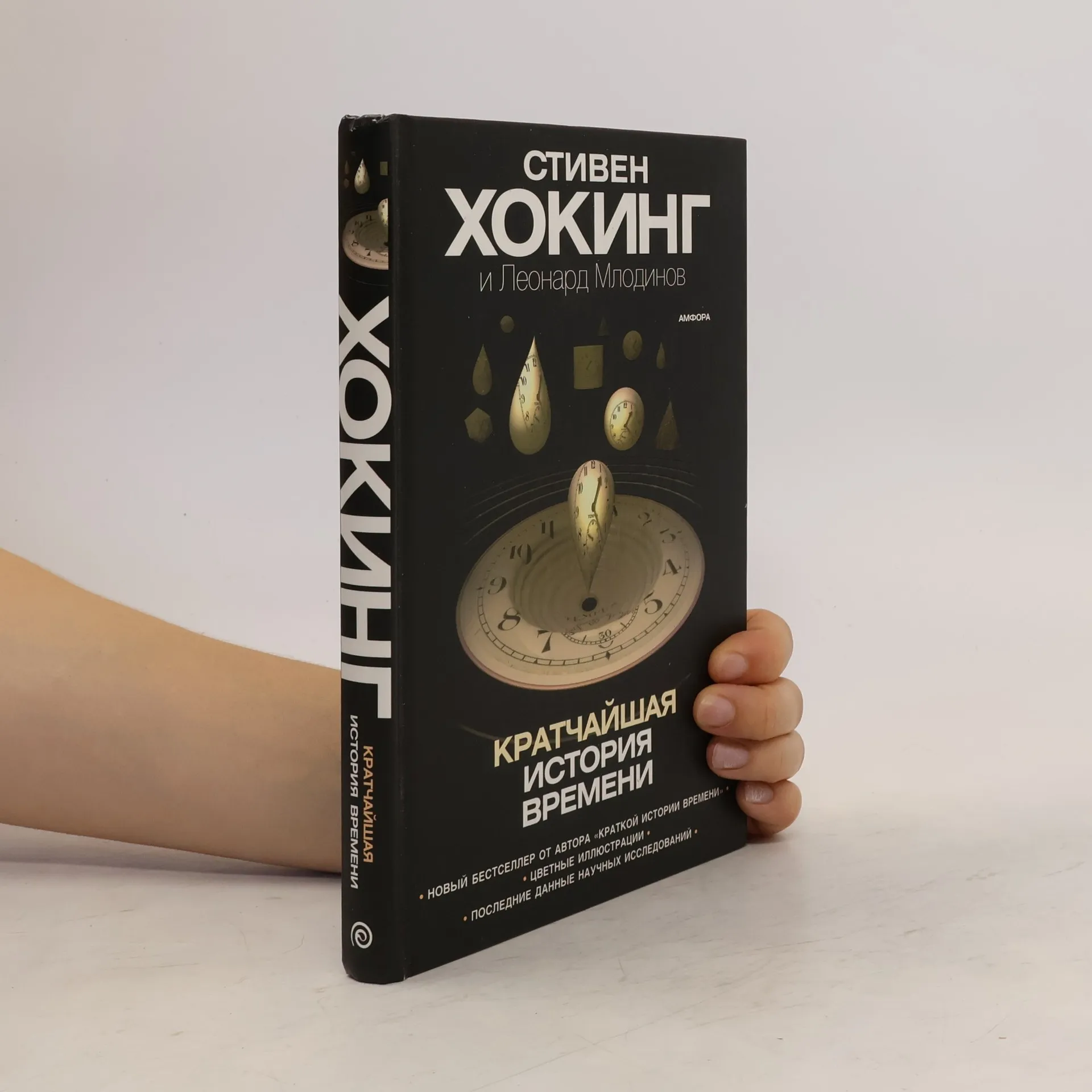
«Кратчайшая история времени» – больше, чем пространный комментарий к сложным понятиям и теориям, описанным в легендарной «Краткой истории». Авторы, Стивен Хокинг и Леонард Млодинов, спустя 17 лет, многое поменявших в астрофизике, новым взглядом смотрят на извечные вопросы: о природе пространства и времени, роли Бога в сотворении мира, о прошлом и будущем Вселенной. Данные, полученные астрономическими обсерваториями, космическими телескопами и физическими лабораториями, стали твердой опорой для теоретической физики, несколько десятилетий подряд сражающейся за стройную, единую теорию поля, должную объединить все известные виды взаимодействий. По убеждению многих, это теория струн, положения и следствия которой развернуто толкуют профессоры Хокинг и Млодинов. Черная материя и черная энергия, о которых мы знаем лишь благодаря гравитационным эффектам, путешествия во времени, на которые, как считаю авторы, «не стоит пока делать ставок» – всё это оказалось в фокусе их внимания. Издание содержит 37 цветных иллюстраций, дополняющих и украшающих текст.
Some of the brightest minds in science have passed through the halls of the California Institute of Technology. In the early 1980s, Leonard Mlodinow joined their ranks to begin a postdoctoral fellowship. Afraid he was not smart enough to be there, despite his groundbreaking Ph.D. thesis, he took his insecurities to Richard Feynman, Caltech’s intimidating resident genius and iconoclast. So began a pivotal year in a young man’s life. Though a series of fascinating exchanges, Mlodinow and Feynman delve into the nature of science, creativity, love mathematics, happiness, God, art, pleasures and ambition, producing a moving portrait of a friendship and an affecting account of Feynman’s final creative years.
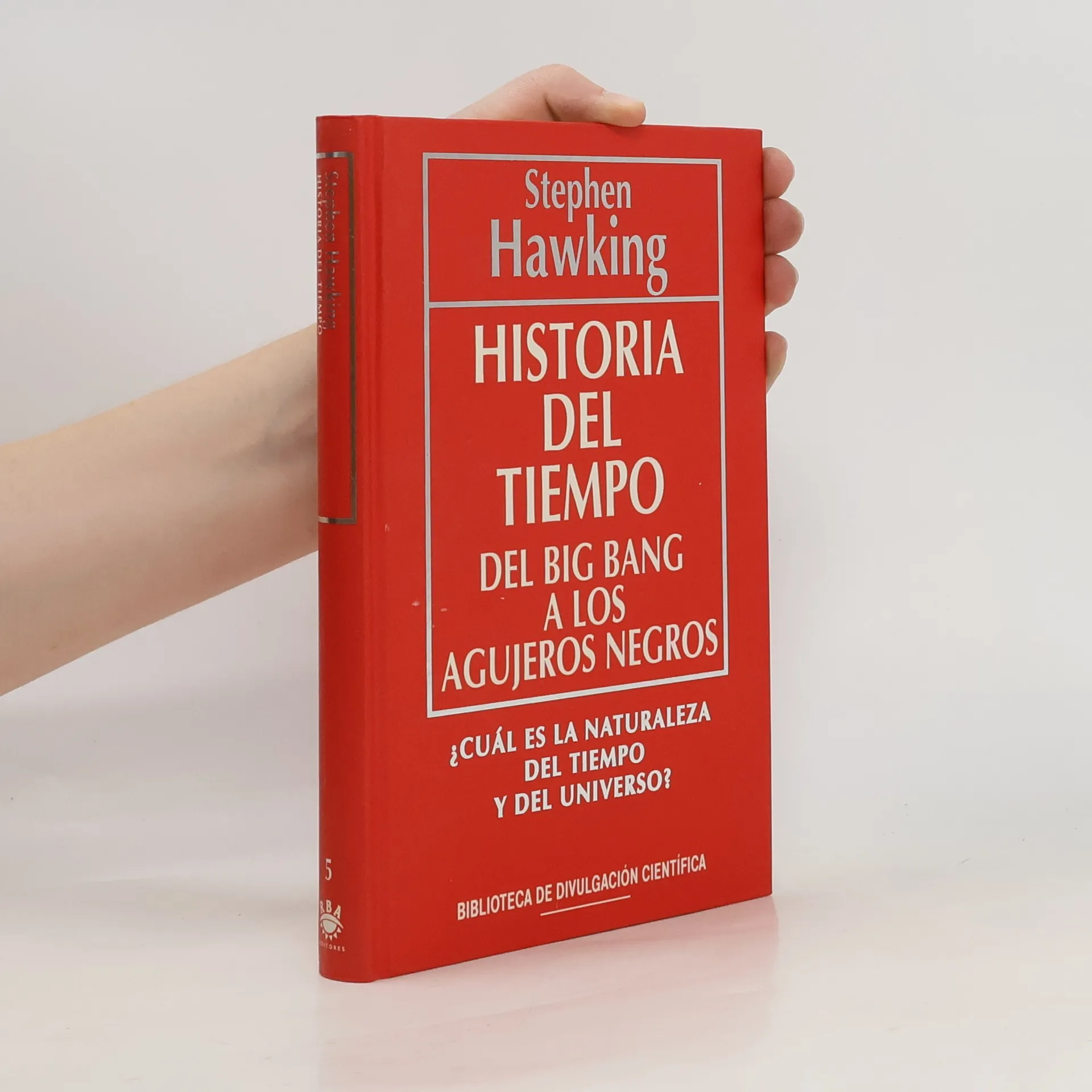
Además de proporcionarnos un ameno y, en ocasiones, divertido repaso de la historia de las Ciencias Físicas, Stephen Hawking formula en este libro una de las más atrevidas y brillantes propuestas científicas de las últimas décadas: unificar la teoría de la relatividad y la mecánica cuántica para crear una teoría cuántica de la gravedad que puede resumirse en que el Universo no necesita tener un principio ni un final, sería un universo eterno, finito pero sin fronteras y totalmente independiente.
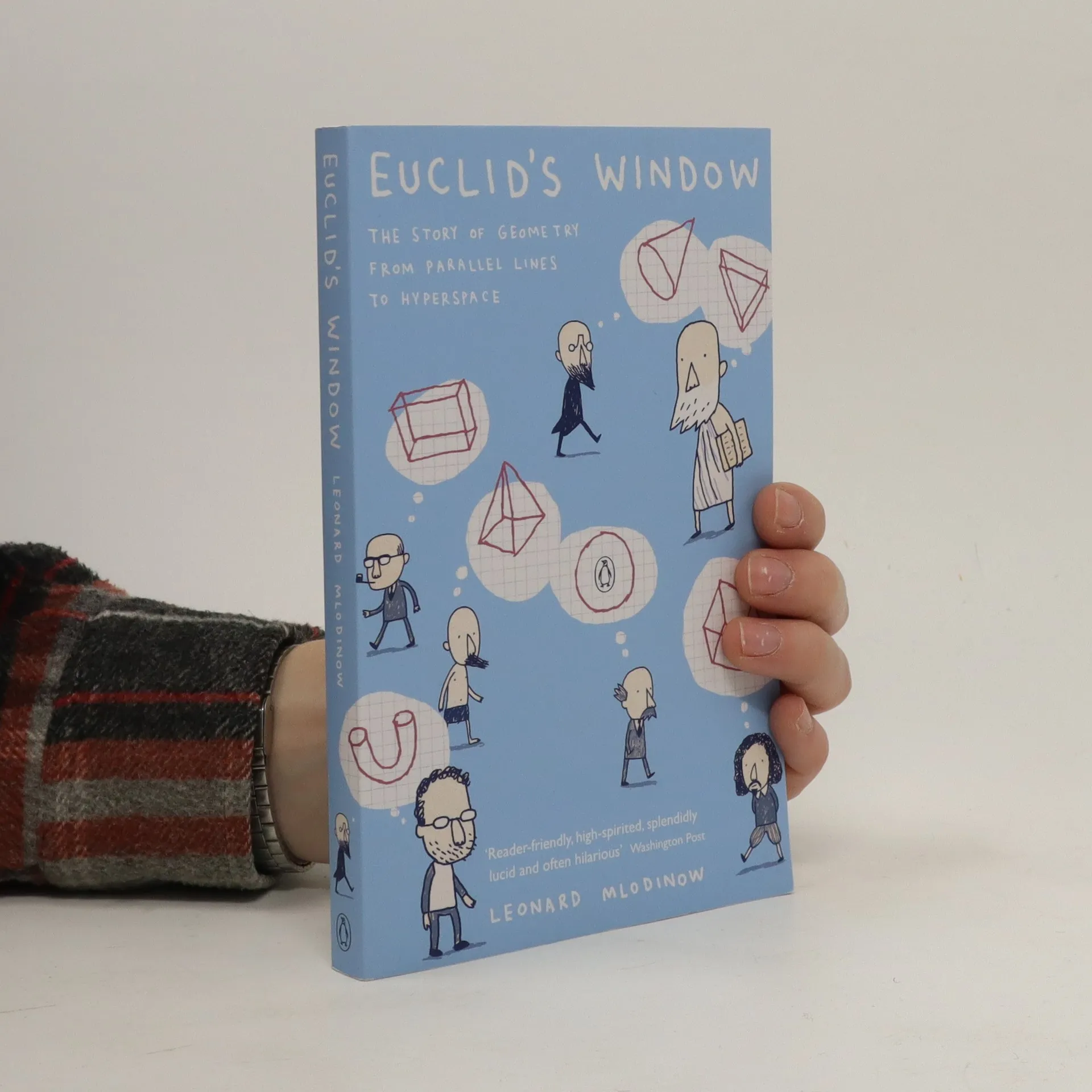
Euclid's window : the story of geometry from parallel lines to hyperspace
- 320 páginas
- 12 horas de lectura
This text leads us on a journey through five revolutions in geometry, via biographical stories, from the Greek concept of parallel lines to contemporary notions of hyperspace. It reveals simple questions that have been the hidden engines of major achievements in science and technology.