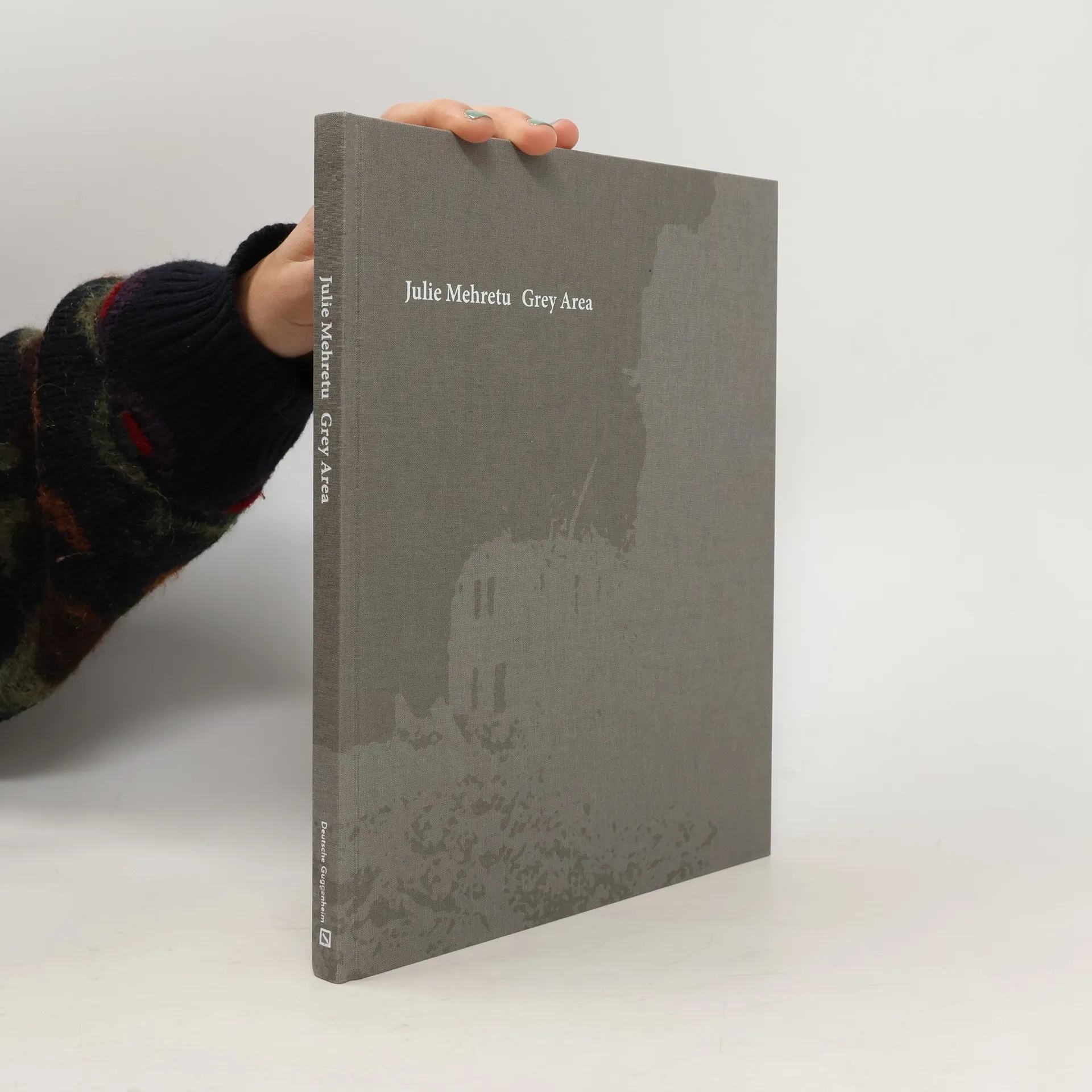
American artist Julie Mehretu is celebrated for her large-scale paintings and drawings that layer abstract forms with familiar architectural imagery. Inspired by historical photographs, urban-planning grids, modernist structures and graffiti, these semi-abstract works explore the intersections of power, history, dystopia and the built environment, and their impact on identity formation. This volume marks the exhibition of a new series of works commissioned by Deutsche Guggenheim, Berlin. In conjunction with this project, Mehretu established a studio in Berlin where she produced a remarkable suite of paintings that deal with erasure and decay. Addressing what it means to be an American artist in Germany during the Iraq and Afghanistan wars under the Bush administration, Mehretu's canvases meditate on the idea of the modern ruin. Featuring essays by Joan Young and Brian Dillon, this monograph includes a section of photographs tracing the development of the series in the artist's Berlin studio.
Brian Dillon Libros
Brian Dillon se sumerge en la intrincada relación entre la psique humana y el mundo físico. Su obra explora las profundidades de la memoria, la historia y la corporeidad, descubriendo las conexiones ocultas entre los estados internos y las circunstancias externas. Los lectores pueden esperar ensayos perspicaces que investigan los aspectos elusivos de la experiencia humana con una sensibilidad y un rigor intelectual únicos. El estilo de Dillon es a la vez poético y analítico, atrayendo a los lectores a un examen reflexivo del mundo que nos rodea.

Objects in this mirror
- 372 páginas
- 14 horas de lectura
Objects in This Mirror is a collection of essays on contemporary art, literature, landscape, aesthetics, and cultural history. Beginning with a polemical and personal defense of generalism and curiosity, Brian Dillon explores the variety of themes it is possible today to corral within the rubric of the critical essay. These pieces engage with the work of such artists as Tacita Dean, Gerard Byrne, Andy Warhol, and Sophie Calle; with the ruinous territories that haunt the work of Robert Smithson and Derek Jarman; with the ambiguous figures of the charlatan, the vandal, the hypochondriac, and the dandy. Taking seriously the playful remit of the essay as form, Dillon treats of compelling gesture manuals of the nineteenth century, the history of antidepressant marketing, the search for a cure to the common cold. Whether his topic is the nature of slapstick, his love of the writings of Roland Barthes, or the genre of the essay itself, he is as much concerned with the form of criticism today as with its varied and digressive subjects.
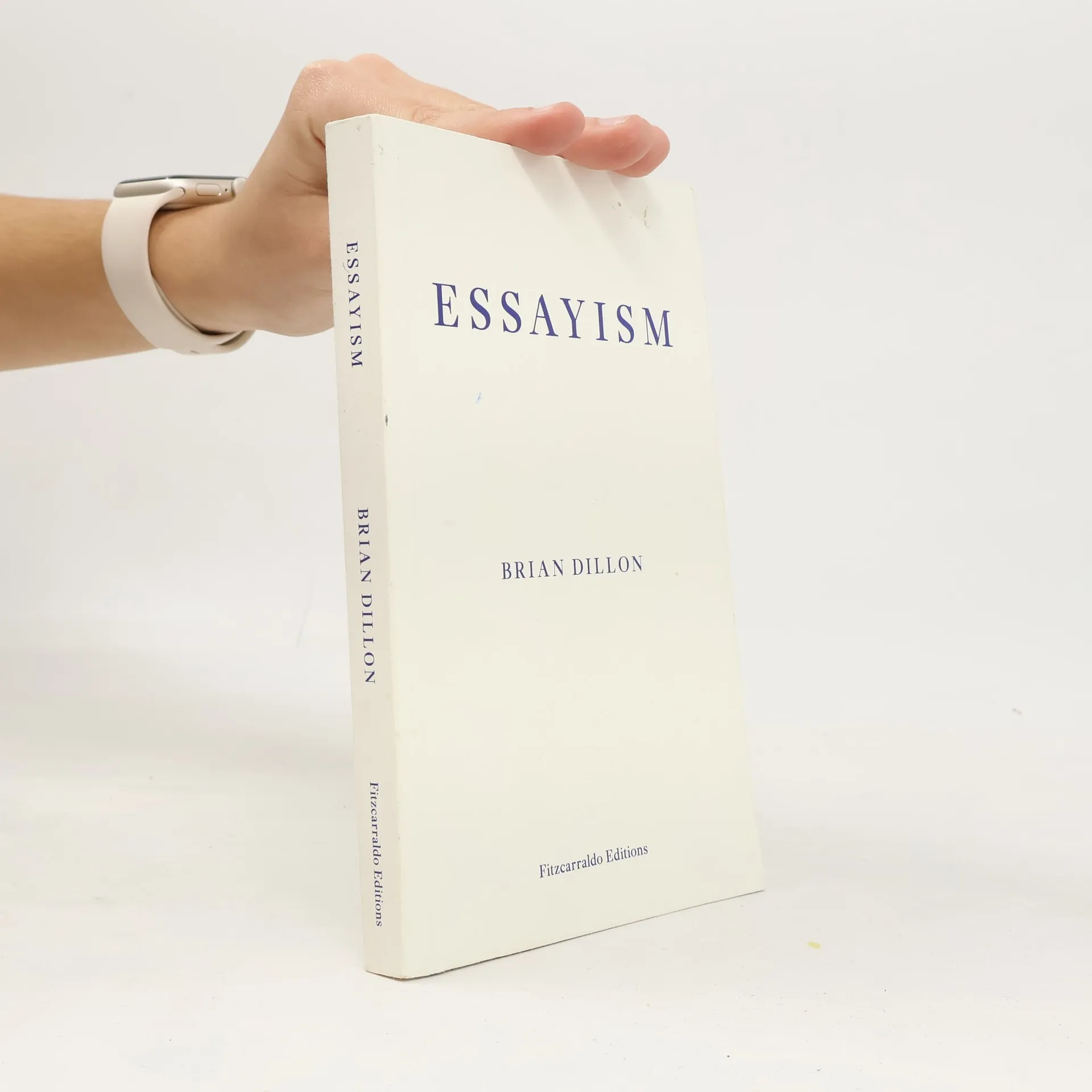
Essayism
- 138 páginas
- 5 horas de lectura
Imagine a type of writing so hard to define its very name means a trial, effort or attempt. An ancient form with an eye on the future, a genre poised between tradition and experiment. The essay wants above all to wander, but also to arrive at symmetry and wholeness; it nurses competing urges to integrity and disarray, perfection and fragmentation, confession and invention. How to write about essays and essayists while staying true to these contradictions? Essayism is a personal, critical and polemical book about the genre, its history and contemporary possibilities. It's an example of what it describes: an essay that is curious and digressive, exacting yet evasive, a form that would instruct, seduce and mystify in equal measure. Among the essayists to whom he pays tribute -- from Virginia Woolf to Georges Perec, Joan Didion to Sir Thomas Browne -- Brian Dillon discovers a path back into his own life as a reader, and out of melancholia to a new sense of writing as adventure. -- Back cover
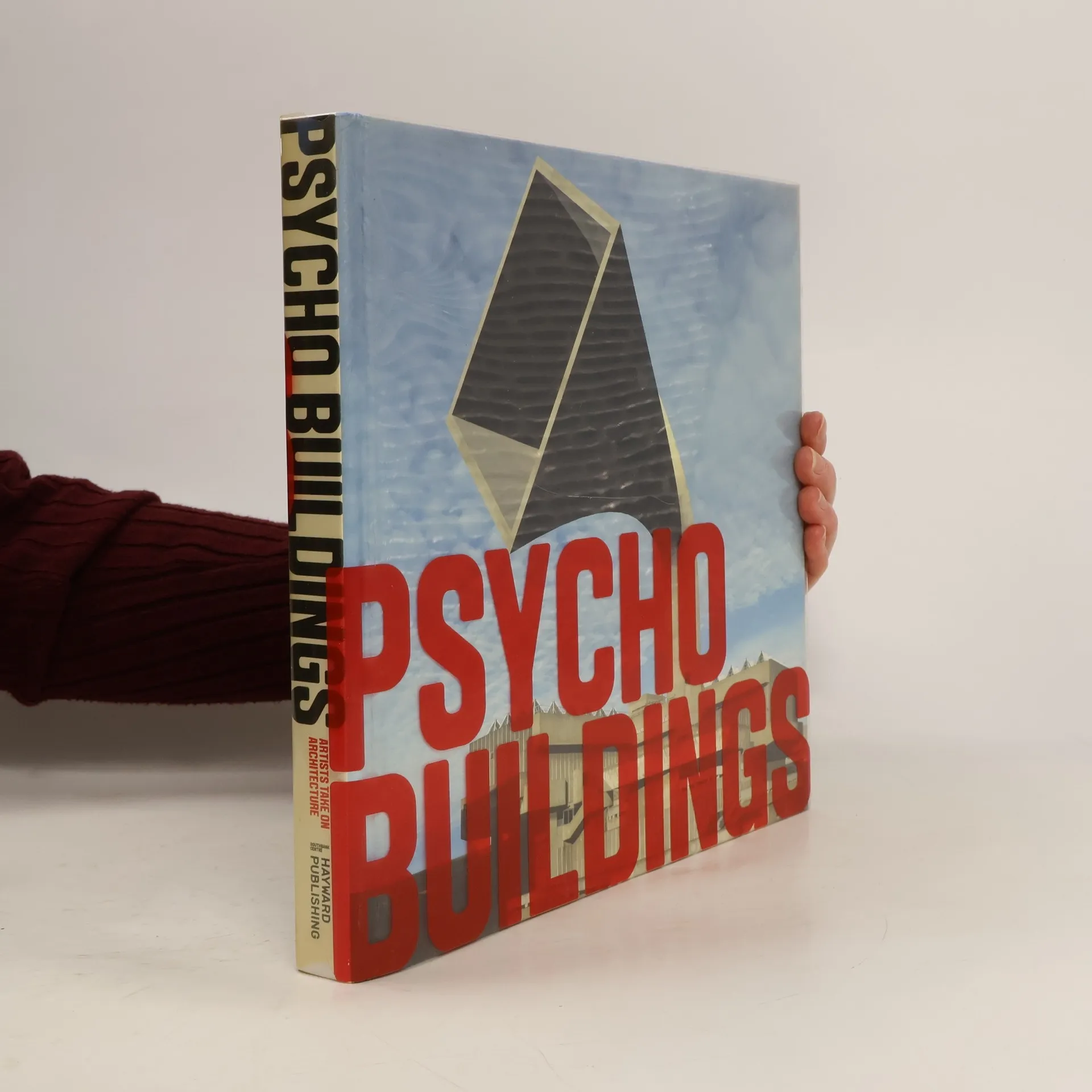
"Psycho Buildings: Artists and Architecture" marks the fortieth anniversary of London's Hayward gallery--itself an architectural icon, and one of the few remaining examples of the 1960s Brutalist style. The exhibition brings together the work of artists--including Atelier Bow-Wow, Michael Beutler, Los Carpinteros, Gelitin, Mike Nelson, Ernesto Neto, Tobias Putrih, Tomas Saraceno, Do-Ho Suh and Rachel Whiteread--who create habitat-like structures and architectural environments that are mental and perceptual spaces as much as physical ones. The works in this book revisit and reanimate the history of Modernist design while reminding us that built spaces can be defined in social, political, psychological, physical and aesthetic terms. An invaluable exploration of this contemporary trend, the volume includes essays by Hayward Director Ralph Rugoff, Jane Rendell and Brian Dillon. In addition, each artist profile includes a text by a different author, including Francis McKee, Tumelo Mosaka, Midori Matsui, Brian Dillon, Paulo Herkenhoff, David Greene, Francesco Manacorda, Tom Morton, Miwon Kwon and Iain Sinclair.
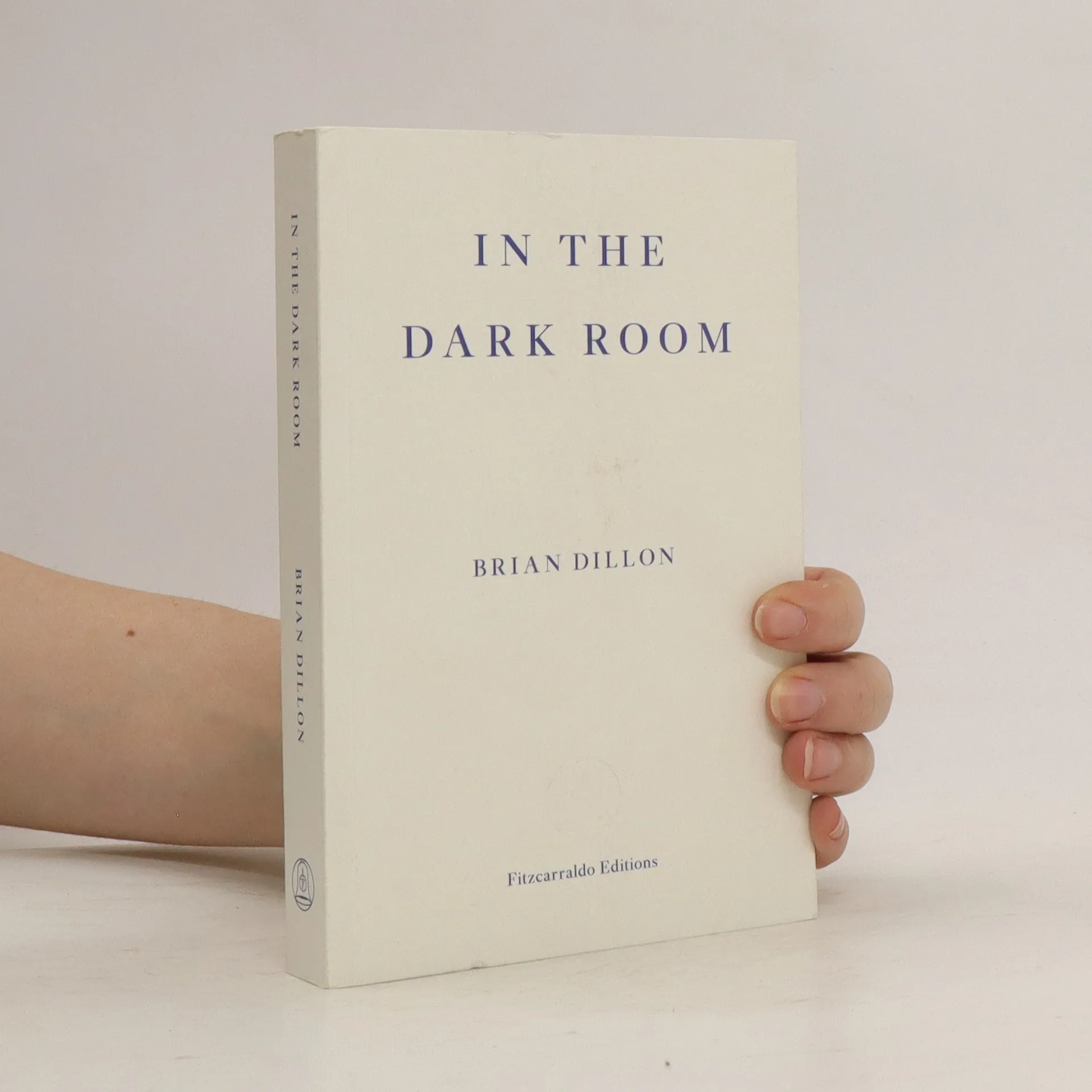
In the Dark Room
- 272 páginas
- 10 horas de lectura
A lucid and delicate exploration of memory and grief from the author of Essayism.
Suppose a Sentence
- 150 páginas
- 6 horas de lectura
SUPPOSE A SENTENCE is a critical and personal reflection on the art of the sentence in literature.
Affinities
- 307 páginas
- 11 horas de lectura
Written as a series of linked essays, interwoven with a reflection on affinity itself, Affinities completes a trilogy, with Essayism and Suppose a Sentence, about the intimate and abstract pleasures of reading and looking.
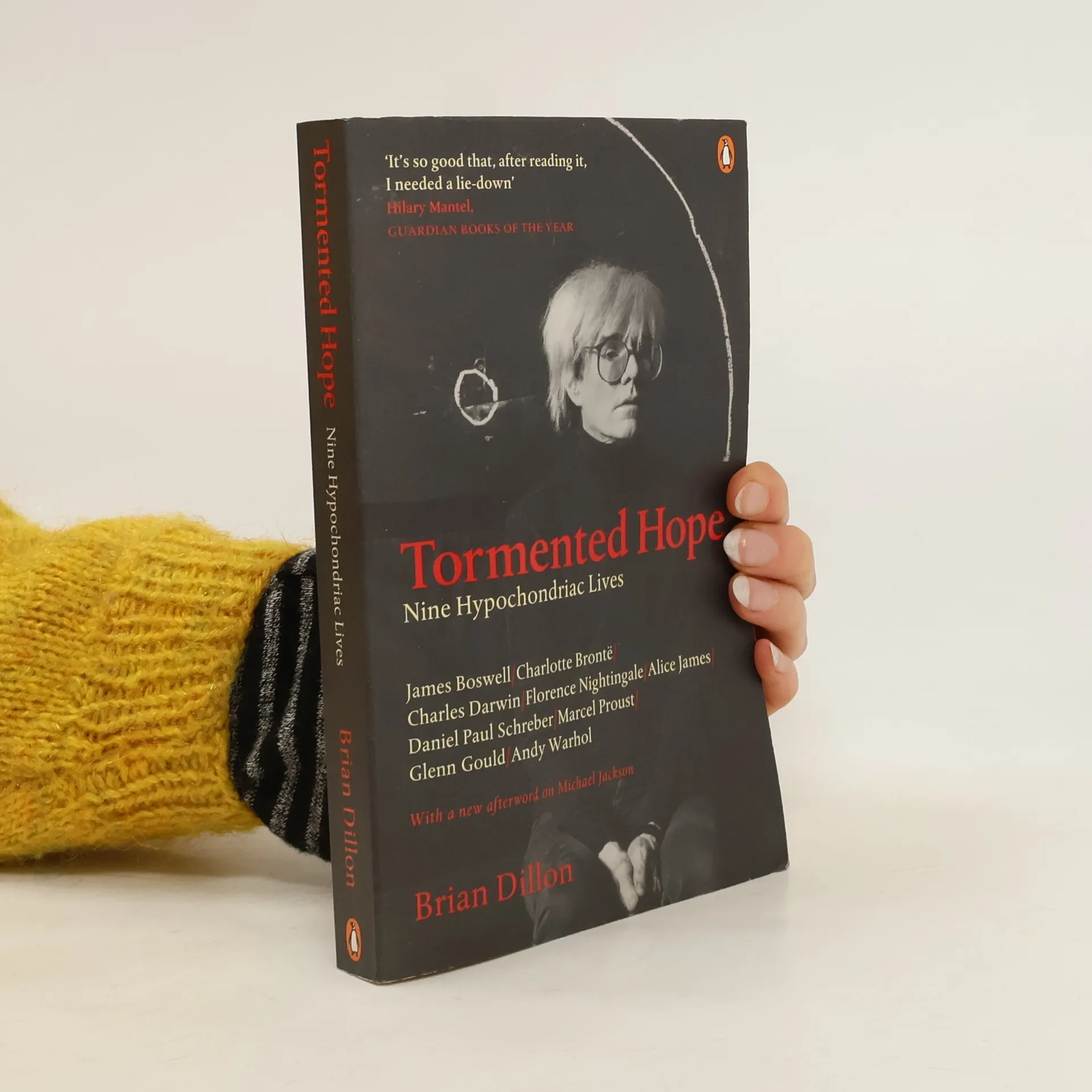
Tormented Hope
- 304 páginas
- 11 horas de lectura
Looks at nine prominent hypochondriacs - James Boswell, Charlotte Bronte, Charles Darwin, Florence Nightingale, Daniel Paul Schreber, Alice James, Marcel Proust, Glenn Gould and Andy Warhol - and what their lives tell us about the way the mind works with, and against, the body.