Ithaca - A Novel of Homer`s Odyssey
- 265 páginas
- 10 horas de lectura
"In the tumultuous aftermath of the Trojan War, a young man battles to save his home and his inheritance. Setting out to find his father, he ends up discovering himself." --


Patrick Dillon, residente en Kennington, dirige una exitosa práctica arquitectónica. Su primera novela exploró las complejidades de las relaciones humanas y las disyuntivas morales, consolidándolo como un escritor agudamente observador de los matices psicológicos. Su obra posterior continúa profundizando en la intrincada naturaleza de la verdad y el engaño, examinando cómo estos conceptos fundamentales dan forma a nuestras percepciones y acciones. La prosa de Dillon se caracteriza por su reflexiva inmersión en temas profundos, invitando a los lectores a un mundo de introspección.



"In the tumultuous aftermath of the Trojan War, a young man battles to save his home and his inheritance. Setting out to find his father, he ends up discovering himself." --
Rare Book
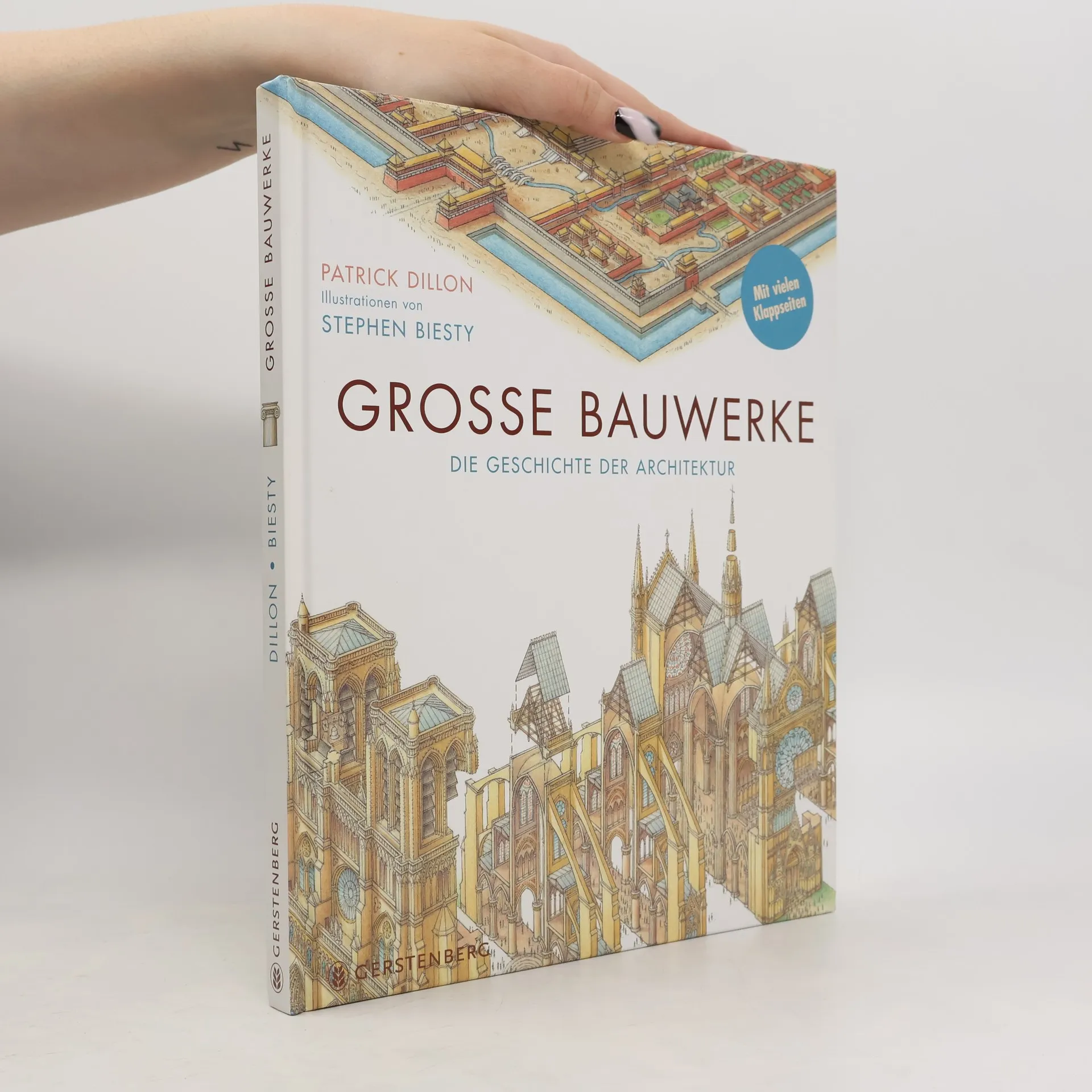
A highly readable book about architecture, lavishly illustrated with sixteen intricate cross sections.
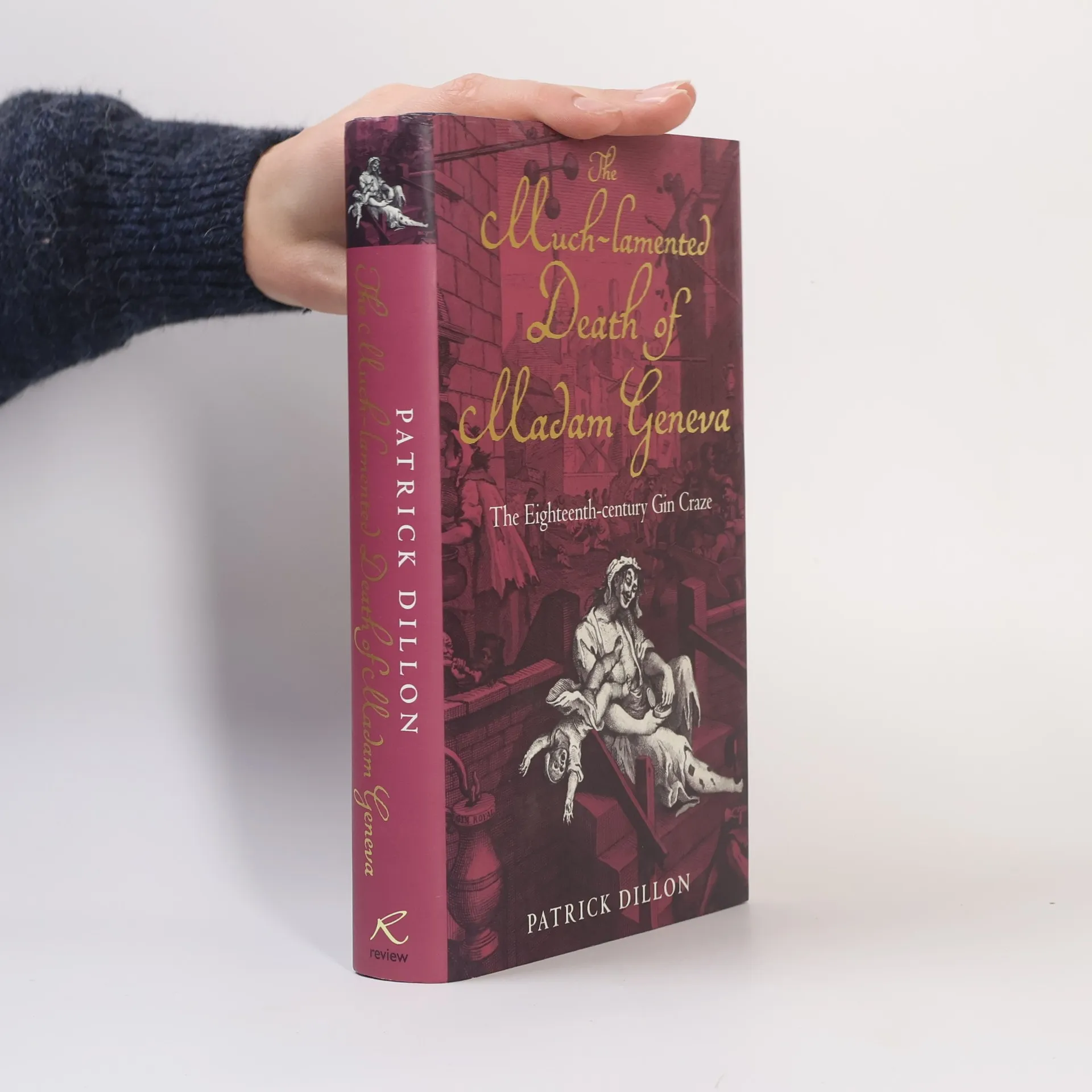
The Eighteenth-Century Gin Craze
During the early eighteenth century, gin-drinking surged in London's slums, with each resident averaging two pints weekly. This period was marked by violence and insecurity, leading reformers to blame 'Madam Geneva' for social decay and rising crime, resulting in eight major acts aimed at controlling gin consumption. Attempts at prohibition sparked riots and even a bombing in Westminster Hall. The debate surrounding gin attracted notable writers like Daniel Defoe and Henry Fielding, culminating in the iconic image of Hogarth's 'Gin Lane.' The narrative explores the rise and fall of 'Madam Geneva,' featuring perspectives from gin-drinkers, sellers, politicians, and distillers, all contributing to a vivid account of London's first drug craze and the eventual successful reform efforts. Critics praise the book for its engaging storytelling, with Andrew Marr calling it "excellent." The Daily Telegraph highlights the collection of sensational tales and Dillon's ability to simplify complex issues, while the Sunday Times commends the crisp, fast-paced narrative that vividly depicts a city intoxicated by spirits and speculation, resonating with authentic voices.