Stephen Gaukroger Libros
Stephen Gaukroger es un filósofo e historiador intelectual británico cuyo trabajo profundiza en la compleja interacción entre filosofía, ciencia e historia. Su carrera académica abarca instituciones prestigiosas, donde se ha dedicado a explorar la evolución del pensamiento y la comprensión científica. La investigación de Gaukroger a menudo examina los cambios conceptuales y los contextos históricos que dan forma a nuestros paisajes filosóficos y científicos. Sus escritos, traducidos a numerosos idiomas, ofrecen profundas perspectivas sobre el desarrollo de ideas que han influido profundamente en la civilización humana.





The Failures of Philosophy
- 320 páginas
- 12 horas de lectura
This work is the first to examine the historical failures of philosophy and the lessons they offer. Philosophers often overlook the broader collapses of philosophy itself, focusing instead on the shortcomings of individual theories, which are typically replaced by new ones. Throughout history, philosophy has faced significant breakdowns, sometimes being abandoned for centuries and later revived with new goals, often accompanied by dubious claims of continuity with past traditions. This investigation delves into the West's philosophical history, highlighting its most critical failures: attempts to define the good life, establish philosophy as a superior discipline, create a comprehensive theory of everything, and rationalize empirical and mathematical sciences. Stephen Gaukroger posits that these failures provide deeper insights into the nature and purpose of philosophical inquiry than its successes. They reveal how philosophical thought has evolved, the distinctive skills it claims to offer, and the reasons behind its reinventions. Ultimately, this account illustrates that the shortcomings of philosophy paradoxically underscore its most significant aspects.
Enver Hoxha, Albania's dictator during the Communist era, proclaimed his country the world's first atheist state. Meanwhile Captain Berti Dosti, one of the elite team monitoring Albania's borders for American incursions, was leaving his country unguarded for 15 minutes a week as he tuned into Christian broadcasts from TWR. Had he been discovered he would probably have been shot. With churches destroyed and Christian leaders executed or jailed, post-Communist Albania with its Muslim heritage was tough ground for Christian mission. But Captain now Pastor Dosti helped to lead the new wave of church planting that has swept the country. Combining integrity with social compassion, he and his colleagues have reached thousands: there is now a church in every major community.
Objectivity: A Very Short Introduction
- 128 páginas
- 5 horas de lectura
Objectivity is both an essential and elusive philosophical concept. This Very Short Introduction explores the theoretical and practical problems raised by objectivity, and also deals with the way in which particular understandings of objectivity impinge on social research, science, and art.
Lass dich nicht unterkriegen!
Strategien im Umgang mit negativen Gefühlen
- 138 páginas
- 5 horas de lectura
C'est l'évidence même
- 139 páginas
- 5 horas de lectura
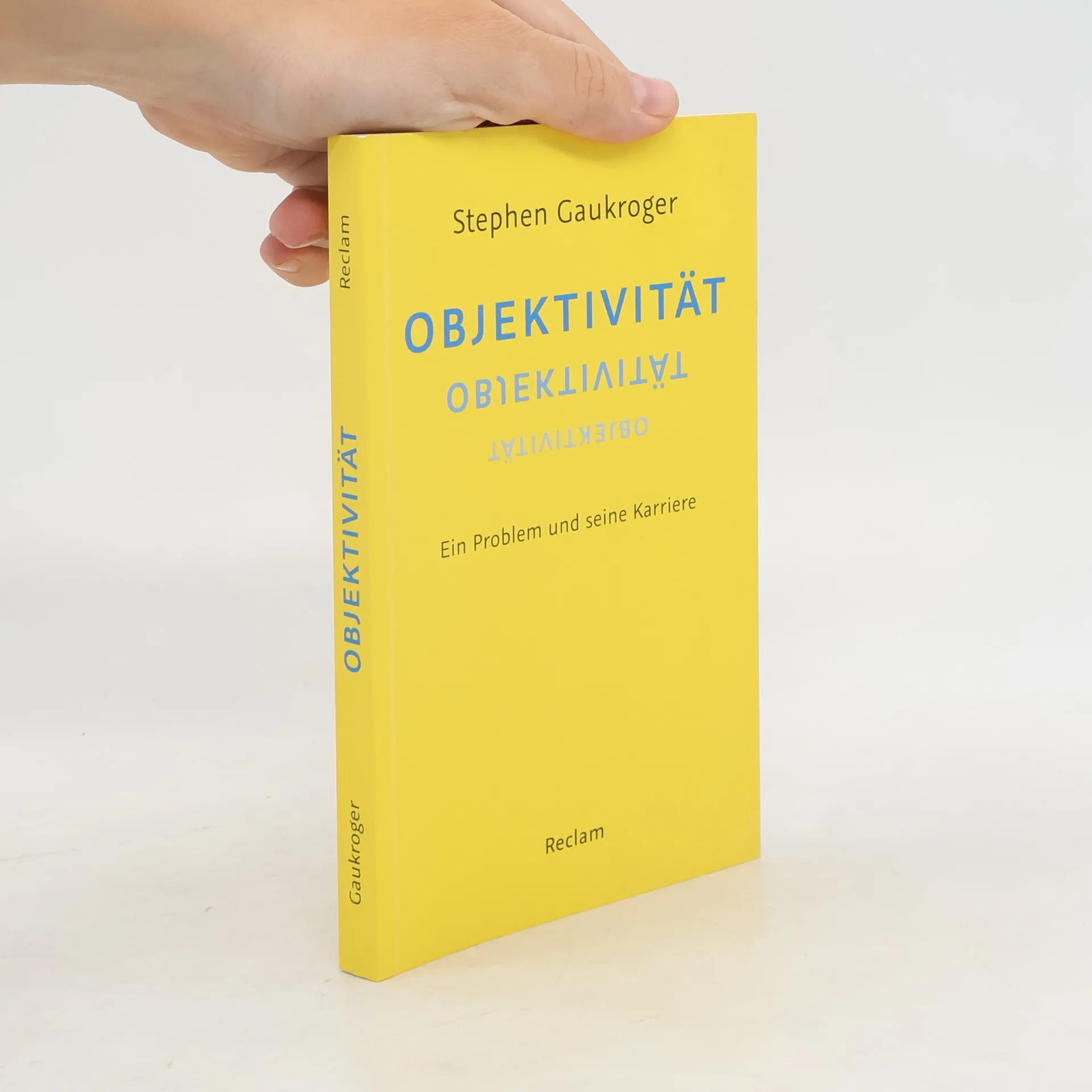
Objektivität
- 140 páginas
- 5 horas de lectura
Auf was kann man sich eigentlich noch verlassen? Gibt es so etwas wie Objektivität? Ja, meinen viele – oder doch nicht? Ist Objektivität überhaupt möglich? Und wenn ja: Kann es sie auch bei moralischen Urteilen oder in Geschmacksfragen geben? Oder ist sowieso alles subjektiv und relativ? Wenn man die Frage zu beantworten versucht, was Objektivität eigentlich ist, hat man schnell mit einer ganzen Reihe von Vieldeutigkeiten und Missverständnissen zu kämpfen. Um ihnen beizukommen, muss man die richtigen Fragen stellen. Genau das tut Stephen Gaukroger. Dabei wendet er sich der Philosophie ebenso zu wie der Sozialforschung oder Urteilen über Kunst und zeigt auf, wie sowohl Befürworter als auch Gegner von Objektivität »tricksen«.