

Bookbot

Anna Lowenhaupt Tsing

    20 de octubre de 1952

    Anna Lowenhaupt Tsing es una antropóloga cuyo trabajo profundiza en las intrincadas relaciones entre los humanos y sus entornos. Su investigación a menudo se centra en cómo las comunidades marginadas navegan por paisajes ecológicos y sociales complejos, revelando perspectivas únicas sobre la interconexión global. El estilo de escritura de Tsing se caracteriza por su matizada exploración de la interacción entre la naturaleza, la cultura y las dinámicas de poder, ofreciendo profundas ideas sobre el mundo contemporáneo.

    Field Guide to the Patchy Anthropocene
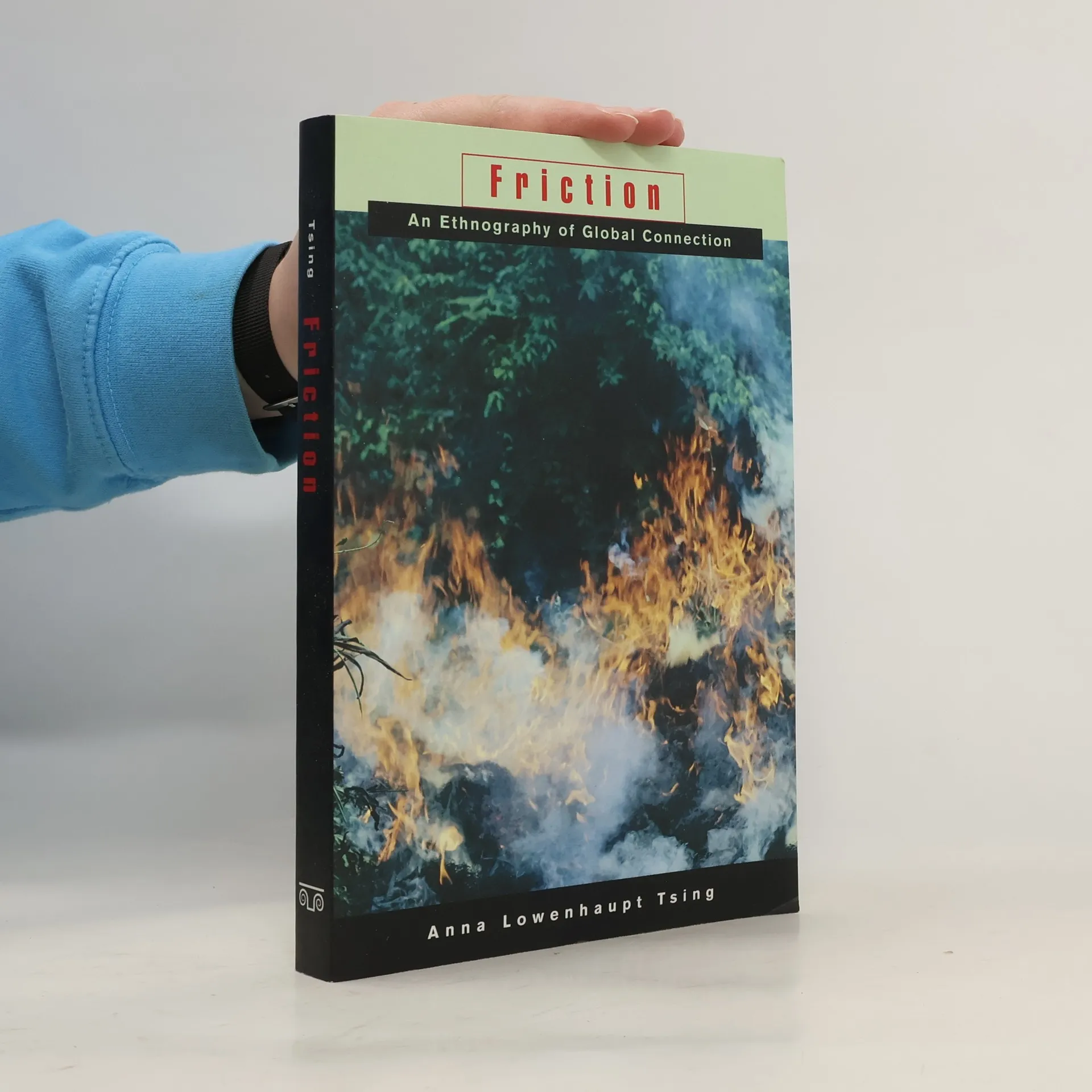
    Friction
    The Oak Tree
    What Do You Like?
    A Day Out
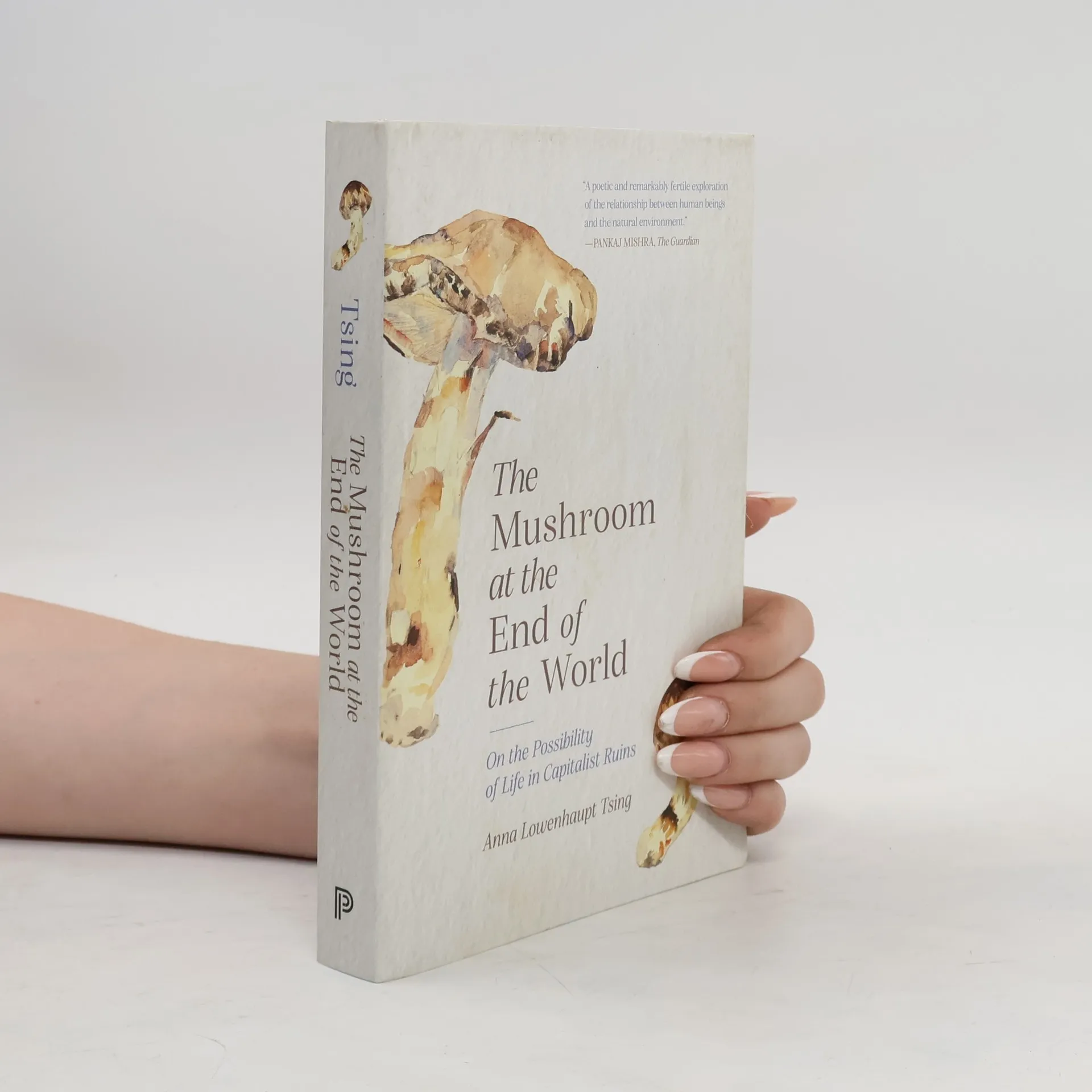
    The Mushroom at the End of the World
    • Im Meratusgebirge auf Borneo verändert sich der Regenwald seit 1970 durch Holzernte und Ressourcenabbau. Korrupte Behörden und Investoren verdrängen einheimische Waldbewohner. Gleichzeitig bilden sich Allianzen zum Schutz des Waldes. Anna Lowenhaupt Tsing dokumentiert diese komplexen sozialen Interaktionen und deren kulturelle Auswirkungen.

      Friktionen. Eine Ethnografie globaler Verflechtungen2024
      5,0
    • Field Guide to the Patchy Anthropocene

      • 344 páginas
      • 13 horas de lectura

      "A Field Guide to the Patchy Anthropocene leads the reader through a series of sites, observations, thought experiments, and genre-stretching descriptive practices to take stock of our current planetary crisis. This is a guide for researchers of many stripes; a book that nurtures and promotes a revitalized natural history in direct response to worlds falling apart"--
      Field Guide to the Patchy Anthropocene2024
      4,0
    • The Mushroom at the End of the World

      • 352 páginas
      • 13 horas de lectura

      "A tale of diversity within our damaged landscapes, The Mushroom at the End of the World follows one of the strangest commodity chains of our times to explore the unexpected corners of capitalism. Here, we witness the varied and peculiar worlds of matsutake commerce: the worlds of Japanese gourmets, capitalist traders, Hmong jungle fighters, industrial forests, Yi Chinese goat herders, Finnish nature guides, and more. These companions also lead us into fungal ecologies and forest histories to better understand the promise of cohabitation in a time of massive human destruction."--Publisher's description.

      The Mushroom at the End of the World2017
      4,2
    • A Day Out

      • 16 páginas
      • 1 hora de lectura

      Bill went for a walk. He went over a river, up a hill and into a wood and behind a waterfall. A few steps behing Bill, however, is a hungry bear with an eye on Bill's sandwiches. The bear's attempts to grab the sandwiches are foiled be a variety of minor disasters.

      A Day Out2005
      3,7
    • The Oak Tree

      • 16 páginas
      • 1 hora de lectura

      A non-fiction, photographic picture book about the different parts of an oak tree and the creatures that live in its roots, trunk, bark, branches and leaves. The photographs and life-like illustrations answer the repeated question: 'Who lives...?'

      The Oak Tree2005
      3,4
    • What Do You Like?

      • 16 páginas
      • 1 hora de lectura

      What do you like to eat? This non-fiction recount features several children answering the question over the course of a day. It features different types of food using photographs, labels, speech bubbles and a clock face showing when different meals are typically eaten.

      What Do You Like?2005
      3,7
    • Friction

      • 376 páginas
      • 14 horas de lectura

      Challenging the view that globalization signifies a 'clash' of cultures, this book here develops friction in its place as a metaphor for the conflicting social interactions that make up our contemporary world. It shows how creative cultural differences are in the grip of worldly encounter, and how it is overlooked in theories of the global.

      Friction2004
      4,1
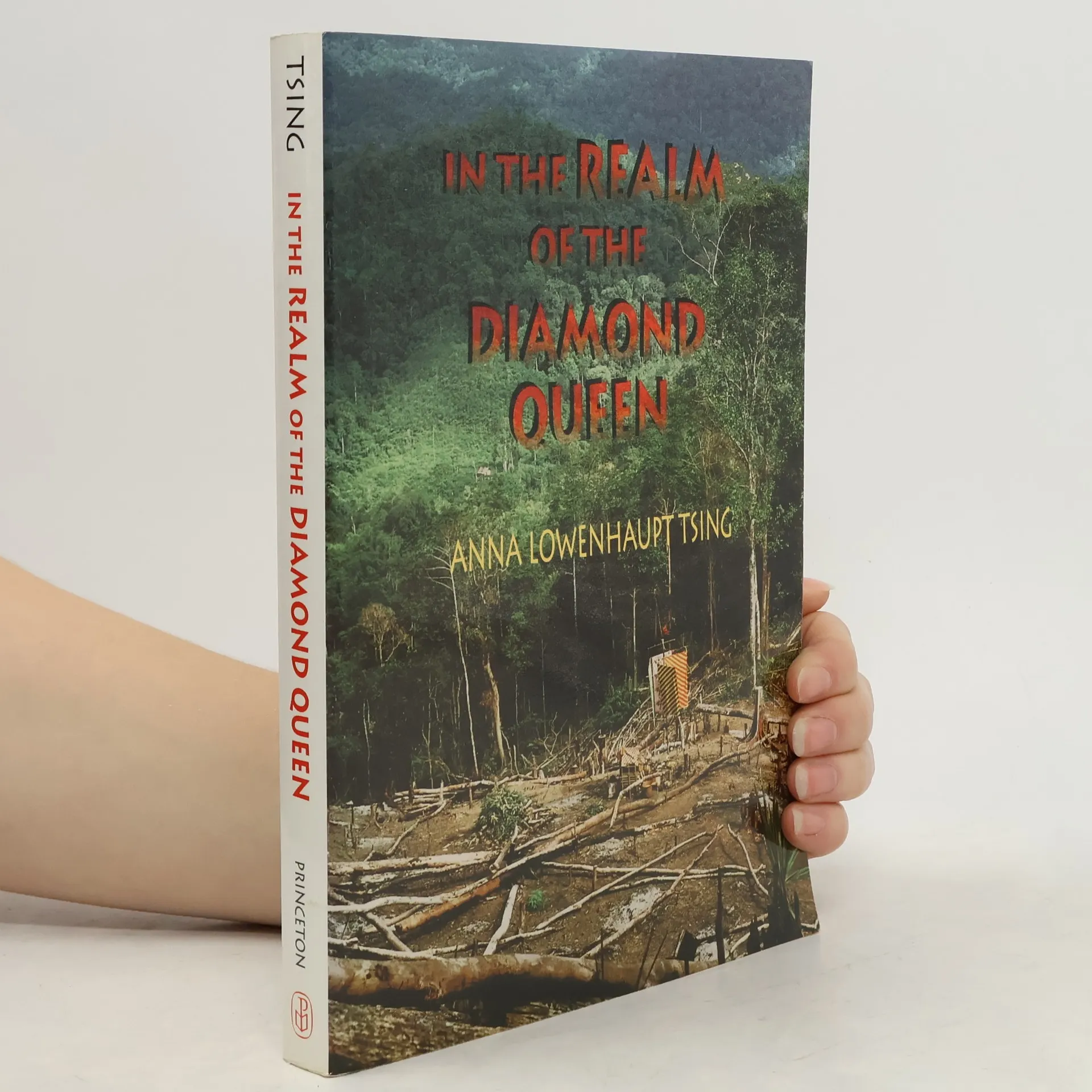
    • An ethnography that focuses on Meratus Dayaks, a marginal and marginalized group in the deep rainforest of South Kalimantan, Indonesia. It looks not for consensus and coherence in Meratus culture but rather allows individual Meratus men and women to return our gaze.

      In the Realm of the Diamond Queen1993
      3,9