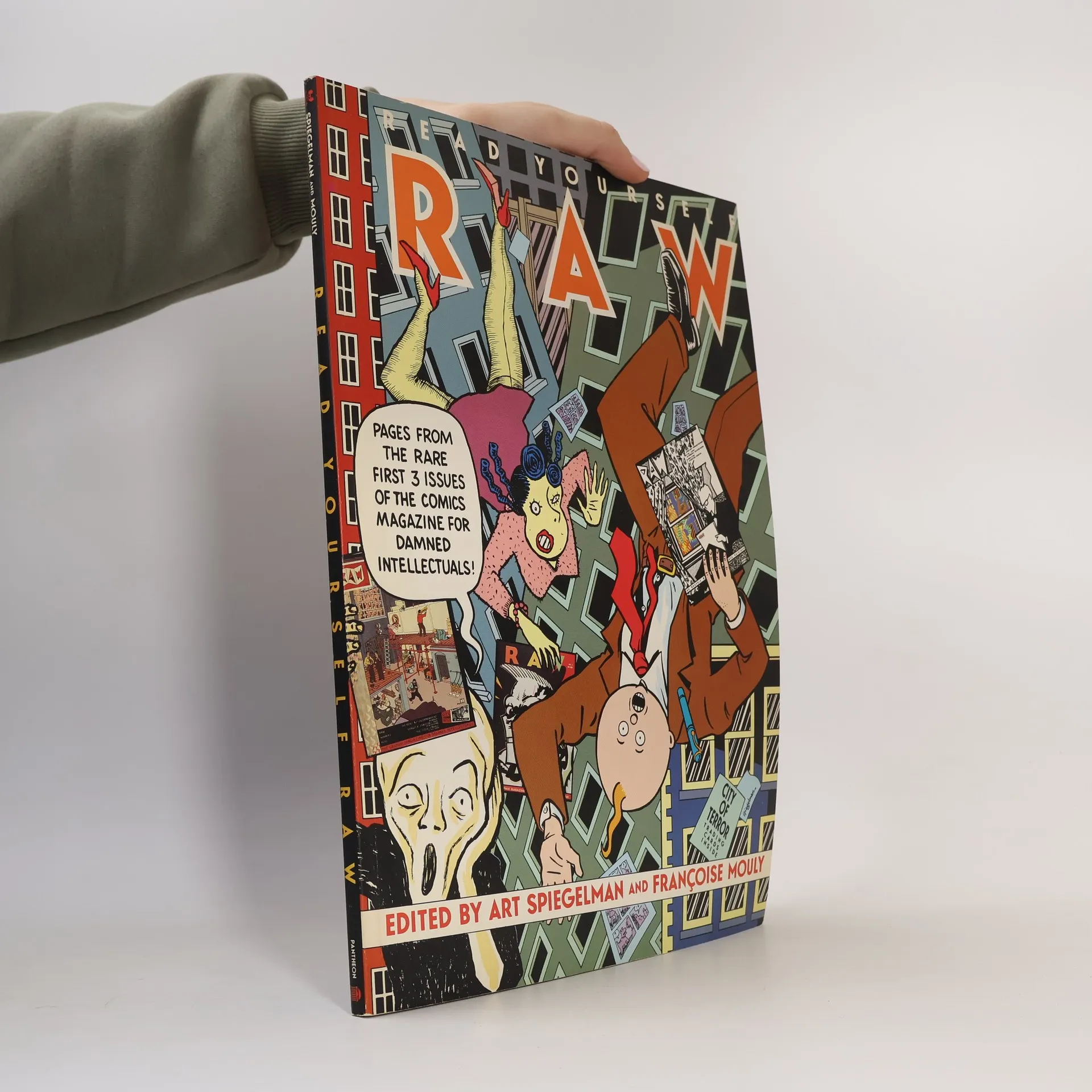
Art Spiegelman es un artista de cómics, editor y defensor del medio del cómic, mejor conocido por su memoria en cómic ganadora del Premio Pulitzer. Su obra a menudo profundiza en temas complejos, utilizando el poder visual único de los cómics para explorarlos. A través de su arte, busca ampliar los límites de lo que se puede expresar en el medio. Su enfoque se caracteriza por la profundidad y la introspección.
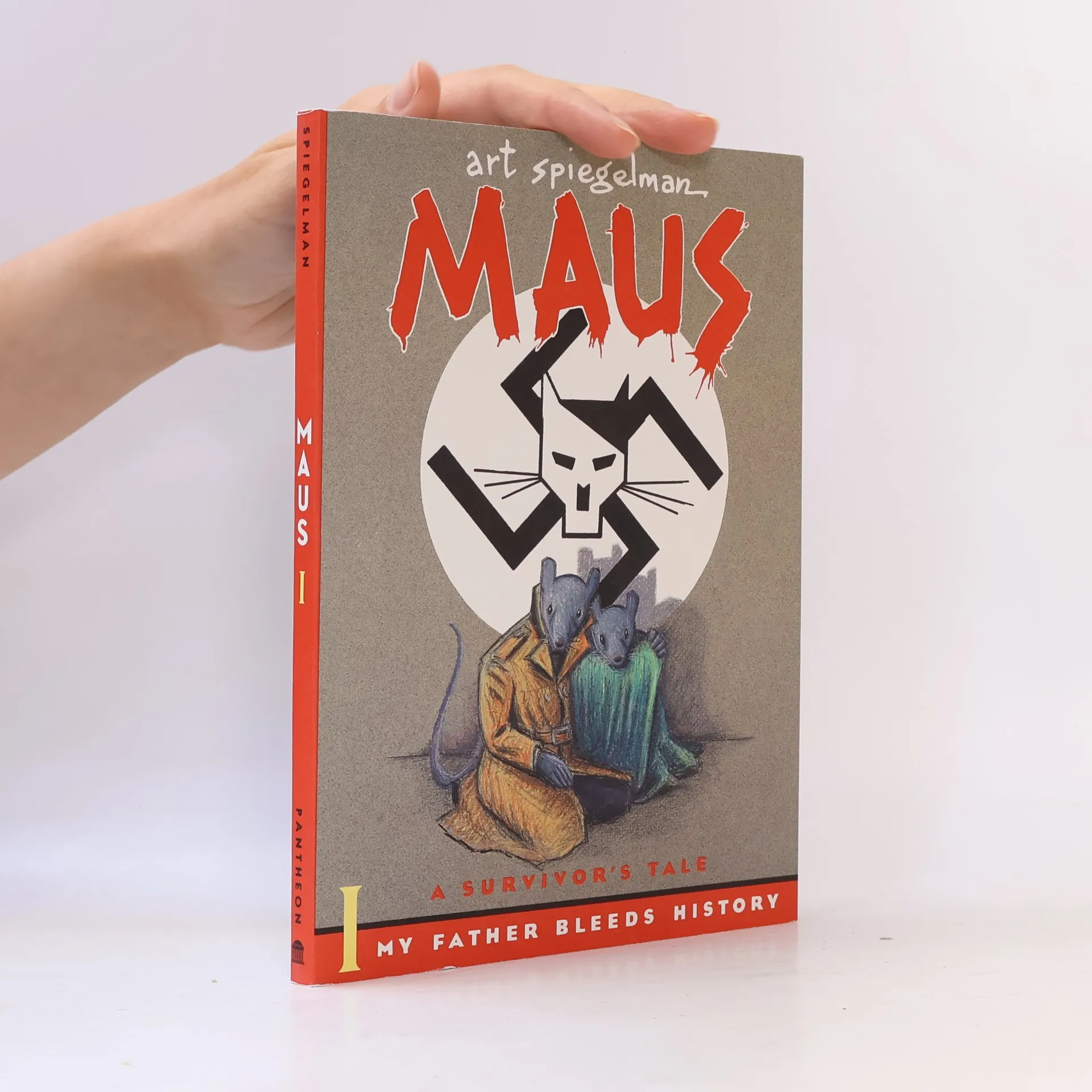
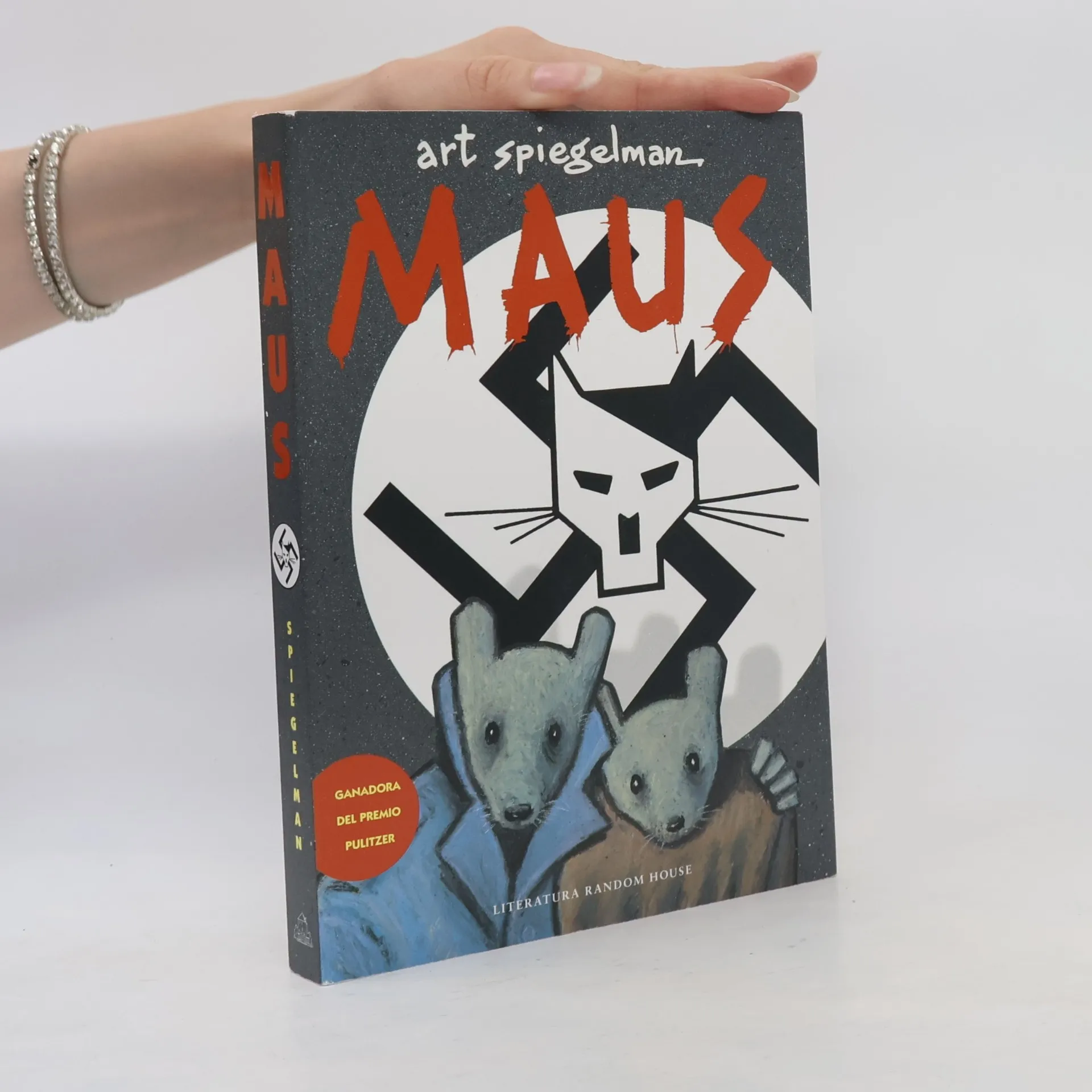
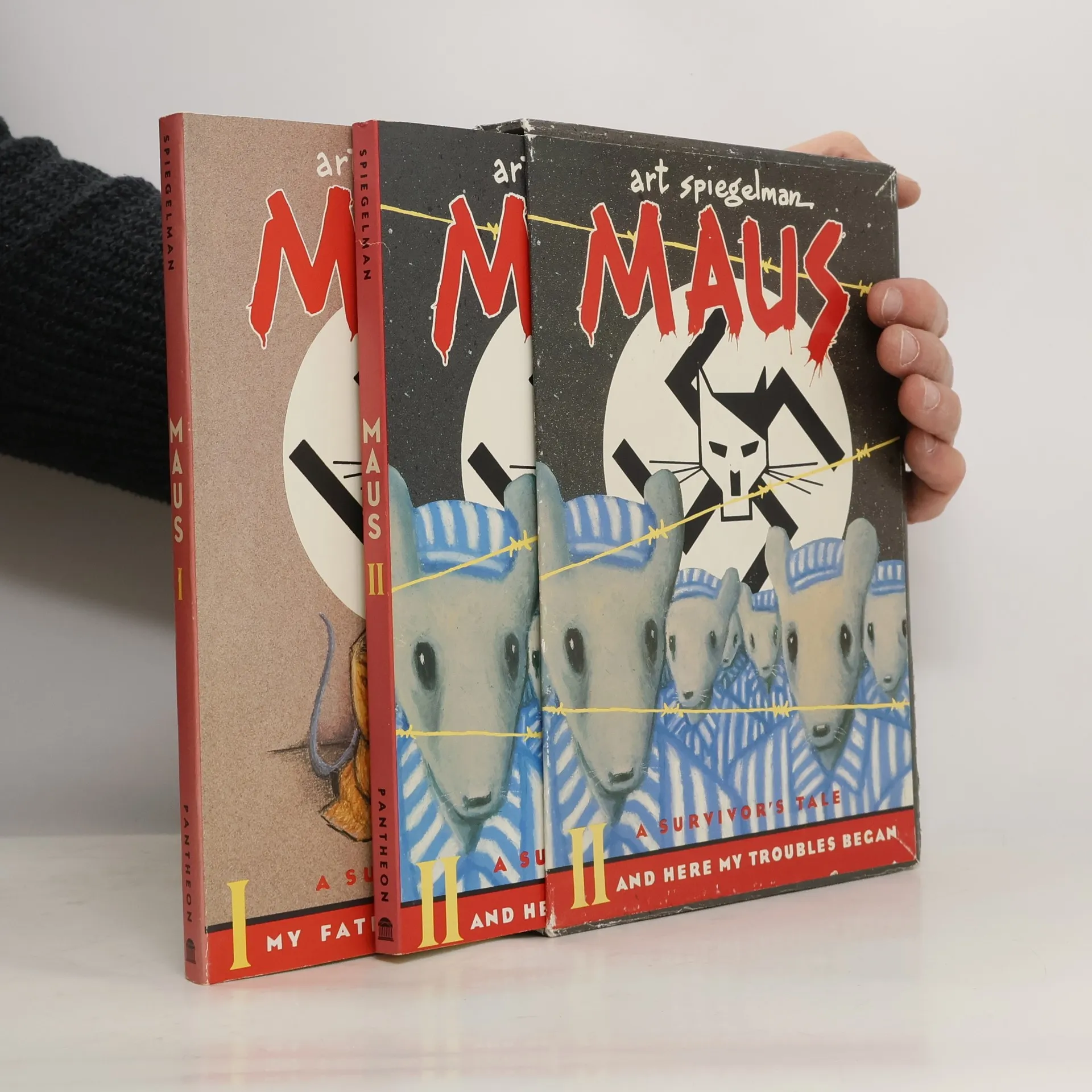
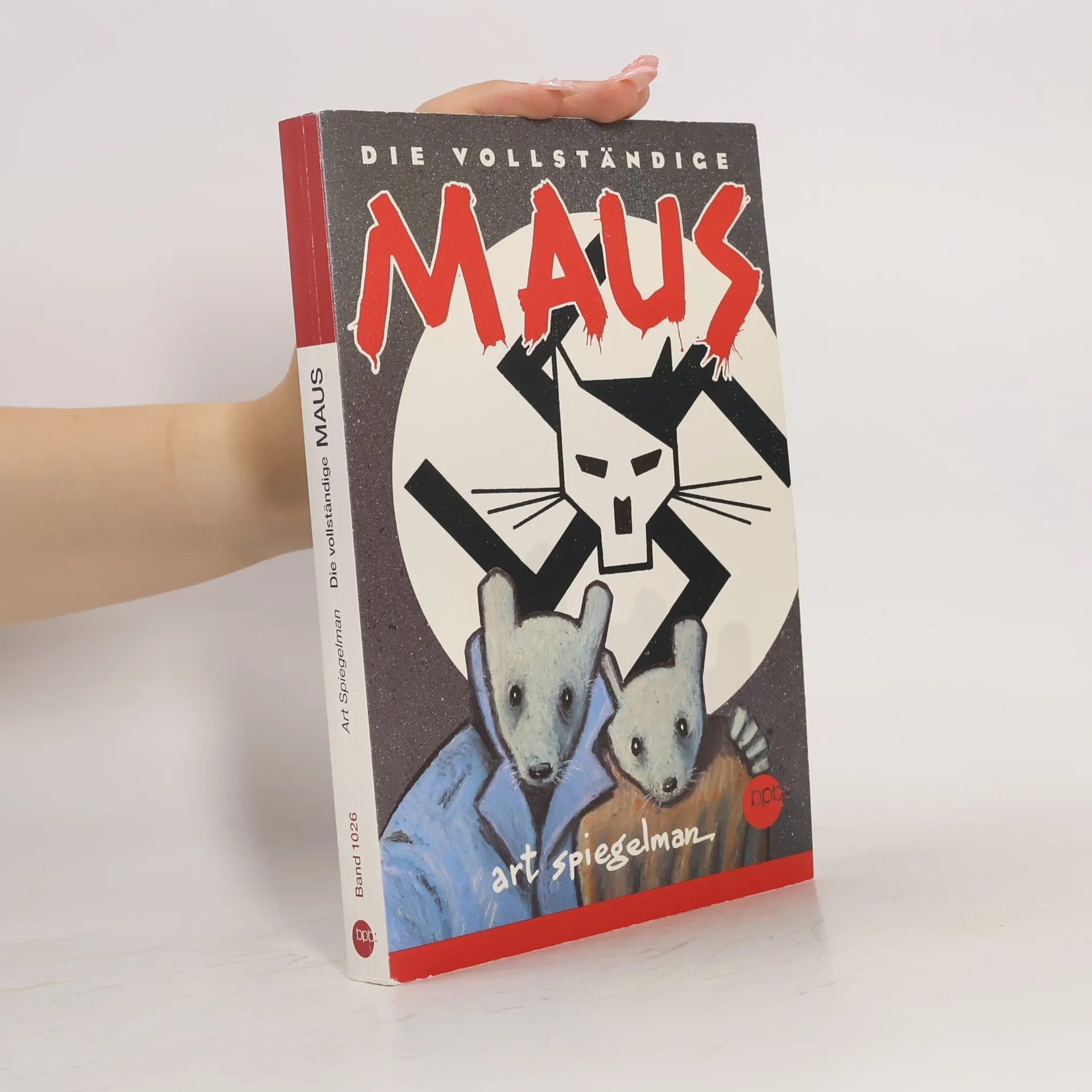
Maus narra la historia de Vladek Spiegelman, un judío polaco que sobrevivió al Holocausto, a través de su hijo Art, un dibujante de cómics. Con un enfoque innovador, utiliza la memoria gráfica para explorar el sufrimiento y sus consecuencias en las generaciones posteriores, fusionando tragedia y comedia en una obra única.
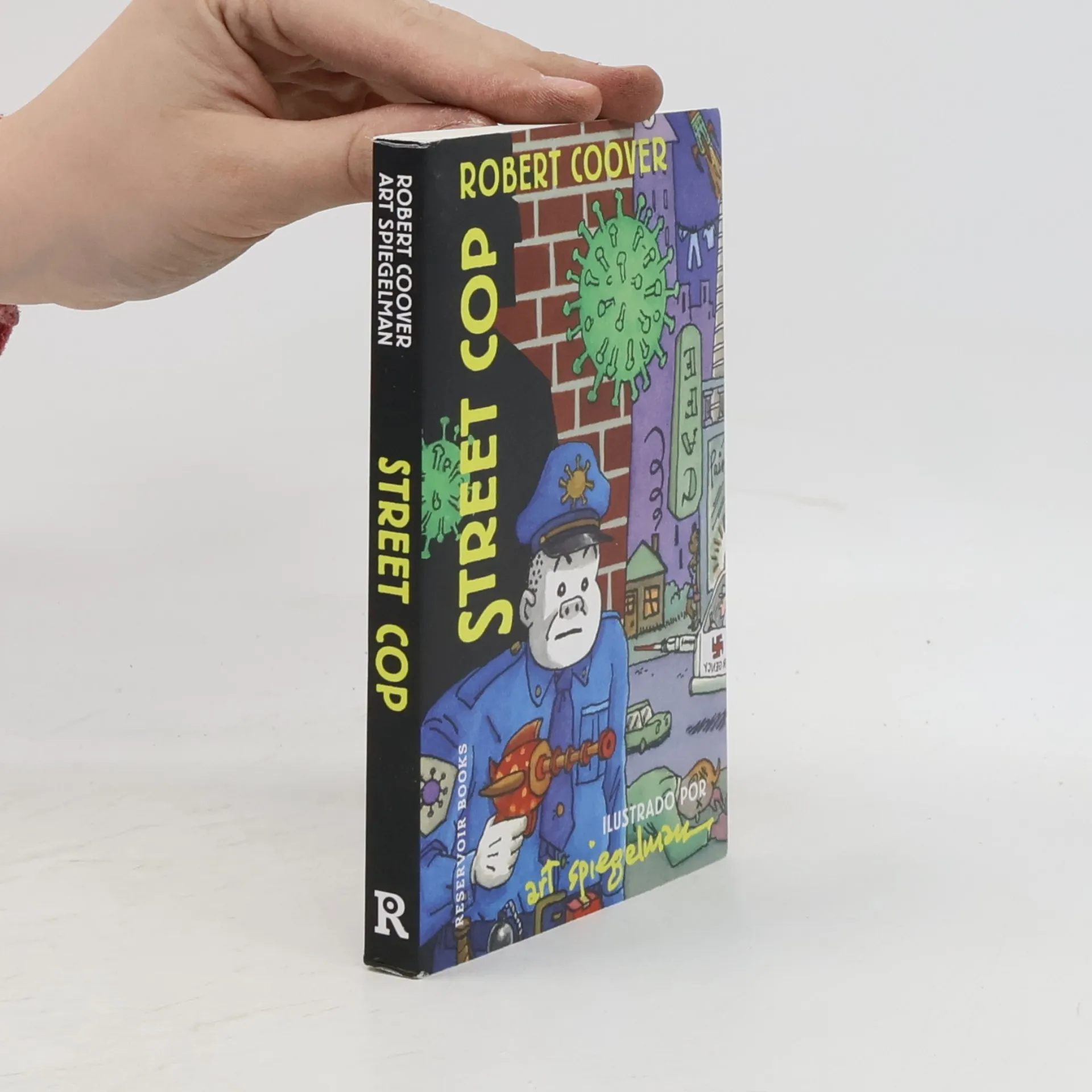
«LA GENTE SEGUÍA RECIBIENDO HERIDAS DE BALA Y MURIENDO, COMO SIEMPRE, AUNQUE NO SIEMPRE POR ESE ORDEN». En un mundo que cambia a la velocidad de un juego de realidad virtual, un simple policía de a pie debe lidiar con todas las formas de violencia imaginables que produce una sociedad entregada a los excesos más variados: robots de reparto que se enfrentan a peatones, proveedores de drogas y drones ejecutores de presuntos terroristas. ¿Hay espacio para las emociones humanas en un universo tan tóxico... que se parece demasiado al nuestro? Un policía capaz de empatizar con estas circunstancias ¿no se convertirá en un peligro para el funcionamiento del sistema? A medio camino entre el relato de género y la distopía urbana, Street Cop sitúa la condición humana en el centro de una investigación policial insólita. ENGLISH DESCRIPTION Is there room for human emotions in this toxic universe... that looks too much like ours? Robert Coover's detective novelette, STREET COP, is set in a dystopian world of infectious "living dead," murderous robo-cops, aging street walkers, and walking streets. With drawings by Art Spiegelman, this short tale scrutinizes the arc of the American myth, exploring the working of memory in a digital world, police violence and the future of urban life. STREET COP is provocative and prophetic, asking us to interrogate the line between a condemnable system and a sympathetic individual.
Maus is a haunting tale within a tale. Vladek's harrowing story of survival is woven into the author's account of his tortured relationship with his aging father. Against the backdrop of guilt brought by survival, they stage a normal life of small arguments and unhappy visits.
NATIONAL JEWISH BOOK AWARD WINNER • Visually and emotionally rich, MetaMaus is as groundbreaking as the masterpiece whose creation it reveals • Featured in the documentary Art Spiegelman: Disaster Is My Muse In the pages of MetaMaus, Art Spiegelman re-enters the Pulitzer Prize–winning Maus, the modern classic that has altered how we see literature, comics, and the Holocaust ever since it was first published decades ago. He probes the questions that Maus most often evokes—Why the Holocaust? Why mice? Why comics?—and gives us a new and essential work about the creative process. Compelling and intimate, MetaMaus is poised to become a classic in its own right.
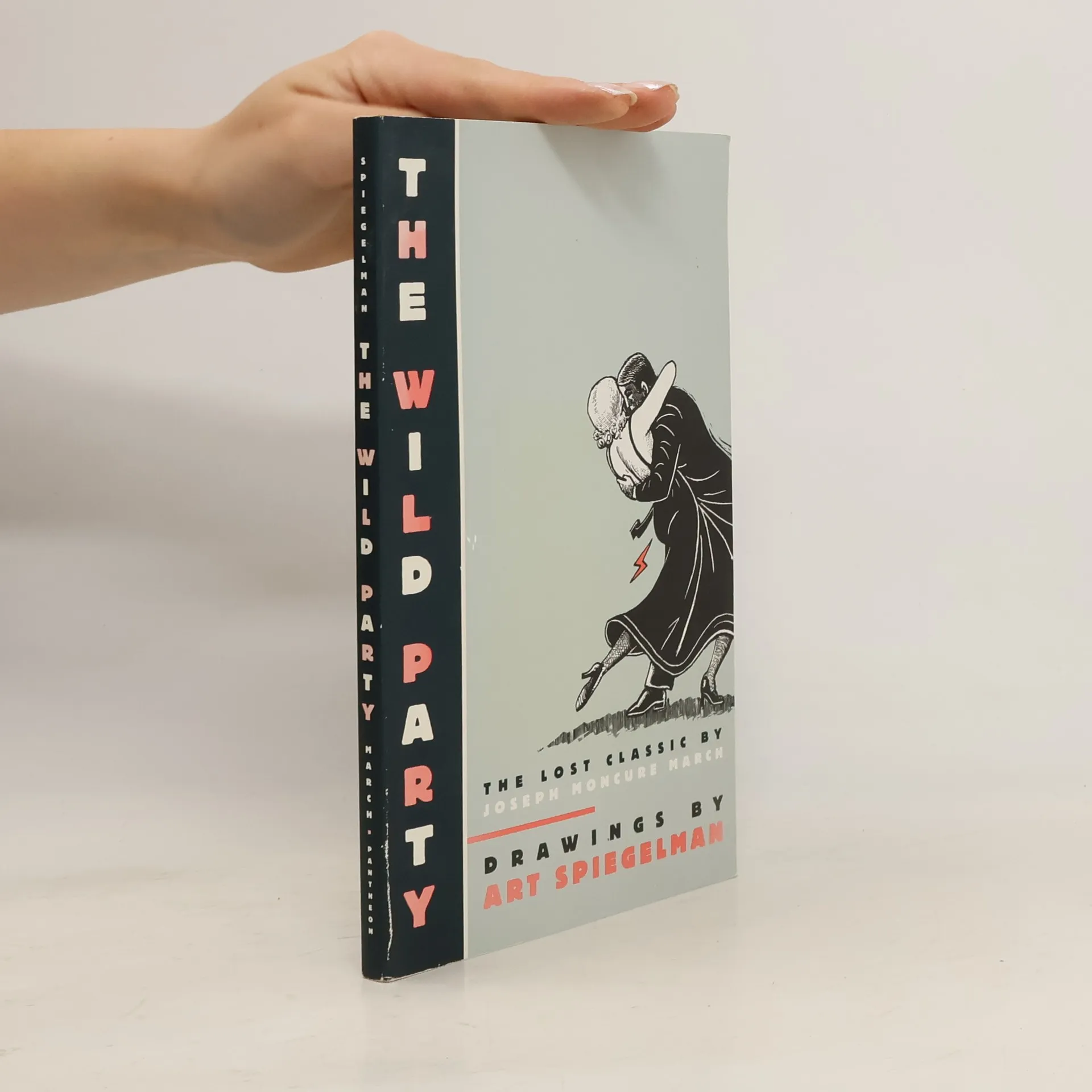
Art Spiegelman's striking black-and-white illustrations breathe new life into Joseph Moncure March's 1928 poem, The Wild Party. The dynamic designs complement the rhythmic, hard-boiled narrative of debauchery, making it a captivating read even for poetry skeptics. Louis Untermeyer hailed it as a powerful, fascinating tour de force.
Art and Wit in America's Forbidden Funnies, 1930s-1950s
160 páginas
6 horas de lectura
Introductory Essay by Art Spiegelman Commentary by Richard Merkin ABOVEGROUND FOR THE FIRST TIME As wry and raunchy as the subject it celebrates, this inspired volume introduces a new generation to the Tijuana Bibles, underground comic art form the 1930s, 1940s, and 1950s devoted to making sexual mockery of every sacred cow in the pasture. Folk art with a subversive edge, the Bibles are unveiled here with a hundred life-size reproductions.
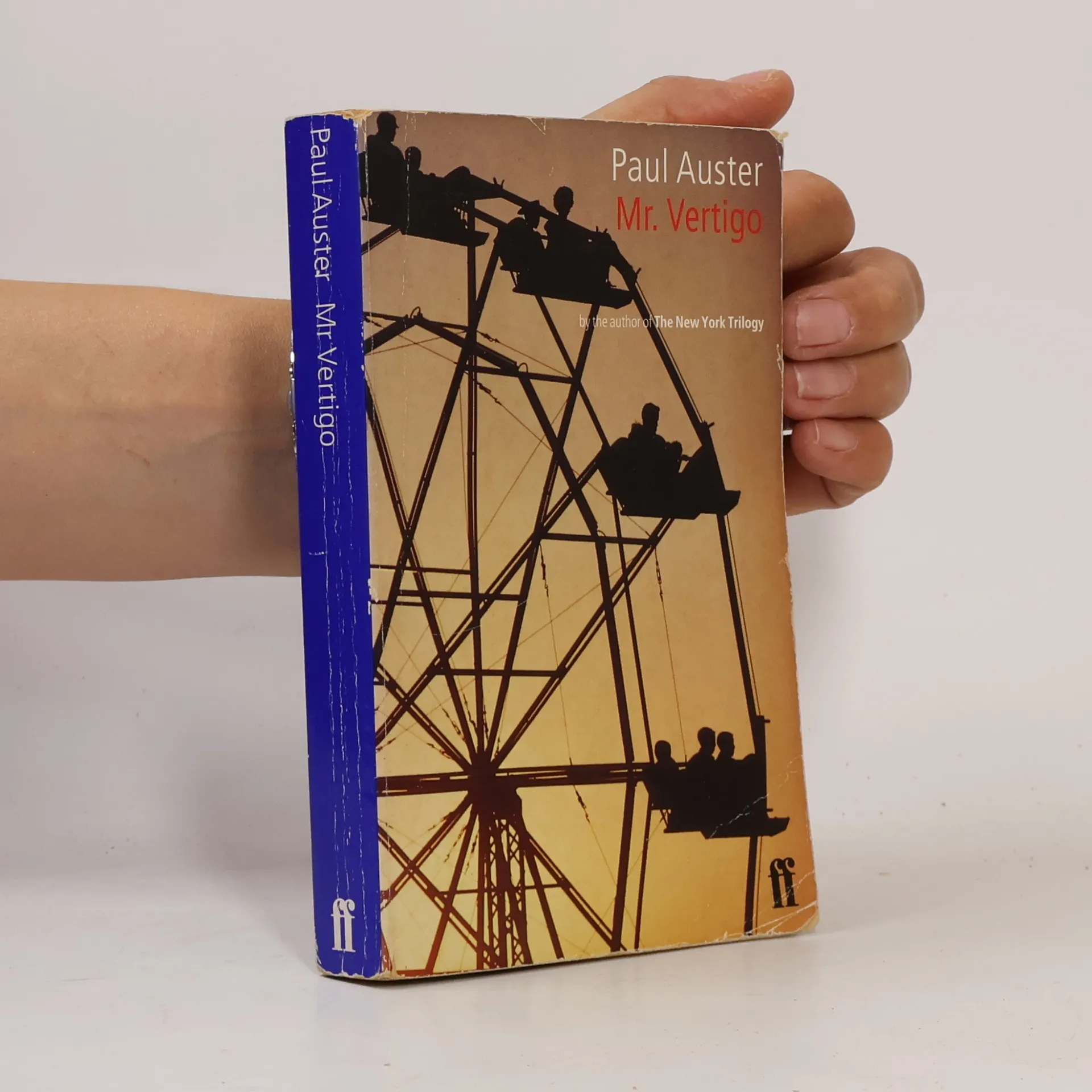
Walt is an orphan from the mid-West who is set on the road to stardom by the dark and mesmerizing figure of Master Yehudi. When the Master takes little Walt back to the mysterious house on the great plains, he initiates the tutorial process that will culminate in Walt's learning to fly.
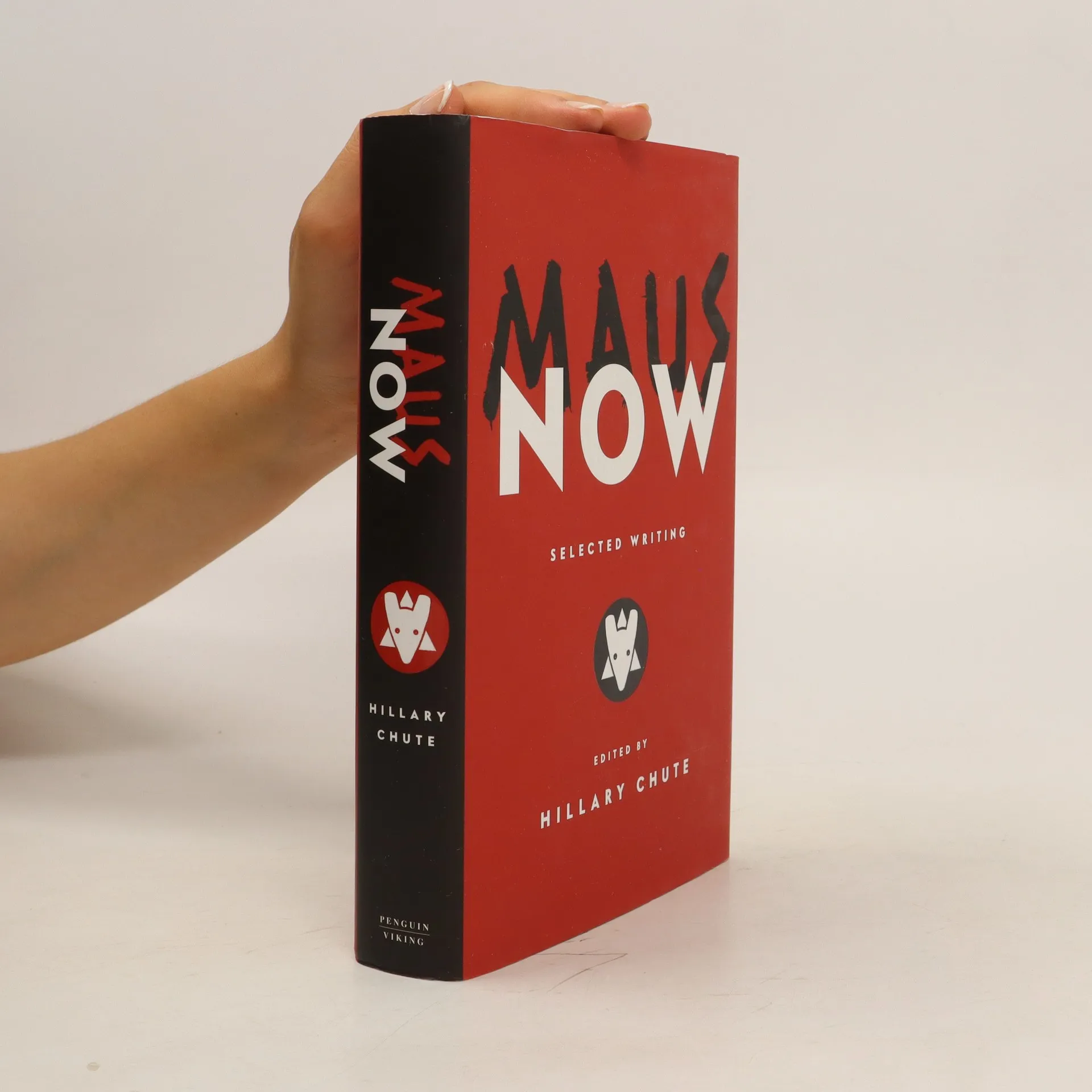
Pulitzer Prize-winning author Art Spiegelman is one of our most influential contemporary artists, and it is hard to overstate his effect on postwar American culture and the world of comics. Maus has shaped the fields of literature, history, and art, and enlivened our collective sense of what these practices can accomplish. Collecting responses to the work that confirm its unique and terrain-shifting status, Maus Now sees writers such as Philip Pullman, Adam Gopnik, Ruth Franklin, and others approaching the complexity of Maus from a wide range of viewpoints and traditions. Organized into three loosely chronological sections ("Contexts", "Problems of Representation" and "Legacy"), the book offers translations of important French, Hebrew, and German essays on Maus for the first time. Maus is revelatory, and generative, in profound and long-lasting ways. With this collection, American literary scholar (and expert on comics and graphic narratives) Hillary Chute assembles the best work around the globe exploring this classic graphic biography.
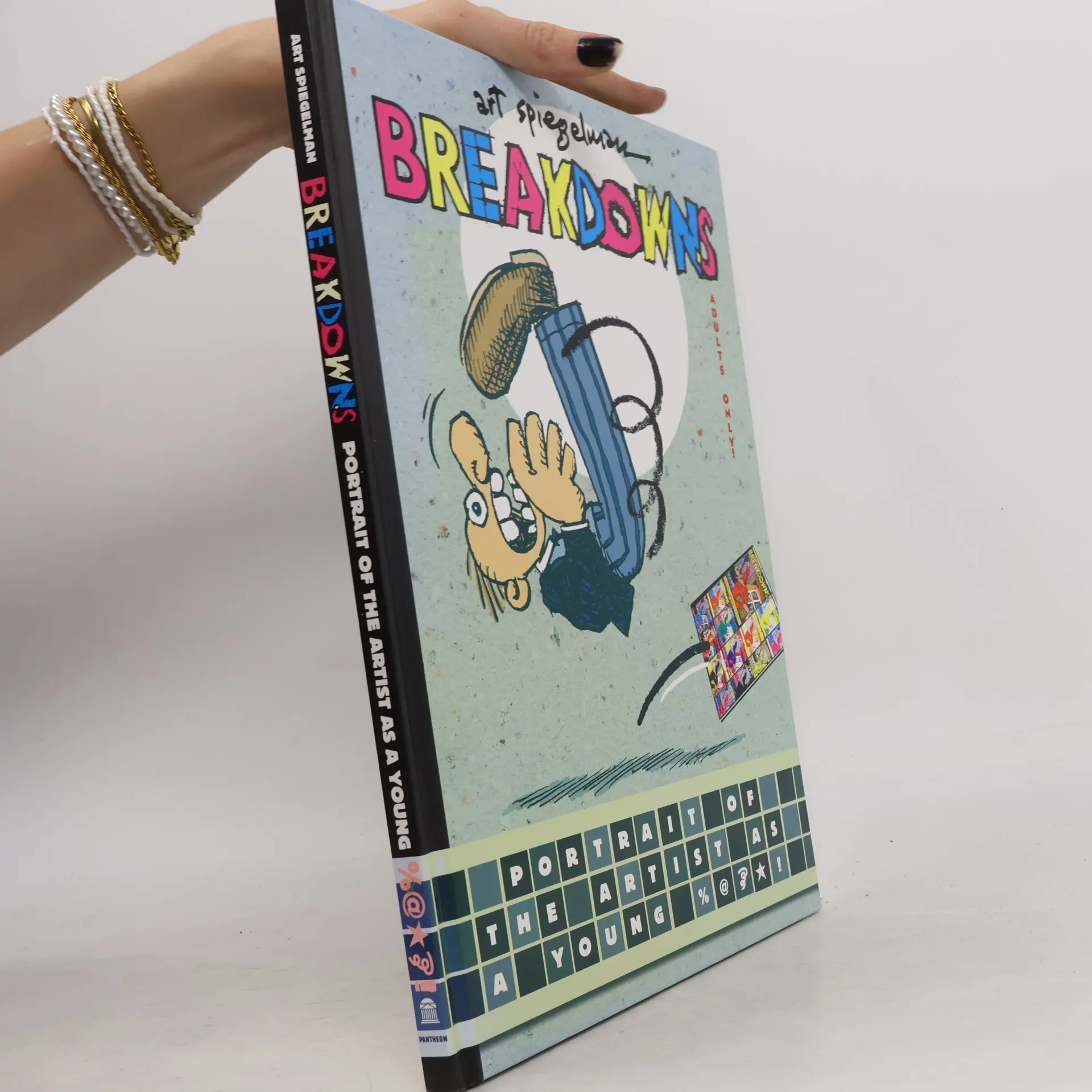
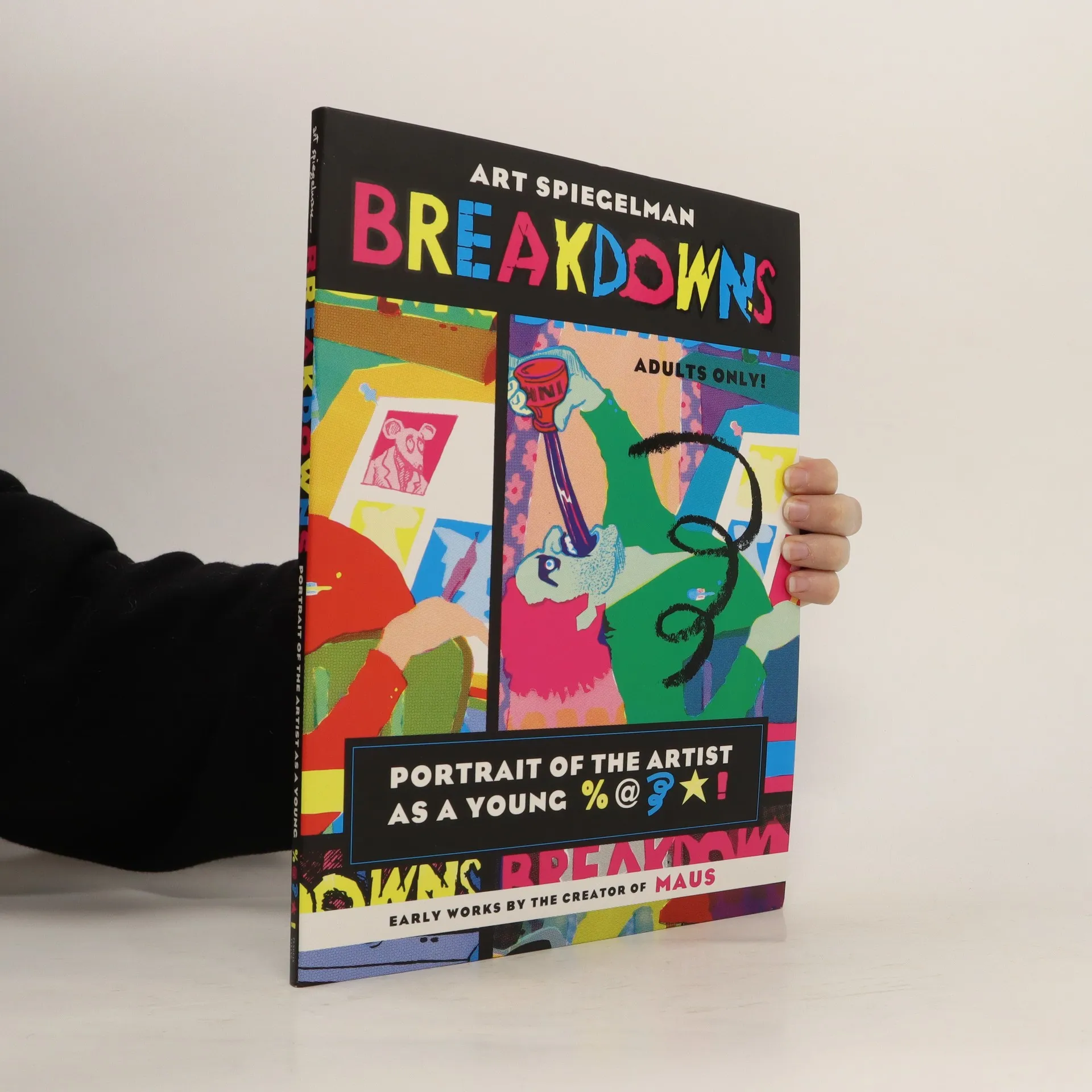
The creator of the Pulitzer Prize-winning Maus explores the comics form ... and how it formed him! This book opens with Portrait of the Artist as a Young %@&*!, creating vignettes of the people, events, and comics that shaped Art Spiegelman. It traces the artist's evolution from a MAD-comics obsessed boy in Rego Park, Queens, to a neurotic adult examining the effect of his parents' memories of Auschwitz on his own son. The second part presents a facsimile of Breakdowns, the long-sought after collection of the artist's comics of the 1970s, the book that triggers these memories. Breakdowns established the mode of formally sophisticated comics that transformed the medium, and includes the prototype of Maus, cubist experiments, an essay on humor, and the definitive genre-twisting pulp story "Ace Hole-Midget Detective." Pulling all this together is an illustrated essay that looks back at the sixties as the artist pushes sixty, and explains the obsessions that brought these works into being. Poignant, funny, complex, and innovative, Breakdowns alters the terms of what can be accomplished in a memoir.
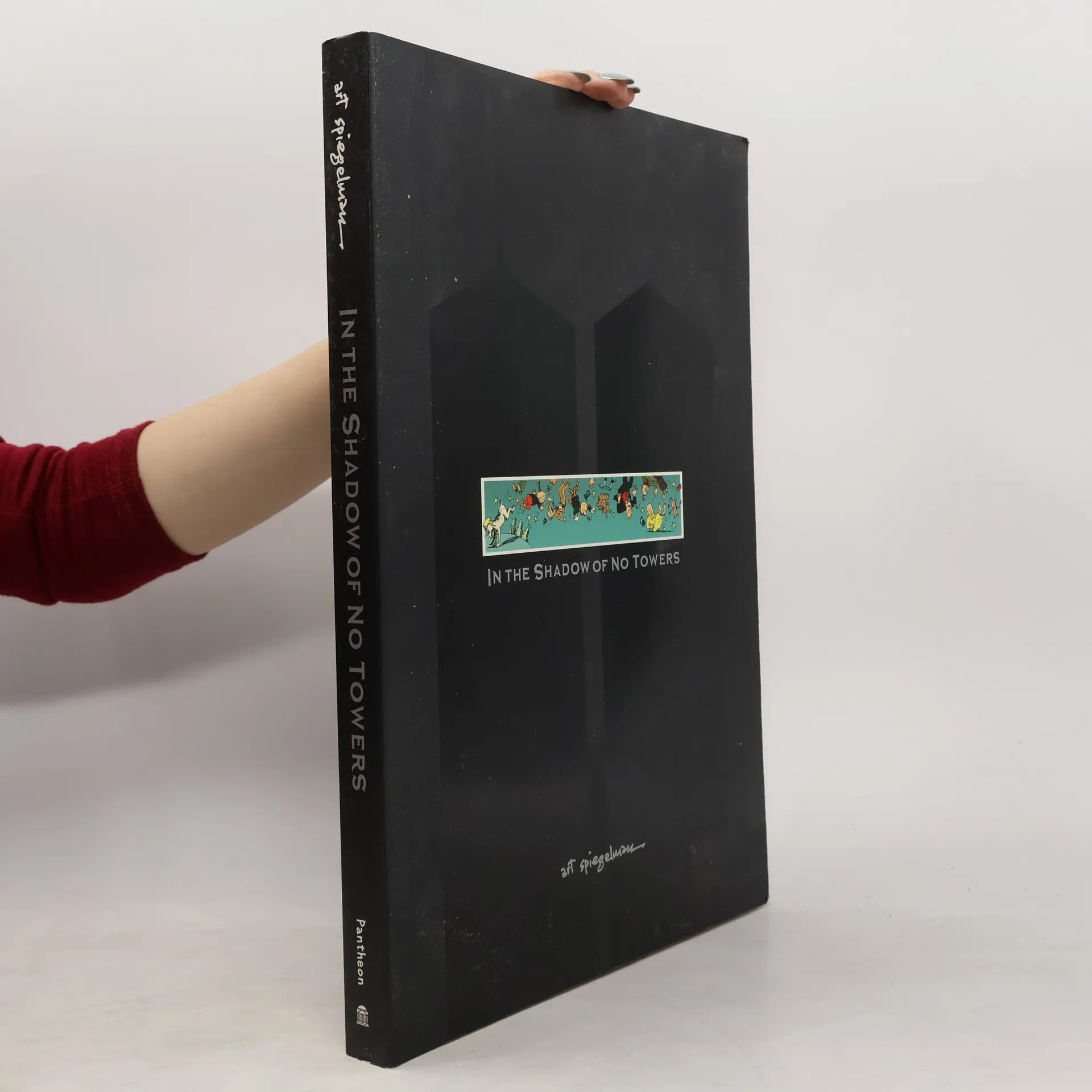
For Art Spiegelman, the Pulitzer Prize-winning author of Maus, the terrorist attacks of September 11, 2001 were both highly personal and intensely political. In the Shadow of No Towers, his first new book of comics since the groundbreaking Maus, is a masterful and moving account of the events and aftermath of that tragic day. Spiegelman and his family bore witness to the attacks in their lower Manhattan neighborhood: his teenage daughter had started school directly below the towers days earlier, and they had lived in the area for years. But the horrors they survived that morning were only the beginning for Spiegelman, as his anguish was quickly displaced by fury at the U.S. government, which shamelessly co-opted the events for its own preconceived agenda. He responded in the way he knows best. In an oversized, two-page-spread format that echoes the scale of the earliest newspaper comics (which Spiegelman says brought him solace after the attacks), he relates his experience of the national tragedy in drawings and text that convey--with his singular artistry and his characteristic provocation, outrage, and wit--the unfathomable enormity of the event itself, the obvious and insidious effects it had on his life, and the extraordinary, often hidden changes that have been enacted in the name of post-9/11 national security and that have begun to undermine the very foundation of American democracy
The story revolves around Jack and his intriguing new toy, which sparks curiosity and wonder. As Jack explores its nature, readers are drawn into a playful yet mysterious narrative that blurs the lines between fun and fear. The book invites young readers to engage their imaginations, questioning whether the toy is silly, scary, or something uniquely captivating.
**In a new flexibound format with an updated afterword** This book opens with Portrait of the Artist as a Young %@&*!, creating vignettes of the people, events, and comics that shaped Art Spiegelman. It traces the artist's evolution from a MAD-comics obsessed boy in Rego Park, Queens, to a neurotic adult examining the effect of his parents' memories of Auschwitz on his own son. The second part presents a facsimile of Breakdowns, the long-sought after collection of the artist's comics of the 1970s, the book that triggers these memories. Breakdowns established the mode of formally sophisticated comics that transformed the medium, and includes the prototype of Maus, cubist experiments, an essay on humor, and the definitive genre-twisting pulp story "Ace Hole-Midget Detective." Pulling all this together is an illustrated essay that looks back at the sixties as the artist pushes sixty, and explains the obsessions that brought these works into being. Poignant, funny, complex, and innovative, Breakdowns alters the terms of what can be accomplished in a memoir.
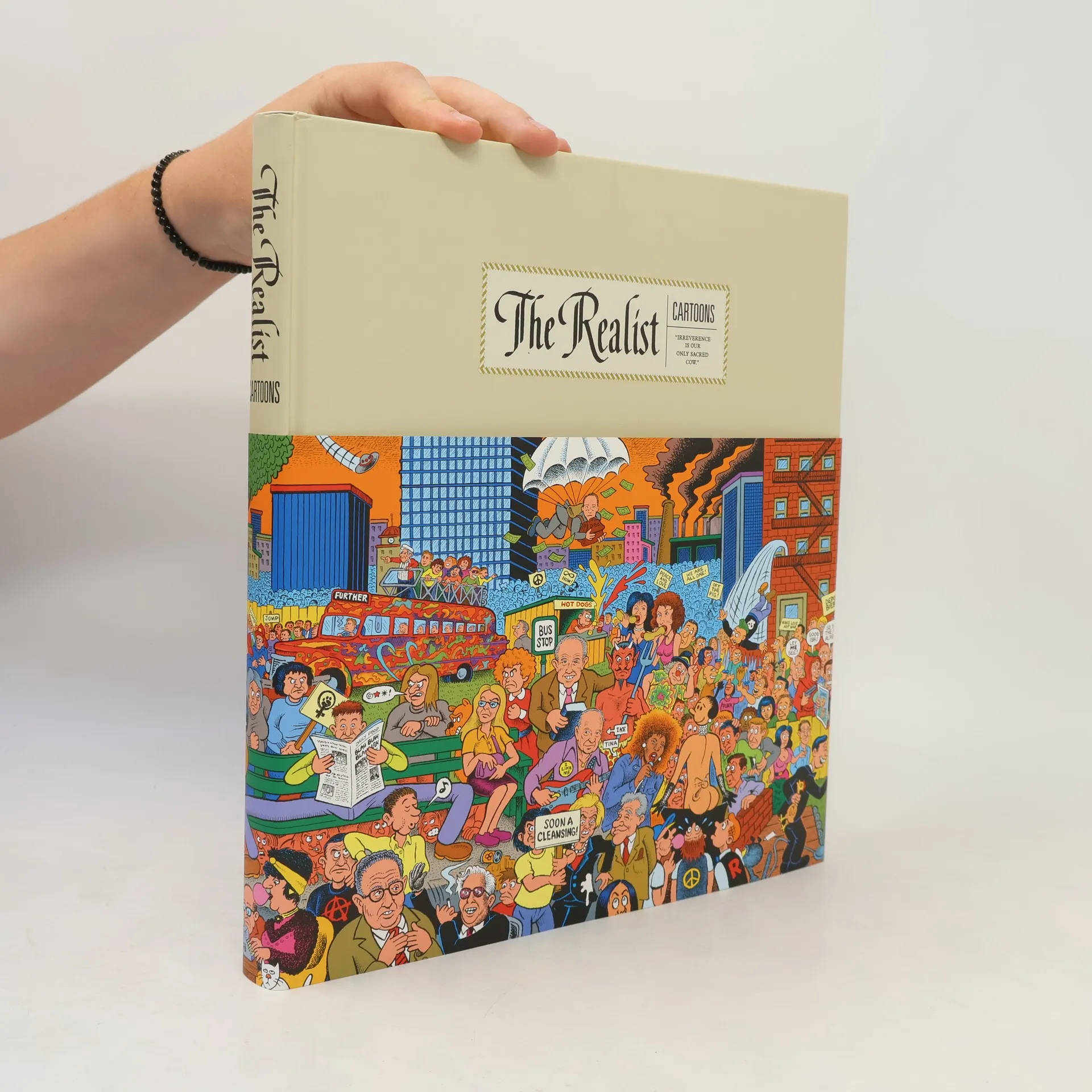
The Realist was a legendary satirical periodical that ran from 1958 to 2001 and published some of the most incendiary cartoons that ever appeared in an American magazine. The Realist Cartoons collects, for the first time, the best, the wittiest, and the most provocative drawings that appeared in its pages, including work by R. Crumb, Art Spiegelman, S. Clay Wilson, Jay Lynch, Trina Robbins, Mort Gerberg, Jay Kinney, Richard Guindon, Nicole Hollander, Skip Williamson, and many others.
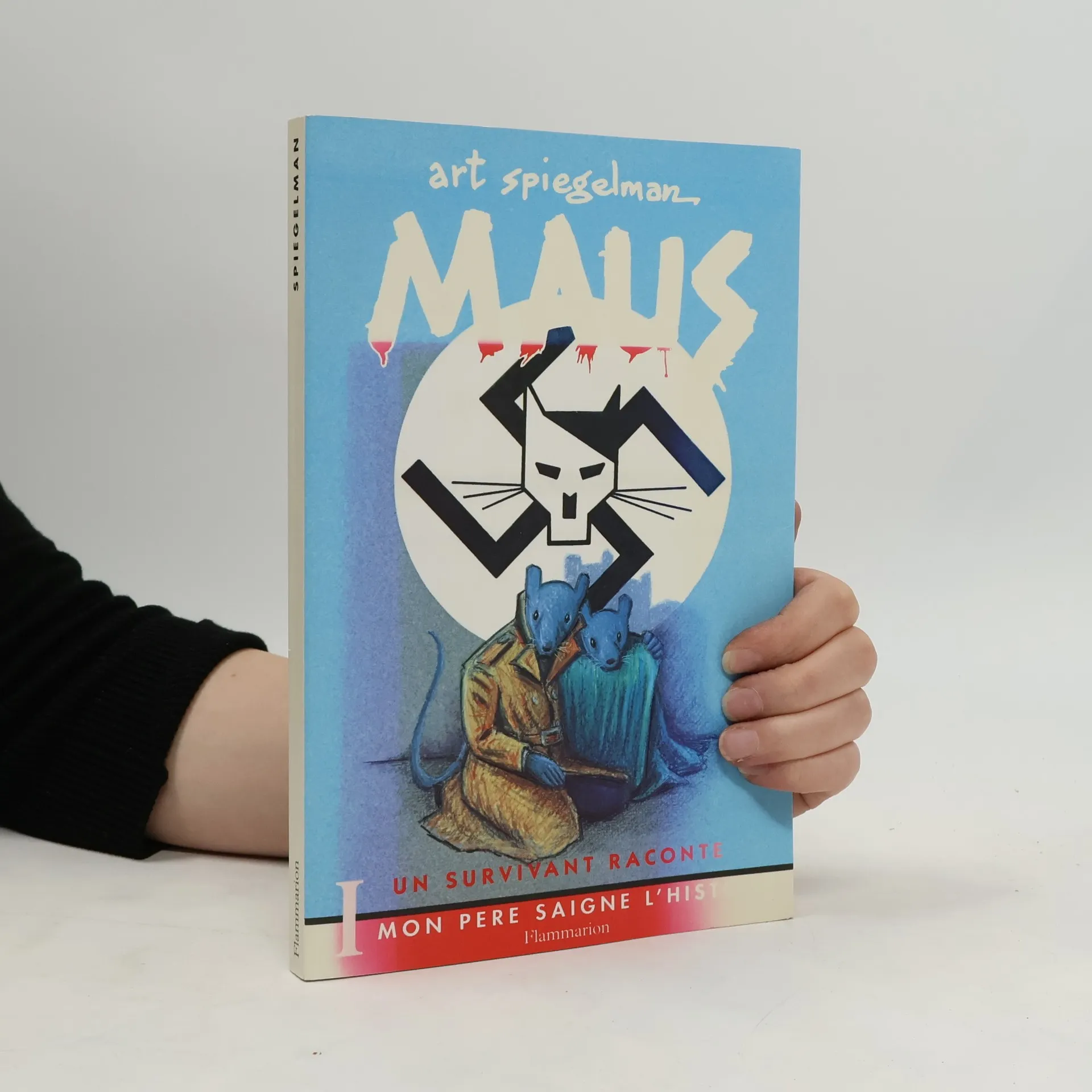
Maus raconte la vie de Vladek Spiegelman, rescapé juif des camps nazis, et de son fils, auteur de bandes dessinées, qui cherche un terrain de réconciliation avec son père, sa terrifiante histoire et l'Histoire. Des portes d'Auschwitz aux trottoirs de New York se déroule en deux temps (les années 30 et les années 70) le récit d'une double survie : celle du père, mais aussi celle du fils, qui se débat pour survivre au survivant. Ici, les Nazis sont des chats et les Juifs des souris.
Quinn, que en otros tiempos fuera poeta y cuya mujer e hijo han muerto, vive en la más absoluta soledad, escribiendo novelas policíacas, despojado de toda ambición literaria y lejos de los fastos del mundo. Alguien lo llama varias veces por teléfono en medio de la noche, tomándolo por un detective llamado Paul Auster, y solicitando con desesperación su ayuda. Quinn, entre curioso y conmovido, decide al fin personificar al desconocido Paul Auster y concierta una cita. Conoce entonces a otro pálido poeta, que cuenta una historia aterradora: cuando nació, su padre, una combinación de místico y lingüista demente, lo encerró y aisló del mundo durante años para que pudiera hablar «la verdadera lengua de los hombres», aquella que olvidaron tras la construcción de la torre de Babel. Pero el niño fue rescatado y el padre recluido en una institución un manicomio, o quizás una cárcel, de la que ahora está a punto de salir. Y el hijo, que teme por su vida, desea que el detective Paul Auster o Quinn lo proteja. Con "Ciudad de cristal" se inició La trilogía de Nueva York, un deslumbrante conjunto de thrillers posmodernos que, según los críticos, marca un nuevo punto de partida para la novela norteamericana.
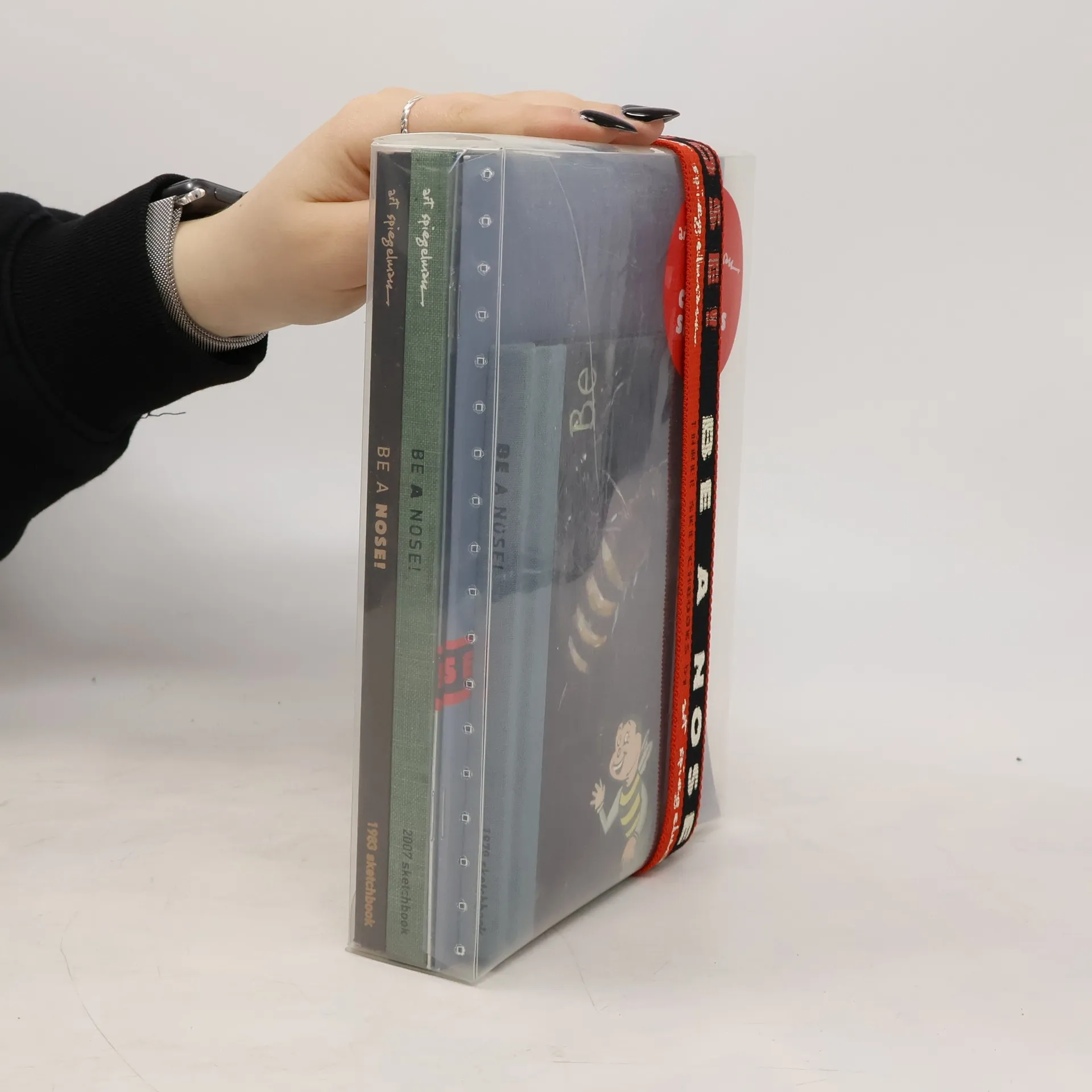
Lauréat du prix Pulitzer pour Maus, créateur des Crados et père du roman graphique moderne, Art Spiegelman présente la reproduction à l'état brut de ses carnets et le résultat est aussi drôle, incisif, paillard et touchant que l'homme qui se cache derrière eux. Be a nose ! est un précieux aperçu des griffonnages personnels d'un génie américain.
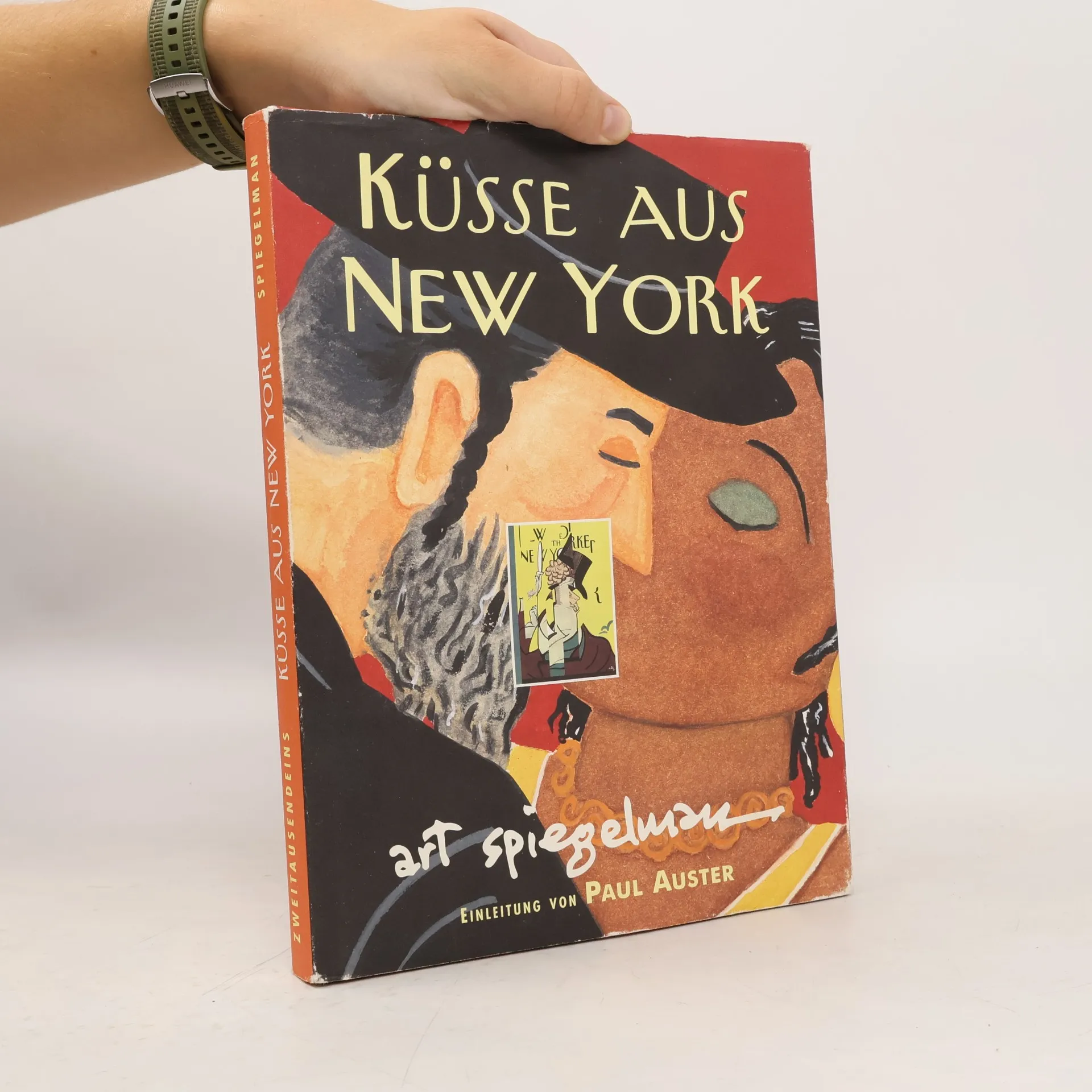
„Art Spiegelman ist der George Grosz unserer Tage“ Henryk M. Broder im Tagesspiegel. „Küsse aus New York“ zeigt Spiegelmans provokante Arbeiten für den New Yorker. Nur bei uns. Art Spiegelman: bissig, aggressiv und spitze Feder. Der New Yorker: gut bürgerlich, kultiviert, blasée. Zehn Jahre lang hat Spiegelman („Maus“) für den New Yorker Titelbilder entworfen. Der „zur Zeit bedeutendste amerikanische Comic-Künstler“ (Künstlerkollege ATAK in Das Magazin) wurde angestellt, um zu provozieren. Meist gelang es ihm besser als erwartet. Zum Osterfest und Steuertermin zeichnet Spiegelman einen Osterhasen, der gekreuzigt auf einer Steuererklärung ausblutet. Es hagelt Proteste von der christlichen Rechten (der der heidnische Hase eigentlich egal sein sollte). Weltberühmt wurde Spiegelmans überraschender Bildkommentar zum 11.9.: Die World Trade Center-Türme ganz in schwarz vor schwarzem Hintergrund - diesmal ging Spiegelman das Thema zu nah. Seine Tochter Nadja ging auf der anderen Straßenseite vom WTC zur Schule, beide waren Augenzeugen als die Türme einstürzten. Die Titelbilder gibt es jetzt als Buch. Zusammen mit Entwürfen, Skizzen, abgelehnten Versionen und Kommentaren von Spiegelman selbst.
Die Geschichte eines Überlebenden. Art Spiegelman erzählt die Überlebensgeschichte des polnischen Juden Wladek Spiegelman während der Zeit des Nationalsozialismus. In seinem Bericht in Comic-Form treten die Juden als Mäuse und die Deutschen als Katzen auf.
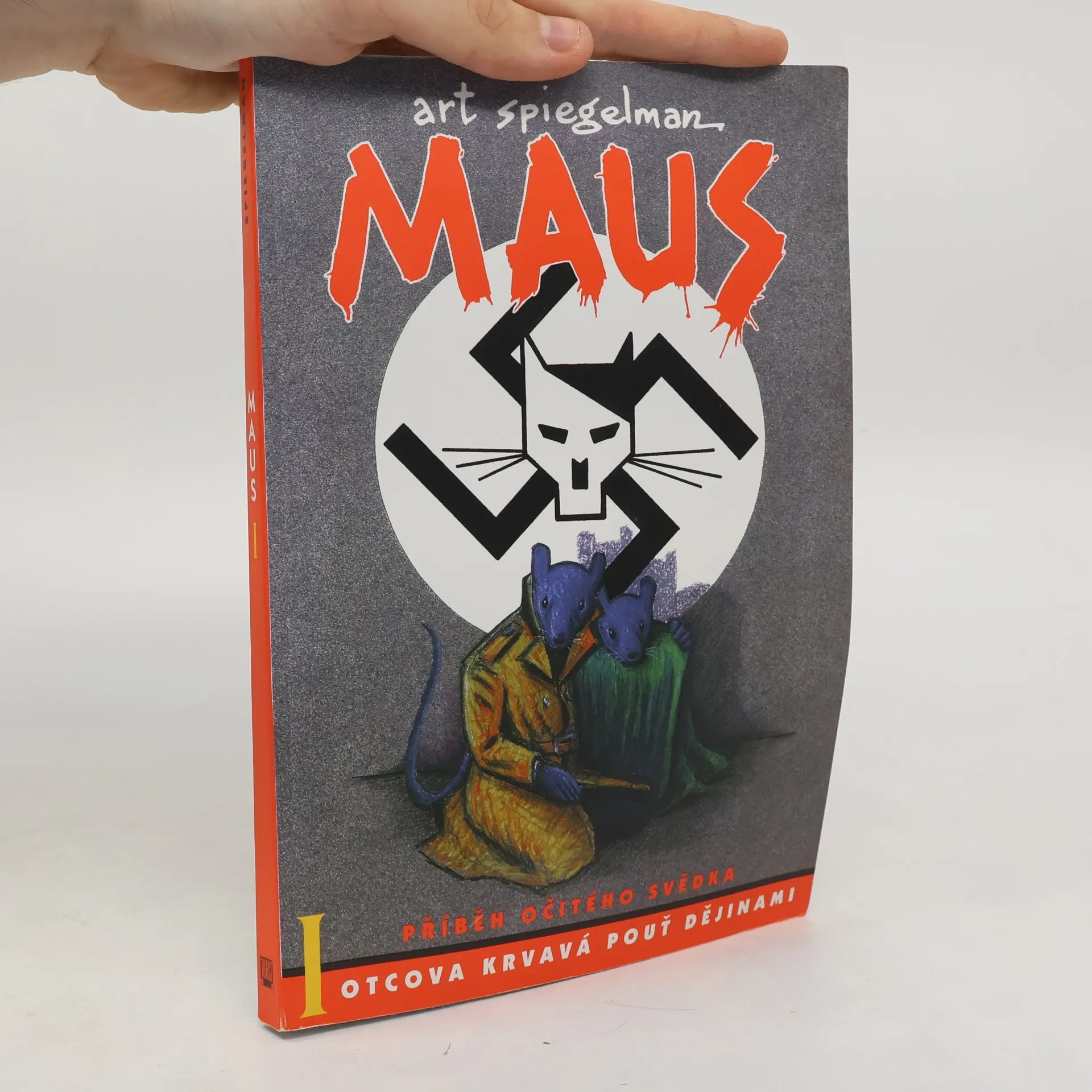
Maus je příběh Vladka Spiegelmana, Žida, který přežil holocaust, a jeho syna, kreslíře, který se snaží vyrovnat s otcem, jeho hrozivým příběhem i dějinami jako takovými. Knihu spojuje dva příběhy: jeden se odehrává v Polsku, druhý v Rego Parku v New Yorku. V prvním Spiegelmanův otec vypráví o tom, jak se svou ženou přežili Hitlerovu vládu v Evropě. Je to příběh plný smrti, neuvěřitelných úniků, vězeňské krutosti i lidské zrady. V druhém příběhu sledujeme autorův mučivý vztah k stárnoucímu otci. Občas se navštěvují, vedou malicherné hádky a v pozadí všeho jsou dějiny, příliš kruté na to, aby je bylo možno utišit. Obě příběhy se tak před námi spojují v příběh jediný - příběh rodičů a dětí. V prvním dílu sledujeme Spiegelmanovy rodiče až do bran Osvětimi a autora vyprávění na práh zoufalství.