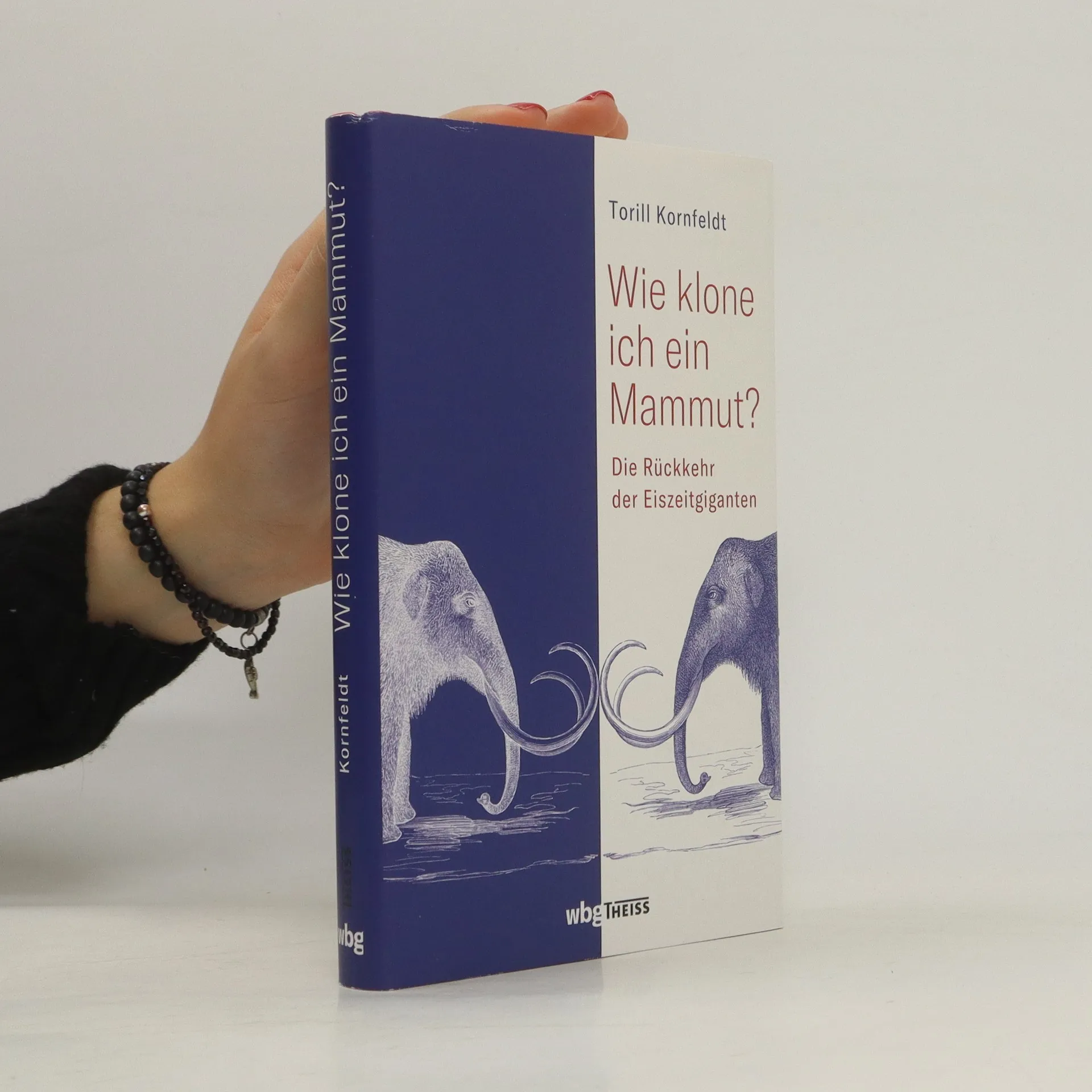
Wie wäre es, wenn in naher Zukunft wieder Herden riesiger Mammuts in der sibirischen Tundra umherstreifen? Oder wenn mächtige Auerochsen auf deutschen Weiden grasen? Wird es eines Tages tatsächlich möglich sein, Dinosaurier zu klonen? Wenn ja, wäre das wirklich eine gute Idee? Überall auf der Welt versuchen Wissenschaftler, Antworten auf diese Fragen zu finden und arbeiten daran, längst ausgestorbene Arten wiederzubeleben. Manche forschen aus purer Neugier, andere, weil sie glauben, die Rückkehr dieser Arten könne eine Bereicherung unserer Ökosysteme und eine erfolgreiche Waffe etwa im Kampf gegen den Klimawandel sein. Torill Kornfeldt spricht mit Menschen, die ausgestorbene Arten anhand von DNA aus Knochenfunden oder eingefrorenen Zellen und mithilfe grenzenloser Vorstellungskraft zu klonen versuchen. Sie zeigt, welche Auswirkungen diese Experimente auf unsere Umwelt und die Menschheit als solche hätten, und hinterfragt, wie weit wir mit unserer Forschung tatsächlich gehen sollten.
Torill Kornfeldt Libros
Torill Kornfeldt es una periodista científica, autora y conferencista centrada en biología y biotecnología. Su trabajo profundiza en las complejas intrigas de estos campos, haciéndolos accesibles a una amplia audiencia. Se enfoca en conectar los descubrimientos científicos con sus implicaciones sociales y éticas más amplias. Kornfeldt ofrece perspectivas perspicaces sobre el mundo de la ciencia y su impacto en nuestras vidas.