

Cunning-folk were local practitioners of magic, providing small-scale but valued service to the community. They were far more representative of magical practice than the arcane delvings of astrologers and necromancers. Mostly unsensational in their approach, cunning-folk helped people with everyday problems: how to find lost objects; how to escape from bad luck or a suspected spell; and how to attract a lover or keep the love of a husband or wife.While cunning-folk sometimes fell foul of the authorities, both church and state often turned a blind eye to their existence and practices, distinguishing what they did from the rare and sensational cases of malvolent witchcraft. In a world of uncertainty, before insurance and modern science, cunning-folk played an important role that has previously been ignored.
Owen Davies Libros
Owen Davies es un lector en Historia Social cuya investigación profundiza en la historia de la brujería y la magia modernas y contemporáneas. Sus intereses académicos se vieron inicialmente impulsados por el folclore y la mitología, lo que le llevó a explorar la creencia persistente y en declive en la brujería y la magia a lo largo de la era moderna. El trabajo de Davies investiga la influencia duradera de las prácticas rituales y los sistemas de creencias en la sociedad. Ofrece una perspectiva académica sobre la evolución de estos fascinantes fenómenos históricos.




Now that most personal records are easily searchable online, we're all naked in cyberspace. Readers can use this book to perform asset searches, find genealogical information, screen potential partners, identify prospective customers and investors, recruit employees, search adoption registries, conduct prospect/fundraising research and locate people.
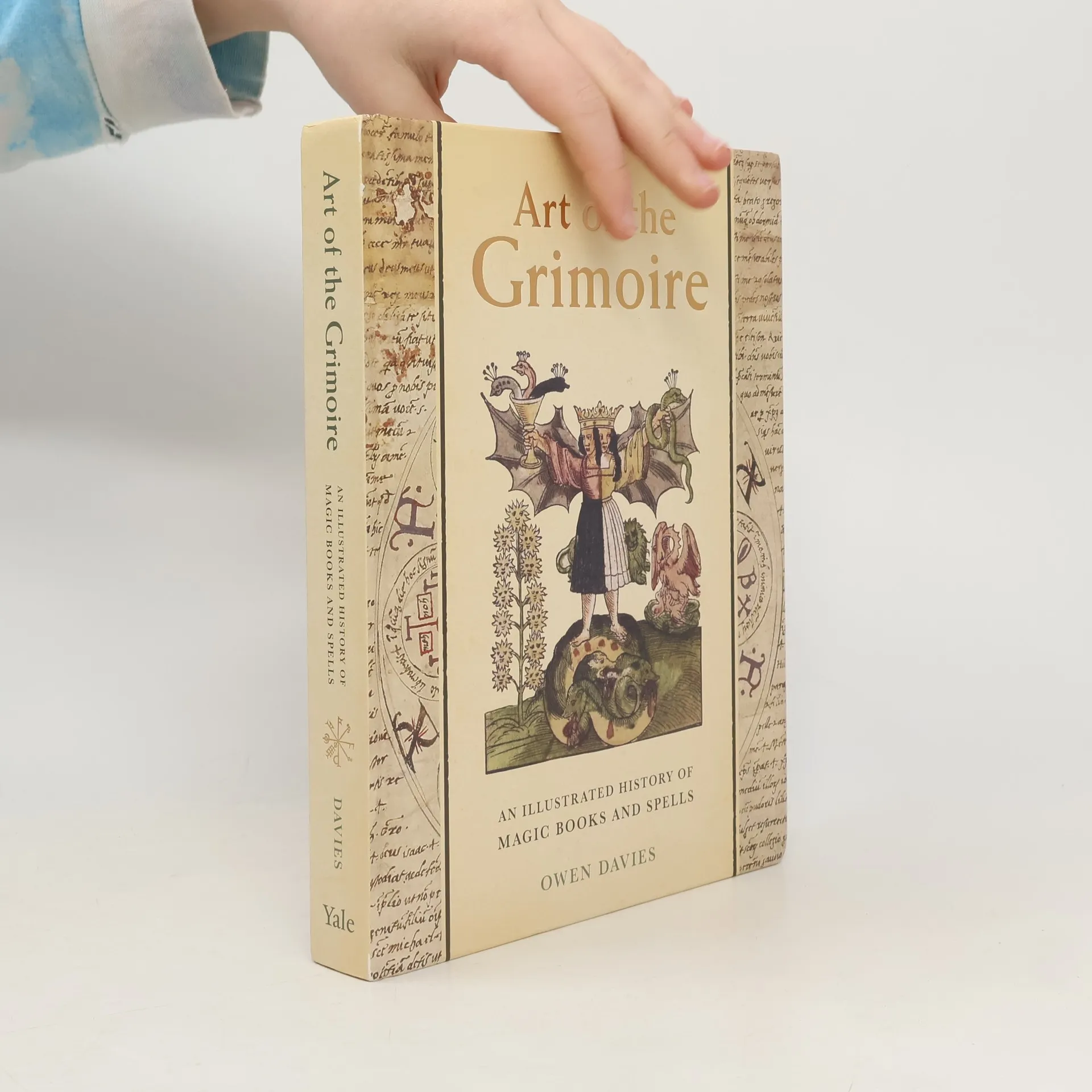
Art of the Grimoire
- 256 páginas
- 9 horas de lectura
A copiously illustrated global history of magic books, from ancient papyri to pulp paperbacks
The Oxford Illustrated History of Witchcraft & Magic
- 310 páginas
- 11 horas de lectura
The 4000-year story of witchcraft and magic - from the ancient world to Harry Potter... and beyond...
Magic: A Very Short Introduction
- 135 páginas
- 5 horas de lectura
Magic continues to be an enduring topic of fascination, managing to pervade the popular imagination. In this Very Short Introduction Owen Davies explores the definitions and practice of magic over the millennia; highlighting the controversy, conflict, and debate it has caused.
Challenging conventional interpretations, this book delves into the intriguing discoveries of concealed objects in post-medieval buildings, such as old shoes and mummified cats. It critiques the common tendency to categorize these finds as mere survivals or protective talismans. Instead, the author investigates the deeper meanings and evolving traditions surrounding these practices, offering fresh insights into the cultural significance of building magic. Through this exploration, readers gain a nuanced understanding of historical beliefs and rituals related to architecture.
The first ever history of magic books - or grimoires - from the ancient Middle East through to the modern day, from harmless charms and remedies to sinister pacts with the Devil.