

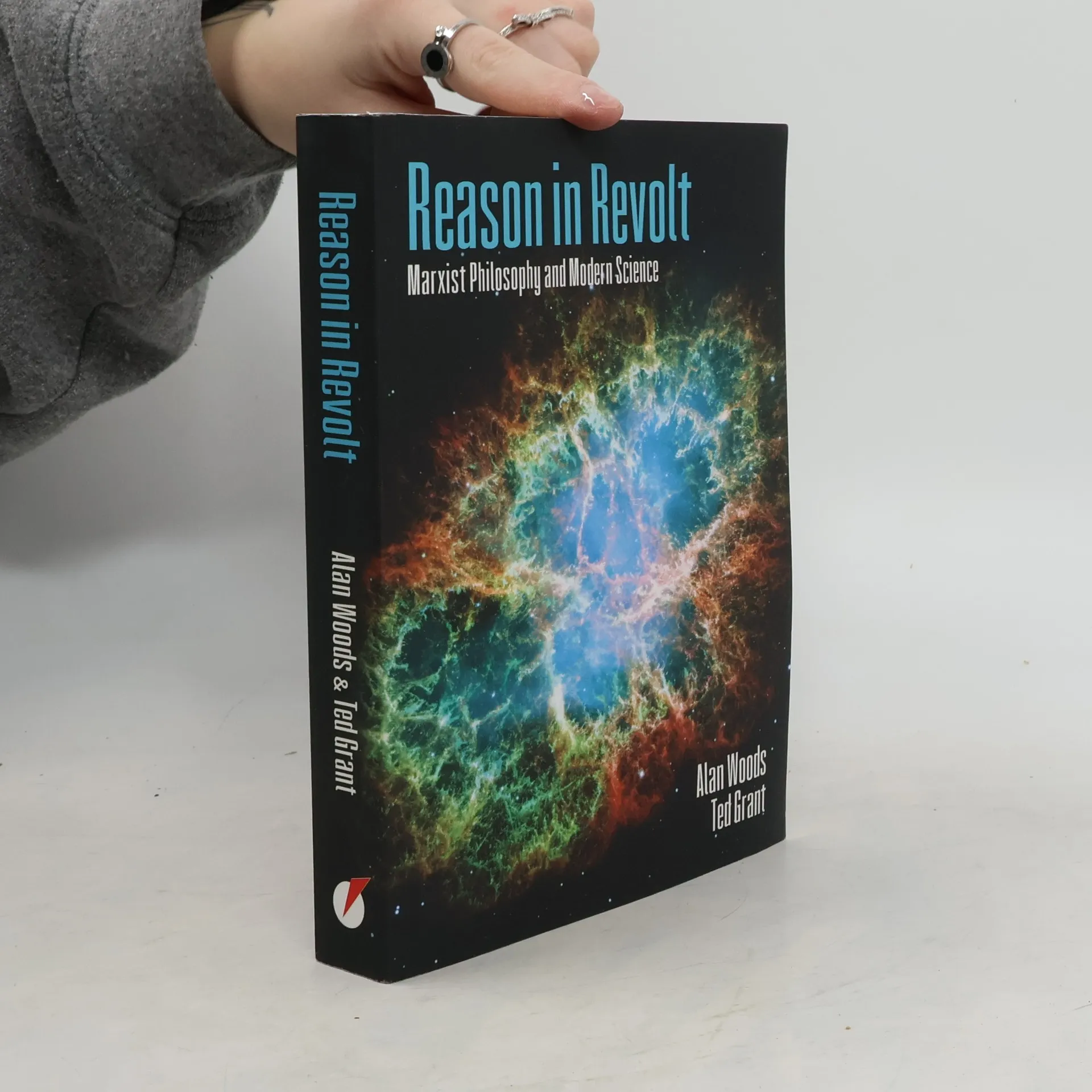
Reason in Revolt further develops the theory of Dialectical Materialism, using the most important scientific discoveries of the 20th century as a tool. First exposed by Marx and Engels, Dialectical Materialism is a comprehensive methodology explaining the unity of the laws that govern nature, science and society, from evolution to chaos theory, nuclear physics to childhood development. First published in 1995 to coincide with Engel's centenary, Reason in Revolt has had a great success around the world. It has been published in Spanish, Italian, Greek, Turkish, Urdu, and is now being translated into German and Flemish. The Spanish edition recently went into its second edition. To date, no one has found serious fault with the science of the book. And every new discovery of science serves to confirm the statement of Engels, that "in the last analysis, Nature works dialectically."
Alan Woods Libros
Alan Woods es un teórico político profundamente involucrado con la filosofía y la teoría política marxista. Su obra analiza principalmente el materialismo histórico y su aplicación a fenómenos sociales y políticos contemporáneos. Woods se enfoca en un examen crítico del capitalismo y aboga por alternativas socialistas, a menudo basándose en la tradición trotskista. A través de sus escritos y su discurso público, busca popularizar las ideas marxistas y fomentar la discusión sobre la transformación social radical.
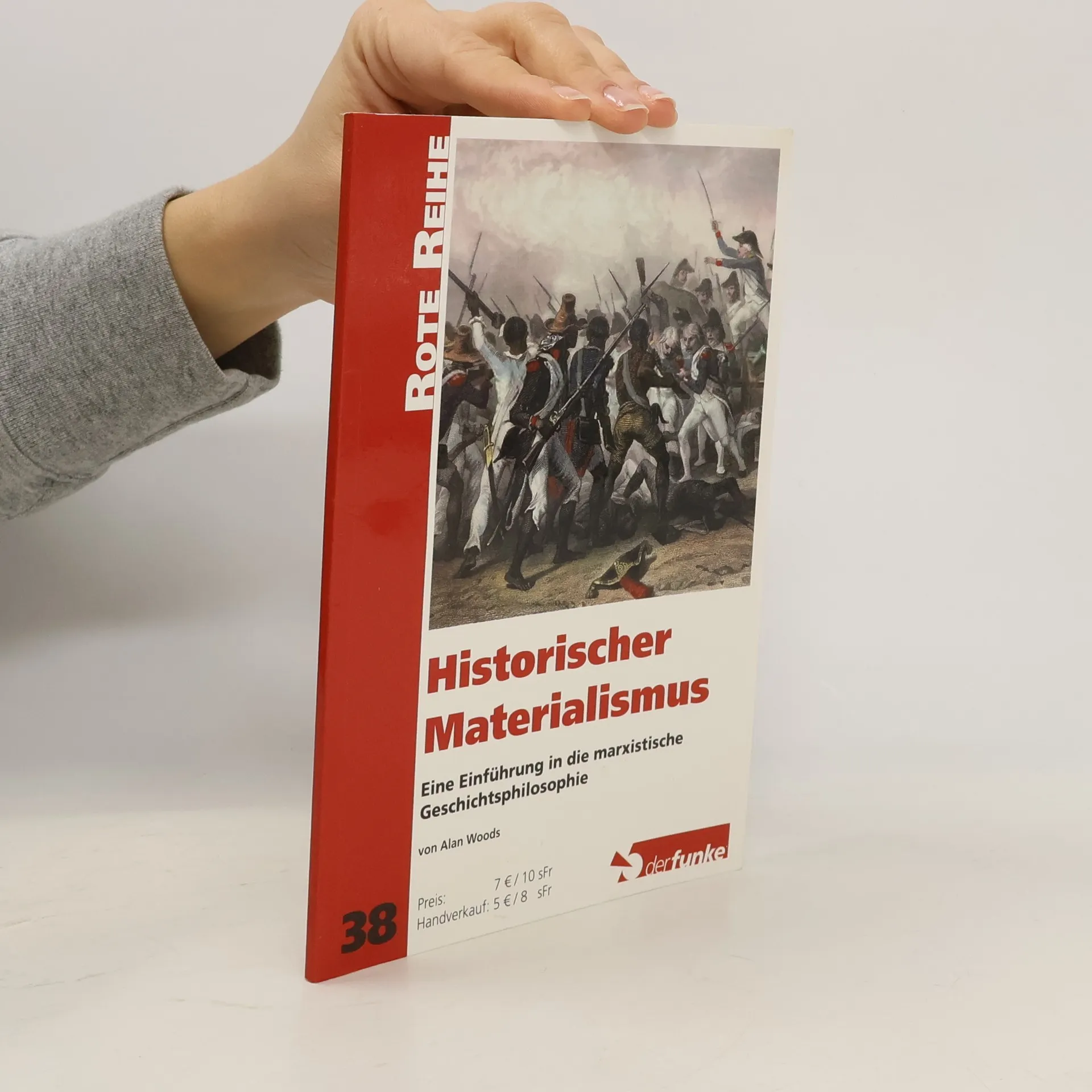
Rote Reihe - 38: Historischer Materialismus
Eine Einführung in die marxistische Geschichtsphilosophie
- 49 páginas
- 2 horas de lectura
In diesem Buch beschreibt Alen Woods gekonnt den historischen Materialismus. In seinem Buch erklärt er die Basis und den Überbau. Er schreibt von den Etappen der historischen Entwicklung von der Sklavenhaltergesellschaft, den asiatischen Produktionsweisen und dem Feudalismus, bis hin zum Kapitalismus. Des weitern behandelt er die Themen Sozialismus und Kommunismus.