Kenji Miyazawa fue un poeta y escritor cuya obra está profundamente influenciada por su devoción de toda la vida al budismo Zen y la Sutra del Loto. Su escritura a menudo explora temas de compasión, naturaleza y el cosmos, frecuentemente ambientada en los paisajes austeros de su nativa región del norte de Japón. Emplea imágenes vívidas y una atmósfera onírica para transportar a los lectores a mundos llenos de maravilla y reflexión filosófica. La voz única de Miyazawa y sus temas universales continúan resonando, solidificando su lugar como una figura importante en la literatura japonesa.
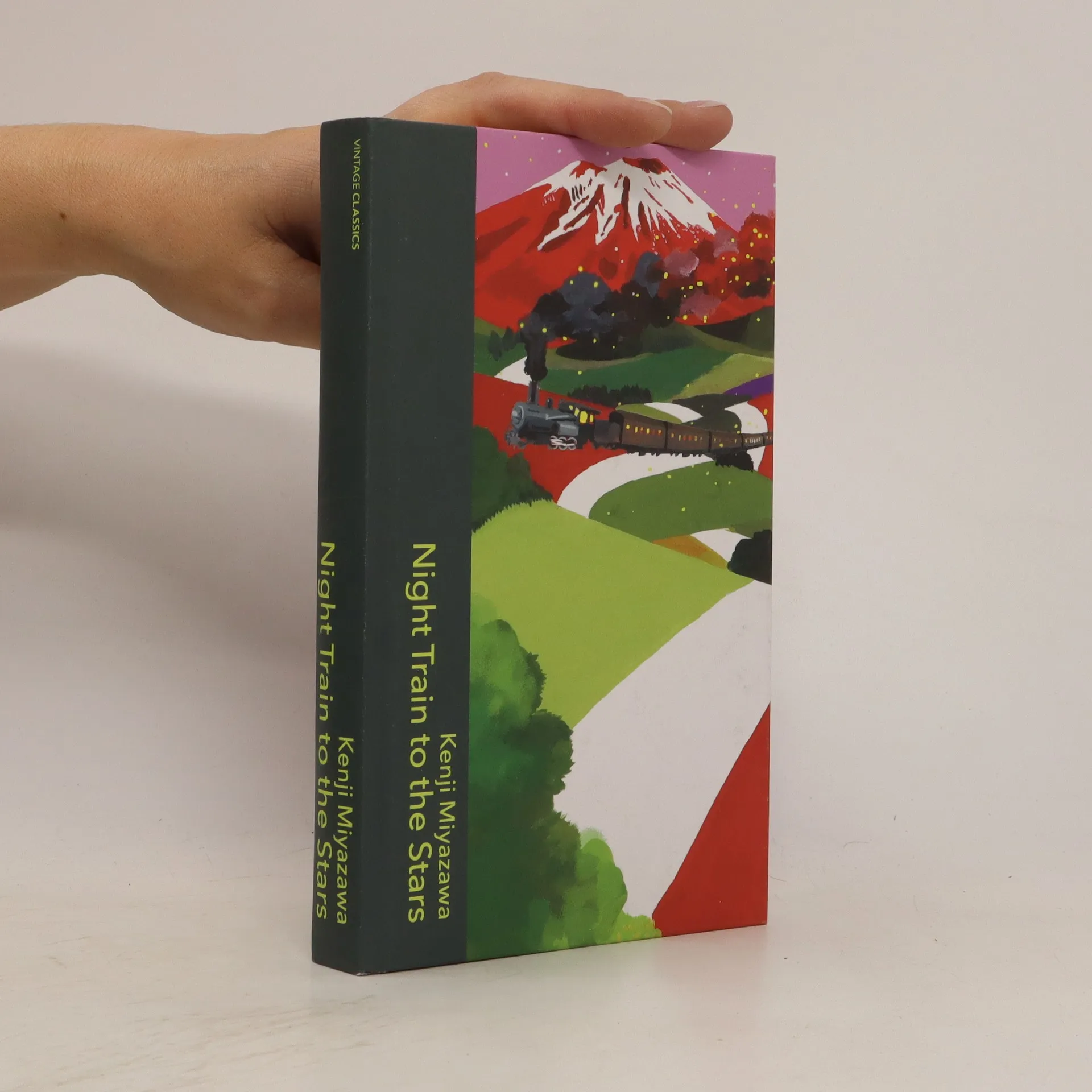
The story follows Giovanni as he embarks on a magical journey during a festival celebrating the Milky Way galaxy. Transported by a mysterious train, he encounters breathtaking sights and enigmatic characters, including a long-lost friend. This adventure blends wonder and nostalgia, exploring themes of connection and the cosmos.
Kenji Miyazawa (1896-1933) is widely viewed as Japan's greatest poet of the
20th century. Strong in the Rain - this selection's title-poem - has arguably
become the most memorised and quoted modern poem in Japan.
Japanese fairy tales - enchanting, enigmatic stories of animals, human beings and the great natural world. Dark and innocent, sublime and whimsical, Miyazawa's stories have the ageless feel of the best fairy tales. There are animal allegories such as 'The Ungrateful Rat' where a rude rodent insults all the objects he meets - until he meets the Rat Trap/ There are morality tales such as 'The Restaurant of Many Orders', where two hunters become the hunted. There are also transcendent stories of childhood and mortality like Miyazawa's best-known 'Night Train to the Stars', where a magical steam train carries children through the night and up to the heavens. These stories reveal the unique brilliance of one of Japan's most beloved early twentieth-century writers. 'For readers who relish the disturbing material of fairy tale, the specificity and surprise of tanka, collisions of the everyday with the supernatural and glimpses of Japan right on the brink of industrialization, Kenji Miyazawa's masterly stories will be a delight' New York Times 'In several decades of translating Japanese into English, few works have given me so much pleasure (and hard work) as the tales of Miyazawa Kenji [...] more genuine originality, and a more universal appeal, than almost anything else I have done.' John Bester, translator 'Kenji Miyazawa fables are international-class' David Mitchell
Der junge Giovanni lebt allein mit Mutter und Schwester. Als die Mutter krank wird, und Giovanni neben der Schule Geld für die Familie verdienen muss, wird er in seiner Klasse zum Außenseiter. Nur Campanella, Sohn des Doktors und Giovannis bester Freund, hält zu ihm. Am Abend des Sternenfests finden sich die beiden Jungen plötzlich an Bord der Milchstraßenbahn wieder. Eine phantastische Reise durch den Nachthimmel beginnt, eine Reise voller Abenteuer und märchenhafter Wesen. Doch was hat es mit der Bahn tatsächlich auf sich?
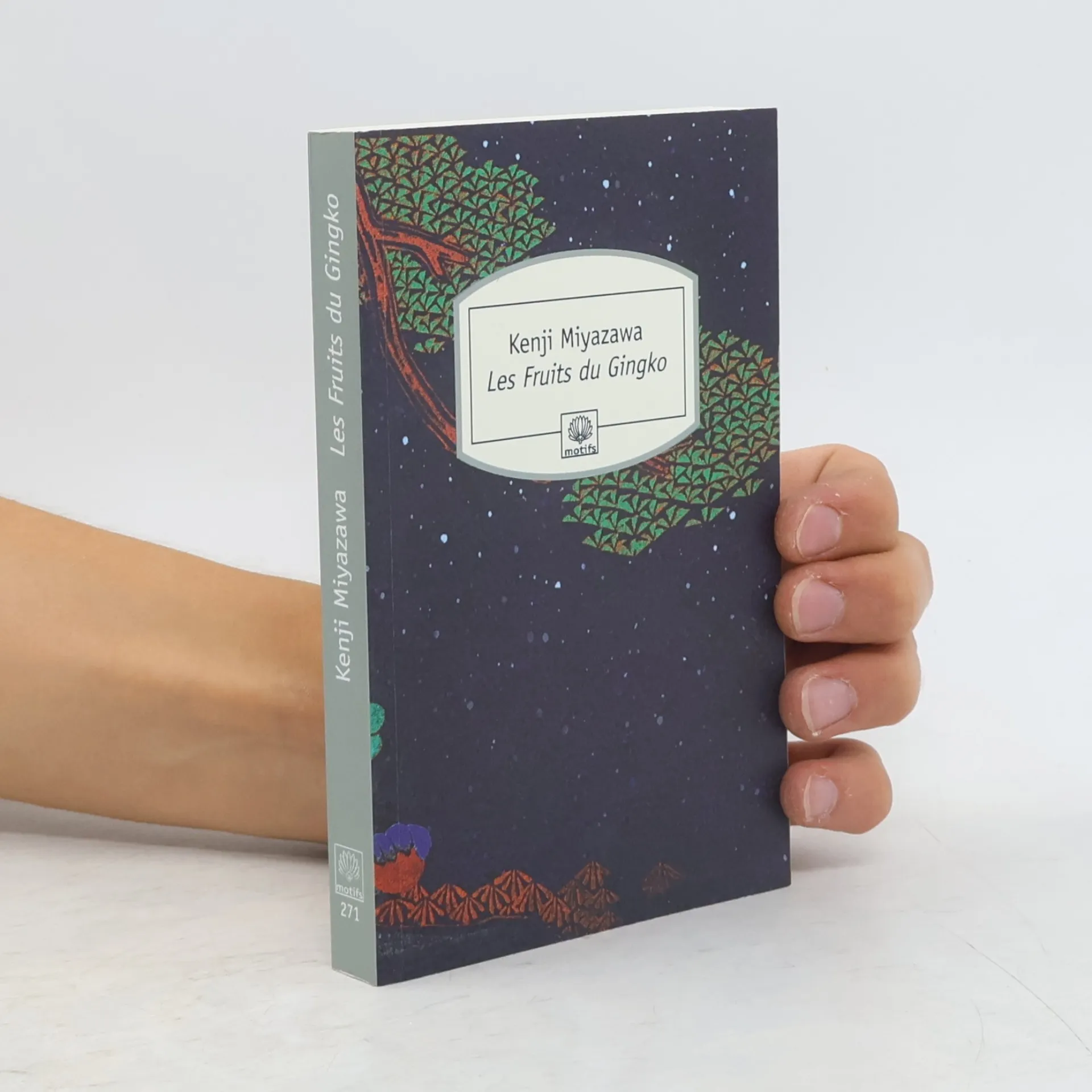
Les Trois Diplômés de l'Ecole du Blaireau, La Biographie de Nénémou Pène-nène-nène-nène-nène, La Fourrure du rat-des-neiges, Le Jeune Echo, L'Office des chats, Tanéli avait vraiment l'impression d'avoir mâché toute la journée... Les seuls titres de Miyazawa sont de succulentes et déroutantes invitations à la lecture. Ce recueil réunit onze textes du grand auteur japonais. Avec l'humour qu'on lui connaît désormais, jouant sans cesse entre les registres burlesque, poétique et mystique, Miyazawa fait se mêler le monde des hommes et celui des animaux ou des esprits. Une variété et une fraîcheur inépuisables...
Kenji Miyazawa, maître japonais du conte et du rêve, nous offre ici onze nouvelles histoires fantastiques. > Signaleur, le superbe poteau électrique de la voie principale, et Signalesse, ravissant poteau de signal en bois blanc, s'aiment d'amour tendre. Mais comment s'y prendre quand on a les pieds indéfectiblement ancrés dans le sol et qu'un minable poteau subalterne veut vous dénoncer au chef de gare ? Prier sainte Marie, le Tonnerre, l'Eclair, Georges Stephenson et Edison le Méricain, de vous réunir dans un embrasement de brouillard bleu ? Le toit du hangar a peu-être une autre solution.