

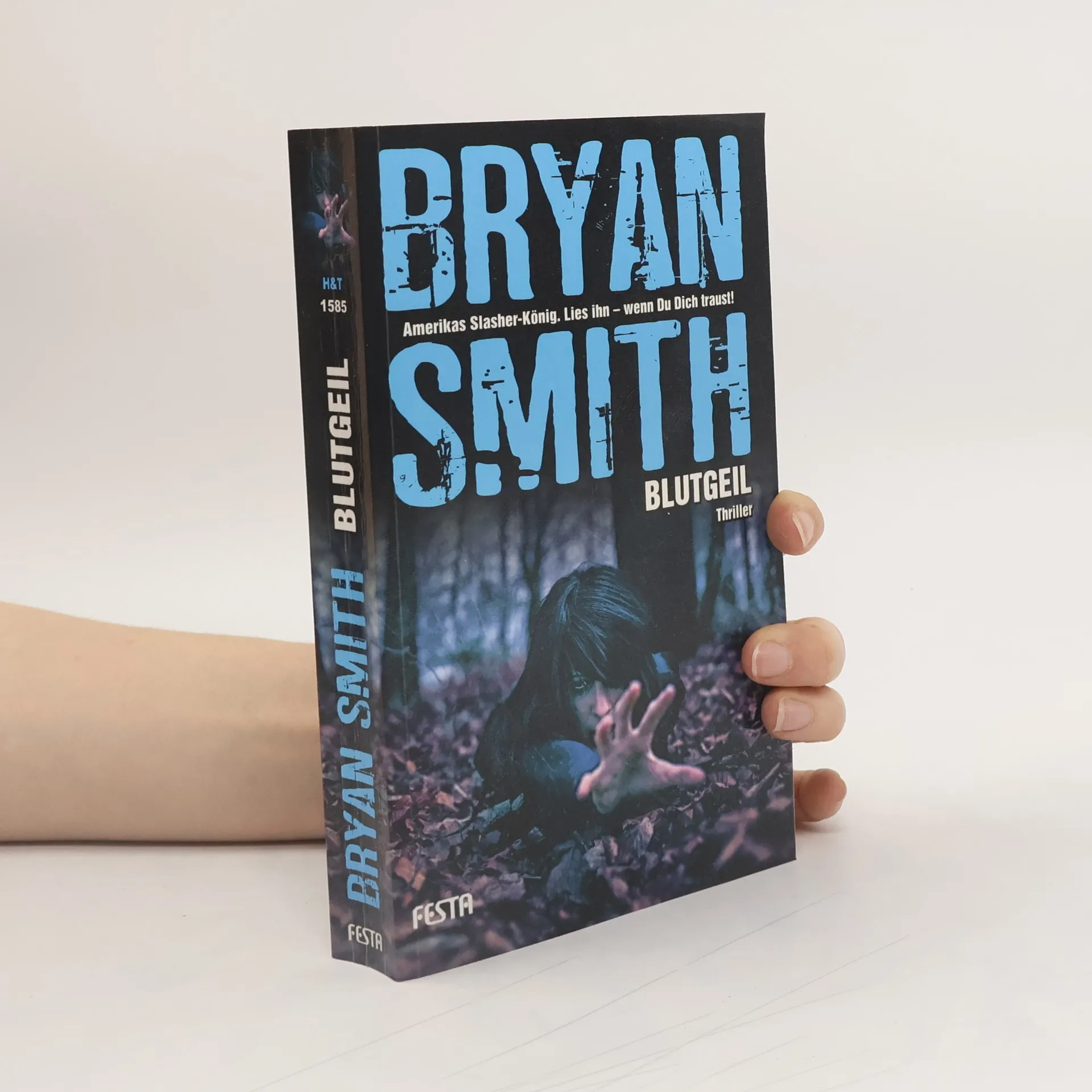
Ein Tornado der Gewalt Roxie, die berüchtigte Serienmörderin Missy Wallace, ist wieder da. Sie will nur eines: blutige Rache. Sie inszeniert ihren Amoklauf als Spiel, in dem jeder Spieler ein unkontrollierbarer psychopathischer Killer ist. Doch Roxie spielt nie fair, und sie kann auch nicht verlieren … Die Fortsetzung des Bestsellers Todesgeil. Bryan Smith schreibt mit erbarmungsloser Härte. Dies ist kein traditioneller Gruselroman, sondern ein moderner Horrorthriller mit brutalen und verstörenden Beschreibungen. Bryan Smith zeigt das einzig echte Monster: den Menschen. Fans von hartem Horror a la Richard Laymon, Jack Ketchum oder Brett McBean können hier bedenkenlos zugreifen. Bryan Smith – der Slasher-König aus Amerika!
Claudia Rapp Libros

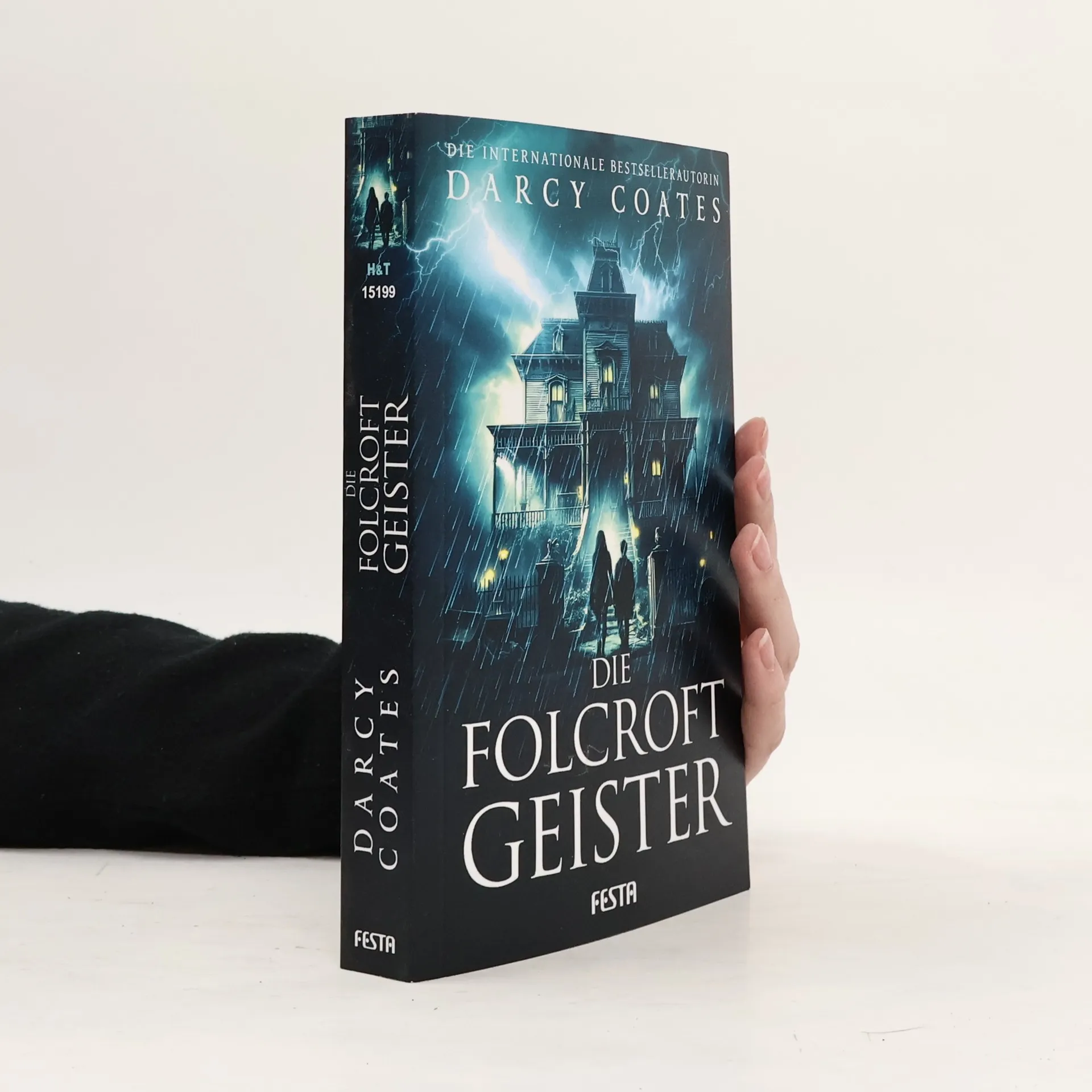
Die Folcroft-Geister
- 288 páginas
- 11 horas de lectura
Nachdem ihre Mutter nach einem schweren Autounfall im Krankenhaus liegt, müssen Tara und Kyle bei ihren Großeltern wohnen, die sie noch nie zuvor gesehen haben. May und Peter Folcroft scheinen zunächst warmherzig und ihr weitläufiges Haus am Waldrand wirkt idyllisch. Doch die Kinder werden das Gefühl nicht los, dass etwas sie beobachtet ... Als ein heftiger Sturm ihren Kontakt zur Außenwelt abschneidet und sie in dem verwunschenen Herrenhaus festsitzen, müssen die Geschwister einen Weg finden, sich vor ihren zunehmend unberechenbaren Großeltern zu schützen ... und vor den Geistern der Familie Folcroft, die das Haus heimsuchen. Neben dem Roman enthält dieser Band drei weitere Kurzgeschichten, die das ungewöhnliche Talent der jungen Autorin veranschaulichen. New York Journal of Books: »Die Autorin setzt eher auf Atmosphäre und Suggestion und bietet ein Feuerwerk der Spannung und des Unheimlichen.« Ihr liebt Geistergeschichten? Dann lest die Romane von Darcy Coates. Ihre Fans lieben es, wenn beim Lesen die kalten Finger der Angst die Wirbelsäule hinaufkrabbeln.
“Why run from a haunted house when you can stay and ignore the ghosts? Just when you thought you'd seen everything a haunted house novel could do, The September House comes along and delivers an eerie, darkly funny, and emotionally grounded book about the ghosts that haunt houses and marriages."– Grady Hendrix, New York Times bestselling author of How to Sell a Haunted House A woman is determined to stay in her dream home even after it becomes a haunted nightmare in this compulsively readable, twisty, and layered debut novel. When Margaret and her husband Hal bought the large Victorian house on Hawthorn Street—for sale at a surprisingly reasonable price—they couldn’t believe they finally had a home of their own. Then they discovered the hauntings. Every September, the walls drip blood. The ghosts of former inhabitants appear, and all of them are terrified of something that lurks in the basement. Most people would flee. Margaret is not most people. Margaret is staying. It’s her house. But after four years Hal can’t take it anymore, and he leaves abruptly. Now, he’s not returning calls, and their daughter Katherine—who knows nothing about the hauntings—arrives, intent on looking for her missing father. To make things worse, September has just begun, and with every attempt Margaret and Katherine make at finding Hal, the hauntings grow more harrowing, because there are some secrets the house needs to keep.
New Light on Old Manuscripts. The Sinai Palimpsests and Other Advances in Palimpsest Studies
- 524 páginas
- 19 horas de lectura
Die Erforschung von Palimpsesthandschriften hat durch neue Methoden wie Multispektralphotographie Fortschritte gemacht. Das Sinai Palimpsests Project untersuchte erstmals eine Sammlung aus dem Katharinenkloster und entdeckte Texte in elf Sprachen. Der Band präsentiert Ergebnisse einer Konferenz von 2018 und bietet 30 Beiträge zur aktuellen Palimpsestforschung.
Zerrspiegel, Streiflichter und Seitenblicke
Perspektiven der Byzantinistik heute
Weit mehr als ein Orchideenfach: Ein Essay über die neuesten Entwicklungen der Byzantinistik. Vor zwei Forschergenerationen hat Cyril Mango das Schrifttum der Byzantiner als »Zerrspiegel« bezeichnet und dessen historischen Aussagewert in Frage gestellt. Ein halbes Jahrhundert später gibt dies Anlass zur Reflexion über Entwicklungen von neuen Fragestellungen und neuen Methoden, auch im digitalen Bereich. Mit Metaphern aus der Optik als rotem Faden – wie Zerrspiegeln, Streiflichtern, Seitenblicken und blinden Flecken – blickt Claudia Rapp auf die jüngsten Entwicklungen der Forschungslandschaft zurück und wagt eine Bestandsaufnahme. Was steht im Mittelpunkt des Forscherinteresses und was wird auf diese Weise nicht oder nur sehr selektiv wahrgenommen? Wie hat die Byzantinistik von neuen Forschungsimpulsen in anderen Fachdisziplinen profitiert? Welche Erkenntnisse sind nur dann möglich, wenn das Augenmerk auf nicht-byzantinische Quellen gelenkt wird? Welche Rolle spielen die Entwicklung der akademischen Publikationskultur und die digitale Revolution in diesem Zusammenhang? Es wird deutlich, wie der verstärkte Dialog mit anderen Forschungsrichtungen die Byzantinistik auf neue Wege des Sehens gebracht hat.