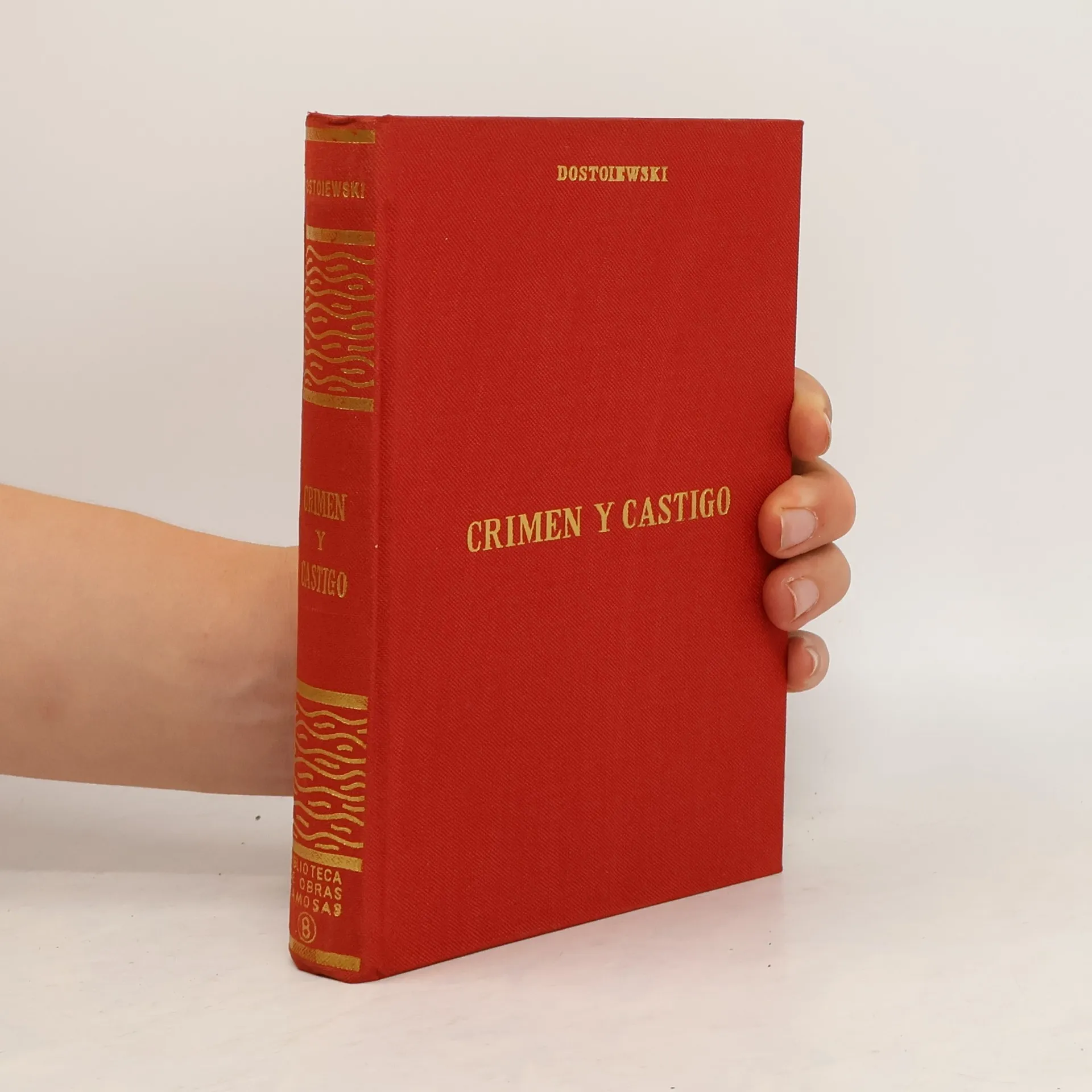
"El clásico que tienes en tus manos es Crimen y castigo, del escritor ruso Fedor Dostoievski. Es uno más de sus entrañables aportes literarios, cuyos protagonistas se caracterizan por vivir con intensidad sus propias contradicciones. El estudiante ruso Rodion Romanovich Raskolnikov asesina a mansalva a la anciana prestamista Alena Ivanova para robarle. Transcurre el caluroso verano moscovita, y Rodion pasa hambre y sed pues su madre y hermana--que con sumo trabajo sostienen sus estudios--se han visto en dificultades para enviarle algunos rublos. Desesperado, el joven fragua su crimen, sabedor de que la vieja aquella posee una fortuna en joyas y dinero producto de la despiadada usura. La fuerza del destino le depara sorpresas y lo coloca en una violenta y paradójica situación. Al mismo tiempo, su corazón es tocado por las fuerzas del amor y la conciencia, llevando la trama a un desenlace inesperado y ejemplar en el que el crimen del joven no puede quedar sin castigo."--
Fjodor Michajlovič Dostojevskij Libros
Fiódor Dostoievski es célebre por sus novelas profundamente psicológicas que exploran las complejidades del alma humana y los dilemas morales. Sus obras abordan temas como la fe, la duda, el sufrimiento y la redención con una intensidad que impulsa al lector a la introspección. Dostoievski crea magistralmente personajes que lidian con conflictos internos y presiones sociales. Su estilo único y su aguda visión de la naturaleza humana lo consagran como uno de los escritores más influyentes de la literatura universal.






Las obras clásicas de literatura en cada volumen son una representación de los mejores y más famosos escritos de los autores. Una introducción maravillosa a la literatura universal, esta serie hermosamente diseñada pone las obras de los autores mundialmente conocidos al alcance de todos. Este volumen incluye dos de las obras más representativas de este autor: Crimen y castigo, estructurada sobre un tema ético, donde un joven mata a una pobre anciana por considerarla un paria de la sociedad y después, gracias al amor, se arrepiente, y, Los hermanos Karamazov. Esta novela gira en torno a las emociones y decisiones de tres hermanos y está ambientada en la cruda realidad de una Rusia previa a la Revolución Bolchevique.
La novela se construye alrededor de Fiódor Pávlovich Karamázov, un terrateniente borracho, arbitrario y corrompido, y de sus cuatro hijos - Dmitri, de carácter violento; lván, un intelectual frío y materialista; Aliosha, el hijo pequeño, pasivo y religioso; y Smerdiakov, hijo bastardo y resentido. La novela gira en torno a las relaciones perversas que se establecen entre el padre y los hijos hasta que éste es asesinado y su presunto asesino, Dmitri, juzgado y condenado. Odio, amor, crueldad, compasión, sentimientos radicalmente contrarios y enfrentados.
Los demonios
- 912 páginas
- 32 horas de lectura
El horrible crimen perpetrado en Moscú a finales de1869 siguiendo órdenes del nihilista Necháyev, seguidor de Bakunin, fue la fuente de inspiración que sirvió a Fiódor Dostoyevski (1821-1881) para construir la trama argumental y perfilar los caracteres de los principales personajes de Los demonios. Entre ellos destaca con fuerza Nikolai Stavrogin, figura atormentada que casi un siglo después habría de fascinar a Albert Camus y que introduce en la novela una dimensión teológica y metafísica que la lleva mucho más allá de la mera reconstrucción de la historia o de la diatriba política, propiciando el salto cualitativo que hace de esta obra sin duda una las más destacadas del gran autor ruso.id=2917473&id_col=100500&id_subcol=100501
Crimen y Castigo 2
- 312 páginas
- 11 horas de lectura
Fedor Dostoiewski nació en Moscú en 1821 y murió en San Petersburgo sesenta años después. Las obras salidas de su pluma son todas notables, pero seguramente es en Crimen y castigo donde mejor se reflejó su espíritu genial. En la personalidad del joven Raskolnikoff, en su acto criminal, en las reflexiones que lo suceden, se agitan el ser moral del hombre, las contradicciones del bien y del mal, las alturas y bajezas de la condición humana. Esta novela, además de cautivar por la tensión sicológica suministrada por su protagonista, coge al lector en una trama de matices policiales que se suman ágilmente al todo. Como siempre ocurre con Dostoiewski, entre la violencia, el sufrimiento y la tumultuosidad, emerge de súbito la ternura; aquí, haciéndose cuerpo y alma en la frágil Sonia, que abre un horizonte e ilumina un porvenir.
Encarnación de cuantas virtudes se asocian al espíritu cristiano, el príncipe Myshkin, sin embargo, paradójicamente, no logra más que desbaratar junto con la vida propia la de la mayoría de los que a él acuden.--Back cover
"El hombre debe basar su felicidad mediante el sufrimiento: es la ley de la tierra". Esta frase simplifica el pensamiento y la obra de Fiodor Dostoievski, donde retrata el dolor con una sensibilidad extrema. Las noches blancas excitan extrañamente a los espíritus, el insólito fenómeno de la luz nocturna pone e los ánimos de los petersburgueses desacostumbradas fantasías, percepciones y sentimientos inusuales. De ahí que nunca lleguemos a saber completamente si el amor que se le revela al protagonista dostoievskiano no es en realidad más que un sueño, una fantasía de comienzo de verano. La tensión de sus historias y a habilidad de Dostoievski para atraer a los lectores hasta el último momento, son características comunes de todas su novelas. Esto sucede en la desdichada historia de Niétoschka Nezvánova, que aunque se empeñe, no le es fácil hallar la felicidad. O en el relato de un hombre acompañado únicamente por la soledad, con la ilusión de enamorarse y que ve la esporádica posibilidad de hallar en las calles de San Petersburgo, el amor de su vida.
Memorias de la casa muerta
- 416 páginas
- 15 horas de lectura
En 1849 Fiódor Dostoievski fue sometido a una condena de ocho años de trabajos forzados en Siberia acusado de «crímenes contra la seguridad del Estado». En 1862 aparecería en forma de libro Memorias de la casa muerta, el recuento de sus experiencias en presidio. De su sentimiento de desubicación, de la convivencia forzosa, del progresivo conocimiento de su condición y de cuanto le une o le distancia de los demás, surge este estudio «emocionado y conmovido» sobre la mentalidad carcelaria y la psicología criminal.
Noches blancas
- 91 páginas
- 4 horas de lectura
Fiodor M. Dostoievski (Moscú, 1821-San Petersburgo, 1881), autor de magistrales novelas como Crimen y castigo o Los hermanos Karamazov, es considerado uno de los más grandes escritores de la literatura rusa. Su prosa, apasionada y dramática, fue precursora del existencialismo y del expresionismo. Noches blancas, que fue llevada al cine en 1957 por Luchino Visconti, es una melancólica novela de misterio y desamor.
Cuentos
- 517 páginas
- 19 horas de lectura
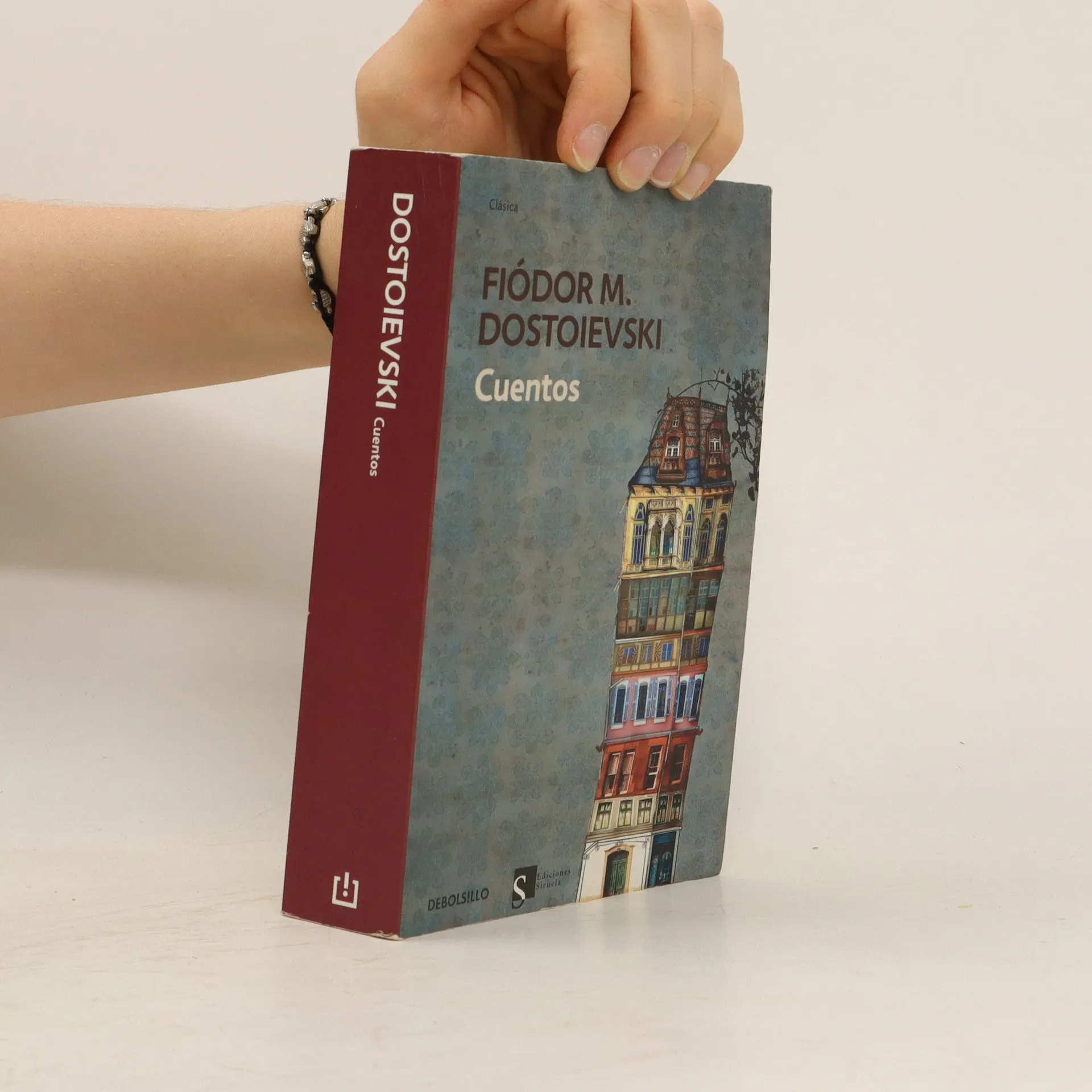
En los cuentos de Dostoievski, no por breves menos geniales que sus novelas, aparecen algunos de los motivos recurrentes en toda su obra: estafadores estafados, avaros delirantes o ladrones raramente honrados, todo ello tratado con la vena satírica y humorística que lo ha convertido en un clásico. Las historias que se incluyen en este volumen ofrecen al lector una visión amplia de la compleja personalidad artística del escritor ruso, que siempre consideró su deber «rehabilitar al individuo destruido, aplastado por el injusto yugo de las circunstancias, del estancamiento secular y de los prejuicios sociales». La presente edición está al cuidado de Bela Martinova, escritora, traductora, ensayista, doctora en filología eslava y especialista en la obra de Dostoievski. «Los payasos que lo son por voluntad propia ni siquiera inspiran lástima.»
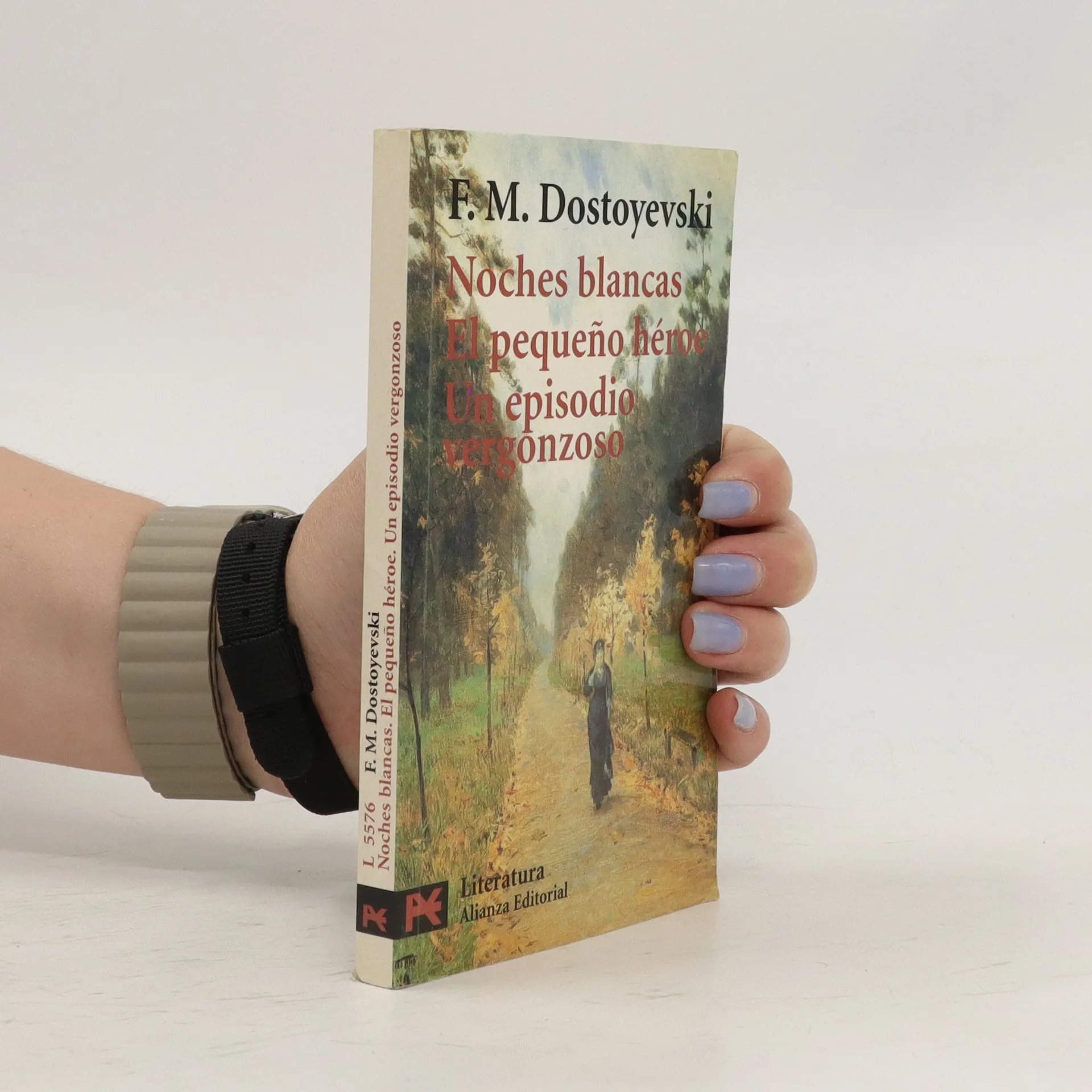
Noches blancas. El pequeño héroe. Un episodio vergonzoso
- 189 páginas
- 7 horas de lectura
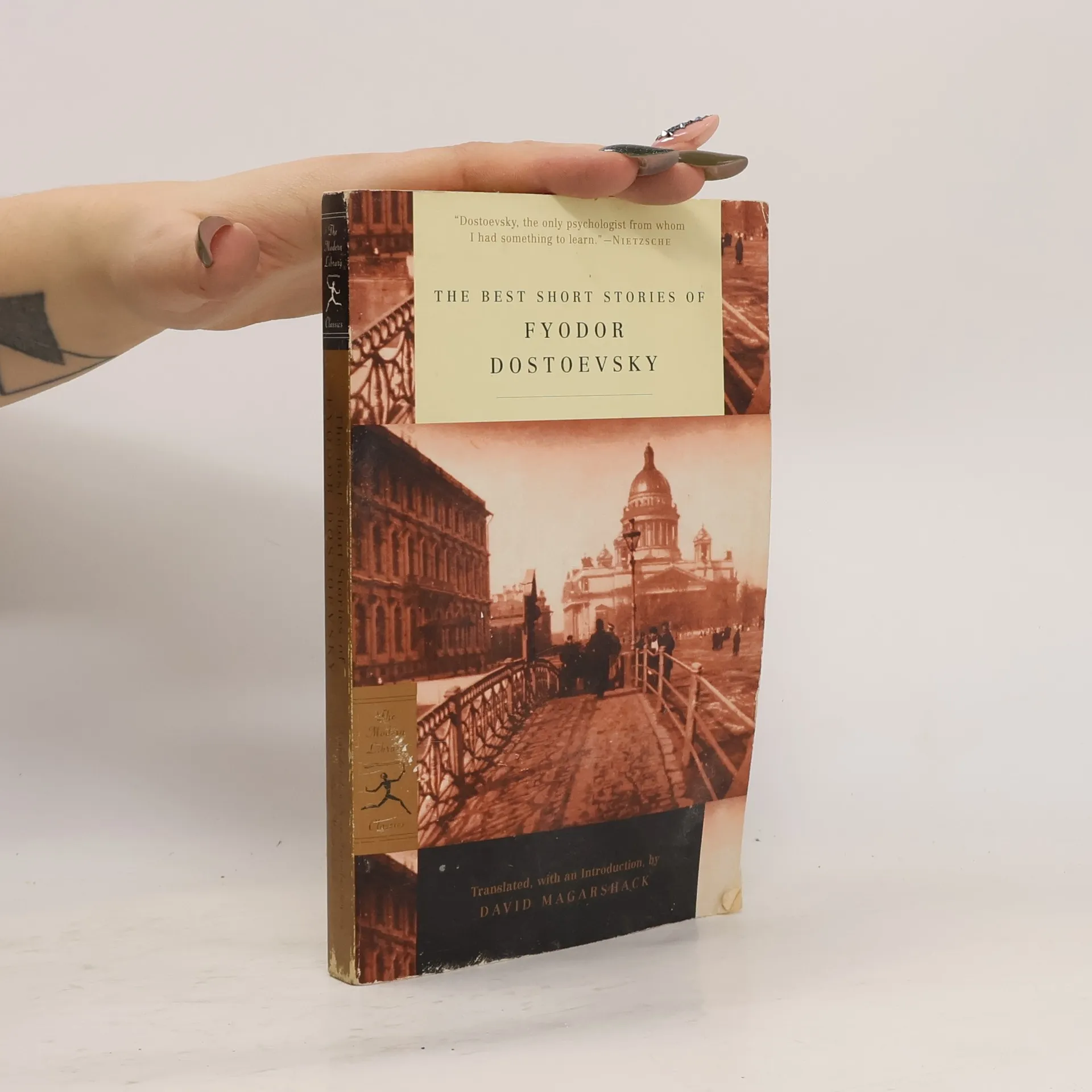
Libro que recopila varias obras de Dostoyevsky.
El Jugador
- 199 páginas
- 7 horas de lectura
El Jugador es un roman de Fjodor Dostoyevski. Enmarcado en una historia burlesca y a veces grotescamente cómica, sigue a un grupo de personas que, al borde de la ruina financiera, esperan el dinero de una herencia que les salvará en el ficticio balneario de Roulettenburg. A través de descripciones precisas y detalladas, el autor explora la adicción al juego, una experiencia que conocía de primera mano. Publicado en 1866, poco después de Crimen y castigo, Dostoyevski dictó la obra a su taquígrafa y futura esposa Anna en solo 26 días, impulsado por deudas de juego y la presión de su editor, quien exigía la entrega antes del 1 de noviembre. A pesar de los obstáculos, el manuscrito se completó a tiempo gracias a la idea de Anna de depositarlo ante un notario. El relato tiene tintes autobiográficos, evocando lugares como Wiesbaden y Bad Homburg, que reclaman ser la inspiración de Roulettenburg. El roman ha servido de base para la ópera homónima de Sergei Prokofiev y varias adaptaciones cinematográficas.
Esta primera obra de Dostoievski fue recibida con entusiasmo como una obra maestra del realismo crítico. A través de un formato epistolar, ofrece un retrato de la vida de los humillados y ofendidos en San Petersburgo a mediados del siglo XIX. El protagonista es Makar Děvuškin, un funcionario que combina su preocupación por el sustento y el miedo a perderlo con un conmovedor cuidado por el destino de una joven indefensa. En su personaje se refleja toda la torpeza y limitación del mundo burocrático de la época. Děvuškin no encuentra respuestas a las causas de la injusticia social y es incapaz de defender sus derechos. Cuando Varvara se casa con el terrateniente Bykov, él se resigna. En lugar de compasión por los pobres, el autor transmite desesperanza. Así, el román se convierte en un llamado a los poderosos para que tengan piedad de los débiles e indefensos. Sin embargo, Dostoievski logra incitar al lector a la crítica del absolutismo y al pensamiento libre.
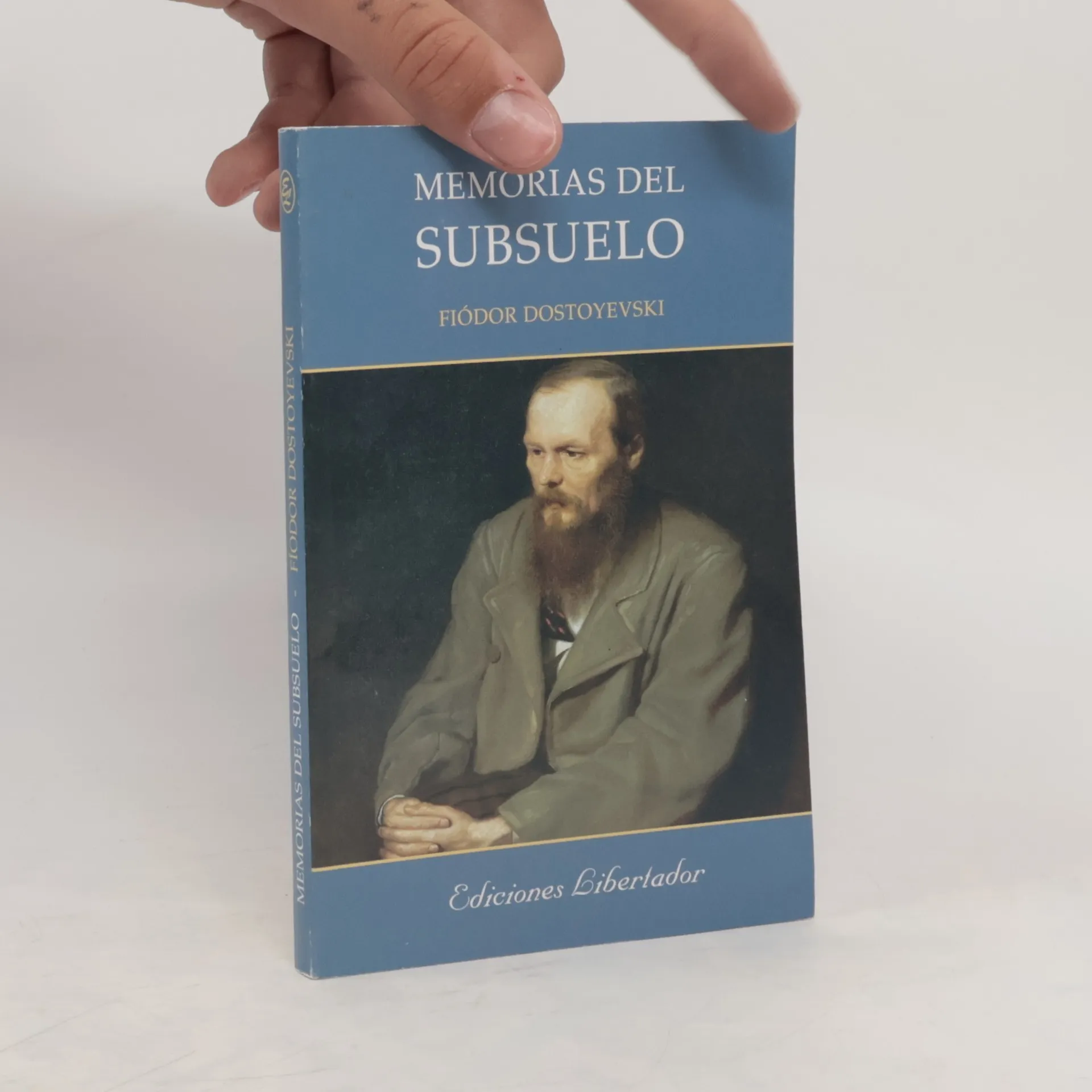
'Memorias del subsuelo' de Fiódor Dostoyevski explora la mente de un hombre alienado en la Rusia del siglo XIX. A través de un intenso monólogo interior, aborda temas como la alienación y la libertad individual, ofreciendo una crítica profunda a la sociedad moderna. Es una obra esencial para quienes buscan entender la complejidad de la psicología humana.
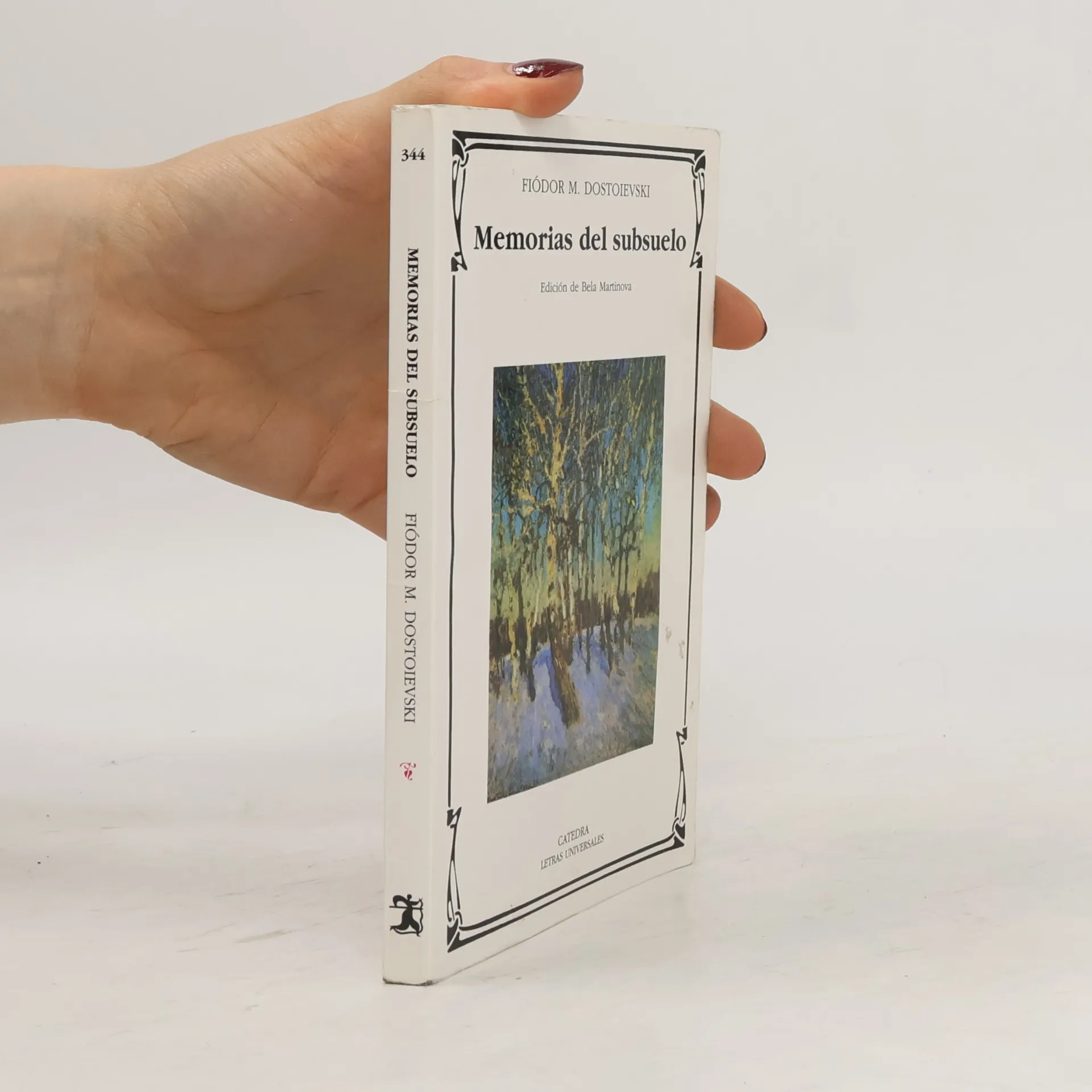
Letras Universales - 344: Memorias del subsuelo
Edición de Bela Martinova
- 200 páginas
- 7 horas de lectura
Fiódor M. Dostoievski escribe «Memorias del subsuelo» en un momento social y político bastante complejo, al que se une la delicada situación personal por la que el autor estaba atravesando: su mujer se moría y su tormentosa relación sentimental con una joven le causaba dudas y remordimientos que incidían en una evidente crisis personal. El resultado de esa situación histórica, personal, vital y anímica es una obra que en pocas páginas concentra más contenido filosófico que ninguna otra obra del autor, y en la que se plantean las cuestiones más extremas que un hombre pueda hacer. «Memorias del subsuelo» es una obra contradictoria, no exenta de matices. En forma de diálogo, un hombre sin nombre ni identidad concreta, excepto la de ser un funcionario, como se presenta a sí mismo desde las primeras páginas, va narrando las memorias de su tragedia personal. Dostoievski logra crear con él uno de los mejores y más impactantes antihéroes de su ingente producción novelística, como lo son Raskólnikov o Iván Karamázov, un sujeto retórico de difícil imitación, en el que las raíces eslavófilas y el innegable rechazo a la imposición burocrática se aúnan en todo un tratado.
Obras Completas II
Crimen y castigo. El idiota
What is this last and renowned novel by Dostoevsky? It is a criminal, socio-philosophical, religious-mystical, familial, polemical, accusatory work, or something akin to a church treatise? Debates continue over these attributes, and all can be answered affirmatively. However, it is more accurate to say that it encompasses all of these elements and, moreover, that it is a terrible, cruel, and even horrifying book, whose issues and questions, particularly at the time of its creation, shook life and have continued to resonate in modern literature. It presents a complete world of Russian types, a broad depiction of Russian life, a novel of human fate, Russia, and humanity, as well as the entirety of Dostoevsky's thought and quest, his conflict with philosophical materialism and socialism, and the measure of his own doubts, protests against the injustice and cruelty of the world, and its divine and human order. The plot is evidently a reflection of Dostoevsky's tormenting thoughts, passionate feelings, and harsh doubts, advancing with unrelenting tension and drama, full of twists; the characters of the Karamazov brothers and their father will forever remain etched in the reader's memory.
A reckoning of a disillusioned individual, embodying the archetype of the angry citizen and misanthrope. A former civil servant bitterly resides in his basement apartment on the outskirts of St. Petersburg, lamenting the world around him. Although in his forties, he has resigned from his position and lives poorly off a small inheritance. His fury is directed at the "modern man" and the society shaped by him. With unrestrained candor, he recounts his own experiences of failure, alienation, and misunderstandings. As he delves deeper into his personal reckoning, he becomes increasingly relentless in his self-criticism. Dostoevsky's masterful psychological study captivates with the compelling force of a radically honest self and world description.
Following the Call
- 380 páginas
- 14 horas de lectura
Fifty-two readings to spark weekly group discussion on putting Jesus’ most central teachings into practice. Jesus’ most famous teaching, the Sermon on the Mount, possesses an irresistible quality . Who hasn’t felt stirred and unsettled after reading these words, which get to the root of the human condition?This follow-up to the acclaimed collection Called to The Life Jesus Wants for His People taps an even broader array of sources, bringing together prophetic voices from every era and a range of traditions to consider the repercussions of these essential words.More than a commentary or devotional , this book is designed to be read together with others, to inspire communities of faith to discuss what it might look like to put Jesus’ teachings into practice today.
Crime and Punishment. The Gambler. Notes from the Underground
- 696 páginas
- 25 horas de lectura
The Gambler is a short novel by Fyodor Dostoevsky about a young tutor in the employment of a formerly wealthy Russian general. The novella reflects Dostoevsky's own addiction to roulette, which was in more ways than one the inspiration for the book: Dostoevsky completed the novella under a strict deadline to pay off gambling debts.
Fire and Spirit
- 130 páginas
- 5 horas de lectura
"Lightning and forest fires could strike terror in primitive humans, yet they also cherished fire as a life-giving gift from the gods"-- Provided by publisher
The Idiot by Fyodor Dostoevsky
- 348 páginas
- 13 horas de lectura
The Idiot Dostoevskys Idiot, is one of the most famous novels by Fyodor Dostoevsky. After a five-year stay in a Swiss sanatorium, 26-year-old Prince Lev Myshkin returns to Russia one November morning to settle an inheritance matter in St. Petersburg following the death of a relative. Although his epilepsy has been successfully treated, his isolation has caused him to develop childishly naive behaviors and he is ridiculed by society as an "Idiot." The Idiot is rightly considered one of the greatest works of world literature. In his naive, unconventional way, the protagonist sees people in their personal and social tensions and contradictions and their resulting suffering. He fails in his efforts to help them and sinks back into his disease state of mental isolation. Dostoevksi the Idiot is a must for everyone's bookcase. A "Kultverlag Klassik" novel.
Presents a collection of short stories by the Russian author, including "White Nights," "The Peasant Marey," and "A Gentle Creature."
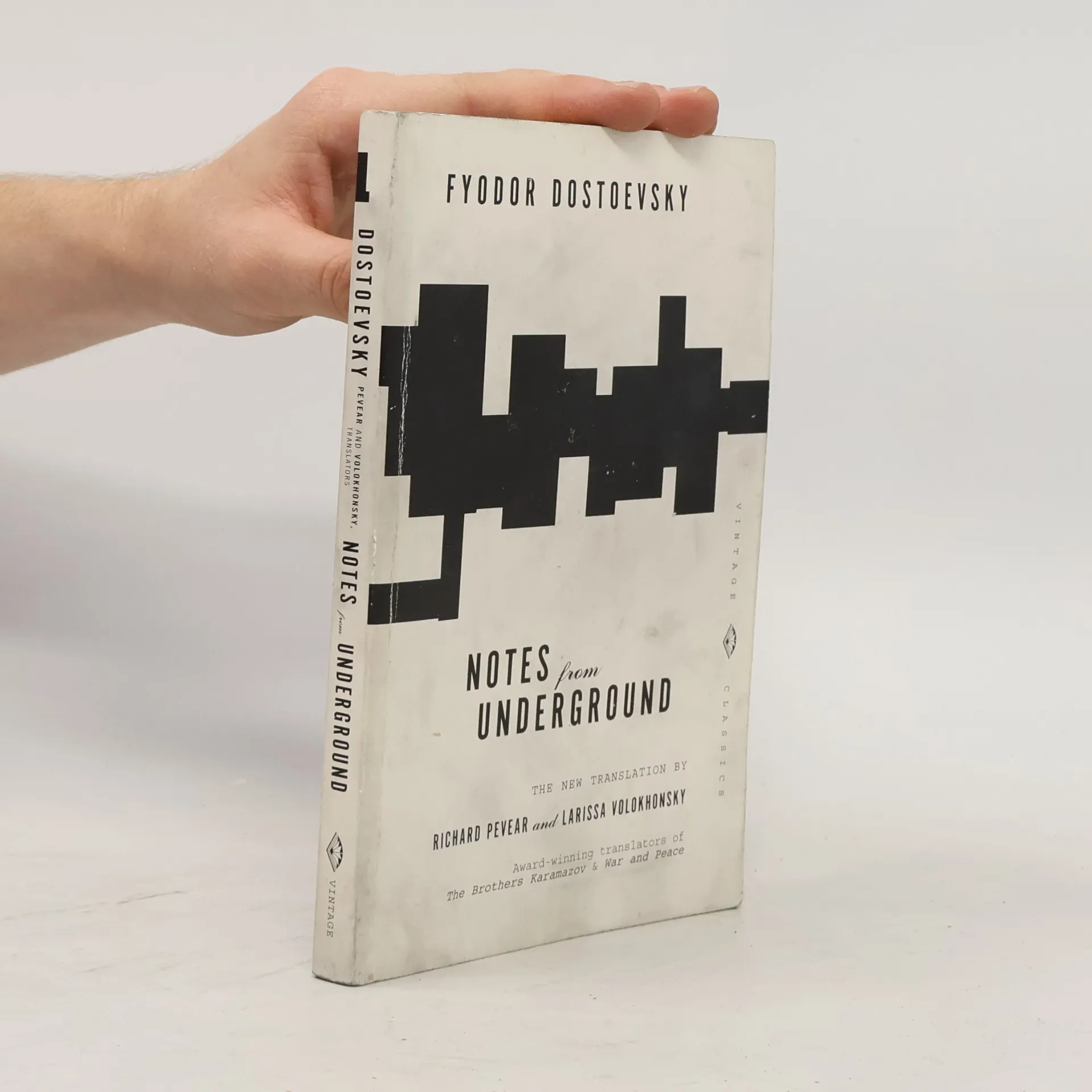
Award-winning translators Richard Pevear and Larissa Volokhonsky give us a brilliantly faithful rendition of this classic novel, in all its tragedy and tormented comedy. In this second edition, they have updated their translation in honor of the 200th anniversary of Dostoevsky’s birth. One of the most remarkable characters in literature, the unnamed narrator of Dostoevsky's most revolutionary novel is a former official who has defiantly withdrawn into an underground existence. In full retreat from society, he scrawls a passionate, obsessive, self-contradictory narrative that serves as a devastating attack on social utopianism and an assertion of man’s essentially irrational nature.
Notes from the Underground and The Gambler
- 284 páginas
- 10 horas de lectura
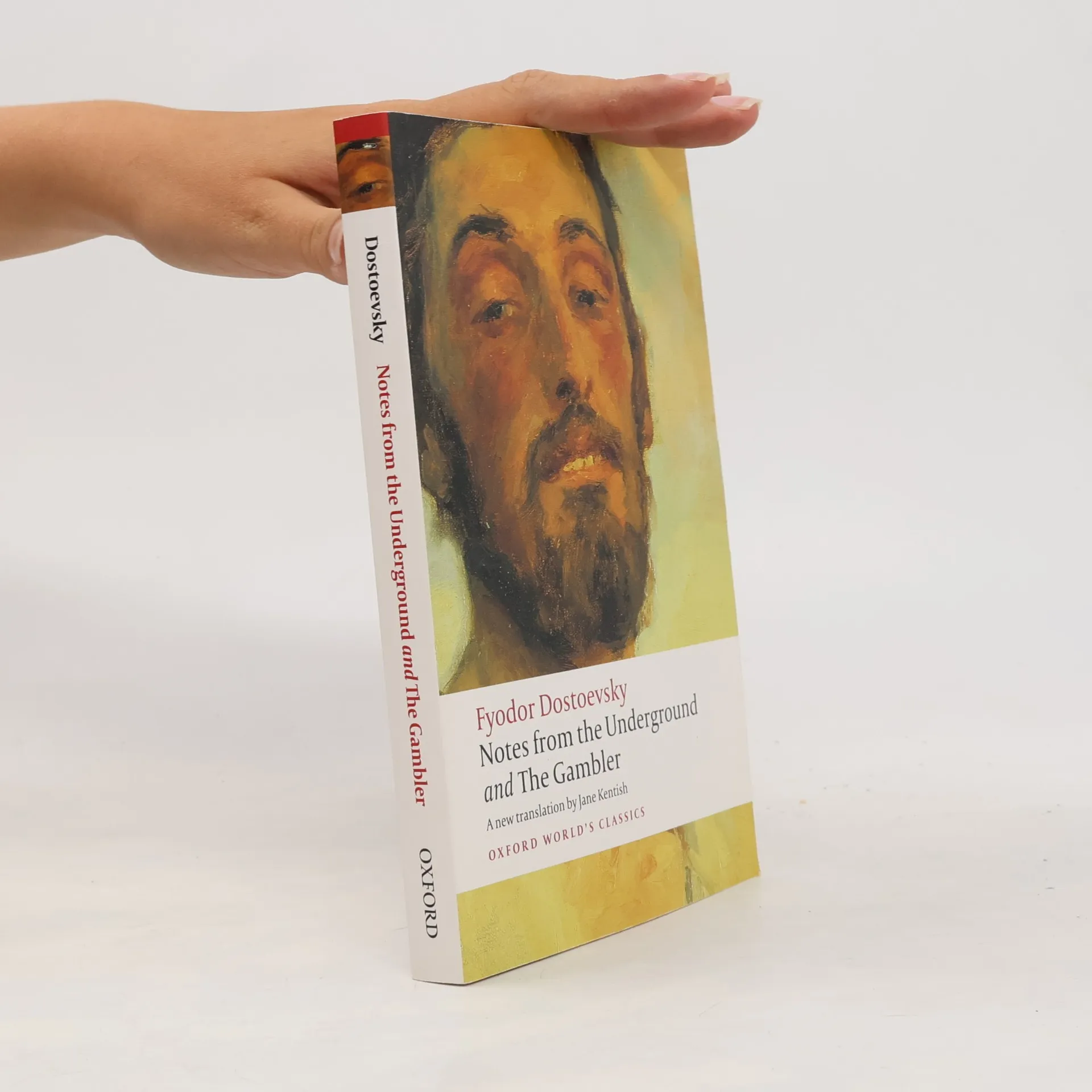
Notes from the Underground (1864) is one of the most profound works of nineteenth-century literature. A probing, speculative book, often regarded as a forerunner of the Existentialist movement, it examines the important political and philosophical questions that were current in Russia and Europe at the time. The Gambler (1866), set in the fictional town of Roulettenberg, explores the compulsive nature of gambling, one of the author's own vices and a subject he describes with extraordinary acumen and drama. Specially commissioned for the World's Classics, this new translation includes a full editorial apparatus.
The writing process involved in the creation of Fyodor Dostoevsky's novel 'Crime and punishment'.
The House of the Dead
Man is sometimes extraordinarily, passionately, in love with suffering...
- 205 páginas
- 8 horas de lectura
Fyodor Dostoyevsky was born on November 11, 1821, and was introduced to literature early in life, with his mother teaching him to read and write using the Bible. His literary immersion was profound, fueled by his parents' nightly readings. Tragedy struck in 1837 when his mother died of tuberculosis, and he and his brother were enrolled at the Nikolayev Military Engineering Institute, where Dostoyevsky found little interest in military studies, preferring drawing and architecture. His father's death in 1839 may have triggered his epilepsy, yet he persevered, eventually becoming an engineer cadet. His first completed work, a translation of Balzac's "Eugénie Grandet," was published in 1843 but failed commercially. He then wrote "Poor Folk," which was a success, followed by "The Double," which received poor reviews and exacerbated his health issues. Involved in socialist circles, Dostoyevsky faced arrest in 1849 for distributing banned works, leading to a death sentence commuted to four years of hard labor in Siberia. His prison experiences inspired "The House of the Dead," published in 1861. He later completed "The Gambler" in just 26 days. Despite continued health decline, including a diagnosis of pulmonary emphysema, he published "Demons" in 1873. Dostoyevsky died on February 9, 1881, after suffering multiple pulmonary hemorrhages.
The Dream of a Ridiculous Man
- 72 páginas
- 3 horas de lectura
Mad - Foolish - Ridiculous - I've been called many things.On an uneventful Wednesday in a drab Borough of East London, an ordinary man has a startling revelation: life is an unhappy accident in a meaningless universe.He gets himself a gun.But before he can use it, he dreams of an innocent, alternative earth, where people live in harmony with nature and each other. Elated, he sets out to tell the world about his dream and share his new vision of a happy planet.Dostoevsky's tragic-comic adventure The Dream of a Ridiculous Man is transported to 21st-century London in a one-person tale of wonder with an urgent warning for our world, adapted by Laurence Boswell. A funny and serious story of hope, that with love and trust we can build a better world. Maybe.This edition was published to coincide with the world premiere at London's Marylebone Theatre in March 2024.
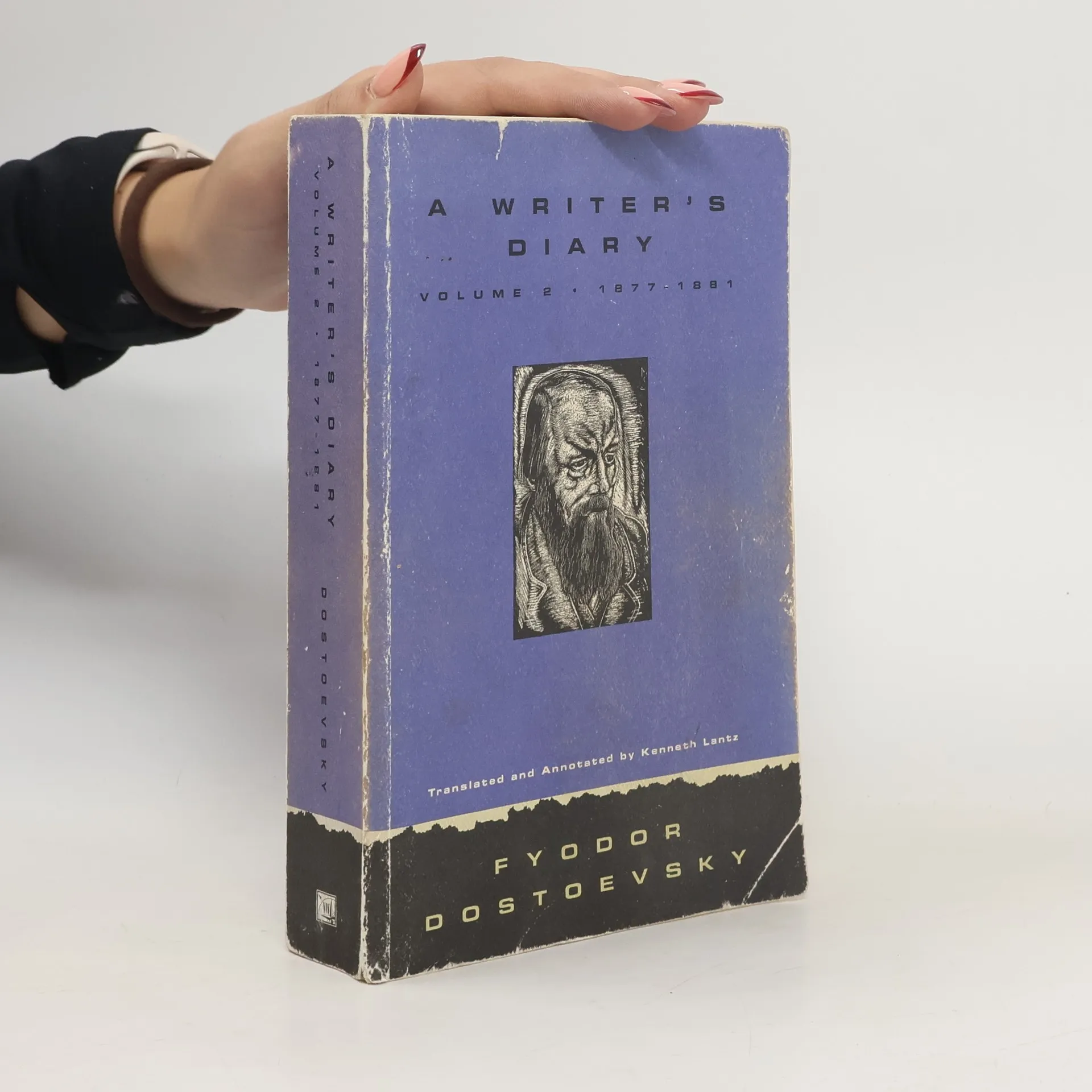
A Writer's Diary
- 644 páginas
- 23 horas de lectura
This is the first paperback edition of the complete collection of writings that has been called Dostoevsky's boldest experiment with literary form; it is a uniquely encyclopedic forum of fictional and nonfictional genres. A Writer's Diary began as a column in a literary journal, but by 1876 Dostoevsky was able to bring it out as a complete monthly publication with himself as editor, publisher, and sole contributor, suspending work on The Brothers Karamazov in order to do so.The Diary's radical format was matched by the extreme range of its contents. In a single frame A Writer's Diary was to combine an astonishing variety of material: short stories; humorous sketches; reports on sensational crimes; historical predictions; portraits of famous people; autobiographical pieces; and plans for stories, some of which were never written while others appeared later in the Diary itself. A range of authorial and narrative voices and stances, and an elaborate scheme of allusions and cross-references, preserve and present Dostoevsky's conception of his work as a literary whole.Volume 2 contains a comprehensive index to both volumes.
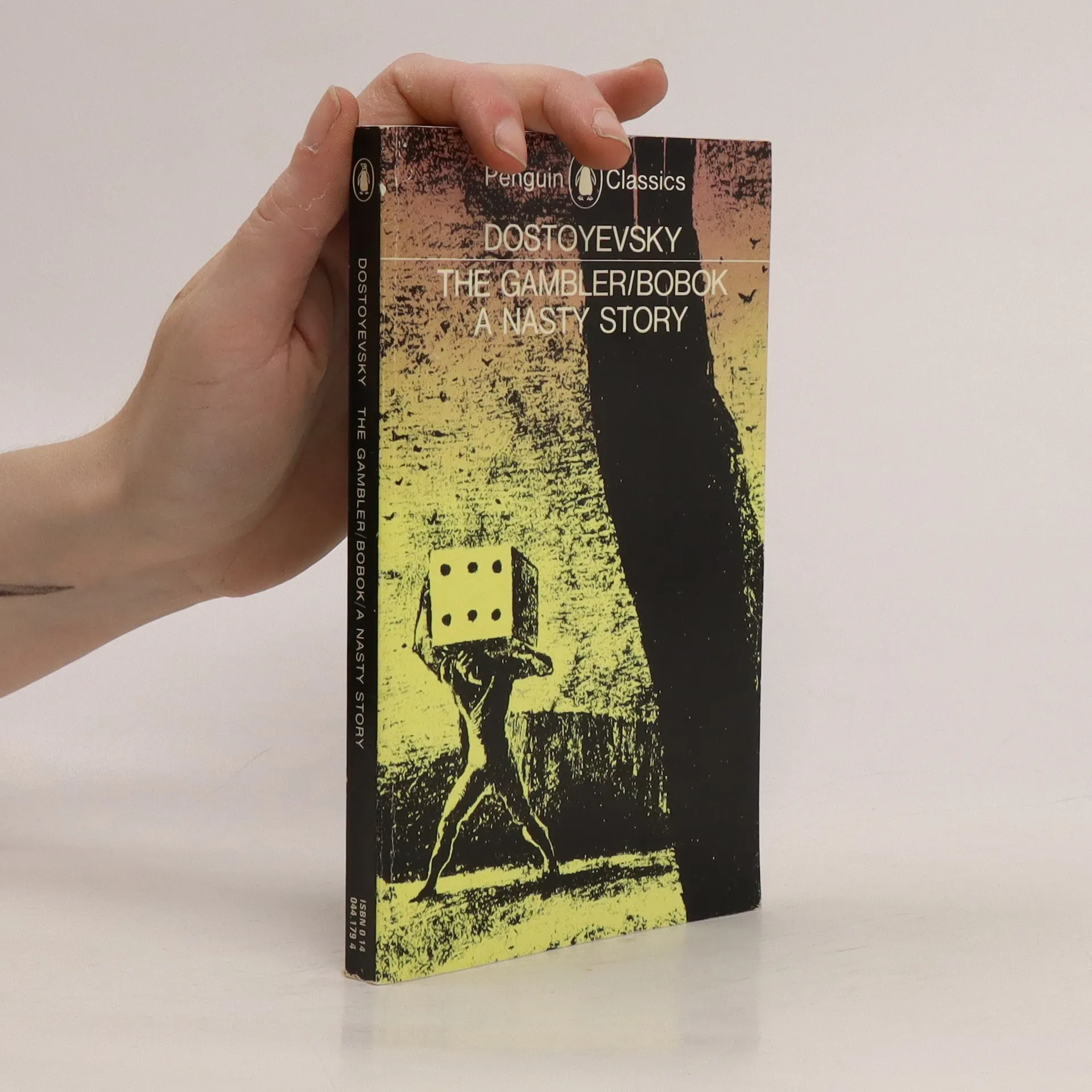
A collection of one novella and six short stories - The Gambler, Bobok, The Dream of a Ridiculous Man, A Christmas Party and a Wedding, A Nasty Story and The Meek One.
Uncle's Dream: New Translation
- 244 páginas
- 9 horas de lectura
Uncle's Dream is a humorous drawing-room novella, a satire of Russian society that can be enjoyed as a lighter counterpoint to the author's later works.
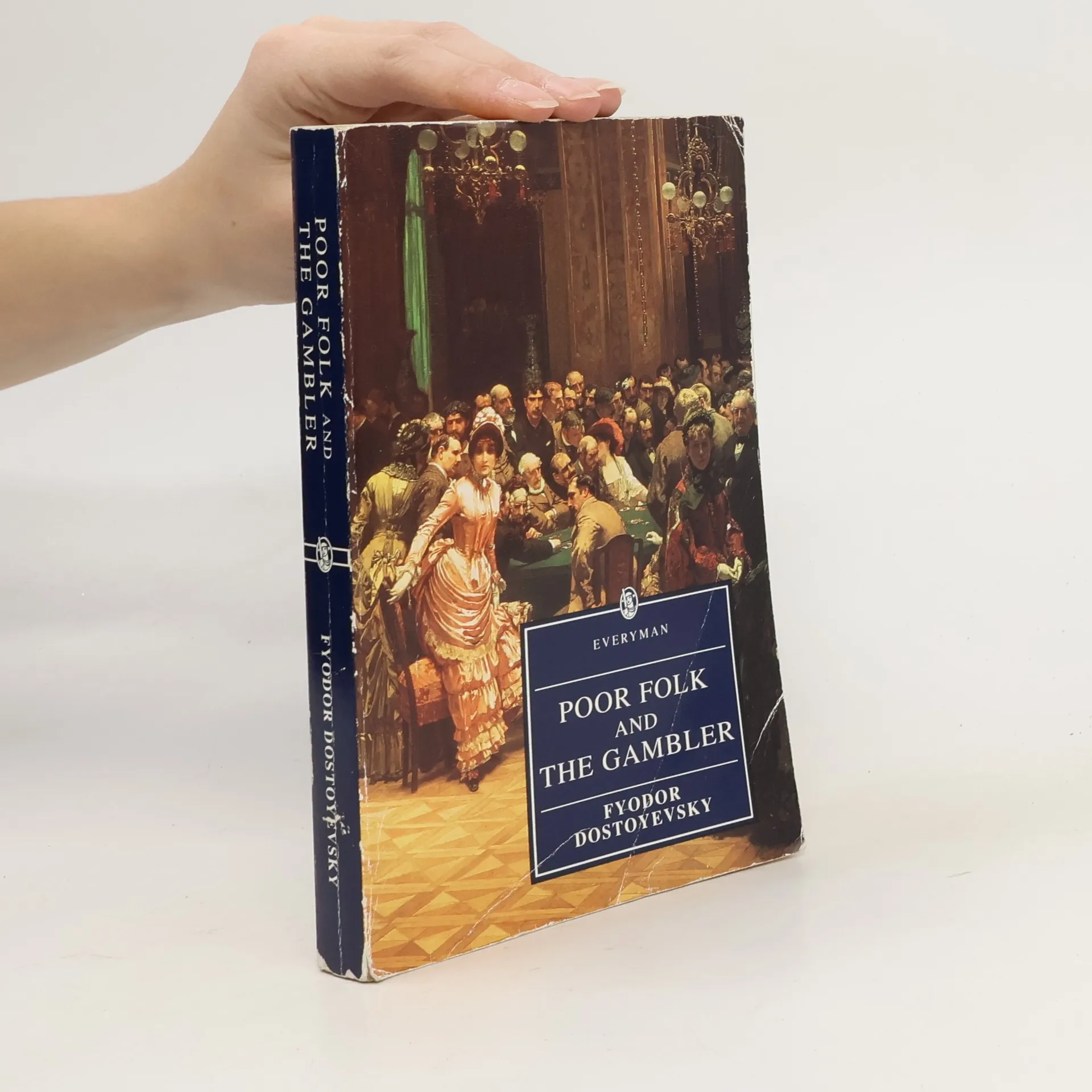
Poor Folk and The Gambler
- 296 páginas
- 11 horas de lectura
Part of the "Everyman" series which has been re-set with wide margins and easy-to-read type and includes a themed introduction, chronology of the life and times of the author, plot summary and selected criticism.
The House of the Dead and Poor Folk (Barnes & Noble Classics Series)
- 480 páginas
- 17 horas de lectura
In "The House of the Dead, Dostoevsky give vent to his perceptions of prison life, writing from his grueling experience in a Siberian camp, and introduces a gallery of boastful and ridiculous convicts surrounding the narrator. The epistolary novel "Poor Folk was Dostoevsky''s first major literary success, and shows hte early sparks of his genius.
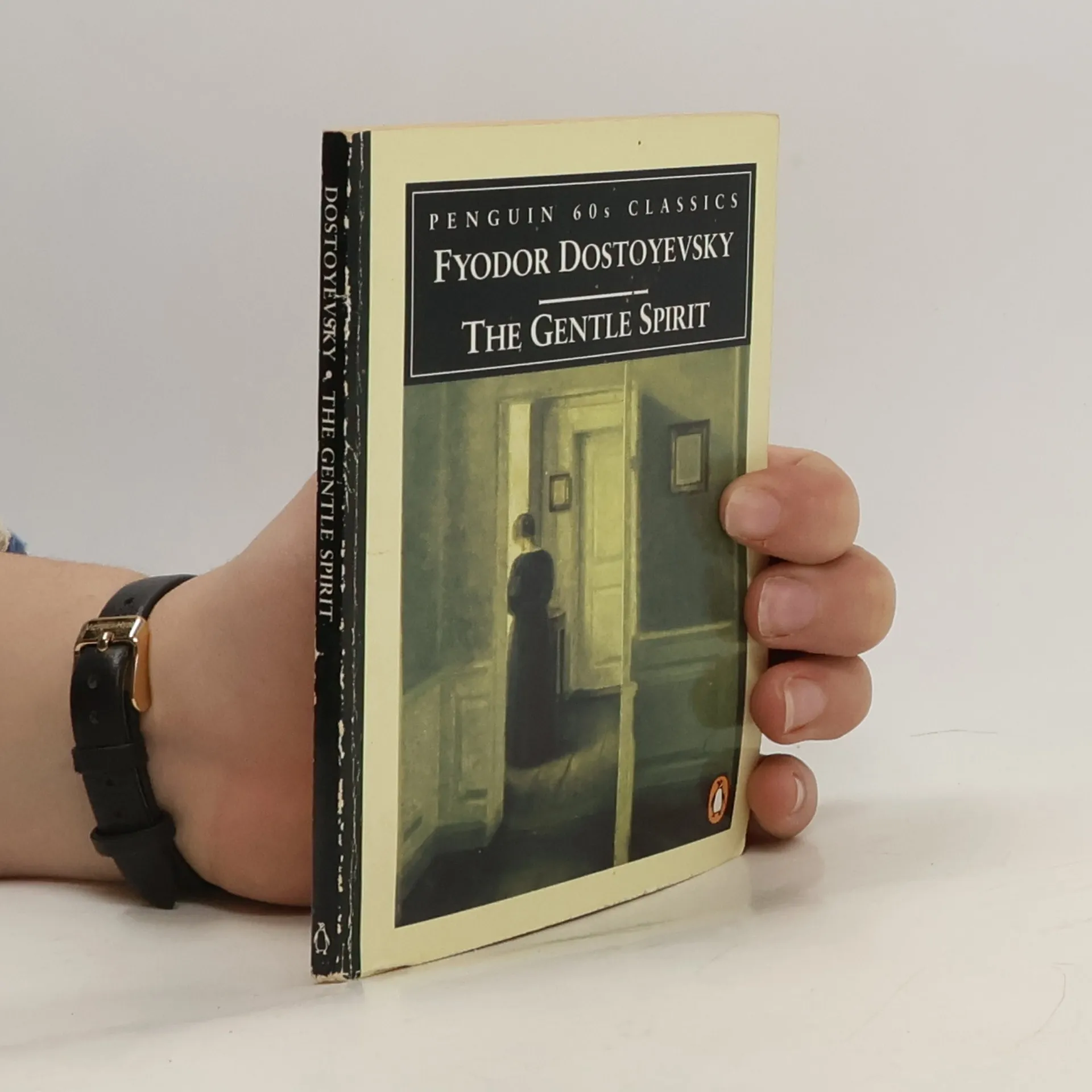
The Gentle Spirit
- 96 páginas
- 4 horas de lectura
In this compelling study of despair, based on a real-life incident, a pawnbroker mourns the loss of his wife, a quiet, gentle young girl. Why has she killed herself? Could he have prevented it? These are the questions the pawnbroker asks himself as he pieces together past events and minor incidents, changes of mood and passing glances, in his search for an answer that will relieve his torment. Translated by David McDuff.
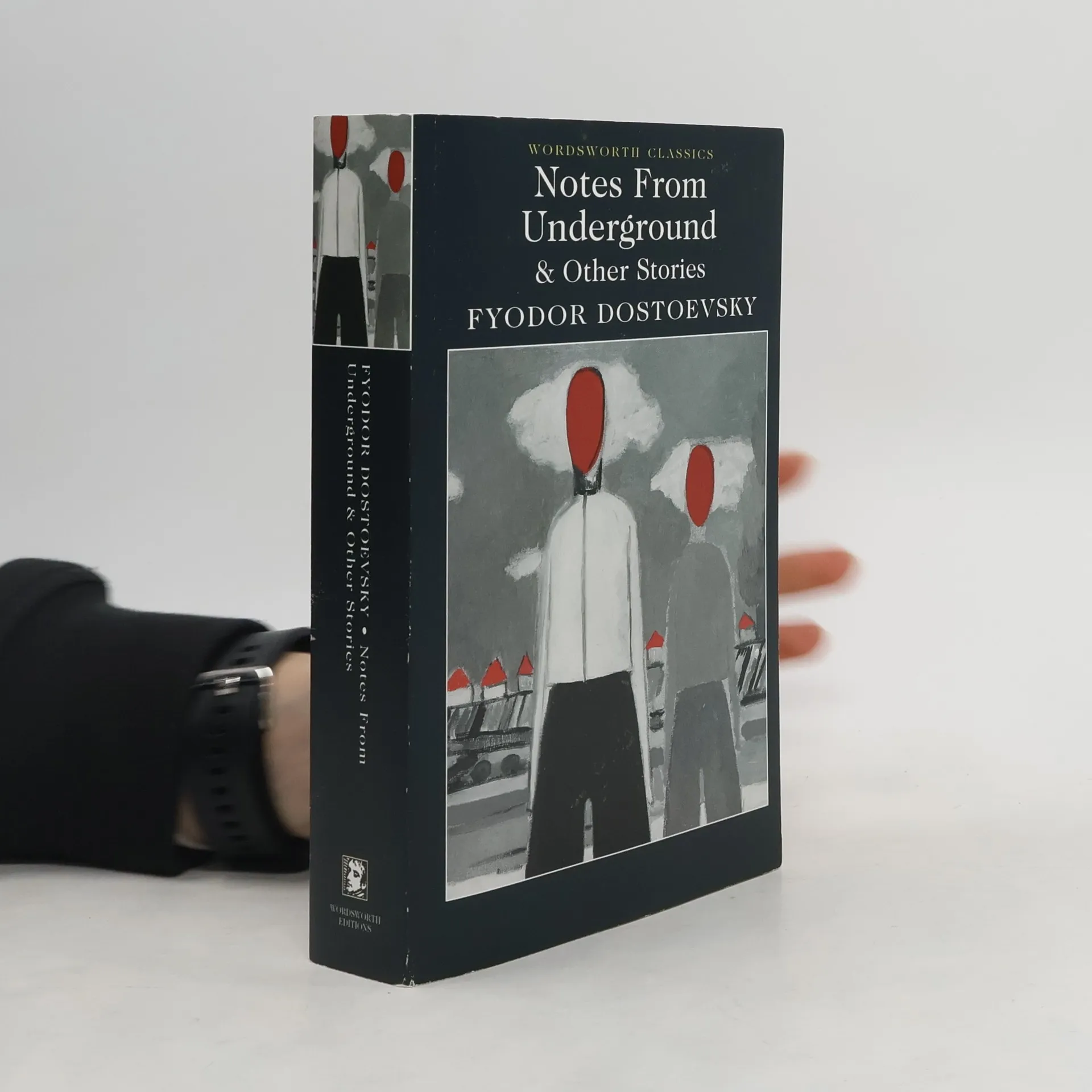
Notes from the Underground and Other Stories
- 686 páginas
- 25 horas de lectura
A collection of Dostoevsky's short stories, including Notes From The Underground which is considered to be one of the first works of existential literature.
Exploring themes of faith, free will, and authority, this pivotal chapter features a powerful encounter between Jesus and the Grand Inquisitor during the Spanish Inquisition. The Inquisitor challenges Jesus' teachings, arguing that humanity prefers security over freedom. Through this dialogue, Dostoevsky delves into the complexities of belief and the moral dilemmas faced by individuals in a world governed by oppressive power. This thought-provoking narrative raises profound questions about the nature of faith and the human condition.
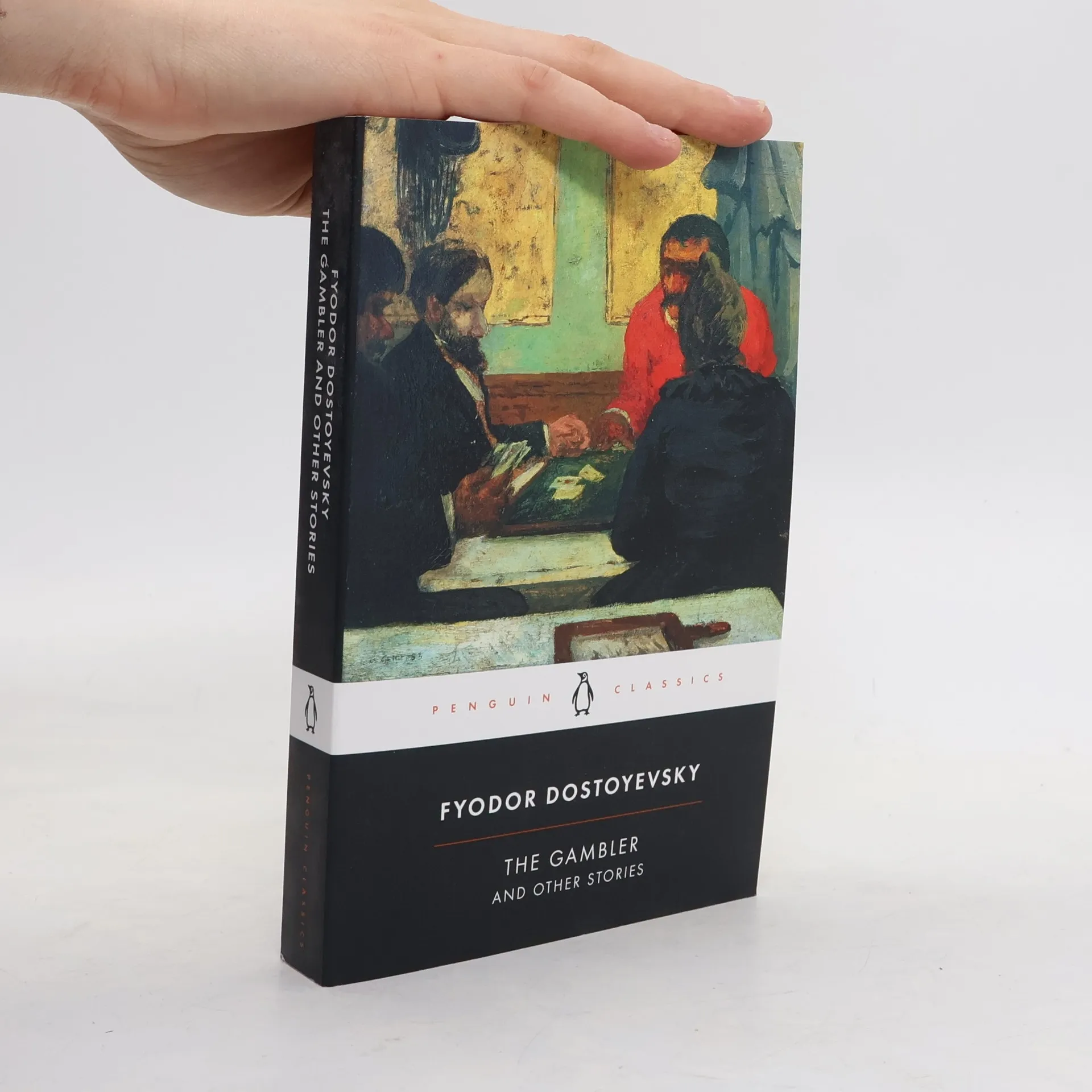
The stories in this volume demonstrate Dostoyevsky’s genius for fusing caricature, irony and the grotesque to create a powerful dark humour. The Gambler is a breathtaking portrayal of an intense and futile obsession. Based on Dostoyevsky’s own experience of financial desperation and the compulsive desire to win money, it focuses on the characters that take their places at the gaming tables of ‘Roulettenburg’: the outspoken, aristocratic ‘Grandmamma’, the mercenary Mademoiselle Blanche, the cool, mysterious Polina and Alex, the author’s self-portrait; a man gripped by exhilaration and hopelessness. Bobok is a blackly comic satire in which a desolate writer becomes drawn into the conversations of the dead, and A Nasty Story is a humorous look at the disparity between a man’s exaggerated ideal of himself and the sad reality.
A Raw Youth (The Adolescent)
- 366 páginas
- 13 horas de lectura
The novel explores the tumultuous relationship between 19-year-old Arkady Dolgoruky and his father, the notorious landowner Versilov, as Arkady returns to St. Petersburg after years at boarding school. As he navigates the complexities of his family's scandalous affairs, the story delves into deep psychological, emotional, and moral conflicts, reflecting the intricacies of the human condition. Dostoyevsky's rich characterizations and themes make this work a significant contribution to literature, showcasing the author's profound understanding of human nature.
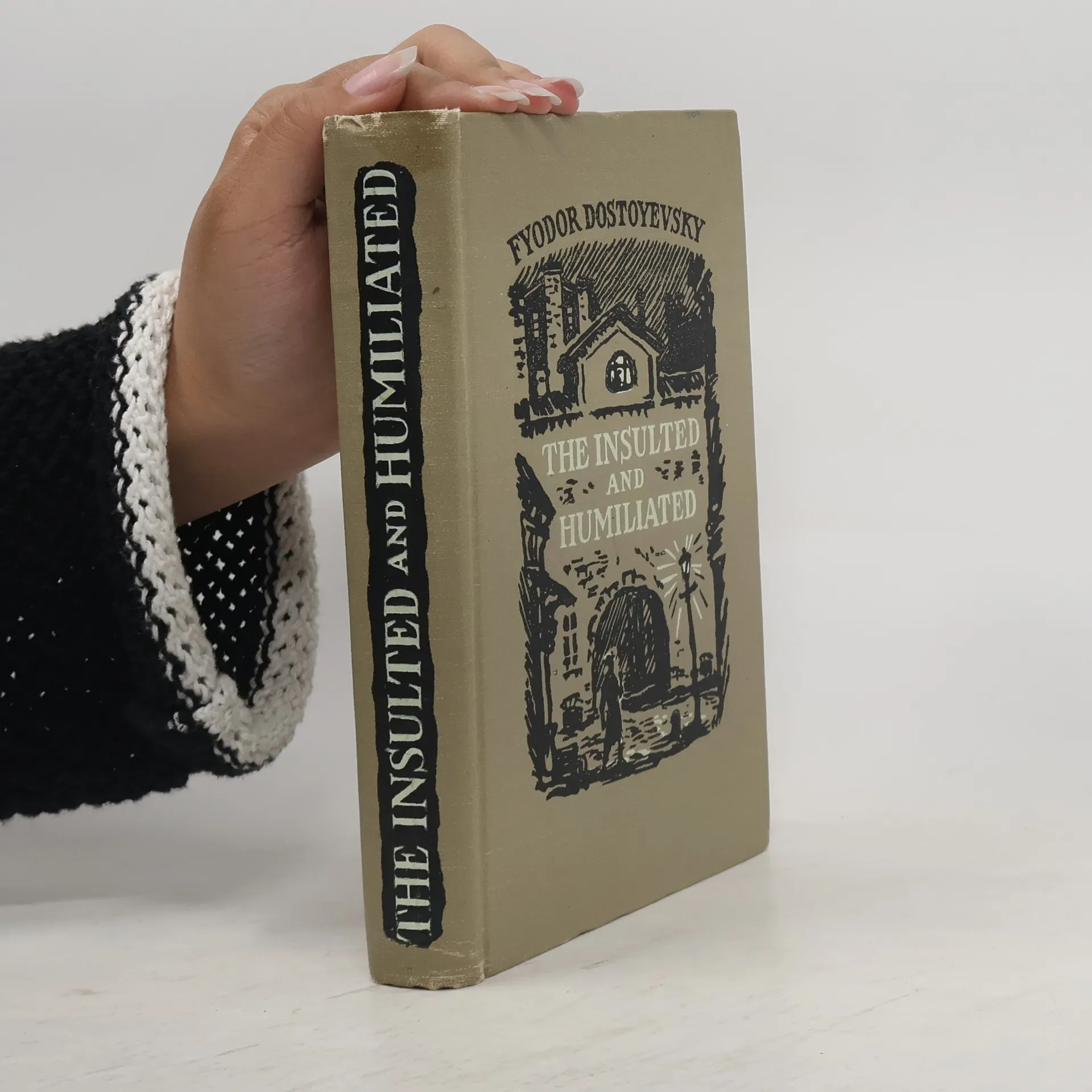
This compilation features seven works by Fyodor Dostoyevsky, showcasing his profound psychological insight into the human soul, which significantly influenced 20th-century literature. Dostoyevsky, a Russian novelist, journalist, and short-story writer, was born as the second son of a former army doctor. He received his education at home and in a private school, but his life took a dramatic turn after the death of his mother in 1837. He moved to St. Petersburg to attend the Army Engineering College, where he faced further tragedy with the death of his father in 1839, rumored to be murdered by his serfs. After graduating as a military engineer, he resigned in 1844 to pursue writing, debuting with his novel, Poor Folk, in 1846. His involvement with utopian socialists led to his arrest in 1849 and a death sentence, later commuted to imprisonment in Siberia. He endured four years of hard labor followed by four years as a soldier in Semipalatinsk, Kazakhstan. Returning to St. Petersburg in 1854, Dostoyevsky emerged as a writer with a religious mission, producing works like The House of the Dead, which reflects his prison experiences, and The Insulted and Injured, addressing the complexities of evil and naive Utopianism.
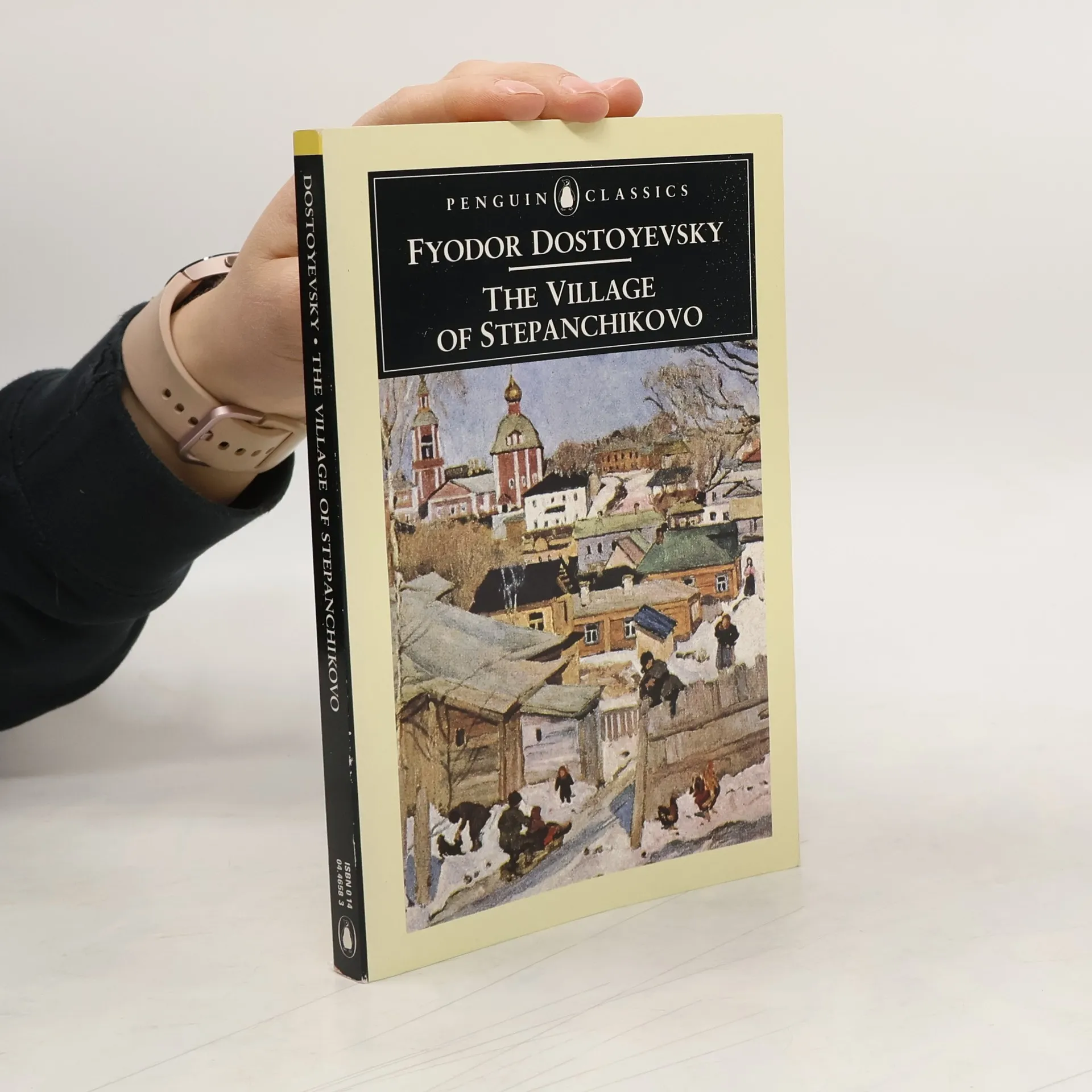
Summoned to the country estate of his wealthy uncle Colonel Yegor Rostanev, the young student Sergey Aleksandrovich finds himself thrown into a startling bedlam. For as he soon sees, his meek and kind-hearted uncle is wholly dominated by a pretentious and despotic pseudo-intellectual named Opiskin, a charlatan who has ingratiated himself with Yegor’s mother and now holds the entire household under his thumb. Watching the absurd theatrics of this domestic tyrant over forty-eight explosive hours, Sergey grows increasingly furious - until at last, he feels compelled to act. A compelling comic exploration of petty tyranny, The Village of Stepanchikovo reveals a delight in life’s wild absurdities that rivals even Gogol’s. It also offers a fascinating insight into the genesis of the characters and situations of many of Dostoyevsky’s great later novels, including The Idiot, Devils and The Brothers Karamazov.
The Crocodile
- 128 páginas
- 5 horas de lectura
The civil servant Ivan Matveich and his wife Yelena Ivanovna are spectators of an exhibition – in a shopping arcade – of a crocodile owned by a German, when Ivan is suddenly swallowed alive by the animal. Unsuccessful in his attempts to be freed from his prison, due to the German's concern for his crocodile and excessive desire for compensation, the civil servant gradually comes to appreciate his new environment, while his wife begins to enjoy her new-found freedom. Inspired by Gogol's surreal tales, Dostoevsky's hilarious story has been interpreted by some as a vitriolic piece of social criticism and a veiled attack on the revolutionary philosopher Nikolai Chernyshevsky.
A rich and idle man confronts his dead mistress's husband in this psychological novel of duality. Powerful and accessible, it offers a captivating and revealing exploration of love, guilt, and hatred.
The Meek One
- 64 páginas
- 3 horas de lectura
Based on a St Petersburg news report, Dostoyevsky's searing tale of a man who drives his wife to suicide.
Tells the story of a childhood dominated by her stepfather, Efimov, a failed musician who believes he is a neglected genius. The young girl is strangely drawn to this drunken ruin of a man, who exploits her and drives the family to poverty. But when she is rescued by an aristocratic family, the abuse against Netochka's delicate psyche continues.
Two Crocodiles
- 96 páginas
- 4 horas de lectura
Two Crocodiles highlights two literary masters from opposite ends of the world - Russia's Fyodor Dostoevsky and Uruguay's Felisberto Hernández. Dostoevsky's crocodile, cruelly displayed in a traveling sideshow, gobbles whole a pretentious high-ranking civil servant. But the functionary survives unscathed and seizes his new unique platform to expound to the fascinated public. Dostoevsky's Crocodile is a matchless, hilarious satire.Hernandez's Crocodile, on the other hand, while also terribly funny, is a heartbreaker. A pianist struggling to make ends meet as a salesman finds success when he begins to weep before clients and audience alike, but then he can't stop the crocodile tears.
Most significant of the Russian novelist's early stories (1846) offers a straight-faced treatment of a hallucinatory theme. Golyadkin senior is a powerless target of persecution by Golyadkin junior, his double in almost every respect. Familiar Dostoyevskan themes of helplessness, victimization, scandal — beautifully handled in this small masterpiece.
'40,000 francs, which lay before him in a heap of gold and banknotes.' Written in twenty-six days to pay off Dostoyevsky's own roulette debts, The Gambler is a graphic psychological study of addiction, accompanied here by a brilliant short story of excruciating social embarrassment. Ten new titles in the colourful, small-format, portable new Pocket Penguins series
Crime and Punishment: A Graphic Novel
- 128 páginas
- 5 horas de lectura
Retells the classic story of a murderer and the psychological punishment he endures before he finally comes to trial, in graphic novel format.
This classic Russian novel has it all: murder, suspense, passion, struggle, and redemption. Originally published in 1866, Crime and Punishment is a psychological thriller that deals with issues of morality, conscience, and redemption. Widely considered to be one of the greatest novels written in any language, this novel explores the life of Rodin Raskolnikov, a young Russian man who robs and murders a pawnbroker to save himself from a life of poverty. As a consequence, he must deal with the oppressive mental anguish of being a criminal while attempting to maintain relationships with his friends and family.
The Grand Inquisitor on the Nature of Man
- 52 páginas
- 2 horas de lectura
The narrative centers on an unnamed civil servant, known as the Underground Man, who reflects on his profound isolation in St. Petersburg. This seminal work is one of the first existentialist novels, challenging contemporary ideologies such as nihilism and utopianism. Through the Underground Man's perspective, Dostoevsky critiques the limitations of idealized rationality in utopian visions, emphasizing the inherent irrationality of human nature. The novel's profound themes have significantly influenced later writers and philosophers, including Kafka and Nietzsche.
The Best Of Russian Short Stories
- 354 páginas
- 13 horas de lectura
This collection showcases the richness of Russian short stories, featuring works by literary giants such as Dostoyevsky, Tolstoy, and Chekhov. Each story is a classic, reflecting the depth and diversity of Russian literature. Notable pieces include "The Queen of Spades" by Pushkin and "The Cloak" by Gogol, alongside lesser-known gems. This anthology highlights the enduring appeal of the short story format, offering readers a vibrant tapestry of themes and styles that capture the essence of Russian storytelling.
Demons: 150th Anniversary Edition
- 652 páginas
- 23 horas de lectura
Set against the backdrop of 1869 Russia, the story revolves around the murder of Ivan Ivanov, a student at the Petrov Agricultural Academy, who is lured to retrieve a printing press after protesting against the nihilist leader Sergei Nechaev. This event serves as a catalyst for Dostoevsky's exploration of ideological conflict in "Demons." The narrative delves into the clash between personal beliefs and societal pressures, drawing on characters that reflect historical tensions and philosophical debates of the time.
The Possessed; Or, The Devils, A Novel In Three Parts
Part 2 - in large print
- 404 páginas
- 15 horas de lectura
This book is a reproduction of a historical work, presented in large print format to enhance accessibility for readers with impaired vision. Published by Megali, a company dedicated to making historical texts more readable, it aims to preserve and share important literature while catering to the needs of those who require larger text.
The Possessed; Or, The Devils, A Novel In Three Parts
Part 3 - in large print
- 356 páginas
- 13 horas de lectura
This publication focuses on making historical works accessible by reproducing them in large print, catering specifically to individuals with impaired vision. The initiative by Megali aims to enhance readability and preserve important texts, ensuring that a broader audience can engage with historical literature.
This publication focuses on reproducing historical works in large print, catering specifically to individuals with impaired vision. Megali, the publishing house behind this initiative, aims to enhance accessibility and promote inclusivity in reading, ensuring that important historical texts are available to a wider audience.
The Possessed; Or, The Devils, A Novel In Three Parts
Part 1 - in large print
- 332 páginas
- 12 horas de lectura
Focusing on accessibility, this book is a reproduction of a historical work presented in large print. Published by Megali, a house dedicated to enhancing reading experiences for individuals with impaired vision, it aims to make classic literature more approachable and enjoyable.
The Grand Inquisitor
in large print
The book is a reproduction of a historical work, published by Megali, which focuses on making literature accessible to individuals with impaired vision through large print. This initiative highlights the importance of inclusivity in reading and preserves significant texts for future generations.
Crime and Punishment is one of the greatest and most readable novels ever written. It is built out of a series of supremely dramatic scenes that illuminate the eternal conflicts at the heart of human existence.
Notes from Underground: New Translation
- 160 páginas
- 6 horas de lectura
The unnamed narrator of the novel, a former government official, has decided to retire from the world and lead a life of inactivity and contemplation. His fiercely bitter, cynical and witty monologue ranges from general observations and philosophical musings to memorable scenes from his own life, including his obsessive plans to exact revenge on an officer who has shown him disrespect and a dramatic encounter with a prostitute. Seen by many as the first existentialist novel and showcasing the best of Dostoevsky’s dry humour, Notes from Underground was a pivotal moment in the development of modern literature and has inspired countless novelists, thinkers and film-makers.
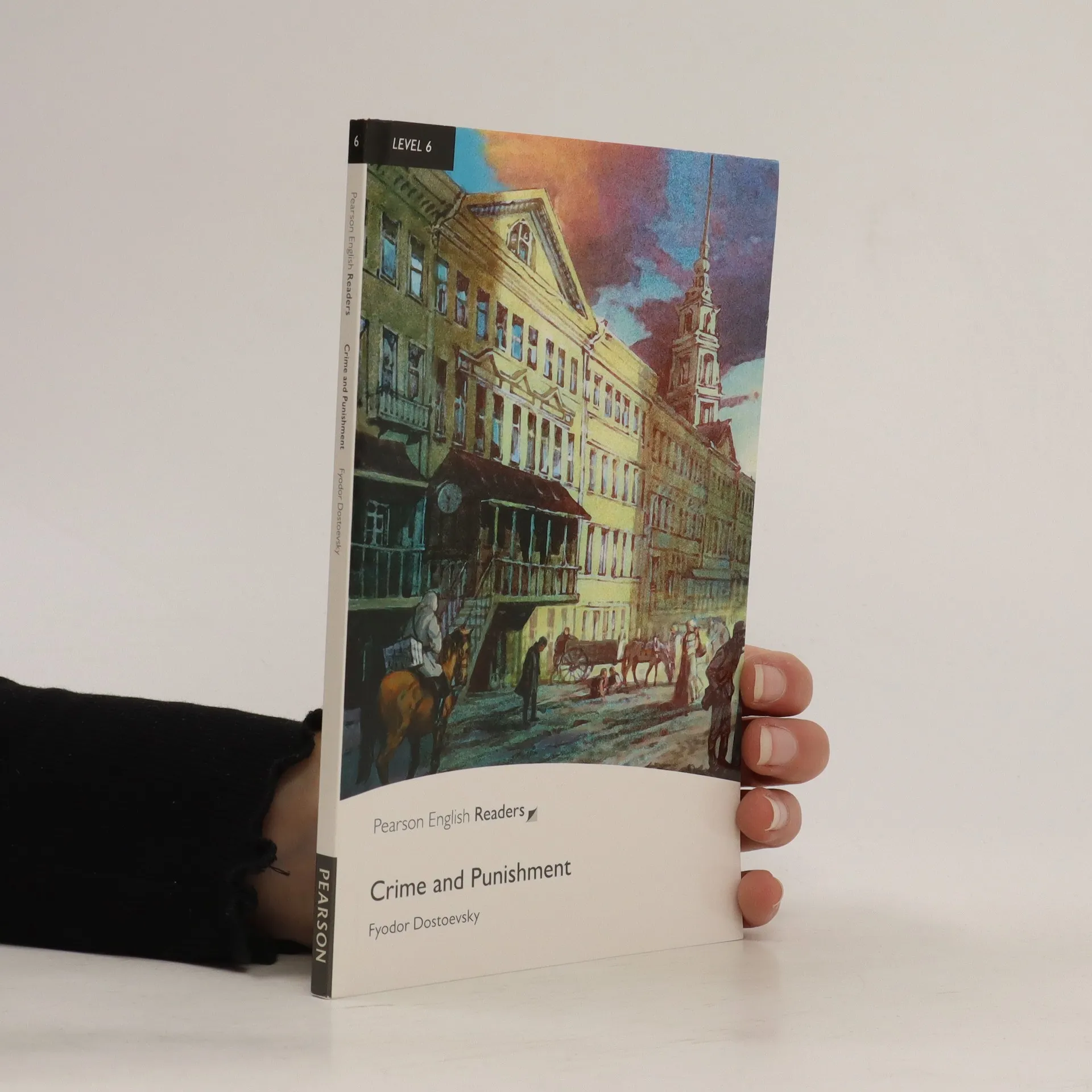
Crime and Punishment. Level 6
- 108 páginas
- 4 horas de lectura
Raskolnikoff, a young student, has been forced to give up his university studies because of lack of money. He withdraws from society and, poor and lonely, he develops a plan to murder a greedy old moneylender. Surely the murder of one worthless old woman would be excused, even approved of, if it made possible a thousand good deeds? But this crime is just the beginning of the story...
Stories include:"First Love" by Turgenev"The Gambler" by Dostoyevsky"Master and Man" by Tolstoy"The Duel" by Chekhov
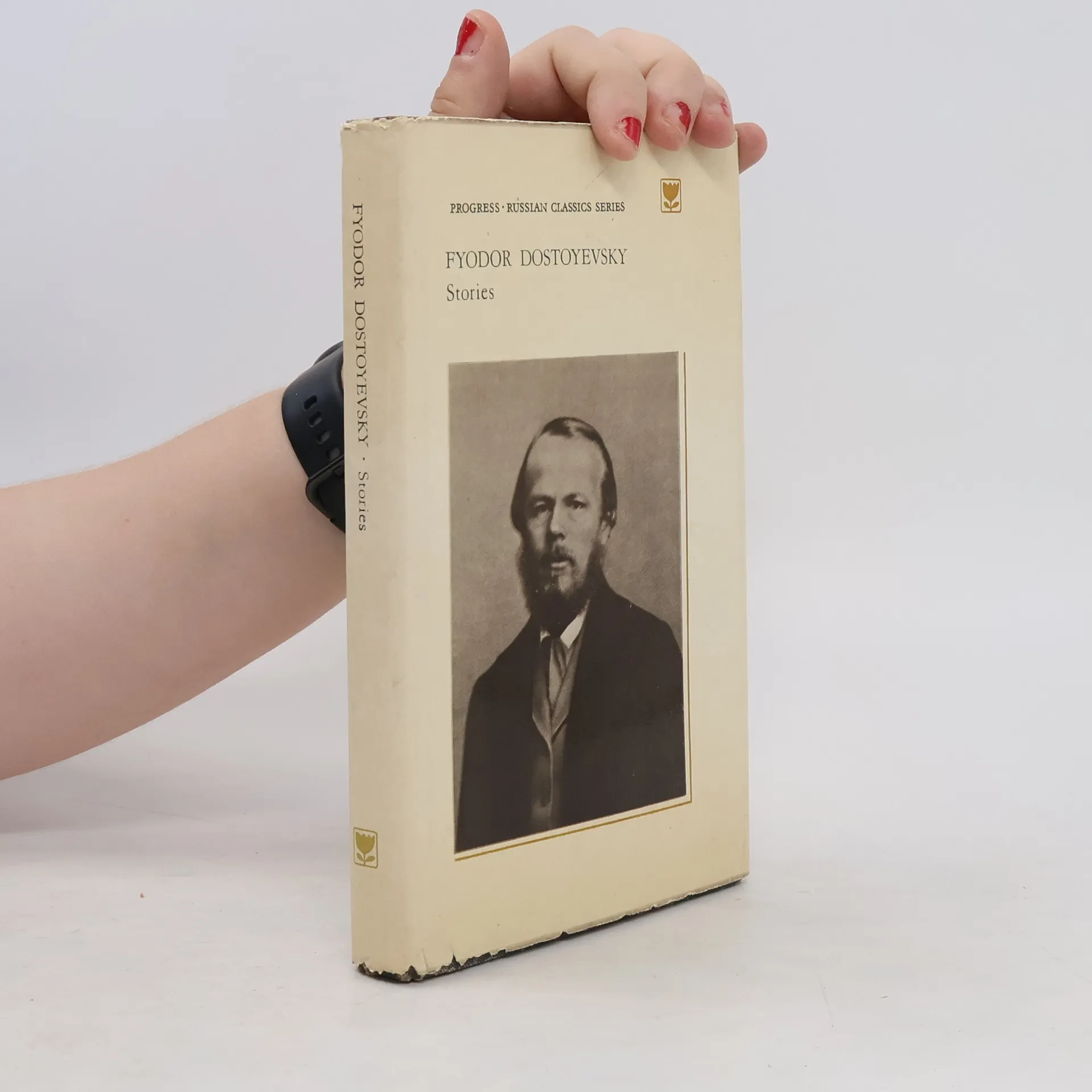
In 1973, Progress Publishers commenced publication of the Russian Classic Series offering the reader English translations of novels by famous writers such as Turgenev, Dostoyevsky, and Tolstoy, the poetry of Pushkin and Lermontov, the biting satire of Gogol and Saltykov-Shchedrin, and the brilliant short stories of Chekhov, Leskov and Korolenko. This collection includes Dostoyevsky's best short stories: "Poor People", "White Nights", "A Most Unfortunate Incident", "A Faint Heart", and "The Dream of a Ridiculous Man". The present volume will therefore present to the reader the different facets of the great master's genius. The book is illustrated with drawings by Andrei Goncharov.
Brothers Karamazov, The
- 64 páginas
- 3 horas de lectura
Can the deadly rivalry between father and son be settled peacefully, or must it end in tragedy?
Oxford World's Classics: Notes From the Underground / The Gambler
- 320 páginas
- 12 horas de lectura
One of the most profound and disturbing works of nineteenth-century literature, Notes from the Underground is a probing and speculative work, often regarded as a forerunner to the Existentialist movement. The Gambler explores the compulsive nature of gambling, one of Dostoevsky's own vices and a subject he describes with extraordinary acumen and drama. Both works are new translations, specially commissioned for the World's Classics series.
Mod Lib Brothers Karamazov
- 912 páginas
- 32 horas de lectura
The story of the lives of three sons of an old drunkard are used to depict Russian character and investigate the concepts of good, evil, and faith