

Looking beyond the view of the plague as unmitigated catastrophe, Herlihy finds evidence for its role in the advent of new population controls, the establishment of universities, the spread of Christianity, the dissemination of vernacular cultures, and even the rise of nationalism.
David Herlihy Orden de los libros (cronológico)
8 de mayo de 1930 – 15 de febrero de 1991
David V. Herlihy es un autor e historiador cuyo trabajo se adentra en la historia del ciclismo. Sus escritos se caracterizan por una profunda investigación y una narrativa que da vida a épocas pasadas y a las figuras asociadas con este deporte. A través de su obra, Herlihy explora el impacto cultural y social del ciclismo y su lugar en las aventuras humanas. Su enfoque se basa en una meticulosa indagación histórica y una prosa cautivadora, atrayendo a los lectores a mundos que hace mucho tiempo pasaron.


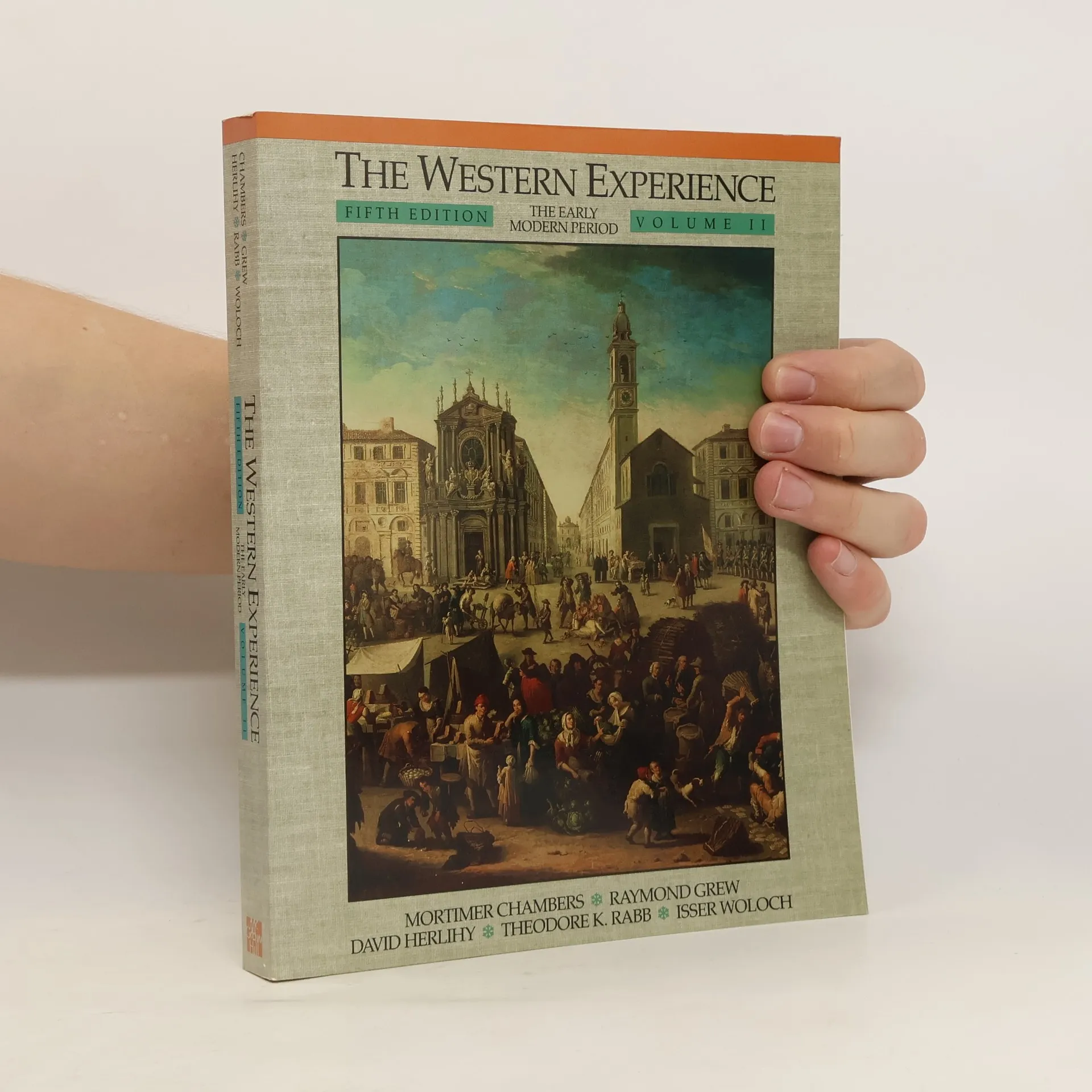
This book is part of a series that integrates social, economic, cultural and political elements of Western civilization. Each chapter is written as a complete unit - exploring historical themes, causes and processes, rather than simply stating names, dates and events. Volume I covers antiquity to the Middle Ages, volume II the early modern period to Napoleonic times and volume 3 the modern era to the present.
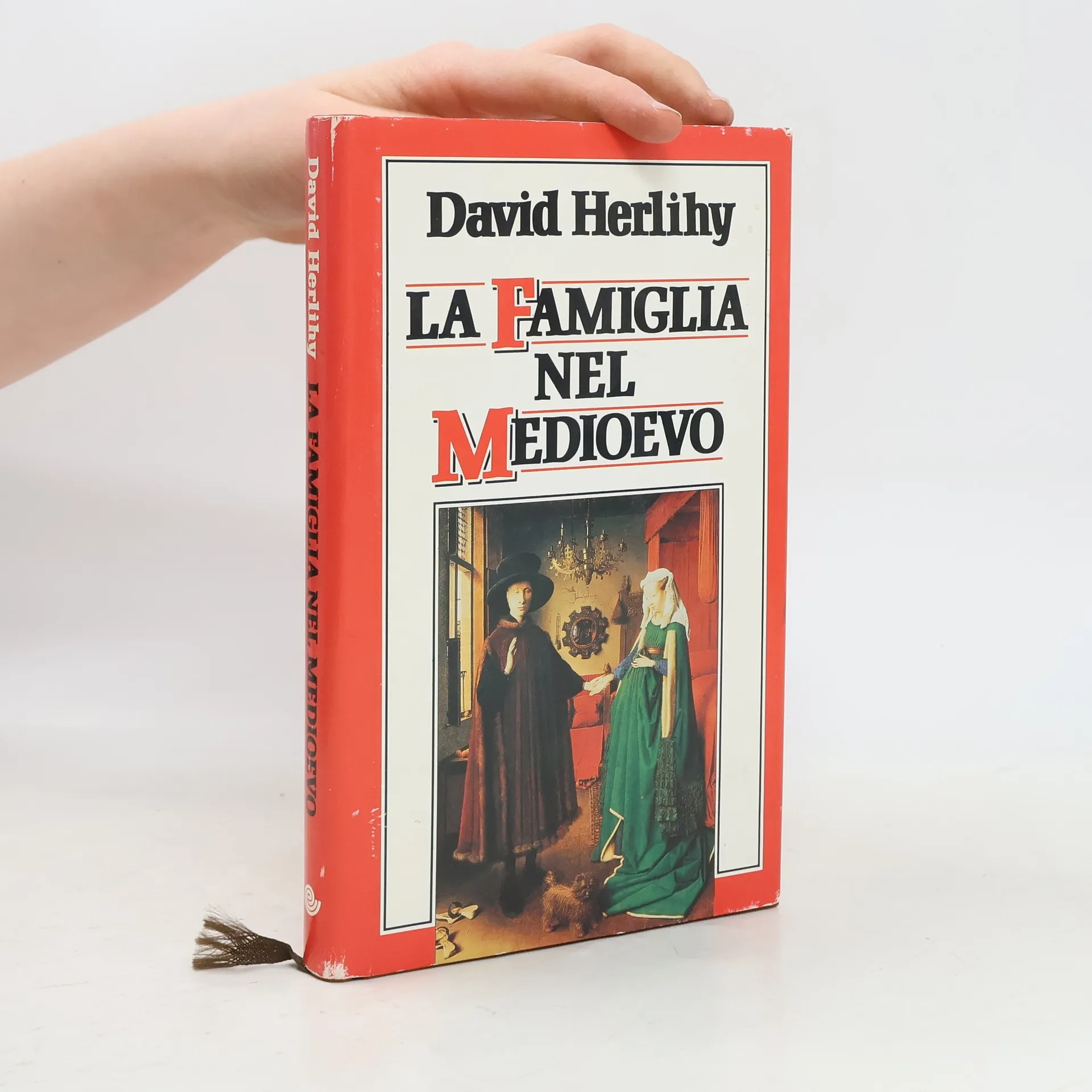
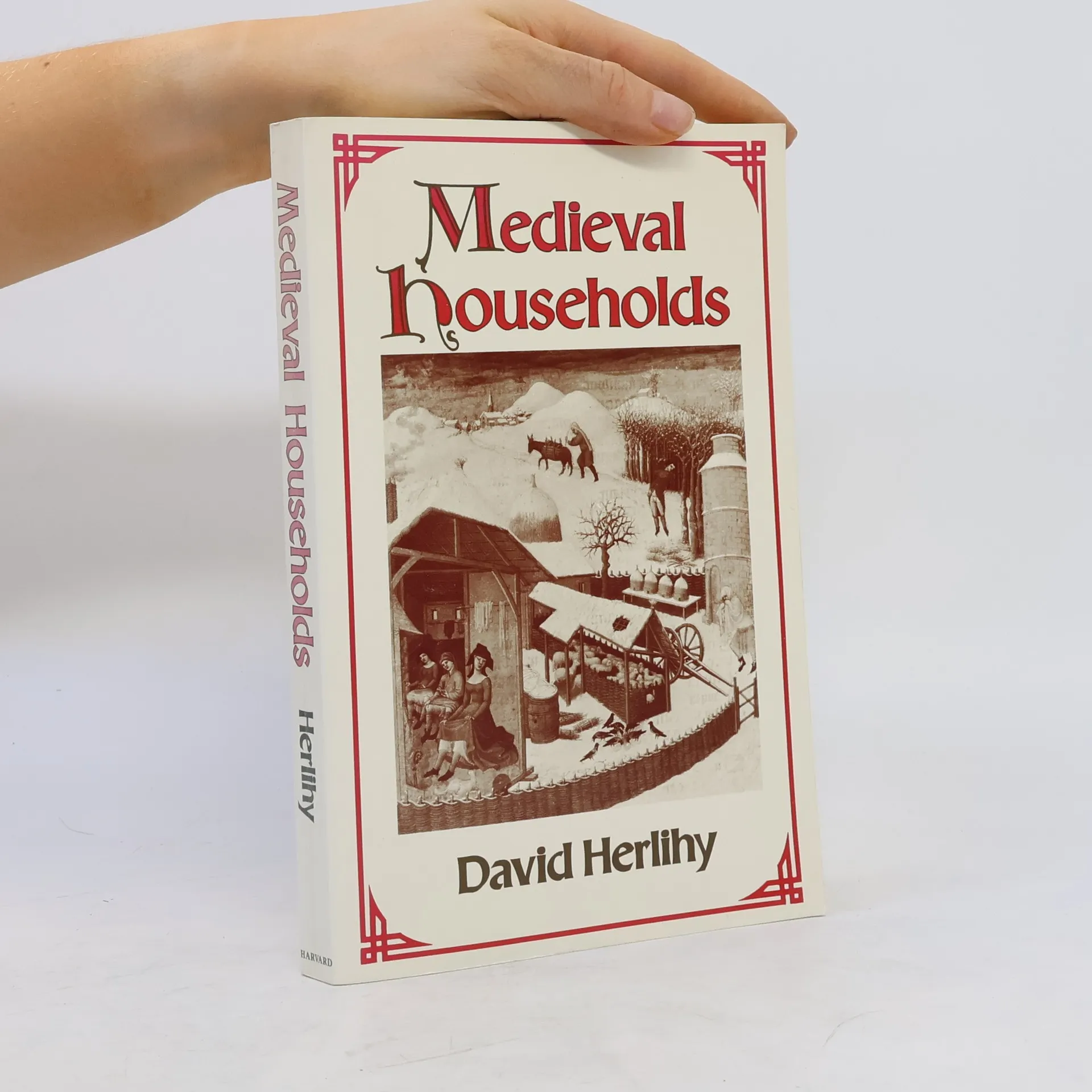
Traces the history of family life during the Middle Ages and examines medieval marriages, childhood, motherhood, and fatherhood.
The History of Feudalism
- 352 páginas
- 13 horas de lectura
Editor David Herlihy gives examples of the principal types of documents that historians use in their investigations of feudal society. These include not only laws and legal commentaries, private charters and administrative records, but also selections from chronicles, saints' lives, sermons, liturgical works, and imaginative literature. Together these diverse sources illustrate in concrete and human terms the relationships between men and women, governments and their people, which were at the heart of the feudal system. Most of the documents have been newly translated.