Michael Wex es aclamado como un tesoro nacional del yiddish y es una de las figuras principales en el actual renacimiento del yiddish. Como novelista, profesor y traductor, su obra aporta una voz única a la literatura. Sus actuaciones como comediante de stand-up y artista de espectáculos unipersonales demuestran aún más sus versátiles talentos. Wex imparte conferencias sobre yiddish y cultura judía, enriqueciendo la comprensión de esta vibrante tradición.
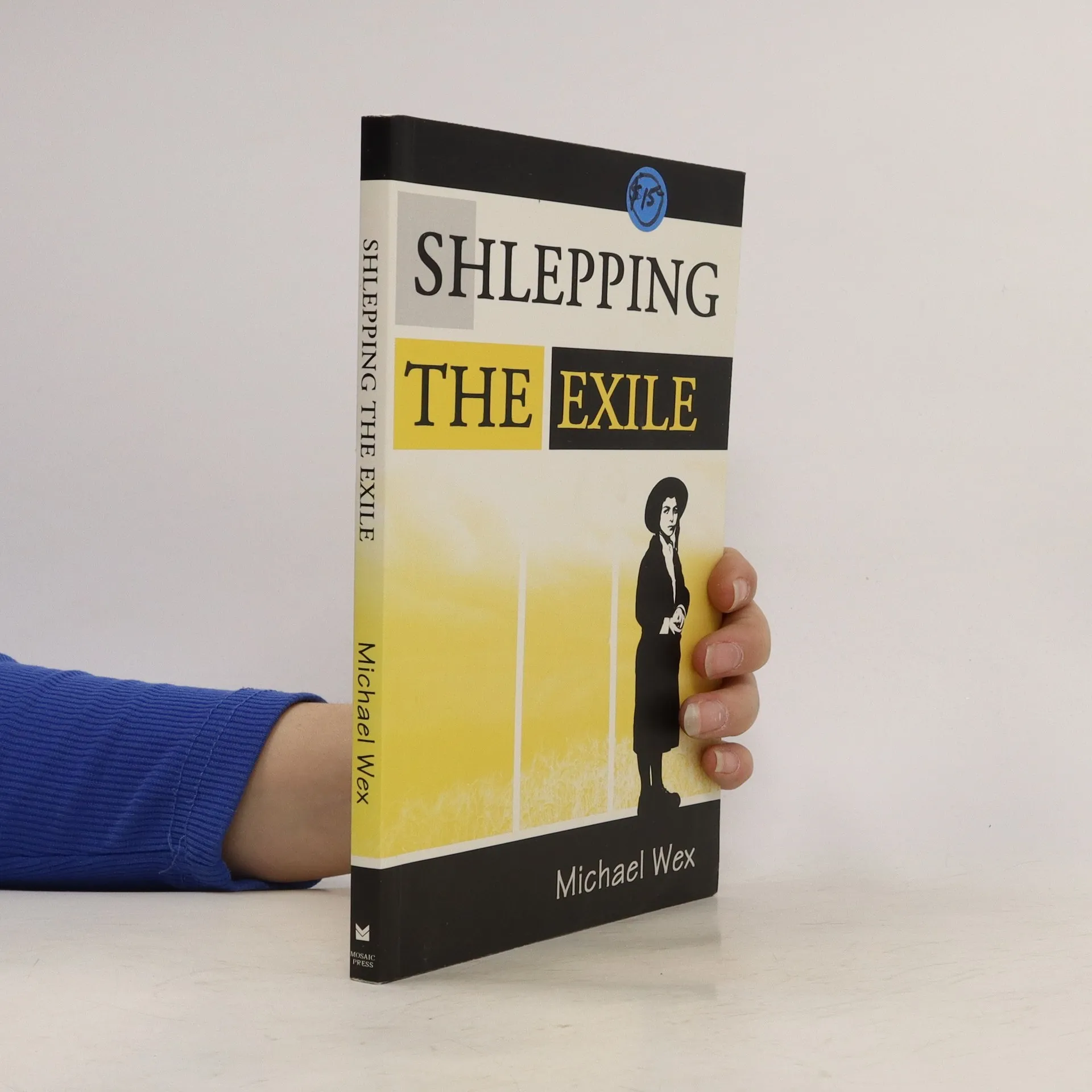
This hilarious novel is an inside portrait of orthodox, post-Holocaust Judaism in a place that it never expected to be. It's the story of Yoine Levkes, boy hasid of the Canadian Prairies, his refugee parents...confronted with dying people, and ailing culture, the perils of near orphanhood, the allures of Sabina Mandelbroit...too religious to be normal and too normal not to realize this...Humor, satire, irony...and more. It's all here in Michael Wex's first and only novel - Shlepping the Exile which has also been publishing in German - but, of course, by a Swiss publisher!
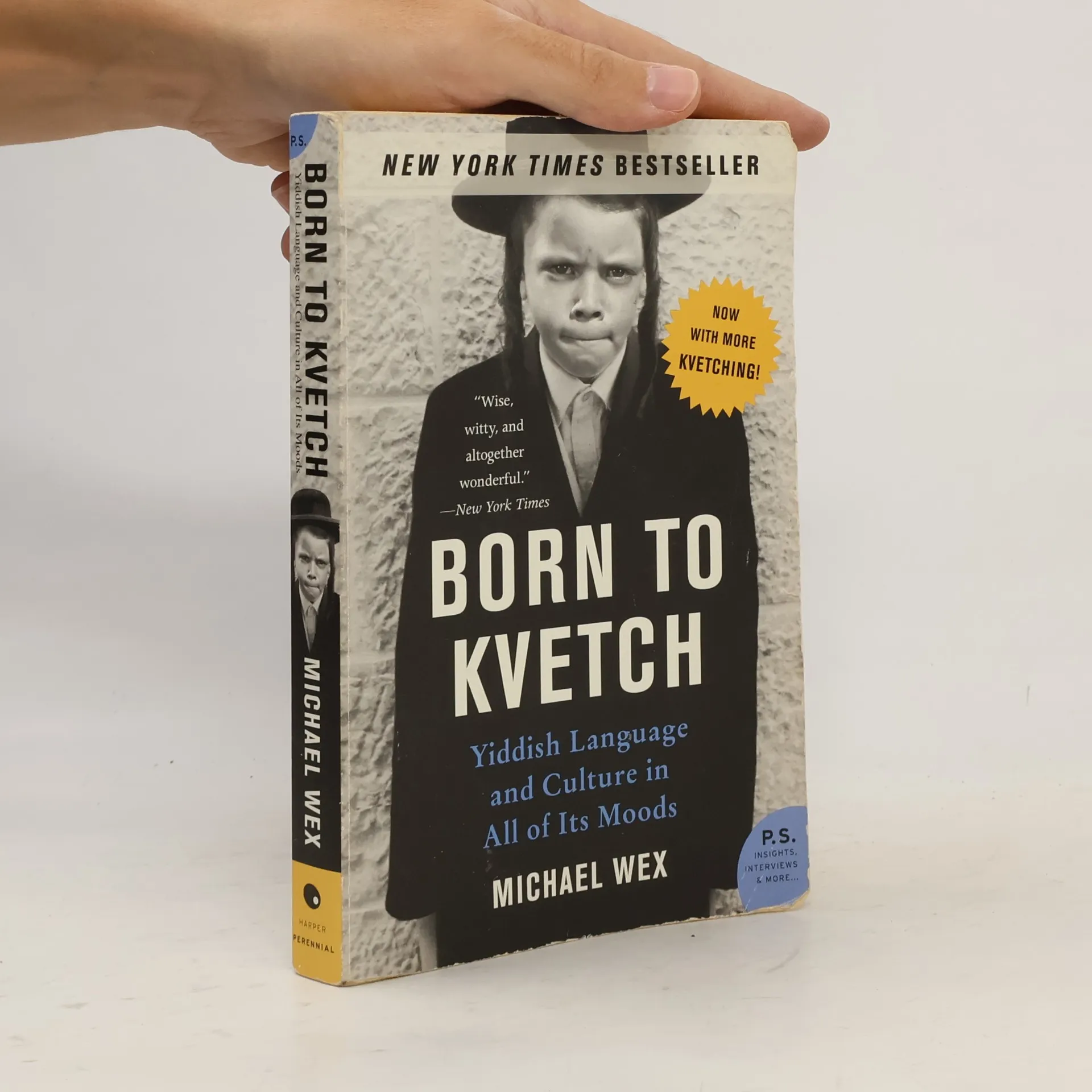
A delightful excursion through the Yiddish language, the culture it defines and serves, and the fine art of complaint Throughout history, Jews around the world have had plenty of reasons to lament. And for a thousand years, they've had the perfect language for it. Rich in color, expressiveness, and complexity, Yiddish has proven incredibly useful and durable. Its wonderful phrases and idioms impeccably reflect the mind-set that has enabled the Jews of Europe to survive a millennium of unrelenting persecution . . . and enables them to kvetch about it! Michael Wex—professor, scholar, translator, novelist, and performer—takes a serious yet unceasingly fun and funny look at this remarkable kvetch-full tongue that has both shaped and has been shaped by those who speak it. Featuring chapters on curse words, food, sex, and even death, he allows his lively wit and scholarship to roam freely from Sholem Aleichem to Chaucer to Elvis. Perhaps only a khokhem be-layle (a fool, literally a "sage at night," when there's no one around to see) would care to pass up this endearing and enriching treasure trove of linguistics, sociology, history, and folklore—an intriguing appreciation of a unique and enduring language and an equally fascinating culture.
As the main spoken language of the Jews for more than a thousand years, Yiddish has had plenty to lament, plenty to conceal. Its phrases, idioms, and expressions paint a comprehensive picture of the mind-set that enabled the Jews of Europe to survive a millennium of unrelenting persecution: they never stopped kvetching ---about God, gentiles, children, food, and everything (and anything) else. They even learned how to smile through their kvetching and express satisfaction in the form of complaint. In Born to Kvetch, Michael Wex looks at the ingredients that went into this buffet of disenchantment and examines how they were mixed together to produce an almost limitless supply of striking idioms and withering curses (which get a chapter all to themselves). Born to Kvetch includes a wealth of material that's never appeared in English before. You'll find information on the Yiddish relationship to food, nature, divinity, and humanity. There's even a chapter about sex. This is no bobe mayse (cock-and-bull story) from a khokhem be-layle (idiot, literally a "sage at night" when no one's looking), but a serious yet fun and funny look at a language that both shaped and was shaped by those who spoke it. From tukhes to goy, meshugener to kvetch , Yiddish words have permeated and transformed English as well. Through the idioms, phrases, metaphors, and fascinating history of this kvetch- full tongue, Michael Wex gives us a moving and inspiring portrait of a people, and a language, in exile.
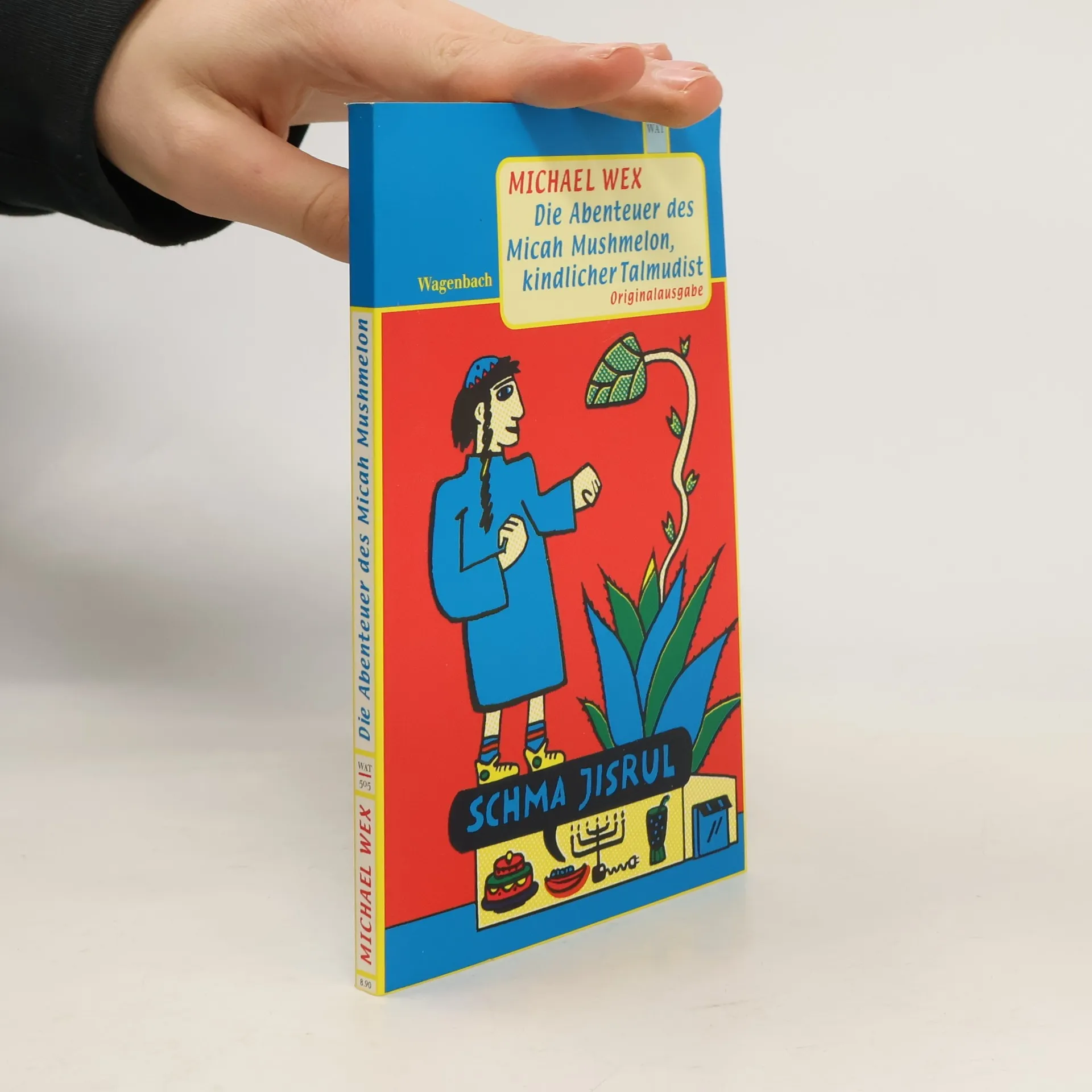
Der elfjährige Micah Mushmelon, Erbe der Hipster-Linie rabbinischer Führer und Weiser, engagiert Shraga Potasznik, den comicbuchverliebten Protagonisten dieser Novelle, um das Gute in dieser Welt zu verwirklichen. Michael Wex malt ein lebendiges, humorvolles Bild der chassidischen Subkultur. Sein Blick auf die jiddische Kultur ist zugleich gelehrt und super hip und stets treu den Rhythmen einer Sprache, die so viel der modernen nordamerikanischen Kultur prägt.