

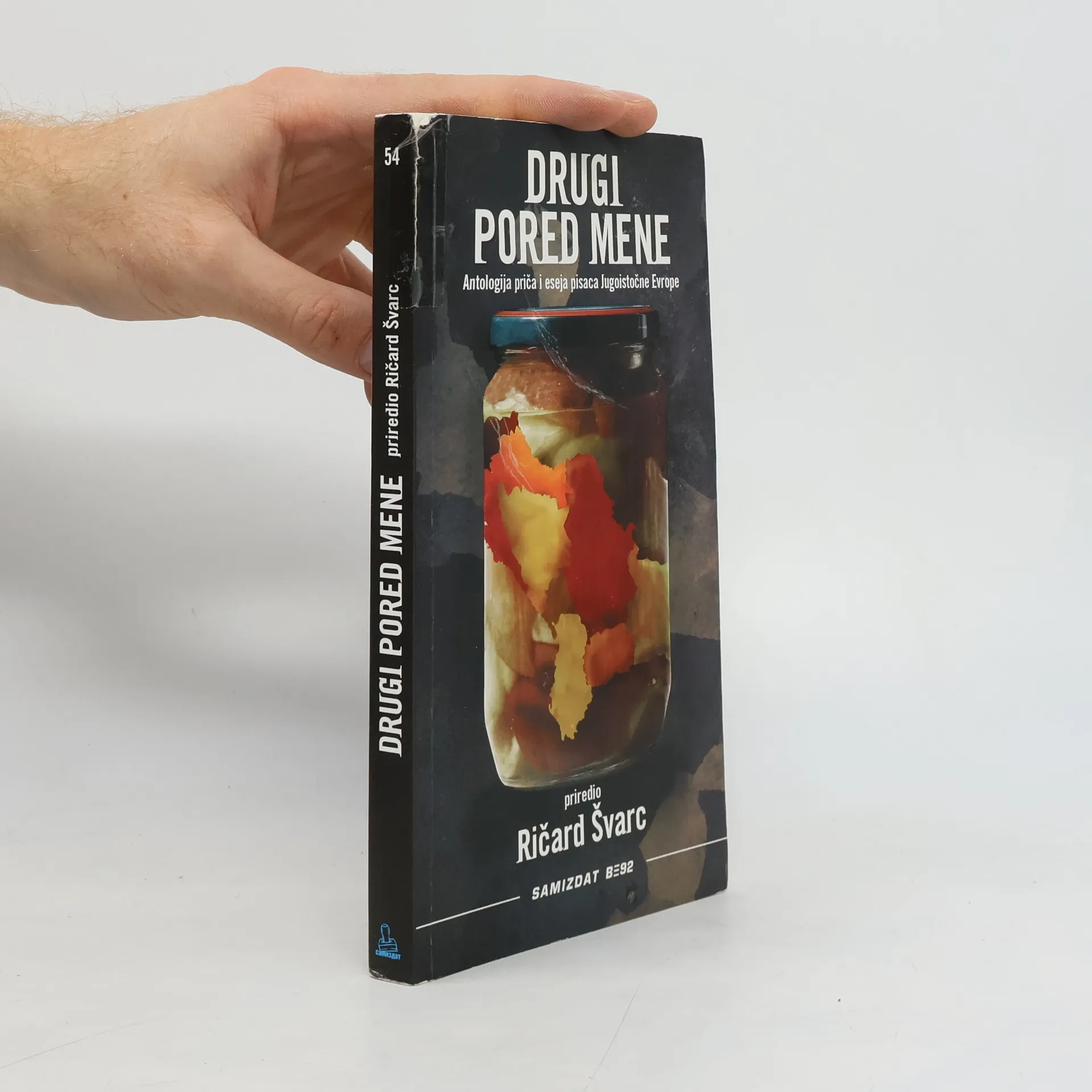
Dvadeset jedan prozni književnik/ca napisao/la je svoje viđenje pitanja zbog čega u jugoistočnoj Evropi postoji toliko nepoverenje jednih naroda prema drugima, prema neposrednim susedima. Odakle zapravo toliko odbijanje da se u susedu umesto neprijatelja vidi prijatelj? Zašto je etničko čišćenje postalo program ili čak neostvareni san? Zašto se jugoistočna Evropa već godinama pokazuje kao čudesno nepromenjiva sredina, gotovo deklarativno otvorena za promene, u kojoj svaka država uporno insistira na nekoj svojoj navodnoj istini? U knjizi su se našla prozna ostvarenja najreprezentativnijih pisaca iz regiona – Slavenka Drakulić, Dragan Velikić, Nenad Veličković, Bora Ćosić, Miljenko Jergović, Biljana Srbljanović, Drago Jančar, Irena Vrkljan, Ismailj Kadare, Ćarls Simić, itd.
Fatos Kongoli Orden de los libros (cronológico)
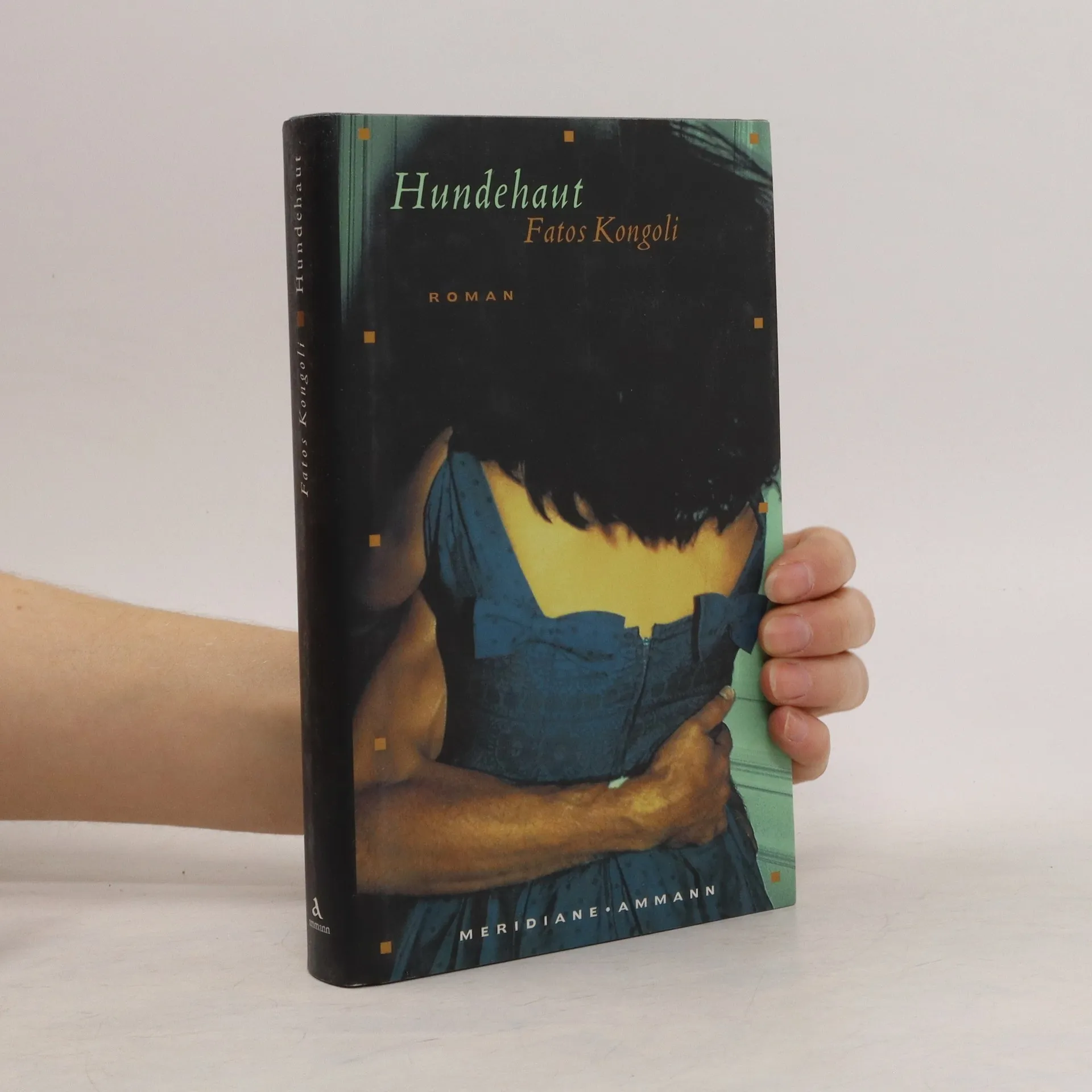
Fatos Kongoli se ha convertido en uno de los representantes más contundentes y convincentes de la prosa albanesa contemporánea. Estudió matemáticas en China durante los tensos años de la alianza sino-albanesa. Kongoli optó por no publicar obras importantes durante la dictadura, dedicando su energía creativa a una carrera matemática hasta que pasó la tormenta. Su talento narrativo y estilo individual emergieron plenamente en los años noventa, tras la caída de la dictadura comunista.

The Loser
- 180 páginas
- 7 horas de lectura
An impassioned indictment of government oppression, this novel follows the fortunes of Thesar Lumi, a laborer living under communist rule in Soviet-controlled Albania. At the center of the story is a crucial decision Lumi makes in the last days of the Second World he has a chance to leave Albania on a refugee ship headed to Italy, but at the last moment he disembarks and returns home to his village. As it happens, he has chosen a grim existence. To survive, he is forced to work in a concrete factory, from which he watches friends and family members run afoul of repressive new laws. But even as the book skillfully depicts the slow suffocation of a whole society, it also celebrates the moments of love and hope that sustain the people—and holds out the possibility that Lumi may have been right to remain at home.
Der Roman des zeitgenössischen albanischen Prosaikers (1944) entführt uns in das vielleicht exotischste europäische Land, das bis heute ein großes Rätsel für uns bleibt. Eine dramatische Liebesgeschichte, in der Frauen aus drei Generationen die Hauptrollen spielen, entfaltet sich vor dem Hintergrund turbulenter gesellschaftlicher und politischer Ereignisse im kommunistischen und postkommunistischen Albanien.