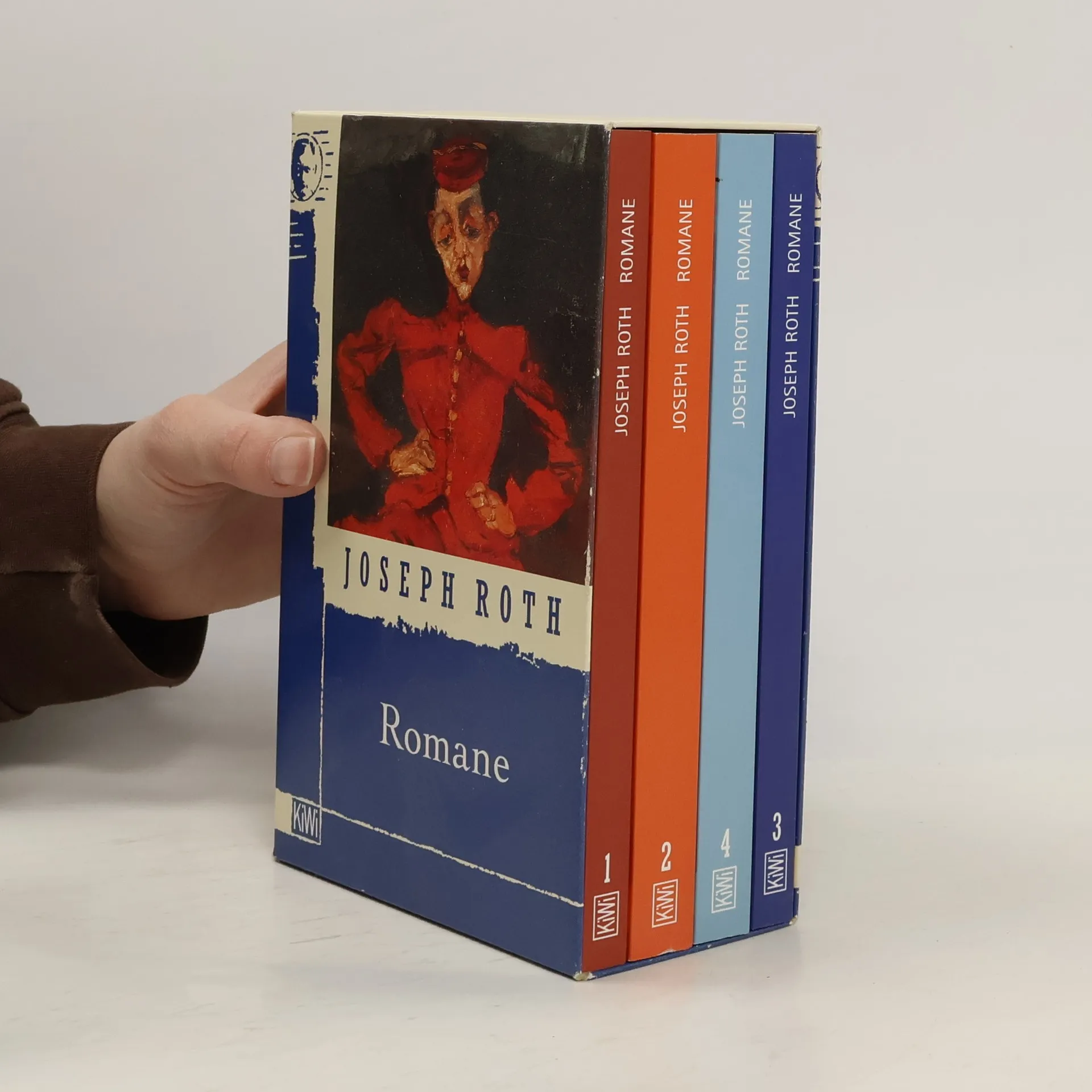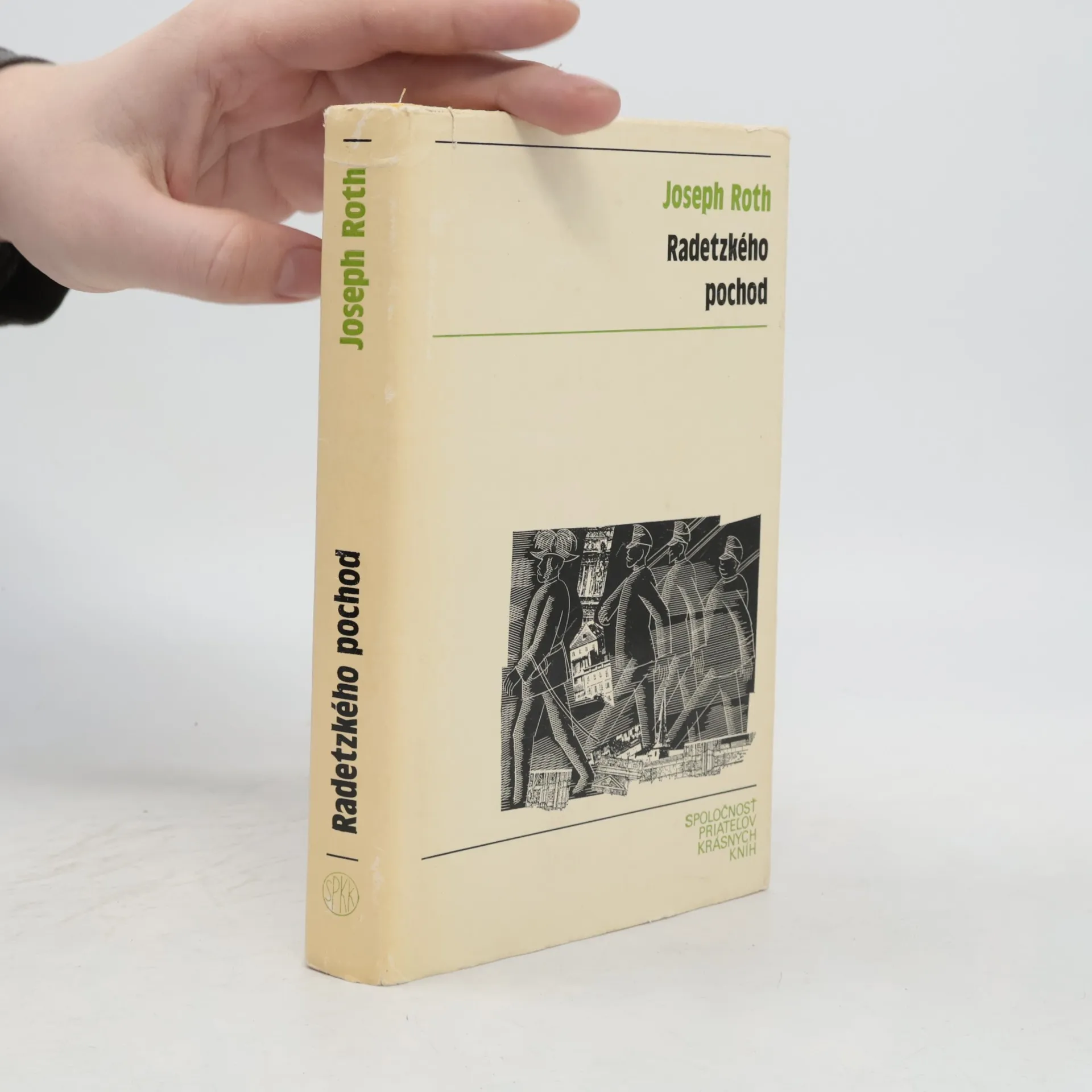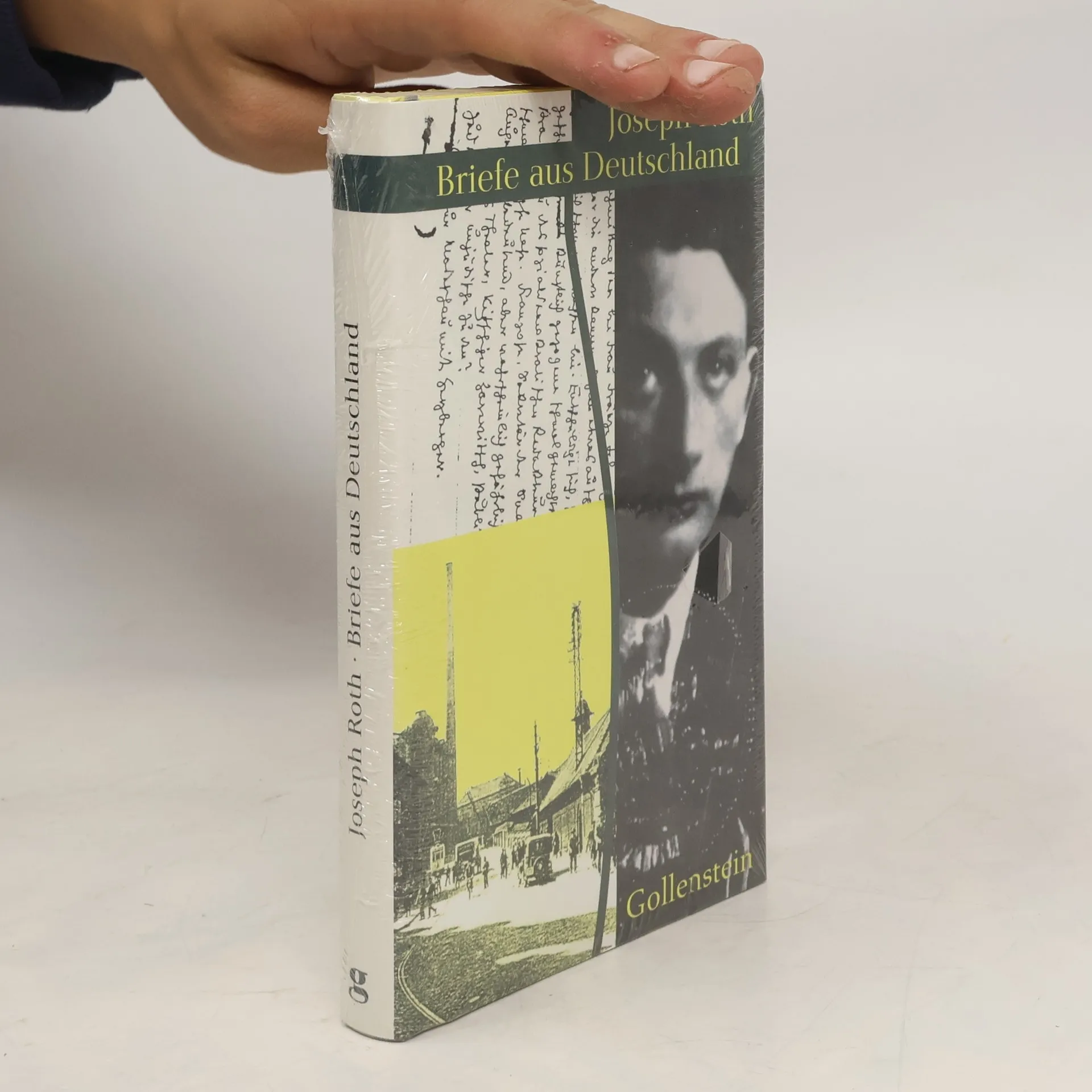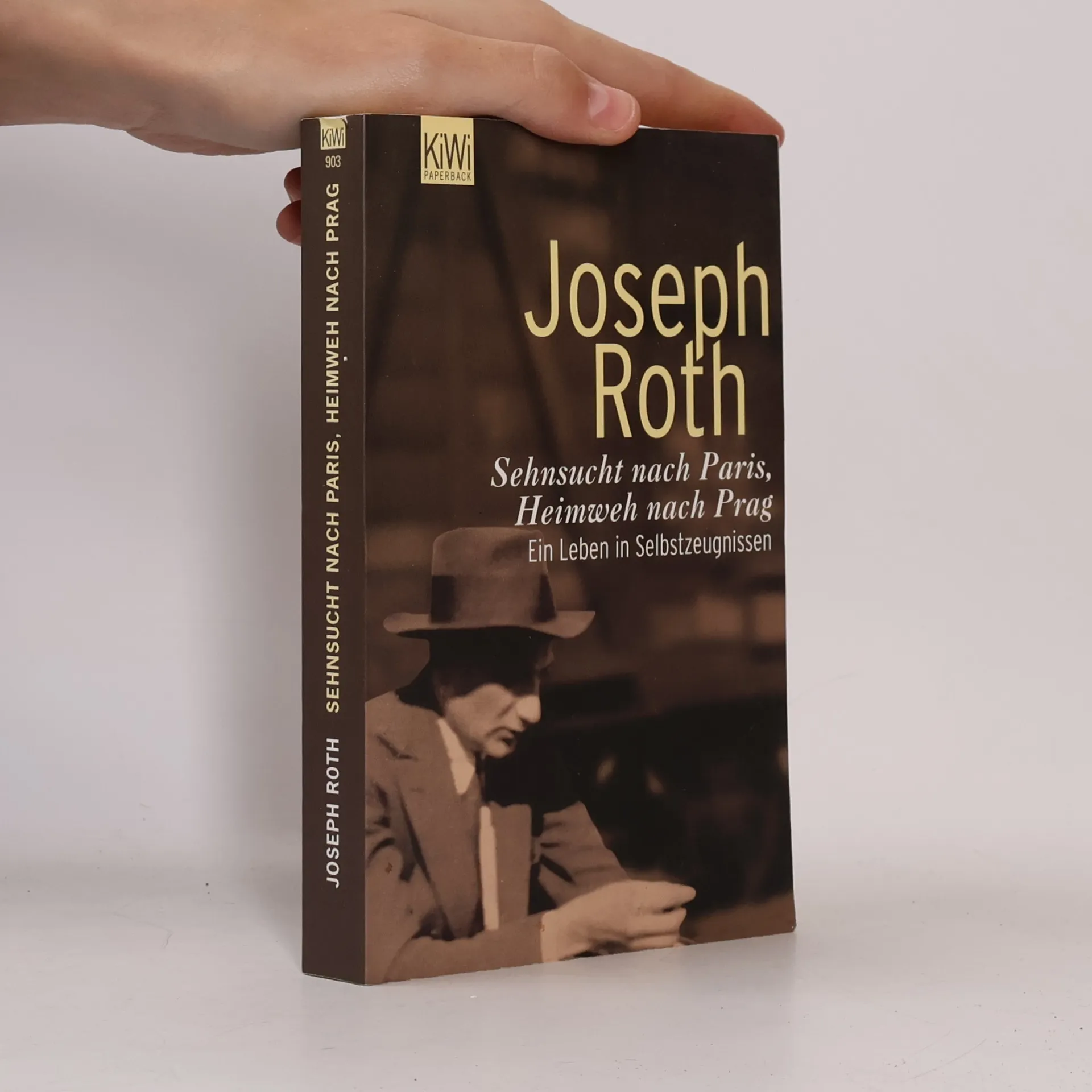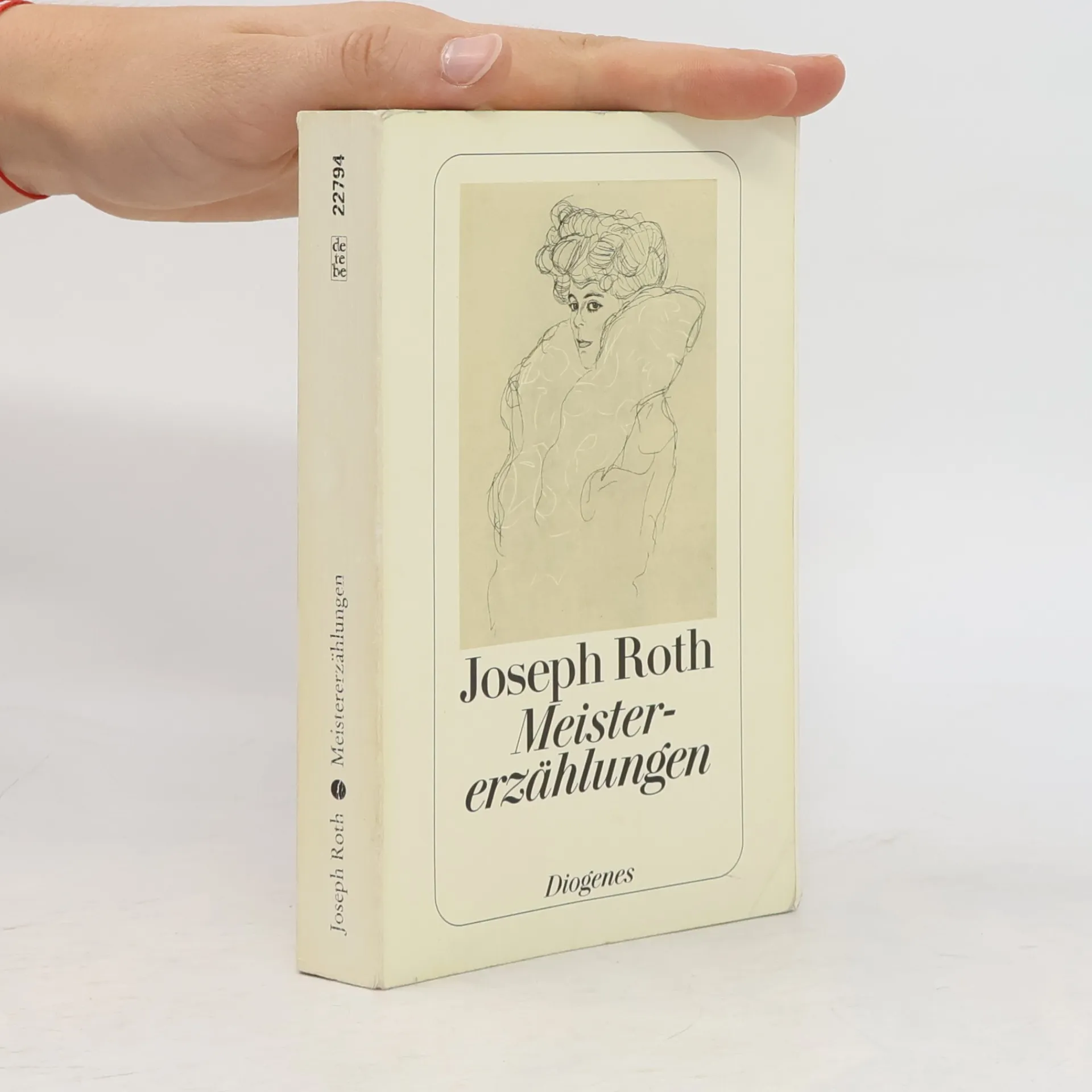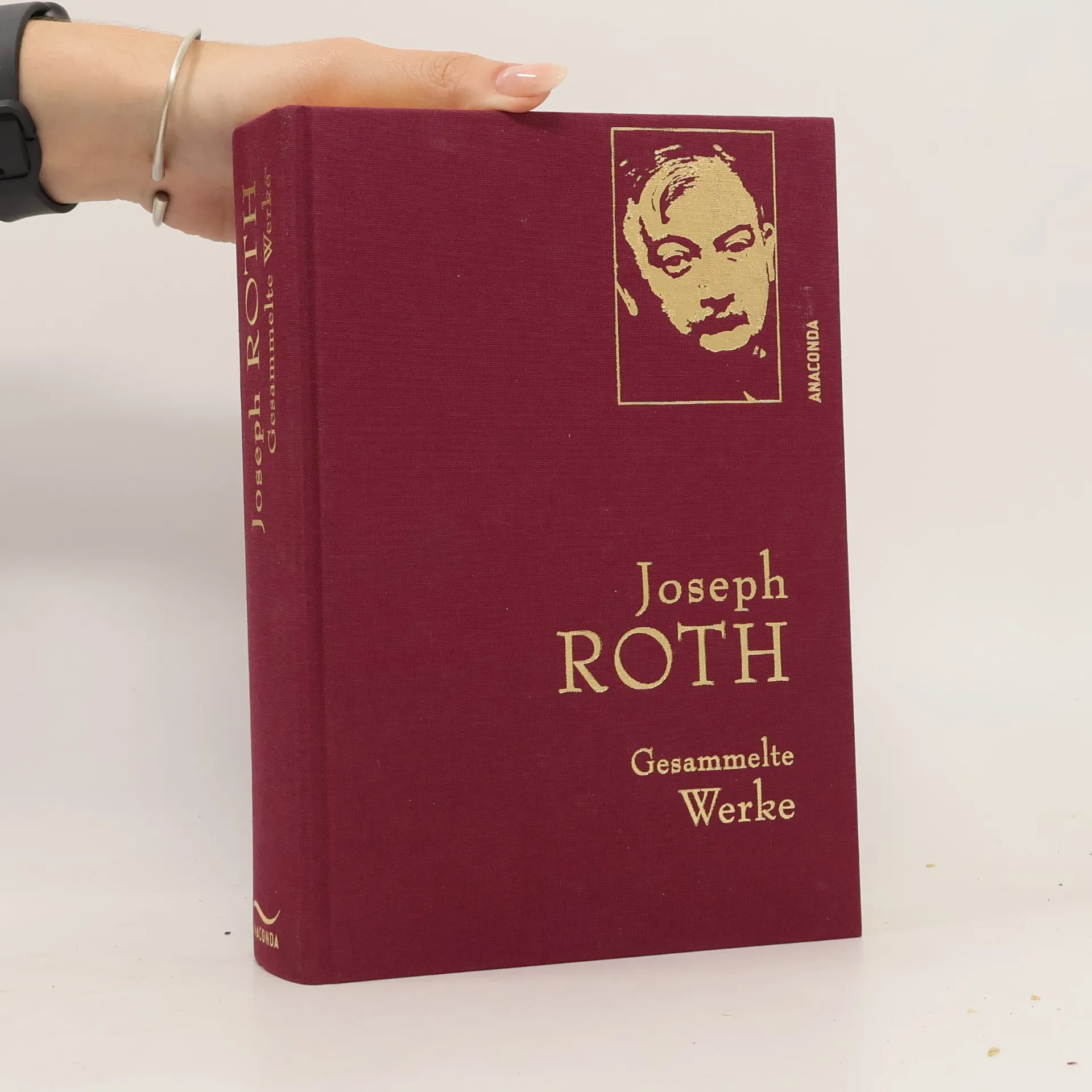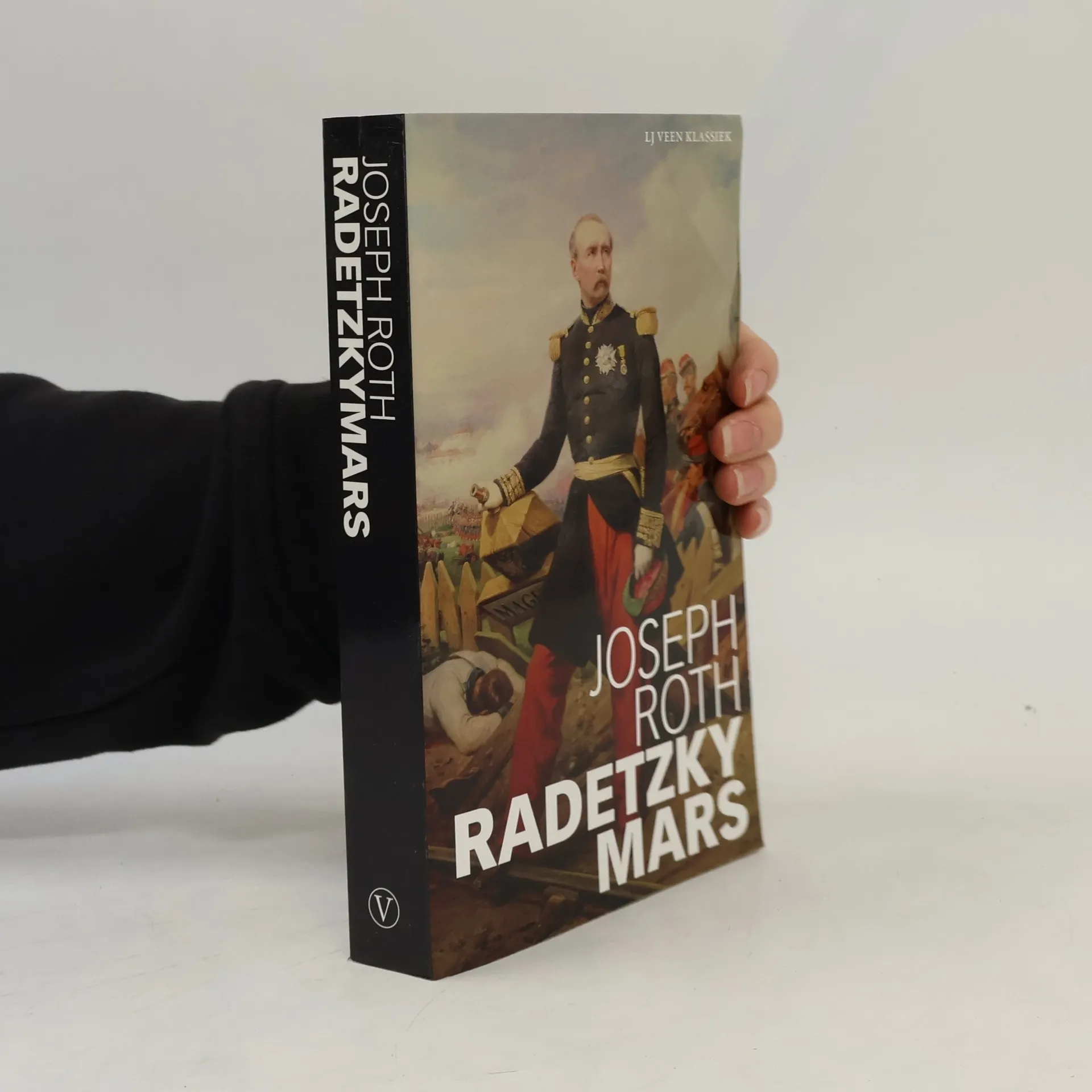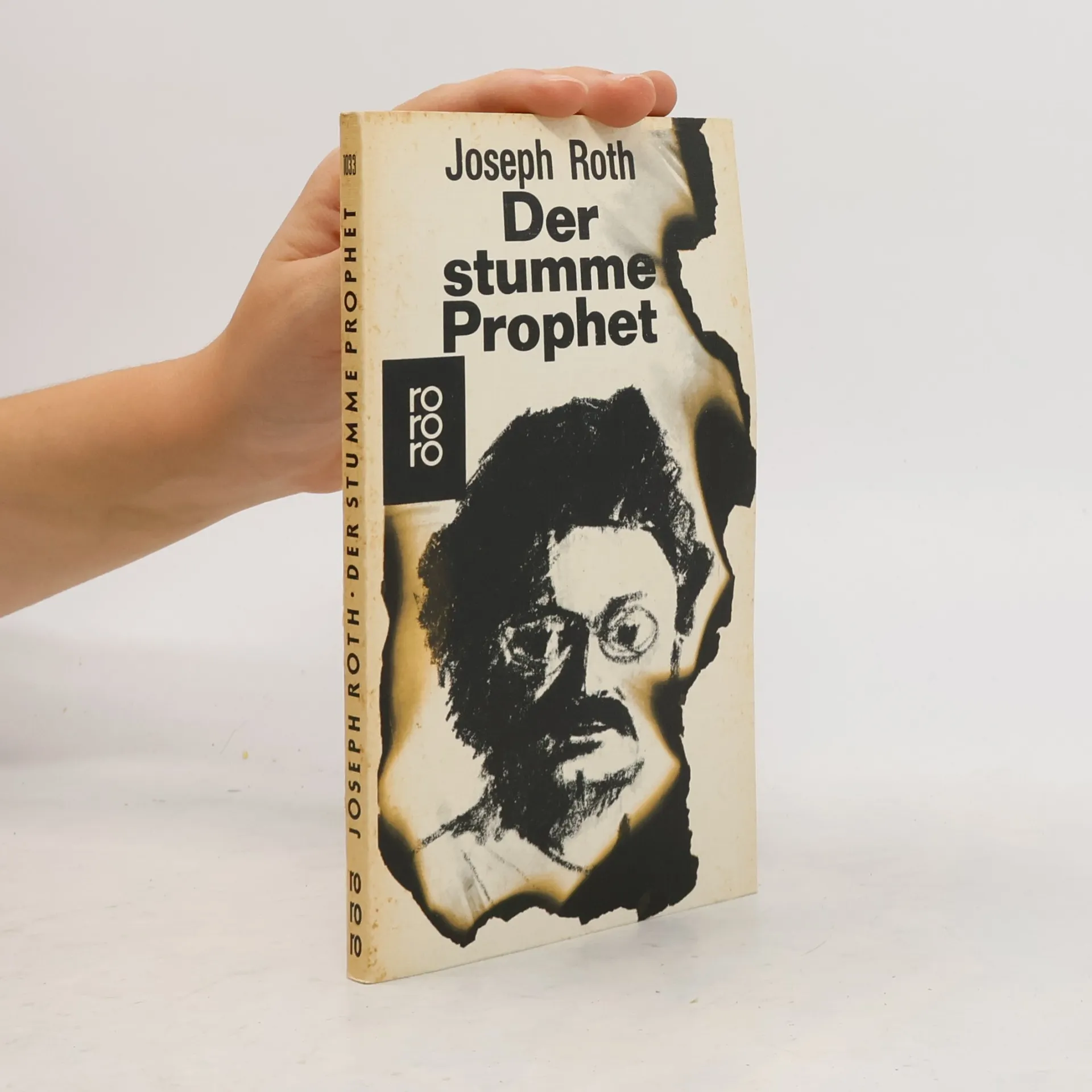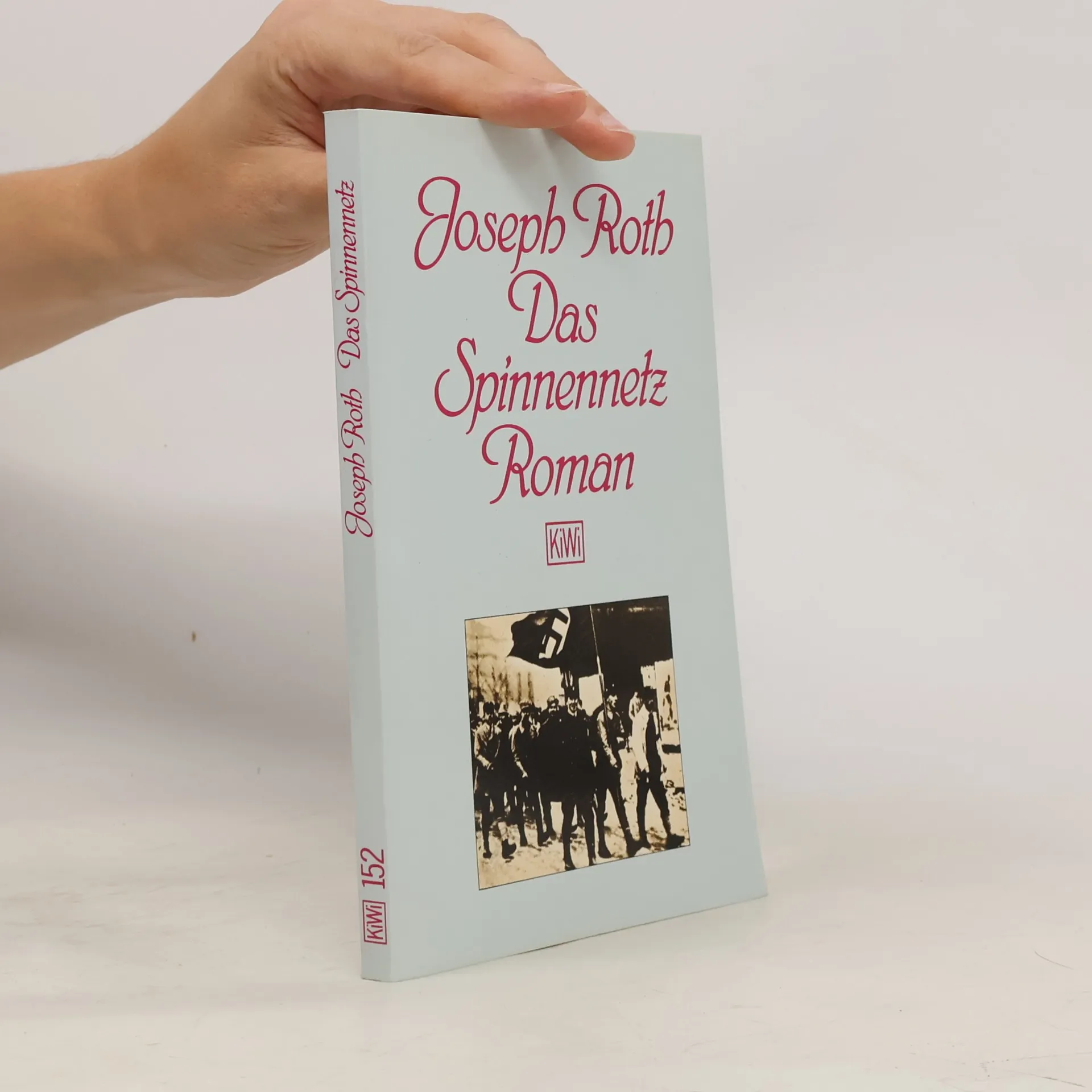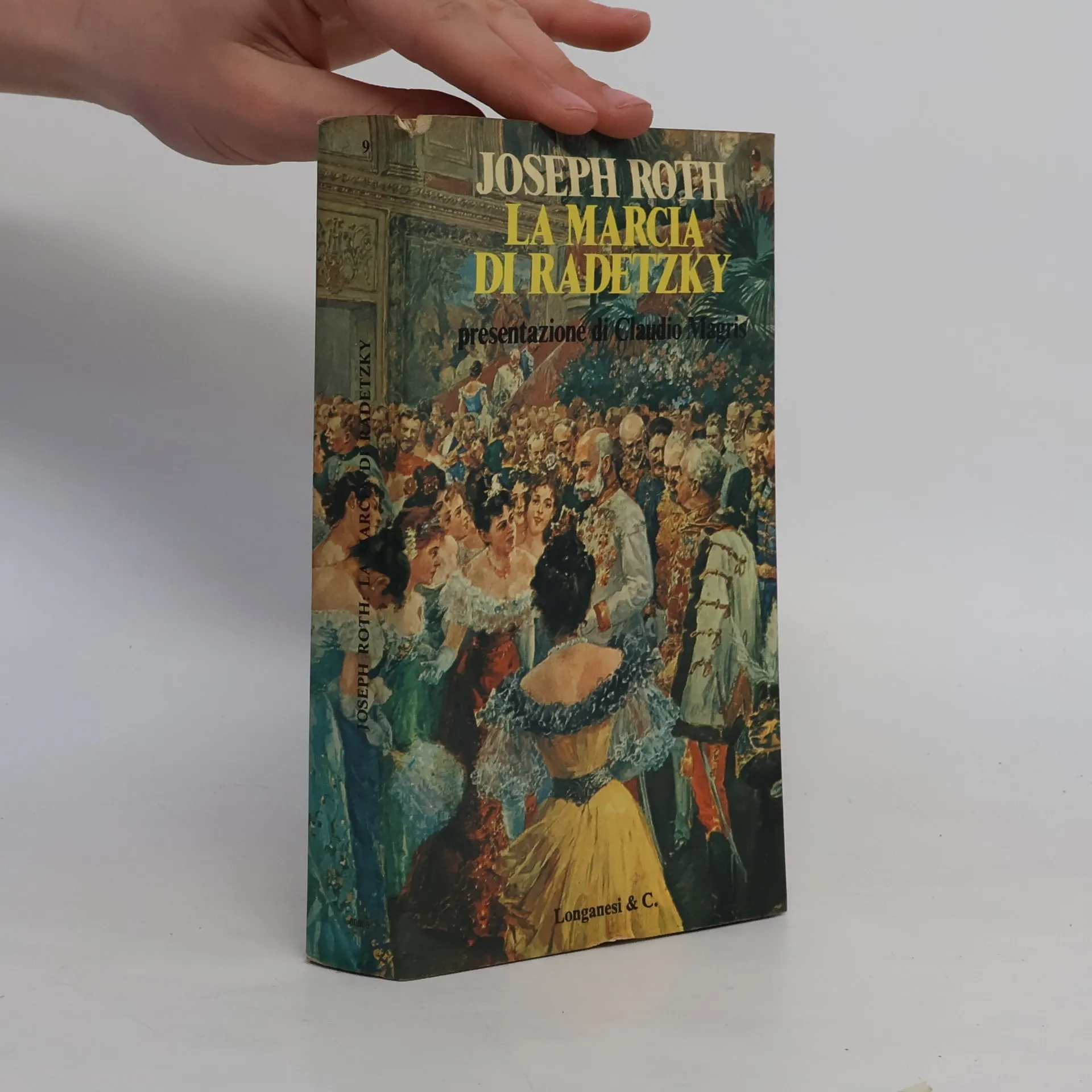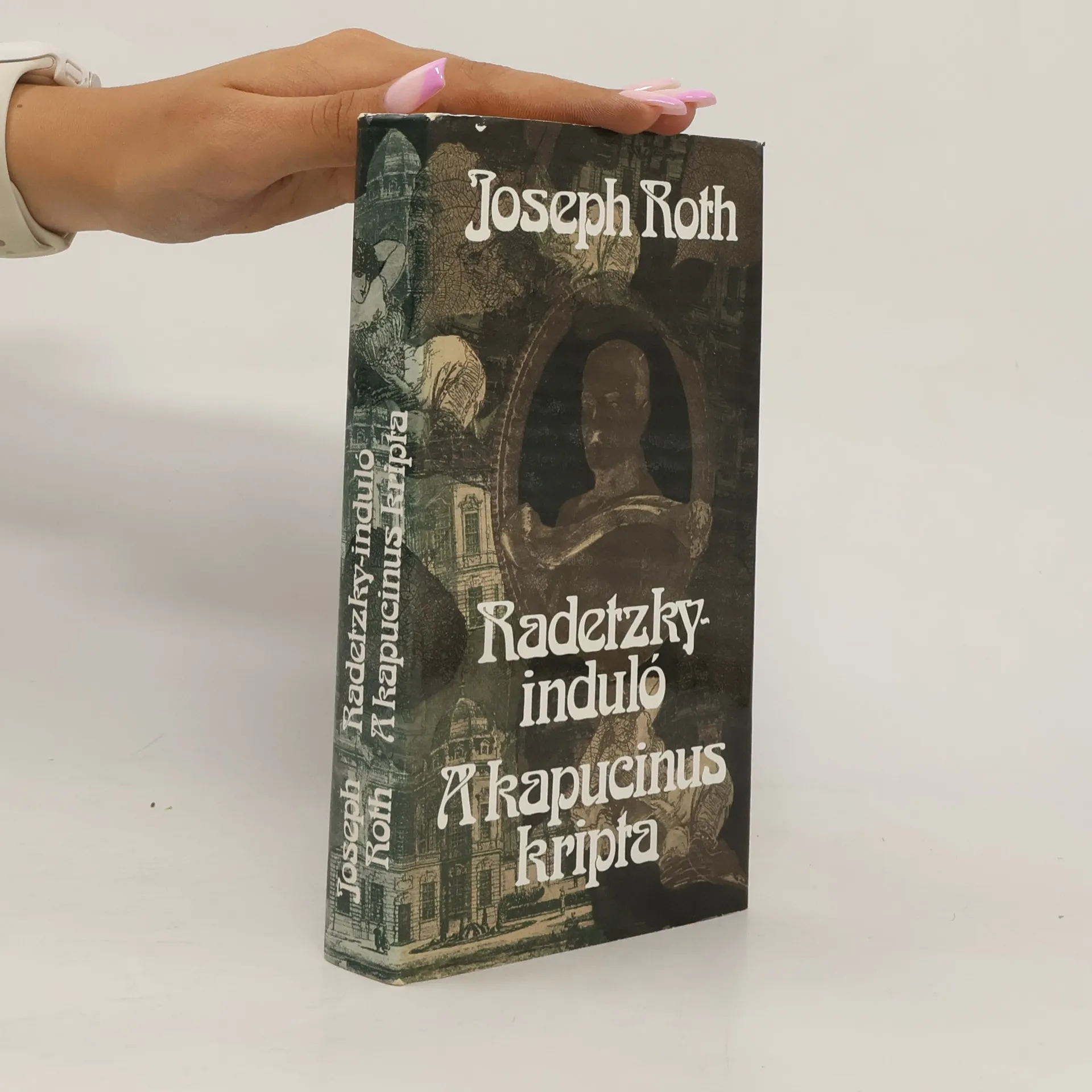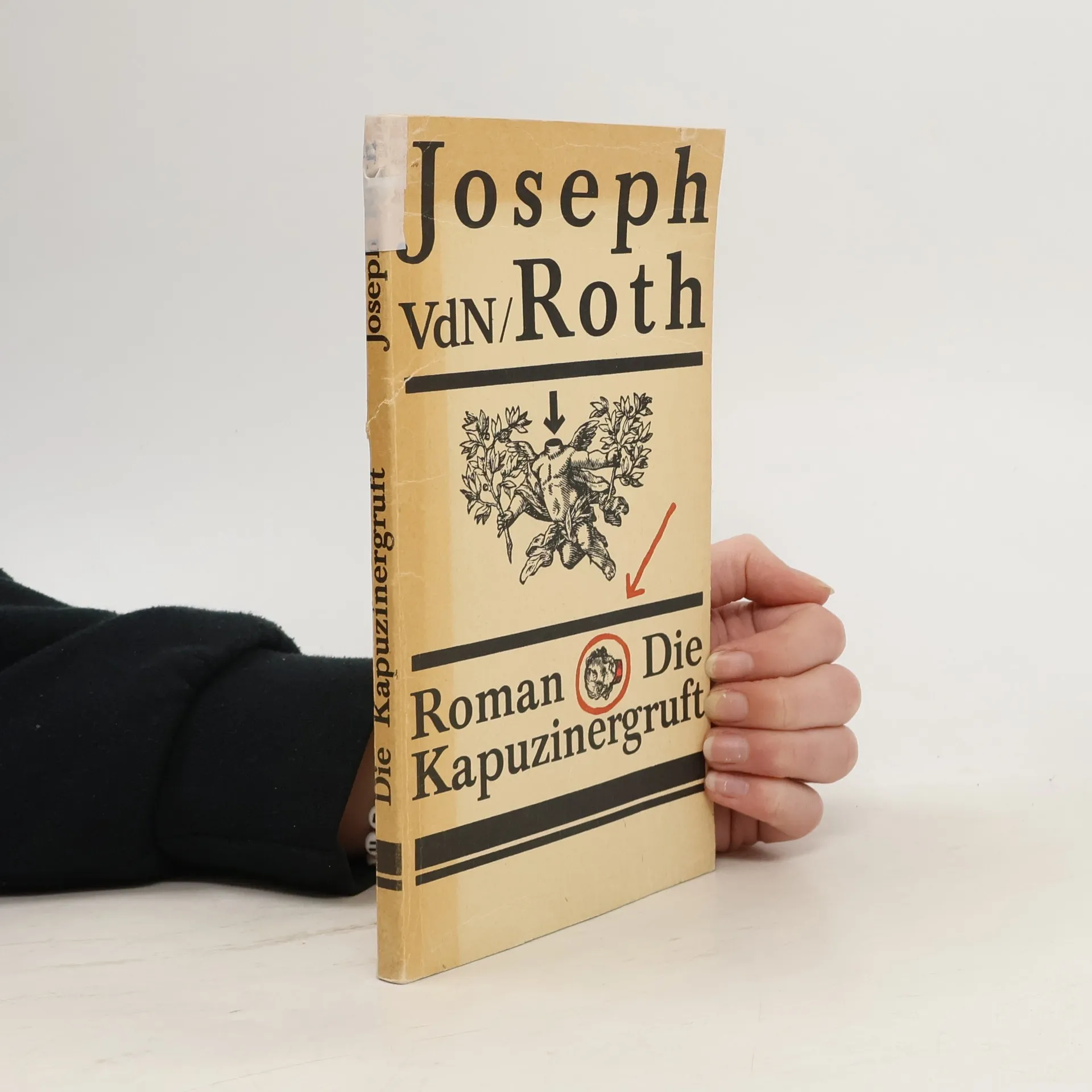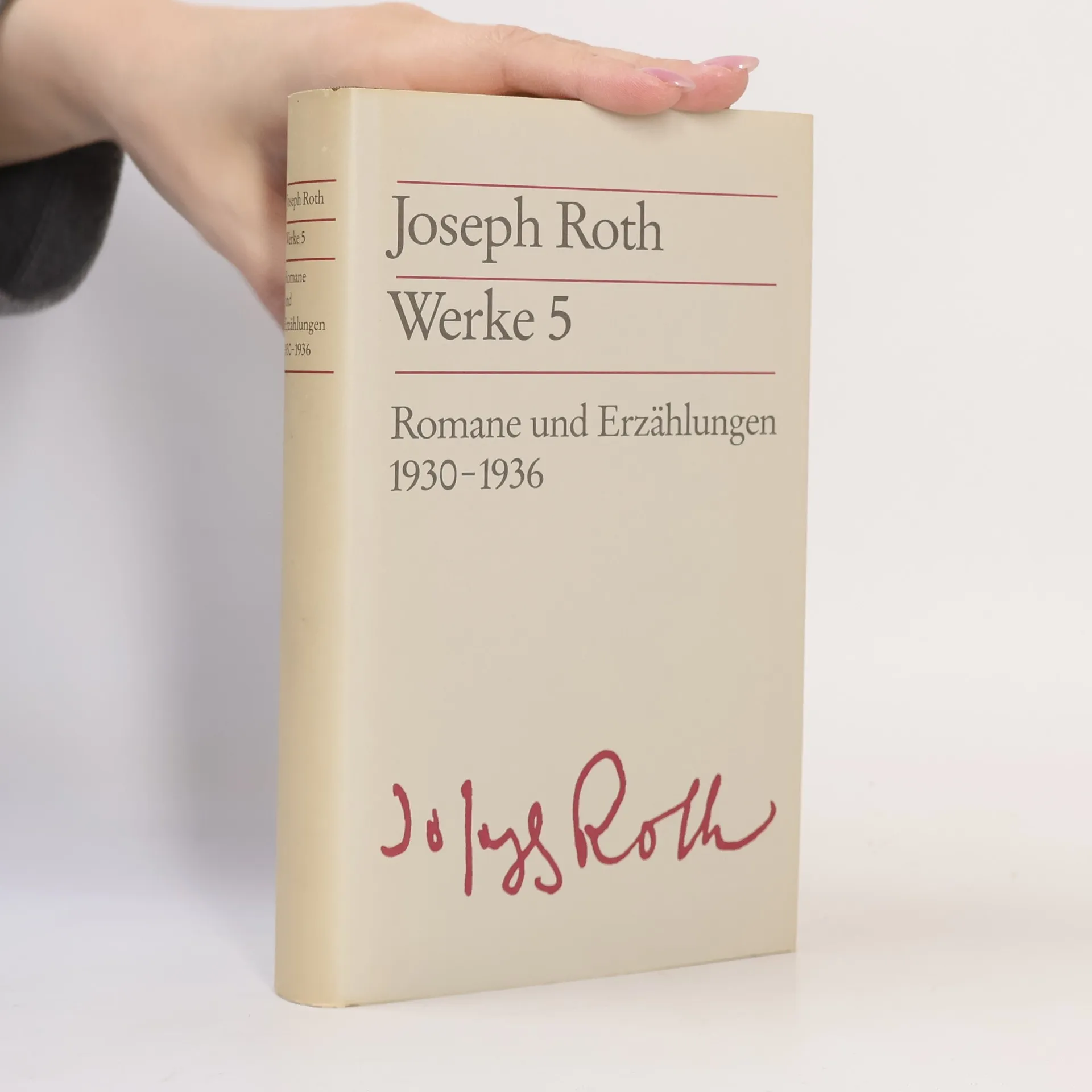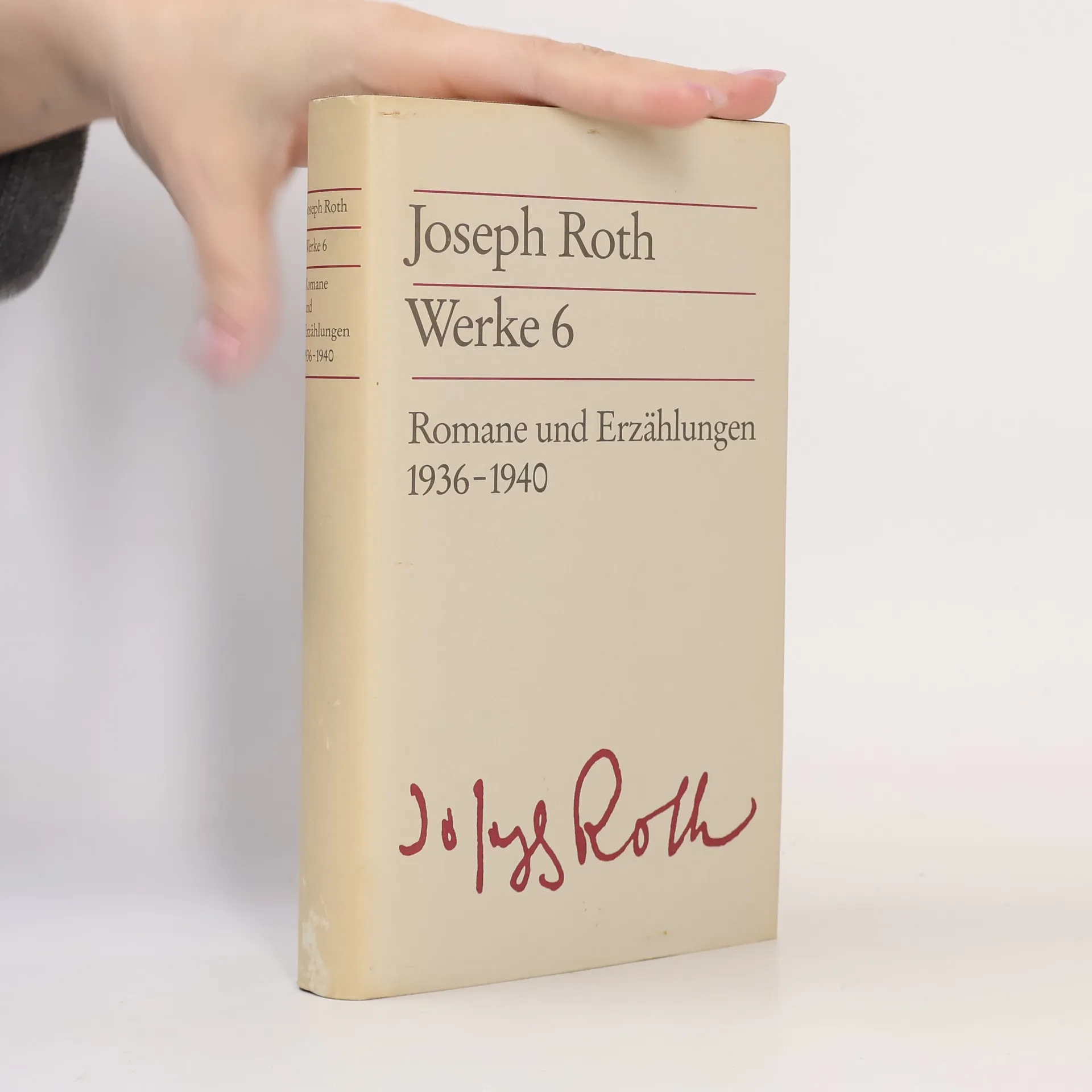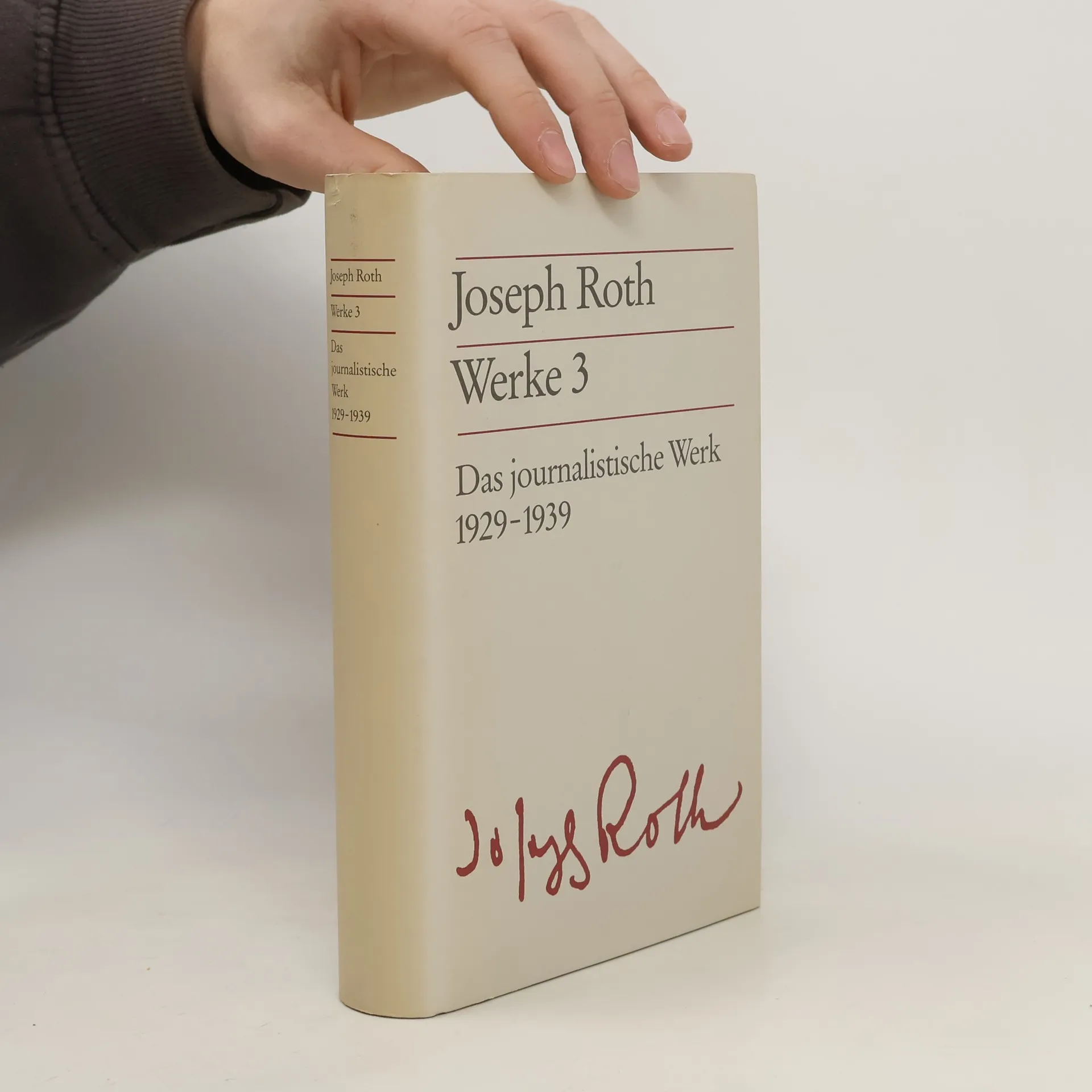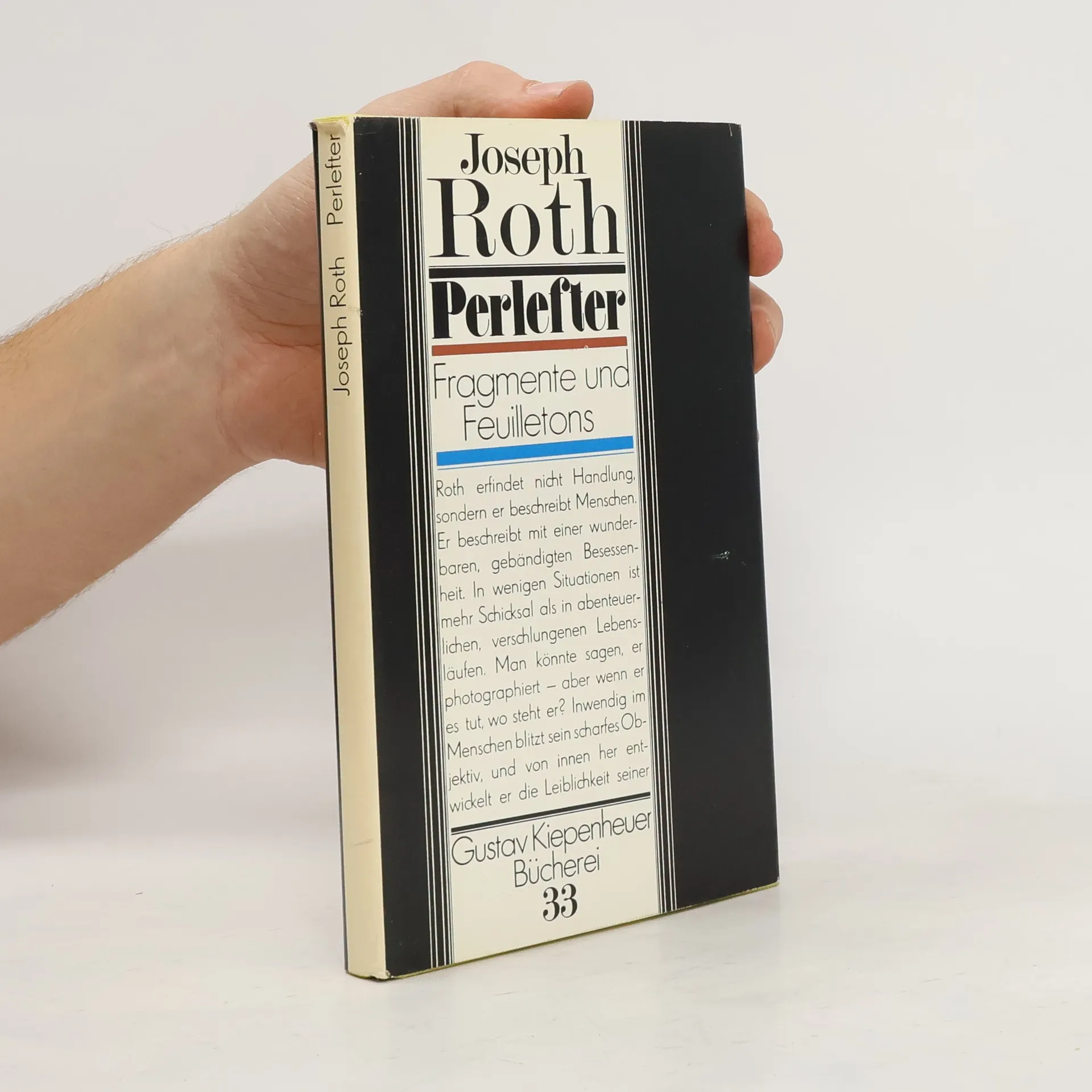
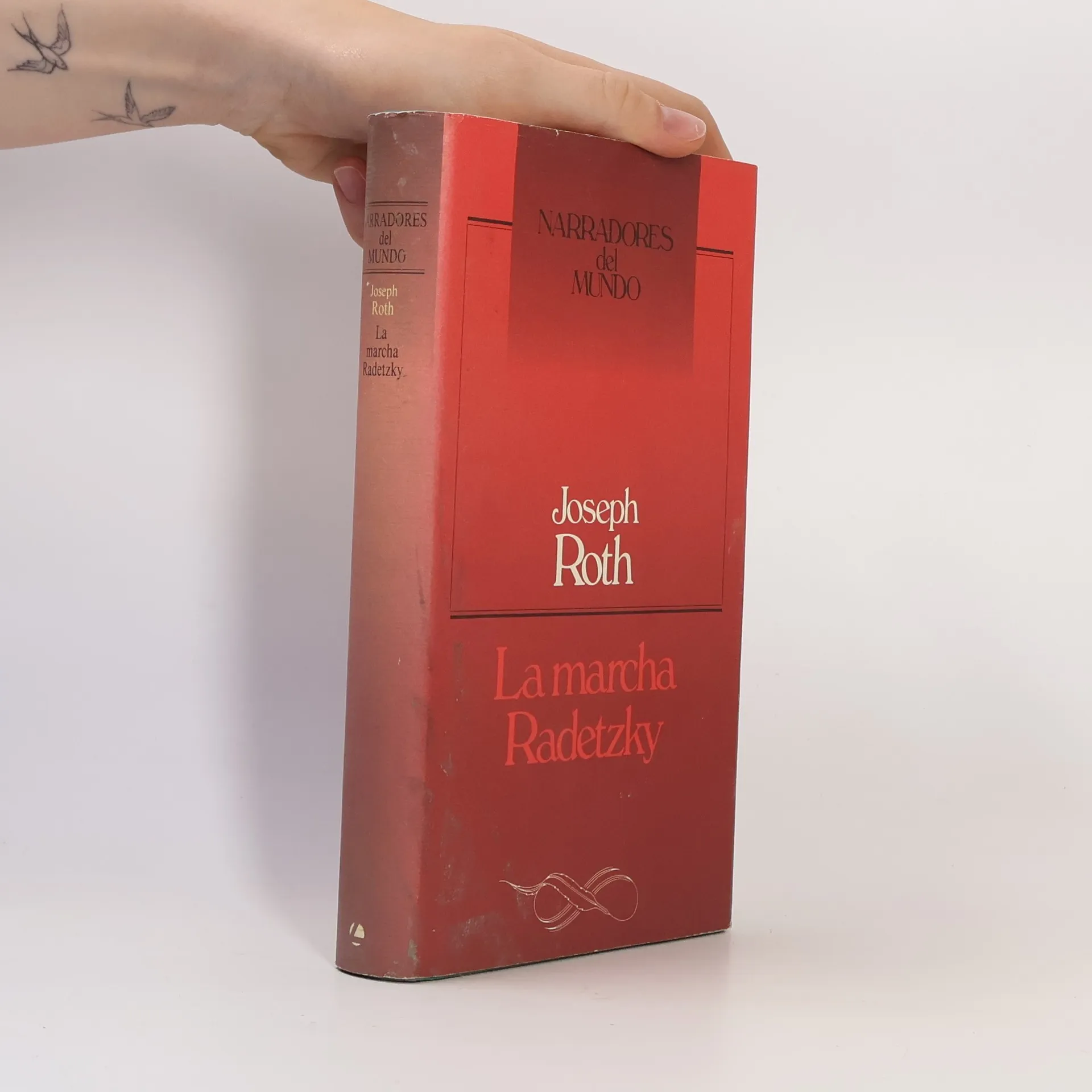
A través del ejemplo de la familia Trota, vinculada al emperador Francisco José de manera casi legendaria, Joseph Roth describe la decadencia austrohúngara y las condiciones sociales de su país en el siglo XVIII. La novela narra la historia de tres generaciones: el fundador de la dinastía salva la vida al joven emperador durante la batalla de Solferino, su hijo se convierte en fiel servidor y funcionario del monarca y el nieto hará carrera en el ejército, abrumado por el peso de su apellido. La marcha Radetzky es uno de los grandes clásicos de la novela histórica y la que mejor ha reflejado la decadencia de un imperio.
Joseph Roth Libros


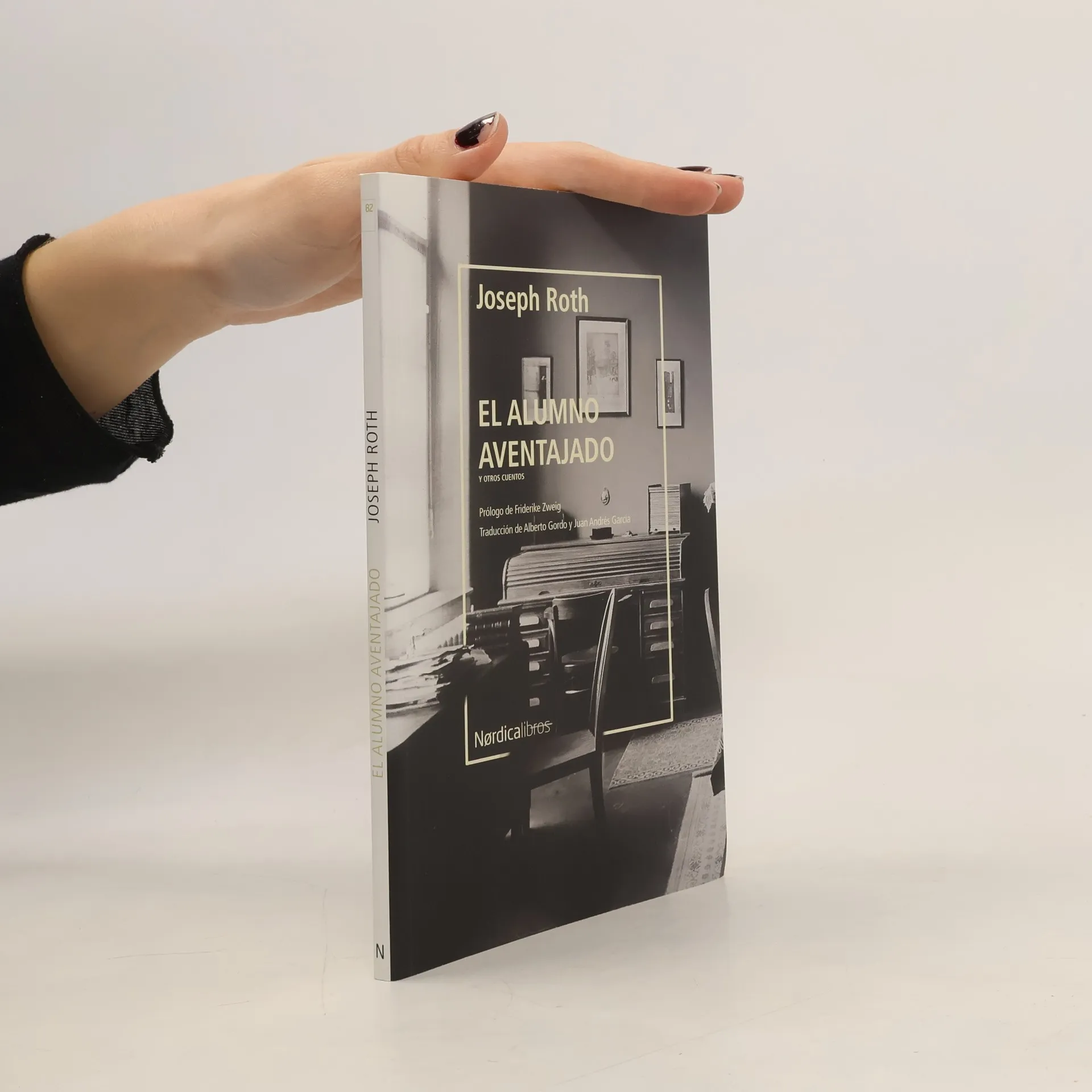
El alumno aventajado
- 128 páginas
- 5 horas de lectura
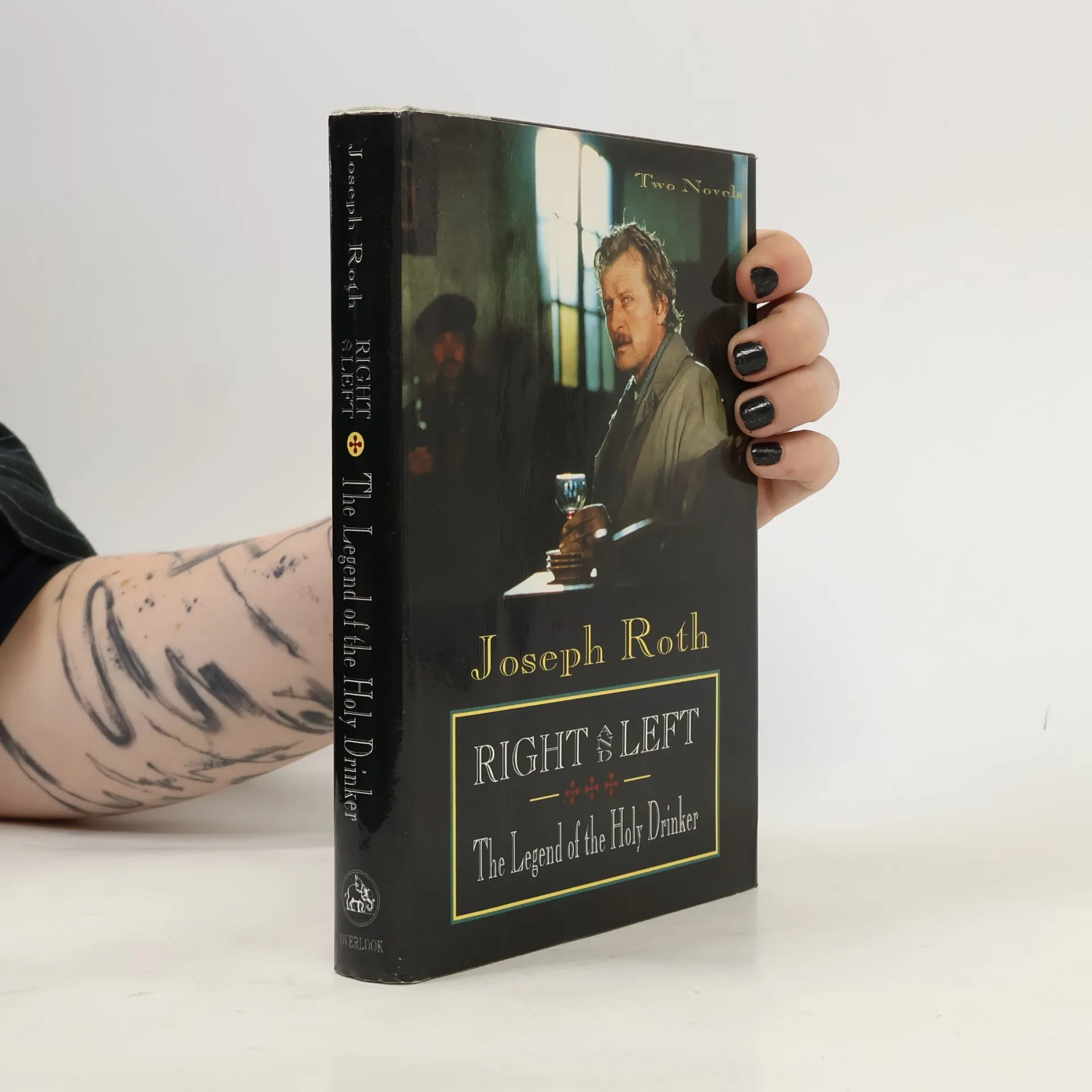
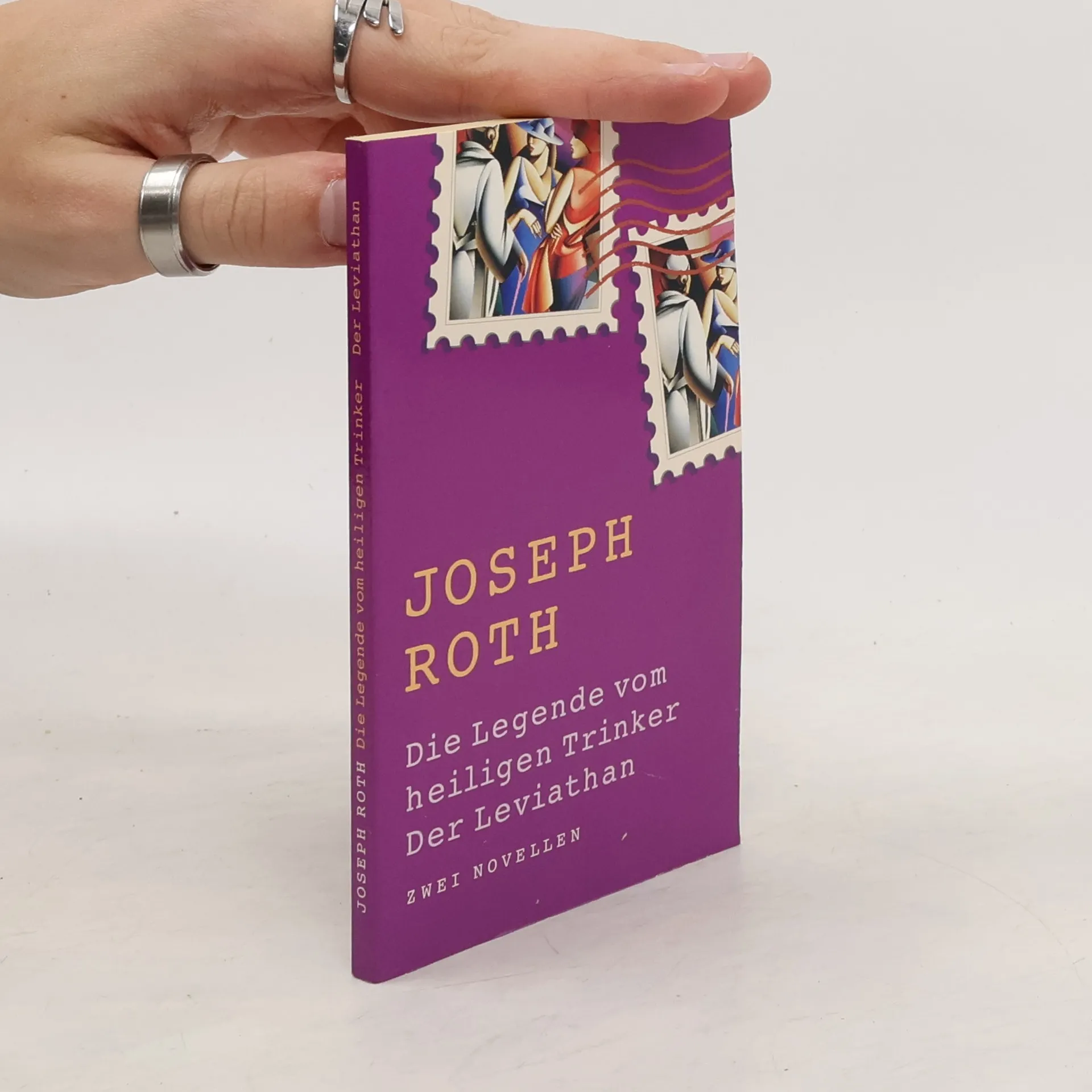
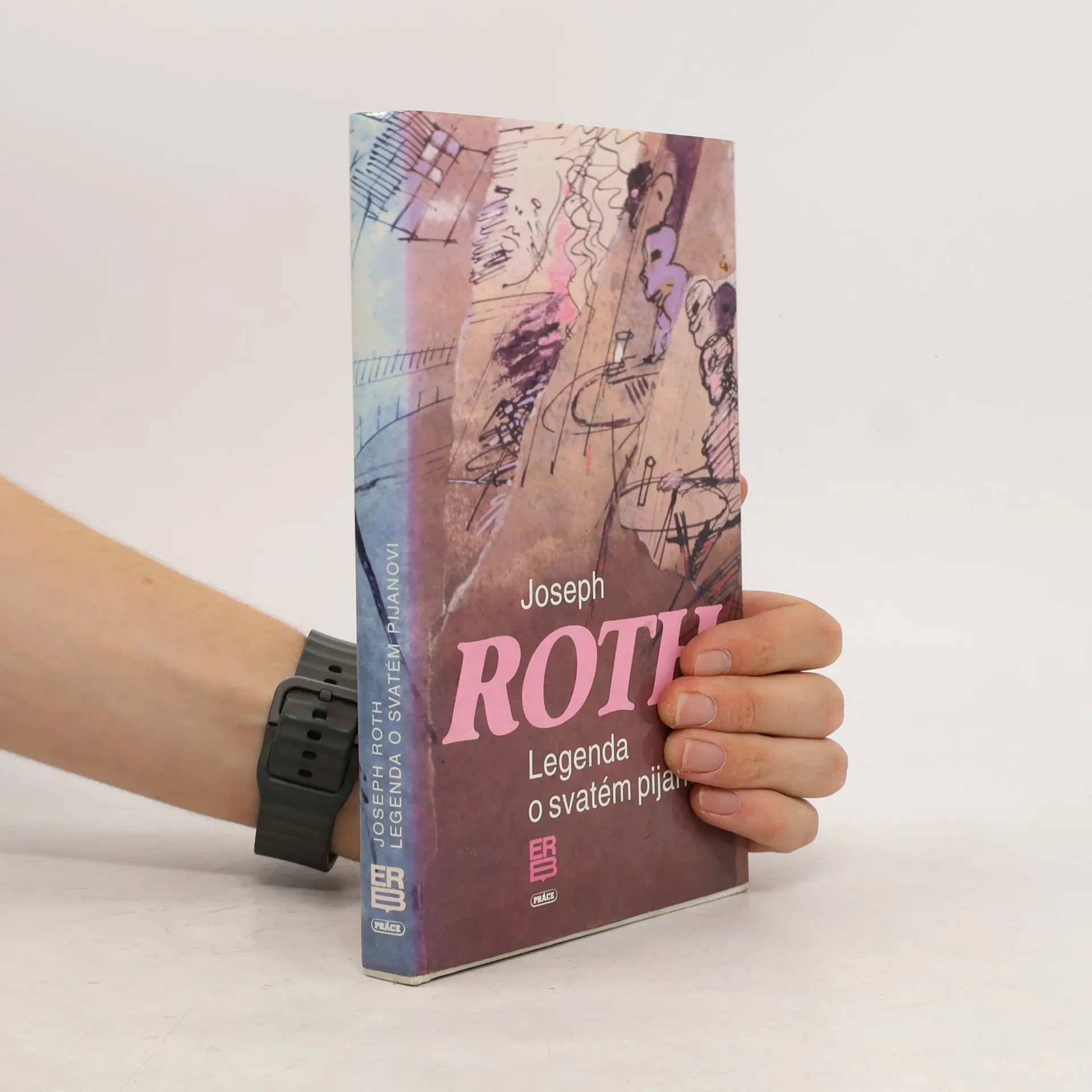
«Bajo la influencia del alcohol era un hombre alegre y optimista, capaz de culminar las tareas más brillantes y precisas, y así llenaba una página tras otra con su hermosa y firme letra. Trabajaba casi siempre en las terrazas de los cafés, y nunca se impacientaba cuando alguno de sus amigos, que eran muchos y de las más variadas naciones, razas y capas sociales, se dejaba caer por allí para interrumpirlo. Había vivido varios años en Berlín, pero, cuando Hitler asumió el mando de la cancillería alemana, Roth abandonó definitivamente la ciudad para entregarse a una vida de cafés parisinos que emulaba la de Verlaine».Así presenta Friederike Zweig a su amigo Joseph Roth en el texto que prologa esta edición, compuesta por tres joyas del escritor nacido en el Imperio austrohúngaro: «El alumno aventajado», «Barbara», y una de sus obras más conocidas y leídas, «La leyenda del santo bebedor». Un escritor esencial al que siempre es un placer regresar.
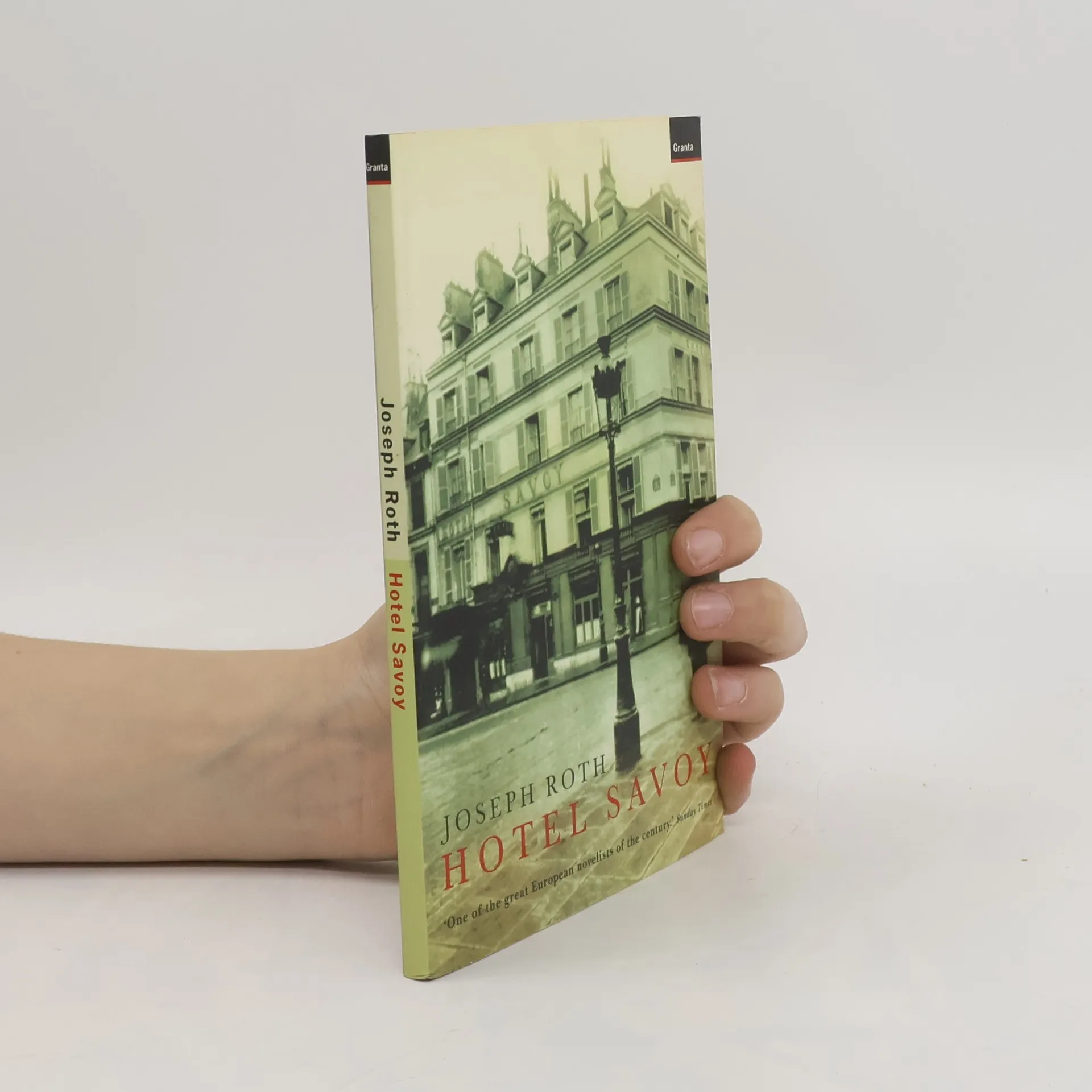
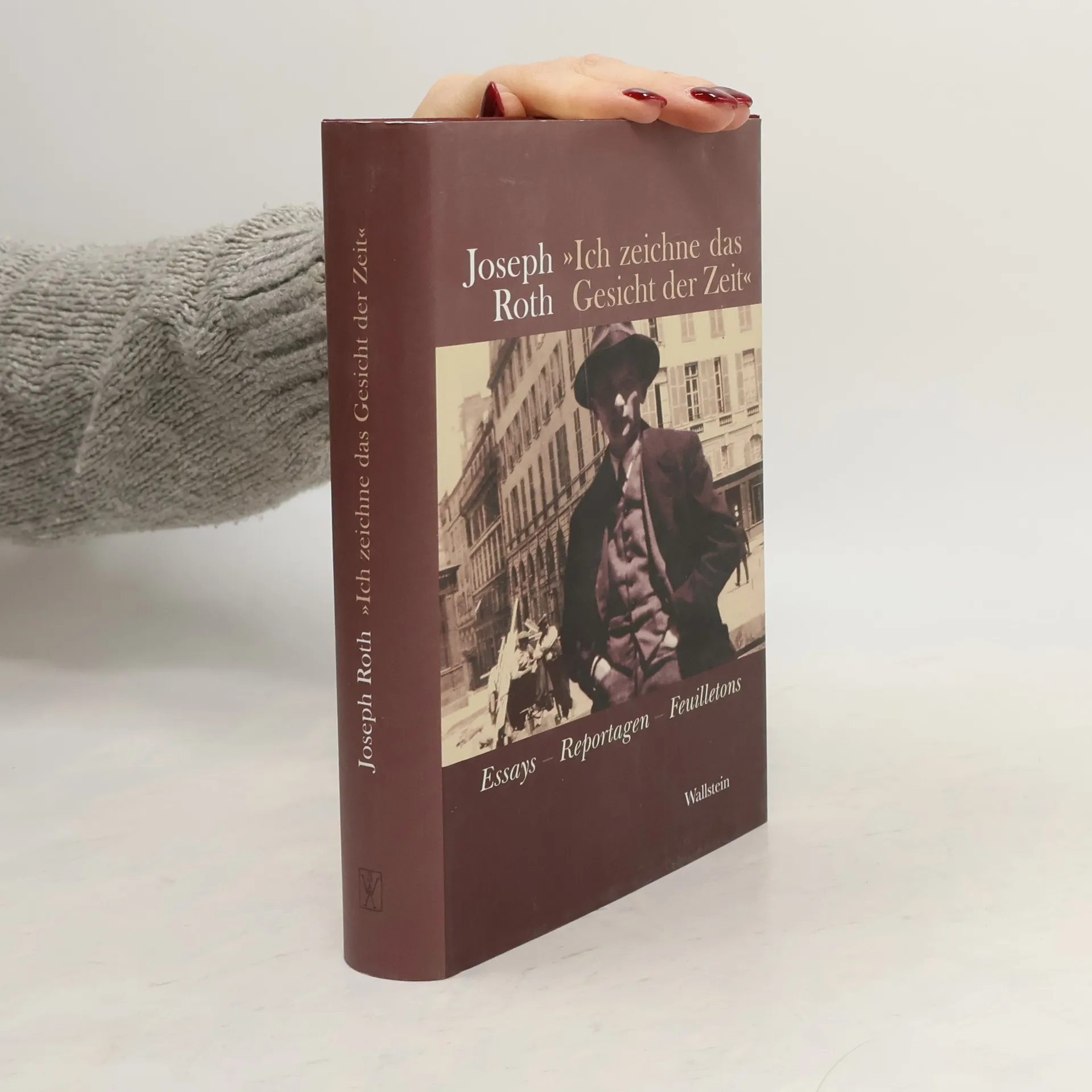
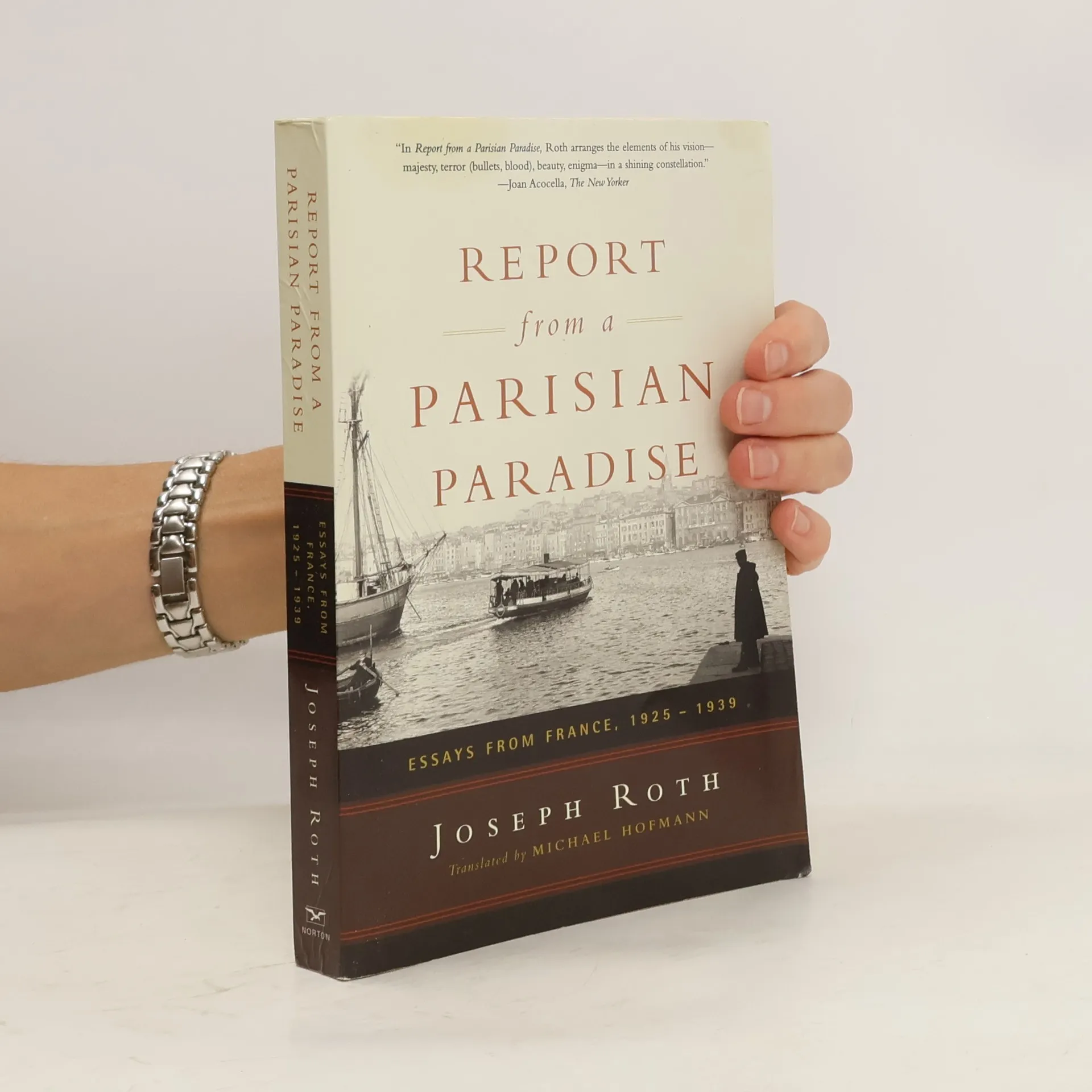
Joseph Roth's "Report from a Parisian Paradise" serves as a poignant reflection on France during the 1920s and 1930s, capturing the nation's beauty and despair through vivid landscapes and compelling characters. As an exile in Paris, Roth's prose combines haunting imagery with deep philosophical insights, portraying a country on the brink of change. This work stands as both a tribute to a fading European order and a profound commentary on the human condition, showcasing Roth's mastery as one of the era's greatest foreign correspondents.
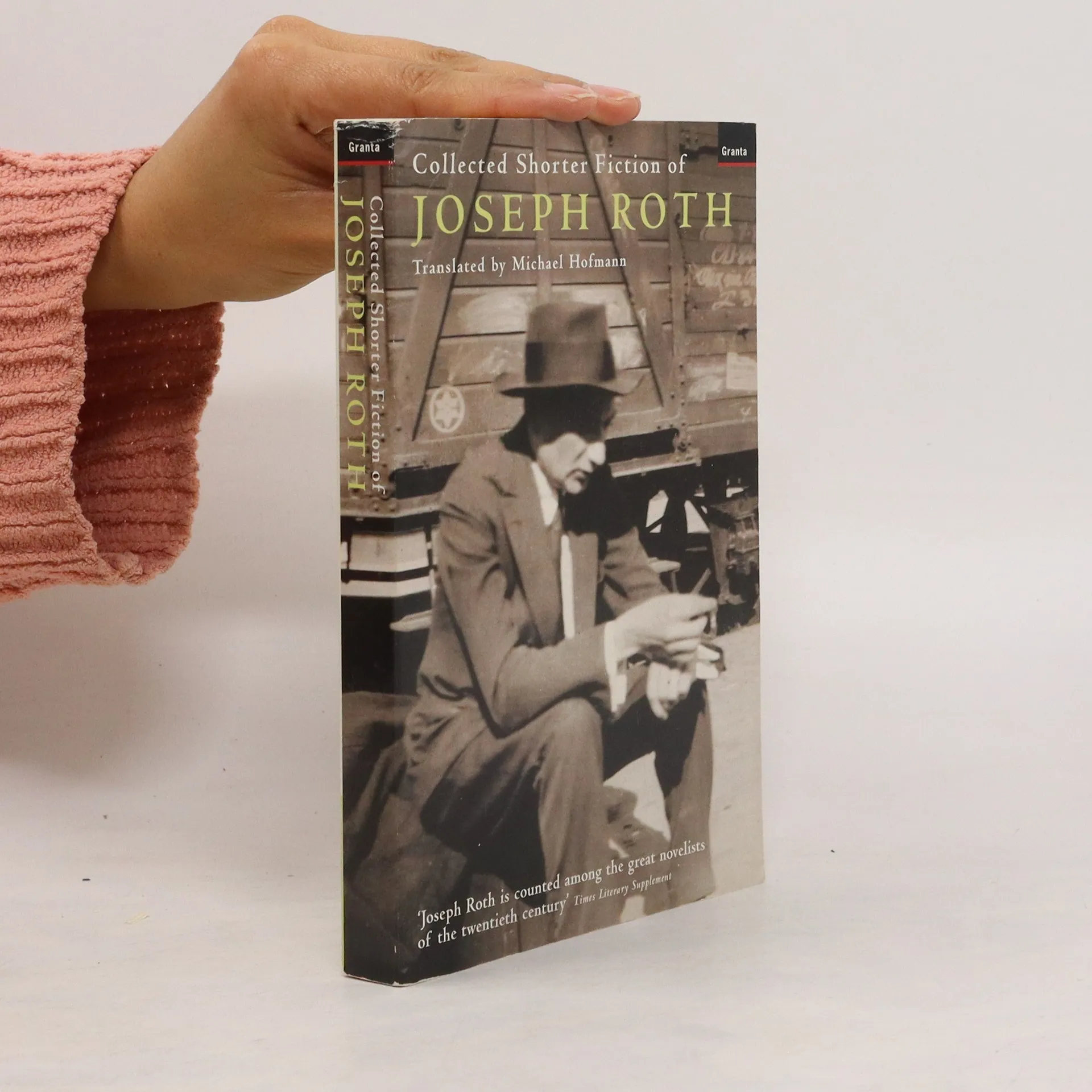
Collected shorter fiction of Joseph Roth
- 256 páginas
- 9 horas de lectura
"Roth's prose is quick, lucid and ironic; his fictions read like realist fables. Granta here presents his stories and novellas in new translations by the poet Michael Hofman."
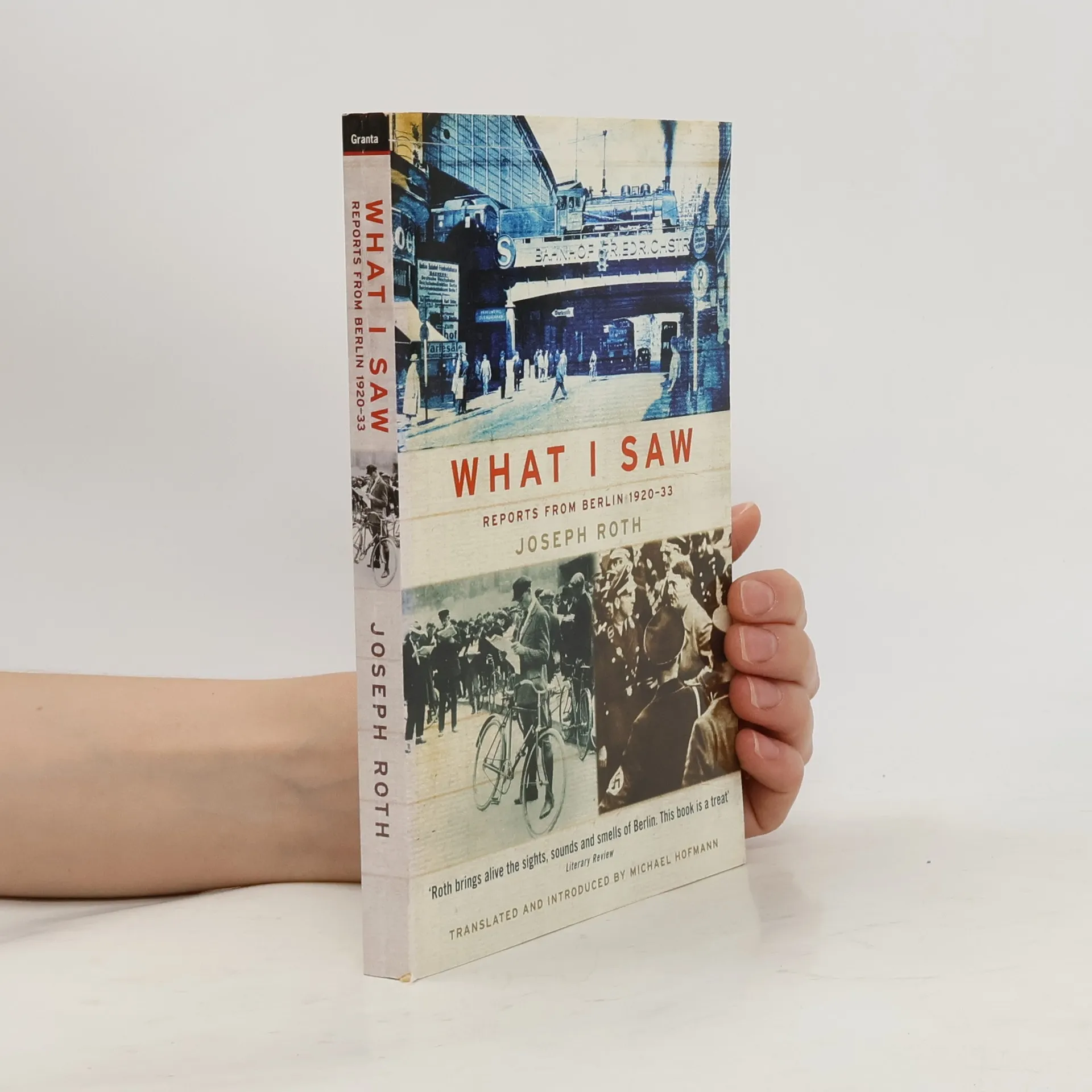
What i saw
- 288 páginas
- 11 horas de lectura
Glowingly reviewed, the revival of Roth's work--about the tragicomic world of 1920s Berlin as seen by its greatest journalistic eyewitness--introduces a new generation to the genius of this tortured author.
From Joseph Roth, author of The Radetzky March, a new selection of writings about Europe between the wars, by turns poignant, witty and unsettling.
The Wandering Jews
- 168 páginas
- 6 horas de lectura
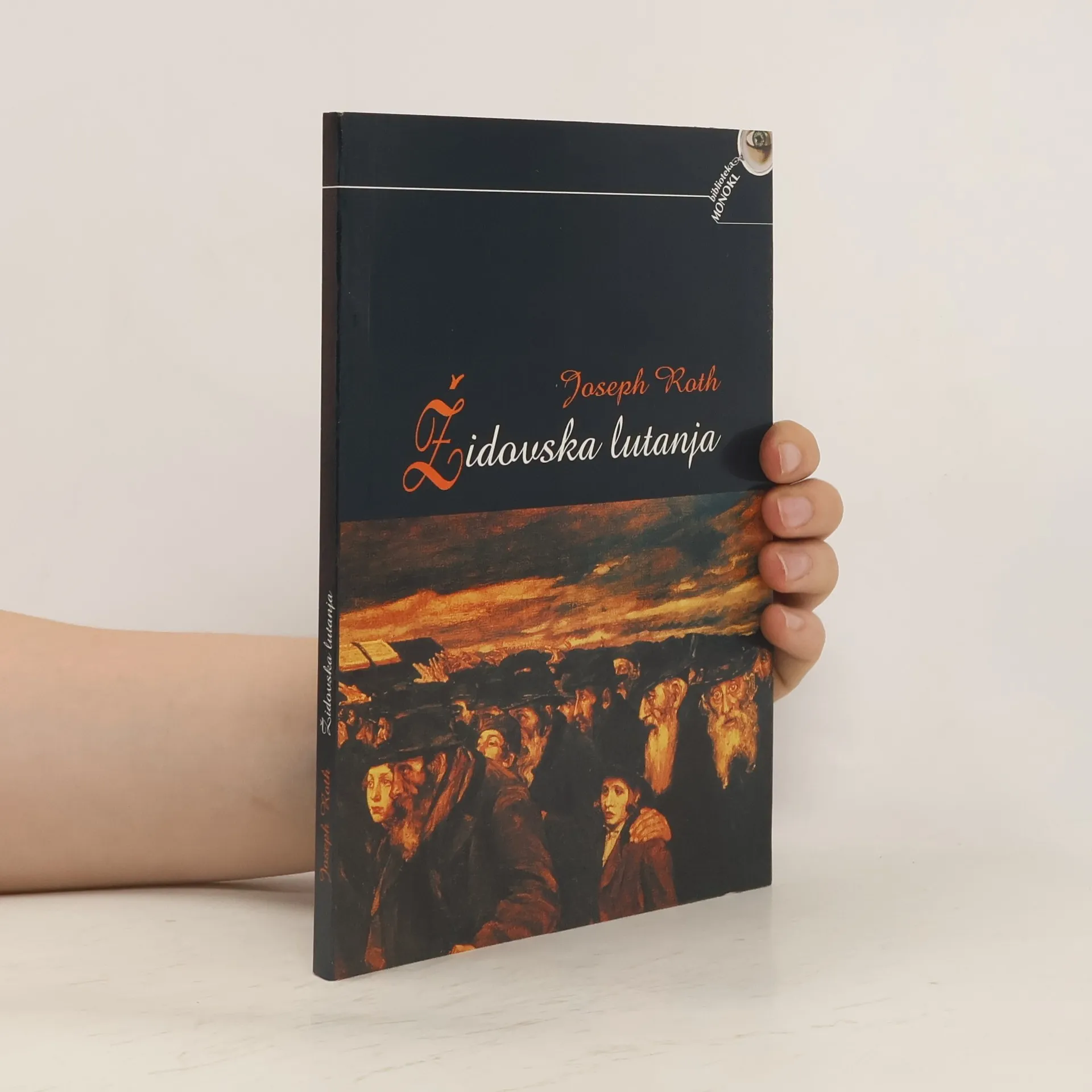
) Roth, celebrated as a great novelist, was also a journalist, and this is the first English language publication of his non-fiction: a moving and unsentimental portrait of the vanished world of the East European Jewish community.
The Coral Merchant
- 256 páginas
- 9 horas de lectura
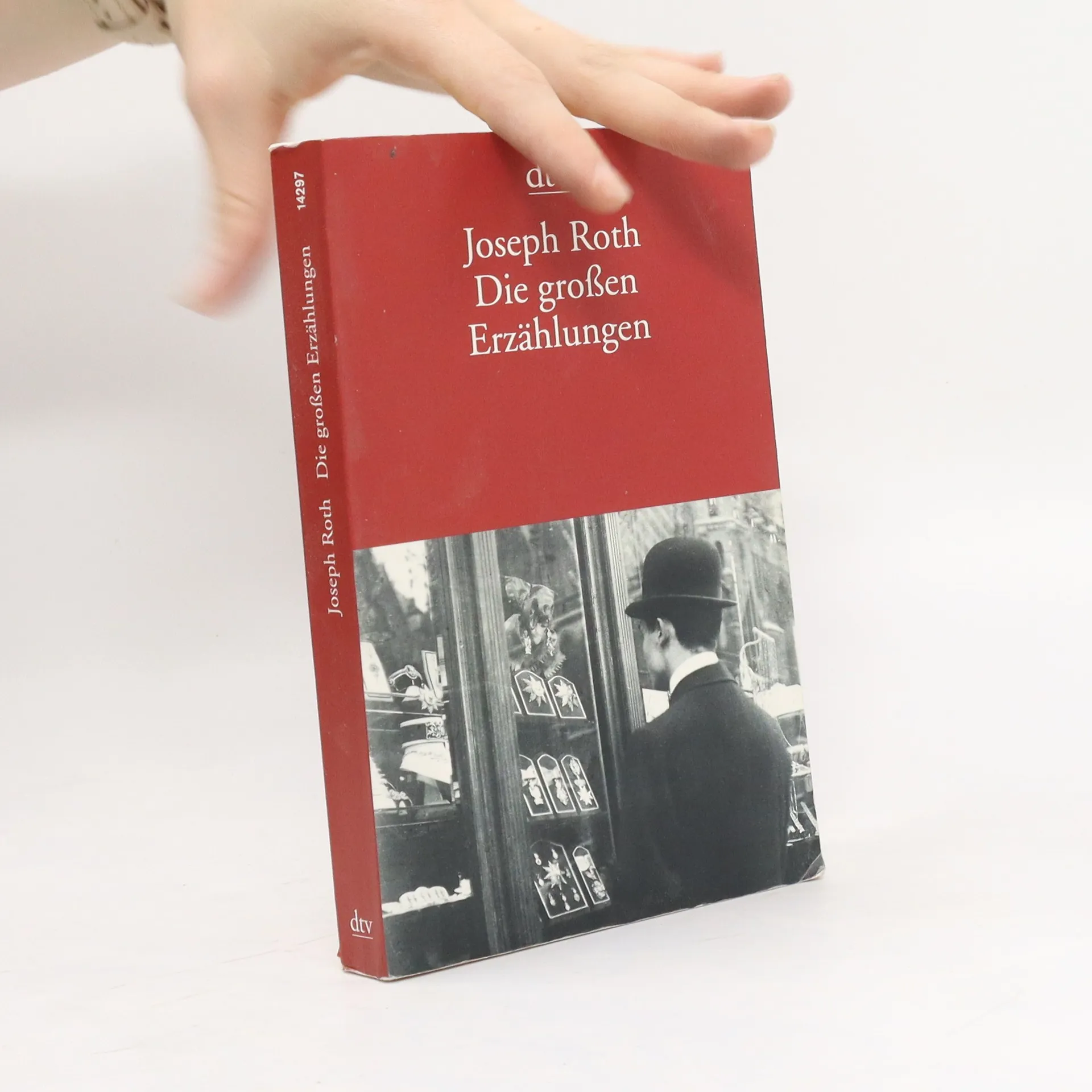
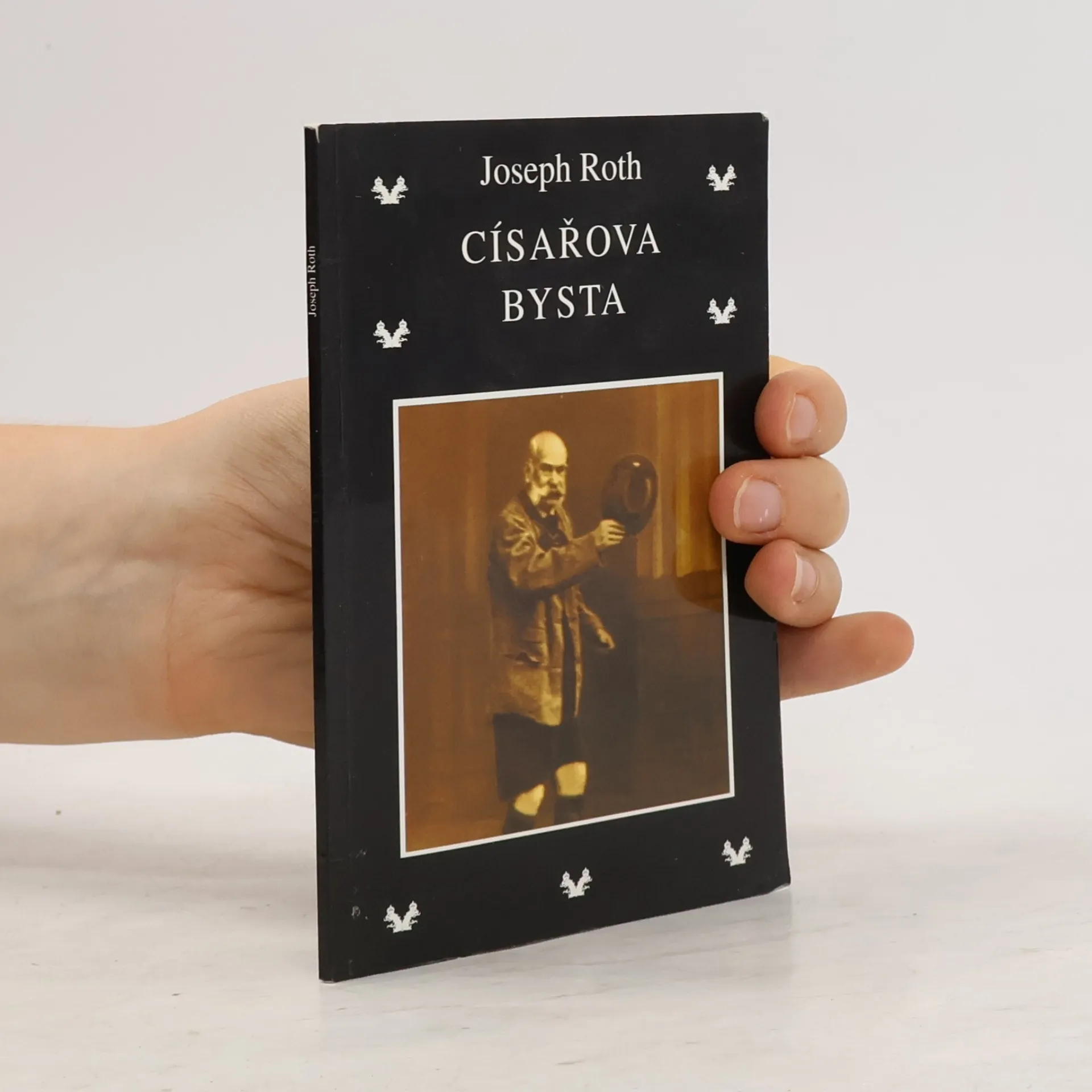
New translations of the six greatest short stories by Joseph Roth, collected in a beautiful edition Joseph Roth's sensibility--both clear-eyed and nostalgic, harshly realistic and tenderly humane--produced some of the most distinctive fiction of the twentieth century. This collection of his most essential stories, in exquisite new translations by Ruth Martin, showcases the astonishing range and power of his short stories and novellas. In prose of aching beauty and precision, Roth shows us isolated souls pursuing lost ideals and impossible desires. Forced to remove a bust of the fallen Austrian emperor from his house, an eccentric old count holds a funeral for it and intends to be buried in the same plot himself; a humble coral merchant, dissatisfied with his life and longing for the sea, chooses to adulterate his wares with false coral, with catastrophic results; young Fini, just entering the haze of early sexuality, falls into an unsatisfying relationship with an older musician. With the greatest craft and sensitivity, Roth unfolds the many fragilities of the human heart.
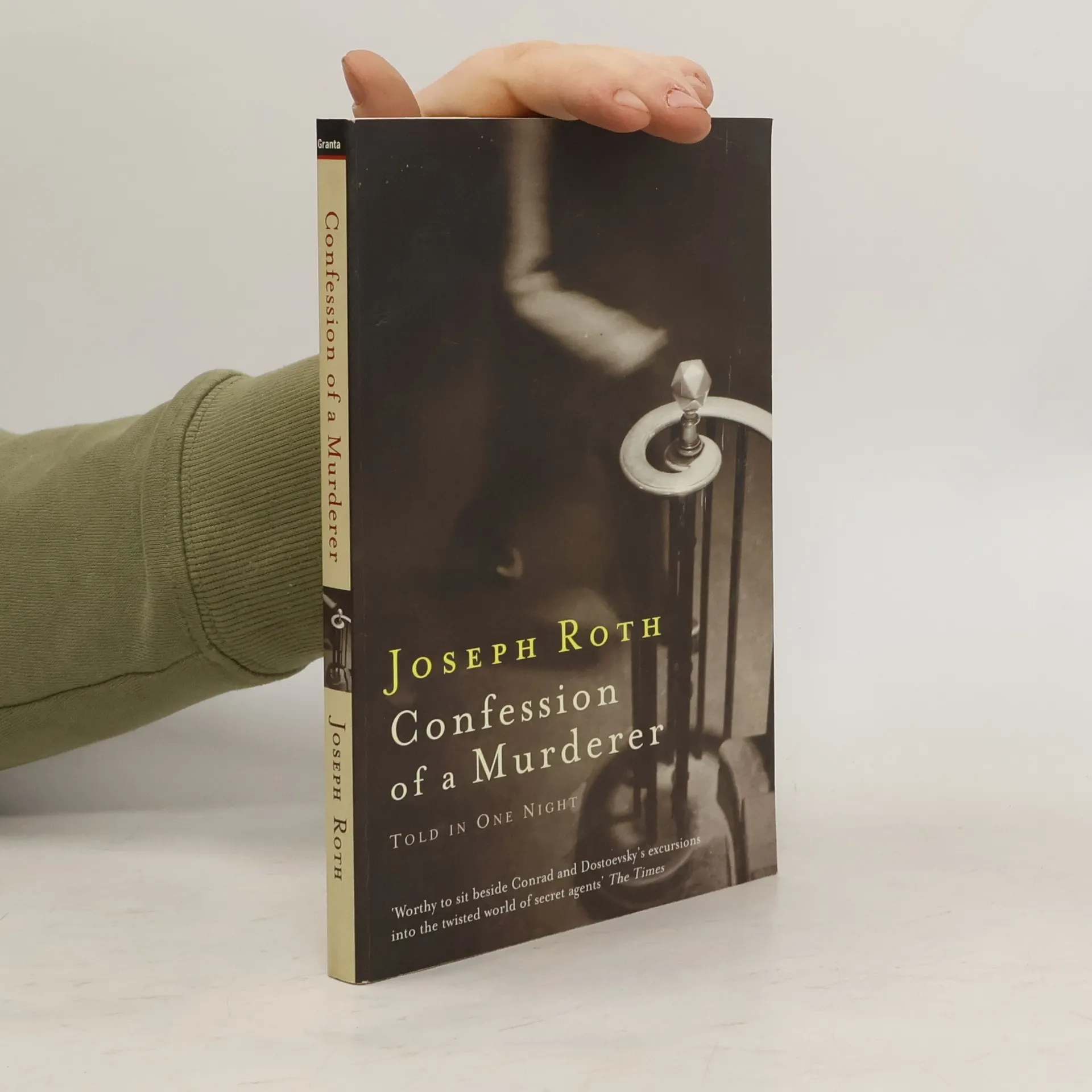
At the end of the Great War, Andreas Pum has lost a leg but at least he has a medal and a barrel-organ which he plays on the streets of Vienna. At first the simple-minded veteran is satisfied with his lot, and he even finds an ample widow to marry. But then a public quarrel with a respectable citizen on a tram turns Andreas's life onto a rapid downward trajectory. As he loses first his beggar's permit, then his new wife, and even his freedom, he is finally provoked into rejecting his blind faith in the benevolence of both government and God.