

George Bain Orden de los libros (cronológico)
Un artista conocido como el padre del diseño celta moderno. Este profesor de arte, originario del norte de Escocia, reavivó casi por sí solo el interés por el arte celta e insular. Su obra se caracteriza por un enfoque distintivo de los motivos y formas tradicionales, sentando las bases para las interpretaciones contemporáneas del arte celta. Su influencia sigue siendo evidente en un amplio espectro de expresiones artísticas.
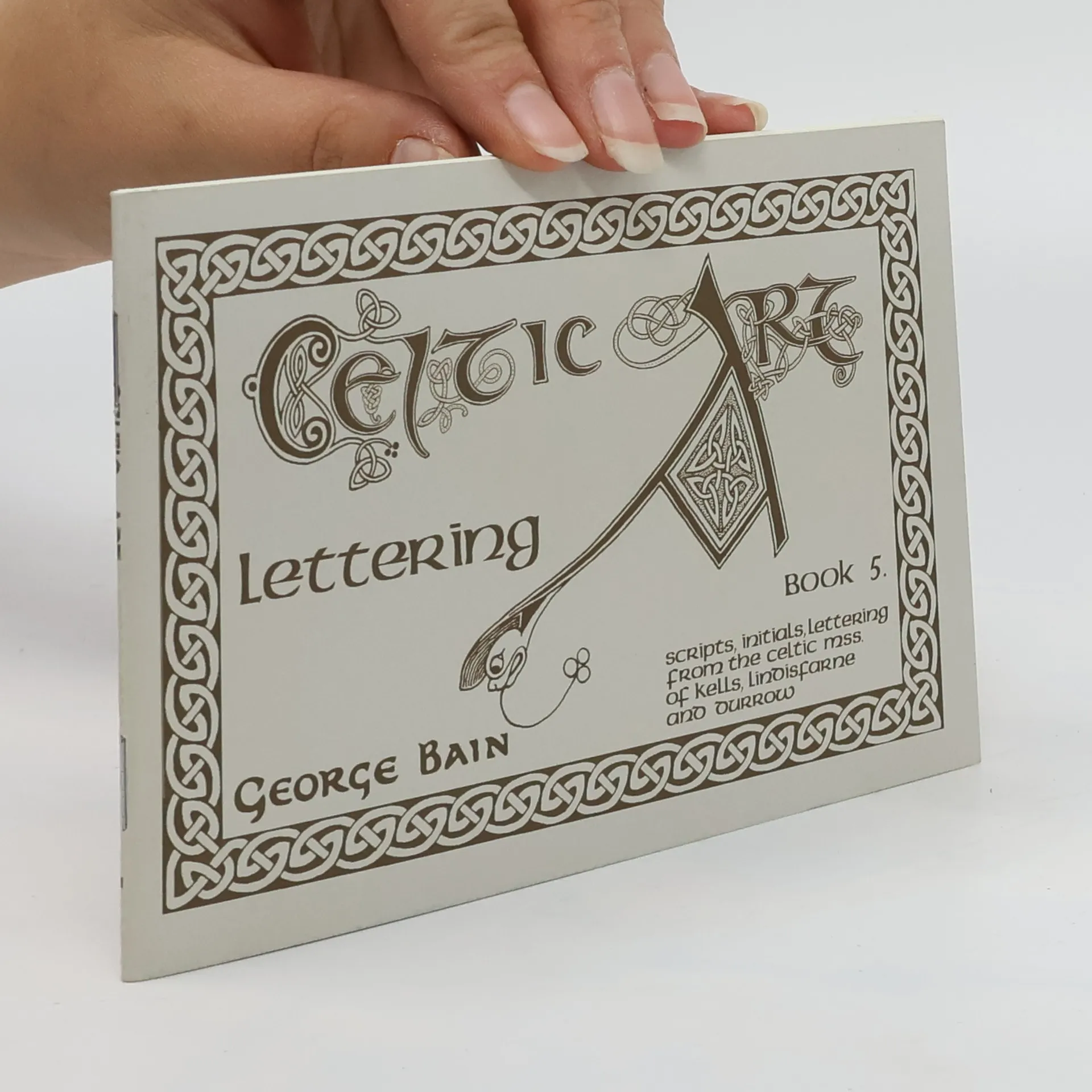

Celtic Art
- 168 páginas
- 6 horas de lectura
Celtic Art is the only indigenous British art form of global significance, and this book advocates for its rightful place in educational institutions teaching the history of ornament. Traditionally, the classical art world has viewed the abstract and symbolic style of Celtic artists as an enigma, often overlooked in art histories. However, modern trends toward non-realistic styles and the younger generation's interest in psychedelic and art nouveau aesthetics suggest a revival of Celtic art is possible. Initially praised as a "veritable grammar of ornament," this book serves as an essential reference for art students and craftsmen seeking straightforward methods for complex ornamental designs. It covers a comprehensive range of symbols, including spirals, chevrons, and knotwork unique to the Celtic tradition. The text also explores zoomorphics, authentic Celtic knitwear, and ceramics, reflecting the author's pioneering work. Focusing on the Pictish School of artist-craftsmen, it highlights their significant contributions, such as the Burghead Bull and the Aberlemno Cross. The intricate knotwork, characterized by mathematical precision, is exclusive to Pictish Art. The book subtly challenges art historians and archaeologists by revealing evidence of a sophisticated pre-Roman British culture, raising questions about the Picts and the origins of Celtic Art. Ultimately, it reflects the fundamental human impulse to create and adorn