Binnenrijm van bloed
Autobiografische roman - Vertaald door Robert Dorsman
- 256 páginas
- 9 horas de lectura


Sus obras se sumergen en las profundidades de la experiencia humana, explorando intrincadas relaciones y luchas internas. A través de su estilo distintivo, la autora captura las complejidades de la vida con una aguda perspicacia y empatía. Su escritura es reconocida por su resonancia emocional y su capacidad para evocar sentimientos profundos. Los lectores aprecian su habilidad para crear personajes vívidos y narrativas cautivadoras.
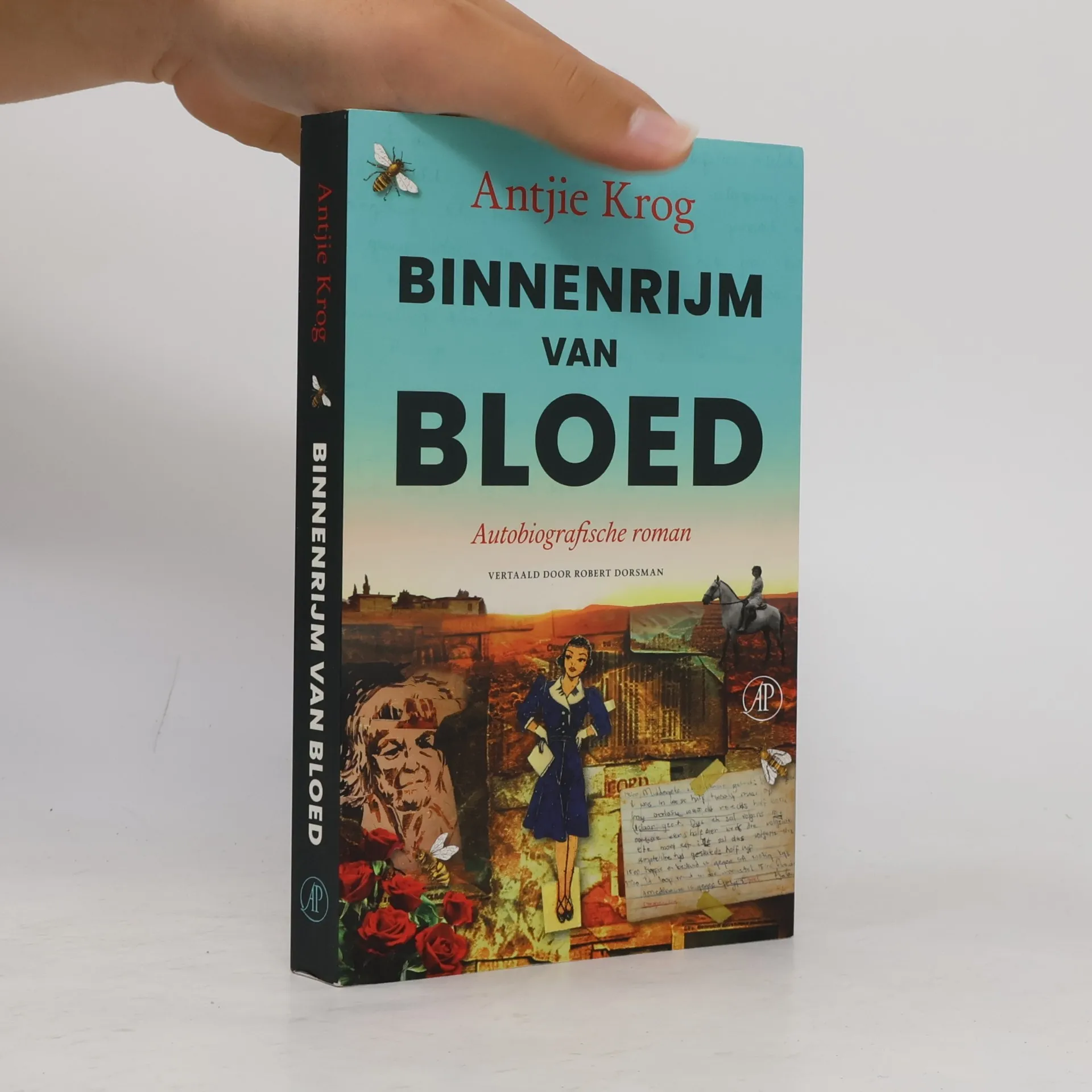
Autobiografische roman - Vertaald door Robert Dorsman
Exploring the intersections of politics, history, and philosophy, this work offers insights from one of South Africa's esteemed literary non-fiction authors. The reflections delve into significant themes relevant to contemporary society, providing a thought-provoking analysis that challenges readers to reconsider their perspectives on these critical subjects. The author's respected voice adds depth and credibility to the exploration of complex ideas, making it a compelling read for those interested in the socio-political landscape of South Africa.
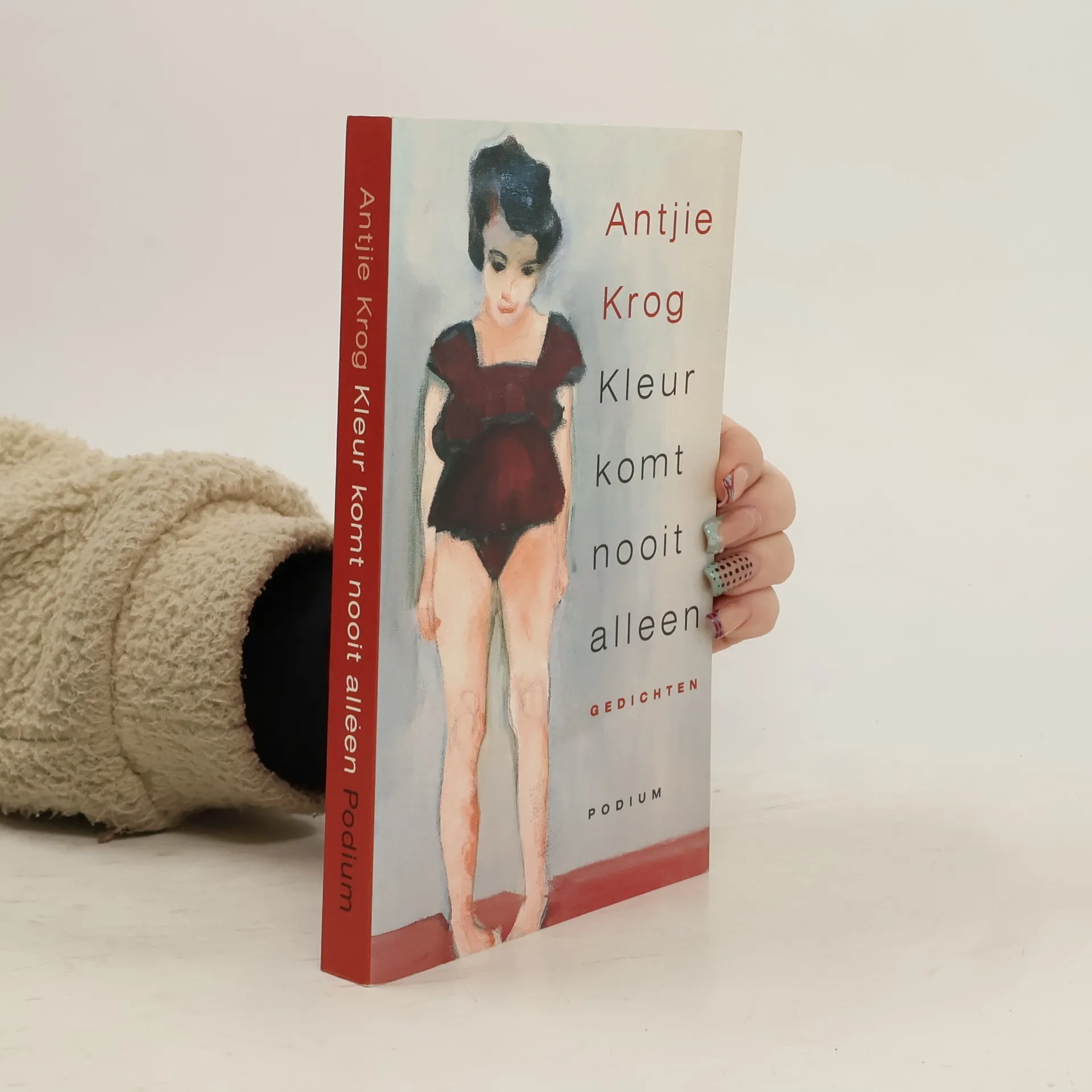
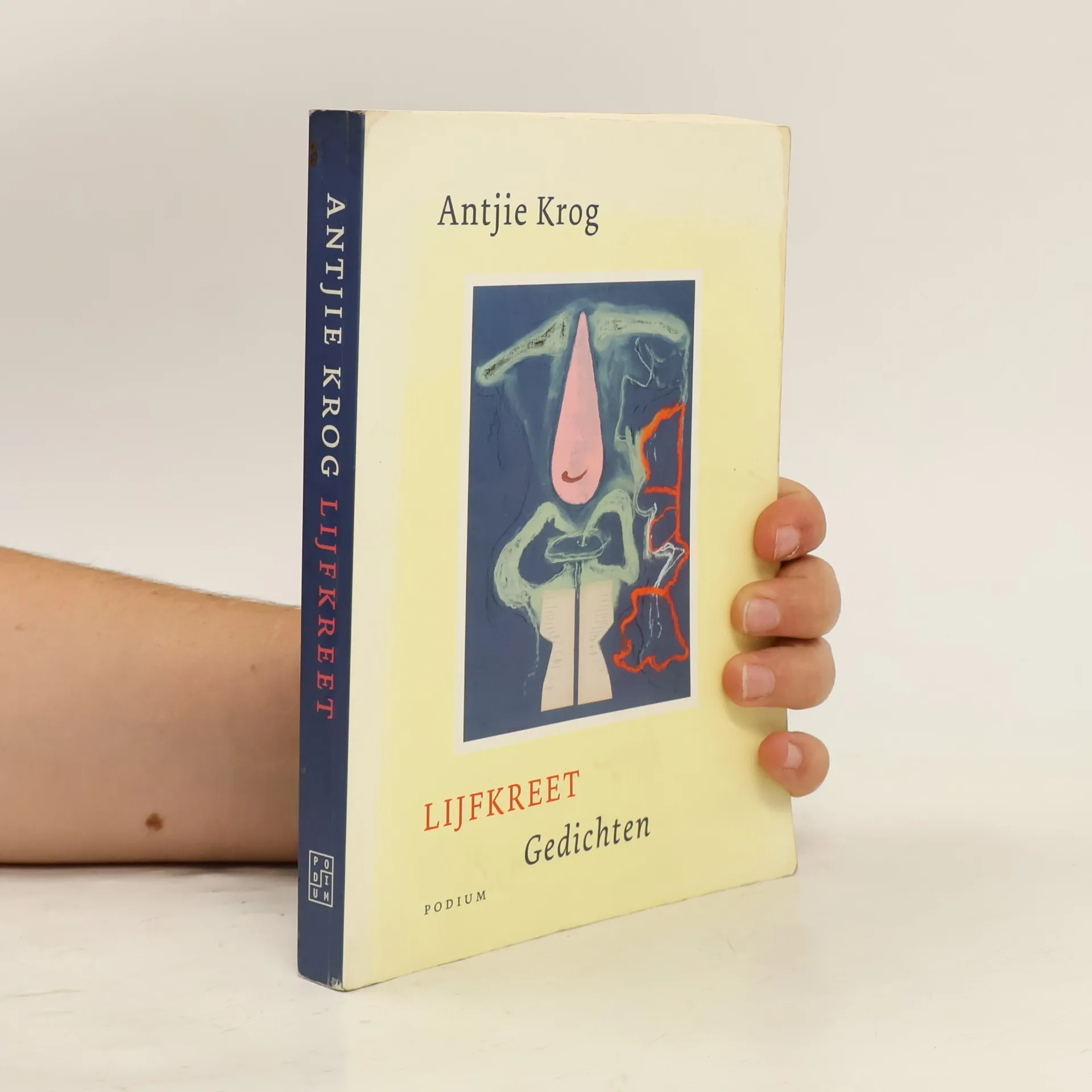
Gedichten van de Zuid-Afrikaanse dichteres (1952- ) met vertaling.
Verweerskrif is 'n bundel wat aftakeling en verwering vreesloos en ekstaties in die oog staar.
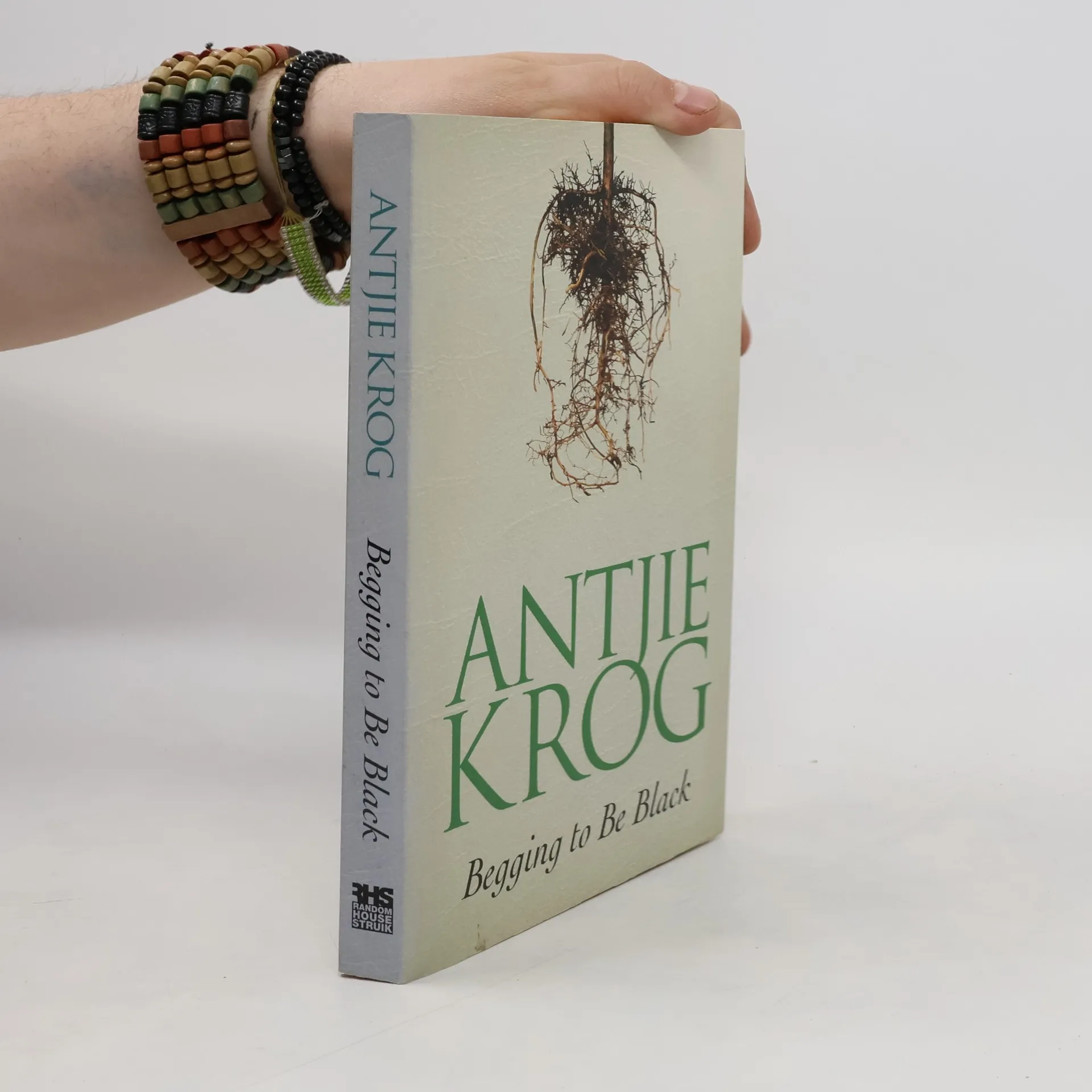
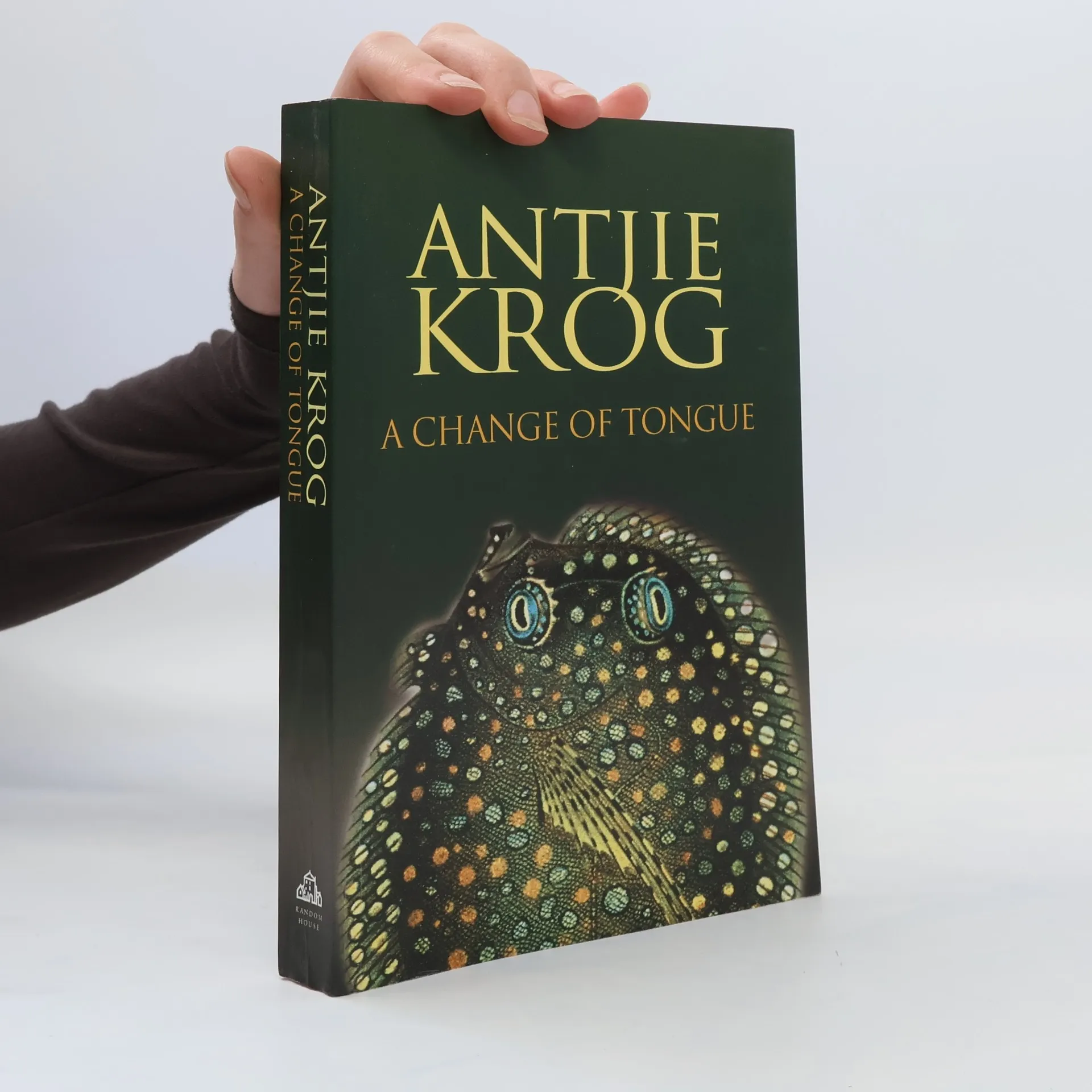
Identity, belonging and voyages of personal discovery are but some of the themes inventively explored in the author's first full-length work to appear in English since the publication of Country of my skull.In times of fundamental change, people tend to find a space, lose it and then find another space as life and the world transform around them. What does this metamorphosis entail and in what ways are we affected by it? How do we live through it and what may we become on our journey toward each other, particularly when the space and places from which we depart are - at least on the surface - so vastly different?Ranging freely and often wittily across many terrains, this brave book by one of South Africa's foremost writers and poets provides a unique and compelling discourse on living creatively in Africa today.
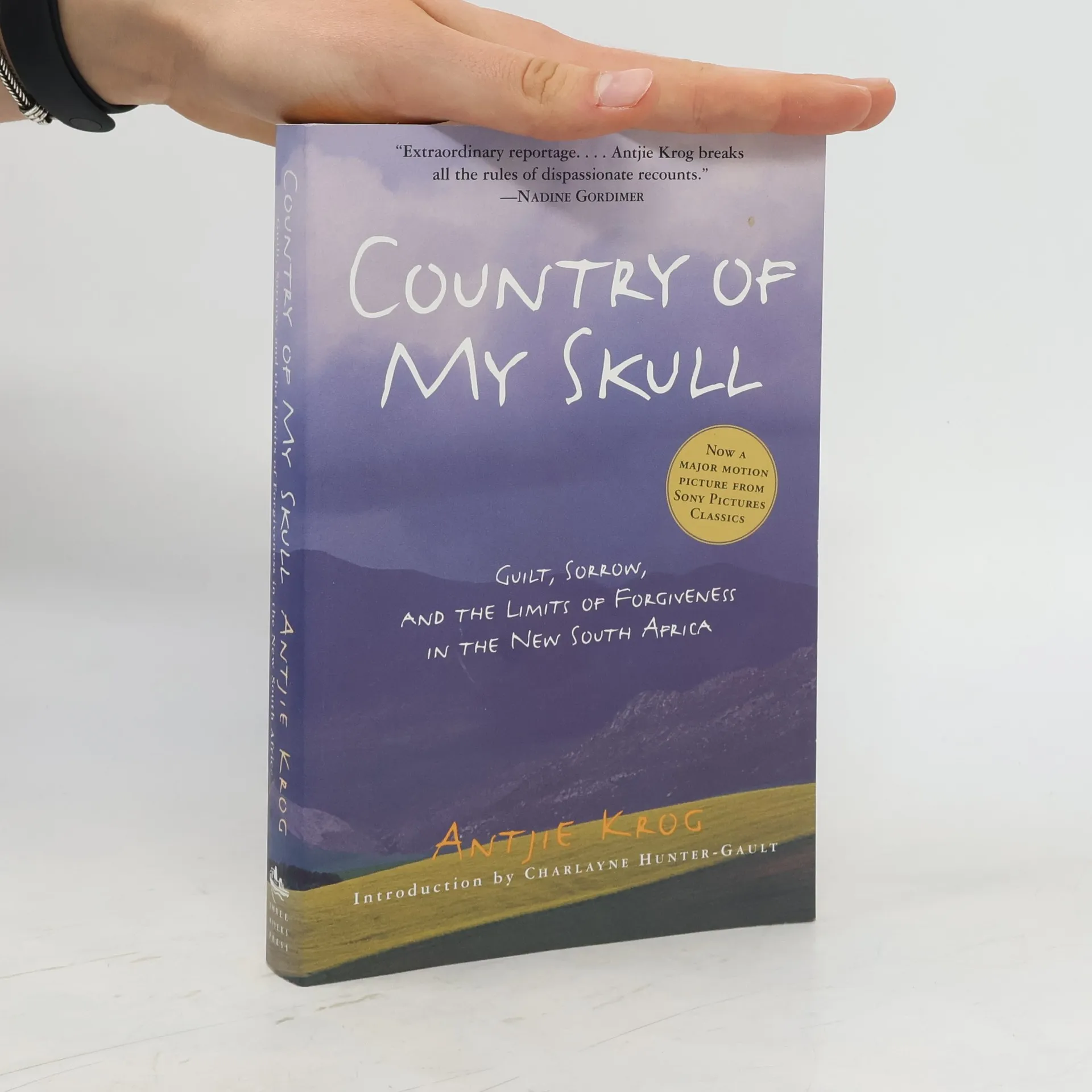
Guilt, Sorrow, and the Limits of Forgiveness in the New South Africa
The narrative explores South Africa's profound transformation following Nelson Mandela's release from prison in 1990, marking the end of apartheid. It delves into the dismantling of oppressive laws and the reunification of a nation previously divided by race. The book addresses the challenges of reconciling a painful history and fostering coexistence among communities once set against each other. Through this lens, it examines the resilience and potential of a country striving to heal and build a more equitable future.