La obra literaria de Helena Dermoût se caracteriza por su estilo narrativo único, que explora las complejidades de las relaciones humanas y el pasado. Sus escritos a menudo profundizan en temas como la memoria, la identidad y la búsqueda de sentido en la vida. El enfoque de la autora al escribir es poético y evocador, adentrándose en las profundidades psicológicas de sus personajes. Los lectores aprecian su habilidad para crear imágenes vívidas y narrativas cautivadoras que resuenan mucho después de la última página.
Een Moluks eiland, in de nadagen van de kolonialisering. Felicia, 'mevrouw van Keyntjes', woont alleen met haar bedienden op een afgelegen plantage aan een baai. Ze herinnert zich de doden en de levenden, met weemoed maar berustend in haar lot. <i>De tienduizend dingen</i> werd wereldwijd een groot succes. Toen de Engelse vertaling in 1958 in de Verenigde Staten verscheen, kwam de roman boven <i>Dr. Zhivago</i> en <i>Breakfast at Tiffany's</i> in de bestsellerlijsten terecht.
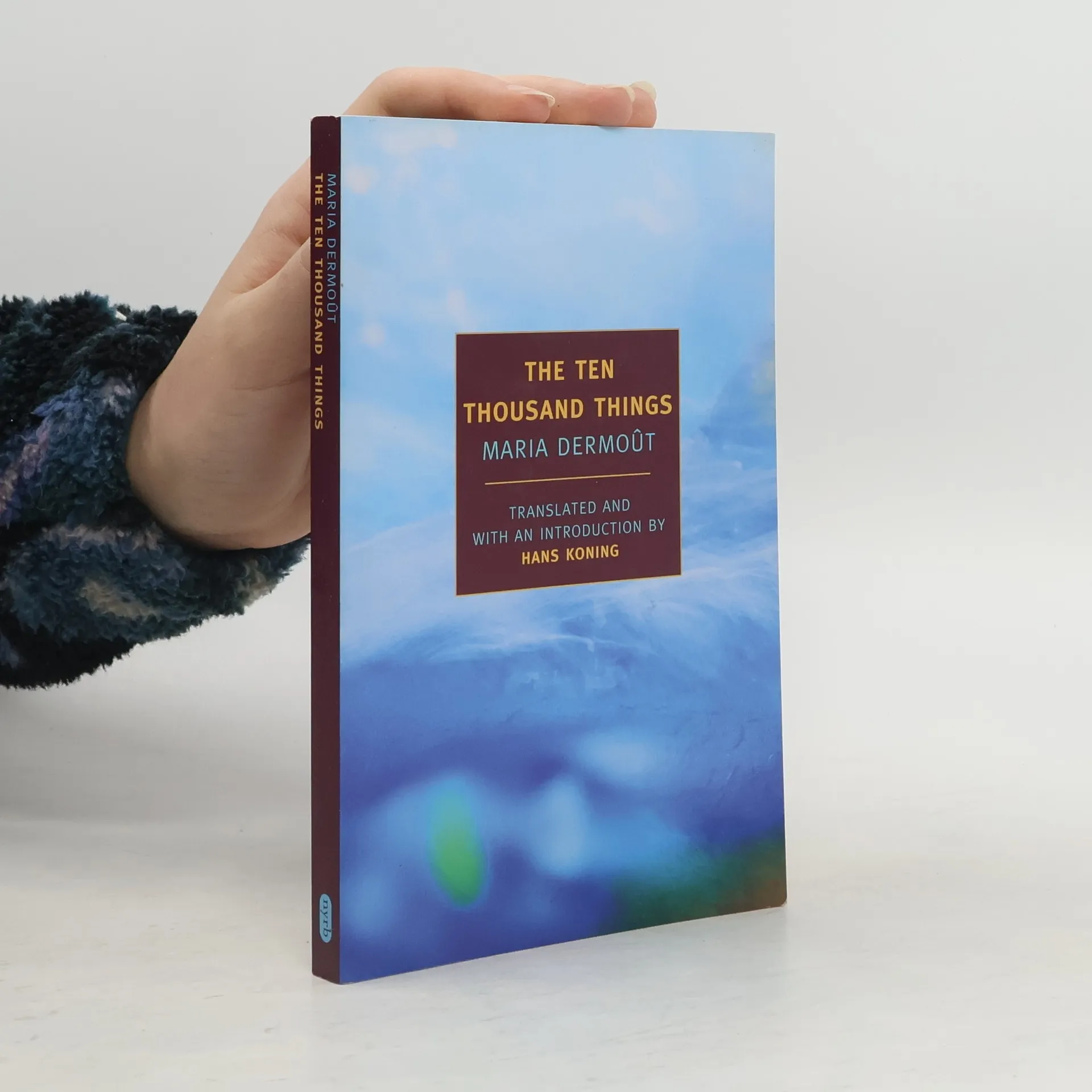
In Wild , Cheryl Strayed writes of The Ten Thousand Things : "Each of Dermoût’s sentences came at me like a soft knowing dagger, depicting a far-off land that felt to me like the blood of all the places I used to love.” And it's true, The Ten Thousand Things is at once novel of shimmering strangeness—and familiarity. It is the story of Felicia, who returns with her baby son from Holland to the Spice Islands of Indonesia, to the house and garden that were her birthplace, over which her powerful grandmother still presides. There Felicia finds herself wedded to an uncanny and dangerous world, full of mystery and violence, where objects tell tales, the dead come and go, and the past is as potent as the present. First published in Holland in 1955, Maria Dermoût's novel was immediately recognized as a magical work, like nothing else Dutch—or European—literature had seen before. The Ten Thousand Things is an entranced vision of a far-off place that is as convincingly real and intimate as it is exotic, a book that is at once a lament and an ecstatic ode to nature and life.
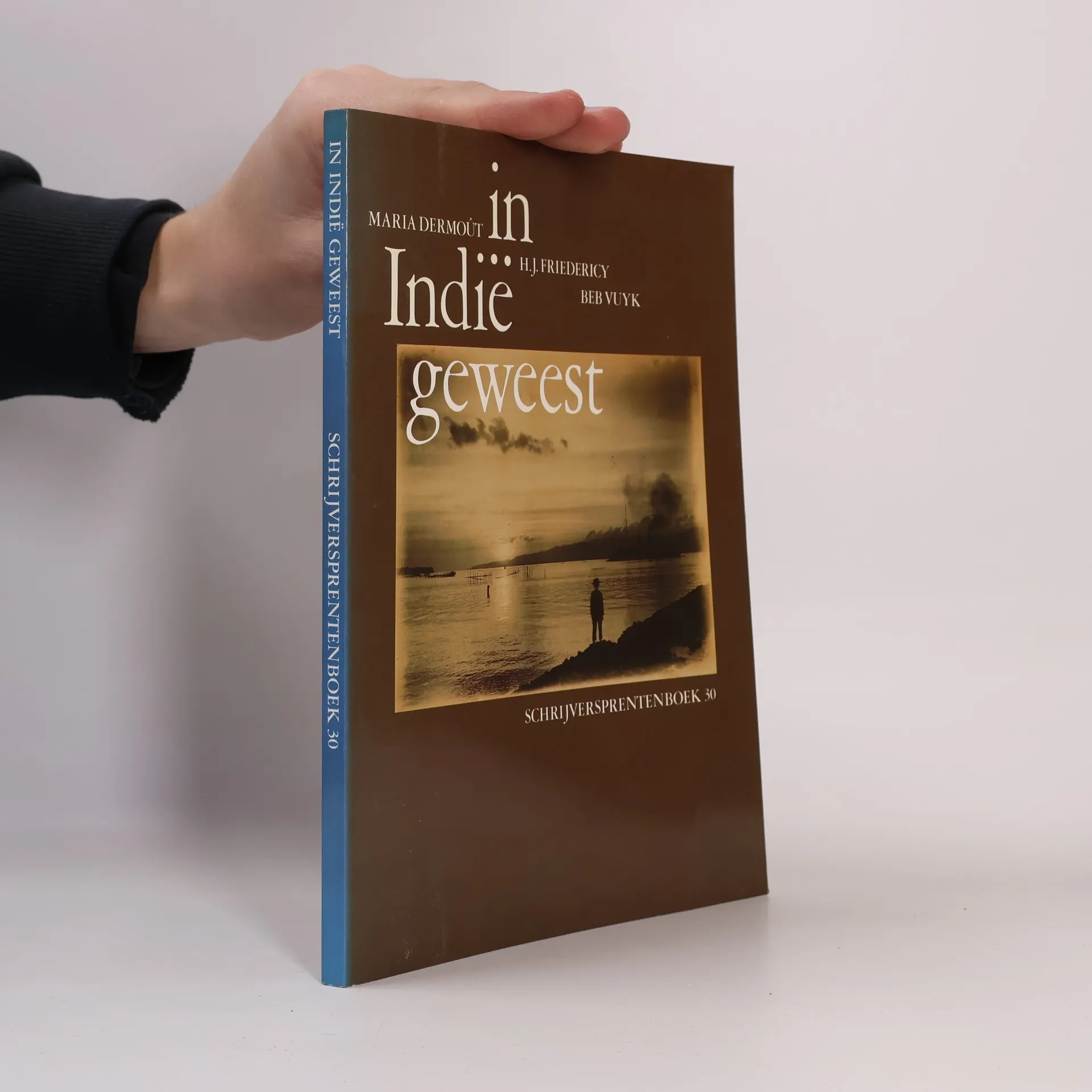
Schrijversprentenboek nummer 30, in Indië geweest, bevat drie essays en tientallen foto's over het leven en werk van drie 'Nederlands-Indische' schrijvers: Maria Dermoût, Beb Vuyk en H.J. Friedericy. Deze auteurs woonden in de laatste periode van het Nederlands koloniaal bewind en publiceerden hun verhalen voornamelijk in de jaren veertig en vijftig, tijdens de onafhankelijkheid van Indonesië. Alleen Vuyk voelde een directe verbinding met het nieuwe Indonesië; de anderen observeerden vanuit Nederland met een zekere afstand.
De verschillende achtergronden en stijlen van de drie schrijvers schetsen een veelzijdig beeld van Indië. Dermoût woonde op Ambon als vrouw van een rechter, terwijl Vuyk, als Indo-Europees, op het primitieve Boeroe leefde met haar Indo-Europese man. Friedericy was bestuursambtenaar op Celebes (Sulawesi) en verbleef ook op Java.
De verhalende stijlen van Vuyk en Friedericy zijn onderhoudend, nuchter en zakelijk, terwijl Dermoût's stijl invoelend en lyrisch is. Alle drie zijn ze beïnvloed door de orale traditie. Deze diverse aspecten van hun werk worden belicht in het boek, zowel in tekst als beeld.